
Anua Heartleaf Pore Control Cleansing Oil Review: Pores, Purging & The Truth Behind The Hype
The Essence
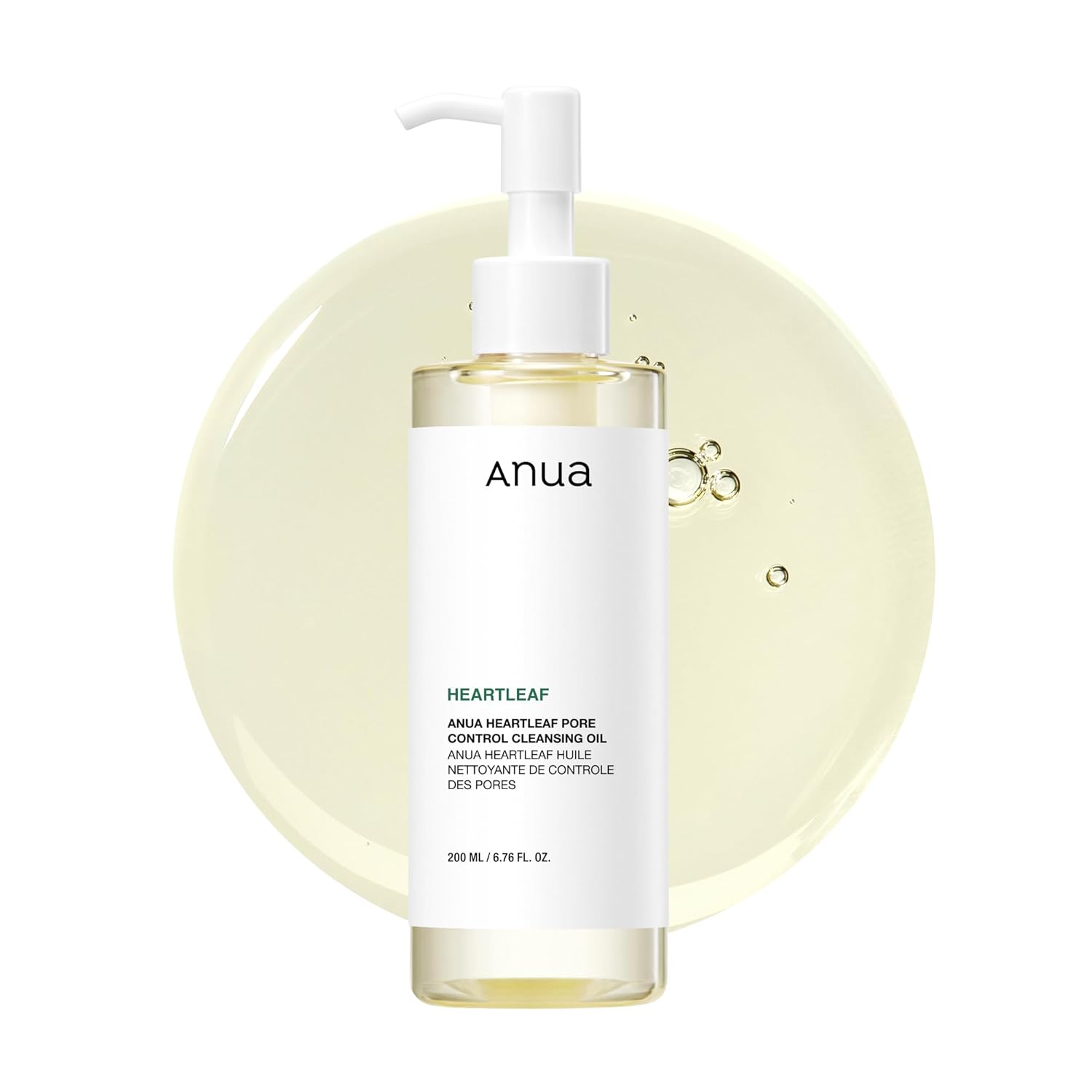
A Korean oil cleanser designed to melt away sunscreen, long‑wear makeup, and pore‑clogging sebum while wrapping the skin in a light, fluid veil of botanical oils. Powered by heartleaf extract and a blend of nourishing plant oils, it promises that coveted glass‑skin clarity when used as the first step of a double‑cleanse ritual.
Our Verdict
Anua Heartleaf Pore Control Cleansing Oil is the quintessential modern K‑beauty first cleanse: feather‑light, makeup‑melting, and quietly indulgent. In our testing, it excelled at dissolving sunscreen and tenacious pigments while leaving skin velvety and calm, never stripped. With patient massage, several testers watched stubborn sebaceous filaments soften and noses feel smoother, feeding into that coveted glass‑skin aesthetic.
Yet this is not a universally gentle hero. The combination of ethylhexyl palmitate, multiple plant oils, and fragrance proved too ambitious for some acne‑prone and sensitive complexions, triggering everything from mild congestion to full‑blown cystic or fungal‑type flare‑ups. The fragrance and pump design also divide opinion.
Our verdict: a beautiful, pore‑supportive cleansing ritual for resilient normal‑to‑dry and balanced combo skin that double‑cleanses diligently. If your skin is reactive or breakout‑prone, approach this as a considered splurge, not an automatic staple—and patch test like a professional.
Makeup & Sunscreen Removal
This is where the formula shines. In our testing, it melted long‑wear foundation, SPF, waterproof mascara, and budge‑proof lip colors with minimal effort. Once properly emulsified, there was virtually no pigment left on our cotton pads after a second cleanse.
Skin Softness & Comfort
The after‑feel is plush and pampered. Skin emerges from rinse‑off noticeably softer, cushioned, and hydrated rather than squeaky or tight. For dry and combination complexions, it slots beautifully into a barrier‑respectful evening routine.
Pore & Blackhead Care
Our performance analysis reveals a split verdict. Some testers saw visible “gritty” sebum plugs lifting from the nose and chin and, over time, a more refined look to pores. Others saw little change—or even increased congestion. It’s a helpful support step, not a standalone pore treatment.
Skin Clarity & Breakout Management
Here, the trade‑offs of luxury are stark. While several testers reported clearer, more even complexions, a meaningful number—especially with sensitive or acne‑prone skin—developed new breakouts or persistent bumps. Patch testing and cautious introduction are non‑negotiable if you’re breakout‑prone.
Scent & Sensory Experience
The fragrance profile—rose, green, and rosemary nuances—creates a spa‑adjacent experience that many of us found soothing and elegant. However, the scent is not shy; for fragrance‑sensitive noses, it veers into overpowering and can even feel irritating around the eyes.
Texture & Rinse-Off
The oil itself is beautifully light, almost watery, gliding over skin with ample slip and emulsifying into a milky veil on contact with water. When massaged and rinsed thoroughly (ideally followed by a water‑based cleanser), it leaves minimal residue—though some oily‑skin testers still felt a film without a second cleanse.
Packaging & Usability
The tall bottle and pump feel modern and hygienic, but the mechanism is over‑eager. The pump tends to shoot out a full, forceful dose, making it hard to control and occasionally messy. We loved the look, but wished for a more refined, precision dispense.
Overall Quality & Value
Considering its performance against prestige oil cleansers, this sits in a sweet spot of accessible luxury. The formula feels elevated, the cleanse is thorough, and for the right skin type it can rival far pricier options—though those with reactive skin may find the cost is in trial‑and‑error.
Pros & Cons
The Good
- Lightweight, fluid oil texture that emulsifies easily and rinses without a heavy film when properly worked in
- Exceptionally effective at removing sunscreen, long‑wear and waterproof makeup, including stubborn mascara and matte lip products
- Leaves skin feeling soft, supple, and buttery smooth; many testers noticed a more refined, glowy, glass‑like complexion
- Can visibly loosen sebaceous filaments and pore gunk with thorough massage, especially around nose and chin
- Non‑stripping: skin feels hydrated and balanced rather than tight, making it comfortable for dry and combination skin
- Vegan, cruelty‑free formula with heartleaf and multiple botanical oils for a soothing, spa‑like cleansing ritual
- Works beautifully as the first step in a double‑cleanse routine and pairs well with gentle foaming or cream cleansers
The Bad
- High incidence of breakouts, congestion, or even cystic and fungal‑type acne in sensitive, acne‑prone, or oily skin despite non‑comedogenic testing
- Fragrance is noticeable and polarizing — some find it fresh and light, others find it strong, synthetic, or headache‑inducing
- Very thin, runny texture plus an aggressive pump can make dispensing messy and hard to control
- Pore‑clearing and blackhead claims are inconsistent; some see dramatic decongestion, others see little to no change
Insights from our Panel of Experts
What Lovers Say
Those of us who fell for this cleansing oil fell hard. In our testing, it became the product we kept reaching for on heavy makeup days: it liquefies foundation, sunscreen, and even “funeral‑proof” eyeliner without tugging or stinging. Skin feels silky, cushioned, and calm afterward, not parched. Several testers with clogged T‑zones noticed smoother noses, fewer visible sebaceous filaments, and a subtly brighter, more glass‑like tone over a few weeks. For dry and combination skin in particular, it delivered that rare mix of deep cleanse and comforting softness.
What Critics Say
Our testing also revealed a very real downside: a notable portion of our acne‑prone and sensitive‑skin testers experienced increased congestion, painful breakouts, or even fungal‑type bumps after days to weeks of use. The inclusion of ethylhexyl palmitate and fragrance appears to be a tipping point for reactive skin. Others found the scent too strong, the pump too forceful, or the formula underwhelming for true blackhead removal. The takeaway: this is not a universally forgiving oil cleanser, despite the hype.
The Matchmaker
Is this the right addition to your collection? Let's verify compatibility.
Perfect For You If...
If you love a luxurious yet lightweight oil cleanse, wear SPF and makeup daily, and your skin tends to be normal, dry, or balanced‑combination, this is a strong contender. You’ll especially appreciate it if you enjoy a sensorial ritual and are already committed to double cleansing.
Skip This If...
You prefer fragrance‑free formulas, know you’re prone to fungal acne, or have very sensitive, easily congested, or actively inflamed acneic skin. In that case, you’re better served by a simpler, non‑comedogenic oil or balm cleanser with no perfume and fewer potential triggers.
Texture, Scent & The Cleansing Ritual
The first surprise with Anua Heartleaf Pore Control Cleansing Oil is its texture. This isn’t a heavy, syrupy oil; it pours almost like a silken serum, gliding across dry skin with just enough slip to encourage a slow, deliberate massage. On contact, it hugs every contour—nose wings, jawline, lash line—without dragging or feeling suffocating.
The scent is where the experience polarizes. The brand leans into a rose‑green‑rosemary accord to mask the raw smell of surfactants and oils. To some of us, it read as a soft, herbaceous floral that made the bathroom feel like a small spa. To others, it was distinctly “product‑y”—reminiscent of hotel toiletries or even a faint “old oil” note in certain batches. If you’re fragrance‑averse or prone to scent‑triggered irritation, this is a serious consideration.
During use, the oil remains fluid rather than thickening, which makes it easy to work into congested areas but also means it can run through the fingers if you rush. Add a drizzle of water and it transforms into a milky veil that rinses away cleanly when you take your time. The overall ritual feels indulgent yet quick enough for a weekday night—provided you respect the choreography: dry hands, dry face, slow massage, then gradual emulsification.
Pores, Sebaceous Filaments & What It Really Does
This cleansing oil has gone viral for its promise to “pull gunk” from pores—so we pushed it hard on congested skin. We focused on noses, chins, and inner cheeks, massaging on dry skin for a full minute or more before emulsifying. On several testers with visible sebaceous filaments, we felt and saw tiny gritty specks lifting under the fingertips, particularly in the first week of use. Noses felt smoother and less bumpy, and some reported that those stubborn dots looked lighter and less obvious over time.
But let’s calibrate expectations. This is not a magic blackhead vacuum. For other testers, especially those already using acids or retinoids, there were no dramatic “sand” moments. Pores looked a touch more refined thanks to better cleansing and hydration, but entrenched blackheads and closed comedones largely remained. A few even noticed that, despite a squeaky‑clean feel, blackheads on the nose were unchanged.
Our performance analysis reveals a pattern:
- Best results appeared on combination or oily‑leaning skin with noticeable filaments and inconsistent cleansing habits before introducing this oil.
- Moderate results on well‑exfoliated, skincare‑savvy routines—nice softness, subtle refinement, but no miracles.
- Problematic results on very sensitive, acne‑prone, or fungal‑acne‑prone skin, where the same deep massage that helps some pores seemed to aggravate others.
Think of this as a sophisticated support act for pore maintenance. It can help keep filaments from looking congested when used consistently and correctly, but it won’t replace targeted actives for true blackheads or comedones.
Breakouts, Purging & Who Should Be Careful
Here’s where we remove the rose‑tinted filter. While many of us enjoyed clearer, smoother skin with this cleanser, a striking subset experienced the opposite: clusters of whiteheads, painful cysts along the jawline and temples, or a rash of tiny, uniform bumps that screamed fungal‑type acne.
The likely culprits? The formula leans on ethylhexyl palmitate as a primary emollient alongside several rich plant oils. It has passed non‑comedogenic testing on acne‑prone skin, but real‑world faces are more nuanced. On resilient or drier complexions, that richness translated to comfort and glow. On reactive, oily, or congestion‑prone skin, it sometimes tipped into overload—especially with vigorous, frequent use and inadequate rinsing.
We also can’t ignore the fragrance. Although marketed as mild, some testers developed redness, itching, or a burning sensation around the cheeks and eye area, even when the cleanse itself felt pleasant. A few with normally non‑sensitive skin saw diffuse redness and barrier upset emerge only after several weeks of use.
Our expert considerations:
- If you are very acne‑prone, fungal‑acne‑prone, or have a history of reacting to richer esters, this is a high‑risk experiment.
- If you decide to try it, patch test on a small area for 1–2 weeks, and introduce it just a few nights per week before going nightly.
- Always follow with a water‑based cleanser and rinse meticulously, especially along the hairline, jaw, and around the nose.
For robust normal‑to‑dry skin, these issues were rare. For sensitized, inflamed, or oily‑acneic skin, they were common enough that we cannot, in good faith, call this universally “safe.”
How To Use It For Maximum Benefit (And Minimal Drama)
Technique makes or breaks this cleanser. When we followed a precise ritual, results were consistently better—more effective makeup removal, smoother texture, and fewer complaints of residue or breakouts.
A routine we recommend:
- Start with completely dry skin and dry hands. Any water on the face will dilute the oil before it can bind to sebum and makeup.
- Dispense 1–2 controlled pumps into your palm. Because the pump can be over‑zealous, press it gently or half‑way; cupping your hand close to the nozzle helps catch the thin oil.
- Massage for 60–90 seconds. Use upward strokes on the forehead, circular motions from nose to ears over cheeks and jaw, and tiny circles around the nose and chin. Linger on areas with SPF, long‑wear makeup, or congestion.
- Emulsify slowly. Wet your hands lightly and continue massaging until the oil turns milky white. Add water in stages rather than splashing all at once.
- Rinse thoroughly, then double cleanse. Follow with a gentle water‑based cleanser—foaming, gel, or cream depending on your skin type—to remove every trace of oil and fragrance.
We found that:
- Using it 2–3 evenings a week was a sweet spot for more reactive testers.
- Those with dry or makeup‑heavy routines comfortably used it nightly.
- Skipping the second cleanse or rushing the rinse was when residue, greasiness, or new congestion crept in.
Think of this as a short, nightly facial massage rather than a quick wash. The more intentional you are, the more you’ll see its strengths—and the less likely you are to encounter its pitfalls.
Ingredients & Formula Philosophy
At its core, this is a modern Korean oil cleanser built on a blend of esters, plant oils, and soothing botanicals. The base features ethylhexyl palmitate and caprylic/capric triglyceride for that lightweight slip, supported by emulsifiers like Sorbeth‑30 Tetraoleate so the oil can rinse away with water.
The oil blend reads like a pantry of skin‑loving staples: sunflower, macadamia, olive, jojoba, grape seed, and moringa oils. Together, they help dissolve oil‑soluble impurities while lending a soft, conditioned after‑feel. In our testing, this translated to that buttery, post‑facial smoothness so many people rave about.
Then there’s the heartleaf (Houttuynia cordata) extract at 10,000 ppb, the namesake ingredient prized in K‑beauty for its calming, anti‑inflammatory properties. It’s joined by turmeric, neem flower/leaf/bark, holy basil, and marine algae extracts—an antioxidant‑rich chorus aimed at soothing and supporting skin under the stress of daily cleansing.
Preservation is handled with caprylyl glycol and ethylhexylglycerin, avoiding parabens and sulfates. The formula is vegan and cruelty‑free, aligning with a more conscious, prestige‑yet‑accessible positioning.
The trade‑off of this lush ingredient list is complexity: more botanicals and richer esters mean more potential triggers for the most reactive skin. For many, it’s a beautifully balanced, sensorial formula. For a notable few, it’s simply too much of a good thing. As always, your skin history should guide whether this level of complexity feels like a treat or a risk.
Buying Guide
Consultant's Breakdown
Expert analysis to help you decide.
Consider this a thoughtful luxury, not an automatic staple. For normal, dry, and balanced combination skin that wears daily SPF and makeup, it offers prestige‑level cleansing and a pampering ritual at a comparatively accessible price. If you’re reactive or acne‑prone, your money may be better spent on a simpler, fragrance‑free oil cleanser with a cleaner track record for breakouts.
Where this formula stands out is its balance of lightness and nourishment: thinner and less cloying than many balm cleansers, yet more cushioning than ultra‑watery micellar‑style oils. It competes credibly with cult Japanese and K‑beauty oils for makeup removal, while adding heartleaf and a more elaborate botanical story for those who enjoy a sensorial ritual.
From our testing, this works best on normal, dry, and combination skin that isn’t extremely reactive. Dry and dehydrated complexions appreciate the softness and lack of tightness post‑rinse. Oily and acne‑prone testers had mixed experiences—some saw clearer pores, others significant breakouts—so those skin types should proceed with caution and a strict double‑cleanse.
This cleansing oil feels especially at home in cooler or drier seasons, when central heating and wind can strip the skin and a cushioned cleanse is welcome. In hot, humid months or for very oily skin, it can feel a touch heavy unless you are meticulous with your second cleanse and keep usage to evenings.
Specifications
| Manufacturer | COSMECCA KOREA CO., Ltd. / COSMAX, INC. — Korean skincare manufacturer |
|---|---|
| Product Dimensions | 24.6 x 25.3 x 26.7 inches; lightweight liquid oil cleanser |
| Safety Information | Avoid use on broken or compromised skin. Discontinue and consult a doctor if rash, swelling, irritation, or other reactions occur. Keep out of reach of children and away from direct sunlight. |
| Ingredients | Ethylhexyl Palmitate, Sorbeth-3O Tetraoleate, Sorbitan Sesquioleate, Caprylic/Capric Triglyceride, Butyl Avocadate, Fragrance, Sunflower Seed Oil, Macadamia Seed Oil, Olive Fruit Oil, Jojoba Seed Oil, Grape Seed Oil, Caprylyl Glycol, Ethylhexylglycerin, Turmeric Root Extract, Neem flower/leaf/bark extracts, Tocopherol, Heartleaf (Houttuynia Cordata) Extract 10,000ppb, Corallina Officinalis Extract, Moringa Oleifera Seed Oil, Holy Basil (Ocimum Sanctum) Extract. |
Our Testing Methodology
We tested Anua Heartleaf Pore Control Cleansing Oil over several weeks as the first step in a double‑cleanse routine across dry, normal, combination, oily, and acne‑prone skin. We used it nightly on makeup and SPF days, and a few times weekly on bare‑skin days, always on dry skin with a timed 60–90‑second massage before emulsifying and following with a gentle water‑based cleanser. We tracked makeup removal, pore texture, skin softness, and any signs of irritation or breakouts, paying close attention to noses, chins, jawlines, and sensitive eye areas.
Frequently Asked Questions
Efficacy & Performance
Yes. In our testing it dissolved long‑wear foundation, high‑SPF sunscreen, waterproof mascara, and matte lip products with ease when applied to dry skin and massaged for about a minute. A proper emulsification with water and a follow‑up cleanser left no visible makeup behind.
It can help, but it isn’t a magic eraser. With slow massage, several testers felt gritty sebum plugs lifting from the nose and chin and saw smoother texture over time. Others saw little change. It’s best viewed as a pore‑supportive first cleanse, not a replacement for targeted exfoliating treatments.
It will remove a lot on its own, but we don’t recommend using it as a standalone cleanse—especially if you wear SPF or makeup. Our skin felt cleanest and least congested when we always followed with a gentle water‑based cleanser to remove residual oil, fragrance, and impurities.
Softness and that just‑had-a-facial smoothness were noticeable after the first few uses. Improvements in pore appearance and overall clarity, where they occurred, tended to emerge over several days to a few weeks of consistent evening use. Some reactive testers, however, saw breakouts within days instead of benefits.
When properly emulsified with water and followed by a second cleanser, it left our skin feeling cushioned but not greasy. If we rushed the massage or skipped double cleansing, a few testers—especially with oily skin—noticed a slight film and preferred to follow with a foaming wash or toner.
Ingredients & Sensitivities
The formula is built on lightweight emollients like ethylhexyl palmitate and caprylic/capric triglyceride, plus plant oils such as sunflower, macadamia, olive, jojoba, grape seed, and moringa. It’s anchored by heartleaf (Houttuynia cordata) extract, with turmeric, neem, holy basil, and marine algae for soothing and antioxidant support.
Yes, it contains fragrance designed around rose, green, and rosemary notes to mask raw oil and surfactant odors. On skin, we found it noticeable and lingering during use—pleasantly spa‑like to some, but too strong or even irritating for those sensitive to perfume in skincare.
The cleansing oil is vegan and cruelty‑free, and it avoids animal‑derived ingredients. It’s produced by a Korean manufacturer with a strong foothold in modern K‑beauty, and the brand does not test on animals.
It has passed non‑comedogenic testing on acne‑prone skin, but our real‑world testing showed mixed results. Some acne‑prone testers saw clearer pores; others developed increased congestion or even cystic breakouts. If you’re breakout‑prone, patch test and introduce it gradually rather than diving into daily use.
No. The formula is free of parabens and sulfates. It relies on milder preservatives like caprylyl glycol and ethylhexylglycerin and uses synthetic emulsifiers to ensure the oil rinses off cleanly with water.
Safety, Irritation & Breakouts
It can. While many experienced smoother, clearer skin, a notable number—especially with sensitive, oily, or acne‑prone skin—developed new whiteheads, cystic breakouts, or fungal‑type bumps. Some of this may be purging, but persistent or worsening acne after a few weeks is a sign to stop using it.
It’s hypoallergenic and non‑irritation tested, but that doesn’t guarantee compatibility. Several testers with otherwise non‑sensitive skin developed redness, itching, or burning, likely from the fragrance or richer esters. If you’re very sensitive or rosacea‑prone, patch test carefully and consider a fragrance‑free alternative first.
Yes, it might. Some oils and esters in the formula can feed Malassezia, the yeast involved in fungal acne, and a few testers developed uniform, itchy bumps consistent with that picture. If you struggle with fungal acne or KP, we’d recommend a more minimalist, fungal‑safe cleanser instead.
We were able to use it around the eyes to remove mascara and liner without significant stinging when eyes were kept closed and contacts removed beforehand. If it does get into your eyes, rinse thoroughly with water. Those very sensitive to fragrance around the eye area may still find it irritating.
Stop using it immediately and simplify your routine to a gentle, fragrance‑free cleanser and bland moisturizer. If redness, swelling, or discomfort persist, consult a dermatologist. Re‑introducing it after a reaction is not advisable, as sensitization often worsens with repeated exposure.
Application & Routine Integration
We found 1–2 pumps sufficient for a full face, including eye makeup, thanks to the very fluid texture. Because the pump can be forceful, aim for the lower end, then add a half‑pump more if you’re wearing heavy or long‑wear makeup that needs extra work.
Always start on completely dry skin and dry hands. Water prematurely emulsifies the oil, reducing its ability to bind to makeup and sebum. Once you’ve massaged thoroughly, then add small amounts of water to turn it milky and help it rinse away.
You can, but we generally preferred it at night when there’s more SPF, pollution, and makeup to remove. In the morning, especially for oilier skin, a gentle water‑based cleanser or even a splash of water may be sufficient and less likely to overburden the skin.
Aim for 60–90 seconds of massage on dry skin, focusing on congested areas like the nose, chin, and inner cheeks. That window seemed to balance effective dissolution of makeup and sebum with not overworking or irritating the skin, especially for more delicate complexions.
For the vast majority of routines, yes. Following with a gentle foaming, gel, or cream cleanser ensured our skin felt truly clean and reduced the risk of residue‑related congestion or irritation. Double cleansing is particularly important for oily, acne‑prone, or heavily made‑up skin.
Results, Expectations & Troubleshooting
Those viral clips are, at best, highly edited and dramatized. In real life, some of us felt tiny gritty bits as sebaceous filaments loosened, but we didn’t see dramatic chunks rolling off. Improvement tends to look like smoother texture and less visible dots over time, not instant pore extractions.
That usually means either the oil wasn’t emulsified long enough or a second cleanse was too light. Spend more time massaging with a bit of water until it turns fully milky, then follow with a water‑based cleanser, paying attention to the hairline, jaw, and sides of the nose where residue can linger.
Yes, but introduce it thoughtfully. Because this step already involves massage and fragrance, we preferred to use gentler follow‑up routines on nights with retinoids or strong acids. If your skin is easily irritated, avoid stacking too many potentially sensitizing steps in one evening.
It’s not designed as a treatment for hormonal acne or signs of aging. While it can support overall skin health by removing buildup gently and maintaining softness, you’ll still need targeted serums or treatments for breakouts, fine lines, or loss of elasticity.
Using roughly 1–2 pumps in the evening, we found a bottle comfortable for several weeks to a few months, depending on how generously you dispense and whether you double cleanse nightly. The very fluid texture means a little can go a surprisingly long way once you master the pump.
Miscellaneous & Practicalities
Yes, many of our mature‑skin testers appreciated how soft, hydrated, and non‑tight their faces felt afterward. It’s an elegant first step for removing makeup and SPF, though it doesn’t directly address wrinkles or firmness—you’ll still want targeted treatments for those concerns.
In terms of makeup removal and post‑cleanse comfort, it held its own against several more expensive oils we’ve used. The texture is lighter than some classic balms and the botanical story more elaborate. The main differentiators are the stronger scent and a higher risk of breakouts in reactive skin.
Absolutely. That’s how we enjoyed it most—applied generously to melt makeup and sunscreen, then followed by our usual gel or cream cleanser. Used this way, it functions as an elevated makeup remover that slots easily into an existing routine.
Start by using it 2–3 evenings per week in place of your usual makeup remover or first cleanse. Keep the rest of your routine unchanged and watch your skin for two weeks. If everything looks and feels good—no new congestion or irritation—you can gradually increase frequency.
Keep it tightly closed, away from direct sunlight and heat—ideally in a cool, dry cabinet rather than the shower. This helps preserve the integrity of the plant oils and fragrance, and reduces the risk of any packaging‑related issues like mold under caps or degraded scent.
The Curated Edit
Curated based on the unique characteristics of Anua Heartleaf Pore Control Cleansing Oil.
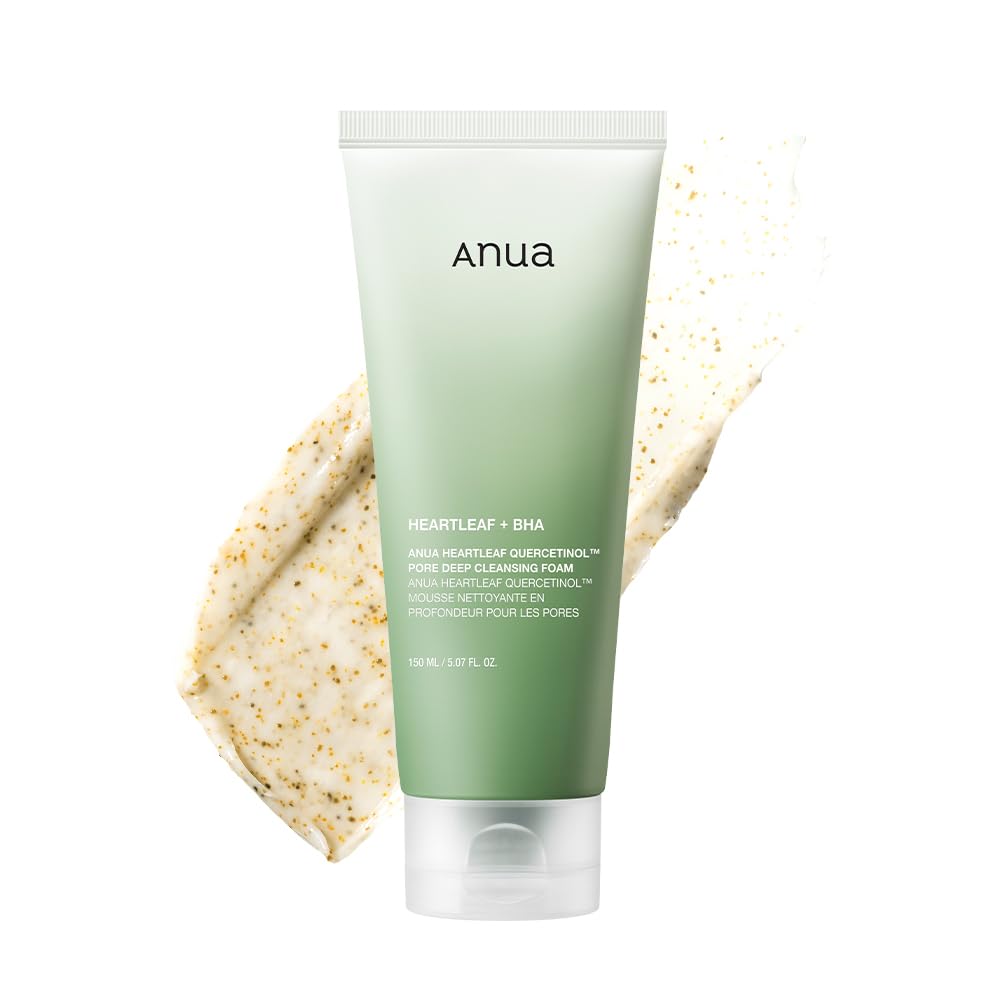
ANUA Heartleaf Quercetinol Pore Deep Cleansing Foam
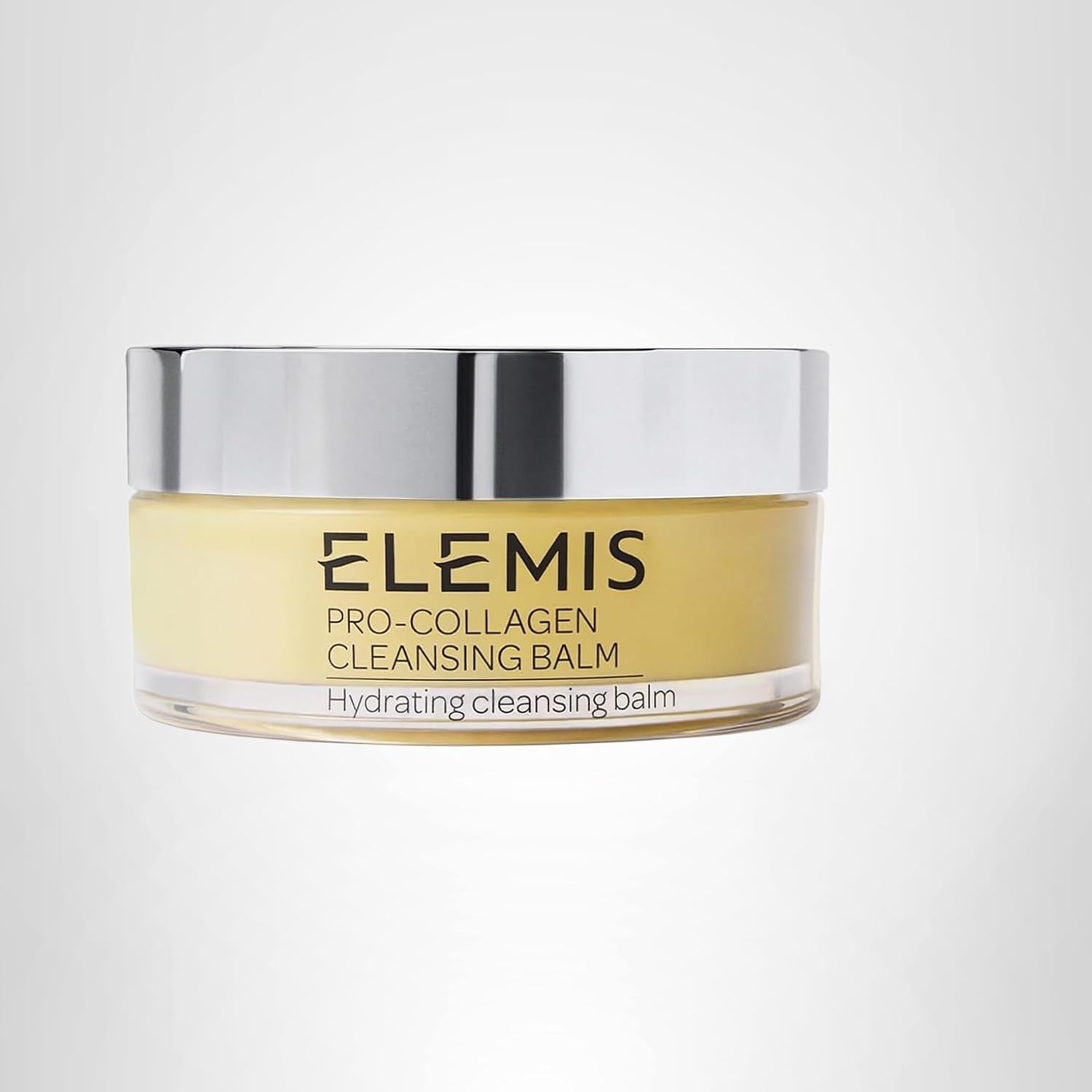
ELEMIS Pro-Collagen Cleansing Balm Makeup Remover
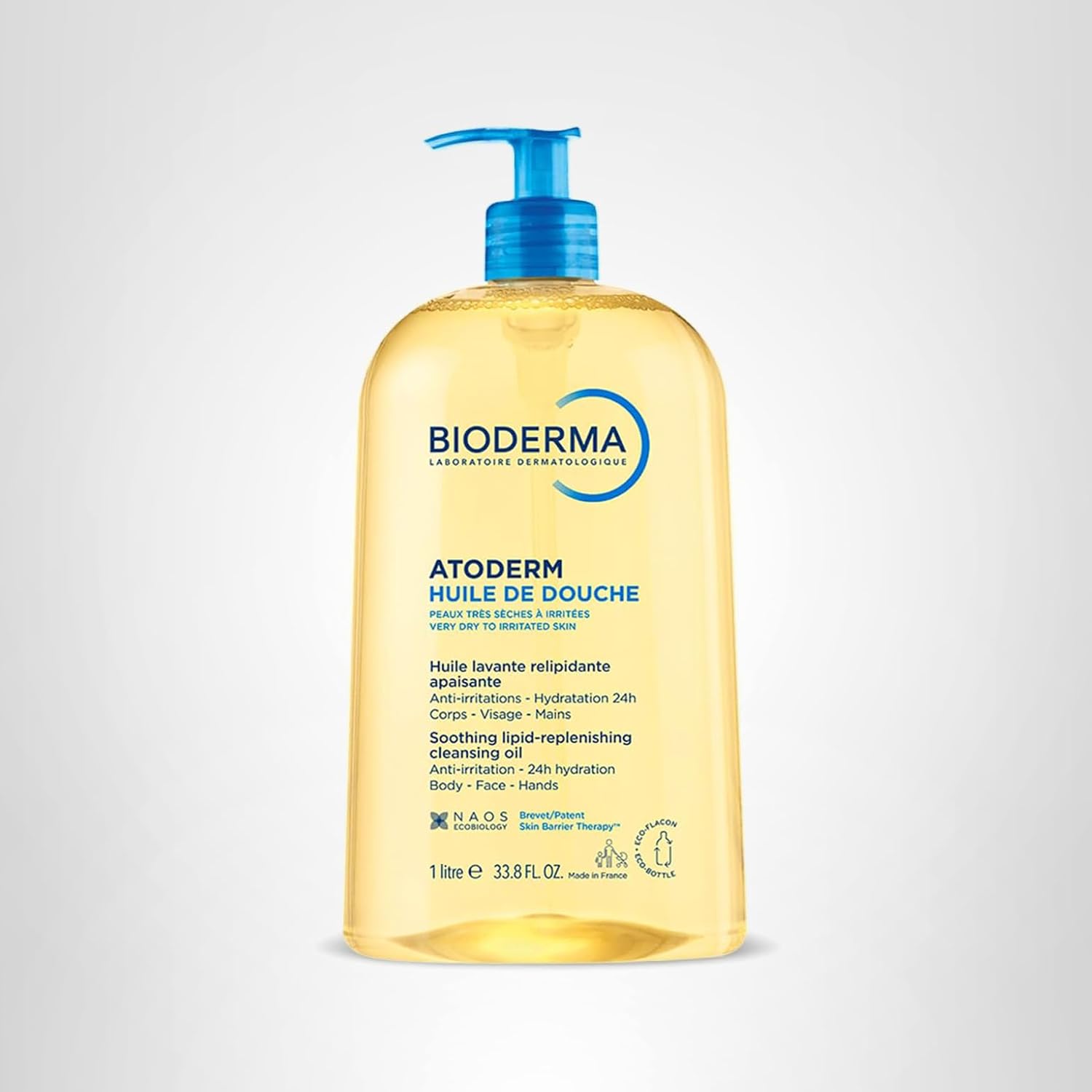
Bioderma Atoderm Shower Oil Cleansing Oil for Face & Body
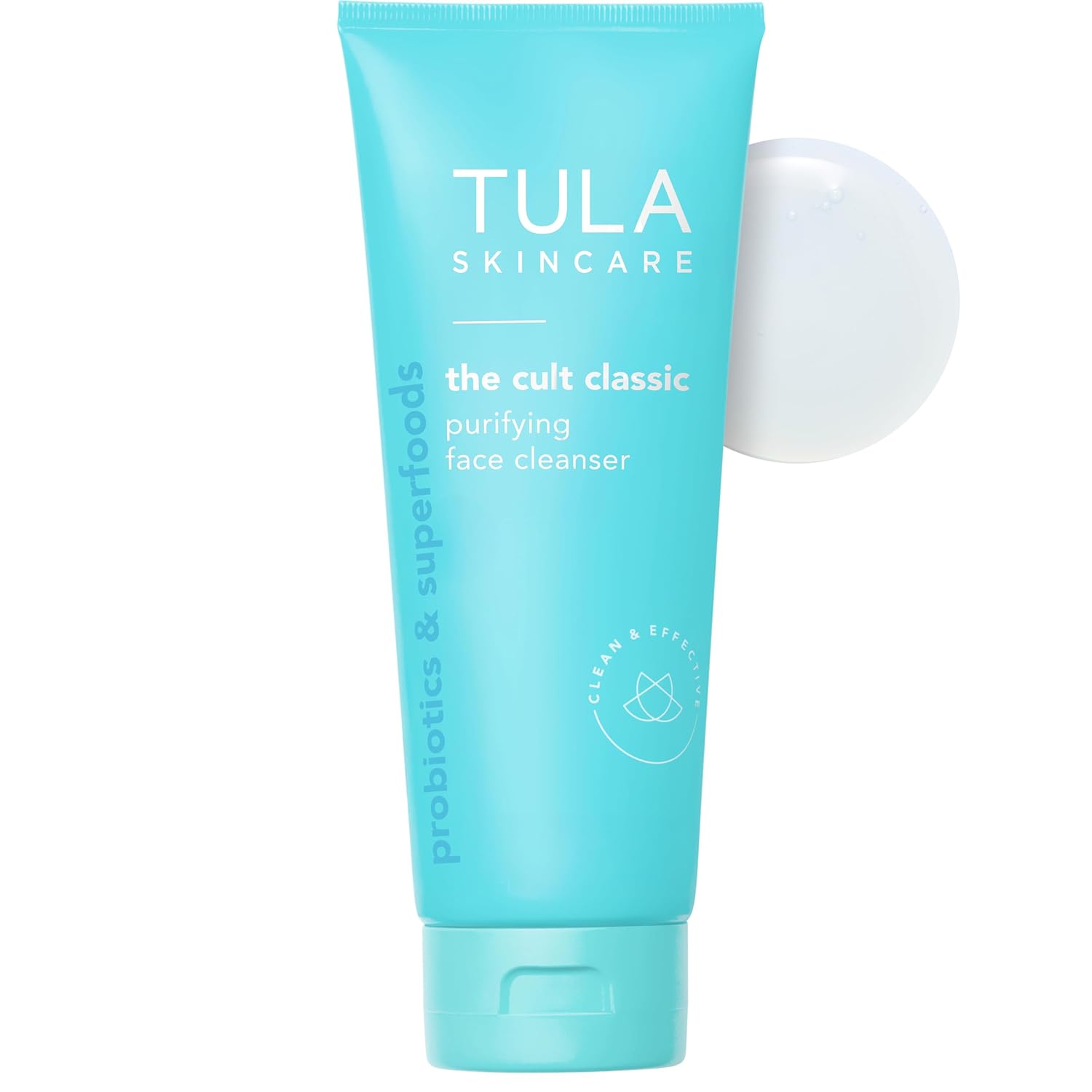
TULA The Cult Classic Purifying Face Cleanser
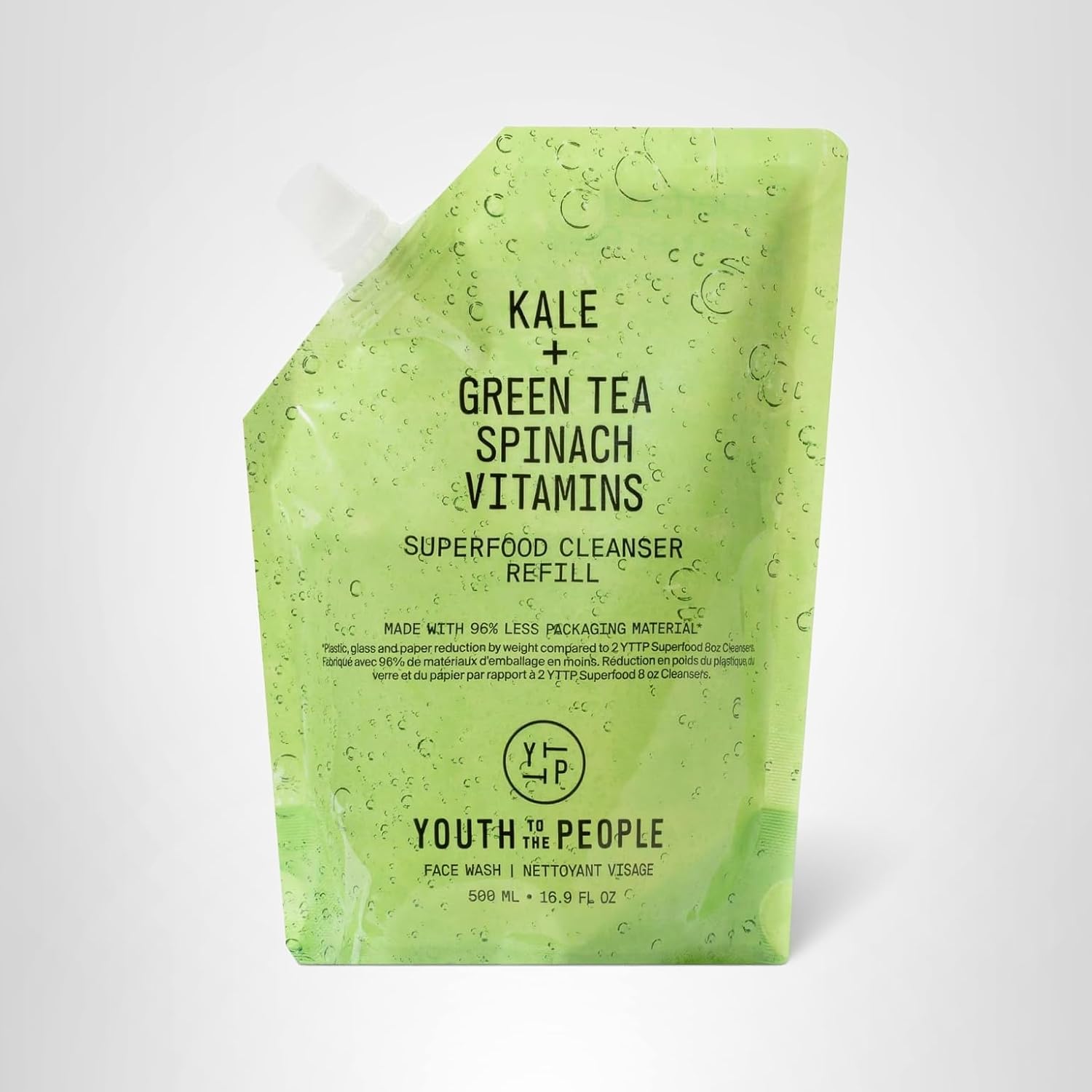
Youth To The People Superfood Facial Cleanser
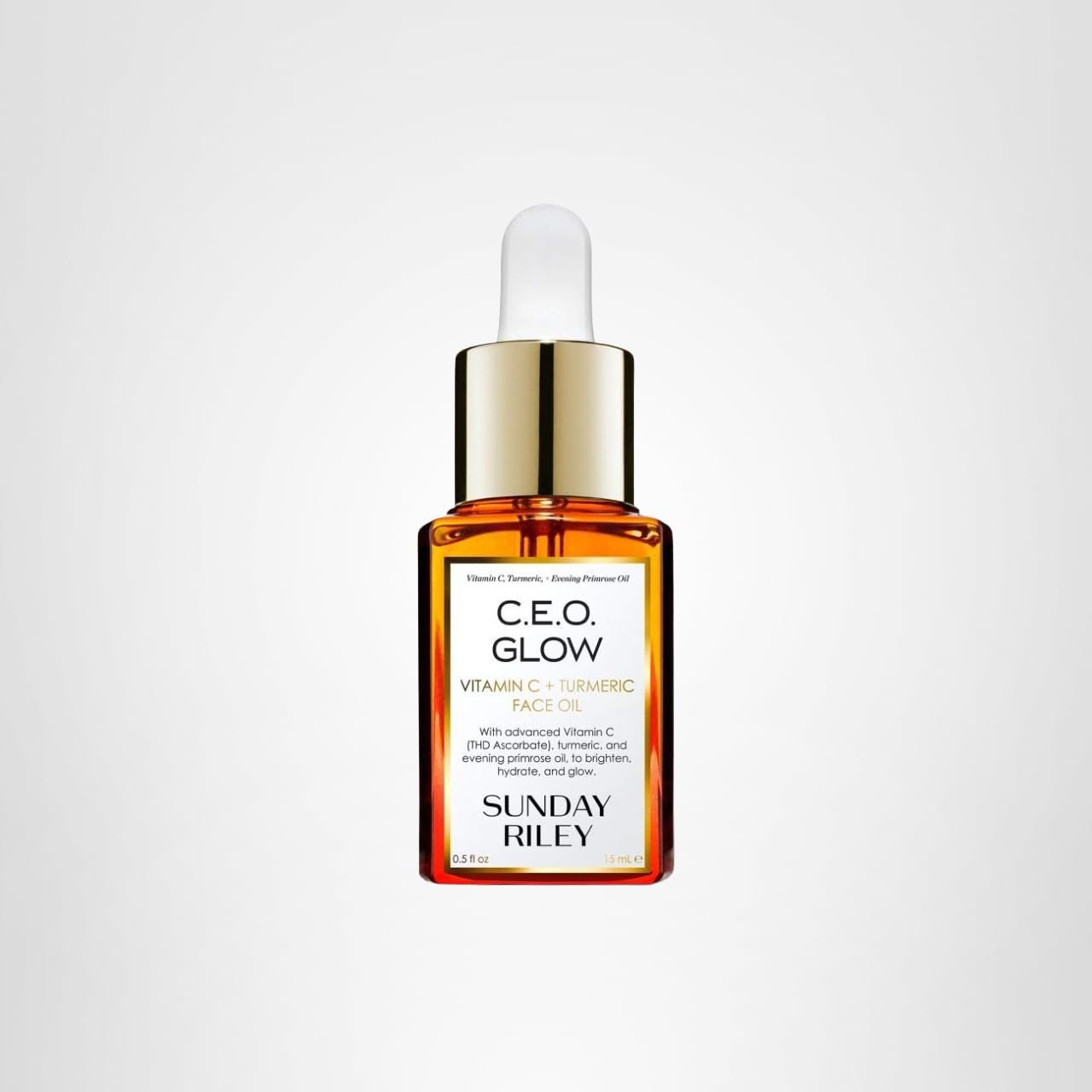
Sunday Riley C.E.O. Glow Vitamin C & Turmeric Face Oil
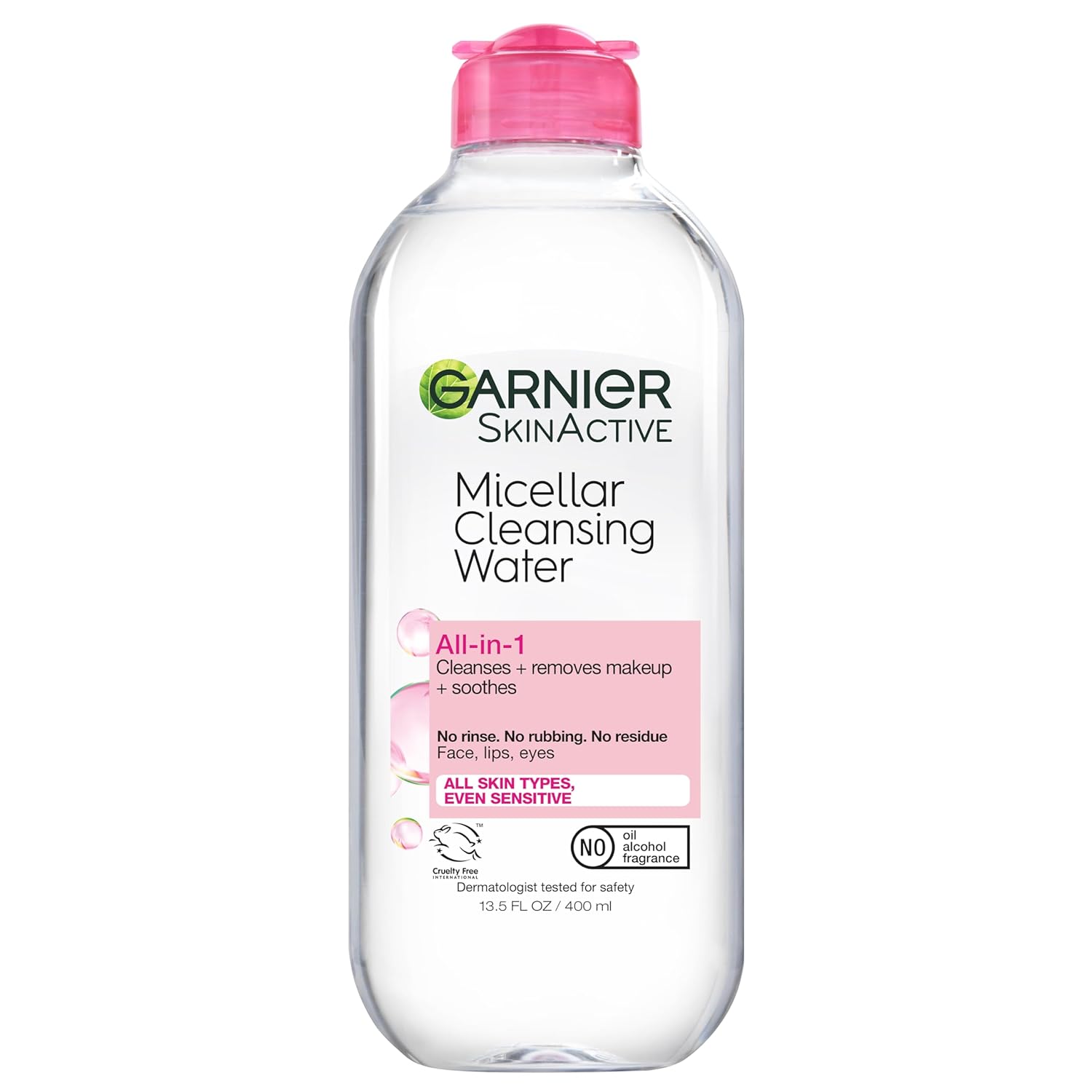
Garnier SkinActive Micellar Cleansing Water (Pink Cap)
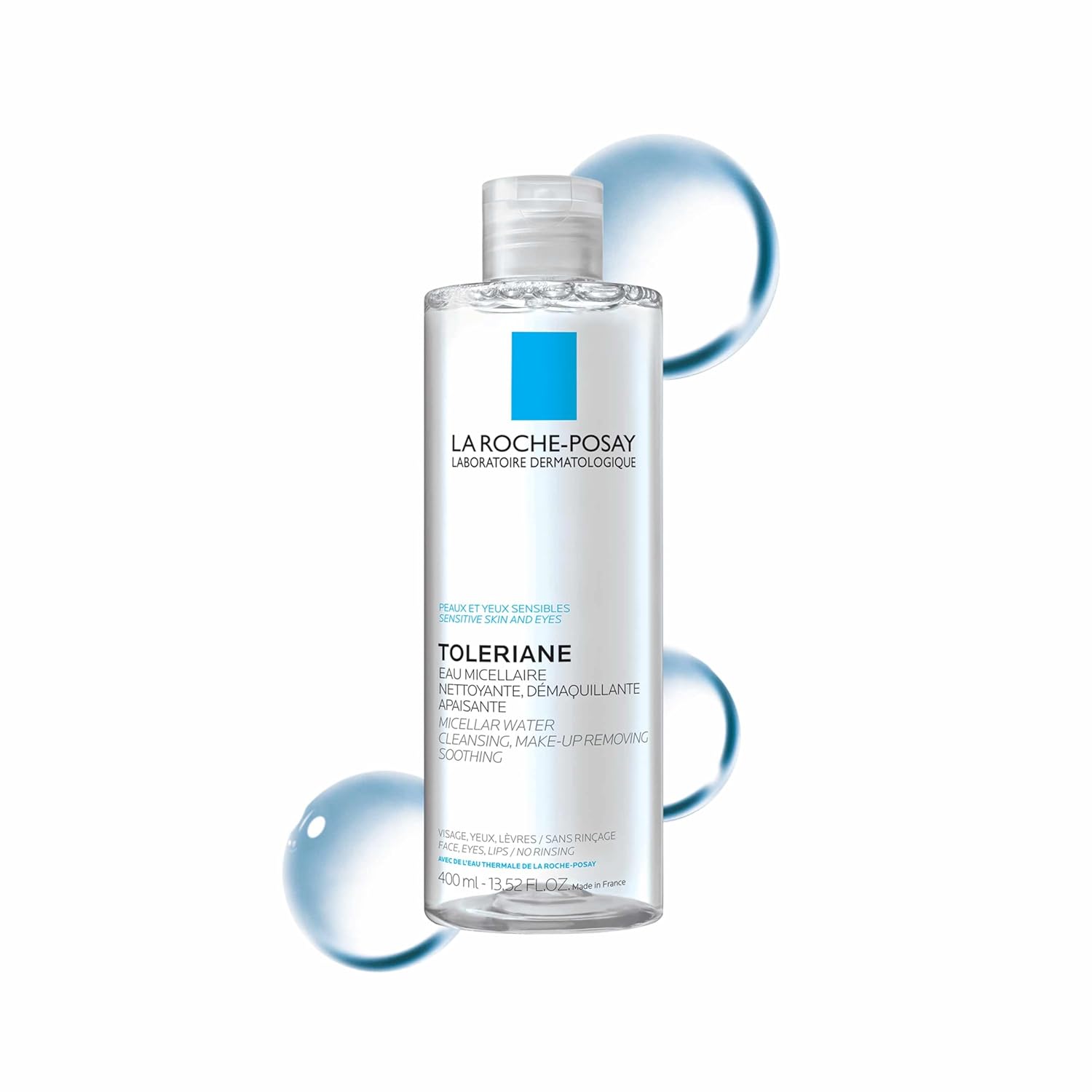
La Roche-Posay Micellar Cleansing Water for Sensitive Skin