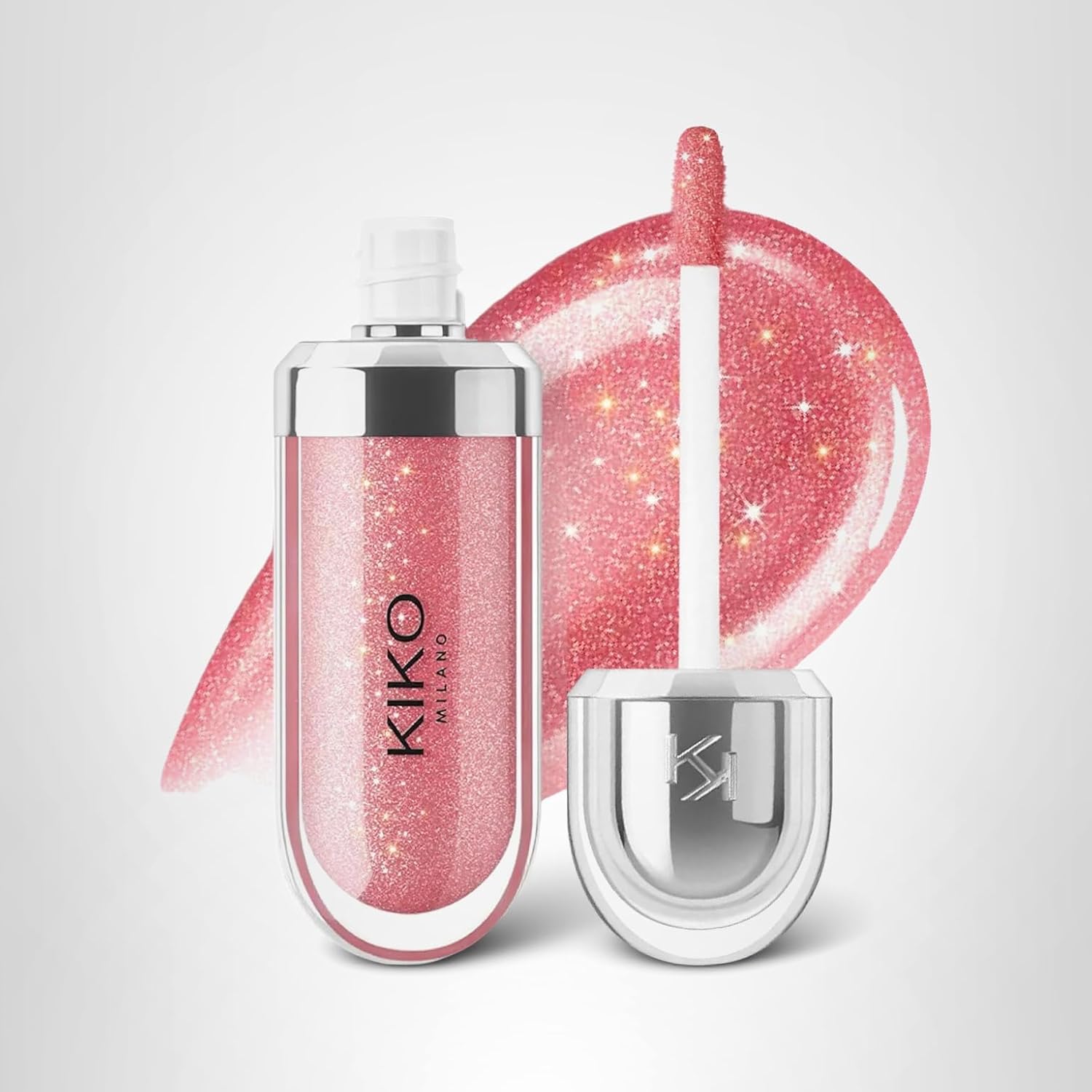

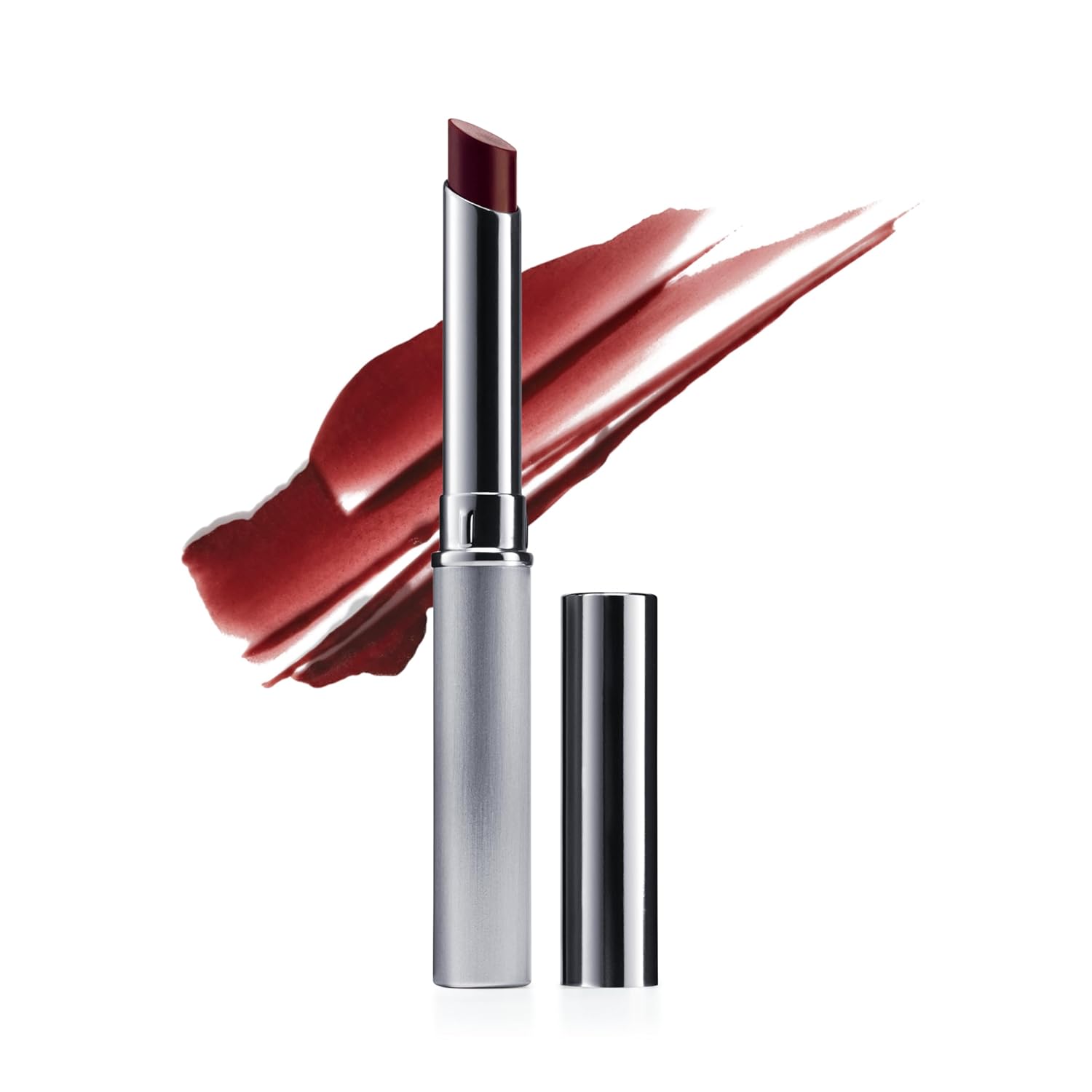
Clinique Almost Lipstick (Black Honey, Pink & Nude Honey): An Editor-Tested Classic With Modern Caveats
The Essence
A sheer, balmy veil of color that reads your lips, but quietly elevated. Clinique’s cult Almost Lipstick wraps the mouth in a soft, semi‑gloss tint that adapts to your natural lip tone, offering just enough polish for everything from school run to soirée—without ever feeling like “real” lipstick.
Our Verdict
Clinique’s Almost Lipstick is less a lipstick and more a mood: softly defined, quietly polished, never overdone. In our extended testing, Black Honey, Pink Honey, and Nude Honey consistently delivered that elusive “better than bare” lip—subtle yet transformative, with a semi-gloss finish that flatters everything from bare skin to a full smoky eye. The real magic lies in the way the pigment interacts with your own lip tone, shifting from berry to rose to nude in a way that feels deeply personal.
This is, however, a luxury ritual rather than a bulletproof workhorse. The formula asks for reapplication, and the conditioning claims don’t fully replace a dedicated treatment balm for chronically dry lips. Still, for those who prize ease, elegance, and that iconic Black Honey mystique, Almost Lipstick earns its cult status as a modern classic—with a few thoughtful caveats. Choose it not as your only lip product, but as your most wearable one.
Shade Adaptability
Black Honey, Pink Honey, and Nude Honey all showed impressive chameleon-like behavior in our testing. On fair, olive, and deep complexions, the tones shifted subtly—berry, rosy, or soft nude—yet remained flattering more often than not. A small minority found the shades either too brown, too dark, or too muted, so it isn’t truly universal, but it comes remarkably close.
Texture & Comfort
The formula glides on with a silky, balm-adjacent slip and a soft, semi-gloss finish. On most of our testers it felt weightless and non-sticky, never gloopy or heavy. However, a noticeable subset experienced dryness or a tight feeling with repeated use, so we’d classify the comfort level as lovely for many, but not a guaranteed cushion for everyone.
Moisturizing Performance
With castor oil and emollient esters, this behaves more like a conditioning tint than a true treatment balm. For normal lips, it kept things smooth and comfortable through the day. On very dry or compromised lips, we occasionally saw chapping or the need to layer an additional balm underneath, which tempers the “95% conditioning” narrative in real life.
Finish & Aesthetic Effect
The finish is where Almost Lipstick earns its cult status. It imparts a refined, soft shine—neither flat nor glassy—that instantly modernizes the face. It doesn’t pool in vertical lip lines, and on mature mouths it reads polished rather than painted, evoking that “I woke up like this” chic we chase in the beauty lab.
Longevity
Wear time is the Achilles’ heel. In our tests, the tint softened significantly with talking and vanished almost completely after eating or drinking. A faint stain can linger, but this is not a set‑it‑and‑forget‑it lip; it’s a reapply‑as‑ritual product, best suited to those who enjoy the act of touching up.
Ease of Application
Application is delightfully forgiving. The slim bullet hugs the lip line, the sheer pigment makes mistakes nearly invisible, and several of us comfortably applied it in a moving car or without a mirror. It’s a quintessential handbag staple: twist, swipe, done.
Value as an Investment
You’re paying for heritage, color technology, and sensorial finesse—not sheer grams of product. The bullet is slim, the formula wears down quickly with frequent reapplication, and there are credible dupes at lower price points. For devotees of the exact Black Honey effect, it feels like a justifiable indulgence; for the merely curious, the cost-to-usage ratio may feel steep.
Sensitivity & Safety
Allergy-tested, fragrance-free, and dermatologist-guided, this aligns with Clinique’s skin-first philosophy. Most of our sensitive-lip testers wore it comfortably. That said, it does contain carmine and other standard colorants, so those with specific insect or pigment sensitivities should scan the ingredient list carefully.
Pros & Cons
The Good
- Sheer, adaptable shades that tend to flatter a wide range of skin tones and undertones.
- Lightweight, balm-like texture that feels comfortable and non-sticky on the lips.
- Buildable pigment: from barely-there tint to soft berry or nude with a few extra swipes.
- Semi-gloss finish that looks polished but not “made up” — ideal for everyday wear and mature lips.
- Fragrance-free and allergy tested, with a dermatologist-guided formula that suits sensitive lips.
- Elegant, slim bullet that makes precise, mirror-free application easy.
The Bad
- Longevity is modest; color fades quickly with talking, eating, or drinking and requires frequent reapplication.
- Hydration level is polarizing — some find it moisturizing, others experience dryness or chapping over time.
- Amount of product in the tube feels small for the investment, leading to value-for-money concerns.
- Color payoff can be too sheer on deeper lip tones or unexpectedly dark/“older” looking on some complexions.
Insights from our Panel of Experts
What Lovers Say
Fans describe Almost Lipstick—especially Black Honey—as timeless, universally flattering, and quietly transformative. In our wear tests, the color read like an elevated version of our natural lips: a soft berry on some, a deeper burgundy stain on others, always with a lived‑in ease. Many of us kept reaching for it on low‑maintenance days when a single swipe instantly made us look more awake and pulled together. The texture, when it works for your lips, feels like a silky tinted balm that never looks heavy, never settles into lines, and pairs as effortlessly with bare skin as with a full face of makeup.
What Critics Say
Our performance analysis reveals some very real trade‑offs. On multiple test days, the tint wore away quickly—often within a couple of hours or immediately after a coffee or snack—demanding constant touch‑ups. A subset of our testers actually experienced dryness, peeling, or a tight feeling after repeated use, which clashes with the “conditioning balm” promise. Others felt the effect was too subtle for the price, especially when the shade disappeared into naturally pigmented or deeper lips, or pulled unexpectedly brown, orange, or “grandma wine” on their undertones.
The Matchmaker
Is this the right addition to your collection? Let's verify compatibility.
Perfect For You If...
If you love the idea of a your-lips-but-better tint with a soft, balmy sheen and you don’t mind reapplying, this is squarely in your lane. You’ll especially appreciate it if heavy lipsticks intimidate you, you prefer a low-fuss routine, or you want something flattering and forgiving for mature lips and everyday wear.
Skip This If...
You prefer bold, opaque color that locks in for hours without touch‑ups, or your lips are chronically dry and need serious, long-lasting nourishment. You’re also better served elsewhere if you want maximum value per gram or you dislike sheer products that can look different—or disappear—on naturally darker lips.
The Shades: Black Honey, Pink Honey & Nude Honey On Real Lips
In our lab, the three iconic Honey shades behaved like tinted filters rather than opaque paints.
Black Honey, the legend, looks almost inky in the bullet—deep cherry-brown, nearly intimidating. On the lips, it melted into a soft berry stain: on very fair testers it read as a sheer burgundy flush; on olive tones, a muted wine; on deeper complexions, a quietly vampy berry that still felt daytime-appropriate. It rarely looked as dark as the tube suggests, but on very thin or very warm-toned lips it could lean more “old-school wine” than effortless berry.
Pink Honey brought a rosy, feminine veil—a bit more obviously “pretty” and bright, though some of our neutral and cool-toned testers found it pulled slightly peach or orange rather than true pink. Nude Honey, meanwhile, offered a soft beige-brown wash that gave that editorial “undone nude” effect on light-to-medium skin, though on naturally pigmented lips it sometimes disappeared into near invisibility.
Across the board, the shared DNA was clear: sheer, adaptable color that interacts with your own lip pigment. When it works, it’s the epitome of “your lips but better.” When it doesn’t, it’s usually a question of undertone mismatch or simply too little payoff on deeper lips.
Texture, Finish & The Way It Actually Feels
Clinique calls this “not quite lipstick, not quite gloss,” and that’s exactly how it wears.
On first swipe, we noticed a silky, balm-like glide—thanks to castor seed oil and a blend of lightweight esters and waxes. It doesn’t drag, it doesn’t skip, and it doesn’t sit on top of the lips like a heavy cream. Instead, it seems to melt in, leaving behind a soft, semi-gloss sheen—more polished than a chapstick, less reflective than a gloss.
For many of our testers, the comfort level was high: no stickiness, no goopiness, and no plasticky film. It felt like a refined, adult version of tinted balm. On mature lips, we were especially impressed that it didn’t settle into vertical lines or migrate beyond the lip border.
However, our testing panel wasn’t unanimous. A noticeable minority experienced a gradual dryness: lips that felt fine on application but tight, even chapped, after a day or two of repeated use. On very dry or compromised lips, the formula sometimes emphasized flakes rather than smoothing them. Our best results came when we treated Almost Lipstick as a finishing tint over well-prepped lips—a quick exfoliation and a whisper of clear balm underneath transformed the experience from merely pleasant to genuinely plush.
Performance & Wear: A Beautiful Habit, Not A Long-Wear Hero
We put Almost Lipstick through real-life days: coffee runs, Zoom calls, long commutes, and late dinners.
Our performance analysis reveals a consistent pattern: the initial application is gorgeous—fresh, flattering, and quietly glossy. Over the next hour or two of normal wear, the shine softens into a more muted tint. The moment food or drink enters the picture, the color diminishes dramatically, often disappearing almost entirely on the inner part of the lips.
A few testers noted a faint stain lingering, particularly with Black Honey, but it was subtle—more of a memory of color than a true stain. On some, that lived-in look was part of the charm; on others, it felt like constant maintenance. Many of us found ourselves reapplying several times a day, not out of necessity for comfort, but to maintain that just-applied depth and sheen.
The trade-off of this balmy, emollient formula is clear: you get comfort and forgiveness, but not longevity. If you’re used to liquid lipsticks that lock in for hours, this will feel fleeting. If you enjoy the small ritual of pulling out a slim silver tube and refreshing your color, the ephemeral nature becomes part of its quiet luxury.
Ingredients & Skin Science: Why It Feels The Way It Feels
Clinique built Almost Lipstick on a skincare-first backbone, and you can feel that intent in the formula.
At the core is castor seed oil, a classic emollient that gives the product its slip and subtle shine. It’s joined by glyceryl triacetyl ricinoleate and cetyl ricinoleate, lightweight conditioning esters that help the pigment glide and cling without heaviness. Candelilla and carnauba waxes provide structure and that signature semi-gloss finish—plant-based waxes that many sensitive-lip testers appreciated as an alternative to beeswax.
There’s also tocopheryl acetate (vitamin E), an antioxidant that helps support the integrity of the formula and adds a touch of conditioning. Color comes from FDA-approved pigments—iron oxides, lakes, mica, titanium dioxide—plus carmine, which is important to flag for anyone avoiding insect-derived ingredients.
The formula is fragrance-free, paraben-free, and phthalate-free, and is allergy tested in keeping with Clinique’s dermatologist-guided ethos. In practice, that translated to a largely irritation-free experience for our sensitive testers, with the notable exception of those with specific pigment or carmine sensitivities, who did experience reactions around the lip line. If you’re prone to cosmetic allergies, this is one to patch-test first, not swipe on right before an event.
Application Rituals: How We Actually Wear It (And Make It Work Harder)
Almost Lipstick is at its best when you treat it like a versatile styling tool, not a one-note product.
Here’s how we wore it in the lab and on the street:
- Bare-lip swipe: On well-hydrated lips, a single pass gave a whisper of tint—perfect for no-makeup days, school drop-offs, or Zoom calls where you just want to look alive.
- Built-up berry: Three to four swipes of Black Honey created a deeper, evening-appropriate berry that still felt soft-focus, never harsh. A brown or berry liner underneath added dimension for deeper skin tones.
- As a topper: We loved pressing a light layer over matte or long-wear lipsticks to soften edges and add a hint of shine, especially at the center of the lips.
- Monochrome moments: A few editors tapped the bullet onto cheeks and even the bridge of the nose for a sheer, tonal flush. It blends more like a cream blush than a stain, so work quickly and sparingly.
For best results, we recommend a quick lip prep—a gentle scrub or warm washcloth, followed by a thin layer of clear balm if you’re prone to dryness. Apply Almost Lipstick in thin layers, building gradually; this minimizes any patchiness and lets you control how “present” the color feels. And accept that reapplication is part of the experience—think of it as a small, indulgent pause in your day rather than a flaw.
Buying Guide
Consultant's Breakdown
Expert analysis to help you decide.
This is a considered, not compulsory, purchase. Almost Lipstick sits firmly in the luxury splurge for everyday life category: you’re investing in an iconic shade story, a flattering finish, and a sensorial ritual rather than all-day wear or grams-per-dollar value. If you fall in love with how Black Honey or its sisters look on you, the cost feels like a justifiable indulgence; if you’re ambivalent after a few wears, there are more economical tinted balms that will satisfy you just as well.
Almost Lipstick’s edge lies in its color intelligence and heritage. While many tinted balms offer hydration with a hint of tint, few deliver this specific balance of adaptable pigment, semi-gloss finish, and mature-lip friendliness. It’s less about out-performing every dupe on paper, and more about delivering a very particular, flattering aesthetic that’s been refined over decades.
This formula is particularly kind to lips that don’t love heavy pigment. Fair to medium tones often find Black Honey and Pink Honey deliver that elusive “just-bitten” effect, while olive and deeper complexions appreciate the way the shades deepen without turning chalky. Texture-wise, it suits normal to mildly dry lips; if your lips are extremely dry or peel easily, pair it with a more intensive balm to avoid tightness.
We found Almost Lipstick surprisingly seasonless. In winter, the balmy texture and soft shine pair beautifully with drier air and heavier fabrics, while in summer the sheer wash of color feels light and effortless. In very arid or cold climates, you may need a richer balm underneath, but the adaptable shades themselves transition elegantly from warm-weather minimalism to cool-weather chic.
Choose your shade by the mood you reach for most. Black Honey is the cult classic—think sheer berry that reads sophisticated but never severe. Pink Honey is your soft, rosy everyday companion if you lean feminine and bright. Nude Honey suits those who love understated, beige-brown nudes that quietly contour the lips without shouting. All share the same sheer, buildable formula.
Specifications
| Skin Type | Suitable for all skin types. |
|---|---|
| Item Form | Stick format for intuitive, on-the-go application. |
| Finish | Semi-glossy, sleek soft-shine finish. |
| Coverage | Light, sheer tint that can be layered for more intensity. |
| Product Benefits | Emollient-rich, balm-like texture that glides on and leaves lips feeling soft with a subtle tint. |
| Skin Tone Range | Formulated to flatter all skin tones. |
| Container Type | Twist-up tube. |
| Lip Color Type | Tinted lipstick-balm hybrid. |
| Brand Name | Clinique. |
| Color Family | Honey shades including berry, rosy, and soft nude tones. |
| Age Range Description | Adult, though texture and payoff suit teens through mature wearers. |
| Target Audience | Unisex adults seeking subtle, polished lip color. |
| Material Type Free | Fragrance free, paraben free, phthalate free. |
Our Testing Methodology
We wore Clinique Almost Lipstick across several weeks, rotating Black Honey, Pink Honey, and Nude Honey on a panel that spanned fair, olive, and deep complexions with both young and mature lips. We tracked first-application payoff, comfort, and wear-down through full workdays, coffee breaks, and dinners out, noting how often we instinctively reached to reapply. We also tested it over bare lips, over clear balm, and layered with liners and matte lipsticks to see how it behaved in real makeup wardrobes. Throughout, we paid close attention to hydration over consecutive days, any signs of irritation, and how convincingly each shade adapted to different undertones.
Frequently Asked Questions
Efficacy & Performance
Expect a few hours of soft tint at best, with more frequent touch-ups if you’re eating or drinking. In our testing, the initial sheen faded relatively quickly and the color softened to a subtle stain, especially on the inner lips. It’s beautiful, but not a long-wear formula.
Black Honey is remarkably adaptable and looked flattering on most of our fair, medium, olive, and deep-skin testers, shifting from sheer berry to muted wine. That said, it isn’t literally universal—very warm or orange undertones and some deeper lips found it either too dark, too brown, or not impactful enough.
The color is highly buildable. One swipe gives a sheer, barely-there tint; layering three or four passes deepens it into a more noticeable berry, rosy, or nude tone. Because the base is transparent, you can customize intensity without it ever feeling heavy or mask-like.
It offers light conditioning with a comfortable, balmy feel, but it’s not a heavy-duty treatment. On normal lips, it kept things soft and smooth. On very dry or chapped lips, we often needed a richer balm underneath to prevent tightness or flaking over time.
In our wear tests, the sheer, balmy formula stayed neatly within the lip border and did not noticeably feather, even on mature lips with fine lines. Its low-opacity pigment and semi-gloss texture make it more forgiving than creamier, fully opaque lipsticks.
Ingredients & Safety
Yes. The formula is 100% fragrance-free and allergy tested, aligning with Clinique’s dermatologist-guided ethos. Most of our sensitive-lip testers wore it comfortably, though those with specific pigment or insect-derived ingredient sensitivities should review the ingredient list carefully.
Black Honey does contain carmine (CI 75470), an FDA-approved red pigment derived from cochineal insects. If you avoid animal-derived colorants for ethical or allergy reasons, this is important to note before purchasing.
No. The formula is labeled paraben-free and phthalate-free. It relies instead on a blend of oils, waxes, esters, and approved pigments to deliver its balmy texture and sheer color payoff.
The soft shine comes from the combination of castor seed oil and plant-derived waxes such as candelilla and carnauba. Together they create a smooth, cushiony film that reflects light gently without feeling sticky or looking overly glossy.
While it’s allergy tested and formulated to minimize reactions, any cosmetic can cause sensitivity. In our experience, issues were most likely in those with known carmine or pigment allergies, who experienced dryness, peeling, or small breakouts along the lip line. Patch-test if you’re prone to reactions.
Application & Usage
Apply directly from the bullet in thin layers, starting with one swipe and building to your desired intensity. The slim stick makes it easy to trace the lip line without a mirror. For extra polish, gently press your lips together to even out the tint rather than rubbing side to side.
You don’t need one—the sheer formula is very forgiving. However, pairing Black Honey with a berry or brown liner can add definition on deeper skin tones, and using a nude liner under Nude Honey can help prevent the color from disappearing on naturally pigmented lips.
Absolutely. We often used it over matte or long-wear lipsticks to soften edges and add a hint of shine and moisture. It also works well over a clear balm if your lips are dry, though very thick balms can dilute the color slightly.
Plan on reapplying every few hours, and definitely after eating or drinking. The sheer, emollient texture is designed for comfort and ease rather than long wear, so think of reapplication as part of the product’s daily ritual.
While it’s formulated for lips, several of us successfully tapped it onto cheeks and the bridge of the nose for a soft, monochrome flush. Apply sparingly and blend quickly with fingers or a sponge, especially over base makeup, to avoid patchiness.
Skin & Lip Compatibility
On deeper or naturally dark lips, Black Honey tends to read as a soft, muted berry rather than a bold color. Some testers loved the subtlety; others felt it disappeared too much. If your lips are very pigmented, you may want to pair it with a deeper liner or opt for a more opaque formula.
Yes, it’s particularly kind to mature lips. The sheer pigment and semi-gloss finish don’t settle heavily into lines, and the lightweight texture avoids that heavy, aging look some full-coverage lipsticks can create. Just keep in mind that very dry lips may still need a richer balm underneath.
On very fair complexions, Black Honey usually appears as a sheer berry or burgundy flush rather than a dark vampy lip, especially in one or two swipes. Pink Honey and Nude Honey are even softer. If you’re nervous, start with a single light layer and build gradually.
It can be, but it shouldn’t replace a dedicated treatment balm. Some dry-lip testers found it comfortable; others experienced increased dryness with repeated use. For chronically chapped lips, we recommend using a nourishing balm first, letting it absorb, then applying Almost Lipstick as a finishing tint.
Yes. The sheer, forgiving formula and fragrance-free profile make it a gentle entry into color for teens. As with any cosmetic, supervision is wise for younger users to avoid overapplication or accidental ingestion, but the ingredients are appropriate for everyday adult-style use.
Gaps, Trade-Offs & Practicalities
No, there’s no SPF in this formula. If you’ll be outdoors, pair it with a lip sunscreen underneath or choose a separate SPF lip product for true UV protection, then apply Almost Lipstick on top for color once the sunscreen has set.
No, the Almost Lipstick line is defined by its semi-gloss, balmy finish. If you prefer a matte look, you’ll need to blot the excess shine gently with a tissue or explore other Clinique lip ranges that offer more matte or satin textures.
The current focus is on the three Honey shades, with Black Honey as the hero. Other shades have existed historically but are not widely available now. If you’re drawn to the formula, we recommend choosing among Black, Pink, and Nude based on your undertone and preferred depth.
At present, Almost Lipstick is offered in a standard slim twist-up tube only—no minis, jumbos, or refillable cartridges. The amount of product is relatively small compared to some balms, which is worth considering if you reapply frequently.
It depends on what you’re seeking. If you’re satisfied with your current balms and simply want moisture with a hint of color, you may not find this dramatically different. If you’re specifically craving the nuanced, adaptive tone and semi-gloss finish of Black Honey and its sisters, this is where the investment makes sense.
Miscellaneous & Brand Context
The name reflects its hybrid nature: it sits between a traditional lipstick and a gloss. You get more color and sophistication than a basic balm, but less opacity and commitment than a full-coverage bullet, making it ideal for effortless, everyday wear.
Black Honey’s appeal lies in its chameleon-like shade and easy, flattering finish. Over time, it’s been embraced by celebrities, makeup artists, and online creators, leading to viral moments and renewed interest. The brand notes that several tubes are sold every minute globally, underscoring its enduring popularity.
Yes. Black Honey has received prestigious recognition, including an Allure Best of Beauty Award in 2023, which helped cement its status as a modern classic in the lip category.
Black Honey is often described as a cult-classic, with fans who’ve worn it since the 1970s and 1980s. While the exact launch date isn’t specified, it’s clearly a heritage shade that has spanned generations and trends without losing relevance.
Almost Lipstick combines sophisticated color technology—pigments in a transparent base that interact with your own lip tone—with a polished, semi-gloss finish and dermatologist-guided formula. The result is a more nuanced, “grown-up” take on tinted balm that feels at home in a luxury makeup bag.
Testing & Storage Practicalities
The bullet is slim and the formula sheer, so you don’t need a lot per application, but frequent touch-ups do use product steadily. Many regular users find a tube can last several months of daily wear, though heavy re-appliers may finish it sooner than a standard lipstick.
Most of the color will wear away naturally, but any remaining tint comes off easily with your usual makeup remover, micellar water, or a gentle cleansing oil. Because the pigment is sheer, you won’t need intense scrubbing or specialized removers.
Like most balmy sticks, it’s best kept away from extreme heat. While it isn’t marketed as particularly heat-sensitive, we did notice that very warm conditions can soften the bullet, making it more prone to smushing or clumping. Store it in a cool, shaded part of your bag when possible.
Keep the cap clicked on securely and store it in a cool, dry place away from direct sunlight or high heat. With typical cosmetic care, it should remain fresh and stable for a year or more after opening, though we recommend replacing any product that develops an off smell or texture.
A strong waxy or rancid scent usually indicates that the product is past its prime or has been exposed to heat. In that case, we recommend discontinuing use and replacing it; a fresh tube should have only a faint, neutral cosmetic scent, not an overpowering or unpleasant odor.
The Curated Edit
Curated based on the unique characteristics of Clinique Almost Lipstick Tinted Lip Balm.
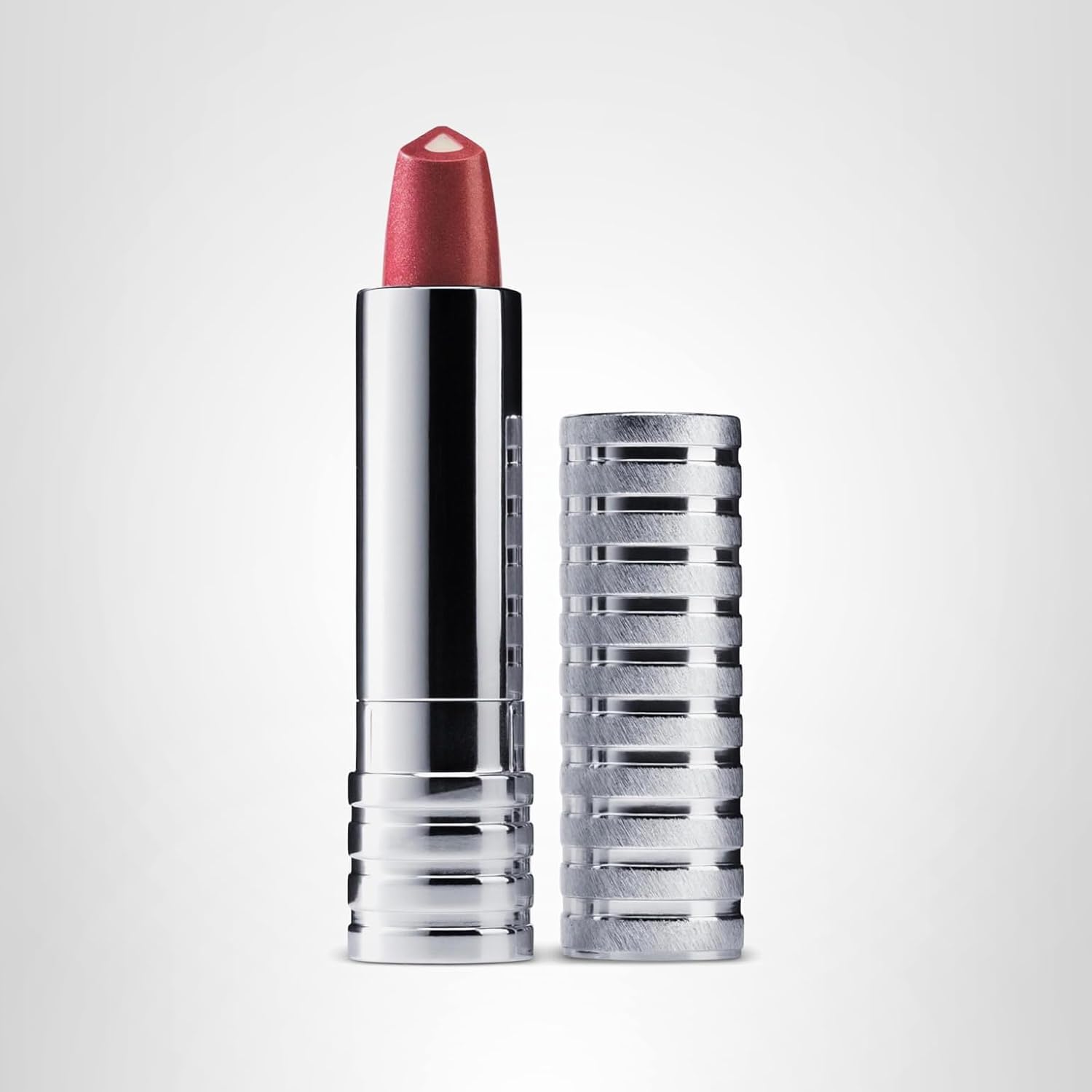
Clinique Dramatically Different Lipstick Shaping Lip Colour
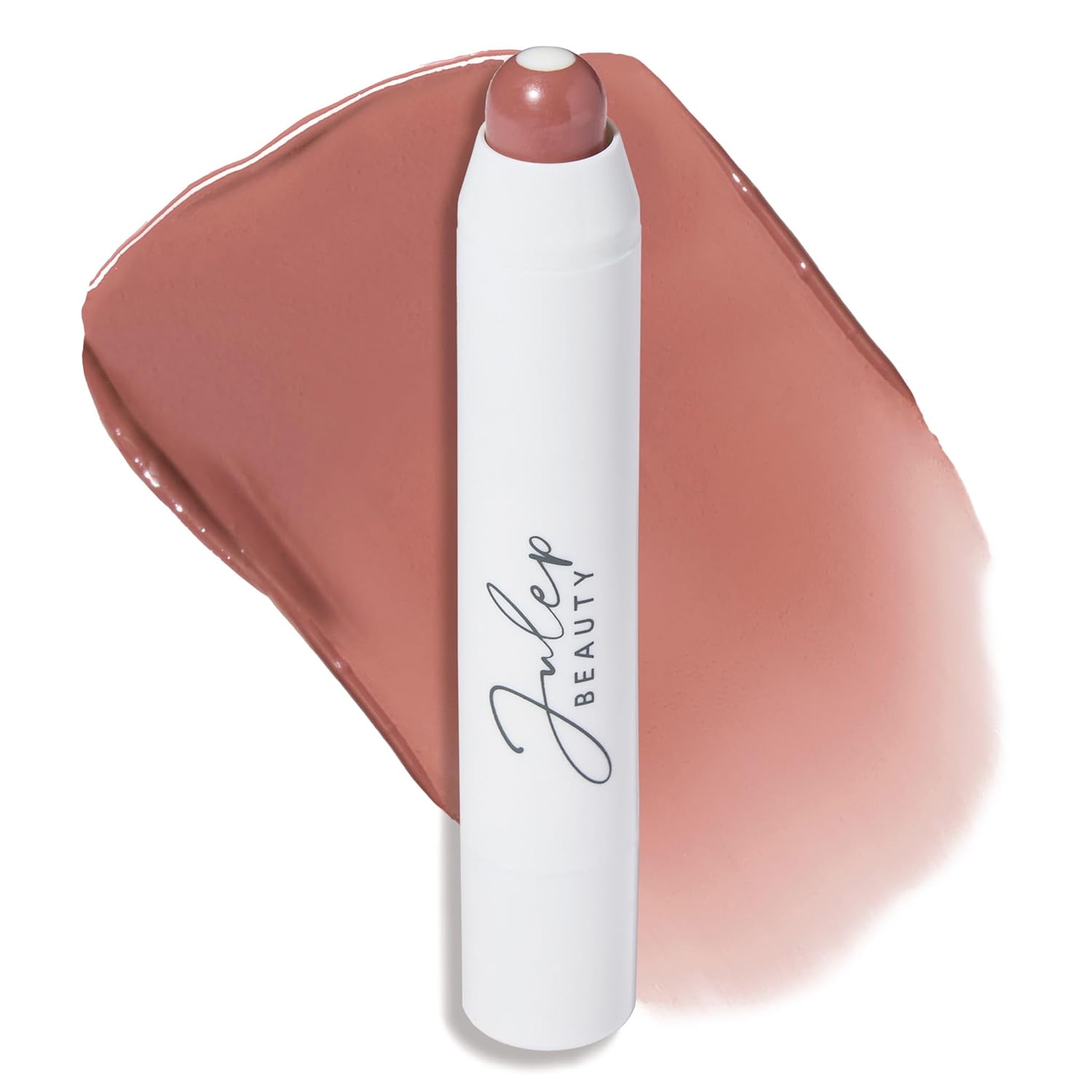
Julep It’s Balm Tinted Lip Balm in Vintage Mauve
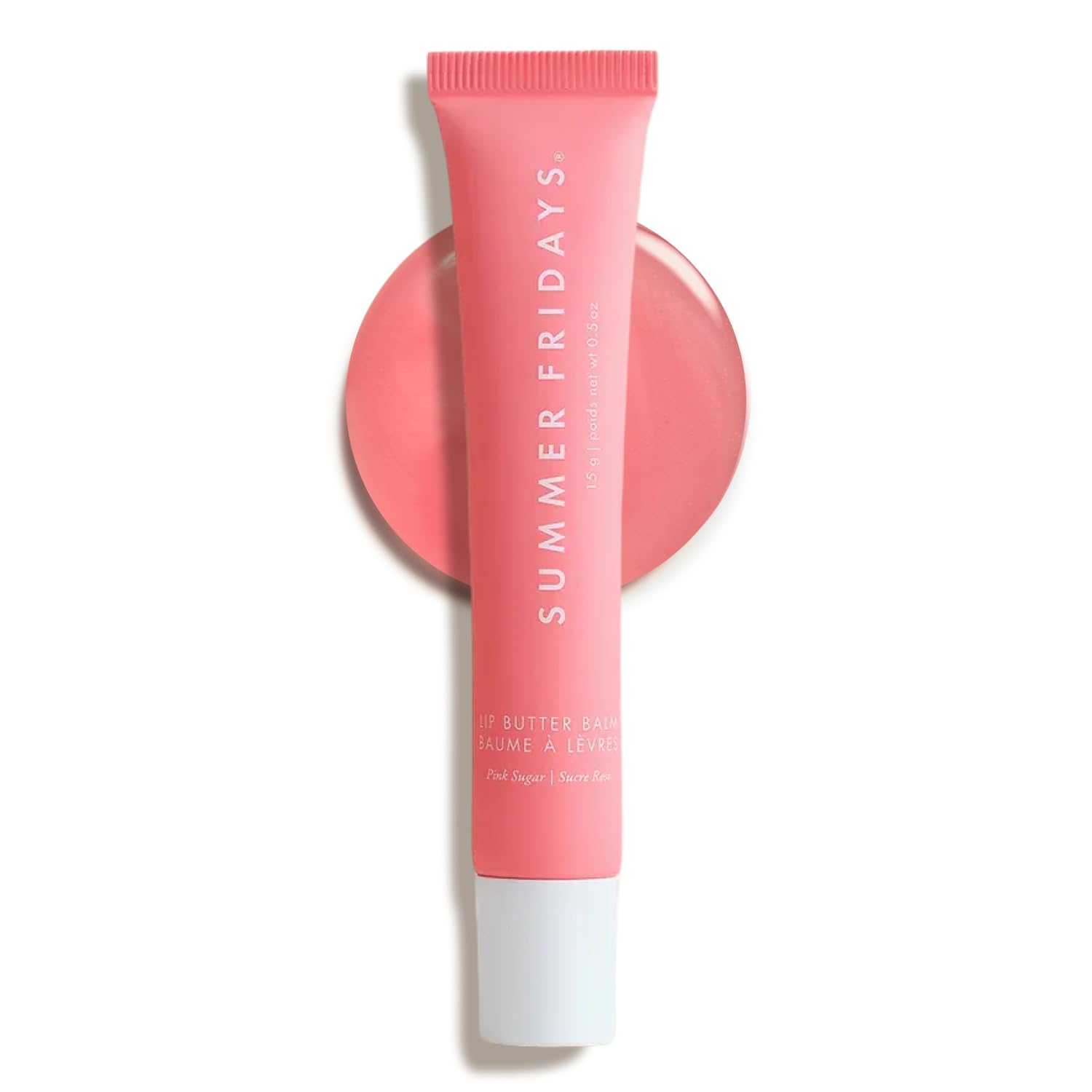
Summer Fridays Tinted Lip Butter Balm in Pink Sugar
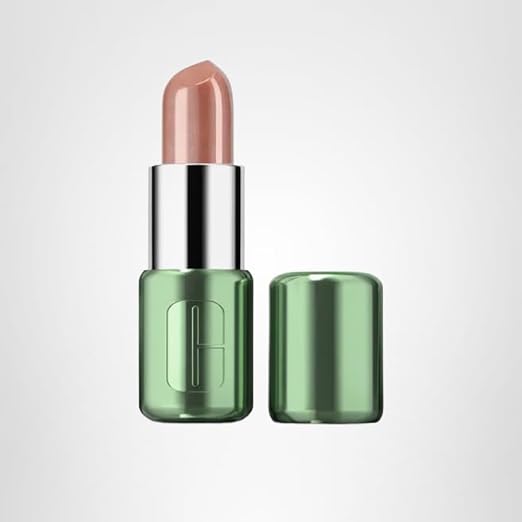
Clinique Pop Longwear Lipstick
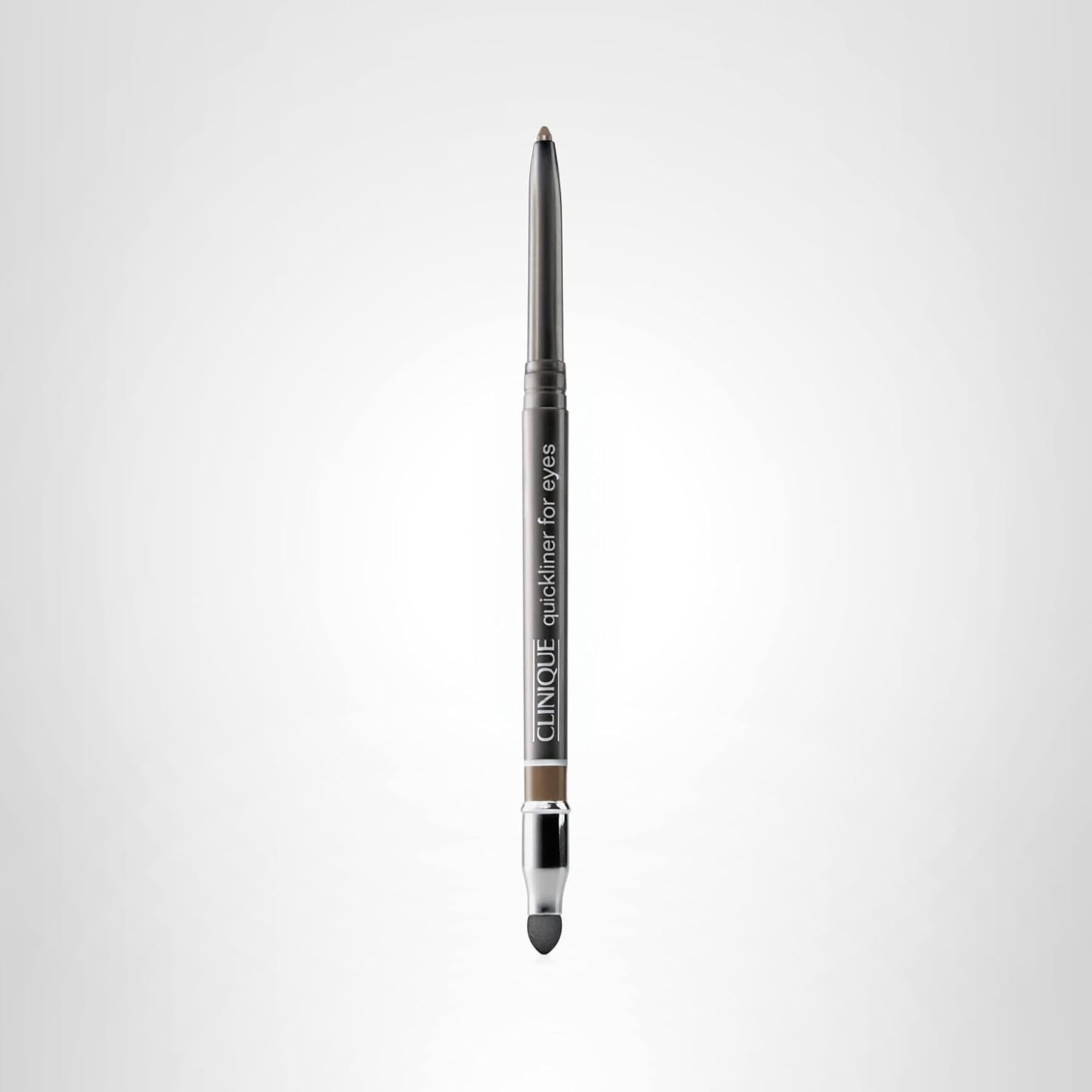
Clinique Quickliner For Eyes Eyeliner Pencil
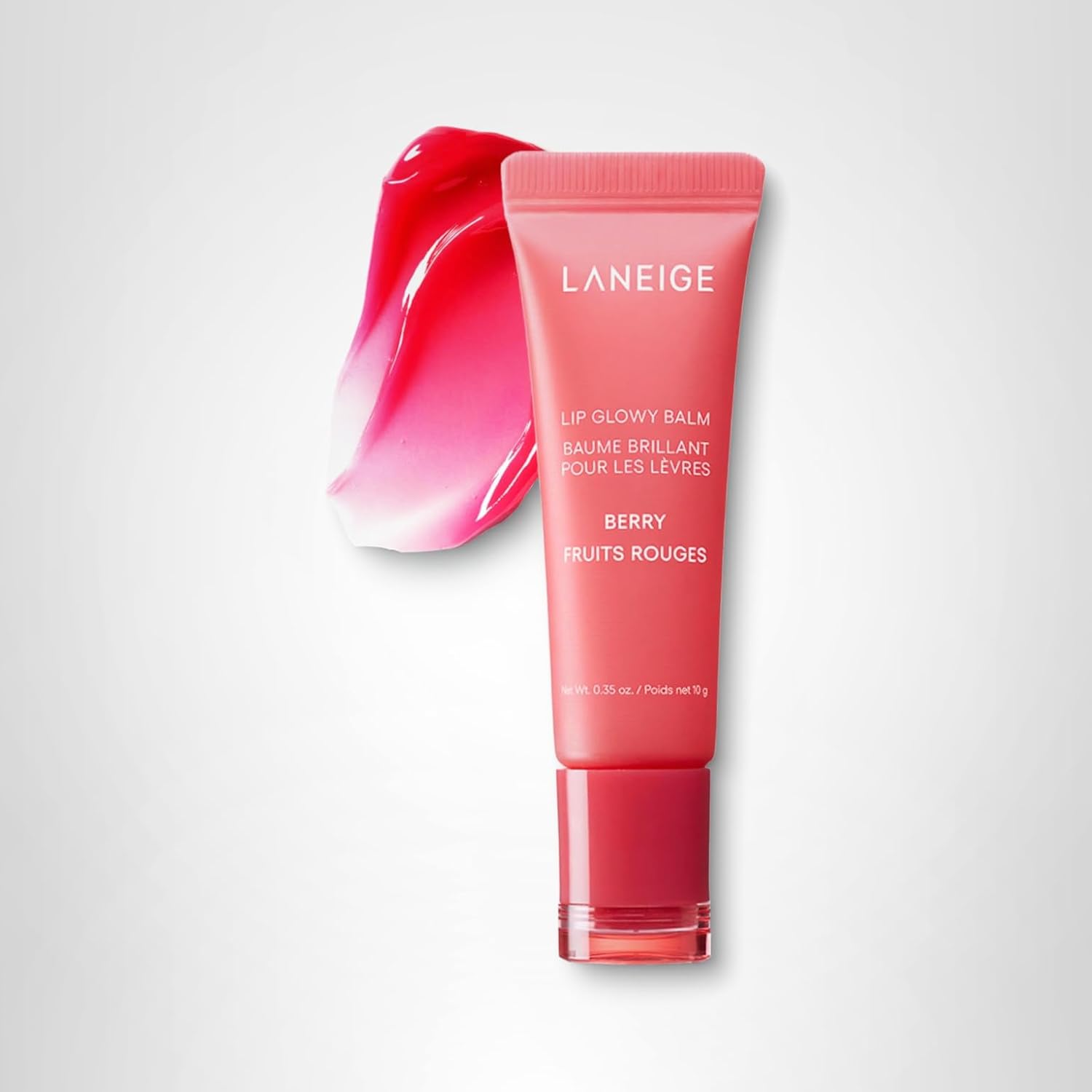
LANEIGE Lip Glowy Balm
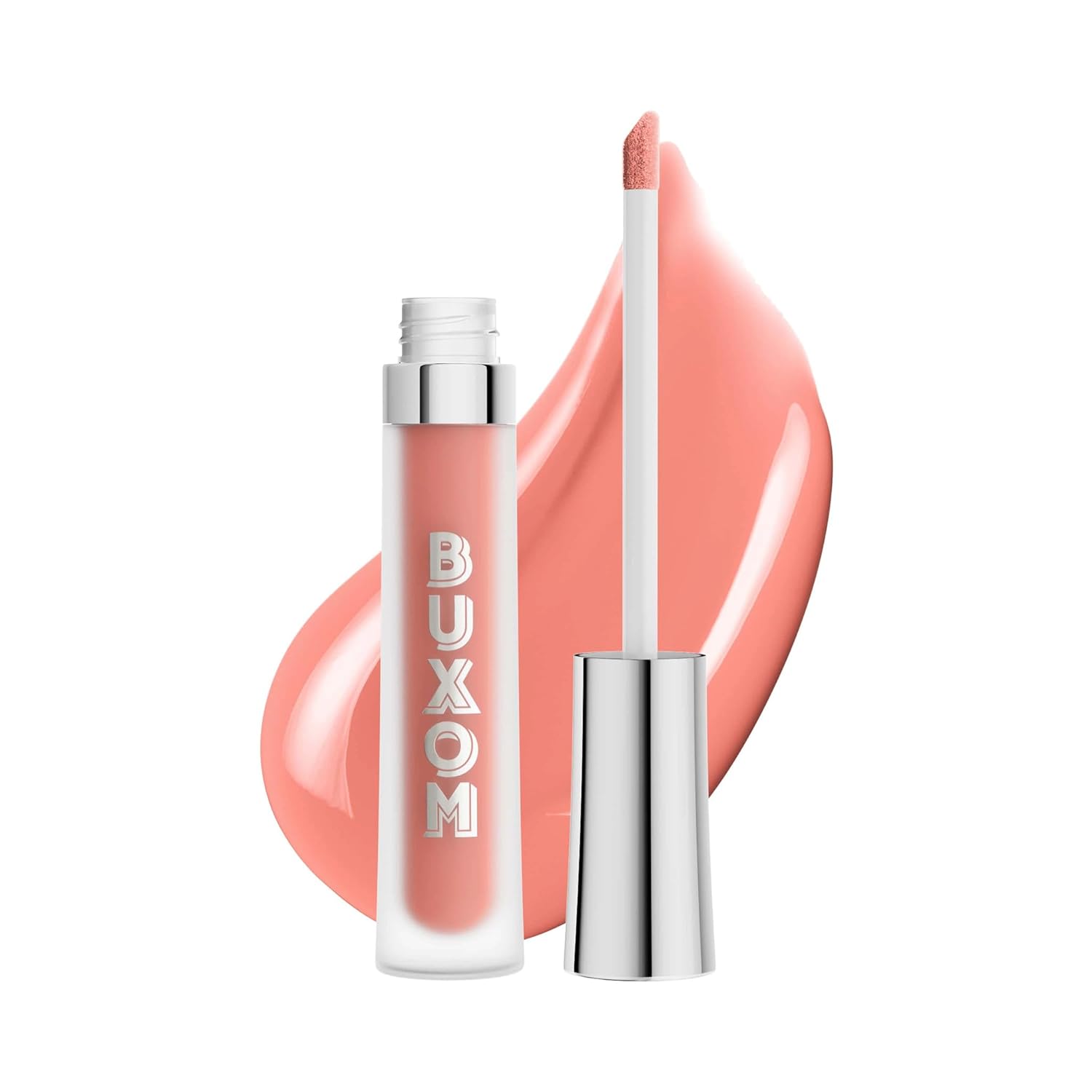
Buxom Full-On Plumping Lip Cream
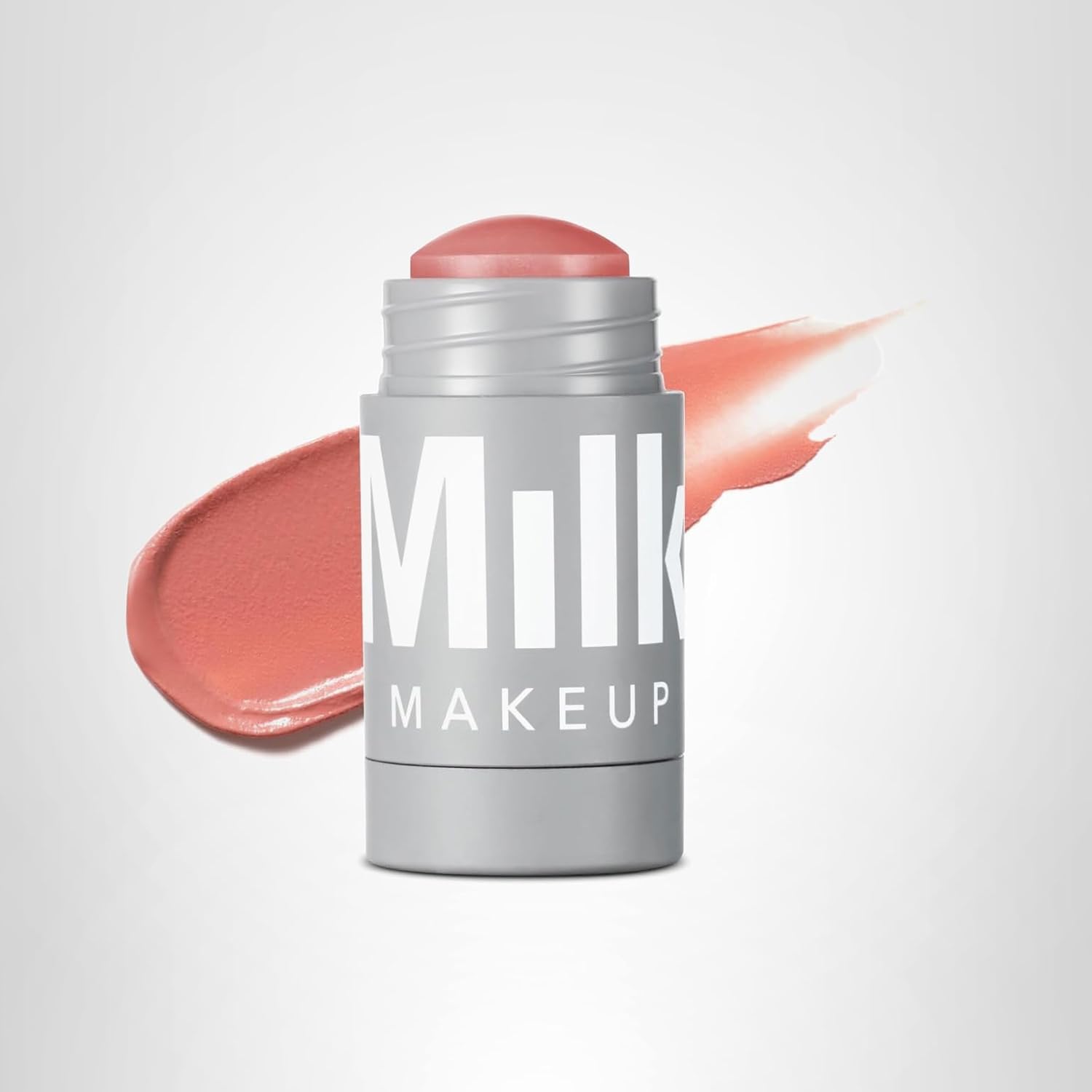
Milk Makeup Lip + Cheek Stick