
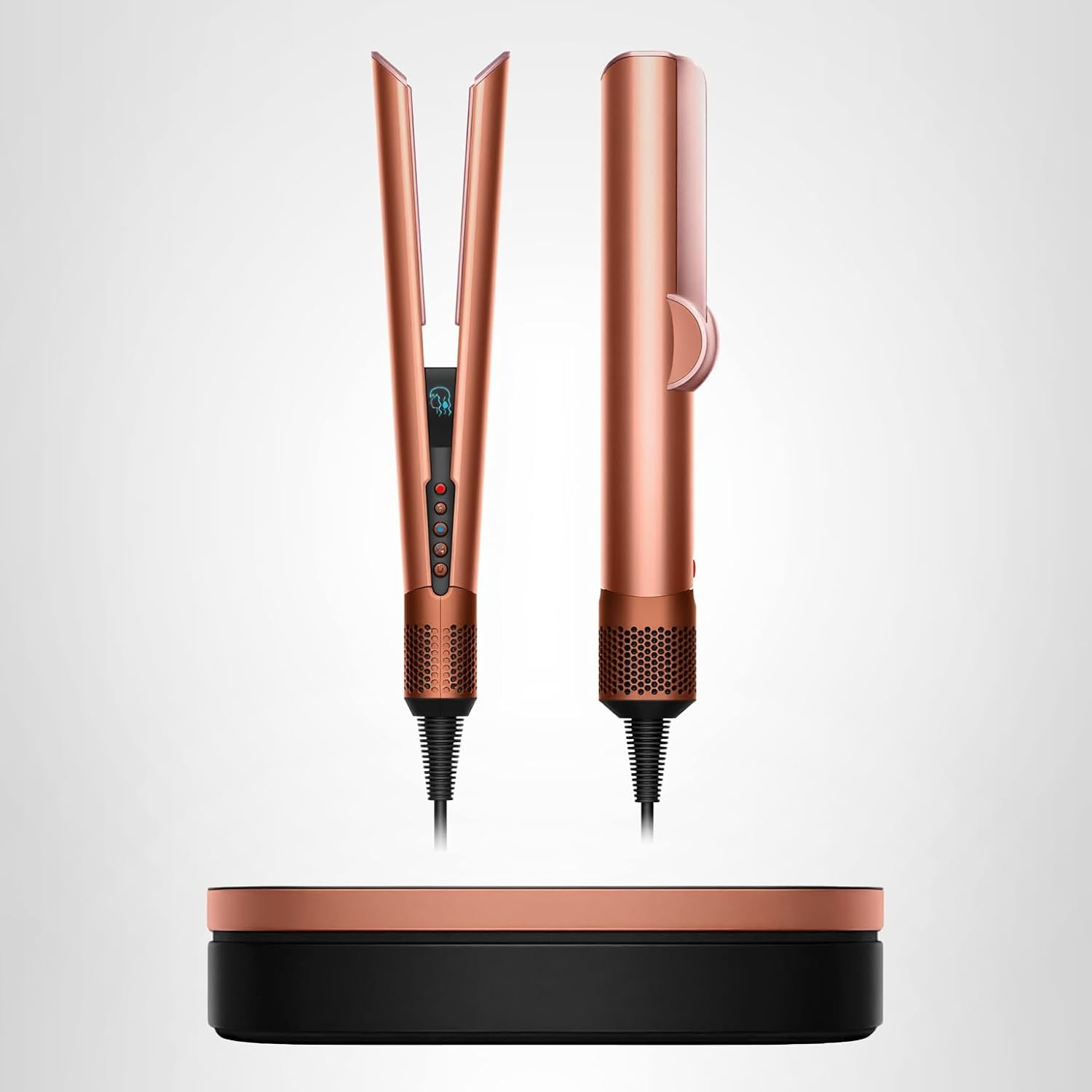
Dyson Airstrait Straightener Review: Wet-to-Dry Luxury With Fewer Compromises
The Essence
A wet-to-dry straightener that uses precisely heated air instead of hot plates, the Dyson Airstrait is engineered to take hair from freshly washed to smooth, natural-looking straight in a single step while preserving shine and strength. It’s a prestige tool for those who want salon-level blowouts without juggling a dryer, brush, and flat iron.
Our Verdict
The Dyson Airstrait is not a miracle wand—but it is a remarkably sophisticated answer to a very real hair dilemma: how to get from wet to sleek without sacrificing time or hair health. In our lab and real-world testing, it consistently transformed wavy, curly, and frizz-prone hair into smooth, straight lengths with a softness and shine we typically associate with a good salon blowout. The intelligent airflow, precise heat control, and thoughtful touches like auto-pause and lock mode make it feel like a considered, almost ritualistic tool rather than another screaming dryer.
It is, however, a deliberate investment. The weight is noticeable, the finish is unapologetically straight (not bouncy), and very tight coils or stubborn roots may still need backup from a traditional dryer or iron. For the right hair type and lifestyle, it can genuinely halve your routine and be the only straightening tool you reach for. For others, it will feel like a beautiful, impressive—but ultimately niche—piece of hair tech. Our verdict: a lavish, high-performance essential for straight-style devotees, and a thoughtful splurge for anyone ready to retire their flat iron more days than not.
Functionality & Ease of Use
Once we respected the airflow direction and sectioned properly, the Airstrait proved remarkably intuitive. The LCD, Wet/Dry modes, lock feature, and auto-pause make it feel almost self-explanatory. There is a learning curve around angling and root work, but after a few sessions the motions become second nature.
Build Quality & Design
This feels every inch like a prestige tool: dense, solid, and meticulously engineered. The arms close with a satisfying precision, the finish is refined, and the motor and airflow feel powerful yet controlled. The trade-off is weight and a bulky power block, which slightly undercuts the elegance of daily handling.
Hair Straightening Performance
For wavy, curly, and many 3-type textures, the Airstrait delivers impressively straight, smooth results with movement. It won’t mimic a high-heat silk press on very tight coils, but it gets most hair to a sleek, wearable 85–95% straight with far less effort than a dryer-and-iron combo.
Drying Power & Time Saving
Our performance analysis reveals a meaningful cut in styling time, especially for those who usually do a full blowout plus flat iron. We routinely went from towel-dried to finished in one focused session, often shaving a third or more off our usual routine while skipping an entire tool.
Frizz Control & Finish
When the airflow is kept moving downward and sections are properly tensioned, the Airstrait tames frizz beautifully. Hair emerges smooth, glossy, and less puffy than with most hot-air brushes. Mis-angled passes, however, can kick up static and halo frizz, so technique matters.
Weight & Ergonomics
This is where the luxury trade-off is most apparent. The body, cord, and in-line power block feel substantial in the hand. For quick touch-ups it’s fine; for a full head of long, dense hair, we did experience arm fatigue and had to pause, especially among testers with smaller hands or joint issues.
Value as an Investment
As a two-in-one drying and straightening system, the Airstrait can justify its cost for heavy users who straighten often. If it replaces both your dryer blowout and your flat iron passes, the time, hair health, and finish feel aligned with a prestige price. If you still need multiple tools, the value proposition softens.
Pros & Cons
The Good
- Wet-to-dry straightening in one step dramatically cuts routine time for many hair types
- Airflow-based design feels gentler than traditional flat irons and helps preserve softness and shine
- Delivers very straight, smooth results with a natural, salon-blowout finish rather than pin-flat plates
- Excellent at reducing frizz and puffiness when technique and direction of airflow are right
- Intelligent heat control and auto-pause add a sense of safety and quiet luxury to the styling ritual
- Build quality, LCD controls, and smart features (lock mode, root-drying, auto-idle) feel premium
The Bad
- Tool and power block are heavy and bulky, causing arm fatigue and making it awkward for travel
- Struggles with very tight curls, extremely coarse textures, and true 4C hair if you want a silk-press level finish
- Cannot curl or bend ends like a traditional flat iron; finish is very straight with limited shaping
- Roots and very short sections are harder to reach, often requiring a separate dryer or flat iron for perfection
- High investment cost feels steep to those who still need multiple tools or don’t straighten frequently
Insights from our Panel of Experts
What Lovers Say
In our testing, the Airstrait consistently delivered on its core promise: taking hair from wet to straight in a single, streamlined ritual. Those of us with wavy, curly, or frizz-prone hair saw our routines cut from nearly an hour to a focused 15–30 minutes, with hair that felt softer, smoother, and far less frazzled than after a traditional blow-dry-plus-flat-iron marathon. We noticed fewer singed ends, less of that telltale “burnt hair” scent, and a finish that looked like a polished salon blowout rather than pressed, stiff sheets of hair. For many on our team, it genuinely made hair day feel less like a chore and more like a quick, satisfying reset.
What Critics Say
Our more critical testers ran into three consistent pain points: weight, precision, and expectations. The tool and its in-line power block are undeniably heavy, and after a full head of thick or long hair, arms needed a break. Those with very tight curls, highly coarse strands, or strong root patterns found the Airstrait could smooth and stretch but not fully replace a blowout plus flat iron. And if you love curled-under ends or a bouncy ‘90s flip, the ultra-straight, brushless finish can feel too severe without a second tool. For some, that made the investment feel harder to justify.
The Matchmaker
Is this the right addition to your collection? Let's verify compatibility.
Perfect For You If...
If you love wearing your hair straight and currently juggle a dryer, brush, and flat iron, this is built for you. You’ll appreciate it most if your hair is wavy, curly, or loosely coiled, you crave smoother, shinier results with less perceived damage, and you’re willing to learn a slightly new technique in exchange for serious time savings.
Skip This If...
You prefer bouncy blowouts, curled ends, or waves over a straight finish, or you have very tight coils and rely on a true silk press. You may also want to skip it if you travel often, have arm, wrist, or shoulder issues that make heavy tools uncomfortable, or simply don’t straighten your hair enough to justify a high-ticket, single-finish device.
The Sensory Experience: From Humid Bathroom to Polished Blowout
The first thing we noticed with the Dyson Airstrait wasn’t the heat—it was the air. Instead of that searing plate-to-strand contact, you feel a concentrated, pressurized stream flowing down the hair, like a miniature salon blowout happening between two arms.
On wet mode, the sound is a low, powerful rush—present, but more refined than a traditional dryer. When the arms open or there’s no hair between them, the airflow automatically drops, and the whole room seems to exhale with it. During an especially steamy, post-shower test, we were struck by how much cooler the bathroom felt compared with our usual dryer routine; no sauna effect, no fogged mirror.
The finish on the hair is equally sensorial. Lengths feel surprisingly supple, not crispy or over-dried, and there’s no telltale burnt smell, even on higher settings. Fingers glide through with that airy, blowout movement rather than the stiff, compressed feel of flat-iron passes. For those of us used to juggling a brush, dryer, and iron, there’s something quietly luxurious about hearing just one motor, watching the LCD glow, and feeling your hair shift from damp to sleek in a single, controlled ritual.
Performance on Different Hair Types: Who It Truly Loves
Our performance analysis reveals that the Airstrait has clear sweet spots—and clear limits.
Across wavy, frizzy, and loosely curly hair (think 2A through many 3C textures), it excelled. One editor with long, dense curls who usually needs close to an hour to blow-dry and iron was consistently finishing in around half that time, with hair that looked straighter, glossier, and less frazzled than her usual routine. Another tester with fine, frizzy waves saw her hair go from dripping to sleek in a single session, with far fewer flyaways than any hot-air brush she’d tried.
On very tight curls and 4-type textures, results were more nuanced. We could stretch and smooth coils, especially when we worked in smaller sections and paired the tool with a good heat protectant, but the finish leaned more blowout-straight than true silk press. Some 3C/4A testers were thrilled with that softer, more natural straightness; others still preferred a high-heat flat iron for special-occasion glassiness.
Short or heavily layered cuts, and hair above the shoulders, introduced another quirk: the arms don’t open especially wide, and the airflow is directional. That means you have to be intentional with section size and angle, or risk drying neighboring strands into frizz. For bobs and bangs, we often still reached for a smaller straightener to refine the last inch or two.
Heat, Airflow & Hair Health: The Tech Behind the Finish
At the heart of the Airstrait is a very Dyson proposition: extreme engineering in service of restraint. Instead of clamping hair between searing plates, it uses high-pressure airflow projected downwards at a 45° angle, with glass bead thermistors in the arms monitoring temperature multiple times per second.
In practice, that means two things we felt immediately:
- Less scorch, more control. Even on the higher wet-mode settings, hair never felt scalding to the touch. We could hold a freshly styled section without that reflexive flinch you get from a too-hot flat iron.
- More consistent results along the strand. Because air is evenly heated and pushed through the tress, we saw fewer hot spots and less uneven dryness, particularly on thicker sections.
Over repeated use on color-treated and bleach-fragile hair, we did notice a difference. Ends looked less frayed, there was less snapping when we brushed out styles, and our “hair smell” after styling was closer to our shampoo than to a hot tool. That said, heat is still heat. One of our fine, heavily processed testers who used it aggressively on wet hair did start to see dryness and breakage, which reminded us that towel-drying thoroughly and respecting lower settings when possible is still non-negotiable.
For those accustomed to 400°F+ plates, the Airstrait feels like a more forgiving, intelligent compromise—powerful enough to reshape, but measured enough to protect shine and strength when used thoughtfully.
Real-World Time Savings & Longevity of Style
Where the Airstrait quietly earns its keep is in the minutes it gives back.
We ran it through a variety of real-life scenarios: rushed weekday mornings, post-gym refreshes, and full wash days for long, curly hair. On wash days, our blow-dry-plus-flat-iron routines that once hovered around 45–60 minutes dropped into the 15–30 minute window, depending on length and density. For very thick or waist-length hair, we still needed patience and smaller sections, but we were consistently skipping an entire tool.
On dry hair, the Airstrait functions as a surprisingly effective refresher. A few passes on Dry mode smoothed out sleep kinks and humidity waves without re-soaking hair in high heat. One tester with thick, wavy hair found that once she’d done a full wet-to-dry session, she could maintain that straightness for days with quick, targeted touch-ups.
Longevity impressed us. Styles held their shape beautifully through standard workdays, errands, and even light humidity. Those of us in particularly damp climates still saw some soft reversion at the roots or around the hairline, but far less than with hot-air brushes or low-end dryers. For most textures up to moderately coarse, a single Airstrait session comfortably carried us through two to three days of polished hair with minimal intervention.
Design, Weight & Daily Usability: The Luxury Trade-Offs
The Airstrait feels like a piece of high-end hardware—and it behaves like one. The arms are sleek, the LCD is crisp, and the lock slider has that satisfying, engineered click we’ve come to expect from Dyson. The auto-pause after a few seconds of inactivity is a small but meaningful touch; set it down to section your hair and the tool quiets, then roars back the moment you move.
But that engineering comes with heft. The body has a solid, almost industrial density, and the in-line power block on the cord is substantial. On a bathroom counter, it’s fine; in the hand, especially for smaller grips or anyone with wrist or shoulder sensitivity, it can feel like a workout by the time you reach the back sections. Several of us instinctively broke our styling into halves—one side, brief rest, then the other.
There are also design realities to accept:
- The cord doesn’t swivel, so you have to be mindful when switching hands or working around your head.
- The arms don’t open as wide as a traditional flat iron, so larger sections simply won’t fit, and roots are harder to access.
- The finish is inherently straight; there’s no way to meaningfully curl or bevel ends.
For home use, these quirks are manageable once you adapt your technique. For frequent travelers, minimalists, or anyone hoping for a single do-it-all styler, they’re important considerations. This is a beautiful, highly specialized tool—not a featherlight, toss-in-your-weekender gadget.
Buying Guide
Consultant's Breakdown
Expert analysis to help you decide.
Think of the Dyson Airstrait as a salon-grade service built into a single, one-time purchase. If you straighten weekly or more, it can absolutely earn its place as a luxury splurge that repays you in time saved, reduced damage, and genuinely better hair days. If you only reach for a straight style occasionally, it’s more of a beautiful indulgence than a necessity.
What sets this tool apart is its true wet-to-dry capability without hot plates, combined with intelligent heat control and directional airflow. Compared with hot-air brushes and traditional irons, it delivers a straighter, more polished finish with less manual coordination and a noticeably gentler feel on the hair fiber.
The Airstrait is particularly well-suited to wavy, frizzy, and curly hair that responds to tension and airflow—especially medium to long lengths. Fine hair benefits from the gentler heat and shine, though ultra-fine or already-straight textures may find it more tool than they need. Very tight coils and extremely coarse strands will see smoothing and stretching, but not always a true silk-press level finish.
The Airstrait shines in humid seasons and climates where frizz and puffiness usually win. Its directional airflow and smoothing power help styles last longer through sticky days and steamy bathrooms. In colder months, it’s a discreet savior for those who refuse to leave the house with damp hair but don’t want a full blast-dry routine.
Specifications
| Product Benefits | Takes hair from wet to a finished look with one tool, using precisely heated airflow instead of hot plates to minimize heat damage while helping maintain hair strength and natural shine. |
|---|---|
| Hair Type | Suitable for all hair types, with best results on wavy, curly, and loosely coiled textures that respond well to tension and directed airflow. |
| Number of Items | Single multi-function hair tool designed for both drying and straightening. |
| Unit Count | Single unit — complete wet-to-dry styling system. |
| Brand Name | Dyson — prestige engineering-led hair care brand. |
| Manufacturer | Dyson |
| Item Height | 4.06 centimeters — compact arm profile for clamp-style styling. |
Our Testing Methodology
We put the Dyson Airstrait through a month of real-world testing across our beauty team, focusing on wavy, curly, and frizz-prone hair, plus a handful of tighter coils and ultra-fine textures. We ran full wet-to-dry sessions after evening showers, rushed weekday touch-ups on dry hair, and high-humidity trials during particularly muggy days. We varied section size, airflow direction, and heat settings to understand the learning curve, then tracked not just speed and straightness, but also how hair felt and behaved over several days of wear. Our findings reflect that lived-in mix of lab scrutiny and bathroom-mirror honesty.
Frequently Asked Questions
Efficacy & Performance
For most of our testers with shoulder-length to long hair, the Airstrait took roughly half the time of a traditional blow-dry plus flat iron routine. Many were able to go from towel-dried to straight in a focused 15–30 minutes, depending on hair thickness, length, and section size.
It can for many, but not for everyone. On wavy, curly, and loosely coiled hair, we achieved a smooth, naturally straight finish that felt salon-level. If you crave ultra-glassy, pin-straight or curled-under ends, you may still want a flat iron for occasional refinement, especially at the roots and hairline.
It works best on wavy to loosely curly hair and many 3-type curls. On very tight coils, 4C patterns, or extremely coarse textures, it smooths and stretches but may not deliver a true silk-press look on its own. In those cases, consider it a gentler blowout step rather than a total flat-iron replacement.
In our testing, styles held up admirably through standard workdays and light humidity, especially when we used a heat protectant or smoothing product. In very humid conditions, some reversion at the roots or around the hairline is still possible, but overall frizz and puffiness were noticeably reduced compared with typical blow-drying alone.
Yes. Dry mode is excellent for smoothing out sleep creases, ponytail dents, or midday frizz. A few passes on dry hair refreshed styles without the intense heat of a traditional flat iron, making it ideal for maintaining straight looks between wash days.
Ingredients, Heat & Technology
No. The Airstrait relies solely on precisely heated airflow, regulated by glass bead thermistors in the arms. There are no hot plates, chemical coatings, or treatments involved—hair is straightened by tension and controlled air, not by direct contact with metal surfaces.
Instead of clamping hair between very hot plates, the Airstrait pushes evenly heated air through the tress at a downward angle. Sensors monitor temperature frequently to avoid spikes, so the hair experiences a more controlled, consistent heat environment, which helps protect shine and reduce the risk of scorching.
In our experience, there was no typical burnt-hair smell, even on higher settings, which was a stark contrast to many flat irons. Any scent you notice tends to be from your shampoo or styling products rather than from the tool overheating the hair fiber.
The Airstrait doesn’t rely on traditional ceramic or titanium plates, nor is it marketed as an ionic device. Its performance comes from directional airflow, a high-speed motor, and glass bead thermistors that regulate air temperature to minimize heat damage while still reshaping the hair.
The protection is in the engineering rather than a coating. Glass bead thermistors monitor and adjust the air temperature rapidly to avoid extreme heat, helping preserve hair’s natural shine and strength. We still recommend pairing it with a dedicated heat protectant, especially on fragile or color-treated hair.
Safety & Practical Use
Yes—wet-to-dry styling is exactly what it was designed for. Start with towel-dried hair, use Wet mode, and follow the recommended technique. The controlled airflow and temperature regulation are engineered to dry and straighten without the harshness of hot plates on damp strands.
There are no exposed hot plates, which significantly reduces burn risk. That said, the air is heated, so you should still be cautious around your face and scalp. We found it comfortable to work close to the roots, but you’ll want to avoid directing hot airflow directly onto skin for prolonged periods.
Yes. The Airstrait features an auto-pause function that activates after a few seconds of inactivity, reducing both noise and energy use. Simply moving the tool restarts airflow. This, combined with the lack of scorching plates, contributes to a safer, more relaxed styling experience.
The cord is professional-grade and robust, with an in-line power block that adds stability but also weight. It doesn’t swivel, so you’ll need to be a bit mindful when switching hands or angles. On a countertop it feels secure; in the hand, the extra heft can contribute to fatigue over longer sessions.
Older children and teens can use it with guidance, but we’d recommend adult supervision, especially at first. The tool is heavy, uses heated air, and requires attention to airflow direction, so it’s better suited to responsible users who can handle both the weight and the technique.
Application, Technique & Styling Limits
We had the best results starting with well-towel-dried hair—no dripping—and a detangling pass with a wide-tooth comb or brush. Applying a lightweight heat protectant or smoothing product helped control frizz and enhance shine without weighing the hair down during wet-to-dry styling.
For roots, lock the arms together and use it as a directional dryer to rough-dry the scalp area before unlocking and straightening lengths. On shorter sections or bangs, work in smaller pieces and be mindful of airflow direction; you may still prefer a smaller traditional straightener for very short or intricate areas.
No. This tool is purpose-built for straightening and smoothing. It excels at delivering straight, sleek lengths with movement, but it doesn’t have the edge shape or rotational freedom to curl, wave, or meaningfully bend the ends the way a round brush or classic flat iron can.
We don’t recommend using it on soaking-wet hair. When we tried, it felt inefficient and encouraged frizz. Towel-dry thoroughly first so the hair is damp rather than dripping; this allows the airflow and heat to work more effectively and reduces the time hair spends in a fragile, saturated state.
There’s no specific guidance for extensions or synthetic hair, so we recommend caution. For human-hair extensions, test on a small, hidden section at a lower setting first. For synthetic fibers, avoid it unless the hair is explicitly labeled as heat-safe, as the heated airflow could distort or melt the strands.
Gaps, Limitations & Value
It can be, depending on your routine. If you regularly blow-dry and flat iron, the Airstrait can replace much of that process, saving significant time and feeling noticeably gentler on hair. If you rarely straighten, prefer curls, or still need multiple tools, the cost will feel more like a luxury splurge than a practical upgrade.
The Airstrait houses a powerful motor and robust electronics, plus an in-line power block on the cord, so it has more heft than a typical straightener. During long sessions on thick or very long hair, we did experience arm and hand fatigue. Technique becomes easier with practice, but the weight is a real consideration.
Not particularly. The arms don’t open wide, and the airflow is designed to travel down the hair shaft. On very short cuts, there simply isn’t enough length to tension and guide between the arms, so control and results are limited. Traditional dryers and small irons are still better suited to cropped styles.
Many of us happily retired our flat irons for everyday straight styles, but we still kept a traditional dryer for curly days and a smaller straightener or curling tool for special finishes. If you want straight-only, low-effort hair, it can be your main tool; if you love versatility, it becomes part of a broader kit.
For most, it’s more of a home base tool. The body, case, and power block make it bulky and heavy in a carry-on, and there’s no cordless option. It’s brilliant for getting hair right before you leave, but less ideal as a toss-in-your-bag styler for midday or international touch-ups.
Miscellaneous & Ownership
It’s noticeably quieter and lower-pitched than many traditional dryers, especially when the arms are open or no hair is between them. When clamped on hair at full power, it has a firm whoosh, but we could still hold a conversation without shouting—an upgrade from many salon-style dryers.
The tool itself is substantial, and the in-line power block on the cord adds to the overall heft. For quick refreshes, it’s manageable, but during full wet-to-dry sessions on long or dense hair, several of us needed brief breaks. If you have wrist, hand, or shoulder issues, this is worth factoring in.
Voltage compatibility isn’t clearly specified for global use, and we’ve found that simple plug adapters aren’t always sufficient. For international travel, we’d be cautious and check voltage requirements closely; in many cases, it’s wiser to use a local-compatible tool rather than risk damage or poor performance.
While detailed maintenance steps aren’t heavily emphasized, treating it like other high-end hot tools works well: keep vents free of dust and lint, avoid product buildup near the airflow openings, and store it in its case or on a heat-safe surface. If you notice reduced performance, a gentle filter or vent clean usually helps.
The Hyperdymium motor and overall build feel engineered for longevity, similar to the brand’s other tools. While there’s no stated lifespan, our experience with their dryers suggests years of regular use when cared for properly. Registering your device and checking warranty terms is always a wise step after purchase.
The Curated Edit
Curated based on the unique characteristics of Dyson Airstrait Straightener.
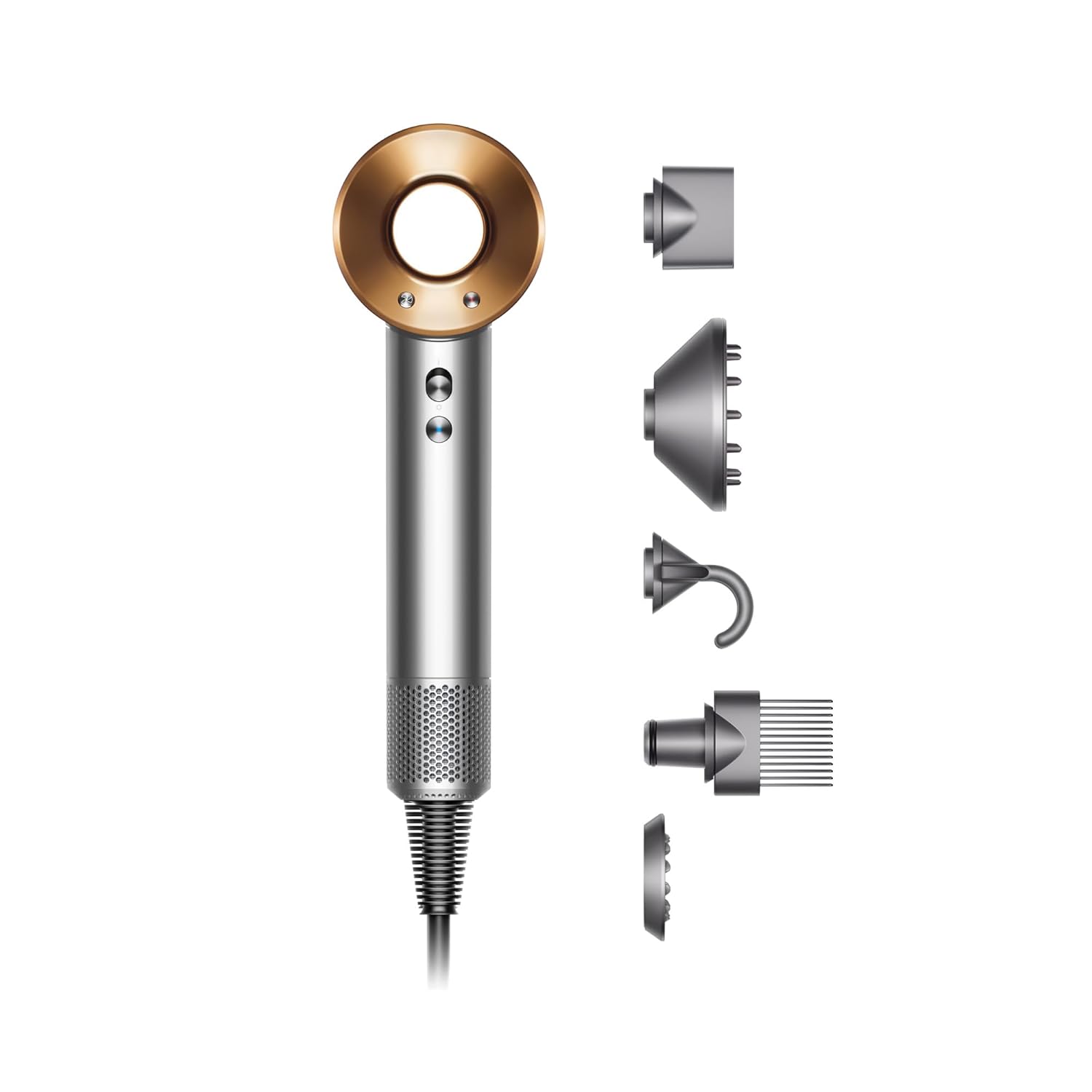
Dyson Supersonic Hair Dryer
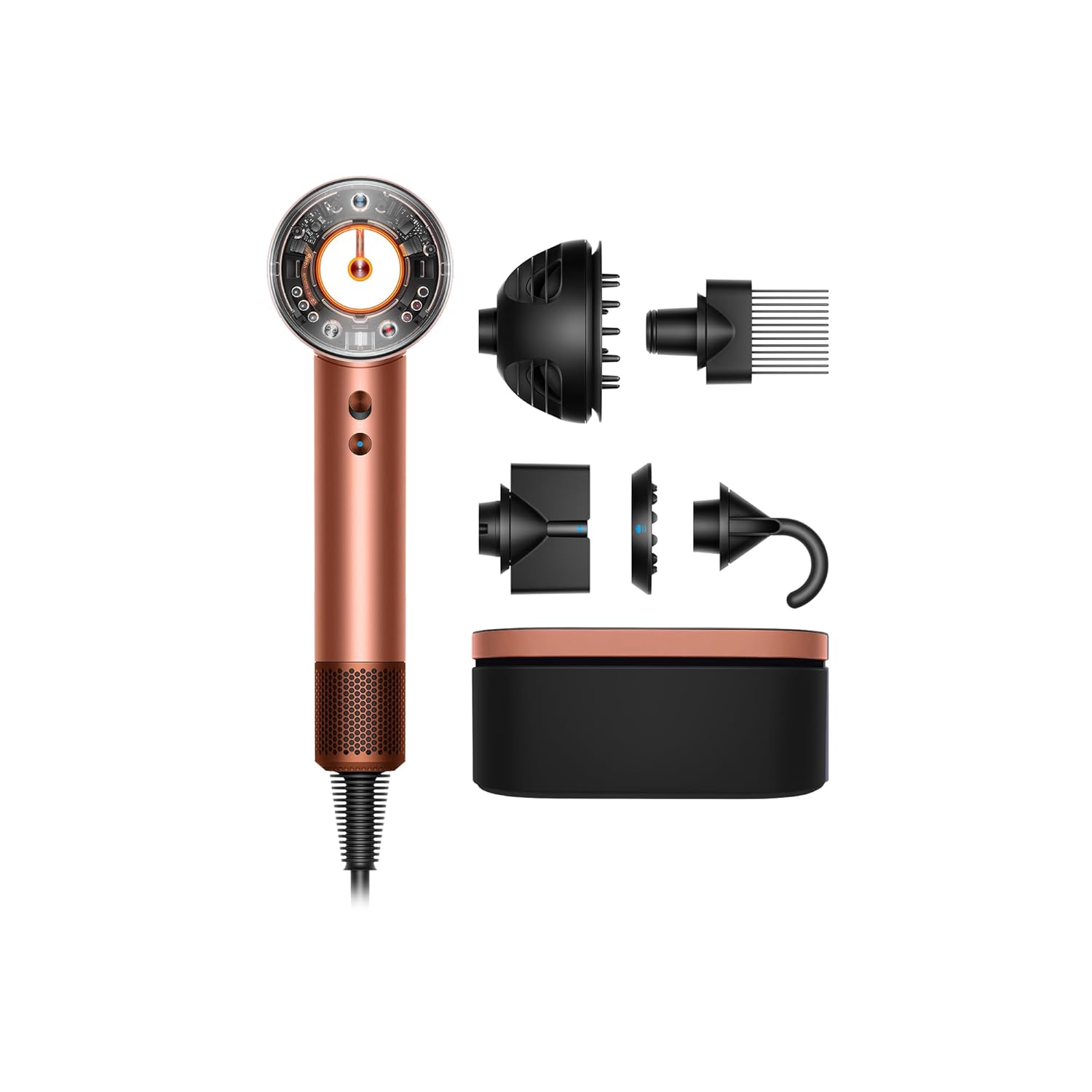
Dyson Supersonic Nural Hair Dryer
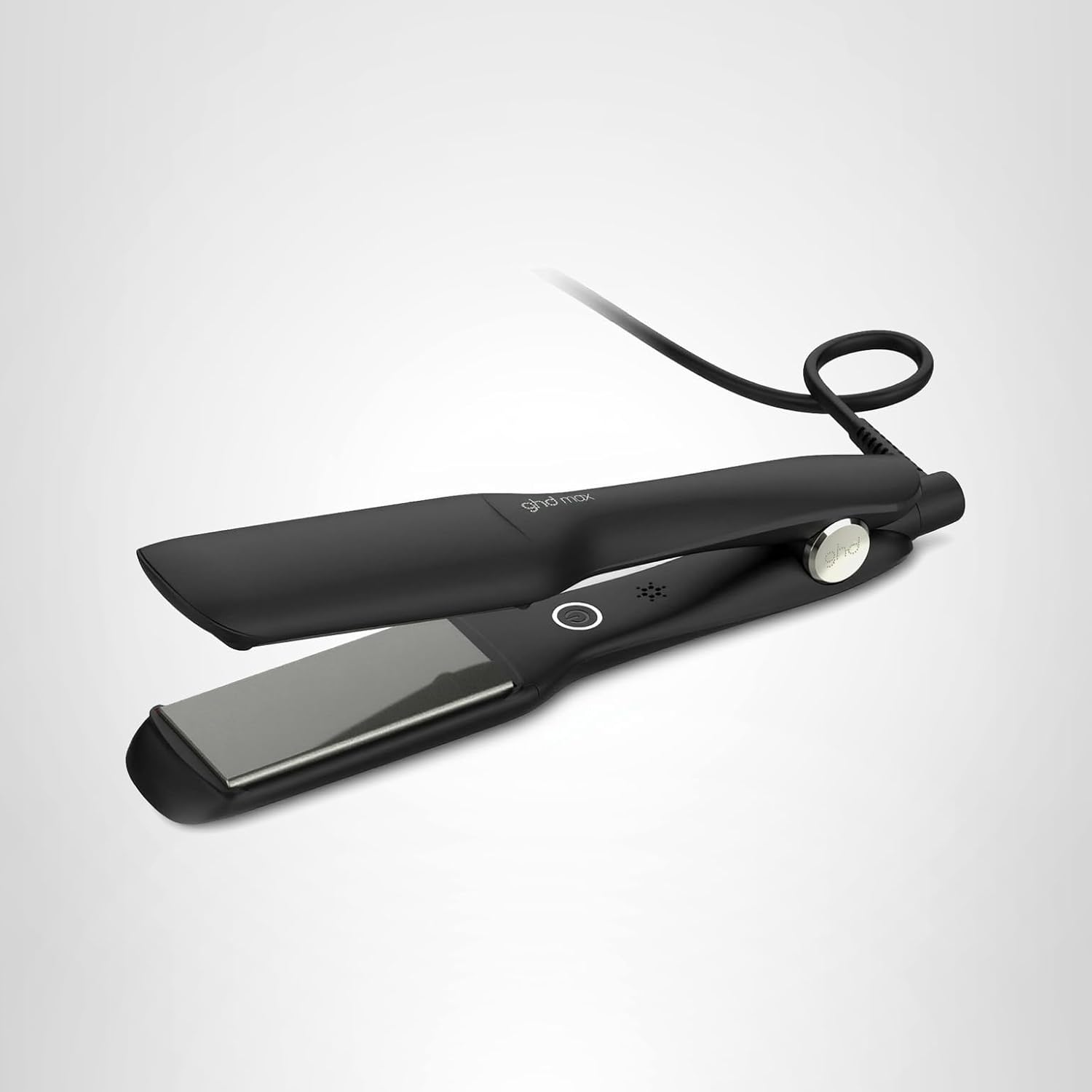
ghd Gold Professional Styler Flat Iron Hair Straightener
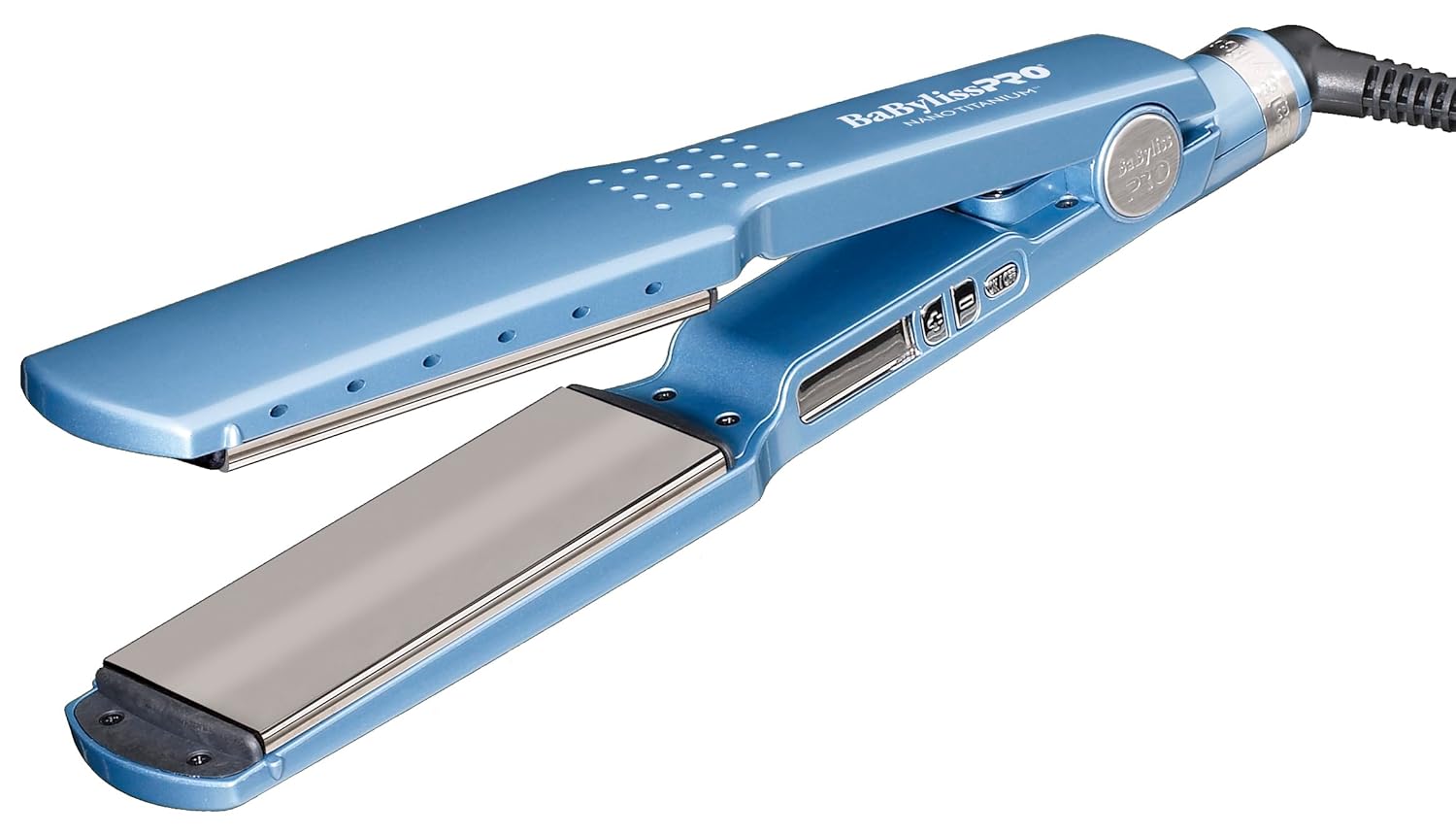
BaBylissPRO Nano Titanium Ionic Hair Straightener
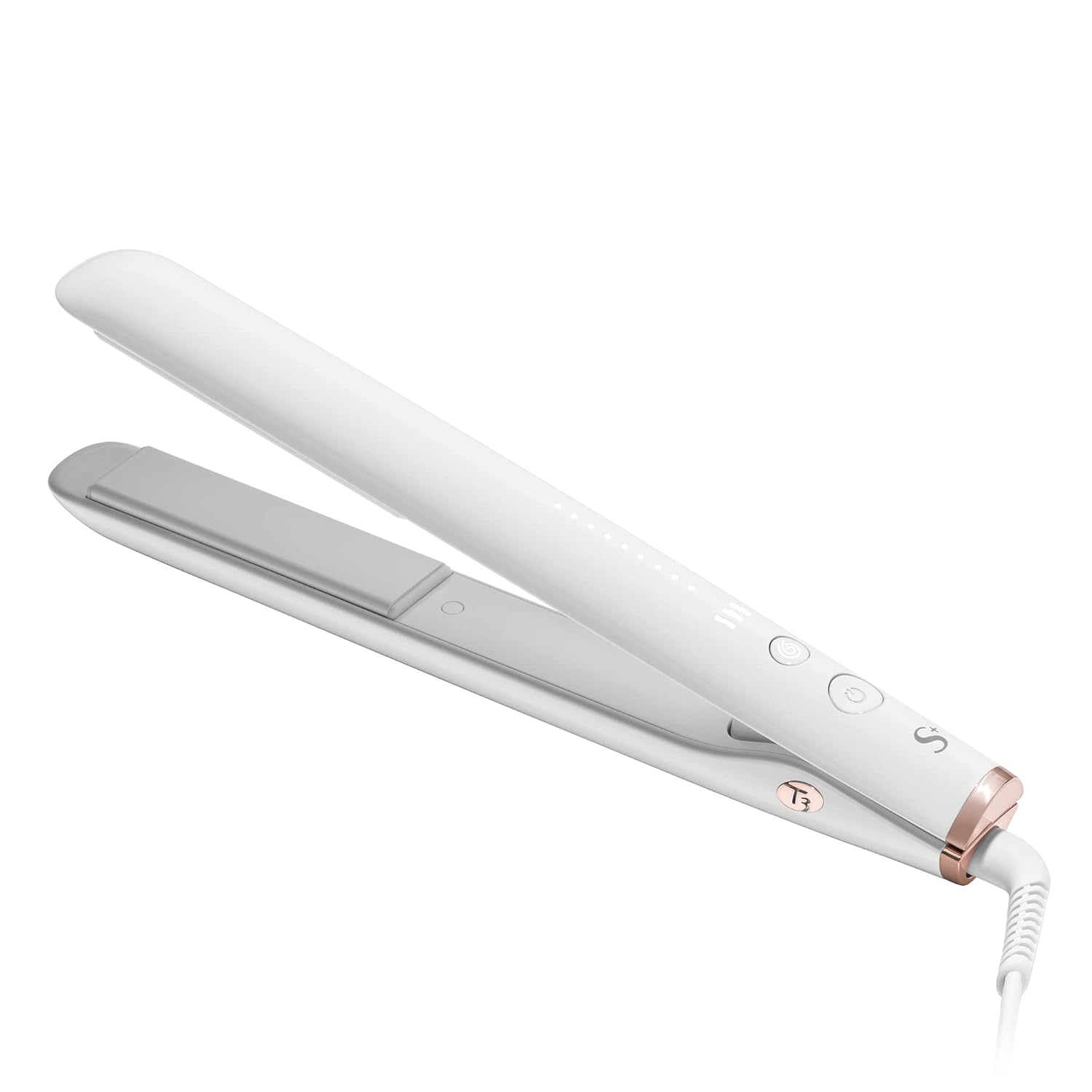
T3 SinglePass StyleMax Professional 1" Ceramic Flat Iron
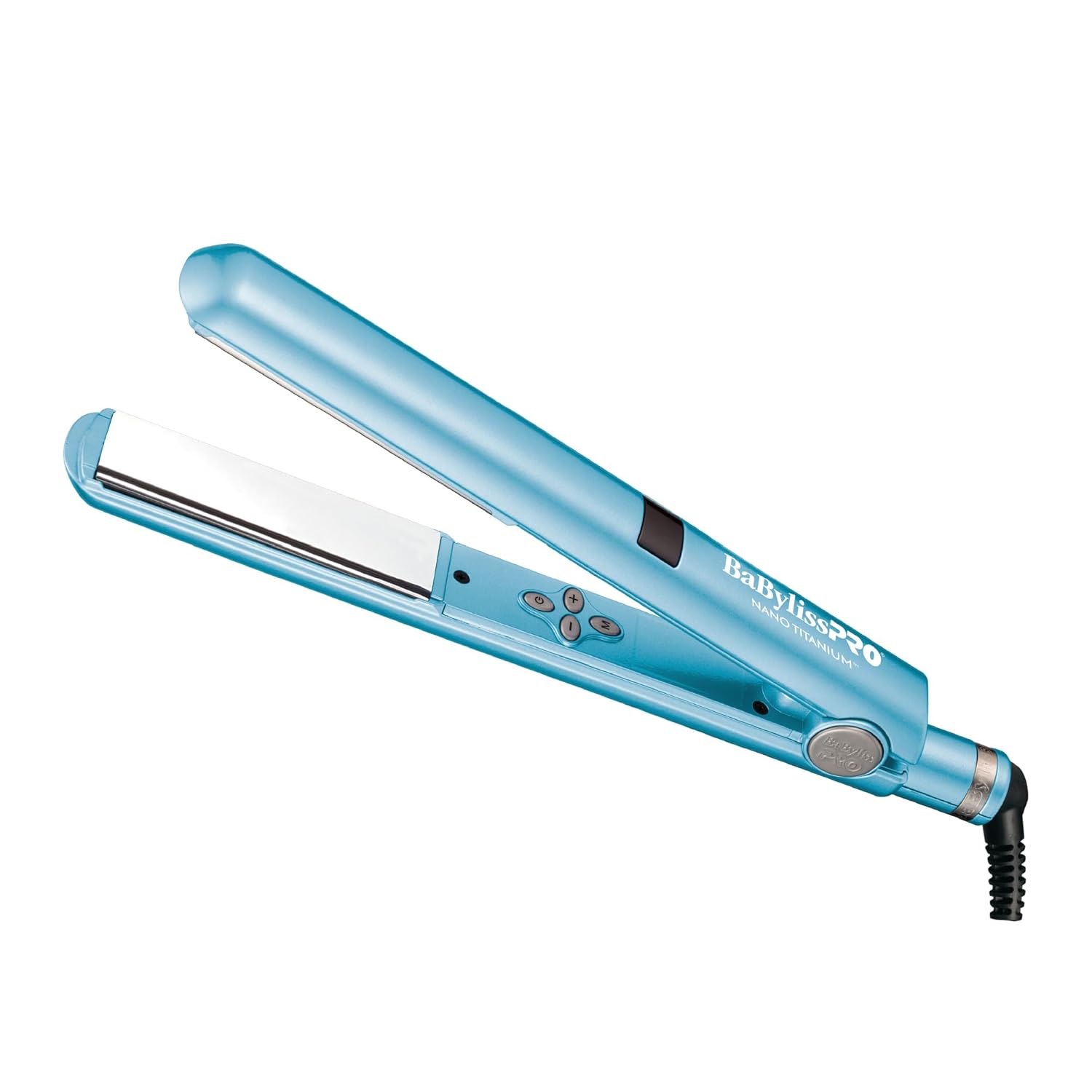
BaBylissPRO Nano Titanium Digital Flat Iron Hair Straightener
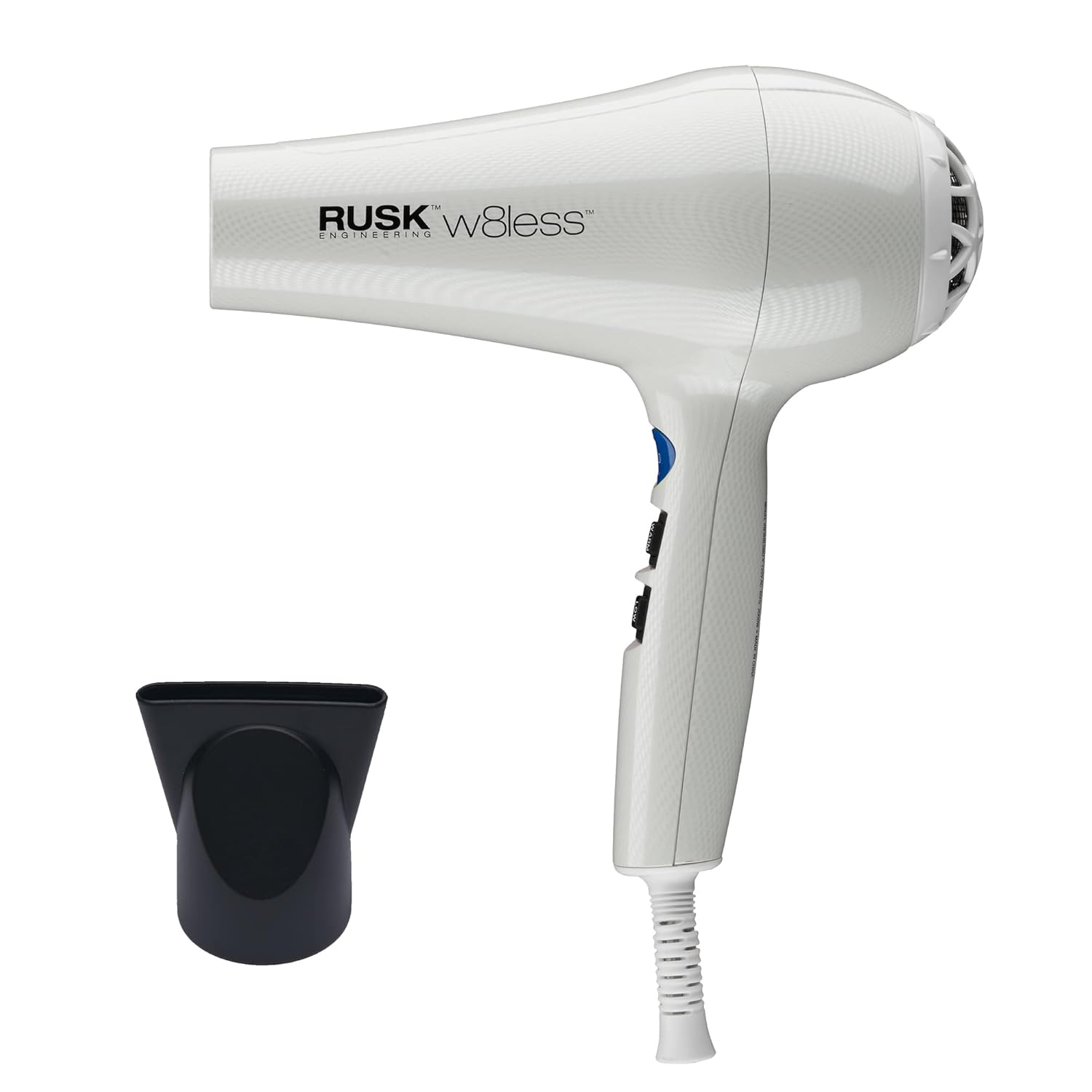
RUSK Engineering W8less Professional 2000 Watt Dryer
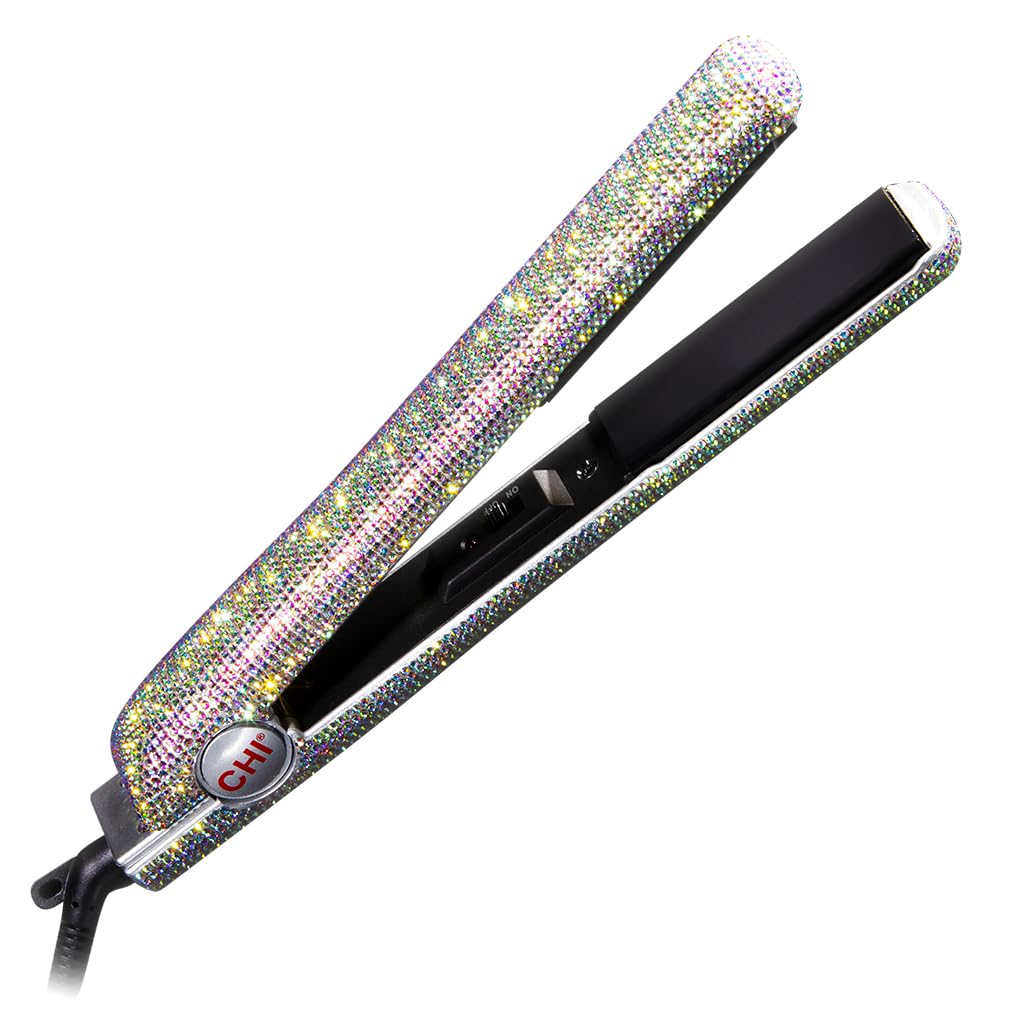
CHI The Sparkler Lava Ceramic Flat Iron