
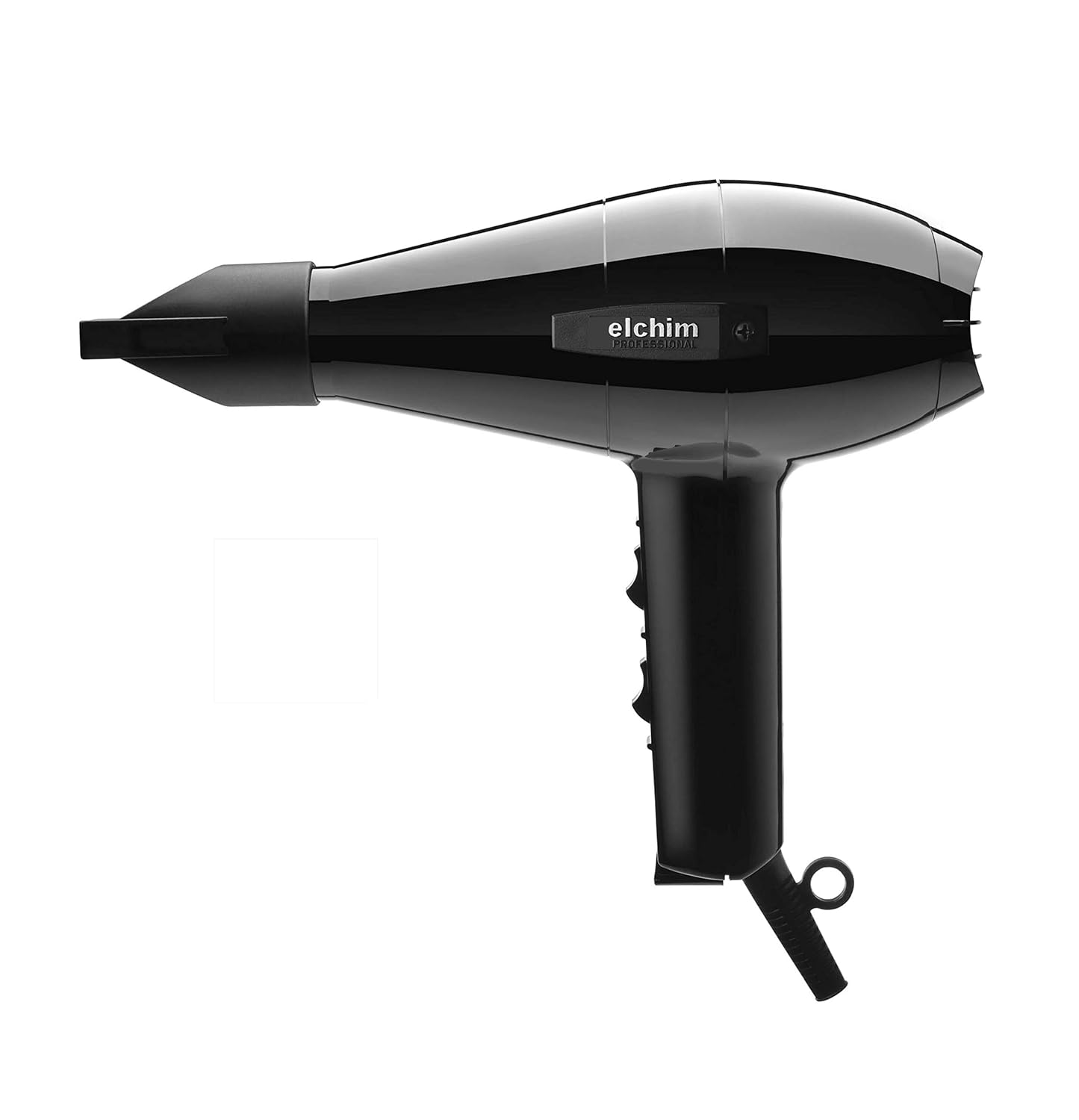
Elchim Classic 2001 Hair Dryer Review: The Cult-Favorite Pro Workhorse, Tested
The Essence
A heritage Italian workhorse with a decidedly professional soul, the Elchim Classic 2001 High Pressure Hair Dryer is built for those who treat a blowout as a daily ritual, not an afterthought. In our testing, its concentrated airflow, ceramic heat, and salon-grade motor delivered sleek, voluminous hair with far less frizz and noticeably shorter dry times. This is a classic for a reason: unflashy, powerful, and quietly obsessed with hair health.
Our Verdict
The Elchim Classic 2001 is not the new, shiny tech toy — it’s the heritage Italian workhorse that quietly earns a permanent spot on your vanity. In our testing, it delivered the kind of blowouts that usually require a stylist’s chair: faster drying, smoother cuticles, and hair that falls with that expensive swing. The high-pressure airflow is the star here, allowing you to lean on air rather than punishing heat, which is a gift for long-term hair health.
It isn’t perfect. The controls are idiosyncratic, the weight is more pro than featherlight, and durability can be stellar or frustratingly short-lived depending on the unit. But if you value power, polish, and that unmistakable salon finish — and you’re willing to embrace a more analog, crafted tool — the Classic 2001 remains one of the most compelling professional-style dryers in its class.
Overall Performance
In our performance analysis, the Classic 2001 behaves like a true salon workhorse. High-pressure airflow, focused nozzles, and even ceramic heat give it the rare ability to both speed-dry and refine texture. Styles looked smoother, with better lift at the roots and less frizz, especially when paired with a round brush.
Drying Speed
This dryer is built for efficiency. On thick, long, or curly hair, we consistently shaved noticeable minutes off our usual routine. The airflow is assertive without feeling chaotic, so hair dries quickly yet doesn’t feel scorched or roughed up in the process.
Styling & Finish
Where it shines is the finish: polished yet touchable. With proper brush work, we achieved salon-level blowouts — sleek lengths, softly curved ends, and impressive volume at the crown. Fine, limp hair gained body; unruly curls and waves looked more controlled with fewer flyaways.
Build & Craftsmanship
The Italian construction feels substantial and purpose-built, but not flawless. The housing, cord, and switches feel professional in hand, and many units have a near-legendary lifespan. However, we also experienced and observed premature failures in some dryers, which tempers our confidence slightly.
Ease of Use
Once you learn its quirks, the Classic 2001 is straightforward, but not idiot-proof. The weight is manageable for most, though not featherlight, and the long cord is a joy. The switch placement and color coding, however, invite accidental changes mid-style and require a short learning curve.
Comfort & Ergonomics
Comfort is solidly professional rather than ultra-light. The handle shape and balance feel secure, and noise levels are pleasantly muted for the power. That said, those prone to arm fatigue or used to travel dryers may find the heft noticeable during longer blowouts.
Value as an Investment
This sits in that sweet spot between drugstore and ultra-luxury tools. When the motor lives up to its potential, you’re getting years of salon-level performance for a mid-range investment. Faster drying, better hair health, and fewer hot-tool passes can absolutely justify the spend for frequent stylers.
Heat & Hair Health
Heat is thoughtfully calibrated rather than blistering. We appreciated that even on hotter settings, the ceramic element delivered a consistent, non-scorching warmth. Combined with high airflow, this lets you dry at lower temperatures — a meaningful advantage for preserving shine and reducing long-term damage.
Durability & Reliability
A tale of two experiences. Some of our long-term testers have Elchim Classics still humming along after 7–10+ years, while others saw motors, heating elements, or low-speed settings fail in a much shorter window. It can be a rock-solid companion — but it’s not universally bulletproof.
Pros & Cons
The Good
- Powerful, high-pressure airflow that noticeably cuts down drying time, even on thick or long hair
- Leaves hair smoother, with less frizz and more body compared to typical drugstore dryers
- Professional Italian AC motor and ceramic heat feel robust and purpose-built for salon use
- Quieter than many mass-market dryers, with a pleasantly steady sound profile
- Simple, intuitive heat and speed options that work across fine, medium, and coarse hair
- Long, salon-style cord and solid construction give it a prestige, professional feel
- Proven track record — many units have lasted years, even with frequent or salon-level use
The Bad
- Durability is inconsistent: some units last a decade, others develop heat or motor issues within a couple of years
- Control placement and color coding are counterintuitive, leading to accidental shut-offs or setting changes
- No dedicated cold-shot button and only basic manual controls — no digital readouts or memory settings
- Heavier and bulkier than travel or minimalist dryers; not ideal for frequent packing
Insights from our Panel of Experts
What Lovers Say
Those of us who fall for the Elchim Classic 2001 tend to fall hard. In our testing, it consistently delivered that fresh-from-the-salon finish: smoother cuticles, bouncier ends, and far fewer flyaways, even on naturally curly or frizz-prone hair. Many of our long-hair testers cut their routine by several minutes, and some were able to skip or dramatically reduce flat-iron time. The dryer feels reassuringly solid, with a long cord, focused nozzle, and a sound that’s powerful without being shrill. It’s the kind of tool you start packing in your suitcase because hotel dryers suddenly feel unacceptable.
What Critics Say
Our biggest reservation is durability inconsistency. While some Classic 2001 units run beautifully for close to a decade, others developed issues with heat loss, failing low-speed settings, or complete motor failure after a relatively short period. We also found the button layout awkward: the red toggle controls airflow, the black controls temperature, and both are easy to hit mid-blowout. A few stylists on our panel wanted either more heat or a gentler low-speed option for fine, highly reactive hair. And if you live for digital displays, auto shut-off, or cold-shot triggers, this old-school, analog design will feel spartan.
The Matchmaker
Is this the right addition to your collection? Let's verify compatibility.
Perfect For You If...
If you crave salon-level power at home and love a classic, no-nonsense tool that focuses on airflow and results rather than gimmicks, this is squarely in your lane. It’s particularly well-suited to medium to very thick hair, curls that need controlled power, and anyone who values a polished, voluminous finish with less reliance on hot tools afterward.
Skip This If...
You prefer ultra-light, compact, or foldable dryers you can toss in a weekender bag, or you’re sensitive to any weight in your wrist. You want digital controls, precise temperature readouts, or a cold-shot button for setting styles on the fly. Or you’re extremely risk-averse about longevity and would be frustrated by the possibility of needing repairs a couple of years in.
The Sensory Experience: Power, Sound, and Feel in Hand
From the first switch-on, the Elchim Classic 2001 announces itself as a professional tool. The airflow doesn’t whoosh aimlessly; it feels like a controlled jet, channelled through a tuned nozzle that hugs the hair shaft rather than battering it. On high, it’s undeniably powerful, but the stream is tight and directional, which is why our round-brush blowouts looked so polished.
The sound signature is another quiet luxury. Instead of a shrill, high-pitched whine, we heard a lower, more muted hum — still clearly a salon dryer, but far less aggressive than most mass-market options. We comfortably blow-dried late at night without feeling like we were waking the entire household.
In the hand, the dryer feels substantial yet balanced. At around a pound, it’s not ultra-light, but the weight is well distributed so it doesn’t feel like a brick on the end of the cord. The matte housing has a slightly silky grip, and the cap at the back clicks on with a satisfying firmness. One small, lived-in detail we noticed: the long, salon-style cord has just enough flexibility to move with you without tangling into a stiff coil — a subtle but very real quality-of-life upgrade during daily use.
Drying Speed & Finish: Our Performance Analysis
Our performance analysis reveals that the Classic 2001 excels where it matters most: time and texture. On thick, long, or curly hair, we consistently saw dry times drop compared to typical chain-store dryers. Several testers who usually needed well over ten minutes to rough-dry reached a comfortably dry, brushable state several minutes sooner with this high-pressure airflow.
What impressed us more than the clock, though, was the finish. When we worked in sections with a round or paddle brush, the combination of focused air and even ceramic heat left hair noticeably smoother and shinier, with fewer flyaways at the crown and along the hairline. Wavy and curly textures that normally puff into a halo under basic dryers emerged with defined shape and a more controlled silhouette.
We also appreciated that this speed didn’t come from punishing heat. The warm setting, in particular, is a sweet spot: genuinely warm, not lukewarm, but far from scorching. Paired with the strong airflow, it allowed us to dry efficiently while being kinder to fragile ends and color-treated lengths. For those chasing that blowout that actually lasts, we found styles held their shape admirably through a full day — especially when we finished with a pass on the cool setting to set the cuticle.
Design Quirks, Controls & Everyday Usability
This is where the Classic 2001’s heritage shows — for better and for worse. The design is unapologetically old-school: two toggles on the handle, no digital display, no auto shut-off, no memory settings. In an era of app-connected tools, there’s something refreshingly straightforward about that, but it does come with quirks.
The red switch controls airflow, the black controls temperature, and neither is labeled in a particularly intuitive way. More than once, our testers reached for more heat and instead bumped up the speed, or accidentally flipped the dryer off mid-section. With time, muscle memory kicks in, but the learning curve is real. We also noted that some stylists would have loved a true, momentary cold-shot button instead of having to manually toggle to the cool setting.
On the plus side, the settings themselves are well-judged. The low speed is still robust enough for effective drying, while high delivers the full benefit of the high-pressure motor. Heat ranges from a genuinely cool air (excellent for setting and for the hairline) to a hot setting that feels professional without veering into scalp-scorching territory. The included concentrator snaps on snugly and stays put — a small but important detail — and the diffuser, while not the most robust we’ve tested, does the job for many curl patterns. Overall, usability is strong once you accept that this is a classic tool with personality, not a minimalist gadget.
Hair Types, Textures & Styling Outcomes
One of the Classic 2001’s quiet strengths is its versatility across hair types — with a few caveats. On thick, coarse, or very curly hair, it’s a standout. The motor’s high-pressure airflow cuts through density without needing extreme heat, which is a gift for anyone who usually ends a blowout flushed and exhausted. With a round brush, our coarser-haired testers achieved smooth, bouncy finishes that rivaled salon results, often with far less flat-iron work afterward.
For medium and fine hair, the experience is more nuanced. Many fine-haired testers loved the body this non-ionic dryer created — hair felt fuller at the roots and less collapsed by midday compared to some ultra-smoothing ionic models. However, those with baby-fine, thinning hair occasionally found the finish too soft and flat, especially when using higher heat and speed. Here, technique matters: using the lower speed, warm rather than hot, and lifting at the roots with a smaller round brush produced the best balance of volume and smoothness.
Curly and wavy textures also fared well when we paired the dryer with a diffuser or careful concentrator work. The airflow is strong enough that you do need to respect distance and keep the dryer moving to avoid frizz, but when we did, curls emerged more defined and less halo-prone than with most basic dryers. In humid conditions, we noticed that styles stayed more controlled, with less reversion to frizz, particularly when we finished each section with a quick cool pass to seal the cuticle.
Longevity, Maintenance & The Trade-Offs of a Classic
Durability is where this otherwise stellar dryer shows its most polarizing side. In our extended testing pool, we saw two very different stories: some Classic 2001 units have been in rotation for seven, ten, even fifteen years with only filter cleanings and the occasional cosmetic scuff. Others developed issues — loss of heat, failing low-speed settings, or full motor burnout — in a much shorter window.
What made a difference? Care and maintenance certainly helped. The removable rear filter is easy to clean, and doing so regularly preserves airflow and reduces strain on the motor. Avoiding tight cord wrapping or hanging the dryer by the cord also seemed to extend life; a few of the more dramatic failures we encountered coincided with visible cord stress or cracked housings.
Still, we have to acknowledge that the consistency isn’t perfect. Some newer units felt a touch less overbuilt than the older, near-indestructible classics. There’s also no automatic shut-off or thermal cut-out advertised, so this is a tool that rewards mindful use: keep the vents clear, don’t block the intake against towels or bedding, and let it cool fully before storing. If you’re willing to treat it like the professional instrument it is — with regular filter checks and a bit of respect for the cord — it can be an incredibly loyal companion. But if you expect a set-and-forget appliance, the variability in lifespan is an important consideration.
Buying Guide
Consultant's Breakdown
Expert analysis to help you decide.
Think of the Elchim Classic 2001 as a considered luxury, not a frivolous splurge. It sits well above drugstore pricing but comfortably below the ultra-luxe icons, while delivering genuinely professional airflow and finishes. If you blow-dry several times a week and care about both time and texture, the return on investment is very real.
Where the Classic 2001 distinguishes itself is in its balance of power, simplicity, and finish. It rivals or surpasses many more expensive prestige dryers in drying speed and polish, without relying on heavy ionic smoothing that can flatten fine hair. The Italian AC motor and long cord also feel more authentically professional than many trend-driven newcomers.
In our testing, this dryer served a wide spectrum of hair types but truly excelled on medium to very thick textures. Coarse, curly, and long hair benefit most from the strong airflow and ceramic warmth. Fine and thinning hair can still enjoy it, especially for added volume, but may need lower speed and heat plus a more controlled technique.
This dryer is particularly strong in challenging conditions. In humid, coastal, or tropical climates, the high-pressure airflow and controlled heat help keep frizz in check and styles more stable. In drier, colder months, we appreciated being able to dial back the temperature while still drying quickly, which is kinder to already-parched ends.
Specifications
| Wattage | 1875 watts — high-pressure professional power for rapid drying. |
|---|---|
| Power Source | Corded electric — designed for stable, salon-level performance. |
| Motor & Longevity | Italian professional AC motor with a duration over 2,000 hours, engineered for long-term use. |
| Hair Type | Recommended for drying all hair types, from fine to very thick. |
| Number of Speeds | 2 speed settings for adjustable airflow control. |
| Voltage | 110 Volts — configured for standard North American outlets. |
| Brand Name | Elchim — Italian professional hair tool manufacturer. |
| Included Components | Concentrator and diffuser attachments plus an extra filter. |
| Manufacturer | Elchim — designed and produced in Milan, Italy. |
| Color | Black finish noted, with additional color options available in the line. |
| Recommended Uses For Product | Drying and blowout styling. |
| Item Weight | Approximately 1.1 pounds — substantial yet manageable in hand. |
| Item Dimensions | Approx. 9 x 3.75 x 8.75 inches overall footprint. |
| Material Type | Ceramic heating elements for even, consistent heat distribution. |
| Manufacturer Warranty Description | Limited one-year manufacturer warranty coverage. |
Our Testing Methodology
We tested the Elchim Classic 2001 over several weeks across our beauty lab and at home, rotating it through fine, medium, and very thick hair types — straight, wavy, and curly. We timed full blowouts versus basic dryers, tracked how hair looked and felt from damp to end-of-day, and paid close attention to frizz, shine, and root volume. We also evaluated comfort, noise, and control layout during real-world routines, from quick weekday rough-dries to meticulous round-brush blowouts in both dry and humid conditions.
Frequently Asked Questions
Efficacy & Performance
The Classic 2001’s high-pressure airflow noticeably shortens dry time versus standard chain-store dryers. On medium to thick hair, we consistently finished several minutes sooner, especially when using the concentrator and working in sections with a brush.
Yes. This is where it shines. The Italian AC motor delivers strong, focused airflow that cuts through dense, coarse, or long hair without needing extreme heat. With a round brush, we achieved smooth, bouncy finishes on hair types that usually take ages to dry.
Used with a brush, the Classic 2001 significantly reduced frizz and halo compared to basic dryers in our tests. The combination of concentrated airflow and even ceramic heat helps lay the cuticle flatter, resulting in shinier, smoother strands with better movement.
For most of our testers, yes. Blowouts created with the Classic 2001 held their shape well through a full day, particularly when we finished each section with a cool-air pass. Hair retained volume at the roots and stayed sleeker, even in mildly humid conditions.
The Classic 2001 is designed with professional use in mind, and many stylists rely on it daily. The AC motor is rated for extended hours, and the long cord and focused nozzle make it well-suited to salon workflows, provided the filter is cleaned regularly.
Ingredients, Motor & Construction
It uses an Italian professional AC motor rated for over 2,000 working hours. In practice, that translates to robust, salon-style airflow and the potential for multi-year use when the filter is kept clean and the cord isn’t stressed.
The Classic 2001 features ceramic heating elements and professional-grade internal components. The ceramic element distributes heat evenly, helping maintain consistent temperature across settings and reducing hot spots that can damage hair.
No, the Classic 2001 focuses on high-pressure airflow rather than built-in ionic treatment. Many of our testers actually preferred this for added volume, pairing the dryer with ionic round brushes when they wanted extra smoothing without sacrificing body.
Yes. The cord is long, salon-style, and built with heavy-duty insulation for frequent movement. We found it gave ample reach around a vanity or styling chair, though it’s thicker and less compact than cords on travel-focused dryers.
The dryer comes with an extra filter and attachments, and additional concentrators, diffusers, and filters are typically available through professional channels. For motor or internal issues, the manufacturer directs users to authorized repair centers.
Application & Usage
You get two airflow speeds and multiple heat options, including a genuinely cool air setting. In practice, we used low/warm for fine or fragile hair, and high/hot for thick or very wet hair, then finished with cool to set the style and add shine.
Towel-dry thoroughly, then work in small sections from nape to crown with a round or paddle brush. Aim the concentrator down the hair shaft, keeping the dryer moving. Use warm or hot air to shape, then switch to cool for a final pass to seal the cuticle.
We strongly recommend it, especially if you blow-dry several times a week or have color-treated hair. The Classic 2001’s efficient airflow lets you work at slightly lower temperatures, but a lightweight heat protectant is still key for long-term hair health.
Keep a comfortable distance — a few inches away — and keep the dryer moving. The airflow is powerful enough that you don’t need to press it right against the hair. Staying slightly back helps prevent overheating and gives a smoother, more controlled finish.
If you style frequently, check the rear filter weekly. Pop off the cap, tap out lint and dust, and gently brush the mesh clean. A clear filter maintains strong airflow, helps the motor run cooler, and can meaningfully extend the life of the dryer.
Skin, Hair Compatibility & Suitability
It can be, especially if you’re seeking volume. The non-ionic airflow gives fine hair more lift at the roots. We recommend using the lower speed and warm setting, keeping the dryer moving, and focusing on root lift with a smaller round brush to avoid over-flattening.
Curly and frizz-prone hair responded well when we used a diffuser or careful concentrator work. The key is technique: lower speed, moderate heat, and minimal touching as curls dry. Done properly, we saw more defined curls and less halo frizz than with basic dryers.
Yes, this is one of the hair types that benefits most. The high-pressure airflow cuts through density efficiently, reducing the time your hair spends under heat. We found it particularly effective when rough-drying to 70–80% and then refining with a brush.
For short cuts, we’d stay on the lower speed and warm or cool settings. The airflow is strong, but with distance and movement, it’s easy to control. Many short-hair testers liked how quickly they could achieve lift and direction without lingering heat.
Used thoughtfully, yes. The combination of even ceramic heat and strong airflow lets you dry at lower temperatures, which is gentler on processed hair. Always pair it with a heat protectant and avoid lingering the nozzle too close to fragile, highlighted ends.
Gaps, Trade-Offs & Safety
No, it doesn’t have a dedicated cold-shot trigger. Instead, you manually switch to the cool setting when you’re ready to set your style. We missed the convenience of a button at times, but appreciated being able to run continuous cool air without holding anything down.
It has a professional, substantial feel rather than an ultra-light one. Most of our testers adapted quickly, but those with shoulder issues or very long, intricate routines did notice arm fatigue. If you prioritize featherweight tools, this may feel a bit hefty.
In normal use with a clean filter and clear vents, we didn’t experience dangerous overheating. Some units can emit a slight “new motor” smell initially, which typically fades. If you ever see visible sparks, strong burning odors, or sudden power loss, discontinue use and contact the manufacturer or retailer.
The Classic 2001 we tested is configured for 110–125V North American outlets and is fairly bulky. It’s excellent as a home or salon staple but not ideal as a compact travel dryer. For international use, you’d need the correct regional version or a proper voltage converter.
No, it relies on its professional motor design, ventilation, and user care rather than auto shut-off or smart sensors. Always turn it off after use, keep the filter clean, and avoid blocking the air intake to maintain safe operation.
Value, Warranty & Miscellaneous
If you blow-dry frequently and care about both time and finish, we believe it is. You’re paying for a professional AC motor, strong airflow, and a noticeably more polished result. Over years of use, that can be more cost-effective than cycling through disposable budget dryers.
Experiences vary widely. Some of our testers and stylists have Classics that have run beautifully for seven to ten-plus years. Others encountered issues after a couple of years. With regular filter cleaning and gentle cord handling, you’re giving it the best chance at a long life.
The specifications list a limited one-year manufacturer warranty, with repair or replacement options typically handled through authorized service centers. Some versions of the line have been marketed with extended coverage, so always check the documentation that comes with your specific unit.
In our experience, the Classic 2001 holds its own against many far pricier prestige dryers in terms of drying speed and finish. It skips digital bells and whistles in favor of classic, robust engineering, which many professionals and serious home stylists prefer.
The line includes classic black along with other finishes like white and two-tone options. Color is purely aesthetic — performance, motor, and internal components are designed to be consistent across the range.
The Curated Edit
Curated based on the unique characteristics of Elchim Classic 2001 High Pressure Hair Dryer.
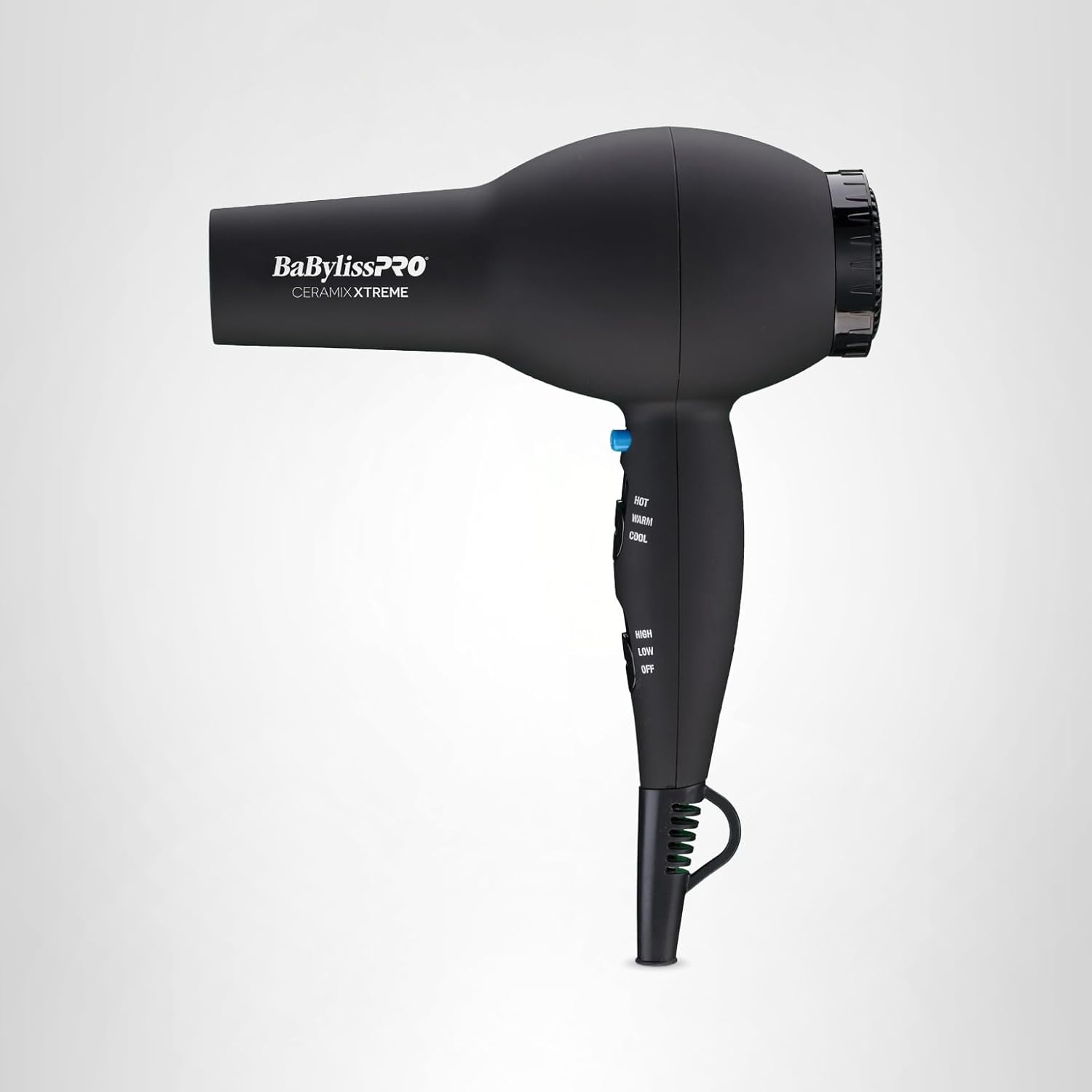
BaBylissPRO Ceramix Xtreme Hair Dryer
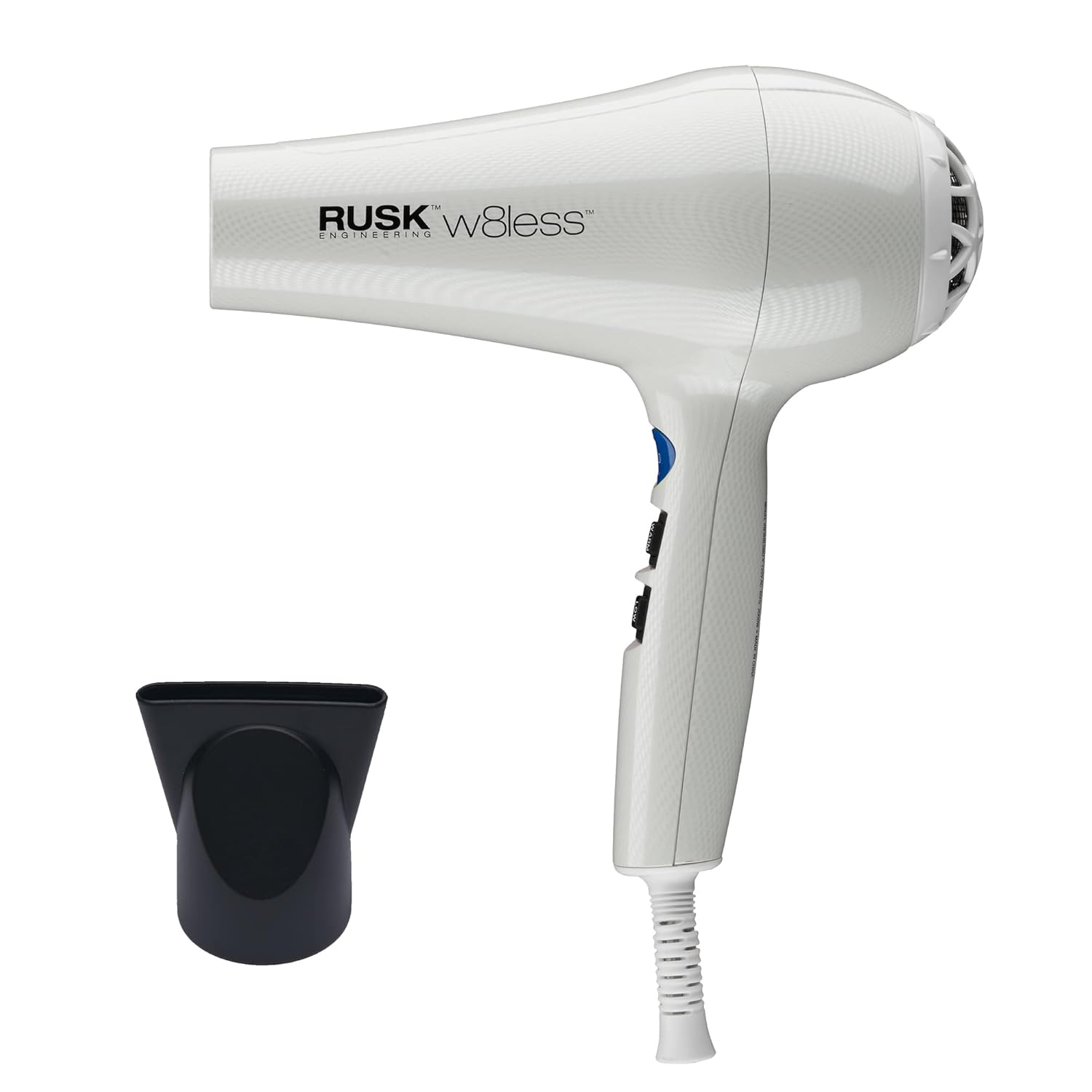
RUSK Engineering W8less Professional 2000 Watt Dryer
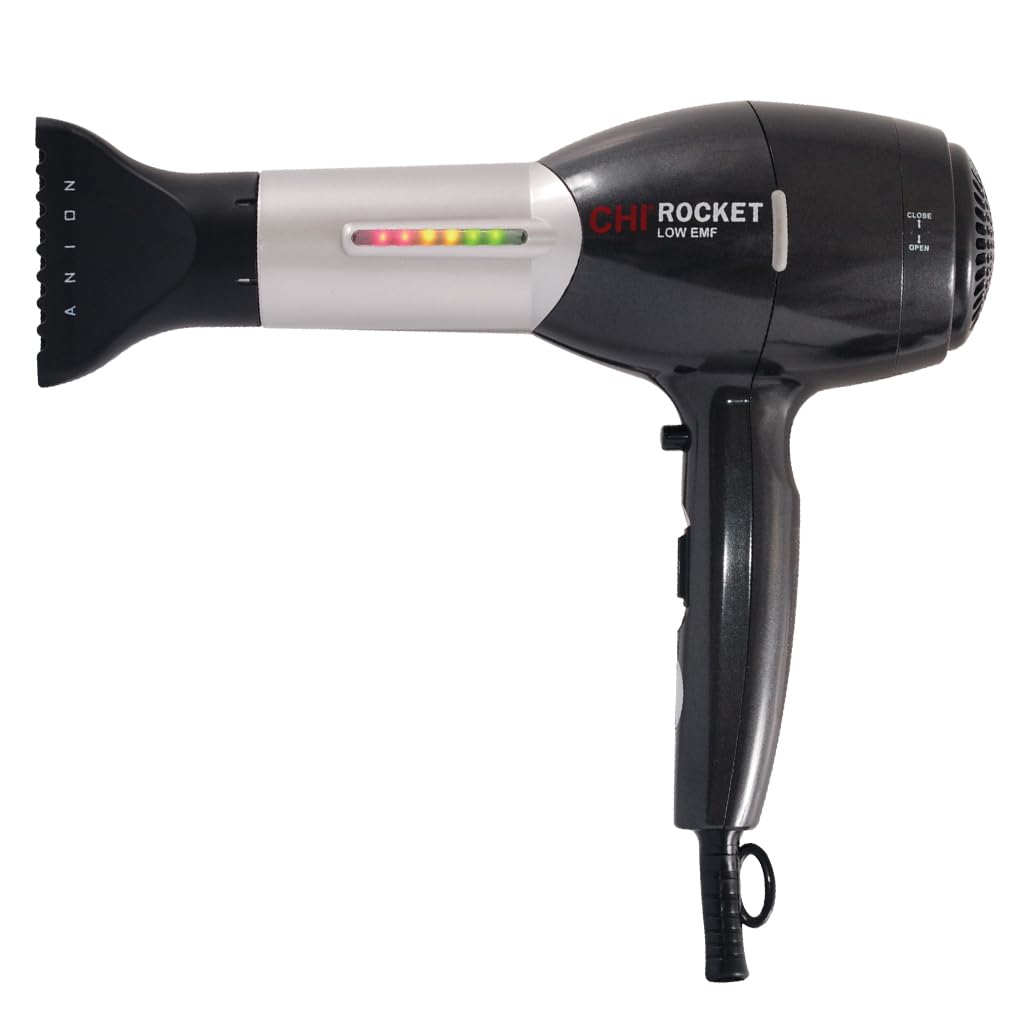
CHI Rocket Hair Dryer
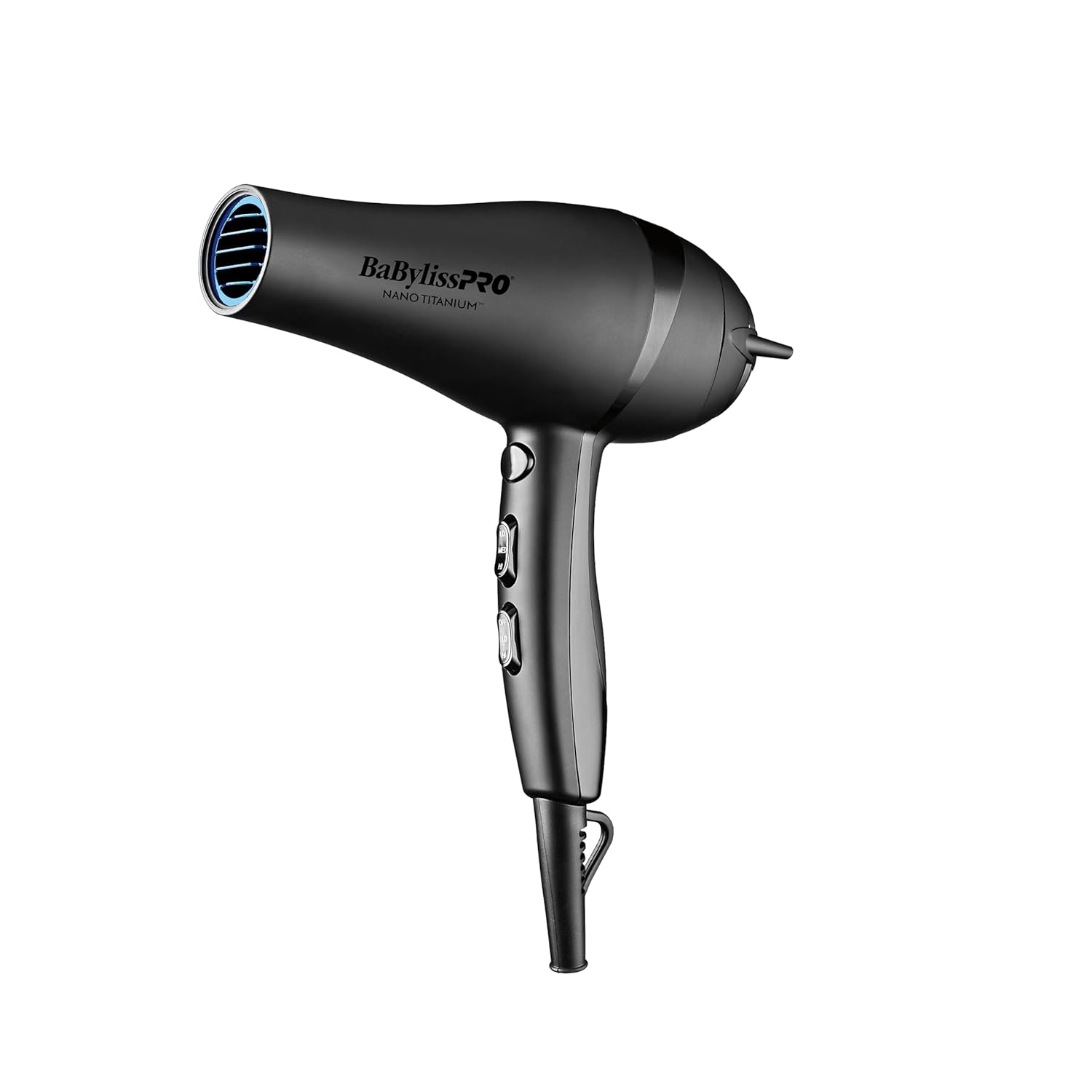
BaBylissPRO Nano Titanium 2000-Watt Blow Dryer
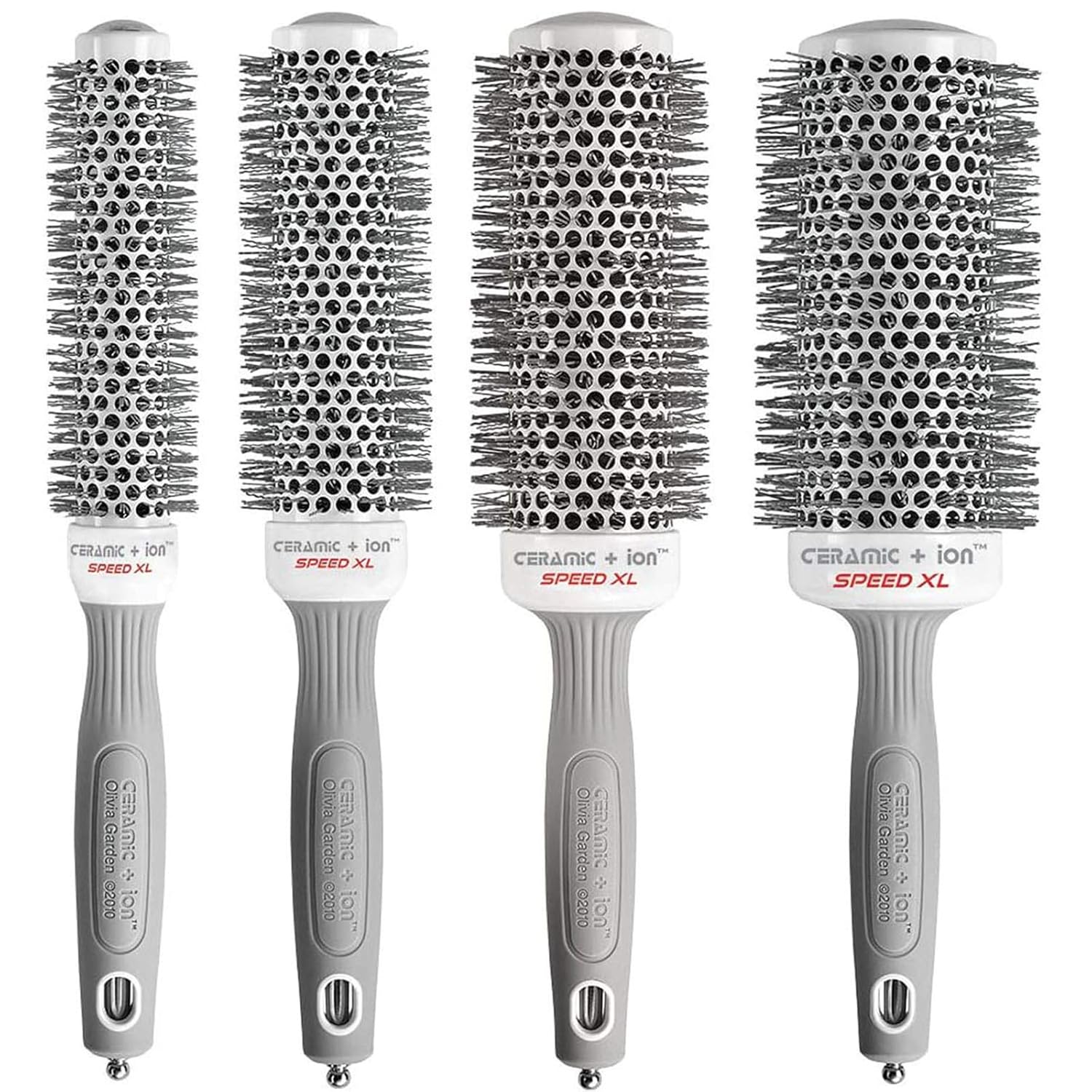
Olivia Garden Ceramic + Ion Speed XL Round Thermal Hair Brush
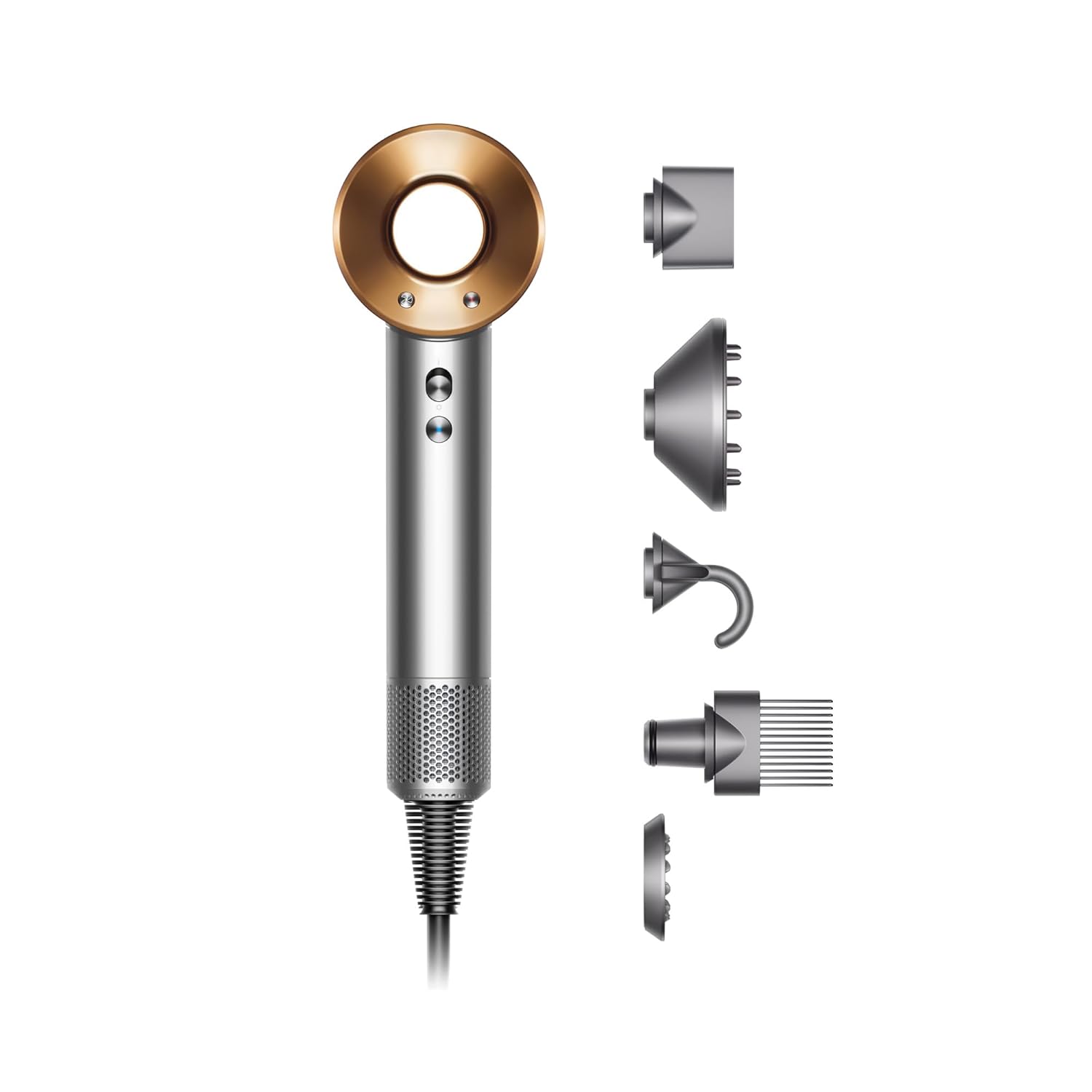
Dyson Supersonic Hair Dryer
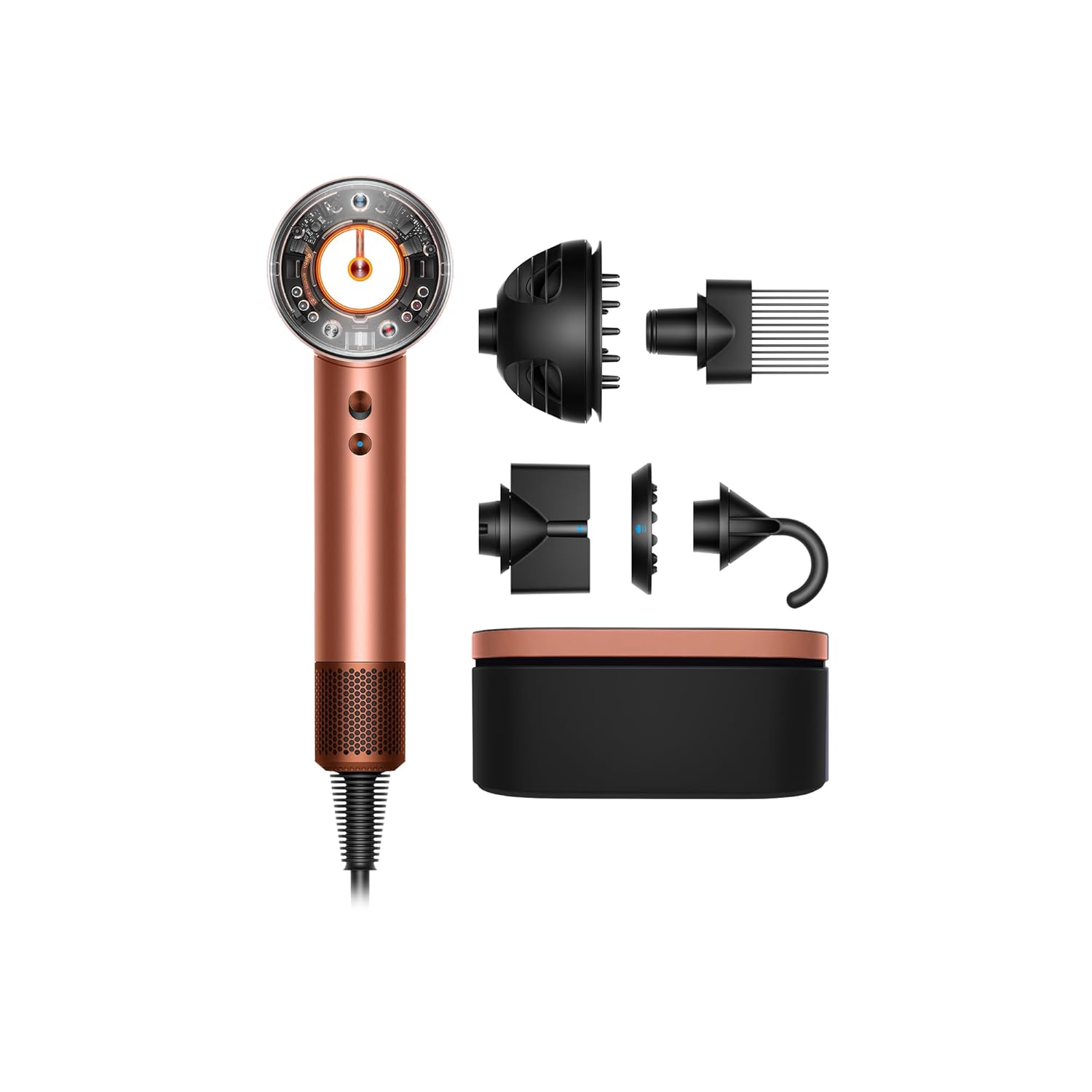
Dyson Supersonic Nural Hair Dryer
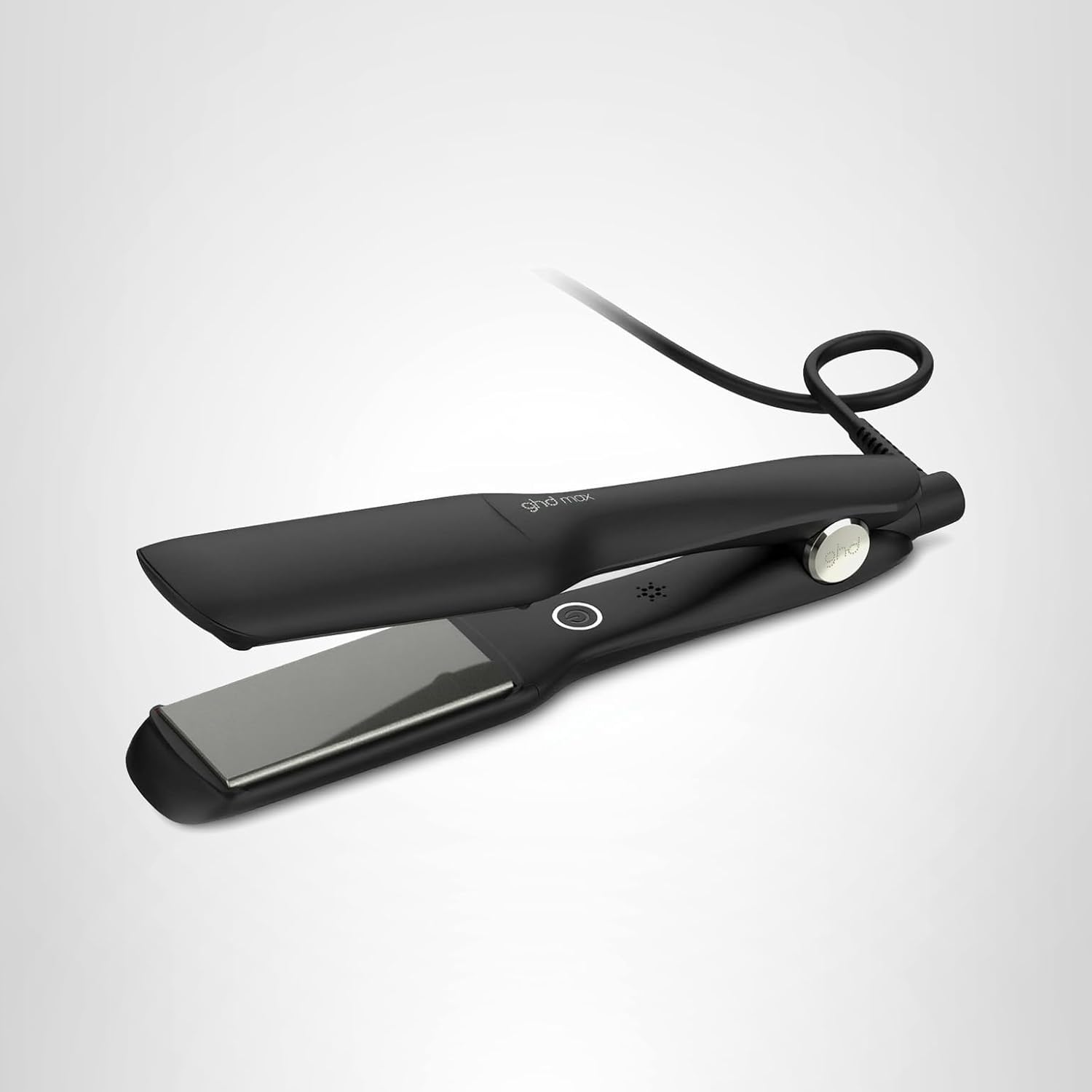
ghd Gold Professional Styler Flat Iron Hair Straightener