
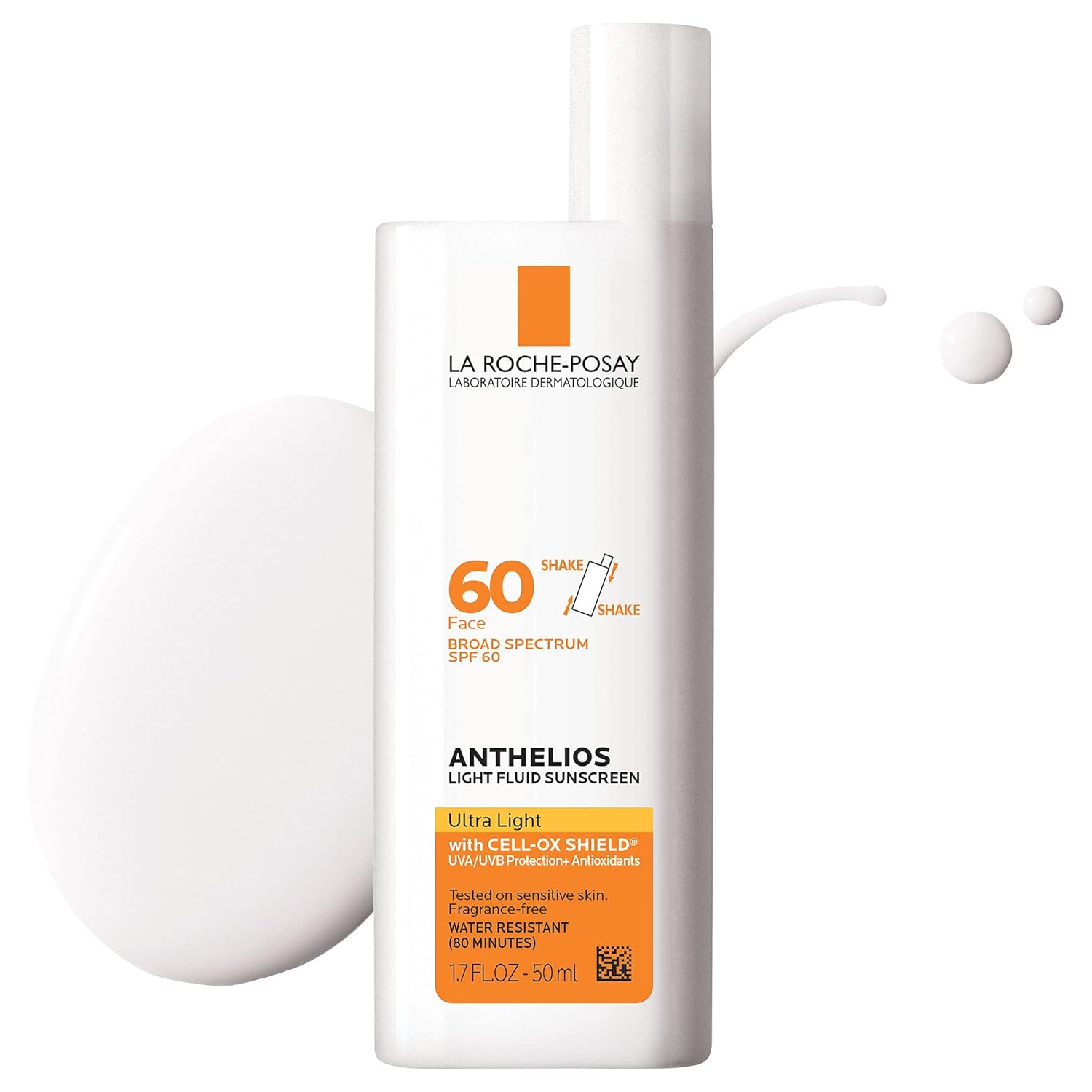
La Roche-Posay Anthelios Light Fluid SPF 60 Review: A Dermatologist-Grade Daily Shield
The Essence
A weightless, fluid SPF veil that feels more like skincare than sunscreen, Anthelios Light Fluid SPF 60 is designed to disappear into the skin while quietly delivering serious broad-spectrum protection. In our testing, it behaved like a daily complexion shield: photostable filters, antioxidants, and a subtly matte finish that pairs elegantly with bare skin or full makeup.
Our Verdict
Anthelios Light Fluid SPF 60 is what happens when French pharmacy rigor meets everyday practicality. In our testing, it behaved less like a traditional sunscreen and more like an invisible shield—highly photostable, impressively protective, and almost imperceptible once it set. The ultra-fluid texture and matte, makeup-friendly finish made it the SPF we reached for on rushed weekday mornings and high-stakes sun days alike. It is not a plush, cushiony cream; it is lean, purposeful protection, and that brings trade-offs for very dry, highly sensitive, or deep-toned skin. But for normal to oily, breakout-prone faces searching for a truly weightless, dermatologist-trusted daily SPF, this remains one of the most quietly luxurious formulas in our cabinets.
Overall Sun Protection
As a pure shield, this is outstanding. Our performance analysis reveals consistently strong protection in intense sun, from desert heat to coastal runs, with minimal redness or tanning when reapplied appropriately. The photostable filters and high SPF 60 make it feel more like daily armor than a casual SPF.
Texture & Wear
This is sunscreen as silk, not paste. The ultra-thin fluid glides over skin, sets quickly, and leaves a soft matte-to-natural finish that works beautifully under makeup. The trade-off: that same alcohol-lightened texture can feel drying or tight on some complexions, especially without a hydrating base.
Finish & Makeup Compatibility
Under most foundations and skin tints, it behaves like a refined primer: no heavy slip, no obvious shine, and no suffocating film. We did, however, encounter occasional pilling with heavier creams or when layering too aggressively, so thoughtful layering and a short settling time are key.
Comfort on the Skin
For many, this feels weightless to the point of forgettable—no stickiness, no lingering film, no sunscreen ‘mask’. Yet a notable minority of our testers with sensitive or dry-leaning skin experienced tightness, rough texture, or irritation, particularly around the eyes and high points of the face.
Shine & Oil Control
On oily and combination skin, the matte fluid finish is a quiet luxury: it reins in midday shine without veering into chalky or flat. A few very oily testers still needed blotting papers, and some drier complexions found the mattifying effect accentuated dry patches without a good moisturizer underneath.
Skin Compatibility & Breakouts
The non-comedogenic, oil-free formula performed impressively for most acne-prone testers, who noticed fewer clogged pores than with typical body SPFs on the face. That said, a smaller group did experience congestion or breakouts, underscoring that even well-formulated chemical filters won’t be universally tolerated.
White Cast & Tone Adaptability
When applied and blended thoughtfully, it dries down almost invisible on fair to medium tones and many tan complexions. On deeper skin, or when layered heavily, we did see a faint cast or dullness and, in some cases, a slightly grey or chalky hue until it fully settled.
Sensory Experience
This is not a beachy, coconut-scented SPF; it’s clinical, efficient, and minimal. The fragrance-free formula carries a distinct sunscreen/‘pool toy’ scent on application that dissipates as it dries. The ultra-fluid slip and quick set make it feel more skincare than sunblock once the initial scent passes.
Value as a Luxury Staple
From a dermatologist-grade perspective, the formula earns its prestige status. But the bottle is modest, and daily liberal use adds up. For some of our editors, the texture and protection justified the spend; for others, especially heavy appliers, it felt like a considered, not casual, investment.
Pros & Cons
The Good
- Featherweight fluid texture that melts into skin and feels more like serum than sunscreen
- High broad-spectrum SPF 60 with photostable filters for serious daily protection
- Matte-to-natural finish that sits beautifully under makeup without obvious greasiness
- Non-comedogenic and oil-free, widely loved by oily and acne-prone skin in our testing
- Oxybenzone- and octinoxate-free formula with added antioxidants for an elevated, dermatology-grade feel
- Fragrance-free and generally well-tolerated by sensitive skin when applied correctly
- No obvious white cast on most skin tones once fully blended and set
The Bad
- Can sting and water eyes if applied too close to the eye area or if it migrates with sweat
- Thin, runny texture requires a bit of care to dispense and can feel drying on some combination or dry skins
- On deeper skin tones or when layered heavily, a slight cast or dullness can appear until fully absorbed
- Premium pricing for a relatively small bottle, especially with liberal daily use
Insights from our Panel of Experts
What Lovers Say
Those of us who fell for this formula talk about it the way people talk about a beloved moisturizer: weightless, invisible, easy to wear every single day. We noticed how quickly it disappears into the skin, leaving a soft, almost powdery veil rather than a greasy film. Oily and acne-prone testers in particular kept remarking on the lack of breakouts and the way shine stayed in check through busy, sun-drenched days. Several of us with a history of sun damage or rosacea felt genuinely reassured by how reliably it prevented redness and burning, even in harsh climates.
What Critics Say
Not every complexion was smitten. A subset of our more reactive or very dry testers experienced tightness, flaking, or a roughened texture with continuous use, especially around the nose and mouth. Those with sensitive eyes often reported delayed stinging if the product migrated with sweat or tears. A few deeper-skin editors and partners saw a faint grey or ashy hue or chalkiness, particularly when applying the full recommended amount. And across the team, we all agreed: the bottle feels petite for such a liberal-use step, which makes the investment more noticeable.
The Matchmaker
Is this the right addition to your collection? Let's verify compatibility.
Perfect For You If...
If you crave serious SPF in a barely-there texture and you have normal, combination, oily, or acne-prone skin, this is very likely in your sweet spot. You’ll appreciate it most if you want dermatologist-level protection that behaves like skincare and layers seamlessly under makeup without turning your face into a slip-and-slide.
Skip This If...
You prefer plush, cushiony, hydrating formulas or your skin is already dry, sensitized, or prone to eye irritation from chemical filters. You may want to pass if you have a deeper skin tone and are extremely particular about any hint of cast, or if you know alcohol-heavy fluids tend to dehydrate or sting your skin.
Texture, Finish & The On-Skin Experience
From the very first shake, Anthelios Light Fluid announces itself as a different kind of sunscreen. The formula is almost milky, thinner than a typical lotion—closer to maple syrup in flow—so it slips across the skin with minimal effort. We learned quickly to respect the texture: tilt the bottle too far and it rushes out, but with a controlled squeeze it spreads in a whisper-thin veil.
On contact, it feels cool and slightly silky, with a fleeting slip from the alcohol and silicones that evaporates as it sets. Within minutes, it dries down to a soft matte or natural finish—never glossy, never plasticky. On our oily and combination testers, that finish was a revelation: shine was muted, pores didn’t look suffocated, and makeup gripped without sliding.
There are nuances. Some of our very dry or barrier-compromised complexions reported a tight, almost papery feeling after a couple of hours if they skipped moisturizer. Around the nose and mouth, a few editors noticed roughness with continuous use, a reminder that this is a high-performance fluid, not a nourishing cream. And while the formula is unscented, there is an initial chemical-sunscreen-meets-pool-float aroma that fades as the product dries. It’s clinical rather than indulgent—but once it’s gone, you barely remember you’re wearing SPF at all.
Protection, Performance & Real-World Wear
Our performance analysis reveals that this SPF behaves like quiet armor. With broad spectrum SPF 60 and La Roche-Posay’s Cell-Ox Shield technology, it’s built to fend off both burning UVB and aging UVA rays, bolstered by antioxidants like vitamin E and Cassia Alata leaf extract.
We pushed it hard: desert-level sun, humid city summers, long outdoor days, and everyday commutes. When applied generously and reapplied in line with standard guidance, we saw remarkably little redness or tanning—even on our fair, rosacea-prone testers and those who usually freckle and spot at the first hint of sun. On oily and acne-prone skin, it stayed put better than creamier formulas, resisting that telltale midday slide.
Water resistance is another quiet strength. During sweaty workouts and hot runs, the protection held, though we did notice a few trade-offs: in heavy perspiration, some of us experienced yellowish streaking on towels, clothing, or along the hairline, and if the product migrated into the eyes, stinging followed. Around the eye area, a light hand and a small buffer zone made a meaningful difference. Overall, as a daily and high-sun protector, it performed with the kind of reliability we expect from a dermatologist’s favorite—so long as we treated it like serious sun care, not a casual afterthought.
Ingredients, Filters & Skin Health Considerations
At its core, this is a chemical sunscreen—no zinc oxide, no titanium dioxide, no mineral cast. Instead, it leans on a quartet of organic UV filters: avobenzone, homosalate, octisalate, and octocrylene. Together, they absorb UV energy and convert it into heat, providing broad-spectrum coverage with a cosmetically elegant feel.
We appreciate that the formula is oxybenzone- and octinoxate-free, aligning with more reef-conscious preferences and avoiding two of the more controversial filters. The brand’s Cell-Ox Shield complex adds antioxidants, including vitamin E and Cassia Alata leaf extract, to help buffer against free-radical damage from UV exposure. For everyday skin health—especially in the context of the fact that most visible aging is sun-driven—that antioxidant support is a meaningful bonus.
There are trade-offs of luxury here. The lightweight, fast-drying feel is achieved in part with alcohol denat, which some of our testers with dry or sensitive skin found dehydrating over time. While the formula is non-comedogenic, oil-free, and fragrance-free, a subset of very reactive or acne-prone complexions still experienced breakouts, rashes, or stinging. Around the eyes, the combination of filters can be irritating if the product migrates. Our view: the safety testing and FDA-approved actives inspire confidence, but if your skin is highly reactive to chemical filters or alcohol, patch-testing is non-negotiable.
Application Ritual & Layering With Skincare and Makeup
This formula rewards a deliberate ritual. We had the best results when we shook the bottle thoroughly, then dispensed a controlled amount—roughly a nickel-sized pool for the face—into the palm, dotting it across forehead, cheeks, nose, and chin before gently spreading. Working quickly but lightly is key; it sets fast, and over-rubbing can disturb the forming film.
Under skincare, it plays well with most lightweight moisturizers and serums. On normal to dry skin, we preferred a hydrating cream or lotion underneath to buffer any dryness and prevent that tight feeling later in the day. On very oily skin, some testers happily used it as their only daytime “moisturizer,” appreciating the streamlined routine and matte finish.
Makeup compatibility is one of its strongest suits—but with caveats. Once we allowed a few minutes of quiet settling time, most foundations, skin tints, and powders layered smoothly, with no patchiness or sliding. Where we ran into issues was with heavy, occlusive creams or overzealous layering: in those scenarios, we occasionally saw pilling—tiny rolls of product—particularly around the T-zone. The solution was simple but important: lighter layers, adequate drying time between steps, and avoiding aggressive rubbing. For the eye area, we tended to rely on a separate, gentler SPF or mineral stick, keeping this formula slightly away from the lash line to avoid stinging later in the day.
Skin Types, Tones & Long-Term Use
Over weeks and months of wear across our testing panel, clear patterns emerged about who thrives with Anthelios Light Fluid and who might need to proceed with more caution.
Normal, combination, and oily skin types were the clear winners. These complexions enjoyed the barely-there feel, the way the matte finish tempered midday shine, and the lack of heavy residue or clogged-pore sensation. Many acne-prone testers reported fewer breakouts than when using body sunscreens on the face, and some even noticed a gradual softening in the look of sun spots and post-acne marks simply from consistent high-level protection.
For very dry, barrier-compromised, or extremely sensitive skin, the story was more nuanced. A portion of our testers in this group experienced dryness, flaking, or a roughened texture with daily, long-term use—particularly without a rich moisturizer underneath. A few developed rashes or stinging, especially around the cheekbones and eye contour. In terms of tone, fair to medium and many tan skins found it essentially invisible once set, but some deeper tones observed a faint cast or dullness, and in rare cases a slightly greyish or chalky effect under certain lighting. Our guidance: if your skin is oily to combination and you prioritize protection and elegance, this belongs on your shortlist. If your skin is very dry, reactive, or richly melanated and intolerant of any cast, sample first and pair with a hydrating, barrier-supportive routine.
Buying Guide
Consultant's Breakdown
Expert analysis to help you decide.
This is a luxury splurge in the dermatologist sphere: not an impulse buy, but a considered investment in daily skin health. You’re paying for high SPF, photostable filters, and a texture that people actually want to wear every day. If you’re diligent about reapplication or covering face, neck, and chest, expect to repurchase regularly—think of it as an insurance premium for your skin.
Where this formula stands apart is in its combination of high SPF, photostability, and elegant wear. Many high-protection sunscreens either feel heavy, leave a cast, or interfere with makeup; this one threads the needle for normal-to-oily and acne-prone skin. The addition of antioxidant technology and sensitive-skin testing gives it a more clinical, prestige edge than typical drugstore SPFs.
In our experience, this suits normal, combination, oily, and acne-prone skin best, including many sensitive types who struggle with greasy or comedogenic formulas. It generally disappears on fair to medium tones and many tan complexions. Very dry, highly reactive, or deep skin tones that are unforgiving of any cast may need extra hydration, careful testing, or a more emollient/mineral alternative.
We found this particularly well-suited to spring and summer or any high-UV season: the matte, non-greasy finish shines in heat and humidity, and the water resistance supports outdoor activities. In colder months, it still protects flawlessly, but drier skins may want a richer moisturizer underneath to counteract the alcohol-lightened texture.
Specifications
| Scent | Unscented, fragrance-free base with only a faint sunscreen aroma from the filters |
|---|---|
| Product Benefits | Visibly reduces the appearance of sun damage while providing broad spectrum protection in a non-comedogenic, oil-free, matte-finish formula |
| Sun Protection Factor | Broad Spectrum SPF 60 for high UVA/UVB defense |
| Skin Type Compatibility | Formulated for combination, normal, dry, oily, and sensitive skin |
| Skin Tone Compatibility | Designed for all skin tones with a non-whitening finish when properly blended |
| Water Resistance | Water-resistant, suitable for perspiration and light water exposure |
| Formulation | Ultra-light lotion fluid that spreads easily and absorbs quickly |
| Target Area | Face-focused sunscreen, often extended to neck and chest |
| Brand | La Roche-Posay, French dermatological skincare heritage |
| Country of Origin (As Labeled) | France |
| Age Range | Adult daily-use sunscreen |
| Active UV Filters | Avobenzone, Homosalate, Octisalate, and Octocrylene chemical filters |
| Material Type Free | Oxybenzone-free and octinoxate-free chemical sunscreen technology |
| Recommended Use | Dermatology-grade daily sun protection for the face |
Our Testing Methodology
We treated this as a serious daily SPF trial, wearing Anthelios Light Fluid SPF 60 across several weeks on a panel of normal, oily, combination, dry, and sensitive skin types. We tested it in humid summers, dry desert air, office days under makeup, and long outdoor sessions with sweat and reapplication. Throughout, we monitored for sunburn, tanning, irritation, breakouts, finish changes, and how well it integrated with different skincare and foundation textures to reflect how real people actually wear sunscreen.
Frequently Asked Questions
Efficacy & Performance
It’s highly effective when used correctly. The formula offers broad spectrum SPF 60, meaning strong protection against both UVA and UVB rays. In our testing, even fair, easily burned skin stayed free of redness and new dark spots during long days outdoors, provided we applied generously and reapplied as recommended.
Yes, as a preventative step. Most visible aging is driven by UV exposure, and this SPF 60 formula is specifically built to block those rays while adding antioxidant support. Over time, we noticed fewer new sun spots, less redness, and better preservation of tone and texture when using it consistently every morning.
Like all sunscreens, it’s designed to be reapplied every two hours, and more often with sweating or swimming. It is water-resistant for up to 80 minutes, and in our day-to-day wear we found it protected well across typical workdays and errands, but we still treated reapplication as non-negotiable for extended outdoor time.
Yes. We pushed it in desert climates, coastal sun, and high-altitude conditions, and it held up impressively when applied liberally and reapplied. The photostable filters mean it maintains protection under sustained exposure, making it a reliable companion for beach days, hikes, and sunny city breaks.
When we allowed it a few minutes to set before applying makeup, protection remained robust. The film formed by the filters isn’t disrupted by light foundation or powder. Heavy rubbing, thick creams, or frequent touching can compromise any sunscreen, so we favor gentle layering and minimal manipulation once it’s on.
Ingredients & Safety
This is a chemical (organic) sunscreen. It relies on filters like avobenzone, homosalate, octisalate, and octocrylene to absorb UV rays and convert them into heat. There are no mineral blockers like zinc oxide or titanium dioxide in this particular formula.
Yes. The current formulation is oxybenzone- and octinoxate-free, avoiding two filters often flagged for reef impact. While no chemical sunscreen is perfectly “reef-safe,” this composition is more aligned with modern environmental preferences than older oxybenzone-heavy formulas.
It is fragrance-free but does contain denatured alcohol. The alcohol helps create that ultra-light, fast-absorbing, matte texture. Most of our normal-to-oily testers tolerated it well, but some very dry or sensitive skins found it drying or mildly irritating without a hydrating base.
Yes, it’s explicitly non-comedogenic and oil-free. In practice, many acne-prone testers saw no increase in breakouts and preferred it over heavier body SPFs on the face. A smaller group still experienced congestion, which is a reminder that even well-designed formulas can’t be universally breakout-proof.
It’s designed for exactly that. The actives are FDA-approved and the formula is rigorously tested by dermatology-focused teams. We’ve worn it daily over months without observing any cumulative harm; if anything, consistent use helped preserve tone and texture by limiting UV-driven damage.
Application & Usage
Shake the bottle well, then apply a generous nickel-sized amount for the face, dotting over forehead, cheeks, nose, and chin. Spread in gentle, even strokes without over-rubbing, and don’t forget ears, hairline, and the jaw. Allow a few minutes to set before makeup or additional products.
Yes, with a bit of patience. We had the smoothest results over lightweight skincare, letting each layer absorb before the next. After applying the sunscreen, we waited a few minutes, then pressed foundation or tint on rather than vigorously rubbing. Heavy creams or too many layers can encourage pilling.
We’ve successfully used it both ways, but our preference is moisturizer first, sunscreen second. On dry or combination skin, a hydrating cream underneath helps prevent tightness. On very oily skin, some testers skipped moisturizer and used this as their final skincare step before makeup.
For meaningful protection, reapply every two hours, and immediately after swimming, heavy sweating, or toweling off. Even though the formula is water-resistant, we noticed that intense sweat can cause some migration and streaking, so topping up is crucial for both protection and a clean finish.
We recommend caution. While it’s safe for facial use, several of us experienced eye stinging if it crept too close to the lash line or migrated with sweat or tears. We typically stop short of the immediate eye contour and rely on a gentler mineral stick or specific eye-safe SPF in that area.
Skin Compatibility & Special Concerns
It’s formulated and tested for sensitive skin, and many of our reactive-skin testers wore it comfortably. However, because it contains chemical filters and alcohol, a subset did experience stinging, rashes, or dryness. If your skin is highly sensitive, patch-test on a small area for several days before committing.
On fair to medium and many tan skins, it dries down nearly invisible. On deeper complexions, particularly when a very generous amount is applied, we did see a faint cast or dullness in some cases. Thorough blending and allowing it to set help, but those extremely sensitive to any cast may prefer a tinted or alternative formula.
This is where it shines. The matte, oil-free texture keeps excess shine in check and doesn’t feel suffocating, even in heat. Our oily and acne-prone testers appreciated that it didn’t trigger obvious new breakouts and held up well under sweat, provided they still blotted or powdered as needed.
They can, but with support. On drier or mature skin, we found it essential to prep with a nourishing moisturizer or hydrating serum. Without that buffer, some testers noticed tightness, flaking, or accentuated lines as the matte finish settled. Paired with a richer base, it still delivered excellent protection.
It’s formulated for adults, but some parents do use it on older children with sensitive skin. For toddlers and especially babies under six months, we strongly recommend consulting a pediatrician and often favoring mineral-based options for the youngest skin.
Gaps, Trade-Offs & Practicalities
In situations with heavy sweating or when it mixes with certain residues (like salt or other products), we did see yellowish staining on fabrics and, rarely, a yellow cast on skin. It’s a quirk of the filters and film-formers. We avoid applying it directly along collars, and we’re careful with white towels and tees.
It’s fragrance-free, but not scentless. On application, there’s a distinct sunscreen/chemical-plastic note—some of us likened it to pool inflatables or tire rubber. The good news is that it fades quickly as the alcohol and water evaporate, leaving very little detectable scent on the skin.
Pilling usually happens when too many layers of skincare are underneath, when products aren’t fully absorbed, or when the sunscreen is over-rubbed. We minimized pilling by simplifying the routine, letting each step dry, using gentle strokes, and avoiding heavy silicones or thick creams directly beneath it.
If you prioritize texture, high SPF, and daily wearability, we think it earns its prestige positioning. The formula feels far more elegant than typical thick, chalky SPFs, and we were more consistent about using it because it was pleasant to wear. If you mainly need occasional beach-day protection, more basic options may suffice.
It depends how liberally you apply and whether you extend it to neck and chest. In our routines, a bottle used once daily on the face lasted several weeks to a couple of months. When we included neck and chest or reapplied often outdoors, we moved through it more quickly, which can make the cost feel more noticeable.
The Curated Edit
Curated based on the unique characteristics of La Roche-Posay Anthelios Light Fluid Facial Sunscreen SPF 60.
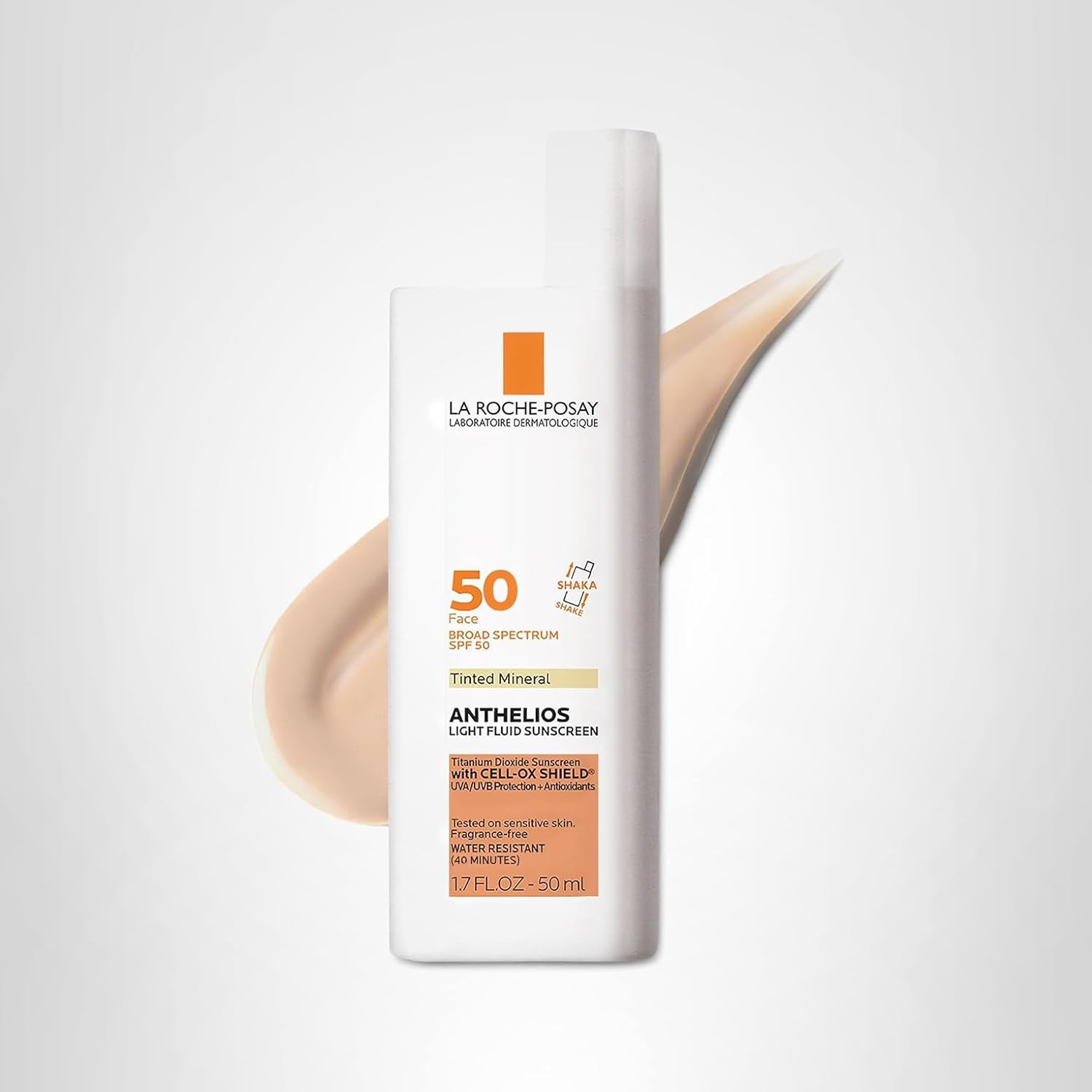
La Roche-Posay Anthelios Mineral Ultra-Light Fluid Tinted Face Sunscreen SPF 50
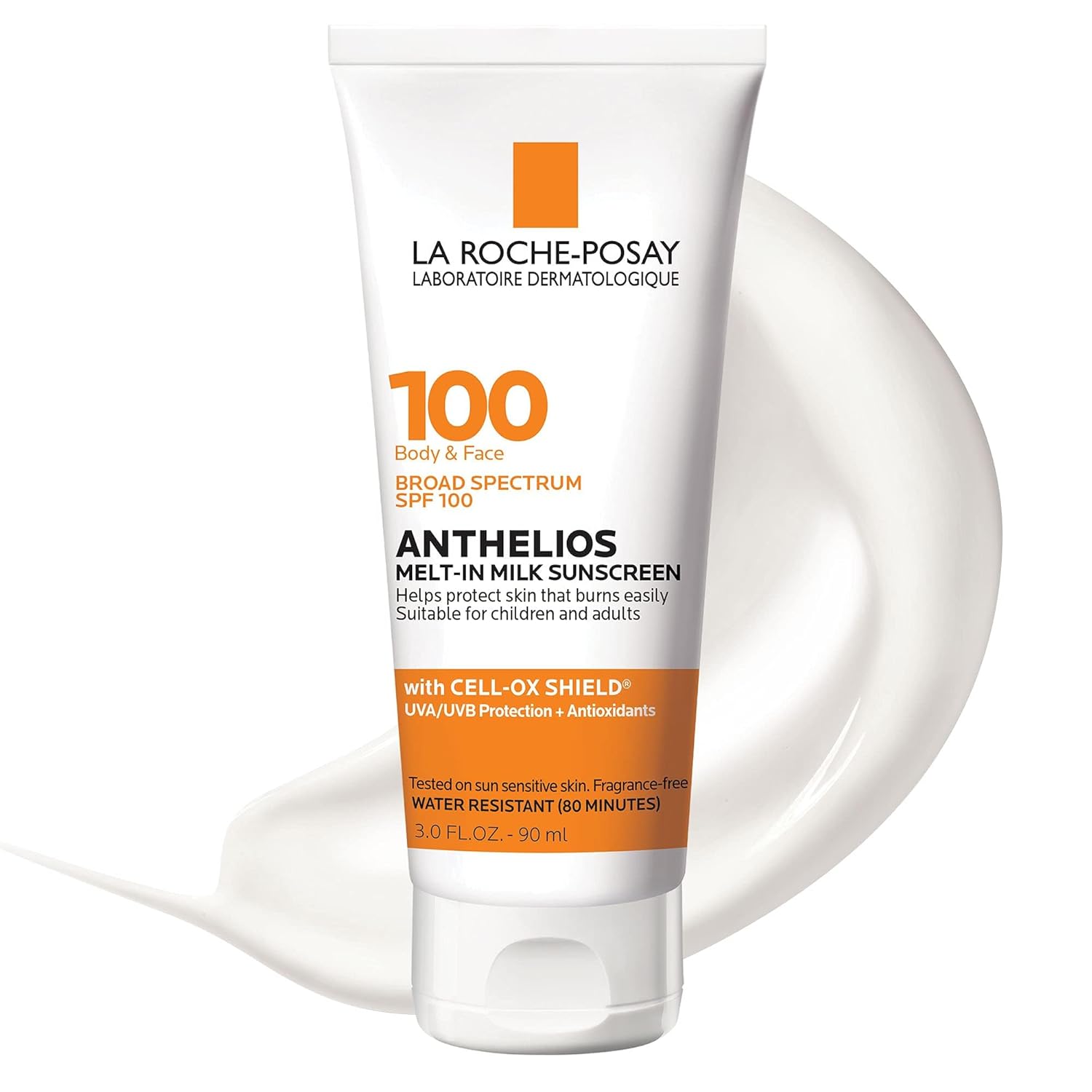
La Roche-Posay Anthelios Melt-In Milk Sunscreen SPF 100
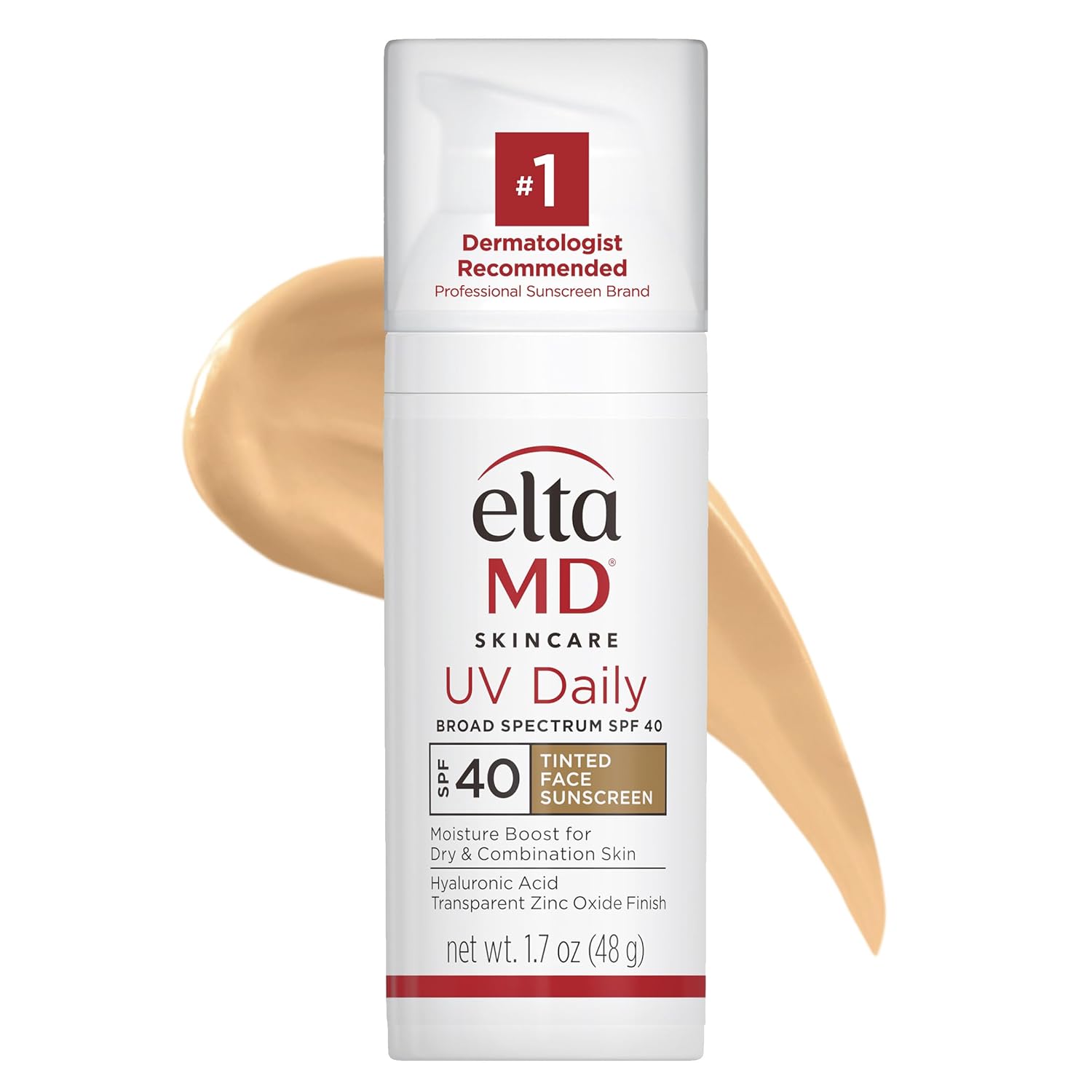
EltaMD UV Daily Face Sunscreen Moisturizer SPF 40
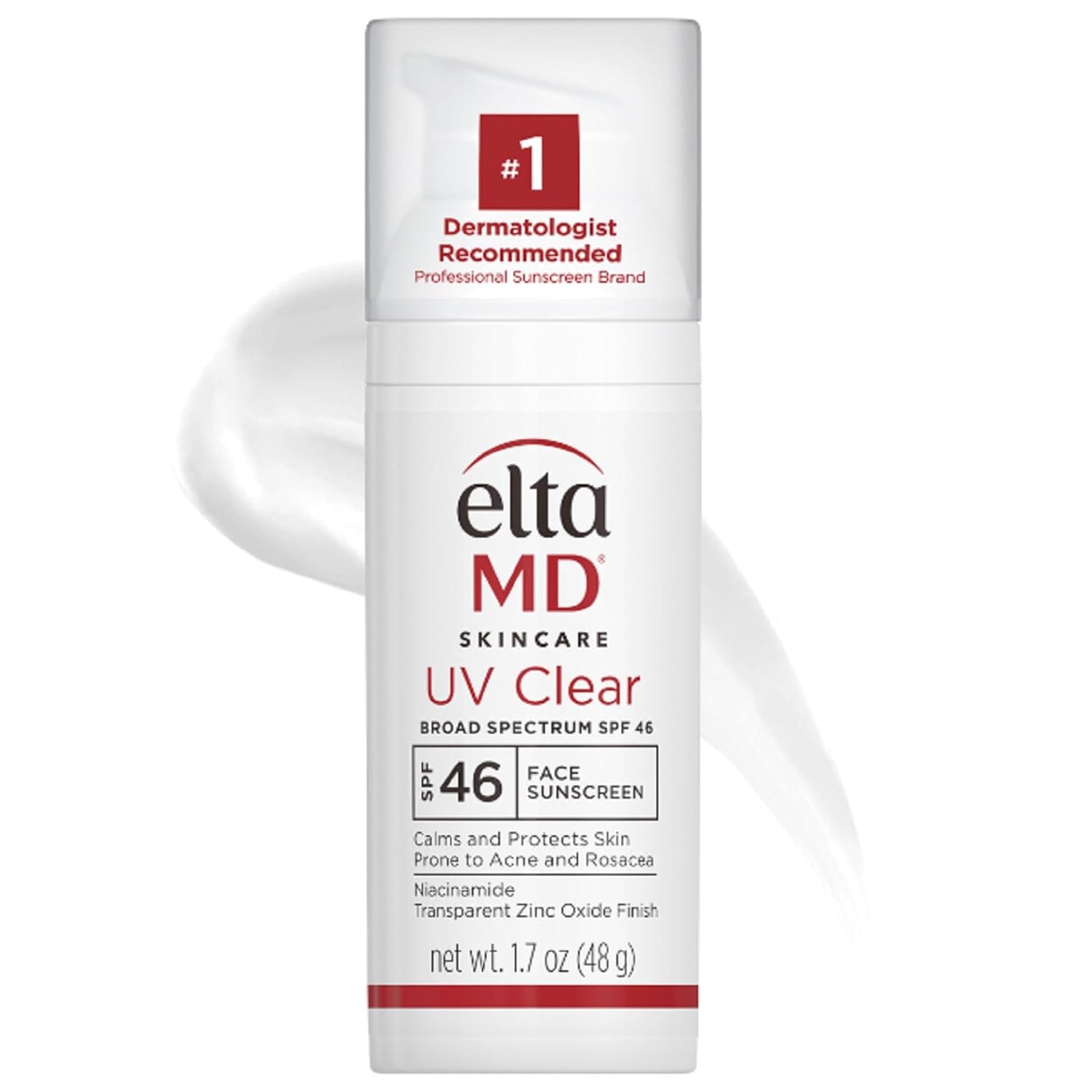
EltaMD UV Clear Face Sunscreen SPF 46
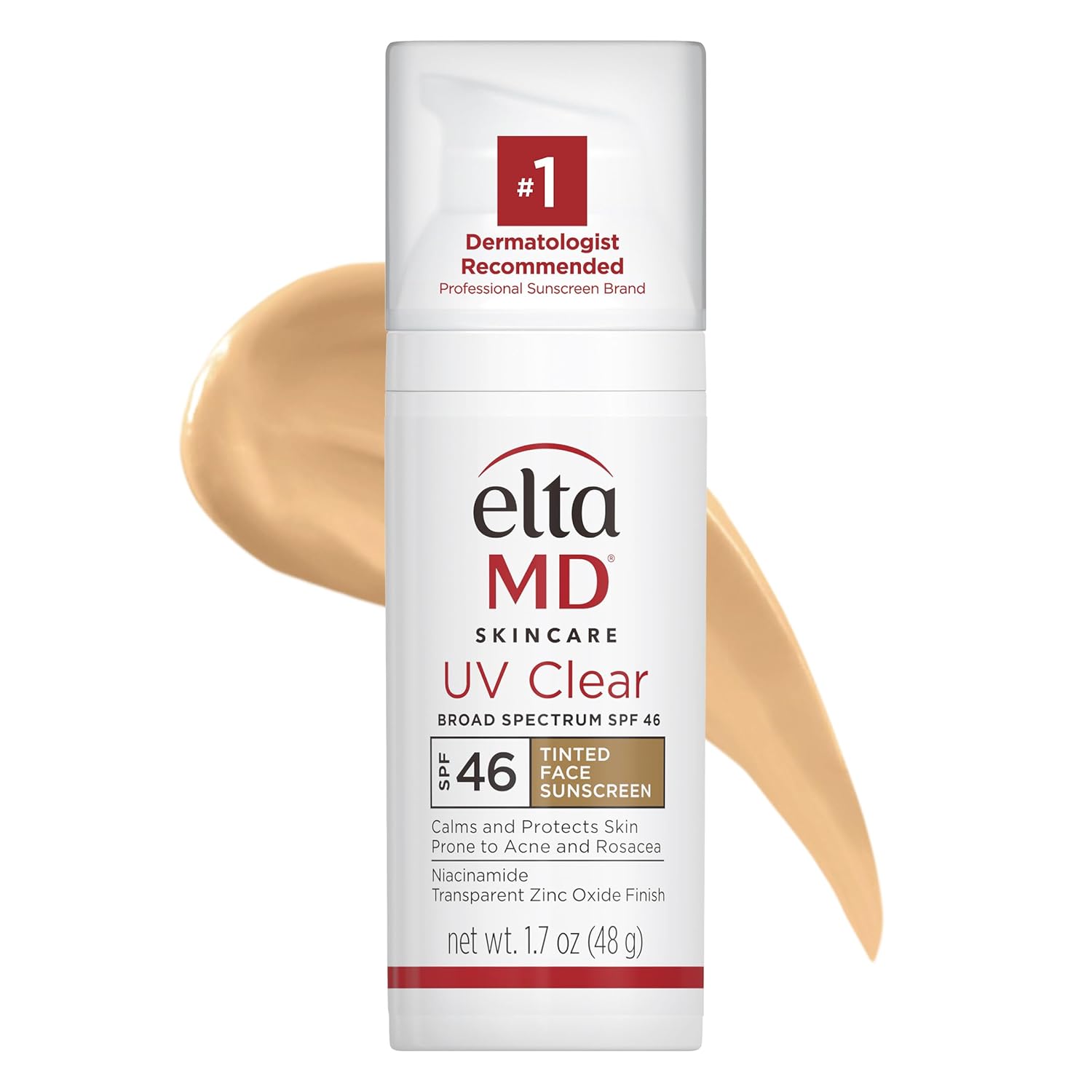
EltaMD UV Clear Tinted Face Sunscreen SPF 46
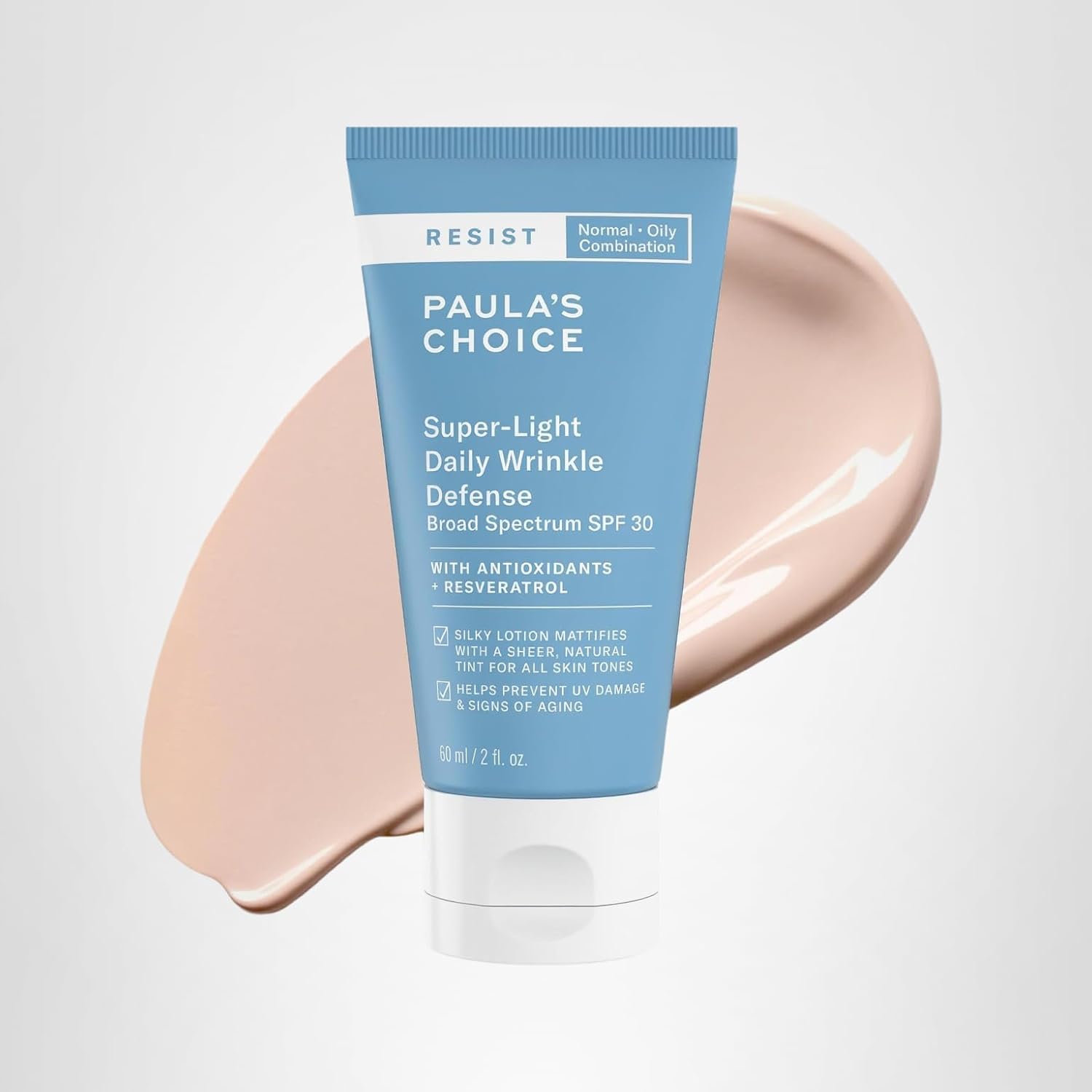
Paula’s Choice RESIST Super-Light Daily Wrinkle Defense SPF 30
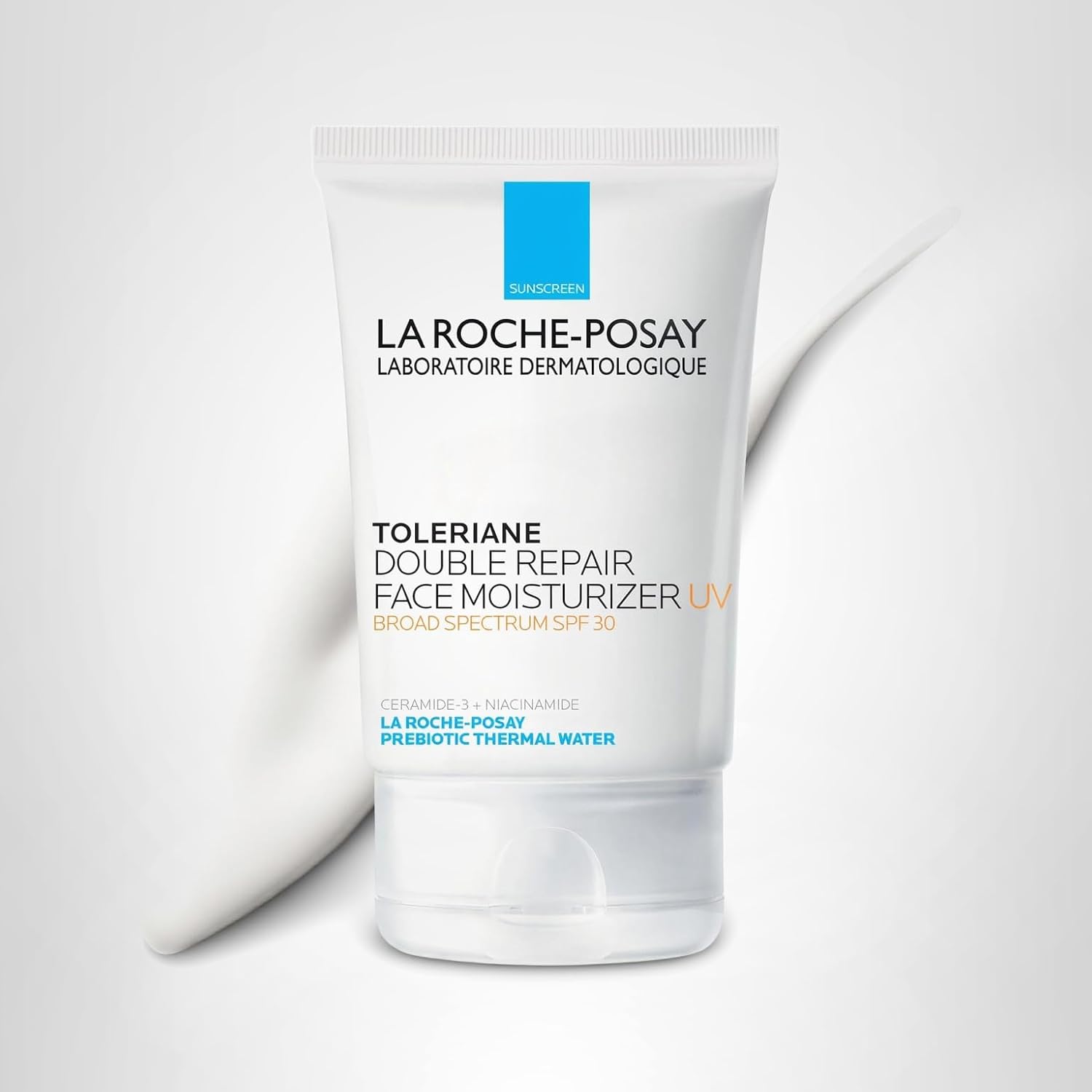
La Roche-Posay Toleriane Double Repair UV SPF Moisturizer for Face
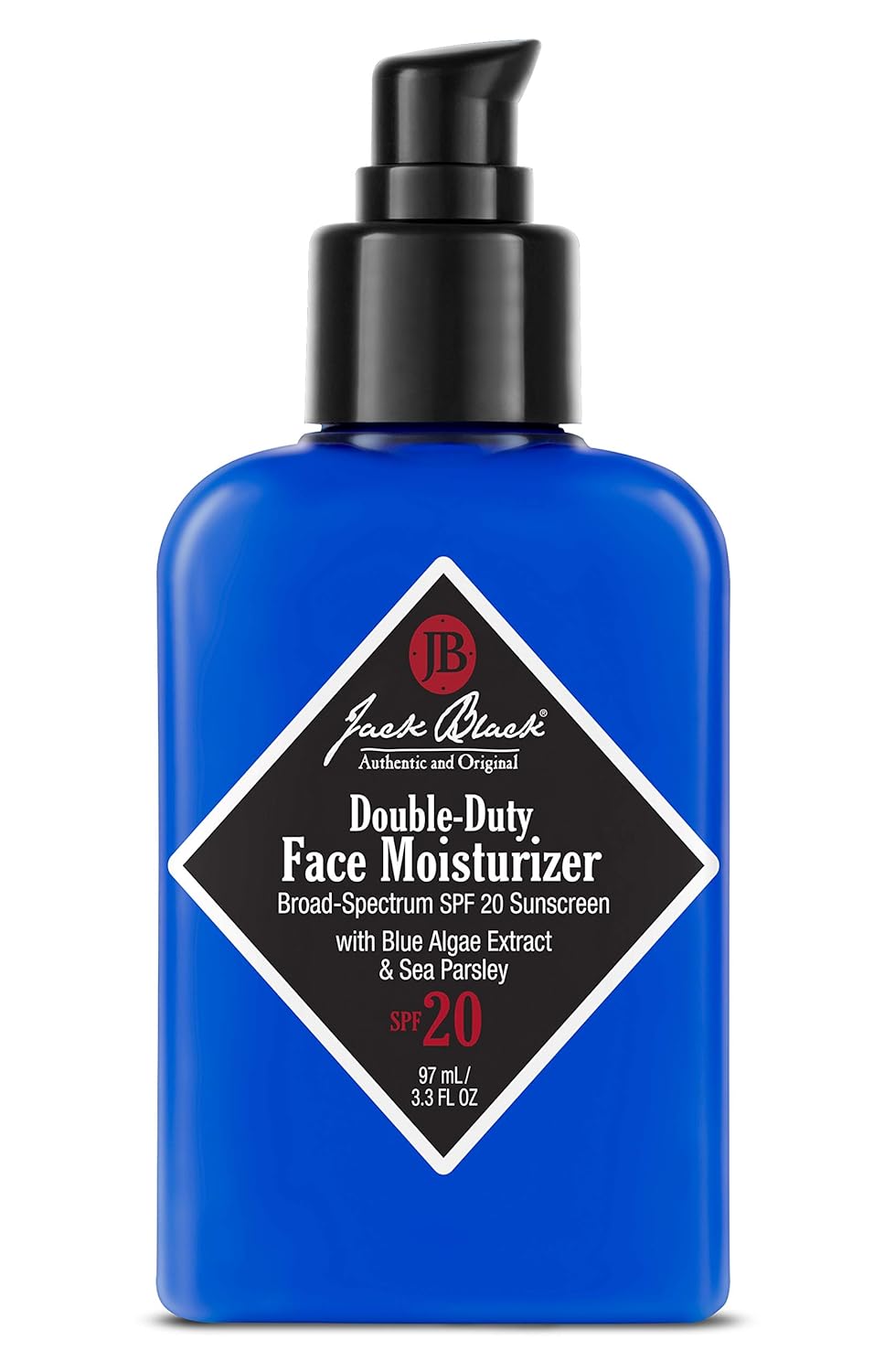
Jack Black Double-Duty Face Moisturizer SPF 20