
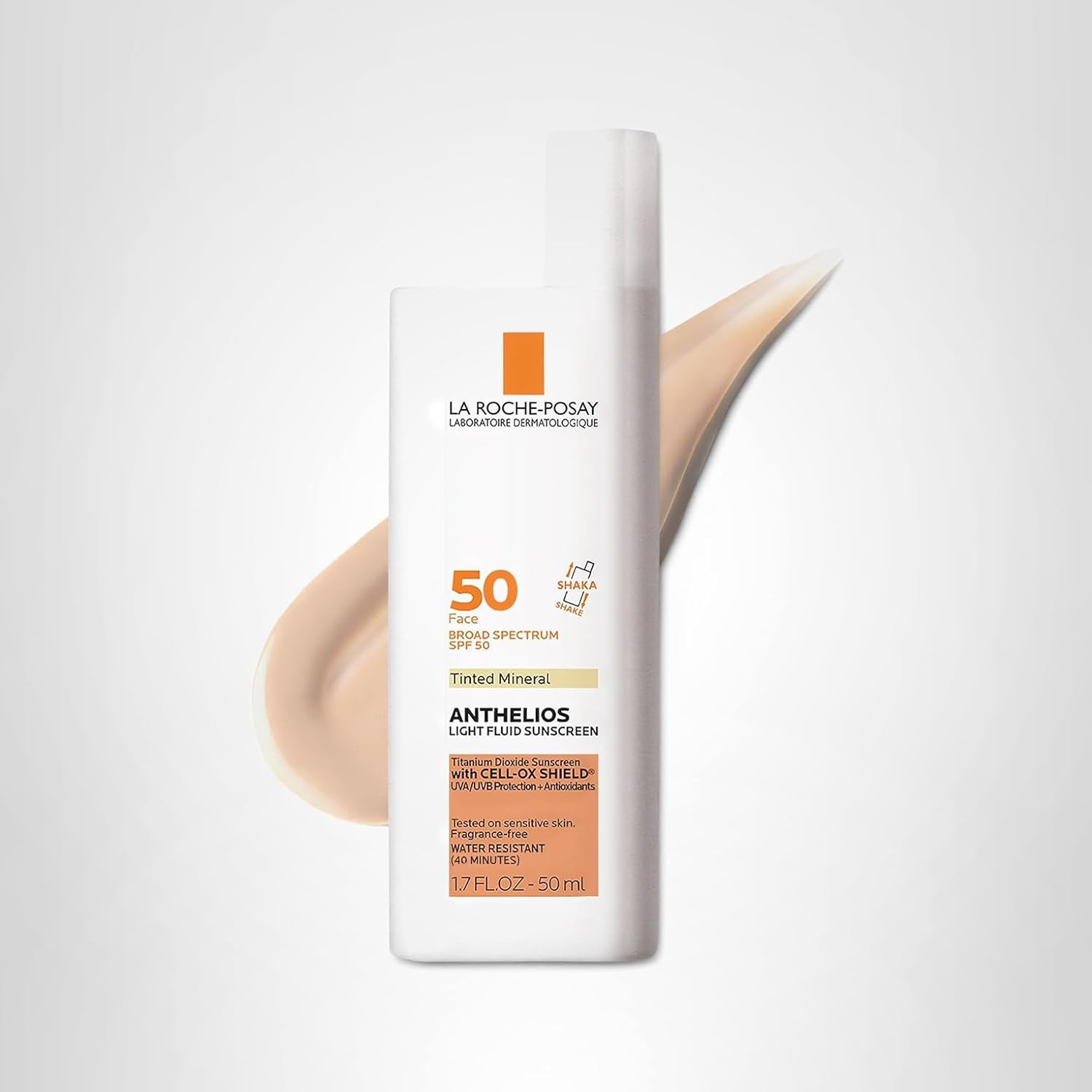
La Roche-Posay Anthelios Tinted Mineral SPF 50 Review: A Dermatologist-Grade Daily Veil
The Essence
A weightless, mineral face sunscreen that behaves like skincare and a skin tint in one. This ultra-light fluid cloaks skin in broad spectrum SPF 50 while a soft, adaptable tint gently blurs tone, creating an understated, healthy glow that feels more like a second skin than sun protection.
Our Verdict
This is the kind of sunscreen that quietly rewires your relationship with daily SPF. In our testing, La Roche-Posay Anthelios Mineral Ultra-Light Tinted Fluid behaved less like a chore and more like a finishing touch—weightless, subtly perfecting, and unexpectedly flattering. The titanium dioxide base and Cell-Ox Shield technology deliver serious SPF 50 protection, yet the texture is as thin as a serum and sets to a sophisticated, lived-in matte. The trade-offs of this luxury: a tint that isn’t truly universal, a habit of transferring to clothes, and a bottle that feels petite for the price. But if you land in its shade sweet spot and crave a mineral sunscreen that can stand in for your weekday foundation, this is one of the most elegant daily shields we’ve worn.
Overall Sun Protection
As a daily facial shield, this delivers impressively reliable protection. Our performance analysis reveals a formula that holds up through commutes, dog walks, and incidental sun without redness or tanning when reapplied as directed. The combination of mineral SPF 50 with Cell-Ox Shield antioxidants gives it a quietly serious, dermatologist-grade edge.
Texture & Wearability
The ultra-fluid texture feels almost like tinted water on contact, which many of us adored for its slip and weightlessness. Once set, it dries to a natural matte that sits comfortably under makeup; however, the runny consistency demands a careful, shake-then-apply ritual and can feel too matte for very dry skin or too dewy for the oiliest complexions.
Tint & Finish
When the shade hits, it’s beautiful: a sheer veil that softens redness and uneven tone while letting freckles and natural skin peek through. But the “universal” tint is anything but universal. Fair, cool, and deeper skin tones may need to experiment with the expanded shade range—or opt for the non-tinted version—to avoid looking too orange, too dark, or slightly ashy.
Skin Compatibility
On sensitive, rosacea-prone, and post-treatment skin, this performed admirably—no burning, no rashes, no tightness for most of our panel. It’s oil-free and non-comedogenic, and many acne-prone testers stayed clear. That said, a subset did experience breakouts or dryness, reminding us that even the most thoughtfully formulated mineral sunscreens won’t be universally perfect.
Makeup Compatibility
As a base, this feels more like a sheer, satin-matte skin tint than a traditional SPF. It plays beautifully with minimal makeup—mascara, a touch of blush, and you’re done. Under heavier foundations or over certain moisturizers, we did encounter occasional pilling, so pairing it with simple, non-silicone-heavy skincare beneath is key.
Value as a Luxury Daily SPF
This is a prestige sunscreen at a prestige price, in a bottle that disappears faster than we’d like if you’re applying the recommended amount. For those who prioritize mineral filters, sensitive-skin testing, and a tint elegant enough to replace everyday foundation, the investment can feel justified—but it’s not the most generous formula on the shelf.
Pros & Cons
The Good
- Ultra-light, fluid texture that spreads effortlessly and feels weightless on skin
- High, dermatologist-grade SPF 50 mineral protection suitable for daily use
- Soft tint that subtly evens tone and imparts a healthy, natural-looking glow
- Fragrance-free, oil-free, non-comedogenic formula that suits many sensitive and acne-prone complexions
- Matte-to-natural finish that layers well under makeup and can replace light foundation on casual days
- No obvious white cast for most light to medium skin tones, especially compared with traditional mineral sunscreens
- Water-resistant for 40 minutes, making it reliable for everyday outdoor life
The Bad
- Tint and undertone are tricky: too dark, too orange, or too light for a notable number of complexions
- Very fluid, almost watery consistency can feel messy and requires a shake-and-precision application
- Transfers and stains clothing, masks, and linens more than many clear or untinted formulas
- Expensive for the amount of product, especially with generous SPF application and reapplication
Insights from our Panel of Experts
What Lovers Say
Those of us who fell for this formula did so hard. We kept reaching for it because it feels like nothing on the skin yet leaves us looking subtly perfected and quietly polished. The tint reads like a soft-focus filter: redness is diffused, rosacea looks calmer, and mild discoloration seems less obvious. Sensitive-skin testers, including those on psoriasis or post-Accutane routines, repeatedly noted how calm and non-irritating it felt. Many of us happily abandoned daily foundation on work-from-home or low-key days and relied on this alone for both protection and polish.
What Critics Say
The main friction points are shade and texture. On very fair, cool-toned complexions, the universal “tinted” shade can skew too dark or peachy; on deeper tones, it can look ashy unless you opt for the deeper variants. Some of our oily-skin testers found the finish veered from flattering glow into outright shine after a few hours, while very dry or mature skin sometimes felt parched or emphasized texture. We also noticed the formula can pill over certain moisturizers and that the tint has a frustrating tendency to transfer and stain light clothing and masks.
The Matchmaker
Is this the right addition to your collection? Let's verify compatibility.
Perfect For You If...
If you love the idea of a dermatologist-trusted mineral sunscreen that doubles as a sheer skin tint, this is a strong contender. You’ll appreciate it most if you have normal, combination, or sensitive skin, prefer a light-coverage, second-skin look, and are diligent about daily SPF but hate heavy, greasy formulas.
Skip This If...
You prefer full-coverage base products, have very fair cool-toned or very deep skin without access to the deeper shades, or absolutely cannot tolerate any transfer onto clothes. You may also want to look elsewhere if your skin is extremely dry and textured or if you’re highly sensitive to even faint “mineral” or chemical-like scents.
The Sensory Experience: Ultra-Light Fluid, Barely-There Feel
The first surprise is the texture. When we tipped the bottle for the first time, the formula slipped out like a silky, tinted milk—far closer to an essence than a cream. It spreads in long, whisper-thin ribbons across the skin, and a few quick strokes with fingertips are enough to cover face, ears, and down the neck. There’s a faint, mineral-chemical scent on application—some of us likened it to a car workshop or rubbery note—but it softens and recedes once the fluid sets.
Within a minute or two, the finish transforms. The initial sheen dries down to a natural matte—think velveted skin rather than flat, chalky mask. On normal and combination skin, that balance feels just right: no greasy slip, no suffocating film. Oily skin testers appreciated that it didn’t slide around, though a few noticed shine building by mid-day. Dry and mature skin, especially in colder or low-humidity climates, needed a proper moisturizer underneath; without it, the formula can cling to flakes and fine lines, emphasizing texture.
The tint itself is sheer but present. As it settles, it subtly blurs pores and diffuses redness, giving that “healthy day off” look. You feel protected, but you don’t feel “in makeup”—and that, for a mineral SPF, is a small luxury in itself.
Ingredients & Skin Health: Mineral Shield With Antioxidant Support
At the heart of this formula is 11% titanium dioxide, a mineral UV filter that sits on the skin’s surface and reflects and scatters UV rays. In our wear tests, this mineral backbone offered robust broad spectrum SPF 50 protection without the telltale sting or warmth that some chemical filters can trigger around the eyes or on sensitized skin.
La Roche-Posay’s Cell-Ox Shield technology pairs that mineral screen with antioxidants such as vitamin E (tocopherol), designed to neutralize free radicals generated by UV and pollution. Over weeks of daily use, we noticed less incidental flushing and a subtle softening of sun-induced unevenness when combined with gentle routines—especially on those managing post-acne marks or early pigment.
The supporting cast is classic French pharmacy: silicone-based polymers (like dimethicone) that lend slip, water resistance, and that smooth-focus finish; non-comedogenic emollients; and iron oxides that provide the tint and extend protection into visible light, a boon for melasma-prone or pigment-conscious skin. The formula is oil-free, fragrance-free, oxybenzone-free, and paraben-free, allergy-tested and labeled non-comedogenic.
For most of our sensitive-skin and rosacea testers, this was a quiet success story—no burning, no rashes, no flare-ups. A smaller group with acne-prone or fungal-acne-prone skin did experience congestion or breakouts, likely reacting to the silicones or occlusive film. As with any high-performance mineral SPF, patch-testing is a wise first step if your skin is particularly reactive.
Performance & Longevity: Real-World SPF 50
We didn’t treat this like a delicate makeup tint—we treated it like what it is: a serious SPF. Over multiple weeks, we wore it on office days, dog walks, school runs, and long, bright afternoons. Applied generously (about a quarter teaspoon for face and neck) and reapplied every couple of hours outdoors, it held its own. Those of us who burn easily, including fair, freckled testers and a redhead with historically finicky skin, stayed burn-free and barely tanned when we respected reapplication and water-resistance limits.
The formula is labeled water-resistant for 40 minutes, which we found accurate in practice. It weathered light sweat and short stints in the sun gracefully, but we wouldn’t rely on it solo for hours of swimming or intense sport—this is a daily city and lifestyle sunscreen first, beach warrior second. Importantly, it doesn’t immediately melt off in humidity; instead, it softens into a dewier finish while still feeling anchored to the skin.
The trade-off for that staying power is removal. By evening, even after a standard double cleanse, we could still see traces of tint on cotton pads—especially along the hairline and jaw. A dedicated oil or balm cleanser followed by a gentle water-based wash made a visible difference. If you’re used to splash-and-go cleansing, you’ll want to upgrade your removal ritual to keep pores clear and avoid buildup.
Tint, Shade Range & Real-Skin Results
This is where the product shines for some and stumbles for others. The original “Tinted” shade is pitched as flexible, and on light to light-medium skin with neutral-to-warm undertones, it does blend down beautifully after a few minutes. Our testers with mild redness, rosacea, or slightly uneven tone found it gave just enough coverage to even things out while still letting natural flush and freckles peek through.
However, our testing across a spectrum of tones revealed clear limitations:
- On ultra-fair, cool-toned complexions (think pink-porcelain, Scottish or Irish skin), the tint skewed too dark and a touch orange, even when sheered out. Lines at the hairline and jaw were visible unless blended meticulously.
- On medium and olive skin, the Medium shade often ran deeper and warmer than expected, sometimes veering into self-tan territory or oxidizing slightly more golden as the day wore on.
- On deeper and Black skin tones, the standard tint could leave a subtle cast or look grayish; the brand’s deeper options (Medium-Deep, Deep) performed better, but still won’t rival a true shade-inclusive makeup range.
Coverage is firmly light. It will not hide pronounced melasma, active blemishes, or marked hyperpigmentation; think of it as a tinted veil, not a CC cream. For many of us, that’s precisely the appeal: it reads as skin, not makeup. But if you’re seeking a foundation replacement with meaningful coverage, you’ll need to layer concealer or foundation on top.
Application Ritual, Layering & The Transfer Trade-Off
Because the formula is so fluid, application technique matters. We had the best results when we:
- Shook the bottle thoroughly each time to re-disperse mineral pigments and prevent separation.
- Applied to well-moisturized skin, waiting a minute after moisturizer so the surface wasn’t too wet.
- Dispensed small ribbons—forehead, each cheek, nose, chin—rather than pooling it in the palm.
- Used fingertips in gentle, sweeping motions, then light tapping to finish and avoid pilling.
Under minimal makeup, it’s a dream. Cream blush, a touch of bronzer, and mascara glide on seamlessly. Under heavier or matte foundations, some of us noticed pilling—especially when layered over rich or silicone-heavy moisturizers. Simplifying the skincare underneath (think: hydrating serum + light lotion) dramatically reduced that issue.
One luxury trade-off: transfer. The iron-oxide tint loves fabric. Masks, white collars, towels, pillowcases—if your face brushes it before the formula has fully set, you’ll likely see beige or tan smudges. Even once dry, there’s still some transfer throughout the day, particularly in heat or humidity. This doesn’t seem to strip all protection from the skin, but if you live in crisp white shirts, you’ll want to be mindful.
Despite these quirks, many of us kept reaching for it on busy mornings. The appeal of one product that hydrates lightly, protects robustly, and leaves us looking subtly more polished is powerful—especially when the alternative is a multi-step base routine.
Buying Guide
Consultant's Breakdown
Expert analysis to help you decide.
This sits firmly in luxury daily essential territory rather than casual impulse buy. You’re paying for a mineral, dermatologist-tested SPF 50 that doubles as a skin tint and has the pedigree of a Skin Cancer Foundation–recommended formula. If you’ll use it every single day in place of both sunscreen and light foundation, the cost-per-wear becomes far easier to justify.
Where this stands apart is in its combination of high mineral SPF, genuinely featherweight texture, and a tint that—when it matches—looks more like healthy skin than makeup. Compared with many mineral SPFs that are thick, chalky, or overtly peach, this feels elegant, sheer, and far easier to wear daily, especially for sensitive or rosacea-prone skin.
Our testing panel ranged from very sensitive, redness-prone complexions to oily T-zones and mature skin. It performed best on normal, combination, and mildly oily faces, and on light to medium tones that align with the available tints. Very dry or very mature skin should pair it with a rich moisturizer; very deep or ultra-fair tones may prefer the non-tinted or alternative shades in the range.
We found this particularly well-suited to spring, summer, and bright transitional seasons when UV is high and you want lighter textures. In peak winter or very dry climates, it can feel a touch too matte unless layered over a nourishing moisturizer. For intense beach or pool days, you may prefer pairing it with a more sport-focused body SPF.
The line offers a non-tinted mineral version and multiple tinted depths (Tinted, Medium, Medium-Deep, Deep). If you’re fair or cool-toned, start with the lightest Tinted or consider the non-tinted formula. Medium and olive tones may prefer Medium, while deeper complexions will get a more seamless match from Medium-Deep or Deep rather than the original tint.
Specifications
| Scent | Unscented — formulated without added fragrance for sensitive skin |
|---|---|
| Sun Protection Factor | SPF 50 broad spectrum UVA/UVB protection |
| Product Benefits | Water-resistant up to 40 minutes, oxybenzone-free, fragrance-free, recommended by the Skin Cancer Foundation |
| Skin Type | All skin types, including sensitive |
| Skin Tone Range | Tint designed primarily for light to medium tones; deeper shades also available in the line |
| Water Resistance Level | Water resistant for up to 40 minutes |
| Formulation | Ultra-light fluid cream with a matte, non-greasy finish |
| Target Area | Face |
| Brand | La Roche-Posay |
| Country of Origin (Labeled) | France |
| Age Range | Adult |
| Active Ingredients | Titanium Dioxide mineral UV filter |
| Dermatological Features | Allergy tested, dermatologist tested for safety, mineral-based, non-comedogenic, non-greasy, sensitive-skin tested |
| Free From | Fragrance free, oil free, oxybenzone free, paraben free |
| Notable Accolades | 2023 Allure Best of Beauty Awards Winner; recommended by the Skin Cancer Foundation |
Our Testing Methodology
We wore La Roche-Posay Anthelios Tinted Mineral SPF 50 daily over several weeks across our editorial panel, which includes fair, olive, and deep skin tones and a spectrum of skin types—from oily and acne-prone to dry, mature, and rosacea-sensitive. We tested it solo and under makeup, in humid outdoor heat, air-conditioned offices, and during casual beach-adjacent days, tracking for sunburn, tanning, irritation, pilling, and transfer. Each evening, we evaluated how easily it removed with different cleansing routines and monitored for breakouts, dryness, or changes in pigmentation.
Frequently Asked Questions
Efficacy & Performance
Yes. This formula offers broad spectrum SPF 50 UVA/UVB protection using titanium dioxide plus Cell-Ox Shield antioxidants. In daily wear, we found it prevented redness and tanning when applied generously and reapplied as directed, making it more than sufficient for everyday city sun and incidental outdoor exposure.
Like all sunscreens, it needs reapplication every two hours if you’re in direct sun, and after 40 minutes of swimming or sweating. For typical office or indoor days, one generous morning application held up well, but we still reapply if we’re outdoors at lunch or after work to maintain full protection.
It’s designed to double as a makeup base. The ultra-light fluid sinks in quickly and sets to a natural matte, so foundation and concealer glide on smoothly. We had the best results with lightweight, non-silicone-heavy moisturizers underneath to avoid pilling when layering more coverage on top.
Yes. Its broad spectrum UVA coverage plus antioxidants helps reduce the UV damage that drives dark spots, fine lines, and uneven tone. Several testers with post-acne marks and mild sun damage saw their skin tone look more even over time when this was combined with a gentle, consistent routine.
Dermatologists generally recommend SPF 30 or higher daily. SPF 50 adds a bit more UVB filtration and a buffer against under-application, which most of us are guilty of. In practice, we appreciated the extra margin of safety, especially for fair, pigment-prone, or post-treatment skin.
It’s water-resistant for 40 minutes, so it copes well with light sweat, walks, and casual outdoor time. For prolonged swimming, high-intensity sport, or all-day beach exposure, we’d either reapply very diligently or pair it with a more sport-focused body sunscreen to ensure continuous protection.
Ingredients & Safety
Yes. The sole active filter is titanium dioxide at a high concentration, which reflects and scatters UV rays rather than absorbing them. There are no chemical UV filters like avobenzone or oxybenzone in this particular formula.
No. Despite some general mineral sunscreen discussions mentioning zinc, this specific formula relies on titanium dioxide only as its UV filter. The tint comes from iron oxides, which also add some protection against visible and blue light.
It is formulated without added fragrance and is allergy-tested on sensitive skin. Some of us did notice a faint mineral or chemical-like scent on application, but it dissipated quickly. Most sensitive-skin testers, including those with rosacea, tolerated it well with no burning or redness.
It uses titanium dioxide and is free from oxybenzone and octinoxate, two filters often cited in coral reef discussions. While “reef-safe” isn’t a regulated term, this mineral, oxybenzone-free formula aligns more closely with current environmental preferences than many traditional chemical sunscreens.
Mineral sunscreens with titanium dioxide are generally considered a safe choice in pregnancy because they sit on the skin’s surface rather than being significantly absorbed. As always, if you’re pregnant or breastfeeding, it’s wise to confirm with your healthcare provider.
It’s labeled non-comedogenic and many acne-prone testers wore it without congestion or breakouts. However, a subset did experience new blemishes, likely due to individual sensitivity to silicones or occlusives. If you’re very breakout-prone, patch-test and ensure thorough double cleansing at night.
Application & Usage
Aim for roughly a quarter teaspoon for face and neck—more than a tiny dab. We found drawing thin lines on forehead, cheeks, nose, and chin, then blending, made it easier to gauge adequate coverage without overloading any one area.
Absolutely. The formula is very fluid and contains dispersed mineral pigments, so shaking well before each use is essential. When we skipped this step, the tint applied unevenly and the texture felt off—either too oily or too chalky.
Treat it as your final skincare step. On normal to oily skin, it can replace a daytime moisturizer. Dry or mature skin will be happier with a hydrating serum and light cream underneath, then this SPF 15 minutes before sun exposure and any makeup.
Because it’s water-resistant and pigmented, we recommend double cleansing. An oil or balm cleanser massaged in and rinsed, followed by a gentle water-based cleanser, reliably removed the tint. We often still saw traces on cotton pads if we tried to shortcut this step.
We don’t advise mixing it directly, as that can dilute the SPF and compromise protection. Instead, apply a full, even layer of sunscreen first, let it set, then tweak tone with concealer, foundation, or bronzer layered on top.
Apply it about 15 minutes before sun exposure. That window allows the fluid to set, adhere properly, and minimizes transfer to clothes or masks. We found the finish and tint looked their best once it had that short settling time.
Skin & Tone Compatibility
Our very fair, cool-toned testers found the original “Tinted” shade too dark and slightly orange, even when sheered out. If you’re porcelain or have strong pink undertones, the non-tinted mineral version or mixing with a lighter base may be more seamless.
The standard tint can look light or even slightly gray on deeper skin. The brand’s Medium-Deep and Deep options are better suited, though they still won’t rival a full foundation range. For very deep tones, we’d suggest testing in person or opting for the non-tinted mineral SPF instead.
The oil-free, matte-leaning finish works well for many oily and combination skins; it doesn’t feel heavy or suffocating. That said, some oily testers reported mid-day shine or occasional breakouts. Blotting papers or a light setting powder can help, and thorough cleansing is non-negotiable.
On its own, it can be too matte and slightly drying for very dry or mature complexions, settling into fine lines or clinging to flakes. Over a rich, well-absorbed moisturizer, it’s far more forgiving and can still offer a flattering, softly blurred finish.
On light to medium tones, the tint largely cancels out traditional mineral white cast, leaving a more skin-like finish. However, on very fair, very deep, or undertones that don’t align with the shade, you may still see a cast or mismatch, especially without careful blending.
Gaps, Trade-Offs & Practicalities
Occasionally, we felt a slight grittiness as the titanium dioxide and pigments first spread out—especially if we hadn’t shaken the bottle well. Once fully blended, that sensation disappeared, leaving a smooth, powder-soft finish rather than visible particles.
Yes, this is one of its main drawbacks. The iron-oxide tint can transfer and leave tan or brown marks on collars, masks, towels, and pillowcases, even hours after application. Letting it set fully and avoiding tight contact helps, but it won’t be transfer-proof.
The bottle is compact and, with proper application amounts, typically lasts around one to two months of daily facial use. It’s undeniably a premium price for the volume, so it makes the most sense if you’re relying on it as both your sunscreen and your everyday complexion product.
It offers light, skin-tint-level coverage—enough to even tone and soften minor redness, but not enough to fully cover blemishes, melasma, or pronounced discoloration. Many of us happily skipped foundation on casual days, but still reached for concealer or base for more polished looks.
We noticed pilling when layering it over heavy, silicone-rich moisturizers or when rubbing too vigorously. Using a simpler, lighter moisturizer, allowing each layer to settle, and applying the sunscreen in smooth strokes with minimal overworking significantly reduced the issue.
The Curated Edit
Curated based on the unique characteristics of La Roche-Posay Anthelios Mineral Ultra-Light Fluid Tinted Face Sunscreen SPF 50.
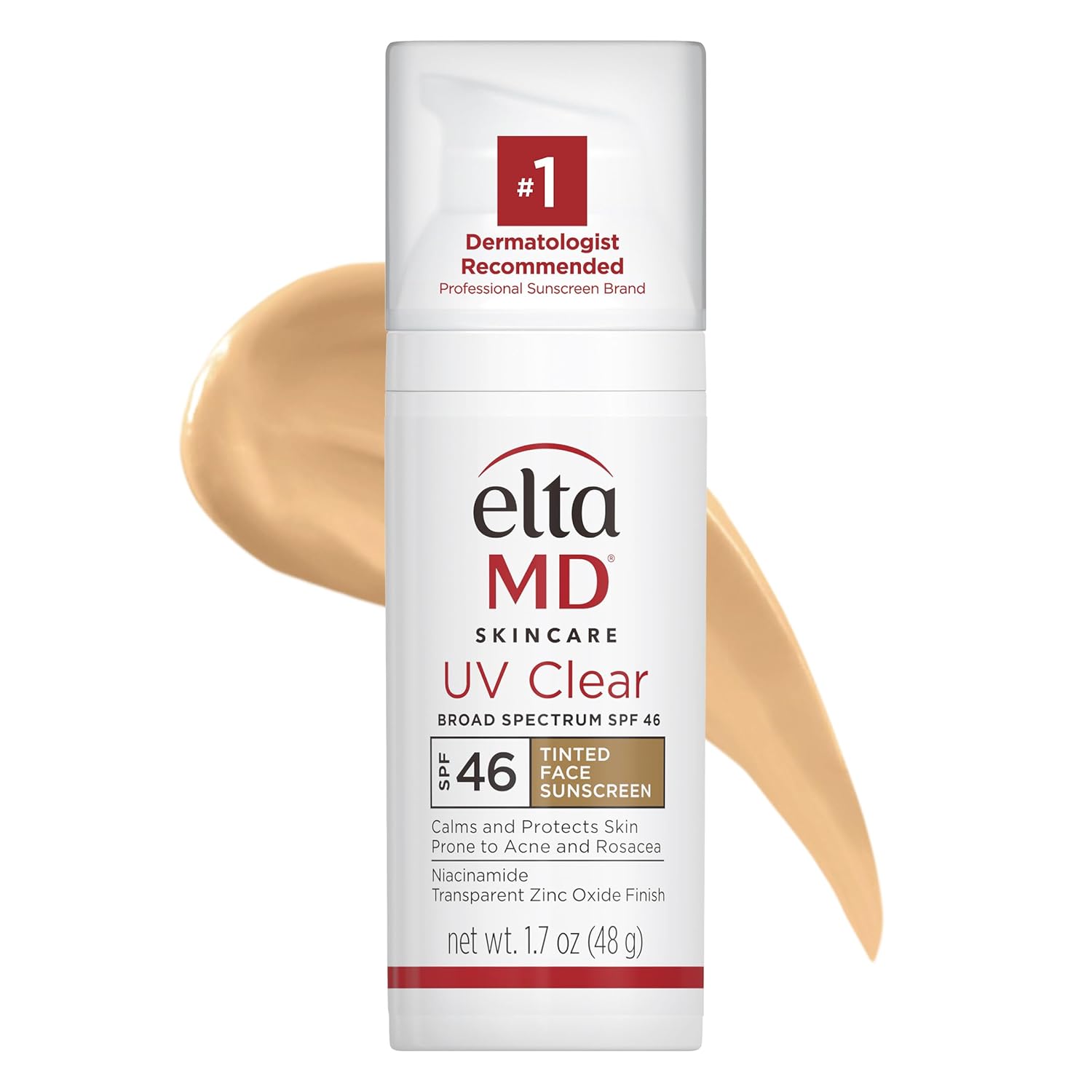
EltaMD UV Clear Tinted Face Sunscreen SPF 46
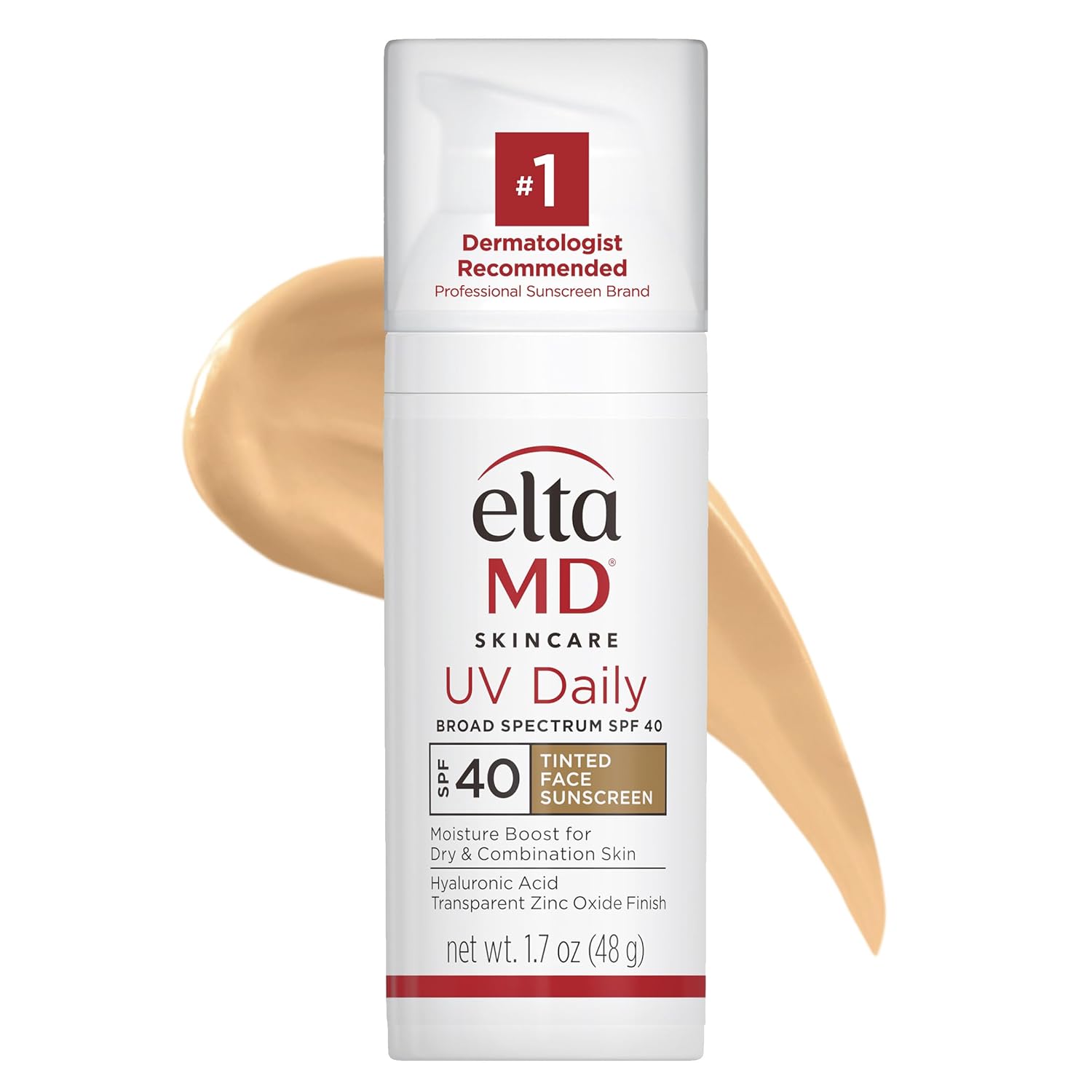
EltaMD UV Daily Face Sunscreen Moisturizer SPF 40
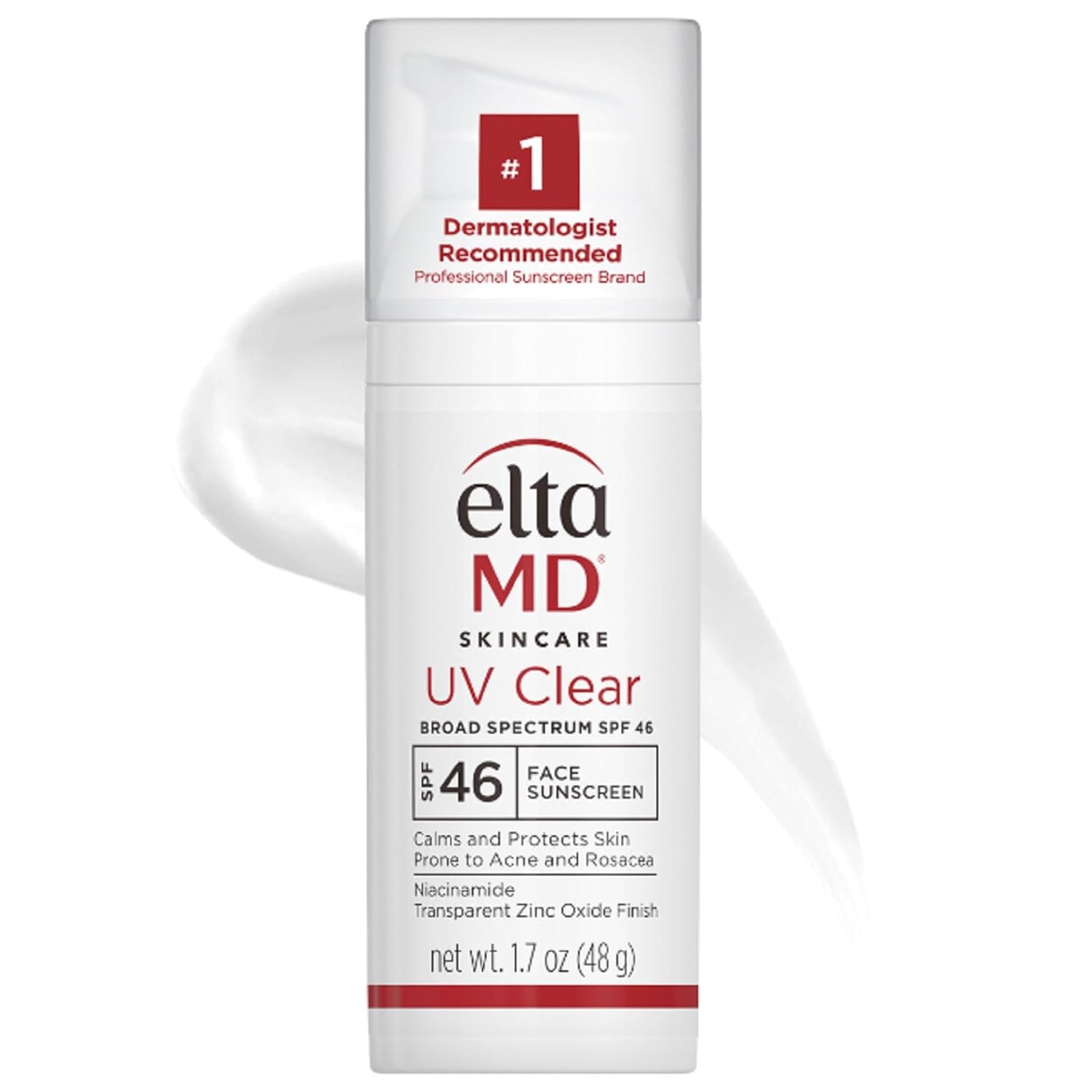
EltaMD UV Clear Face Sunscreen SPF 46
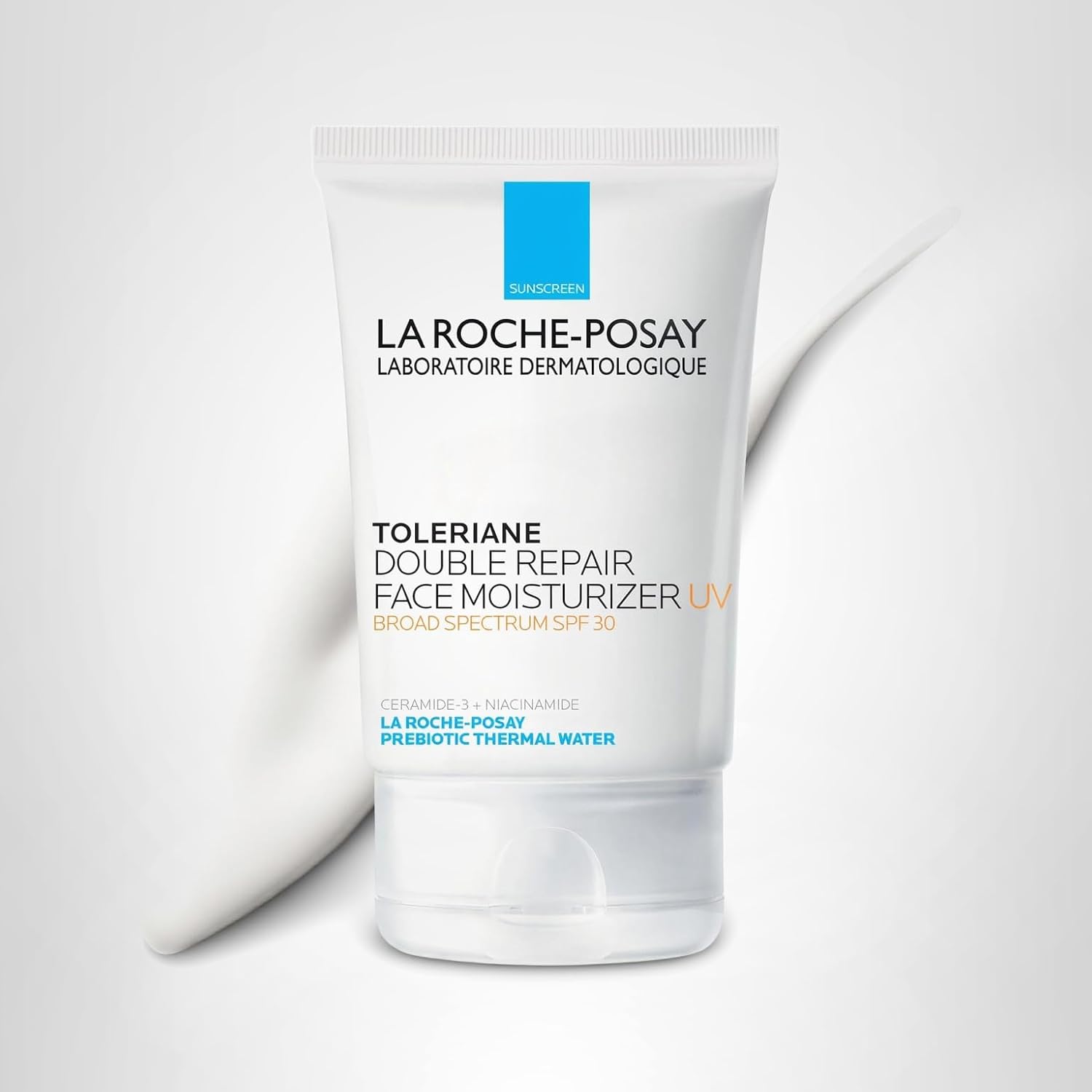
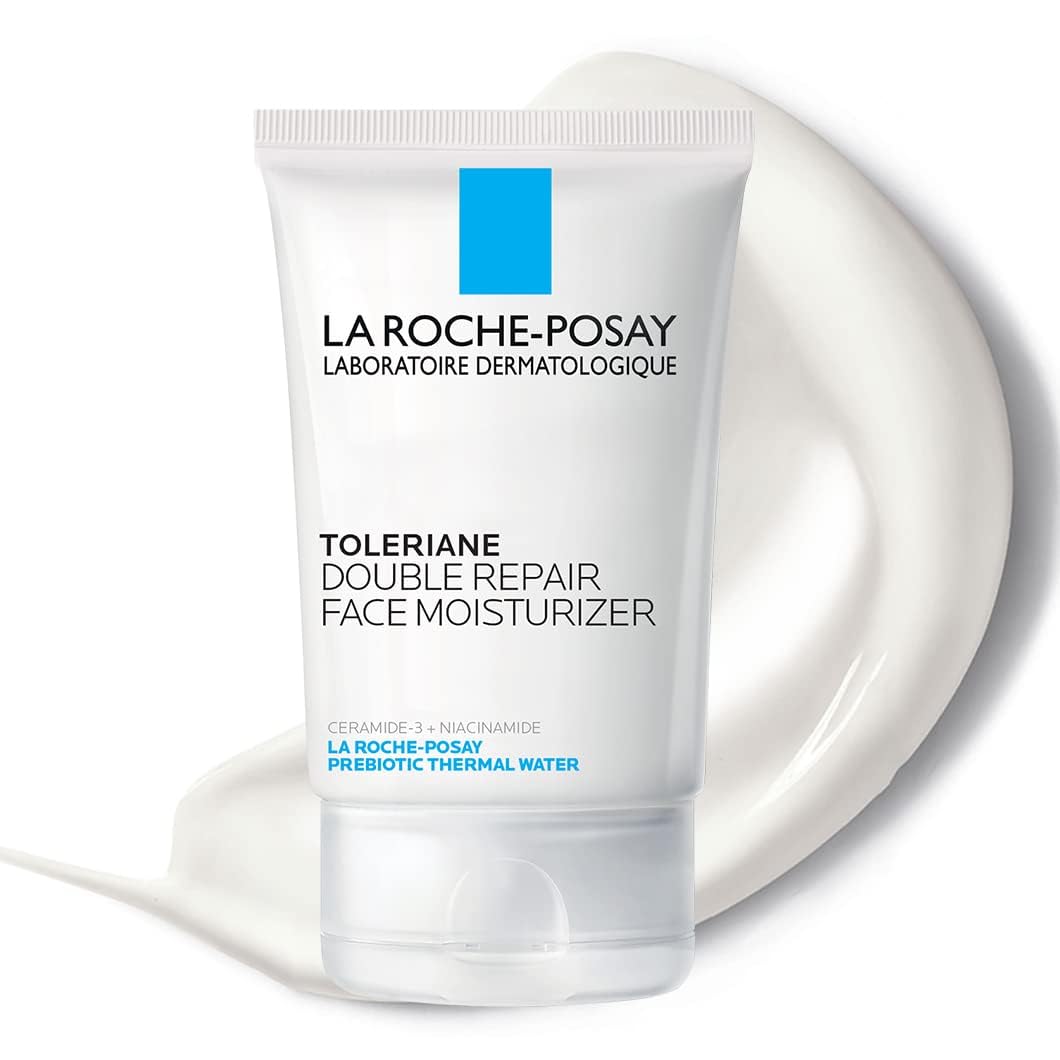
La Roche-Posay Toleriane Double Repair UV SPF Moisturizer for Face
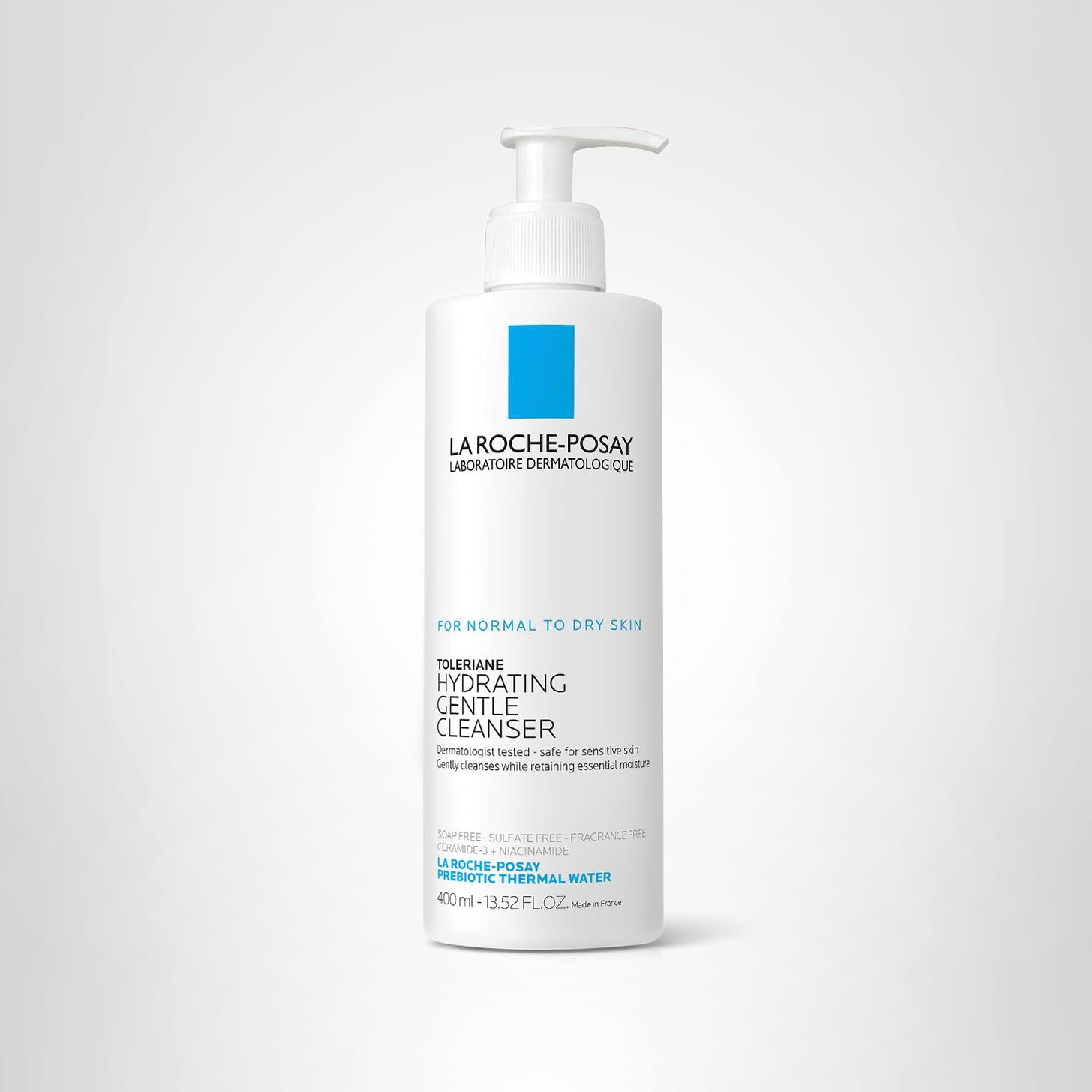
La Roche-Posay Toleriane Hydrating Gentle Face Cleanser
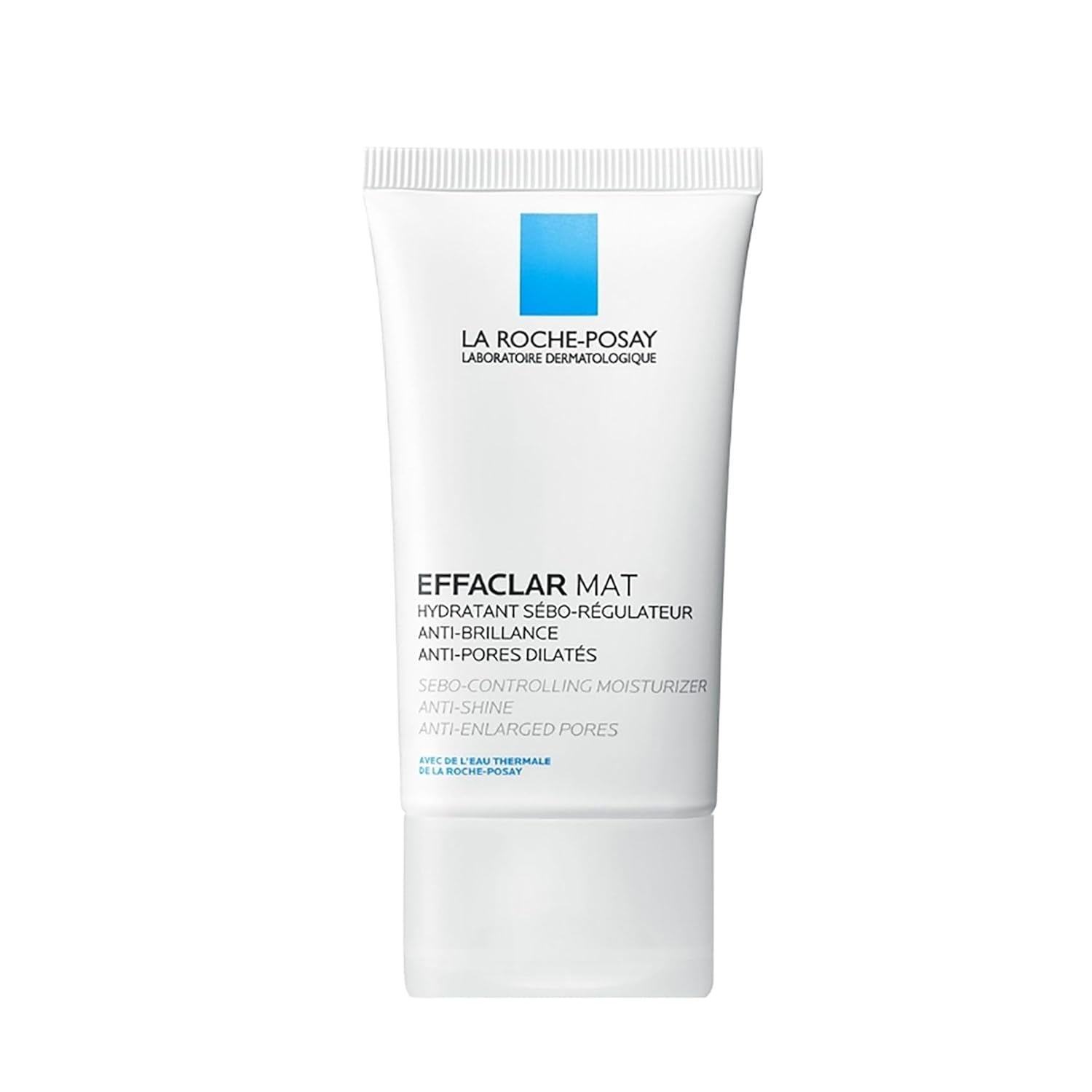
La Roche-Posay Effaclar Mat Oil-Free Mattifying Moisturizer
Caudalie Vinoperfect Brightening Dark Spot Serum
La Roche-Posay Pure Vitamin C Serum for Face