
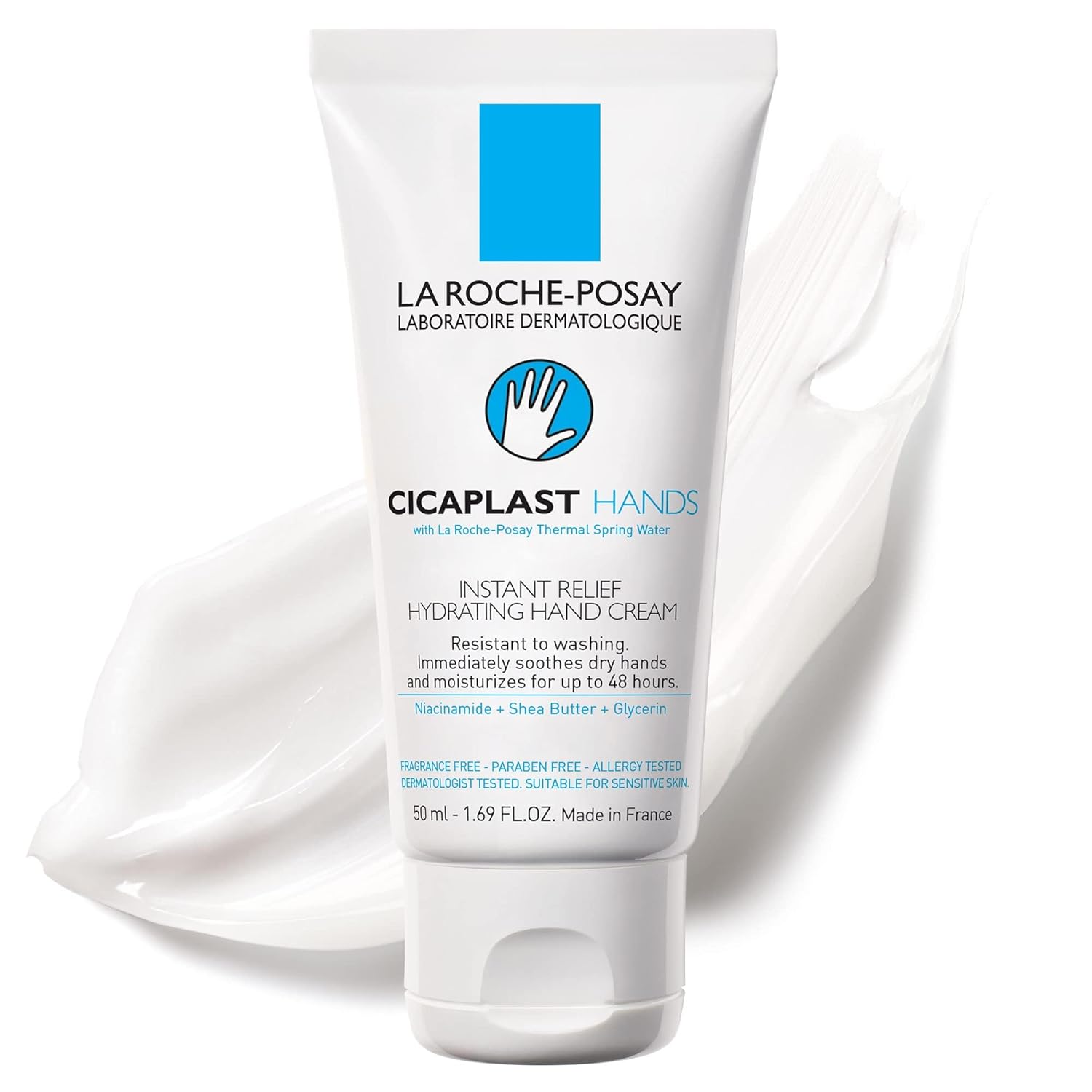
La Roche-Posay Cicaplast Hand Cream Review: A Derm-Grade Barrier for Overworked Hands
The Essence
A dermo-cosmetic hand treatment that behaves like an invisible glove, La Roche-Posay Cicaplast Hand Cream is designed for dry to very dry, overworked hands that need comfort without compromise. In our testing, it cushioned raw, cracked skin with creamy, concentrated hydration while remaining remarkably practical for real life: frequent washing, cold commutes, and laptop days included.
Our Verdict
Cicaplast Hand Cream sits at the intersection of pharmacy practicality and quiet luxury — a barrier-repair treatment disguised as a simple hand cream. In our testing, it transformed chapped, overworked hands into something closer to their pre-winter, pre-sanitizer selves: smoother, more supple, and visibly less crepey. The formula’s strength lies in its derm-grade actives — niacinamide, high glycerin, and shea butter — wrapped in a texture that behaves like an invisible glove, resisting water and daily wear.
It is not a whipped, spa-scented indulgence; it’s a serious cream with a thick, almost ointment-like body that demands a mindful, pea-sized application. For many, that trade-off paid dividends in comfort and resilience, especially in harsh climates and hands-in-water professions. A few found it too heavy, too sticky, or too intense for ultra-reactive skin. As an editor’s pick, we see it as an outstanding repair staple for dry and very dry hands — best reserved for those moments when your usual lotion simply isn’t enough.
Moisture & Barrier Repair
This behaves less like a pretty hand lotion and more like a treatment-grade barrier cream. In our performance analysis, it excelled at softening roughness, cushioning cracks, and preventing that tight, papery feeling after repeated washing. When layered consistently, hands felt genuinely rehabilitated rather than just temporarily coated.
Texture & Finish
A dense, balm-cream hybrid with a surprisingly satin finish when used sparingly. We loved the velvety, non-shiny feel on the backs of hands, but there is a learning curve: over-application tips it into sticky, ointment territory. For texture purists who want airy gels, this will feel too serious.
Absorbency & Wear
Once you master the dose, it absorbs well and clings through several hand-wash cycles. We noticed that a pea-sized amount sinks in within minutes, leaving a flexible film that survives everyday life. Some testers, especially in warmer rooms or with heavier applications, did experience a brief “sweaty” or coated sensation before full dry-down.
Comfort on Sensitive Skin
Formulated for sensitivity, but not a universal match for every compromised skin barrier. Many eczema-prone testers found it soothing and non-irritating, especially over time. A smaller subset, particularly with micro-cracks or raw patches, reported stinging or burning, underscoring the need for patch testing on very reactive hands.
Scent & Sensory Experience
Clinically quiet and fragrance free, with a subtle ‘derm office’ sensorial profile. There’s no perfume, no gourmand notes — just a neutral, slightly functional cream scent that disappears quickly. For those tired of perfumed hand creams, this restrained, almost invisible olfactory footprint feels reassuringly professional.
Value & Size
High-performance formula in a modest tube — luxurious in results, less so in volume. Because the cream is concentrated, it stretches further than you’d expect, but frequent users still found themselves repurchasing often. For targeted repair or nightly ritual, the investment feels justifiable; as a casual all-day slather, it can feel indulgent.
Pros & Cons
The Good
- Deeply cushions very dry, cracked hands and visibly softens rough texture, including around knuckles and cuticles.
- Creates a silky, protective veil that can withstand multiple hand-wash cycles better than standard lotions.
- Fast-absorbing on the backs of hands with a non-greasy, non-shiny finish when applied in small amounts.
- Fragrance-free and dermatologist/allergy tested, making it well-suited to sensitive and eczema-prone skin for many testers.
- A little goes a long way — the concentrated formula means pea-sized amounts are often enough for both hands.
- Leaves hands looking smoother and more youthful, with crepey, “winter” skin noticeably improved after consistent use.
The Bad
- Texture leans thick and balm-like; some testers found it greasy, sticky, or “Vaseline-like” if over-applied.
- Not universally tolerated by ultra-reactive or cracked skin — a minority experienced stinging or burning on micro-fissures.
- Small tube relative to usage needs; several testers felt the cost per ounce is high for daily, liberal application.
- Rigid tube and wide cap can make it difficult to squeeze out the last of the product, leading to some waste.
Insights from our Panel of Experts
What Lovers Say
Those of us with perpetually dry, overwashed hands kept calling this our winter miracle. After a single evening application, cracked knuckles and sore cuticles looked softer, less angry, and far more comfortable. We noticed that the finish is matte and non-slippery when you respect the “pea-size” rule, making it one of the few truly barrier-strength formulas we felt comfortable using at our desks or in the salon. The biggest emotional payoff? Hands that looked younger and felt like skin again instead of sandpaper — even in harsh climates and water-heavy jobs.
What Critics Say
Not everyone fell in love. A notable group on our panel described the texture as more ointment than cream — thick, waxy, and slow to sink in if applied generously. A few with very compromised or fissured skin reported stinging or burning on contact, and some felt the hydration didn’t last as long as promised once they washed their hands. The cost-to-size ratio and stiff packaging also raised eyebrows for those expecting a more generous, fluid everyday hand lotion.
The Matchmaker
Is this the right addition to your collection? Let's verify compatibility.
Perfect For You If...
If your hands are chronically dry, cracked, or eczema-prone from constant washing, cold weather, or work in water and chemicals, this is a sophisticated, derm-grade option. You’ll appreciate it most if you prefer fragrance-free, high-performance care and don’t mind a slightly thicker texture in exchange for real barrier support.
Skip This If...
You prefer a featherweight, instantly-vanishing hand lotion that you can slather without thinking about texture, or you’re extremely sensitive to any initial stickiness. If your hands are currently raw with open fissures or you’ve reacted to niacinamide or high-glycerin formulas before, you may want to patch test first or choose a simpler, more basic emollient cream instead.
The Texture Ritual: From Thick Squeeze to Velvet Finish
The first time we squeezed Cicaplast into our palms, we paused. This is not a fluffy, whipped hand lotion; it emerges as a dense, almost balm-like cream with a faintly gelled sheen, reminiscent of a more elegant take on petroleum jelly. The key, we quickly learned, is restraint.
We found that a true pea-sized amount is the sweet spot for both hands. Warmed between fingers, the cream loosens and glides over the backs of the hands, where skin is thinnest and most parched. Within a minute or two, that initial “cushion” sensation gives way to a soft-focus, almost matte finish — no high shine, no slippery film. On colder days, there’s a brief phase where hands can feel slightly damp or “sweaty” as the glycerin pulls in moisture, but this settles as the barrier film sets.
Our practical tip:
- Apply primarily to the backs of hands, then press palms together to distribute any excess.
- If you dislike any residue on your fingertips, you can lightly tissue off the palms after application without sacrificing comfort.
Used this way, the texture feels like a protective silk glove rather than a greasy coating, and we were able to type, scroll, and even handle fabrics without leaving smudges.
Ingredients with Intent: Niacinamide, Glycerin, and Shea Butter at Work
Our performance analysis reveals that Cicaplast’s impact comes from a deliberately functional, derm-forward formula rather than a long INCI list. At its core is a high concentration of glycerin, a humectant that draws water into the upper layers of the skin. On our driest testers, this translated to that plumped, “quenched” look you usually only see after a rich overnight mask.
Layered into this is niacinamide (Vitamin B3), a multitasker we reach for again and again in barrier-compromised skin. Over days of consistent use, we noticed less redness around knuckles and a more even tone on hands that typically look mottled and weather-beaten in winter. Niacinamide’s soothing and barrier-supporting properties are subtle but cumulative; it’s the difference between simply coating dryness and actually helping the skin behave more like itself.
Shea butter lends the formula its nourishing backbone. Rather than a greasy slick, it gives a cushiony, enveloping comfort that’s especially noticeable on cracked cuticles and the sides of fingers. Supporting emollients and La Roche-Posay’s thermal spring water round out the sensorial profile, adding slip and a whisper of that signature French pharmacy softness.
For ingredient-conscious readers, notable callouts:
- Fragrance-free and paraben-free, which our sensitive-skin testers appreciated.
- Allergy-tested, but not completely risk-free — a small minority did experience stinging on compromised skin, so patch testing is wise if your barrier is severely disrupted.
Real-World Performance: Water, Weather, and Workday Stress Tests
We didn’t baby this hand cream. We tested it through a New England-style cold snap, in over-heated apartments, and on hands that live in water — hairdressers, healthcare workers, restaurant staff, and parents in constant contact with soap and sanitizer.
After a week of daily wear, we found:
- Applied in the morning, it noticeably reduced that tight, splitting feeling by midday, even with multiple hand-wash cycles.
- On hands that were already cracked and flaking, overnight use delivered visible improvement in both look and comfort by the next morning.
- The formula clung better than standard lotions: even after washing, hands didn’t immediately snap back to that chalky, ashy state.
However, the experience wasn’t uniform. Some testers felt the barrier effect lasted beautifully through several washes; others, particularly those who scrub vigorously or use harsh soaps, needed to reapply more often than they’d hoped. A few also noted that on very hot days or in over-heated rooms, the film could feel a touch moist or clammy before it fully settled.
Our takeaway: this is best treated as a serious repair ally — exceptional as a pre-shift or pre-bed ritual, with targeted top-ups after heavy washing, rather than a single application that replaces all other care.
Application Strategy: How to Get the Most (and Avoid the Grease)
With Cicaplast, technique is everything. The same formula that feels miraculous in the right dose can feel waxy or greasy if overdone. Through repeated testing, we refined an application ritual that preserved the comfort while minimizing any tackiness.
Our preferred method:
- Start small. Dispense a pea-sized amount — truly no more — onto the back of one hand.
- Back-of-hand to back-of-hand. Press the backs of your hands together and massage gently, letting the product spread across knuckles, fingers, and cuticles.
- Finish with palms. Use your palms only to smooth any remaining veil along the sides of fingers. If you dislike any residue on fingertips, lightly blot palms on a tissue.
- Time it right. For daytime, apply after washing when skin is dry but still slightly warm; at night, be more generous and treat it like an intensive mask, optionally under cotton gloves.
We also found it plays beautifully as a post-sanitizer rescue step — the glycerin and shea help counteract the stripping effect of alcohol-based gels. For those in hands-in-water professions, applying a thin layer just before a shift created a perceptible barrier that made subsequent dryness less severe.
Used this way, the finish reads as satin and protected, not slick — and the product feels far closer to a professional treatment than a casual hand lotion.
Packaging, Design, and the Quiet-Luxury Factor
Visually, Cicaplast is pure French pharmacy minimalism. The white tube with its clean blue typography feels clinical in the best way — understated, trustworthy, and at home in both a bathroom cabinet and a work bag. The flip-top cap has a satisfying click, and the narrow nozzle allows for reasonably precise dosing.
In use, though, we did notice some trade-offs of function over indulgence:
- The plastic of the tube is on the stiffer side, which becomes more noticeable as you near the end; several of us ended up cutting the tube open to rescue the last applications.
- The cap’s width makes it stable standing upright, but also slightly bulkier in a pocket.
There’s no sensorial flourish here — no scent, no colored cream, no decorative outer box that feels like a gift. Instead, the luxury is in the performance and the restraint: a fragrance-free, dermatologist-tested formula that quietly does its job. For many of us, that felt more sophisticated than any perfumed, Instagrammable tube.
If your idea of luxury is efficacy, reliability, and skin that simply behaves better, Cicaplast fits seamlessly into that aesthetic. It’s the kind of product you don’t show off; you just notice that your hands have stopped demanding your attention.
Buying Guide
Consultant's Breakdown
Expert analysis to help you decide.
This sits firmly in the “luxury splurge that earns its place” category. It’s not the most economical hand cream on the shelf, but the concentrated formula, fragrance-free profile, and barrier-supporting actives justify the spend if you’re dealing with genuinely distressed hands. For casual dryness, a simpler lotion may suffice; for cracked, overworked skin, this feels like a smart, targeted investment.
Where this cream distinguishes itself is in its barrier behavior and dermatologist-grade positioning. It bridges the gap between basic drugstore hand lotion and heavy occlusives like pure petrolatum, offering serious comfort without a perpetually greasy film. The fragrance-free, eczema-accepted profile also gives it an edge for sensitive, professional, or scent-averse users.
Best for dry to very dry, overwashed, or irritation-prone hands across a wide range of ages. Our testers with eczema tendencies, mature skin, and hands exposed to water, chemicals, or cardboard saw the most dramatic benefits. If your hands are only mildly dry, you may find it feels more treatment-like than necessary for everyday use.
Cicaplast shines in cold, dry, or aggressively air-conditioned environments. We reached for it most in winter and during periods of heavy hand-washing, when skin felt raw and depleted. In humid summers or for mildly dry hands, you may find you need smaller amounts or more occasional use to avoid the texture feeling too rich.
Specifications
| Brand Name | La Roche-Posay — French dermocosmetic brand known for dermatologist-tested formulas for sensitive skin. |
|---|---|
| Age Range Description | Adult — targeted to adult hands experiencing dryness, irritation, or barrier damage. |
| Skin Type | Dry — especially suitable for dry to very dry, rough, or compromised hand skin. |
| Item Form | Cream — rich, cushioning texture that behaves like a protective balm on the skin. |
| Target Use Body Part | Hands — formulated specifically for hand skin exposed to frequent washing, cold, and irritants. |
| Product Benefits | Hydrating hand cream for dry and very dry hands with a non-greasy, non-sticky finish; dermatologist and allergy tested for sensitive skin. |
| Specific Uses For Product | To immediately soothe dry hands damaged by aggressions such as cold weather and frequent washing, helping restore comfort and suppleness. |
| Country as Labeled | United States — produced and labeled for the U.S. market. |
| Model Name | Cicaplast Hand Cream, Instant — part of the Cicaplast barrier-repair family. |
| Recommended Uses For Product | Professional skin care — ideal as a derm-grade hand treatment for daily and intensive use. |
| Active Ingredients | Niacinamide (Vitamin B3), glycerin, and shea butter — a soothing, humectant, and nourishing complex for barrier support. |
| Special Ingredients | Shea Butter — known for its deeply nourishing, softening properties on very dry skin. |
| Material Type Free | Fragrance Free — no added scent, suitable for sensitive and scent-averse users. |
| Scent Name | Fragrance Free — neutral, clinical profile without perfume. |
| Other Special Features of the Product | Hydrating creamy hand lotion for dry and very dry hands with a non-greasy, non-sticky finish; dermatologist and allergy tested. |
Our Testing Methodology
We tested La Roche-Posay Cicaplast Hand Cream over several weeks across a mixed panel: hairdressers, healthcare workers, restaurant staff, office professionals, and sensitive-skin enthusiasts. Hands were exposed to frequent washing, sanitizers, detergents, cardboard, and cold outdoor air. We tracked immediate feel, texture evolution, wash-resistance, and visible changes in cracking, roughness, and redness, with both daytime touch-ups and dedicated overnight treatments. Our findings reflect repeated, real-life use rather than a single controlled lab application.
Frequently Asked Questions
Efficacy & Performance
It performs impressively on very dry, cracked hands. In our testing, knuckles, cuticles, and even painful splits felt cushioned and looked visibly smoother within a few days of consistent use. It behaves more like a barrier-repair treatment than a basic lotion, especially when applied at night.
It holds up better than standard lotions, but not infinitely. We found that a thin layer left hands feeling comfortable even after several washes, especially with gentler soaps. Very frequent or aggressive washing will still require reapplication, but the baseline dryness is noticeably reduced.
Yes. This is one of the few formulas we kept reaching for during harsh winter weeks. It significantly reduced chapping, flaking, and that tight, stinging sensation from cold air and wind, particularly when used as part of a nightly ritual and topped up after daytime washing.
Most of our testers felt immediate comfort — tightness eased, and rough areas felt cushioned almost instantly. The full softening effect on cracks and texture builds over days, but the first application already delivers a noticeable improvement in feel and appearance.
It does both, but shines as a repair-and-maintain product. On actively cracked, stressed hands, it accelerates the return to comfort. Once skin is more stable, using it once or twice daily helps prevent that cycle of drying, splitting, and stinging from starting again.
Ingredients & Safety
It’s formulated with sensitive skin in mind, dermatologist and allergy tested, and accepted by the National Eczema Association. Many eczema-prone testers found it soothing. That said, a small minority did experience stinging on very compromised skin, so patch testing on a small area is prudent if you’re highly reactive.
The formula leans on high glycerin for deep hydration, niacinamide (Vitamin B3) for soothing and barrier support, and shea butter for nourishing comfort. These are combined with La Roche-Posay thermal spring water and supportive emollients to create a protective, glove-like veil on the skin.
Yes, it’s fragrance free with no added perfume. There is a faint, neutral “cream” scent from the base ingredients that disappears quickly, making it suitable for those who dislike scented products or work in fragrance-restricted environments.
No. It’s formulated without parabens and without sulfates, aligning with the brand’s strict standards for sensitive skin. The focus is on humectants, emollients, and barrier-supporting ingredients rather than harsh surfactants or unnecessary additives.
The ingredients are generally considered safe for topical use and are often recommended for compromised skin barriers, including those on drying medications. However, during pregnancy or medical treatment, it’s always wise to clear any new skincare with your healthcare provider first.
Application & Usage
A pea-sized amount is usually enough for both hands. The formula is highly concentrated; using more than that tends to feel heavy or sticky. You can always add a tiny extra dab to particularly rough spots like knuckles or cuticles if needed.
We had the best results applying it right after washing and thoroughly drying hands, and again at night as an intensive treatment. Overnight use, sometimes under cotton gloves, delivered especially dramatic improvement in cracks, roughness, and overall comfort by morning.
Yes, and it works beautifully as a hand mask under cotton or nitrile gloves. Apply a slightly thicker layer before bed or before a cleaning session, slip on gloves, and let the warmth help the actives penetrate more deeply for a softer, more supple result.
It can if you over-apply. In small amounts, especially focused on the backs of hands, the finish is more satin than greasy and comfortable for typing or using your phone. Larger amounts or using it like a body lotion can feel waxy or sticky, particularly on palms.
While it’s formulated specifically for hands, we did test it on heels, elbows, and other rough patches with good softening results. For larger body areas, you may find a dedicated body balm more economical, but for spot-treating stubborn dry zones, it performs well.
Skin Compatibility & Concerns
For many on our panel with eczema tendencies or work-related dermatitis, it provided meaningful relief — less redness, fewer cracks, and a more resilient barrier. However, it’s not a medicated steroid cream; think of it as a high-performance support product that pairs well with, but doesn’t replace, medical treatments.
It can. Most testers with dry, intact skin felt only comfort, but some with micro-cracks or very raw areas reported stinging or burning on application. If your hands are severely fissured, start with a tiny amount on a small area, or use a simpler bland ointment until the skin is less compromised.
Yes. Mature testers with thin, crepey skin saw notable improvements in texture and comfort. The combination of humectants and barrier support made hands look less lined and more plumped, especially around knuckles and on the backs of hands, where age shows most quickly.
It’s allergy tested and free from fragrance and parabens, which removes some common triggers. That said, any ingredient can be an allergen for someone. If you have known sensitivities, scan the ingredient list and patch test on a small area before applying more broadly.
The formula is designed for hands and is generally low on comedogenic ingredients, but it does contain shea butter and occlusive elements. An occasional transfer to the face is unlikely to be an issue for most, but we wouldn’t recommend using it as a facial moisturizer, especially if you’re acne-prone.
Gaps, Trade-Offs & Practicalities
The texture is thicker and more occlusive than typical lotions, and the high glycerin and emollient content can resemble a refined ointment. If you apply too much, it can feel waxy or greasy, which is why we stress using a very small amount and focusing on the backs of hands.
That depends on your needs. For mildly dry hands, it may feel like an unnecessary splurge. For chronically cracked, overwashed, or eczema-prone hands, the concentrated, fragrance-free, derm-tested formula can feel well worth the investment, especially as a repair product rather than an all-over body lotion.
The tube material is relatively stiff, and the formula is thick, so squeezing out the final applications can be challenging. We often ended up cutting the tube open to access the remaining cream. It’s a minor design flaw in an otherwise well-thought-out product.
Yes, but that’s part of its design. It leaves a very thin, flexible film that functions like an invisible glove, helping protect the skin from further aggressions. When dosed correctly, that film feels velvety rather than sticky; with too much product, it can tip into tacky territory.
Probably not. This is best for those who need more than a casual moisturizer — think repair, protection, and resilience. If your hands are only mildly dry and you dislike any sense of coating, a lighter, more fluid hand lotion will likely align better with your preferences.
Miscellaneous & Lifestyle
Yes, as long as you use it sparingly. We kept a tube by our keyboards and found that a pea-sized amount, focused on the backs of hands, absorbed quickly enough to type without smearing keys. It’s fragrance free, so it won’t bother colleagues in close quarters.
Once fully absorbed, it’s appropriate for those environments and won’t leave a noticeable scent. As with any cosmetic, wash hands before direct food handling as required by your protocols, and allow the cream to sink in fully before gloving up in healthcare settings.
While it’s not an anti-aging treatment in the classic sense, better hydration and barrier repair have a visible cosmetic effect. In our testing, hands looked less crepey, more even in tone, and generally more youthful once dryness and micro-flaking were under control.
Yes. The compact tube is travel-friendly and fits easily into handbags, coat pockets, or carry-on liquids bags. Its concentrated nature means you don’t need to carry a large amount to get significant benefit during flights or in drier climates.
Anyone who lives in a cold climate, works with their hands, washes frequently, or is devoted to derm-grade skincare will likely appreciate it. It’s particularly thoughtful for hairdressers, healthcare workers, new parents, and skincare enthusiasts who prefer fragrance-free, functional luxury.
The Curated Edit
Curated based on the unique characteristics of La Roche-Posay Cicaplast Hand Cream.
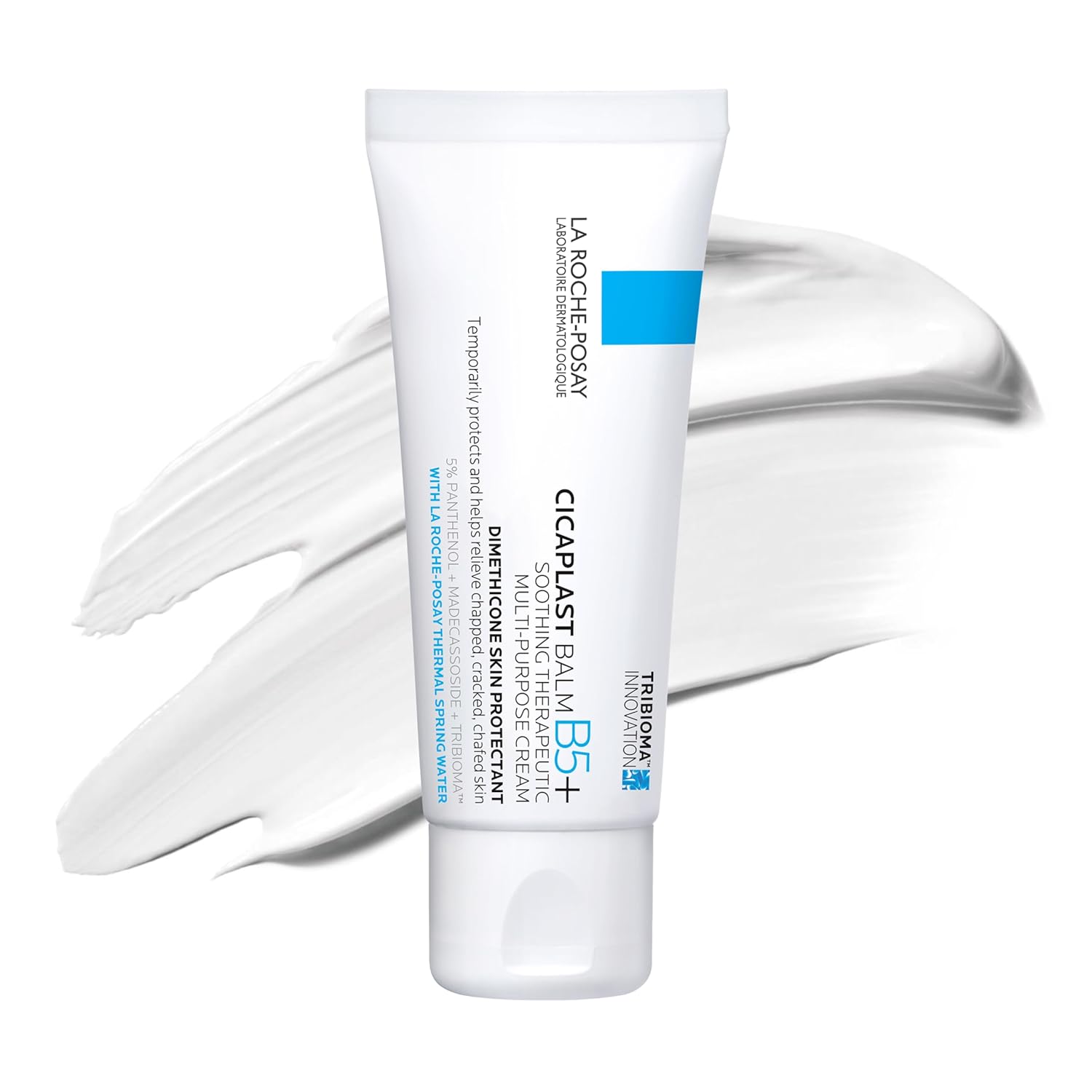
La Roche-Posay Cicaplast Balm B5
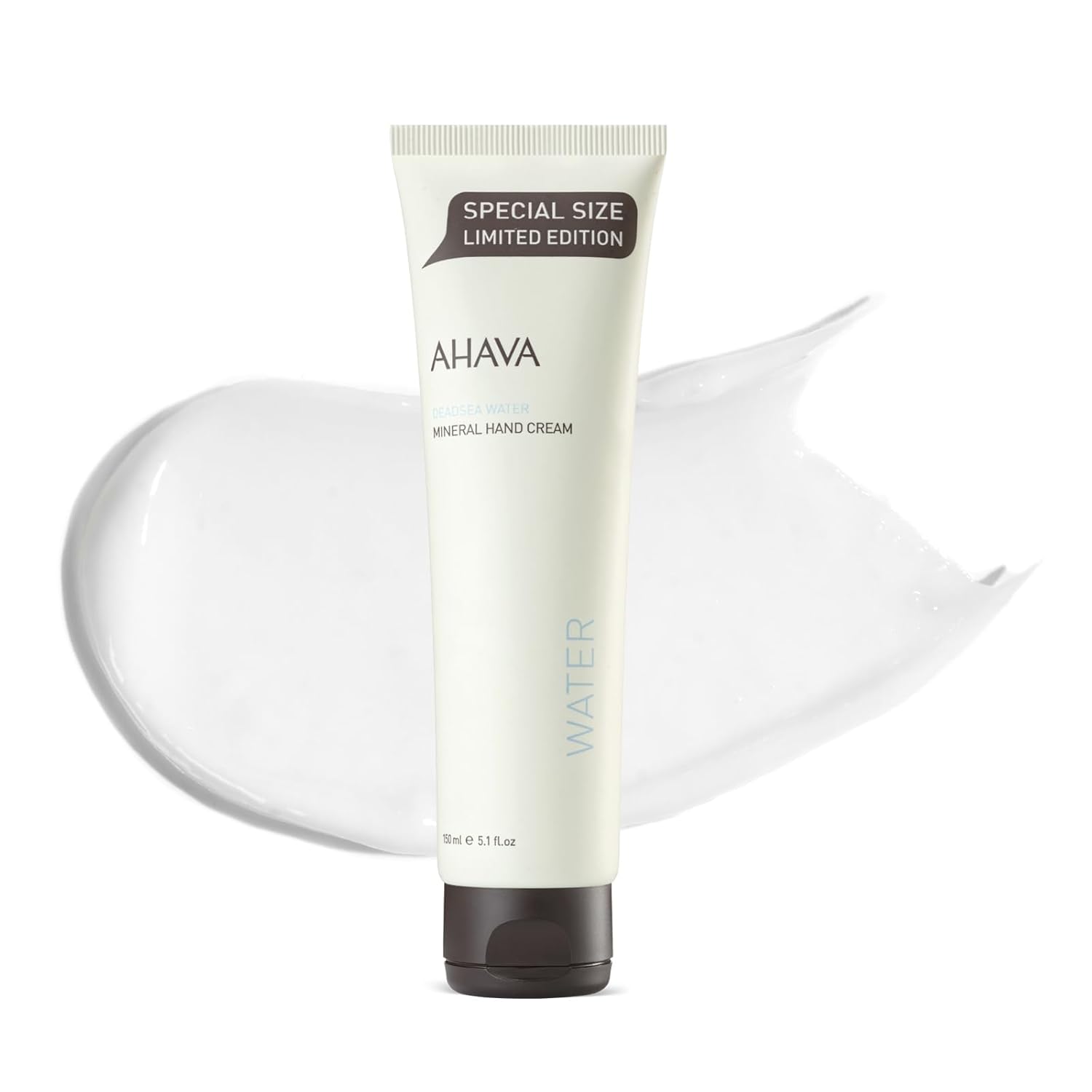
AHAVA Dead Sea Water Mineral Hand Cream
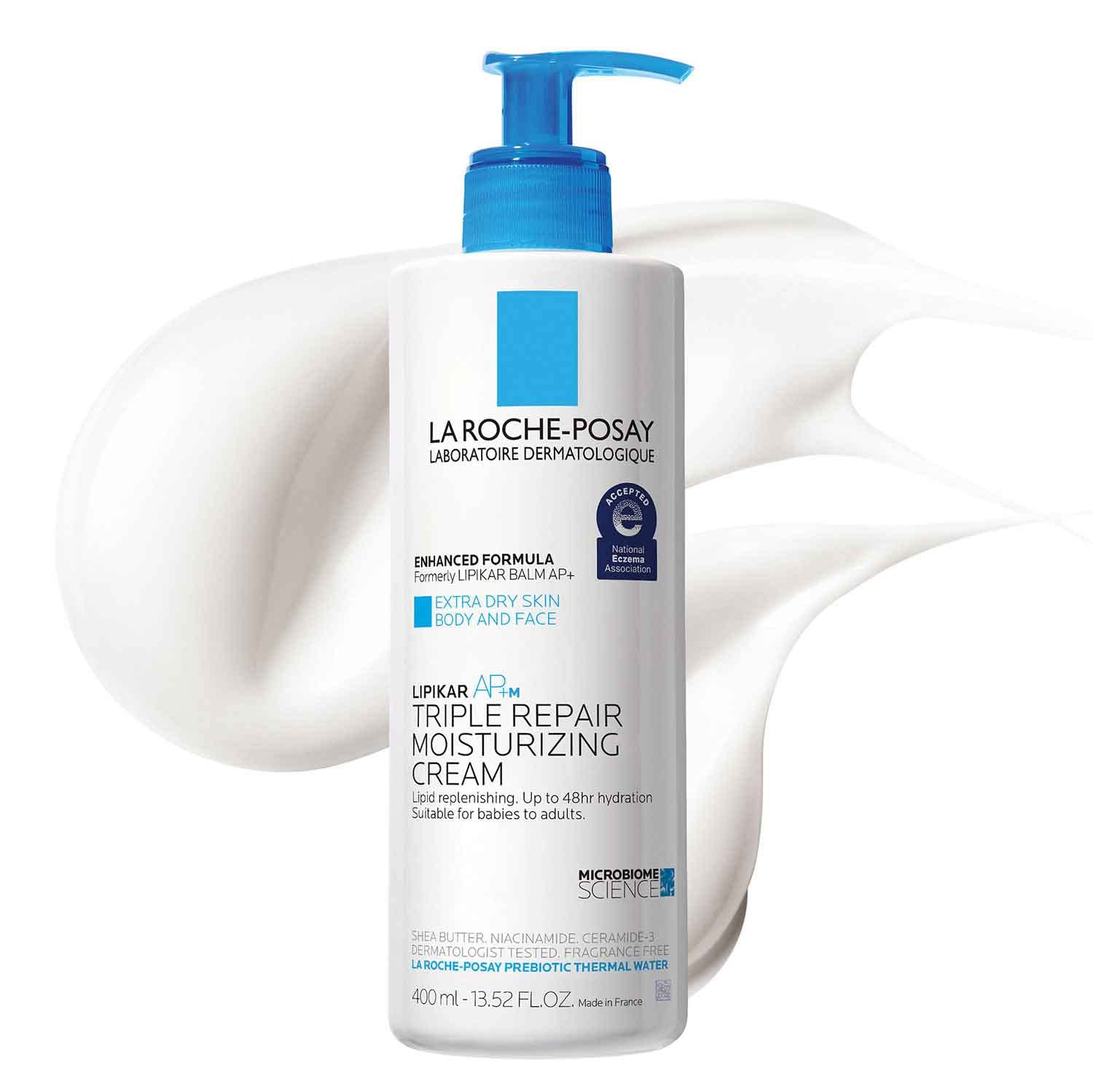
La Roche-Posay Lipikar AP+ Triple Repair Moisturizing Cream
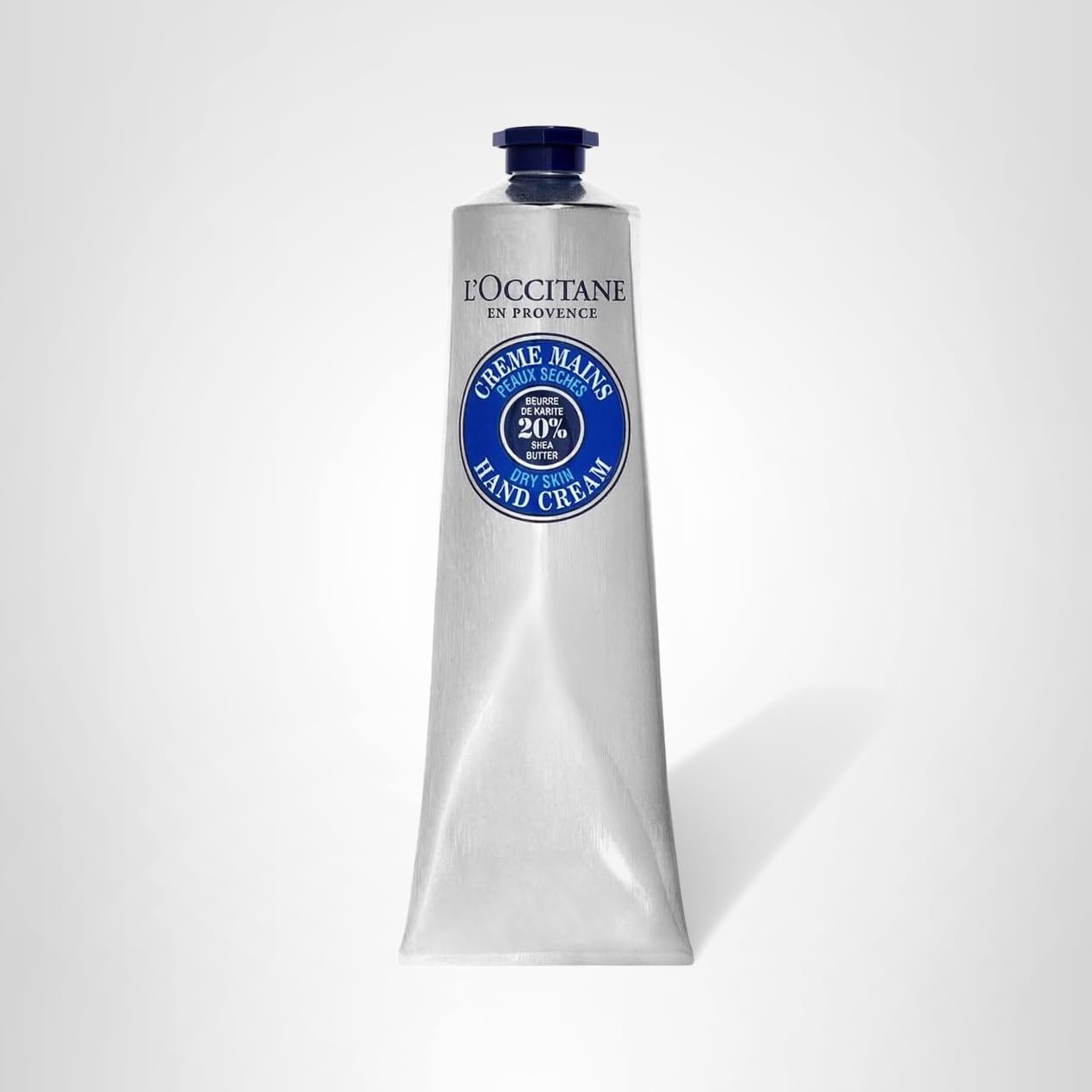
L'Occitane 20% Shea Butter Hand Cream
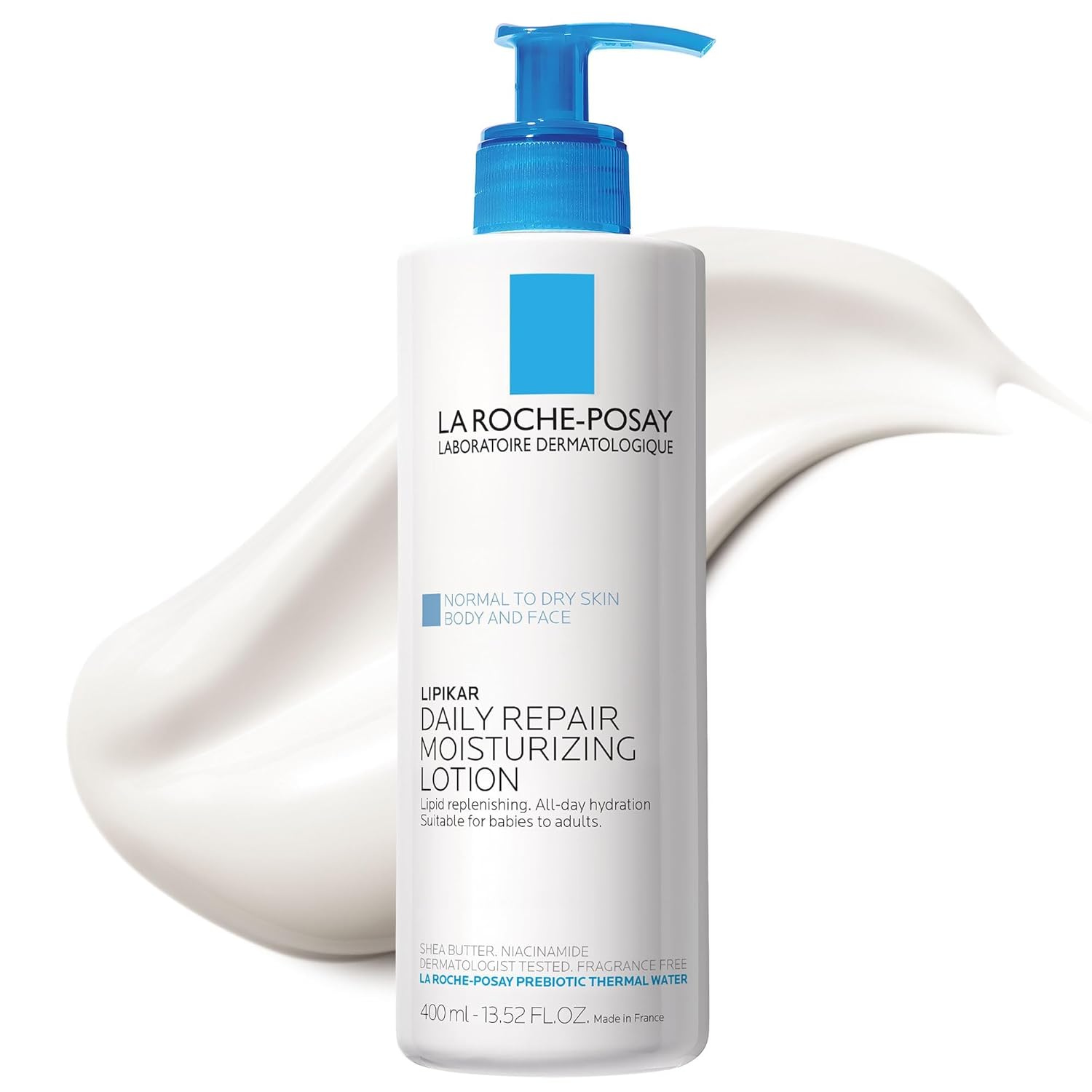
La Roche-Posay Lipikar Body Lotion Daily Repair Moisturizing Cream
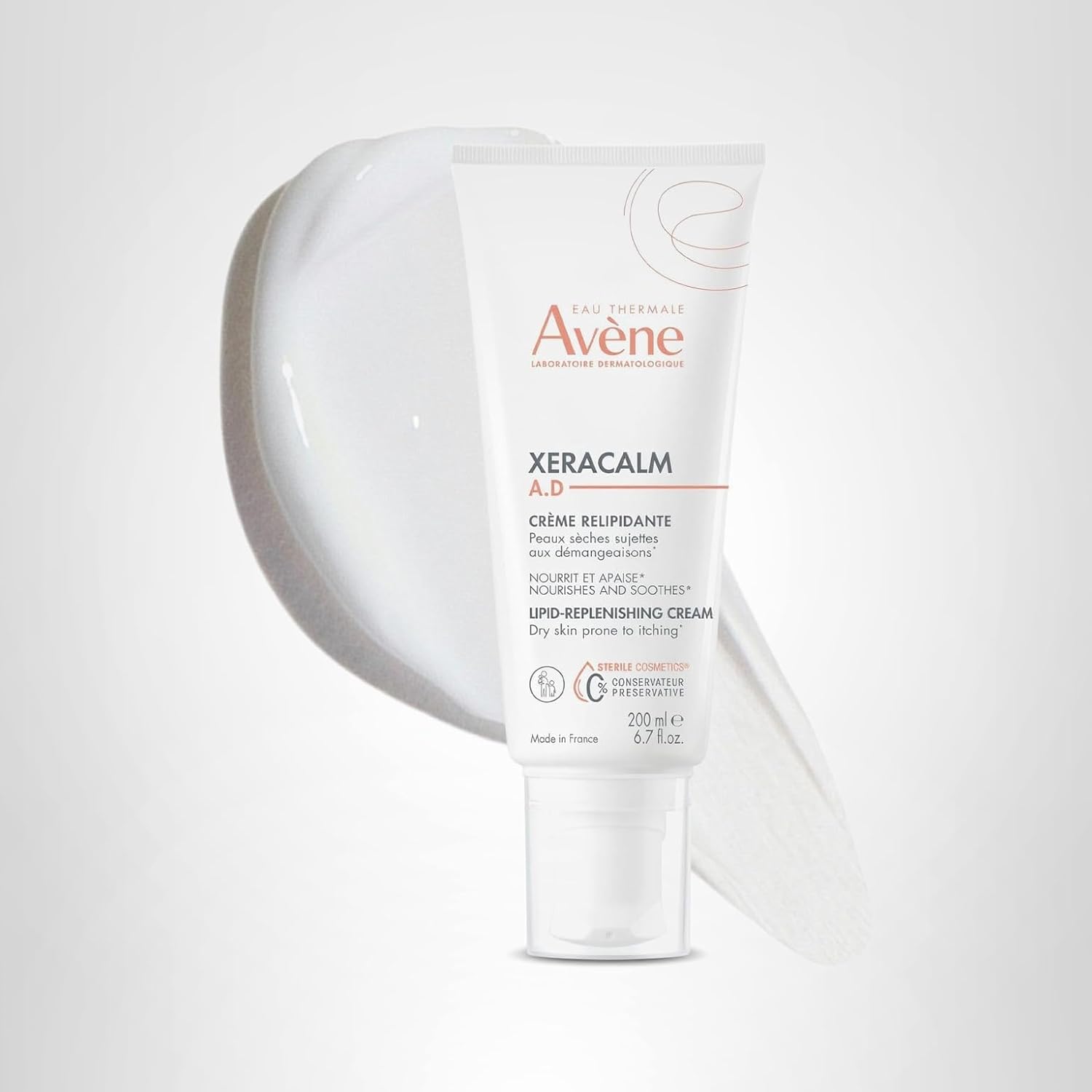
Avène XeraCalm A.D Lipid-Replenishing Cream
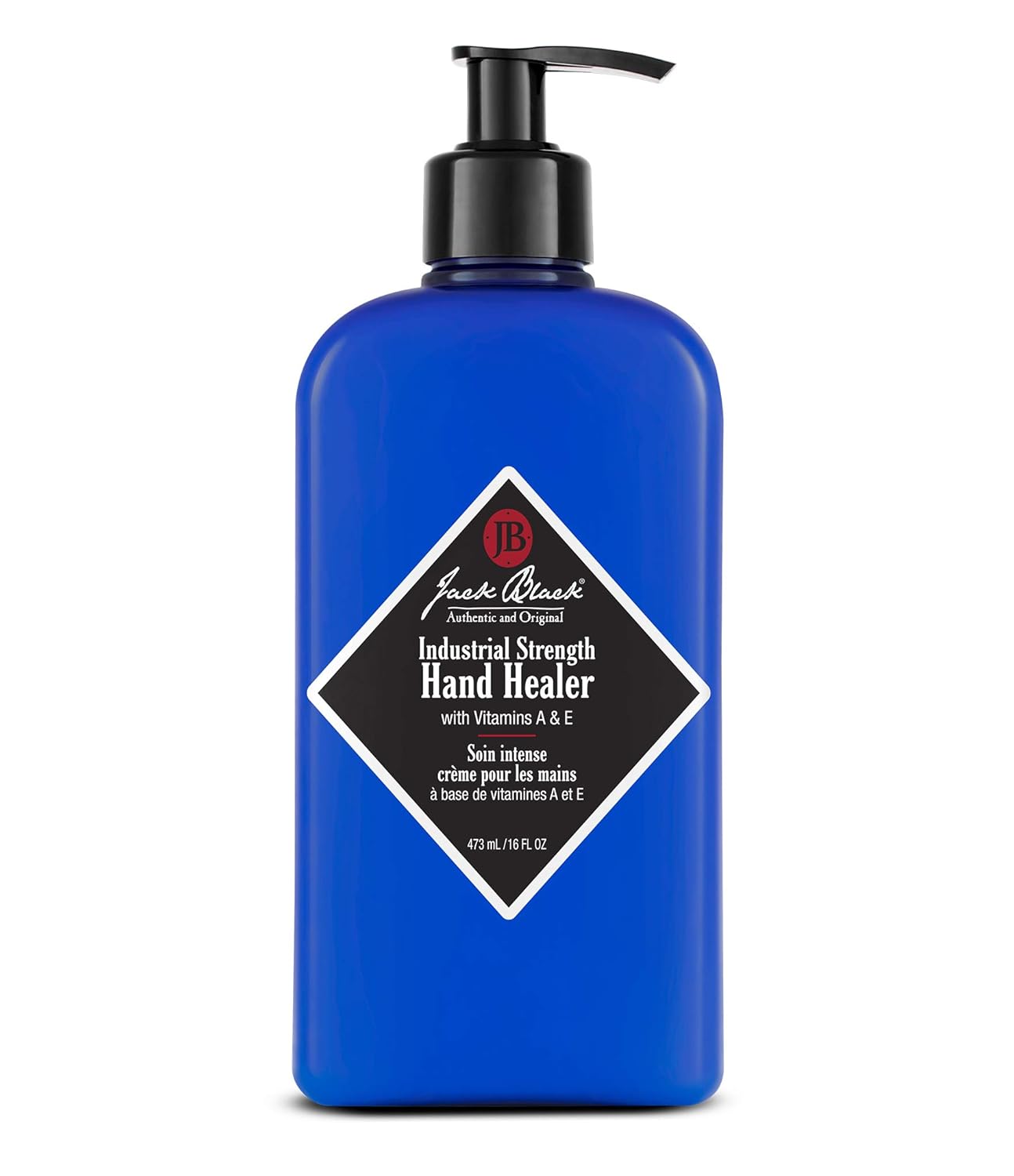
Jack Black Industrial Strength Hand Healer and Lip Balm
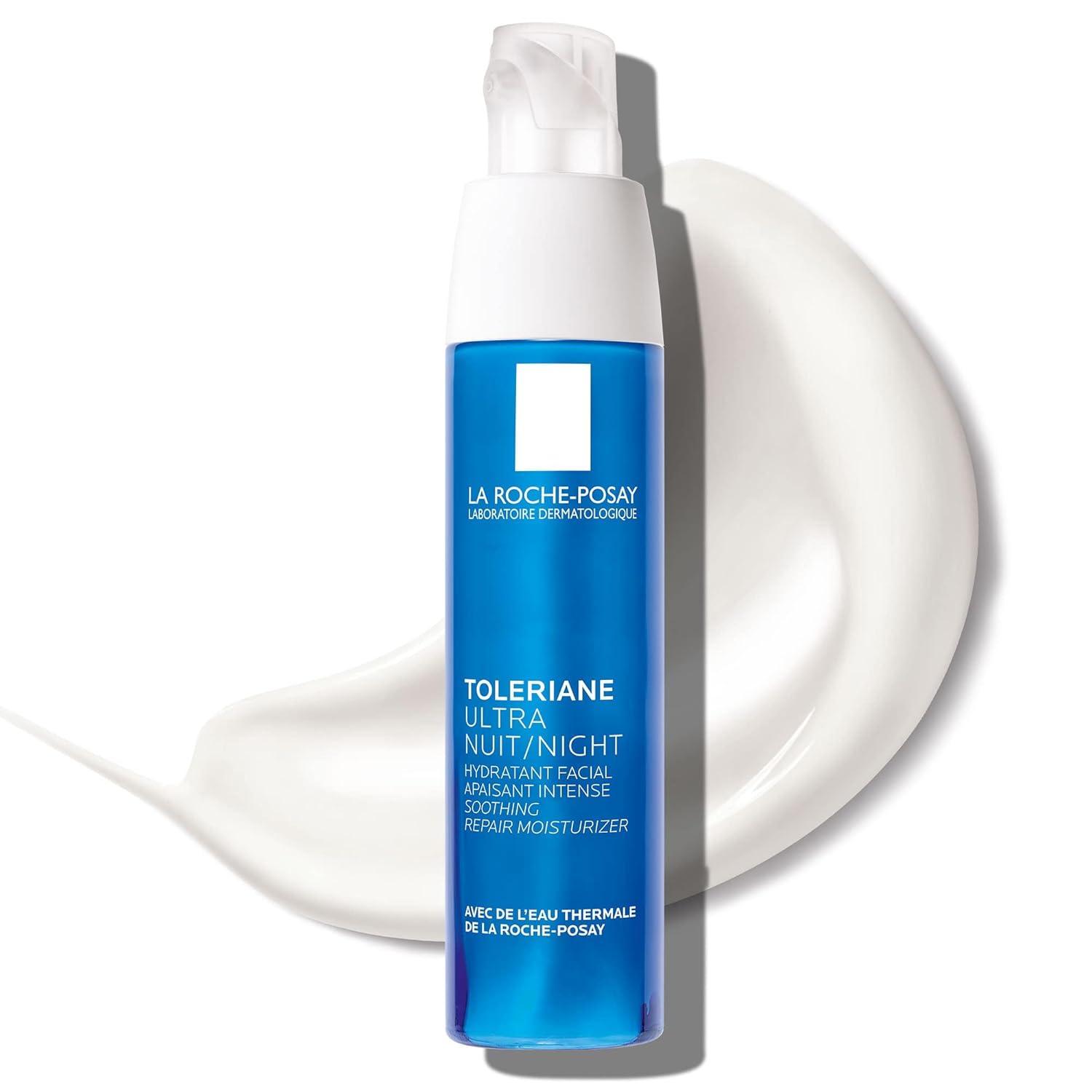
La Roche-Posay Toleriane Dermallergo Night Cream