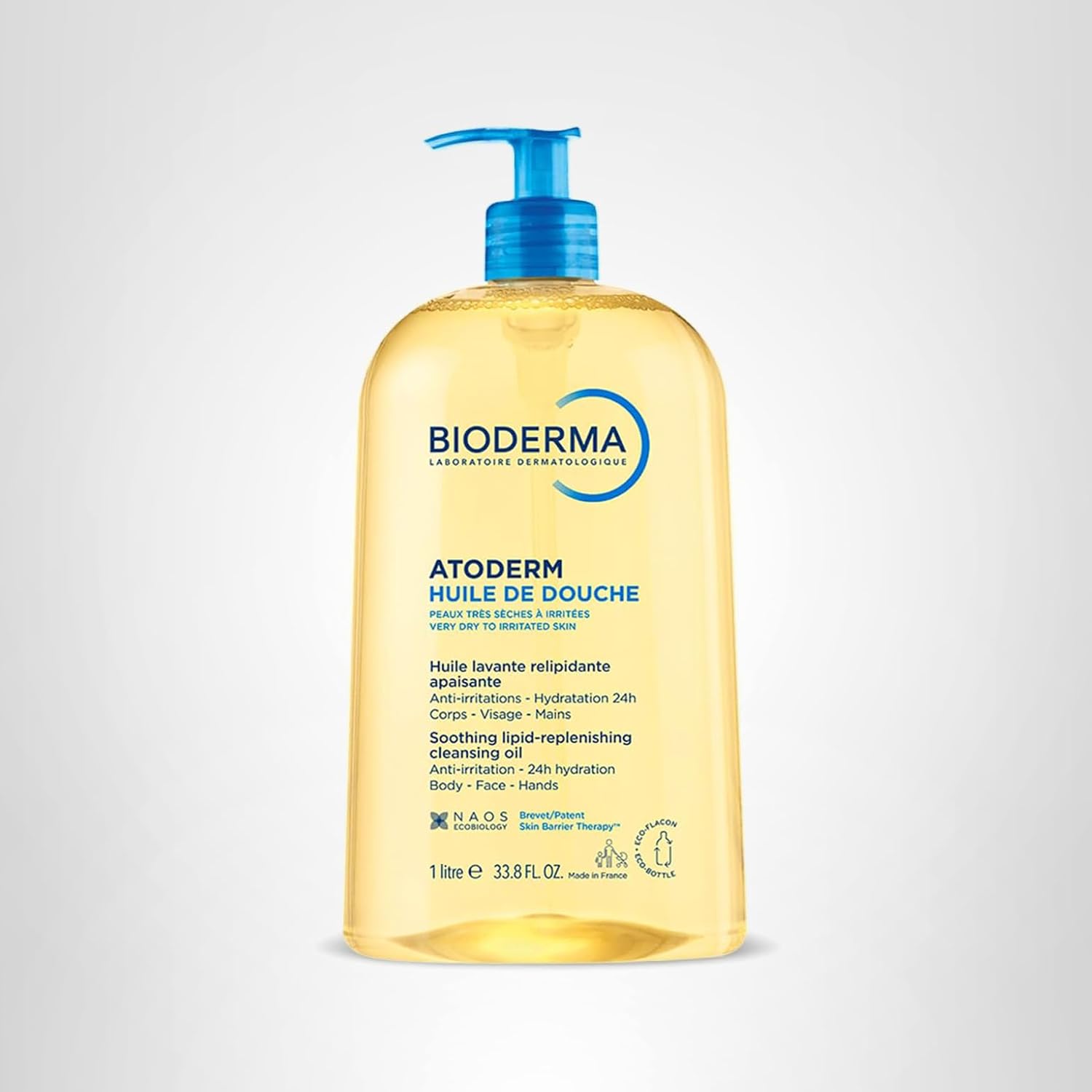

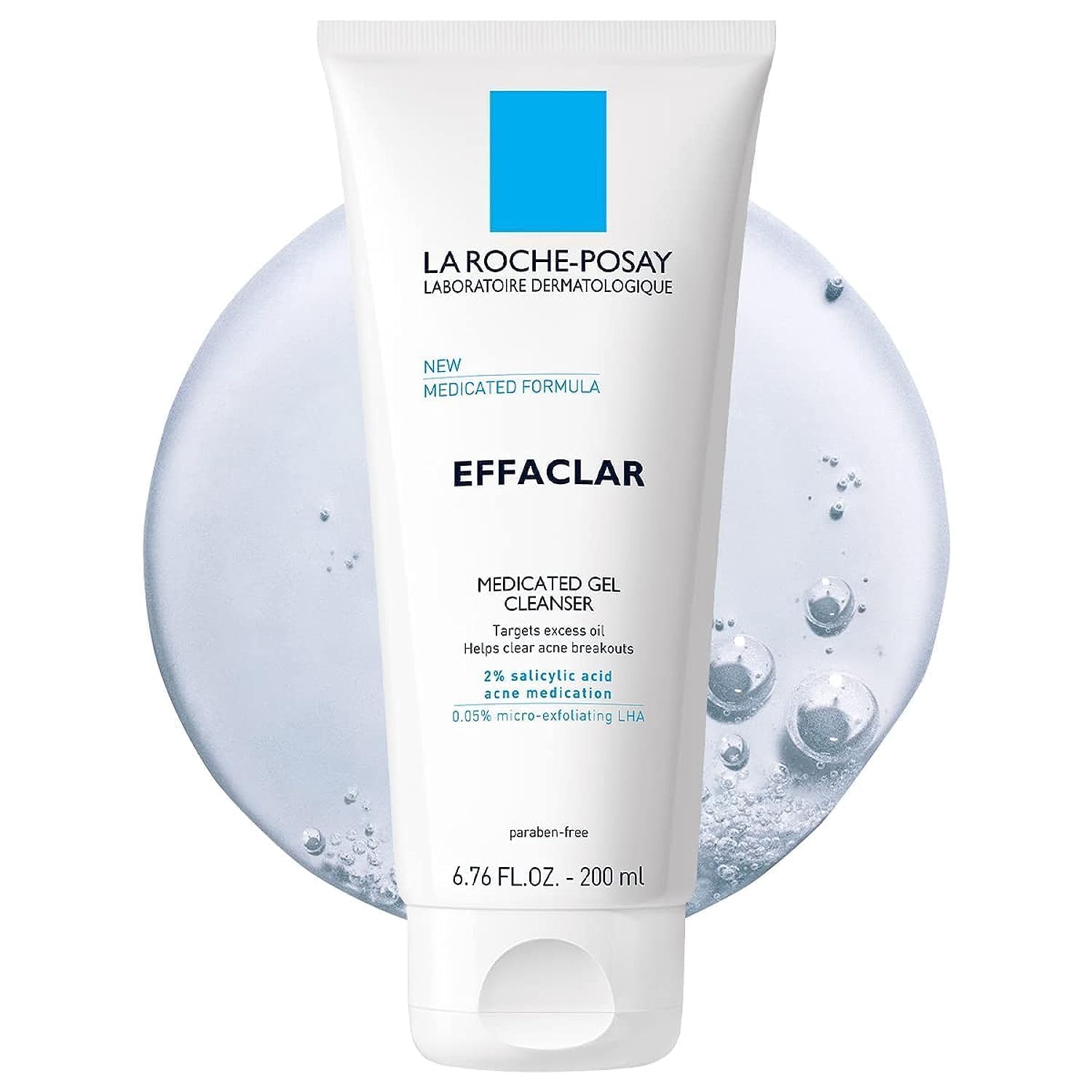
La Roche-Posay Effaclar Medicated Gel Cleanser Review: A Dermatologist-Grade Ritual for Oily, Acne-Prone Skin
The Essence
A dermatologist-developed, oil-free gel cleanser designed for oily and acne-prone skin, Effaclar Medicated Gel Cleanser marries 2% salicylic acid with LHA and glycerin to decongest pores while respecting the skin barrier. In our testing, it behaved like a precision treatment in a daily-wear format, softening congestion, refining texture, and rebalancing excess shine without the harsh scrubby feel of traditional acne washes.
Our Verdict
Effaclar Medicated Gel Cleanser is not a soft-focus, spa-like face wash; it’s a disciplined, dermatologist-bred workhorse for oily, acne-prone skin. In our testing, it consistently reduced congestion, calmed active breakouts faster, and left complexions clearer and more refined—especially for those battling hormonal flare-ups and closed comedones. The gel’s cooling, menthol-kissed foam feels satisfyingly purifying without the sandpaper harshness of scrub-based acne cleansers, provided you respect its strength and follow with a proper moisturizer. The real trade-offs live at the edges: sensitive or barrier-compromised skin can find it too drying, and the leaky tube is unworthy of the formula inside. Used thoughtfully, though, this is a clinical-grade cleansing ritual that can quietly anchor an effective, long-term acne routine.
Acne & Blemish Control
In our performance analysis, this is where Effaclar Medicated Gel Cleanser shines. The 2% salicylic acid plus LHA combination consistently reduced the frequency and intensity of breakouts, including stubborn hormonal and cystic lesions, when used with a minimalist, supportive routine. It doesn’t erase severe acne on its own, but as a daily cleanser for mild to moderate acne, it’s impressively effective.
Skin Texture & Clarity
After several weeks of use, we noticed softer, more refined texture and fewer clogged pores—particularly around the nose, chin and jawline. Closed comedones and rough patches gradually smoothed out without the need for physical scrubs. The trade-off: overuse or pairing with too many acids can flip this from refining to over-exfoliating.
Oil Balance & Shine Control
Clinically tested to reduce excess surface oil, and our wear tests mirrored that claim: T-zones stayed more matte, and that late-afternoon slick felt noticeably dialed down. It doesn’t leave skin squeaky or stripped when used correctly, but normal-to-dry or combination skin will absolutely need a good moisturizer to keep things balanced.
Comfort on Sensitive Skin
Although it’s dermatologist- and allergy-tested, we found this to be a potent formula. Oily yet resilient skin types tolerated it beautifully, but several sensitive or barrier-impaired testers experienced tightness, tingling, redness or flaking—especially around the mouth and eyes. This is not a universal ‘gentle cleanser’; it’s a targeted treatment wash that demands respect.
Formula Elegance & Ingredients
We appreciate the thoughtful pairing of 2% salicylic acid with LHA for cell-by-cell exfoliation, plus glycerin and zinc gluconate to temper the actives. It’s fragrance-free and non-comedogenic, but the inclusion of sodium laureth sulfate and menthol means it leans more clinical than coddling. For oily, acne-prone skin, the balance is sophisticated; for compromised skin, it can be too much.
Packaging & Usability
The experience of using the gel is lovely—silky, quick-lathering, easy to rinse—but the tube undermines the luxury. The runny texture and soft, cap-down design make leaks, cracked necks, and accidental product gushes far too common, especially in showers or suitcases. We ended up decanting into a pump bottle to truly enjoy the formula.
Value as a Prestige Acne Cleanser
Positioned between drugstore basics and clinical boutique lines, Effaclar Medicated Gel Cleanser delivers visible results that justify the investment for oily, breakout-prone skin. Because only a pea- to quarter-sized amount is needed, a bottle stretches surprisingly far. The only value caveat is product lost to that problematic packaging.
Pros & Cons
The Good
- Noticeably improves acne control for many with oily and acne-prone skin, including hormonal and cystic breakouts.
- Gel-to-foam texture feels silky and refreshing, leaving skin clean without heavy residue.
- Balances oil production over time; T-zones look less shiny and pores appear less congested.
- Fragrance-free, oil-free and non-comedogenic, with a dermatologist-tested, clinical pedigree.
- Chemical exfoliation (salicylic acid + LHA) refines texture and can soften closed comedones and blackheads.
- A little product goes a long way, making it feel like a long-lasting, prestige staple.
- Pairs seamlessly with hydrating, barrier-supportive moisturizers for a streamlined acne routine.
The Bad
- Can be quite drying or even irritating, especially around the mouth, cheeks and eye area, if overused or paired with too many other actives.
- Flip-top tube and runny gel texture are prone to leaking, cracking and product waste, particularly during travel.
- Menthol cooling effect and medicated scent are polarizing and may aggravate very sensitive or reactive skin.
Insights from our Panel of Experts
What Lovers Say
Those of us with truly oily, breakout-prone skin found this cleanser remarkably effective at keeping new blemishes in check and calming existing ones more quickly. Over a few weeks, we noticed smoother texture, fewer angry cysts and less congestion around the nose, chin and cheeks. The gel lathers into a fine, cushiony foam that feels clean but not stripped when followed with a proper moisturizer. Many of us quietly retired our older Neutrogena, CeraVe or Cetaphil acne washes after seeing how much more refined and balanced our skin looked.
What Critics Say
Where this formula falters is on sensitivity and packaging. Several testers with drier, eczema-prone or rosacea-prone skin experienced tightness, flaking, or even full-on irritation and barrier damage when using it too frequently. The menthol tingle, while refreshing for some, was a deal-breaker for others. And nearly every frequent traveler on our team complained about the tube: it oozes product, leaks in bags, and can even crack at the neck, leading to frustrating waste of an otherwise elegant formula.
The Matchmaker
Is this the right addition to your collection? Let's verify compatibility.
Perfect For You If...
If you live in a perpetual state of midday shine, battle recurring breakouts, blackheads or closed comedones, and want a dermatologist-grade cleanser that actually feels like it’s doing something, this belongs on your shortlist. You’ll appreciate it most if you’re willing to pair it with a hydrating moisturizer and keep the rest of your routine relatively simple.
Skip This If...
You prefer a plush, creamy cleanser that leaves your skin dewy, or you know you’re reactive to menthol or salicylic acid. If your skin leans dry, eczema-prone, or rosacea-prone, or you’re already on strong prescription treatments, this can tip your barrier over the edge—look instead to a gentler, non-medicated wash and keep your actives in leave-on steps.
The Cleansing Experience: Texture, Lather, and After-Feel
From the first squeeze, Effaclar Medicated Gel Cleanser announces itself as decidedly clinical yet unexpectedly sensorial. The gel is clear and slightly runny—closer to a liquid silk than a thick jelly—which means it spreads effortlessly over damp skin.
With water, it blooms into a fine, velvety foam rather than a dense, stripping lather. We found that a pea- to nickel-sized amount was more than enough for face and neck; anything more tipped the experience from luxurious to drying. The foam rinses cleanly, leaving no filmy residue—just that unmistakable freshly-cleansed slip when you run fingers over your cheeks.
There is no added fragrance, but you will notice a subtle medicated scent and a cooling sensation as you massage it in. That comes from menthol: some of our testers described it as spa-cold and invigorating, others as a bit too tingly around the lips and nose. Post-rinse, oily and combination skin types reported feeling comfortably matte and refined, while those on the drier end felt an immediate need for moisturizer. Used within a balanced routine, the after-feel is one of clarity and lightness—skin that feels reset, not sandblasted.
Actives & Architecture: How the Formula Actually Works
Our performance analysis reveals that the power of this cleanser lies in its layered approach to exfoliation and oil control.
At its core is 2% salicylic acid, the maximum over-the-counter strength for acne cleansers. Being oil-soluble, it can slip into pores to dissolve the mix of sebum and dead cells that leads to blackheads, whiteheads, and inflamed breakouts. Supporting it is LHA (capryloyl salicylic acid), a derivative that exfoliates more slowly and precisely, almost cell by cell. We noticed that combination on our own skin: fewer rough patches, less stubborn congestion, and a gradual softening of closed comedones along the jaw and forehead.
To keep this from feeling like a chemical peel in cleanser form, La Roche-Posay weaves in glycerin, a classic humectant that pulls water into the upper layers of skin, and zinc gluconate, often used to help regulate excess oil and soothe. The base relies on sodium laureth sulfate and gentle co-surfactants for that satisfying foam, and menthol for the cooling kick.
The result is a formula that behaves like a treatment step disguised as a wash: it doesn’t just remove makeup and pollution, it actively chips away at the mechanisms behind breakouts. The trade-off is potency—this is not a bland, inoffensive gel; it’s a targeted tool best used with intention.
Performance on Real Skin: Breakouts, Texture, and Purging
We put Effaclar Medicated Gel Cleanser through its paces across oily, combination, acne-prone, and even a few sensitive-skin testers, tracking not just immediate feel but how our skin evolved over weeks.
On oily and acne-prone skin, the benefits were striking. Several of us who usually battle monthly hormonal flares saw fewer new cysts and faster resolution of existing ones. Foreheads dotted with tiny bumps smoothed out, and those persistent clogged pores around the nose looked less congested. For some, the difference was subtle at first—fewer “angry” breakouts, more manageable whiteheads—but over a month or two, the cumulative effect was clearer, calmer skin.
A recurring theme was purging: in the first week or two, a subset of testers experienced a spike in breakouts, including in areas that weren’t typically problematic. In our experience, when we pushed through while simplifying the rest of the routine (no scrubs, minimal additional acids), that phase passed and clarity improved. But for others—especially those with sensitive or eczema-prone skin—the line between purging and irritation blurred quickly, with redness, flaking, or even dermatitis-like reactions.
Our takeaway: on the right skin, used at the right frequency, this cleanser is a powerful ally for texture and breakout control. On reactive or already over-treated skin, it can be the straw that breaks the barrier.
How to Use It: Rituals, Pairings, and Expert Adjustments
Because Effaclar Medicated Gel Cleanser is more treatment than simple wash, how you use it matters as much as the formula itself.
We had the best results following this general framework:
- Start slowly. If you’re new to salicylic acid or your barrier has been through a lot, begin with once-daily use (evening) or every other night. Oily, resilient skin can build up to twice daily, but there’s rarely a need to rush.
- Use on wet skin only. We always applied it to a thoroughly damp face, using just fingertips in gentle circular motions for about 30–60 seconds, then rinsed well. This minimized irritation while still giving the actives contact time.
- Moisturize immediately. Within a few minutes of patting dry, we followed with an oil-free, barrier-supportive moisturizer—often from the same brand’s Toleriane or Cicaplast ranges—to counteract dryness and support recovery.
- Keep other actives in check. When we layered this with strong toners, high-strength benzoyl peroxide, or nightly retinoids, irritation spiked. The best-performing routines either alternated actives on different nights or kept leave-on acids very mild.
For combination or slightly dry skin, we loved using this as a “treatment cleanser” 2–3 nights a week, and a gentler hydrating cleanser on off days. For very oily or body acne, a daily or near-daily ritual on chest and back helped keep those areas clearer without the mess of leave-on treatments.
Packaging, Sustainability, and the Luxury of Practicality
Here’s where our love letter becomes a bit more pointed. The formula inside Effaclar Medicated Gel Cleanser feels considered and clinical; the packaging, less so.
The soft bottle is designed to stand cap-down, which makes sense for a thick cream but not for a runny gel. In our bathrooms and travel bags, we repeatedly found product pooling in the cap, seeping out the sides, or—after a minor drop—escaping through small cracks near the neck. More than one tube met an early end, not because we finished it, but because it split and bled cleanser onto counters and suitcases.
From a sustainability and value perspective, that’s frustrating. A cleanser that should last months can feel prematurely empty simply due to design. Several of us resorted to decanting it into a reusable pump bottle, which instantly elevated the experience: precise dosing, no mess, and a more hygienic ritual.
On the plus side, the tube is lightweight and easy to squeeze with wet hands, and the flip-top has a satisfying click when fully closed—if you’re diligent. But in a category where packaging is increasingly part of the luxury, this is one aspect where the Effaclar Medicated Gel Cleanser doesn’t quite match the refinement of its formula.
Buying Guide
Consultant's Breakdown
Expert analysis to help you decide.
Think of Effaclar Medicated Gel Cleanser as a clinical tool rather than a pampering cleanser. If you’re dealing with persistent oiliness, recurring breakouts, or clogged pores, the visible improvement in clarity and texture can absolutely justify the spend. If your skin is already balanced or leans dry, it becomes more of a niche, occasional treatment rather than an everyday essential.
Compared with many drugstore salicylic acid cleansers, Effaclar Medicated Gel Cleanser stands out for its sophisticated pairing of 2% salicylic acid with LHA and a genuinely non-comedogenic, fragrance-free base. In our routines, it felt more effective yet less brutally drying than classic Neutrogena or some CeraVe and Cetaphil acne washes, provided we respected its strength and supported the barrier properly.
This cleanser is best suited to oily, combination, and acne-prone skin that can tolerate actives—especially those dealing with blackheads, whiteheads, closed comedones, or hormonal breakouts. Normal-to-dry, eczema-prone, rosacea-prone, or highly sensitive skin types will need to proceed with caution, use it sparingly, and prioritize barrier-repair moisturizers to offset its drying potential.
We found this cleanser particularly well-suited to warmer, humid months or climates where oil and sweat are constant companions. In winter or very dry environments, it can feel noticeably more stripping, so many of us dialed back to a few nights a week and leaned harder on richer moisturizers. Think of it as your warm-weather workhorse and cool-weather specialist, used more selectively.
Specifications
| Scent | Unscented base with a subtle menthol cooling effect on skin. |
|---|---|
| Skin Type | Formulated for oily and sensitive, acne-prone skin. |
| Product Benefits | Acne control cleanser with 2% salicylic acid to fight breakouts, blackheads, whiteheads and blemishes; paraben free. |
| Dermatological Features | Allergy tested, dermatologist tested, non-comedogenic, sensitive-skin tested, soap free. |
| Active Ingredients | 2% salicylic acid acne medication supported by capryloyl salicylic acid (LHA). |
| Formulation | Clear gel that transforms into a foaming face wash. |
| Key Ingredients | Salicylic acid, lipo-hydroxy acid (LHA), glycerin, zinc gluconate, menthol. |
| Target Area | Face; can also be used on acne-prone areas of the body. |
| Recommended Uses | Daily acne cleansing, oil control, pore-purifying face wash. |
| Packaging Type | Soft bottle format with flip-top cap. |
| Material Features | Dermatologist tested, non-comedogenic, sensitive-skin tested for daily use. |
| Free From | Oil free, paraben free, soap free. |
| Ingredients (Full List) | Water, sodium laureth sulfate, decyl glucoside, glycerin, sodium chloride, coco-betaine, sodium hydroxide, PEG-150 pentaerythrityl tetrastearate, citric acid, hexylene glycol, PEG-6 caprylic/capric glycerides, zinc gluconate, tetrasodium EDTA, polyquaternium-47, menthol, capryloyl salicylic acid, sodium benzoate. |
Our Testing Methodology
We integrated Effaclar Medicated Gel Cleanser into our routines over several weeks, across a panel of oily, combination, acne-prone, and sensitive skin types. We tested it in humid and dry conditions, using it as both a twice-daily primary cleanser and as a 2–3x weekly “treatment” wash. Throughout, we monitored breakout patterns, oiliness, texture, and any signs of irritation while adjusting frequency and pairing it with different moisturizers and active serums to see where it excelled—and where it overreached.
Frequently Asked Questions
Efficacy & Performance
Yes, in our testing it performed very well for mild to moderate acne. The 2% salicylic acid and LHA combination helped reduce active breakouts, calm inflamed spots faster, and minimize new blemishes when used consistently within a simple, supportive routine.
We began noticing subtler changes—less oiliness and fewer new whiteheads—within days, with more meaningful improvements in texture and breakout frequency over several weeks. For some, the first week brought a purge before things settled into clearer, more balanced skin.
It can absolutely help, particularly with the surface congestion and inflammation that accompany hormonal and cystic breakouts. Several testers with cystic acne saw fewer and less painful lesions, but for severe cystic acne it works best as a support step alongside dermatologist-guided treatments.
It doesn’t physically shrink pores, but by dissolving oil and debris inside them, it can make pores appear smaller and less noticeable. Over time, we saw fewer blackheads and smoother-looking skin, especially around the nose and chin.
For many with mild to moderate acne, it significantly reduced new breakouts when used twice daily with a compatible moisturizer. That said, acne is multifactorial—diet, hormones, and other products matter—so some will still need additional leave-on actives or professional care for full control.
Ingredients & Formula
The star is 2% salicylic acid, an oil-soluble beta hydroxy acid that decongests pores and treats acne. It’s paired with LHA (capryloyl salicylic acid) for gentler, cell-by-cell exfoliation, plus glycerin for hydration, zinc gluconate for oil regulation, and menthol for a cooling effect.
It is technically fragrance-free, paraben-free, oil-free, and dermatologist/allergy-tested. However, the menthol and active acids make it quite stimulating; some sensitive or reactive skin types in our testing experienced redness, dryness, or burning, especially with frequent use.
LHA is a lipophilic derivative of salicylic acid that exfoliates more slowly and precisely at the skin’s surface. In practice, that translated to smoother texture and refined pores without the need for harsh scrubs, complementing salicylic acid’s deeper pore-clearing action.
Yes, it uses sodium laureth sulfate alongside milder co-surfactants to create its fine foam. On our oily testers, this delivered a satisfying cleanse; on drier or compromised skin, it contributed to tightness and dryness if not balanced with a good moisturizer.
That sensation comes from menthol, included for its cooling effect. Many of us enjoyed the refreshing feel, but around the lips, nose, and eye area it can be too intense for some, especially if your skin is already sensitized or over-exfoliated.
Application & Usage
Wet your face, dispense a pea- to nickel-sized amount into your fingertips, and gently massage over skin for about 30–60 seconds, avoiding the eyes. Rinse thoroughly, pat dry, and follow immediately with an oil-free, barrier-supportive moisturizer.
Very oily, resilient skin often tolerates twice-daily use. If you’re combination, slightly dry, or using other actives, we recommend starting with once daily (evening) or 2–3 nights a week, then adjusting based on how your barrier feels—tightness or flaking means it’s time to pull back.
You can, but it requires strategy. We had the best results alternating strong actives on different nights or keeping leave-on acids very mild. Using this plus potent toners, retinoids, and exfoliants all at once pushed several testers into irritation and barrier damage.
We don’t recommend leaving it on for extended periods. A gentle 30–60 second massage on wet skin was enough for us to see results. Longer contact times, especially on dry or sensitive areas, tended to increase dryness and irritation without noticeably better clearing.
In most cases, no. The combination of salicylic acid and LHA already provides chemical exfoliation. We actually advise against physical scrubs while using this, as they can compound irritation and disrupt the barrier on acne-prone skin.
Skin Compatibility & Concerns
It’s formulated for oily and combination-oily skin. On true combination or slightly dry skin, we found it can still work when used less frequently and always followed with a nourishing moisturizer. On genuinely dry or eczema-prone skin, it tended to be too stripping and irritating.
We’d be cautious. Several testers with eczema or barrier issues experienced flares, redness, or peeling. If you have rosacea or eczema, consult your dermatologist first and consider starting with a gentler, non-medicated cleanser instead of this active-heavy formula.
Yes, it can be very useful for body acne. We used it in the shower on chest and back, letting the lather sit briefly before rinsing. It helped keep those areas clearer and less congested, especially when sweat and tight clothing were part of the breakout picture.
Stop using the cleanser immediately and simplify your routine to a gentle, hydrating cleanser and bland moisturizer until your skin calms. If burning or dermatitis-like symptoms persist, see a dermatologist. This is a sign your barrier is compromised and needs recovery, not more actives.
Some of us experienced an initial purge—more breakouts, even in new areas—as the actives accelerated cell turnover and brought underlying congestion to the surface. For resilient, oily skin this settled within a couple of weeks; for sensitive skin, it sometimes tipped into true irritation rather than a temporary purge.
Gaps, Trade-offs & Practicalities
Between the salicylic acid, LHA, sulfates, and menthol, this is a potent formula. If you’re feeling tightness or flaking, you’re likely using it too often, using too much, or pairing it with too many other actives. Reduce frequency, use a smaller amount, and lean into a richer moisturizer.
The packaging is a known weak point. We found it helpful to store the tube on its side rather than cap-down, ensure the cap clicks fully shut, or decant the gel into a sturdier pump bottle. This minimizes mess and product waste, especially in showers or travel bags.
If your skin is truly oily and acne-prone, we think the combination of 2% salicylic acid, LHA, and a non-comedogenic, fragrance-free base offers a more refined experience than many basic washes. For balanced or dry skin, the extra investment may not translate into better results and could be overkill.
It’s excellent for mild to moderate acne and ongoing maintenance, but it isn’t a substitute for professional care in severe, scarring, or deeply cystic acne. Think of it as a strong foundation; your dermatologist can then layer in prescription treatments if needed.
In drier seasons or climates, most of us reduced usage to once daily or a few nights a week, swapped in a gentler cleanser for mornings, and upgraded to more emollient moisturizers. Humid summers invite more frequent use; harsh winters call for restraint and extra barrier support.
The Curated Edit
Curated based on the unique characteristics of La Roche-Posay Effaclar Medicated Gel Cleanser.
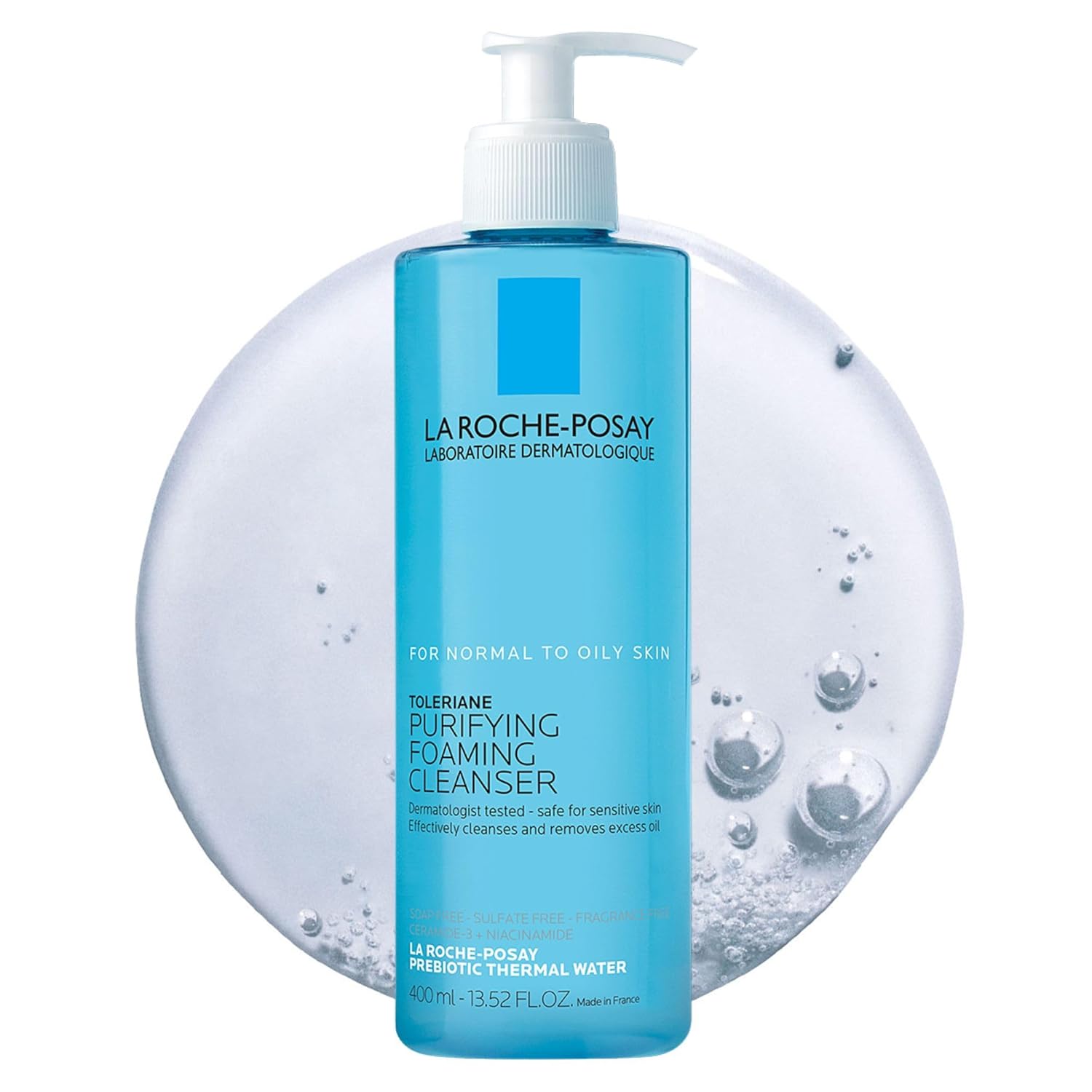
La Roche-Posay Toleriane Purifying Foaming Facial Cleanser
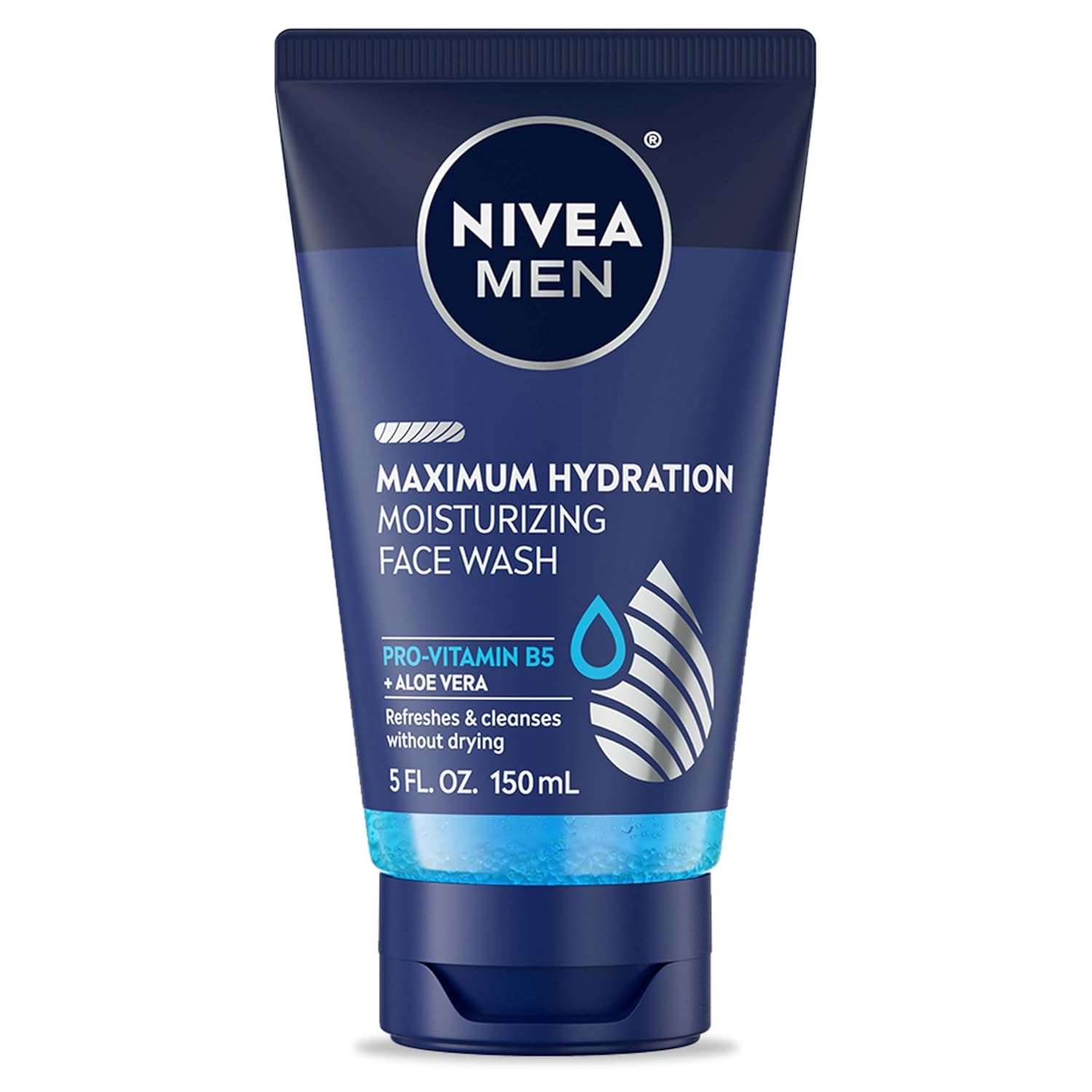
NIVEA MEN Maximum Hydration Face Wash
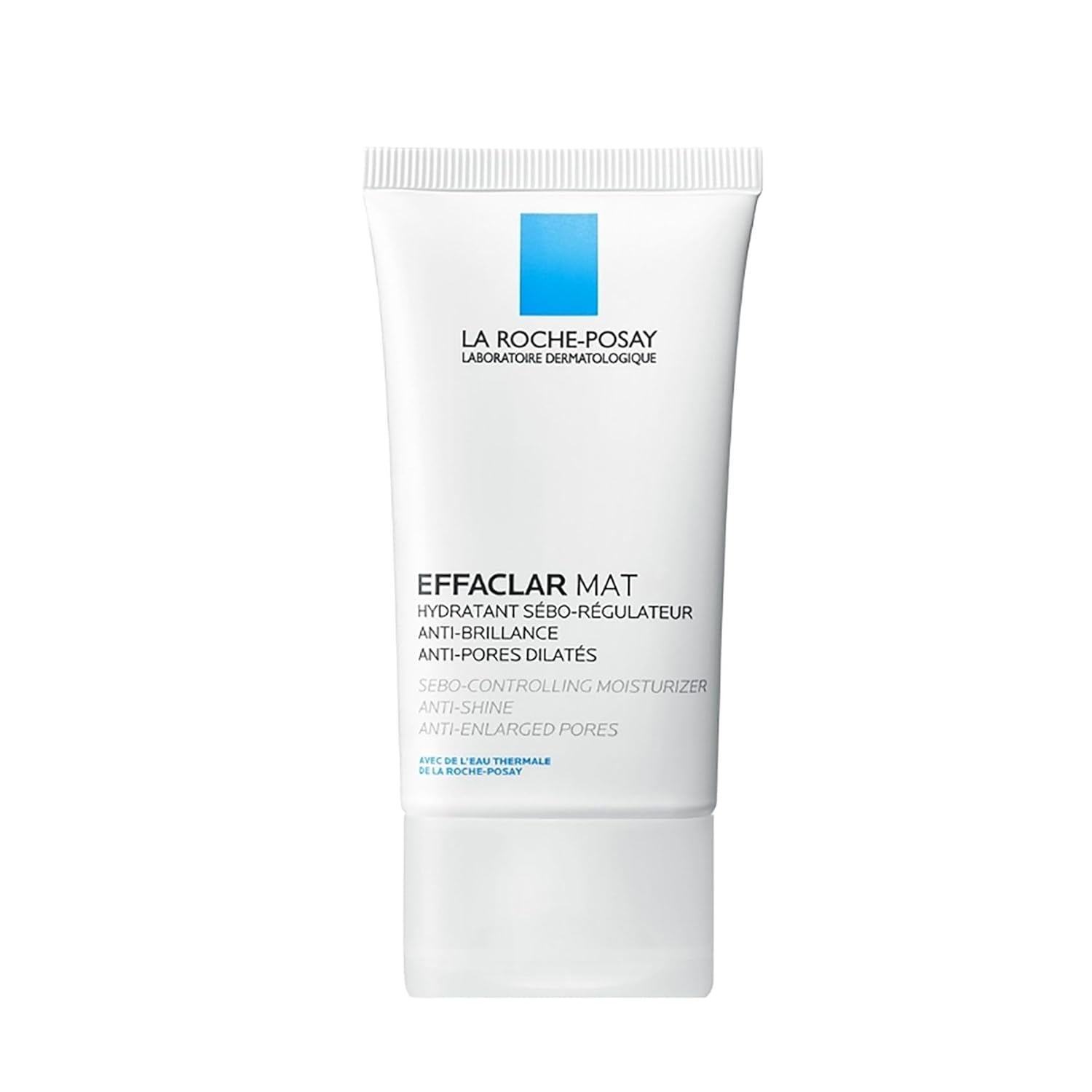
La Roche-Posay Effaclar Mat Oil-Free Mattifying Moisturizer
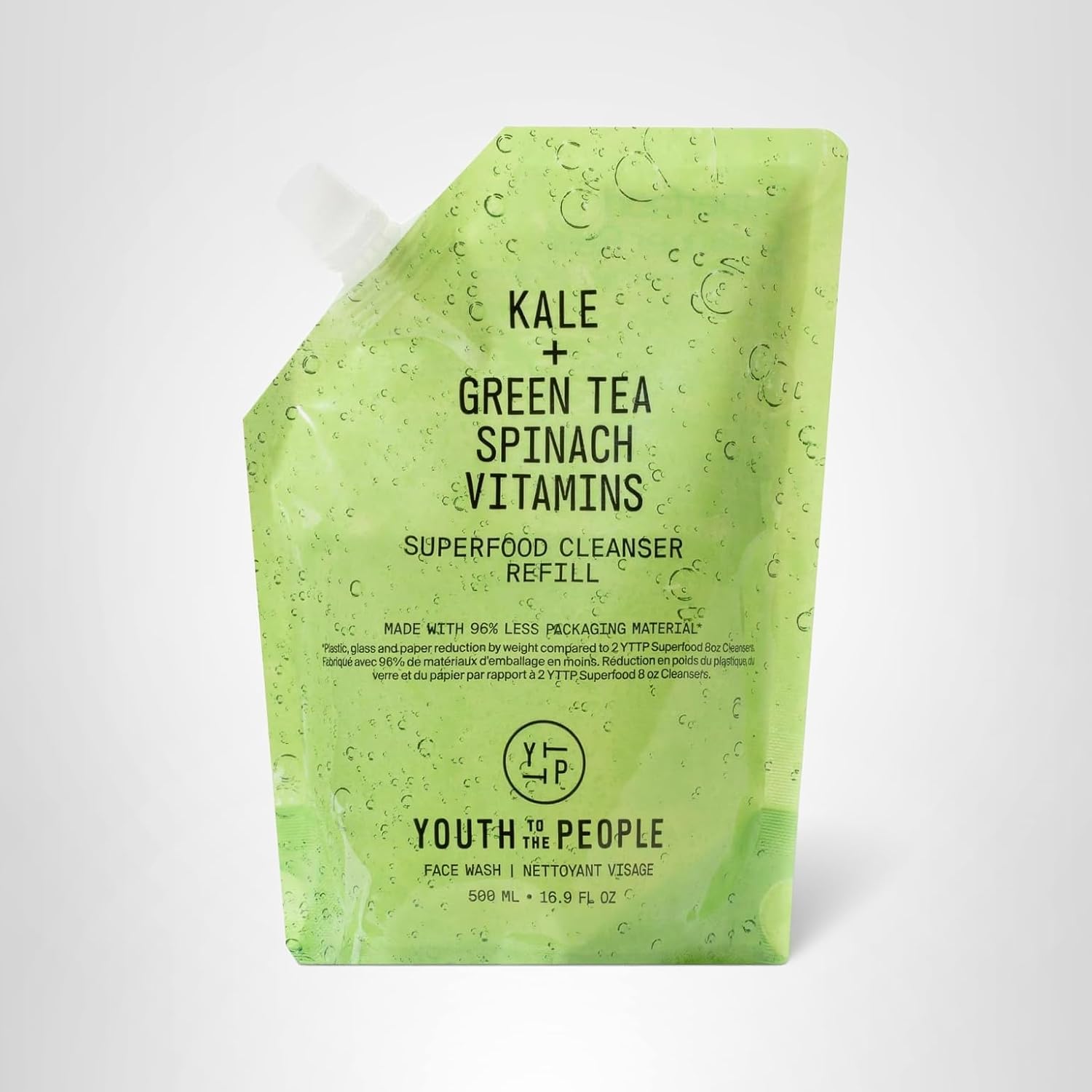
Youth To The People Superfood Facial Cleanser
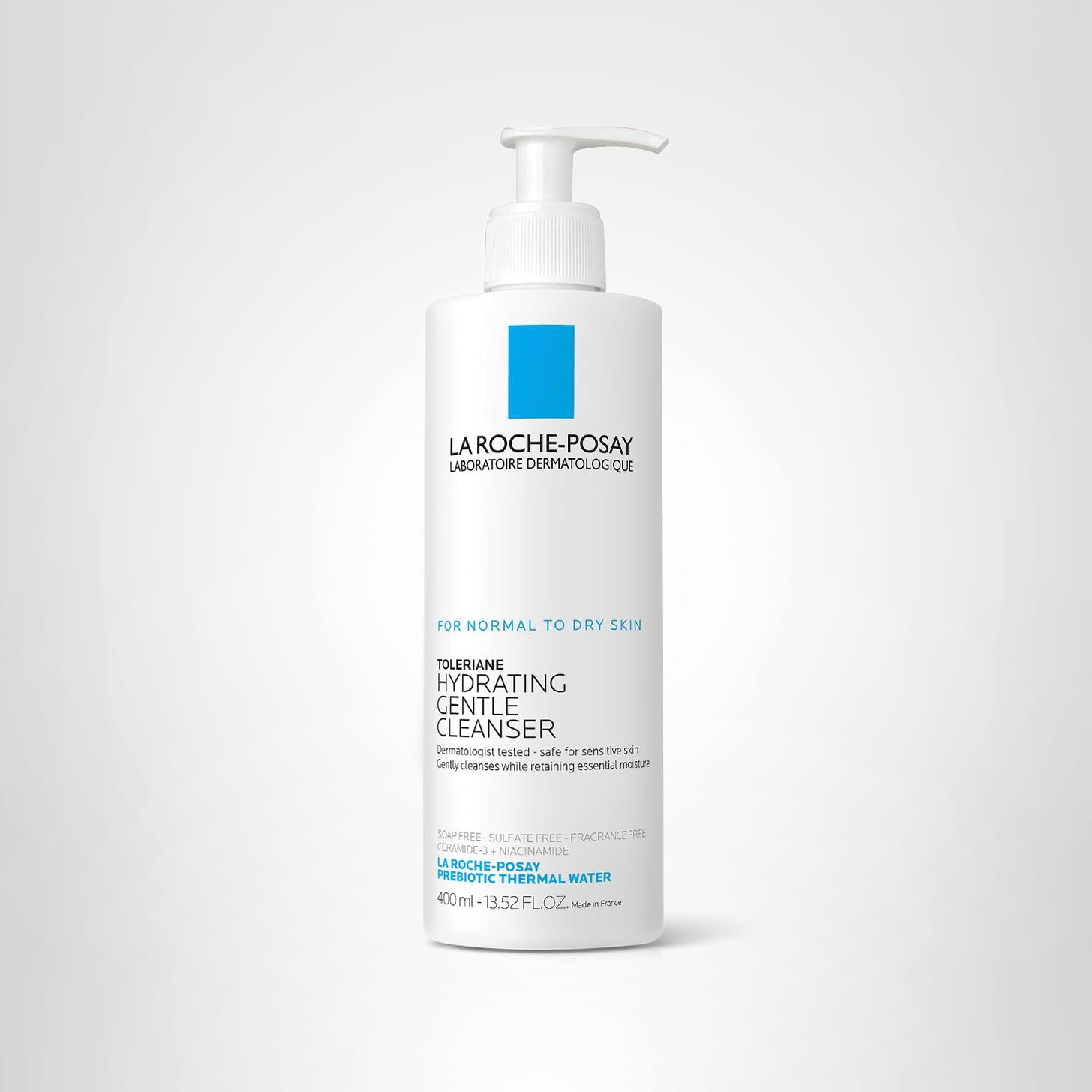
La Roche-Posay Toleriane Hydrating Gentle Face Cleanser
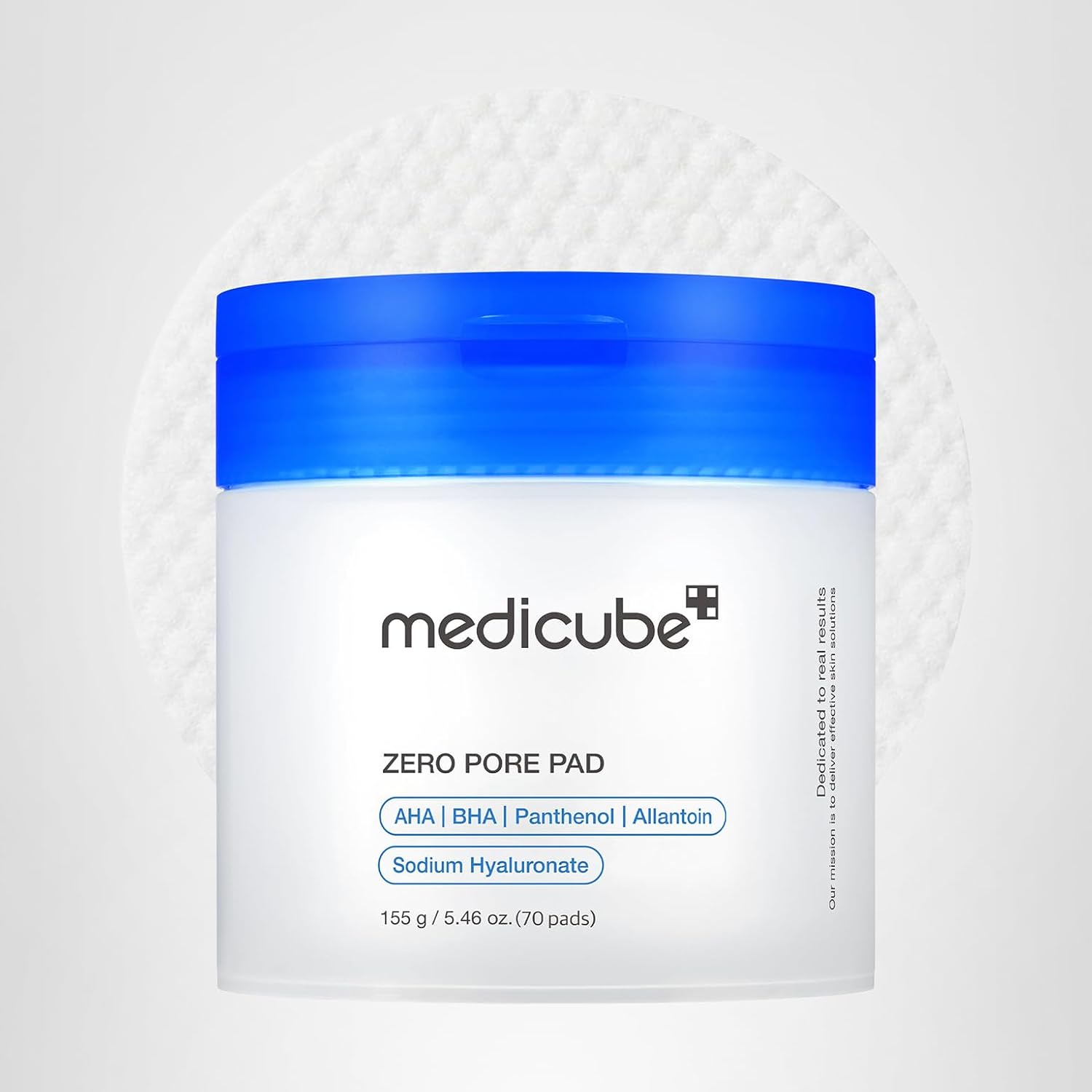
medicube Zero Pore Pad 2.0
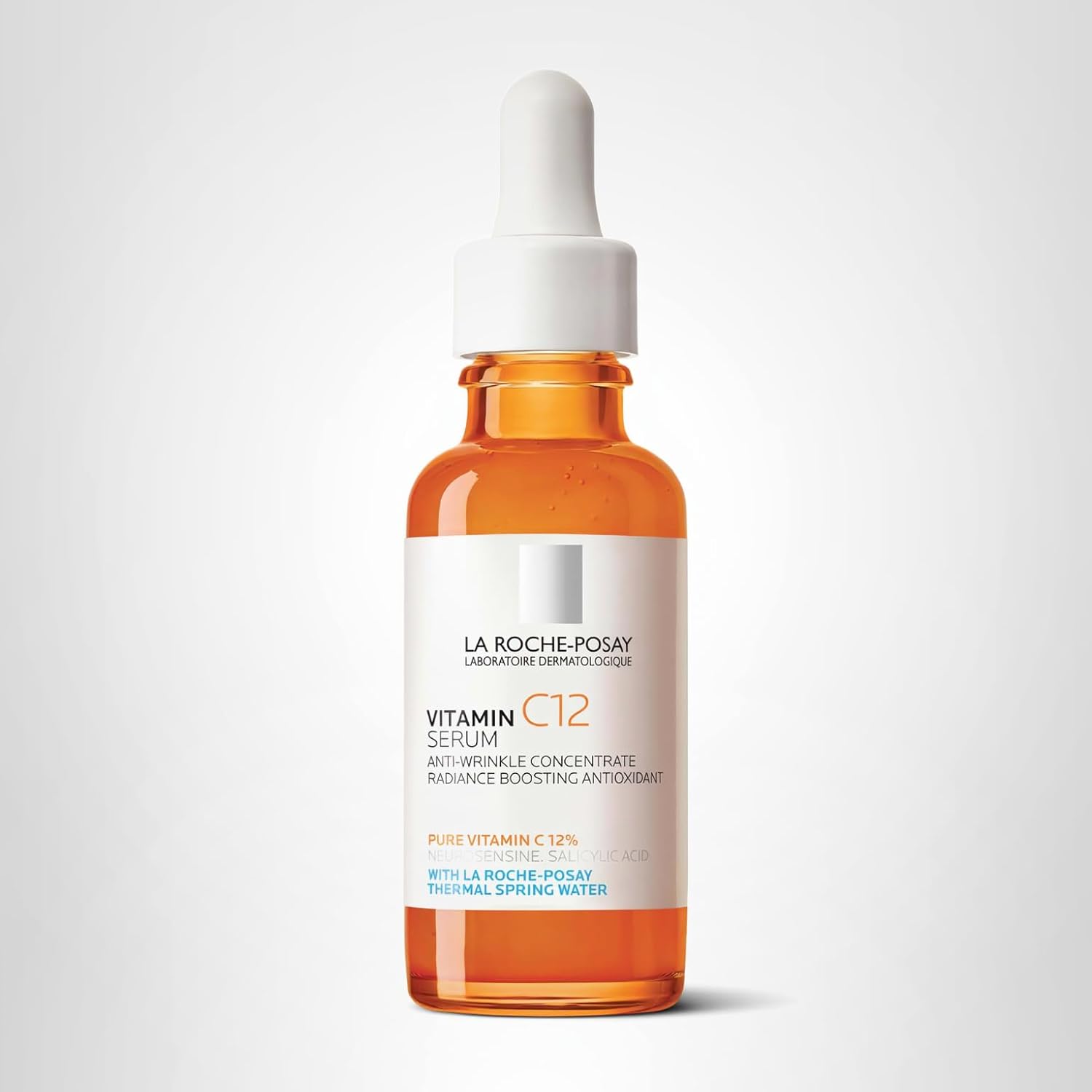
La Roche-Posay Pure Vitamin C Serum for Face
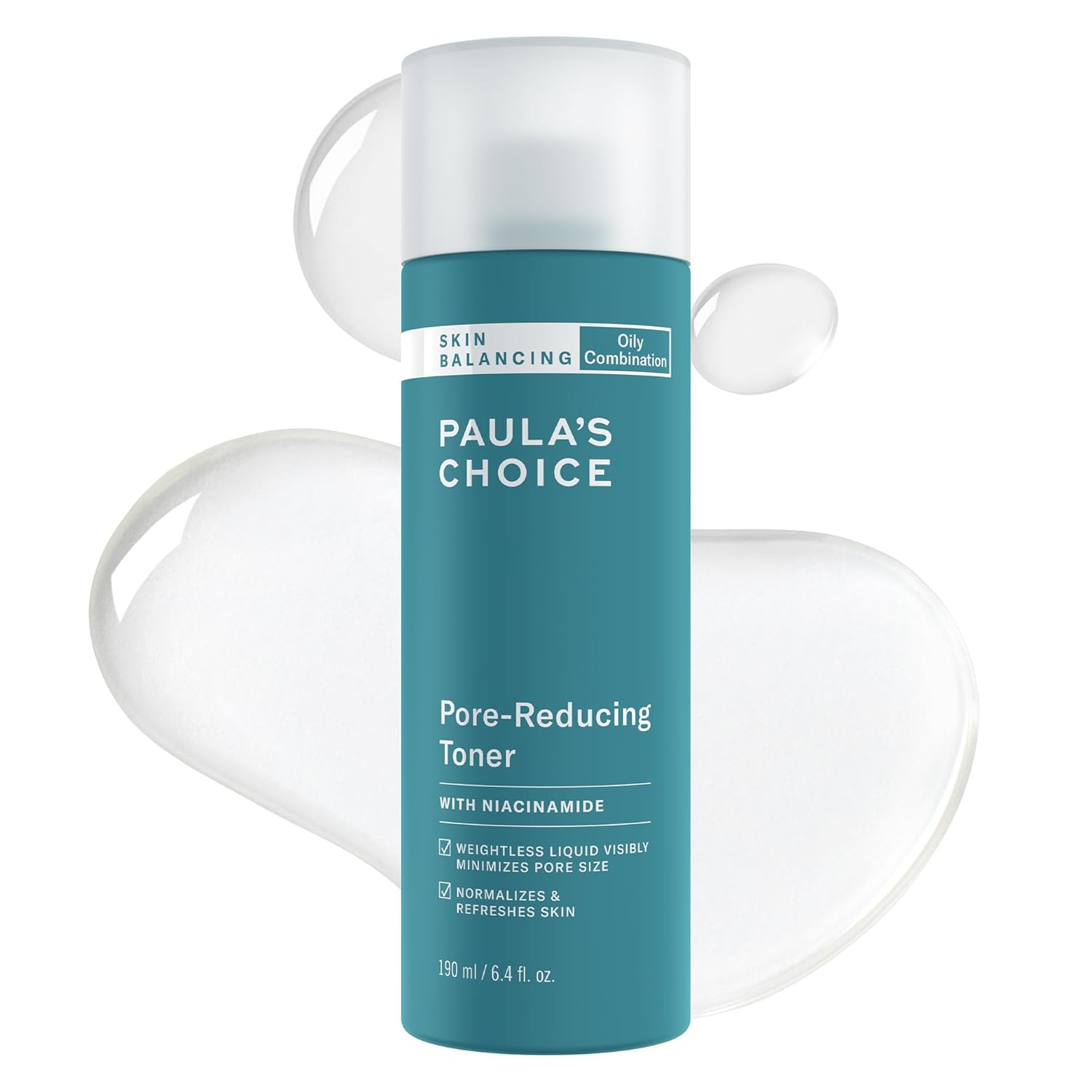
Paula's Choice Skin Balancing Pore-Reducing Toner