
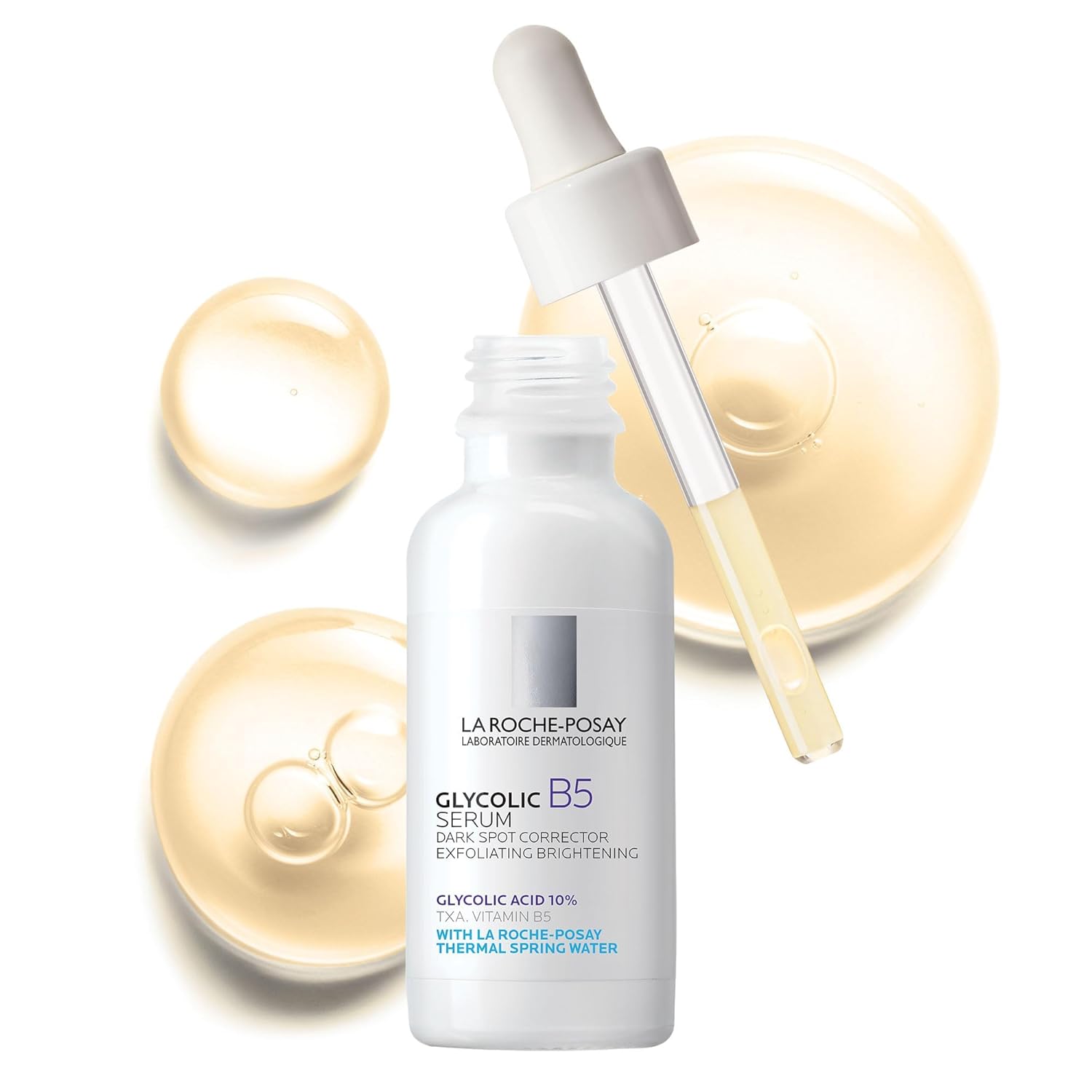
La Roche-Posay Glycolic Acid Serum Review: A Clinical-Level Dark Spot Corrector That Actually Delivers
The Essence
A dermatologist-grade glycolic acid treatment that leans more clinical than cosmetic, this La Roche-Posay serum is designed to steadily unspool discoloration, dark spots, and dullness while keeping the skin barrier cushioned with vitamin B5. In our testing, it behaved like a disciplined night treatment rather than a flashy quick fix, quietly refining tone and texture over weeks of consistent use.
Our Verdict
This is the kind of serum that doesn’t shout; it edits. In our testing, La Roche-Posay’s Glycolic Acid Serum with Kojic Acid and Vitamin B5 behaved like a disciplined nighttime treatment, gradually sanding down discoloration, sun damage, and post-acne marks while quietly improving texture and luminosity. When it works, it really works: we saw age spots shrink to whispers, postpartum patches melt back into surrounding skin, and once-foundation-dependent complexions step out with only sunscreen and a touch of concealer. But it’s not a universal miracle. Reactive skin can find it too assertive, and some long-standing spots proved stubborn even after months of use. If you approach it as a clinical-grade brightening treatment that demands patience, SPF loyalty, and a thoughtful routine, it can be a powerful anchor in an evening regimen.
Dark Spot & Discoloration Performance
As a pigment-targeting treatment, this serum performs impressively for many but not universally. In our testing, newer sun spots, post-pregnancy discoloration, and acne marks often softened visibly within a few weeks, while older, deeply etched spots required multiple bottles and still sometimes plateaued at “lighter but not gone.” It’s best viewed as a disciplined fader, not an eraser.
Overall Skin Quality & Texture
Where this formula quietly shines is in texture. Our complexions looked smoother, more refined, and less dull, with pores and fine lines appearing subtly softened. The triple-acid blend and LHA deliver a gentle resurfacing effect that, paired with vitamin B5, leaves skin feeling fresher rather than stripped when used correctly.
Suitability For Sensitive Skin
Marketed for sensitive skin, this is still a true acid treatment and behaves like one. Many sensitive-leaning testers tolerated it well with a slow, every-other-night introduction and a generous moisturizer. However, a notable group experienced burning, rashes, or bumps, underscoring that reactive or rosacea-prone skin should patch test and proceed with real caution.
Texture, Feel & Finish
The texture is a lightweight, fluid serum that initially feels slightly tacky before settling into a comfortable, non-greasy finish. Once dry, it layers cleanly under night creams without pilling. The trade-off: if you dislike any hint of stickiness or that ‘treatment’ feel on the skin, you may find the application ritual less than indulgent.
Scent & Sensory Experience
Fragrance free does not mean scent free. Fresh out of the bottle, the aroma is a faint, clinical blend of actives; as the formula is exposed to air, some bottles developed a stronger, almost plastic or glue-like note. It dissipates after application, but this is firmly a clinical, not sensorial, experience.
Packaging & Ease of Use
The opaque glass bottle feels pharmacy-prestige, but the dropper design is imperfect. The blunt-ended pipette tends to drip as you move from bottle to hand, leading to wasted product and oxidation crust around the rim if you’re not meticulous. We preferred dispensing into a cupped palm and wiping the neck after each use.
Value As An Investment
This sits in that quiet-luxury, derm-pharmacy tier: not exorbitant, but undeniably an investment. For those who see meaningful fading and smoother, brighter skin, the cost feels justified and often replaces multiple less effective brightening products. For non-responders, however, the price stings almost as much as the initial tingle.
Pros & Cons
The Good
- Noticeably fades dark spots, sun damage, and post-pregnancy or post-acne discoloration with consistent use.
- Refines texture so skin feels smoother, more even, and visibly brighter and more radiant.
- Lightweight serum that absorbs well; many of us could wear just sunscreen and concealer instead of full foundation.
- Thoughtful triple-acid complex (10% glycolic, LHA, kojic, tranexamic) balanced with vitamin B5 for hydration and comfort.
- Works across a wide range of ages and tones, from teen acne marks to mature sun damage and deeper skin tones.
- Dermatologist-recommended, non-comedogenic, fragrance free, and suitable for many sensitive-skin routines when introduced slowly.
The Bad
- Can sting, burn, or trigger rashes and bumps on reactive or very sensitive skin, especially if overused or not buffered with moisturizer.
- Results on dark spots are inconsistent: some see dramatic fading in days, others see minimal change even after months.
- Texture and packaging can be fussy — slightly sticky dry-down, crusting and oxidation around the dropper, and occasional dripping or wastage.
- Perceived as pricey for the amount, especially when multiple bottles are needed for stubborn pigmentation or body use.
- Some bottles develop a strong, chemical or glue-like odor over time as the formula oxidizes.
Insights from our Panel of Experts
What Lovers Say
Those of us who clicked with this serum really clicked. We saw stubborn age spots, freckles, sun damage, and upper-lip pigmentation soften, blur, and in some cases virtually disappear over a few weeks to a few months. Several of us quietly retired our full-coverage foundations, relying instead on sunscreen and a touch of concealer because our overall tone looked brighter, clearer, and more uniform. Texture-wise, skin felt smoother, more refined, and subtly plumper, with that freshly exfoliated glow that still feels like skin, not a coating. Many of our long-term testers in their 50s, 60s, and late 60s were especially impressed by improvements in etched lines around the mouth and a generally fresher look to sun-worn complexions.
What Critics Say
Not every complexion loved this. A noticeable subset of our testers experienced intense burning, prolonged stinging, or diffuse rashes and bumps, particularly those with very sensitive or compromised barriers. Others followed the directions meticulously for six to ten weeks and saw little to no change in entrenched dark spots, which made the investment feel underwhelming. The sensory experience is also polarizing: the serum is technically fragrance free, yet the active blend can smell medicinal or glue-like and may oxidize to a yellow-brown crust around the neck of the bottle. A few of us also disliked the sticky initial feel and messy dropper, which can drip and waste product.
The Matchmaker
Is this the right addition to your collection? Let's verify compatibility.
Perfect For You If...
If you’re serious about addressing dark spots, sun damage, or uneven tone and you appreciate dermatologist-style, clinically minded formulas, this is worth a close look. It’s especially suited to you if you’re comfortable with acids, already diligent with SPF, and want a night serum that quietly brightens, resurfaces, and refines over time rather than offering a fleeting cosmetic blur.
Skip This If...
You prefer ultra-cushiony, sensorial skincare with comforting scents and zero tingle — this feels more like a treatment than a pampering oil. Likewise, if your skin flares easily, you’re unwilling to commit to nightly SPF, or you expect complete erasure of deep melasma or long-standing spots from a single bottle, you’ll likely be disappointed. In those cases, a gentler regimen or in-office treatments may be a better investment.
The Sensory Experience: A Clinical Night Ritual
This serum feels more pharmacy than spa, and that’s part of its charm.
In our hands, the texture is a fluid, slightly viscous serum that spreads easily across freshly cleansed skin. The first few seconds can feel cool and almost weightless, followed by a mild to moderate tingle—on some nights barely perceptible, on others a sharper prickle around the nose, mouth, and any compromised areas. For most of our testers, that sensation faded within minutes; for a more reactive minority, it escalated into uncomfortable burning, which is why we insist on patch testing and a slow introduction.
The finish is initially a touch tacky, as if there’s a sheer film sitting on top of the skin. Give it a few minutes and it settles into a soft, non-greasy veil that plays well with moisturizers. We liked to wait those few minutes, then press a ceramide-rich or barrier-repair cream over the top; by morning, skin felt satin-smooth rather than slick.
Despite the “Aloe” scent label, this is effectively fragrance free. What you do notice is the raw smell of actives—a faintly chemical, plastic-fruit or “glue-like” note that some of our team barely registered and others actively disliked. As the bottle ages and the formula is exposed to air, that scent can deepen and the serum at the neck may oxidize to a yellow-brown crust, especially if the dropper or rim isn’t wiped clean. It’s not a sensorial showpiece, but as a clinical treatment, it does feel purposeful.
Ingredients & Technology: The Triple-Acid Brightening Engine
Our performance analysis reveals that the real power of this serum lies in its architecture: a sophisticated acid complex balanced with barrier-minded support.
At the center is 10% glycolic acid, a dermatologist-beloved AHA small enough to slip between dead skin cells and nudge them away. In practice, that meant we saw a steady refinement of rough patches, a softening of fine lines, and a gentle resurfacing that made light bounce more evenly off the skin. It’s assertive, but not peel-level aggressive when used as directed.
Supporting it is a clever cast:
- Kojic Acid – a pigment-inhibiting ingredient that, in our testing, helped with the stubborn, freckle-like specks and upper-lip shadows that often linger after acne or pregnancy.
- Tranexamic Acid (TXA) – known for addressing discoloration and mottled tone; we found it especially helpful on diffuse sun damage across the cheeks and forehead.
- Lipo-Hydroxy Acid (LHA) – a derivative related to salicylic acid that offers more targeted, surface-level exfoliation. It contributed to that ultra-smooth feel without tipping most of our testers into rawness.
- Vitamin B5 (Panthenol) – the quiet caretaker. This is what kept the formula from feeling punitive; even on nights when the tingle was more pronounced, our skin woke up feeling supple rather than stripped.
The formula is also fragrance free, allergy tested, non-comedogenic, oil-free, and paraben free, which aligned with our experience of being able to slot it into complex routines without triggering congestion. That said, acids are acids: those with very sensitive or rosacea-prone skin in our group still had to tread carefully, often using it only once or twice a week or abandoning it altogether if burning or bumps persisted.
Performance Over Time: What We Actually Saw On Our Skin
This is not a one-night wonder; it’s a slow, methodical editor of imperfections.
Across our testing, a pattern emerged:
- In the first few uses, many of us noticed a subtle brightening and a smoother, almost "polished" feel by morning. Some saw tiny clogged bumps along the jaw or nose start to surface and clear.
- Around the two-week mark, complexions often looked more even overall. Dullness lifted; that “I slept well” glow appeared even when we hadn’t. A few testers with fresher sun spots or recent postpartum discoloration saw surprisingly quick fading at this stage.
- By four to eight weeks, the real pigment work showed itself. Newer dark marks from acne, post-inflammatory hyperpigmentation, and small age spots had visibly softened, and in some cases became difficult to locate without scrutinizing in bright light. Larger, older age spots and melasma-like patches typically lightened but rarely vanished; instead, they blurred and blended more seamlessly into surrounding skin.
It’s important to underline the range of responses. Some of us were genuinely astonished—one editor with a quarter-sized cheek spot that had resisted lasers saw it nearly vanish after a focused regimen of spot-applying this serum twice daily. Others, despite religious nightly use, high-SPF days, and careful layering, saw only modest or negligible change even after finishing a bottle or more.
Where the serum was most consistently successful was in global skin quality: smoother texture, more refined pores, fewer visible clogs, and a more luminous, healthy-skin finish. As a tone corrector, it’s excellent; as a cure-all for every dark spot, it’s more nuanced.
Application Strategy: How To Use It Without Upsetting Your Barrier
With actives this concentrated, technique is half the story. Our best results came when we treated this like a prescription-style treatment, not a casual extra.
Here’s the protocol that served our team well:
- Evening-only use. We applied 3–4 drops after a gentle, non-foaming cleanse on completely dry skin. Using it at night respects glycolic acid’s tendency to increase sun sensitivity.
- Thin, even layer or targeted spot work. For overall brightening, we smoothed a sheer layer over face and sometimes neck, avoiding eyes and lips. For stubborn age spots or upper-lip shadows, we often concentrated an extra dab directly on the mark and gently massaged it in.
- Wait, then buffer. Allowing a few minutes for the serum to absorb before following with a moisturizer reduced stinging and helped prevent dryness or flaking. Those with drier or reactive skin sometimes mixed a drop into their night cream for a softer introduction.
- Start slow. Our sensitive-skin testers began with every-other-night use for the first week or two. Only once their skin felt consistently calm did they move to nightly application—some never did, and still saw benefits at a reduced cadence.
- SPF is non-negotiable. Because AHAs heighten sun sensitivity, we paired this with a high-quality, broad-spectrum sunscreen every morning and were especially vigilant during outdoor days.
We avoided layering it on the same night as strong retinoids or other exfoliating acids, preferring to alternate evenings. When we respected those boundaries, the serum integrated smoothly; when we got greedy with actives, our skin told us immediately.
Packaging, Stability & The Quiet Luxury Trade-Offs
On the vanity, this looks every inch the prestige French pharmacy treatment; in the hand, a few quirks emerge.
The opaque white glass bottle feels solid and purposeful, and the coating helps shield light-sensitive actives. We appreciated that subtle, clinical aesthetic—it doesn’t shout for attention, it simply belongs next to your other serious serums.
The dropper, however, is divisive. Instead of a fine, tapered tip, it ends bluntly, which means:
- Product can drip from the sides as you move from bottle to palm.
- Excess tends to collect and oxidize around the neck, forming a brown, crusty ring if you’re not diligent about wiping it.
- Some of our bottles seemed less full than expected, forcing us to tilt the bottle to pick up the serum.
We found two workarounds that made the experience feel more refined:
- Dispense directly into a well-cupped palm rather than hovering over the face, then tap onto skin with fingertips.
- Wipe the rim and dropper after each use and close the cap firmly to slow oxidation and odor changes.
Over time, the formula itself can deepen in color and develop a stronger scent—common for active-rich, water-based serums but still worth noting if you’re sensitive to visual or olfactory shifts. In other words, this is a high-performance, high-maintenance treatment: it rewards careful storage, consistent use, and a bit of ritual. If you’re looking for a throw-in-the-gym-bag, thoughtless product, this isn’t it.
Buying Guide
Consultant's Breakdown
Expert analysis to help you decide.
This is a considered, not casual, purchase. If you’re battling visible discoloration and already flirting with in-office treatments, this serum is a comparatively accessible way to bring a derm-style acid complex into your routine. When it delivers, it can replace a rotation of half-used brightening products, making the investment feel justified. If your pigmentation is very deep, hormonal, or resistant, think of this as a supportive player alongside professional care, not a solo solution.
What sets this apart is its balance of clinical rigor and barrier awareness. Compared with simpler glycolic toners or single-acid serums, this brings together glycolic, LHA, kojic, and tranexamic acids in one step, then tempers the potential harshness with vitamin B5 and a fragrance-free, non-comedogenic base. It feels more targeted and dermatological than many brightening serums in its tier.
In our testing, this serum suited a wide range of tones—from very fair to deep—and a broad age spectrum, from teens addressing post-acne marks to mature skin with decades of sun damage. Oily and combination types tended to adore the lightweight feel, while dry and sensitive skins did best when they buffered it with a nourishing moisturizer and used it less frequently. Those with rosacea or highly reactive skin should approach cautiously and patch test first.
We found this serum easiest to use consistently in cooler, lower-UV seasons. During autumn and winter, when sun exposure is naturally reduced, our testers experienced fewer setbacks like re-darkening or irritation. In high-summer or very sunny climates, it’s still usable, but only if you are meticulous with broad-spectrum SPF, reapplication, and hats or shade. Those with drier winter skin should lean into richer moisturizers over the top.
Specifications
| Skin Type | Oily, yet formulated to be suitable for sensitive and all skin types when introduced gradually. |
|---|---|
| Product Benefits | Dark spot corrector for face that helps even skin tone and leaves skin feeling smoother; dermatologist tested and suitable for sensitive skin. |
| Target Use Body Part | Face-focused treatment that can also be extended to neck and similar areas with discoloration, avoiding the eye and lip contours. |
| Scent | Aloe-labelled but effectively fragrance free, with only a mild active-ingredient scent. |
| Special Ingredients | Glycolic Acid, Tranexamic Acid, Kojic Acid and Lipo-Hydroxy Acid for exfoliation and pigment control, plus Vitamin B5 for comfort. |
| Formulation | Serum texture designed to layer under moisturizers as a night treatment step. |
| Skin Tone Range | Formulated for all skin tones, including deeper complexions with hyperpigmentation. |
| Brand | La Roche-Posay — a French pharmacy heritage brand known for dermatologist-tested formulas and sensitive-skin focus. |
| Active Ingredients | glycolic_acid and salicylic_acid derivatives to exfoliate and refine skin surface. |
| Material Type Free | Fragrance free and allergy tested to minimize common irritants. |
| Recommended Uses | Provides vitamin support and helps to even skin tone and reduce visible discoloration. |
Our Testing Methodology
We integrated this serum into our nightly routines over several weeks, testing it across oily, combination, dry, and sensitive skin types and a wide range of skin tones. We used it as directed—3–4 drops on clean, dry skin in the evening—while tracking changes in dark spots, overall brightness, texture, and sensitivity. Some editors focused on specific concerns like upper-lip pigmentation, post-acne marks, or sun spots on the hands and chest, always pairing the treatment with daily broad-spectrum SPF to gauge its true performance under real-life conditions.
Frequently Asked Questions
Efficacy & Performance
You can expect subtle changes in brightness and texture within about two weeks, with more meaningful fading of dark spots typically emerging after four or more weeks of consistent nightly use. Older, deeper spots often require multiple months and sometimes more than one bottle.
This serum is designed to gradually lighten and soften the appearance of dark spots rather than erase them entirely. In our testing, newer or superficial spots often faded dramatically, while long-standing age spots and melasma-like patches tended to become lighter and less obvious but still faintly visible.
It can help with post-acne dark marks by speeding up cell turnover and interrupting pigment formation. We saw good results on flat, brown PIH, but raised or textural scars and very old marks were less responsive. Patience, SPF, and a gentle routine around it are key to seeing improvements.
Yes, it’s formulated to be suitable across multiple skin tones, including deeper complexions. On our darker-skin testers, it helped soften hyperpigmentation and brighten overall tone without creating ashy or halo-like light patches when used correctly with diligent sun protection.
Compared to many basic brightening serums, this offers a more sophisticated acid blend and a track record of visible results on a wide range of discoloration types. It still won’t rival prescription-strength treatments for very stubborn pigmentation, but it often outperforms simple vitamin C or single-acid formulas in its class.
Ingredients & Safety
The formula centers on 10% glycolic acid, supported by kojic acid, tranexamic acid, and lipo-hydroxy acid for exfoliation and pigment control. Vitamin B5 (panthenol) is added to soothe and hydrate, helping balance the more assertive acids in a fragrance-free, non-comedogenic base.
It’s dermatologist tested and marketed as suitable for sensitive skin, but it is still a potent acid treatment. Many sensitive-leaning testers tolerated it well when they started every other night and buffered with moisturizer, while others experienced burning or rashes and had to stop. Always patch test first if your skin is reactive.
The formula is fragrance free and allergy tested, which minimizes a major trigger for irritation. However, the active acids themselves have a distinct scent and can still provoke sensitivity in some people, so cautious introduction is wise if you’re prone to reactions.
Yes. Glycolic acid and other AHAs increase photosensitivity by thinning the outermost dead cell layer. We insist on daily broad-spectrum SPF while using this serum and for at least a week after stopping, plus hats and shade on high-UV days to prevent new or worsening pigmentation.
Glycolic acid is commonly used in pregnancy-safe routines, but individual guidance is essential. We recommend discussing this specific formula with your healthcare provider before using it during pregnancy or breastfeeding, especially if you’re already on other active treatments.
Application & Routine Design
Apply it in the evening after a gentle cleanse on dry skin. Dispense 3–4 drops into your palm, smooth a thin layer over face (avoiding eyes and lips), and allow it to absorb for several minutes before following with a moisturizer. Always pair with SPF the next morning.
Most of our testers did best starting every other night for the first week or two. If your skin remains calm—no persistent burning, redness, or flaking—you can increase to nightly use. Very sensitive or dry skin types may choose to stay at one to three nights per week long term.
You can, but not on the same night. We alternated evenings—glycolic one night, retinol or adapalene the next—to avoid over-exfoliation and barrier damage. On glycolic nights, keep the rest of your routine simple and soothing to let the actives do their work safely.
Both approaches can work. For global brightness and texture, an all-over thin layer is effective. For isolated age spots or upper-lip pigmentation, we had success spot-treating—massaging a small amount directly onto the mark, then lightly blending the edges to avoid halos.
We typically waited around 5–10 minutes to let the acids settle and absorb before sealing everything in with a moisturizer. This short pause reduced stinging and helped avoid pilling when layering richer creams over the top.
Skin Compatibility & Special Cases
Rosacea and highly reactive skin require extra caution with acids. A few of our sensitive testers tolerated it with infrequent use and heavy buffering, but others flared quickly. Patch test on a small area for several days, and if you notice burning, bumps, or prolonged redness, it’s better to skip and consult a dermatologist.
Yes, teens can use it, especially for post-acne dark marks, but they should start slowly—perhaps one to two nights per week—and always pair it with daily SPF. Young skin can be more reactive, so gentle cleansers and barrier-supportive moisturizers are important alongside this serum.
The formula is non-comedogenic and many of us actually saw fewer clogs and smoother pores over time. That said, some experienced an initial purging phase or even true breakouts if their barrier was already compromised or if they layered too many actives at once. Introduce it gradually and simplify the rest of your routine if breakouts appear.
Yes, we successfully extended it to the neck, décolletage, arms, and hands for sun spots and mottled tone. These areas can be more delicate, so start with less frequent application and be meticulous with sunscreen, as they’re also more exposed to UV.
No. The eye area is too delicate for this concentration of glycolic and other acids. Keep the serum well away from the orbital area and lids, and choose eye-specific brightening formulas if you’re targeting dark circles or eyelid pigmentation.
Gaps, Trade-Offs & Troubleshooting
A brief, mild tingle can be normal, but intense burning or stinging that persists is a red flag. Rinse with cool water, apply a soothing, fragrance-free moisturizer, and stop using the serum. If redness, bumps, or discomfort linger, consult a dermatologist before trying acids again.
The active-rich, water-based formula can oxidize over time, especially if the dropper or bottle rim is exposed to air or not closed tightly. Color deepening and a stronger scent don’t always mean it’s unsafe, but they do suggest the actives may be degrading. For best results, store it cool, keep the cap tight, and wipe the neck regularly.
Recurring spots often point to ongoing UV exposure or hormonal influences. Even the best brightening serum can only do so much if your skin isn’t protected. Maintain daily broad-spectrum SPF, reapply outdoors, and consider hats or shade. You may also need to keep the serum in rotation as maintenance rather than a one-and-done fix.
Pigmentation is complex. Very deep, long-standing, or hormonally driven spots sometimes resist over-the-counter treatments. If you’ve used the serum consistently for several months with diligent sun protection and see no change, it may be time to consult a dermatologist about prescription options or in-office procedures and use this more as a supportive texture-brightening step.
Used correctly with strict sun protection, it’s designed to improve discoloration. However, overuse, layering with too many other actives, or skipping SPF can inflame the skin and trigger rebound hyperpigmentation, especially on darker tones. Respect the instructions, listen to your skin, and never neglect sunscreen.
The Curated Edit
Curated based on the unique characteristics of La Roche-Posay Glycolic Acid Serum with Kojic Acid and Vitamin B5.
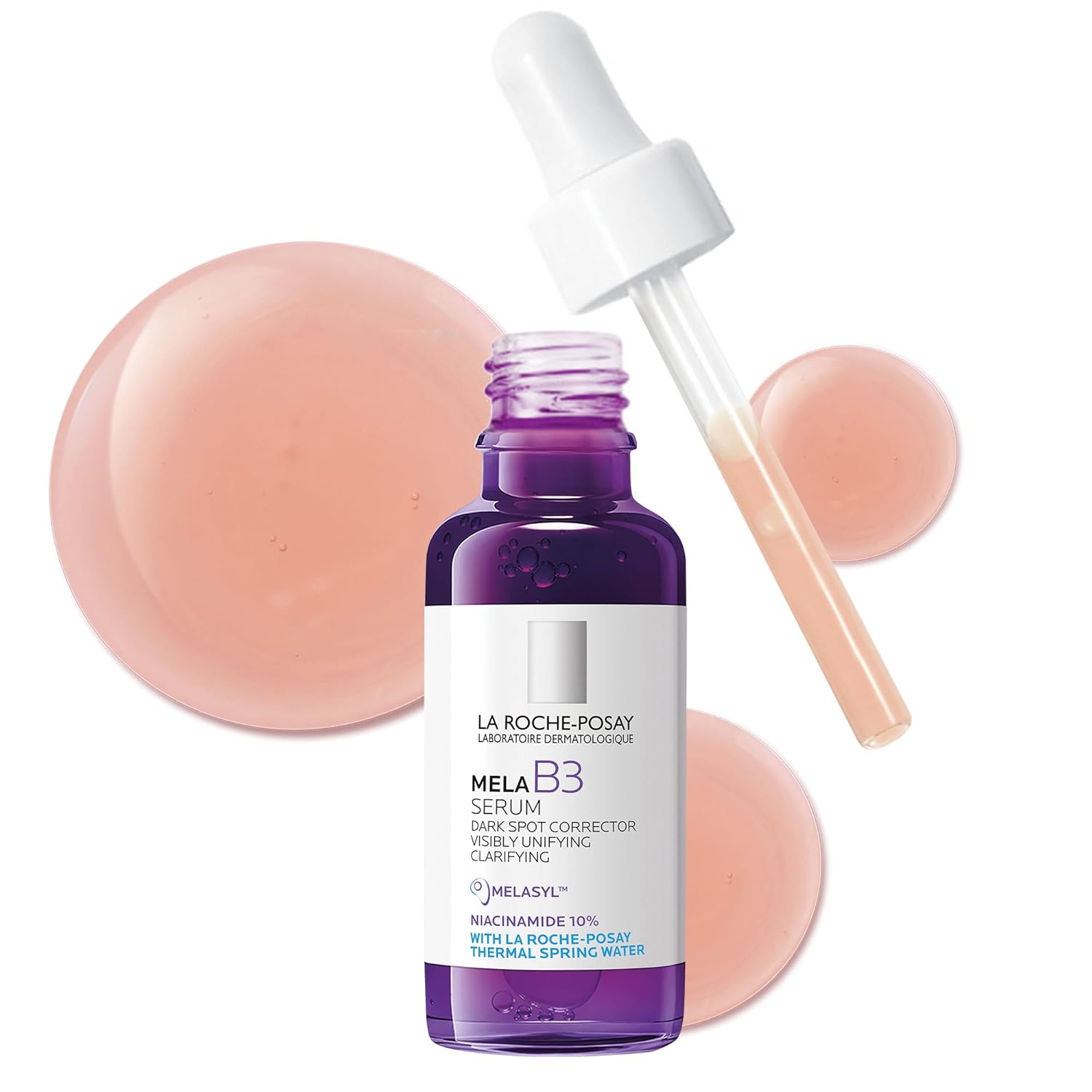
La Roche-Posay Mela B3 Serum Dark Spot Corrector
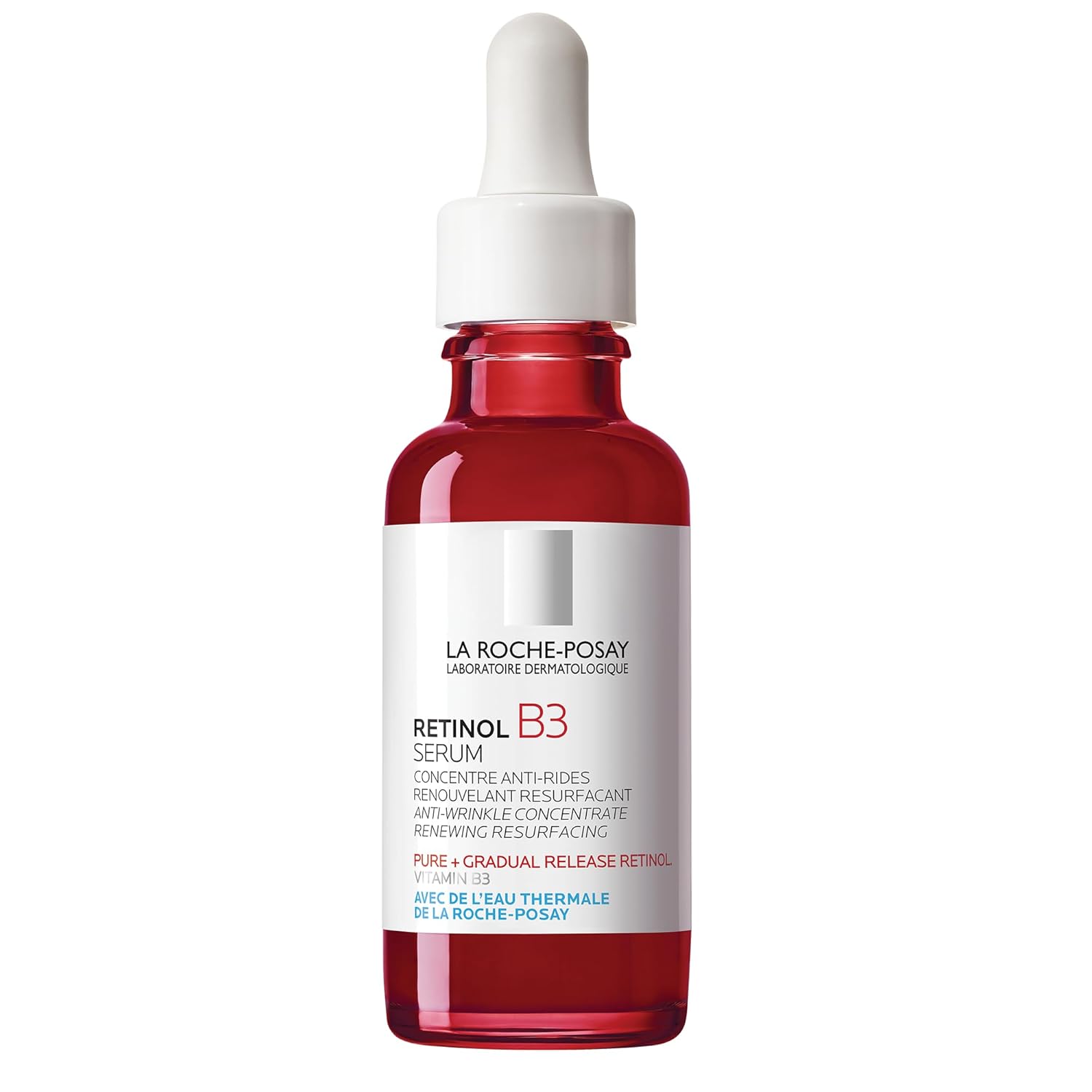
La Roche-Posay Pure Retinol Face Serum with Vitamin B3
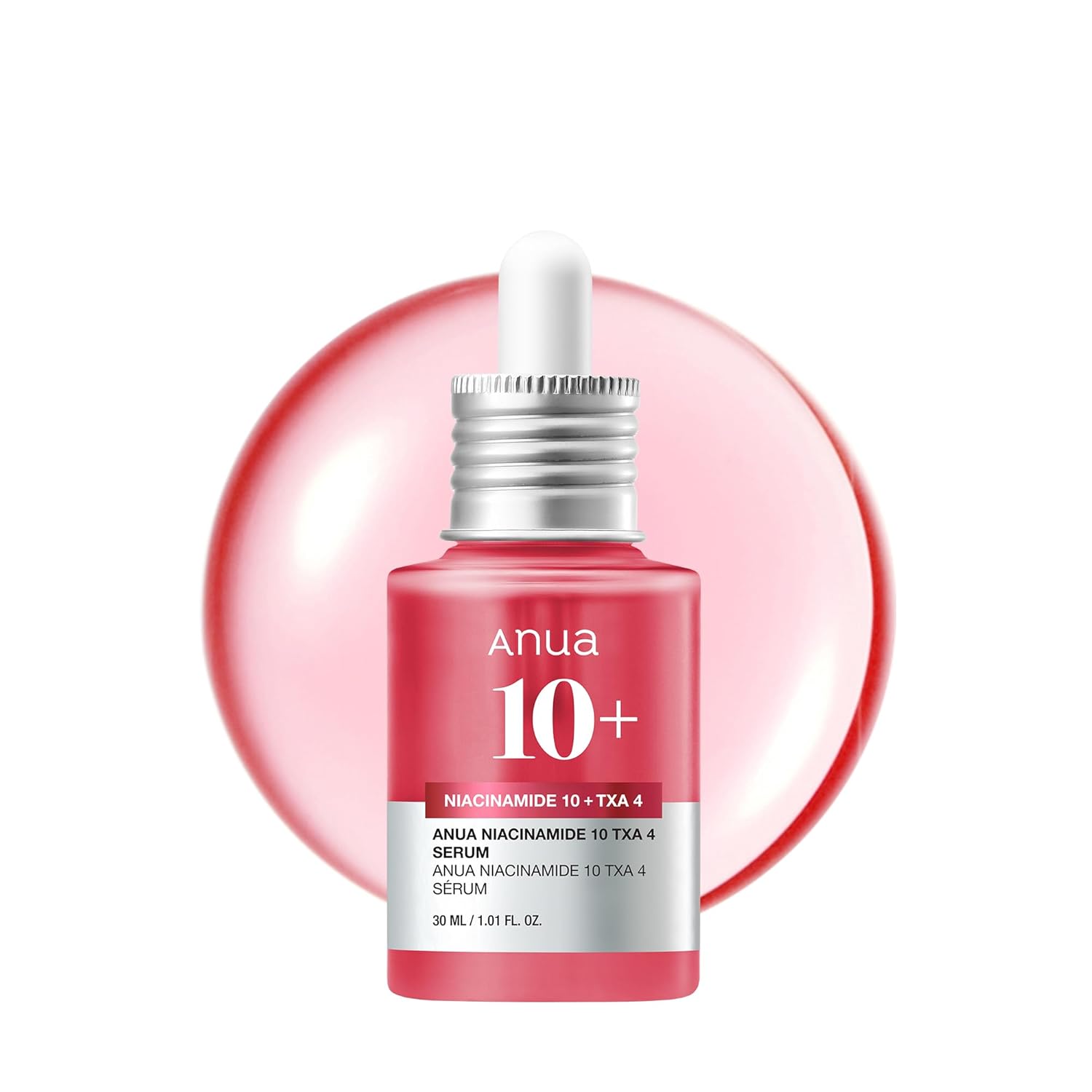
ANUA Niacinamide 10 + TXA 4 Serum
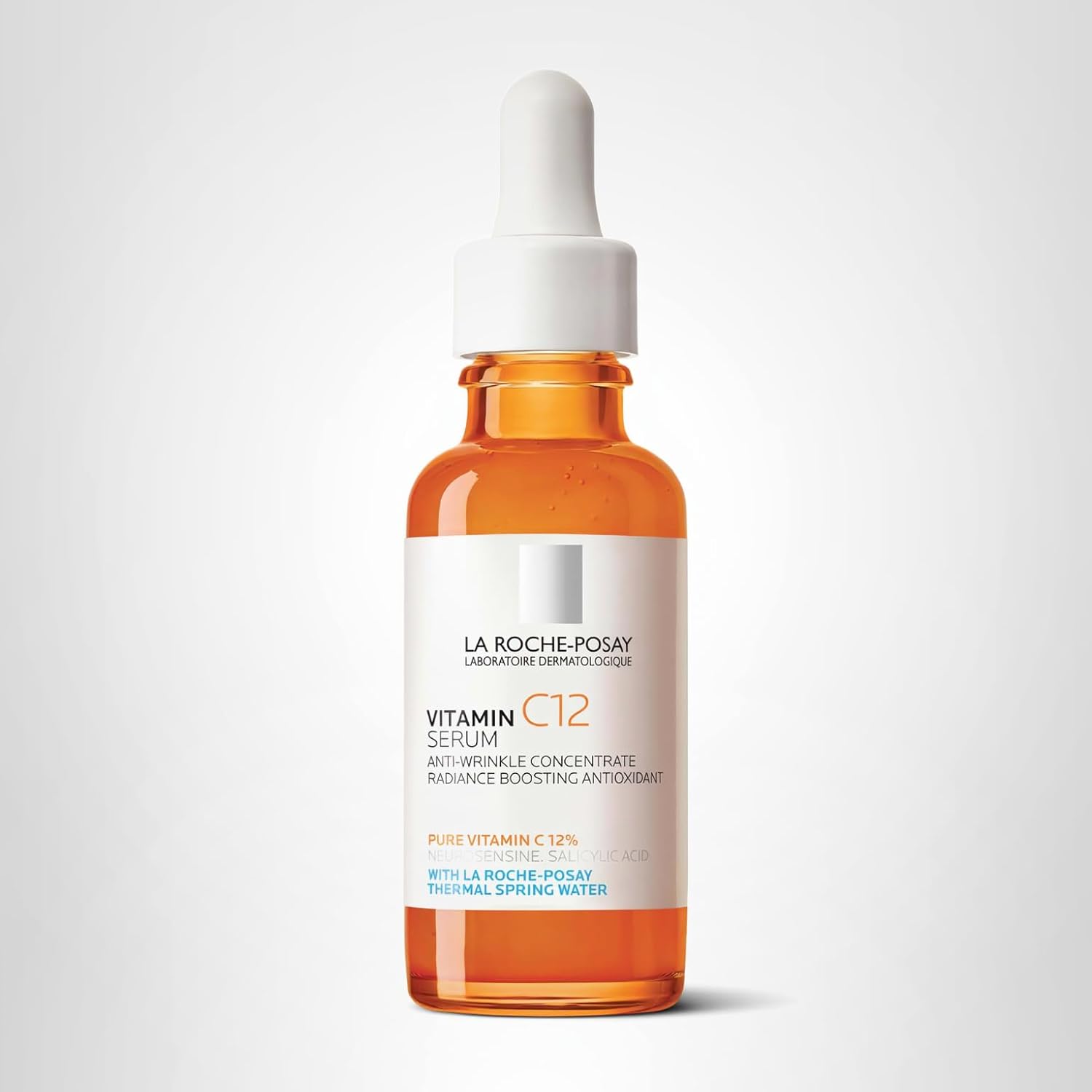
La Roche-Posay Pure Vitamin C Serum for Face
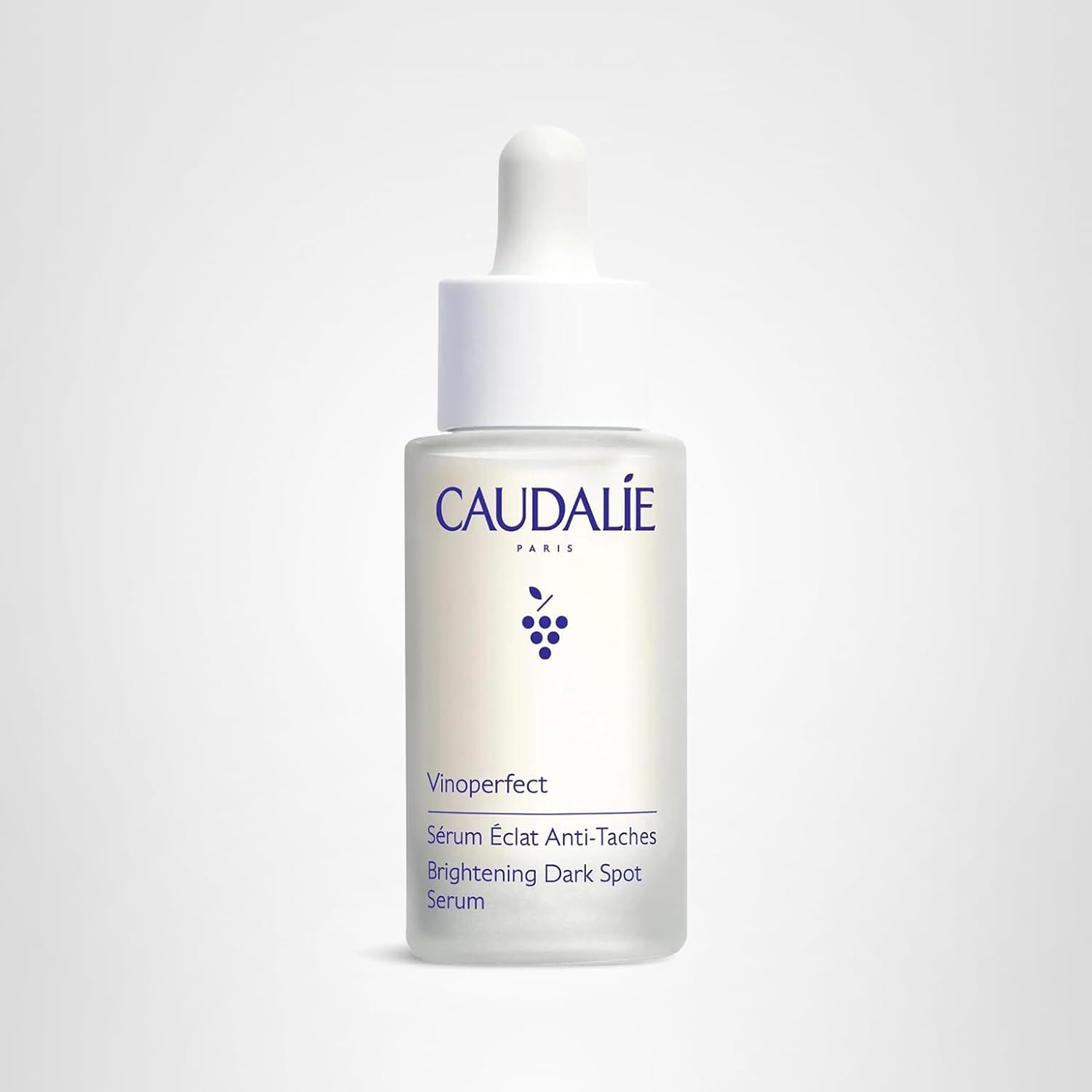
Caudalie Vinoperfect Brightening Dark Spot Serum
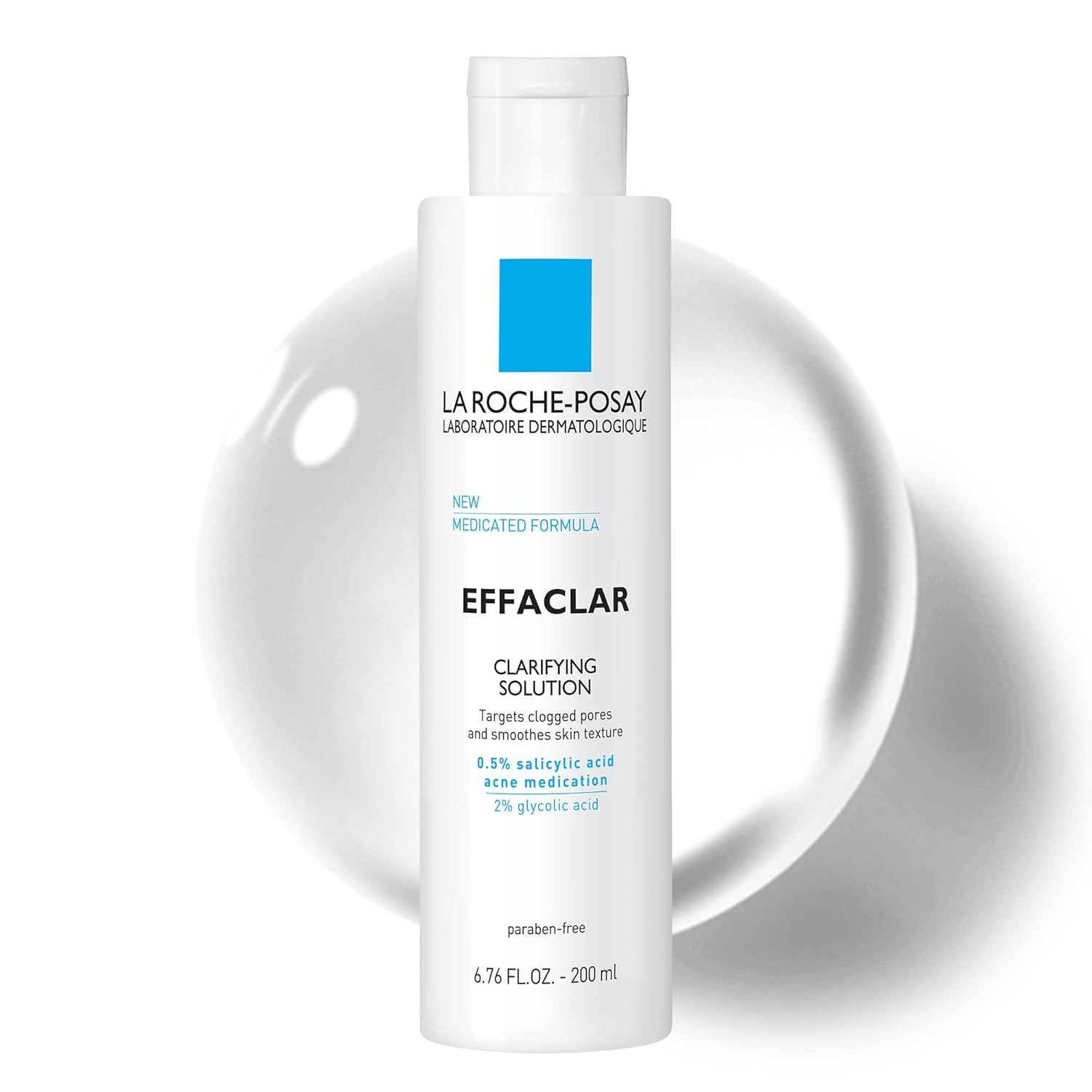
La Roche-Posay Effaclar Clarifying Solution Acne Toner
Mario Badescu Glycolic Acid Toner
La Roche-Posay Hyalu B5 Pure Hyaluronic Acid Serum