
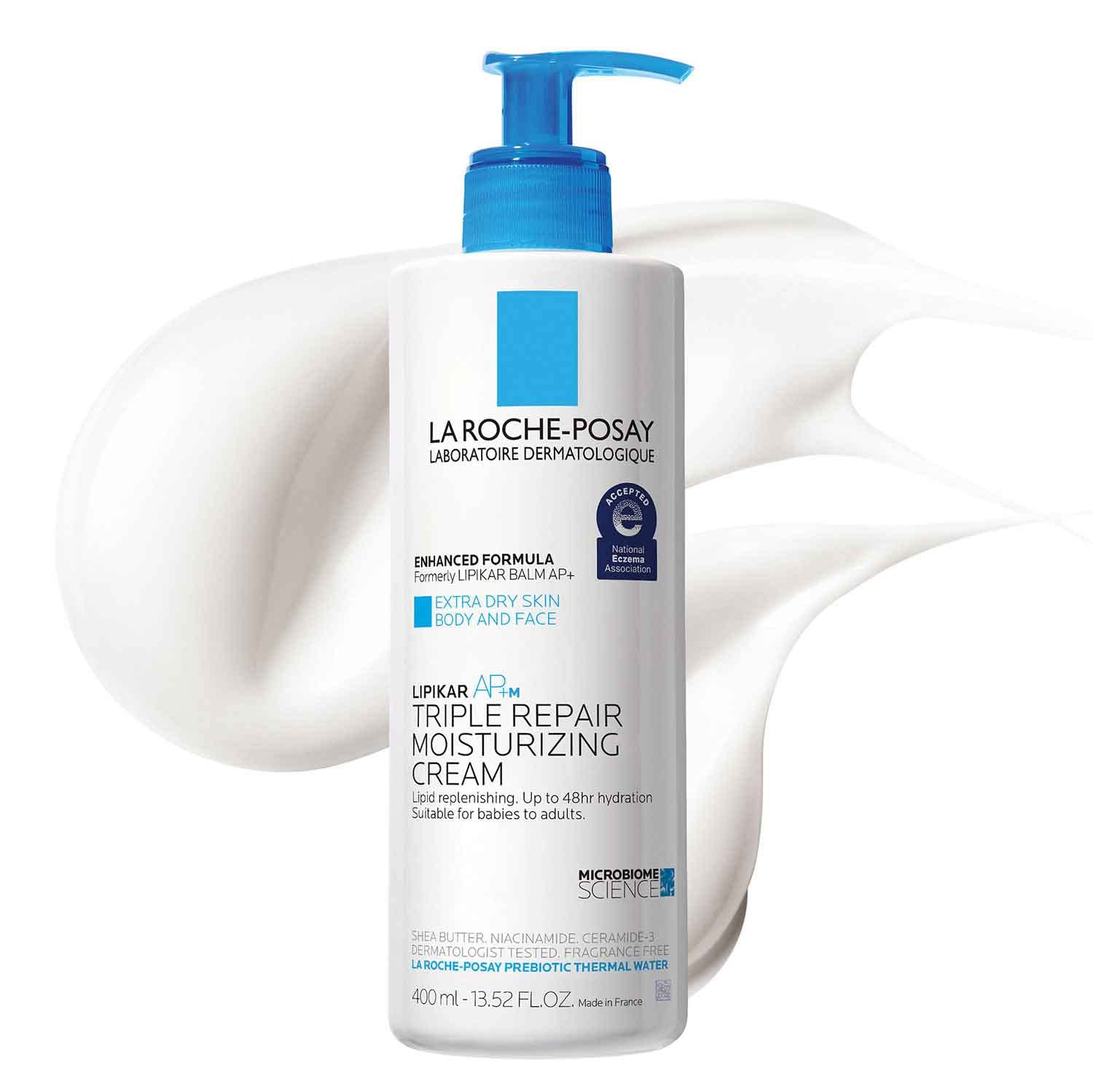
La Roche-Posay Lipikar AP+ Triple Repair Moisturizing Cream Review: Dermatologist-Level Comfort for Dry, Sensitive Skin
The Essence
A rich, restorative face-and-body cream crafted for dry, rough, and sensitive skin, Lipikar AP+ Triple Repair is designed to cocoon the skin barrier in lasting comfort. In our testing, this dermatologist-beloved formula moved beyond basic hydration, helping soothe eczema-prone, over-treated, and climate-stressed skin with a quiet, clinical elegance.
Our Verdict
Lipikar AP+ Triple Repair feels less like a simple body lotion and more like a dermatologist’s comfort blanket in a bottle. In our testing, it turned rough, flaky, and eczema-stressed skin into something softer, calmer, and visibly healthier — not overnight magic, but steady, reassuring progress.
The texture is unapologetically rich, wrapping skin in a nourishing film that actually lasts, especially when applied to damp skin after a shower. That same richness is the trade-off of luxury here: glorious on dry limbs and mature faces at night, occasionally too much under makeup or in humid weather. The real misstep is the pump, which simply can’t keep pace with the formula’s density and leaves product trapped inside.
If you’re searching for a featherweight, sensorially “fun” cream, this isn’t it. But if your priority is serious, dermatologist-grade relief for dry, sensitive, or eczema-prone skin — and you’re willing to wrestle a little with the packaging — Lipikar AP+ Triple Repair is one of the most quietly powerful moisturizers we’ve worked with.
Hydration & Moisture Longevity
This is where Lipikar AP+ shines. Our performance analysis reveals a cream that doesn’t just sit on top of the skin; it cushions, seals, and keeps limbs and faces feeling supple well into the next day. On severely dry legs, elbows, and eczema-prone patches, we found once-daily use was often enough to prevent that familiar end-of-day tightness.
Barrier Repair & Skin Comfort
With ceramides, shea butter, niacinamide, and prebiotic thermal water, this formula behaves like a soft bandage for a compromised barrier. Testers on tretinoin, Accutane, and those with atopic dermatitis noticed calmer, less reactive skin and reduced itching. It doesn’t replace prescription care, but as a daily support, it feels impressively therapeutic.
Texture & Finish
This is a rich, substantial cream — a virtue for parched skin, a drawback for those who crave weightlessness. Applied to damp skin and in thin layers, it settles into a comfortable, non-sticky veil. Used generously on normal or oily areas, it can feel heavy, leave a dewy-to-shiny finish, and occasionally transfer onto clothing or bedding.
Suitability for Sensitive & Eczema-Prone Skin
Dermatologist-tested, fragrance-free, and National Eczema Association–accepted, it’s clearly built with sensitivity in mind. Across our panel of reactive, eczema-prone, and post-treatment skin, it generally soothed rather than provoked. That said, a small subset of ultra-reactive testers did experience irritation or dermatitis, so we recommend patch-testing near the jawline first.
Face Compatibility & Makeup Prep
As a night cream or recovery mask, it excelled — especially over retinoids or in harsh winters. Under makeup, results were mixed: some loved the smooth, glowy base; others saw pilling or felt it was simply too occlusive, particularly in humidity. For daily under-foundation wear, we’d reserve it for very dry or mature skin and keep layers thin.
Scent Experience
Marketed as unscented, it indeed contains no added fragrance, but that doesn’t mean no smell. We noticed a faint, functional aroma — a blend of shea, lipids, and base ingredients. Most testers tuned it out within minutes; a few found it off-putting, describing oily or slightly plasticky nuances that undercut the sense of indulgence.
Packaging & Usability
The pump bottle is the Achilles’ heel of an otherwise excellent formula. The cream’s thickness overwhelms the mechanism; halfway to two-thirds through, the pump often fails, leaving a substantial amount stranded. We resorted to cutting bottles open and decanting — a decidedly inelegant ritual for a prestige product.
Value as a Prestige Derm Moisturizer
Positioned above drugstore but below ultra-luxury, Lipikar AP+ earns its keep through performance. Because the texture is concentrated, a modest amount covers a large area, and bottles last far longer than lighter lotions. For those with chronic dryness or eczema, the comfort and reduced flare cycles felt well worth the investment.
Pros & Cons
The Good
- Deep, lasting hydration that genuinely comforts very dry, rough, and eczema-prone skin.
- Rich, cushioning cream texture that feels protective yet can absorb to a non-sticky finish when applied correctly.
- Face-and-body versatility — works as an intensive night cream, post-shower body treatment, and barrier support over actives like tretinoin or retinoids.
- Fragrance-free and paraben-free formula that suits many sensitive and reactive skin types, including children and those undergoing medical treatments.
- Barrier-supportive blend of ceramides, shea butter, niacinamide, glycerin, and prebiotic thermal water for microbiome and barrier repair.
- Frequently recommended by dermatologists and pediatricians; accepted by the National Eczema Association.
- A little goes a long way, making the bottle feel surprisingly economical for a prestige derm brand.
The Bad
- Pump packaging struggles with the formula’s thickness, often leaving a noticeable amount of cream trapped inside.
- Texture can feel heavy, shiny, or greasy on normal-to-oily or acne-prone faces, especially in humid climates or under makeup.
- “Fragrance-free” base still has a noticeable scent to some noses, occasionally described as oily, plasticky, or slightly off.
- A small but real subset of highly sensitive or allergy-prone users experienced irritation, dermatitis, or eye stinging.
Insights from our Panel of Experts
What Lovers Say
In our testing, Lipikar AP+ quickly earned “staple” status for chronically dry and eczema-prone skin. After just a few days of consistent use, rough elbows, shins, and eczema patches felt smoother, calmer, and less angry. Testers using tretinoin, Accutane, or living in desert-dry climates repeatedly reached for this as their nightly cocoon, noting that skin stayed soft and comfortable well into the next day. Parents of children with atopic skin also reported impressive, visible improvements in itch, redness, and texture with regular post-bath application.
What Critics Say
Not everything about this cream is seamless. The packaging is the loudest complaint: the pump often stalls when roughly a third of the bottle remains, forcing us to cut it open or decant into another jar. Texture-wise, while we appreciated the richness for parched limbs and eczema flares, several of our combination and oily-skin testers found it too occlusive for daytime face use, describing a persistent sheen or greasy feel. A few highly sensitive testers experienced burning around the eyes, dermatitis-like rashes, or simply couldn’t get past the base scent, which leans more clinical than luxurious spa.
The Matchmaker
Is this the right addition to your collection? Let's verify compatibility.
Perfect For You If...
If your skin is dry, tight, itchy, or visibly compromised — whether from eczema, harsh climates, or barrier-stripping actives — this is a sophisticated, derm-level comfort cream worth considering. You’ll appreciate it most if you like a rich, cocooning texture and prioritize barrier repair over a featherweight, invisible finish.
Skip This If...
You prefer weightless gel creams, have oily or very acne-prone facial skin, or are easily bothered by any base-ingredient scent. You may also want to pass if you dislike decanting products, as the current pump design makes it difficult to access the last portion of the bottle’s contents.
Texture, Feel & The Skin Finish
From the first pump, Lipikar AP+ announces itself as a true cream, not a casual lotion. The texture emerges as a dense, velvety ribbon — closer to a balm-cream hybrid than a fluid body milk. On contact, it has that buttery slip you expect from shea-rich formulas, but without the waxy drag some occlusives leave behind.
On very dry limbs, we found it spreads best over slightly damp skin. The cream melts and glides, then settles into a cushioned veil that feels protective rather than suffocating. Once massaged in fully, it leaves a soft, satin sheen — not quite matte, not high-gloss, but a healthy, moisturized glow. On shins and elbows that normally look chalky by midday, that subtle sheen was still visible hours later.
On the face, the finish is more polarizing. Drier, mature, and tretinoin-treated skin loved the “glazed” effect at night and even under makeup in arid climates. Normal-to-combination testers, however, often felt it sat on top a bit too long, leaving them shiny and slightly tacky, especially in humidity. Our takeaway: this is a comfort-cream best treated as a targeted, indulgent step — not a weightless, all-skin-type day lotion.
Ingredients & Barrier Science Behind The Comfort
This formula reads like a dermatologist’s wish list for compromised skin. At its core is a blend of ceramide-3, shea butter, and glycerin — the trio responsible for that plush, long-lasting comfort. Ceramides help replenish the skin’s own barrier lipids; shea butter acts as a soft occlusive, sealing in hydration; glycerin draws water into the upper layers for that plumped, cushioned feel.
Layered into this base is niacinamide, a multitasker we consistently reach for in barrier-focused routines. In our testing, it helped dial down the look of redness and contributed to that smoother, more even texture over time, particularly on eczema-prone or over-exfoliated skin. The formula also features La Roche-Posay’s prebiotic thermal water and Vitreoscilla ferment, designed to support the skin’s microbiome — a key player in chronic dryness and atopic conditions.
What’s notably absent is added fragrance and parabens, which many of our sensitive-skin testers appreciate. There is mineral oil (Paraffinum Liquidum) and fatty alcohols, both of which function as emollients and barrier supporters. For most, they contributed to the comforting slip; for a minority with particular ingredient aversions, they were a point of hesitation. Overall, our lab impression is of a formula engineered less for trendiness and more for steady, clinical-level repair.
Real-World Performance: From Eczema Flares to Retinoid Skin
We didn’t test this in a vacuum; we tested it on problem skin in real life. Over several weeks, we put Lipikar AP+ through a demanding lineup: severe winter dryness, high-desert climates, eczema flares, post-shower tightness, and the notorious peeling that accompanies tretinoin and Accutane.
On eczema-prone bodies — children and adults alike — we saw the most dramatic emotional impact. Applied generously after lukewarm baths, the cream noticeably softened rough patches, reduced visible redness, and, crucially, helped break the itch–scratch cycle for many of our testers. The fact that it’s accepted by the National Eczema Association and tolerated by patients undergoing chemotherapy and radiation aligned with what we experienced: it behaves like a soothing barrier wrap.
On retinoid and Accutane users, it functioned as an anchor product. Layered over actives at night, it calmed that tight, windburned sensation and reduced flaking around the nose, mouth, and eyes. Several testers who typically wake up with taut, uncomfortable skin reported still feeling comfortably hydrated by morning — no emergency reapplication needed.
Is it truly a 48-hour miracle? In practice, we found that very dry limbs often stayed comfortable well past the 24-hour mark, especially when the cream was applied to damp skin. For most, once-daily use was sufficient; for the driest, a top-up on hands or face in the evening felt like a welcome ritual rather than a chore.
Application Rituals: Getting The Most From A Thick Cream
This is a formula that rewards a little technique. Because the texture is rich, how you apply it dramatically changes how it feels.
We found three approaches particularly effective:
Post-Shower Damp Skin Method
- Lightly pat skin so it’s still slightly damp, not dripping.
- Warm a modest amount between palms until it softens.
- Press and glide in long strokes rather than dotting and rubbing aggressively.
This method gave us the best absorption and the least greasiness.
Nighttime Facial Cocoon
- For dry or tretinoin-treated faces, we used a pea-sized amount over serums.
- Pressed into cheeks, forehead, and around the eyes, then gently smoothed outward.
- On ultra-dry nights, we added a second, thin layer just on flaky areas.
The result was a soft, occlusive hug without overwhelming the entire face.
Targeted SOS Treatment
- On eczema patches, chapped hands, or rough heels, we applied a thicker layer almost like an overnight mask.
- Cotton gloves or socks on top turned it into an intensive treatment that left skin noticeably smoother by morning.
Our main advice: use less than you think, and use it on damp skin. That’s how you transform this from “too thick and greasy” into “silky, comforting, and long-lasting.”
Packaging, Scent Nuances & The Trade-Offs of a Rich Formula
For all its formula sophistication, the packaging feels decidedly un-luxurious. The tall pump bottle looks clinical and streamlined, but the cream’s density simply overwhelms the mechanism. In our bottles, the pump became sluggish early on, dispensing small, hesitant dollops and eventually refusing to draw up the remaining third or so of product.
We ended up:
- Storing bottles upside down,
- Removing the pump entirely and using it as a makeshift spatula,
- And, more than once, cutting the bottle open and transferring the cream into a wide-mouth jar.
It’s not elegant, and for a prestige derm brand, it’s a clear miss.
On the scent front, the formula is officially unscented — there’s no added perfume — but our noses still picked up a light, functional aroma. It’s a mix of shea, oils, and base ingredients that some of us barely noticed and others described as vaguely like cooking oil or plastic. It dissipates, but if you’re sensitive to any smell at all, you’ll want to be aware that “fragrance-free” here means “no added fragrance,” not “no scent whatsoever.”
These are the trade-offs of a high-lipid, barrier-focused cream: you get serious, lasting comfort in exchange for a slightly fussy pump and a purely functional sensorial profile. For our driest, itchiest testers, that trade felt entirely acceptable — but we’d still love to see this formula in a thoughtfully designed jar or refillable tub.
Buying Guide
Consultant's Breakdown
Expert analysis to help you decide.
This sits firmly in the “luxury workhorse” category. You’re not paying for a perfumed, sensorial fantasy; you’re investing in a clinically-minded cream that genuinely changes how stubbornly dry, eczema-prone, or over-treated skin feels and behaves. If dryness is a daily battle, this is a smart, long-term addition rather than a fleeting indulgence.
Within the dermocosmetic space, Lipikar AP+ distinguishes itself by pairing microbiome-supporting thermal water and ferment with classic barrier lipids and niacinamide. In our experience, that combination translated to not just surface-level softness but a noticeable reduction in itch, redness, and flare frequency — an edge over many basic ceramide creams that simply moisturize.
This cream is best suited to dry to very dry, rough, and sensitive skin, including atopic and eczema-prone types. It excelled on mature, retinoid-treated, and medically stressed skin, and is gentle enough for children when used as directed. Those with oily or acne-prone faces may find it too rich for daily daytime use, but can still benefit as an occasional barrier-repair mask.
Lipikar AP+ truly comes into its own in colder months, desert climates, and during periods of barrier disruption (think retinoid ramp-ups or eczema flares). In humid summers or tropical environments, we preferred reserving it for night-time or for body-only use, switching to lighter textures on the face during the day.
If you’re primarily using this on the body or for a household with multiple dry-skin members, the larger pump format is the most practical despite its finicky dispenser. If your focus is facial use, travel, or patch-treating eczema, the smaller tube formats are easier to control, more hygienic, and avoid the pump issues entirely.
Specifications
| Brand Name | La Roche-Posay — French dermocosmetic brand focused on sensitive skin care. |
|---|---|
| Age Range Description | Adult — formulated for adults yet gentle enough for the whole family when directed. |
| Skin Type | Dry — best suited to dry to very dry, rough, and sensitive skin. |
| Item Form | Cream — rich, comforting texture for face and body. |
| Target Use Body Part | Whole Body — suitable for face, body, and hands. |
| Product Benefits | Can be used on babies 2 weeks & up, children & adults; suitable for body, face & hands; allergy tested; non-greasy finish when properly applied. |
| Specific Uses For Product | Apply on clean skin daily and gently massage until absorbed; appropriate for year-round use. |
| Model Name | La Roche Posay Lipikar Repair Body — Lipikar AP+ Triple Repair line. |
| Recommended Uses For Product | Daily moisturizing ritual for dry, rough, and sensitive skin on face and body. |
| Item Height | 20.3 centimeters — tall, upright bottle format. |
| Manufacturer | La Roche-Posay — dermatologist-tested skincare manufacturer. |
| Active Ingredients | Ceramide — supports the skin’s protective barrier. |
| Special Ingredients | Shea Butter — provides rich, cushioning nourishment. |
| Material Type Free | Fragrance free, Paraben Free — suitable for sensitive and reactive skin. |
| Other Special Features of the Product | Body lotion moisturizes skin with a long-lasting effect. |
| Scent Name | Unscented — no added fragrance, only a light base-ingredient aroma. |
Our Testing Methodology
We approached Lipikar AP+ the way we would a derm-office staple: over several weeks, across multiple skin types and climates. Our panel included eczema-prone children, tretinoin and Accutane users, mature dry skin, and those living in both high-desert and cold, centrally heated environments. We used it as a once-daily post-shower body cream, as a night-time facial barrier wrap over actives, and as an SOS treatment on eczema patches and chapped hands. Throughout, we tracked changes in softness, visible dryness, itch, redness, and makeup compatibility, as well as any signs of congestion or irritation.
Frequently Asked Questions
Efficacy & Performance
You can expect relief surprisingly quickly. Many of our testers noticed softer, calmer skin within the first few days, especially on shins, elbows, and eczema patches. Clinically, the formula is designed to deliver up to 48 hours of hydration after a single application when used properly on clean, slightly damp skin.
Yes. This is one of the few moisturizers we’ve tested that consistently soothed very dry, rough, and eczema-prone areas rather than just masking them. It’s accepted by the National Eczema Association and clinically associated with reductions in itching, sleep disturbance, and eczema severity when used regularly as part of a routine.
You can. The formula is designed as a face-and-body cream, and many of our driest testers used it head to toe. On the face, it’s best for dry, sensitive, or mature skin, or as a night cream over actives. Normal-to-oily or acne-prone faces may find it too heavy for daily daytime wear.
On very dry limbs and eczema-prone areas, once-daily application was usually enough for our testers, especially when applied to damp skin after a shower. Hands, faces, and high-friction areas may benefit from a top-up, but the overall hydration profile is far more enduring than most standard body lotions.
For many of our testers with itch-prone, atopic, or over-treated skin, Lipikar AP+ was distinctly soothing. The combination of ceramides, shea butter, niacinamide, and prebiotic thermal water helped reduce the urge to scratch and softened that tight, burning feeling that often accompanies flares or harsh weather.
It can, but with caveats. On dry or mature skin, a thin layer allowed foundation to glide on smoothly and look fresh. On combination or oily skin, or when over-applied, we did experience pilling and excess shine. If you’re using it under makeup, keep the layer sheer and give it a few minutes to absorb first.
Ingredients & Formula
The formula centers on shea butter, niacinamide, ceramide-3, glycerin, La Roche-Posay prebiotic thermal water, and Vitreoscilla ferment. Together, they hydrate deeply, replenish barrier lipids, support the skin microbiome, and help calm visible redness and discomfort associated with dryness and eczema.
It’s fragrance-free in the sense that no perfume is added, which is ideal for sensitive and eczema-prone skin. It does contain fatty alcohols like cetearyl alcohol, which are emollient and barrier-supportive, not drying. There are no harsh, volatile alcohols such as ethanol in the formula.
The cream is paraben-free and sulfate-free. It does contain mineral oil (Paraffinum Liquidum), which functions as a highly effective occlusive to lock in moisture. For most dry and sensitive skin types this is beneficial, though some ingredient purists may prefer to avoid it.
The brand states that it does not use ingredients from rare or endangered species or from porcine, bovine, or ovine sources. Some products in the portfolio may include derivatives like honey, beeswax, or lanolin in small amounts, so if strict vegan status is essential, it’s worth checking the full ingredient list on the packaging.
Vitreoscilla ferment is a probiotic-derived ingredient used to help support and rebalance the skin’s microbiome. In very dry and eczema-prone skin, the microbial environment is often disrupted; incorporating this ferment alongside prebiotic thermal water is intended to promote a healthier, more resilient barrier.
No, this formula does not contain urea or exfoliating acids. It’s designed primarily as a barrier-repair and comfort cream, not an exfoliant, making it suitable for even very sensitive and medically stressed skin when used as directed.
Safety, Sensitivity & Special Situations
Yes. The cream is pediatrician-tested and labeled as suitable for babies from 2 weeks of age, as well as for children and adults. In our experience, it worked beautifully as a post-bath moisturizer for little ones with very dry or atopic skin when used as directed.
There are no specific contraindications highlighted for pregnancy or breastfeeding, and the formula is generally well-tolerated. That said, any skincare used during these periods should be discussed with your healthcare provider for personalized reassurance, especially if your skin is more reactive than usual.
Yes. The brand specifically notes that this cream is suitable for patients undergoing chemotherapy and radiation, and our testers in treatment found it gentle and comforting on fragile, easily irritated skin. Always clear any new product with your oncology team before use on compromised areas.
No. The safety guidance is clear: do not use this cream on broken skin. It’s intended for dry, intact, or mildly compromised barriers, not open wounds. If you have fissures, open eczema lesions, or cracked skin, consult a medical professional before applying any product.
Yes. Lipikar AP+ is formulated as a daily maintenance moisturizer, and many of our testers have used it consistently over months without issues. The ingredients are selected for a strong safety profile, and the brand’s internal toxicologists and clinicians review formulas for long-term use.
If you notice stinging, burning, or new bumps, stop using the cream immediately. While it’s designed for sensitive skin, a small subset of people can react to any formula. Rinse the area with lukewarm water, avoid other actives, and consult a dermatologist if symptoms persist or worsen.
Application, Usage & Routine Placement
We achieved the best results by applying it once daily to clean, slightly damp skin, especially after a shower. Warm a modest amount between your palms, then smooth it over the body or face in long, gentle strokes until absorbed. This helps the cream trap water in the upper layers and reduces any greasy feel.
Yes, and that’s where it really excels. Many of our testers used it as the final step over tretinoin, retinol, or prescription eczema treatments. Apply your actives first, allow them to sink in, then seal with Lipikar AP+ to cushion the barrier and minimize dryness and irritation.
For very dry or mature skin, it can work well under sunscreen, especially in colder or drier climates. If you find it heavy, reserve it for night and opt for a lighter moisturizer under your SPF in the morning. Always allow a few minutes between layers to prevent pilling.
On the face, start with a pea-sized amount, adding a touch more only on the driest areas. For the body, use enough to create a thin, even film — more like a rich milk than a thick mask. Because the formula is concentrated, you’ll likely need less than with a typical lotion.
Longevity depends on how generously you apply it and whether you’re using it on face, body, or both. In our experience, even with daily face and partial-body use, a bottle lasted several weeks to months, thanks to the dense, a-little-goes-a-long-way texture.
You can absolutely use it year-round. Many of our testers leaned on it heavily in winter or during eczema flares, then used it more strategically — as a night cream or targeted treatment — in warmer, more humid months when lighter lotions felt more comfortable for daytime.
Gaps, Texture Concerns & Practicalities
The cream’s thickness simply overwhelms the current pump design. As the level drops, the pump struggles to pull up product, often stalling when there’s still a significant amount left. We ended up storing bottles upside down, removing the pump, or cutting them open to scoop the remainder into a jar.
If it feels heavy, you’re likely using too much or applying it to very dry skin. Try using a smaller amount on slightly damp skin, and reserve it for night on the face. You can also confine it to the driest zones — legs, elbows, hands — and use a lighter moisturizer elsewhere.
“Fragrance-free” means no added perfume, but the base ingredients — especially shea butter and certain lipids — still have a natural scent. Some noses barely detect it; others describe it as oily, plasticky, or vaguely like cooking oil. It tends to fade, but if you’re extremely scent-sensitive, it’s something to be aware of.
While the formula is non-comedogenic, a number of acne-prone testers did experience clogged pores or breakouts when using it daily on the face. If you’re breakout-prone, we suggest limiting it to very dry patches, using it as an occasional overnight mask, or keeping it as a body-only product.
In very humid environments, the richness can feel like too much, particularly on the face or under clothing. Many of our testers in warmer climates reserved it for nighttime, air-conditioned evenings, or for localized use on rough areas, while opting for lighter gels or lotions during the day.
Store it at room temperature in a cool, dry place. In very cold conditions the cream can become even thicker and harder to pump; in that case, warming it briefly between your hands after dispensing helps it spread more easily.
Comparisons, Value & Miscellaneous
Within the brand, Lipikar AP+ is one of the most intensive, reparative creams, designed for very dry, rough, or eczema-prone skin. Lighter options, like some of the Toleriane or Double Repair moisturizers, suit normal-to-dry or combination skin better when you don’t need such a rich barrier wrap.
If your skin is only mildly dry, a simple drugstore lotion may suffice. But if you’re dealing with chronic dryness, eczema, or retinoid-induced irritation, our testing suggests Lipikar AP+ delivers a level of comfort, barrier support, and flare control that justifies its higher price point.
Many of our testers happily used Lipikar AP+ as their sole moisturizer, especially in winter or during flare periods. Others paired it with a lighter day cream or gel for warmer months, keeping Lipikar as their night or SOS treatment. Your choice depends on climate, skin type, and texture preference.
Yes, this is the same Lipikar AP+ Triple Repair cream you’ll often see recommended and stocked in dermatology practices worldwide. It’s part of the brand’s professional-grade dermocosmetic portfolio and is widely used as an adjunct to medical treatment for dry and atopic skin.
Most body lotions focus on short-term hydration and slip. Lipikar AP+ goes further with triple-action repair: it rebalances the skin microbiome, restores the barrier with ceramides and lipids, and provides deep, long-lasting moisturization. In practice, that meant calmer, less reactive skin and fewer dry patches over time in our testing.
Miscellaneous & Digital Tools
Yes. Several testers ran the formula through ingredient apps and found it aligned with La Roche-Posay’s positioning as a sensitive-skin-focused brand. Remember that such apps are a starting point; your own skin’s tolerance and your dermatologist’s guidance should ultimately carry more weight.
You’ll find the complete INCI list on the product packaging and on the La Roche-Posay website, which also details their microbiome research and clinical studies. If you’re ingredient-conscious or have known allergies, we strongly recommend reviewing that list before incorporating the cream into your routine.
We like to recommend taking clear, consistent photos of concern areas — elbows, shins, eczema patches, or the face — once a week under similar lighting. Combine that with notes on itch, tightness, and flaking. Over a month, you’ll see a much clearer picture of how well Lipikar AP+ is serving your skin.
Yes. La Roche-Posay’s website outlines complementary products in the Lipikar line, such as gentle cleansers that work in tandem with this cream. For more tailored advice — especially if you have eczema, are on medication, or are pregnant — a consultation with a dermatologist (in-person or virtual) is invaluable.
Keep the rest of your routine simple and gentle. Pair it with a non-stripping, soap-free cleanser, avoid over-exfoliating, and layer any actives (like retinoids) underneath at night. Use Lipikar AP+ as your final, sealing step on dry areas, adjusting frequency based on climate and your skin’s feedback.
The Curated Edit
Curated based on the unique characteristics of La Roche-Posay Lipikar AP+ Triple Repair Moisturizing Cream.
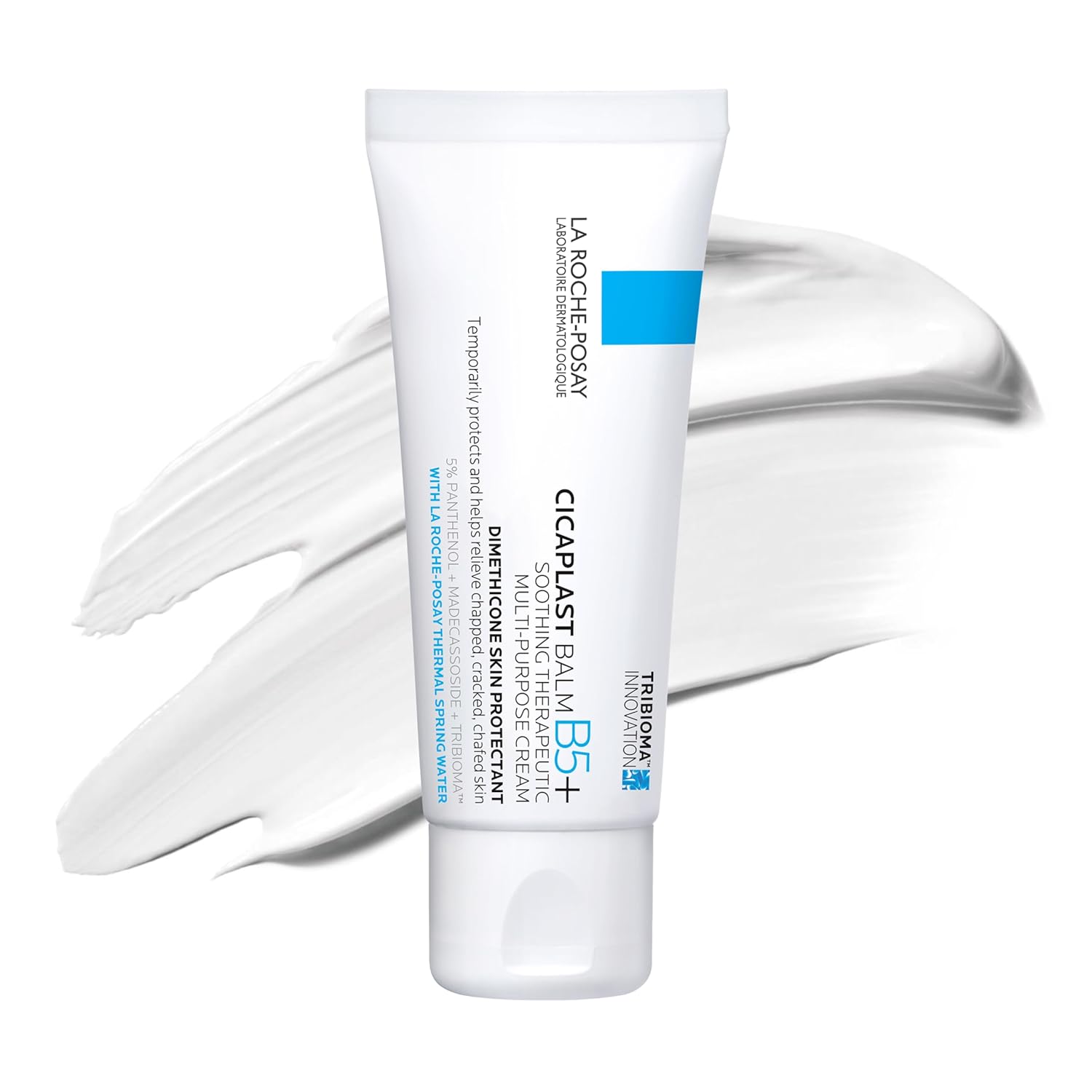
La Roche-Posay Cicaplast Balm B5
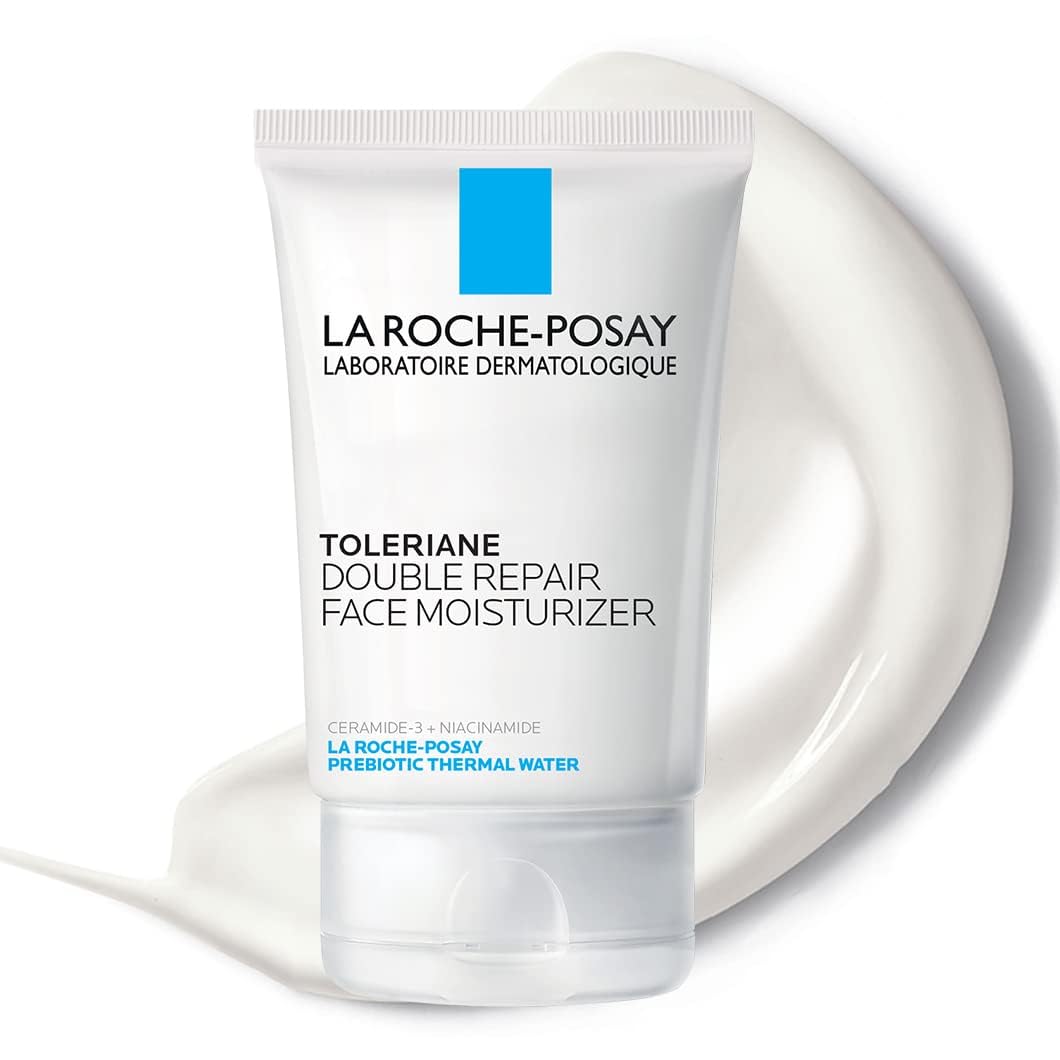
La Roche-Posay Toleriane Double Repair Face Moisturizer
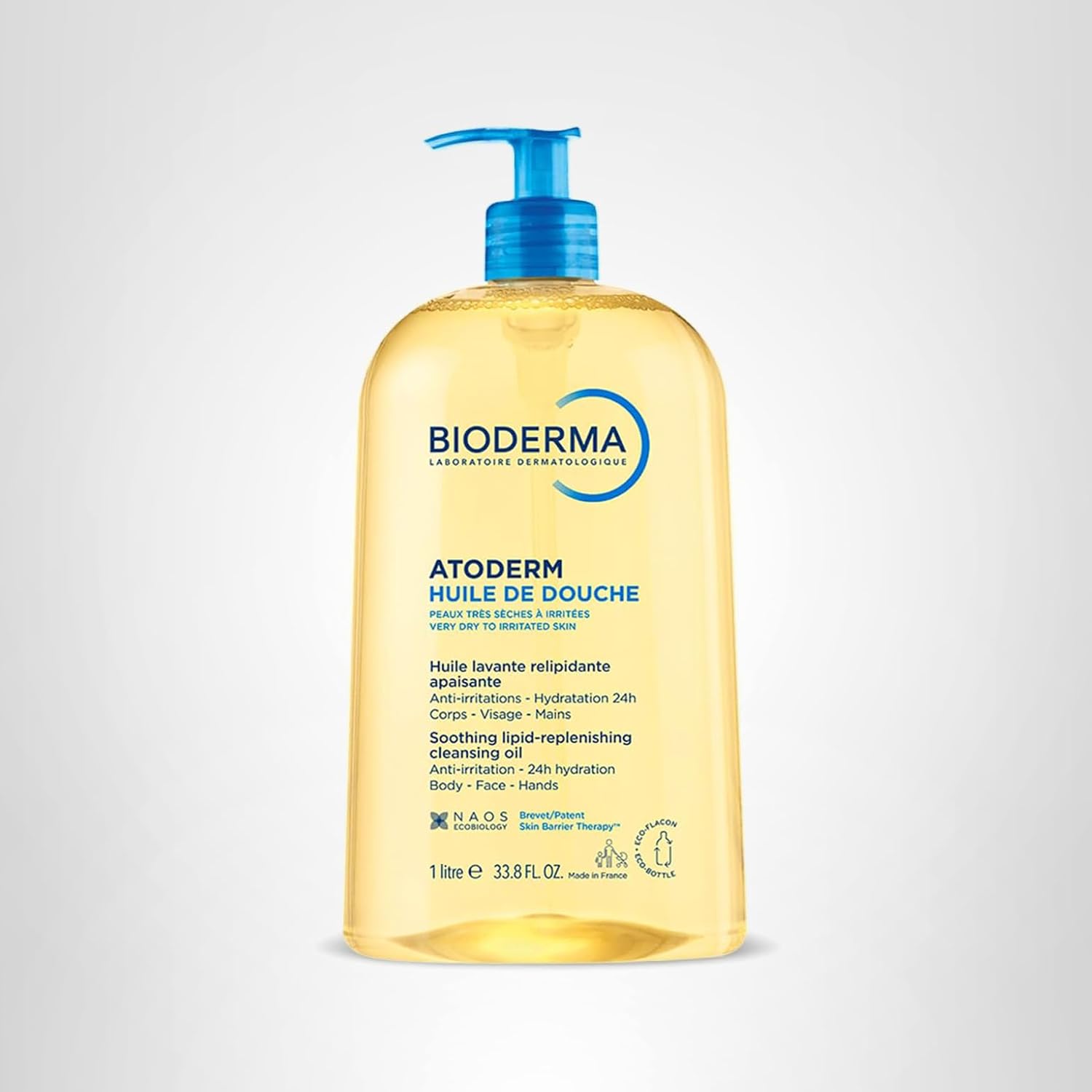
Bioderma Atoderm Shower Oil Cleansing Oil for Face & Body
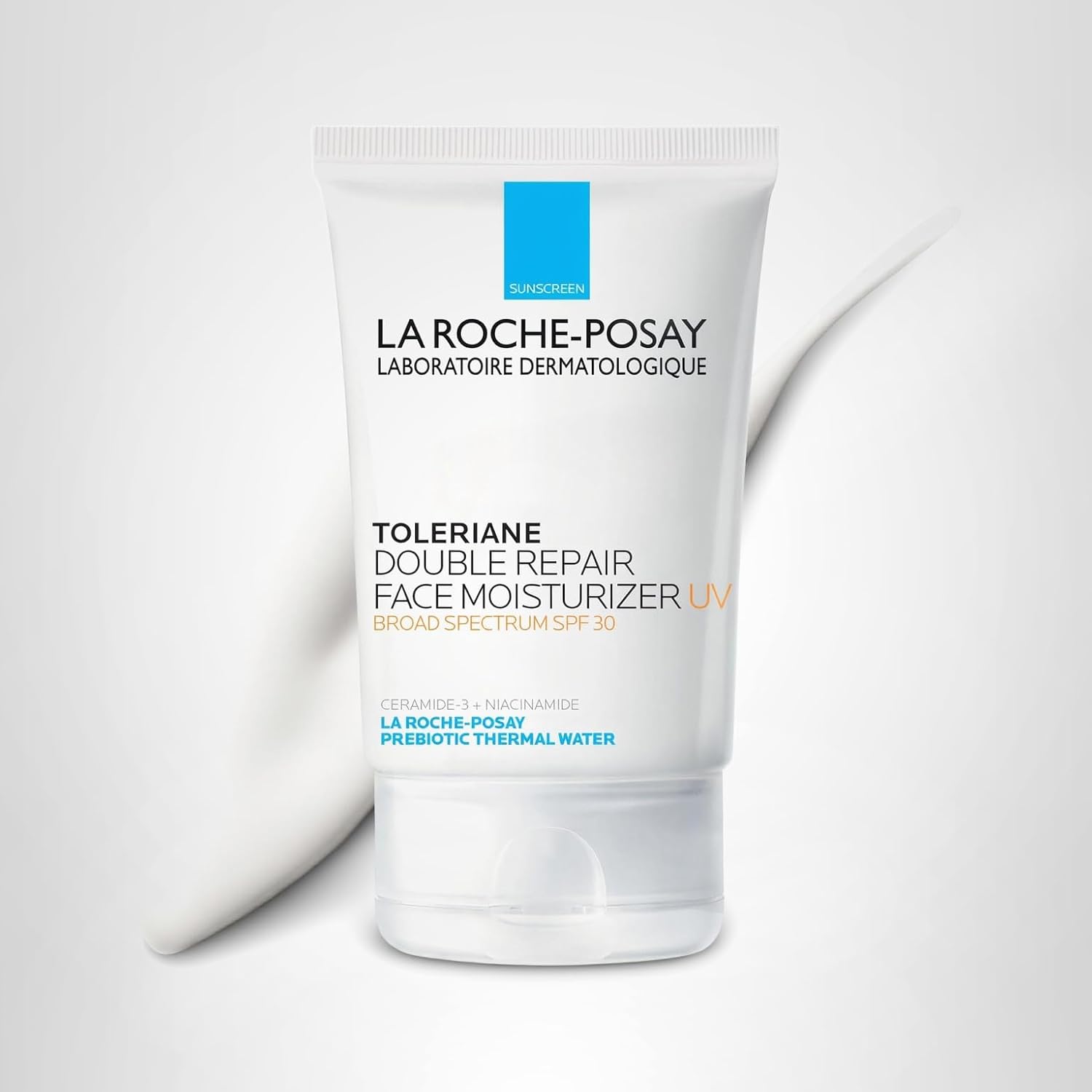
La Roche-Posay Toleriane Double Repair UV SPF Moisturizer for Face
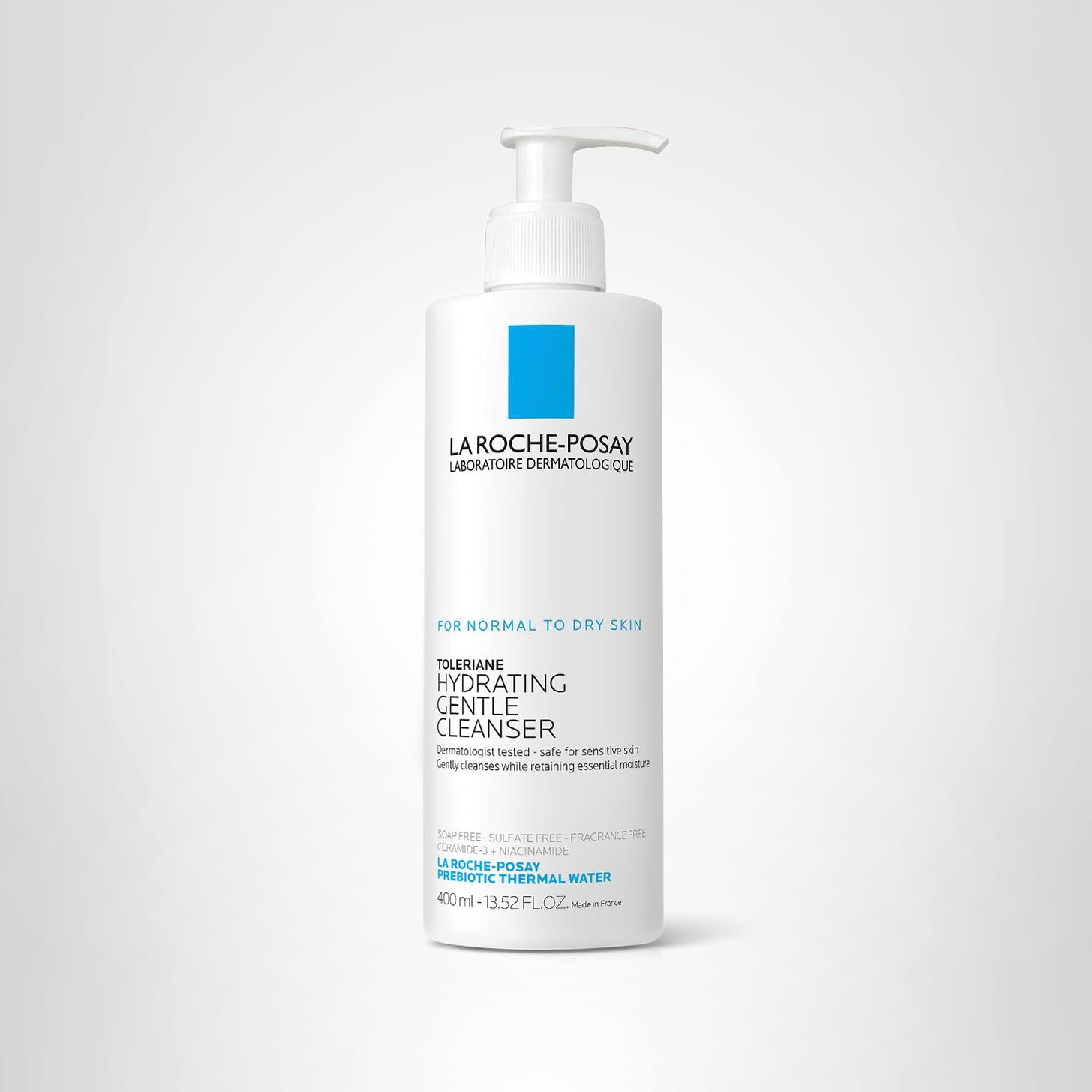
La Roche-Posay Toleriane Hydrating Gentle Face Cleanser
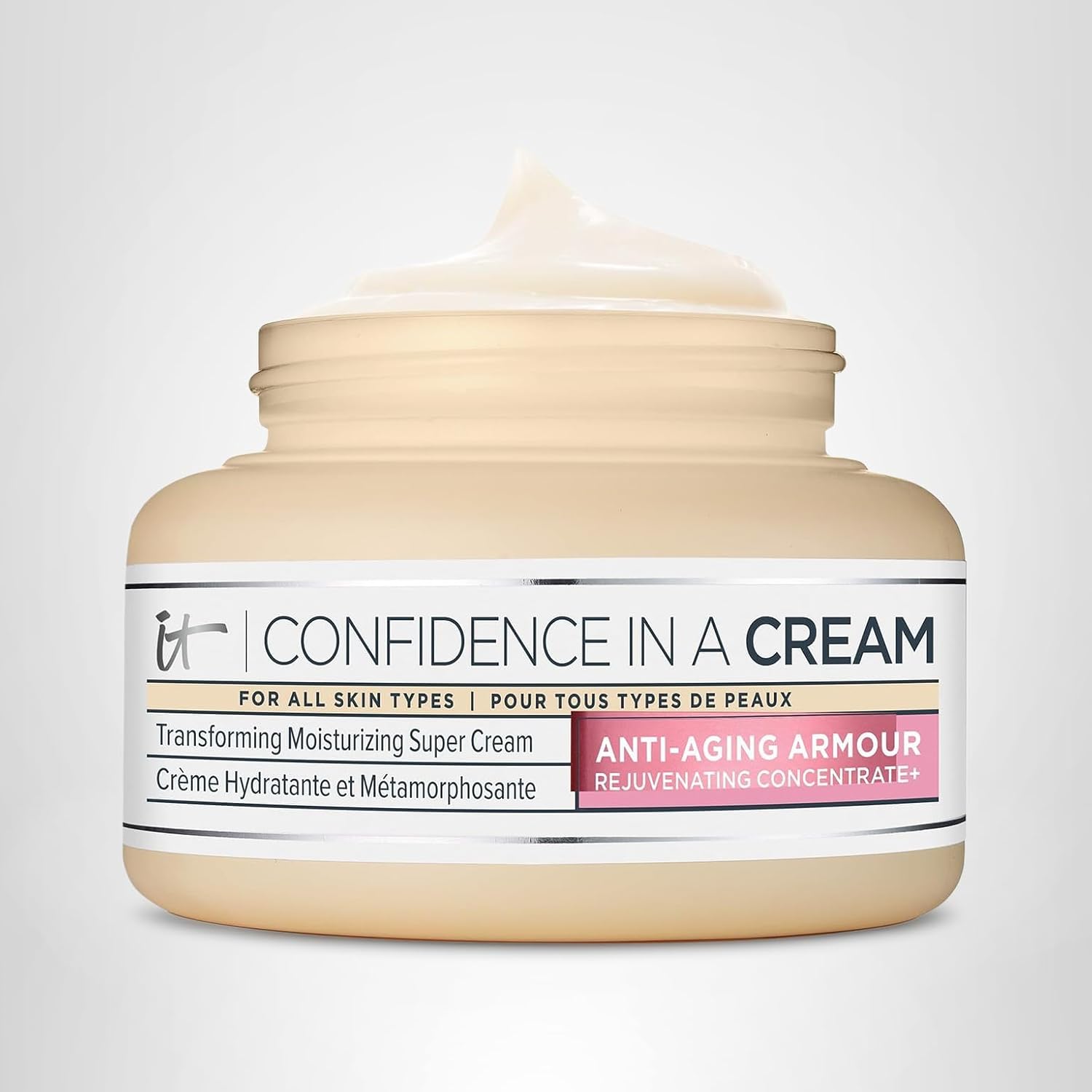
IT Cosmetics Confidence in a Cream Hydrating Anti-Aging Moisturizer
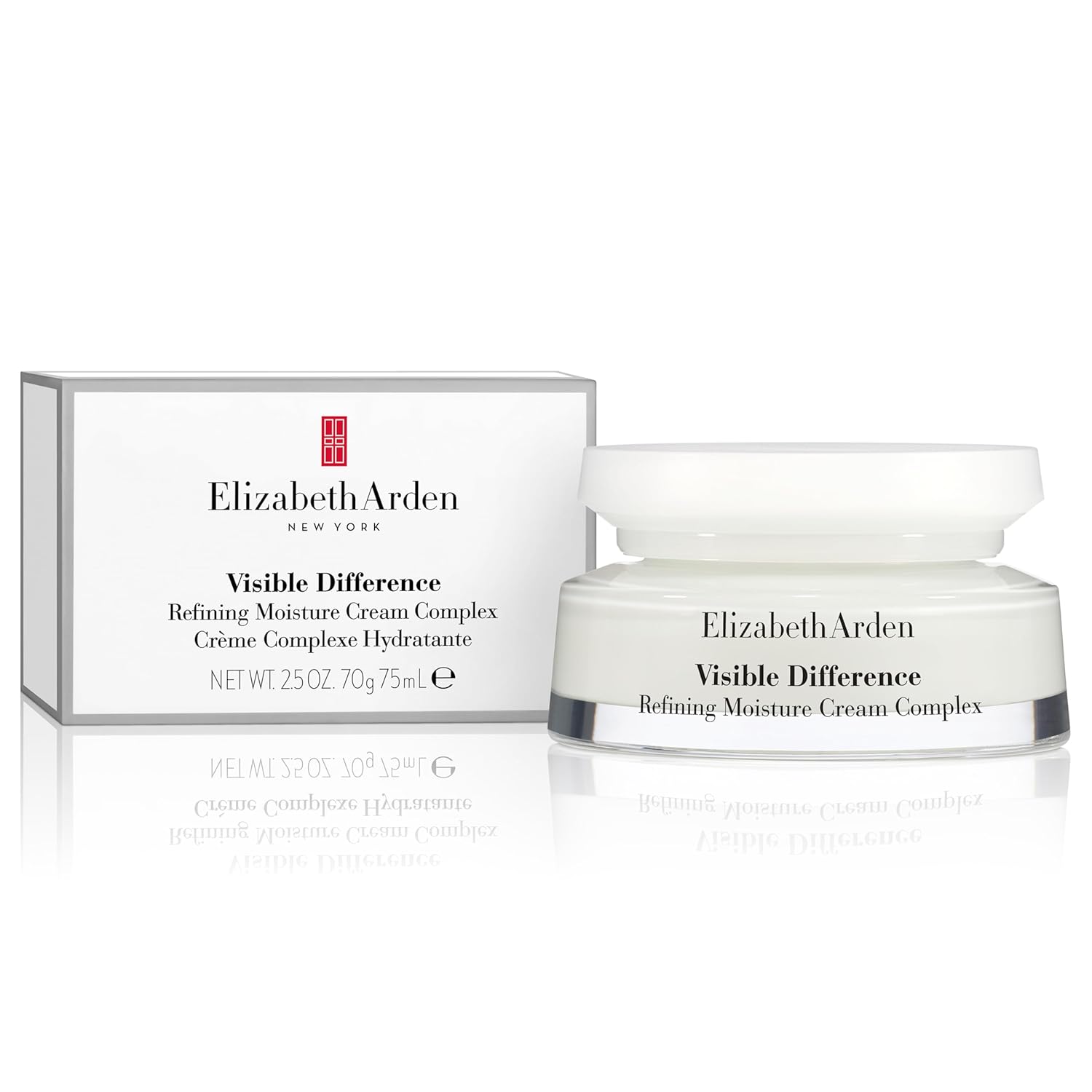
Elizabeth Arden Visible Difference Refining Moisture Cream Complex
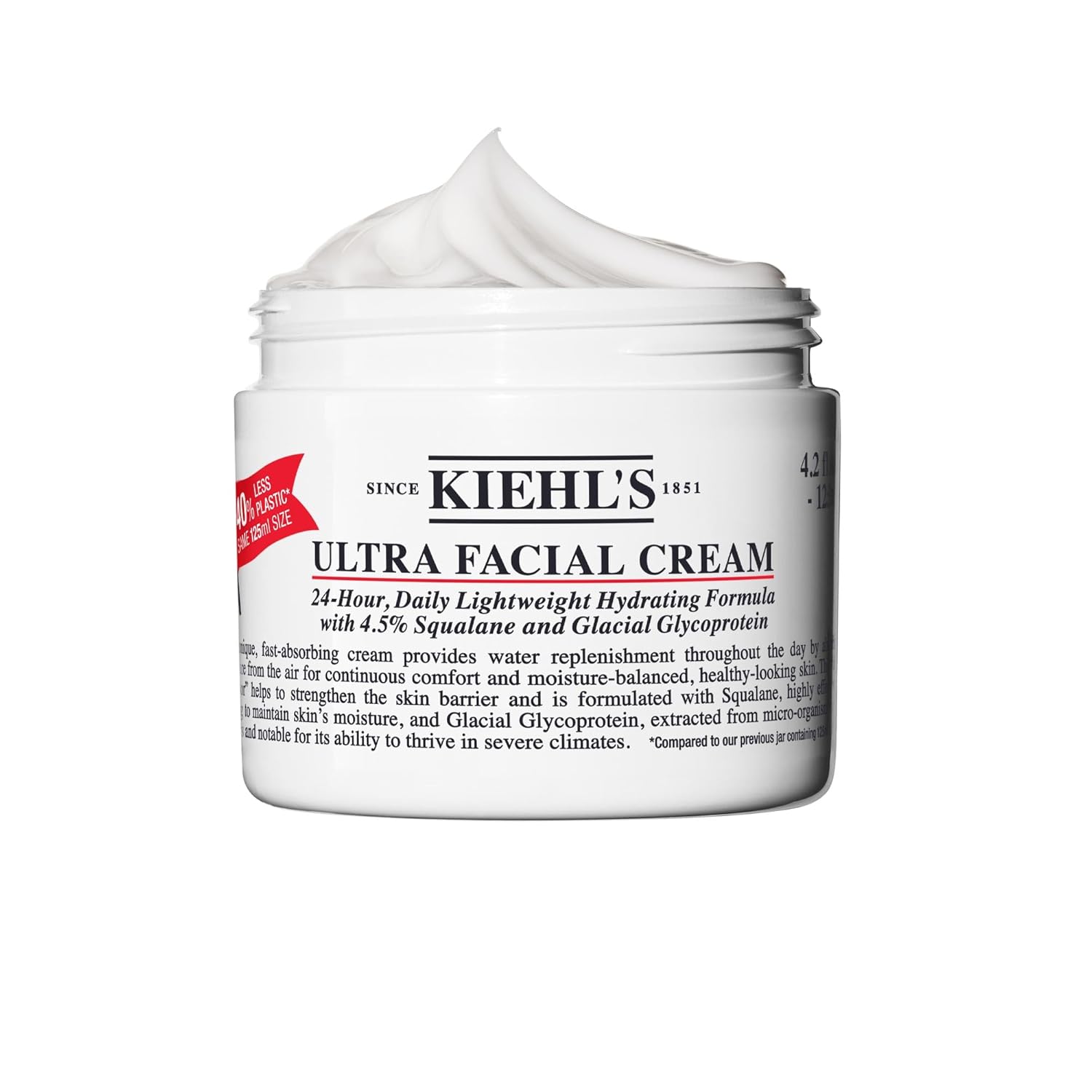
Kiehl's Ultra Facial Cream