
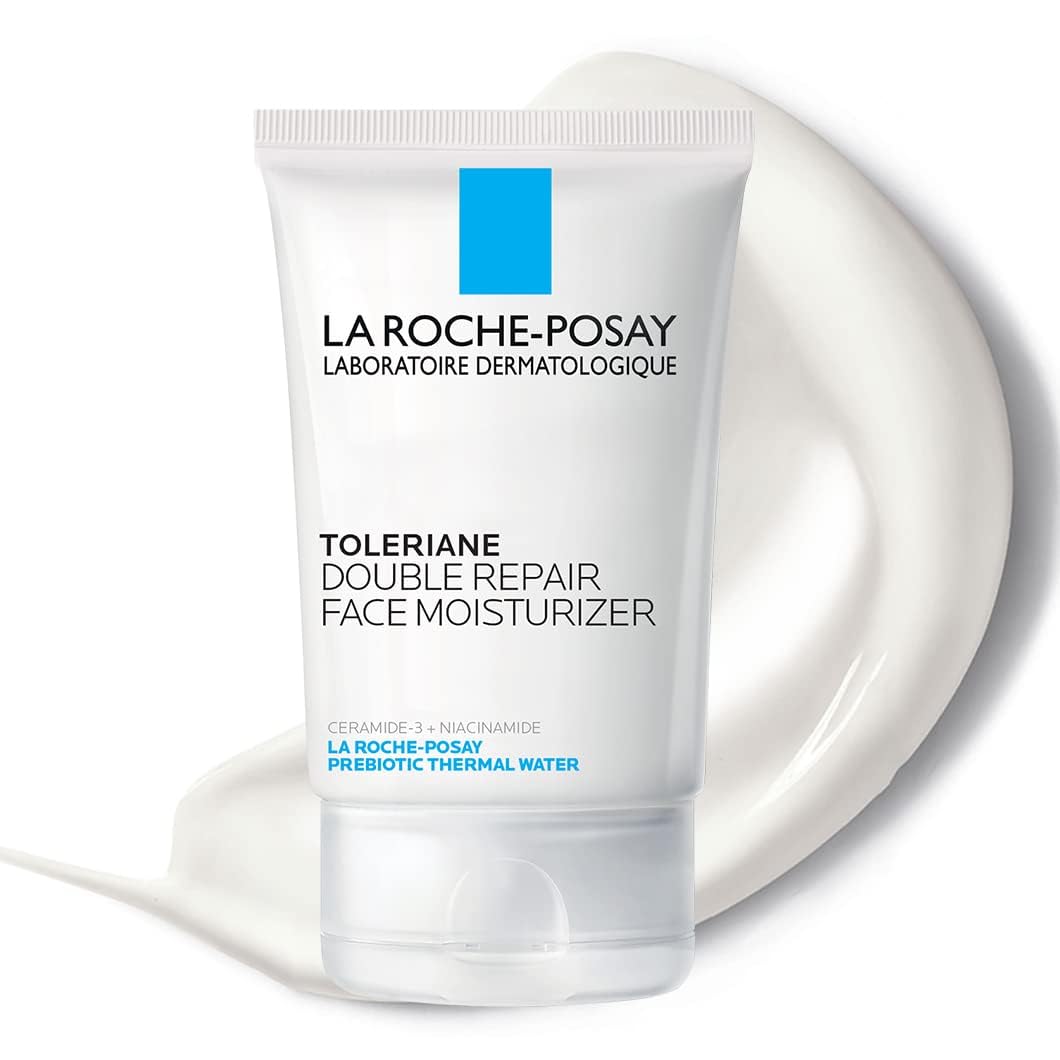
La Roche-Posay Toleriane Double Repair Moisturizer Review: Derm-Grade Hydration for Sensitive Skin
The Essence
A fragrance-free daily face cream designed to cocoon the skin’s barrier with supple, lasting hydration while keeping even reactive complexions calm. This is the quiet, derm-backed staple you reach for when you want your skin to feel comfortable, balanced, and softly luminous—not coated.
Our Verdict
This is the kind of moisturizer that quietly becomes the backbone of a routine. La Roche-Posay Toleriane Double Repair Face Moisturizer doesn’t seduce with fragrance or a glass jar; it wins with comfort, reliability, and skin that simply behaves better. In our testing, it excelled as a daily hydrator for sensitive, combination, oily, and moderately dry skin, softening texture and supporting a more resilient barrier over time. The main caveats—pilling when overused, a tube that hoards the last of the cream, and occasional irritation on very reactive skin—are real, but manageable with technique and patch testing. If you’re looking for a derm-grade, fragrance-free cream that feels quietly luxurious on the skin rather than flashy on your shelf, this is an outstanding contender.
Hydration & Skin Feel
Hydration here feels quietly confident rather than showy. Our performance analysis reveals a cream that sinks in quickly, then leaves skin with a soft, cushioned suppleness that lasts comfortably through the day for most normal-to-dry and combination complexions. Severely dry or compromised barriers may still crave an extra occlusive step at night.
Barrier Support & Skin Health
With ceramides, niacinamide, glycerin, and prebiotic thermal water, this behaves like a daily barrier treatment disguised as a simple moisturizer. Over consistent use, we noticed less tightness, fewer dry patches, and a more even, calm look to the skin—especially for those using retinoids or acne therapies.
Texture & Wear Under Makeup
The texture is that sweet spot between lotion and cream—velvety, not waxy. On makeup days, it generally created a smooth, hydrated canvas. The trade-off: if you over-apply or stack it over heavy serums, it can pill, particularly around the hairline and brows, so a light hand and proper spacing between steps are essential.
Suitability for Sensitive & Acne-Prone Skin
Fragrance-free, oil-free, and non-comedogenic, this impressed our sensitive and acne-prone testers, many of whom reported calmer, clearer-feeling skin with no extra congestion. Still, a notable minority experienced stinging, redness, or niacinamide-related breakouts—reminding us that even the gentlest formulas warrant a patch test on reactive skin.
Packaging & Usability
The tube feels sturdy and travel-safe, and the cap has a satisfying snap, but that’s where the love affair ends. As we worked through it, the stiff plastic made it frustratingly hard to squeeze out the last third of product, leaving a visible reservoir in the ‘shoulders’ of the tube unless we cut it open.
Value as a Prestige-Adjacent Basic
This sits in that refined middle ground: more elevated than basic drugstore creams, less indulgent than designer jars. In use, it feels far more expensive than it is, especially given the barrier-supporting actives and dermatologist heritage. For many of us, it comfortably replaced moisturizers at a much higher investment.
Pros & Cons
The Good
- Lightweight cream texture that absorbs quickly yet feels cushingly hydrating
- Fragrance-free, oil-free, and non-comedogenic — well-suited to sensitive and acne-prone skin
- Ceramide, niacinamide, glycerin, and prebiotic thermal water support a stronger, calmer barrier
- Leaves skin feeling soft, smooth, and balanced rather than greasy or sticky
- Performs beautifully as an everyday moisturizer and under makeup for many testers
- A little goes a long way — pea-sized amount is typically enough for face and neck
- Widely praised as comparable to or better than more expensive luxury moisturizers
The Bad
- Not hydrating enough on its own for extremely dry or eczema-prone skin
- Notorious pilling for some, especially with too much product or heavy layering
- Tube packaging is hard to squeeze and traps a noticeable amount of product
- A minority of sensitive-skin testers experienced stinging, redness, or breakouts
Insights from our Panel of Experts
What Lovers Say
In our testing, this felt like the definition of a reliable, derm-backed staple. We reached for it on irritated-skin days, after active treatments, and during dry winter spells, and it consistently left skin feeling softer, smoother, and more comfortable. Those of us with acne-prone or combination skin were impressed by how hydrated our faces felt without any heavy film or extra shine through the T‑zone. Several editors who typically favor prestige moisturizers quietly admitted this held its own against creams at double or triple the price.
What Critics Say
Not every complexion was smitten. Our driest and eczema-prone testers often needed an additional occlusive balm or richer night cream layered on top. A recurring frustration: pilling. When we over-applied or layered it over certain serums, the formula sometimes rolled into little crumbs, especially around the hairline and brows. A small subset of very reactive or niacinamide-sensitive skin types experienced burning, redness, or breakouts and had to discontinue use. And while the formula feels elevated, the stiff tube design makes it surprisingly difficult to extract the last third of product without cutting it open.
The Matchmaker
Is this the right addition to your collection? Let's verify compatibility.
Perfect For You If...
If you crave a fragrance-free, dermatologist-style moisturizer that feels light yet genuinely comforting, this will likely suit you. It’s especially well-matched to normal, combination, oily, and mildly dry sensitive skin, and to anyone using actives like retinoids or acne treatments who needs a dependable barrier-supporting cream.
Skip This If...
You prefer a dense, balmy cream that feels occlusive and dewy all day, or your skin is severely dry, eczema-prone, or extremely reactive to niacinamide or silicones. You also may want to look elsewhere if you’re intolerant of any pilling whatsoever or insist on fully eco-conscious, pump-style packaging.
The Texture Ritual: How It Actually Feels on Skin
The first thing you notice is the texture.
Squeezed from the tube, the cream looks substantial—closer to a classic face cream than a gel, yet it spreads with an almost watery slip once it meets the warmth of your fingers. On application, there’s a brief, silky glide, then it seems to melt and vanish, leaving behind soft, hydrated skin rather than a visible layer.
We found:
- On normal and combination skin, it feels weightless but comforting—no heaviness, no waxy film.
- On oily or acne-prone faces, it delivered moisture without triggering extra shine, which is rare in this category.
- On dry skin, it initially feels plush and soothing, but some testers wanted a richer finish by late afternoon.
Once absorbed, the finish is more skin-like satin than dewy gloss. Makeup grips well on top when we respect the “pea-sized” rule and give it a few minutes to settle. When we got heavy-handed—especially over thick serums—the formula reminded us of its silicone content and rolled into tiny pills. Used sparingly, though, it becomes that barely-there cocoon you forget you’re wearing until you realize your face hasn’t felt tight all day.
Barrier Care in a Tube: Inside the Formula
This moisturizer reads like a dermatologist’s wish list rather than a marketing fantasy.
Key players include:
- Ceramide-3 / Ceramide NP – The bricks in your skin’s wall. These lipids help reinforce a compromised barrier so moisture stays in and irritants stay out.
- Niacinamide (Vitamin B3) – A multitasker that soothes, supports barrier repair, and over time can help with uneven tone and dullness.
- Glycerin – A classic humectant that draws water into the skin, giving that plump, cushioned feel.
- Prebiotic thermal water and microbiome-friendly components – Designed to keep the skin’s ecosystem balanced, which is crucial when you’re using actives or dealing with sensitivity.
- Squalane and dimethicone – Provide that silky slip and help reduce transepidermal water loss without traditional oils.
Our performance analysis reveals that, used consistently, this combination shines most in two scenarios: stressed barriers from retinoids or acne treatments, and complexions that swing between dry patches and oiliness. We saw less flaking around the nose and cheeks, fewer angry red spots after actives, and an overall healthier, more even look.
Expert consideration: if your skin is extremely reactive, niacinamide and dimethicone can still be triggers. A patch test along the jawline is a smart first step before fully committing.
Real-World Performance: From Humid Days to Winter Radiators
We didn’t baby this cream. We wore it through cold, dry indoor heating, brisk walks, humid days, and under full makeup.
Across conditions:
- In dry, heated rooms, most testers’ skin stayed comfortable with morning and evening use, though our severely dry editor still layered a balm at night.
- In humidity, it stayed surprisingly light and breathable, never sliding or turning greasy, particularly on oily and combination skin.
- Under foundation, when applied in a thin layer and allowed to absorb, it created a smooth base that kept makeup from clinging to dry patches.
Where it stumbled was pilling. We noticed:
- Over-application (more than a pea-sized amount) almost guaranteed tiny rolls along the jawline and hairline.
- Layering over heavy, silicone-rich primers or very thick serums increased the chance of product balling.
Our workaround ritual:
- Apply to clean, dry skin (or over a very lightweight, fully absorbed serum).
- Use a pea-sized amount for the entire face, another small dot for the neck.
- Press and glide in one direction rather than aggressive rubbing.
- Wait a few minutes before SPF or makeup.
Followed this way, it behaved beautifully for the majority of our wear tests, even on long workdays.
Skin Type Matchmaking: Who It Flatters Most
Think of this as a derm-grade, everyday neutral—but not a one-size-fits-all.
In our panel:
- Sensitive & reactive skin: Many of us with easily-flushed, reactive skin found it soothing, especially alongside retinoids or acne prescriptions. Redness often looked less angry, and that itchy tightness after cleansing disappeared. A smaller group, however, experienced burning or rashes, underscoring how individual sensitivity can be.
- Acne-prone & oily: This is where it quietly excels. The non-comedogenic, oil-free formula hydrated without congestion for most acne-prone testers. Several who usually break out with creams reported clearer, calmer skin and less compensatory oiliness.
- Combination: Our combination-skin editors (oily T-zone, dry cheeks) noticed fewer dry patches and less midday shine—skin felt more balanced, not matte and not slick.
- Dry to very dry: For standard dryness, it performed admirably as a day cream. On very dry or eczema-prone skin, it worked best as a barrier-supporting layer paired with a richer cream or occlusive at night.
If your ideal moisturizer is invisible, fragrance-free, and simply makes your skin feel like itself but better, this sits squarely in that lane.
Buying Guide
Consultant's Breakdown
Expert analysis to help you decide.
This sits firmly in luxury basic territory: more considered and high-performing than standard drugstore creams, without the markup of designer jars. If you value barrier health, fragrance-free formulas, and that quietly plush skin feel, it’s a worthy long-term staple, not just a fleeting splurge.
Where this stands out is its balance of derm-grade actives and sensorial comfort. Many barrier creams feel either too occlusive and waxy or too light and fleeting. This manages to feel refined on the skin while still delivering that calm, supported-barrier sensation—without fragrance, heaviness, or obvious residue.
In our testing, this played especially well with sensitive, combination, oily, and acne-prone skin, and with normal skin that swings drier in winter. Those with extremely dry, eczema-prone, or ultra-reactive complexions may still need a richer cream or targeted treatment, and should patch test if they’re wary of niacinamide or silicones.
The formula adapts elegantly across seasons. In spring and summer, its lightweight, non-greasy finish feels breathable, even on oily or acne-prone skin. In autumn and winter, it remains a beautiful base layer, though extremely dry or wind-chapped skin may appreciate a richer cream or occlusive on top at night.
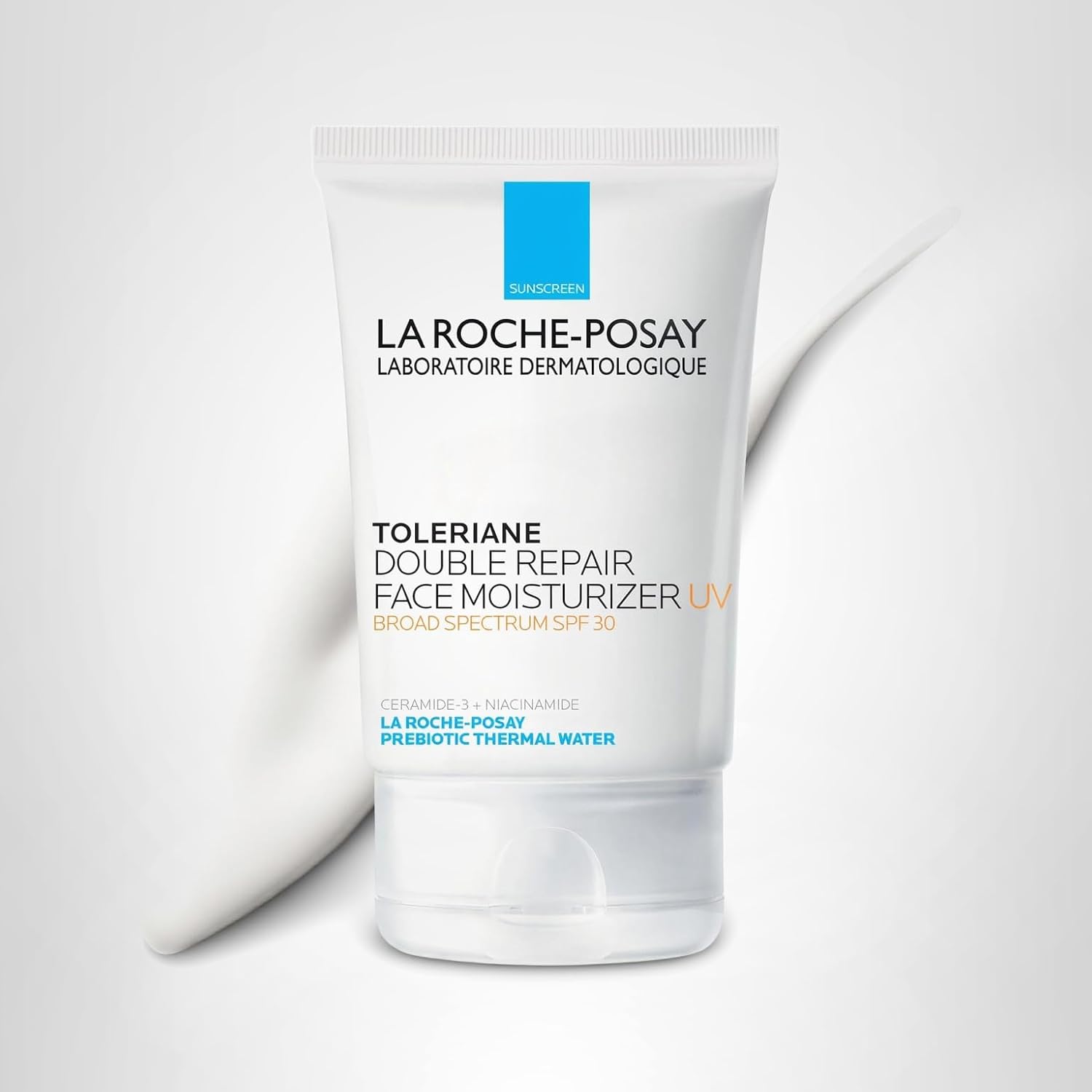
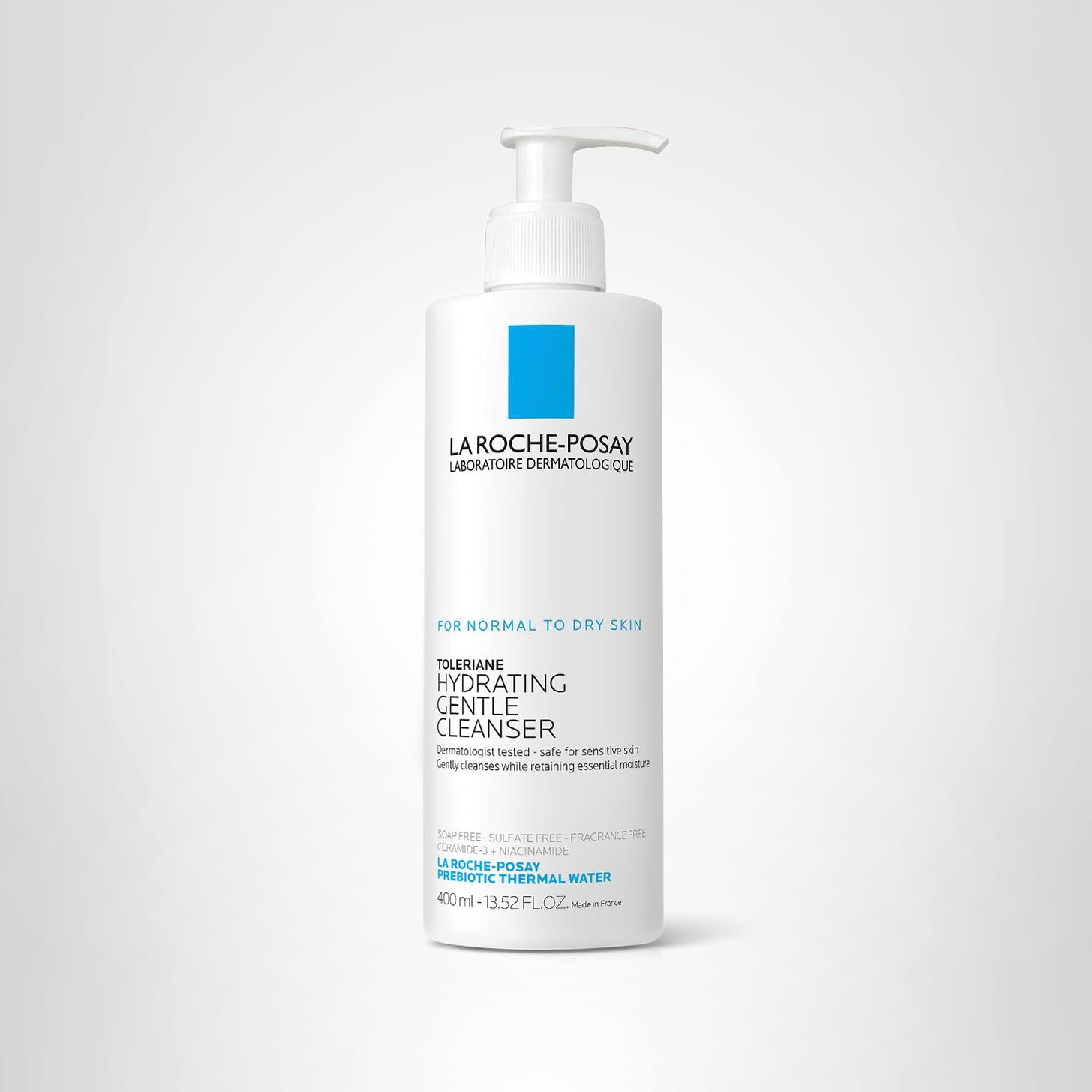
There are versions within this line that include SPF and sets paired with cleansers or other hydrators. Choose the non-SPF moisturizer if you prefer to customize your sunscreen, and reach for the SPF version if you want to streamline a morning routine. Value sets can be smart if you already enjoy the brand’s cleansers.
Specifications
| Brand Name | La Roche-Posay — French derm-brand known for sensitive-skin formulations |
|---|---|
| Age Range Description | Adult — appropriate for everyday use on adult skin |
| Skin Type | Sensitive — formulated with barrier-supporting ingredients |
| Number of Items | 1 — single facial moisturizer |
| Item Form | Cream — lightweight, non-greasy texture |
| Target Use Body Part | Face — also suitable for neck |
| Product Benefits | Delivers up to 48-hour hydration and helps restore skin’s barrier in about 1 hour for immediate and long-lasting comfort |
| Specific Uses For Product | Apply to face and neck morning and evening as a daily moisturizer |
| Recommended Uses For Product | Dermatology-focused daily skincare and barrier support |
| Item Height | 5.7 inches overall tube height |
| Item Volume | 3.38 fluid ounces — generous daily-use facial cream |
| Item Dimensions | 1.5 x 3.2 x 5.7 inches overall packaging size |
| Unit Count | 3.38 fluid ounces total product |
| Item Weight | 3.2 ounces including packaging |
| Active Ingredients | Caprylyl glycol, ceramide, chloride, glycerin, glyceryl stearate, niacinamide, prebiotics, sodium hydroxide, tocopherol |
| Special Ingredients | Ceramides and niacinamide for barrier repair and soothing |
| Material Type Free | Paraben free, fragrance free, oil free — suitable for sensitive skin |
| Material Features | Fragrance free — no added scent |
| Other Special Features of the Product | Facial moisturizer provides all-day hydration and helps restore skin’s barrier after about 1 hour; non-comedogenic so it won’t clog pores |
| Scent Name | Unscented — minimal base-ingredient aroma only |
Our Testing Methodology
We put La Roche-Posay Toleriane Double Repair through a multi-week trial across our beauty lab and editorial team, including oily, combination, dry, sensitive, acne-prone, and mature skin. We wore it in dry, heated indoor environments, humid days, and under a full face of makeup, pairing it with retinoids and acne treatments on some testers. We deliberately varied application amounts and layering styles to stress-test pilling, hydration longevity, and barrier support, then compared notes on comfort, clarity, texture, and overall skin behavior over time.
Frequently Asked Questions
Efficacy & Performance
We noticed comfort almost immediately—tightness after cleansing eased within minutes and skin felt softer after the first few uses. With consistent morning and evening application, barrier resilience and overall smoothness became more apparent over the following days and weeks, especially around typically flaky areas like the nose and cheeks.
It does more than give a quick drink of moisture. The combination of ceramide-3, niacinamide, glycerin, and prebiotic thermal water works to support the skin’s natural barrier function. Over time, we saw less post-cleanse tightness, fewer rough patches, and a calmer, more even look—classic signs of a better-functioning barrier.
It provides substantial hydration for normal, combination, and moderately dry skin, and significantly softened dry patches for many testers. However, on extremely dry or eczema-prone skin, we often needed to layer a richer cream or balm on top at night to fully eliminate tightness and flaking, particularly in harsh winter conditions.
When we applied a pea-sized amount, let it fully absorb, and then followed with foundation, it created a smooth, hydrated base that held up well through a workday. Makeup looked fresher and clung less to dry areas. The caveat: over-application or layering over heavy serums increased the risk of pilling, which can disrupt foundation.
Yes, this is one of the areas where it shines. Used alongside retinoids or acne prescriptions, it helped dial down that hot, over-stripped feeling and reduced visible redness for many of us. The niacinamide and ceramides seem to cushion the skin, making it easier to tolerate potent actives over time.
Ingredients & Formula
The formula centers on ceramide-3 for barrier repair, niacinamide for soothing and tone-evening, glycerin for deep hydration, and La Roche-Posay’s prebiotic thermal water to support a balanced skin microbiome. Supporting lipids and silicones like squalane and dimethicone give the cream its smooth, non-greasy glide.
Yes. In our testing, there was no added scent—only a faint, neutral base-cream aroma—and the formula is explicitly fragrance-free and paraben-free. That’s a major reason it worked so well for many sensitive-skin testers who typically react to perfumed moisturizers.
It does contain niacinamide, and it’s relatively high on the ingredient list. For most of our panel, that translated to calmer, more even-looking skin. A smaller group, however, found niacinamide sensitizing, experiencing redness or dryness. If you know you react to niacinamide, patch test first or proceed cautiously.
Yes. The formula is oil-free and labeled non-comedogenic, and in practice it behaved accordingly for most acne-prone testers—no extra congestion, no new clusters of breakouts. Several of us actually saw fewer blemishes and less compensatory oiliness once our barriers were better supported.
The silky, almost primer-like slip comes from silicones such as dimethicone. They help with spreadability and that smooth finish, but they can also contribute to pilling if you apply too much, layer over heavy products, or rub vigorously. Used sparingly on clean, dry skin, we found the texture comfortable and breathable.
Application & Usage
Apply it to clean, dry skin (or over a very lightweight, fully absorbed serum) using a pea-sized amount for the whole face. Gently smooth and press it in rather than aggressively rubbing, then allow a few minutes of absorption before adding SPF or makeup. Over-application is the most common trigger for pilling.
A pea-sized amount is genuinely enough for the face, with an extra small dot for the neck. We tested heavier applications and consistently saw more pilling and a heavier feel without added benefit. With this formula, less is more—your skin should feel cushioned, not coated.
Yes. We used it twice daily—morning and evening—with great results. In the morning, it layers well under sunscreen and makeup when applied sparingly. At night, it works as a soothing, barrier-supporting final step; very dry skin types may choose to add a richer cream or occlusive on top in winter.
Serums should go on first, after cleansing and before this cream. We had the best results when pairing it with lightweight, water-based serums and allowing each step to absorb fully. Thick, silicone-heavy or oily serums layered underneath increased the likelihood of pilling for some testers.
We did tap a tiny amount around the orbital area on some testing days without issues, but the formula isn’t specifically designed as an eye cream. If your eye area is particularly delicate or reactive, we’d reserve this for the face and neck and use a dedicated eye product for that zone.
Skin Compatibility & Concerns
Yes, it performed impressively well on oily and acne-prone complexions in our testing. The oil-free, non-comedogenic formula hydrated without adding shine or clogging pores, and several testers actually saw fewer breakouts and a more balanced T-zone once their barrier was better supported.
It’s a beautiful base for dry and mature skin, but not always sufficient as a standalone for extremely dry or eczema-prone complexions. In those cases, we treated it as a barrier-supporting layer and added a richer cream or occlusive balm on top at night to fully address tightness and flaking.
Most sensitive-skin testers tolerated it very well and even found it soothing. However, a small but real subset experienced burning, redness, or rashes—often linked to individual sensitivities to niacinamide or other components. Sensitive skin is highly individual, so patch testing is essential before full-face use.
While this isn’t a targeted brightening treatment, the niacinamide component can, over time, help soften the look of mild discoloration and post-acne marks. In our experience, skin looked more even and less blotchy with consistent use, but we still relied on dedicated brightening serums for more stubborn pigmentation.
Yes, this is one of our favorite ways to use it. We layered it over retinoids and acne treatments to cushion the skin and reduce dryness, with excellent results. Just introduce it gradually alongside potent actives and monitor how your skin responds, especially if you’re highly sensitive.
Gaps, Trade-Offs & Practicalities
Pilling typically happened when we used more than a pea-sized amount, layered it over heavy or silicone-rich products, or didn’t allow enough time between steps. The silicone-based texture can sit on top of the skin if overloaded. Applied sparingly on clean, dry skin and given a few minutes to settle, pilling was greatly minimized.
For many of us, yes—especially when used twice daily. But in the driest climates or under constant heating, very dry or mature skin sometimes needed an extra hydrating serum underneath or a richer cream on top at night. Think of this as an excellent core hydrator that you can bolster as conditions demand.
No, this specific Double Repair moisturizer does not contain SPF, so you’ll need a separate sunscreen during the day. There is a sister version in the line that includes sun protection, but the classic barrier-repair formula we tested requires you to add your own SPF step.
The tube’s plastic is quite stiff, and the short, wide shape means cream can collect in the shoulders where it’s tough to squeeze out. Several of us ended up cutting the tube open to access the remaining product. It’s a design quirk rather than a formula flaw, but it does mean you may need to work a bit to avoid waste.
For us, yes. The texture, long-lasting comfort, and barrier-focused formula with ceramides, niacinamide, and prebiotic thermal water felt more refined than many basic moisturizers. It delivered a prestige-level experience without a designer price tag, especially for sensitive or treatment-heavy routines where barrier health is non-negotiable.
Safety, Ethics & Longevity
We used it morning and night over extended periods without any concerns. The formula is designed for daily, long-term use with dermatologist-vetted ingredients that support, rather than stress, the skin barrier. As always, if you develop new irritation, it’s wise to pause and consult a professional.
The ingredients are generally considered gentle and pregnancy-friendly, and many dermatologists recommend this line for sensitive skin. That said, every pregnancy is unique, so we always suggest checking with your healthcare provider if you’re introducing new products during this time.
The parent group has stated it does not test on animals except where required by law, so it isn’t certified cruelty-free by all standards. They sometimes use minimal animal-derived ingredients such as beeswax or lanolin across their portfolio; if strict vegan or cruelty-free status is a priority, this is an important consideration.
Because you truly only need a pea-sized amount per application, a tube lasted our testers a surprisingly long time with twice-daily use. Those who were disciplined with quantity found it to be a cost-effective staple, especially given the formula’s performance and sensorial quality.
Store it at room temperature, away from direct sunlight and heat sources. Make sure the cap is fully closed after each use to prevent the formula from thickening at the opening. Under normal conditions, it remains stable and pleasant to use throughout its typical post-opening lifespan.
The Curated Edit
Curated based on the unique characteristics of La Roche-Posay Toleriane Double Repair Face Moisturizer.
La Roche-Posay Toleriane Double Repair UV SPF Moisturizer for Face
La Roche-Posay Toleriane Hydrating Gentle Face Cleanser
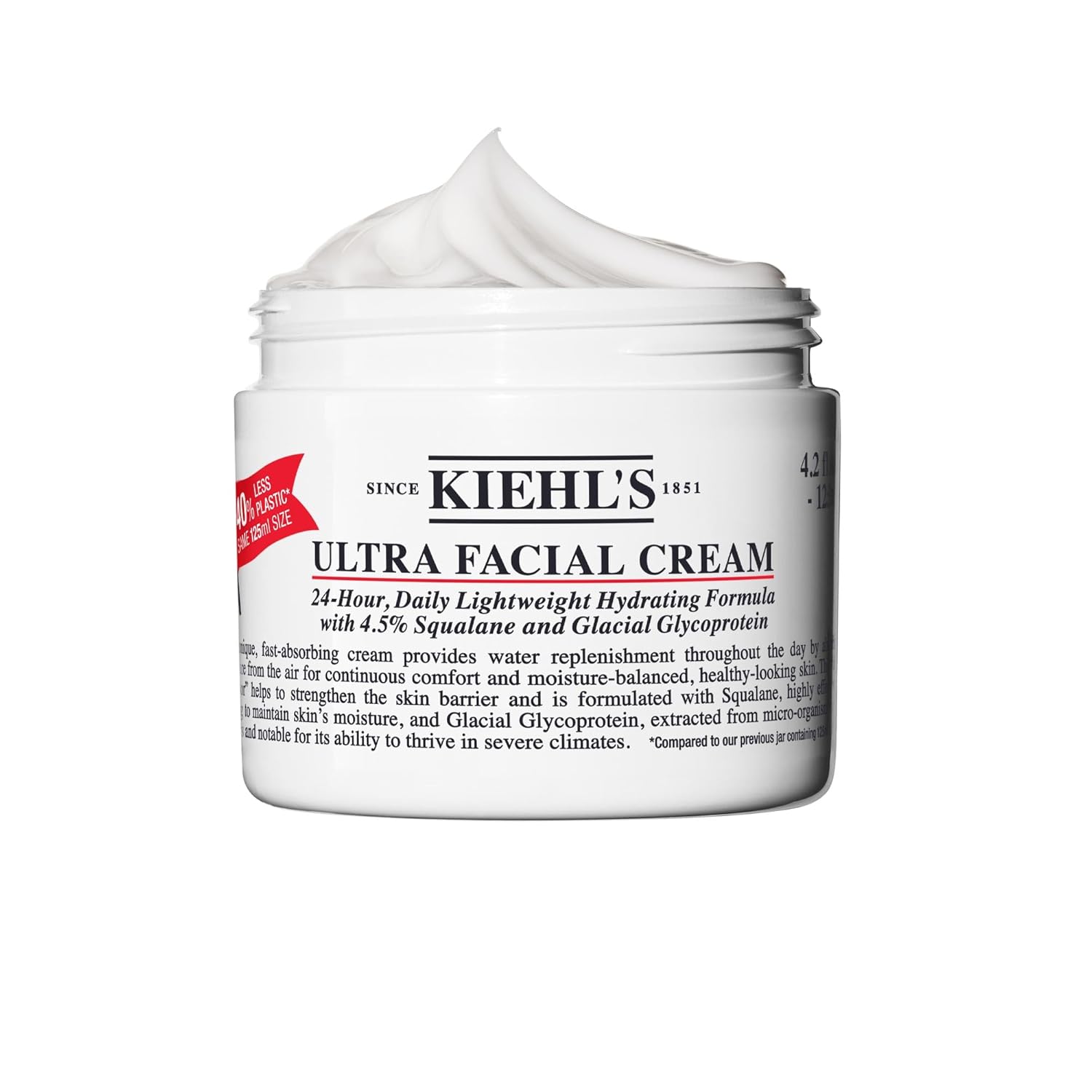
Kiehl's Ultra Facial Cream
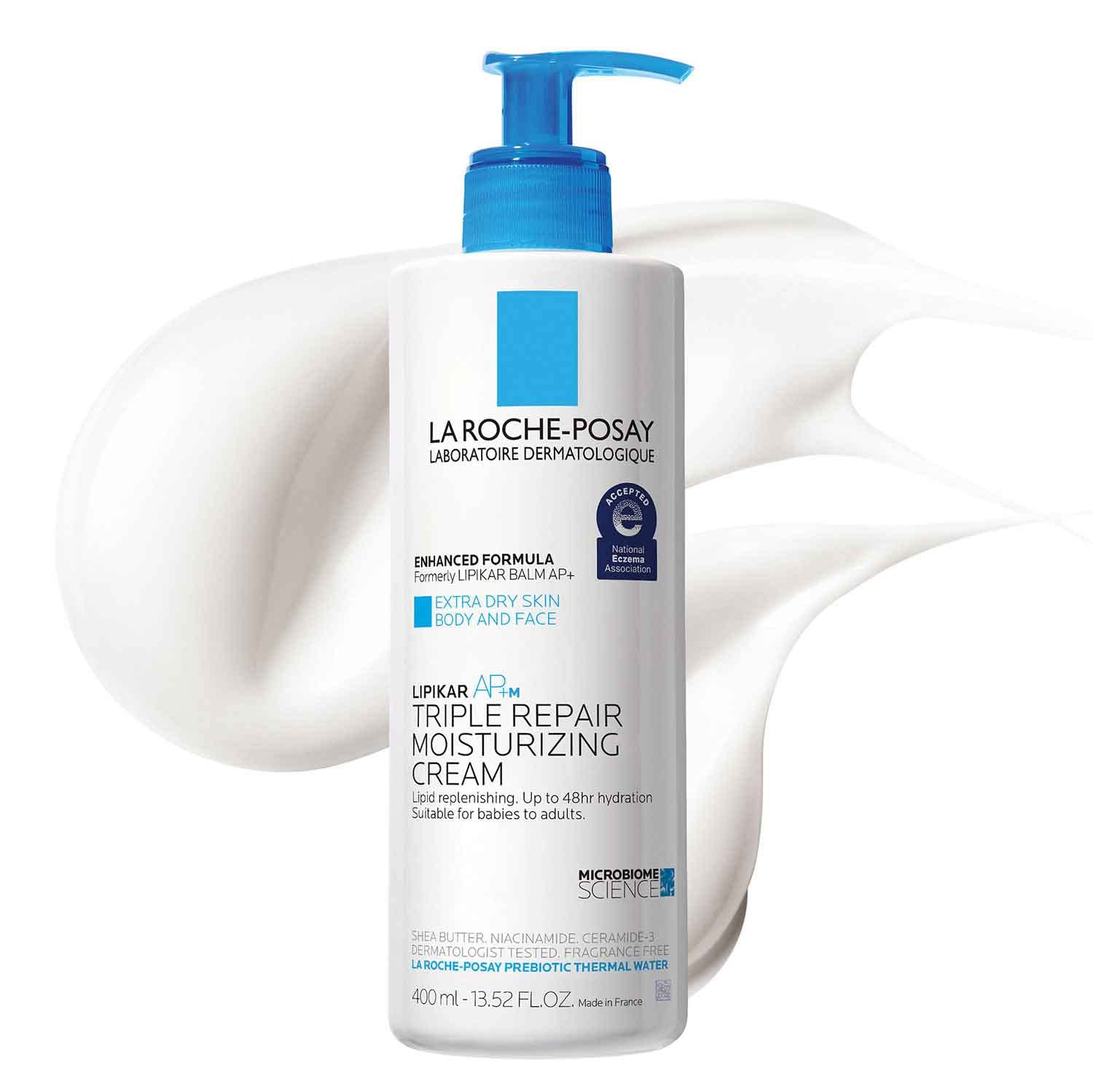
La Roche-Posay Lipikar AP+ Triple Repair Moisturizing Cream
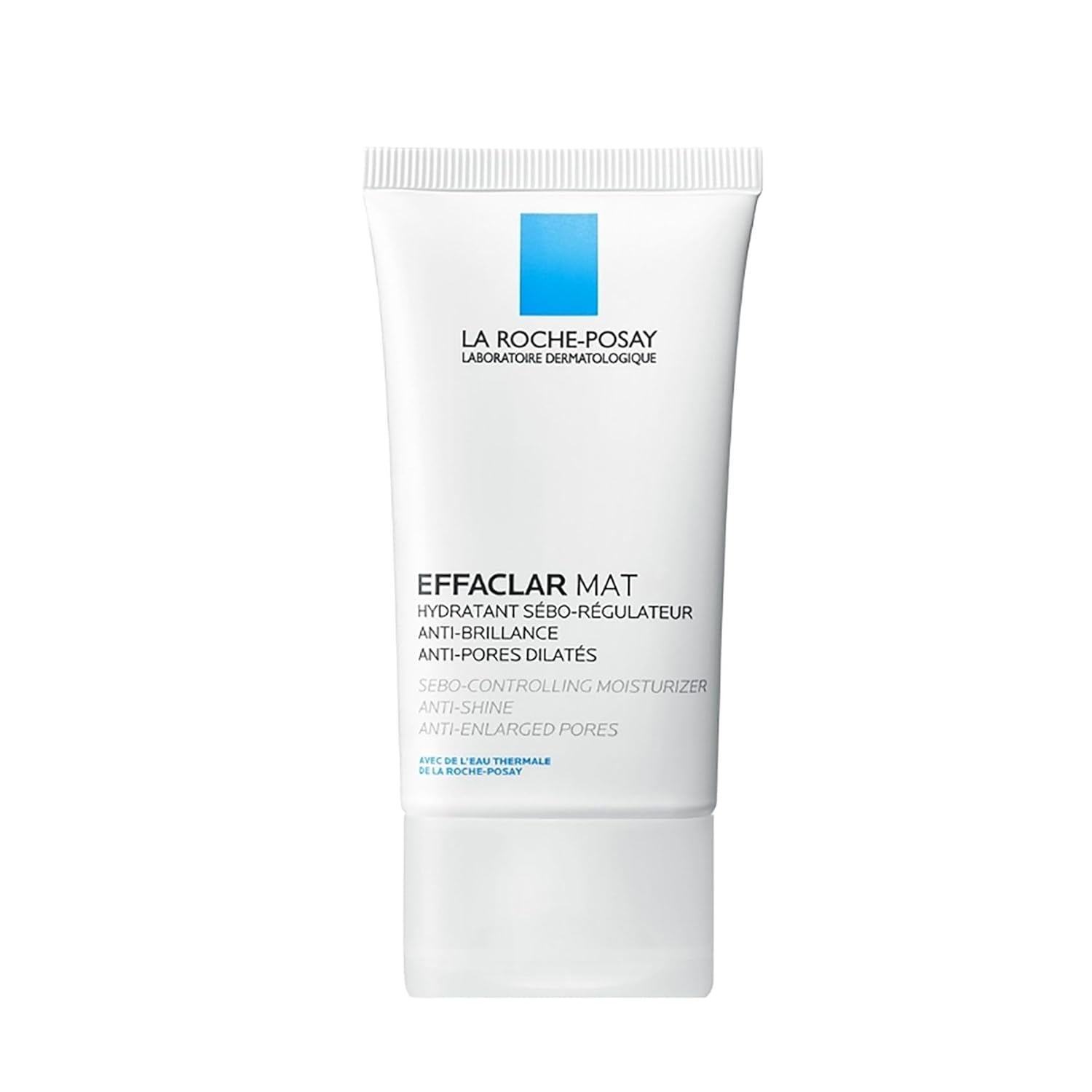
La Roche-Posay Effaclar Mat Oil-Free Mattifying Moisturizer
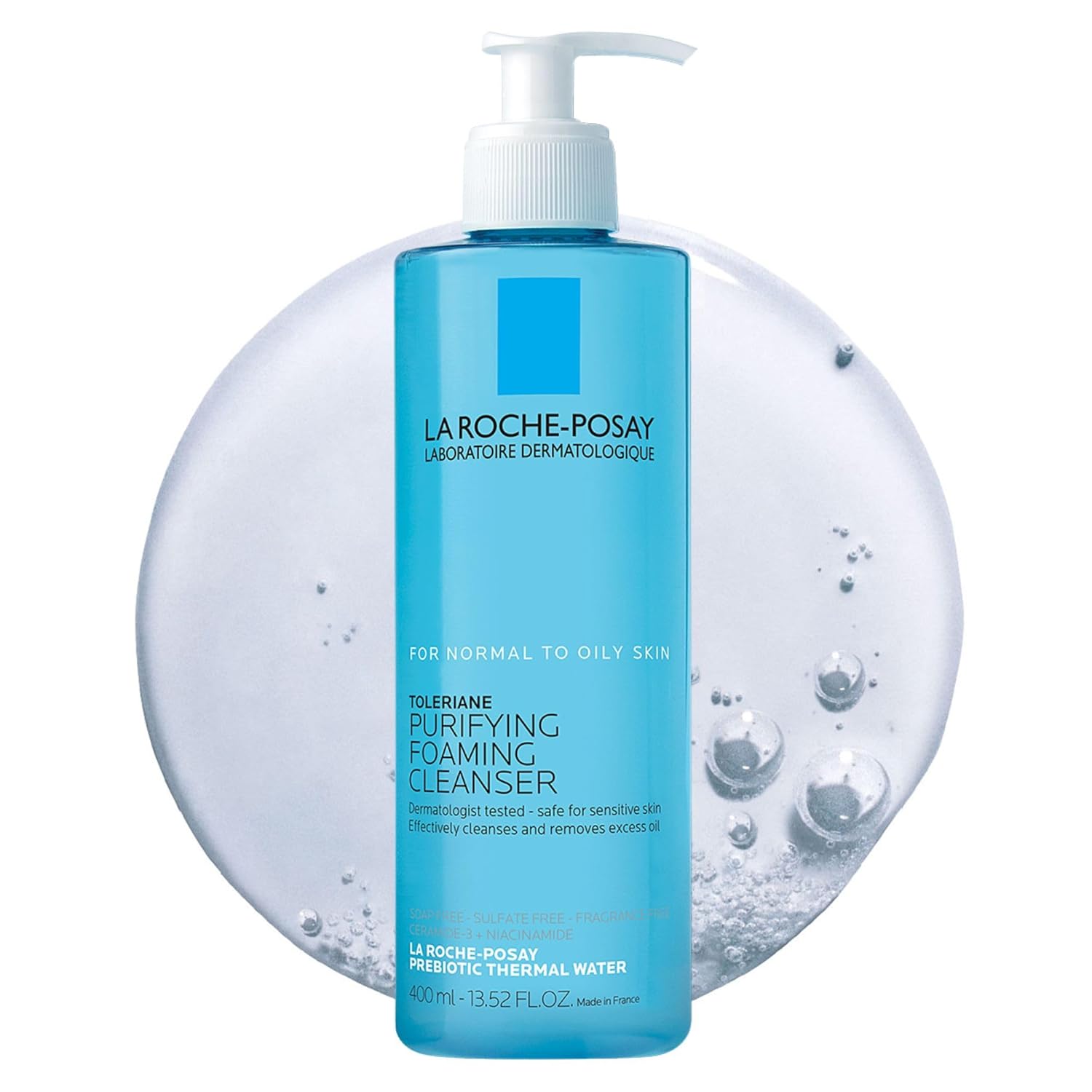
La Roche-Posay Toleriane Purifying Foaming Facial Cleanser
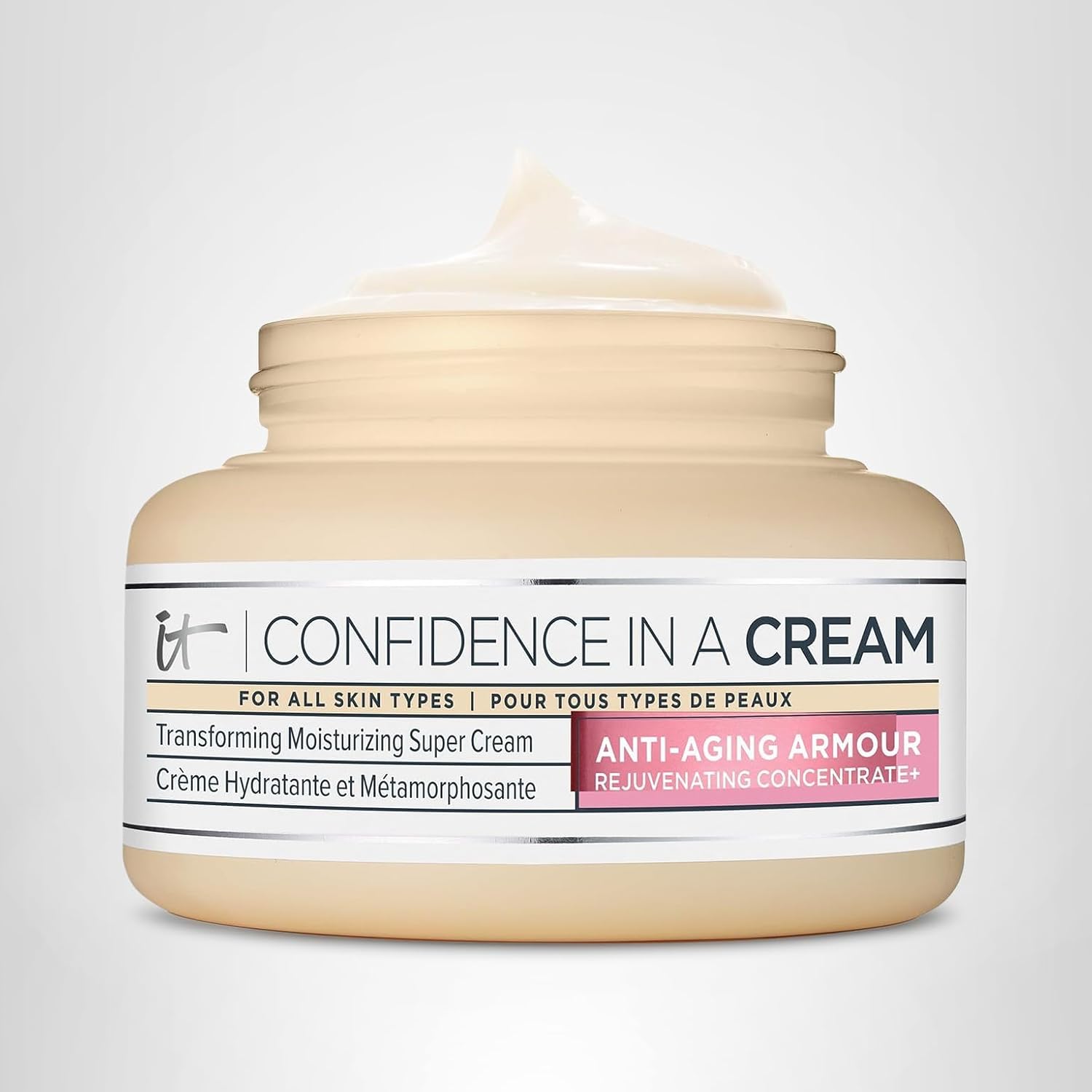
IT Cosmetics Confidence in a Cream Hydrating Anti-Aging Moisturizer
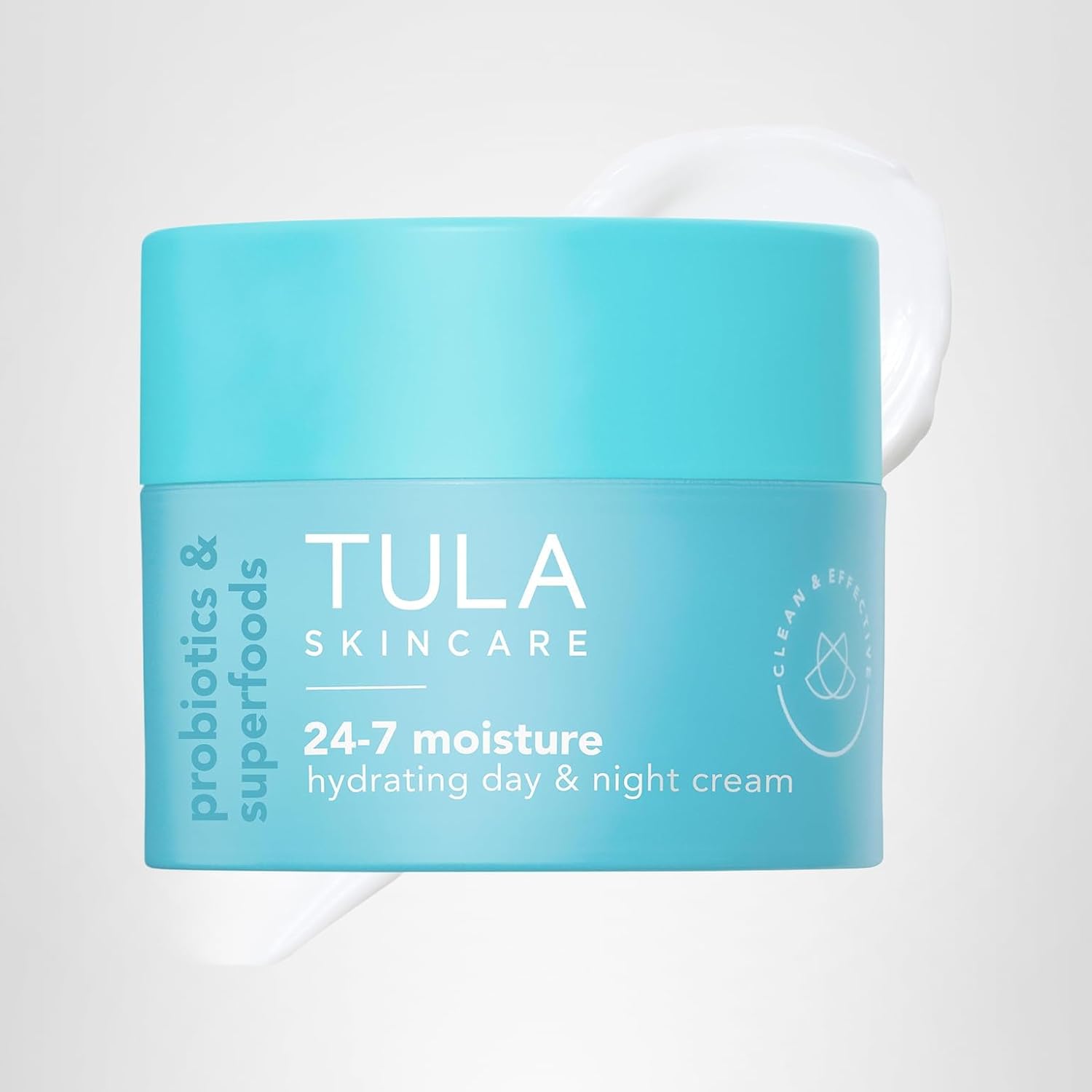
TULA 24-7 Hydrating Day & Night Cream