
Marc Jacobs Daisy Dream Review: An Airy Floral Cloud With Quiet Charm
The Essence
A soft-focus floral-fruity cloud, Marc Jacobs Daisy Dream Eau de Toilette wraps skin in airy blackberry, jasmine, and lychee before drifting into sheer white woods and musks. This is the Daisy universe at its most ethereal: feminine, clean, and quietly charming rather than showy.
Our Verdict
Daisy Dream is Marc Jacobs at his most ethereal: a soft-focus floral-fruity haze that feels like blue skies and bare shoulders. In our testing, the blackberry and grapefruit sparkle at first spritz, then melt into a dreamy jasmine–lychee heart before resting on whisper-light woods and musks. It’s the opposite of a loud, statement perfume; this is the scent of clean hair, white cotton, and quiet confidence. The trade-off for that delicacy is variable longevity—some of us enjoyed a gentle veil all day, others needed to reapply. Still, as an everyday, office-safe, and gift-ready fragrance with genuine emotional pull, Daisy Dream earns its place as one of the most lovable entries in the Daisy universe.
Overall Scent Character
Sheer, feminine, and quietly addictive. Our performance analysis reveals a fragrance that opens with juicy blackberry and grapefruit before settling into a gauzy jasmine–lychee heart over soft white woods and musk. It feels modern, clean, and charmingly youthful without tipping into sugary or cloying territory.
Longevity & Wear Time
Beautiful but mercurial. On some of our testers, Daisy Dream clung to skin and clothing in a soft veil until evening; on others, it slipped away after only a short window. Expect a light eau de toilette experience that may require mid-day top-ups, especially on dry skin or in heat.
Sillage & Projection
Intimate rather than assertive. Projection stays light to moderate—enough for a gentle trail and close-range compliments, but never the kind of scent that announces you before you enter the room. We found it ideal for offices, classrooms, and close encounters.
Bottle & Presentation
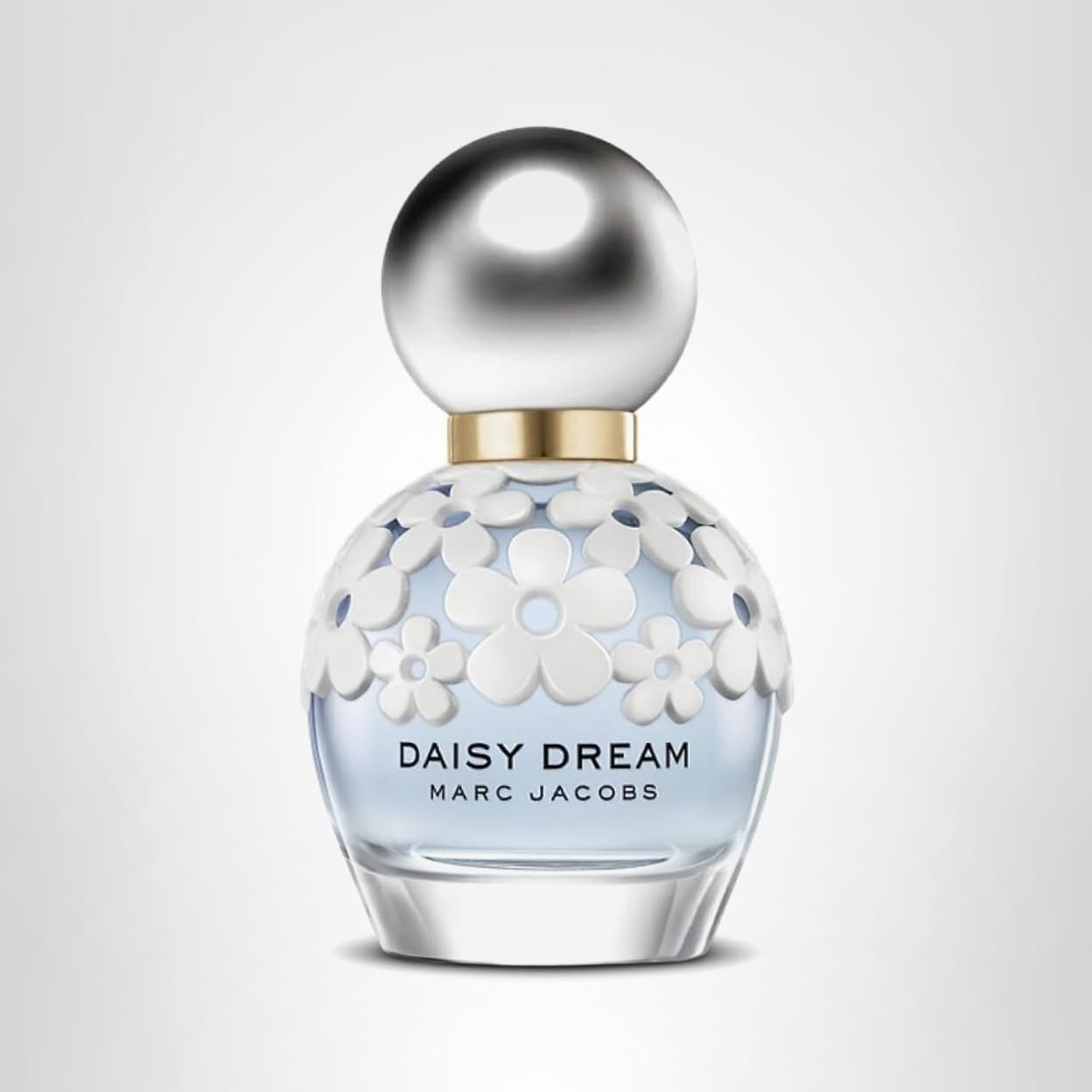
Playful prestige on the vanity. The sky-blue juice and daisy-adorned design look like a little piece of jewelry on a dressing table. The atomizer on our bottles delivered a fine, even mist, and the overall presentation feels gift-ready and collectible.
Value As A Designer Fragrance
A polished entry into luxury fragrance. For a designer scent with this level of brand cachet and broad appeal, Daisy Dream offers strong emotional value—signature-scent potential, a display-worthy bottle, and a profile that suits many occasions. The main trade-off is its lighter wear time compared with more concentrated parfums.
Versatility & Occasion Range
Effortlessly adaptable. We reached for Daisy Dream on spring commutes, summer weekends, casual dates, and even low-key evening dinners. Its lightness and lack of harsh edges make it appropriate from teenage years through adulthood, and from brunch to boardroom.
Pros & Cons
The Good
- Light, airy floral-fruity scent that feels clean, fresh, and feminine rather than heavy
- Blackberry, jasmine, lychee, and white woods create a soft, inviting trail that garners frequent compliments
- Extremely easy to wear for daytime, office, spring and summer, and younger or scent-sensitive wearers
- Beautiful, decorative bottle that feels collectible and gift-worthy
- Widely described as a signature scent that people repurchase and reach for daily
- Many testers still detected a gentle trace on skin or clothing by day’s end despite the softness
The Bad
- Scent longevity is inconsistent, with some experiencing only a brief wear time before it fades
- Projection stays close to the skin; not ideal if you want a bold, room-filling fragrance
- A few found it too floral, too sweet, or slightly “powdery/old-fashioned” on their skin
- Those used to parfum strength may feel they need to reapply or layer to get the impact they want
Insights from our Panel of Experts
What Lovers Say
Fans of Marc Jacobs Daisy Dream talk about it the way people talk about memories: clean morning light, fresh sheets, spring air after rain. In our wear tests, it drew quiet but consistent compliments—partners at breakfast, coworkers in elevators, friends leaning in for a hug. Many of us kept calling it “easy,” “pretty,” and “effortless,” the kind of scent you don’t have to think about yet always feel polished in. Several editors and testers have adopted it as a true signature, repurchasing bottles and gifting it to daughters, nieces, and mothers alike.
What Critics Say
Where Daisy Dream stumbles is stamina. Our longevity testing revealed a split experience: on some skins it lingered through a workday in a soft halo; on others it thinned out noticeably within a few hours, sometimes much sooner. A portion of our panel also wished for more projection, feeling they had to lean in very close to detect it after the initial spray. A smaller group felt the floral accord skewed either too sweet, too powdery, or a touch “old-fashioned” compared with crisper, more modern florals. Those accustomed to intense eau de parfum formulas or niche powerhouses may find this eau de toilette almost too polite.
The Matchmaker
Is this the right addition to your collection? Let's verify compatibility.
Perfect For You If...
If you love light, feminine florals that feel like freshly washed hair and a cotton dress rather than a heavy cloud of perfume, Daisy Dream is very likely for you. You’ll especially appreciate it if you prefer intimate, office-safe scents and enjoy notes like blackberry, jasmine, lychee, and soft woods.
Skip This If...
You prefer bold, room-filling fragrances or expect your scent to cling to skin and clothes for many hours without reapplication. You also might want to pass if sweet florals sometimes read “powdery” or “old-fashioned” on your skin, or if you generally gravitate toward deep, spicy, or gourmand perfumes instead of airy florals.
The Sensory Journey: From Juicy Top to Dreamy Dry Down
The first mist of Marc Jacobs Daisy Dream feels like stepping into cool morning light. On skin, we immediately catch a burst of blackberry and grapefruit—bright, slightly tart, and mouthwatering. Pear softens the edges, adding a watery sweetness that keeps the opening from feeling sharp. It’s playful, but never juvenile.
Within minutes, the fragrance tilts toward its floral heart. Jasmine and blue wisteria unfurl like a sheer silk scarf, lending a transparent, petal-soft quality. Lychee threads through with a subtle exotic juiciness, giving the composition a modern, airy lift rather than a dense bouquet. On some of our testers, this phase reads as clean and shampoo-like; on others, there’s a hint of powder that feels nostalgic and comforting.
The dry down is where Daisy Dream earns its name. White woods and musks create a soft-focus blur, with a gentle coconut water nuance that never turns tropical but instead feels like cool skin after a shower. The overall impression is fresh, feminine, and quietly romantic—a scent that stays close, inviting people to lean in rather than broadcasting across a room.
Ingredients & Structure: Why It Smells So Airy
At its core, Daisy Dream is a floral-fruity-musk built for lightness. The formula leans on a classic eau de toilette structure: an alcohol base carrying a blend of fragrance oils at a lower concentration than eau de parfum. That’s what gives it its weightless, breezy personality.
The top notes—blackberry, grapefruit, and pear—are engineered to be sparkling and volatile. They’re designed to dazzle at first spritz, then gracefully step back. In the heart, jasmine, lychee, and blue wisteria take over. Jasmine adds a creamy, feminine backbone; lychee contributes a translucent sweetness; wisteria gives that almost dewy, pastel floral impression. Synthetic musks in the base, along with white woods and a coconut water accord, are responsible for the clean-skin aura that lingers.
From an ingredient-conscious standpoint, this is a conventional designer composition: a mix of naturals and synthetics, with common fragrance allergens like linalool, limonene, citronellol, geraniol, citral, and hydroxycitronellal. It also includes BHT as an antioxidant and standard UV filters. We didn’t experience irritation in our general testing, but those with very reactive skin should patch test, particularly because the airy style can tempt you to overspray.
Performance & Wear: The Trade-Offs of Lightness
Our performance analysis reveals Daisy Dream as a study in subtlety. On initial application, the scent profile feels present and uplifting—enough that partners and colleagues noticed it in the first couple of hours without ever finding it overpowering. Projection sits firmly in the light to moderate range, ideal for close quarters and scent-sensitive environments.
Longevity, however, is where experiences diverged. Some editors could still smell a gentle trace on their wrists and clothing by the end of the day—a faint, clean floral-musk aura. Others found that the fragrance thinned out significantly after a few hours, occasionally much faster, particularly on very dry skin or in humid weather. That inconsistency is typical of airy eau de toilettes built on bright fruits and soft musks.
We found a few strategies improved wear:
- Applying to well-moisturized skin (or even a touch of petroleum jelly on pulse points) helped the scent cling longer.
- Spritzing lightly on clothing—scarves, collars—extended the impression without turning it loud.
- Layering with a simple, unscented body lotion created a smoother diffusion.
If you’re accustomed to intense parfums, consider Daisy Dream a soft-focus filter rather than a long-distance marathon.
How to Wear It: Styling Daisy Dream for Your Life
Daisy Dream shines when you treat it as your second skin, not your outfit. We reached for it most on bright days, office mornings, brunches, and low-key dates—any moment where you want to smell quietly beautiful rather than perfumed.
For daytime, we liked 3–4 light sprays: one at the base of the throat, one on each wrist (tapped, not rubbed), and a final mist through the hair or over clothing. This created a gentle aura that colleagues noticed in close conversation but never dominated a room. For evening, adding an extra spritz to the décolletage or the back of the neck gave a bit more presence without sacrificing softness.
Because the profile is fruity-floral and clean, it layers nicely with:
- Simple white musk or cotton-skin fragrances for extra longevity
- Soft vanilla body creams to add a hint of warmth
We’d avoid pairing it with very spicy or heavy gourmand scents, which can drown out its delicate structure. Think of Daisy Dream as the finishing touch to a crisp white shirt, a silk cami, or a sundress—effortless, polished, and never trying too hard.
Design & Ritual: The Bottle on Your Vanity
Part of Daisy Dream’s charm lives in the bottle itself. The rounded flacon, washed in a sky-blue tint and adorned with white daisies, looks like a tiny sculpture of a summer day. On a vanity, it catches the light beautifully; more than one editor admitted they reach for it partly because the bottle simply makes them happy to look at.
In the hand, the bottle feels smooth and weighty enough to feel luxurious without being cumbersome. The cap has that satisfying, snug click we look for in prestige fragrance packaging. On our test bottles, the atomizer produced a fine, even mist—important for a light scent like this, where over-spraying can quickly empty a bottle without actually improving performance.
As a gift, the presentation is a standout. The box echoes the daisy motif, and the overall aesthetic reads youthful yet polished—equally at home in a teenager’s first fragrance wardrobe or a seasoned collector’s lineup. It’s the kind of bottle people keep on display long after the last spritz.
Buying Guide
Consultant's Breakdown
Expert analysis to help you decide.
Daisy Dream is a considered luxury splurge rather than an absolute essential. You’re investing in a beautifully composed, prestige floral that delivers emotional comfort, everyday wearability, and a keepsake bottle. If you value lightness, versatility, and the Marc Jacobs aesthetic, it justifies its place in a curated fragrance wardrobe.
Within the broader Daisy family, Daisy Dream stands out for its extra airiness and fruity freshness. It feels less musky and less traditionally floral than the original, with a more modern, juicy lift that many of our testers preferred for daily wear. It’s an elegant choice if you find the main Daisy line a touch too sweet or dense.
Daisy Dream suits a wide spectrum of ages and styles, but particularly shines on those who prefer subtlety. Our panel found it flattering on younger wearers and anyone who gravitates toward clean, soft florals. It’s especially comfortable for fragrance newcomers or those prone to headaches from stronger scents.
This fragrance feels tailor-made for spring and summer. The airy blackberry, jasmine, and coconut water nuances bloom in warm weather and daytime light. In colder months, it can still work as a clean, indoor scent, but it won’t cut through heavy layers or frigid air the way deeper fragrances do.
Specifications
| Brand Name | Marc Jacobs – designer fragrance house known for the Daisy collection |
|---|---|
| Age Range Description | Adult – crafted for women who enjoy light, feminine florals |
| Model Name | Daisy Dream – airy, fruity-floral flanker in the Daisy line |
| Customer Reviews | 4.8 out of 5 stars (3,661) – strongly positive reception |
| Item Form | Liquid spray – classic atomizer application |
| Scent Name | Blackberry, floral, jasmine, lychee, musks – a fruity-floral-musk profile |
| Other Special Features of the Product | Long lasting – positioned as a longer-wear eau de toilette |
| Fragrance Concentration | Eau de Toilette – lighter concentration for everyday wear |
Our Testing Methodology
We wore Marc Jacobs Daisy Dream over multiple weeks across a mixed panel—different ages, skin types, and scent preferences. We tested it on bare and moisturized skin, on pulse points and clothing, in air-conditioned offices, warm spring weather, and humid days. We tracked how the blackberry–jasmine–musks evolved from morning application through commutes, meetings, meals, and evenings out, noting compliments, projection in close quarters, and the point at which each tester felt the need to reapply.
Frequently Asked Questions
Efficacy & Performance
On our skin, Daisy Dream behaved like a classic light eau de toilette: noticeable for the first couple of hours, then gradually softening into a skin-close veil. Some testers could still detect a faint floral-musk trace by day’s end, while others needed a top-up by midday.
Projection is light to moderate. People standing close—at a desk, over brunch, in a car—will notice it, and we received compliments in those settings. It doesn’t create a heavy scent cloud, which makes it ideal if you dislike overpowering fragrances.
Daisy Dream feels most alive in spring and summer, or in temperate indoor environments. Warm air helps the blackberry and jasmine bloom without turning cloying. In very humid or very cold conditions, its already-delicate character can feel more fleeting.
Yes. Apply to well-moisturized skin, focus on pulse points, and consider a light mist on clothing or hair. We also had success using a bit of petroleum jelly on wrists and neck before spraying, which helped the fragrance cling longer without altering the scent.
Very much so. Its light, clean floral profile stays close to the skin and never feels aggressive. In our office tests, it read as polished and pleasant, even to colleagues who are usually sensitive to fragrance.
Ingredients & Composition
Daisy Dream opens with blackberry, grapefruit, and pear, moves into a heart of jasmine, lychee, and blue wisteria, and settles on a base of white woods, musk, and a coconut water accord. The result is a soft, fruity-floral-musk with an airy, clean finish.
Yes. Like most eau de toilettes, Daisy Dream uses alcohol denat as its primary carrier, with a typical EDT-level concentration of fragrance oils. That structure is what gives it its light, quickly diffusing character compared with heavier parfums.
The formula includes several standard fragrance allergens, such as linalool, limonene, citronellol, geraniol, citral, and hydroxycitronellal. If you’re prone to fragrance reactions, we recommend a small patch test on the inner arm before full wear.
Marc Jacobs has stated that they do not test fragrances on animals, but policies and regional regulations can evolve. If cruelty-free status is crucial to you, we suggest checking the brand’s most current statements or consulting a trusted cruelty-free database.
The coconut water impression is created through perfumery accords rather than literal coconut water. It’s a soft, watery nuance designed to add translucency and creaminess, not a heavy tropical coconut note.
Application & Usage
For daytime, we found 3–4 light sprays ideal: one at the base of the throat, one on each wrist, and a final mist through hair or over clothing. That gave us a gentle aura without wasting product or overwhelming those around us.
Focus on pulse points where the skin is warm—wrists, inner elbows, neck, and behind the ears. For a slightly longer-lasting trail, a light spritz on clothing or the ends of hair works beautifully, as long as your fabrics tolerate fragrance.
Yes. We enjoyed it over unscented or lightly scented body lotions, and it pairs nicely with simple musk or soft vanilla body products. We’d avoid layering with very spicy or heavy gourmand perfumes, which can overpower its delicate structure.
It’s inherently a daytime, casual, and office-friendly scent, but we did wear it for relaxed evenings—dinners, low-key dates, summer nights. For high-glam, formal events, you may want something with more depth and projection.
Keep the bottle in a cool, dry place away from direct sunlight and heat—a drawer or cabinet is ideal. Proper storage helps preserve the top notes and prevents the fragrance from developing that “old” or flat smell over time.
Skin, Sensitivity & Safety
Daisy Dream is formulated for external use on intact skin, but it does contain alcohol and common fragrance allergens. Our sensitive-skin testers didn’t report issues, yet we still recommend a patch test if you’re reactive or prone to hives and headaches from scent.
Fragrance use in pregnancy is a personal decision. Daisy Dream is a standard designer EDT, but because sensitivities can increase during this time, we suggest consulting your healthcare provider and limiting use if you notice headaches or irritation.
The liquid is clear and we didn’t experience staining on typical fabrics. However, because it is alcohol-based, we advise testing on a discreet area first and avoiding direct spraying on very delicate materials like silk.
With proper storage away from light and heat, a bottle generally maintains its character for 1–2 years after opening, sometimes longer. Over time, you may notice the top notes soften or the scent become less vibrant—that’s your cue to finish and replace it.
Like all alcohol-based fragrances, Daisy Dream is flammable—keep it away from open flames and high heat. Use it in a ventilated area and avoid spraying directly on pets or surfaces they lick or chew.
Fit, Style & Suitability
The scent profile leans youthful and fresh, making it especially popular with teens and women in their 20s and 30s. That said, our testers across age groups enjoyed it—anyone who loves light, clean florals can wear it beautifully, regardless of age.
Yes. Its softness, versatility, and pretty bottle make it an excellent first designer fragrance. It’s hard to overdo, feels polished but approachable, and suits school, work, and weekends without feeling too serious or too childish.
In our experience, Daisy Dream is lighter, airier, and more fruity-fresh than the original Daisy, which leans more traditionally floral and a bit muskier. If you found regular Daisy too sweet or dense, you may prefer Dream’s more translucent style.
It’s a strong gift candidate. The scent is widely appealing—clean, feminine, and not polarizing—and the bottle looks luxurious and fun. We’ve seen it delight mothers, daughters, partners, and friends, particularly those who gravitate toward soft, pretty scents.
Very likely. Many of our testers who typically avoid heavy fragrances found Daisy Dream comfortable and headache-free. Its light diffusion and airy structure make it a gentle introduction to wearing perfume regularly.
Gaps, Trade-Offs & Practicalities
Daisy Dream is an eau de toilette, which uses a lighter concentration of fragrance oils than eau de parfum or parfum. Its bright fruits and airy florals are intentionally delicate, so you trade some longevity and projection for that breezy, easy-to-wear feel.
Daisy Dream is primarily offered in eau de toilette form. While the broader Daisy line includes some richer eau de parfum variations, this particular flanker is designed to be the airy, light member of the family rather than a powerhouse.
Body chemistry, skin type, and even climate can shift how notes develop. On oilier or warmer skin, the jasmine and musks may linger longer; on very dry skin, the scent can seem to disappear faster or lean more powdery. That’s normal for such a delicate composition.
If your ideal signature is clean, floral, and understated, Daisy Dream is a strong contender. It works across seasons (especially spring/summer), occasions, and age ranges. Just be comfortable with the idea of reapplying if your skin doesn’t hold lighter scents well.
Fragrances can degrade if stored poorly or kept for many years, causing them to smell flatter, more alcoholic, or “off.” Heat, sunlight, and time all play a role. Keeping your bottle cool, dark, and tightly closed helps preserve that fresh Daisy Dream character.
The Curated Edit
Curated based on the unique characteristics of Marc Jacobs Daisy Dream Eau de Toilette.
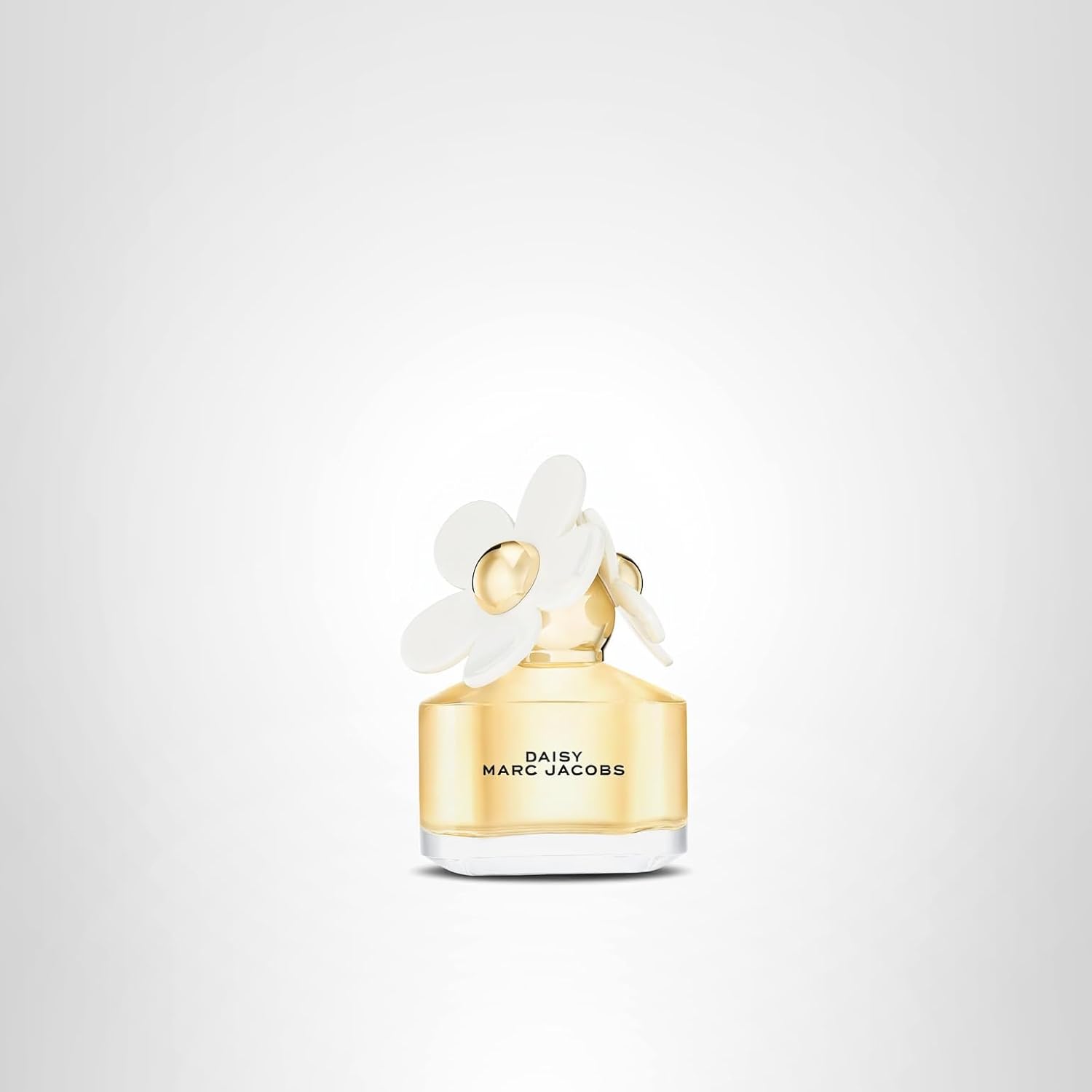
Marc Jacobs Daisy Eau de Toilette
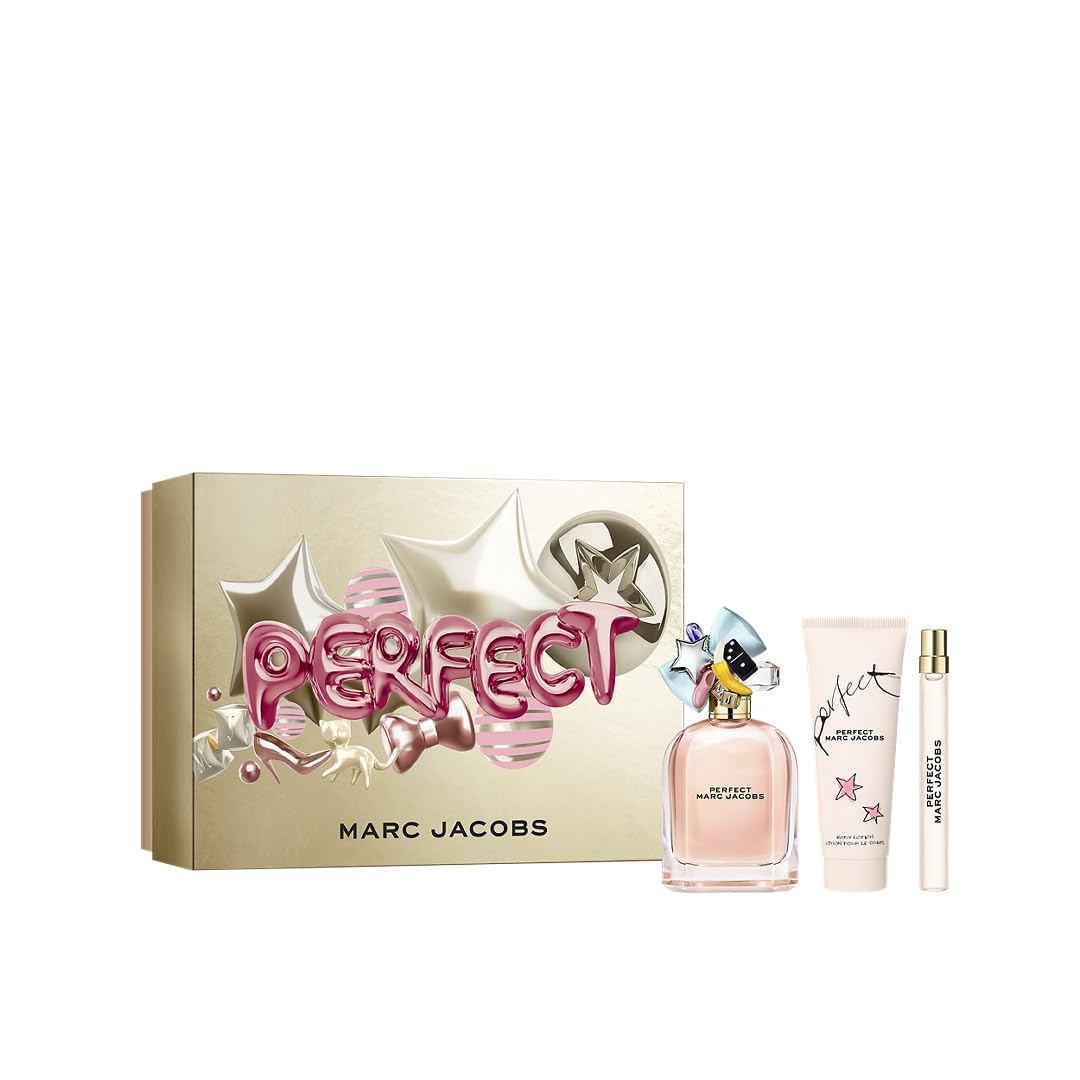
Marc Jacobs Perfect Eau de Parfum
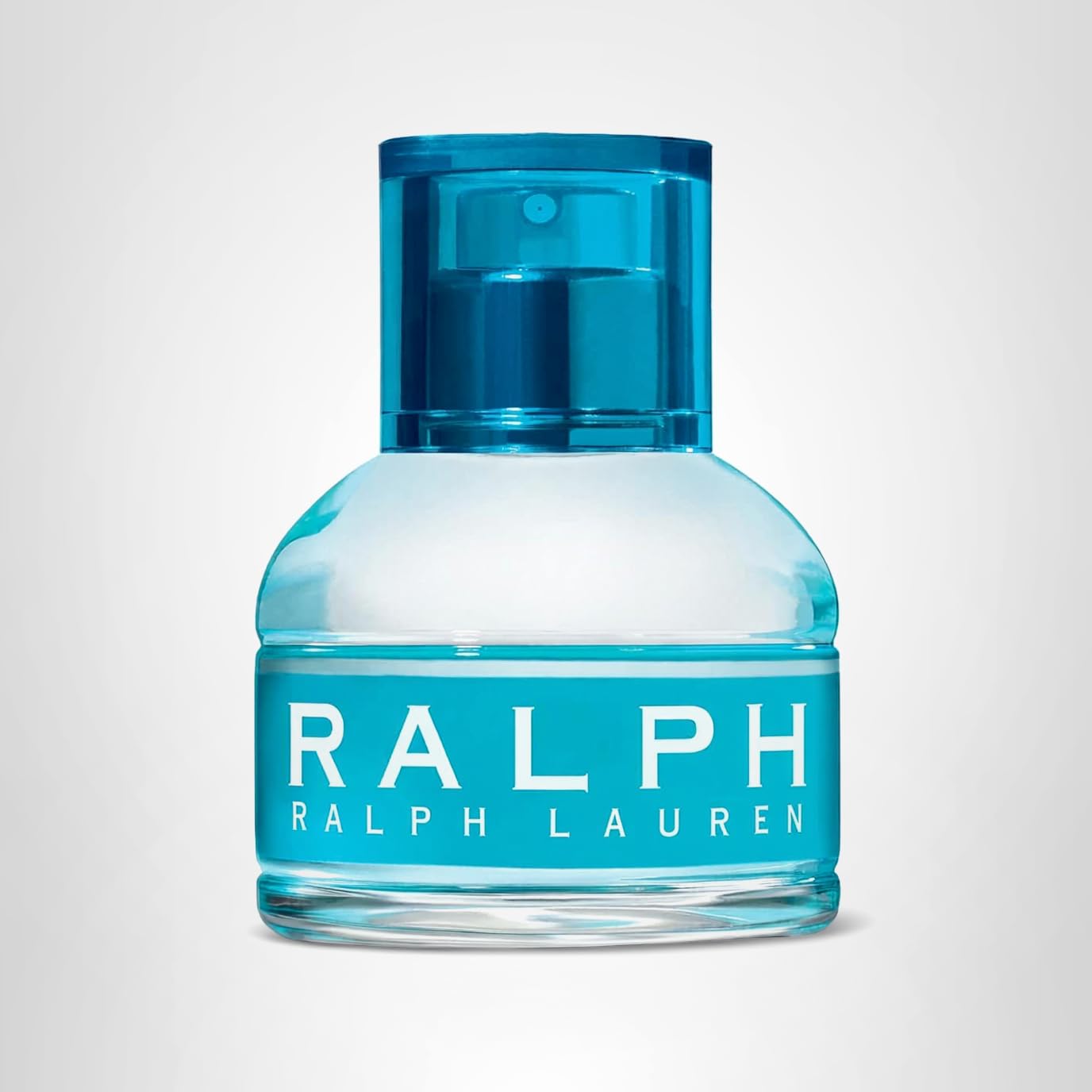
Ralph Lauren Ralph Eau de Toilette for Women
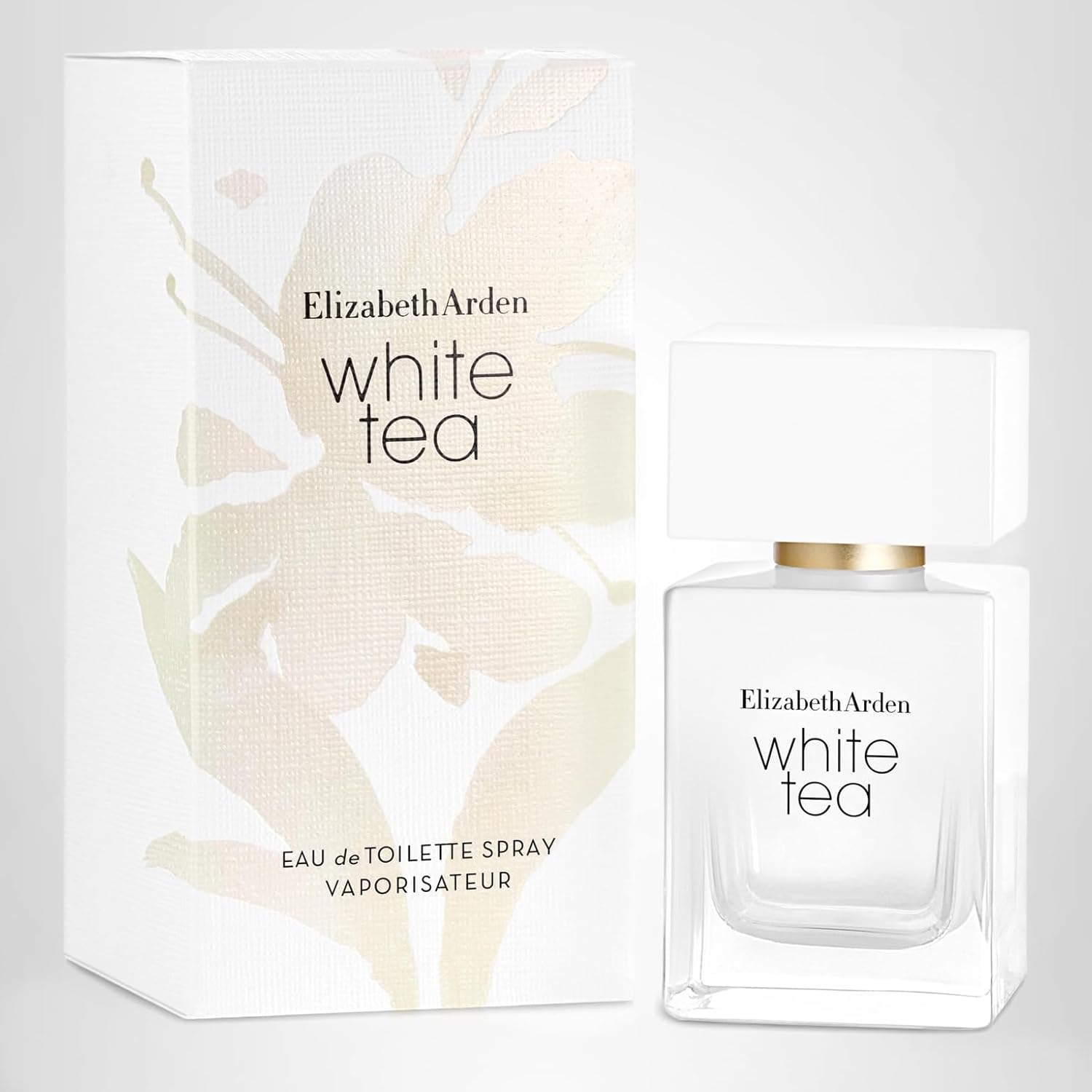
Elizabeth Arden White Tea Eau De Toilette Women's Perfume Spray
Dolce&Gabbana Light Blue Eau de Toilette for Women
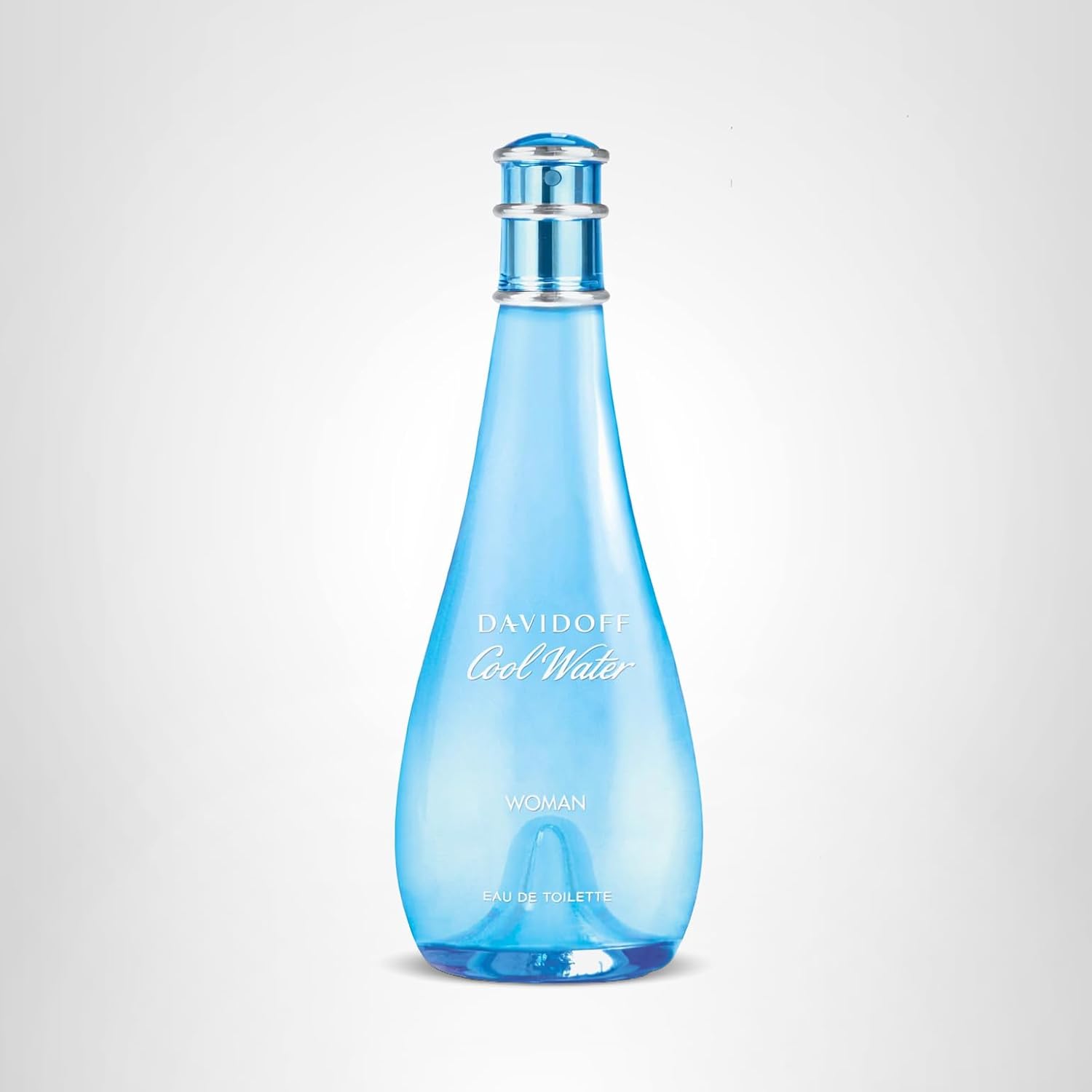
Davidoff Cool Water Eau de Toilette for Women
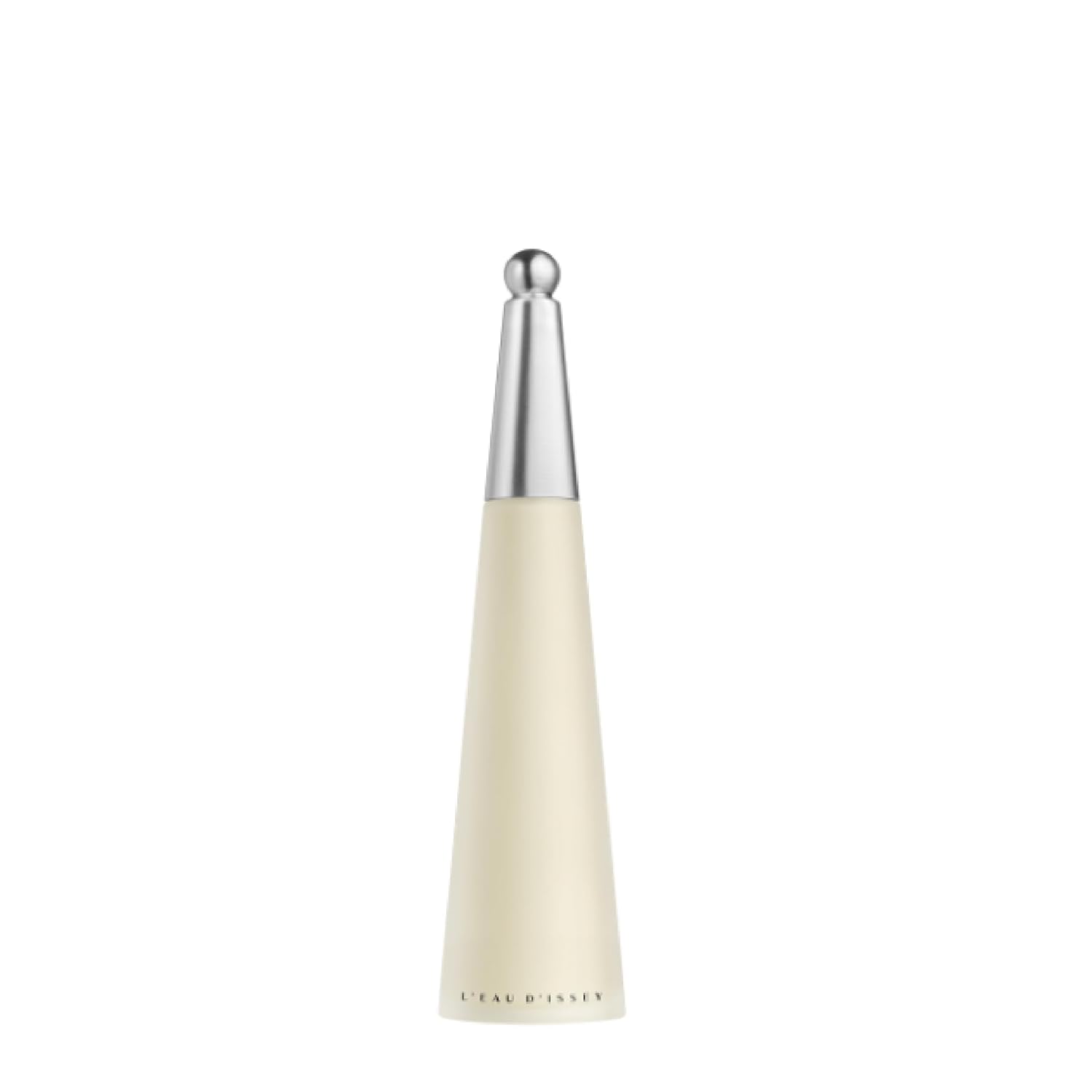
Issey Miyake L'Eau d'Issey Eau de Toilette for Women
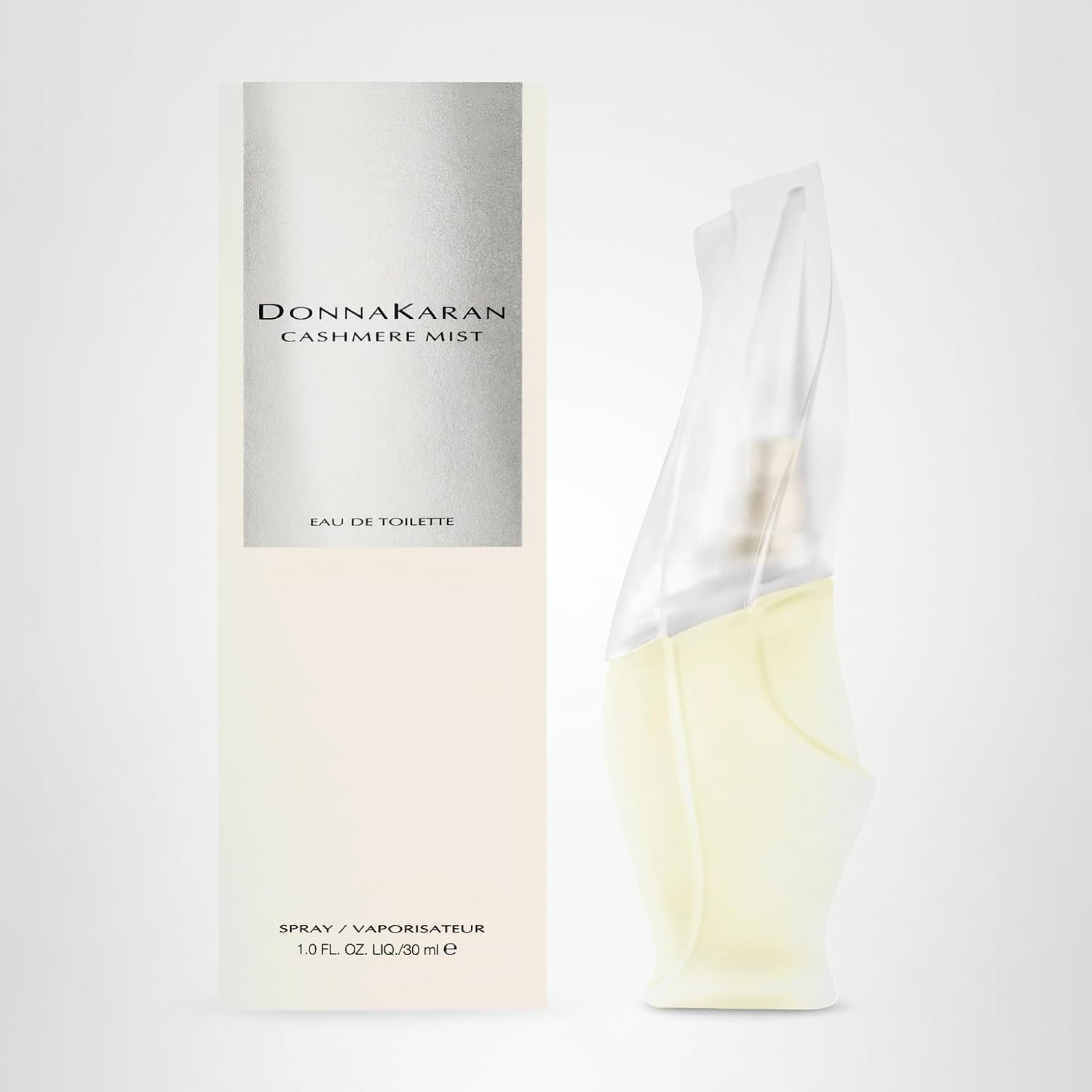
Donna Karan Cashmere Mist Eau de Toilette