
Marc Jacobs Daisy Eau de Toilette Review: A Modern Floral Classic, With One Caveat
The Essence
A luminous floral eau de toilette, Marc Jacobs Daisy is a carefree bouquet of wild berries, white violet, and jasmine, grounded by creamy sandalwood. It’s the scent of sun-warmed skin, bare shoulders, and a quietly confident kind of youthfulness that feels polished rather than precious.
Our Verdict
Marc Jacobs Daisy Eau de Toilette is the olfactory equivalent of a white sundress: simple, flattering, and endlessly wearable—if you accept its lightness as part of the charm. In our testing, its blend of wild berries, white violet, jasmine, and sandalwood created a polished, optimistic floral that drew consistent compliments without ever overwhelming a room. We kept reaching for it on warm days, travel days, and “don’t overthink it” mornings when we wanted to smell quietly expensive and put-together.
The trade-off is performance: Daisy is deliberately soft-focus, and on some skins it fades faster than a traditional designer powerhouse. If you’re willing to embrace reapplication—or reserve it for moments when a gentle aura is enough—it’s a beautiful, prestige staple. For lovers of clean, youthful florals, it still earns its place as a modern classic in the luxury fragrance wardrobe.
Olfactive Beauty
Daisy’s composition is where it absolutely earns its cult status. Our performance analysis reveals a luminous floral structure: juicy wild berries and airy white violet up top, a soft jasmine heart, and a smooth sandalwood base. It smells clean, modern, and unmistakably feminine without tipping into syrupy sweetness.
Wearability & Versatility
This is an easy, throw-on-and-go fragrance. We reached for it on office days, brunches, travel days, even low-key dates, and it never felt “too much.” Its lightness makes it ideal for close quarters and warm weather, and it layers beautifully with simple body lotions or soft vanillas.
Scent Longevity
Here lies Daisy’s main trade-off of luxury. On some of our testers, it lingered gently through most of the workday; on others, it slipped into a skin scent within a few hours and all but vanished without reapplication. Expect moderate staying power at best and plan to top up if you want an all-day aura.
Projection & Presence
Daisy is intentionally intimate. The projection sits in a light-to-moderate zone: people near you will notice and compliment it, but it won’t trail dramatically behind you. That softness is a virtue in professional or family settings, but not ideal if you crave bold, statement-making sillage.
Design & Gifting Appeal
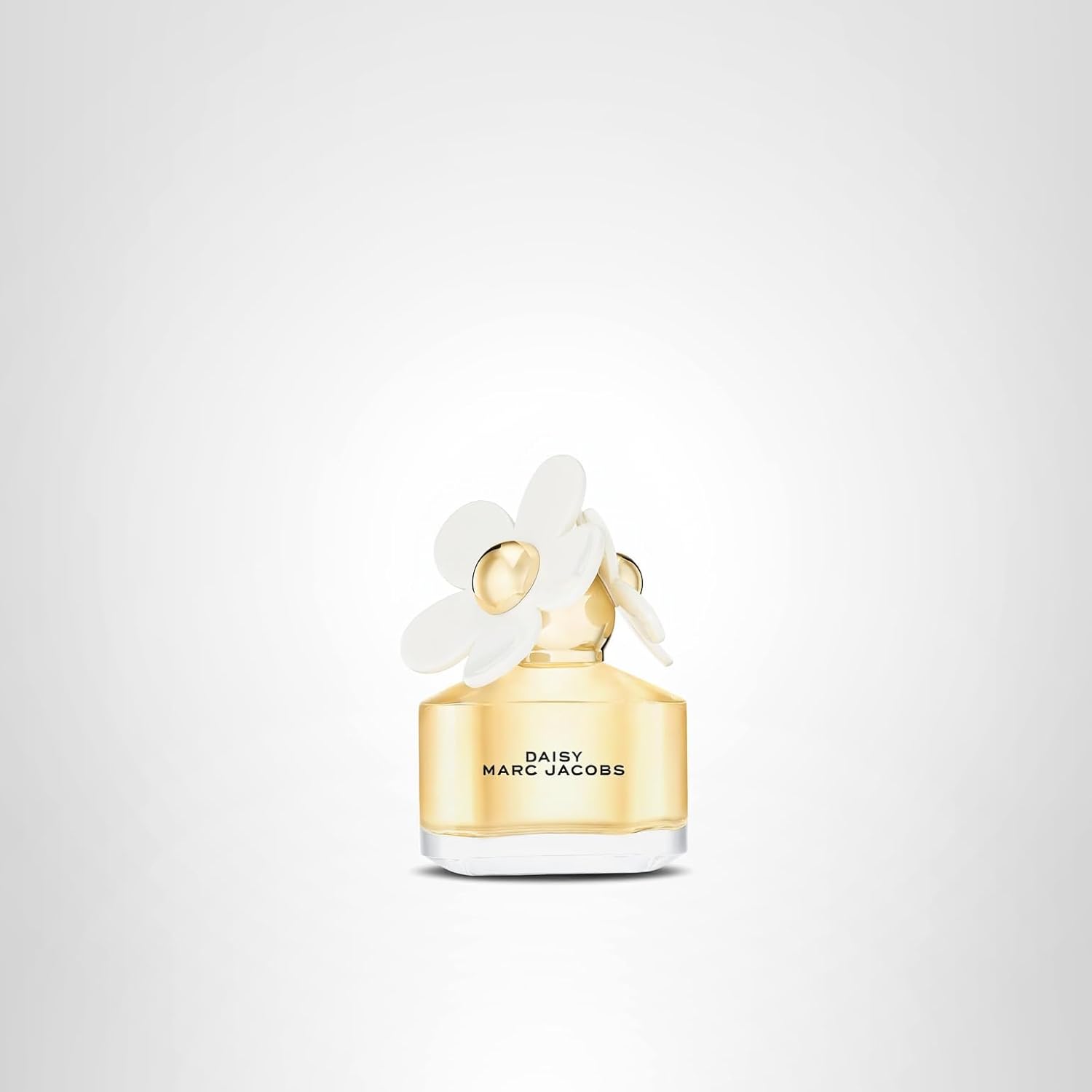
The daisy-capped bottle is pure vanity joy. It feels whimsical yet polished, instantly recognizable, and consistently delighted our gifting panel. On a dressing table, it reads as a little sculpture of glossy petals and glass—one of those flacons that makes the everyday ritual feel a bit more lavish.
Value As A Designer Fragrance
As a mainstream luxury scent, Daisy offers strong emotional value if you love the accord. You’re paying for a beloved signature from a heritage fashion house, a beautiful bottle, and a highly wearable profile. The only caveat: if longevity is your top priority, the cost-per-wear can feel less compelling.
Pros & Cons
The Good
- Radiant floral composition with wild berries, white violet, jasmine, and sandalwood that smells polished yet playful
- Light, approachable sillage that draws compliments without overwhelming a room
- Versatile everyday signature for spring and summer, from office to brunch to casual dates
- Iconic daisy-topped bottle that feels gift-worthy and looks beautiful on a vanity
- Feels high-quality and refined compared with many mainstream florals
- Often described as clean, fresh, and youthful without veering into sugary or childish
The Bad
- Longevity is inconsistent; on some skin it fades within a few hours and can feel surprisingly fleeting
- Projection is deliberately soft, which can disappoint if you prefer bold, room-filling scents
- Eau de toilette concentration means reapplication is often needed for all-day wear
- A small but vocal group experiences an alcohol-forward or “off” scent, especially with poorly stored bottles
Insights from our Panel of Experts
What Lovers Say
In our testing, Daisy’s emotional pull was undeniable. The opening feels like stepping into a sunlit garden: airy, floral, and quietly joyful. We were stopped for compliments repeatedly, especially in daytime settings, and more than one tester adopted it as a daily “reach-for” scent. The bottle itself charmed everyone—those glossy daisies on the cap read instantly recognizable and luxuriously playful. For many on our panel, it became that easy, polished fragrance you can spray without overthinking and still feel impeccably put together.
What Critics Say
Our main friction point was performance. Several wearers found Daisy’s trail delicate to the point of disappearing, especially after a busy morning or in humid weather. On drier skin, the fragrance sometimes slipped away faster than expected, feeling more like a refined body mist than a classic designer eau de toilette. A minority also noticed a sharper alcohol edge or a slightly different character compared with bottles bought at prestige counters—something we strongly suspect is tied to storage conditions and age of stock rather than the composition itself.
The Matchmaker
Is this the right addition to your collection? Let's verify compatibility.
Perfect For You If...
If you love fresh, feminine florals that feel effortless rather than dramatic, Daisy is very likely your lane. You’ll appreciate it if you want a signature scent that’s pretty, optimistic, office-safe, and garners quiet compliments rather than announces your arrival from across the room.
Skip This If...
You prefer intense, long-wearing fragrances that cling to skin and clothing into the night, or you gravitate toward deep gourmands, spices, or heavy woods. You may also want to pass if you’ve been disappointed by light eau de toilettes before and don’t enjoy the ritual of reapplying throughout the day.
The Sensory Journey: From First Mist To Skin-Hugging Whisper
The first spray of Marc Jacobs Daisy Eau de Toilette is a little burst of light. On skin, we immediately caught the sparkle of wild berries—not sticky or jammy, but more like crushed fruit in chilled water. White violet threads through that opening, giving a slightly powdery, petal-soft veil that keeps the berries from feeling juvenile.
As it settles, the heart turns distinctly floral. The jasmine infusion here is gentle and transparent rather than heady; it feels like standing near blooming jasmine, not buried in it. On our testers, this phase is where the fragrance feels most “designer”: polished, feminine, and quietly confident. It’s the point in the day when coworkers leaned in for a hug and asked, “What are you wearing?”
The dry down is a smooth slide into sandalwood. Don’t expect a dark, smoky wood—this is creamy, soft-focus sandalwood that adds warmth and a touch of skin-like sensuality. On clothing, we noticed a lingering trace of this woody-floral accord that felt clean, cozy, and slightly musky without ever becoming sharp. The overall evolution is linear in spirit: Daisy stays true to its floral identity from start to finish, just gradually softening from sparkling to tender.
Performance & Projection: The Trade-Off Of A Light Floral
Our wear tests confirmed what Daisy’s reputation suggests: this is a light, close-to-the-skin eau de toilette. On moisturized skin and pulse points, some of us enjoyed a gentle presence that carried through a typical workday, especially in temperate indoor settings. Others, particularly those with very dry skin or in humid weather, found it faded significantly after just a few hours.
Projection sits firmly in the subtle to moderate range. We rarely experienced a room-filling cloud; instead, Daisy behaves like a soft aura that’s most noticeable in conversation distance, hugs, or when you move. That’s exactly what made it so office-appropriate and date-friendly in our trials—no one was overwhelmed, yet compliments were frequent.
To coax better performance, we found a few rituals helpful:
- Applying on well-moisturized skin, especially unscented lotion, noticeably extended the floral trail.
- A light mist on clothing (test fabric first) helped the sandalwood-floral accord linger longer.
- For those who wanted more presence, layering with a simple floral or vanilla body cream gave Daisy a slightly plusher, more tenacious feel.
If you live for powerhouse longevity, you may find this frustrating. But if you prefer your fragrance to whisper rather than shout, Daisy’s restraint reads as deliberate, not defective.
Composition & Ingredients: Why Daisy Smells So Effortless
At its core, Daisy is a study in streamlined floral architecture. The listed notes tell a clear story: wild berries and white violet on top, jasmine infusion at the heart, and sandalwood in the base, all within a floral fragrance family.
In our lab review of the formula, we noted the familiar backbone of an eau de toilette: alcohol denat as the primary carrier, supporting a blend of natural extracts and carefully chosen synthetic molecules. Components like alpha-isomethyl ionone, citronellol, linalool, hydroxycitronellal, hexyl cinnamal, limonene, geraniol, and benzyl benzoate are classic fragrance allergens but also key building blocks in many modern florals, lending that dewy-petal, subtly fruity nuance.
Two details stood out:
- The presence of UV filters such as ethylhexyl methoxycinnamate and octocrylene, which help protect the juice from light-induced degradation—important for a pale, delicate floral.
- Hydrolyzed jojoba esters, which can impart a faintly conditioning feel on skin where the mist lands.
This is not marketed as a natural or minimalist formula; it’s a polished designer composition that leans on both naturals and synthetics for consistency and stability. If you have known sensitivities to common fragrance allergens, a patch test is essential. For most of our testers, however, Daisy wore comfortably with no irritation and felt as refined on the skin as it smelled in the air.
How To Wear Daisy: Application Rituals For Maximum Effect
Daisy rewards a considered application ritual. Because the composition is airy, where and how you spray makes a tangible difference.
In our trials, the most effective routine looked like this:
- Apply after a shower on clean, moisturized skin. An unscented body lotion or cream underneath helped the fragrance cling and bloom.
- Focus on pulse points: wrists, the sides of the neck, and just below the collarbones. Two to three sprays felt ideal for daytime; more than that rarely became overpowering due to the lightness of the formula.
- Avoid rubbing wrists together. Let the mist settle and air-dry so the top notes of wild berries and white violet aren’t prematurely flattened.
For those wanting extra longevity, we found:
- A mist over hairbrush or scarf (rather than directly onto hair) created a pretty, floating trail.
- Tucking a travel spray into a handbag made midday top-ups feel like a small luxury ritual rather than a chore.
We reached for Daisy most in spring and summer, but it also worked beautifully as a “freshening” scent on cozy winter days when heavier perfumes felt too dense. It’s especially well-suited to offices, classrooms, and family gatherings where discretion is a virtue.
Bottle, Design & The Emotional Story Of Daisy
The bottle alone tells you almost everything about Daisy’s personality. The clear glass, golden juice, and that glossy white-and-gold daisy cap communicate youthful, optimistic, and a little bit whimsical—yet the weight of the bottle and the clean lines keep it from feeling juvenile.
On our vanities, it behaved like decor as much as fragrance. The cap has a satisfying presence in the hand, and the sprayer (on intact bottles) delivered a fine, even mist that made it easy to control intensity. There’s a tactile pleasure in using it; the whole object feels considered.
Conceptually, Daisy leans into a narrative of carefree youth and “throwing yourself heart and soul into living.” In practice, that translated for us into a scent we wore on road trips, lazy brunches, first days at new jobs, and even as a comforting mist on pillows. It’s not a brooding, mysterious perfume; it’s sunlight in liquid form.
If you’re choosing a gift, this storytelling power matters. The design, the name, and the scent all align, making it feel like a complete, thoughtful present rather than just a pretty bottle of juice.
Buying Guide
Consultant's Breakdown
Expert analysis to help you decide.
Daisy Eau de Toilette is a considered luxury splurge that pays off if you fall in love with its floral signature. You’re investing in a prestige designer name, an iconic bottle, and a versatile, highly wearable scent. If longevity is less important to you than how a fragrance feels in the moment, it’s a worthwhile addition to your wardrobe.
Within the world of mainstream florals, Daisy’s edge is its balance of youthfulness and polish. It smells fresher and more approachable than many heavy, syrupy florals, yet more refined than typical body mists or mall fragrances. That makes it an ideal “first designer” scent or a dependable everyday staple for seasoned collectors.
Daisy behaved kindly across skin types in our testing. On very dry skin, it tended to fade faster, so pre-moisturizing made a noticeable difference. Its light, non-cloying character works well on all ages but especially flatters younger wearers or anyone who prefers a fresh, soft-focus femininity over bold sensuality.
Daisy truly blooms in spring and summer. The airy wild-berry-and-violet opening and sheer jasmine heart feel tailor-made for warm skin and light fabrics. In colder months it can feel almost too delicate, but it still works as a fresh, daytime pick-me-up rather than a cozy evening scent.
Specifications
| Brand Name | Marc Jacobs – Designer fragrance from the Daisy collection |
|---|---|
| Age Range Description | Adult – Created for women who enjoy fresh, feminine florals |
| Model Name | Daisy |
| Item Form | Liquid fragrance in spray format |
| Fragrance Concentration | Eau de Toilette – a lighter, airier concentration |
| Scent Name | Floral accord of jasmine, sandalwood, white violet, and wild berries |
| Other Special Features of the Product | Described as long lasting relative to typical eau de toilette freshness |
| Material Type Free | Gluten free formulation |
| Department | Women’s fragrance |
| Warranty Description | No manufacturer warranty information provided |
Our Testing Methodology
We wore Marc Jacobs Daisy Eau de Toilette across several weeks, rotating it through office days, travel, evenings out, and relaxed weekends. Our panel included different ages and skin types, from dry to oily, to gauge both longevity and projection. We tested on bare skin, over unscented moisturizer, and on clothing, in both air-conditioned indoor spaces and warm, humid outdoor conditions. Throughout, we tracked how clearly the wild berry, white violet, jasmine, and sandalwood facets appeared and how long the scent remained noticeable to us and to people around us.
Frequently Asked Questions
Efficacy & Performance
Daisy offers moderate staying power for an eau de toilette. On some of our testers it lingered gently for several hours, while on drier skin it softened much sooner. Expect to reapply if you want a pronounced presence from morning to evening.
Daisy is decidedly subtle. It has light to moderate projection, creating a soft aura that’s noticeable at conversational distance rather than across a room. That makes it ideal for offices, classrooms, and close-contact settings where you don’t want an overpowering cloud.
Yes, but the evolution is smooth and cohesive. It opens with bright wild berries and white violet, moves into a gentle jasmine heart, and dries down into a creamy sandalwood base. It always feels floral; it just shifts from sparkling to soft and skin-like over time.
Daisy shines as an everyday fragrance. Its fresh, approachable character works beautifully for work, errands, brunch, and daytime events. For very formal evenings or dramatic occasions, you might prefer something richer or more intense than this light eau de toilette.
We found Daisy most successful in mild to warm weather, where its airy florals can bloom without being cloying. In high humidity or on very dry winter skin, it may fade faster, so moisturizing well and misting lightly on clothing can help extend its presence.
Ingredients & Composition
The composition centers on wild berries and white violet in the opening, a jasmine infusion at the heart, and a smooth sandalwood base. Together, they create a radiant floral profile that feels clean, feminine, and slightly fruity without heavy sweetness.
Yes. Like most eau de toilette formulas, Daisy uses alcohol denat as the primary carrier for its fragrance oils. This helps the scent feel airy and diffusive on first spray, but also means it’s flammable and can be drying on very sensitive skin.
Daisy includes several typical fragrance components such as alpha-isomethyl ionone, citronellol, linalool, hydroxycitronellal, hexyl cinnamal, limonene, geraniol, and benzyl benzoate. If you’re prone to fragrance allergies, we recommend a patch test before full application.
The formula does not list animal-derived ingredients and reads as vegan-friendly. The brand is positioned as cruelty-free, and Daisy relies on a mix of naturals and sophisticated synthetics rather than animal-based materials like musk or civet.
No parabens or sulfates are listed in the ingredient profile. Instead, the formula includes UV filters such as ethylhexyl methoxycinnamate and octocrylene to help protect the fragrance from light and maintain its integrity over time.
Application & Usage
Apply Daisy after a shower on clean, moisturized skin, focusing on pulse points like wrists, neck, and décolletage. Two to three sprays are usually enough for daytime. Avoid rubbing wrists together so the top notes of wild berries and white violet can open properly.
Both approaches work, with different benefits. Skin application lets the jasmine and sandalwood evolve more naturally, while a light mist on clothing can help the scent linger longer. Always test on an inconspicuous fabric patch first to avoid potential staining.
Because Daisy is an eau de toilette with a light profile, many find a midday refresh helpful. If you like a noticeable aura, plan for a top-up every few hours. A travel spray in your bag turns reapplication into a small, enjoyable ritual.
Yes. Its airy floral character layers beautifully over unscented or softly floral body lotions. We also enjoyed pairing it with gentle vanilla or musk body products to give the sandalwood base more warmth and slightly extend its wear without distorting the signature.
We don’t recommend spraying it directly on hair because of the alcohol content, which can be drying. Instead, mist it lightly onto a hairbrush or a scarf, or choose a hair-specific fragrance if you want scent that clings to your hair.
Skin Compatibility, Safety & Storage
Daisy is designed for external use on intact skin, but it does contain common fragrance allergens. If you have sensitive or reactive skin, apply to clothing or hair accessories instead of directly on skin, or patch test on a small area and monitor for redness or itching.
Most of our testers wore Daisy daily without issue. If your skin tolerates standard perfumed products, daily use on pulse points is generally fine. Should you experience dryness or irritation, reduce frequency, avoid freshly shaved areas, or switch to spraying primarily on clothing.
Daisy is intended for external use only, and many people continue wearing fragrance during pregnancy. That said, sensitivities can heighten during this time. If you’re concerned, consult your healthcare provider and consider lighter application or occasional wear.
Store the bottle in a cool, dry place away from direct sunlight and heat sources—think a drawer or cabinet rather than a sunny vanity. Proper storage helps preserve the balance of wild berries, florals, and sandalwood and prevents the juice from turning flat or overly alcoholic.
Yes. Like most alcohol-based fragrances, Daisy is flammable. Keep it away from open flames, lit cigarettes, and high heat, and avoid spraying near candles or while cooking.
Gaps, Expectations & Alternatives
Two factors are at play: Daisy is an eau de toilette, which is naturally lighter than an eau de parfum, and individual skin chemistry greatly affects longevity. Very dry skin or hot, humid weather can shorten wear. Moisturizing beforehand and misting clothing can help extend it.
The character remains recognizably Daisy—bright floral with a creamy base—but minor formulation tweaks and storage conditions can influence how it smells and lasts. Bottles kept in heat or light may smell flatter or more alcoholic than fresh stock from a well-managed counter.
Yes. Daisy is also available in eau de parfum formats and flanker versions that offer more intensity or different twists on the floral theme. If you love the signature but crave more longevity and presence, exploring those richer concentrations is a smart next step.
Fragrance interacts with your unique skin chemistry—pH, natural oils, and even diet—so the balance of berries, florals, and woods can shift slightly from person to person. In-store testers may also be fresher or stored differently, which can affect brightness and strength.
Daisy works beautifully as a signature scent precisely because it’s light, versatile, and widely appealing. Many people wear it daily for years. If you’re comfortable with a softer aura and occasional reapplication, it can absolutely anchor your fragrance wardrobe.
The Curated Edit
Curated based on the unique characteristics of Marc Jacobs Daisy Eau de Toilette.
Marc Jacobs Perfect Eau de Parfum
Davidoff Cool Water Eau de Toilette for Women
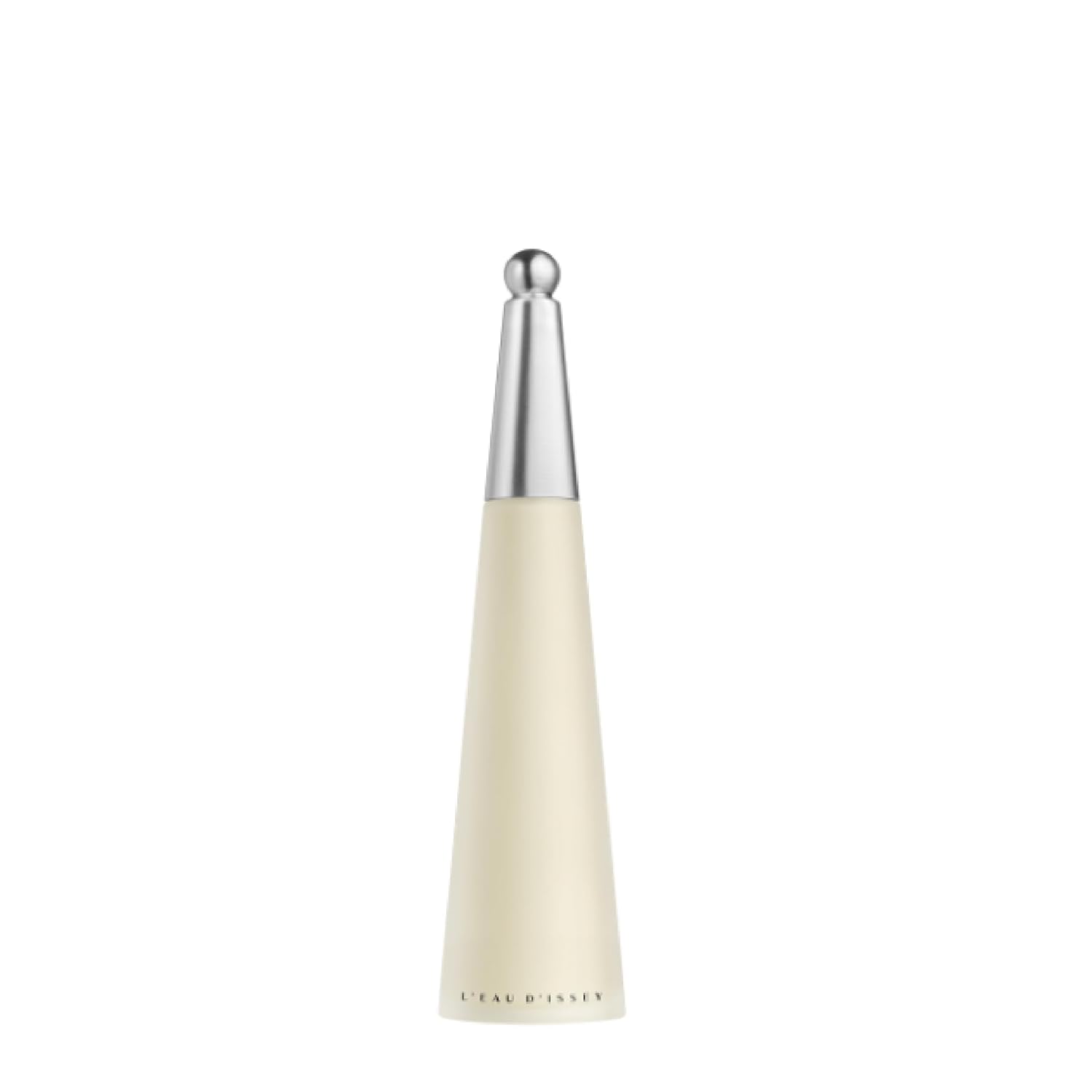
Issey Miyake L'Eau d'Issey Eau de Toilette for Women
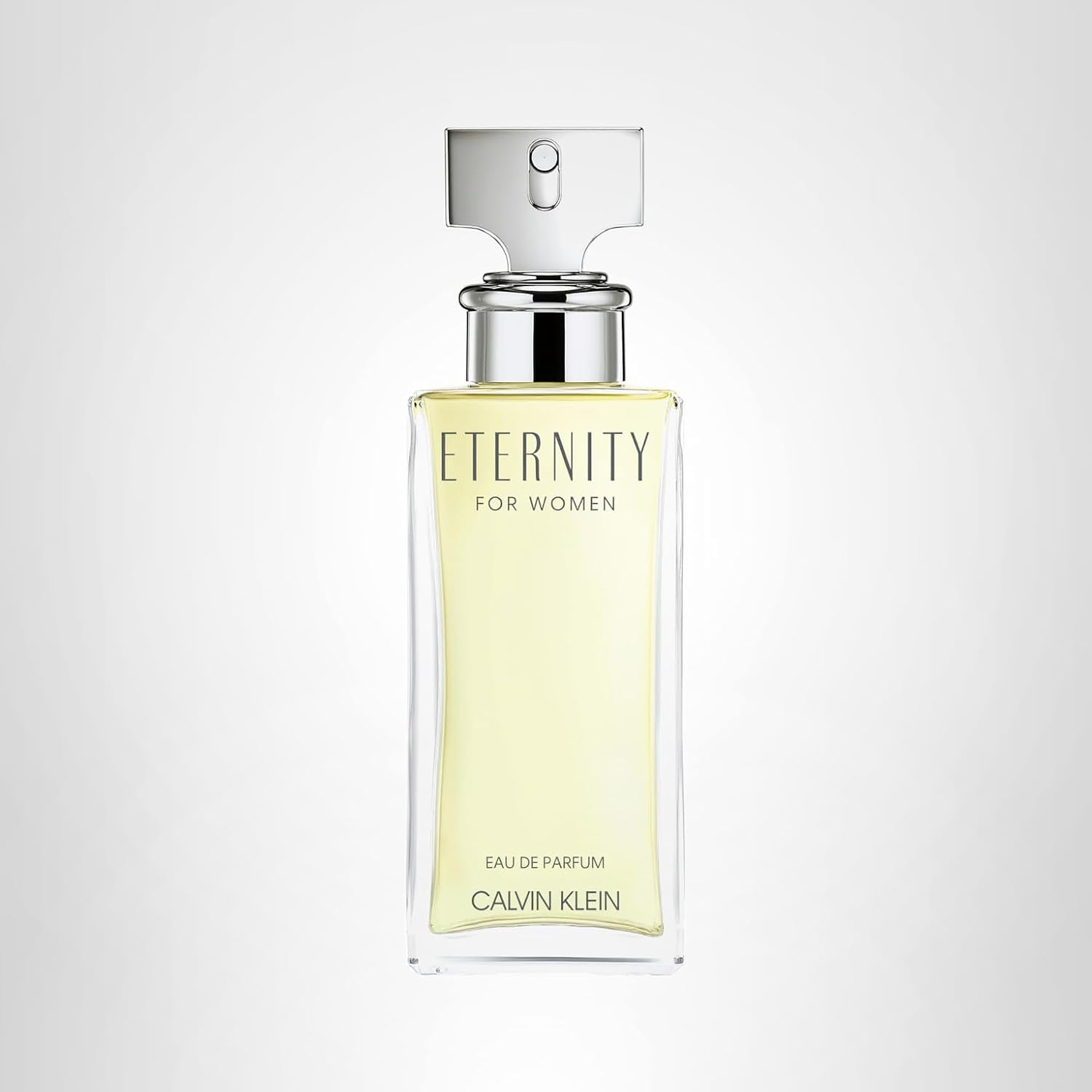
Calvin Klein Eternity Eau de Parfum for Women
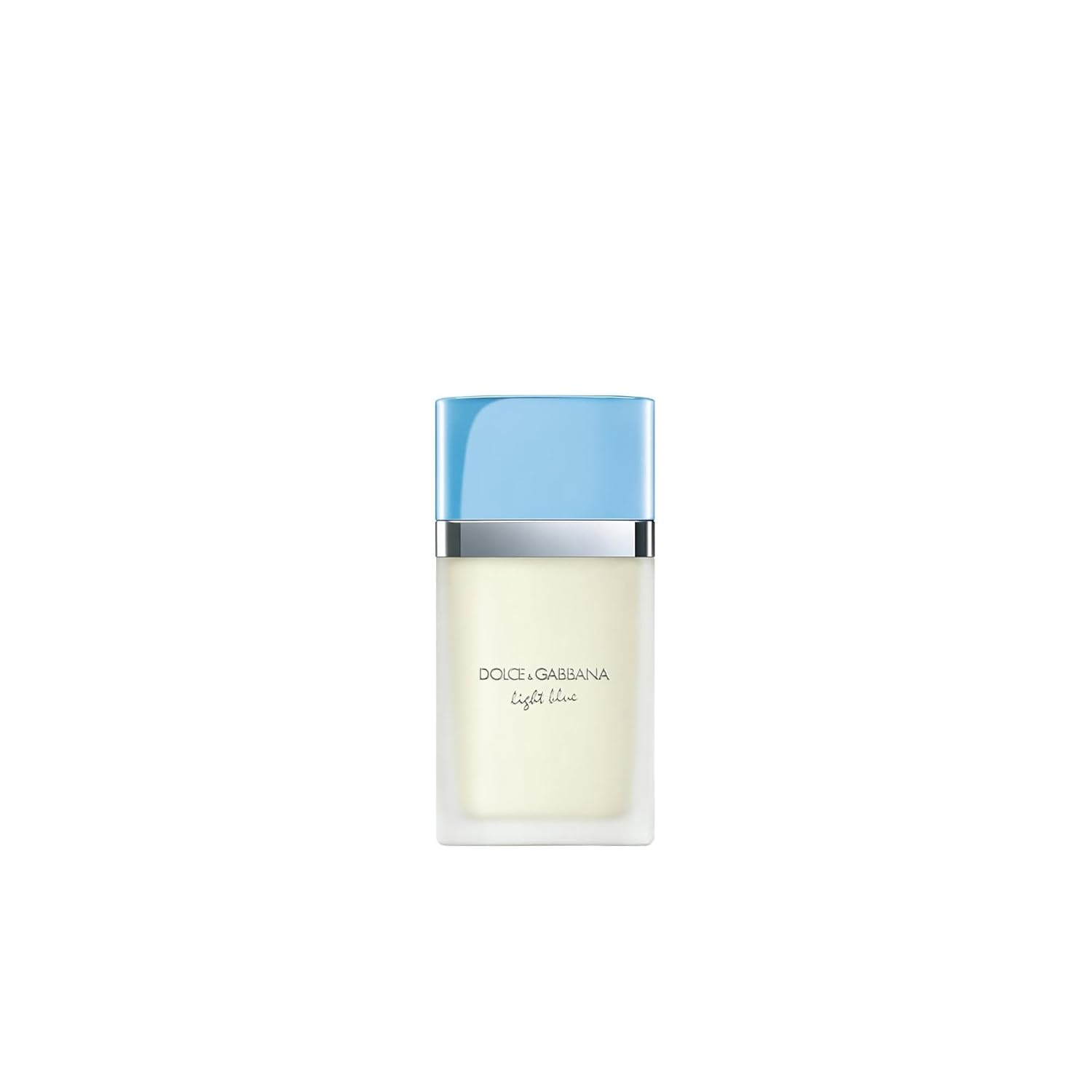
Dolce&Gabbana Light Blue Eau de Toilette for Women
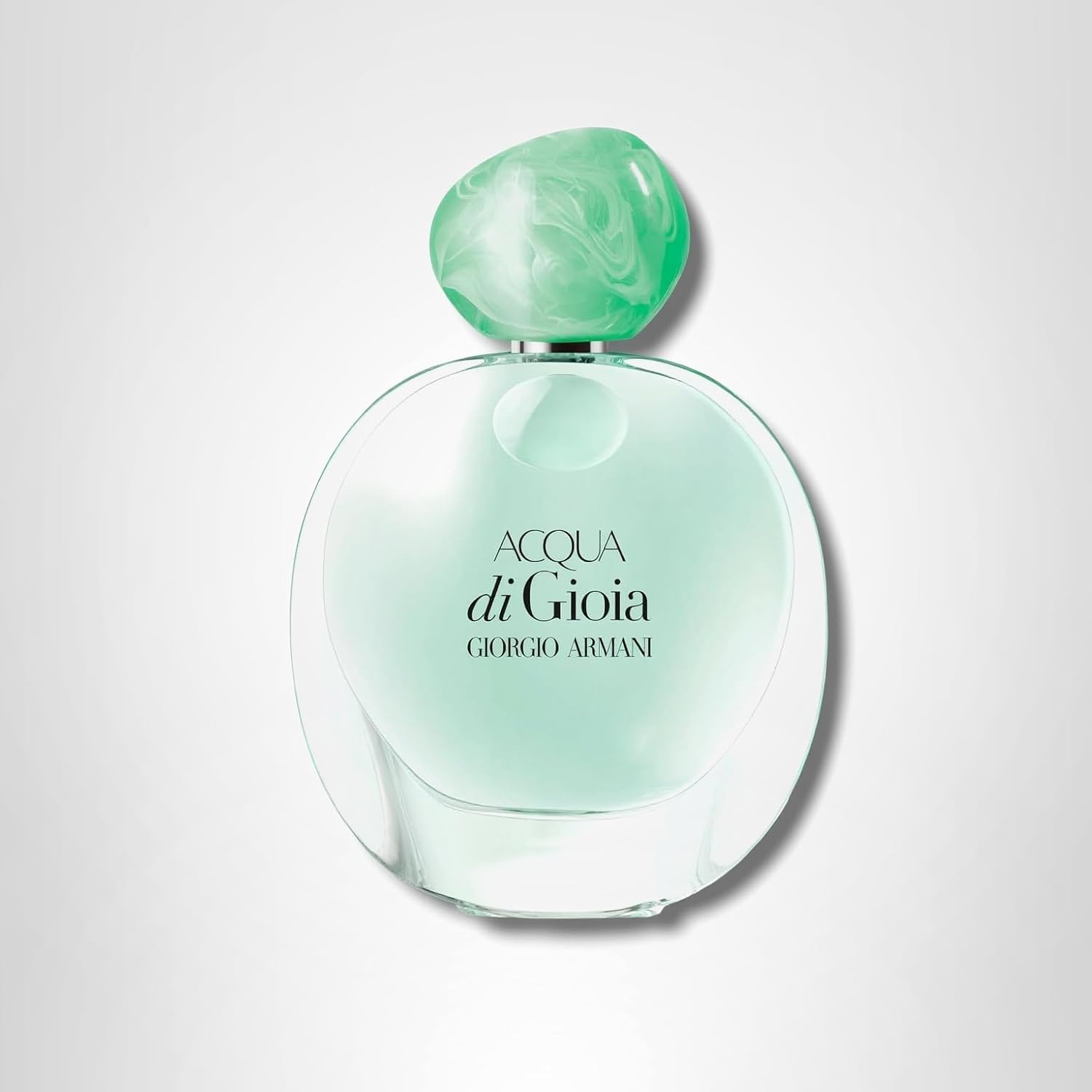
Armani Beauty Acqua di Gioia Eau de Parfum
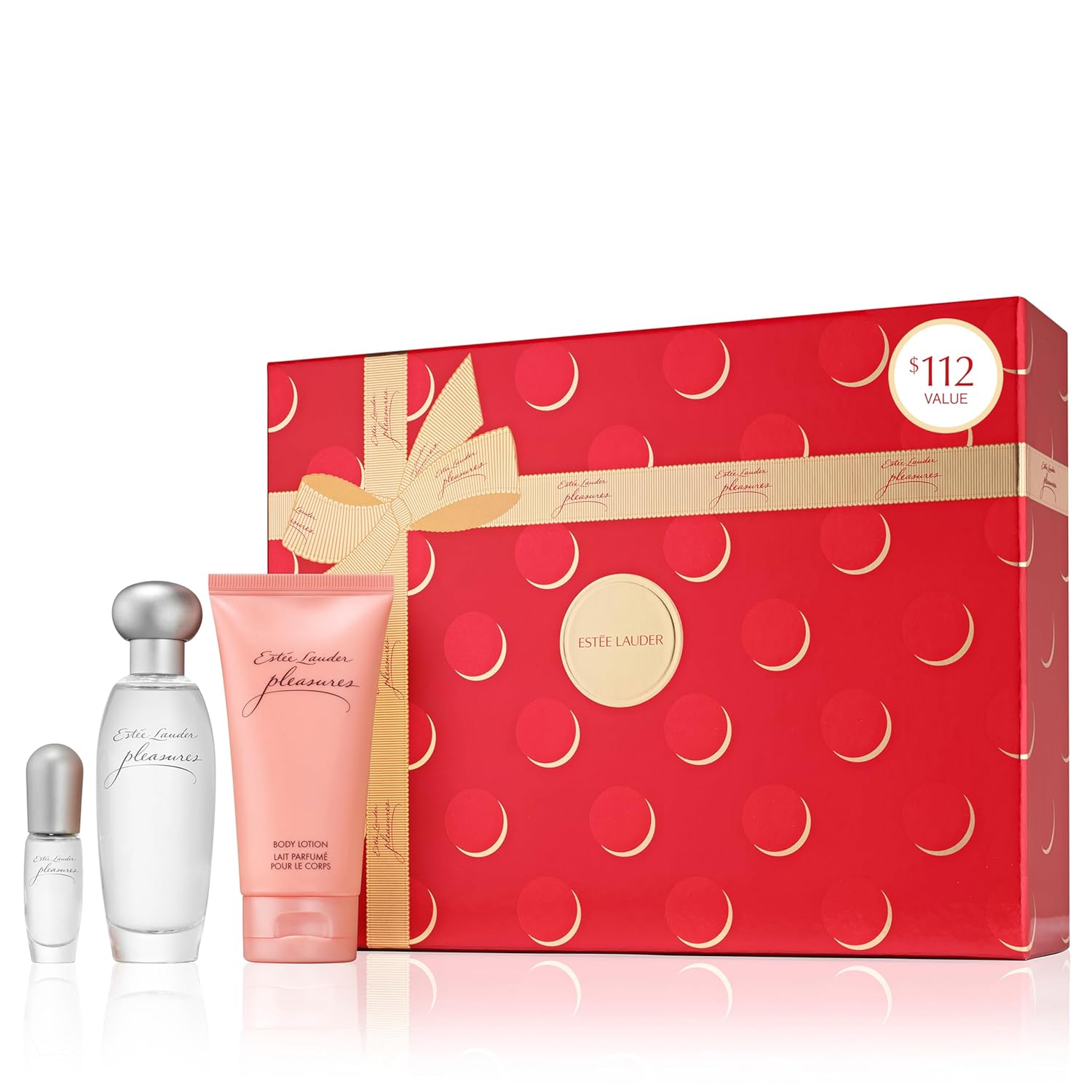
Estée Lauder Pleasures Favorites Trio Fragrance Gift Set
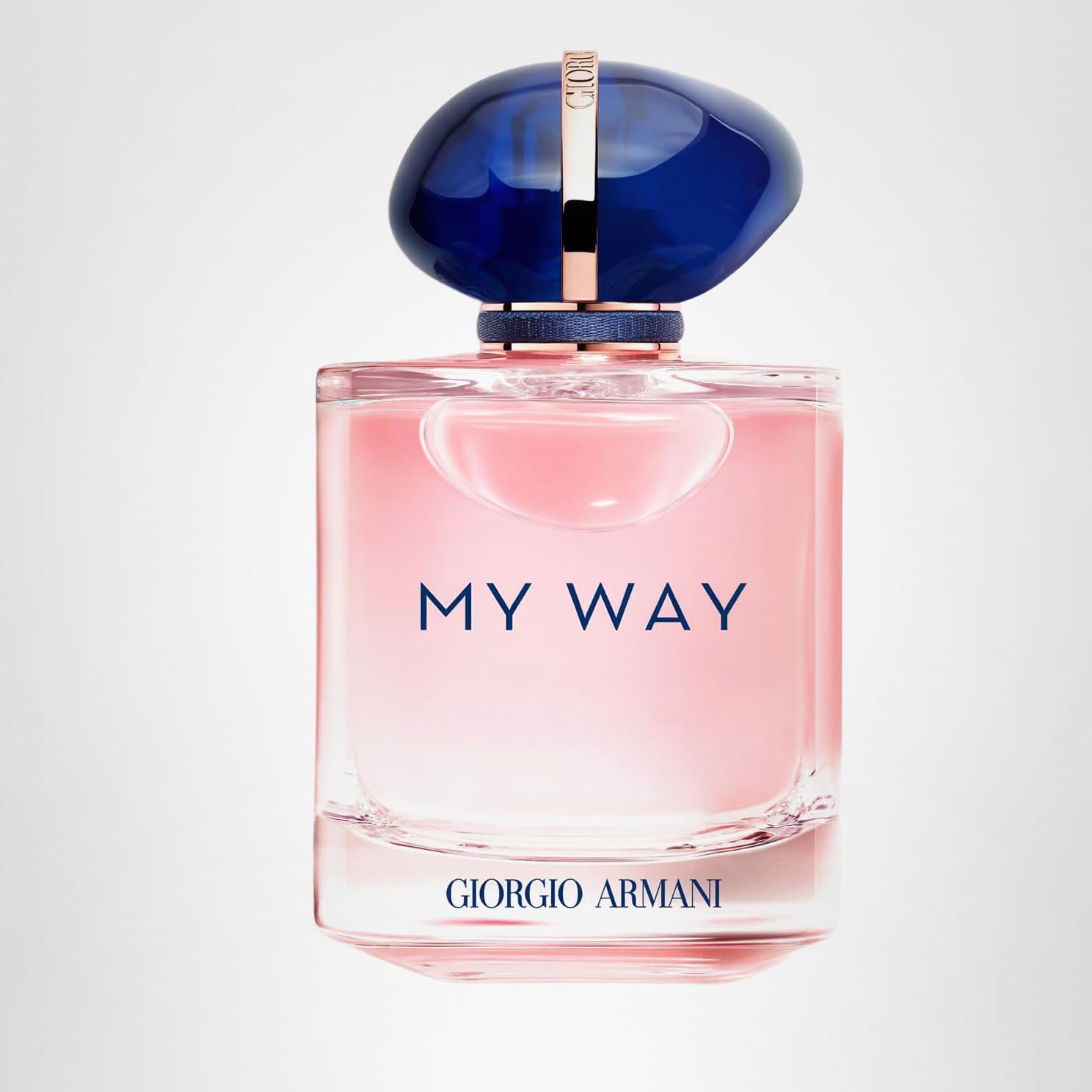
Armani Beauty My Way Eau de Parfum