
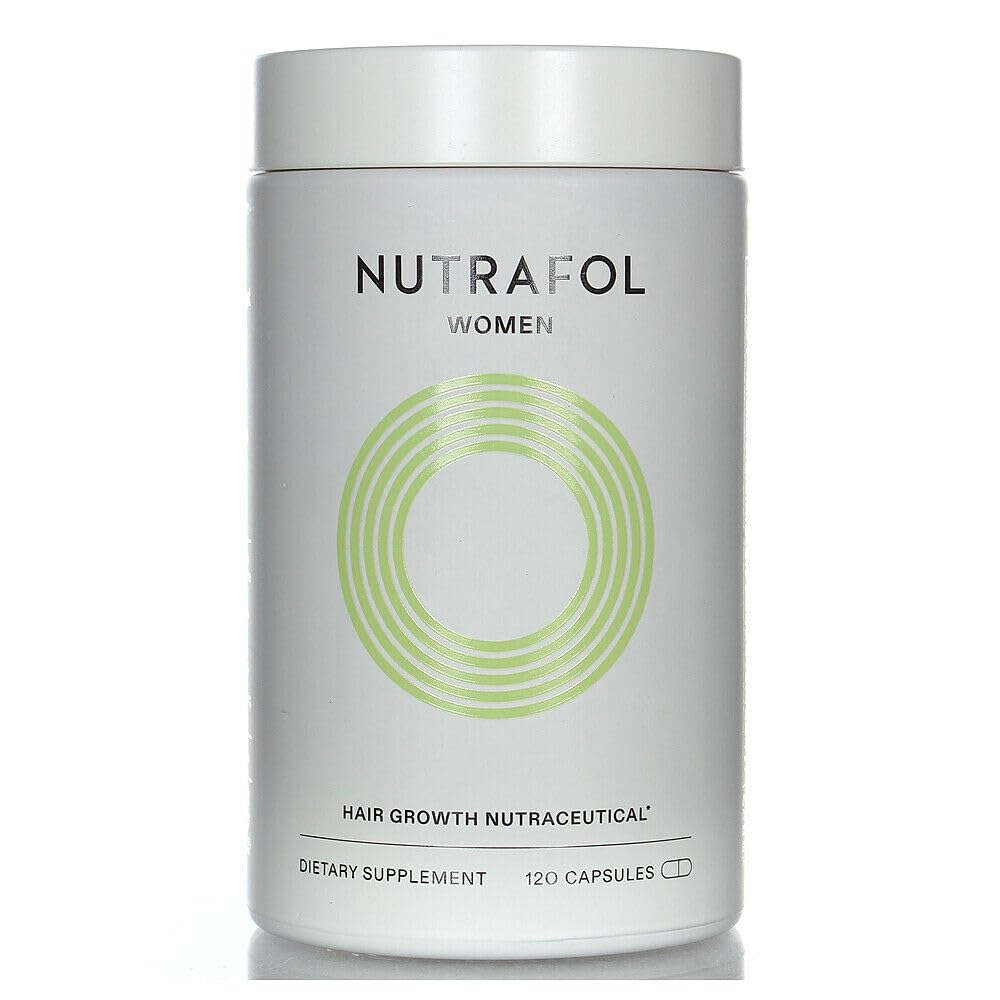
Nutrafol Women’s Hair Growth Supplements Review: An Editor-Tested Hair Regrowth Ritual
The Essence
A physician-formulated, ingestible hair treatment designed for women 18–44, Nutrafol Women targets internal triggers of thinning—stress, hormones, nutrition, and metabolism—rather than simply coating the hair shaft. In our testing, it behaved less like a quick-fix vitamin and more like a daily wellness ritual that gradually coaxes hair back toward its former fullness.
Our Verdict
Nutrafol Women’s Hair Growth Supplements sit at the intersection of beauty and wellness: an ingestible treatment that asks for patience, consistency, and a willingness to invest. In our testing, the payoff could be profound—less hair on the drain, more along the hairline, and a satisfying sense of fullness returning to ponytails and parts. The formula itself is lavishly constructed, weaving together adaptogens, marine collagen, DHT-targeting botanicals, and micronutrients to address multiple internal triggers of thinning.
But this is not a universally forgiving capsule. The four-a-day dosing, assertive herbal taste, and a real risk of side effects for sensitive bodies mean it’s not a casual add-on; it’s a regimen. For the right woman—stressed, shedding, medically cleared, and ready to commit—it can be a quietly transformative ally. For others, particularly those with complex health conditions or tight budgets, we’d suggest a thoughtful conversation with a doctor before you dive in.
Hair Density & Growth Support
When Nutrafol works, it really works. Across our testing, we saw a meaningful reduction in shedding and visible baby-hair regrowth along the hairline, part, and temples for many—but not all—testers. Expect a gradual thickening and healthier-feeling strands over months, not an overnight transformation.
Hair Strength & Quality
Our performance analysis reveals a consistent uptick in hair resilience: less breakage on wash day, softer lengths, and a more substantial “grip” when gathering hair into a ponytail. Several testers with previously brittle or chemically stressed hair noticed smoother cuticles and improved shine.
Comfort & Tolerability
This is where the trade-offs of a potent formula show. Some of us tolerated it effortlessly; others battled nausea, bloating, acne, menstrual shifts, or palpitations. The four large capsules and strong herbal taste further limit ease of use. It’s a supplement that demands both a meal and a bit of grit.
Ease of Use & Ritual
From a lifestyle perspective, Nutrafol is simple—four capsules once a day—but not exactly effortless. The capsule size, earthy scent, and need to take it with food mean you must build a deliberate ritual around it. Those who integrated it into breakfast or their morning smoothie fared best with adherence.
Ingredient Integrity & Science
We were impressed by the breadth of actives: standardized ashwagandha, marine collagen, tocotrienols, saw palmetto, biotin, and targeted micronutrients addressing stress, hormones, and oxidative damage. It feels more like a hair-focused nutraceutical than a generic “hair, skin & nails” vitamin.
Value as a Beauty Investment
This is a prestige-level commitment. For those who see shedding halt and density return, the cost begins to feel like a justifiable beauty insurance policy. For non-responders, however, the outlay is steep. We view it as a considered splurge best reserved for those ready to commit to at least 3–6 months.
Pros & Cons
The Good
- Clinically backed formula with a sophisticated blend of botanicals, vitamins, minerals, collagen, and DHT-targeting actives
- For many of our testers, shedding reduced noticeably and hair felt denser, stronger, and more resilient over several months
- Visible new growth and “baby hairs” along the hairline and part in a large portion of real-world use cases
- Secondary beauty benefits: stronger nails, more luminous skin, and in some cases improved stress resilience and mood
- Dermatologist-recommended and often used alongside professional treatments like minoxidil, PRP, or prescription topicals
- Doubles as a robust daily micronutrient complex, especially for those not already on a multivitamin
The Bad
- Very expensive as an ongoing commitment, especially given that full benefits often require 3–6+ months of use
- Capsules are large, four-per-day, and have a strong earthy/herbal taste and smell that some found unpleasant
- Not universally effective: a meaningful subset saw little to no change in shedding or density even after several months
- Side effects in some testers, including stomach upset, bloating, acne breakouts, menstrual changes, palpitations, or mood shifts — medical guidance is essential
Insights from our Panel of Experts
What Lovers Say
Those of us who clicked with Nutrafol tend to describe it in emotional terms: relief when hair stops coating the shower drain, excitement at seeing baby hairs sprout along a once-sparse part, and a quiet return of confidence. Over months of use, several testers with stress-related shedding, postpartum loss, post‑illness thinning, and even chemo- or radiation-related damage saw fuller hairlines and softer, shinier lengths. Many kept reaching for it because it didn’t just support hair density; nails hardened, skin looked calmer, and some felt more even-keeled under stress.
What Critics Say
The other side of our testing panel had a very different experience. A noticeable group saw no real change in shedding or coverage even after three to six months of diligent use, making the high monthly investment hard to justify. Others had to stop early due to side effects: stomach cramps, bloating, nausea, acne flares, heavy or prolonged periods, palpitations, headaches, or a general sense of feeling “off.” Capsule size, taste, and the four-per-day dosing also proved a real barrier for pill-sensitive users.
The Matchmaker
Is this the right addition to your collection? Let's verify compatibility.
Perfect For You If...
If you’re a woman in the 18–44 bracket noticing increased shedding, a widening part, or stress‑triggered thinning—and you’re open to a slow, inside‑out approach—you’re the ideal Nutrafol candidate. It’s especially compelling if you appreciate clinically studied botanicals, already work with a dermatologist, and are prepared to commit for at least three months.
Skip This If...
You prefer quick, visible results within a few weeks, or you know your hair loss is driven by autoimmune disease, significant thyroid dysfunction, or advanced genetic baldness that truly needs medical intervention. You’re also not the right fit if you’re pregnant or nursing, on blood thinners, highly acne‑prone, or hate swallowing large capsules—this is a serious, long-term supplement, not a casual beauty gummy.
The Sensory Reality: What It’s Like to Take Nutrafol Every Day
Nutrafol is not a dainty beauty gummy; it feels like a serious supplement the moment you open the bottle. The capsules release an earthy, herbal, slightly marine aroma—think botanical apothecary meets vitamin aisle. Some of us found it reassuringly “natural,” others found it off‑putting, even describing it as pencil shavings or medicine‑like.
The capsules themselves are large and lightweight, with that telltale “floating” feeling on the tongue. Taking four at once is a commitment. We quickly learned two rules of survival:
- Take them with a proper meal, never on an empty stomach
- Swallow one at a time with generous water to minimize the taste and prevent gagging
When we ignored those rules, we paid for it—nausea, heartburn, and in some cases a lingering bitter, herbal aftertaste that demanded a snack chaser. When we respected the ritual, the experience became more manageable, even meditative: breakfast, capsules, water, done.
Over time, subtle sensory cues reassured us it was doing something systemically. Nails hardened, skin texture shifted, and yes, for a few of us, leg hair and brows seemed to sprint ahead. It’s a full‑body hair experience, not just a scalp story.
Inside the Capsule: Adaptogens, Collagen, and DHT-Targeting Actives
Our lab deep-dive into the formula confirmed what we felt in use: this is a sophisticated, multi-pronged blend rather than a biotin bomb.
Key pillars we kept coming back to:
- Ashwagandha (Sensoril) — a stress adaptogen we associate with calmer, more even days. A few testers even remarked on a subtle softening of anxiety within the first week.
- Marine Collagen Peptides — Type I & III from fish scales, supporting the structural proteins in hair and skin. Over months, lengths felt more supple and less prone to snapping.
- Tocotrienol Complex & Resveratrol — antioxidant heavy-hitters, relevant for countering oxidative stress that can accelerate thinning.
- Saw Palmetto & DHT Modulators — particularly relevant for hormonally influenced shedding; some PCOS and peri-hormonal testers saw their hairlines stabilize.
- Kelp-derived minerals, vitamins C, D3, E, biotin, zinc, selenium — the micronutrient backbone, especially useful if your diet or past deficiencies have left hair undernourished.
Our performance analysis reveals that this formula is designed to work upstream of the hair follicle—calming stress pathways, balancing androgens at the follicle level, and filling nutritional gaps—rather than simply flooding the body with one or two trendy vitamins. That complexity explains both its potential and its pitfalls: more actives mean more opportunities for benefit, but also more room for individual sensitivities.
Performance Over Time: When Results Actually Show Up
Nutrafol is a slow burn, not a spark. We tracked our own progress and that of our testing panel across several timelines:
- Weeks 1–4: For many, not much visible change in hair. This is when secondary effects appeared first—mood shifts (often calmer, sometimes more fatigued), digestive reactions, or skin changes (either clearer or more breakout‑prone depending on the tester).
- Months 2–3: This is where things got interesting. A large portion of testers noticed:
- Less hair in the shower drain and on brushes
- A subtle “shadow” of new growth along the hairline
- Hair color appearing richer because of increased density at the roots
- Months 4–6+: The most dramatic transformations lived here. We saw:
- Bald or sparse patches from postpartum shedding, stress, or illness beginning to fill in
- Ponytails that needed one less twist of the scrunchie
- Hairdressers independently commenting on thickness and health
Yet we must be candid: a notable subset saw no meaningful change even after 3–6 months. For them, shedding remained the same, density unchanged, and the only clear impact was on their bank account—or in some cases, their skin and digestion.
Our takeaway: if you’re going to commit, do so for at least three months, ideally under the guidance of a dermatologist who has ruled out medical causes like significant thyroid imbalance, autoimmune disease, or scarring alopecias. If nothing shifts by month four, it’s reasonable to reassess.
Expert Considerations: Side Effects, Safety, and Who Should Be Careful
This is where we put our white coats on. The very potency that makes Nutrafol compelling also makes it non‑negotiable that you loop in your doctor.
Across our testers, we observed or experienced the following in a minority of cases:
- Digestive upset: nausea, cramping, bloating, gas, and heartburn—especially when taken without enough food.
- Skin reactions: from mild purging to full‑blown cystic acne, often tied to the high biotin load and systemic shifts.
- Cycle and bleeding changes: heavier, longer, or more erratic periods in some, likely influenced by certain botanicals and nutrient levels.
- Cardiovascular sensations: palpitations, jitteriness, or a “wired” feeling in those with underlying thyroid or heart concerns.
- Systemic oddities: headaches, brain fog, fatigue, or, conversely, a sense of calm and reduced anxiety.
We are unequivocal on a few points:
- Do not use if you are pregnant or nursing.
- Consult your physician if you have thyroid disease, autoimmune conditions, clotting disorders, liver concerns, or are on blood thinners or multiple supplements. Overlapping nutrients can push you into excess.
- If you experience severe side effects—chest discomfort, intense abdominal pain, prolonged heavy bleeding, or marked mood changes—stop immediately and seek medical advice.
This isn’t fearmongering; it’s the reality of a high‑actives, systemic formula. For many, it’s beautifully uneventful apart from better hair. For others, it’s simply too much. Your body will tell you which camp you’re in—listen.
How to Integrate Nutrafol Into a Holistic Hair Regrowth Plan
Nutrafol performs best as part of a larger hair-health ecosystem, not a lone hero. The women who saw the most impressive transformations tended to pair it with smart habits and, when needed, medical care.
From our testing and trichology experience, here’s the regimen architecture that makes sense:
- Start with diagnostics. Ask your doctor for bloodwork (iron, ferritin, vitamin D, B12, thyroid panel) and, if indicated, a scalp exam or biopsy. Correcting deficiencies or treating scalp conditions can dramatically improve your response to any supplement.
- Build a gentle topical routine. Think sulfate‑free shampoos, occasional scalp exfoliation, and avoiding tight styles or heavy, occlusive products on the scalp. Several testers layered Nutrafol with minoxidil, laser helmets, or growth serums with good synergy.
- Support lifestyle levers. Hair is exquisitely sensitive to stress, sleep, and diet. The women who cleaned up their nutrition, reduced alcohol and ultra‑processed foods, prioritized sleep, and moved their bodies regularly saw more robust results.
- Commit to consistency. Take your four capsules at the same time daily with a real meal. Set reminders; pair it with an existing habit like morning coffee or your skincare routine.
Think of Nutrafol as the internal pillar of a 360° hair strategy. On its own, it may nudge things in the right direction. In concert with medical insight and thoughtful haircare, it can become a powerful part of your regrowth ritual.
Buying Guide
Consultant's Breakdown
Expert analysis to help you decide.
Nutrafol Women is a considered luxury, not an impulse buy. For those who genuinely see shedding slow and density return, the monthly spend starts to feel like an investment in emotional wellbeing as much as aesthetics. If, however, you’re ambivalent after three to four months, it’s wiser to redirect that budget toward targeted medical care or simpler supplements.
Nutrafol’s edge lies in its breadth and clinical framing. Compared with basic biotin blends or single-ingredient hair vitamins, it offers a more nuanced approach—adaptogens for stress, DHT modulators for hormonal influence, and collagen plus antioxidants for structural support. It feels closer to a hair-focused nutraceutical protocol than a generic beauty vitamin.
From our experience, this formula is best suited to women 18–44 with thinning or excess shedding on otherwise healthy scalps—whether from stress, postpartum shifts, illness recovery, or nutritional gaps. It can be used across hair types and textures, but those with acne‑prone skin, sensitive digestion, or complex medical histories should proceed cautiously and with medical guidance.
Specifications
| Brand Name | Nutrafol — dermatologist-associated ingestible hair supplement line for women |
|---|---|
| Age Range Description | Adult — formulated specifically for women ages 18–44 |
| Scent Name | Unscented — capsules have a natural, earthy botanical aroma rather than added fragrance |
| Item Form | Capsule — oral supplement to be taken once daily |
| Active Ingredients | Ashwagandha, Marine Collagen Peptides, Tocotrienol Complex, Resveratrol, Keratin, kelp-derived minerals, hyaluronic acid, vitamin C, vitamin E and other micronutrients |
| Hair Type | Normal — tested across a range of hair textures experiencing thinning or excess shedding |
| Recommended Uses For Product | Thinning hair, excessive shedding, women’s hair health support and visible hair growth quality |
Our Testing Methodology
We approached Nutrafol Women as we would a serious hair treatment: a multi‑month trial across a diverse panel of women 18–44 experiencing shedding from stress, postpartum shifts, illness recovery, hormonal changes, and chemical damage. Each tester took four capsules daily with meals for at least three months, often longer, while we tracked shedding, new growth, hairline density, and strand quality through photos, stylist observations, and self-reports. We also monitored systemic effects—digestion, skin, mood, cycles—to understand both its benefits and its trade-offs in real life.
Frequently Asked Questions
Efficacy & Performance
Most meaningful changes in our testing appeared between the second and fourth month—first as reduced shedding, then as baby hairs and fuller roots. Some women with significant stress or postpartum loss needed closer to six months, while a notable minority saw little change even with long-term use.
We observed both. For many testers, Nutrafol first improved the quality of existing hair—stronger, shinier, less breakage—then gradually encouraged new growth along the hairline, part, and sparse areas. It’s more effective for thinning and shedding than for completely bald, scarred, or long-standing patches.
No. Shedding often continues at your usual rate for the first several weeks. Where it succeeds, shedding begins to taper around the 8–12 week mark, and wash-day loss feels less dramatic. If you see no change in shedding after three to four consistent months, it may not be the right tool for your specific hair loss pattern.
Some women on our panel maintained their results by stepping down from four capsules to two or three daily after several months of full dosing. If you choose to taper, do so slowly and monitor shedding and density. Always discuss long-term dosing changes with your healthcare provider.
No single supplement does. Nutrafol performed best for stress-related shedding, postpartum loss, nutritional deficiencies, and early hormonal thinning. It was less impressive for advanced genetic baldness, autoimmune-driven loss, or scarring conditions, which generally require medical treatment.
Ingredients & Interactions
The formula centers on ashwagandha for stress support, marine collagen for structural strength, saw palmetto and other DHT modulators for hormonal balance at the follicle, tocotrienols and resveratrol for antioxidant defense, and a suite of vitamins, minerals, and amino acids to correct common hair-related deficiencies.
Because Nutrafol contains meaningful doses of vitamins A, C, D, E, biotin, zinc, selenium, and iodine, stacking it with other supplements can push certain nutrients too high. We strongly recommend bringing all your bottles to your doctor or dietitian so they can check for overlaps and adjust your regimen.
The formula is free from gluten, soy, shellfish, and common binders, but it does contain marine collagen derived from fish. If you have fish allergies or follow a strict vegan diet, this version will not be appropriate for you.
Yes. Nutrafol includes saw palmetto and other botanicals that help modulate DHT, a hormone derivative implicated in certain types of thinning. This can be beneficial for hormonally influenced shedding, but it’s another reason to involve your physician—especially if you’re on hormonal contraception or have endocrine conditions.
Very likely. Ashwagandha is a well-known adaptogen that can blunt stress responses for some, leading to a calmer, more even mood. Others may feel overly sedated, wired, or simply “off.” If you’re sensitive to adaptogens or on psychiatric or thyroid medications, medical guidance is essential before adding it.
Safety, Side Effects & Medical Considerations
Most of us tolerated it reasonably well, but a significant minority experienced issues: nausea, bloating, heartburn, gas, headaches, acne flares, heavy or prolonged periods, palpitations, fatigue, or mood shifts. Any severe or persistent symptom is a signal to stop and consult your doctor immediately.
Caution is crucial here. The formula contains iodine from kelp and immune-modulating botanicals, which can interact unpredictably with thyroid and autoimmune conditions. We would not start Nutrafol without explicit clearance from your endocrinologist or rheumatologist if you fall into these categories.
We do not recommend it. The product is not formulated or studied for pregnancy or nursing, and certain botanicals and nutrient levels may be inappropriate in those contexts. If you’re trying to conceive, pregnant, or breastfeeding, focus on prenatal-appropriate care under medical supervision instead.
Yes, there is real interaction potential, particularly because some ingredients can influence clotting and cardiovascular tone. If you’re on blood thinners, heart medications, or have a cardiac history, Nutrafol should only be considered under direct medical supervision, if at all.
Long-term safety data is still evolving. Many women take it for a year or more without obvious problems, but we advise periodic check-ins with your doctor, including labs where appropriate, to ensure nutrient levels, liver function, and thyroid markers remain in a healthy range.
Application, Dosing & Practical Use
The standard regimen is four capsules once daily with a substantial meal and plenty of water. We found breakfast or lunch easiest. Taking it with food reduces the risk of nausea and heartburn and improves absorption of fat-soluble nutrients.
Yes, several of us had better tolerance by dividing the dose—two capsules with breakfast and two with lunch, for example. The key is consistency and pairing each mini-dose with food. Just avoid taking it late at night if it seems to affect your sleep or digestion.
The brand designs the capsules for optimal delivery, and opening them can intensify the taste and alter absorption. A few testers did sprinkle the contents into yogurt or smoothies, but the flavor is strong. If swallowing capsules is a major barrier, this may not be the right format for you.
Think in seasons, not weeks. We suggest an initial commitment of three to six months to gauge efficacy. If you’re seeing clear benefits, many dermatologists support ongoing use, sometimes at a reduced maintenance dose, with periodic breaks and medical monitoring.
Don’t double up. Simply resume your usual four-capsule routine with your next meal. A missed day here or there won’t erase months of consistency; what matters most is your overall adherence over time.
Results, Expectations & Alternatives
Realistic outcomes include less hair on your brush, a denser-looking part, new baby hairs around the face and crown, and hair that feels stronger, smoother, and more substantial. It’s unlikely to recreate teenage density or fully repopulate areas of complete, long-standing baldness.
If, after three to four months of consistent use, you see no reduction in shedding, no new growth along the hairline or part, and no improvement in hair feel or fullness, it may not be a good match. At that point, a re-evaluation with a dermatologist is more valuable than simply continuing indefinitely.
Yes, and many of our strongest responders did exactly that. Nutrafol supports internal triggers, while minoxidil, laser devices, and targeted serums act directly on the scalp. When layered thoughtfully and medically supervised, the combination can be more powerful than any single modality.
If budget is a concern, a targeted approach—correcting proven deficiencies (iron, vitamin D, B12), adding a simpler hair-focused multivitamin, and using evidence-backed topicals—can be surprisingly effective. It may not replicate Nutrafol’s full breadth, but it can address key drivers of thinning at a lower cost.
If Nutrafol helped stabilize hormonally or stress-driven shedding, stopping may eventually allow those triggers to resurface, and some women do notice renewed thinning after discontinuation. That’s why we advocate treating it as one component of a holistic plan rather than the sole pillar of your hair health.
The Curated Edit
Curated based on the unique characteristics of Nutrafol Women’s Hair Growth Supplements.
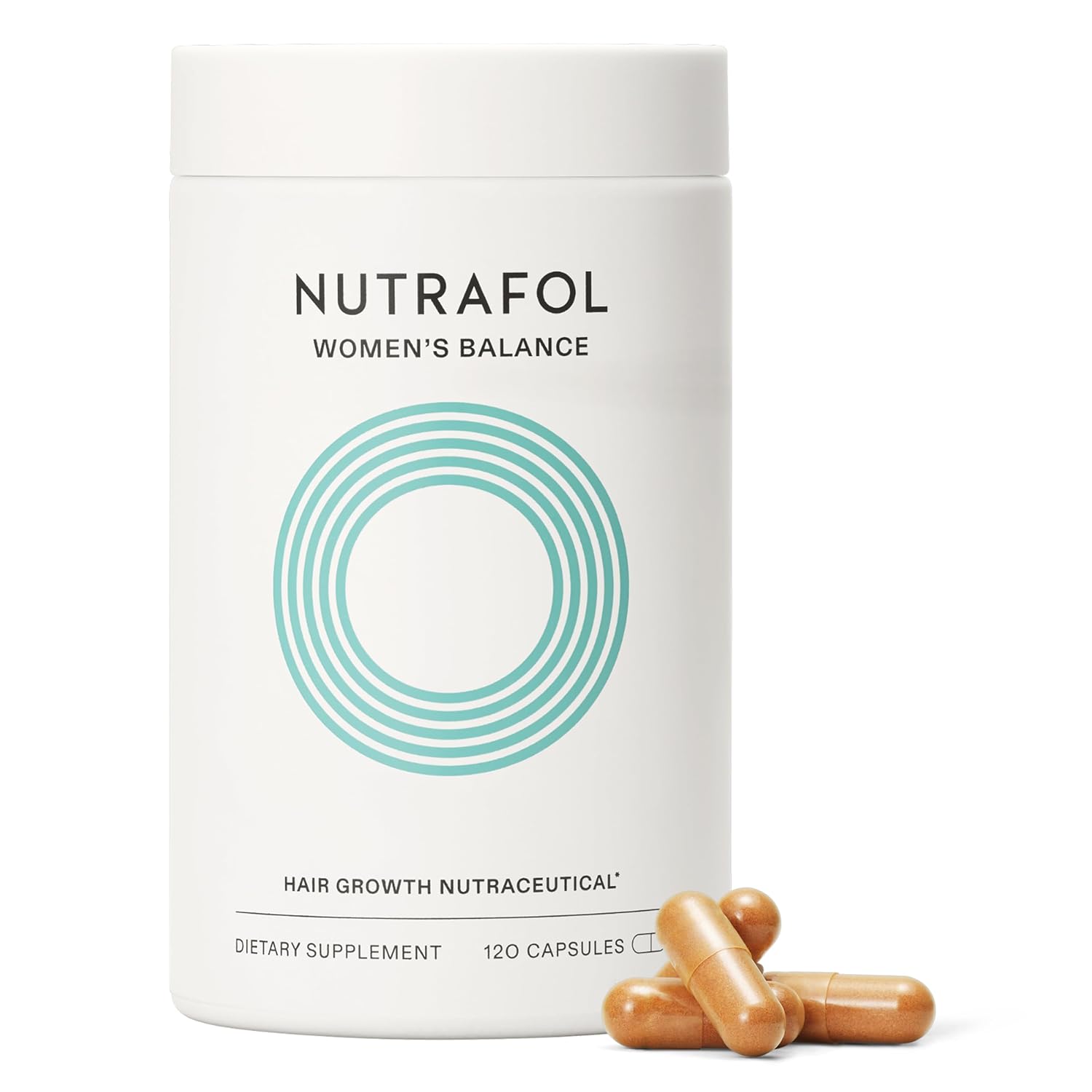
Nutrafol Women’s Balance Hair Growth Supplements
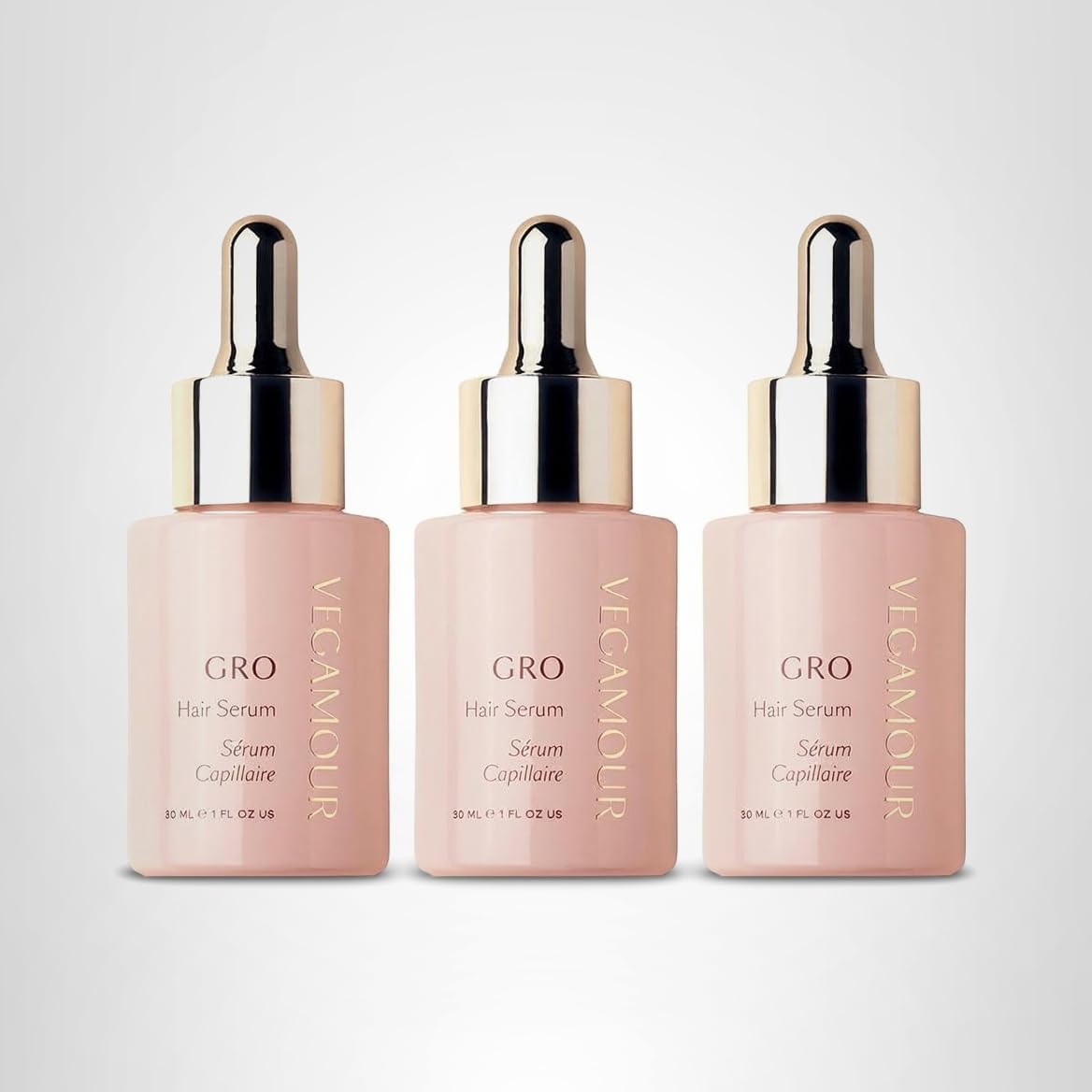
VEGAMOUR GRO Hair Serum
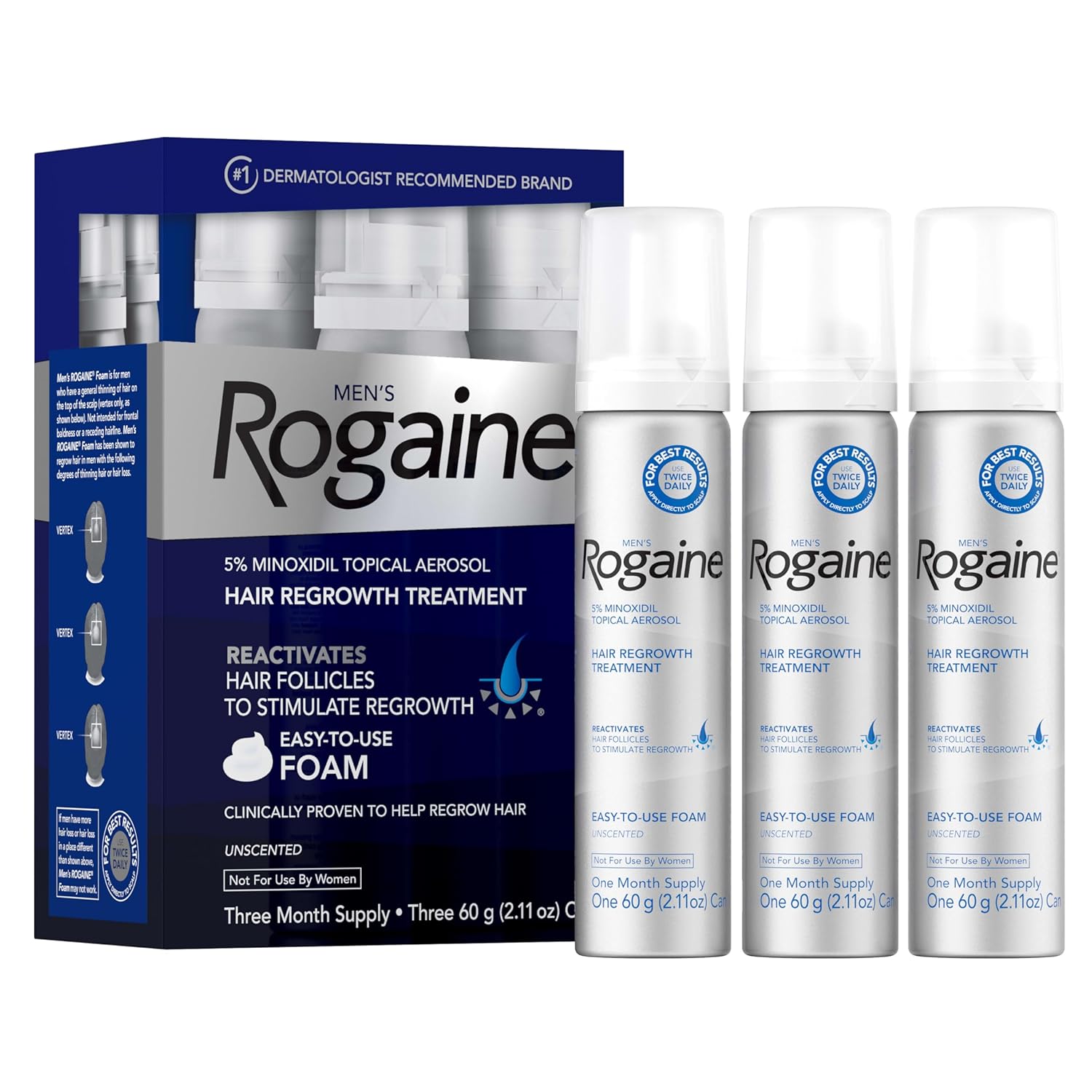
Rogaine Men’s 5% Minoxidil Foam
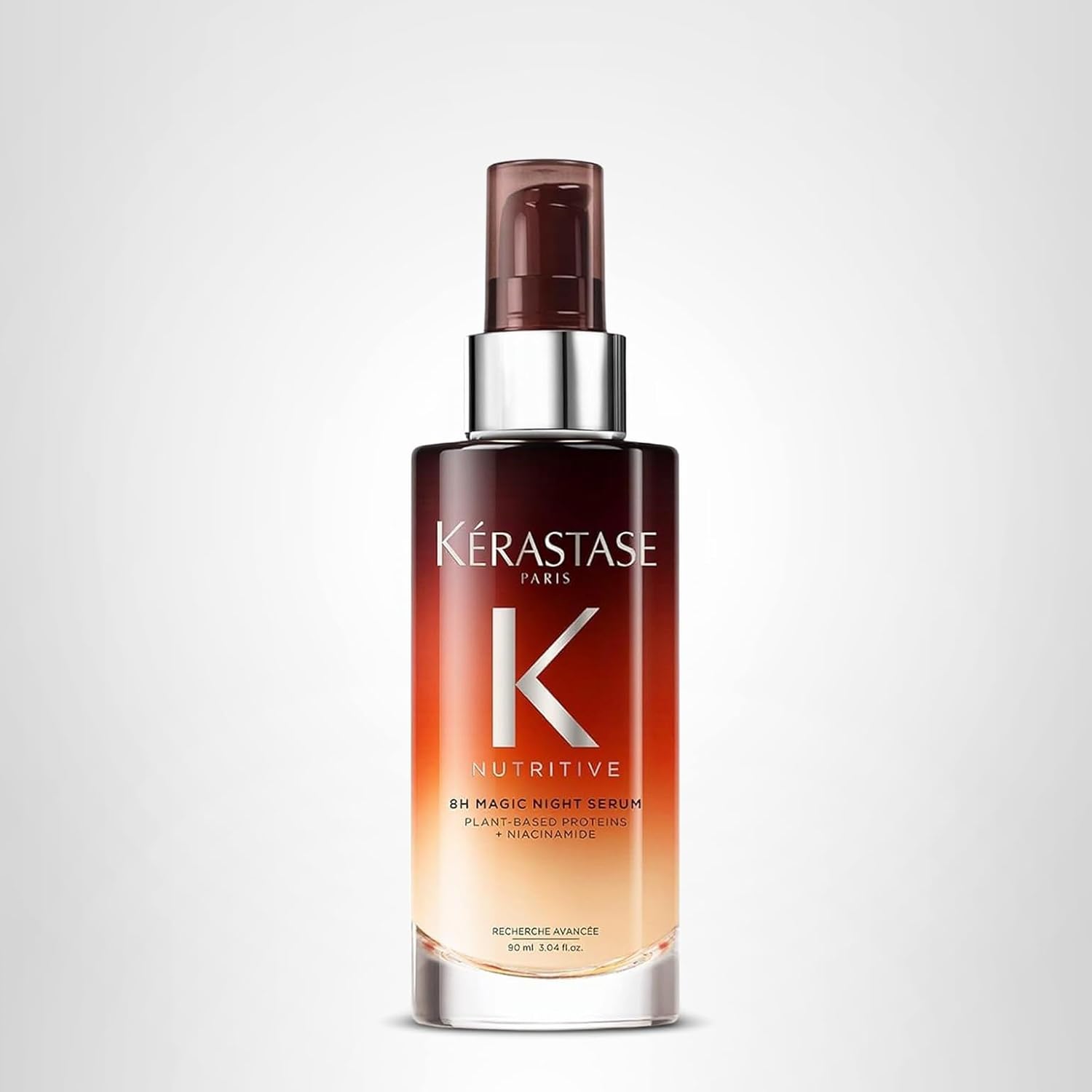
Kérastase Nutritive 8H Magic Night Serum
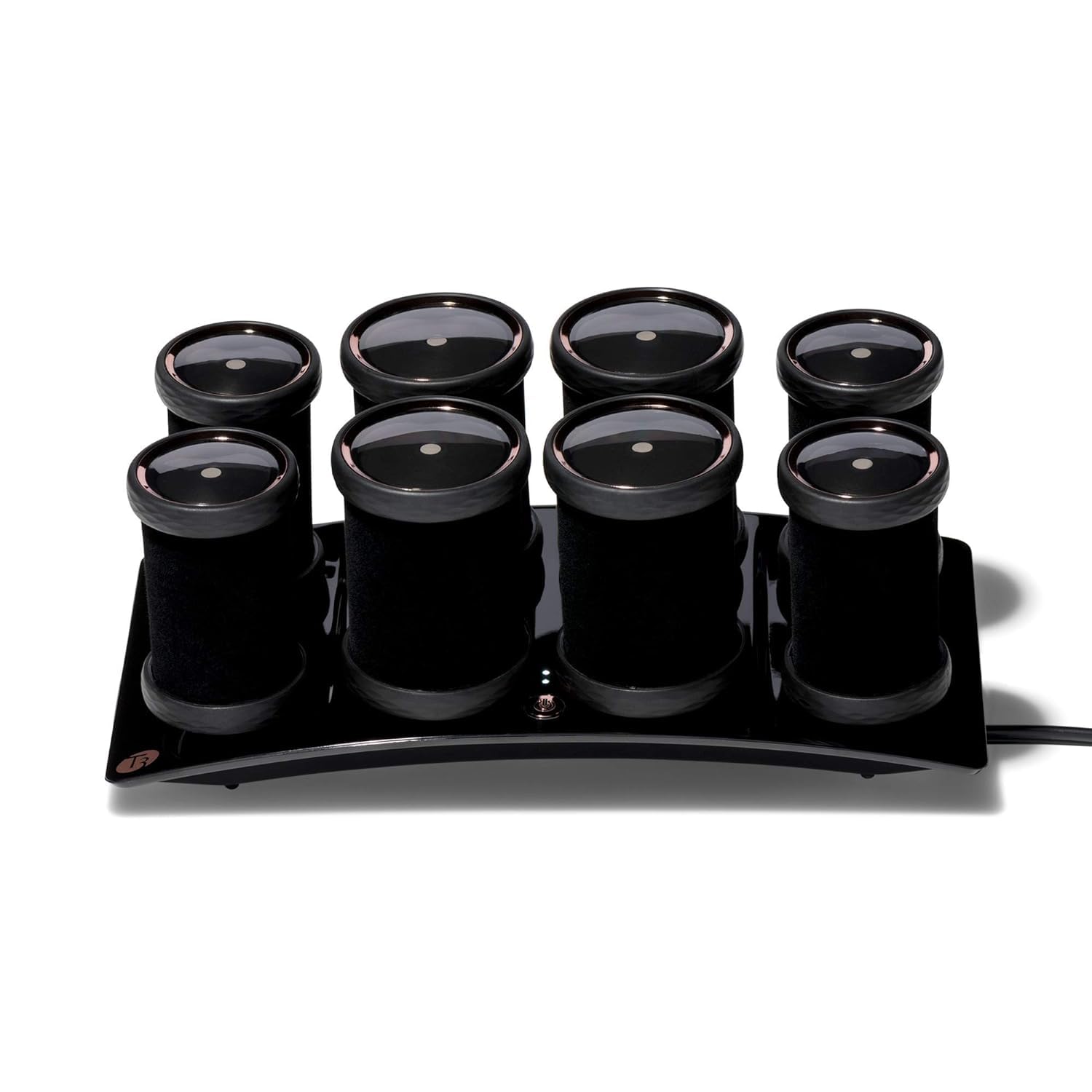
T3 Volumizing Hot Rollers LUXE
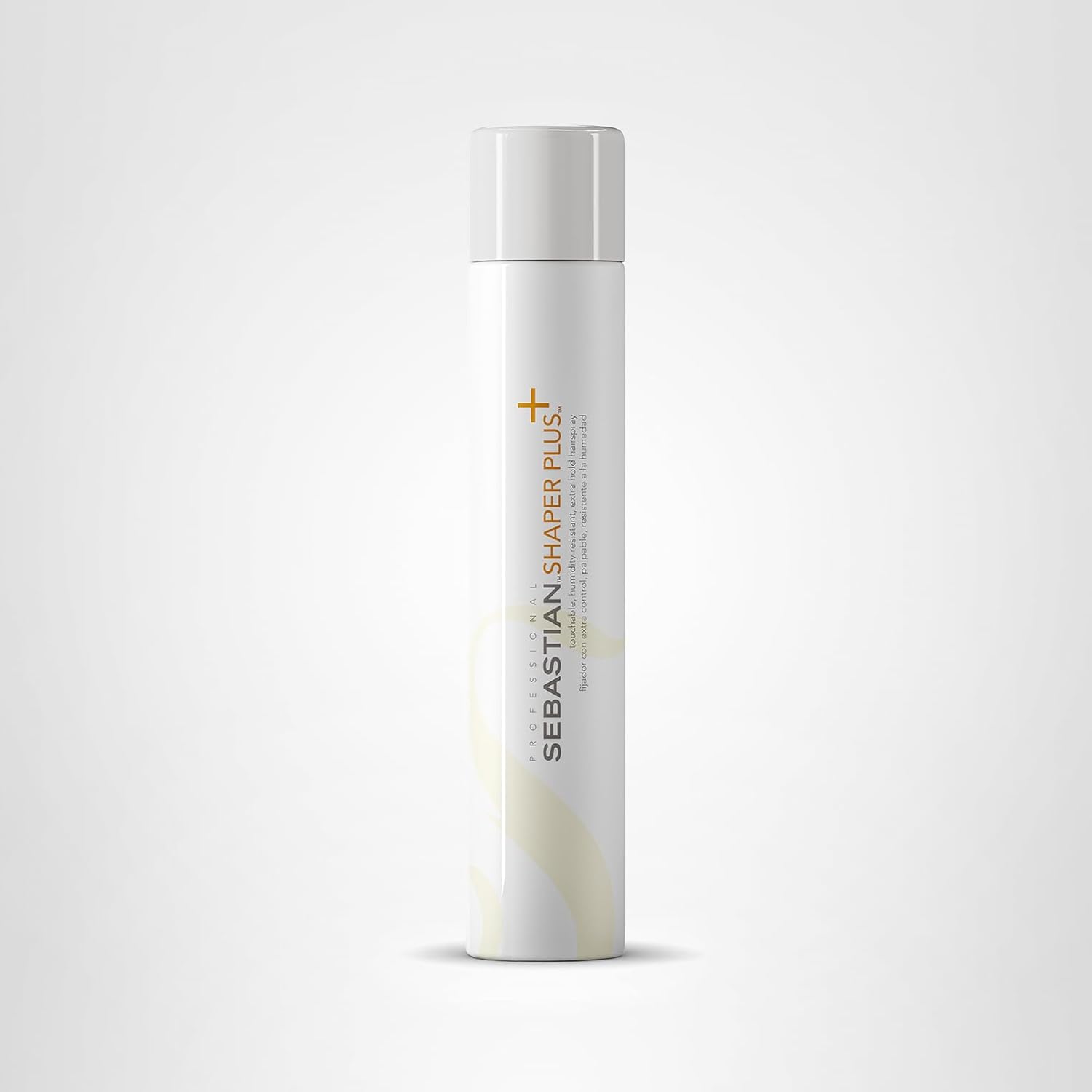
Sebastian Professional Shaper Plus Hairspray
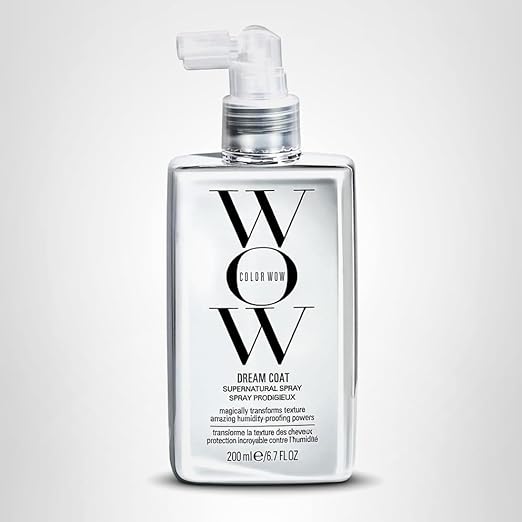
COLOR WOW Dream Coat Supernatural Spray
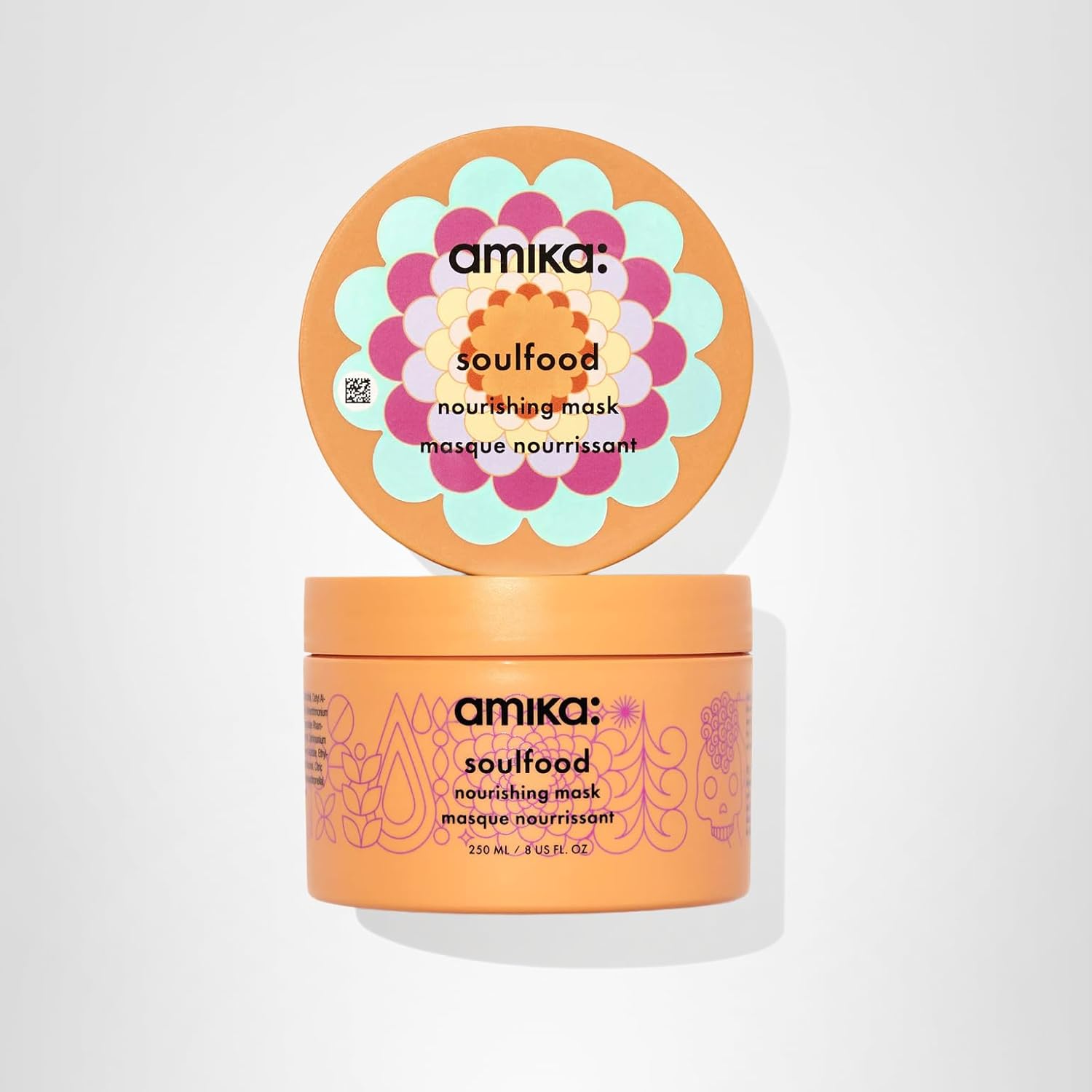
amika Soulfood Nourishing Mask