
Paul Mitchell Detangler Comb Review: A Wide-Tooth Workhorse for Delicate Detangling
The Essence
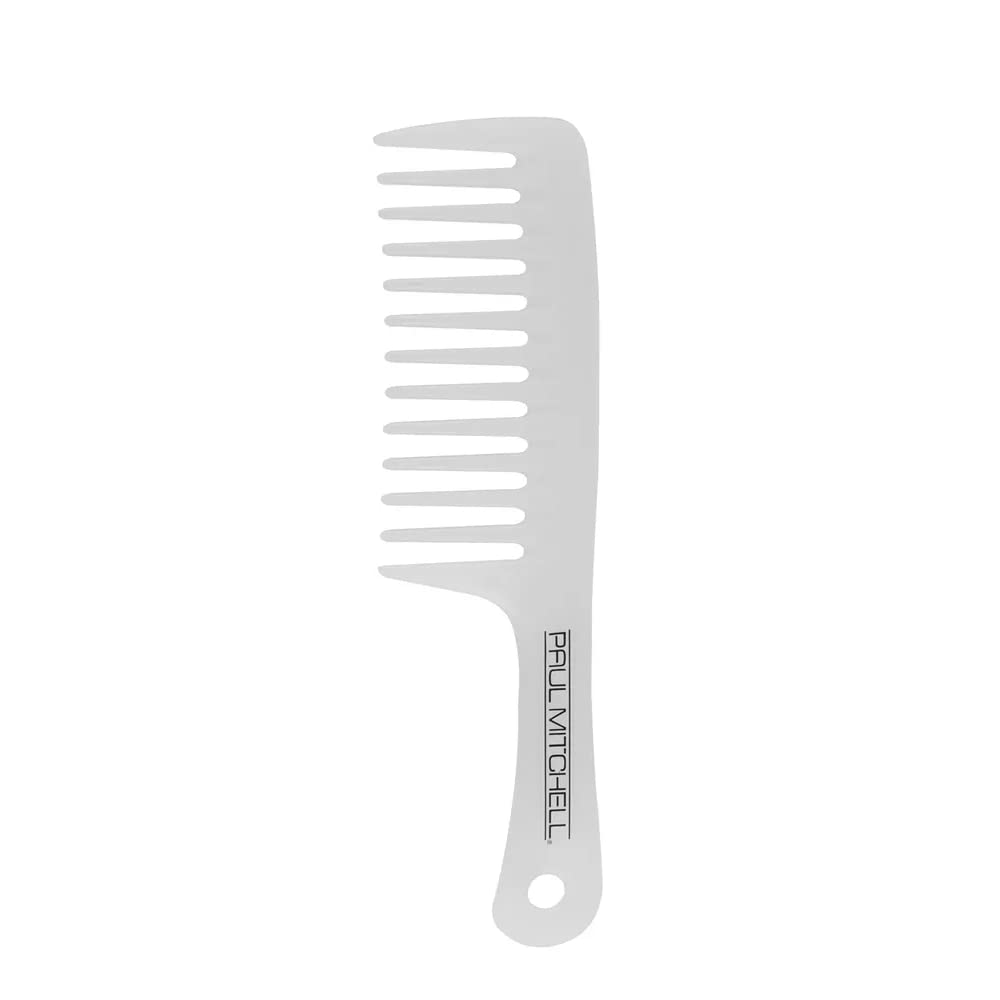
A wide-tooth, prestige detangling comb designed to glide through wet or dry hair with minimal resistance. In our testing, it became less a simple tool and more a daily ritual for protecting fragile strands, distributing conditioner, and preserving curl patterns with a single, deliberate pass.
Our Verdict
The Paul Mitchell Detangler Comb is the kind of understated tool that quietly rewrites your wash-day ritual. In our testing, it excelled on long, thick, curly, and coily hair, gliding through damp strands with far less drama, shedding, and emotional negotiation than most brushes. The wide teeth preserve curl pattern, spread conditioner like silk, and feel reassuringly solid in the hand.
There are trade-offs: the comb is undeniably large, and the matte plastic with pointed tips can feel scratchy on sensitive scalps or under heavy pressure. Fine or short hair simply doesn’t give it enough to grip. But for the hair it was clearly designed to serve—dense, textured, easily tangled lengths—it’s a workhorse that feels far more prestige than its modest price tag suggests. If your hair has ever “eaten” a flimsy comb, this is the upgrade that finally fights back on your side.
Craftsmanship & Build
This feels like a professional tool, not a throwaway accessory. The one-piece plastic construction is thick, solid, and reassuringly hard to snap, even when dragged through dense curls or long, soaked lengths. In our testing, it survived drops, shower storage, and daily use without warping or cracking.
Detangling Performance
On the right hair type, this is a remarkably gentle detangler. It glides through long, thick, wavy, curly, and coily hair with far fewer snags than standard combs, especially when used on wet hair with conditioner. Those with very fine or short hair, however, may find the teeth too widely spaced to catch every tangle.
Comfort on Scalp
Comfort depends heavily on pressure and scalp sensitivity. Used with a light hand, the rounded-yet-pointed teeth massage through the roots effectively. For our sensitive-scalp testers, the matte finish and sharper tips felt scratchy, so this isn’t the softest option if you crave a cushioned, flexible feel.
Suitability for Curls & Texture
This is where the comb truly shines. The wide spacing respects curl pattern, gently loosening knots without shredding definition. On 3C–4C textures and dense waves, it excelled at post-shower detangling and post-curl brushing to create soft, expanded volume without turning hair into frizz.
Durability Over Time
A long-haul companion rather than a seasonal fling. The comb’s thick, rigid body and seamless design mean no wobbly joints or snapped teeth, even with heavy-handed use. With basic care and occasional cleaning, we expect it to outlast many cheaper drugstore options by years.
Everyday Ease of Use
Once you adjust to the size, it becomes almost thoughtless to use. The generous handle and hanging hole work beautifully in the shower, and the wide teeth speed up detangling on long hair. Those with smaller hands or compact storage needs may find the oversized footprint more cumbersome than convenient.
Value as a Salon-Grade Tool
This feels like a professional comb at an accessible investment. For a modest spend, you’re getting salon-trusted performance, impressive durability, and a tool that can genuinely reduce breakage for the right hair types. It’s a quiet luxury: not flashy, but consistently reliable.
Pros & Cons
The Good
- Glides through wet or dry hair with far less pulling than standard combs or brushes
- Wide teeth make detangling thick, long, curly, and textured hair noticeably easier
- Sturdy, solid one-piece construction that feels durable and hard to break
- Excellent for distributing conditioner, masks, and treatments in the shower
- Helps minimize breakage and shedding, especially on fragile or aging hair
- Lightweight yet substantial in the hand, with an easy-to-grip handle
- Works beautifully for preserving curl pattern and creating loose, brushed-out waves
The Bad
- Comb is very large, which can feel awkward for small hands or short/fine hair
- Matte plastic and tooth tips can feel scratchy or sharp on sensitive scalps if used roughly
- Teeth are spaced so widely that very fine or very short hair may not detangle effectively
- Texture and rigidity can snag or feel harsh compared with more flexible or glossy combs
Insights from our Panel of Experts
What Lovers Say
Those of us with long, thick, curly, or easily tangled hair kept reaching for this comb. It sails through damp lengths after a shower, especially when paired with conditioner, leaving noticeably fewer strands in the drain and less of that familiar tugging at the roots. Our curls stay more defined instead of exploding into frizz, and aging or fragile hair feels protected rather than punished. Many of us ended up buying multiples for the shower, vanity, and travel because it quietly became the only tool we trusted on wet hair.
What Critics Say
Where this comb stumbles is in its sheer scale and surface feel. On fine, thin, or shorter hair, the extra-wide spacing can feel almost useless, barely catching enough strands to detangle properly. Several of our sensitive-scalp testers found the tooth tips too pointy and the matte finish a bit rough, especially when used directly on the scalp. A few also noted that compared with more flexible or glossy wide-tooth combs, this one can feel rigid and grabby if you rush or use heavy-handed pressure.
The Matchmaker
Is this the right addition to your collection? Let's verify compatibility.
Perfect For You If...
If you love a gentle, wide-tooth comb for post-shower detangling, have medium to very thick hair, or live in curls and waves you’d rather not disturb, this is an excellent workhorse. You’ll especially appreciate it if you like to comb conditioner or masks through in the shower and want something that feels salon-grade but straightforward.
Skip This If...
You prefer compact tools, have very fine or very short hair, or are extremely sensitive on the scalp. You may also want to pass if you favor ultra-smooth, glossy combs with more flexibility or closer-set teeth for detailed styling and precise detangling.
The Sensory Experience: In Hand and Through Hair
The first thing you notice about this comb is its presence. It’s long, wide, and feels almost architectural in the hand — more salon tool than purse accessory. The plastic has a matte, frosted finish that gives it a subtle, understated look, especially in the clear and opaque white shades. There’s a satisfying solidity when you pick it up; it doesn’t flex or wobble, even when you’re working through dense sections.
Running it through wet hair, we felt a distinct difference versus glossy, slippery combs. The matte surface offers a touch of drag — enough to give you control, but not so much that it should snag when used patiently from ends to roots. On thick and curly hair, the sensation is almost soothing: wide teeth gliding, sections loosening, tension melting away. On finer hair, however, that same texture can feel a bit grabby and less fluid.
The tooth tips are rounded but come to a noticeable point. For most of our testers, this meant a firm, almost scalp-scratching massage that helped lift product and buildup at the roots. For very sensitive scalps, those points bordered on uncomfortable, especially if you press the comb directly against the head instead of staying in the mid-lengths and ends.
Detangling Power on Different Hair Types
Our performance analysis reveals a clear sweet spot: medium to very thick, longer hair. On long, dense, or curly textures, the wide spacing between teeth lets the comb sink into the hair without creating that dreaded “stuck halfway” moment. When we used it in the shower with conditioner, knots that usually require a full negotiation session slipped apart with noticeably less effort and breakage.
On curls and coils — from loose waves to tighter 3C/4A patterns — we found it ideal for two rituals:
- Gently working conditioner or masks through sectioned, soaking-wet hair.
- Lightly combing out set curls to create soft, expanded, frizz-minimal volume.
Where it’s less successful is with very fine, thin, or short hair. The teeth are so widely spaced that fine strands can simply slide between them without being fully captured, leaving behind small tangles that a closer-set comb or brush would catch. Several of our fine-haired testers actually felt it created tangles when used aggressively from the roots. For them, this worked better as a treatment-distribution tool than a true detangler.
If your hair is fragile from aging, breakage, or health-related shedding, this comb paired with a good conditioner can be a gentler alternative to brushes. But the key is technique: always start at the ends, work upward in small sections, and keep your grip light.
Design, Size, and The Trade-Offs of Scale
This comb is unapologetically large. Laid next to a standard comb, it looks almost cartoonishly oversized — long handle, tall spine, and deep teeth designed to command serious hair. In the shower, that size becomes an advantage: it’s easy to locate, easy to hang by the end hole, and can cover a wide section of hair in a single pass, which speeds up detangling on long lengths.
The trade-off is ergonomics for smaller hands and shorter hair. Some of our testers with petite hands felt they were wielding a prop rather than a precision tool; gripping the handle securely with wet, soapy fingers took an extra beat of attention. For shoulder-length or shorter hair, the comb can feel like overkill — you’re simply not working with enough bulk to justify the scale.
We appreciated the one-piece construction, which means no creaky joints, no separate handle to snap, and fewer crevices for product buildup. The thickness of the plastic contributes to that “unbreakable” feeling; we dropped it repeatedly on tile and it shrugged off the impact. But that same thickness and rigidity mean there’s almost no flex, so if you’re used to a more forgiving, bendy detangling brush, this will feel firmer and more assertive in the hand.
How We Used It: Routines, Techniques, and Best Pairings
This comb truly earns its keep in the bathroom, especially on wash days. Across our testing, a few rituals emerged where it outperformed almost everything else in our kit:
In-Shower Conditioner Ritual
- Apply conditioner or mask generously to soaking-wet hair.
- Use the comb to rake from mid-lengths to ends, then gradually work upward.
- This not only detangles but also distributes product evenly, so every strand gets coated.
Post-Shower, Minimal-Breakage Detangling
- On towel-blotted hair, we started at the very ends in small sections.
- Short, gentle strokes upward prevented the comb from catching on large knots.
- This method was especially effective for those managing hair loss or fragile ends.
Curl & Wave Finishing
- After curls cooled from a hot tool, we used the comb to break up ringlets into soft waves without destroying shape.
- On natural curls, it worked best on damp, product-laden hair rather than completely dry, to avoid frizz.
We don’t recommend it as a precision styling tool — it’s not designed for sharp parts or intricate looks. Think of it as your prep and care comb: for detangling, product distribution, and curl-friendly finishing, not for detailed sculpting.
Materials, Hygiene, and Long-Term Care
Material matters more than most people realize in a comb. Here, Paul Mitchell opts for a solid plastic body infused with antimicrobial protection, designed to resist bacterial buildup over time. In daily use, that translates to a tool that feels reassuringly clean, especially when it lives in a warm, damp shower environment.
The matte finish is a double-edged sword. On the one hand, it gives the comb a modern, frosted aesthetic and a slightly grippy feel when dry. On the other, that micro-texture can create more friction than a high-gloss tortoiseshell-style comb, particularly on fragile or highly porous hair. A few of our testers also noticed tiny molding seams or rough edges on some teeth, which we recommend gently buffing with a fine nail file if you encounter them.
Cleaning is refreshingly simple:
- Rinse after each use to remove conditioner and product.
- Once in a while, soak in a professional disinfectant or wash with warm soapy water.
- Let it air dry completely before tossing it into a drawer or bag.
With this minimal care, our combs maintained their shape, clarity, and performance beautifully, reinforcing the sense that this is a long-term staple rather than a disposable accessory.
Buying Guide
Consultant's Breakdown
Expert analysis to help you decide.
This sits firmly in the “smart luxury” category. You’re paying a touch more than a generic comb, but what you receive is a salon-trusted tool that can genuinely protect long, thick, or curly hair from unnecessary breakage. If detangling is a pain point in your routine, this is a worthwhile, low-risk upgrade.
Its main edge is professional reliability married to simplicity. Unlike gimmicky detangling tools with moving parts or questionable bristles, this is a solid, one-piece comb that consistently performs on wet hair, heavy conditioner, and dense curls without feeling flimsy or disposable.
Best suited to medium to very thick hair, longer lengths, and any curl pattern that benefits from wide-tooth care. If your hair is fine, very short, or you prefer ultra-gentle scalp contact, you may want a smaller, smoother, or more flexible comb instead.
Specifications
| Brand Name | Paul Mitchell — professional heritage haircare brand known for salon-quality tools. |
|---|---|
| Number of Items | 1 — a single wide-tooth detangling comb. |
| Manufacturer | John Paul Mitchell Systems — professional salon-focused manufacturer. |
| Item Weight | 0.04 kilograms — lightweight in hand while still feeling substantial. |
| Hair Type | All — formulated for use on fine, medium, thick, straight, wavy, curly, and coily hair. |
| Power Source | Manual — traditional, non-electronic styling tool. |
| Material Type | Plastic — solid one-piece construction with a matte finish. |
| Color | Available in opaque and translucent finishes, including clear, opaque white, guava pink, seafoam, and night sky blue. |
Our Testing Methodology
We tested the Paul Mitchell Detangler Comb over several weeks across a mixed panel: fine, medium, and thick hair; straight, wavy, curly, and coily textures; and both untreated and color-processed strands. We used it in steamy showers to distribute conditioner and masks, on towel-dried hair for post-shower detangling, and on dry curls to brush out set styles. Throughout, we tracked breakage, ease of glide, scalp comfort, and how well curl patterns and overall smoothness were preserved in real-world routines rather than controlled lab-only conditions.
Frequently Asked Questions
Efficacy & Performance
Yes, on the right hair type it’s excellent for wet detangling. In our testing on medium to very thick and curly hair, it glided through conditioned, soaking-wet strands with noticeably less pulling and breakage than standard combs or brushes. Technique (starting at the ends) is key.
It’s particularly well-suited to curls and coils. The wide teeth separate strands without shredding the curl pattern, and it’s brilliant for combing conditioner through sectioned curls in the shower. Used gently on damp hair, it reduces frizz and helps curls dry more defined and elongated.
On very fine or thin hair, performance is mixed. The teeth are spaced so widely that they may miss smaller tangles, and some fine-haired testers felt it created snags rather than removing them. It can still work to distribute conditioner, but it’s not our first choice for true detangling on fine hair.
Used correctly, it can absolutely help reduce breakage. The wide teeth and gentle, ends-upward technique mean less tension on fragile strands, especially when hair is coated in conditioner. Several testers with shedding concerns saw fewer hairs left behind compared with using traditional brushes.
Yes, this is one of its strongest uses. After a shower, we used it on towel-blotted hair to remove knots while preserving natural texture. On wavy and curly hair, it helped set up a smoother, more controlled air-dry with less frizz and fewer snags during the drying process.
Materials & Safety
It’s made from solid plastic with antimicrobial protection infused into the material. The construction is one-piece and rigid, giving it a substantial, durable feel that holds up well to daily use, shower humidity, and the occasional drop onto hard bathroom floors.
It depends on your sensitivity. Most testers found it comfortable when used with a light touch, but the tooth tips are fairly pointed and the matte finish adds friction. Those with very sensitive scalps sometimes found it scratchy, so a softer, more flexible tool may be better in that case.
Yes, it’s safe for color-treated or chemically processed hair. The comb itself won’t strip color or react with treatments. In fact, using a wide-tooth comb like this on wet, processed hair is often gentler than brushing, helping you avoid unnecessary breakage on already-delicate strands.
You can clean it with warm water and mild shampoo or soap, then rinse thoroughly. For deeper sanitation, it can be soaked in professional solutions like barbicide or sprayed with a disinfectant, then allowed to air dry. The solid plastic construction tolerates routine cleaning well.
Some pieces can have small molding seams or slightly rough tips on the teeth. If you notice scratchiness, we recommend gently buffing any obvious edges with a fine nail file. Once smoothed, the comb feels much more comfortable and glides more cleanly through the hair.
Application & Usage
Always start on wet or damp hair that’s been treated with conditioner or a leave-in. Begin at the very ends, working in small sections and moving upward gradually. Keep your grip light and avoid forcing the comb through knots; instead, use short, gentle strokes to tease them apart.
Absolutely. On dry hair, it works well for loosening curls into soft waves, refreshing second-day hair, or gently smoothing lengths without over-brushing. Just be extra gentle on dry, fragile ends and avoid aggressive scalp contact if you’re sensitive to firmer tools.
Yes, this is one of its best uses. We love it as a shower comb: apply conditioner or mask, then use the comb to rake the product through from mid-lengths to ends. It ensures even distribution, helps detangle, and makes rinsing more efficient while minimizing breakage.
Functionally, it can work on children’s hair, especially if they have very thick or curly textures. However, the comb is quite large and the teeth are pointed, so it can be awkward for small hands and a bit intense on delicate scalps. We’d recommend adult handling and a gentler tool for very young kids.
Not particularly. The wide teeth and substantial size make it ideal for detangling and product distribution, not for sharp parts or intricate styles. For precision work, you’ll still want a fine-tooth comb or tail comb in your kit.
Hair Type Compatibility & Use Cases
On tightly coiled textures, it performs well when used with plenty of slip — think conditioner, mask, or a rich leave-in. Sectioning is essential: work in small, saturated sections from ends upward. Used this way, it can detangle without excessive breakage and helps maintain coil integrity.
It’s generally too large and too widely spaced for very short hair. With minimal length, the teeth don’t have enough hair to grip, and the scale of the comb can feel awkward on the head. A smaller, closer-tooth comb is usually more practical for short styles.
You can, but with care. On high-quality synthetic or human-hair wigs and extensions, use it only on mid-lengths and ends, ideally while the hair is supported and detangling products are applied. Avoid aggressive root-level combing that could loosen tracks or wefts.
It can be, provided there’s enough density and length to benefit from wide teeth. For fragile or thinning hair that’s still medium to long, using this gently on conditioned, wet hair can be kinder than brushing. If hair is very sparse or extremely fine, a softer, smaller tool may feel safer.
Indirectly, yes. By detangling with less breakage and by working through conditioner more evenly, it sets hair up to dry more smoothly. On curls, using it only on wet, product-laden hair helps maintain definition and reduces the roughing-up that can lead to halo frizz.
Gaps, Limitations & Practical Considerations
Because it is genuinely large: long handle, tall spine, and deep teeth. On long, dense hair, that scale is an advantage, covering more area in fewer passes. On short or fine hair — or in small hands — it can feel oversized, clunky, and unnecessary for the amount of hair you’re working with.
First, adjust your technique: keep the comb slightly off the scalp and focus on mid-lengths and ends, especially on wet, conditioned hair. If individual teeth feel rough, gently smooth them with a fine nail file. If your scalp is very sensitive, you may ultimately prefer a softer, more flexible tool.
Because of its size, it’s not the most travel-friendly option for minimalist packers or tiny toiletry bags. That said, it’s lightweight and durable, so if you rely on it for your curls or long hair, it can absolutely live in a larger travel kit or checked bag without issue.
Yes, subtly. The matte, frosted surface offers more grip than a glossy comb, which some find helpful for control. Others experience it as extra friction, especially on dry or highly porous hair. Using it primarily on wet, conditioned hair tends to give the smoothest glide.
If your current comb is flimsy, prone to snapping, or rough at the seams, this is a worthwhile upgrade in durability and professional feel. If you already own a sturdy, comfortable wide-tooth comb that treats your hair kindly, this is more of a nice-to-have than an essential replacement.
Miscellaneous & Styling Tips
Yes, and it’s lovely for that. Once curls have cooled, gently rake the comb through to break them into soft, loose waves without obliterating shape. Start with larger sections and add more passes only if you want a more relaxed, brushed-out finish.
Indirectly, it can. By detangling and aligning strands more efficiently, especially in the shower with conditioner, hair tends to clump and lie more smoothly, which can slightly speed up both air-drying and blow-drying compared with leaving hair in tight, tangled clusters.
The large handle and substantial body can actually be an advantage for some, providing a bigger surface to grasp. One of our testers with limited hand mobility appreciated the “big grip” feel. However, the size and rigidity may still feel cumbersome for others, so it’s a personal preference.
For some hair types, yes. If you have curls, coils, or fragile hair that you prefer not to brush daily, this can become your main tool for wet detangling and gentle dry refreshing. For ultra-sleek blowouts or very fine hair, you’ll likely still want a traditional brush in your rotation.
With typical home use and basic cleaning, this comb is built to last for years. The thick, one-piece plastic construction resists snapping and warping, and there are no moving parts to fail. It’s more likely you’ll misplace it than wear it out quickly.
The Curated Edit
Curated based on the unique characteristics of Paul Mitchell Detangler Comb.
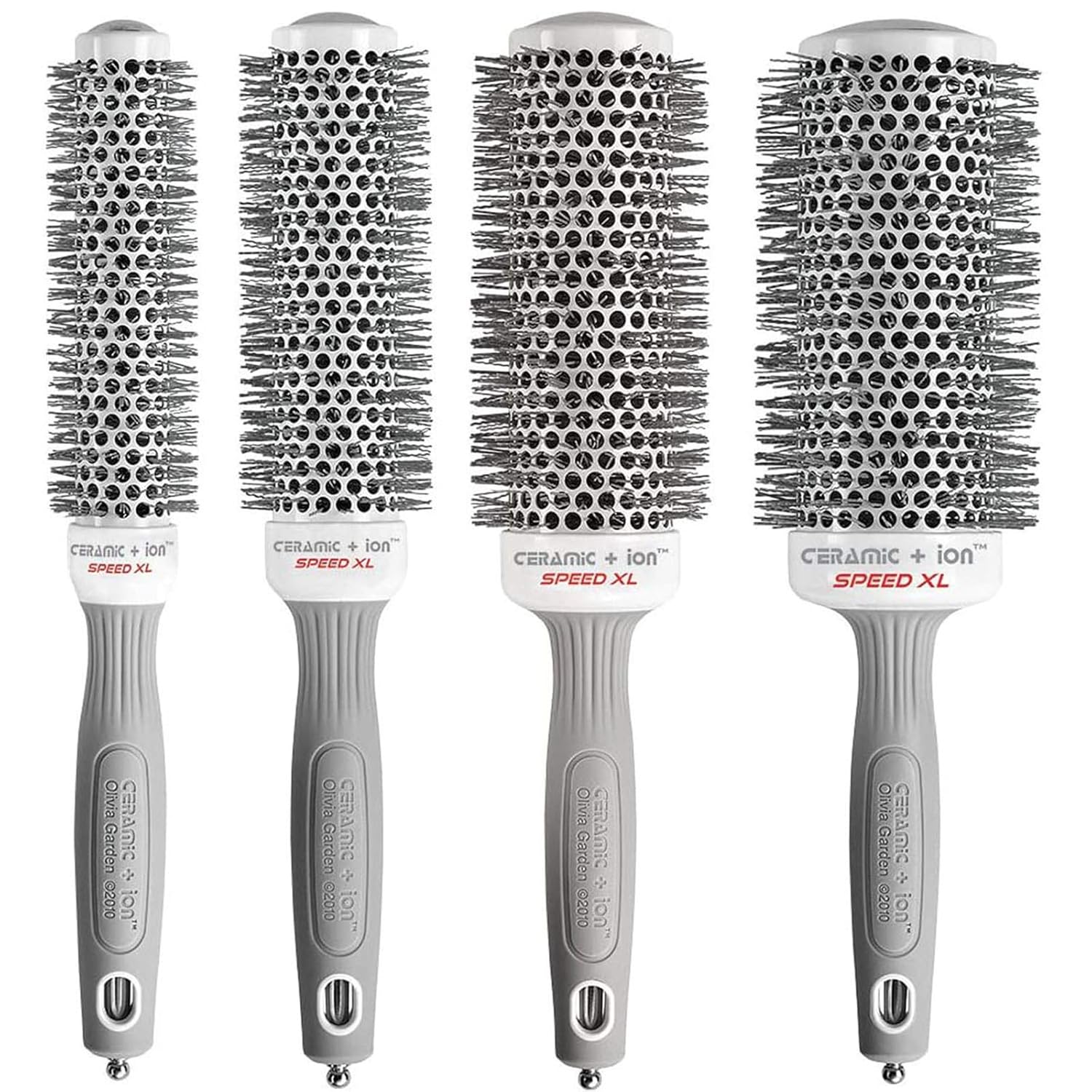
Olivia Garden Ceramic + Ion Speed XL Round Thermal Hair Brush
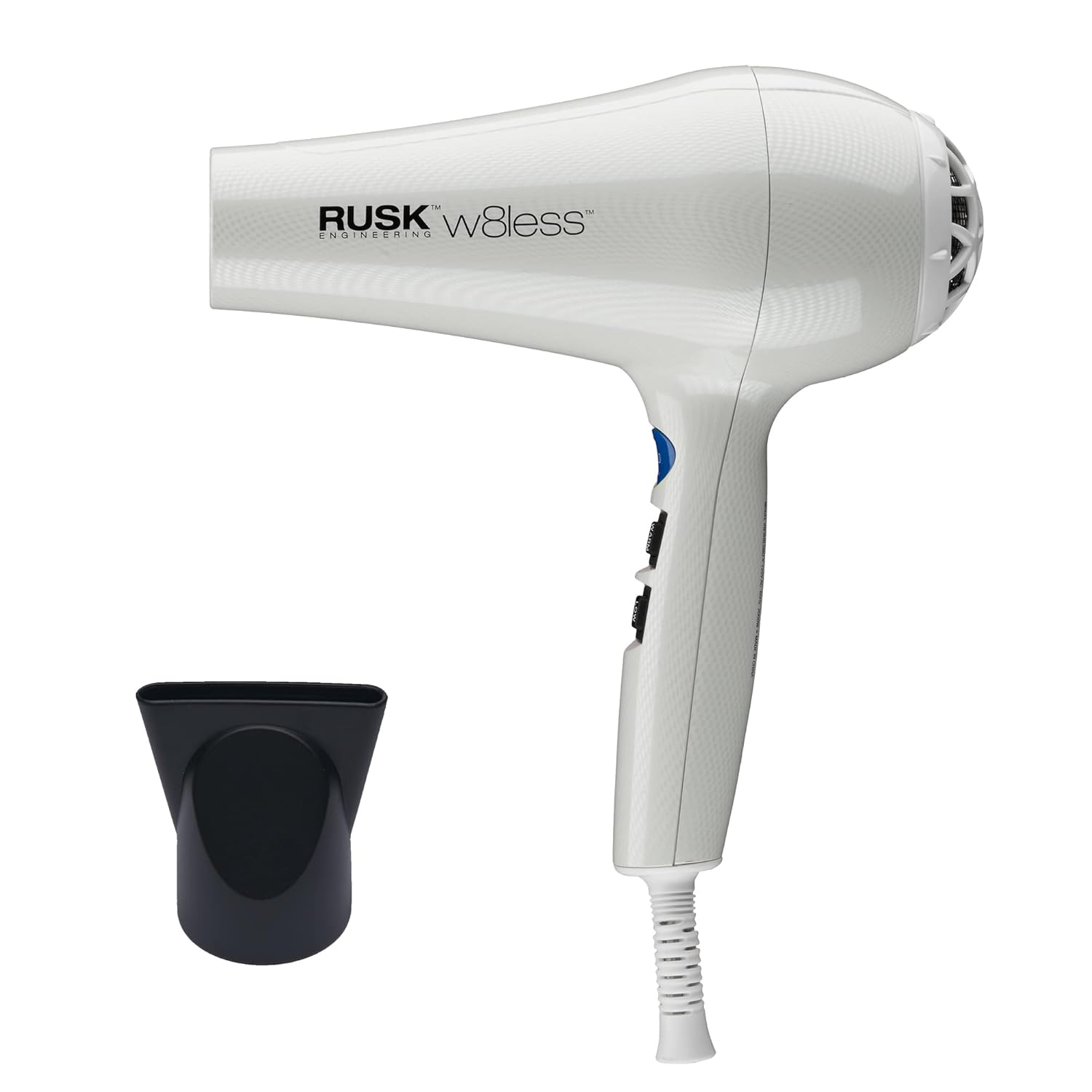
RUSK Engineering W8less Professional 2000 Watt Dryer
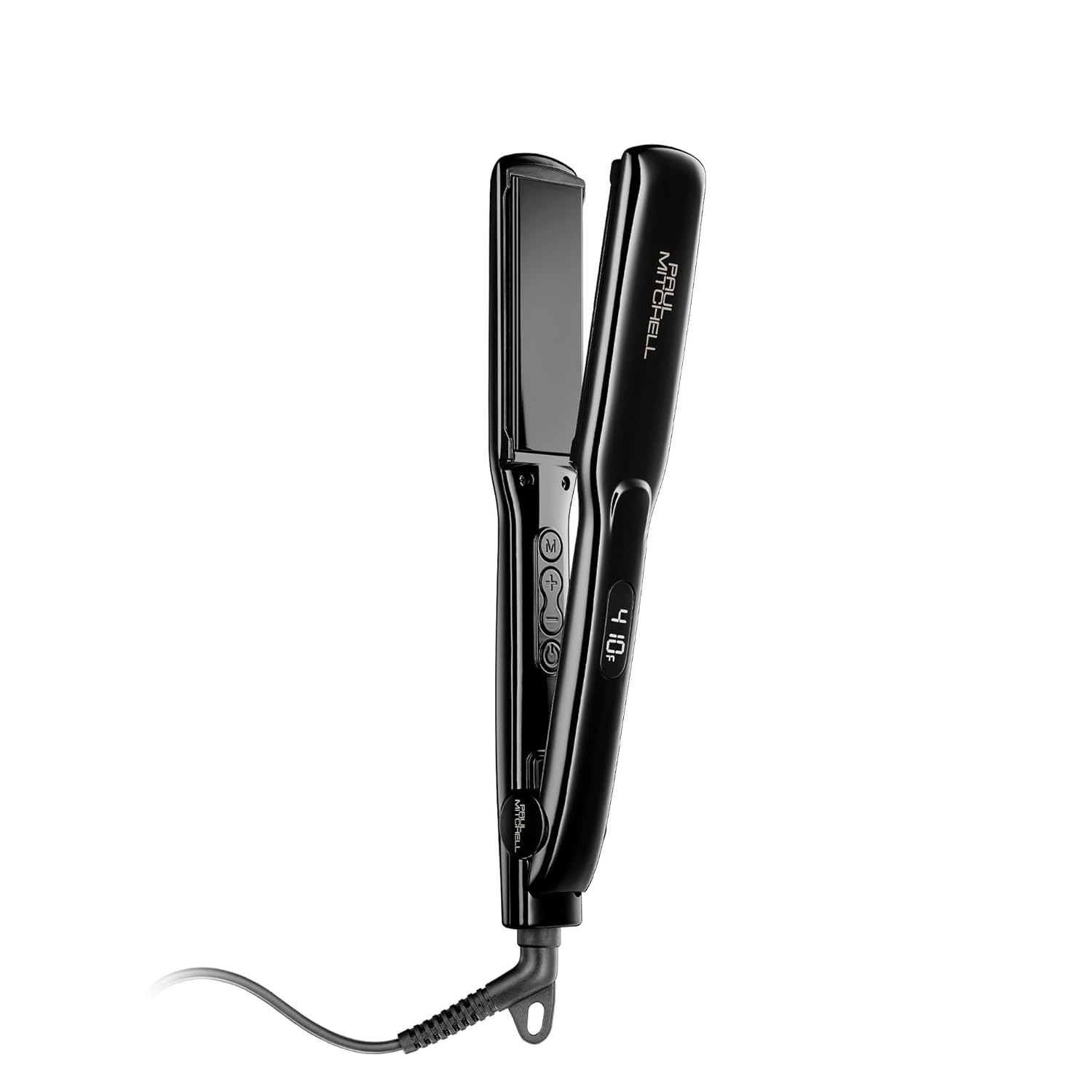
Paul Mitchell Smooth+ Ceramic Flat Iron
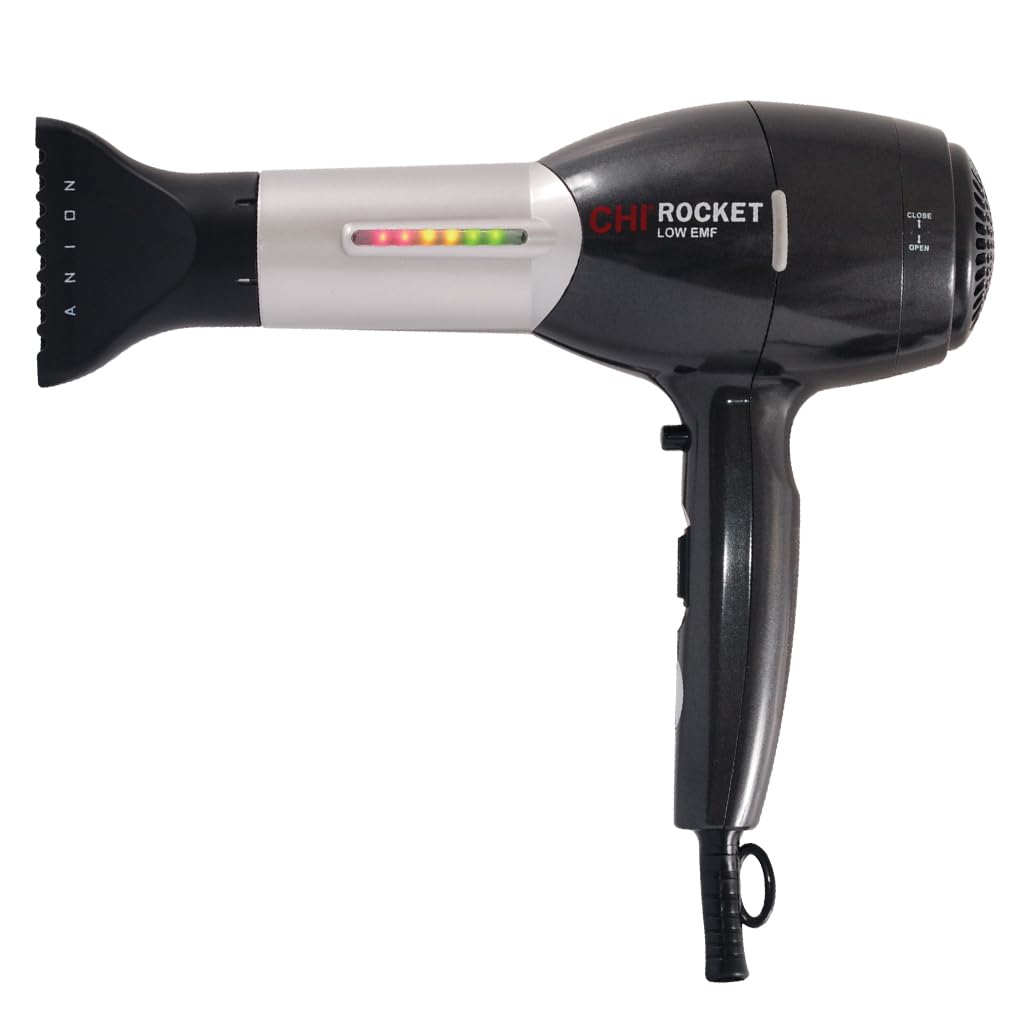
CHI Rocket Hair Dryer
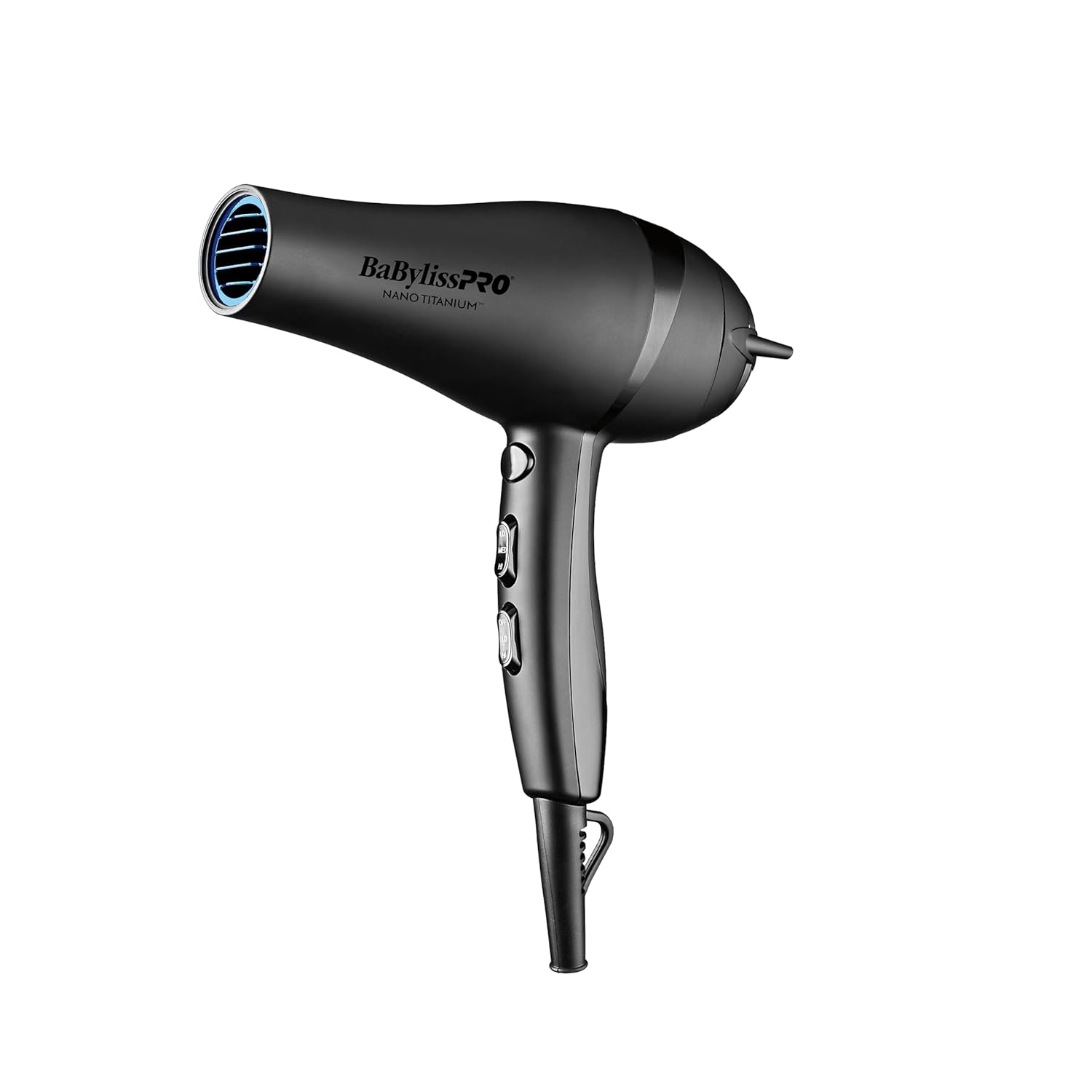
BaBylissPRO Nano Titanium 2000-Watt Blow Dryer
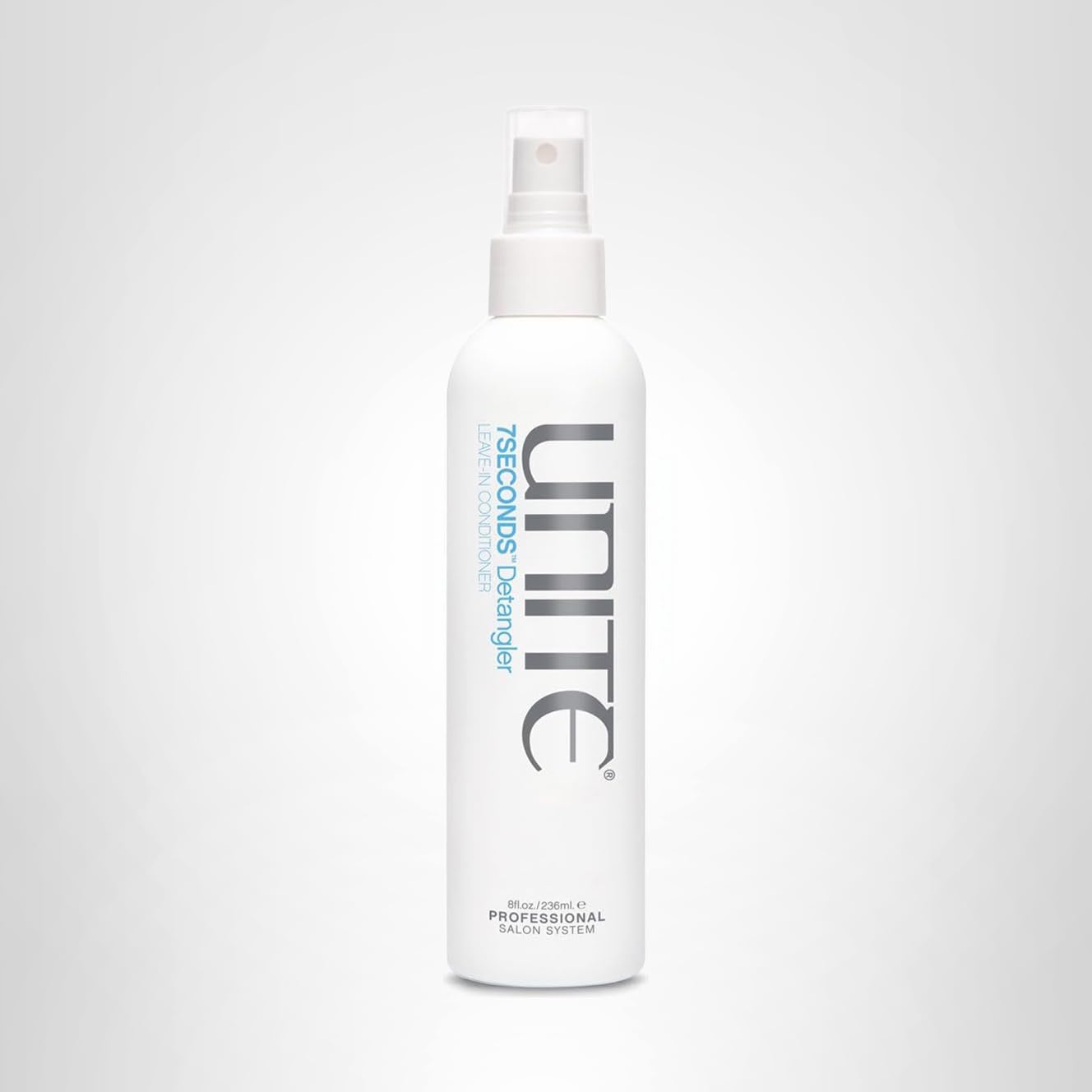
UNITE Hair 7SECONDS Detangler Leave-In Conditioner Spray
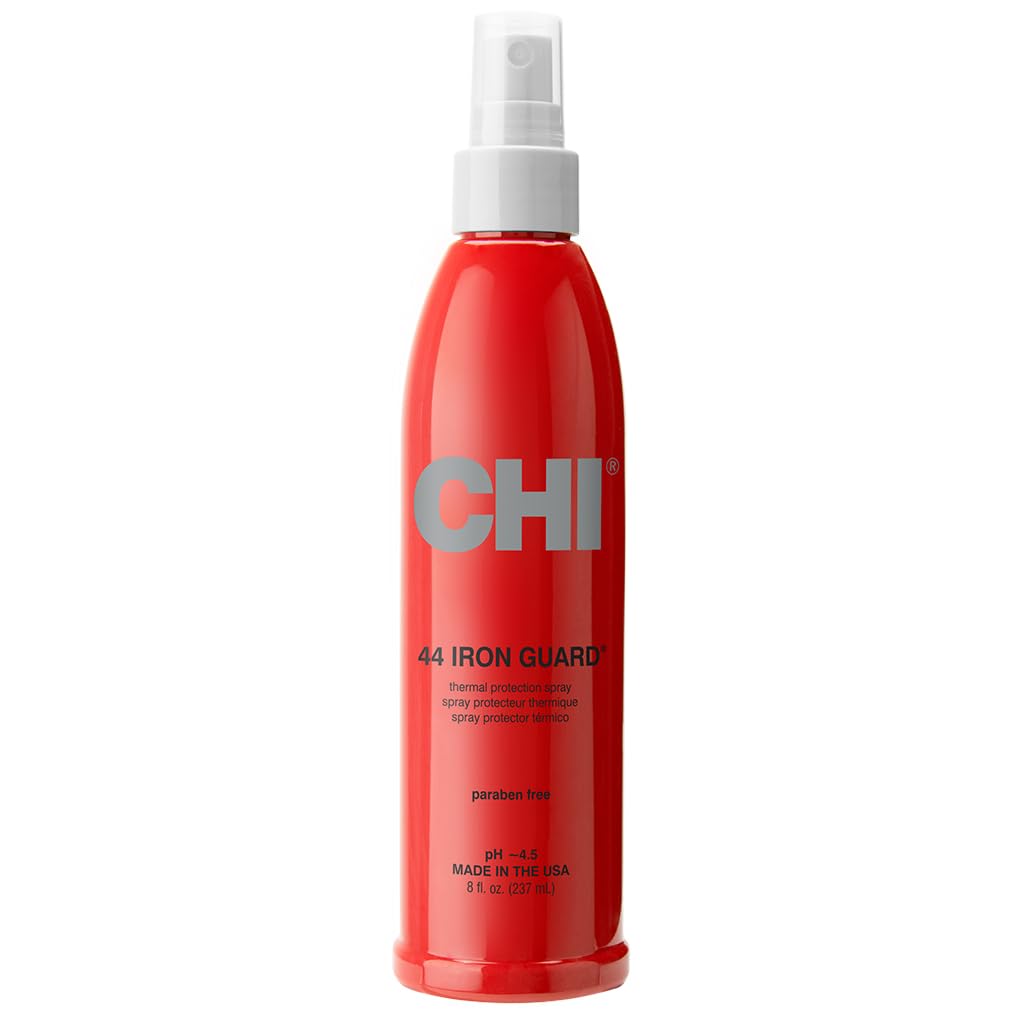
CHI 44 Iron Guard Thermal Protection Spray
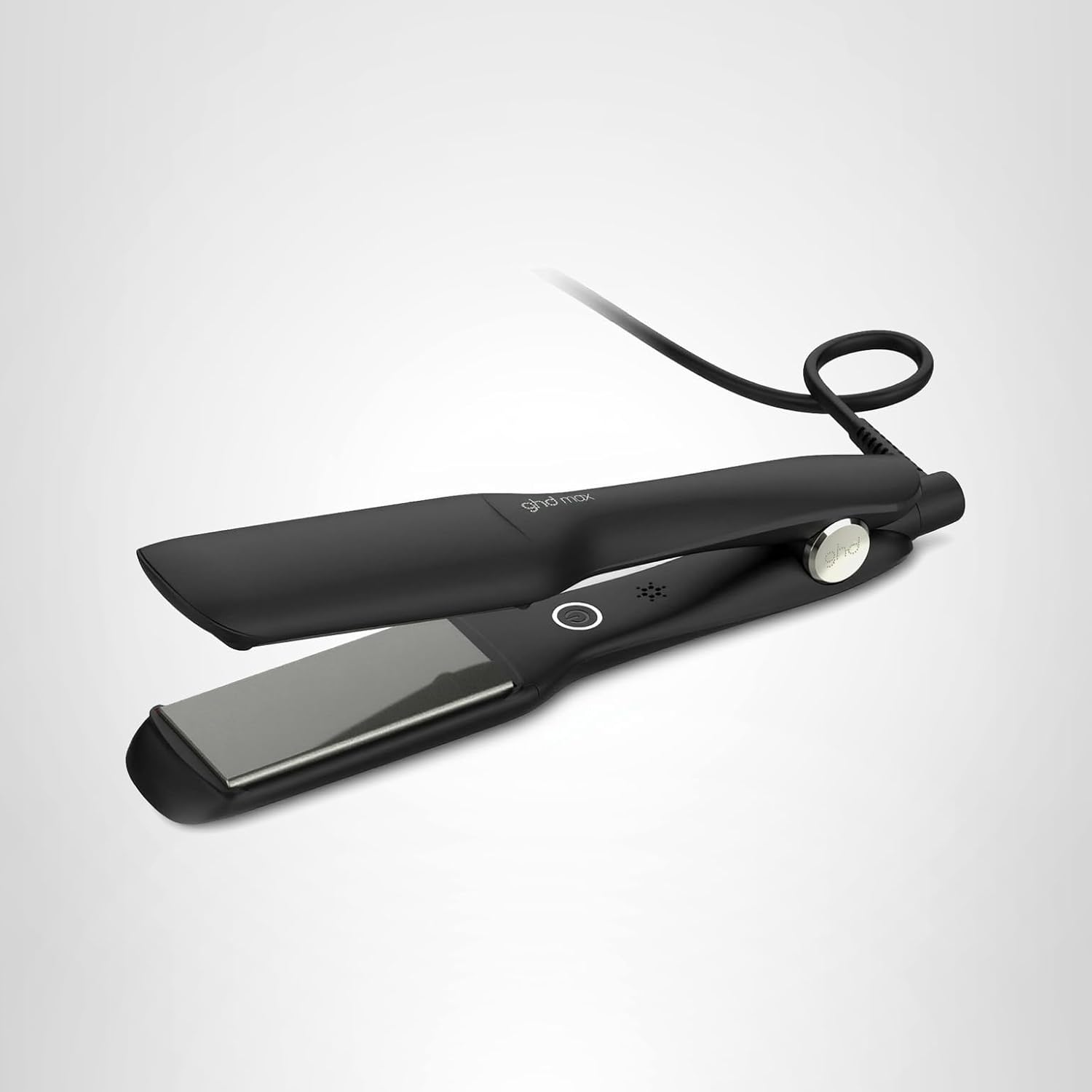
ghd Gold Professional Styler Flat Iron Hair Straightener