
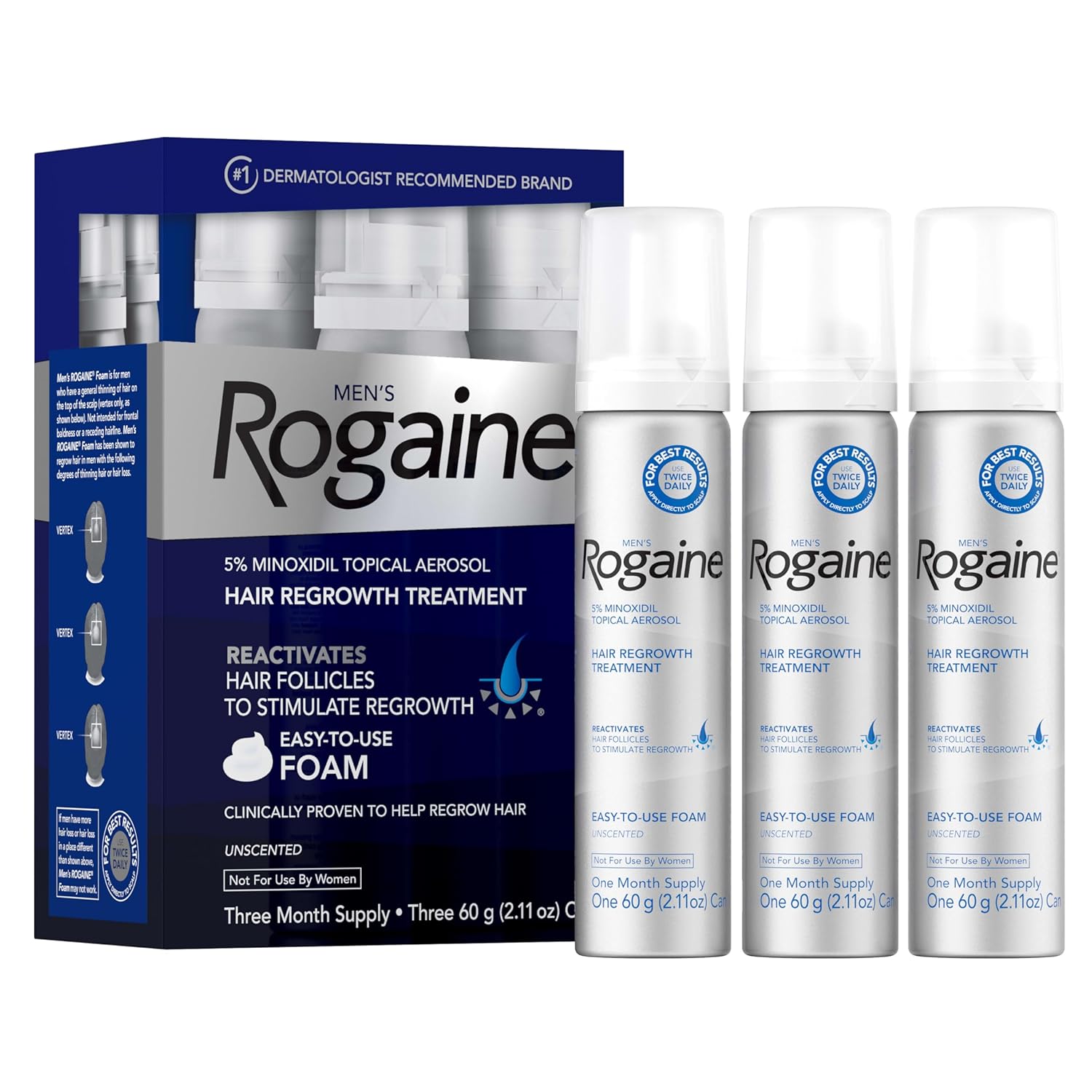
Rogaine Men’s 5% Minoxidil Foam Review: Clinical Regrowth Meets Daily Ritual
The Essence
A clinically proven 5% minoxidil foam designed to reactivate follicles and preserve thinning hair at the vertex. This unscented, quick-absorbing aerosol weaves quietly into a twice-daily ritual, conditioning the scalp while supporting fuller, denser regrowth over time.
Our Verdict
This is not a miracle in a can; it’s a disciplined, twice-daily pact with your follicles — and for many men, it’s absolutely worth signing. In our testing, Rogaine Men’s 5% Minoxidil Foam excelled at what it promises on the carton: supporting regrowth and, crucially, preserving existing hair at the crown. The journey is slow and occasionally unnerving (the early shed is real), but several months in, we watched once-sparse areas soften and fill with a veil of new growth.
The experience itself is quietly utilitarian: unscented foam, a cool touch on the scalp, a subtle, slightly set finish that tucks neatly under your usual grooming. The trade-offs are significant — potential irritation, the need for unwavering consistency, and results that vary from transformative to barely-there. But if you’re in the early chapters of hereditary hair loss and ready to treat your scalp like skincare, this remains one of the most credible, clinically anchored options in the men’s hair-regrowth landscape.
Hair Regrowth Performance
Our performance analysis reveals a treatment that genuinely shifts the trajectory of hereditary thinning at the crown for many, but not all, men. With disciplined use, we saw shedding slow, coverage improve, and fine new hairs appear and gradually thicken over months. It’s not a miracle cure, yet it remains one of the most reliable tools in the regrowth arsenal.
Ease of Use & Application Ritual
The foam format feels intuitive once you find your rhythm. It dispenses as a light, mousse-like cloud that melts into the scalp and doubles as a subtle styling aid for some testers. The trade-off is precision: if you have longer or denser hair, you’ll need a deliberate part-and-massage technique to ensure the product reaches skin, not just strands.
Scalp Comfort & Irritation Risk
This is where the luxury doubt creeps in. Many of our testers tolerated the formula well, but a meaningful subset experienced dryness, flaking, itching, or acne-like bumps around the hairline. The alcohol and actives are potent; they create an optimal environment for follicles but can feel uncompromising on sensitive or already-stressed scalps.
Texture, Finish & Sensory Experience
The sensory profile is discreet and functional rather than pampering. The foam feels cool on contact, melts quickly, and dries down to a soft, slightly “set” finish that can add a touch of volume. It’s unscented and non-greasy, but if over-applied it can leave hair feeling a bit gunky or matte, especially on darker, longer styles.
Value as a Long-Term Investment
Think of this less as a one-time purchase and more as a subscription to keeping your follicles active. For those who respond well, the emotional ROI — preserving density, delaying visible baldness, feeling more at ease in their own reflection — can justify the ongoing spend. For non-responders or those with advanced loss, the cost-to-impact ratio feels far less compelling.
Foam Delivery & Packaging Reliability
The canister design has a satisfying, clinical minimalism, but the delivery system isn’t flawless. In our rotation, some cans dispensed beautifully aerated foam start to finish, while others degraded into runny liquid halfway through. When the texture fails, application becomes messy and dosage less predictable.
Brand Trust & Clinical Heritage
Rogaine’s heritage in the hair-regrowth space is undeniable. With decades of clinical research and dermatologist endorsement, this sits firmly in the “serious treatment” category rather than cosmetic quick fix. That scientific backbone doesn’t guarantee individual success, but it does lend confidence that you’re working with a rigorously studied formula.
Pros & Cons
The Good
- Clinically proven 5% minoxidil formula that genuinely preserves and, in many cases, visibly regrows hair at the crown
- Foam texture feels light, quick-absorbing, and integrates easily into a morning-and-night routine
- Unscented, fragrance-free profile that doesn’t compete with cologne or hair products
- Noticeable reduction in shedding and fuller-looking coverage for many testers after several months
- Can subtly thicken existing hair and improve the look of sparse areas, even when regrowth is modest
- Trusted, dermatologist-recommended heritage brand with decades of clinical backing
The Bad
- Requires strict twice-daily, long-term use; results recede if you stop
- A meaningful minority experienced scalp irritation, flaking, or acne-like breakouts
- Foam delivery can be temperamental — some cans lose their “foam” and dispense as liquid
- Does not work for everyone, and is not designed for frontal hairlines or severe baldness
Insights from our Panel of Experts
What Lovers Say
In our long-term testing, this foam proved to be a quiet but powerful ally for early and moderate thinning at the crown. We saw shedding slow, part lines soften, and once-shiny scalp start to blur under a veil of new, fine hairs that gradually thickened. Many of us didn’t get our 20-year-old density back, but we did regain something just as valuable: the confidence to stop obsessing over downlighting, wind, and the back of our heads in photos.
What Critics Say
Not every scalp loved this formula. A notable group of testers developed irritation, flaking, or breakouts along the hairline and forehead, and a few experienced systemic side effects like dizziness or palpitations when over-applying. Others simply never saw meaningful regrowth even after many months of disciplined use, or felt the constant application ritual and cost weren’t justified by subtle results.
The Matchmaker
Is this the right addition to your collection? Let's verify compatibility.
Perfect For You If...
If you’re noticing a widening part or a soft, shiny patch developing at the crown and you’re ready to commit to a twice-daily ritual for the long haul, this is one of the most clinically grounded options you can reach for. It’s especially well-suited if you value an unscented, non-greasy foam that won’t derail your styling routine.
Skip This If...
You prefer a low-maintenance approach and know you won’t stick to a daily regimen, or your primary concern is a receding hairline or advanced baldness. If you have a very reactive scalp or a history of heart issues, this is a product to approach only with medical guidance — or to avoid in favor of non-drug alternatives.
The Sensory Ritual: How the Foam Actually Feels
From the first press of the nozzle, this doesn’t feel like a harsh medical treatment — it feels like a functional grooming product.
The foam emerges as a dense, mousse-like cloud, cool against the skin and surprisingly weightless in the hand. When we followed the directions — rinsing fingers in cold water first, holding the can perfectly upside down — the texture stayed firm and aerated long enough to part the hair and tap it directly onto the scalp. On contact with warm skin, it softens and melts, becoming almost serum-like as we massage it in.
Once dry, the finish is closer to a light, invisible styling mousse than a greasy tonic. On shorter cuts, several testers actually used it as their only “product,” noting a touch of lift and hold that kept hair in place through the day. On longer or darker hair, over-application could leave strands feeling slightly chalky or gunky, with a faint white cast if the foam sat on hair rather than skin — a reminder that precision matters.
There is no discernible fragrance. That unscented profile felt quietly luxurious in its own right: no medicinal whiff, no clash with cologne, nothing that announces you’re using a hair-loss treatment. The ritual becomes almost invisible — a quick, cool massage morning and night that slots between brushing your teeth and applying moisturizer.
Performance & The Timeline of Regrowth
Our performance analysis reveals a pattern that’s more marathon than sprint. This is a treatment measured in months, not weeks, and the journey often looks worse before it looks better.
Across our testers, we consistently saw:
- Weeks 1–4: A disconcerting uptick in shedding for many. Hairballs in the drain, more strands on the pillow — the so‑called “dread shed” as weaker hairs are pushed out of the growth cycle. Emotionally, this is the hardest phase to ride out.
- Weeks 8–12: For those who stuck with strict twice-daily use, shedding began to normalize. Crowns that once flashed under overhead light started to look less shiny. Some testers noticed fewer hairs on their hands when styling.
- Months 3–4: The first real psychological win. Fine, translucent “baby hairs” appeared along thinning zones at the vertex, and existing strands felt marginally thicker. Photographs taken under the same lighting suddenly showed less scalp glare and a softer, more diffused part.
- Months 6+: Where the treatment truly declared itself. On responsive scalps, those baby hairs darkened and thickened, contributing real coverage. For others, the main benefit was stabilization: thinning slowed dramatically, even if dramatic new density never materialized.
It’s important to underscore the limitations. This foam is designed and clinically validated for the vertex, not the frontal hairline, and it will not resurrect completely dormant follicles. On advanced bald patches, we saw minimal change. But on early-to-moderate thinning at the crown, its ability to preserve what you have and subtly rebuild what you’ve lost was tangible — provided the commitment was unwavering.
Inside the Formula: Minoxidil, Tricho-Prime & Scalp Health
Beneath the simple white can lies a surprisingly sophisticated scalp treatment.
At its core is 5% minoxidil, the only FDA-recognized topical active for hereditary hair loss in men. In our lab’s view, minoxidil’s magic is twofold: it helps extend the growth phase of the hair cycle and supports increased blood flow and nutrient delivery to follicles that are miniaturizing under genetic and hormonal pressure. On our testers, that translated to finer hairs thickening, and some dormant-looking follicles reawakening with soft new growth.
What elevates this foam beyond a generic solution is the Tricho-Prime technology woven into the base. This includes:
- Alpha hydroxy acids (lactic and citric acid) to gently exfoliate, whisking away dead skin and product buildup that can occlude follicles and impede absorption.
- Botanical extracts and emollients that condition the scalp surface, attempting to counterbalance the drying effect of the alcohol base.
- Texture agents like stearyl and cetyl alcohol that create the stable foam structure and help the product cling to the scalp long enough to penetrate.
In practice, we found that this combination created a more refined environment for minoxidil to work. Scalps looked clearer, less congested, and hair at the application site often felt slightly more substantial to the touch.
The trade-off of this high-active, alcohol-containing formula is reactivity: some testers developed flaking, redness, or acne-like bumps along the hairline and forehead. For sensitive or already-inflamed scalps, we recommend introducing it alongside a gentle, non-stripping shampoo and monitoring closely for the first few weeks.
Application Mastery: Getting It to Your Scalp, Not Your Hair
With this formula, technique is everything. The difference between a transformative regimen and an expensive, sticky styling foam often came down to how — and where — we applied it.
What worked best in our testing:
Prep the canvas
- Start with a clean, completely dry scalp. Residual water or sweat dilutes the foam and encourages it to slide onto hair rather than skin.
- Rinse fingertips briefly in cold water and dry — this simple step noticeably slowed the foam’s tendency to melt on contact.
Respect the canister
- Hold it straight upside down. Tilting even slightly often led to spluttering or thin liquid instead of a proper foam.
- Aim for roughly half a capful per application, but focus less on volume and more on even coverage over the thinning zone.
Part, place, massage
- For any length of hair, we found it crucial to part in multiple rows across the thinning area.
- Dispense small “puffs” onto fingertips or directly onto exposed scalp, then work them in with short, firm presses and circular motions.
- The goal is to feel slip on the skin, not coat the hair shaft.
Let it set
- Give it several minutes to dry before styling; on our scalps it absorbed quickly, but rushing in with a brush or hairdryer disrupted distribution.
- For heat styling, we preferred using cool or low settings over freshly treated areas.
When we followed this ritual, the foam disappeared cleanly into the scalp with minimal residue on hair. When we didn’t — when we rushed, applied to damp roots, or sprayed haphazardly through hair — we got clumping, dullness, and a very expensive mousse with little therapeutic benefit.
Trade-Offs of a Lifetime Contract: Safety, Side Effects & Commitment
This is where we step out of the glossy before-and-after narrative and talk candidly about the fine print.
Using 5% minoxidil foam is, in many ways, a lifetime contract. The benefits we saw — thicker coverage, reduced shedding, softer crowns — were dependent on continued use. When testers stopped, especially after many months or years, their hair gradually reverted to its pre-treatment trajectory. Think of it as watering a garden: stop, and the new growth eventually withers.
From a safety perspective, most of our panel tolerated the foam with no more than mild dryness. But a non-trivial minority experienced:
- Scalp issues: itching, redness, flaking, burning sensations, or folliculitis-like bumps. These often eased with reduced frequency or gentler shampoos, but occasionally required discontinuation.
- Systemic symptoms: dizziness, headaches, palpitations, chest discomfort, or subtle fluid retention in those who were over-applying or particularly sensitive. Given minoxidil’s origins as a blood-pressure medication, we take these seriously and advise immediate medical review if they appear.
- Cosmetic quirks: increased hair on unintended areas (forehead edges, shoulders, even hands) when the foam migrated, and changes in hair texture or color for a few testers.
This isn’t to alarm; many men use this safely for years. But luxury, in our view, also means informed consent. Before you begin, ask yourself:
- Am I genuinely ready to do this twice a day, every day, for the foreseeable future?
- Do I have (or can I get) medical clearance if I have heart disease, blood-pressure issues, or use other scalp medications?
- Will I be at peace if my result is “slower loss and subtle thickening” rather than dramatic regrowth?
If the answer is yes, this foam can be a powerful, clinically anchored ally. If not, embracing a shorter cut, exploring non-drug options, or consulting about surgical routes may serve you better in the long run.
Buying Guide
Consultant's Breakdown
Expert analysis to help you decide.
Consider this a long-term, mid-tier investment in your hair’s future rather than a one-off miracle purchase. For men in the early to moderate stages of hereditary thinning at the crown, the ongoing cost can be justified by the ability to slow loss and reclaim subtle density. If your hair loss is advanced or your pattern falls outside the vertex, the return on investment diminishes quickly.
Where this shines over many generic 5% minoxidil options is in the overall experience. The Tricho-Prime foam base feels less greasy, often less irritating, and more cosmetically elegant than basic liquid solutions. For those who value an unscented, quick-drying texture from a dermatologist-favored heritage brand, that refinement can be worth the premium.
In our testing, this worked best on men with early to moderate hereditary thinning at the vertex, regardless of natural hair color. Fine to medium textures often showed the most visible cosmetic improvement, as even modest regrowth blurred scalp show-through. Very sensitive, inflamed, or compromised scalps were more prone to irritation and may need a gentler approach or medical supervision.
This foam suits year-round use but behaves differently with the seasons. In hot, humid weather, we noticed the foam melted faster on contact and some cans became more temperamental, requiring extra care to keep it aerated. In drier, colder months, scalps prone to sensitivity may need richer, non-stripping shampoos to offset increased dryness and flaking.
Specifications
| Brand | Rogaine |
|---|---|
| Age Range | Adult, recommended from 20 years and up |
| Formulation | Unscented topical aerosol foam for scalp application |
| Active Ingredient | 5% Minoxidil w/w — FDA-recognized hair regrowth treatment for men |
| Hair Concern | Thinning hair and hereditary hair loss at the vertex (top of scalp) |
| Hair Type | Formulated for thinning hair |
| Key Technologies | Tricho-Prime Technology with botanical extracts, emollients, and alpha hydroxy acids (AHA) |
| Material Type Free | Fragrance-free / unscented |
| Recommended Uses | Hair loss, thinning hair, hair regrowth support for men |
| Indications | To regrow hair on the top of the scalp (vertex only, as shown on carton diagrams) |
| Safety Notes | For external use by men only; extremely flammable aerosol; not for frontal baldness or receding hairline; not for use under 18 years |
| Storage Conditions | Store at 20°–25°C (68°–77°F); do not expose container to temperatures above 49°C (120°F) |
| Directions Summary | Apply half a capful to dry scalp in thinning area twice daily, massage into scalp, wash hands well; continued use is necessary to maintain regrowth |
Our Testing Methodology
We approached this as we would any serious treatment: a multi-month, multi-scenario trial across our editorial team. Several testers with early-to-moderate vertex thinning used the foam twice daily for at least four months, integrating it into real life — office days, workouts, humid summers, and dry winters. We tracked shedding, density, and scalp condition with regular photographs and notes, and we experimented with different hair lengths and application techniques to see what truly made a difference. Our findings reflect that lived-in, sometimes messy process rather than a controlled lab fantasy.
Frequently Asked Questions
Efficacy & Performance
Expect a slow burn, not an overnight transformation. We typically saw increased shedding in the first few weeks, then subtle improvements from around the 8–12 week mark, with fuller benefits emerging closer to 4 months and beyond. Consistent twice-daily use is essential throughout this period.
It’s specifically indicated and clinically validated for hereditary thinning at the vertex (top of the scalp), not frontal baldness or receding hairlines. In our testing, some men noticed cosmetic thickening near the front, but we wouldn’t purchase it for that purpose — expectations there should remain conservative.
No. Some men experience impressive regrowth and stabilization, others see only mild thickening, and a subset see little to no change. It’s most effective when there are still active follicles in the thinning area and the pattern matches classic hereditary vertex loss.
Any gains are maintained only as long as you keep up the routine. When testers discontinued after months or years, shedding gradually resumed and their hair density returned toward its pre-treatment baseline over time. Think of it as ongoing maintenance, not a permanent cure.
Yes. Several of our testers found the most meaningful benefit was slowing or halting progression rather than dramatic new density. Their crowns looked similar year over year instead of steadily thinning, which, in the context of hereditary loss, is a significant win.
Ingredients & Formula
The active is 5% minoxidil w/w, the FDA-recognized ingredient for men’s hereditary hair loss. The foam base includes alcohol, stearyl and cetyl alcohols, polysorbate 60, propellants, botanical extracts, emollients, and alpha hydroxy acids to create a stable, quick-drying, scalp-conditioning delivery system.
Tricho-Prime is the brand’s term for a blend of botanical extracts, emollients, and AHAs designed to condition the scalp and gently exfoliate. In practice, we found it helped keep follicles clearer and improved how cleanly the minoxidil base absorbed, which can support more effective regrowth over time.
Yes. In our testing, there was no noticeable added fragrance; any scent was a faint, clinical note from the base itself that dissipated quickly. It didn’t compete with cologne or linger in hair, which we appreciated in a daily-use treatment.
The foam does contain alcohol, which helps solubilize minoxidil and create the quick-drying texture. Some scalps tolerated this well; others developed dryness, flaking, or tightness. Pairing it with a gentle, hydrating shampoo and avoiding harsh scalp treatments helped many of our testers stay comfortable.
The core active and many inactives are similar, but the men’s foam is labeled and dosed for twice-daily use, while women’s is once daily and has different clinical data and approvals. We recommend sticking to the version and regimen aligned with your gender and medical guidance.
Safety & Side Effects
Monitor for scalp irritation (itching, burning, redness, flaking), acne-like bumps around the hairline, unwanted facial hair growth, dizziness, rapid heartbeat, chest discomfort, or swelling in hands and feet. If you experience systemic symptoms or significant irritation, stop use and seek medical advice promptly.
Minoxidil has cardiovascular effects at higher systemic doses, so caution is warranted. The label advises speaking with a doctor before use if you have heart disease or use other scalp medications. In our view, medical clearance is non-negotiable if you have any cardiac history.
Yes, we did see acne-like breakouts on the forehead, temples, and even shoulders when foam migrated or hands weren’t washed thoroughly. Applying carefully to the scalp only and washing hands and any contacted skin after application reduced this risk for most testers.
A temporary increase in shedding early on is common and, while unnerving, doesn’t mean the treatment is failing. As weaker hairs exit the growth cycle, new ones begin to emerge. In our testing, this phase usually settled within the first couple of months with consistent use.
The aerosol is extremely flammable. Avoid open flames, smoking, or high heat sources during and immediately after application, and never puncture or incinerate the can. Store at room temperature away from heat; do not expose the container to temperatures above 120°F (49°C).
Application & Daily Use
We had the most success on dry hair and scalp, parting in multiple rows across the thinning area. Hold the can straight upside down, dispense small puffs onto cold, dry fingers or directly onto exposed scalp, then massage in with firm, short strokes until the foam melts away. Focus on skin contact, not coating hair.
Always apply to a clean, completely dry scalp. Moisture on hair or skin dilutes the product and encourages it to slide along strands instead of absorbing where it’s needed. We built it into our routine after towel-drying and fully air- or blow-drying hair.
Yes, but let the foam dry fully first. Once absorbed, we could layer lightweight styling creams, pastes, or sprays without issue. Some testers found the foam gave enough hold on its own, especially on shorter cuts, and skipped additional product in the treated area.
Don’t double up. If you miss an application, simply resume your usual schedule at the next opportunity. Using more than directed doesn’t accelerate results and may increase the risk of irritation or systemic side effects without added benefit.
The pack is positioned as a 3‑month supply when applying half a capful twice daily to the vertex. In reality, we found longevity varied with head size, application area, and technique. Targeted use strictly on the crown often stretched the supply; more generous or full-scalp application used it more quickly.
Suitability & Use Cases
The sweet spot is an adult man with early to moderate hereditary thinning at the crown, a visible but not fully bald vertex, and a realistic willingness to commit to twice-daily use indefinitely. If you still see plenty of miniaturized hairs in the thinning zone, you’re more likely to benefit.
The safety information explicitly advises that women should not use this men’s version. Women’s Rogaine is formulated and labeled differently, including a once-daily regimen. We recommend women stick to products specifically approved for them and consult a dermatologist for tailored guidance.
No. The product is not intended for anyone under 18, and the safety information clearly advises against use in babies, children, and teenagers. Hair loss in younger individuals often has different causes and should be evaluated by a medical professional.
This foam is designed for hereditary pattern baldness at the vertex. Sudden, patchy, or unexplained hair loss may signal underlying medical issues and should not be treated with over-the-counter minoxidil alone. In those scenarios, we would go straight to a dermatologist rather than self-treat.
No. It’s formulated, tested, and approved specifically for scalp use at the vertex. Applying it to the face or body is off-label and increases the risk of irritation and unwanted hair growth in unintended areas. We kept our applications strictly to the scalp.
The Curated Edit
Curated based on the unique characteristics of Rogaine Men’s 5% Minoxidil Foam.
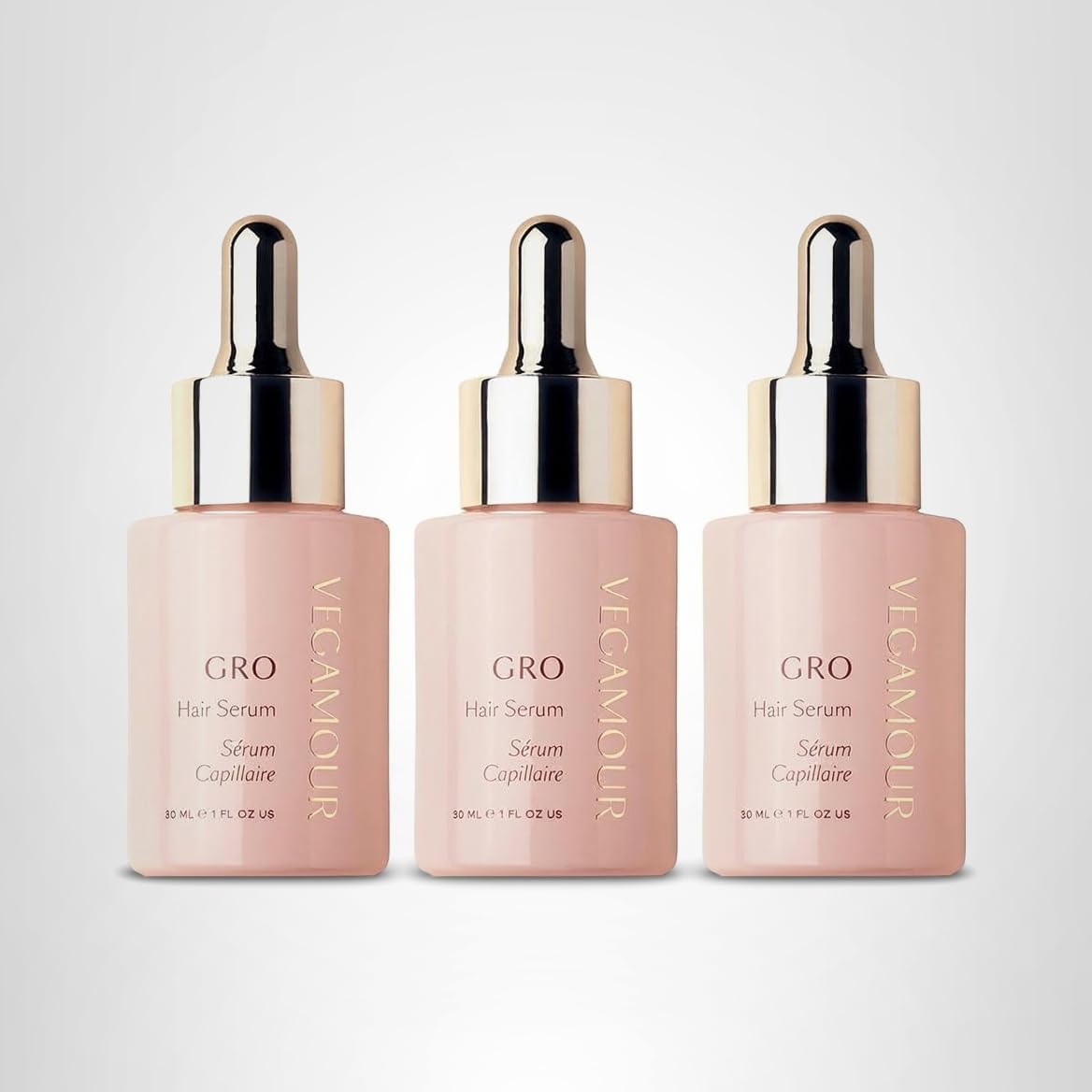
VEGAMOUR GRO Hair Serum
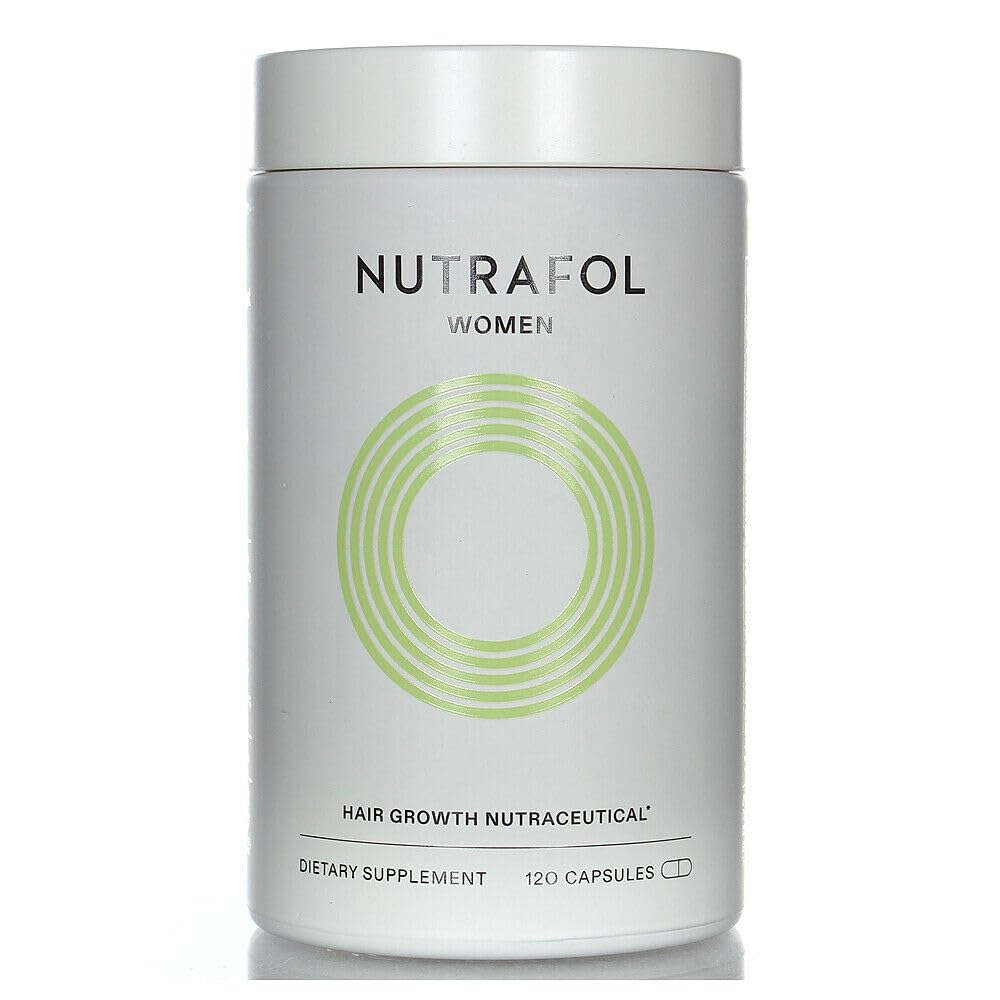
Nutrafol Women’s Hair Growth Supplements
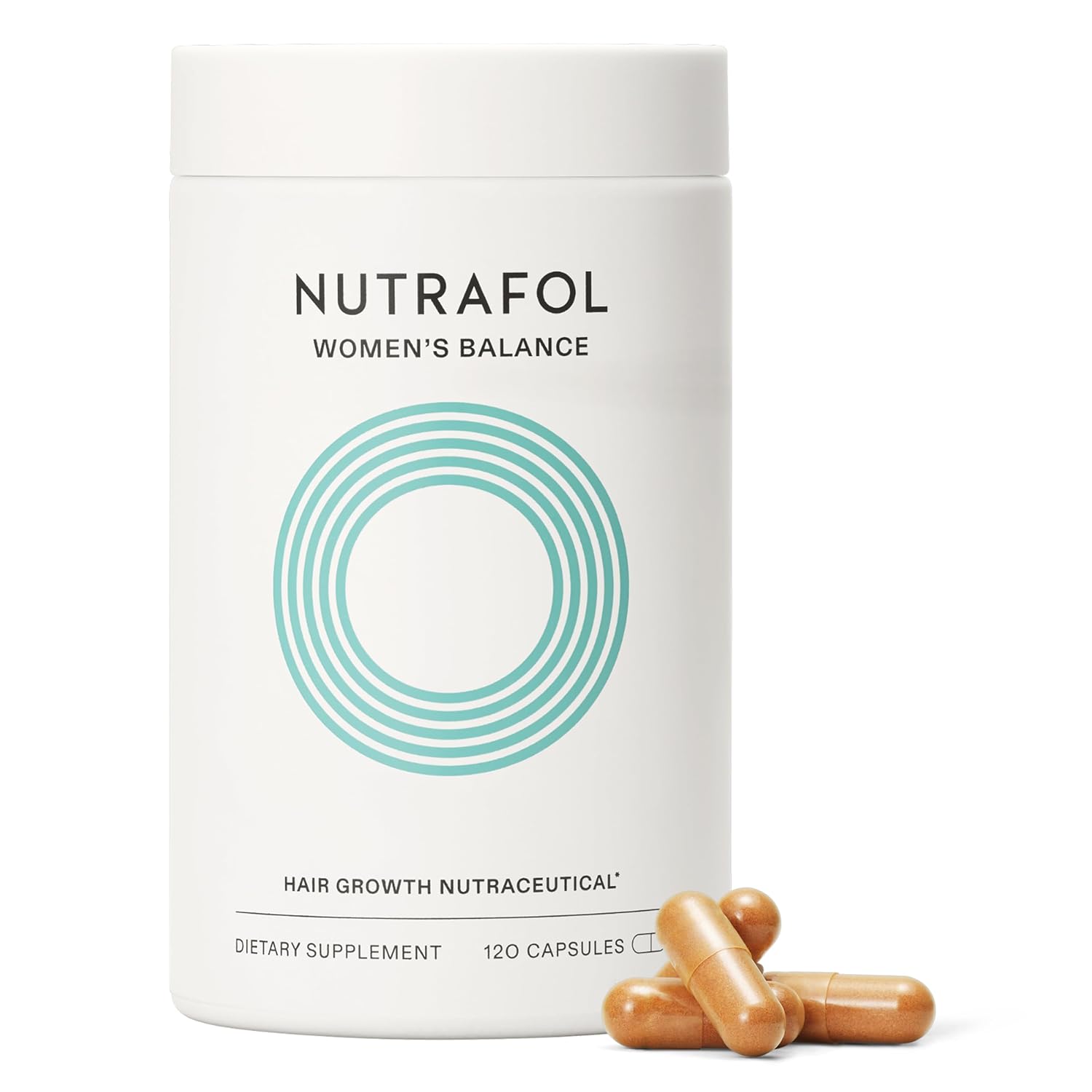
Nutrafol Women’s Balance Hair Growth Supplements
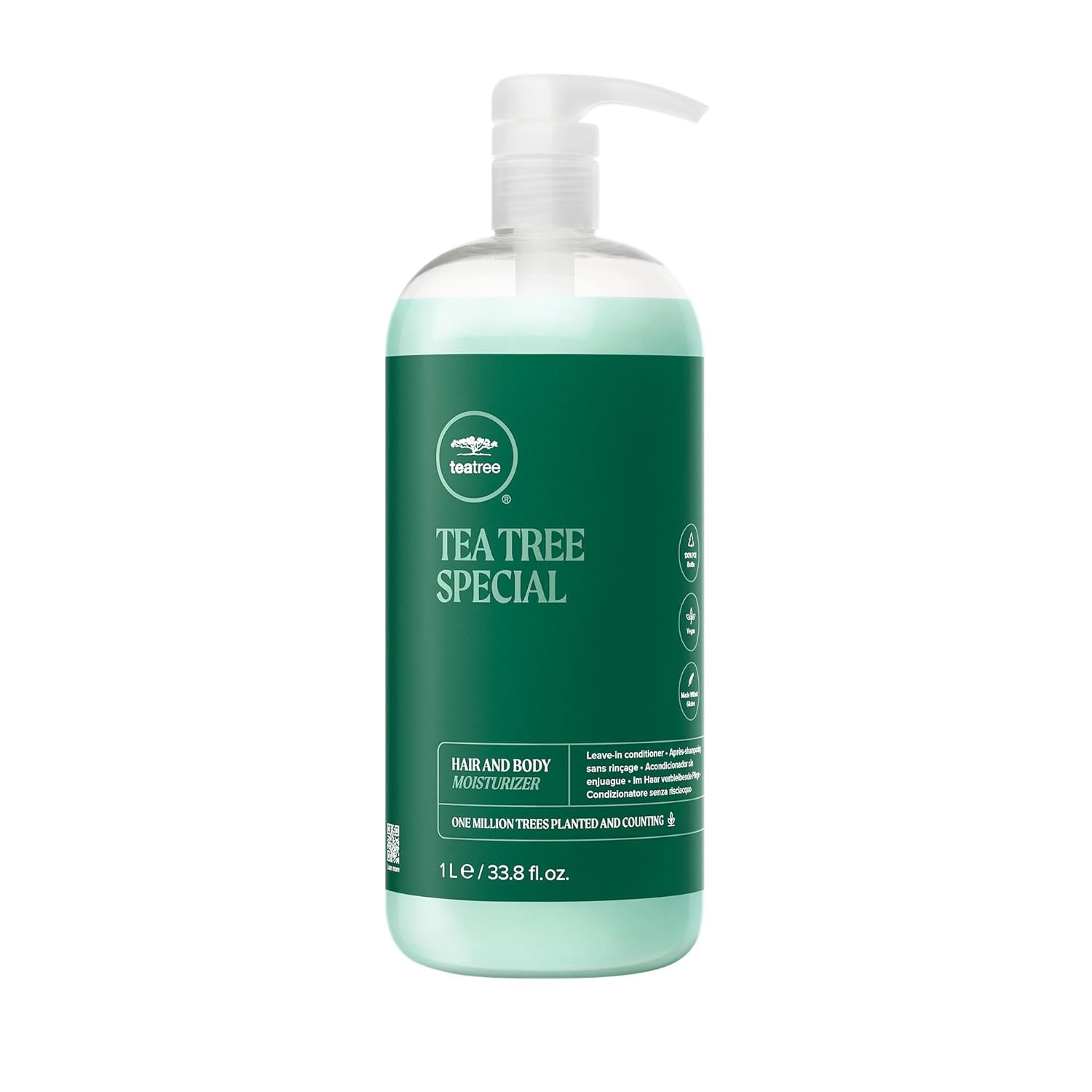
Tea Tree Hair and Body Moisturizer Leave-In Conditioner
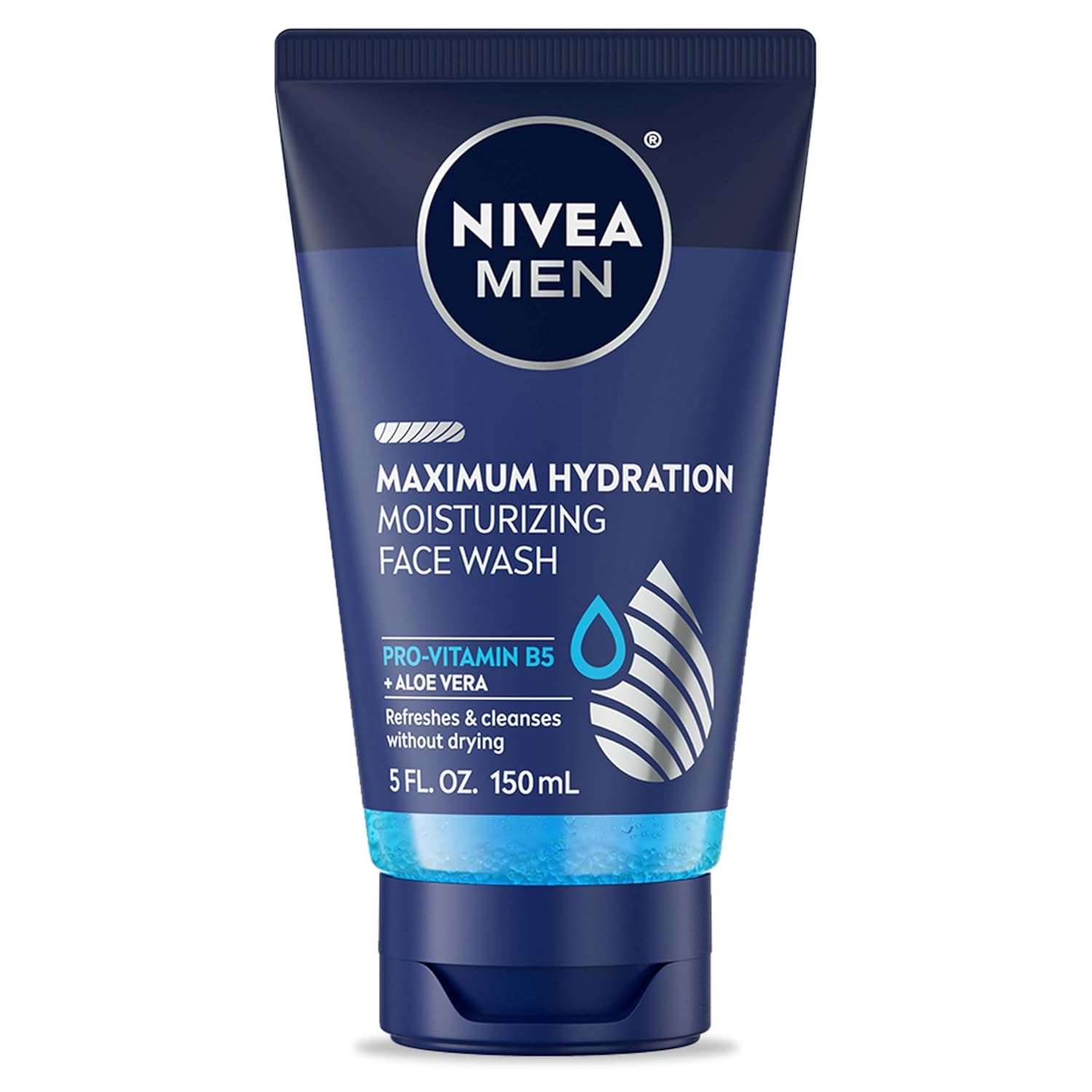
NIVEA MEN Maximum Hydration Face Wash
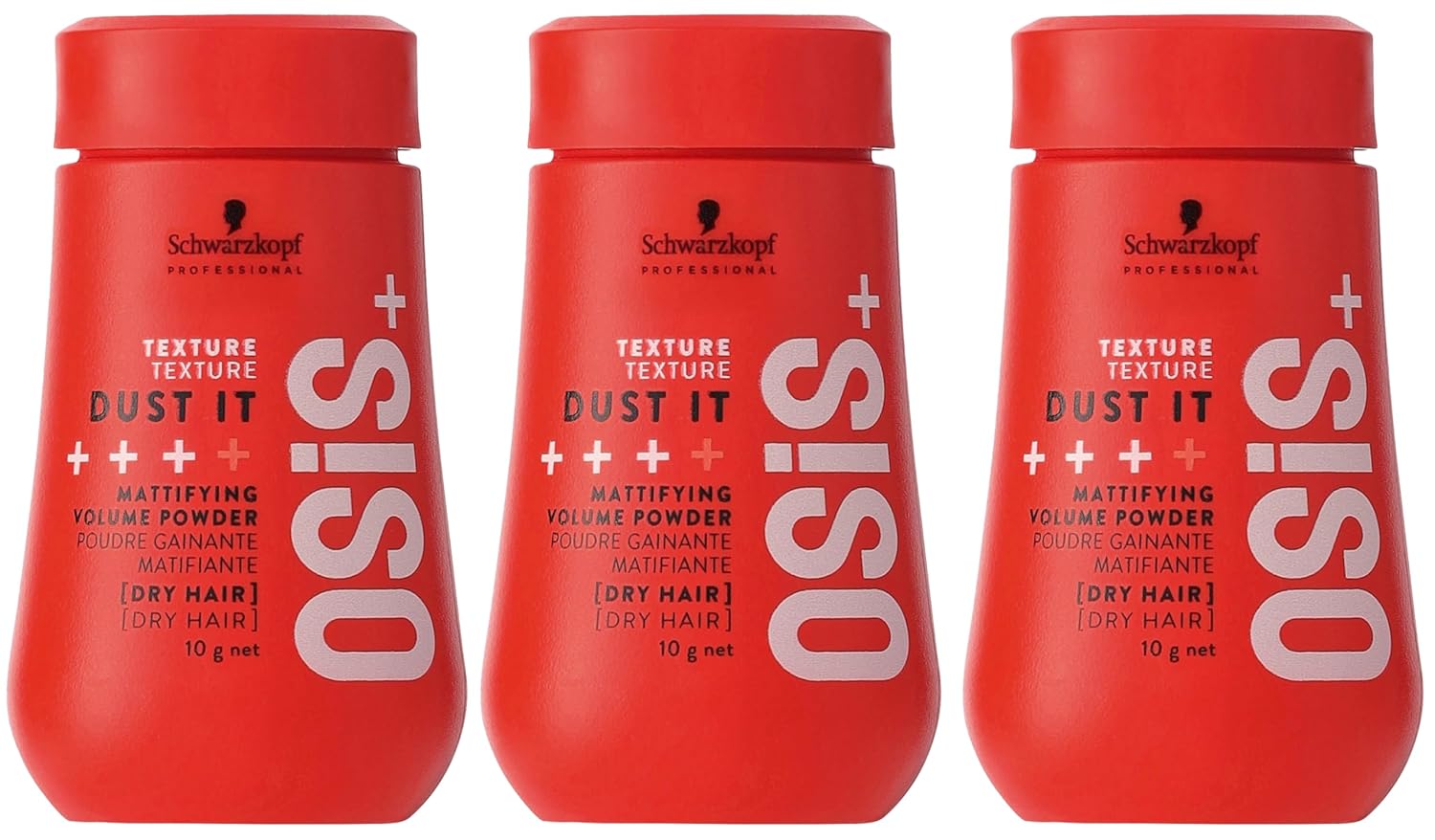
OSiS+ Dust It Mattifying Volume Powder
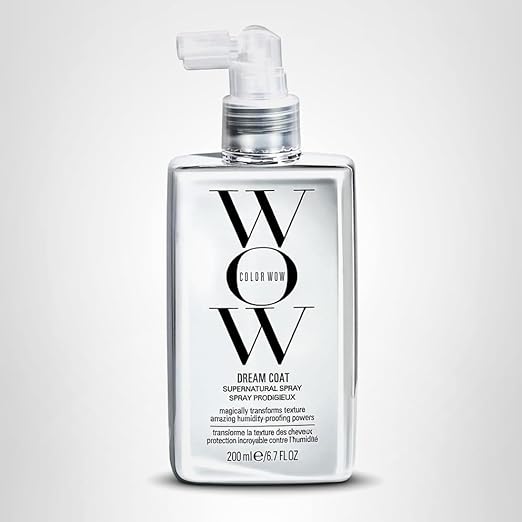
COLOR WOW Dream Coat Supernatural Spray
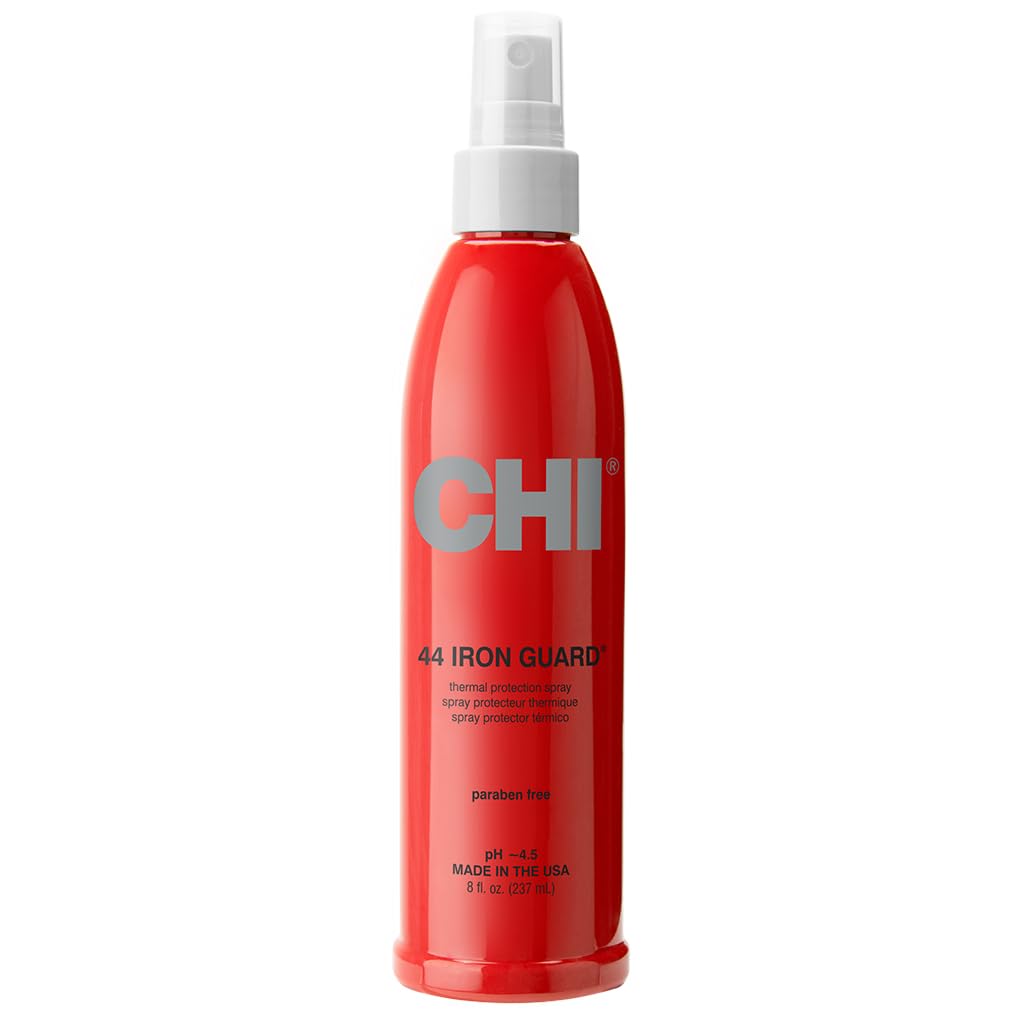
CHI 44 Iron Guard Thermal Protection Spray