
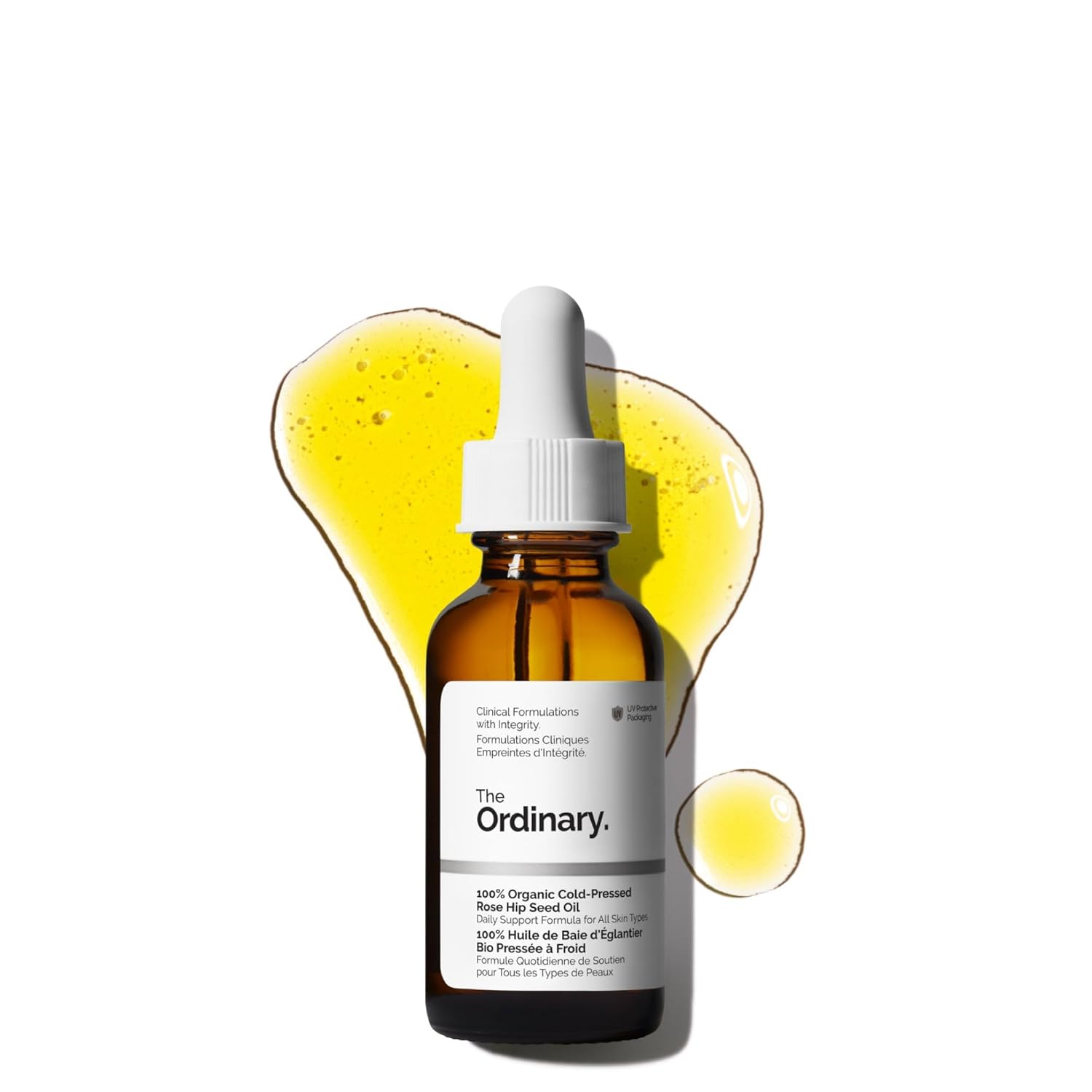
The Ordinary 100% Organic Rose Hip Seed Oil Review: A Quiet Luxury Glow in a Single Ingredient
The Essence
A single-ingredient facial oil with a decidedly clinical soul, The Ordinary 100% Organic Cold-Pressed Rose Hip Seed Oil is skincare stripped back to its most essential form. In our testing, this unrefined, omega-rich oil wrapped the skin in supple, cushioned hydration while quietly softening the look of uneven tone and post-blemish marks. It’s the kind of product that doesn’t shout, but after a few nights, your skin does the talking.
Our Verdict
The Ordinary 100% Organic Cold-Pressed Rose Hip Seed Oil is the skincare equivalent of a well-cut white shirt: deceptively simple, endlessly useful, and quietly elegant. In our testing, this single-ingredient oil delivered plush hydration, a softer, more even-looking tone, and that coveted soft-focus glow that usually comes from a full night’s sleep and immaculate habits. It doesn’t dazzle with fragrance or ornate packaging; instead, it leans into purity, potency, and restraint. The trade-offs of this minimalism are real—a polarizing natural scent, occasional inconsistency between bottles, and a texture that demands a light hand on oilier skin types. Yet for those willing to embrace its unvarnished, earthy character, it offers results that rival luxury oils at several times the investment. This is quiet luxury skincare: understated, effective, and deeply satisfying when it clicks with your skin.
Hydration & Moisture
As a night-time moisture seal, this oil performs beautifully. Our performance analysis reveals skin that feels pillowy, cushioned, and comforted by morning, particularly on dry, mature, or retinol-stressed complexions. Used sparingly over a humectant serum or moisturizer, it locks in hydration without suffocating the skin.
Skin Texture & Tone
This is where the rosehip quietly earns its reputation. Over continuous use, we noticed a gentle softening of post-acne marks, reduced redness, and a more uniform, refined surface. It’s not an overnight fade, but a slow, steady brightening that rewards consistency rather than impatience.
Absorbency & Finish
The finish sits in that sweet spot between nourishing and dewy. In modest doses, it sinks in better than its thick appearance suggests, leaving a satin sheen rather than a greasy film. Over-application, however, tips it into heavy territory—especially on combination or oily skin—so a conservative hand is key.
Sensory Experience (Texture & Scent)
Texture is a win; scent is divisive. The oil feels silky and substantial, ideal for facial massage and Gua Sha. The aroma, however, is distinctly natural—earthy, seed-like, and occasionally fishy if oxidized. We’d call it therapeutic rather than indulgent, and for some noses, it’s a deal-breaker.
Compatibility With Sensitive & Acne-Prone Skin
Thoughtful use can be kind to reactive skin, but it’s not foolproof. Several of our sensitive-skin testers enjoyed calmer, less inflamed complexions and smoother texture. A smaller subset, particularly those very prone to clogged pores, did experience congestion and breakouts when overusing it or layering with heavy creams.
Ingredient Integrity & Clean Formulation
A minimalist’s dream: one ingredient, maximum intent. This is pure, organic, cold-pressed, unrefined rosehip seed oil with no fillers, fragrance, or preservatives, housed in UV-protective glass. For those who want to know exactly what’s on their skin, this is as transparent and straightforward as it gets.
Value & Accessibility
Prestige performance without the prestige markup. In our routines, it rivaled far more expensive facial oils in hydration and tone-evening benefits. Given the tiny amount needed per use and the clinical-grade sourcing, it sits firmly in the ‘quietly brilliant investment’ category.
Packaging & Quality Consistency
Functional, minimal packaging with a few quirks. We appreciate the UV-protective bottle and precise dropper, but encountered occasional leaky or softening droppers and bottles without safety seals. Natural variation in color and scent is expected with unrefined oils, but it does make freshness assessment more important.
Pros & Cons
The Good
- Silky, cushioning hydration that leaves skin noticeably softer and smoother by morning
- Helps soften the look of post-acne marks, redness, and uneven tone with consistent use
- Single-ingredient, organic, cold-pressed and unrefined — a purist’s, minimalist formula
- Absorbs better than many facial oils when used in small amounts, without a heavy greasy film
- Works beautifully as a slip agent for Gua Sha and facial massage while treating the skin
- Vegan, cruelty-free and free from common cosmetic additives and silicones
- Delivers prestige-level results at an accessible, almost clinical-lab price point
The Bad
- Natural scent skews earthy to distinctly fishy for some, and can be off-putting or suggest oxidation
- Texture can feel heavy or greasy on oily or acne-prone skin, especially if over-applied
- Quality and consistency can vary slightly from bottle to bottle, including color, scent, and dropper integrity
- Not universally friendly to acne-prone complexions — a subset of testers experienced clogged pores or breakouts
Insights from our Panel of Experts
What Lovers Say
In our testing, this oil quickly became the product we kept reaching for on nights when our skin felt parched, tight, or over-exfoliated. A few drops left our faces looking rested and subtly lit-from-within by morning—like we’d actually slept eight hours and drank all our water. Over weeks, we saw a softening of post-acne marks, a calmer, more even tone, and that elusive “your skin but better” glow. Many of us who’ve cycled through luxury oils found this held its own against far pricier blends, with the added satisfaction of a clean, single-ingredient formula.
What Critics Say
Not everything was perfect. A notable portion of our team found the scent challenging—less rose garden, more earthy, tea-like, and occasionally veering into fishy if the bottle had oxidized. Those with oilier or very acne-prone skin sometimes found it too occlusive, triggering congestion when overused or layered with rich creams. We also noticed small inconsistencies between bottles: slight shifts in color, thickness, or dropper quality that can undermine the otherwise clinical precision of the brand. This is a beautiful oil when fresh and used correctly, but it isn’t a universal plug-and-play solution for every skin type.
The Matchmaker
Is this the right addition to your collection? Let's verify compatibility.
Perfect For You If...
If you love the idea of quiet luxury in skincare—one pure, hard-working ingredient that delivers hydration, glow, and a more even tone over time—this is very likely for you. It’s especially well-suited if your skin runs dry, dehydrated, mature, or sensitized from actives and you crave a comforting, reparative last step at night.
Skip This If...
You prefer weightless, gel-like hydration or your skin is extremely oily and reactive to most oils. You’re also better off skipping this if you’re highly sensitive to natural, earthy or fishy scents, or if you’ve had consistent issues with rosehip oil clogging your pores in the past.
The Sensory Experience: Texture, Scent, and Finish
The first time we pressed this oil into freshly cleansed skin, the texture surprised us. It pours from the dropper as a rich amber veil—more viscous than a dry oil, less gloopy than castor—then melts into a silky, serum-like slip as you massage. For Gua Sha and facial massage, it’s close to ideal: enough glide to prevent tugging, without feeling like a slick film sitting on top of the face.
The finish depends almost entirely on how much you use. Two to three drops warmed between the palms and pressed in yields a satin, cushioned glow that feels nourished rather than greasy. Double that and it tips into heavy territory, especially on combination or oily skin, lingering on the surface and taking its time to fully absorb.
Scent is where this oil reveals its unrefined, botanical nature. There is no rose-petal romance here; instead, you get an earthy, tea-like, slightly nutty aroma that some of us found grounding and others found…challenging. On fresher bottles, the scent reads herbal and fades as the oil sinks in. On bottles that have oxidized, it can skew distinctly fishy or like stale cooking oil—a clear sign to retire it. If you’re scent-sensitive, this is a crucial consideration.
Ingredients & Skin Benefits: The Power of One
There is something inherently luxurious about a formula that trusts a single, well-chosen ingredient. Here, that ingredient is 100% organic, cold-pressed, unrefined Rosa Canina (rosehip) seed oil, bottled without fillers, preservatives, or fragrance. That simplicity is not just a marketing story; in practice, it means you’re getting the full spectrum of naturally occurring omega fatty acids and pro-vitamin A derivatives that rosehip is prized for.
In our performance analysis, this translated into several tangible benefits:
- Barrier support: Dry, compromised skin felt less tight and reactive within days. Over-exfoliated complexions in particular drank this in as a reparative night cap.
- Tone and clarity: With consistent nightly use, we saw a gradual softening of post-acne marks, lingering redness, and mild hyperpigmentation. It doesn’t replace targeted actives, but it amplifies the skin’s own repair process.
- Texture refinement: Rough patches, flakiness, and that dull, papery look on mature or retinol-treated skin smoothed out, leaving a more velvety, even surface by morning.
Because the oil is unrefined, it retains a higher level of those delicate lipids and vitamins—but that also makes it more vulnerable to oxidation. The UV-protective glass helps, yet we still recommend treating it like a fine cold-pressed culinary oil: store it cool, cap it promptly, and pay attention to shifts in color and scent over time.
Performance Analysis: Hydration, Glow, and Breakout Behavior
We put this oil through the full spectrum of real-life skin scenarios: dry winter air, retinoid routines, post-sun tightness, and hormonal breakouts. Across the board, its hydrating power was undeniable. Applied as the final step over a humectant serum or light cream, it created a soft, occlusive cocoon that dramatically reduced overnight moisture loss. Several of our driest testers reported waking up to skin that felt plumper, calmer, and visibly more luminous.
Glow-wise, this isn’t an oily shine; it’s more of a diffused, candlelit radiance that develops over a week or two of nightly use. Fine dehydration lines look less etched, and the overall complexion appears more even and “well-rested.” For those battling post-acne marks or uneven tone, we saw incremental fading—most notably when paired with a gentle exfoliant or niacinamide in the broader routine.
The trade-off: this is still an oil, and not every skin loves that. On balanced-to-dry complexions, it behaved beautifully. On very oily or congestion-prone skin, especially when over-applied or combined with heavy moisturizers, a subset of testers experienced clogged pores and flare-ups. Interestingly, others with acne-prone skin found it calmed inflammation and helped reduce redness. The takeaway is nuanced: this can be a powerful ally, but acne-prone readers should introduce it slowly, in minimal amounts, and be prepared to pivot if congestion appears.
Application Ritual: How We Got the Best Results
This is one of those products where technique makes or breaks the experience. Used thoughtfully, it feels like a spa-grade finishing step; used carelessly, it can feel heavy or overwhelming.
Our preferred nighttime ritual:
- Cleanse thoroughly and apply any water-based serums (think hyaluronic, niacinamide, or gentle actives).
- If your skin is very dry, follow with a light cream or gel moisturizer.
- Warm 2–3 drops of the rosehip oil between your palms, then press—don’t rub—into the face, neck, and, if desired, chest.
- For Gua Sha or facial massage, add an extra drop and work in upward, sweeping motions; the oil provides excellent slip without endless greasiness.
A few expert tweaks we found helpful:
- On very dry or mature skin, mixing a drop into your moisturizer creates a custom, richer emulsion without overloading the surface.
- If you’re oily or combination, confine it to the driest zones (cheeks, under-eye perimeter, neck) and skip the T-zone.
- When pairing with retinoids, we liked applying retinoid first, letting it absorb, then sealing with rosehip as a comforting buffer.
Absorption generally occurs within a short window when you stick to a conservative dose; by the time you slip into bed, the surface feels dewy rather than slick. We’d avoid heavy daytime use under makeup unless your skin is very dry and you’re going for a deliberately glossy finish.
Packaging, Stability & The Trade-Offs of an Unrefined Oil
True to the brand’s clinical minimalism, the packaging is understated but purposeful. The oil is housed in a UV-protective glass bottle with a dropper that allows for precise dosing—crucial when two drops can mean the difference between radiant and overdone. The cap has that subtle, satisfying resistance when you twist it closed, though a few of our bottles did show minor quirks like slightly leaky droppers or softening rubber bulbs over time.
Because the formula is completely unrefined and preservative-free, stability becomes a shared responsibility between the lab and your bathroom shelf. We noticed natural variation between bottles—some oils poured a richer amber, others a paler gold; some smelled gently earthy, others edged toward more assertive, fatty notes. That’s normal to an extent with unrefined plant oils, but there is a line where variation becomes oxidation.
Our expert cues that it’s time to let a bottle go:
- The scent shifts from earthy/tea-like to distinctly fishy or reminiscent of stale frying oil.
- The color darkens significantly compared to when first opened.
- The texture feels thinner and less cushioned on the skin.
Stored in a cool, dry place and used regularly, a bottle comfortably lasts through a couple of months of nightly use before freshness becomes a concern. This is the quiet trade-off of a purist formula: you get maximal actives and minimal interference, but you also need to treat it like the living botanical it is, not an immortal cosmetic.
Buying Guide
Consultant's Breakdown
Expert analysis to help you decide.
This sits firmly in the “luxury splurge without the luxury price” camp. You’re investing not in ornate packaging or complex marketing, but in a high-quality, single-ingredient oil that can genuinely elevate a routine. If you already own multiple serums and moisturizers, this is a smart, targeted addition rather than an unnecessary extra.
Where this oil stands out is its balance of purity, performance, and accessibility. It delivers results comparable to many prestige rosehip and facial oils—softened texture, more even tone, and a healthy glow—without diluting the formula or inflating the cost. For ingredient purists and minimalists, that combination is rare.
In our testing, this oil was most loved by dry, dehydrated, and mature skin types, as well as combination skins with dry patches or post-acne marks. Sensitive skin generally tolerated it well when introduced slowly. Very oily or highly congestion-prone complexions should approach with caution and a patch test, as some did experience clogged pores or breakouts.
We found this oil particularly transformative in colder, drier months when central heating and wind strip the skin. It also shines after sun exposure as an overnight replenisher. In humid summers or on very oily skin, it’s best reserved for occasional use or localized application to dry areas.
Pairing this with a hydrating serum rich in hyaluronic acid and B5 creates a deeply plumping, layered hydration system that the oil can then seal in. We also liked it alongside a niacinamide serum for a calm, more even-looking complexion—hydration, barrier support, and tone correction working in quiet harmony.
Specifications
| Brand Name | The Ordinary — clinical-inspired minimalist skincare line |
|---|---|
| Age Range | Adult-focused facial treatment oil |
| Skin Type | All skin types, with particular affinity for dry, dehydrated, and mature skin when used thoughtfully |
| Formulation | Oil — 100% organic cold-pressed Rosa Canina (rosehip) seed oil |
| Item Form | Fluid facial oil in a dropper bottle |
| Target Area | Face, with optional use on neck, chest, and dry body areas |
| Product Benefits | Hydrates while improving the appearance of uneven skin tone and supporting skin elasticity |
| Recommended Use | Anti-aging support, improving the look of uneven tone, and enhancing suppleness and radiance |
| Usage Directions | Apply a few drops to the face once daily, ideally at bedtime, after water-based treatments on unbroken skin |
| Country of Origin (Labeled) | United States |
| Container Type | UV-protective glass bottle with dropper |
| Active Ingredient | Rosa Canina (rosehip) Seed Oil — unrefined, omega-rich plant oil |
| Material Features | Vegan and cruelty free; free from aluminum, coal tar, silicones, and sulfates |
| Scent Profile | Fragrance free — retains its natural earthy, tea-like aroma from unrefined rosehip oil |
| Safety Information | For external use only; use only as directed on unbroken skin, patch test prior to use, discontinue and consult a physician if irritation occurs, keep out of reach of children |
| Ingredients | Rosa Canina Seed Oil (100% organic, cold-pressed, unrefined rosehip seed oil) |
Our Testing Methodology
We tested The Ordinary 100% Organic Cold-Pressed Rose Hip Seed Oil over several weeks across a panel of dry, combination, oily, sensitive, and mature skin types. We wore it primarily at night, both alone and layered over hydrating serums and light moisturizers, and incorporated it into Gua Sha and facial massage routines. Testing spanned colder, drier days and warmer, more humid ones to assess how it behaved in different climates. Throughout, we tracked hydration, texture, tone, breakout behavior, and sensory experience, paying close attention to how small adjustments in dosage and placement changed the results.
Frequently Asked Questions
Efficacy & Performance
Yes. In our experience, consistent nightly use softened the look of fine dehydration lines, improved overall radiance, and gently evened out tone, especially post-acne marks and mild hyperpigmentation. It’s not an instant resurfacer, but a steady, supportive treatment that enhances the skin’s own repair processes.
We noticed softer, more cushioned skin after the very first few applications. Subtle improvements in tone, redness, and texture began to show within several days to a couple of weeks of nightly use, with more meaningful fading of marks and overall glow developing over longer, consistent use.
It can help soften the appearance of post-acne marks and mild dark spots over time. In our testing, it worked best as part of a broader routine that included gentle exfoliation or brightening serums, acting as a reparative, moisture-sealing step rather than a standalone pigment treatment.
Used correctly—2–3 drops pressed into the skin as the last step—it leaves a satin, dewy finish rather than a slick shine. Over-applying or layering it over very rich creams can tip it into greasy territory, especially on oily or combination skin, so a light hand is essential.
For very dry or mature skin, we preferred using it as a sealant over a hydrating serum or light cream. On some normal-to-oily complexions, it was sufficient on its own. Think of it as the finishing layer that locks in water-based hydration rather than a complete replacement for it.
Ingredients & Safety
It’s a true single-ingredient formula: 100% organic, cold-pressed, unrefined Rosa Canina (rosehip) seed oil. There are no added fragrances, preservatives, carrier oils, silicones, or fillers—just the naturally omega-rich plant oil itself in a UV-protective bottle.
Yes. The oil is vegan and cruelty-free, and the line avoids aluminum, coal tar, silicones, and sulfates. That said, any botanical ingredient can cause sensitivity in rare cases, so patch testing is still wise, especially if your skin is reactive or you have a history of allergies.
No added fragrance or essential oils are included. The scent you notice is the oil’s natural, unrefined aroma, which can smell earthy, tea-like, or slightly nutty. If it smells strongly fishy or rancid, that suggests oxidation and it’s best to stop using that bottle.
No. Rosehip seed oil is pressed from the seeds of the rose fruit (hips), not the petals, and it does not smell like traditional rose. Rose essential oil is distilled from petals and has very different aromatic and therapeutic properties. Expect an earthy botanical scent, not a floral one.
As a pure, topical plant oil, it’s generally considered gentle. However, pregnancy and nursing call for extra caution. We always recommend discussing any new skincare, even simple oils, with your healthcare provider to ensure it aligns with your specific medical situation.
Application & Usage
Apply it at night as one of your final steps. Use it after water-based serums and, if desired, after a light moisturizer. Warming a few drops between your palms and pressing it into the skin helps it layer seamlessly and lock in the hydration underneath.
You can, but we found it more comfortable and practical at night. During the day, it can feel a bit heavy under sunscreen and makeup unless your skin is very dry. If you do use it in the morning, stick to 1–2 drops and allow full absorption before applying other products.
A little truly goes a long way. We found 2–3 drops sufficient for face and neck when pressed into slightly damp skin. For Gua Sha or massage, you can add an extra drop for more slip, but overdoing it is what tends to cause greasiness and potential congestion.
Yes. We often mixed a drop into moisturizer to create a richer, more emollient cream, especially in winter. It also layered well over hydrating serums like hyaluronic acid. If you’re using strong actives (like retinoids), apply those first, let them absorb, then follow with the oil.
It works beautifully for Gua Sha. The medium-weight, silky texture provides enough glide to protect the skin from tugging while still allowing good control of the tool. Just be mindful of the natural scent and cleanse the skin afterward if you prefer a lighter finish.
Skin Compatibility & Concerns
Many of our sensitive-skin testers used it comfortably and even found it soothing, especially over retinoids or after sun exposure. Still, because it’s a potent, unrefined botanical oil, patch testing is important. Start with every other night and increase as your skin acclimates.
Experiences were mixed. Some acne-prone testers saw calmer, less inflamed skin and improved marks; others experienced congestion and new breakouts, particularly when overusing it or pairing with heavy creams. If you’re very breakout-prone, introduce it cautiously and discontinue if clogged pores appear.
Yes, but with strategy. Focus application on drier areas like cheeks and neck, and avoid saturating an already oily T-zone. Using just a drop or two, or mixing it into a lightweight moisturizer, can give you the benefits without overwhelming your skin.
This is where the formula shines. On dry, flaky, and mature complexions, it provided a cushioned, long-lasting comfort and visibly softened roughness and dehydration lines. Used nightly over a hydrating base, it can be a powerful ally for restoring suppleness and glow.
We used it carefully around the orbital bone, avoiding direct contact with the eyes, to soften fine lines and dryness. It also performed well on neck, chest, cuticles, and dry patches on hands or elbows. Always avoid broken skin and stop if any irritation occurs.
Quality, Stability & Troubleshooting
A mild earthy or tea-like scent is normal, but a strong fishy or stale oil smell usually indicates oxidation or that the oil has gone off. Natural variation exists between batches, but if the odor is unpleasant or much stronger than before, it’s safest to stop using that bottle.
Signs include a noticeably darker color, a thinner or oddly changed texture, and a strong, unpleasant smell reminiscent of fish oil or old cooking oil. Fresh rosehip oil should smell subtly earthy, not aggressively pungent. When in doubt, err on the side of caution and replace it.
Bottles don’t always display an obvious date, but unrefined rosehip oil generally performs best within several months of opening. We treat it like a fresh pantry oil: store it cool, away from sunlight, close the cap tightly, and aim to finish it within a reasonable timeframe for optimal potency.
Some bottles arrive without an inner safety seal, which can feel disconcerting but isn’t uncommon for dropper-style skincare. We always inspect new bottles for scent, color, and texture before first use. If anything feels off—strong odor, odd floaters, or damaged packaging—we don’t put it on our faces.
Yes. Because it’s unrefined and free from stabilizing additives, slight shifts in color or viscosity can occur, especially if exposed to heat or light. A subtle change isn’t automatically a problem, but pronounced darkening, thinning, or a new off-putting smell suggests it’s time to retire the bottle.
Routine Pairing & Lifestyle
In our routines, it held its own against far pricier oils in terms of hydration, comfort, and gradual tone improvement. You’re not getting a complex blend or fragrance experience, but if you care most about results and ingredient integrity, it offers prestige-level performance at a far more accessible investment.
Yes, the bottle size is travel-friendly, and we’ve used it as a nighttime face oil, cuticle treatment, and spot hydrator for dry patches on body or even hair ends. Just ensure the dropper is tightly closed and consider a small plastic bag to guard against any potential leakage in your bag.
We successfully layered it over retinoids and gentle acids as a soothing, barrier-supportive step. Apply your active first, allow it to absorb fully, then press the oil on top. If your routine is already intense, consider using the oil on alternate nights to avoid overloading your skin.
Once properly absorbed—usually after a short settling period—it didn’t noticeably stain our linens. However, because the oil has an amber hue, we’re cautious with fresh applications and light-colored fabrics, giving it time to sink in before pressing our faces into a white pillowcase.
Because you need only a few drops per application, a bottle stretches surprisingly far. With nightly use on face and neck, we comfortably used ours for a couple of months before nearing the end, which reinforces its strong value-for-use profile.
The Curated Edit
Curated based on the unique characteristics of The Ordinary 100% Organic Cold-Pressed Rose Hip Seed Oil.
Sunday Riley C.E.O. Glow Vitamin C & Turmeric Face Oil
ELEMIS Superfood Facial Oil
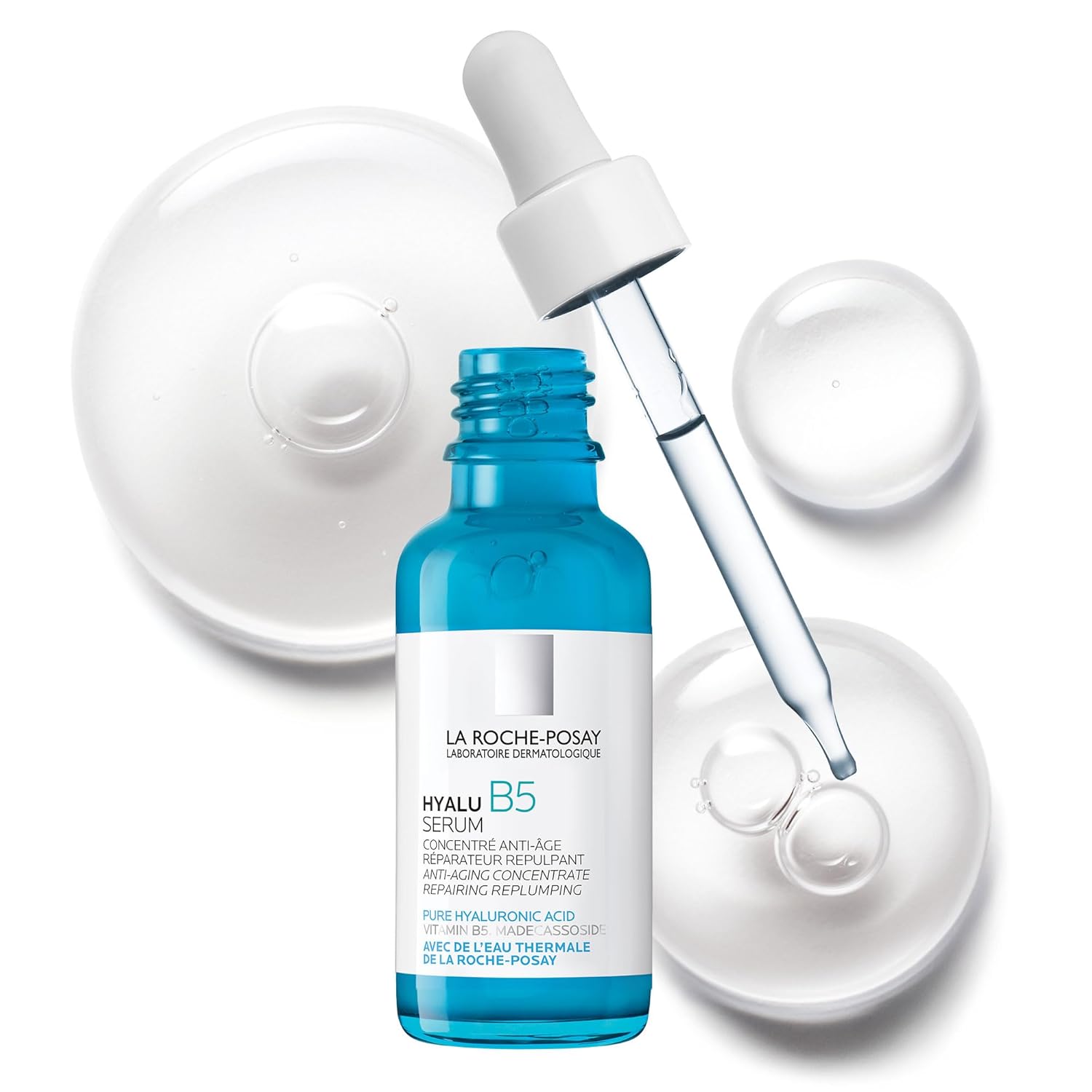
La Roche-Posay Hyalu B5 Pure Hyaluronic Acid Serum
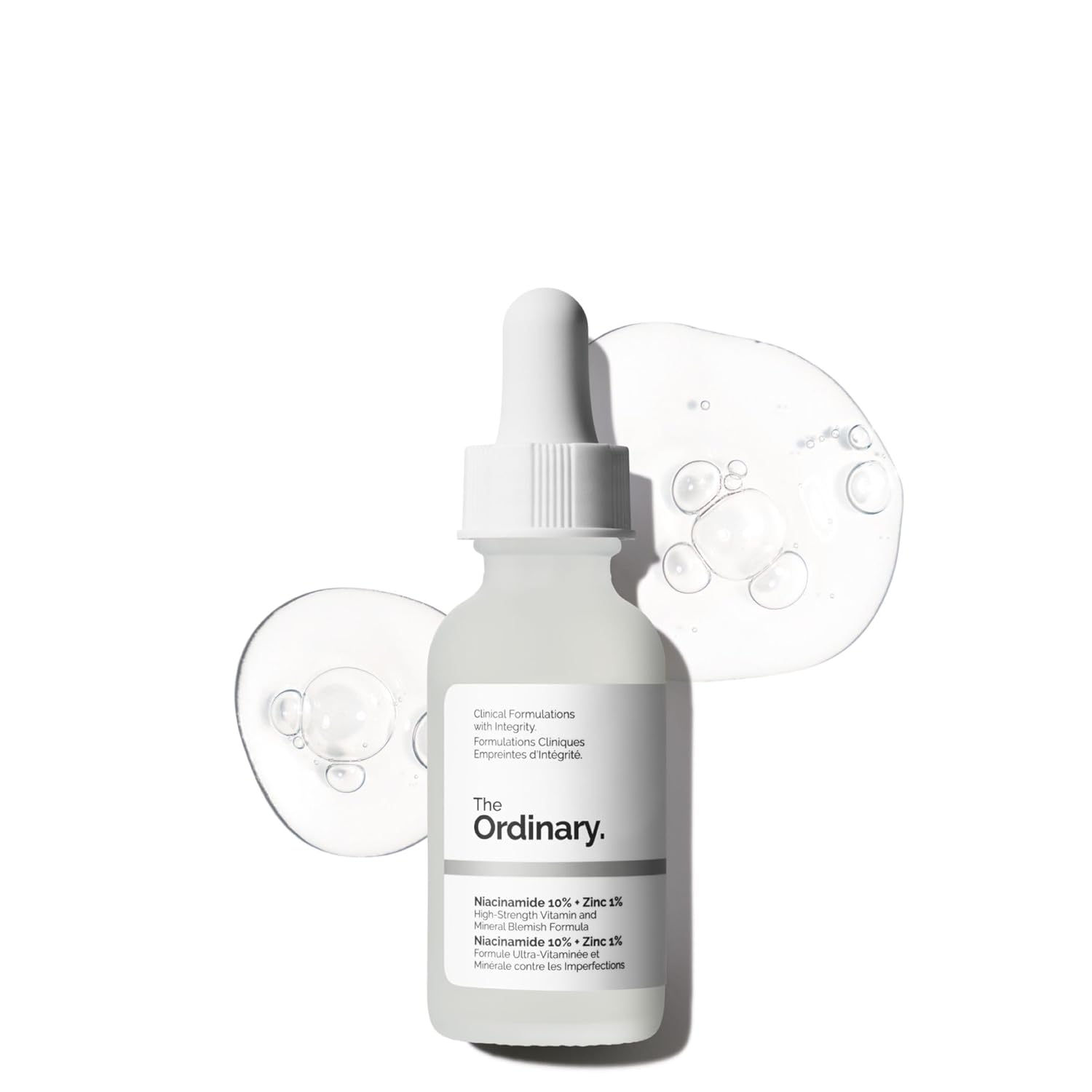
The Ordinary Niacinamide 10% + Zinc 1% Serum
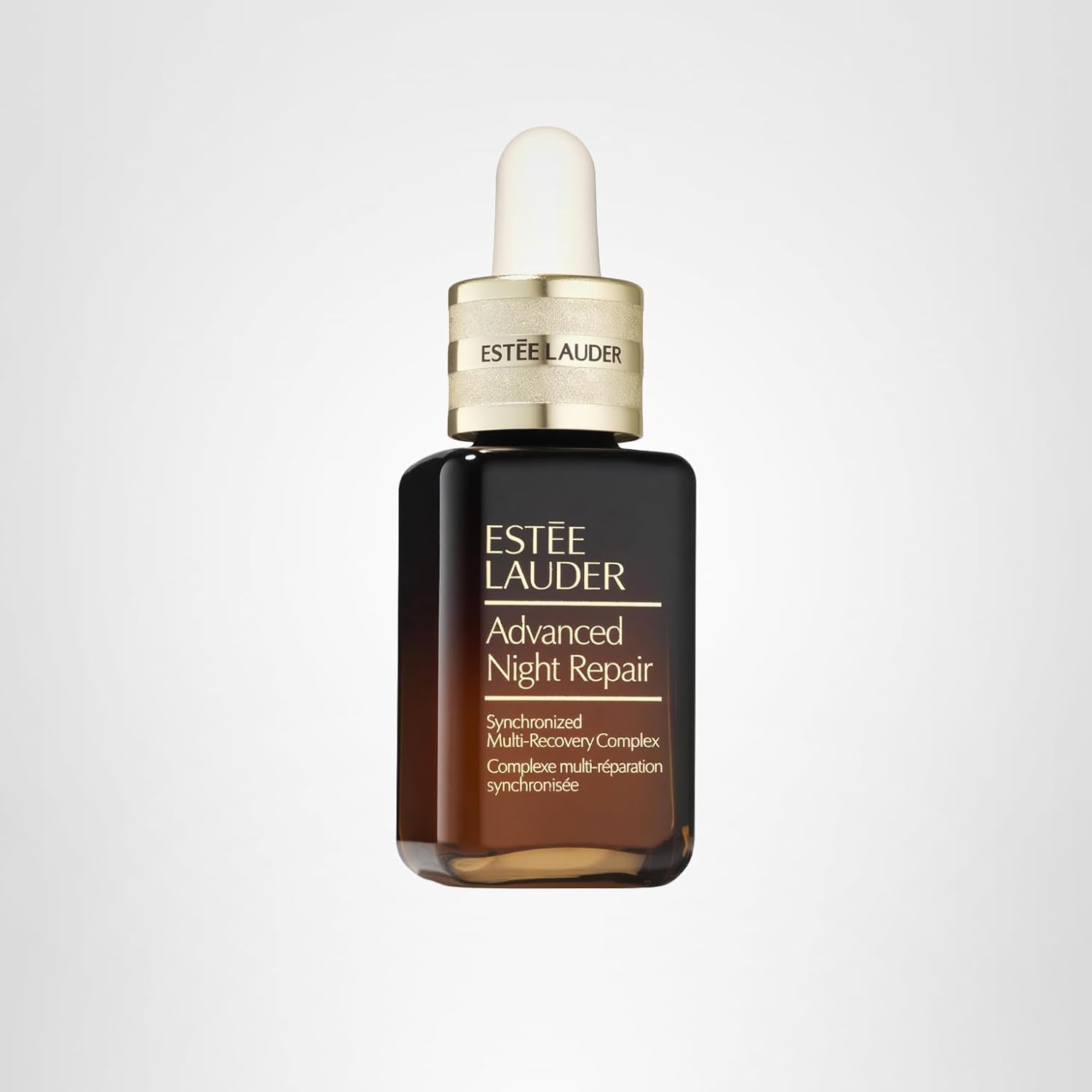
Estée Lauder Advanced Night Repair Face Serum Synchronized Multi‑Recovery Complex
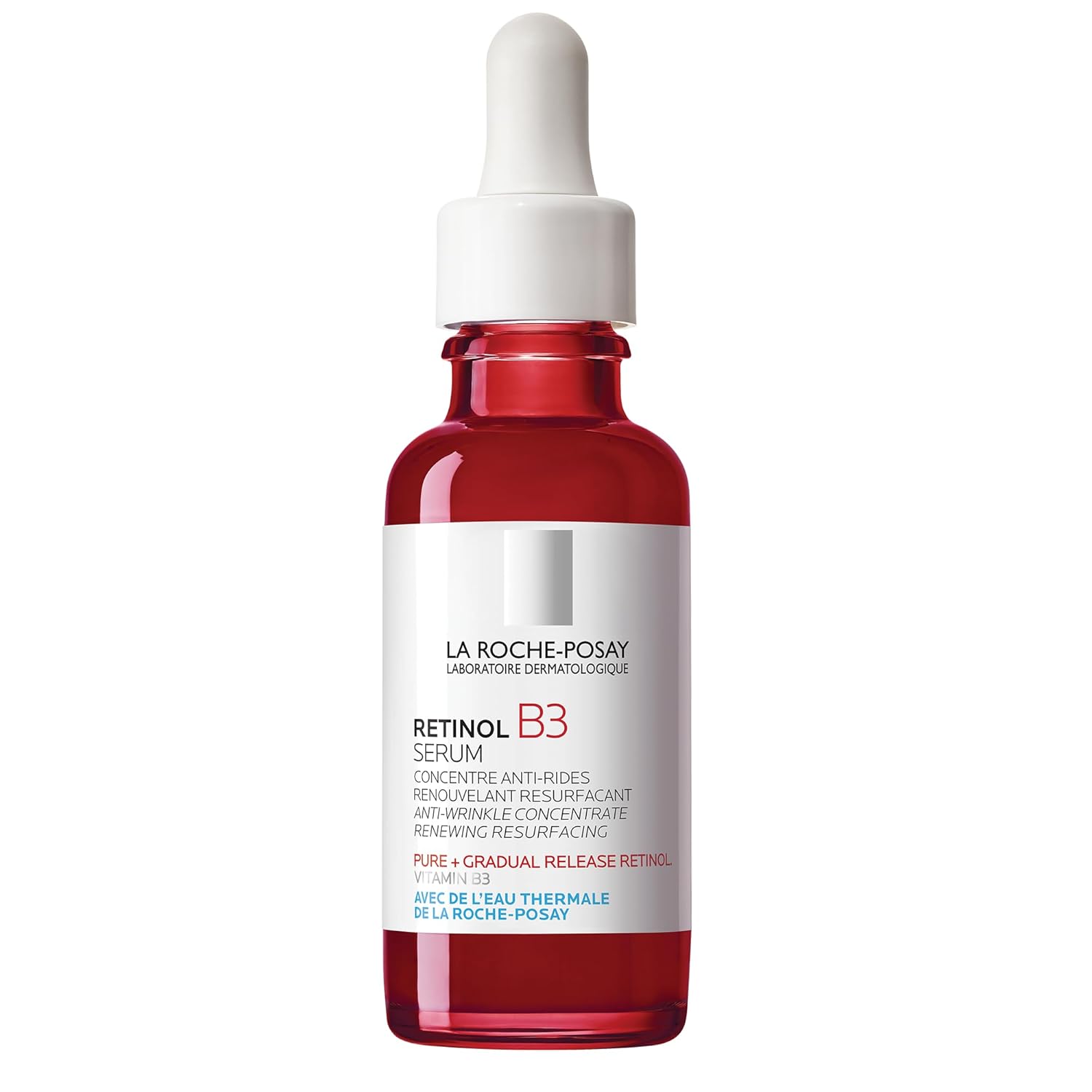
La Roche-Posay Pure Retinol Face Serum with Vitamin B3
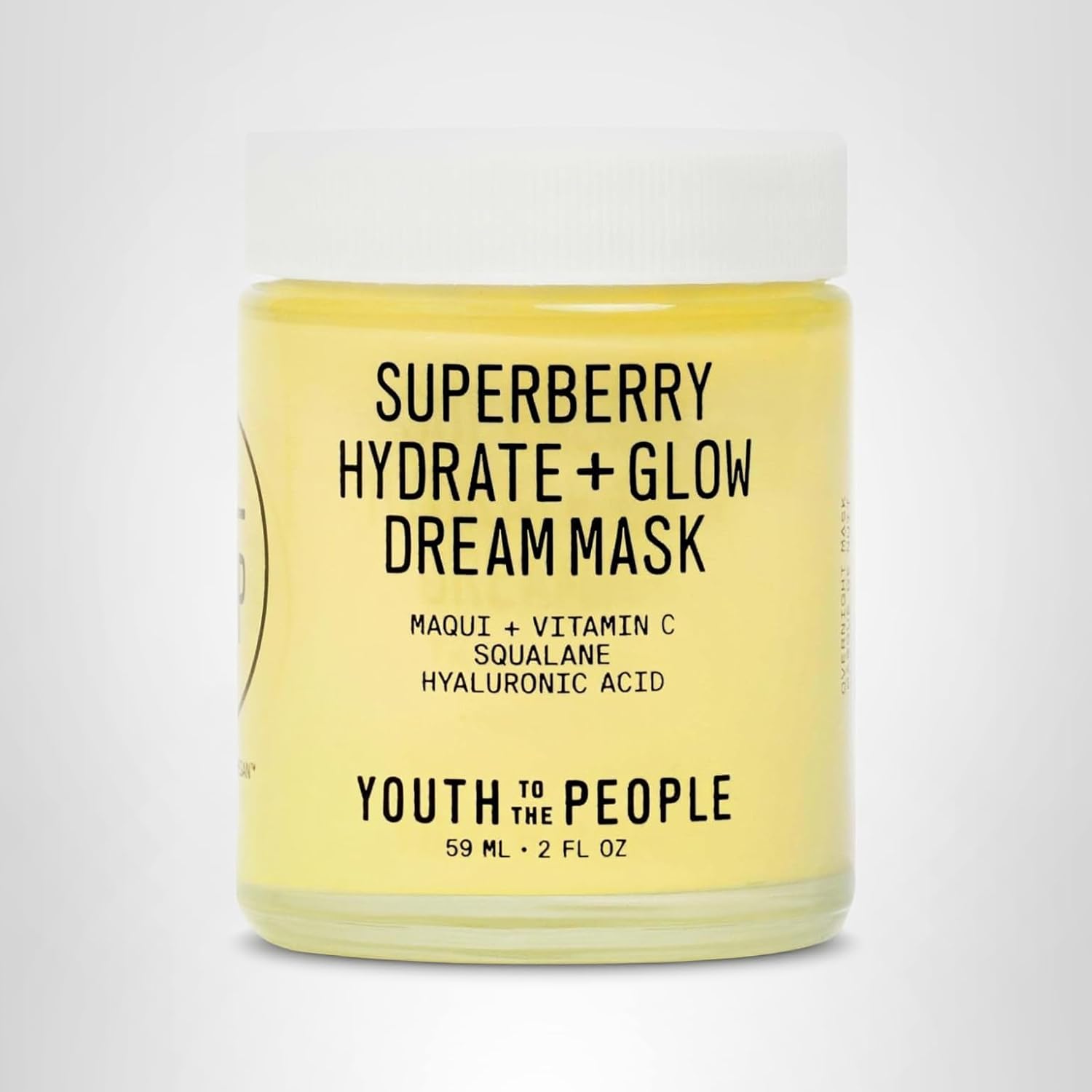
Youth To The People Superberry Dream Mask
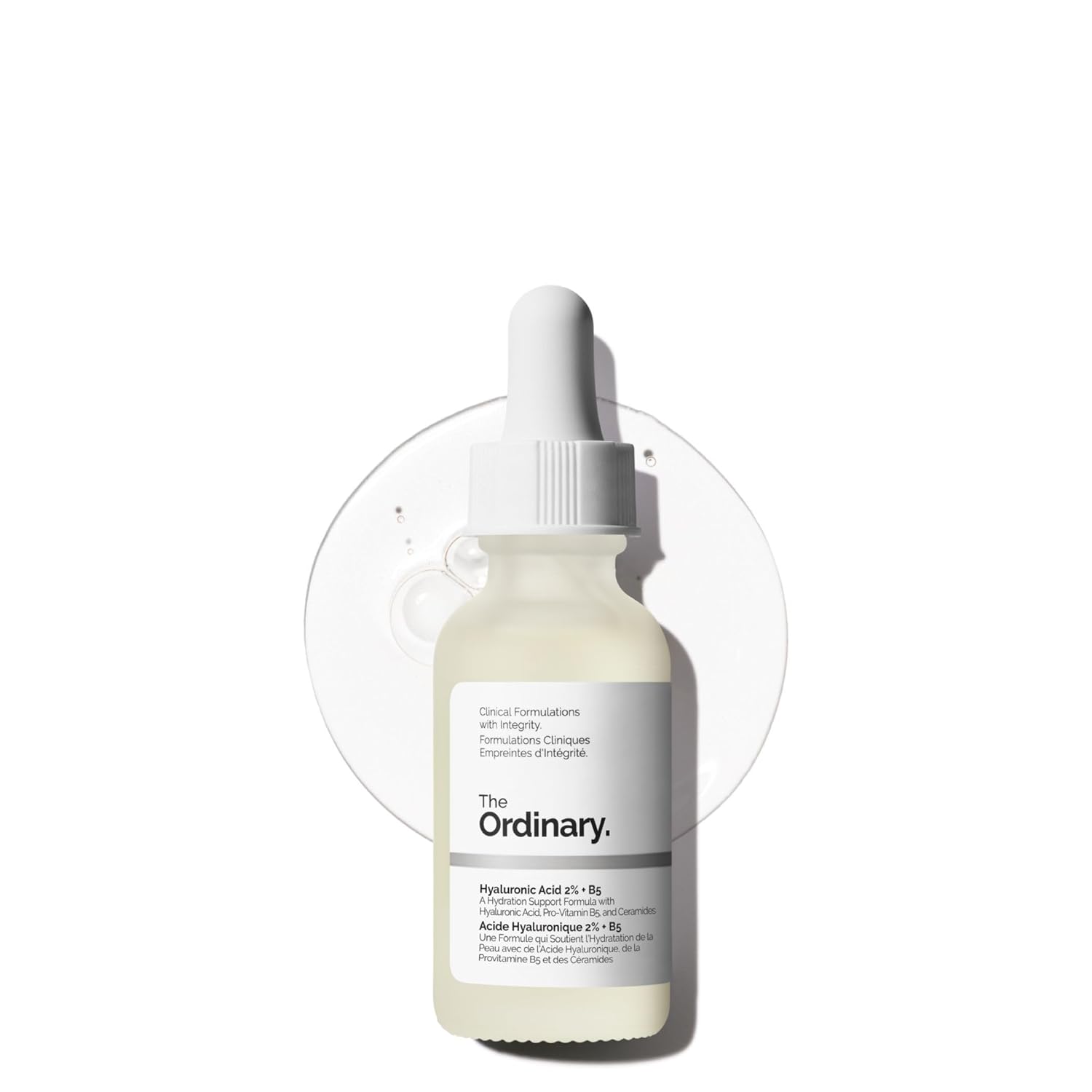
The Ordinary Hyaluronic Acid 2% + B5 (with Ceramides) Serum