
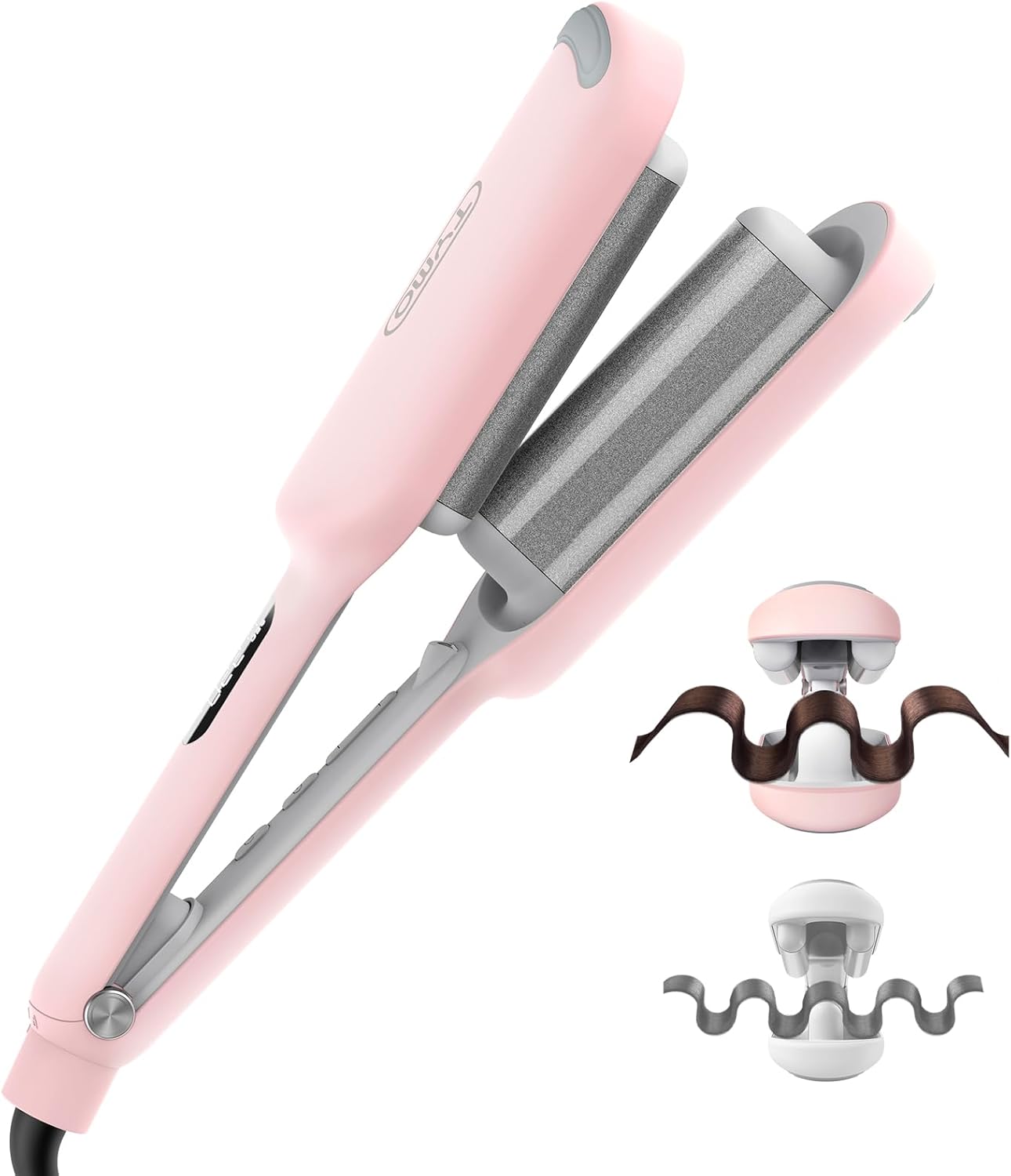
TYMO ROVY Beach Waves Curling Wand Review: Effortless Volume, Serious Heat
The Essence
A sculpted wave, a glossy finish, and a surprising amount of volume—the TYMO ROVY Beach Waves Curling Wand is designed to turn everyday hair into undone, mermaid‑esque ripples with a simple clamp-and-release motion. In our testing, it behaved like a hybrid between a deep waver and a smart curling tool, prioritizing shine, shape, and built‑in safety cues over fussy technique.
Our Verdict
TYMO ROVY is a study in modern hair luxury: fast, glossy waves paired with unapologetically serious heat. In our testing, it turned flat, uninspired lengths into big, mermaid‑esque ripples with almost comical ease, especially on fine and straight hair that usually refuses to hold a curl. The digital controls, timer, and insulated details make the styling ritual feel elevated and reassuringly high‑tech.
But this is not a casual tool; it demands respect. Push the temperature too high or lean on it too often, and the line between polished wave and overcooked strand blurs quickly, with a lingering burnt smell as the tell. For those willing to treat it like a professional‑grade iron—low heat, heat protectant, dry hair only, and non‑daily use—it delivers lavish, long‑lasting waves that genuinely look more expensive than the price tag. If you want an easy route to full, beachy hair and are prepared to be disciplined about heat, TYMO ROVY earns its cult‑favorite status—with caveats clearly in view.
Styling Performance
When TYMO ROVY works with your hair type, it really works. Our performance analysis reveals fast, decisive styling with waves that often outlast a full day—and, on many testers, survive sleep with just a few touch‑ups. The clamp design creates a modern, sculpted wave rather than a dated crimp, provided you respect the timing and section size.
Ease of Use
This is one of the most approachable wave tools we’ve tested. The clamp‑and‑release motion, digital temperature readout, and audible timer remove much of the guesswork. Even those who usually fumble with curling wands managed a full head in under a typical TV episode once they’d practiced on a few sections.
Build & Design Quality
The tool feels prestige—solid, substantial, and thoughtfully finished. The ceramic barrels, rubberized end grips, and digital controls all read high‑quality. The trade‑off of that heft is real: the top‑heavy head can fatigue smaller hands, but it also contributes to a sense of durability and salon‑grade engineering.
Wave Finish & Hair Look
The finished look sits squarely in the ‘expensive hair’ category when dialed in. We noticed glossy, full waves that looked more like natural texture enhancement than a strict crimp, especially on straight and fine hair. Technique and prep matter: on frizz‑prone or coarse textures, smoothing products and lower heat were essential to avoid puffiness.
Heat Management & Safety
The technology is clever, but you must treat it like a serious heat tool. It heats rapidly, reaches high temperatures, and offers a timer and auto‑shutoff, all of which we appreciated. However, some units ran hotter on the exterior than expected, and the timer beep wasn’t always reliable, so we advise manual counting and conservative settings.
Hair Health & Damage Potential
This is where the luxury comes with conditions. Used at low to moderate temperatures on dry, protected hair and not too frequently, we saw hair remain soft and shiny. Pushed too hot or used often on delicate, white, or already compromised hair, it can absolutely over‑stress strands, alter curl patterns, and leave a stubborn burnt smell.
Value As A Prestige Tool
For the finish and feature set, the value is compelling. You’re getting dual voltage, digital controls, and a distinctive wave pattern at a mid‑tier investment. For those who will genuinely use it weekly, it earns its place in the vanity; for occasional stylers, the cost is more of a considered indulgence.
Smell & Sensory Experience
This is the polarizing piece of the puzzle. While some of our team noticed only a typical “new hot tool” scent that faded, others experienced a pronounced burnt or sulfuric odor that lingered in hair for days. If you’re scent‑sensitive, this is not a trivial consideration.
Pros & Cons
The Good
- Creates lush, modern beach waves that read more mermaid gloss than 90s zigzag crimp.
- Extremely easy clamp-and-release motion—even self‑proclaimed “bad at hair” testers achieved good results on first try.
- Heats up quickly with digital temperature control and an audible timer that guides each clamp.
- Delivers impressive volume and all‑day (often multi‑day) hold on many fine and straight hair types.
- Ceramic, ion-focused design helps hair look smoother and shinier rather than dull or fried when used at lower temps.
- Dual voltage and sturdy build give it a prestige, travel‑ready feel.
The Bad
- Noticeably heavy and top‑heavy; can fatigue smaller or weaker hands and feel cumbersome on long sessions.
- Persistent burnt or sulfuric hair smell is a real issue for some testers, sometimes lingering through multiple washes.
- High heat and repeated use can cause visible damage, loss of curl pattern, or brassiness—especially on fine, white, or already fragile hair.
- Timer beeps and insulation are inconsistent: some units run hot on the exterior and the timer doesn’t always trigger accurately.
- Results can skew frizzy, puffy, or underwhelming on certain fine, wavy, or very thick textures without careful prep and product.
Insights from our Panel of Experts
What Lovers Say
Those of us who fell for TYMO ROVY fell hard. We kept reaching for it on rushed mornings and pre‑event evenings because it simply made hair look done with almost no learning curve. On baby‑fine, stick‑straight, and volume‑starved hair, the transformation was especially striking—suddenly there was body, movement, and that coveted beachy texture that actually lasted beyond lunch. We loved the way the ceramic barrels glided without snagging when sections were pre‑combed, and how the digital temperature plus audible timer took the guesswork out of each clamp. For many on our panel, this became the “I always get compliments when I use it” tool.
What Critics Say
The love story isn’t universal. A vocal slice of our testers experienced an aggressive burnt or sulfur‑like smell that clung to strands even after several shampoos, turning an otherwise chic style into a sensory deal‑breaker. Others with fine, wavy, or white hair saw more frizz and brassiness than polish, even at lower temperatures and with heat protectant. The tool’s weight and top‑heavy design also came up repeatedly: those with smaller hands, arthritis, or shoulder issues found extended styling genuinely tiring. And while the timer and insulation are smart in theory, a few units ran hot on the exterior and had unreliable beeps, which undermines the safety promise.
The Matchmaker
Is this the right addition to your collection? Let's verify compatibility.
Perfect For You If...
If you crave instant, voluminous beach waves and struggle with traditional curling irons, this is very likely your new styling shortcut. You’ll appreciate it most if your hair is straight to lightly wavy, on the finer side, and you’re comfortable working with heat tools while following a careful, low‑temperature routine.
Skip This If...
You prefer ultra‑low‑maintenance hair, have very fragile, white, or highly sensitized hair, or are extremely sensitive to lingering smells. You may also want to skip this if you have limited hand strength, arthritis, or simply dislike heavier tools—its weight and heat intensity demand a bit of stamina and respect.
The Sensory Styling Experience: From First Clamp To Final Wave
The first thing we noticed with TYMO ROVY wasn’t the wave—it was the pace. From a cold start, the barrels reach styling temperature astonishingly quickly; by the time we’d sectioned the first quadrant of hair, the indicator was already signaling go. The ceramic surface feels smooth and glassy against combed‑through strands, and when sections are kept modest, there’s no drag—just a clean press and release.
The styling motion itself is rhythmic: clamp near the root (never on the scalp), wait for the beep—or better yet, your own internal count—then step the tool down the length, overlapping slightly to avoid harsh ridges. On the hair, the barrels sculpt rounded, S‑shaped ripples that read more like modern beach waves than retro crimp. Fine and straight hair types, in particular, take to the pattern beautifully; the result is airy, voluminous texture that looks intentional but not over‑styled.
Where the sensory story gets complicated is scent and weight. The tool is undeniably hefty, with a top‑heavy head that feels substantial in the hand. During longer sessions or when working on very long hair, our wrists and thumbs started to protest. And while some of us only noticed the typical “new hot tool” aroma, others experienced a strong burnt or sulfuric smell that clung to strands well beyond wash day. For those testers, it turned an otherwise indulgent ritual into something they wanted to escape from quickly.
Technology, Heat, And Hair Health: The Trade-Offs Of Power
Under the pretty pink shell, TYMO ROVY is a serious piece of heat engineering. Four PTC heating elements run through the barrels, which means the tool climbs to temperature rapidly and recovers heat between clamps with impressive consistency. The digital interface lets you fine‑tune up to around 430°F, and the integrated timer (4–10 seconds) is designed to keep you from over‑baking each section.
In practice, our performance analysis reveals a clear rule: the lower the heat that still gives you a defined wave, the happier your hair will be. On fine, straight, or thin hair, we found settings in the 280–320°F range with shorter holds created beautiful, plush waves without that crunchy, singed feeling. Push into higher temperatures or longer times—especially on fragile, white, bleached, or naturally curly hair—and the risk escalates quickly: altered curl patterns, brassiness, dryness, and that infamous burnt smell.
We also noticed that hair condition and prep dramatically changed the outcome. Used on completely dry hair with a lightweight heat protectant and a smoothing serum or oil on the ends, the tool could leave hair shiny and swingy. Used on hair that was even slightly damp, coated in heavy products, or already compromised, it was far more likely to steam, smoke, and leave a lingering odor. The insulation and auto‑shutoff are welcome safety nets, but they don’t override physics: this is a high‑heat tool that rewards restraint and punishes overconfidence.
Performance Across Hair Types: Who It Flatters Most
One of the most revealing parts of our testing was seeing how differently TYMO ROVY behaves across hair types. On baby‑fine, straight, or thinning hair, it’s almost transformative. Those textures, which usually shrug off curls, suddenly hold soft, inflated waves that visually double the volume and camouflage sparse areas at the crown. A quick pass on the top layer alone can make “Irish” or stick‑straight hair look naturally tousled rather than painstakingly styled.
On medium to thick, straight or relaxed textures, the tool still performs beautifully—but it asks for more time and technique. We had the best results when we:
- Worked in smaller sections than we initially thought necessary.
- Kept the temperature moderate and extended the clamp time slightly rather than cranking the heat.
- Allowed waves to cool completely before touching, then gently separated with fingers instead of a brush.
Curly, coily (including 4A), and frizz‑prone hair told a more nuanced story. When hair was thoroughly blown out smooth first, TYMO ROVY could add structured, glamorous waves that held well and showed off shine. Skip that smoothing step, however, and the same tool easily tipped into puffiness, halo frizz, or a disordered texture that looked more “slept‑in braid gone wrong” than beach goddess. White and silver hair demanded the most caution: even at low settings with protectant, some testers saw yellowing and opted out entirely.
The takeaway: if your hair is straight to gently wavy and you’re craving volume and movement, this tool is incredibly flattering. The more fragile, textured, or already heat‑stressed your hair, the more prep and restraint it requires—and in some cases, a different styling approach may simply be kinder.
Application Ritual: How To Get Polished Waves, Not Puffed Ends
The difference between editorially polished waves and a frizzy halo with TYMO ROVY comes down to ritual. Here’s the approach that consistently delivered our best results:
- Prep the canvas. Start with completely dry hair—no exceptions. Apply a lightweight heat protectant from mid‑lengths to ends, then detangle thoroughly so the barrels can glide. On frizz‑prone or coarse hair, we added a smoothing cream or a drop of serum on the ends.
- Set conservative heat. Begin at a lower temperature than you think you need. If your hair is fine or color‑treated, stay at the lower end and keep the timer short. Only increase slightly if the wave is too soft once cooled.
- Section with intention. Clip hair into horizontal sections. For a natural look, alternate the starting height of your first clamp and avoid lining the waves up perfectly from row to row.
- Clamp, count, release. Place the barrels near (not on) the root, clamp gently, and count your own seconds rather than relying solely on the timer beep, which can be inconsistent. Step the tool down, overlapping each new clamp slightly over the last curve.
- Let it set. Resist the urge to touch. Once the entire head has cooled, lightly rake through with fingers or a wide‑tooth comb. A flexible hairspray or texture mist at this stage locks in shape without stiffness.
A few small but important touches: keep a heat‑resistant mat on the counter (the exterior can get quite warm), grip the rubberized tip rather than the hot barrel when supporting the tool, and avoid daily use on the same sections. Treated as an occasional styling ritual rather than an everyday crutch, TYMO ROVY rewards you with waves that look intentionally undone instead of overworked.
Design, Ergonomics, And The Reality Of Daily Use
Visually, TYMO ROVY feels like a prestige object—rosy, sculptural, and satisfyingly solid. The pink housing and streamlined silhouette look chic on a vanity, and the digital controls tucked between the handles keep the exterior clean. We appreciated the long cord and dual‑voltage capability; this is a tool that travels well and feels more like a salon appliance than a flimsy gadget.
Ergonomically, however, there are trade‑offs. The very features that make it feel substantial—the triple‑barrel head, full insulation layers, and internal heating elements—also make it noticeably heavy and top‑weighted. For those with strong grip and no joint issues, it’s manageable, especially once muscle memory kicks in. For smaller hands, arthritic wrists, or anyone doing very long, dense hair, the weight can become fatiguing quickly. Some of us found relief by supporting the rubberized tip with the opposite hand, but that only works if you’re meticulous about staying on the insulated pads.
The safety‑minded design is thoughtful but imperfect. Auto‑shutoff is a quiet hero feature, and the insulated shell does keep the outer body cooler than a naked barrel, yet in long sessions the pink housing still becomes quite warm. The timer and beeps are conceptually brilliant—no more guessing—but not every unit’s timer behaved flawlessly, so we learned not to entrust hair health solely to the chime. In daily life, this is a tool that feels luxe and capable, but it asks you to meet it halfway with good habits and a bit of physical stamina.
Buying Guide
Consultant's Breakdown
Expert analysis to help you decide.
This sits in that sweet spot between drugstore gadget and salon‑pro splurge. If you’ll use it weekly to create your signature beach waves, the cost feels like a smart, mid‑tier investment in a very specific, high‑impact look. If you only style occasionally, it’s more of a luxury treat than a necessity—but still far more sophisticated than many trend‑driven tools.
Compared with many standard three‑barrel wavers, this tool creates deeper, more sculpted waves with better root lift and less obvious clamp lines. The combination of digital temperature, built‑in timer, and more insulated design also makes it feel more considered and prestige than the typical single‑switch crimper crowding the market.
This tool flatters straight to gently wavy hair most effortlessly, especially fine, thin, or volume‑starved textures that struggle to hold a curl. It can work on thick, coarse, or 4A hair that’s been blown out smooth, but demands more prep. Those with very short crops, extremely fragile, white, or heavily processed hair may find the size and heat less forgiving.
TYMO ROVY shines in high‑humidity summers when naturally limp hair needs structure and lift; the deep waves and added volume survive heat better than many blowouts. In drier, static‑prone winters, its ion‑focused design can help keep waves smoother, though we leaned more heavily on hydrating products to counteract the intense heat.
If your hair is shorter, heavily layered, or you prefer a more defined, “mermaid curl” effect, the smaller barrel size is generally more flattering and easier to maneuver. The larger barrel excels on medium to long lengths, creating looser, more relaxed waves that feel editorial and modern rather than tightly crimped.
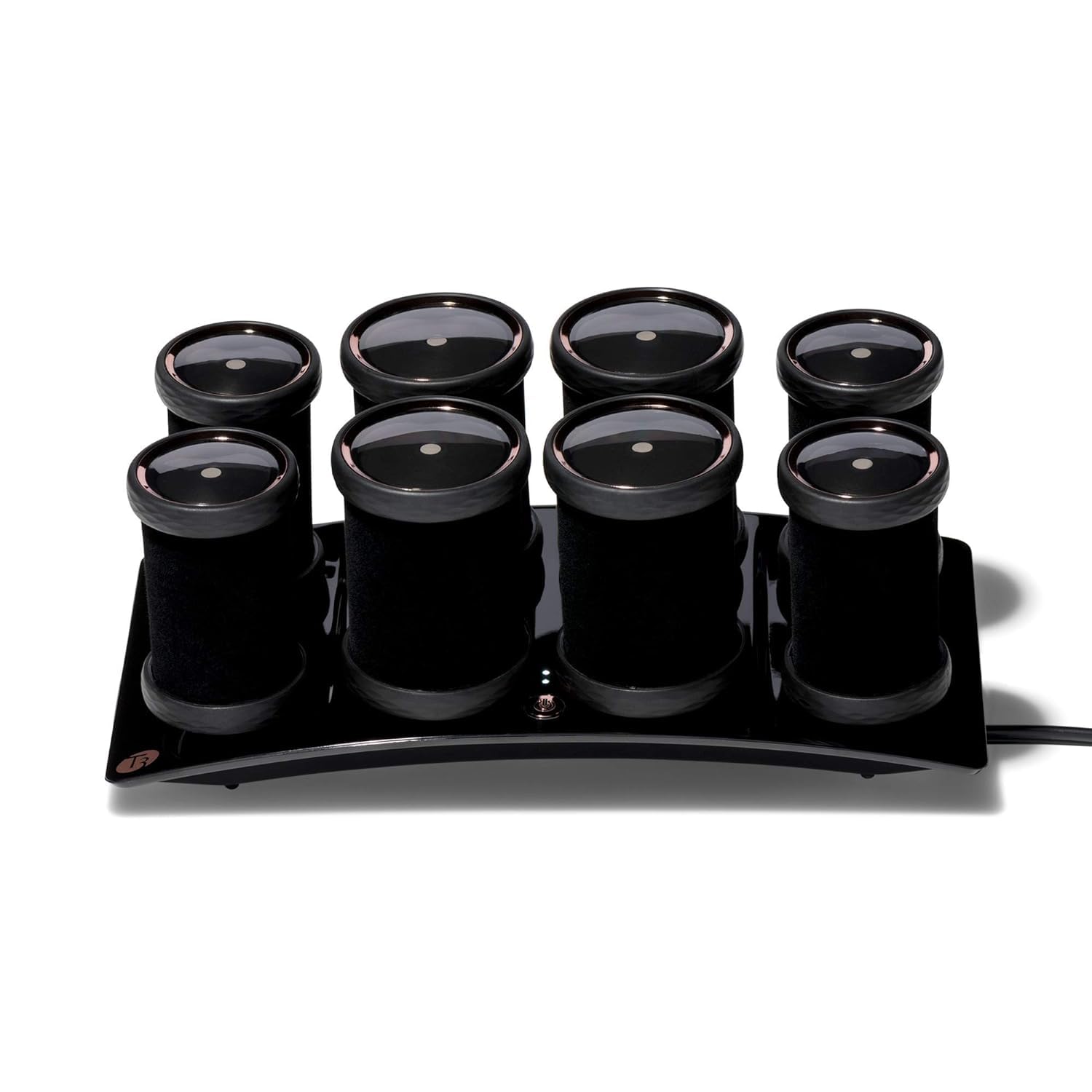
Pairing this waver with a dedicated thermal protection spray is, in our view, non‑negotiable—the right formula cushions hair from the serious heat while enhancing shine. A complementary automatic curling tool can also round out your styling wardrobe, giving you the choice between tousled waves and more traditional curls without overlapping functionality.
Specifications
| Product Benefits | Hair styling tool for curling and waving, designed to create deep beach waves and added volume. |
|---|---|
| Brand Name | TYMO |
| Hair Type | Suitable for all hair types, including color-treated hair. |
| Model Name | ROVY |
| Resulting Hair Type | Curly to wavy, with enhanced body and texture. |
| Manufacturer | TYMO |
| Item Height | 7.2 centimeters—compact enough for countertop use while still feeling substantial in hand. |
| Unit Count | Single styling tool per package. |
| Size | 1.25 Inch barrel configuration for fuller, larger waves. |
| Item Weight | 0.67 kilograms—noticeably weighty, contributing to a solid, prestige feel in hand. |
| Item Dimensions | 12.6" L x 1.96" W—elongated styling head with a streamlined handle. |
| Color | Pink finish with contrasting functional grip accents. |
| Power Source | Corded electric operation for consistent, uninterrupted heat. |
| Max Temperature Setting | 220°C (approx. 430°F) for high-intensity styling when needed. |
| Material Type | Ceramic construction for smooth glide and even heat distribution. |
| Heater Surface Material | Ceramic heating surface, compatible with tourmaline-style ion technology. |
| Product Dimensions (Full Body) | 12.56 x 2.83 x 2.83 inches—full tool footprint including handle and styling head. |
| Safety Information | Keep out of reach of children. |
| Legal Disclaimer | Statements regarding dietary supplements are not evaluated by the FDA and are not intended to diagnose, treat, cure, or prevent any disease or health condition. |
Our Testing Methodology
We treated TYMO ROVY like a pro‑level hot tool and ran it through weeks of real‑world use across our beauty team. We tested on fine, medium, coarse, and 4A textures; on virgin, color‑treated, and white hair; and on lengths from bobs to mid‑back. Each tester experimented with multiple temperature and timer combinations, styling in both dry winter air and humid, summery conditions. We tracked not only how the waves looked and how long they lasted, but also how the hair felt, smelled, and behaved after repeated washes to fully understand both the benefits and the trade‑offs.
Frequently Asked Questions
Efficacy & Performance
On our panel, waves often lasted through a full day and well into the next, especially on fine or straight hair. Some testers happily stretched the style over two to three days with light touch‑ups and a bit of dry shampoo at the roots for refreshed volume.
Yes, it can work across a wide range of hair types—from thin and straight to thick or even 4A textures—provided you adjust temperature, timing, and prep. Very straight or resistant hair may need slightly higher heat and smaller sections, while thick or textured hair benefits from a prior blowout for the smoothest waves.
Once you’re comfortable with the motion, most of our testers completed a full head in roughly 15–30 minutes, depending on hair length and density. Those with fine, bob‑length cuts could achieve a polished, wavy look in just a few minutes; long, thick hair naturally took longer.
The finish is more deep beach wave than old‑school crimp. The three‑barrel design sculpts rounded, S‑shaped ripples that add body and movement without the sharp, zigzag pattern associated with 90s crimpers, especially when you avoid lining up each clamp too precisely.
In our testing, this tool excelled on stubborn straight hair. The deep wave pattern tends to grip better than traditional curling irons, so even hair that normally falls flat held visible waves and volume well into the next day, particularly when allowed to cool completely before touching.
Ingredients, Materials & Technology
The barrels use a proprietary T‑GLOSS tourmaline ceramic coating infused with nourishing essence. In practice, that means a smoother glide, more even heat, and a surface that helps seal the cuticle for added shine, reducing the roughness and snagging you sometimes feel with bare metal tools.
The tool emits a high concentration of negative ions that help neutralize static and smooth the hair cuticle. We noticed less flyaway frizz and a silkier finish, particularly in drier climates, compared with basic metal wavers that can leave hair looking matte or frazzled.
It relies on multiple PTC (Positive Temperature Coefficient) heating elements, which are known for fast heat‑up and consistent temperature maintenance. That translates into fewer hot spots, more predictable results from clamp to clamp, and a reduced risk of accidental overheating when used correctly.
The full‑wrap insulated housing, combined with rubberized grips at the tip and edges, creates a buffer between your skin and the hottest metal. You still need to be mindful—after extended use the exterior gets warm—but we found it noticeably safer around fingers and neck than fully exposed barrels.
The styling surface is ceramic and tourmaline‑based, both of which are widely used and considered safe in regular hair tools. There are no additional chemicals applied to your hair from the device; any scent or residue comes from heat interacting with your hair and products, not from active chemical release.
Safety, Heat & Damage Control
We recommend starting in the 280–320°F range for most hair types and only increasing if your waves are too soft once cooled. Fine, white, bleached, or fragile hair should stay at the lower end with shorter clamp times; thicker, resistant hair can tolerate slightly higher settings with careful monitoring.
While the tool can technically be used frequently, we don’t recommend daily use on the same sections. Treat it like a salon‑grade hot tool: always use heat protectant, keep temperatures moderate, and give your hair recovery days between intense styling sessions to minimize cumulative damage.
Yes, it includes an auto‑shutoff function that powers the tool down after it’s been left on for an extended period. We still advise unplugging after use, but the built‑in shutoff adds a reassuring layer of safety for busy mornings or rushed exits.
Keep the barrels at least a small distance from the scalp, support the tool only on the designated rubber grips, and never touch the pink housing near the heated head during use. Work in front of a mirror, move deliberately, and consider using a heat‑resistant glove when you’re still learning the angles.
Stop immediately, release the hair, and turn the tool off. Ensure your hair is completely dry, reduce the temperature, shorten clamp time, and check for product buildup on the barrels. If smoke or a harsh smell persists even at lower heat, it’s best to discontinue use and reassess your routine.
Application, Usage & Hair Type Compatibility
Frizz is usually a sign of too much heat, too little prep, or both. Start with smooth, fully dry hair, apply a heat protectant plus a light smoothing product, and keep sections small. Use moderate heat, let waves cool untouched, then separate with fingers and finish with a bit of serum or flexible hairspray.
It can work on chin‑length to shoulder‑length cuts, but the larger barrel is easier on medium to long hair. For shorter styles or heavy layering, the smaller barrel size is generally more practical and gives more defined waves without feeling bulky near the scalp.
We advise extra caution on white, silver, or pale blonde hair. Even at lower temperatures with protectant, some testers experienced yellowing or a compromised tone. If you decide to use it, keep heat and timing minimal and monitor your color closely—or consider gentler, no‑heat wave methods instead.
Yes—with strategy. Always apply a heat protectant before styling. Lightweight oils or serums can be used sparingly on mid‑lengths and ends, but avoid heavy coatings that may smoke. Hairspray or texture spray works best after waves have cooled to set the style without cooking product onto the barrel.
Consistency comes from routine: use the same sectioning pattern, temperature, and clamp time each session. Comb through each section before clamping, overlap waves slightly as you move down the hair, and allow everything to cool fully before touching. Small deviations in timing or section size can noticeably change the finish.
Smell, Maintenance & Practical Considerations
A strong lingering smell usually indicates too much heat, product buildup on the barrels, or styling on hair that wasn’t completely dry. The high temperatures can over‑cook residue and the hair’s own proteins, creating that stubborn odor. Lowering the heat, shortening clamp times, and keeping the plates clean can significantly reduce this issue.
When the tool is cool and unplugged, gently wipe the barrels with a soft cloth slightly dampened with water or a mild cleaner, avoiding the electrical parts. Some testers found that running it briefly at a high setting (with no hair) after cleaning helped burn off manufacturing residues that contributed to the initial smell.
The design is on the heavier, top‑weighted side. If you have small hands, arthritis, or limited grip strength, you may find long sessions tiring. Supporting the rubberized tip with your other hand helps, but if weight is a major concern, the smaller barrel version or a lighter waver may be more comfortable.
Yes, it’s dual‑voltage, so it can adapt to different electrical systems with the correct plug adapter. We’ve used it abroad without performance issues, though its size and weight mean you’ll want to pack it thoughtfully in a protective case or padded section of your luggage.
Always let the tool cool completely on a heat‑resistant surface before storing. Once cool, wipe the barrels with a soft cloth to remove product residue. Avoid immersing any part in water. Store it in a dry place, with the cord loosely wrapped, and keep it out of reach of children as noted in the safety information.
Gaps, Limitations & Expectations
Those dramatic waves often involve higher heat, perfectly smoothed hair, and generous product—plus strategic camera angles. In real life, results vary by hair type, section size, and technique. You can get close, but expect a more wearable version of those looks, especially if you’re protecting your hair with conservative settings.
Some units have less reliable beeps, so we learned not to rely solely on the timer. Instead, use it as a backup and count seconds in your head for each clamp. If the timer fails completely, you can still get excellent results by timing manually and watching how your hair responds.
It’s surprisingly beginner‑friendly in terms of technique—the clamp‑and‑release motion is intuitive. However, because it runs hot and can cause damage if misused, absolute beginners should start with very low heat, practice on small sections, and invest in a good heat protectant before making it a regular habit.
Hold depends heavily on your hair’s natural texture, prep, and how you treat the waves afterward. Very silky or heavy hair may need a bit more product and slightly longer clamp times, while over‑brushing or touching waves before they cool will always reduce longevity. A light hairspray or texture mist can make a big difference.
It depends on the look you want. A traditional iron gives classic curls and bends; TYMO ROVY gives a different effect—structured, uniform waves with a lot of root lift and volume. If beachy, mermaid‑style texture is something you love and wear often, this offers a more efficient, consistent route than trying to mimic it with a regular wand.
The Curated Edit
Curated based on the unique characteristics of TYMO ROVY Beach Waves Curling Wand.
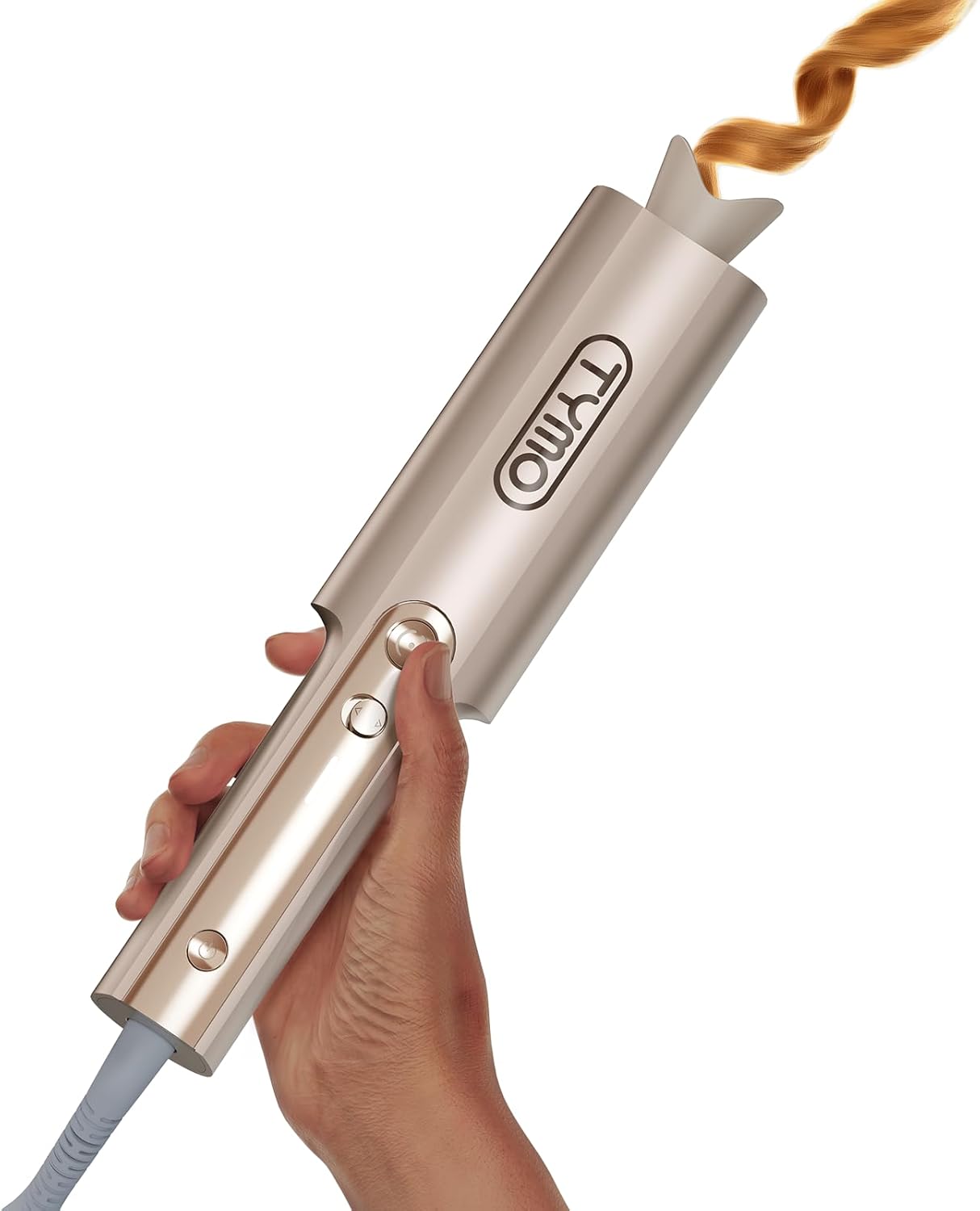
TYMO CurlPro Plus Automatic Rotating Curling Iron
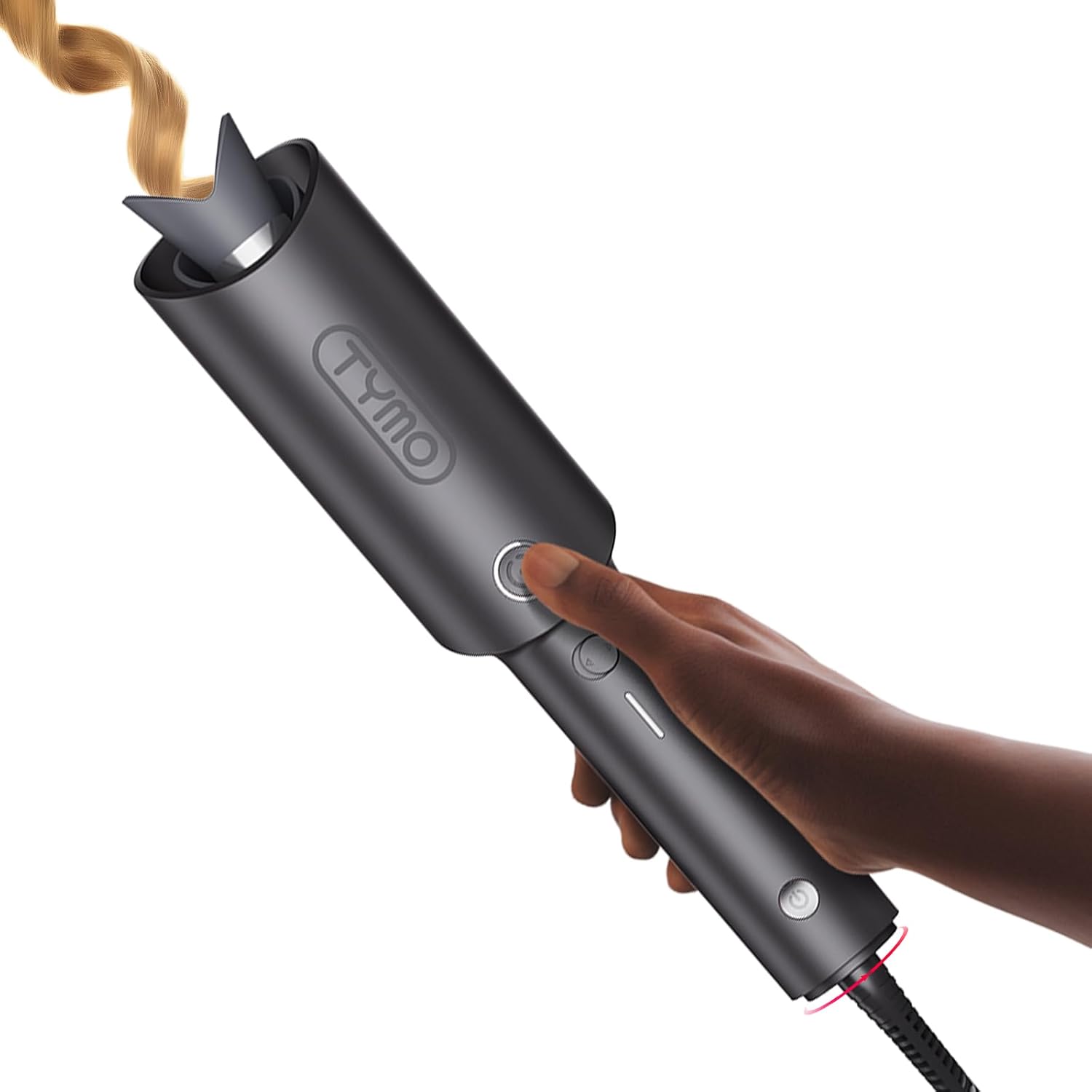
TYMO CURLPRO Automatic Rotating Curling Iron
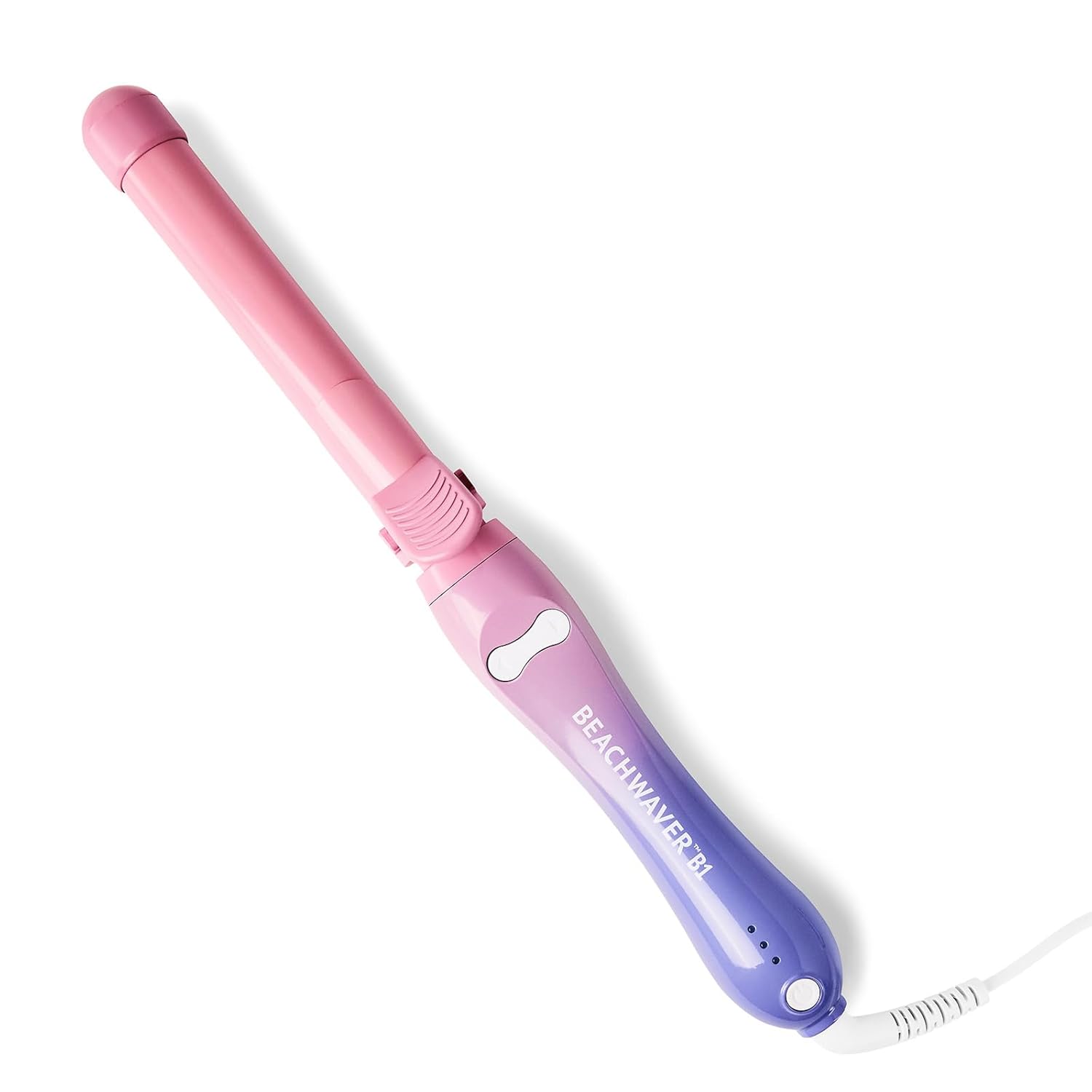
Beachwaver B1 Rotating Curling Iron
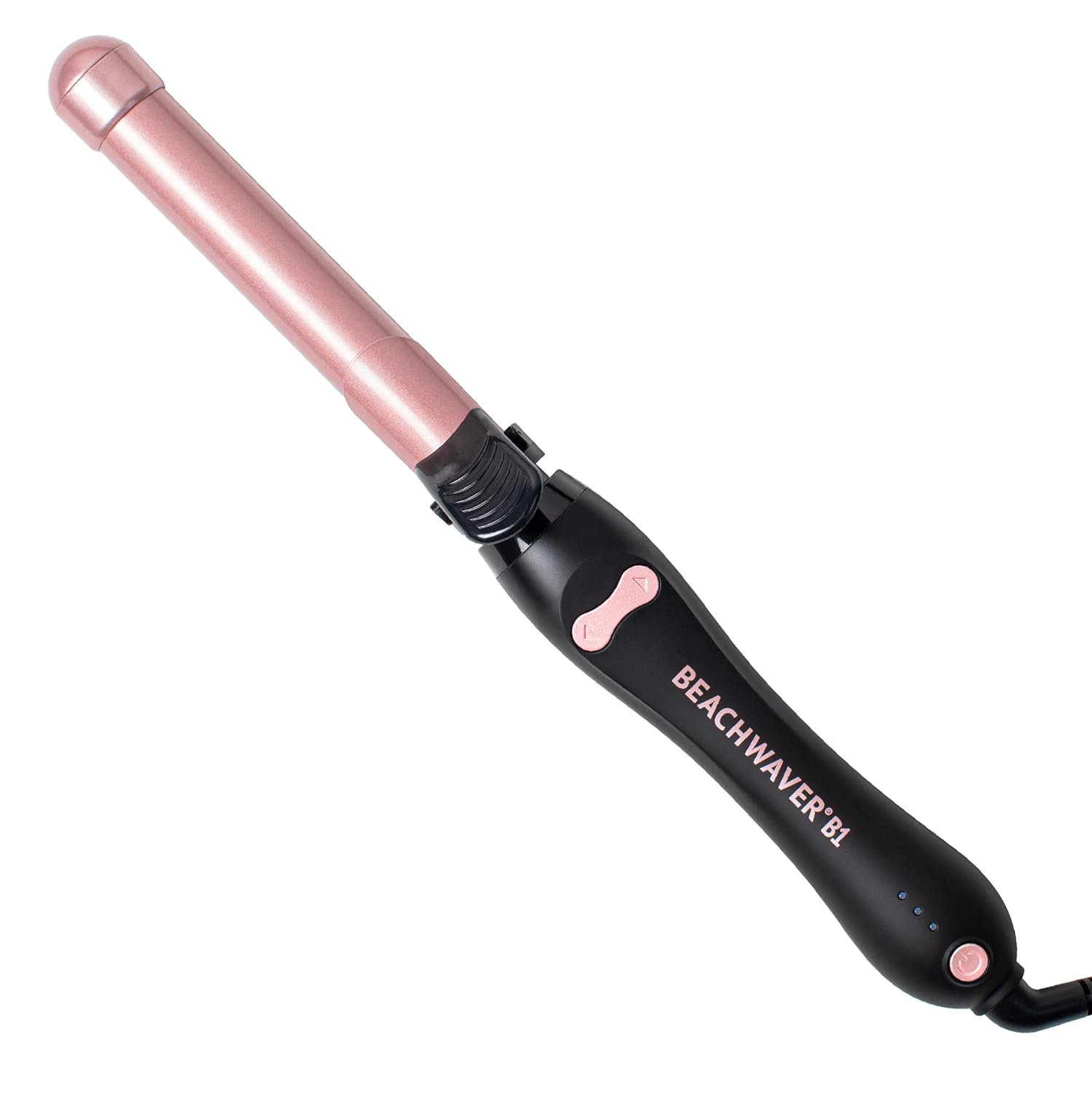
The Beachwaver Co. B1 Rotating Curling Iron
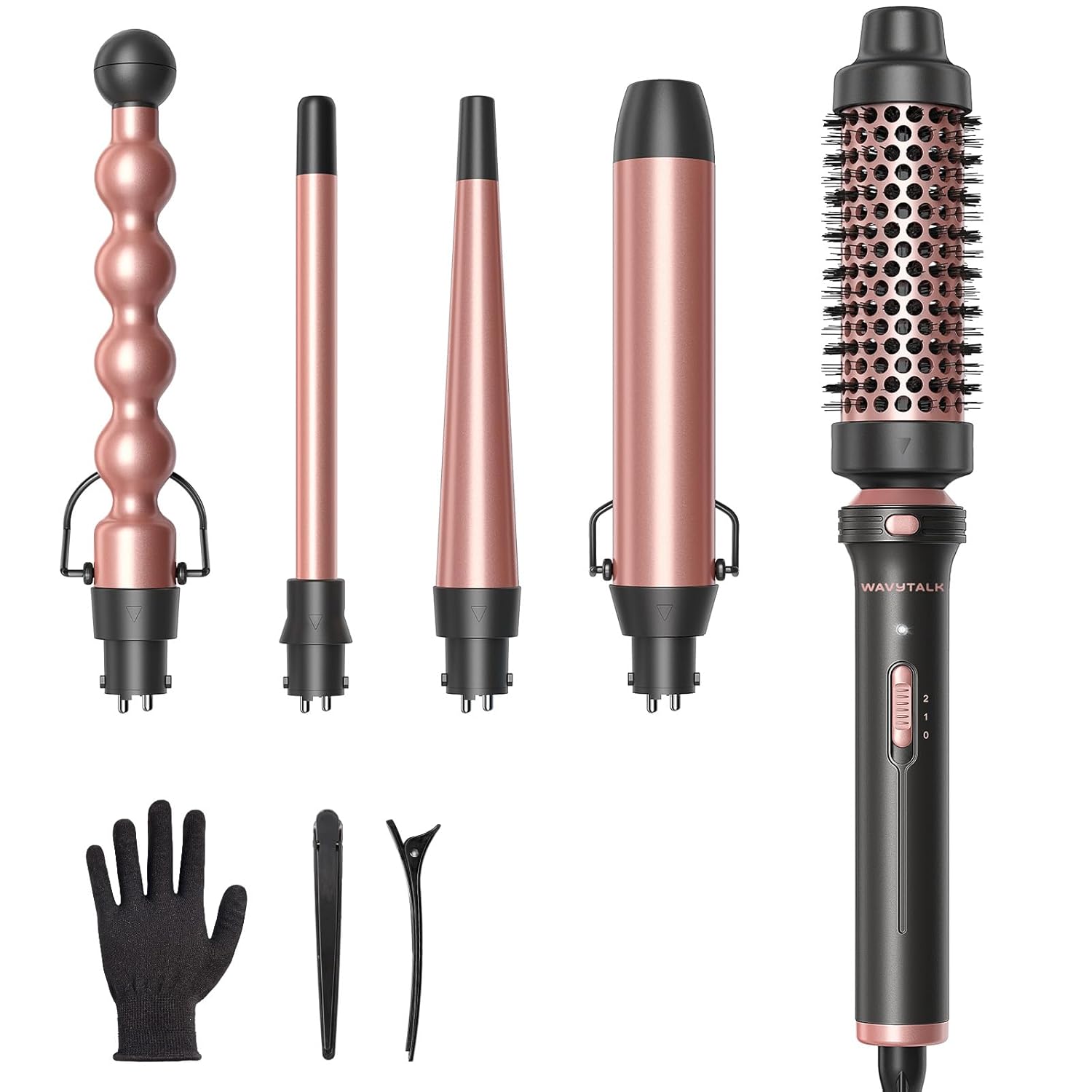
Wavytalk 5 in 1 Curling Wand Set Multi Curl
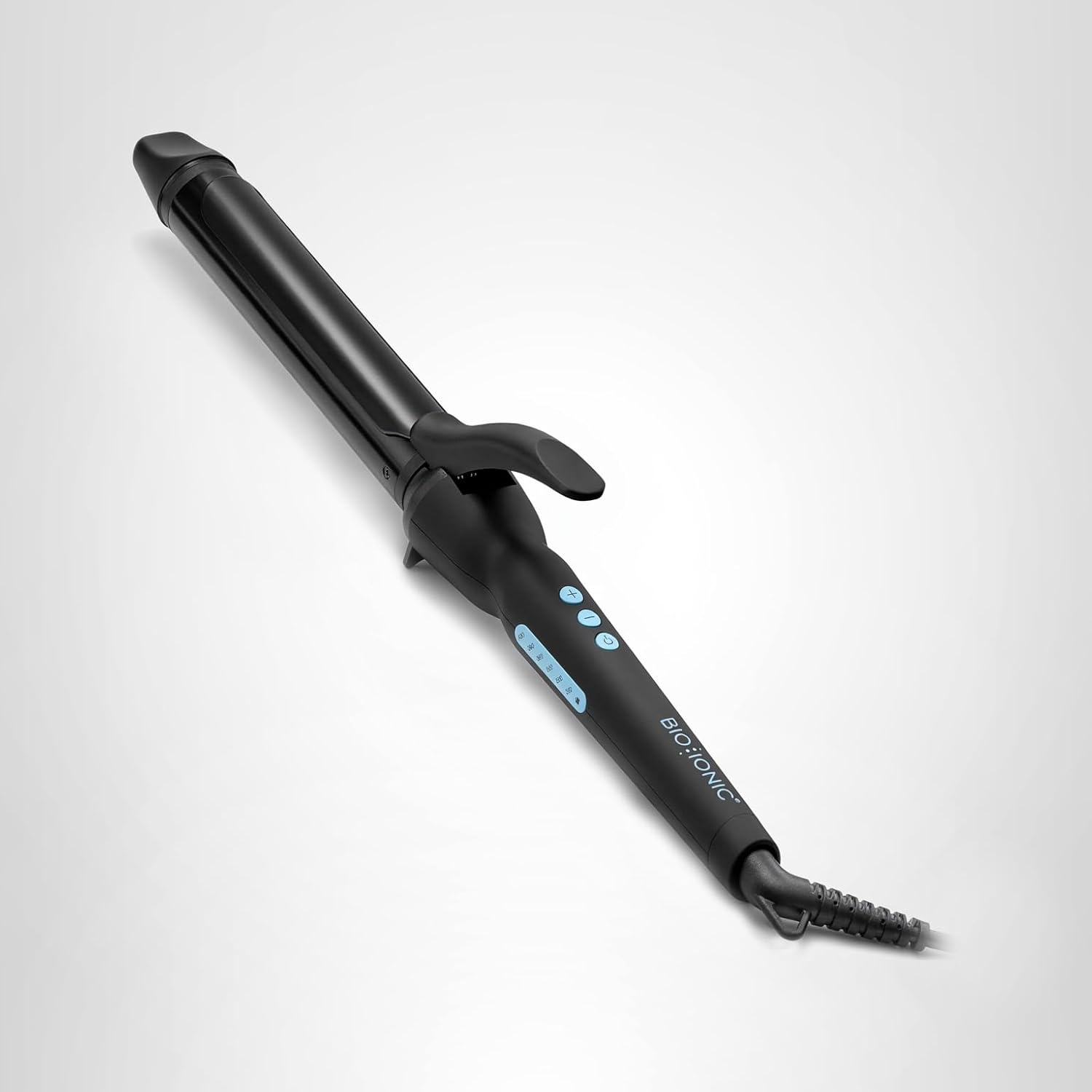
Bio Ionic Long Barrel Styler Curling Iron
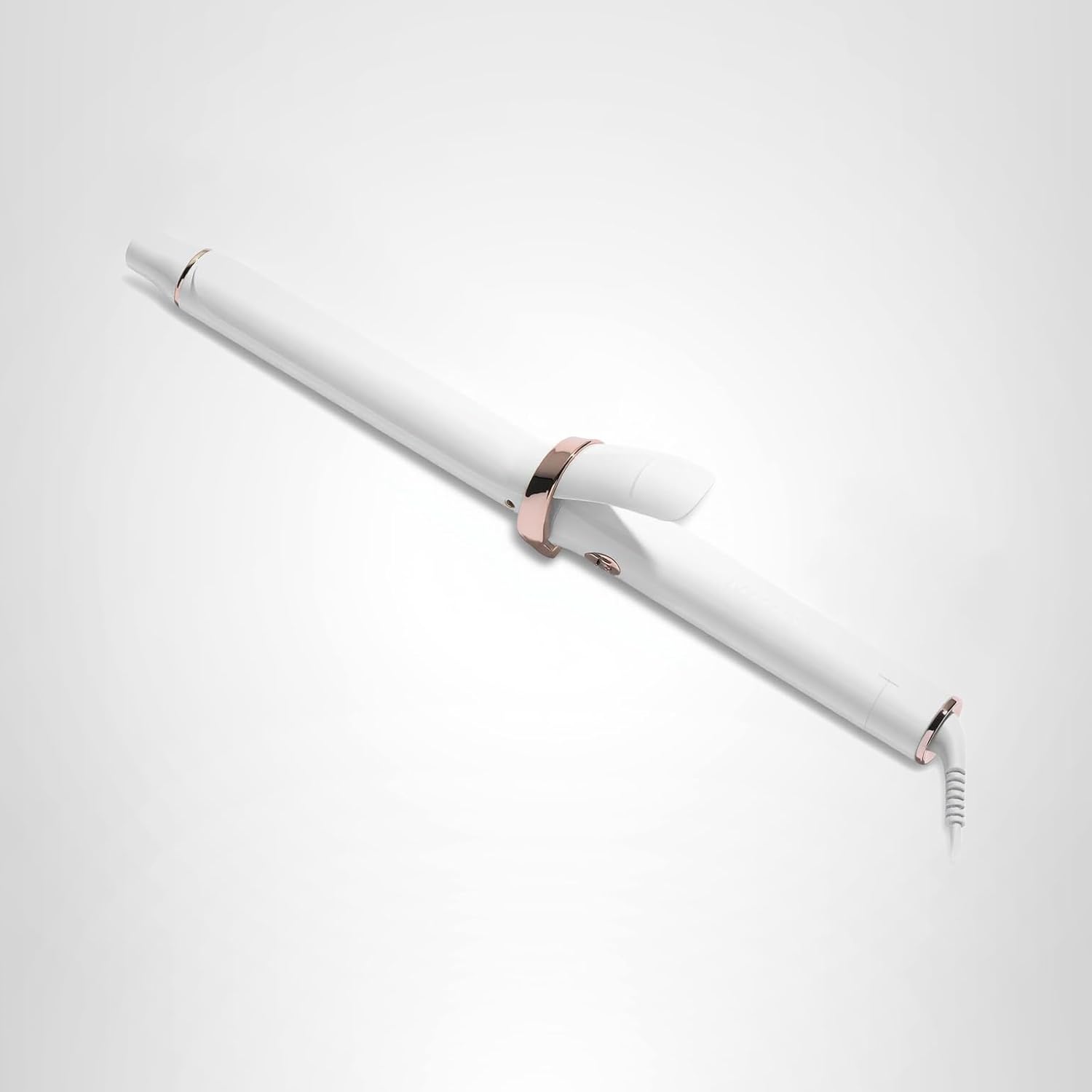
T3 SinglePass Curl X Extra-Long Barrel Curling Iron
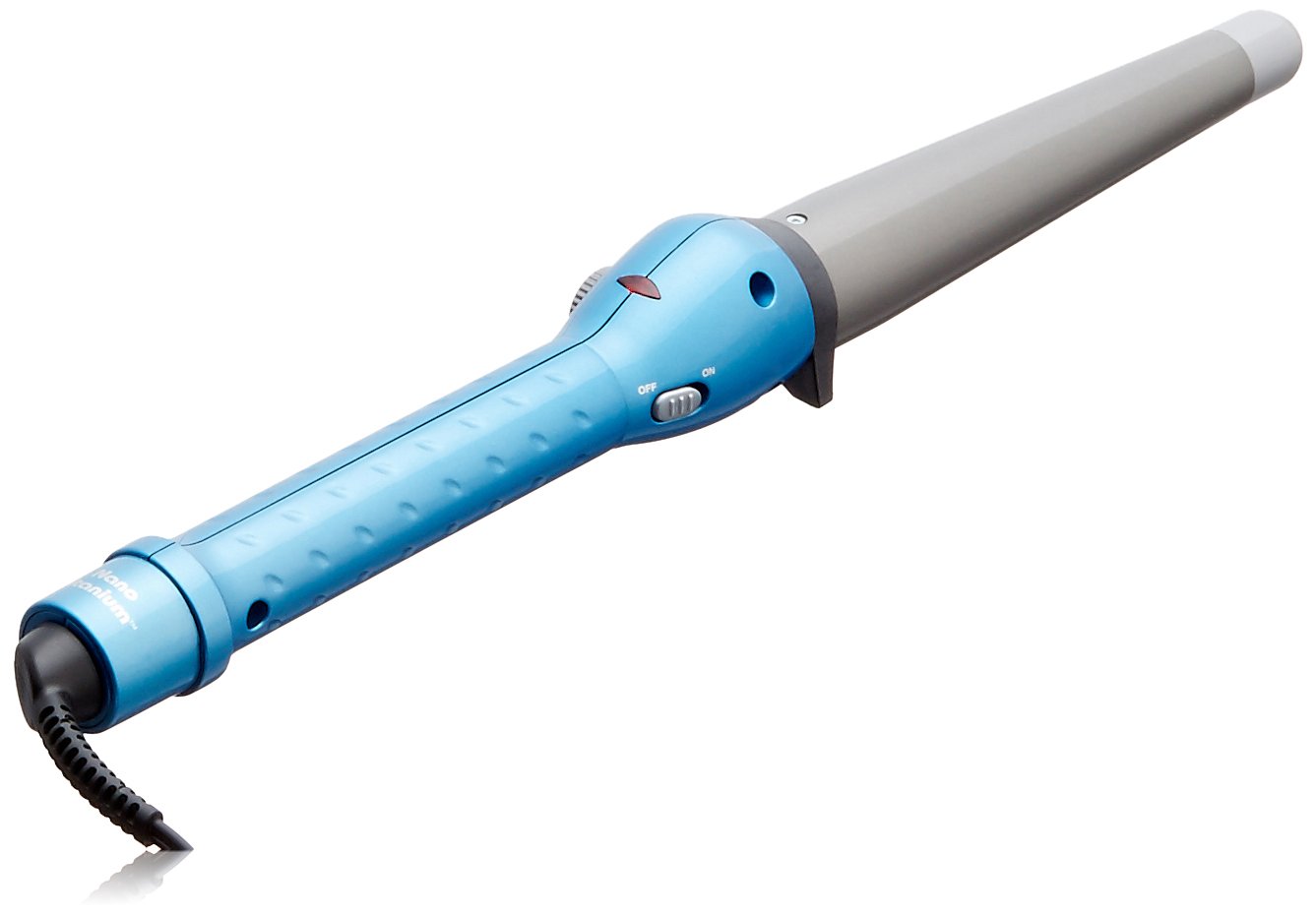
BaBylissPRO Nano Titanium Conicurl Curling Wand