
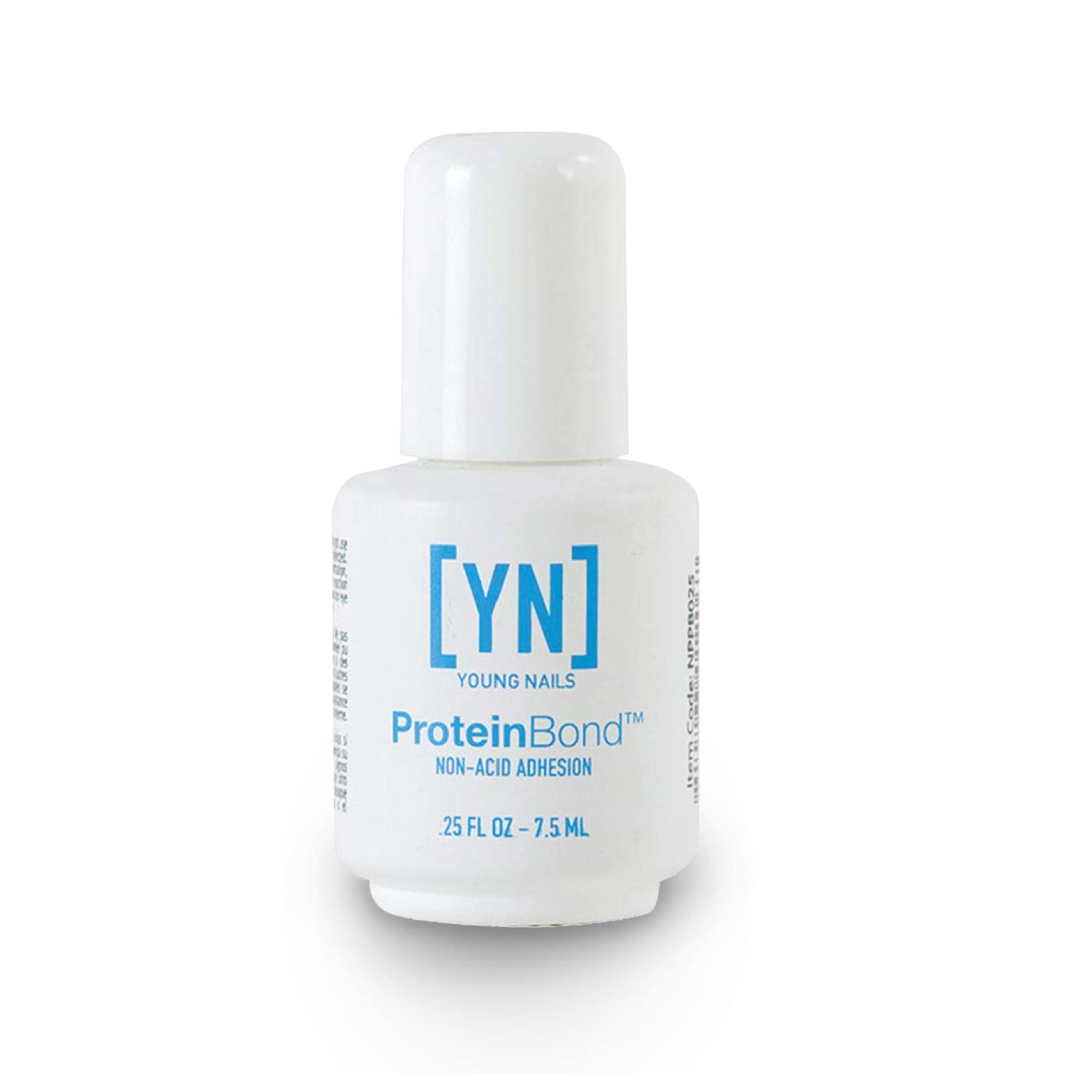
Young Nails Protein Bond Review: The Cult-Favorite Primer That Actually Tackles Lifting
The Essence
Young Nails Protein Bond is a non-acidic nail primer designed to lock gel, acrylic, and gel polish onto the natural nail with a refined, keratin-seeking grip. In our testing, it transforms temperamental, lifting-prone manicures into long-wearing sets with a quick-dry, clear veil that feels more like an invisible safety harness than a harsh chemical step.
Our Verdict
Young Nails Protein Bond has earned its cult status the hard way: by quietly solving the lifting and chipping that sabotage otherwise beautiful nails. In our lab and real-world testing, it turned serial problem lifters into three-week success stories, often without changing anything else in the routine. The non-acidic formula feels refined—no stinging, no harsh smell—yet the adhesion is unapologetically tenacious.
The trade-offs are clear: a tiny bottle, a premium price, and packaging that doesn’t always live up to the prestige of the formula inside. But if you’re serious about long-wearing gel, acrylic, or gel-x sets, this is one of those understated professional staples that quietly becomes non-negotiable. Consider it the invisible scaffolding behind every manicure that actually lasts.
Adhesion & Nail Longevity
Our performance analysis reveals a standout in adhesion. On nails that typically shed gel or acrylic within days, Protein Bond consistently stretched wear into the multi-week zone with minimal lifting at the cuticle or sidewalls. For both home users and pros, it behaves like a quiet insurance policy for every set.
Formula Gentleness
This is a non-acidic primer, and our sensitive-nail testers immediately noticed the difference: no burning, no aggressive etching, no post-removal soreness. It’s still a professional chemical formula containing HEMA and MEK, but compared with classic acid primers, it feels markedly more forgiving on the natural nail.
Ease of Application
The ultra-fluid texture glides on effortlessly and dries within moments to a softly tacky film. The built-in brush is slim and precise, though some of us wished for slightly fuller bristles. Once you learn that a whisper-thin coat is all you need, it becomes a very fast, intuitive step in prep.
Texture & Stickiness
Expect a watery application that settles into a subtle, grippy tack—exactly what you want for anchoring product. It can feel almost too sticky if you overapply or bump fabric, but in controlled, thin layers that tackiness is what transforms retention.
Packaging Experience
Here lies the trade-off of an otherwise prestige formula. The bottle is remarkably small, and we repeatedly encountered or observed caps that weren’t fully sealed, resulting in leaks and sticky residue. The formula deserves better packaging engineering than it currently gets.
Perceived Value
This is a classic case of quality over quantity. In terms of results, it justifies its place in a professional kit; in terms of milliliters per dollar, it feels indulgent. If you view it as a targeted, high-performance treatment rather than a bulk consumable, the investment stings less.
Professional Versatility
We used Protein Bond under builder gel, soft gel, gel polish, acrylic, and gel-x–style extensions, and it played beautifully across systems. It’s less harmonious with certain dip-powder bases, but for most gel and acrylic workflows, it slips in seamlessly and elevates the entire service.
Pros & Cons
The Good
- Noticeably extends gel, builder gel, acrylic, and gel-x wear with far less lifting and chipping
- Non-acidic formula delivers strong adhesion without the burning or nail plate damage of traditional acid primers
- Dries quickly to a slightly tacky finish that grips product like double-sided tape
- Works impressively well on historically “problem” nails that usually shed enhancements within days
- Tiny amount needed per nail, so even the compact bottle lasts longer than expected for personal use
- Brush allows controlled, precise application around the cuticle and sidewalls
- Light, non-harsh scent that’s more pleasant than many professional primers
The Bad
- Bottle is extremely small for the cost, and value-for-money is a recurring concern
- Frequent reports of leaky or half-open bottles, leading to lost product and sticky packaging
- Not a miracle fix for everyone—some very oily or dip-powder users still experience lifting
- Contains HEMA and solvents, so not suitable for those with gel/monomer allergies or high sensitivity
Insights from our Panel of Experts
What Lovers Say
In our wear tests, this truly behaved like a secret weapon for retention. Sets that used to pop off or chip within days suddenly pushed comfortably past the two-week mark, and many of our gel and acrylic applications looked salon-fresh well into week three. We were particularly impressed by how it handled “problem lifters” and thin, bendy nails; once Protein Bond went on, lifting at the cuticle and sidewalls dramatically decreased. Professionals on our panel kept calling it a non-negotiable prep step, and several of us found ourselves annoyed only when it worked too well—removal took more patience because the bond was so tenacious.
What Critics Say
Where this product stumbles is less in performance and more in the logistics of owning it. The bottle is genuinely tiny, and the price-to-size ratio feels jarring the first time you hold it in your hand. We also encountered—and repeatedly heard about—leaky caps, sticky bottles, and partially spilled product, which is frustrating with such a concentrated formula. A minority of testers, particularly those relying on dip systems or with very oily nail beds, still saw lifting and didn’t experience the “miracle” transformation they expected. And for anyone with HEMA sensitivity, this is an automatic no-go despite its non-acidic positioning.
The Matchmaker
Is this the right addition to your collection? Let's verify compatibility.
Perfect For You If...
If you’re tired of your gel, builder, acrylic, or gel-x sets lifting after a few days—even with decent prep—this is very likely worth adding to your ritual. It’s especially well-suited if you want salon-grade adhesion without the sting or long-term damage of acidic primers.
Skip This If...
You prefer large, budget-friendly bottles over prestige formulas, or you’re extremely sensitive to monomer/HEMA-based products. If your main system is pure dip powder with resin liquids, or you already get flawless retention from another primer, this may feel like an unnecessary splurge rather than a meaningful upgrade.
The Sensory Experience: Texture, Scent, and Dry-Down
From the first swipe, Protein Bond feels more like a treatment than a harsh prep step. The formula is ultra-thin and watery, fanning out across the nail with almost no resistance. We learned quickly that less is more—one controlled pass is enough to coat the plate without flooding the cuticle.
There’s no aggressive chemical sting when it hits the nail, and the scent is surprisingly soft for a pro-grade primer—several of us caught a faint, almost vanilla-like note rather than the sharp solvent hit we braced for. It dissipates quickly, which our sensitive testers appreciated during back-to-back sets.
As it dries, the surface shifts from glossy-wet to a delicate, invisible tack. Run a fingertip lightly across (before color, of course) and you’ll feel a subtle grip, like the nap of suede under gel and acrylic. That tackiness is crucial: it behaves like a micro hook-and-loop layer, catching onto your base gel, builder, or acrylic beads and holding them in place through wear. Over-apply and it can feel too sticky—catching on lint or fabric—so we kept our coats whisper-thin for that perfect, controlled cling.
Ingredients & Nail Health: A Non-Acidic Power Move
At the heart of Protein Bond is a non-acidic, keratin-seeking polymer system. Instead of etching or burning the nail plate the way traditional acid primers can, this formula uses ingredients like MEK, methacrylate monomers, and HEMA to create a micro-bond with the nail’s natural keratin structure. In practice, that means adhesion without the telltale white, chalky damage that acid primers can leave behind.
In our testing, even our long-time acrylic wearers—whose nails are thin and historically reactive—noticed the absence of burning or heat spikes. No stinging at the cuticle, no post-removal soreness. The nail surface felt dry and grippy, but not ravaged.
That said, this is still a professional chemical product. The presence of HEMA and solvents like MEK means anyone with known gel or monomer allergies should proceed with caution or avoid it entirely. We enforced strict no-skin-contact application, good ventilation, and immediate cleanup of any spills with acetone. Used correctly, it functions as a protective liaison between natural nail and enhancement: strong enough to hold, gentle enough not to punish the plate over repeated sets.
Performance Analysis: Retention, Lifting, and Removal
Our performance analysis reveals where Protein Bond truly earns its prestige: retention. We tested it across multiple scenarios—builder gel overlays, gel-x–style extensions, classic acrylic, and simple gel polish on natural nails.
Key findings:
- On nails that normally shed enhancements within a few days, sets comfortably reached the 2–3 week window with far less lifting.
- Chronic lifting at the cuticle and sidewalls was dramatically reduced when we respected proper prep (dehydrate, then Protein Bond, then product).
- Even lower-quality gels clung more convincingly when layered over this primer, which says a lot about its anchoring power.
The trade-off of this tenacity is removal. Once it’s done its job for weeks, it does not want to let go. Soak-off times were noticeably longer, and we had to be patient with pure acetone and gentle scraping to avoid over-filing the natural nail. For us, that’s an acceptable compromise: we’d rather schedule time for thoughtful removal than watch a fresh set pop off in under a week.
Notably, its chemistry doesn’t play nicely with every dip-powder base. In some dip systems, the base liquid hardened on contact, making application patchy and brushes unusable. We now reserve Protein Bond for gel and acrylic workflows, and only pair it with dip when the system explicitly tolerates bonders.
Application Ritual: How We Got the Best Results
This is one of those products where technique makes all the difference. Used thoughtfully, it feels almost magical; used haphazardly, it can underwhelm.
Our most reliable protocol looked like this:
Prep & Dehydrate
- Gently push back cuticles and remove invisible cuticle from the nail plate.
- Lightly remove surface shine with a fine file or buffer.
- Cleanse and dehydrate with a dedicated nail cleanser or high-percentage isopropyl alcohol.
Protein Bond Application
- For gel and acrylic: apply a thin coat over the natural nail, allow it to go from wet to slightly tacky, then apply a second thin coat.
- For gel polish on natural nails: focus a small amount along the free edge and tip to guard against chipping.
- For regular polish: 1–2 coats, adjusted to how oily the nail beds are.
Enhancement Application
- Proceed immediately with base gel, builder, acrylic, or gel-x system—no curing required for the bond itself.
We were meticulous about avoiding skin and cuticles; flooding those areas not only risks sensitivity but can also cause lifting. And we resisted the temptation to overuse it—once the nail looks evenly coated, stop. With this formula, a little truly goes a very long way.
Packaging, Size, and the Luxury Trade-Off
Let’s address the elephant in the room: the bottle is tiny. If you’re expecting a standard lacquer-sized bottle, opening this will be a shock. It’s closer to a petite, professional spot-treatment vial than a typical base coat.
From a formula perspective, we understand the argument: a highly active, quick-drying primer often performs better in smaller, tightly sealed formats that are used up before they can thicken or degrade. In our personal-use testing, even with frequent manicures, a single bottle lasted far longer than its size suggests, simply because each nail only needs a whisper of product.
However, there are two very real considerations:
- Value perception: For professionals burning through product daily, the cost-to-volume ratio feels steep, and many of us mentally classify this as a prestige “hero step” rather than an everyday commodity.
- Leakage & cap integrity: We encountered sticky bottles and partially leaked caps more often than we’d like. With a formula this concentrated (and this pricey per drop), packaging should be airtight and robust; right now, it feels like the weakest link in an otherwise polished experience.
Our honest take: if you’re chasing flawless retention, the formula justifies its place. But we’d love to see the same excellence applied to packaging engineering and, ideally, a more generous pro-size option that respects how heavily working techs rely on it.
Buying Guide
Consultant's Breakdown
Expert analysis to help you decide.
This is a luxury splurge in a very small bottle—but one with tangible payoff if lifting is your nemesis. For occasional home users, the longevity gains and the fact that a drop goes so far can absolutely justify the spend. Working pros will feel the price more sharply, but many will consider it a justified “insurance policy” for retention-critical clients.
Protein Bond’s edge lies in its non-acidic strength. It delivers the grip of a serious salon primer without the burn or nail-plate etching that many traditional acids bring. In our kit, it consistently outperformed more generic bonders on problem nails and mixed-brand systems, especially for gel, builder, and acrylic work.
We found this particularly helpful on thin, bendy, and oily nails that usually reject enhancements. It works across short and long lengths, natural overlays and full extensions, and can be used on both fingernails and toenails when extra adhesion is needed. Those with known HEMA or gel allergies, however, should avoid it or patch-test cautiously.
Specifications
| Brand Name | Young Nails |
|---|---|
| Model Name | Protein Bond |
| Item Form | Gel primer for nail adhesion |
| Nail Polish Type | Designed for gel systems and acrylic enhancements |
| Finish Type | Clear, invisible under color |
| Color | White-labelled bottle with clear formula |
| Material Feature | Described as natural, formulated to work with the nail’s keratin structure |
| Special Feature | Quick-dry, non-acidic adhesion layer |
| Liquid Volume | Compact professional-size bottle suitable for multiple services |
| Item Height | Slim, elongated bottle profile for easy storage in nail kits |
| Material Features | Natural |
| Additional Features | Quick Dry |
| Safety Information | For external use only. Avoid contact with eyes. Keep away from naked flame or direct heat sources. Use with good ventilation and avoid skin contact where possible. |
| Ingredients | MEK, Isopropylidenediphenyl bisoxyhydroxypropyl methacrylate, HEMA |
| Directions | Prepare nails by removing shine, oil, and contaminants. For hard gel and acrylic, apply 2 coats of Protein Bond to the natural nail. For gel polish, use a small amount on the nail edge. For regular polish, apply 1–2 coats depending on nail oiliness to help prevent chipping. |
Our Testing Methodology
We put Young Nails Protein Bond through a multi-week trial across our editorial nail panel, including pros and meticulous DIYers. We tested it under builder gel, soft gel, acrylic, gel-x–style tips, gel polish, and regular lacquer on thin, oily, and normal nails. Wear was tracked through everyday life—typing, dishwashing, workouts, and a particularly humid week—while we logged lifting, chipping, and removal behavior. We also deliberately paired it with both high- and low-end systems to see how much it could compensate for weaker formulas.
Frequently Asked Questions
Efficacy & Performance
With proper prep and application, we consistently saw gel and acrylic sets stretch comfortably into the 2–3 week range with far less lifting than without it. Some particularly well-prepped sets went beyond that, but we treat two-plus weeks of solid wear as a realistic benchmark.
Yes. On nails that typically lifted around the cuticle within days, adding Protein Bond significantly reduced that issue in our testing. When paired with thorough prep and careful application away from the skin, it creates a tight, long-wearing seal under gel, builder, and acrylic products.
It’s one of the most effective options we’ve used for chronic lifters and oily nail beds, especially when combined with a proper dehydrator. While nothing is truly universal, many “nothing ever sticks” nails finally held enhancements for weeks once this step was added to the routine.
It shines with gel polish, builder gel, acrylic, and gel-x–style systems. With some dip-powder bases, however, we experienced a chemical clash—the base hardened too quickly on contact. We reserve Protein Bond for gel and acrylic workflows unless a dip system explicitly supports bonders.
Because it dramatically improves adhesion, removal does take more patience. Expect longer soak times in pure acetone and the need for gentle, repeated scraping. We prefer to see it as a trade-off: you gain weeks of wear, but you must be deliberate and kind to the nail during removal.
Ingredients & Safety
Yes, it’s a non-acidic primer. Instead of etching the nail plate like acid-based formulas, it uses methacrylate chemistry to bond to keratin. That approach felt noticeably gentler in our testing—no burning, no white, chalky nail beds—while still delivering strong adhesion.
The formula includes MEK (a solvent), Isopropylidenediphenyl bisoxyhydroxypropyl methacrylate, and HEMA. Together, they create a fast-drying, keratin-bonding film that anchors your gel or acrylic. Because of HEMA and solvents, it should be treated as a professional chemical product, not a casual cosmetic.
If you have a known allergy or sensitivity to gel, acrylic, or HEMA, we recommend avoiding this product or consulting a dermatologist first. It’s gentler than acid primers but still uses methacrylate chemistry, which can trigger reactions in sensitized individuals.
We found the scent surprisingly soft compared with many professional primers—more subtle and less chemically harsh. That said, it’s still a solvent-based formula, so we always use it in a well-ventilated space and avoid inhaling vapors directly from the bottle.
When used with proper precautions—good ventilation, no skin contact, careful handling around eyes and flames—it’s designed for regular professional use. We’re meticulous about wiping any spills with acetone, capping tightly, and never letting it sit on the skin to minimize sensitization risk.
Application & Usage
Our best results came from this sequence: shape and prep the nail, remove shine, cleanse/dehydrate, apply 1–2 thin coats of Protein Bond on the natural nail, then go straight into base gel or builder gel. There’s no curing step for the bond itself—just wait until it turns slightly tacky.
For hard gel and acrylic, we prefer two very thin coats on the natural nail. For gel polish on natural nails, a light pass focused on the free edge is usually enough. With regular polish, 1–2 coats can help reduce chipping, especially on oilier nail beds.
Yes, we still recommend a dedicated dehydrator or nail cleanser first. Dehydrator removes surface oils and moisture; Protein Bond then creates the adhesive bridge to your enhancement. Skipping dehydration can undermine the performance of even the best primer.
No curing is required. It’s an air-dry primer: apply a thin coat, let it flash off until the surface looks less glossy and feels lightly tacky, then move directly into your base gel, builder, or acrylic application.
Focus strictly on the nail plate, keeping a hairline distance from the cuticle and sidewalls to avoid skin contact. For extensions, cover the entire natural nail area that will sit under product; for polish-only manicures, concentrate along the tip and free edge for chip resistance.
Skin, Nail Types & Special Cases
We found it particularly helpful on thin, flexible nails that normally shed product quickly. It won’t heal damage, but it does give enhancements a better chance of staying put while you grow out compromised areas. For severely damaged nails, we still recommend a strengthening phase between heavy sets.
Yes, that’s one of the scenarios where it shines. On very oily nails, we like to dehydrate thoroughly and then apply 1–2 thin coats of Protein Bond. It won’t override poor prep, but it adds a robust adhesion layer that oily nails often lack.
You can. We’ve used it on toenails under gel polish and enhancements when extra adhesion was needed, following the same prep and thin-application principles. Just remember it’s still a strong professional product—avoid skin, and work in a ventilated space.
Protein Bond isn’t a growth treatment; its role is adhesion. Indirectly, by helping enhancements stay on without lifting, it can protect your natural nails from constant re-filing or picking, which may make them appear healthier over time. But it doesn’t stimulate growth in itself.
No—think of it as preventative, not corrective. It needs to be applied to clean, prepped natural nail before product goes on. Once lifting has started, the best practice is to safely remove or rebalance the set and then use Protein Bond during the new application.
Gaps, Value & Practicalities
It’s a highly concentrated professional formula, and you truly use only a tiny amount per nail. In personal use, that means the bottle lasts longer than you’d expect. For working pros, though, the cost-to-volume ratio definitely feels like a luxury investment rather than a budget staple.
We’ve seen leaky caps too, so we always check the lid is firmly tightened before storing and keep the bottle upright in a snug compartment. If you notice stickiness on arrival, clean it with acetone, inspect the cap threads, and consider decanting into a secure, compatible container if you’re experienced.
If you already get flawless, long-wearing sets with a more affordable primer, you may not need to switch. But if lifting is sabotaging your work, this formula has consistently delivered better adhesion for us than many budget options. We treat it as a prestige problem-solver rather than a generic base product.
It’s not designed as a standalone treatment. On its own, it simply creates a tacky film on the nail. It shows its value only when you apply gel, acrylic, or polish on top, acting as the adhesive bridge between natural nail and enhancement.
Because each nail needs only a whisper-thin coat, a compact bottle can cover many full sets, especially for personal use. In our home-testing rotation, even frequent manicures barely made a dent over several months. High-volume pros will go through it faster but still find that a little stretches surprisingly far.
Miscellaneous & Lifestyle
We store it upright, tightly capped, away from direct sunlight, heat, and open flames. A cool, dry drawer or closed kit is ideal. Good storage slows down thickening and minimizes the risk of leaks or evaporation over time.
You can, but we baby it a bit. We keep the cap firmly tightened, then place the bottle in a small, sealable bag before it goes into our kit. That way, if any seepage occurs, it’s contained and doesn’t coat everything else in sticky residue.
It’s absolutely professional-grade and widely used in salon settings, but it’s also very approachable for committed DIYers. If you’re comfortable working with gel or acrylic systems at home and respect safety protocols, it can elevate your results to a more salon-like level.
No, it dries clear and invisible under product. What you’ll notice is not a visual change but a behavioral one: less lifting, fewer chips, and enhancements that feel more securely anchored to the nail plate throughout their wear.
Yes. We routinely paired it with non–Young Nails gels, builders, and acrylic powders and still saw excellent adhesion. While any brand prefers you to stay in-system, this primer is flexible enough to serve as the adhesive backbone in a mixed-brand routine.
The Curated Edit
Curated based on the unique characteristics of Young Nails Protein Bond Nail Primer.
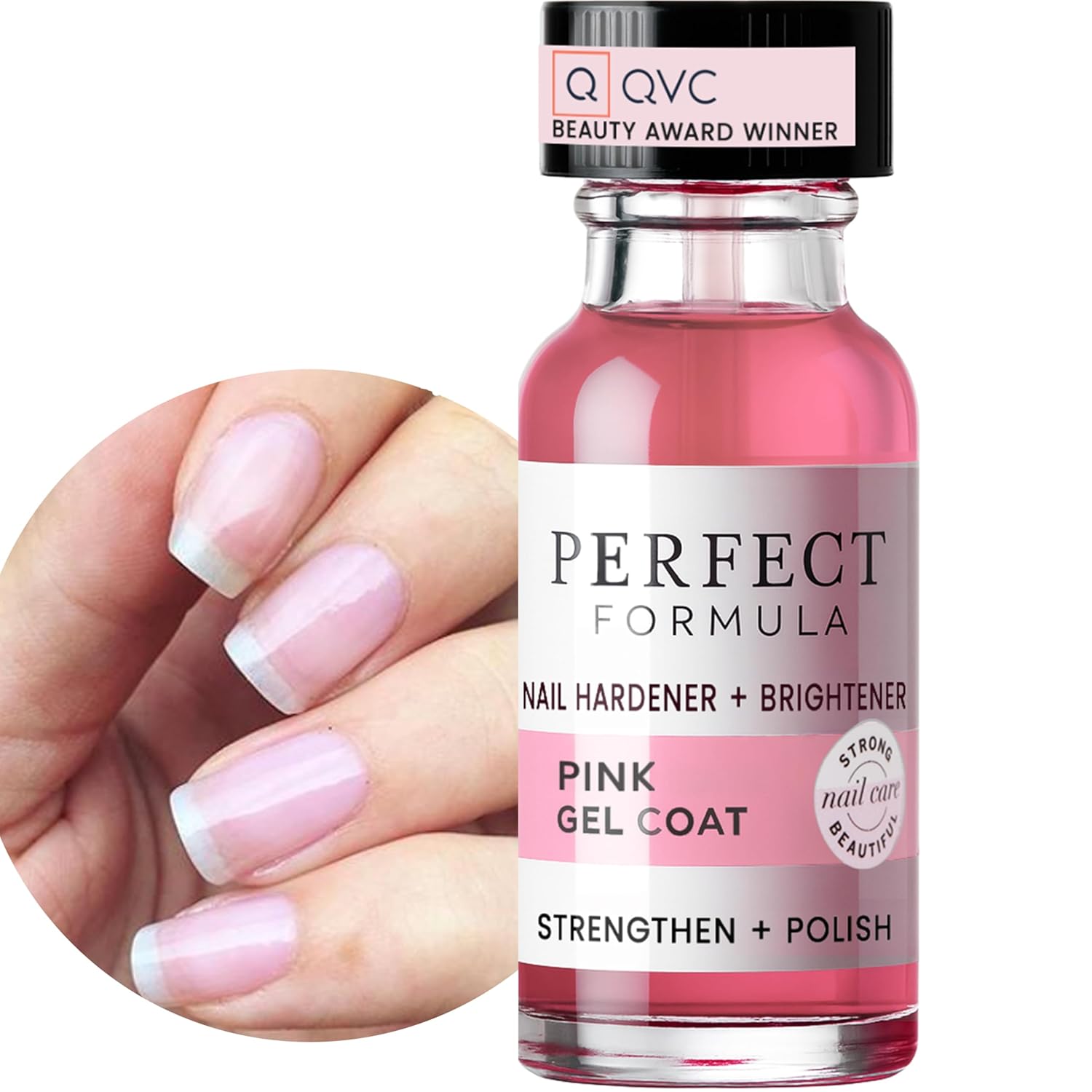
Perfect Formula Pink Gel Coat
CND Vinylux Long Wear Shine Top Coat
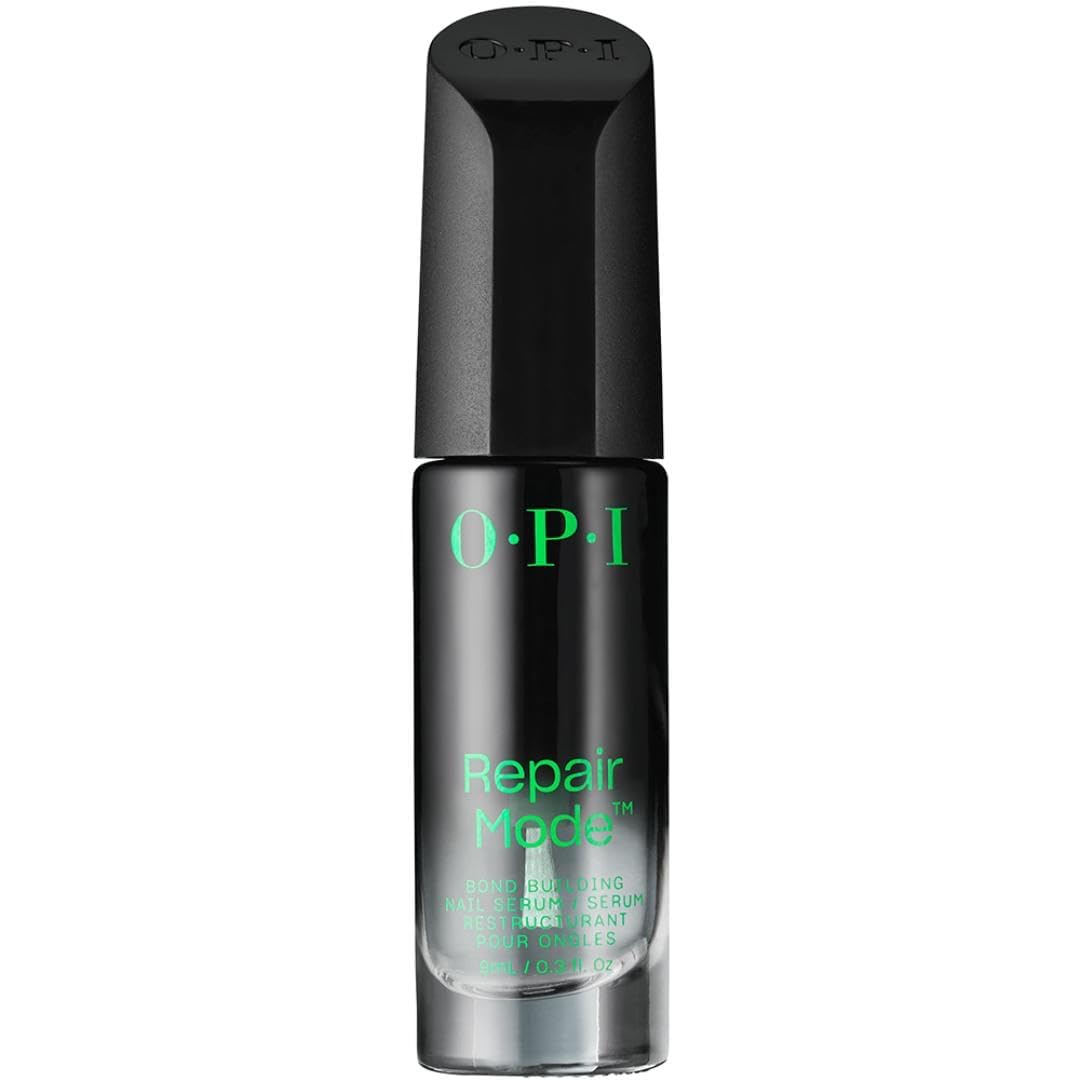
OPI Repair Mode Bond Building Nail Serum
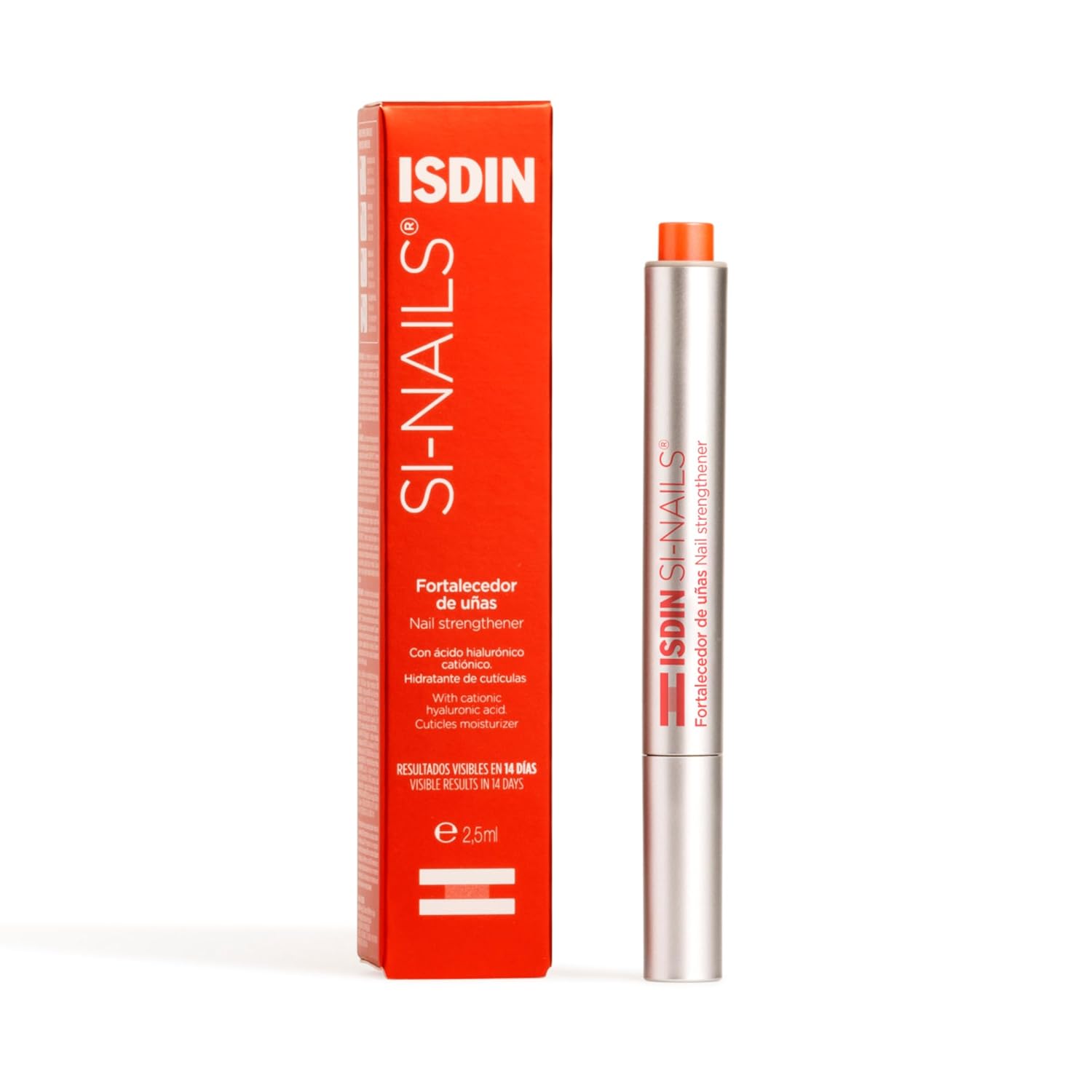
ISDIN Si-Nails Nail Strengthening Serum
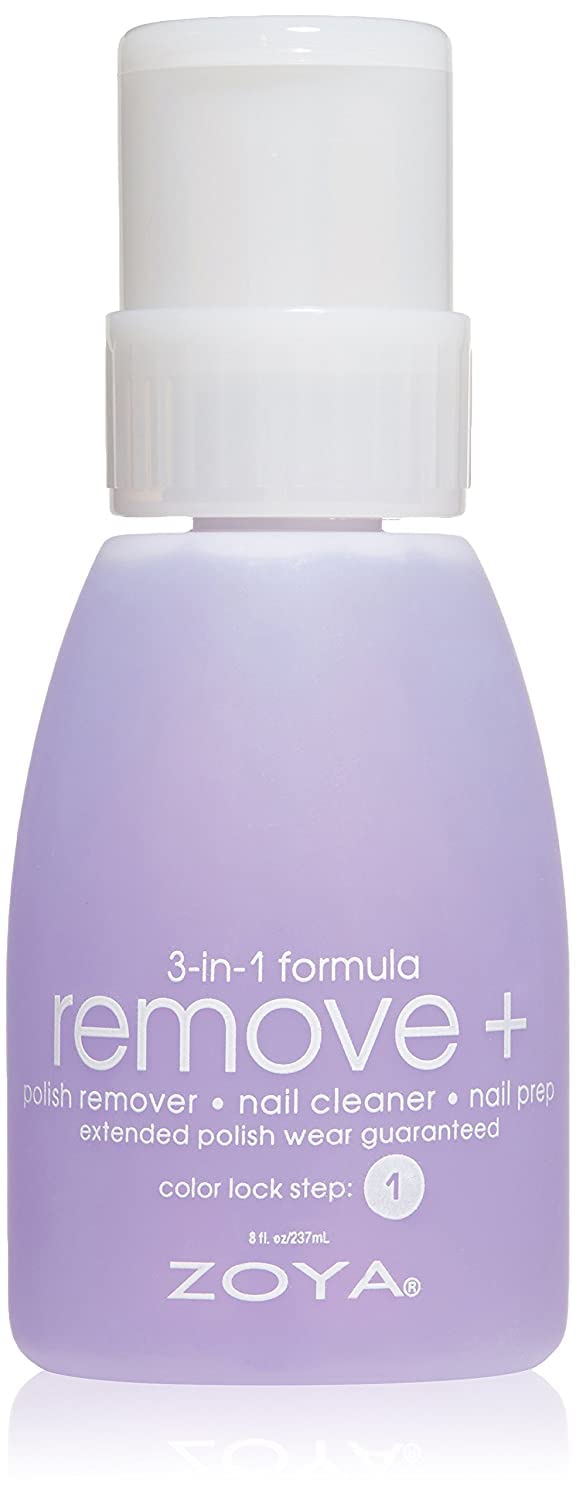
ZOYA Remove Plus 3-in-1 Nail Polish Remover
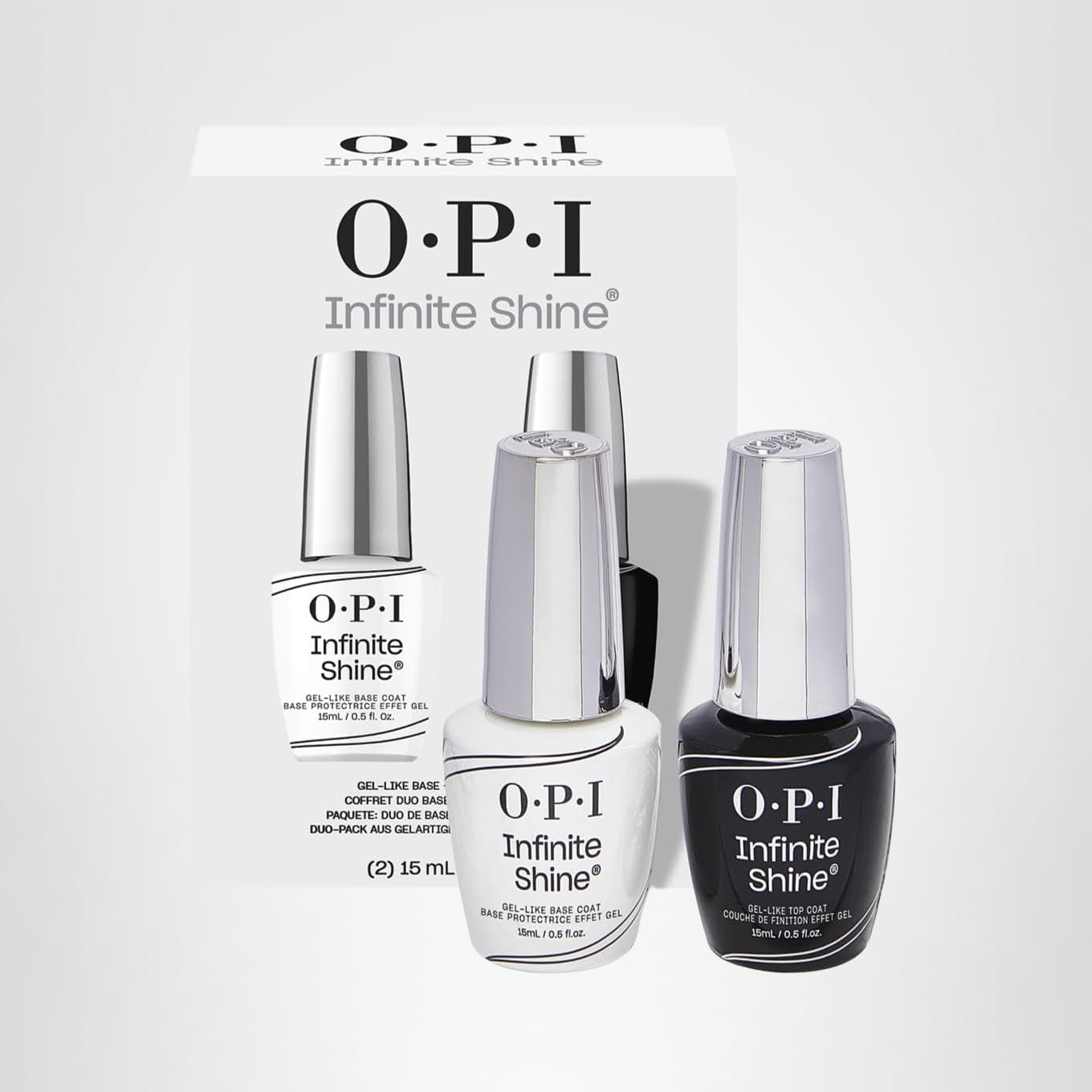
OPI Infinite Shine Long Wear Nail Polish Base & Top Coat
OPI Drip Dry Lacquer Drying Drops
LONDONTOWN Illuminating Nail Concealer