
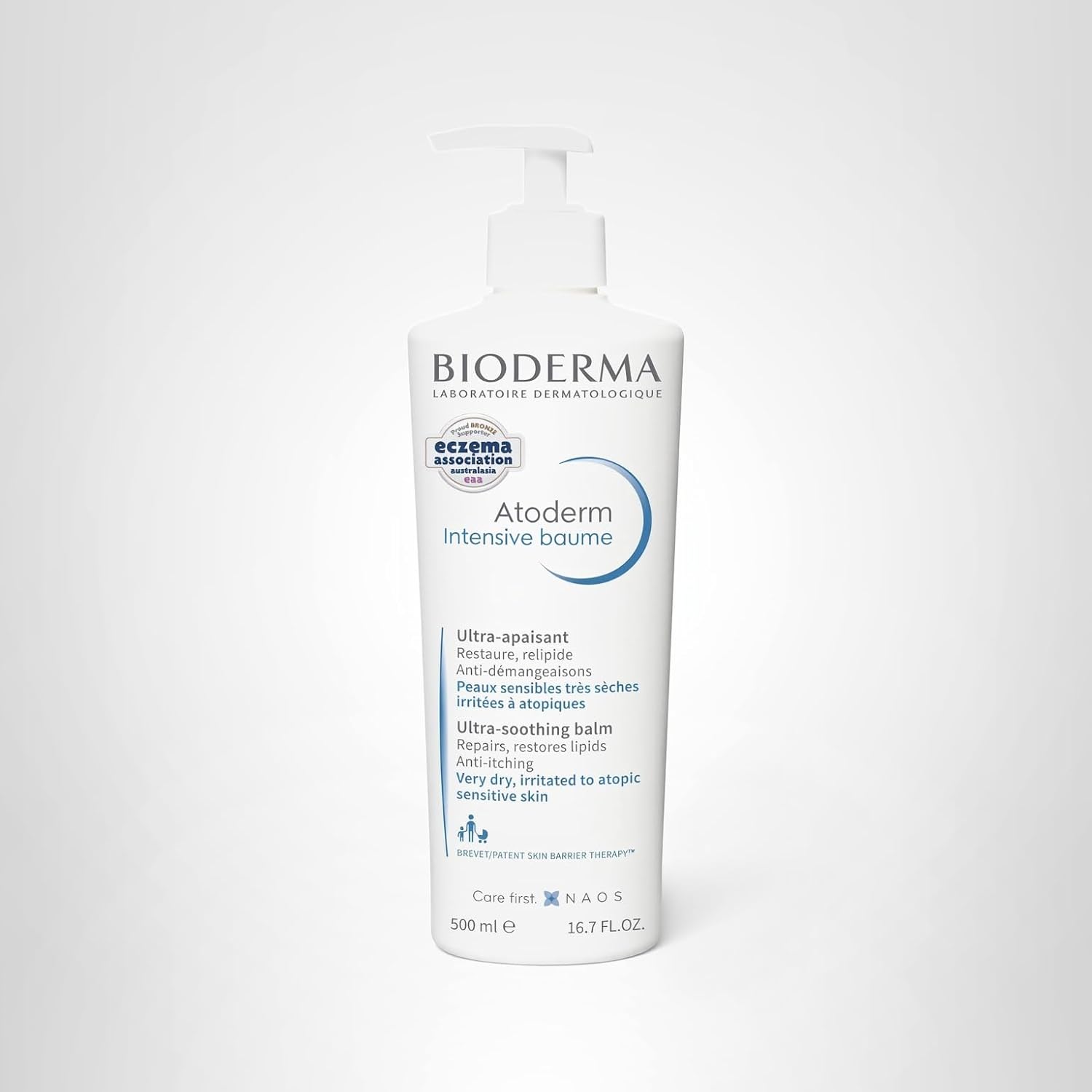
Bioderma Atoderm Intensive Balm Review: Dermatologist-Level Comfort For Angry, Parched Skin
The Essence
A pharmacy-born, dermatological balm designed for dry to atopic sensitive skin, Bioderma Atoderm Intensive Balm is a cocooning face and body moisturizer that behaves more like treatment than mere lotion. In our testing, it wrapped irritated, reactive skin in quiet, fragrance-free comfort, helping to restore suppleness where the barrier was visibly compromised. This is the kind of formula you reach for when regular body creams simply stop being enough.
Our Verdict
Bioderma Atoderm Intensive Balm is what we reach for when skin has stopped whispering and started shouting. In our testing, it behaved less like a simple moisturizer and more like a daily barrier treatment — the kind you smooth on when your shins are chalky, your baby’s eczema is flaring, or your tretinoin routine has tipped into too much. The rich, fragrance-free balm texture wraps the skin in quiet, occlusive comfort, softening flakes, easing itch, and helping fragile barriers feel whole again.
It is not a weightless, invisible cream; there is a deliberate, cushiony film that some will find luxuriously protective and others will deem too sticky. But for those living with chronically dry, reactive, or atopic skin, the trade-off is often worth it. If you think of this as a dermatological cocoon rather than a casual body lotion, you’ll understand its appeal — and why so many of us kept reaching for it night after night.
Deep Hydration & Moisturizing Power
This is where Atoderm Intensive Balm shines. Our performance analysis reveals a balm that genuinely transforms tight, flaky skin into supple, cushioned softness when used consistently. It doesn’t just sit on top; over days, we saw elbows, shins, and diabetic legs look and feel noticeably healthier and less ashy.
Itch & Irritation Relief
For atopic, eczema-prone, and medication-reactive skin, this delivered real relief. It quieted that maddening, all-over itch for most of our testers and was gentle enough for baby rashes and irritated eyelids. A minority with severe flares still needed steroids, but as a daily anti-itch support, it’s impressively effective.
Texture & Sensory Experience
The texture is unapologetically rich — a true balm-lotion hybrid. Applied to slightly damp skin, it feels velvety and comforting; on dry skin or in humid weather, it can tip into sticky or waxy. This is a deliberate, treatment-style formula, not a breezy, invisible body milk.
Residue & Stickiness
This is the main trade-off of such an occlusive formula. When over-applied, it leaves a perceptible film that some of us barely noticed and others found distracting enough to wash off. Used sparingly and massaged in patiently, the finish is far more elegant — but it does demand a ritual, not a rush.
Formula & Ingredient Integrity
We were impressed by the ingredient architecture: ceramides, cholesterol, mineral oil, sunflower and canola oils, zinc gluconate, and soothing lipids create a barrier-repairing, anti-itch environment that feels more clinical than cosmetic. Fragrance-free, steroid-free, and designed for compromised skin, it’s exactly what we expect from a prestige derm brand.
Family & Sensitive-Skin Friendliness
From four-month-old babies to septuagenarian legs, this slotted seamlessly into family routines. It didn’t sting freshly shaved legs, post-sunburn shoulders, or tretinoin-treated faces in our testing. Occasional reactions did occur, so patch testing is still wise, but overall tolerance was excellent.
Value As A Prestige Moisturizer
This sits in that thoughtful space between drugstore and prescription. It’s pricier than basic pharmacy creams but often outperforms them, especially for stubborn eczema, diabetic dryness, or mature, crepey skin. Because a little truly goes a long way, the bottle lasts, softening the investment.
Pros & Cons
The Good
- Rich, cocooning texture that deeply comforts very dry, atopic, and eczema-prone skin on both face and body.
- Fragrance-free and non-stinging, even on compromised, medication-irritated, or baby skin when most products burn.
- Noticeable reduction in itching and redness, with many testers seeing calmer, less reactive skin within days.
- Hydration feels long-lasting; skin stays supple rather than tight or flaky through harsh winter days and overnight.
- Barrier-repairing formula with ceramides, mineral oil, sunflower oil, zinc, and soothing lipids that behaves like a treatment cream.
- Versatile enough for the whole family — from diabetic legs and mature skin to infants with atopic dermatitis.
- Pairs exceptionally well with gentle cleansing oils and tretinoin routines as an occlusive final step at night.
The Bad
- Thick, occlusive texture can feel sticky or greasy on some skin types, especially on hands or in humid climates.
- Absorption is slower; if over-applied it can leave a noticeable film that transfers to clothing or sheets.
- Pump packaging struggles with the dense texture and often leaves a frustrating amount of product trapped at the bottom.
- Not hydrating enough alone for the very driest or severely compromised skin in crisis, which may still need prescription support.
Insights from our Panel of Experts
What Lovers Say
In our testing, this felt less like a casual body lotion and more like a comfort blanket for the skin. Those of us with atopic eczema, medication-induced rashes, or diabetic dryness kept coming back to it because it soothed without stinging and softened areas that had been rough and flaky for years. Parents on our panel were especially vocal: angry red baby patches calmed visibly, and nighttime scratching eased enough that everyone finally slept. Several of us quietly retired our expensive “mature skin” night creams once we saw how plump and cushioned our faces looked the next morning.
What Critics Say
Not everyone on our team fell in love. A subset found the texture too heavy, describing a persistent tackiness that never quite disappeared, especially on hands, thighs, or under clothing. For a few, it simply felt like a decent moisturizer at a prestige price, comparable in effect to more affordable pharmacy creams. We also noted occasional reports of breakouts or irritation, and more than one editor grumbled about the pump — it performs beautifully at first, then struggles and strands a noticeable amount of balm at the bottom.
The Matchmaker
Is this the right addition to your collection? Let's verify compatibility.
Perfect For You If...
If your skin feels tight after every shower, flakes through winter, or flares into eczema, this is very likely in your sweet spot. You’ll appreciate it most if you prefer fragrance-free, dermatologist-style formulas and don’t mind a richer, more cocooning texture in exchange for lasting comfort.
Skip This If...
You prefer featherweight, fast-absorbing lotions that disappear instantly, or you dislike any hint of residue on your skin or sheets. If your skin is naturally oily, breakout-prone on the body, or you’re seeking a perfumed, sensorial body cream, you’ll probably be happier with a lighter, more cosmetic moisturizer.
The Texture Ritual: From First Pump To Morning Skin
The first thing you notice with Bioderma Atoderm Intensive Balm is the texture. It’s not a fluffy lotion; it emerges from the pump as a dense, cushiony cream that borders on balm. When we first applied it on bone-dry skin, it felt almost waxy and enveloping, creating an immediate protective film.
We quickly learned this is a formula that rewards technique:
- On slightly damp skin post-shower, it glides more easily, melts in better, and feels velvety rather than heavy.
- Used sparingly — think a thin veil rather than a thick mask — it absorbs more gracefully and the stickiness is dramatically reduced.
On the body, especially winter-dry legs, arms, and diabetic feet, the balm settled into a soft, cushioned finish. Clothes slipped on without drama once we gave it a few minutes. On hands and inner thighs, however, several of us noticed that telltale tack: a light, clingy feel that lingered if we were heavy-handed with application.
Overnight, the payoff became clear. That morning-after skin — particularly on shins, elbows, and eczema-prone patches — looked smoother, less scaly, and felt noticeably more pliable. For face and neck, we treated it as an occlusive final step over lighter serums or actives, and woke up to skin that felt plumper and less reactive, even on tretinoin or post-rash days.
Ingredients With Intent: Why This Works On Angry Skin
Our performance analysis reveals a formula built like a barrier-repair protocol, not a cosmetic body lotion. At the heart of Atoderm Intensive Balm is a blend of skin-identical lipids and smart occlusives designed to mimic and reinforce the natural barrier.
Key players we appreciated in the lab:
- Ceramides (NP, AP, EOP) + Cholesterol + Phytosphingosine — the backbone of a healthy barrier, helping to fill in the “mortar” between skin cells so moisture stays in and irritants stay out.
- Paraffinum Liquidum (Mineral Oil) + Sunflower Seed Oil + Canola Oil — classic occlusives and emollients that create a protective film, softening rough patches and preventing transepidermal water loss.
- Zinc Gluconate & Beta-Sitosterol — soothing, anti-irritant actives that help calm redness and itch, particularly useful on eczema and dermatitis-prone areas.
- Glycerin, Xylitol, Mannitol & Fructooligosaccharides — humectants and prebiotic sugars that draw in moisture and support a more balanced skin environment.
The formula is fragrance-free and steroid-free, which mattered enormously on our most reactive testers — including those dealing with medication-induced rashes, post-sunburn skin, and baby eczema. It’s also free from silicones, which our silicone-averse editors loved, relying instead on lipids and mineral oil for slip and occlusion.
There are trade-offs: the same occlusive, mineral-oil-rich structure that makes this so effective for barrier repair can feel heavy or even clogging for those with oilier or acne-prone bodies. A few of us experienced isolated body breakouts or found it too much for daily use on the face. This is, unapologetically, a treatment balm for compromised, thirsty skin — and it behaves like one.
Real-World Performance: Eczema, Winters, and Diabetic Dryness
We didn’t baby this balm; we gave it our most challenging skin. Over several weeks, we tested it across:
- Atopic eczema on bodies and eyelids
- Diabetic, flaky legs and feet
- Mature, crepey winter skin in harsh climates
- Medication-induced rashes and post-sunburn tightness
Patterns emerged quickly. Eczema-prone testers reported less frantic scratching after application and calmer, less inflamed patches within days when used twice daily. Parents on our panel saw baby eczema and teething-related rashes soften and fade, with children sleeping more comfortably through the night.
On diabetic legs and severely dry shins, the balm excelled. That stubborn, ashy look gave way to a more even tone and a smoother, almost satin feel. Several mature-skin testers remarked that their arms and legs felt “youthful again,” and one noted a subtle sense of increased firmness.
Where it was less of a hero: extreme crisis flares of atopic dermatitis or psoriasis still required prescription corticosteroids. In those moments, Atoderm worked best as a supportive barrier cream between medicated treatments rather than a standalone savior. A small minority with very sensitive or allergy-prone skin experienced increased redness or stinging and had to discontinue.
In terms of longevity, hydration comfortably carried most of us through a full day or night. Those in ultra-dry environments or with severely compromised barriers sometimes preferred a twice-daily routine, especially during peak winter.
How To Use It Beautifully: Application, Layering, and The 3-6-9 Method
This is a balm that rewards a considered ritual. Used thoughtfully, it feels far more elegant and far less sticky.
Our application blueprint:
- Apply on clean, slightly damp skin. Step out of the shower, gently pat (don’t rub) until skin is just shy of dry, then apply. That hint of residual moisture helps the balm spread and absorb.
- Follow the 3-6-9 pump method as a guide:
- Babies: 3 pumps total
- Children: 6 pumps
- Adults: 9 pumps (1 for face/neck, 1 chest, 1 back, 1 per arm, 2 per leg) Adjust based on your size and how thirsty your skin feels.
- Warm, then press. We found that warming the balm between palms, then pressing and gently massaging in, minimized residue. Rushing and slathering led to the dreaded tack.
- For face and actives: Use it as a final occlusive step at night over hydrating serums, peptides, or tretinoin. Allow a few minutes of sink-in time before bed.
Layering tips from our testing:
- Pairing it with a gentle cleansing oil (especially from the same Atoderm family) before application noticeably amplified comfort and reduced post-shower tightness.
- On extremely dry or sunburned areas, a generous nighttime layer functioned beautifully as an overnight mask for body or face.
- Under makeup, it’s best reserved for very dry skin types and applied sparingly with ample absorption time; several of us preferred it strictly as a nighttime face cream.
Packaging & Practicalities: The Prestige Pump With A Flaw
The packaging looks clinical-chic — but it isn’t perfect. The tall bottle with its lockable pump feels hygienic and family-friendly. We liked that it can live sink-side or in a nursery without constant lid twisting, and the pump dispenses a controlled amount that makes the 3-6-9 method easy to follow.
However, the dense, balm-like texture exposes a design weakness:
- As the bottle empties, the pump begins to struggle, often leaving a frustrating amount of product clinging to the sides and bottom.
- Several of us resorted to storing it upside down, thumping it against our palms, or eventually unscrewing the pump entirely and decanting into a jar.
From an aesthetic perspective, the experience is very much pharmacy prestige rather than vanity showpiece — clean white, medical blue, minimal fuss. There’s no added fragrance, no iridescent sheen, no sensorial theatrics. The quiet luxury here is in how it makes angry skin feel, not how it looks on the shelf.
Our wish list? A more robust pump engineered for high-viscosity formulas or a companion tube/jar format for the final third of the product. Until then, be prepared to do a little strategic bottle acrobatics to enjoy every last drop.
Buying Guide
Consultant's Breakdown
Expert analysis to help you decide.
Consider this a ‘serious skin’ investment rather than a casual body lotion. If you’re simply a bit dry, you can absolutely get by with more affordable creams. But if you’re managing eczema, diabetic dryness, or a chronically compromised barrier, our testing suggests Atoderm Intensive Balm earns its place as a luxury splurge with medical-grade benefits.
What sets this balm apart is its dermatological seriousness married with everyday usability. The barrier-repairing blend of ceramides, cholesterol, mineral oil, and zinc feels closer to a prescription-adjacent treatment than a cosmetic lotion, yet it’s gentle enough for babies and sensitive faces. For many of our testers, nothing in the standard drugstore aisle delivered quite the same relief for stubborn eczema and diabetic dryness.
In our experience, this suits very dry, atopic, eczema-prone, and mature skin best — whether on the face or body. Normal-to-dry types can still enjoy it as an intensive winter or post-treatment balm. If your skin is naturally oily or breakout-prone on the body, it may feel too occlusive, so reserve it for localized dry patches rather than full-body use.
For us, this truly comes into its own in colder months, dry indoor heating, and desert-like climates where skin feels perpetually tight. In humid summers or tropical environments, the occlusive film can feel heavy; in those conditions, we used it more as a targeted night treatment on problem areas rather than an all-over daily lotion.
Specifications
| Brand Name | Bioderma — French dermatological skincare brand known for sensitive-skin formulations. |
|---|---|
| Age Range Description | Adult — but the formula is suitable for the whole family, including babies, children, and adults. |
| Skin Type | Dry to atopic sensitive skin — targeted to very dry, irritated, and reactive skin conditions. |
| Item Form | Cream balm — rich, nourishing texture with a balm-like occlusive finish. |
| Target Use Body Part | Whole body — formulated for both face and body application. |
| Product Benefits | Ultra-nourishing balm for dry to atopic skin that strengthens the skin barrier, is fragrance-free, and offers a non-greasy, non-stinging comfort for sensitive skin. |
| Specific Uses For Product | Recommended 3.6.9 method: apply once or twice daily, using tailored pump counts for babies, children, and adults to deliver effective, even hydration. |
| Recommended Uses For Product | Daily intensive hydration for very dry, itchy, or atopic-prone areas on face and body, including use after showers to lock in moisture. |
| Active Ingredients | Zinc — included for its soothing, anti-irritation and barrier-supporting properties. |
| Material Type Free | Oil free (regulatory claim) — formulated without heavy cosmetic oils while still including dermatological occlusives. |
| Other Special Features of the Product | Soothes itching and irritation and biologically helps rebuild a healthy skin barrier to restore lasting skin comfort. |
Our Testing Methodology
We tested Bioderma Atoderm Intensive Balm over several weeks across our editorial panel, focusing on dry-to-atopic skin, eczema-prone testers, diabetic legs and feet, and mature winter skin. We used it once to twice daily on face and body, primarily after showers on slightly damp skin, and tracked changes in itch, redness, flakiness, and overall comfort. We also paired it with actives like tretinoin and with gentle cleansing oils to see how it behaved in real-life, layered routines and under varying climates, from heated indoor winters to more humid environments.
Frequently Asked Questions
Efficacy & Performance
Yes. In our testing on atopic eczema, reactive eyelids, and dermatitis-prone areas, this balm noticeably reduced redness, flaking, and the urge to scratch when used consistently. During severe crisis flares we still needed prescription steroids, but as a daily support cream it was one of the most effective we’ve tried.
We noticed comfort almost immediately — that tight, stretched feeling eased within minutes. Visible improvements in flakiness, rough texture, and ashiness typically became clear within several days of twice-daily use, especially on shins, elbows, and diabetic feet and legs.
It does both. The rich occlusive texture locks in moisture, while soothing ingredients like zinc gluconate and beta-sitosterol helped calm itch for most of our testers. Children and adults with atopic skin reported significantly less nighttime scratching once this was in their routine.
Hydration felt impressively long-wearing. For many of us, a single application kept skin supple and comfortable through a full workday or overnight. Those with extremely dry or compromised barriers sometimes preferred a morning and evening application, particularly in harsh winter conditions.
We successfully used it on both. On the body, it’s a superb daily barrier cream for very dry, itchy, or atopic areas. On the face, it works best as a nighttime occlusive over lighter hydrating layers, particularly for tretinoin users or those with reactive, over-stripped skin.
Ingredients & Formula
The formula combines ceramides (NP, AP, EOP), cholesterol, and phytosphingosine to rebuild the barrier; mineral oil, sunflower seed oil, and canola oil for occlusion and softness; and zinc gluconate, beta-sitosterol, and xylitol for soothing and anti-itch support. Glycerin and other humectants help draw moisture into the skin.
Yes. It’s completely fragrance-free and contains no topical steroids. That’s why we were comfortable using it on baby skin, medication-irritated areas, and faces sensitized by actives — it’s built as a gentle, dermatological moisturizer rather than a medicated steroid cream.
Our acne-prone testers generally tolerated it well on the face, especially as an occasional nighttime occlusive. Ingredient checks show no obvious pore-clogging offenders, but because it’s quite occlusive, those prone to body acne or very oily skin should introduce it slowly and monitor for breakouts.
Yes. It contains paraffinum liquidum (mineral oil) as a key occlusive, along with nourishing sunflower seed oil and canola oil. These help create the protective, anti-evaporation film that makes the balm so effective for barrier repair and very dry skin.
The anti-itch effect comes from a multi-pronged approach: zinc gluconate for anti-inflammatory support, ceramides and cholesterol to restore a healthy barrier, and xylitol and other humectants to hydrate and help rebalance the skin’s surface environment. Together they address both dryness and irritation, which are major itch triggers.
Application & Usage
We had the best results applying it once or twice daily, ideally after showering when skin is still slightly damp. In calmer periods, once a day was enough for many; during eczema flares or harsh winter spells, morning and night kept skin comfortable and less reactive.
Apply it on towel-dried but still slightly damp skin. That faint residual moisture helps the balm spread more easily and absorb better, reducing stickiness and enhancing hydration. Fully dripping-wet skin dilutes the product; bone-dry skin can make it harder to work in.
You can, but it’s tricky. The texture is rich, so we only used a very small amount on the face, allowed plenty of time for absorption, and then applied makeup. For most of us, it functioned better as a nighttime face cream than as a daytime makeup base.
We liked the 3-6-9 pump guideline: roughly 3 pumps for babies, 6 for children, and 9 for adults (face/neck, chest, back, each arm, and two per leg). You can adjust slightly based on your height and how thirsty your skin feels, but err on the side of less to avoid residue.
Yes. We often layered it over hydrating serums or lighter lotions, and some editors mixed a small amount with other creams to boost richness. It also plays nicely with the Atoderm cleansing oil as a two-step routine for very dry or atopic skin.
Skin Compatibility, Safety & Special Cases
In our testing, it performed beautifully on baby and toddler eczema and dry patches. The formula is gentle, fragrance-free, and suitable from around four months of age, with pump-count guidelines to avoid over-application. As always, we recommend a small patch test on very young or reactive skin.
Yes. The formula is free from retinoids, strong acids, and other pregnancy-flagged actives, and is specifically noted as suitable during pregnancy. Many of us would happily use it on growing bellies, legs, and any areas prone to dryness or itch while expecting.
It’s technically suitable for all skin types, but in practice, oily or acne-prone bodies often find it too heavy. If you’re combination or oily, reserve it for localized dry or irritated patches rather than using it as an all-over daily lotion, and watch for any clogging or breakouts.
Most of our sensitive-skin testers tolerated it extremely well, even on compromised barriers. However, a small minority did experience increased redness, stinging, or allergic-type reactions. If your skin starts to feel tight or hot shortly after application, wash it off and discontinue — patch testing is wise if you’re highly reactive.
Yes, that’s where it really shines. We used it on skin stressed by medications, over-exfoliation, and harsh weather, and it helped rebuild comfort and resilience. Avoid applying directly on open wounds, but for cracked, chapped, or post-irritation skin, it’s an excellent supportive barrier cream.
Texture, Stickiness & Practical Concerns
The stickiness comes from its dense, occlusive structure — mineral oil, oils, and humectants form a protective film. If you apply too much or use it on very dry skin without massaging it in, it tends to sit on top and feel tacky. Using less, on slightly damp skin, and giving it time to absorb helps enormously.
In very humid environments, the occlusive film can feel oppressive, especially under clothing. When we tested it in muggy conditions, we used it more as a targeted treatment on problem areas at night rather than an all-over daily lotion. In drier or air-conditioned climates, the richness felt far more comfortable.
Once fully absorbed, we didn’t notice staining. However, if you apply generously and dress or get into bed immediately, the residue can transfer and leave marks, especially on lighter fabrics. We found waiting a few minutes and massaging thoroughly reduced transfer significantly.
The skin on your hands is thicker and you’re washing them frequently, which disrupts absorption and strips away product. The balm’s richness also means it sits longer on the surface there. We preferred using a smaller amount on hands or reserving it as a nighttime hand mask with cotton gloves.
The balm’s dense texture makes it challenging for the pump to pull up the last portion of product. In our bottles, the pump worked beautifully at first, then began sputtering with a noticeable amount still clinging to the sides. Storing it upside down and eventually unscrewing the pump to decant helped us use every last bit.
Value, Comparisons & Miscellaneous
If you’re dealing with routine dryness, you might be satisfied with simpler, cheaper creams. But for eczema, diabetic skin, or chronically compromised barriers, we found this balm often outperformed standard drugstore options. Because you need relatively little per use, the cost-per-wear becomes more palatable for a treatment-level product.
Most basic lotions focus on light hydration and cosmetic feel; this behaves more like a dermatological barrier treatment. The ceramide–cholesterol–mineral oil architecture, anti-itch actives, and fragrance-free profile place it closer to prescription-adjacent care than to a scented body milk from the supermarket aisle.
We reached for it most for atopic eczema, psoriasis-prone dryness, diabetic legs and feet, medication-induced rashes, winter itch, and mature, crepey body skin. It’s ideal when your barrier feels fragile, your skin is visibly flaking, or everything else you try either stings or simply isn’t enough.
It’s formulated to be fragrance-free, and in our testing it had either no discernible scent or a very faint, neutral “cream” smell that dissipated quickly. There are no added perfumes, which is a major plus for scent-sensitive or reactive skin.
A regular body lotion is designed to feel pleasant and lightly hydrate. Atoderm Intensive Balm is built to rebuild: it uses pharmaceutical-style ceramides, cholesterol, mineral oil, and soothing actives to repair a damaged barrier, calm itch, and protect against moisture loss. It’s less about luxury fragrance and more about long-term skin health.
Eczema & Special Conditions
It can significantly improve comfort, softness, and visible dryness, and it helped many of our testers through mild-to-moderate flares. For severe psoriasis or intense atopic crises, however, it wasn’t enough alone; we still needed prescription treatments, using Atoderm as a supportive barrier cream between medicated applications.
Yes. Our testers with diabetic skin were particularly impressed — flaky, ashy legs and rough feet became noticeably softer and less itchy. The thick, non-stinging formula and strong occlusion made it an excellent choice for maintaining comfort and preventing further cracking.
We found it very comforting on post-sun skin once the acute heat subsided. It helped lock in moisture, reduced that tight, over-stretched feeling, and seemed to support quicker recovery by creating a protective barrier over fragile, sun-stressed areas.
For some of us, it performed on par with or better than certain prescription emollients, particularly in terms of comfort and long-lasting hydration. That said, it’s not a replacement for medicated creams when those are needed; think of it as a high-performance, over-the-counter partner in a dermatologist-guided routine.
Its strength lies in tackling dryness, roughness, and barrier damage rather than firming or brightening. Mature testers loved how much softer and more supple their skin felt, but it doesn’t specifically target elasticity loss or pigmentation the way dedicated anti-aging body treatments might.
The Curated Edit
Curated based on the unique characteristics of Bioderma Atoderm Intensive Balm.
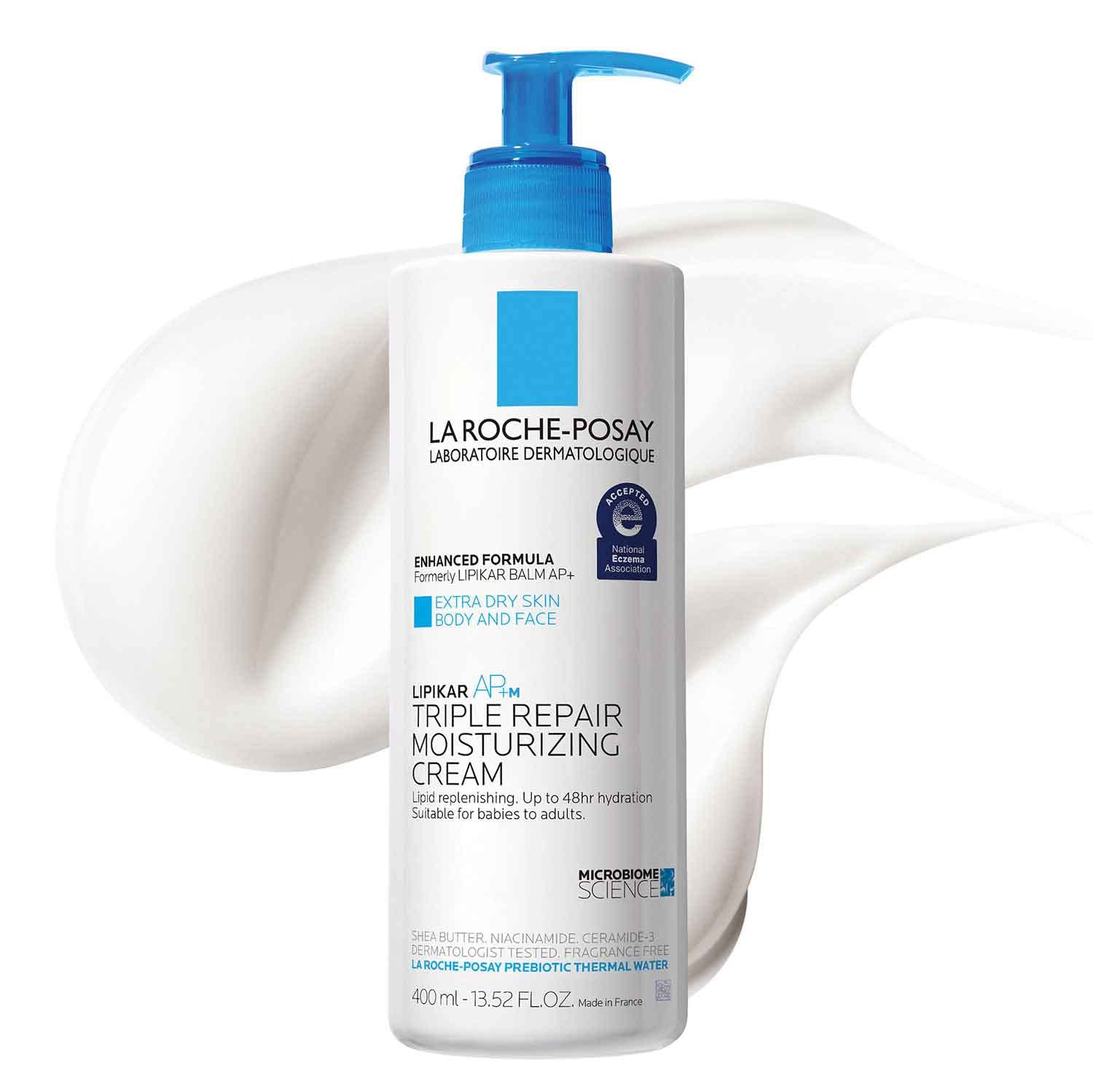
La Roche-Posay Lipikar AP+ Triple Repair Moisturizing Cream
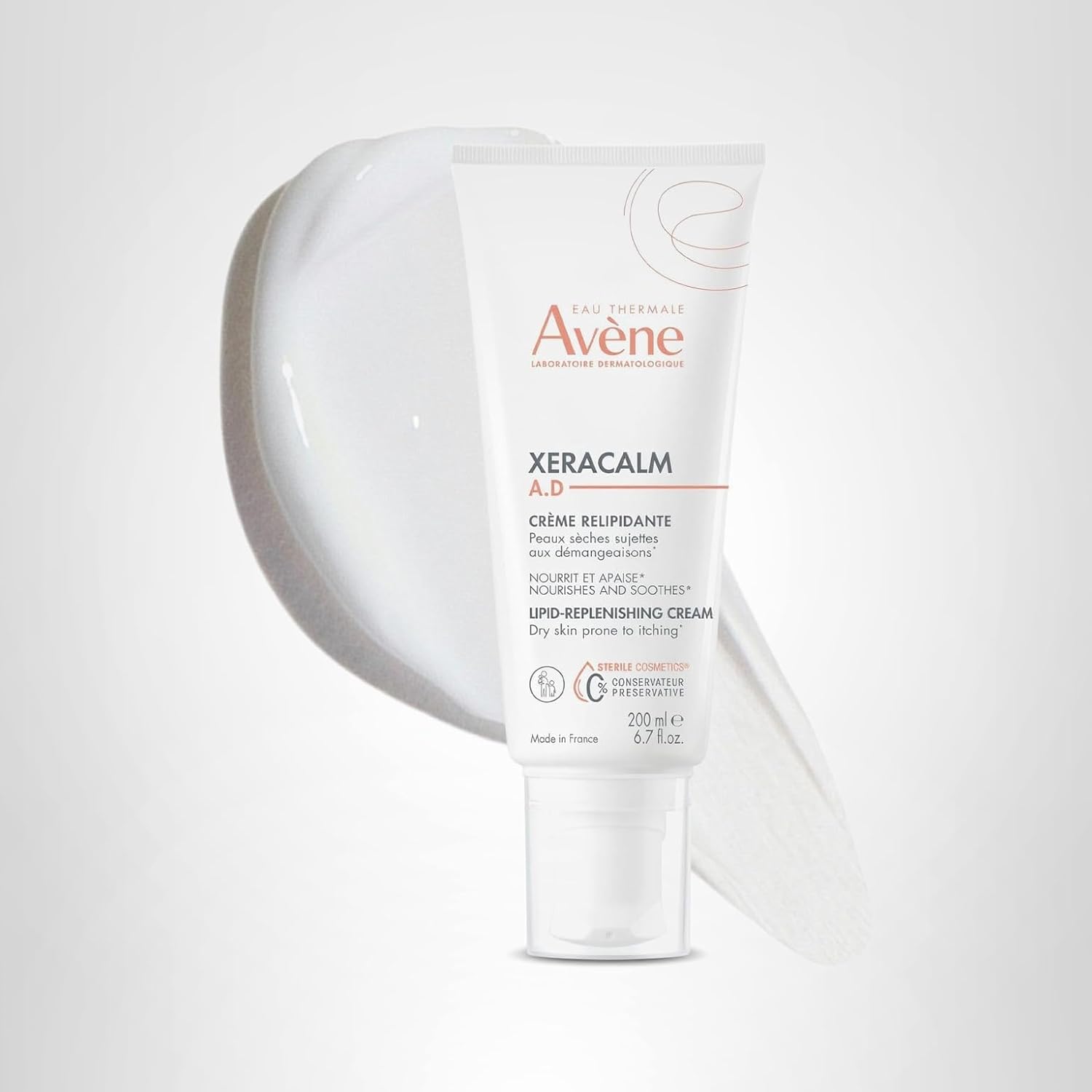
Avène XeraCalm A.D Lipid-Replenishing Cream
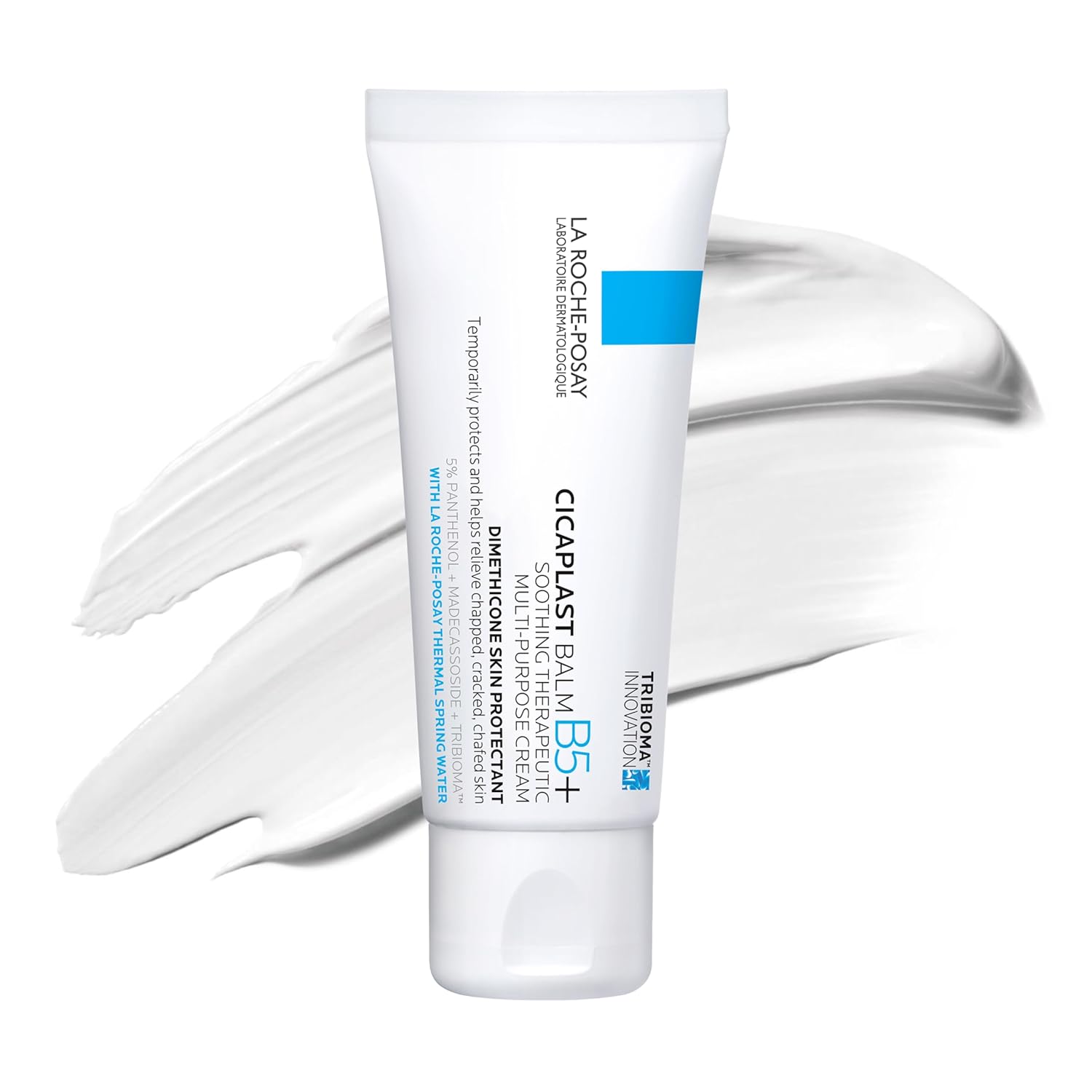
La Roche-Posay Cicaplast Balm B5
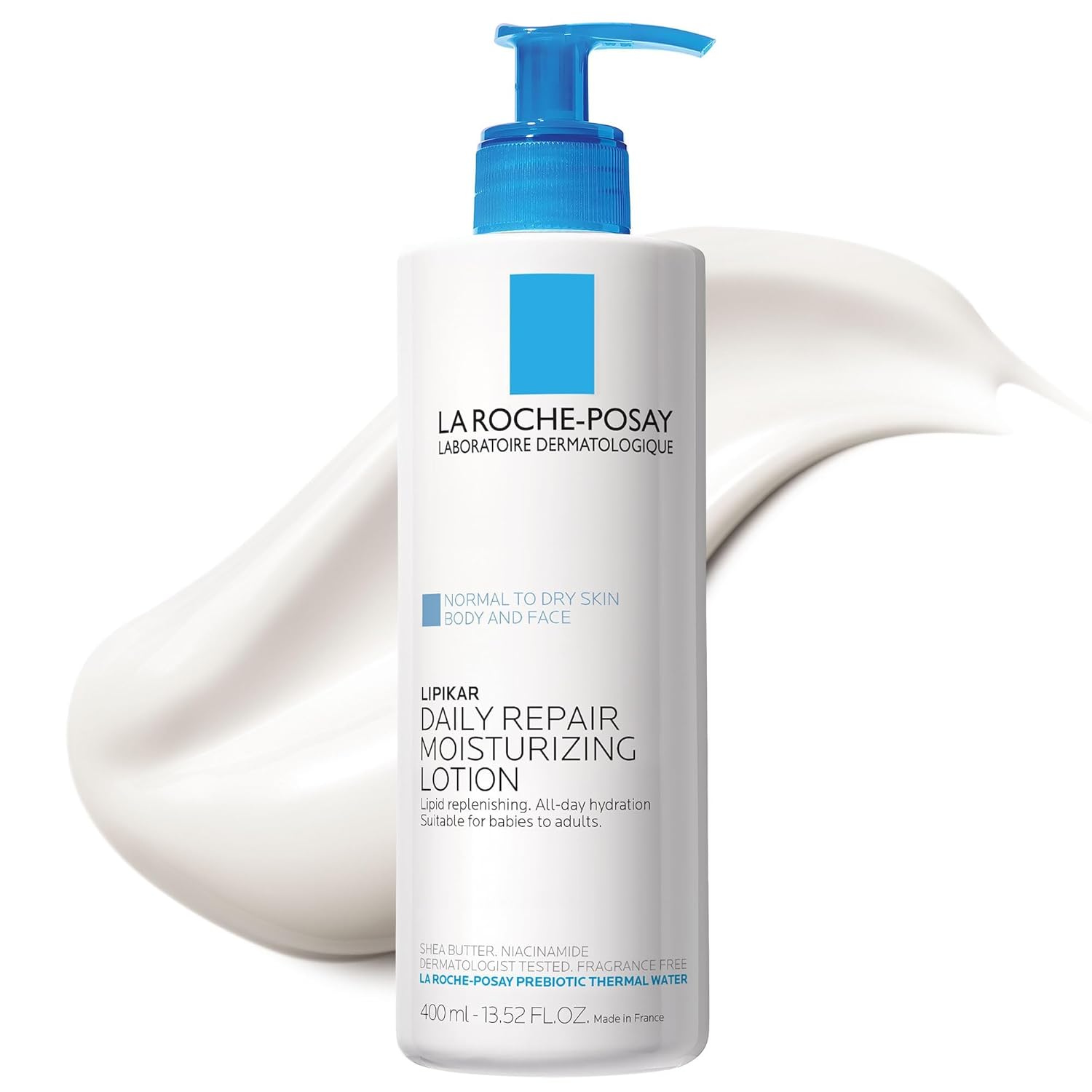
La Roche-Posay Lipikar Body Lotion Daily Repair Moisturizing Cream
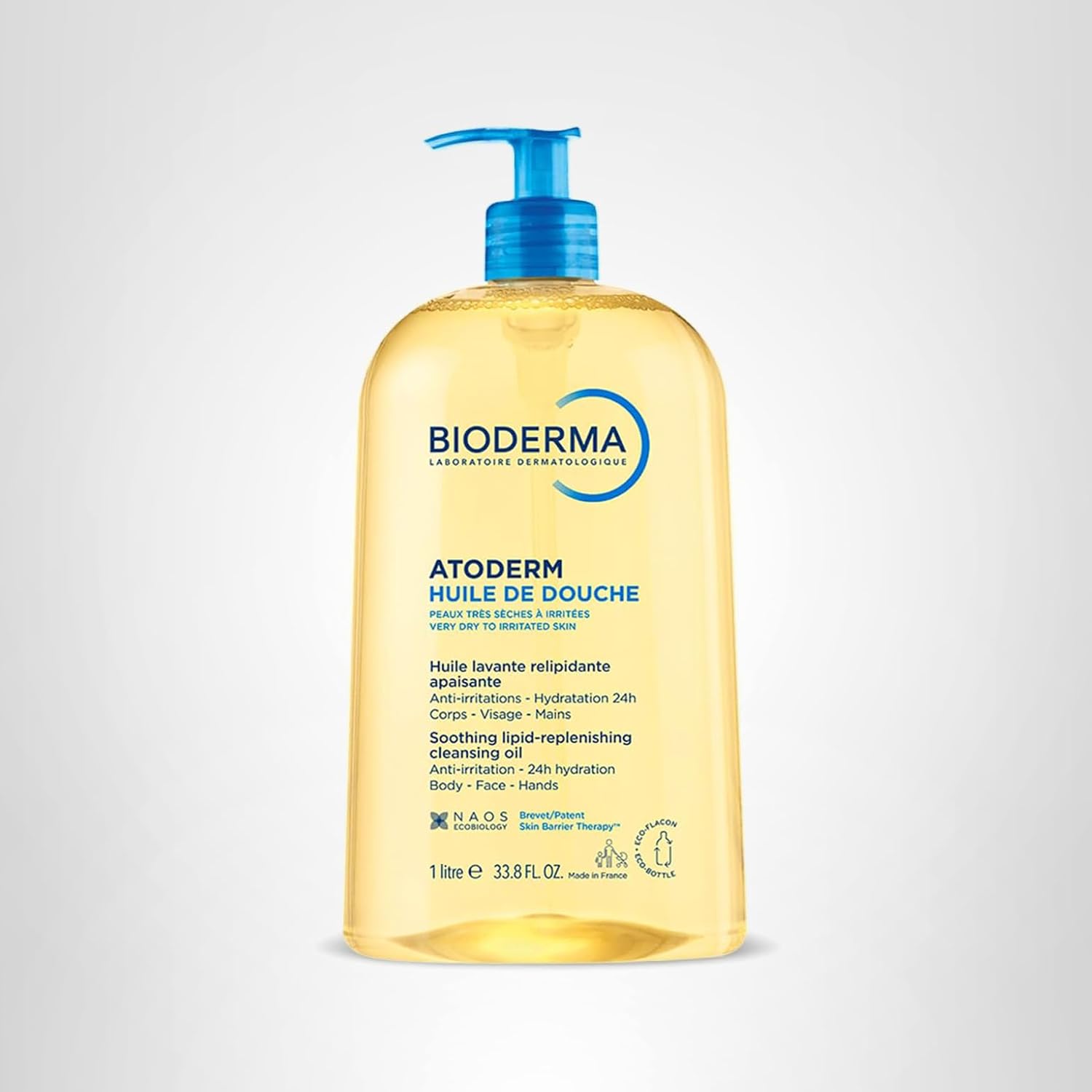
Bioderma Atoderm Shower Oil Cleansing Oil for Face & Body
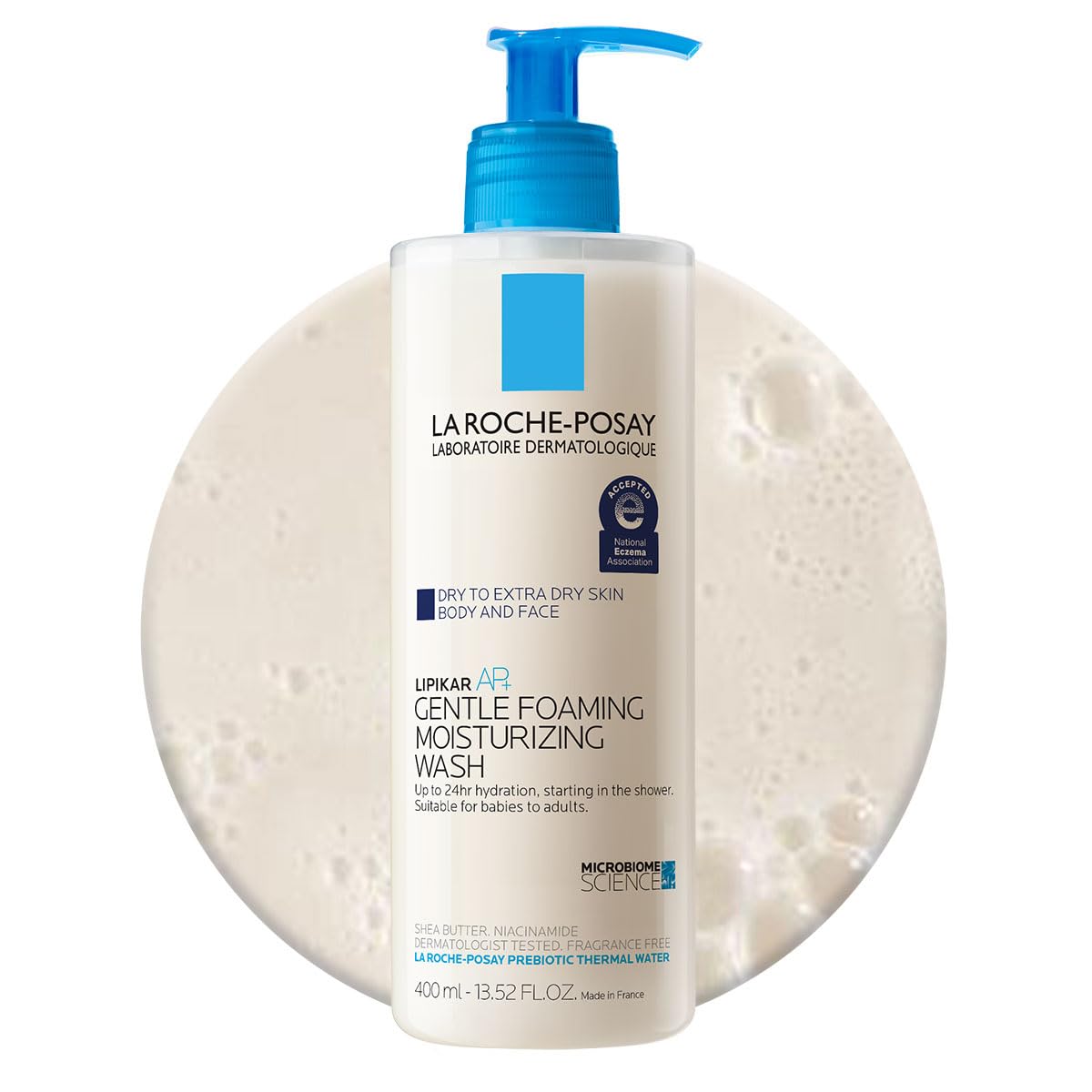
La Roche-Posay Lipikar AP+ Gentle Foaming Moisturizing Wash
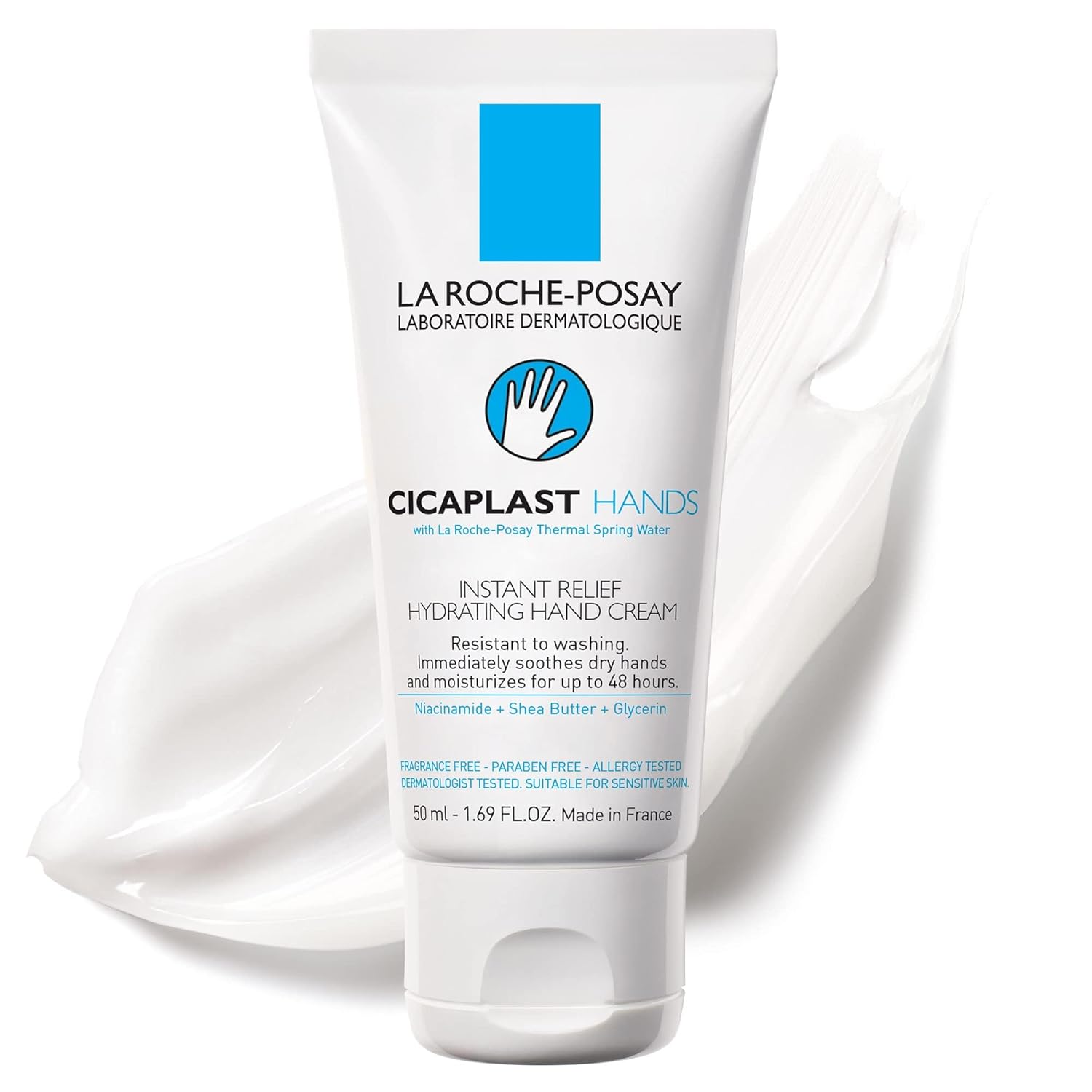
La Roche-Posay Cicaplast Hand Cream
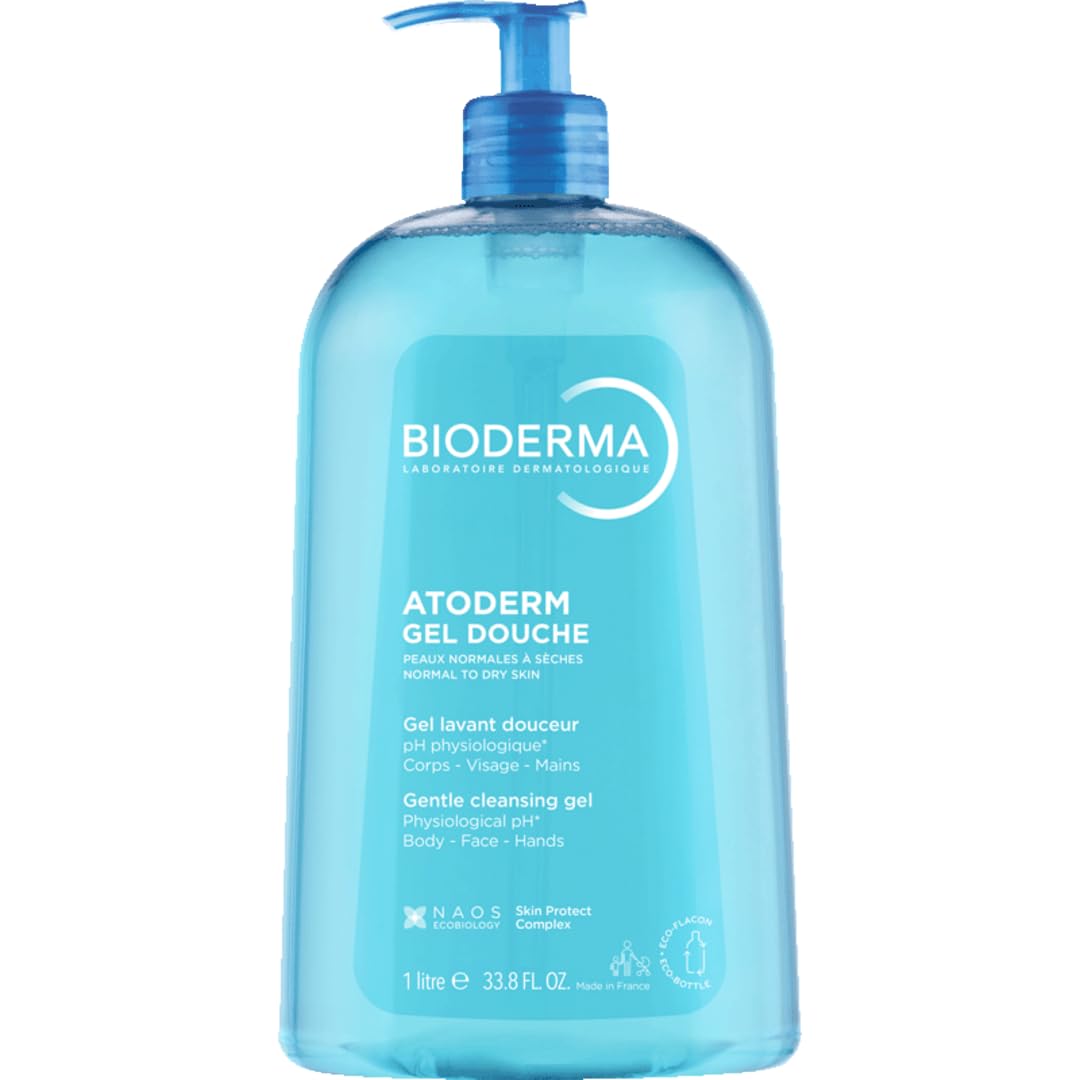
Bioderma Atoderm Hydrating Shower Gel