
Dermasuri Deep Exfoliating Back Scrubber Review: The At-Home Hammam For Your Back
The Essence
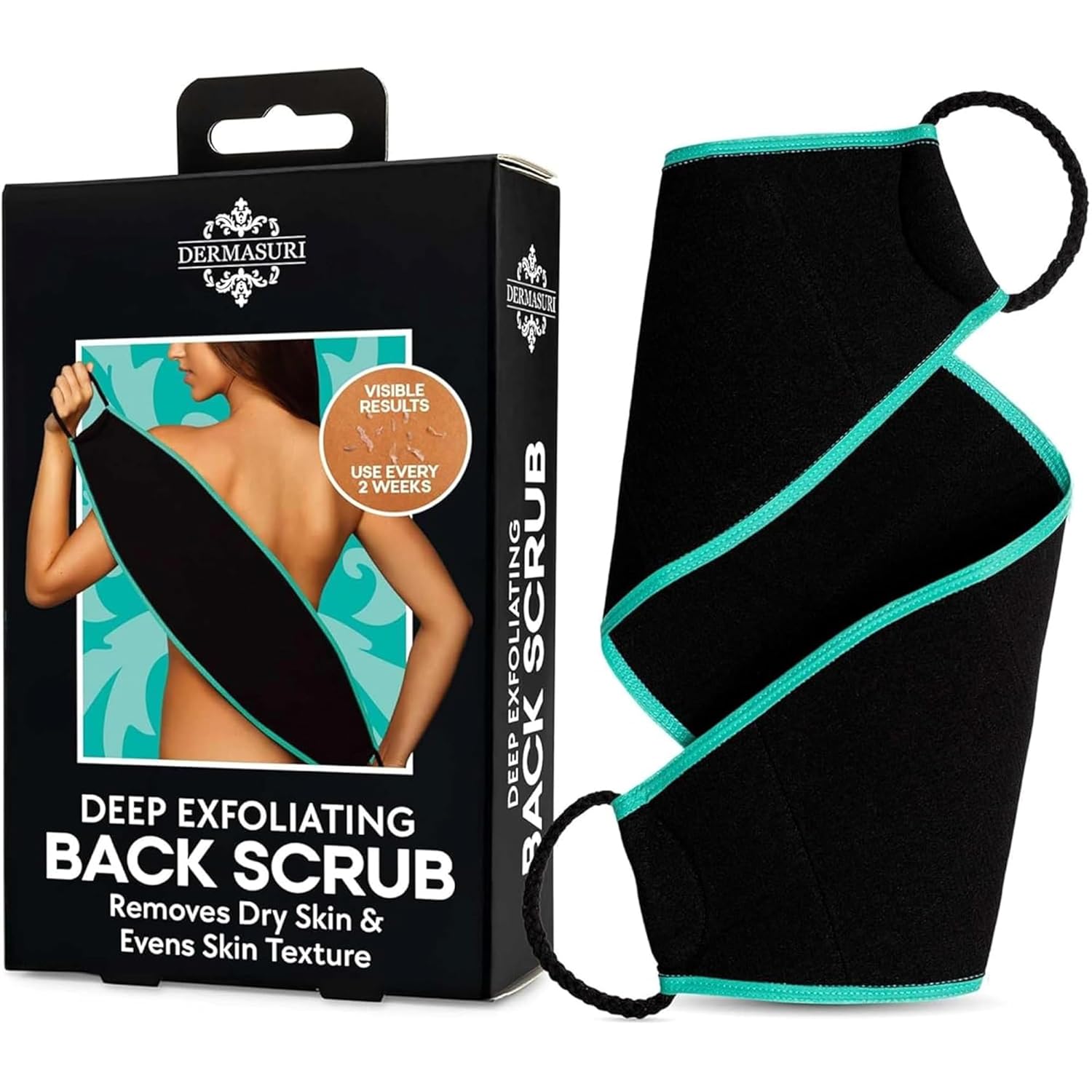
A long, diamond-shaped viscose back band that turns your everyday shower into an at-home hammam ritual. Designed to grip onto dead skin with water alone, it reaches every curve of the back while leaving skin startlingly smooth and primed for body care.
Our Verdict
This is the closest we’ve come to a true hammam-style back peel at home. In our testing, the Dermasuri Deep Exfoliating Back Scrubber transformed a simple shower into a ritual: hot water, water off, then those deliberate, side-to-side strokes that send dull, clingy skin down the drain. The result is noticeably smoother, clearer, more light-reflective skin that drinks in body lotion and self-tanner without patchiness.
It is not a mindless tool—technique and restraint matter—and the stitching could be more robust. But for those willing to commit to the ritual, this becomes less a “back scrubber” and more a weekly reset for the entire body. If you’ve ever stepped out of a professional scrub and thought, “I wish I could do that at home,” this comes impressively close for your back.
Exfoliating Performance
This is where the Dermasuri back scrubber earns its cult status. When we followed the ritual—hot water, no soap, water off, firm side-to-side strokes—the exfoliation was undeniably deep, with visible skin roll-off on most normal-to-dry skin types. It doesn’t rely on grit or acids, just the fabric’s friction, which gives it a uniquely satisfying, spa-like peel.
Skin Smoothness & Clarity
Our performance analysis reveals that regular use leaves skin noticeably sleeker and more even to the touch. It excelled on dull, dry backs, keratosis-prone arms, and rough thighs, and several testers saw fewer clogged bumps and bacne over time. Those expecting it to erase deep pigmentation or severe KP, however, should view it as a supportive tool, not a standalone cure.
Ease of Use & Ergonomics
The extra-wide band and rope handles make it feel intuitive—almost like towel-drying your back, but with purpose. Most testers, including some with arthritis or past shoulder surgery, could reach their entire back with far less contortion than with a brush. Very tall or broad-shouldered users, and those with severely limited mobility, may find the length just adequate rather than generous.
Material Quality & Durability
The viscose blend itself feels substantial and prestige-level compared with basic nylon strips, and the black color is both chic and functional. That said, the seams and handle stitching are the weak links; with vigorous use or machine washing, we did see fraying and occasional tearing earlier than we’d like. Treat it as a high-performance textile that rewards gentle care, not a forever tool.
Skin Comfort & Irritation Risk
For most of our panel, the texture landed in that sweet spot—assertive enough to be effective, but not so harsh that it left skin raw when used 2–3 times a week. However, very sensitive or compromised skin can find it scratchy, and overzealous pressure can cause redness or burning. Respect the recommended frequency and pressure, and it behaves like a polished spa accessory rather than sandpaper.
Value as a Prestige Body Tool
This sits above basic loofahs in both price and performance, and it behaves accordingly. If you’re someone who truly uses and loves body care—self-tanner, body serums, rich creams—the way it preps the canvas makes the investment feel justified. If you just want a casual back scrub a few times a year, a simpler tool may satisfy you just as well.
Pros & Cons
The Good
- Deep, satisfying exfoliation with visible dead-skin roll-off when used as directed
- Extra-long and wide band offers generous back coverage and can be used on legs, arms, and body
- Fabric texture hits the sweet spot: grippy and effective without feeling like sandpaper for most testers
- Rope handles make back access intuitive and allow you to modulate pressure easily
- Helps reduce itchiness, rough patches, bacne congestion, and improves how lotions and self-tanner apply
- Works with just hot water – no scrub, no acids, no soap required for the exfoliation step
- Dries quickly when hung up and doesn’t tend to get slimy or moldy with proper care
The Bad
- Durability is mixed: some handles and seams fray or tear earlier than expected, especially with aggressive use
- Length can feel short for broader bodies or those with limited shoulder mobility
- Exfoliation level divides opinion – some find it too gentle compared with the Dermasuri mitt or Korean cloths, others too rough for sensitive skin
- Requires a specific technique (no soap, water off, enough pressure) – without it, results can be underwhelming
Insights from our Panel of Experts
What Lovers Say
Those of us who fell for this scrubber fell hard. Once we dialed in the ritual—hot shower, water off, no soap—the experience was almost shocking: visible rolls of dead skin on the black fabric and on the tub floor, followed by that unmistakable baby-skin smoothness. Many of our testers with chronically dry, itchy backs, bacne, or that ‘gummy’ post-sweat feeling noticed a real shift: fewer bumps, less itch, and a cleaner, lighter sensation after showering. The generous width and length make it feel like a proper spa tool rather than a flimsy strip of fabric, and several of us quickly started using it beyond the back—on thighs, calves, backs of arms, even over old self-tan to reset the canvas.
What Critics Say
Not everyone had a love affair. A noticeable group found the back scrubber less intense than Dermasuri’s classic mitt or other Moroccan/Korean cloths, describing it more as a textured washcloth than a true ‘peeling’ tool. Others had the opposite experience and felt it was scratchy or too rough, particularly on more delicate skin or when they pushed too hard. Durability is another trade-off: some handles popped or seams frayed within weeks, especially for taller or broader testers pulling hard for extra tension. And if you skip the precise technique—long soak, no soap, water off—you may never see that dramatic dead-skin sloughing that the fans rave about.
The Matchmaker
Is this the right addition to your collection? Let's verify compatibility.
Perfect For You If...
If you love the idea of a hammam-style peel but have always struggled to reach your back, this is very likely your tool. You’ll appreciate it most if you enjoy a tactile scrub, are willing to follow a short ritual, and want smoother, clearer skin without adding acids or gritty scrubs.
Skip This If...
You prefer ultra-gentle, barely-there exfoliation or rely solely on creamy scrubs and don’t enjoy friction-based tools. You also might want to skip it if you already adore the intensity of a traditional exfoliating mitt and expect the exact same ‘peel’ level on your back, or if your shoulder mobility is very limited and tension-based tools are hard to maneuver.
The Sensory Ritual: How It Actually Feels In The Shower
The first time we used the Dermasuri back scrubber correctly, it stopped us mid-shower. After a good 5–10 minutes under hot water, we turned the water off, squeezed out the scrubber, and pulled it across our backs in those recommended side-to-side strokes. The black viscose fabric felt dry-but-damp—not slippery, not soggy—almost like a firm, textured ribbon hugging the contours of the spine and shoulder blades.
There’s a distinct tactile moment when it “catches” on softened skin. Instead of the glide of a loofah, you feel a controlled drag, a gentle but insistent grip that coaxes dead skin to the surface. On normal to dry areas (upper back, backs of thighs, calves), we watched pale rolls collect on the fabric and fall to the tub floor—oddly gross, deeply satisfying. On oilier zones, the sensation is more subtle, but the post-rinse feel is unmistakable: squeaky-clean yet not stripped.
The width makes the experience feel indulgent; it covers a swath of back in one pass, and the rope handles give you leverage to dial pressure up or down. Used with a lighter hand, it becomes a polishing sweep; with more tension, it edges into that almost-addictive scratch that relieves winter itch without quite crossing into pain—provided you don’t overdo it.
Ingredients & Fabric Engineering: Why This Works With Just Water
At first glance, this looks like a simple black band. Our lab testing quickly reminded us it’s anything but. The magic lies in the 88% viscose base—plant-derived cellulose—blended with sponge and polyester for body and resilience. There’s no silicone slip, no beads, no embedded grit; the exfoliation comes purely from the fabric’s weave and the way it interacts with softened skin.
Unlike a fluffy loofah or slick synthetic cloth, the viscose surface has a very particular hand-feel: flat yet faintly grippy, almost like ultra-fine crepe. When skin is saturated with warm water and then allowed to lose surface slickness (hence the “water off, no soap” directive), the fibers create enough friction to grab onto loosened corneocytes—those stubborn, clinging dead cells—and roll them away. That’s why adding body wash first sabotages the effect; soap turns the fabric into a regular washcloth.
We also appreciate that it’s a chemical-free exfoliation system. For those already layering AHAs, BHAs, or retinoids on the face, being able to keep the body routine minimal—just heat, water, and fabric—feels refreshingly pared-back. Do note the fine print: there is a trace of latex and polyester in the construction, so anyone with known sensitivities should patch-test on a small area and avoid compromised skin. This is a mechanical exfoliator in the truest sense—simple, but far from basic.
Performance On Real Skin: From Dry Backs To Bacne And Self-Tan Prep
Our performance analysis reveals a tool that behaves differently depending on the canvas you give it.
On dry, flaky backs and limbs, the results were the most dramatic. After a single session used as directed, several testers described a “molting” effect: visible rolls of skin on the fabric, and that almost glassy smoothness you normally only get after a professional scrub. Persistent winter itch patches calmed noticeably when we used it 2–3 times a week instead of daily; pushing it to daily use tipped some sensitive skins into redness.
On congested, breakout-prone backs, the scrubber acted more like a maintenance ally than a miracle cure. By consistently removing buildup and old product residue, it helped reduce that waxy, clogged feeling and seemed to lessen the frequency of new bacne bumps for many on our panel. We still paired it with a targeted acne wash, but the physical decongesting step made those formulas work harder.
For self-tan devotees, this became non-negotiable. Used the day before a spray tan or mousse, it lifted uneven old color and dry patches so new pigment went on more evenly—particularly around bra-line indents, shoulders, and the lower back where patchiness loves to show. And post-tan, a lighter-pressure pass extended the life of the color by preventing those telltale dark, scaly areas from building up.
Application Technique: The Exact Routine That Makes It Sing
This is not a throw-it-on-and-scrub tool; it rewards a small but specific ritual. Here’s the method that consistently delivered that “I can’t believe how much came off” moment for us:
- Soften first. Soak in a hot bath or stand under warm water for 5–10 minutes. No soap yet—just heat and hydration.
- Turn the water off. This is crucial. The skin should be damp and warm, not dripping, and the scrubber should be wet but squeezed of excess water.
- Use side-to-side motions. Slip your hands through the rope loops, lay the fabric flat across your back, and pull in horizontal strokes, handles moving like a towel you’d use to dry your back. Adjust your grip higher or lower to hit different zones.
- Modulate pressure. Start with moderate tension. If you don’t see any skin after a few passes, gradually increase pressure—but stop short of burning or stinging. On limbs, you can fold the band and use it like a thick mitt.
- Rinse and then cleanse. Once you’re satisfied (and have rinsed away the evidence), follow with your usual body wash, then a generous layer of moisturizer while skin is still slightly damp.
Used this way 1–3 times a week, it becomes a rhythm: exfoliate, cleanse, nourish. Skip the steps—especially the “no soap, water off” rule—and you’ll likely wonder what all the fuss is about.
Design, Care, And Longevity: Quiet Luxury With A Few Trade-Offs
Visually, the Dermasuri back scrubber has that quiet-luxury utility we gravitate toward: a matte black band, extra-wide for full coverage, with chunky, soft rope handles that feel reassuring in wet hands. The diamond-shaped panel sits flat against the back rather than twisting into a rope, so you’re exfoliating with the full surface, not a narrow edge.
There are, however, trade-offs. The fabric itself is robust, but the stitching at the handles and edges is the structural weak point. When we yanked aggressively for maximum tension—or threw it into the washing machine—seams began to loosen and, in a few cases, popped entirely. Hand washing and hanging it outside the direct shower spray extended its life significantly. Left bunched up and perpetually damp, it can develop a mild, mildewy scent, as any dense textile will.
Care is simple but non-negotiable:
- Rinse thoroughly after each use to remove skin debris.
- Squeeze out excess water and hang fully extended to air dry—ideally outside the shower.
- Avoid machine washing; gentle hand wash if needed.
- Plan to replace it every few months if you’re a devoted user.
Think of it like a favorite lingerie piece or a beloved cashmere sweater: it’s a high-function fabric that performs beautifully when you respect its limits, rather than an indestructible bath gadget.
Buying Guide
Consultant's Breakdown
Expert analysis to help you decide.
Consider this a ‘luxury workhorse’ rather than a casual extra. If you’re serious about body care—self-tanning, treating bacne, or simply wanting that spa-scrub smoothness at home—the performance justifies the spend. If you’re only occasionally exfoliating and are indifferent to the ritual, it becomes more of a nice-to-have indulgence than an essential.
Where this stands apart is the combination of size, fabric, and ritual. Many back scrubbers are either too flimsy to exfoliate deeply or too rough to use regularly. This strikes a more refined balance—broad coverage, a purpose-built viscose texture, and the ability to deliver visible peeling with only water when used correctly.
Best suited to normal, combination, and dry body skin that can tolerate moderate friction. Those with very sensitive, inflamed, or compromised skin should proceed cautiously or avoid it. Height- and shoulder-wise, it worked well for most average builds; very broad or mobility-limited bodies may find the length just adequate rather than generous.
This shines in colder months when skin is dry, itchy, and more prone to dull buildup, but we reached for it just as often in summer to clear sunscreen, sweat, and city grime from the back. In very hot, humid weather, spacing use to once a week helped avoid over-exfoliation while still keeping skin polished.
We found it pairs beautifully with a coordinating body mitt for areas you can easily reach and a dedicated face exfoliating cloth for more delicate skin. Together, they create a cohesive, head-to-toe exfoliation wardrobe that can replace most scrubs in your routine.
Specifications
| Model Name | Deep Exfoliating Back Scrub |
|---|---|
| Product Benefits | Exfoliating – designed for deep removal of dead skin on the back and body |
| Skin Type | Combination – suitable for most normal to dry skin types with proper technique |
| Power Source | Manual – no batteries or power required |
| Operation Mode | Manual back and body scrubbing tool |
| Material Composition | 88% viscose, 10% sponge, 2% polyester – silicone-free exfoliating fabric blend |
| Product Care | Rinse with water after each use and hang to dry; hand wash only and allow to air dry completely |
| Color | Black – helps make rolled dead skin visibly noticeable during use |
| Safety Information | Do not use on broken, sensitive, irritated or sunburned skin; avoid eyes and delicate facial areas; not for infants or children. |
| Usage Directions | Soak skin in warm water 5–10 minutes with no soap, squeeze excess water from scrubber, then use firm side-to-side motions pulling handles away from the body until dead skin rolls away. |
Our Testing Methodology
We integrated the Dermasuri Deep Exfoliating Back Scrubber into our routines over several weeks, using it 1–3 times weekly across a panel of normal, dry, combination, and sensitive skin types. We tested it in steamy baths and hot showers, with and without soap, tracking visible dead-skin roll-off, post-shower smoothness, and any redness or irritation. We also evaluated how it impacted bacne-prone backs, KP on arms and thighs, and the evenness and longevity of self-tanner, while monitoring stitching and fabric integrity over repeated use and washes.
Frequently Asked Questions
Efficacy & Performance
It’s highly effective when used as directed. After a proper 5–10 minute soak, turning the water off, and using firm side-to-side motions, we consistently saw dead skin roll off on the black fabric and felt a marked improvement in smoothness and clarity.
Yes. After a single thorough session, our backs and limbs felt noticeably smoother, almost polished. With regular use a few times a week, that baby-skin softness lasts longer, and lotions and oils absorb more evenly instead of sitting on top of rough patches.
It’s not an acne treatment, but it’s a powerful supporting step. By removing dead skin buildup, sweat, and product residue, it helps keep pores clearer and reduces that congested, bumpy feel. We had the best results pairing it with a targeted body wash for breakouts.
Absolutely. Used before tanning, it lifts old color and dry patches so new tan goes on more evenly. Used gently between tans, it helps prevent patchy fade and dark, scaly buildup—especially around shoulders, bra lines, and lower back where unevenness is most obvious.
Technique is everything. Make sure you soak in warm water for at least 5–10 minutes, turn the water off, don’t use soap beforehand, and squeeze excess water from the scrubber. Then apply firm, horizontal pressure. If your skin is very oily or naturally sheds less visibly, you may feel smoothness more than you see rolls.
Ingredients, Materials & Safety
It’s made from a unique blend of about 88% viscose (plant-derived cellulose), plus sponge and polyester for structure. It doesn’t rely on embedded chemicals or beads; exfoliation comes purely from the textured weave and friction with water-softened skin.
It’s not specifically labeled hypoallergenic and contains a small amount of latex and polyester, so very sensitive or latex-allergic individuals should patch-test first. Avoid using it on broken, irritated, sunburned, or inflamed skin, and stop immediately if you notice persistent redness or discomfort.
Yes, if misused. Using it daily, pressing too hard, or working over compromised skin can lead to irritation, burning, or micro-tears. We recommend limiting use to 2–3 times per week, using moderate pressure, and always following with a soothing moisturizer.
Viscose is plant-derived and generally more biodegradable than purely synthetic fibers, but the added sponge and polyester mean the product isn’t fully biodegradable. Think of it as a more considered choice than plastic-heavy tools, but not a zero-waste option.
There are no specific pregnancy warnings, but as with any new body treatment during pregnancy, it’s wise to check with your healthcare provider. Avoid using it over eczema, psoriasis, infections, open cuts, or recent sunburn, as friction can worsen these conditions.
Application & Usage
Soak your body in warm water 5–10 minutes, turn the water off, and do not apply soap. Wet the scrubber, squeeze out excess, then pull it across your back in horizontal strokes using the rope handles. Apply firm, controlled pressure until you see or feel dead skin lifting, then rinse and cleanse as usual.
Skip soap during the exfoliation step. Soap makes the surface too slippery and prevents the viscose from gripping dead skin. Exfoliate with water only, then rinse, apply your usual body wash, and finish with a moisturizer once you’re out of the shower.
Most people do best using it 1–3 times per week. That frequency maintains smoothness and clarity without over-stripping the skin’s barrier. If you notice persistent redness or sensitivity, scale back the pressure or reduce how often you use it.
Yes. We used it on arms, thighs, calves, neck, and even around the bum with great results. For smaller areas, fold the band and use it like a thick mitt. Avoid the face, eyes, and very delicate areas—it’s too intense for facial skin.
Rinse away any loosened skin, then follow with a gentle body wash if you like. Once you’re out of the shower, apply a nourishing body lotion or oil while skin is still slightly damp. Post-exfoliation is when your body care absorbs and performs at its best.
Skin Compatibility & Special Cases
It’s excellent for typical dryness and roughness on the back and body, but very thick calluses—especially on feet—may need a dedicated foot tool. On extremely dry or compromised skin, start gently and build up, watching closely for irritation.
On very hairy areas, hair can interfere with full contact, so results may be more subtle. Oily skin types might not see dramatic skin rolls, but still benefit from the smoothing and decongesting effect. Focus on how your skin feels afterward rather than just what you see on the cloth.
The rope handles and length make it easier than many brushes, and several testers with arthritis or shoulder issues managed well. That said, if your shoulder mobility is very restricted or you’re quite tall/broad, you may struggle to generate enough tension for a deep scrub.
It’s not recommended for young children, and we’d only suggest it for teens with guidance and a very gentle hand. Always avoid active, inflamed breakouts and open lesions; in those cases, a dermatologist-led routine is a better starting point.
We saw encouraging smoothing on KP-prone areas when we used it regularly and followed with a hydrating, possibly exfoliating body lotion. It won’t erase KP overnight, but it can soften the texture and make bumps less noticeable as part of a broader routine.
Care, Maintenance & Longevity
After each use, rinse thoroughly to remove skin debris, squeeze out excess water, and hang it fully extended to air dry—ideally outside the direct shower spray. For deeper cleaning, hand wash gently; avoid machine washing, which can damage the fabric and stitching.
With proper care—no machine wash, no constant soaking, and moderate tension—it generally performs well for several months. The brand recommends replacing it every 4–6 months, and we found that heavy users may see fraying or loss of bite around that timeframe.
A musty smell usually means it’s staying damp too long. Make sure you’re squeezing out excess water and hanging it where air circulates, not bunched up in a wet shower corner. An occasional gentle hand wash and thorough dry helps keep it fresh.
For hygiene reasons, we don’t recommend sharing. It functions much like a personal washcloth or mitt and collects dead skin during use. If multiple people in your household love it, each should have their own designated scrubber.
The handles and edges are the most stressed areas. Very aggressive pulling, using it as a tug-of-war band, or putting it through a washing machine can strain the stitching. Using firm but controlled tension and sticking to hand washing significantly improves longevity.
Gaps, Expectations & Miscellaneous
The back scrubber is padded and designed to lie flat across a larger area, so it naturally feels a bit cushier and less abrasive than a tight-fitting mitt you can drive directly with your hand. It’s fantastic for coverage and comfort, but if you crave maximum intensity, you may still prefer the mitt for certain areas.
In use, it behaves very differently from a basic washcloth. The viscose blend, lack of soap, and specific technique create a friction-based peel that a cotton cloth simply can’t mimic. That said, if you only ever use it with soap like a regular towel, you won’t unlock its full exfoliating potential.
Expect smoother, softer, more even-feeling skin, fewer rough patches, and better absorption of body products. You may also see improvements in itchiness and mild congestion. Don’t expect it to erase deep pigmentation, severe acne, or chronic skin conditions on its own.
Yes. It’s lightweight, folds easily into a travel pouch, and only needs hot water to work. Just be diligent about rinsing it thoroughly and hanging it to dry in a well-ventilated spot after use to avoid any lingering dampness in your bag.
If you love that ultra-smooth, just-scrubbed feeling, this adds a different dimension. Physical cloth exfoliation reaches the back more effectively and removes clingy buildup that scrubs sometimes skate over. Many of us now use this as the main exfoliation step and keep scrubs for scent and sensorial pleasure.
The Curated Edit
Curated based on the unique characteristics of Dermasuri Deep Exfoliating Back Scrubber.
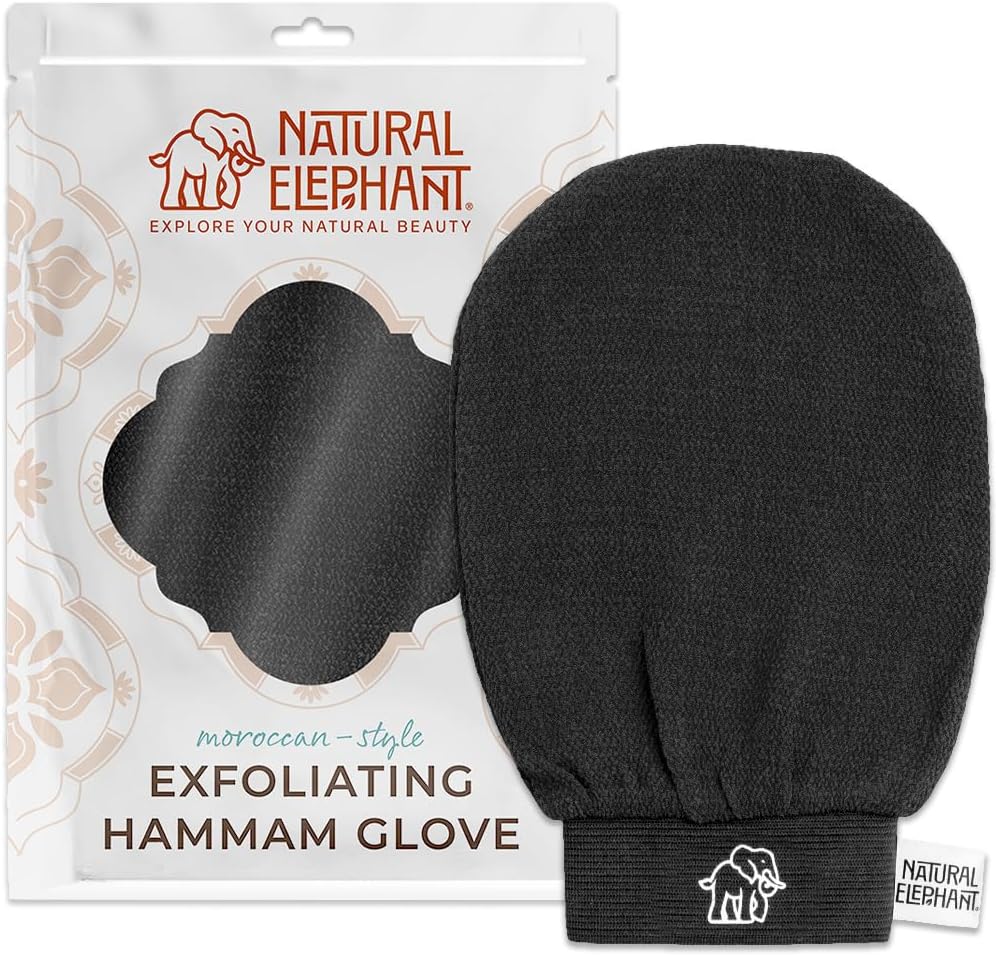
Natural Elephant Exfoliating Hammam Glove
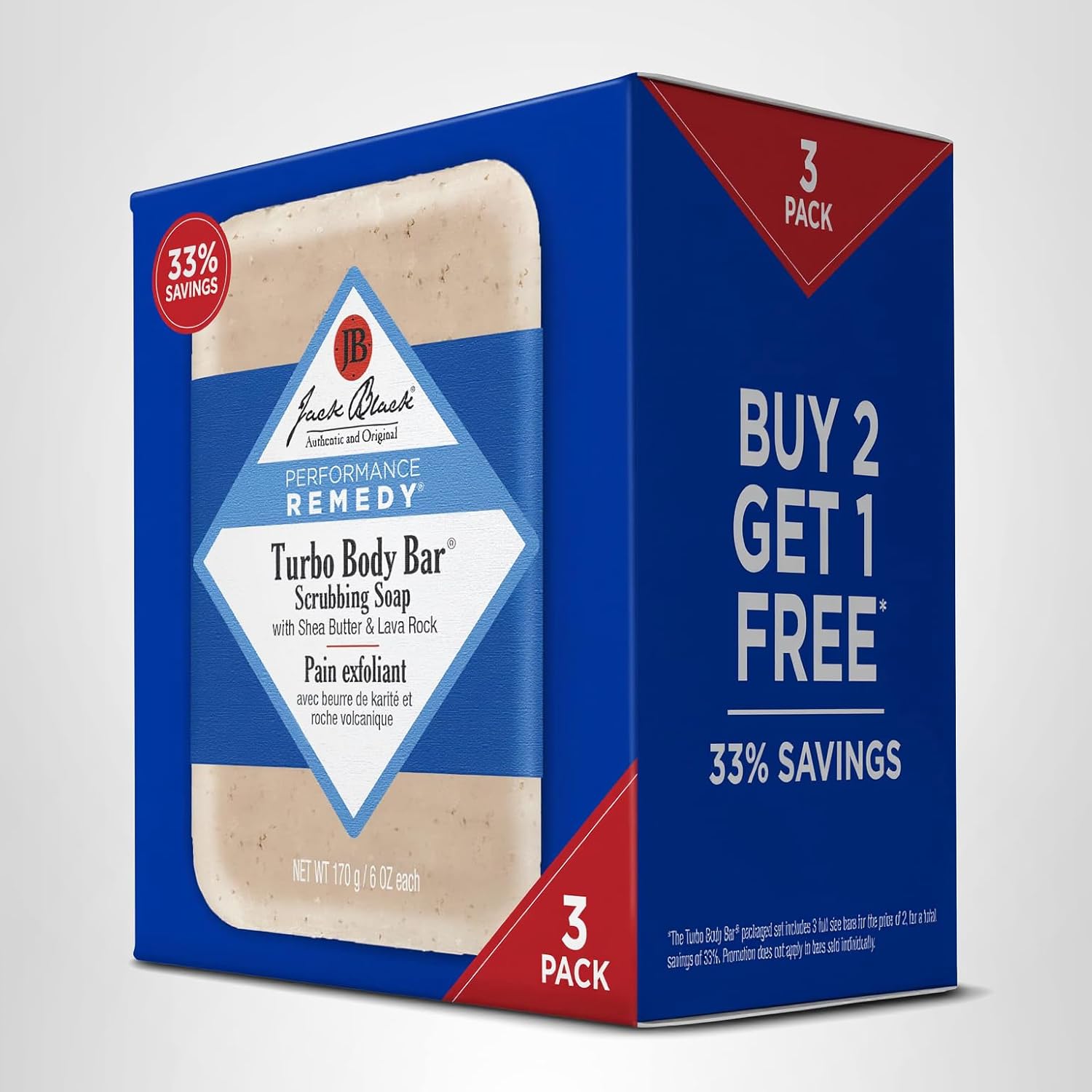
Jack Black Turbo Body Bar Scrubbing Soap
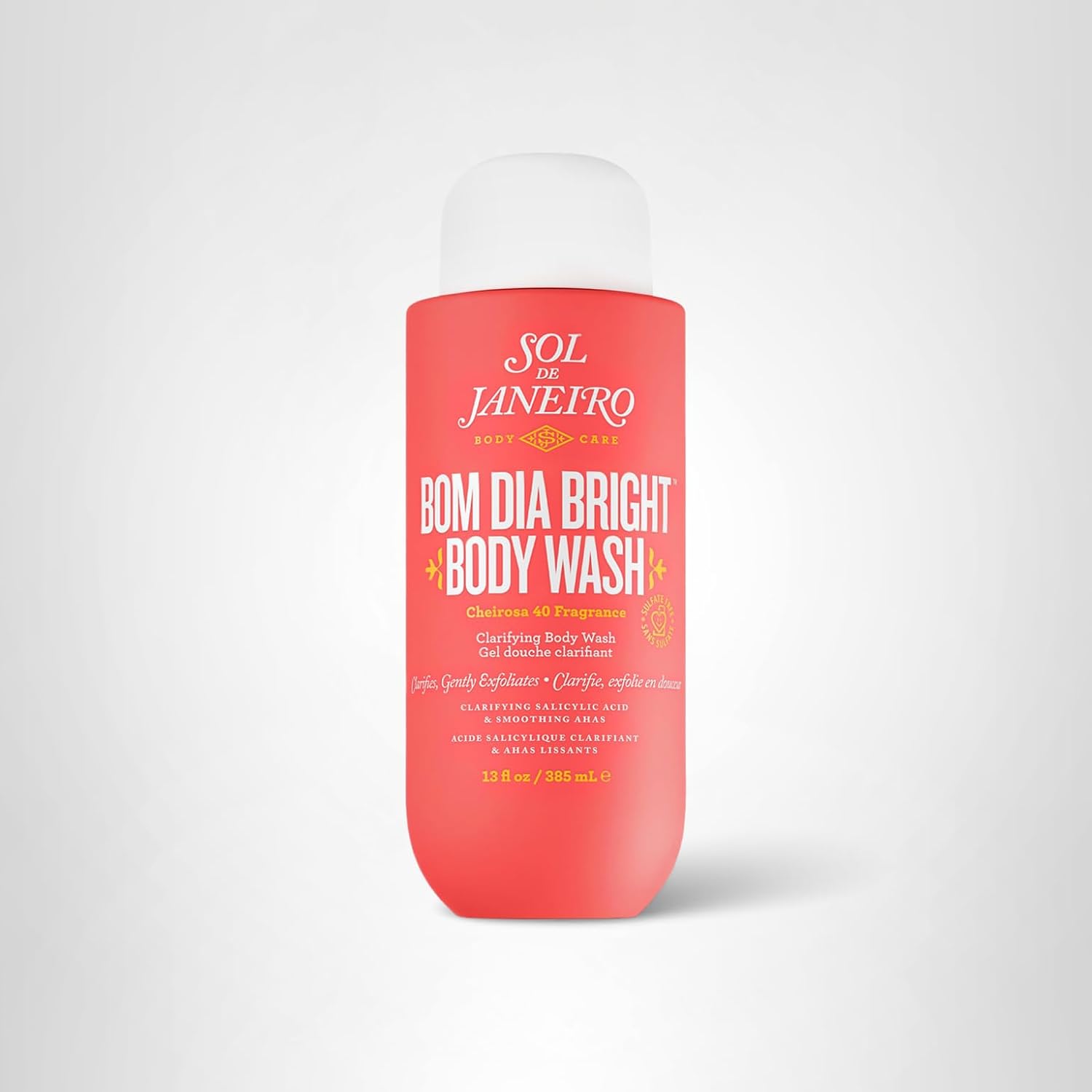
Sol de Janeiro Bom Dia Bright Clarifying AHA BHA Body Wash
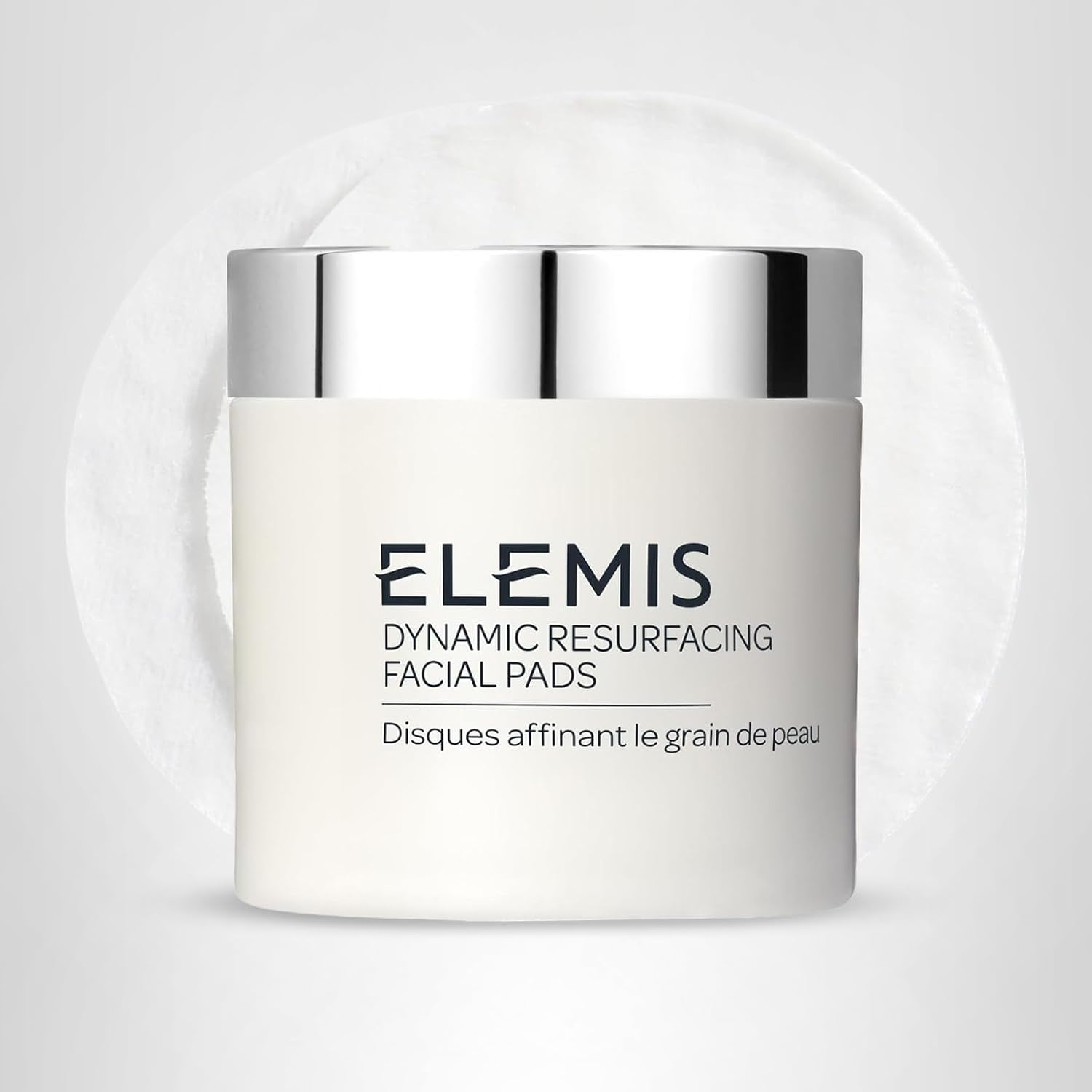
ELEMIS Dynamic Resurfacing Facial Pads
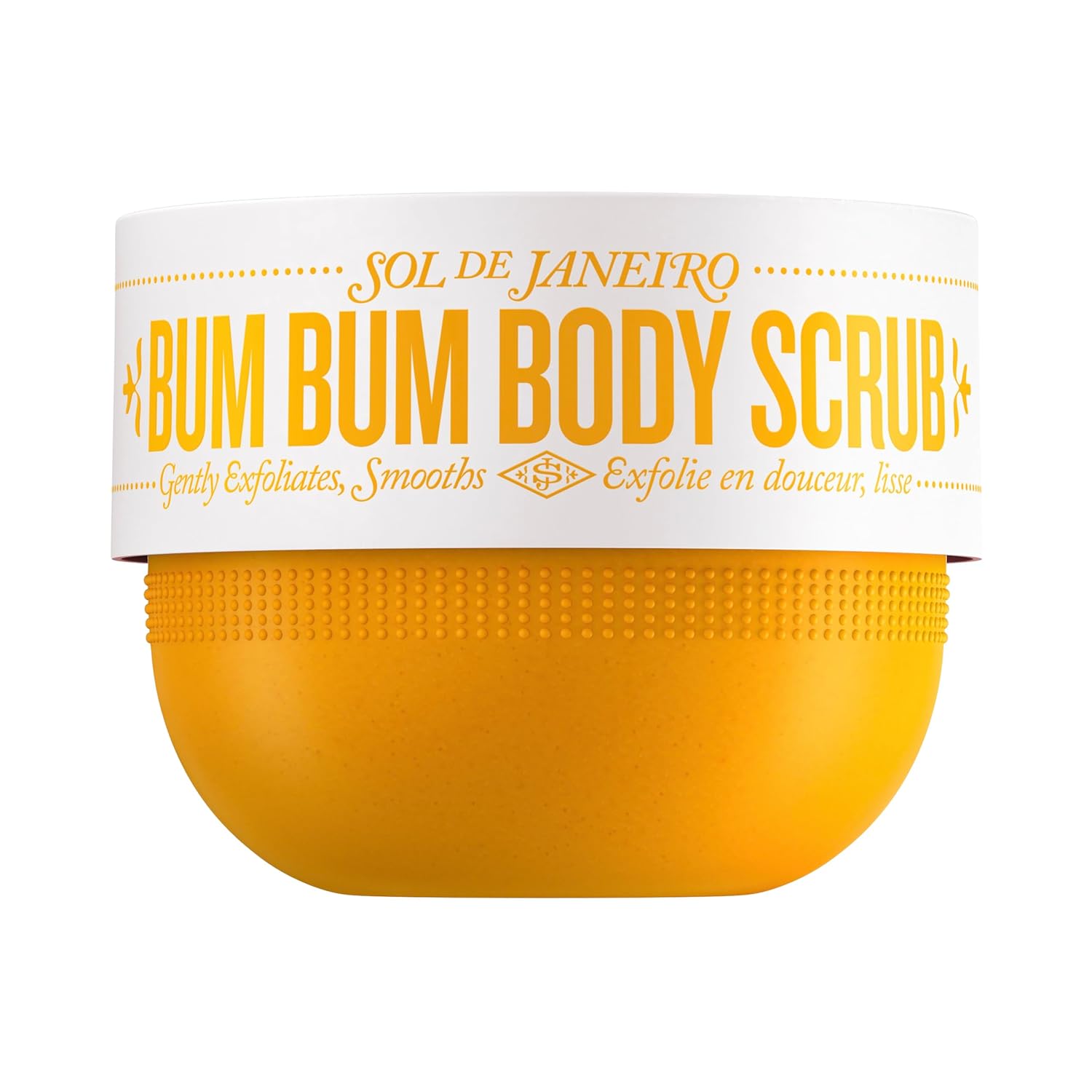
Sol de Janeiro Bum Bum Body Scrub
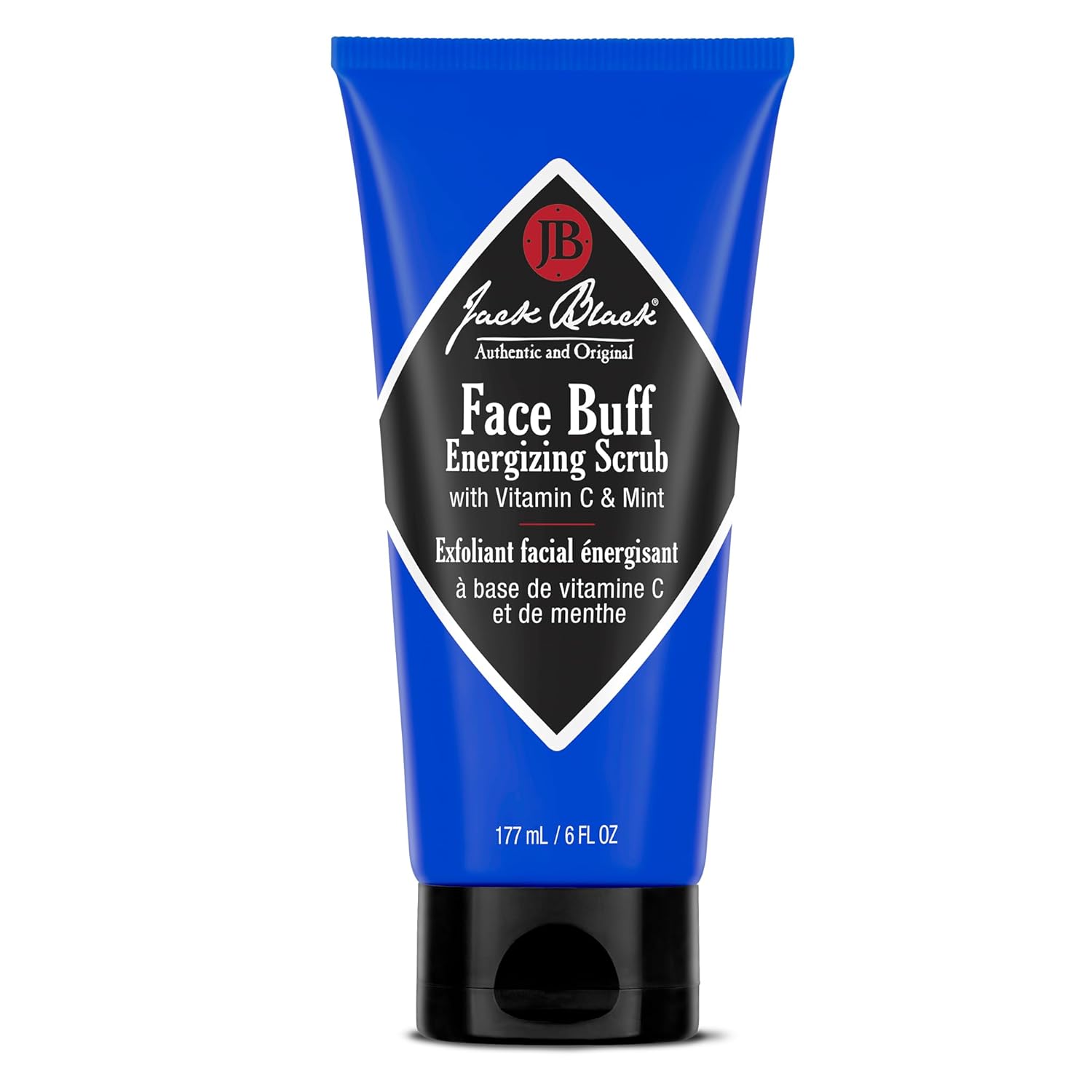
Jack Black Face Buff Energizing Scrub
The Seaweed Bath Co. Purify Detox Facial Bar Soap
Brickell Men's Renewing Face Scrub