
Olivia Garden The Brush Cleaner Review: The Pro-Favorite Tool Your Hairbrush Has Been Missing
The Essence
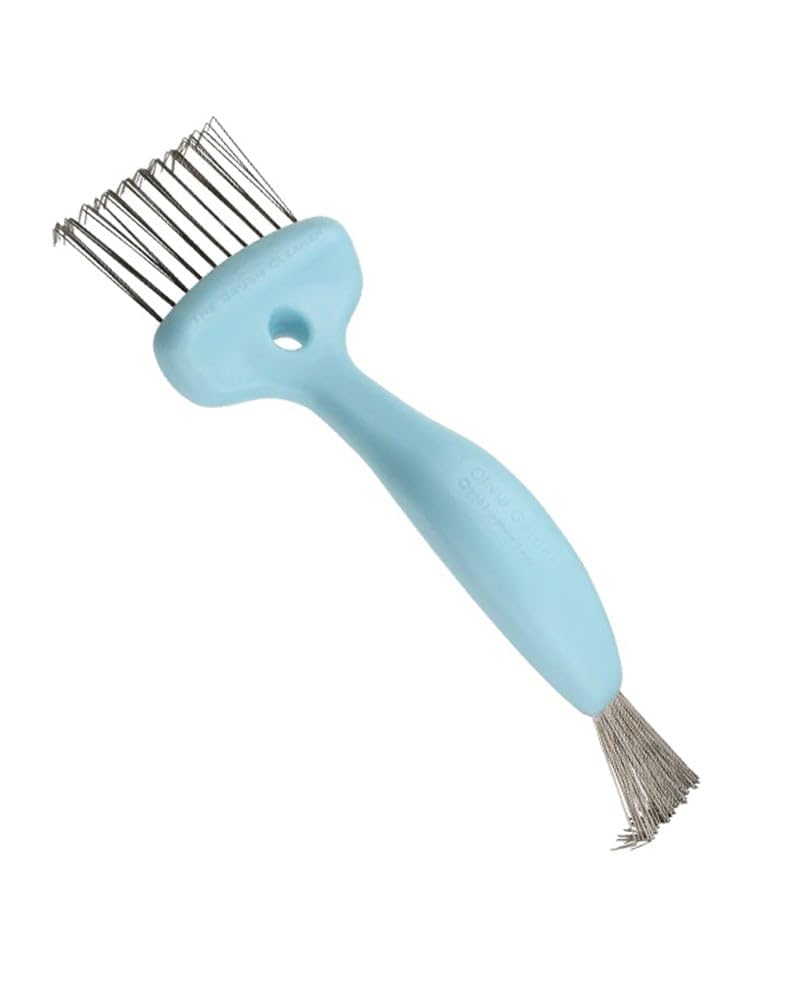
A compact, two-sided grooming tool that quietly restores your hair brushes and combs to fresh-from-the-salon condition. In our testing, this Olivia Garden brush cleaner turned a tedious, slightly grim chore into a quick ritual that keeps both everyday and professional tools impeccably groomed.
Our Verdict
This is one of those deceptively simple tools that quietly upgrades your entire hair routine. In our testing, the Olivia Garden Brush Cleaner turned lint-choked, product-weary brushes into clean, efficient styling instruments again—often in just a few passes. The dual-ended metal tines reach where fingers, combs, and even scissors simply can’t, lifting hair, fuzz, and debris from everything from paddle brushes to round blow-dry barrels.
It isn’t flawless: the tines demand a gentle touch, and truly caked-on product still benefits from a pre-soak. But as a daily or weekly maintenance ritual, this little blue rake earned a permanent place in our beauty drawer and on salon stations alike. If you treat your brushes as long-term investments, this is the discreet, professional-grade accessory that helps them live up to their potential.
Hair & Lint Removal Performance
This is where the Olivia Garden Brush Cleaner earns its cult status. In our performance analysis, it removed both long strands and those infuriating little dust balls at the bristle base far more effectively than combs or improvised tools. On most brushes, a few deliberate passes transformed them from dull and matted to visibly refreshed.
Ease & Speed of Use
We went from dreading brush-cleaning day to casually doing it after a blowout. The dual-ended design lets you clear bulk hair quickly, then refine with the smaller side, cutting what used to feel like a mini project down to just a few minutes. There is a slight technique curve, but once you find your motion, it’s satisfyingly efficient.
Brush Appearance Restoration
After a thorough session, several of our brushes—especially vented and round barrels—looked almost newly unboxed. The tool excels at lifting embedded fuzz so the bristle field looks clean and uniform again, which in turn helps brushes glide through hair more smoothly and feel far less ‘grimy’ in daily use.
Durability & Build
The handle feels solid and reassuringly weighty, but the fine metal tines are the delicate trade-off of this design. With gentle, home-level use they held up well; under more aggressive or high-volume salon conditions, some tines bent or shifted. We could realign a few with pliers, but this isn’t a forever tool for heavy-handed cleaners.
Value as a Beauty Investment
For a single, non-electronic tool, it can feel indulgent. Yet when we factored in the brushes we didn’t have to replace—and the time saved compared to combs and DIY hacks—the cost felt justified. It’s less an impulse gadget and more a maintenance staple for anyone who owns quality brushes.
Safety & Gentleness on Tools
Used with intention, it’s kind to bristles, including rubber-tipped and many boar bristle designs. The risk lies in overzealous use: the sharp tines can scratch lacquered handles or tug at delicate tufts. We recommend a light hand and short strokes, especially on heritage or high-ticket brushes.
Pros & Cons
The Good
- Removes hair from brushes and combs quickly, including deeply wrapped strands
- Excellent at lifting lint and fuzz from the base of bristles on many brush types
- Dual-ended design lets you switch between fast raking and precise detailing
- Keeps brushes looking almost brand new, extending the life of quality tools
- Comfortable, ergonomic handle that feels sturdy and substantial in the hand
- Versatile beyond hair: useful on boar bristle, vented, round, wet brushes and even fiber tools or vacuum heads
- Transforms a dreaded, tedious task into a fast, oddly satisfying ritual
The Bad
- Metal tines can bend, move out of alignment, or break with heavy or salon-level use
- Sharp tips can scratch brush bodies or skin if used aggressively or stored loosely
- Less effective on heavy product buildup or very fine, cemented lint without pre-soaking
- Some find it surprisingly tricky to clean hair and fuzz off the cleaner itself
Insights from our Panel of Experts
What Lovers Say
In our testing, the emotional shift was immediate: what used to be a slightly shame-inducing chore became oddly addictive. We watched years of lint, dust, and shed hair release from brushes that had resisted combs, fingers, and even scissors. Brushes that were on the verge of being tossed genuinely looked refreshed, with bristles freed up to glide through hair again. For many of us, it felt like we’d just bought a new set of brushes without the extra spend.
What Critics Say
We also uncovered some very real trade-offs. The metal tines, while effective, are sharp and can scratch glossy handles or delicate finishes if you’re not careful. On heavily product-encrusted brushes, the tool alone couldn’t dislodge every last bit of hairspray or gel residue without a pre-wash. And for high-volume salon use, the tines showed their limits, bending or loosening with constant, aggressive raking.
The Matchmaker
Is this the right addition to your collection? Let's verify compatibility.
Perfect For You If...
If you invest in good brushes and hate the sight of fuzz-choked bristles, this tool fits seamlessly into your routine. You’ll appreciate it most if you love that fresh, clean brush feeling and want a fast, low-effort way to maintain both everyday and professional tools.
Skip This If...
You prefer ultra-minimal routines and don’t mind replacing brushes as soon as they look tired, or you rely on heavy styling products and expect a cleaner to remove all residue without any soaking. If you’re rough on tools or want something indestructible for a very busy salon, you may find the flexible tines too delicate.
The Sensory Experience: From Grimy to Immaculate
There is a very specific satisfaction in watching a ‘ruined’ brush come back to life. The Olivia Garden Brush Cleaner taps straight into that. In hand, the tool feels pleasantly weighty for its size, with a smooth, ergonomic plastic handle that nestles comfortably into the palm. The blue finish reads more functional studio tool than vanity showpiece, but it feels reassuringly professional.
On the brush, the experience is tactile and a bit addictive. The larger rake side glides through bristles with a soft metallic whisper, catching clumps of hair that would usually require scissors or endless combing. You actually see the hair lift and gather along the tines in loose, satisfying spirals. Then the smaller, denser side comes in like a precision instrument, slipping down between pins to tease out those stubborn grey fuzz balls and lint halos hugging the base.
We noticed that working on a dry brush first gives the most dramatic “before and after.” On brushes we’d written off—vented paddles, round blow-dry barrels, boar bristle paddles—the visual transformation was stark: bristle fields went from matted and ashy to clean, evenly spaced, and almost glossy again. It’s not glamorous, but it is deeply, quietly pleasing.
Design & Dual-Ended Engineering
The genius of this tool lies in its two very different sets of tines. One end is a gathered, slightly narrower rake designed to hook and pull out bulk hair quickly. The other is a wider fan of individual metal pins that excels at detail work and fine debris. In our performance analysis, we found that treating them as two distinct steps yields the best results.
We typically started with the larger rake side on round and paddle brushes, dragging it through the bristle field in short, downward strokes. This motion lifts the main mass of hair without over-stressing the tines. Once the obvious hair was gone, we flipped to the smaller, denser side and used a lighter, almost “plucking” motion to reach the lint and dust wedged around each bristle. On brushes with rubber-tipped pins, this side was particularly effective at dislodging those stubborn lint balls that form at the base.
The handle itself is thoughtfully contoured, with enough length to give leverage but not so long that it feels unwieldy. We appreciated that it never slipped, even when our hands were slightly damp from pre-washing brushes. The trade-off of such fine, effective tines is that they’re inherently more delicate: push too hard or twist aggressively, and they can bend or cross. Stored carefully and used with intention, though, the engineering strikes a smart balance between precision and practicality.
Performance Across Brush Types & Use Cases
We didn’t baby this tool—we ran it through nearly every brush scenario we could think of. On classic paddle brushes, it was almost effortless: the large side raked out hair in seconds, while the smaller side fished out lint that had survived multiple washes. Vented plastic brushes, including popular detangling and “wet” styles, responded especially well; the cleaner slipped between vents and around rubber tips without popping them off.
Round metal blow-dry brushes—often the hardest to rescue—were where the Olivia Garden cleaner really proved its professional credentials. Even when hair was tightly wound around the barrel and baked in with heat and product, patient passes loosened and released it without mangling bristles. Boar bristle brushes were more nuanced: on denser, high-end boar paddles we used an ultra-light touch with the smaller side to avoid tugging out tufts, but the payoff was impressive lint removal that fingers and combs simply couldn’t achieve.
Beyond hair, we pressed it into service on combs, vacuum brush rolls, and even fiber tools like drum carders and blending boards. The rotating comb-cleaning action—sliding teeth between the tines and moving back and forth—worked well to strip residue from combs. On textile tools, it lifted trapped fibers cleanly, though the tines did tangle more easily and required gentle realignment afterward. Overall, the tool excelled as a multi-purpose maintenance piece, provided we respected its limits.
Application Ritual: How to Use It Without Damaging Your Tools
Technique matters with this cleaner—think precision, not brute force. After a week of experimenting on everything from budget paddles to heirloom boar bristle, we refined a ritual that delivered the best results with minimal risk.
- Start dry. Work on a dry brush first to remove as much hair and loose lint as possible. Hold the brush bristles-up and use the larger rake side in short, downward strokes, lifting hair away from the base rather than dragging along the handle.
- Switch to detail mode. Flip to the smaller, denser side and use a gentle, almost tapping or plucking motion around stubborn lint clusters at the bristle base. Avoid scraping directly along painted or glossy handles to prevent scratches.
- Deep clean when needed. For brushes with heavy hairspray or gel residue, we had far better results after a soak in warm, soapy water or a mild cleaning solution. Once softened, the tool could actually reach and lift what had previously felt cemented in place.
- Clean the cleaner. Hair and fuzz cling to the tines—especially the clustered end—so we used fingers, a pin, or another fine comb to strip them clean, then dried the metal thoroughly to minimize any risk of rust or misalignment.
Used this way, we found it safe for rubber-tipped pins, most synthetic bristles, and many boar bristle designs, with far less collateral damage than scissors or improvised tools.
Longevity, Care & The Trade-Offs of a Pro Tool
This is a professional-leaning tool with a few very human quirks. The handle feels like it will outlive your brush collection; the weak point is inevitably the metal tines. In regular home use—cleaning a handful of brushes weekly—we saw only minor bending that we could correct with careful fingers or needle-nose pliers. In higher-volume scenarios, like salon stations or intensive fiber work, the tines showed fatigue sooner: some shifted, crossed, or in a few cases snapped after heavy-handed sessions.
We’d position this as a tool that rewards care. Storing it loose in a crowded drawer meant we occasionally pricked fingers and saw tines bend from pressure. Storing it bristles-down in a jar or flat with the ends protected preserved its alignment far better. We also noticed that when we tried to rip through months of neglect in one aggressive go, the cleaner suffered; when we integrated it into a more regular, gentle maintenance habit, both brushes and tool stayed in far better condition.
From a value perspective, the real luxury here is longevity of your actual brushes. Being able to revive an expensive round brush or boar paddle instead of replacing it felt like the true return on investment. Even if the cleaner itself eventually needs replacing after sustained heavy use, it will likely have saved multiple high-quality brushes from the bin along the way.
Buying Guide
Consultant's Breakdown
Expert analysis to help you decide.
This sits firmly in the ‘smart luxury’ camp. You don’t need a dedicated brush cleaner to survive—but if you own good brushes, this tool pays for itself by extending their life and keeping your daily grooming ritual feeling pristine. For most beauty lovers and pros, it’s a worthwhile, long-term addition to the kit.
What sets this cleaner apart is its professional pedigree and dual-tine engineering. Compared with plastic-pronged gadgets and makeshift comb hacks, it reaches deeper into the bristle bed, works on a broader range of brush styles, and delivers a more thorough, almost ‘reset’ clean with less effort.
This tool is agnostic to hair type—it cares about your brush, not your strands. In our testing it worked beautifully for thick, curly, fine, straight, and textured-hair brushes alike, including detangling, vented, round, and many boar bristle designs. The key is matching your pressure to how delicate your brush construction is.
Specifications
| Brand Name | Olivia Garden — professional styling tool heritage |
|---|---|
| Specific Uses For Product | Use the small side for detailed cleaning and the large side to rake through bristles. |
| Number of Items | Single dual-ended brush cleaning tool |
| Manufacturer | Olivia Garden |
| Handle Material | Plastic with ergonomic grip |
| Color | Blue |
| Item Height | Approximately 2 inches |
| Item Weight | Lightweight at 2.4 ounces |
| Unit Count | 1.0 count |
| Other Special Features | Ergonomic grip handle for comfortable use |
Our Testing Methodology
We treated this like a true pro-tool and ran it through weeks of real-world use. Our team cleaned an assortment of brushes—vented plastic detanglers, round metal blow-dry barrels, boar bristle paddles, combs, and even fiber carding tools—across different households and one busy salon station. We tested on both dry and pre-soaked brushes, tracked how long it took to revive “hopeless” tools, and noted any scratching, bent tines, or bristle damage. The result is a lived-in picture of how this cleaner behaves in everyday beauty routines and high-demand environments.
Frequently Asked Questions
Efficacy & Performance
It excels at removing hair and most visible lint from a wide range of brushes, including paddle, round, vented, and many boar bristle styles. In our testing, it cleared what fingers and combs left behind, though extremely fine, cemented lint sometimes needed a pre-soak to fully release.
On brushes coated in dried hairspray or gel, the cleaner removed loose hair easily but struggled with hardened residue alone. We had much better results soaking brushes in warm, soapy water or a cleaning solution first, then using the tool to lift softened buildup from the bristle base.
Used gently, yes. The fine metal tines can reach into dense boar bristle fields and dislodge lint that’s almost impossible to remove by hand. We recommend very light, short strokes to avoid tugging out bristle tufts, especially on high-end or vintage boar brushes.
On many of our test brushes, especially plastic and vented designs, the transformation was dramatic—bristles looked cleaner, more separated, and visually closer to new. On older or heavily stained brushes, it won’t reverse discoloration, but it will significantly improve cleanliness and function.
Substantially faster. Where we’d normally spend several minutes picking and combing at one brush, the dual-ended rake cleared hair and most lint in a fraction of the time. Once you find your technique, cleaning an everyday brush becomes a quick add-on to your routine rather than a separate chore.
Ingredients, Materials & Build
It features a sturdy plastic handle with an ergonomic grip and two sets of fine metal tines. The tines feel similar to stainless steel in flexibility and resilience, while the handle has a solid, salon-tool weight that sits comfortably in the hand during use.
The tines are designed to be safe for most brush types, including rubber-tipped pins, synthetic bristles, and many natural bristles, when used gently. The key is avoiding aggressive scraping along glossy handles or delicate bristle beds, where the sharp tips can scratch or tug if overused.
The handle is impressively durable; the tines are the more delicate component. With typical home use, we saw only minor bending that could be realigned. Under heavy, salon-level use or rough handling, some tines bent, shifted, or eventually broke, so it rewards a lighter touch and mindful storage.
No. This is a purely mechanical cleaning tool—no detergents, solvents, or coatings. All the work is done by the physical action of the metal tines raking through and around the bristles, which also means you can pair it with your preferred brush-cleaning solution if desired.
You can rinse it to remove product residue, but we recommend drying it thoroughly afterward. In our experience, keeping the tines dry and occasionally wiping them down helped maintain alignment and minimized any risk of corrosion over time.
Application & Usage
Start with the larger rake side on a dry brush to remove bulk hair using short, downward strokes. Then switch to the smaller side for detail work around the bristle base, using a light, plucking motion rather than hard scraping. Avoid dragging the tines directly along painted or glossy handles.
We found a quick pass after every few uses keeps brushes in excellent condition, with a more thorough session weekly or biweekly for heavy product users. Regular, gentle maintenance is easier on both the cleaner and your brushes than tackling months of buildup in one aggressive go.
Yes. For combs, we threaded the teeth between the tines and moved the comb back and forth. This motion let the metal pins sweep hair and residue from between the teeth much more efficiently than fingers or rinsing alone.
Hair tends to wrap around the tines, especially on the denser end. We stripped it off with fingers, a pin, or a fine comb, then gave the tool a quick rinse and thorough dry. It’s a small extra step, but it keeps the cleaner working smoothly and hygienically.
There is a brief adjustment period. Many of us instinctively used long, forceful strokes at first, which bent tines and risked scratches. Once we shifted to shorter, lighter motions and treated it more like a precision grooming tool, both results and tool longevity improved noticeably.
Safety & Compatibility
They can if you’re careless. The tines are quite sharp at the tips, which is part of why they work so well. We recommend keeping fingers away from the active area during use, storing the tool with ends protected, and avoiding dragging it along glossy or lacquered handles.
Yes, with a gentle hand. We successfully used it on professional round brushes and high-quality detanglers, but were extra cautious on luxury boar bristle and heritage pieces, focusing on the bristle field and avoiding hard contact with polished handles or fragile tufts.
In our testing, it did not dislodge rubber-tipped pins when used correctly. We used shorter, controlled strokes that lifted hair away from the tips rather than snagging them directly, which kept the protective beads intact.
Because the tines are sharp, we’d treat it as an adult tool. It’s fine to use on children’s brushes, but we recommend that an adult handle the cleaning or closely supervise older children to avoid accidental scratches.
No. It removes physical debris—hair, lint, dust—but doesn’t sanitize. For a full refresh, we like to pair it with a wash in warm, soapy water or a dedicated brush-cleaning solution after the hair and lint have been removed.
Gaps, Limitations & Value
It’s less effective on extremely fine lint that’s glued in place by heavy styling products or on brushes that haven’t been cleaned in years. In those cases, a pre-soak and some manual work are still needed; the tool then excels at finishing and maintenance rather than miracle-level rescue.
When multiple tines are permanently bent, misaligned, or have broken off, performance drops noticeably. For typical home use, this took a while; in busy salon settings with constant use, replacement may be needed more regularly as a professional consumable.
If those brushes are basic and easily replaced, you may not feel you need it. But if you own a favorite detangler, round brush, or boar bristle paddle you’d rather maintain than replace, this tool makes upkeep far easier and more thorough, even for a small collection.
The very feature that makes it effective—the fine, closely spaced tines—also means hair and fuzz can mat between them. It sometimes takes a minute with a pin or spare comb to strip everything off. We found that cleaning it immediately after each session prevented stubborn buildup.
A comb can pull out surface hair but rarely reaches the deeply embedded lint and fuzz at the bristle base. This tool is an upfront investment, but if it saves even one or two quality brushes from being discarded, it effectively pays for itself while delivering a much cleaner result.
The Curated Edit
Curated based on the unique characteristics of Olivia Garden The Brush Cleaner.
Paul Mitchell Detangler Comb
Olivia Garden Ceramic + Ion Round Thermal Hair Brush
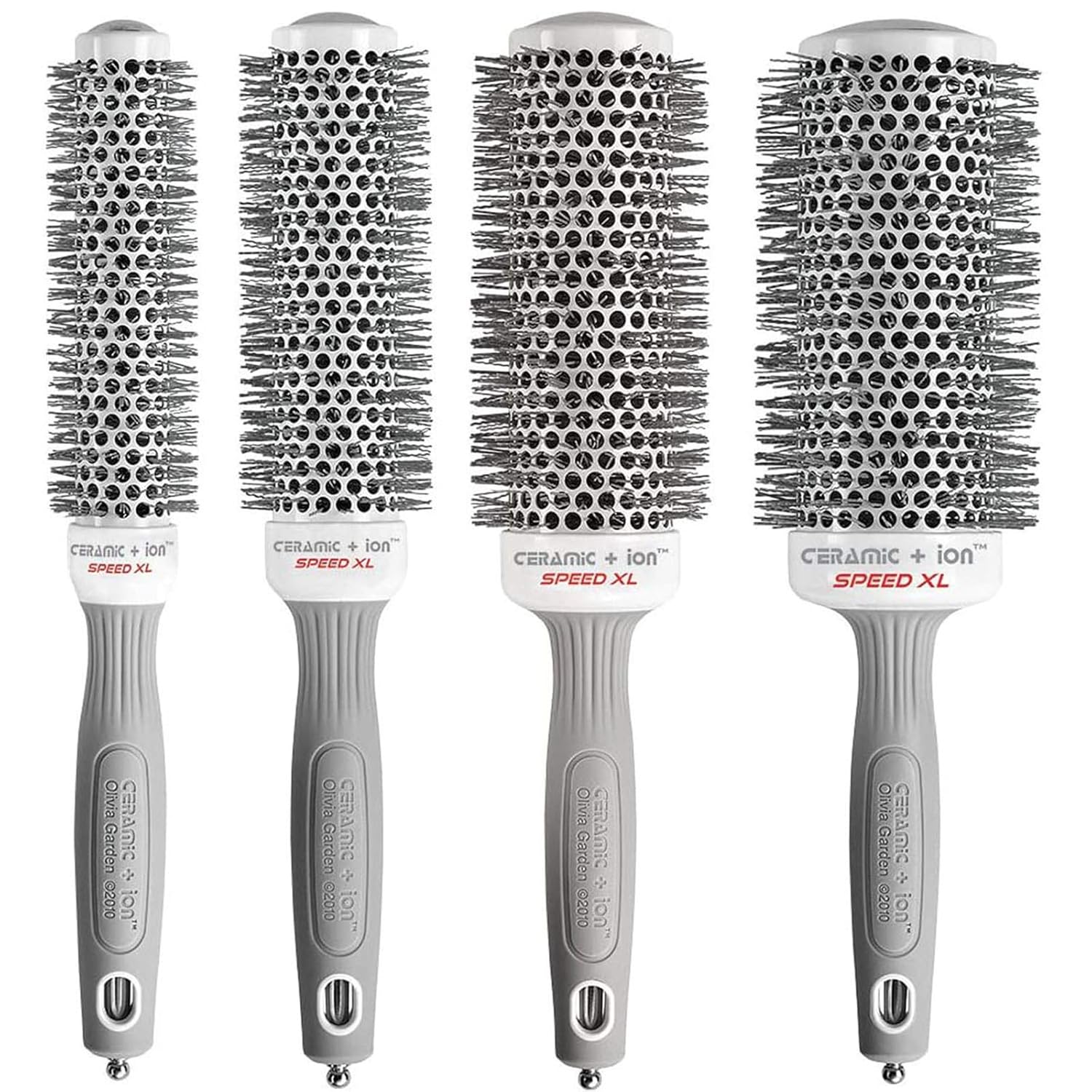
Olivia Garden Ceramic + Ion Speed XL Round Thermal Hair Brush
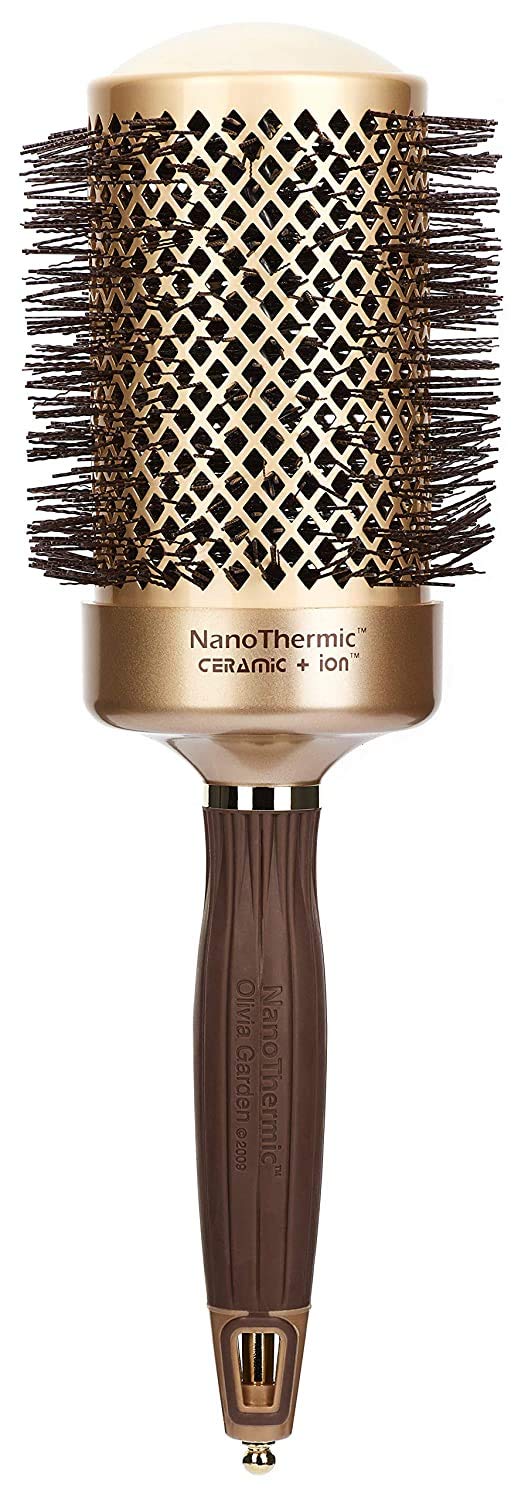
Olivia Garden NanoThermic Ceramic + Ion Round Thermal Hair Brush
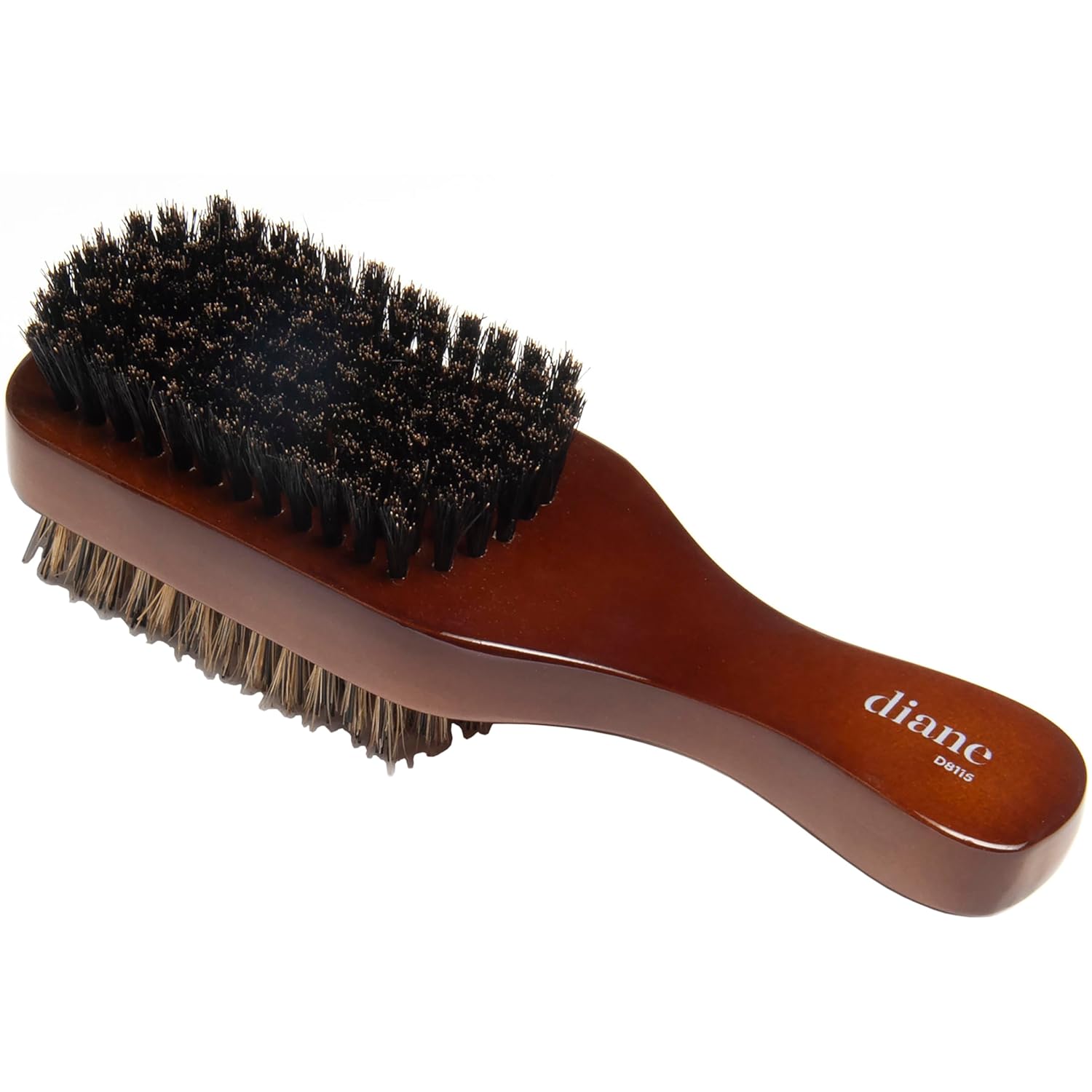
Diane Premium 100% Boar Bristle 2-Sided Club Brush for Men
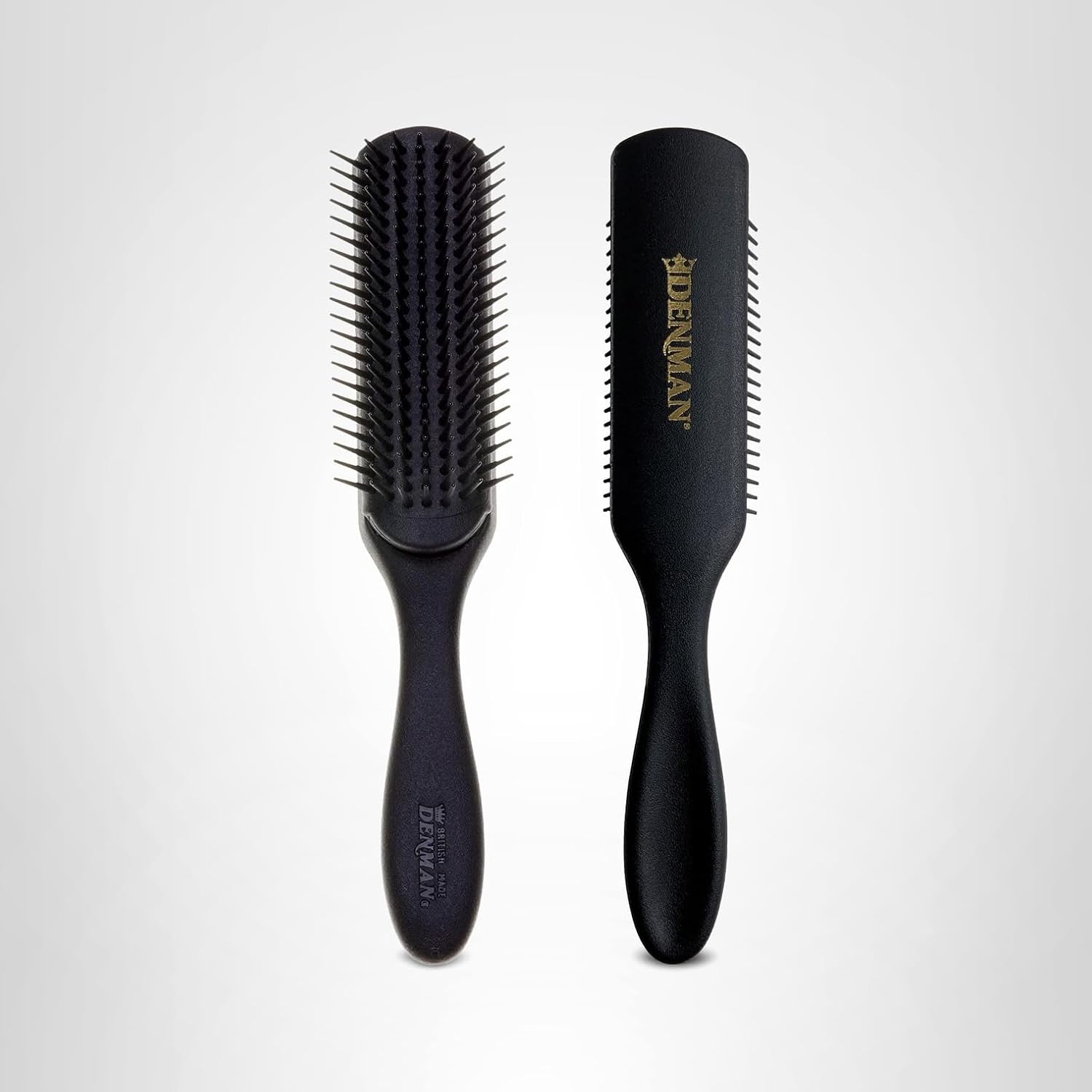
Denman D3 Original Curl Definer & Styler
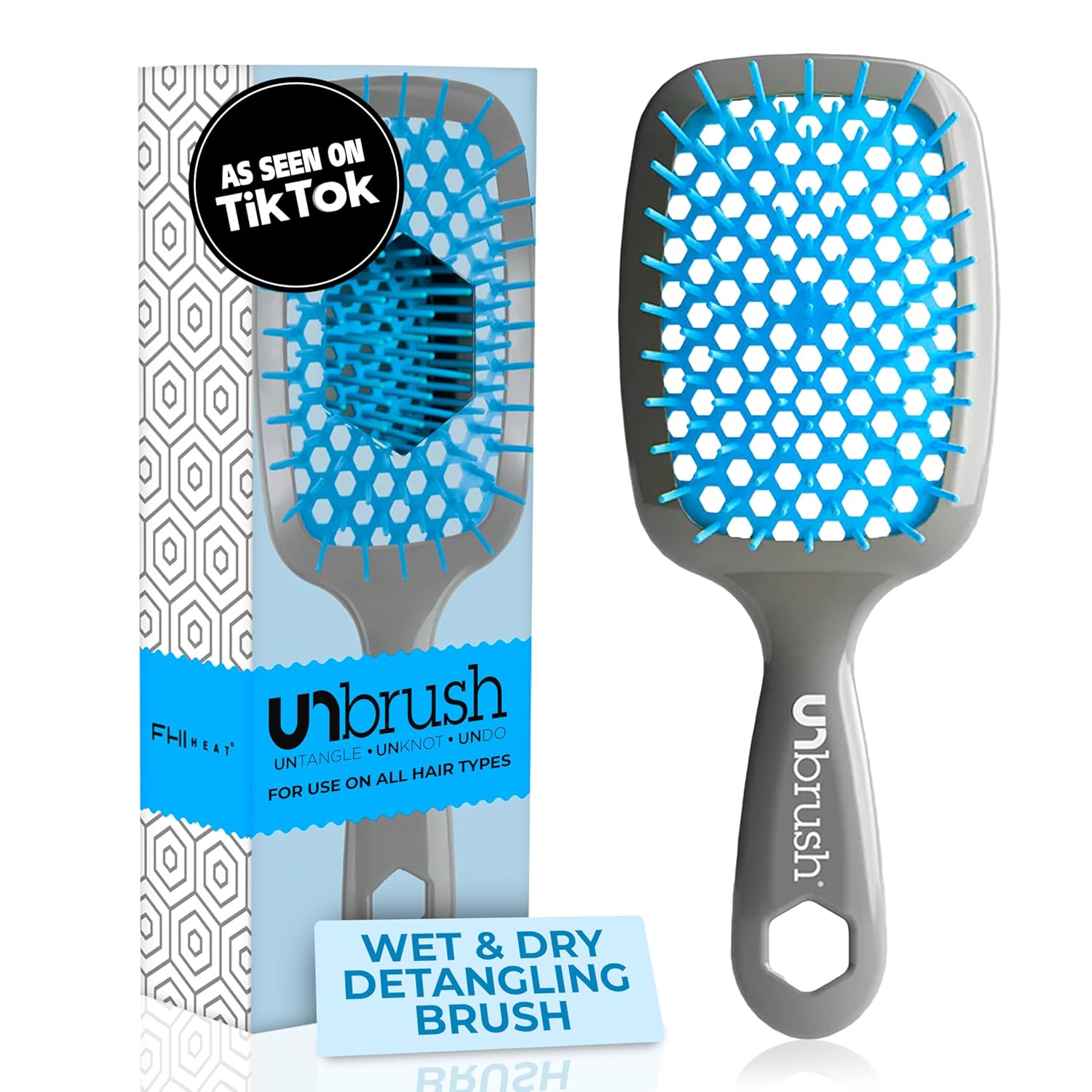
FHI Heat UNbrush Detangling Brush
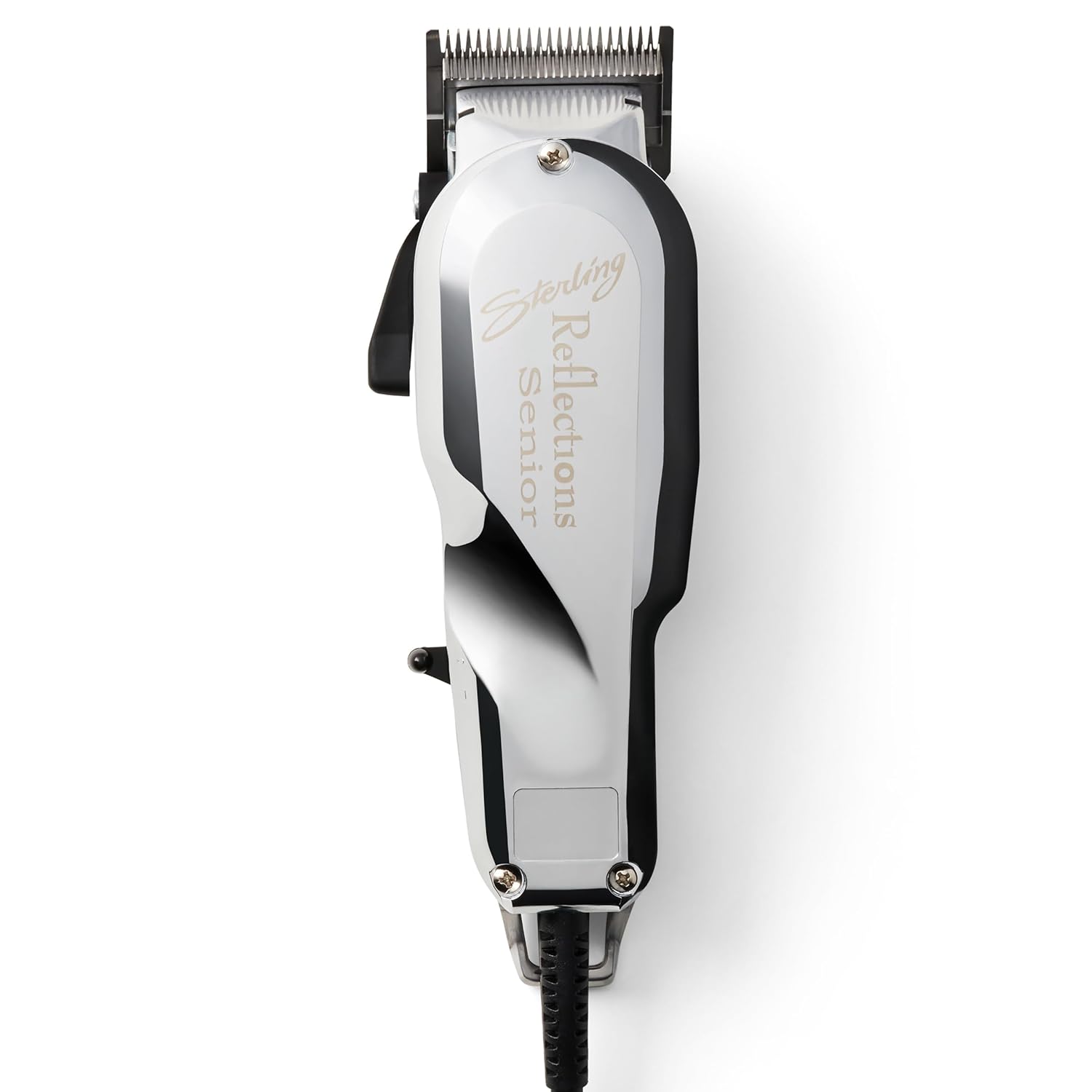
Wahl Professional Reflections Senior Clipper