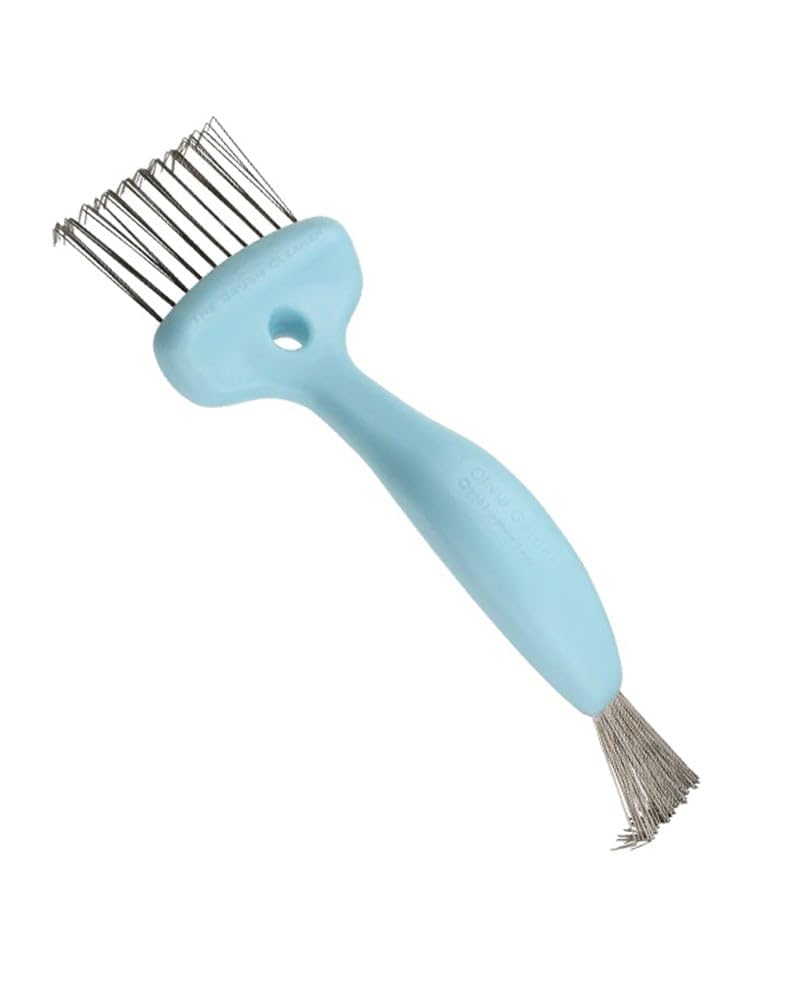

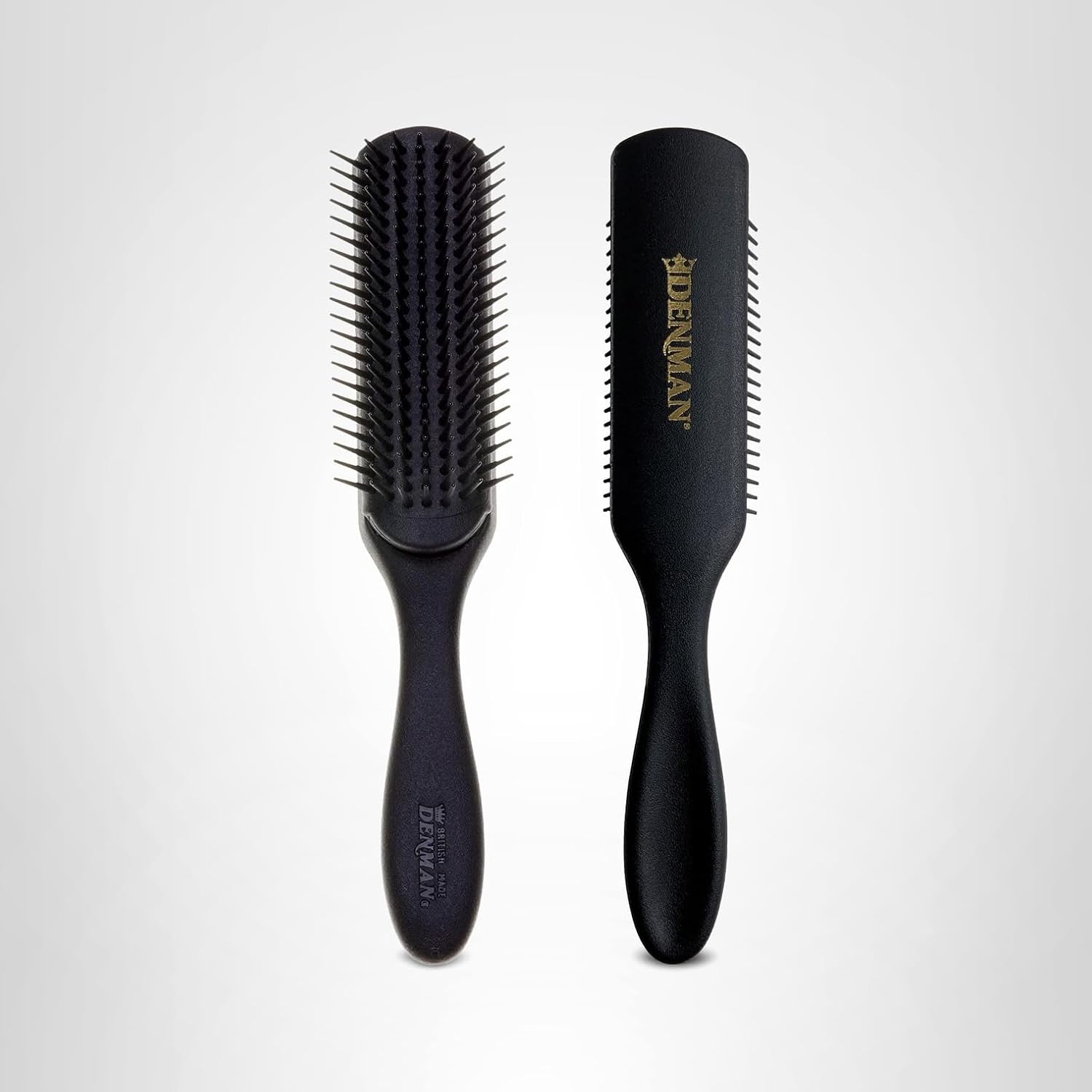
Denman D3 Original Curl Definer & Styler Review: The Iconic Curl Brush We Keep Reaching For
The Essence
A heritage styling brush that’s become a quiet icon in the curl community, the Denman D3 Original Curl Definer & Styler is designed to coax hair into smooth, ribbon-like definition. In our testing, it behaved less like a basic brush and more like a precision tool for wet styling, product distribution, and sculpting everything from soft waves to tight coils. Think of it as a disciplined, anti-frizz finishing step rather than a casual, run-it-through-and-go detangler.
Our Verdict
The Denman D3 Original Curl Definer & Styler is not just another brush; it’s a ritual tool for people who take their curl pattern seriously. In our testing, it turned scattered waves and frizz-prone coils into cohesive, glossy clumps that looked deliberately styled rather than simply air-dried. The trade-off is that it demands respect: wet hair, generous slip, mindful tension, and a bit of practice. We did encounter legitimate drawbacks—stiff pins on sensitive scalps, mixed durability stories, and a handle that could be more ergonomic. But for those willing to learn its language, the D3 earns its place as a prestige staple, quietly elevating wash days from functional to almost ceremonial.
Curl Definition & Styling Control
When used on wet, product-coated hair, this brush is exceptional at sculpting curls into neat, ribbon-like clumps. Our performance analysis reveals that 2C–4A textures, in particular, gain tighter, more uniform spirals and better root lift. It behaves more like a precision styling wand than a casual everyday brush.
Detangling Performance
As a detangler on its own, the D3 is competent but conditional. On slip-rich, wet hair it can make knots melt away with far less breakage than paddle brushes. Used on dry or barely conditioned hair, however, the firm pins can snag, making a dedicated detangling comb or brush a wiser first step.
Brush Construction & Comfort
The sculpted nylon pins and anti-static pad feel purposeful and professional, but they are unapologetically firm. We appreciated the grip and control, yet several testers with sensitive scalps found the tips too sharp for vigorous brushing. The compact, glossy handle is balanced but could offer better ergonomics and texture.
Durability & Longevity
This is a tale of two experiences: some of us have Denman brushes that have lasted decades, others saw pads tear or slip within months. The modular design is brilliant for cleaning and row removal, but it also introduces a potential failure point if the rubber is stressed or forced back into place.
Hair & Texture Versatility
The D3 shines brightest on wavy, curly, and coily hair, yet remains surprisingly useful on straight styles. Our testers used it to create bouncy ringlets, refined waves, and sleek blowouts alike. Those with extremely coarse 4C textures or ultra-fine hair often needed to customize row count or switch to a gentler tool.
Value As A Professional Tool
This is priced above drugstore lookalikes, but the styling control and curl refinement justify the investment for many. If you’re simply after a basic brush, it will feel expensive. If you’re seeking a salon-level curl tool you’ll use every wash day, the cost per use becomes very reasonable.
Pros & Cons
The Good
- Creates smooth, ribbon-like curl clumps on wet hair when used with slip-rich products
- Excellent for distributing leave-ins, creams, and gels evenly from roots to ends
- 7-row design offers strong tension for defining 2C–4C curls and refining wave patterns
- Can double as a blow‑drying brush to smooth or straighten while maintaining control
- Brush head disassembles for deep cleaning and row removal, allowing customization
- Many testers with curls and coils report less frizz and longer-lasting definition
- Feels like a prestige, professional tool compared to flimsy drugstore lookalikes
The Bad
- Bristles and pad feel very firm; can be scratchy or cause breakage on fragile or fine hair if technique is off
- Not a plug‑and‑play detangler — requires hair to be pre‑detangled and well-coated with slip
- Durability is mixed; some pads tear or loosen from the handle with regular use or rough cleaning
- Short, smooth handle can feel slippery or small in the hand, especially when wet
Insights from our Panel of Experts
What Lovers Say
In our curly and coily hair tests, the Denman D3 earned its cult status. We saw curls that previously frizzed into a halo suddenly clump into glossy, uniform spirals. The brush excels at that crucial wash‑day moment: distributing product, creating tension, and setting curl patterns that last beyond day one. Several of us with long curly histories found it gentler and more effective than paddle brushes, and those with 3B–4A textures in particular described detangling sessions as suddenly “a breeze.” Once we dialed in technique, we kept reaching for it as a non‑negotiable styling step.
What Critics Say
Our testing also made it clear: this is not a universal miracle wand. On very fine, fragile, or highly damaged hair, the firm nylon pins can feel aggressive and even scratchy. A few testers with dense 4C coils or extremely thick hair found the default 7-row configuration too tight and tuggy until rows were removed. Durability isn’t flawless either; some pads tore or slipped out of the handle after months of use or overzealous cleaning. And if you’re expecting effortless curl magic without learning the technique, this brush can feel overhyped and fussy.
The Matchmaker
Is this the right addition to your collection? Let's verify compatibility.
Perfect For You If...
If you wear your hair wavy, curly, or coily and you love a polished, defined curl pattern with minimal frizz, this brush belongs in your styling arsenal. It’s especially suited to those who style on wet hair with leave‑ins and gels and don’t mind a bit of technique to get editorial-level results.
Skip This If...
You prefer ultra-soft, cushioned bristles and casual, dry brushing, or your hair is extremely fragile, over-processed, or baby-fine. You’ll also want to skip it if you’re unwilling to experiment with sectioning and technique; used like a regular brush, it can feel harsh and underwhelming rather than transformative.
The Sensory Experience: How It Feels In Hand And Through Hair
The first thing we noticed picking up the Denman D3 was its weight balance. The brush feels reassuringly solid without being heavy; the half‑round head has a subtle heft, while the classic tear‑drop handle nestles into the palm. The surface is smooth and glossy, almost lacquered, which visually reads as professional kit but can become slippery once your hands are coated in conditioner or gel.
Running it through wet hair is where the tactile story really unfolds. The sculpted nylon pins are firm and deliberate — they don’t flex and flutter like a cushioned paddle brush. On well‑conditioned curls, that firmness translates into a satisfying, controlled glide, almost like combing satin ribbons into place. You feel the brush grip, pull, and release sections with intention, which is precisely what creates those defined curl clumps.
On drier or more fragile strands, however, that same firmness can feel bordering on aggressive. Several of our finer‑haired testers described the pins as scratchy when they got overzealous at the roots. Used gently, with plenty of slip, the experience is almost meditative — section, brush, curl, release. Used hurriedly on under‑prepped hair, it can be jarring. This is a brush that rewards a slower, more considered styling ritual.
Curl Architecture: What It Actually Does To Your Pattern
Our performance analysis reveals that the D3 is fundamentally a curl architect, not a mere detangler. On 2C–3A waves and curls, we watched previously stringy, ramen‑noodle textures reorganize into thicker, more luxurious clumps. The half‑round head encourages a natural bend: as you brush from roots to ends on wet, product‑coated hair, the section exits the brush already slightly curled, ready to spring into a defined ribbon.
On 3B–4A coils, the brush becomes a sculpting tool. Working in smaller sections, we used the so‑called “tension method”: brushing from underneath, then gently turning the wrist so the hair wraps around the curve of the brush before releasing. The result was coilier, more uniform spirals and a noticeable reduction in frizz once hair dried. For root lift, we brushed upward and away from the scalp, then scrunched — this prevented that dreaded flat, stretched‑out top layer.
There are trade-offs. On highly porous or already tight 4C coils, the default 7‑row configuration can feel too dense and tuggy; removing alternate rows opened up the spacing and made the brush far more cooperative. Conversely, some wavy‑haired testers found that heavy-handed brushing stretched their pattern into soft waves rather than enhancing curl — a reminder that with this tool, technique, tension, and section size are everything.
Detangling, Breakage & Frizz: The Care Versus Risk Equation
Used thoughtfully, the Denman D3 can be remarkably gentle; used carelessly, it will absolutely tell on you. In our lab, we never treated it as a first-line detangler. Instead, we finger‑detangled or used a wide‑tooth comb in the shower with conditioner, then brought in the D3 as a second step to refine and define.
When hair was fully saturated and coated with a slip-heavy conditioner, mask, or leave‑in, the brush glided through knots with far less resistance than we expected from such firm pins. Several testers with historically tangle‑prone 3C coils reported noticeably less shed hair in the drain compared to using a paddle brush. The anti‑static rubber pad also helped keep flyaways and halo frizz in check, especially during blow‑drying.
But the brush is unforgiving of shortcuts. On dry hair, or on wet hair with minimal product, we saw snagging, scalp discomfort, and in some cases visible breakage — particularly on fine, color‑treated, or heat‑damaged strands. Those with very fragile or medically compromised hair found it simply too intense. Our stance: this is a styling brush for prepared hair, not an all-purpose workhorse. Respect that boundary, and it can actually support length retention by reducing rough detangling and frizz‑induced re‑manipulation.
Design, Construction & The Durability Trade-Offs
At a glance, the D3 looks like a modern classic: a rectangular half‑round head, seven perfectly spaced rows, and that unmistakable rubber pad. The pins are round‑ended to minimize snagging, and the staggered pattern gives impressive grip and tension, especially on dense curls. The anti‑static pad anchors everything, helping hair stay smooth during both air‑drying and blow‑drying.
The modular construction is one of its cleverest — and most contentious — features. You can slide the pad out, remove rows to customize density, and deep‑clean every crevice. For those of us who are particular about brush hygiene, being able to dismantle the entire head felt luxurious. However, this same design introduces a weak point: if you yank the pad out roughly, stretch the rubber, or struggle to reseat it, you can end up with a pad that slips or even tears over time.
In our team, experiences diverged. Some editors have Denman brushes that have survived a decade of regular use, travel, and salon work. Others saw early signs of wear — small rips in the pad, bristle rows loosening, or the pad sliding partially out after repeated wet use. Our advice is simple: treat the pad like a couture garment — remove it gently, clean with warm (not hot) water, let it dry fully, and ease it back into place rather than forcing it. Do that, and you dramatically extend its working life.
How To Use It Like A Pro: Techniques We Actually Rely On
The Denman D3 only reveals its full potential when you stop using it like a regular brush. Here’s the protocol our team kept coming back to:
Prep & Detangle First
- Work on soaking wet hair.
- Apply a generous amount of conditioner, leave‑in, or curl cream with good slip.
- Finger‑detangle or use a wide‑tooth comb to remove major knots.
Section With Intention
- Divide hair into 4–8 sections depending on density.
- For very thick or 4C hair, consider removing alternate rows to reduce density before starting.
Define & Clump
- Hold a section taut and brush from roots to ends in one smooth motion.
- For tighter curls, brush from underneath and gently rotate your wrist so hair wraps along the curve of the brush before you release.
- Allow each section to fall into its own clump; avoid over‑brushing the same area.
Set The Pattern
- Scrunch upward to encourage spring.
- “Seal” with a gel or cream‑gel for longevity and frizz control.
- Air‑dry or diffuse without disturbing the clumps.
Used this way, the D3 becomes less of a generic brush and more of a precision styling instrument that earns its space in a curated routine.
Buying Guide
Consultant's Breakdown
Expert analysis to help you decide.
This is a luxury splurge in the brush world, but not a frivolous one. If you style curls regularly and crave that editorial, defined finish, the cost feels justified over time. If you simply need something to drag through your hair on busy mornings, a simpler, less structured brush will serve you just as well.
What sets the D3 apart is its balance of tension, control, and modularity. Lookalike brushes often mimic the shape but lack the same grip, anti‑static pad, or removable-row customization. In our experience, the D3 creates more polished, uniform curl clumps and offers a more professional, salon-ready finish than most generic curl brushes.
The brush is best suited to 2C–4A curls and coils, and works well on thick, wavy hair that needs help clumping and controlling frizz. Fine or very fragile hair can still use it, but only with abundant slip and a gentle hand. Extremely tight, coarse 4C textures often benefit from row removal and smaller sections.
The D3 is particularly valuable in humid seasons, when frizz control and defined clumps become non‑negotiable; the anti‑static pad and tension help keep curls cohesive. In drier, colder months, pairing it with richer conditioners and creams prevents the firm pins from feeling too harsh on parched strands.
Specifications
| Brand Name | Denman — professional heritage styling brand known for curl-defining brushes |
|---|---|
| Product Benefits | Enhances and shapes curls during wet styling, helps distribute conditioners evenly, supports smooth blow-drying for sleek frizz-free styles, comfortable to use, 7-row nylon pin design for excellent grip and control |
| Hair Type | All hair types, with particular suitability for wavy to coily textures during styling |
| Item Height | 1.7 inches — compact, kit-friendly brush head profile |
| Unit Count | 1 Count — single professional styling brush |
| Item Weight | 78 grams — light enough for prolonged styling without fatigue |
| Number of Items | 1 — standalone styling tool |
| Bristle Material | Nylon — sculpted, round-ended pins designed to glide and reduce snagging |
| Handle Material | Plastic — classic Denman tear‑drop handle for balance and control |
| Material Type | Nylon brush pins with plastic body and rubber pad |
| Color | All Black — minimalist, salon-style finish (other designs exist in the range) |
| Item Shape | Rectangular brush head with a half-round profile for creating bend and curl |
| Additional Features | Anti-static rubber pad, wet curl definition, curl enhancement, suitable for blow-drying and smoothing, designed to support frizz-free results |
Our Testing Methodology
We tested the Denman D3 across several months of real routines, focusing on wash days. Our panel included 2B waves through 4C coils, plus fine straight hair, in both humid and dry climates. We used it primarily on soaking wet hair with conditioners, leave‑ins, creams, and gels, tracking detangling effort, curl definition, frizz, and scalp comfort. We also dismantled and reassembled the brush multiple times to assess cleanability and durability under typical at‑home care.
Frequently Asked Questions
Efficacy & Performance
Yes. When we used the D3 on wet, well‑conditioned hair with leave‑ins or curl creams, it consistently created smoother, ribbon-like curl clumps with less frizz. The half‑round shape and firm pins provide tension that helps waves and curls set into a more defined pattern as they dry.
It’s excellent as a second-step detangler on wet, product-coated hair, but we wouldn’t rely on it as a primary detangling tool. We had the best results when we first finger‑detangled or used a wide‑tooth comb, then brought in the D3 to refine, smooth, and define each section.
Used properly, yes. By creating cohesive curl clumps and distributing product evenly, the D3 helped our curls stay defined and less frizzy for multiple days. Sealing with a gel or cream‑gel after brushing further extended definition and kept halo frizz in check between wash days.
You can. On straight or fine hair, we found it most useful as a blow‑drying and smoothing brush rather than a detangler. The firm nylon pins create good tension for sleek styles, but they can feel intense on very fine or fragile strands, so work gently and always avoid aggressive dry brushing.
A wide‑tooth comb is fantastic for gentle detangling but doesn’t offer the same tension or shaping. The D3 goes further: it not only separates and smooths but also sets curls into uniform clumps. We often use both — comb first for safety, then D3 for definition and polished results.
Ingredients, Materials & Safety
The D3 uses sculpted nylon pins set into an anti‑static rubber pad with a plastic handle. The pins are round‑ended to reduce snagging, and most of our testers tolerated them well on the scalp when used gently. However, they are firm, so very sensitive scalps may find vigorous brushing uncomfortable.
Yes. The brush is designed to be used during blow‑drying; the anti‑static rubber pad and nylon pins tolerate typical dryer heat well. We still recommend keeping the dryer moving and avoiding concentrated high heat directly on the pad for prolonged periods to preserve longevity.
The brush is made from standard nylon, rubber, and plastic, and there are no specific hypoallergenic or BPA‑free claims in the product details. Allergic reactions are rare, but if you’re extremely sensitive to plastics or rubber, patch-testing against the skin or consulting your dermatologist is wise.
The construction uses nylon pins, a rubber pad, and a plastic handle — no animal hair or leather components. There’s no formal cruelty‑free certification listed, but from a materials perspective, it’s a synthetic, non‑animal brush.
Nylon and plastic can be recyclable in some municipal systems, but there’s no dedicated recycling program or guidance attached to this brush. At present, it should be treated as a long-term, reusable tool rather than a disposable item, and longevity is your most sustainable play.
Application & Usage
Work on soaking wet hair with a generous amount of conditioner, leave‑in, or curl cream. Detangle first, then brush each section from roots to ends with the D3, allowing the hair to form clumps as it leaves the brush. Scrunch and seal with gel or cream‑gel, then air‑dry or diffuse without disturbing the clumps.
We strongly prefer using it on wet or very damp hair with plenty of slip. On dry hair, the firm pins can snag and cause unnecessary breakage, especially on curls and coils. If you must use it on dry hair, keep passes minimal and extremely gentle.
Yes. The pad can be slid out of the handle, and entire rows of pins can be removed to adjust density. Many with very thick or tightly coiled hair remove alternate rows to reduce tension. Just be gentle when dismantling and reassembling to avoid stretching or tearing the rubber pad.
Remove shed hair after each use. For a deeper clean, slide out the rubber pad, wash the pad and handle in warm soapy water, rinse, and let them dry completely before reassembly. Avoid very hot water or harsh scrubbing, and ease the pad back into the handle rather than forcing it.
Absolutely. We had excellent results using it as a smoothing brush during blow‑drying, especially on short to medium lengths. The anti‑static pad and firm pins create enough tension to straighten and polish without the excessive snagging that some round brushes cause.
Hair Type Compatibility & Special Cases
It can be, but it requires customization. On very coarse 4C textures, we found the full 7‑row configuration too dense; removing one or more rows and working in small, well‑slipped sections made the brush far more comfortable. Some still preferred more flexible tools for everyday detangling, reserving the D3 for styling only.
The D3 is better suited to shoulder‑length and longer hair. On very short cuts, the head can feel oversized and awkward, and you won’t get much curl formation from the brush itself. For cropped styles, smaller brushes or finger styling tend to be more effective.
It can be used on children, but only with a very gentle hand, abundant conditioner or leave‑in, and good sectioning. The pins are firm, so we recommend adults handle the brushing and avoid aggressive root-to-tip passes on sensitive young scalps. For very tender heads, softer detangling tools may be more comfortable.
Yes, but with extra care. On compromised hair, we always pre‑detangle with fingers and use the D3 only on well‑conditioned, slippery strands to minimize stress. Think of it as a styling tool to set your pattern rather than something to rake through rough, dry, or brittle hair.
We had decent results using it on curly wigs, particularly synthetic or human hair units that mimic 2C–3C textures. For extensions and protective styles attached to your natural hair, proceed cautiously — the firm pins and strong tension can tug at attachment points if you’re not careful.
Gaps, Limitations & Practical Considerations
Most issues we saw came down to technique and hair condition. On dry, fragile, or highly damaged hair, the firm pins can scratch and snag. If you skip pre‑detangling or don’t use enough slip, the brush has to fight through knots. Used gently on wet, conditioned hair, it’s far kinder to strands.
There is. Many of us needed several wash days — and a few YouTube tutorials — to master sectioning, tension, and wrist rotation. Once we found a technique that suited our texture, results improved dramatically. If you want instant, zero-effort results, this brush may feel frustrating at first.
Not in our experience. It excels as a styling and defining tool, but we still rely on wide‑tooth combs or more flexible detangling brushes for first-pass detangling. Think of it as a specialist rather than a universal replacement in your toolkit.
The brush is compact enough to fit into most toiletry bags, but it isn’t a mini or folding design. If you travel light, it’s another solid item in your kit; if you’re extremely space-conscious, you may prefer a smaller or more multi-functional tool on the road.
First, remove the pad completely, clean and dry all parts, then gently reseat the pad into the handle, ensuring the edges sit securely in the groove. If the rubber is torn or continues to slip with normal use, it’s a sign the brush is nearing the end of its life and should be replaced.
Miscellaneous & Brand Context
Lifespan varies widely. Some of us have Denman brushes that have lasted many years with careful use and gentle cleaning; others saw wear on the pad within a year. Treating it gently, avoiding extreme heat and rough dismantling, and not forcing the pad back into place will significantly extend its longevity.
It’s both a long‑standing salon staple and a social media favorite. Stylists have used Denman brushes for decades for blow‑drying and curl work. The online buzz simply amplified what professionals already knew: in the right hands, the D3 is a highly effective curl‑defining tool.
Yes. There’s a wealth of video content demonstrating techniques like the tension method, brush coiling, and row removal. We strongly recommend watching a few tutorials tailored to your curl type — they’ll shorten the learning curve and help you avoid common mistakes.
There’s no dedicated app or personalization service attached to the brush, but many curl educators and stylists share detailed routines online. Bringing your D3 to a curl‑specialist stylist and asking them to walk you through a custom technique is also an excellent investment.
If your current brush already gives you excellent definition, minimal breakage, and good control, you may not need to upgrade. Where the D3 tends to pull ahead is in its tension, anti‑static pad, and customizable rows, which together offer more refined, repeatable results for dedicated curl routines.
The Curated Edit
Curated based on the unique characteristics of Denman D3 Original Curl Definer & Styler.
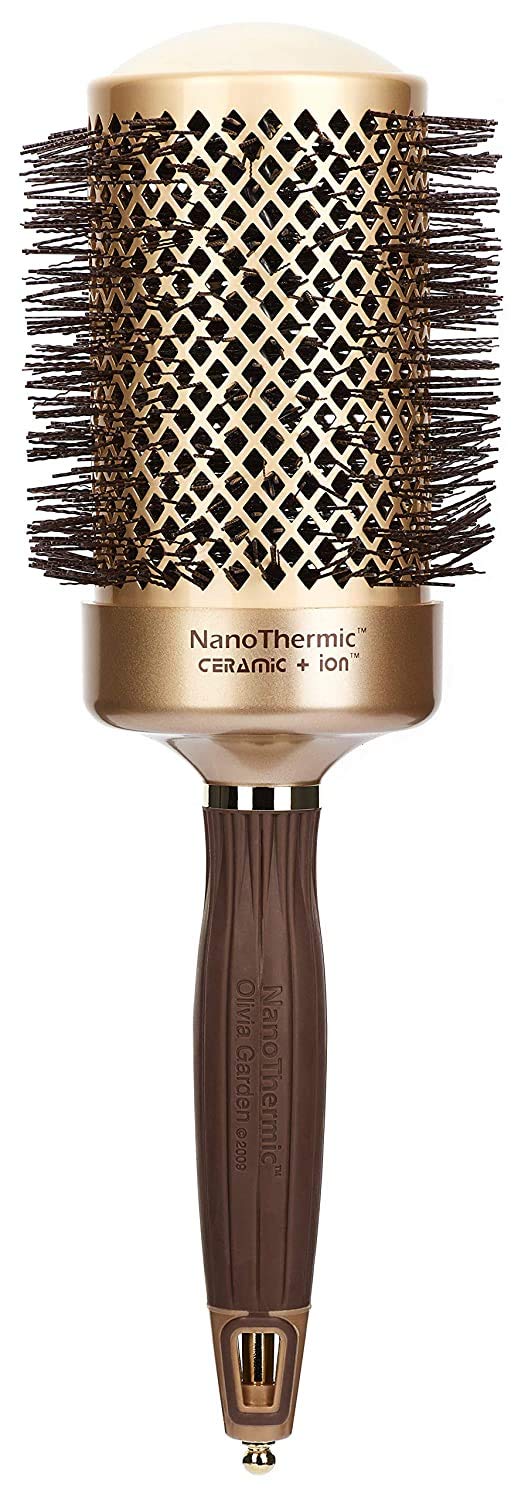
Olivia Garden NanoThermic Ceramic + Ion Round Thermal Hair Brush
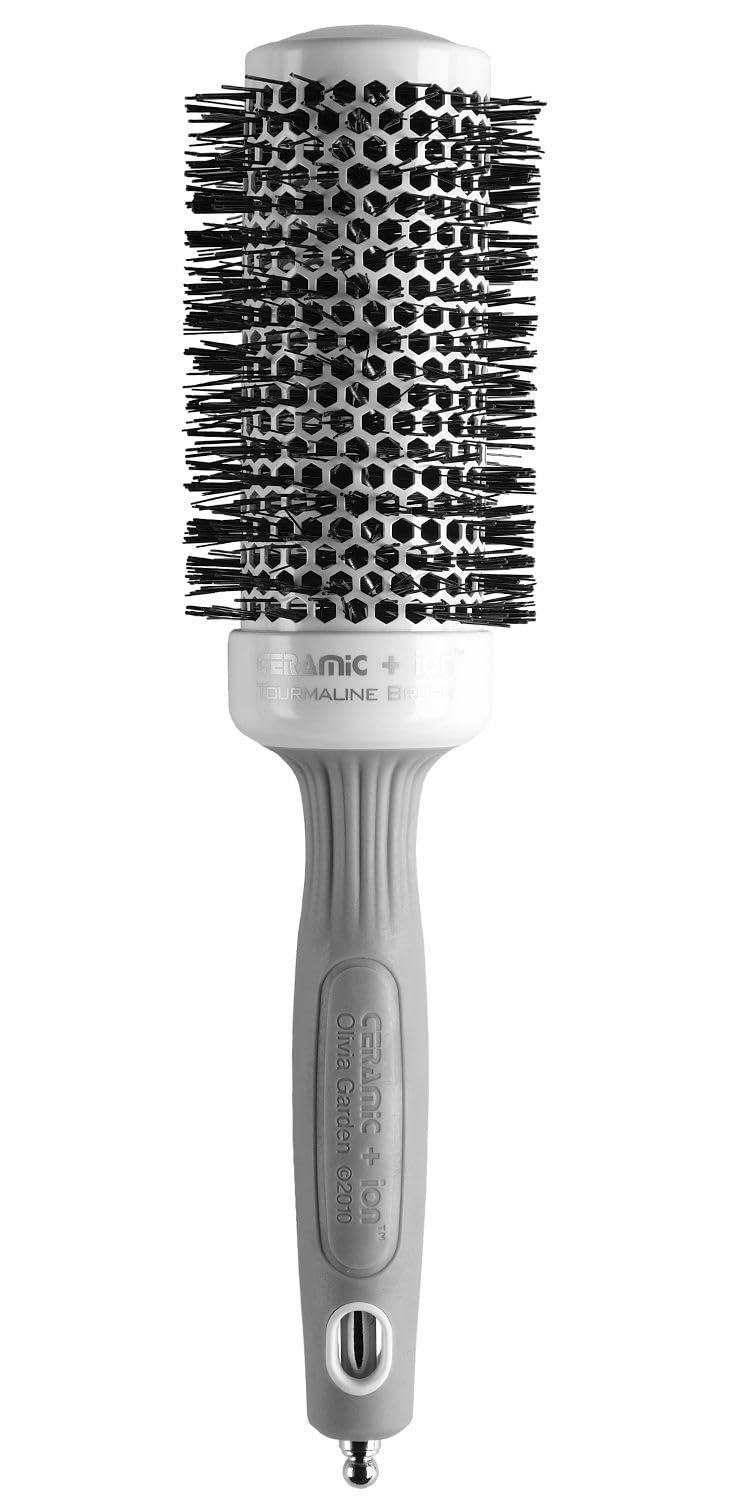
Olivia Garden Ceramic + Ion Round Thermal Hair Brush
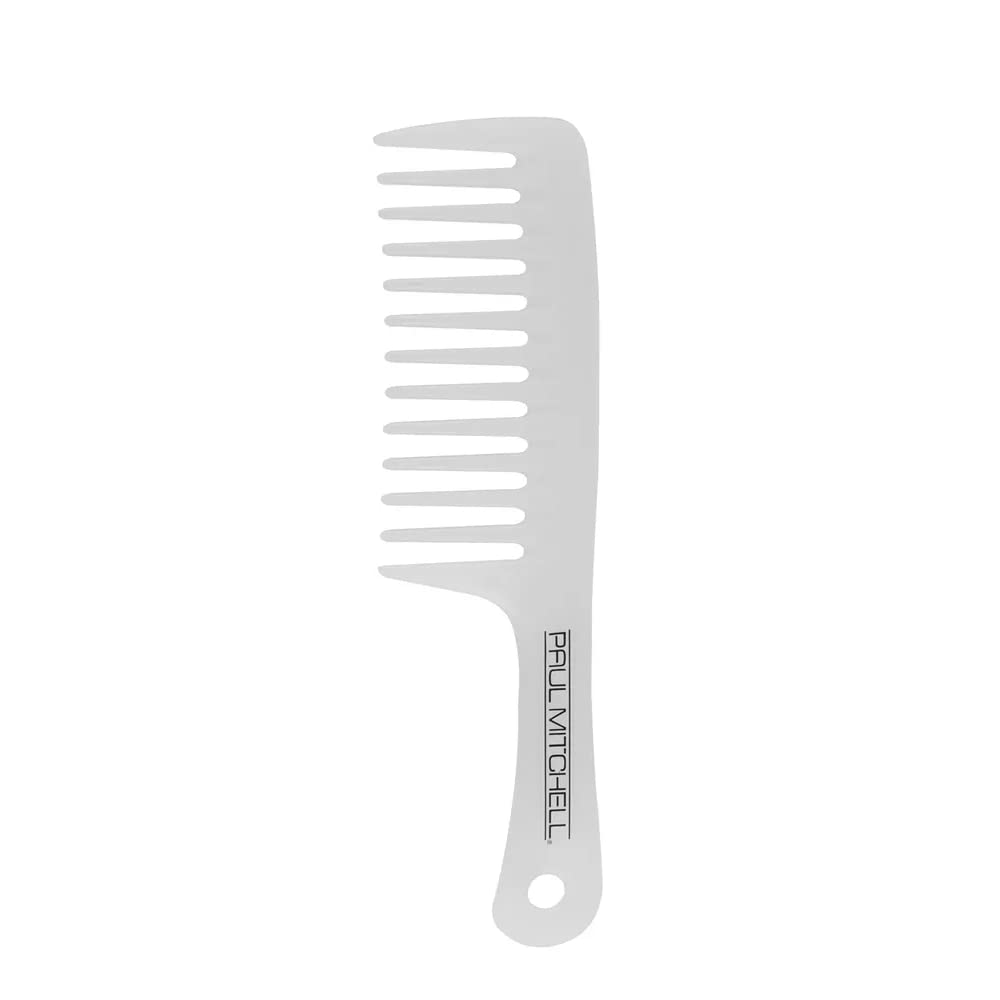
Paul Mitchell Detangler Comb
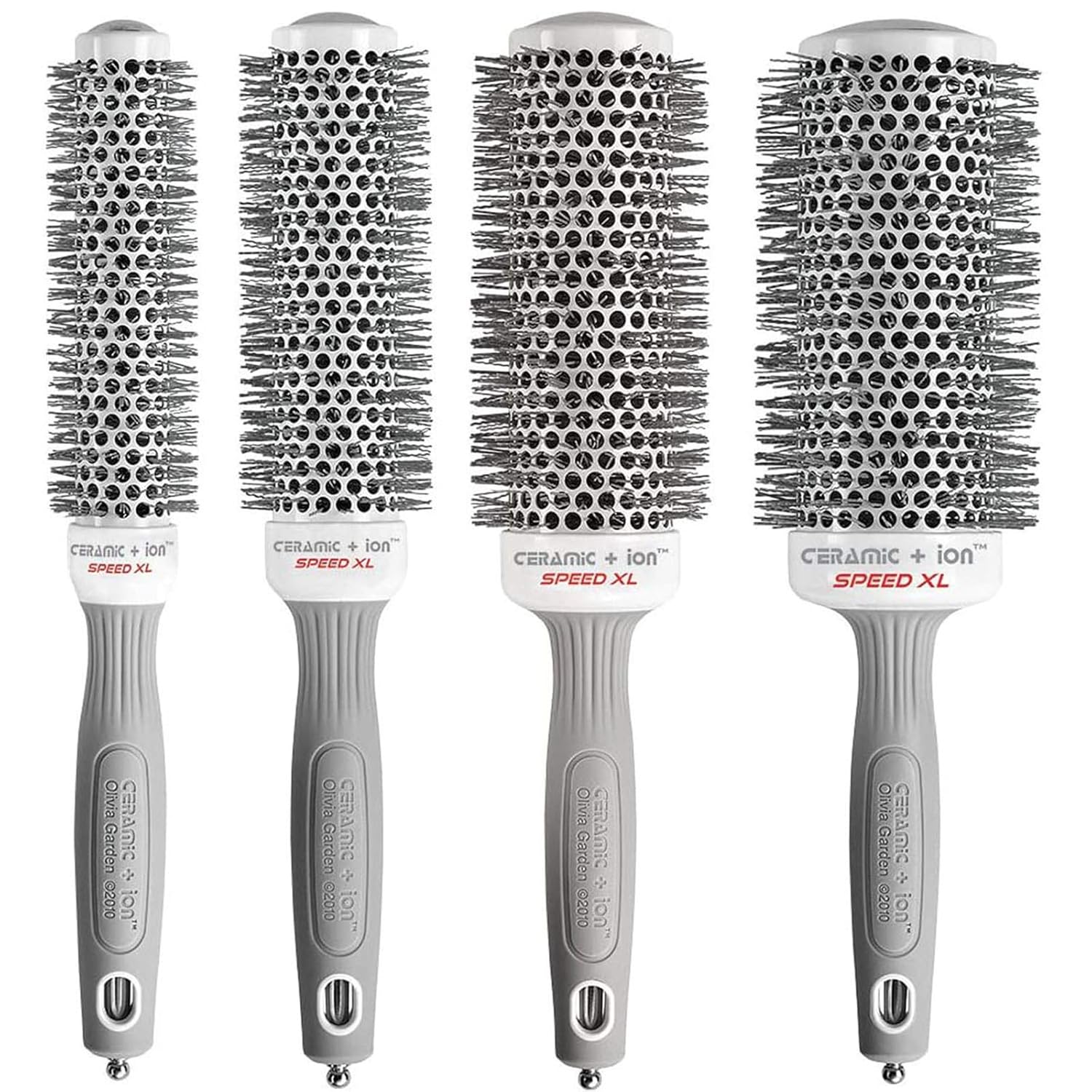
Olivia Garden Ceramic + Ion Speed XL Round Thermal Hair Brush
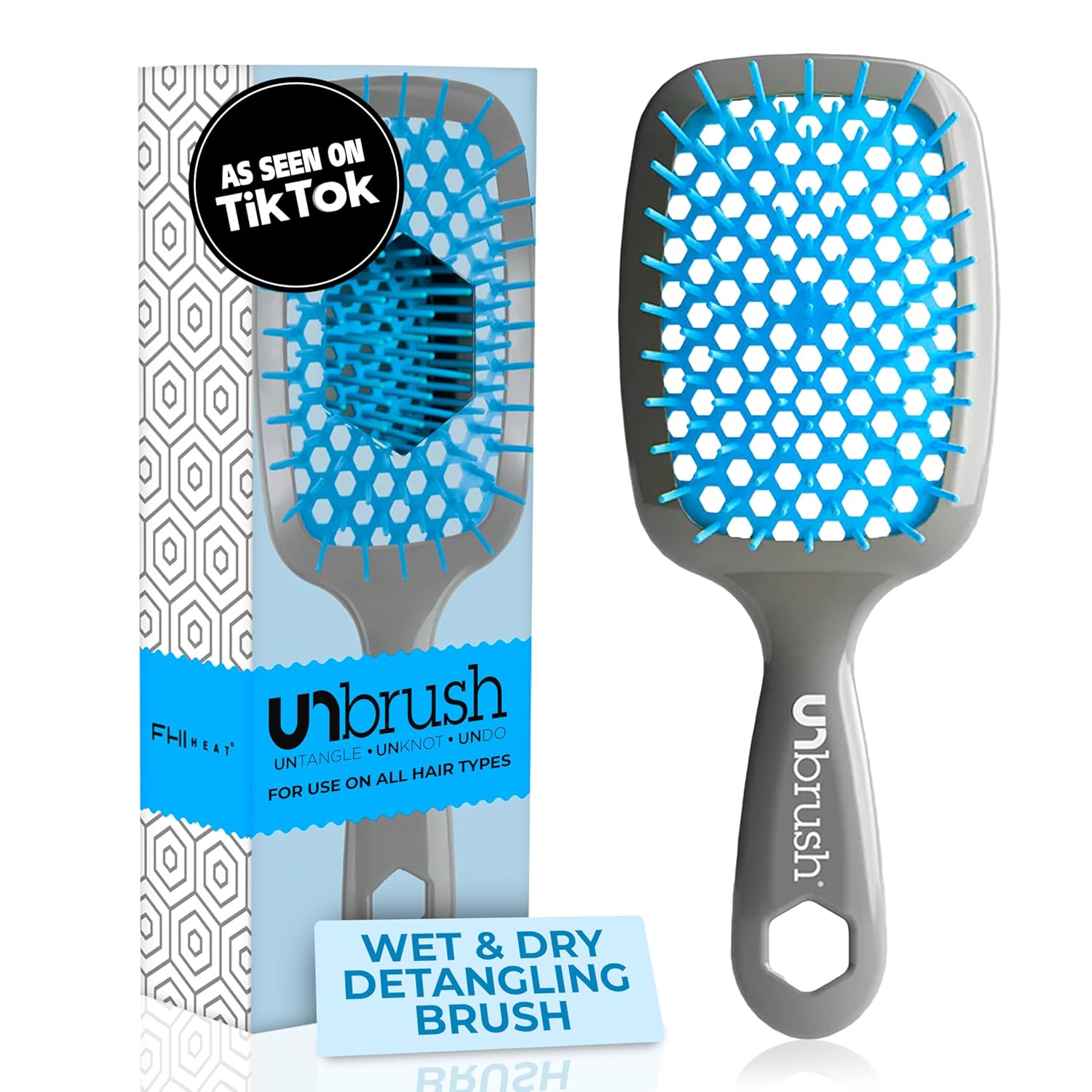
FHI Heat UNbrush Detangling Brush
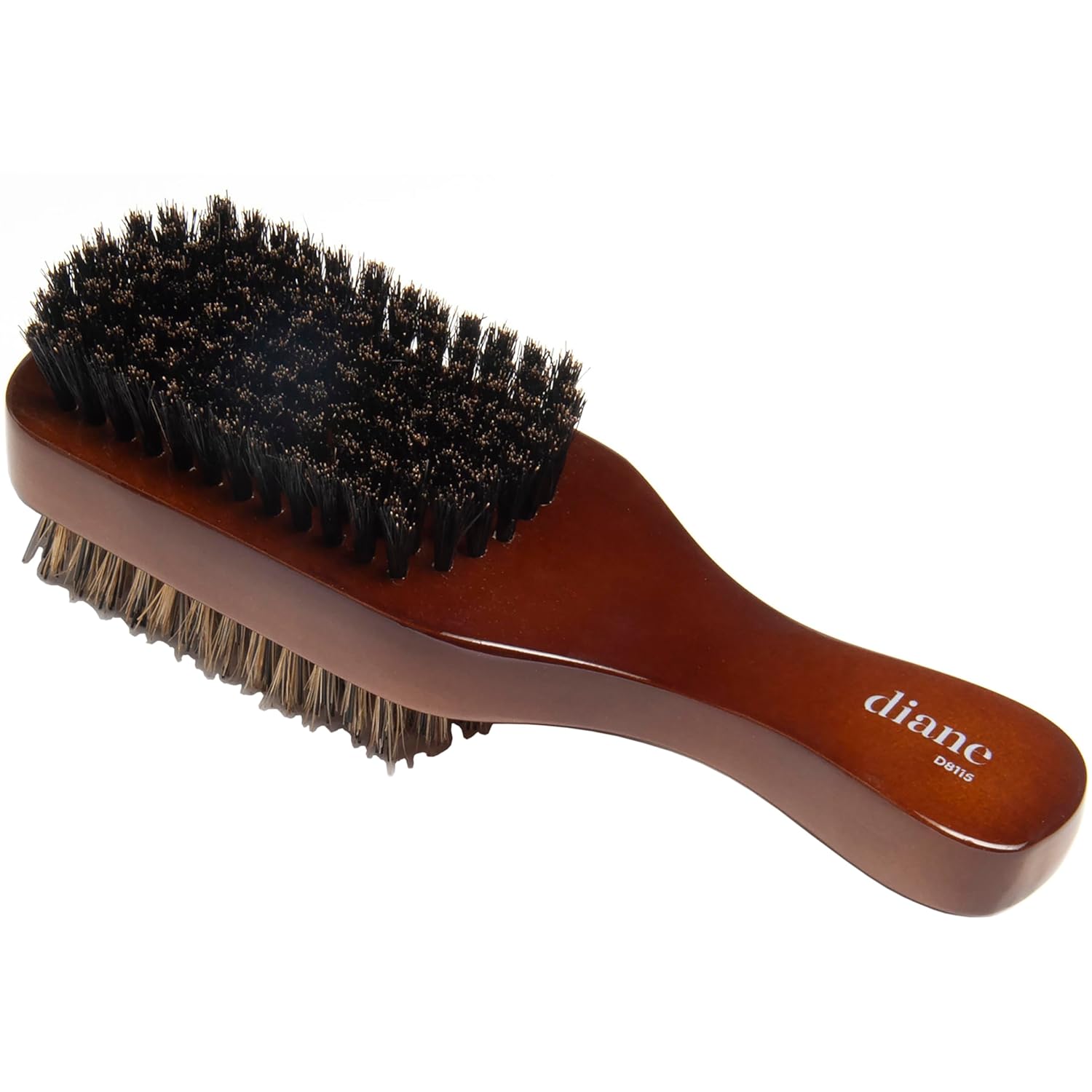
Diane Premium 100% Boar Bristle 2-Sided Club Brush for Men
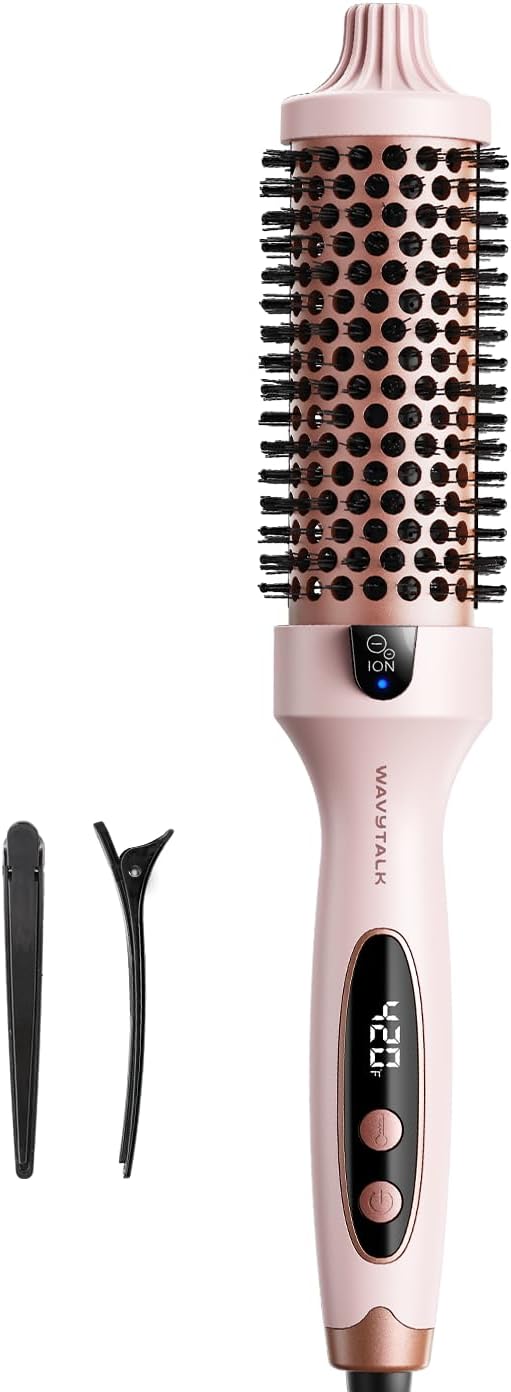
wavytalk Blowout Boost Thermal Brush
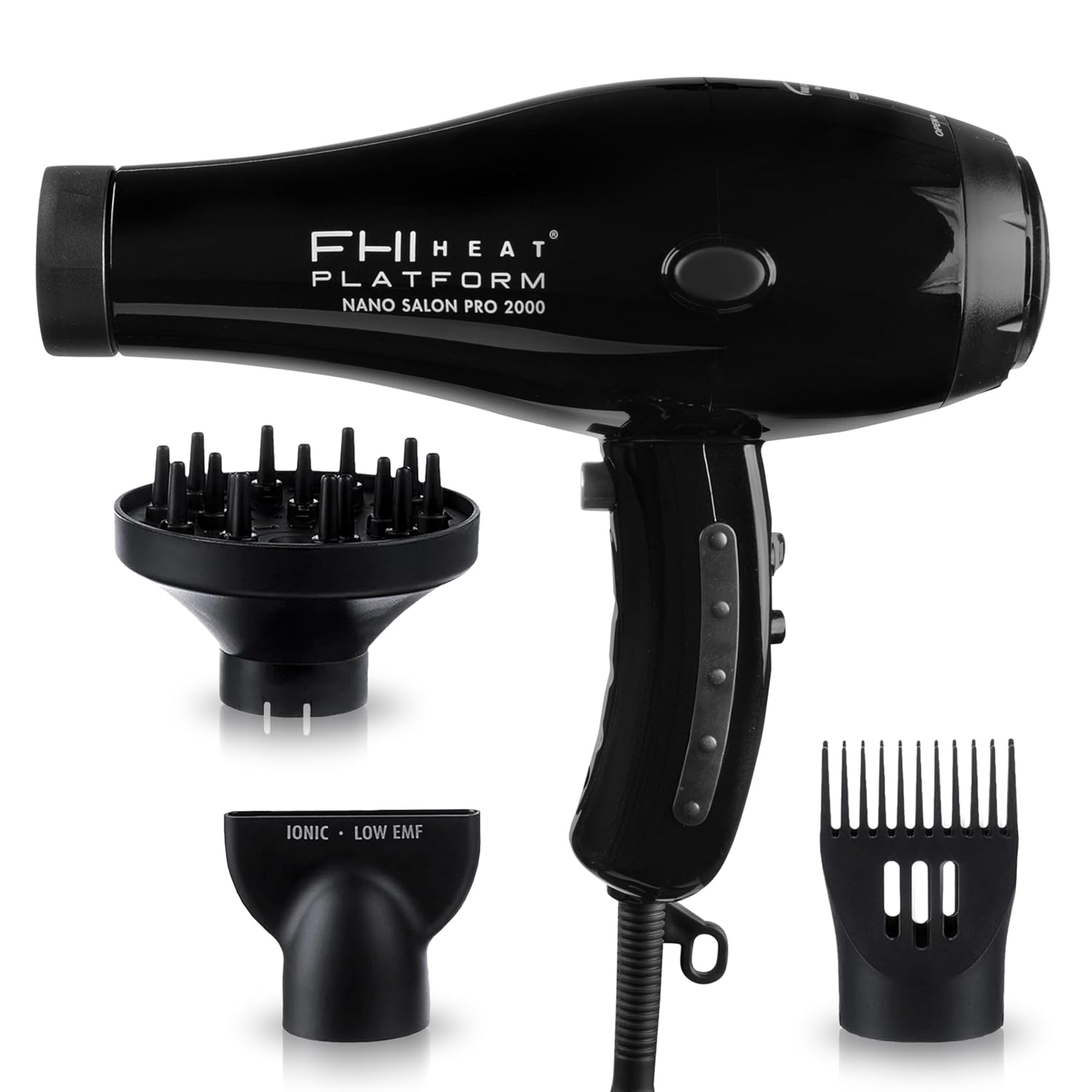
FHI Heat Platform Nano Power Salon Pro 2000 Tourmaline Ceramic Hair Dryer