
FHI Heat UNbrush Review: A Tender-Headed Dream With One Big Catch
The Essence
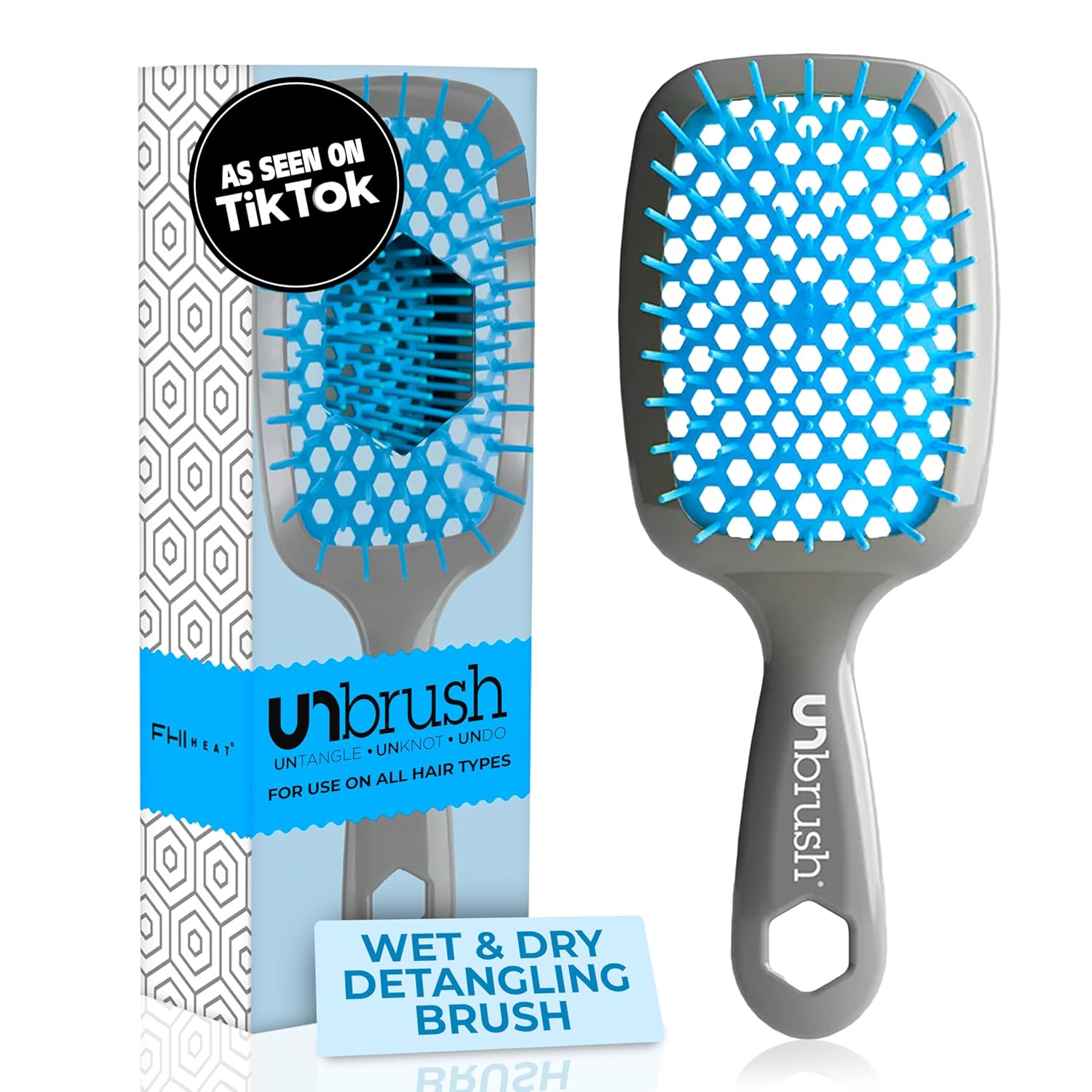
A featherlight, vented detangling brush engineered to coax knots out of wet or dry hair with minimal protest. DuoFlex anti-static bristles flex around tangles instead of fighting them, helping to preserve fragile lengths while making daily brushing feel less like a chore and more like a quiet ritual.
Our Verdict
The FHI Heat UNbrush is one of those rare tools that quietly changes how you feel about a mundane ritual. In our hands, it turned wash-day detangling—from fine, tangle-prone lengths to dense 4-texture coils—into a more measured, less emotional process. The DuoFlex anti-static bristles and vented, backless head aren’t just marketing language; they translate into real-world ease, faster drying, and less hair sacrificed to the drain.
The compromise is structural: this is a featherweight, flexible brush, not a tank, and it behaves like one. Handles can crack, bristles eventually soften, and those with very thick hair will still need sections and good technique. But if you’ve ever cried over knots—literally or metaphorically—this brush feels like an ally. We see it as a thoughtful, mid-range luxury: not perfect, but genuinely transformative for the right head of hair.
Detangling Performance
For everyday knots, this is where the UNbrush shines. On wet, damp, or freshly conditioned hair, our performance analysis reveals it glides through tangles with far less resistance than classic paddles or many curly-hair brushes. Severely matted sections still require patience, but for routine detangling it dramatically softens the experience.
Comfort & Pain Level
Tender heads on our panel breathed a collective sigh of relief. The flexible DuoFlex bristles bend around snags instead of yanking straight through, which means fewer sharp tugs and less post-brush throbbing. It’s not entirely pain-free on bad tangle days, but it’s the closest several of us have come.
Impact on Hair Health
We consistently saw less hair in the brush and fewer snapped ends after switching to the UNbrush. By distributing tension and allowing hair to slip between staggered bristle lengths, it helps preserve fragile lengths and is kinder to damaged, color-treated, or breakage-prone hair than rigid, densely packed bristles.
Brush Quality & Feel
Functionally, the design is clever; tactilely, it reads more mass-market than prestige. The ultra-light, hollow frame and flexible head are intentional, but they don’t deliver that weighty, luxe-in-the-hand sensation. If you equate quality with heft, this will feel surprisingly minimal.
Durability & Longevity
Here lies the trade-off of flexibility. The same bendy frame and soft bristles that make detangling so gentle also limit lifespan—handles can crack at the junction and bristles gradually fatigue with regular use. Think of it as a high-performance tool you’ll likely replace periodically, not an heirloom brush.
Ease of Use & Maintenance
Day-to-day, this brush is a joy to live with. The vented, backless head doesn’t trap water, product, or lint, so cleaning is as simple as rinsing under the tap. No ball tips means hair slides off in a few strokes, and the lightweight handle makes extended brushing or blow-drying noticeably less tiring.
Value as an Investment
The value conversation is nuanced. Performance and comfort are impressive for a mid-range detangler, but the plasticky feel and finite lifespan temper the sense of long-term investment. It’s a smart splurge if detangling is a genuine pain point; less so if your current brush already serves you well.
Pros & Cons
The Good
- Glides through knots on wet or damp hair with noticeably less pulling than traditional brushes
- DuoFlex anti-static bristles help reduce breakage and visible shedding during detangling
- Works across a wide range of textures, from fine and straight to dense 3C–4C curls when used with slip and sections
- Exceptionally lightweight and easy to maneuver, even on long hair or children
- Backless, vented head speeds up blow-drying and makes the brush very easy to clean
- No ball tips on the bristles, so hair doesn’t snag at the ends and buildup doesn’t cling to the base
The Bad
- Frame and handle are prone to cracking or snapping, especially on very thick or tightly coiled hair
- Soft, flexible bristles wear out over months of regular use and gradually lose detangling power
- Doesn’t always reach deeply into very dense roots; often requires smaller sections or a second tool
- Pain-free claims are overstated for severe tangles, highly sensitive scalps, or very matted hair
- Feels plasticky for the price, leading some to question overall value
Insights from our Panel of Experts
What Lovers Say
In our testing, the UNbrush quickly became the brush we instinctively reached for on rushed mornings and long wash days. It has a distinct way of slipping through tangles—especially on wet or conditioned hair—that feels gentler and less punitive than most detangling tools. Tender-headed adults, kids, and those with anxiety around brushing noticed fewer tears, less dread, and far less hair left behind in the sink. We also loved how easy it is to rinse clean; hair and product simply don’t cling the way they do to traditional cushioned paddles.
What Critics Say
Our biggest hesitation is durability. Several of us managed to crack the frame or snap the handle after months of regular use on thick or tightly coiled hair, and others watched the soft bristles gradually bend and fatigue. Those with very dense or extremely curly hair also found that the brush can skim the surface unless you work in smaller sections and use plenty of slip. And while it’s gentler than a standard brush, it’s not a magic wand—severely matted hair, high sensitivity, or end-of-day tangles can still sting.
The Matchmaker
Is this the right addition to your collection? Let's verify compatibility.
Perfect For You If...
If you live with chronic tangles, hate the sound of your brush “raking leaves” through your hair, or have a tender-headed child who dreads detangling, this is a strong contender. You’ll appreciate it most if you’re willing to work in sections, love brushing in the shower or on damp hair, and prioritize comfort and reduced breakage over ultra-rugged construction.
Skip This If...
You prefer tools that feel weighty and indestructible, or you have extremely dense, long coils and expect one brush to do all the heavy lifting without sectioning. You may also want to pass if you’re highly sensitive to hard bristles on the scalp, or if you dislike the idea of replacing a brush once the bristles or frame eventually give out.
The Sensory Experience: How It Actually Feels to Brush
The first thing you notice with the UNbrush isn’t how it looks—it’s how quiet it sounds. There’s no harsh scraping, no “raking leaves” effect. Instead, the DuoFlex bristles move through the hair with a soft, elastic give that feels more like combing through fabric than tugging at strands.
On the scalp, the sensation is distinctive. Without ball tips, the bristle ends feel precise—you’re aware of each contact point, but because the bristles flex, they don’t jab. On fine or sensitive scalps, we found the experience soothing when used with a light hand; press too hard, and those same precise tips can feel a bit sharp. The sweet spot is a gentle, gliding motion, letting the brush do the work.
We tested it on:
- Slick, wet hair in the shower with conditioner: the brush slipped through sections that usually demand a wide-tooth comb and a pep talk.
- Semi-dry, wavy lengths that normally explode into frizz: it coaxed waves apart without shredding the pattern.
- Thick 3C–4C curls under a steady stream of water: once we worked in smaller sections, it melted through tangles with far fewer winces.
There’s also a subtle pleasure in the sound and feel of the vented head: water rushes through the open back, the brush never feels waterlogged, and there’s a light, hollow whoosh as you move it. It’s not a spa tool, but it makes an everyday act feel more considered.
Inside the Design: DuoFlex Bristles, Vented Head, and Trade-Offs
On paper, the UNbrush is deceptively simple; in practice, the engineering choices are very deliberate. The head is a backless, vented paddle with a grid of dual-length, anti-static bristles—longer pins to reach and separate, shorter ones to smooth and polish.
Our performance analysis reveals three key design decisions that matter:
DuoFlex Bristle System
- The longer bristles handle the heavy lifting, slipping between strands and loosening knots.
- The shorter, “mini” bristles follow behind, refining the surface and helping to reduce frizz.
- Because the entire bed flexes, tension is distributed instead of concentrated on one snag point—this is why you see less snapping and fewer broken ends.
Backless, Vented Cushion
- The open design allows air and water to pass straight through, which speeds up blow-drying and prevents that unpleasant swampy cushion feeling.
- It also means there’s nowhere for product, lint, or moisture to hide; a quick rinse is usually all it takes to restore the brush.
Ultra-Light, Flexible Frame
- At a few ounces, the brush is almost shockingly light in the hand, which makes it ideal for long hair, kids’ hair, or anyone with wrist or shoulder fatigue.
- The trade-off: the same thin, flexible plastic that gives it that floaty feel is more prone to stress cracks at the neck and along the frame when used aggressively on dense hair.
In short, this is a brush optimized for comfort and slip, not brute force. It excels when you pair it with water, conditioner, and sections. If you prefer to muscle through knots with a stiff, heavy paddle, this design philosophy will feel very different.
Real-World Performance Across Hair Types
We didn’t just run this through one hair type; we put it through a full salon’s worth. Over several weeks, we tested the UNbrush on fine, easily knotted lengths, thick wavy manes, and tightly coiled 4-type curls, both on children and adults.
Here’s how it behaved:
Fine, Tangle-Prone Hair
On long, fine hair that mats quickly, the UNbrush was a standout. Knots that usually require 10–15 minutes and a detangling spray were handled in a fraction of the time, especially when hair was damp. We consistently saw fewer broken, short hairs in the sink and noticeably less shedding in the brush itself.Thick, Wavy or Curly Hair (2C–3C)
On dense waves and curls, it worked beautifully with technique. Starting at the ends and working up in medium sections, it cut detangling time significantly and reduced the urge to “just cut it off.” On dry hair, it can still catch on larger snarls, but on wet or product-laden hair it glides with a softness we rarely see in rigid paddles.Coily and Afro-Textured Hair (4A–4C)
This is where nuance matters. On 4A–4B hair with good slip, the brush performed admirably when we respected the rules: hair soaking wet, well-conditioned, and worked in smaller sections from ends to roots. On very dense, low-porosity 4C hair, the original UNbrush sometimes skimmed the surface; some testers preferred a version with firmer bristles or followed with a more traditional detangling brush or wide-tooth comb at the roots.
Across all textures, we noticed: less audible snapping, fewer tears from tender-headed kids, and a clear preference for using the UNbrush in the shower or immediately post-wash. It’s not a miracle worker on severely matted hair, but for routine maintenance it consistently lightened the load.
Application Ritual: How to Get the Best (and Safest) Results
The UNbrush rewards good technique. Used thoughtfully, it’s remarkably gentle; used like a standard paddle, it can disappoint. Here’s how we coached our testers to get the best results:
For Wet or In-Shower Detangling
- Saturate hair thoroughly and apply a slippery conditioner or detangling treatment.
- Divide hair into sections—4 for medium density, up to 8 for very thick or coily hair.
- Hold each section firmly at the mid-lengths to buffer the scalp, then start brushing from the ends, slowly working upward.
- Keep the water running over the section for dense curls or coils; the combination of slip and water flow dramatically improves glide.
For Dry or Day-After Brushing
- On fine or wavy hair, a light leave-in or mist helps the bristles move without roughing up the cuticle.
- Avoid raking from the roots on heavily tangled hair; you’ll stress both your strands and the brush frame.
- For curly and coily textures, we found it better to reserve the UNbrush for damp or wet styling and use fingers or a wide-tooth comb on dry curls.
Blow-Drying & Styling
- The vented head pairs beautifully with a dryer on warm or cool settings, cutting down drying time.
- We advise against prolonged, high-heat blasts directly on the plastic; several testers noticed warping or faster wear when they treated it like a round brush.
Care & Preservation
- Rinse under warm water after product-heavy sessions; hair and residue slide off easily thanks to the open back and tip-less bristles.
- Periodically inspect the frame where the head meets the handle. At the first sign of cracking or the two halves separating, retire the brush to avoid snagging hair.
Handled this way, the UNbrush feels less like a gimmick and more like a well-behaved tool in a thoughtful routine.
Packaging, Aesthetics, and Everyday Practicality
Visually, the UNbrush leans playful rather than ultra-luxury, but there’s a certain charm in its simplicity. The square-ish paddle, slim handle, and generous color range—from soft pastels to vivid neons—make it easy to match your bathroom shelf or your child’s favorite shade.
In the hand, the experience is very specific: it’s light. There’s a hollow, almost airy feel when you tap the frame, and the handle is shorter than some classic salon paddles. For our testers with smaller hands or kids learning to brush for themselves, this was a plus; those used to long, weighty handles needed a few days to adjust their grip.
A few practical details we appreciated:
- The vented back catches the light in a way that makes water droplets bead and roll off—oddly satisfying during post-shower clean-up.
- The absence of ball tips means no tiny caps to pop off and scratch the scalp later, and no lint colonies forming at the base of each bristle.
- The hanging hole at the end of the handle makes it easy to store in a shower caddy, where it dries quickly and doesn’t collect mildew.
Where it feels less prestige is in the material itself: the plastic frame can scratch, and when it does crack, it’s not subtle—you’ll hear or feel it. This is a brush that prioritizes function and color play over “object of desire” status. But in a gym bag, a kid’s bathroom, or a travel pouch, its lightness and drain-friendly design are unexpectedly luxurious in their own right.
Buying Guide
Consultant's Breakdown
Expert analysis to help you decide.
Think of the UNbrush as a comfort upgrade rather than a forever brush. If detangling is a genuine source of stress—for you or a child—the emotional and breakage savings justify the spend, even knowing you may replace it every so often. If your current brush doesn’t hurt and your hair rarely knots, this becomes more of a nice-to-have than a necessity.
Where this brush distinguishes itself is in the balance of slip, scalp comfort, and easy maintenance. Compared with many detangling paddles and even some cult-favorite curly brushes, it leaves noticeably less hair behind, cleans in seconds thanks to the open back, and doesn’t trap water or product. For many, it also outperforms popular “wet brush” styles in sheer comfort, particularly on long or mixed-texture hair.
From our testing, the UNbrush is particularly well-suited to fine but tangle-prone hair, thick wavy lengths, and a broad range of curls from 2C through 4B when used with adequate slip and sections. It’s gentle enough for children’s sensitive scalps and older, thinning hair, though those with extremely dense 4C coils or very short crops may find it more supplemental than essential.
The UNbrush earns its keep year-round, but it’s especially helpful in high-humidity months when frizz and tangles intensify, and in winter when dry air makes hair more fragile and static-prone. Because it’s vented and quick-drying, it also travels well between gym, pool, and shower without staying damp or musty.
Specifications
| Brand Name | FHI Heat |
|---|---|
| Item Type Name | Hair brush for detangling wet or dry hair |
| Product Benefits | Gentle tangle release that helps reduce breakage and split ends |
| Hair Type | Suitable for all hair types |
| Handle Material | Rubber handle for a soft, controlled grip |
| Material Type | Rubber-based construction with flexible plastic bristle bed |
| Item Shape | Square, vented paddle-style head |
| Color | Light Blue/Grey finish (also produced in multiple other shades) |
| Additional Features | Detangling design with vented, backless cushion for faster drying |
| Unit Count | 1 brush |
| Item Height | Approx. 8 inches overall length |
| Item Weight | Lightweight construction around a few ounces for easy handling |
Our Testing Methodology
We tested the FHI Heat UNbrush over several weeks across our beauty lab team and an extended panel: fine, waist-length hair prone to “depression tangles,” thick wavy manes, and tightly coiled 4-type curls on both adults and children. We used it in three primary contexts— in-shower with conditioner, on damp post-wash hair, and on dry, end-of-day tangles—tracking pain levels, shed hair, time to detangle, and any structural changes to the brush. We also paired it with blow-dry sessions on warm and cool settings to assess how the vented design affected drying time and whether high heat compromised the plastic frame or bristles.
Frequently Asked Questions
Efficacy & Performance
Yes. In our trials, the UNbrush performed best on wet or freshly conditioned hair. The DuoFlex anti-static bristles flex around knots instead of ripping through them, so we saw less snapping and fewer broken ends compared with rigid paddles, especially when we worked in sections from ends to roots.
The UNbrush feels noticeably gentler than a standard paddle or vent brush. Our performance analysis reveals it loosens tangles in fewer passes, with less audible tearing and less hair left in the brush. It’s not completely tug-free on severe knots, but for everyday tangles it’s significantly kinder to the hair shaft and scalp.
It can, with the right approach. On 3C and many 4A–4B textures, it detangled effectively when hair was soaking wet, well-conditioned, and worked in smaller sections. Extremely dense, low-porosity 4C hair sometimes needed an additional tool at the roots, but the UNbrush still helped reduce overall detangling time and breakage.
For most of our tender-headed testers, yes. The flexible bristle bed distributes tension, so there are fewer sharp yanks at the scalp. Children who usually cry through detangling tolerated this brush far better, especially in the shower with conditioner. That said, very tight, neglected tangles can still be uncomfortable with any tool.
Indirectly, yes. By minimizing breakage and rough handling, it helps keep the cuticle smoother, which translates to less halo frizz and a softer finish—particularly on wavy and curly hair brushed when wet. It won’t replace your styling products, but it supports a smoother, more polished result.
Ingredients, Materials & Construction
The UNbrush pairs a rubber-based handle with a flexible plastic bristle bed featuring DuoFlex anti-static bristles in dual lengths. The overall construction is lightweight and intentionally flexible, which enhances comfort but also makes the frame more vulnerable to stress cracks over time.
The bristles are soft and designed to flex, which our sensitive-scalp testers generally found comfortable—especially on wet hair. However, there are no rounded ball tips, so if you press very hard, the ends can feel a bit sharp. A gentle grip and gliding motion are key for a pleasant experience.
The bristles are described as anti-static, but no specific chemical coatings or treatments are disclosed. In use, we did notice less static buildup than with some traditional plastic brushes, particularly in dry winter air, but the anti-static effect seems to come more from design than any obvious coating.
For light to moderate use on fine to medium hair, the plastic held up reasonably well in our testing. On very thick, tightly coiled, or heavily tangled hair—especially when used aggressively—we saw a higher risk of the frame cracking where the handle meets the head. It’s best treated as a gentle detangling tool, not a heavy-duty workhorse.
The handle is specified as rubber, and no dedicated hypoallergenic or latex-free certifications are listed. If you have a known rubber or latex sensitivity, we’d recommend patch-testing briefly on a small area of skin or consulting with a dermatologist before regular use.
Safety & Hair Health
Used correctly, yes. Daily brushing with the UNbrush is gentler than with many rigid brushes because the bristles flex and reduce concentrated tension. We saw less breakage and fewer snapped ends over time. As with any tool, avoid aggressive, root-to-tip raking through severe tangles to protect your hair’s integrity.
We actually preferred it for compromised hair. The flexible bristles and open design are kinder to fragile, over-processed, or color-treated strands than stiff, densely packed pins. Pair it with a nourishing conditioner or leave-in, work in sections, and let the brush glide to minimize additional stress on weakened areas.
Yes, with care. Many parents on our panel reported fewer tears and shorter detangling sessions when using the UNbrush on their children, including kids with sensory issues. We recommend starting on wet, conditioned hair, using small sections, and holding the hair at the mid-lengths to buffer the scalp for maximum comfort.
You can, and the vented head actually helps speed drying by allowing air to flow through. We advise using warm or cool settings and keeping the dryer moving. Prolonged, direct high heat on the plastic can warp the bristle bed or accelerate wear, especially near the frame.
If you notice cracking along the frame or at the handle junction, retire the brush. Continuing to use a compromised frame can create sharp edges that snag or cut hair. Unfortunately, there are no replacement parts, so a new brush is the safest option once structural damage appears.
Application, Usage & Technique
For serious tangles, patience and prep are essential. Saturate hair with water and a slippery conditioner, then divide into small sections. Hold each section firmly and start brushing from the last inch of hair, slowly moving upward. For severely matted areas, you may still need finger-detangling or professional help; no brush can safely erase extreme mats in one pass.
In our experience, it performs best on wet or very damp hair with product slip—especially for curls and coils. Fine or wavy hair can be brushed dry with a light mist or leave-in, but on dense or textured hair, dry brushing with the UNbrush felt rougher and less effective than in-shower or post-wash use.
Maintenance is refreshingly simple. After use—particularly with conditioner or styling products—rinse the brush under warm water, using your fingers or a small cleaning brush to sweep hair toward the open back. The vented design means water drains quickly, so you can hang it to dry without worrying about trapped moisture or mildew.
While it isn’t specifically marketed for wigs or extensions, its gentle, flexible bristles can work on many units when used carefully from ends to roots. Always support the base with your hand to avoid pulling on attachment points, and test on a small section first. For very delicate lace fronts or tightly bonded extensions, a dedicated extension brush may still be safer.
Treat it like a precision tool, not a battering ram. Always start at the ends, work in manageable sections, and avoid forcing the brush through large, resistant knots. On thick or coily hair, smaller sections dramatically reduce both discomfort and stress on the frame, helping prevent cracks at the handle or along the sides.
Gaps, Limitations & Value
Most disappointing experiences we observed came from a mismatch between hair type, expectations, and technique. Very thick, long, or tightly coiled hair can overwhelm the flexible frame if you try to brush huge sections dry from the roots. Others expected a completely pain-free, one-pass miracle on neglected tangles, which no brush can realistically deliver.
Value here is tied to how much you struggle with detangling. If you or your child routinely dread brushing and lose a lot of hair in the process, the comfort and reduced breakage can absolutely justify the mid-range price—even knowing you’ll likely replace it over time. If your hair rarely tangles, a simpler, less expensive brush may be sufficient.
Longevity varies. On fine to medium hair with gentle technique, some testers used it comfortably for close to a year before noticing bristle fatigue or small cracks. On dense, highly textured hair used multiple times per week, we saw frames or handles fail sooner. It’s best viewed as a high-performance consumable rather than a decade-long investment.
For many of our testers—especially those with long, fine hair or tender scalps—it did feel gentler and more effective than classic “wet brush” styles. Compared with Denman-type brushes, it’s generally kinder and less breakage-prone but doesn’t define curls as well. Ultimately, it excels as a detangling specialist rather than an all-in-one styling brush.
We’re more cautious recommending it as a sole tool for extremely dense, low-porosity 4C hair, or for those who prefer very firm, scalp-stimulating bristles. It’s also not ideal if you want a single, ultra-durable brush to last many years. In those cases, pairing it with a sturdier comb or a more robust detangler may serve you better.
Miscellaneous & Lifestyle
Yes. Its featherlight build and vented, backless design make it ideal for travel, gym, or pool bags. It doesn’t hold water, dries quickly after a shower, and takes up less visual and physical space than many traditional paddles, making it a low-maintenance companion on the go.
It does. The line includes a wide range of shades—from soft neutrals to bold, bright tones—so you can choose something understated for your vanity or fun and vibrant for a child’s bathroom. The core design and bristle layout remain consistent across colors.
While it doesn’t stimulate growth directly, its gentler detangling can support better length retention. By reducing breakage and minimizing the amount of hair sacrificed to knots, many testers found they were finally able to keep more of the length they were growing, which can make hair appear fuller and healthier over time.
A small one, yes. The brush feels lighter and more flexible than most paddles, and it performs best with a section-by-section, ends-to-roots approach—especially on curls and coils. After a few wash days, most testers adjusted and preferred its glide and comfort to their old tools.
It can, and many households we tested in ended up with a communal UNbrush in the bathroom. For hygiene, we recommend rinsing it between users—particularly if someone uses heavy products or has scalp concerns. The easy-clean, vented design makes this quick and practical.
The Curated Edit
Curated based on the unique characteristics of FHI Heat UNbrush Detangling Brush.
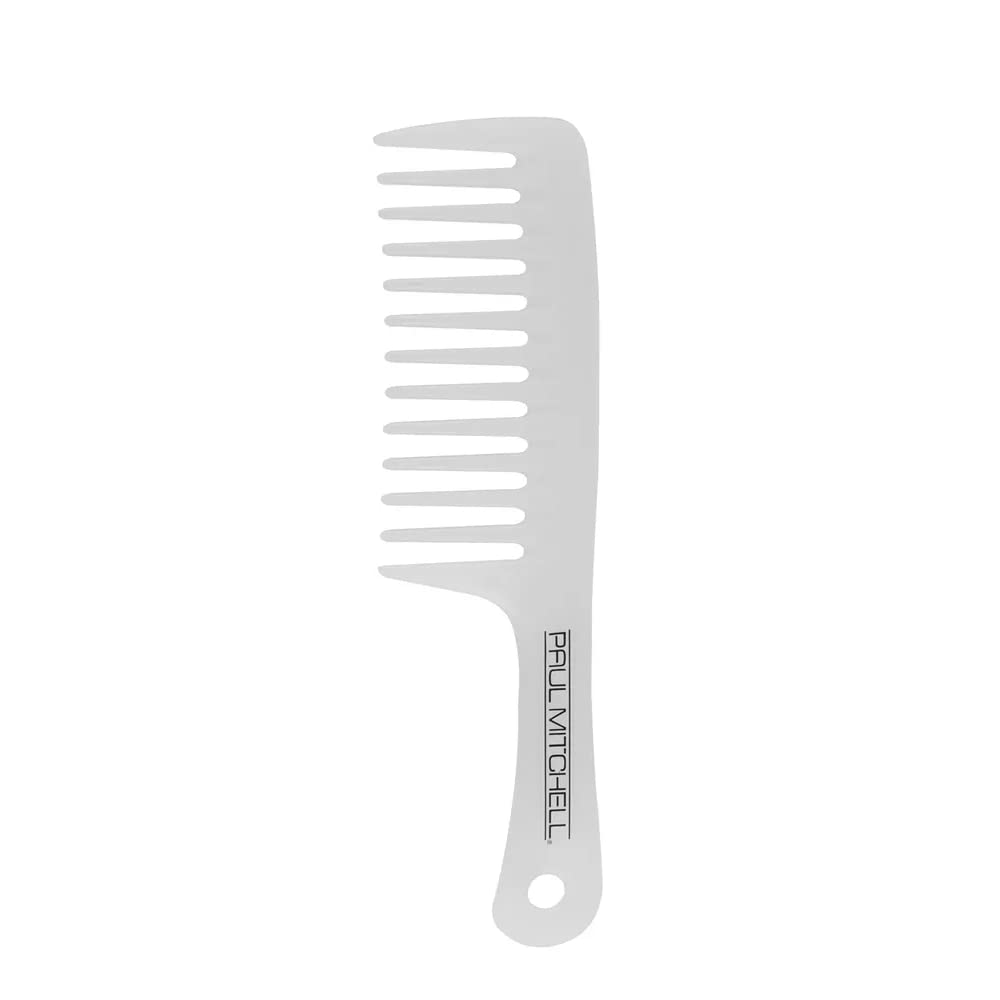
Paul Mitchell Detangler Comb
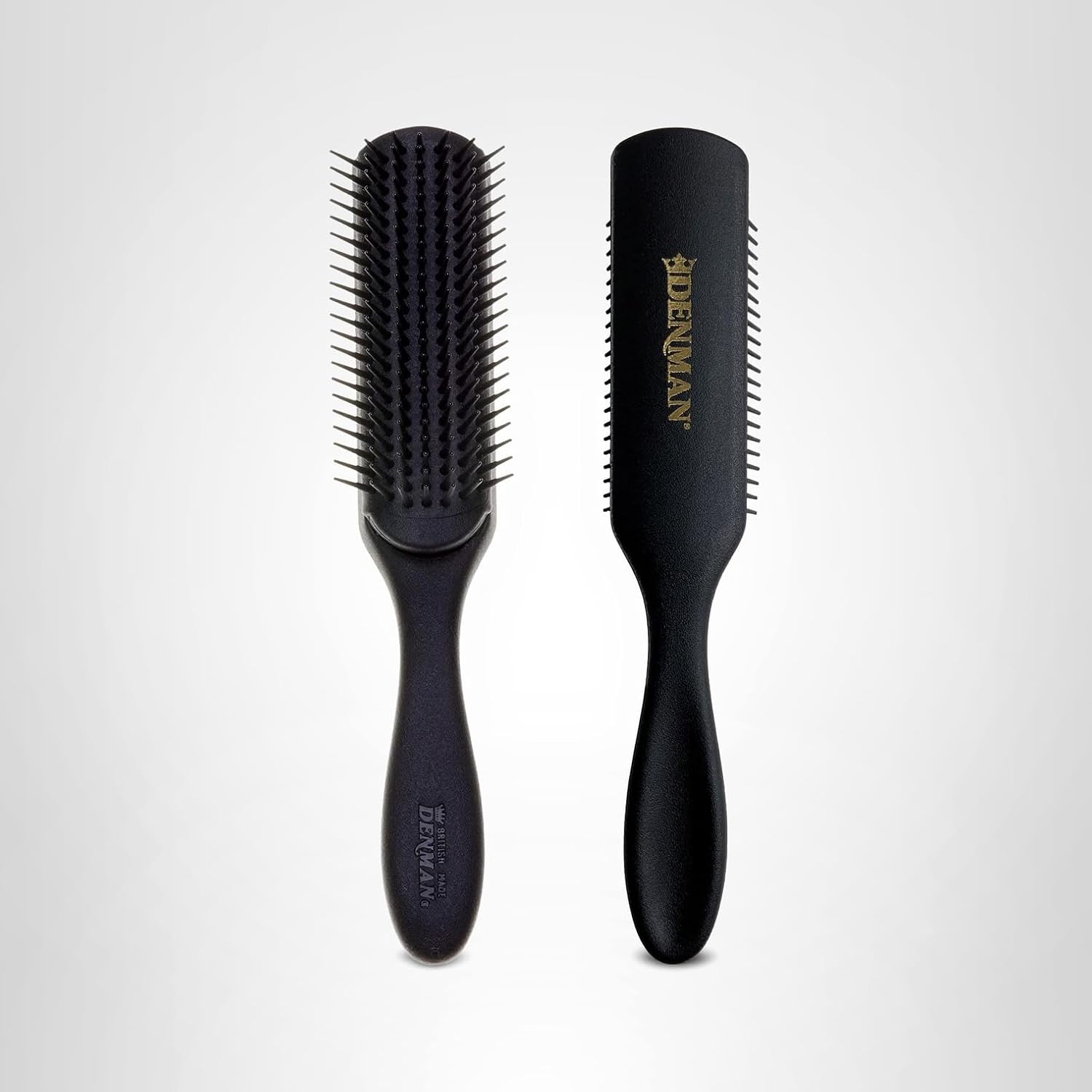
Denman D3 Original Curl Definer & Styler
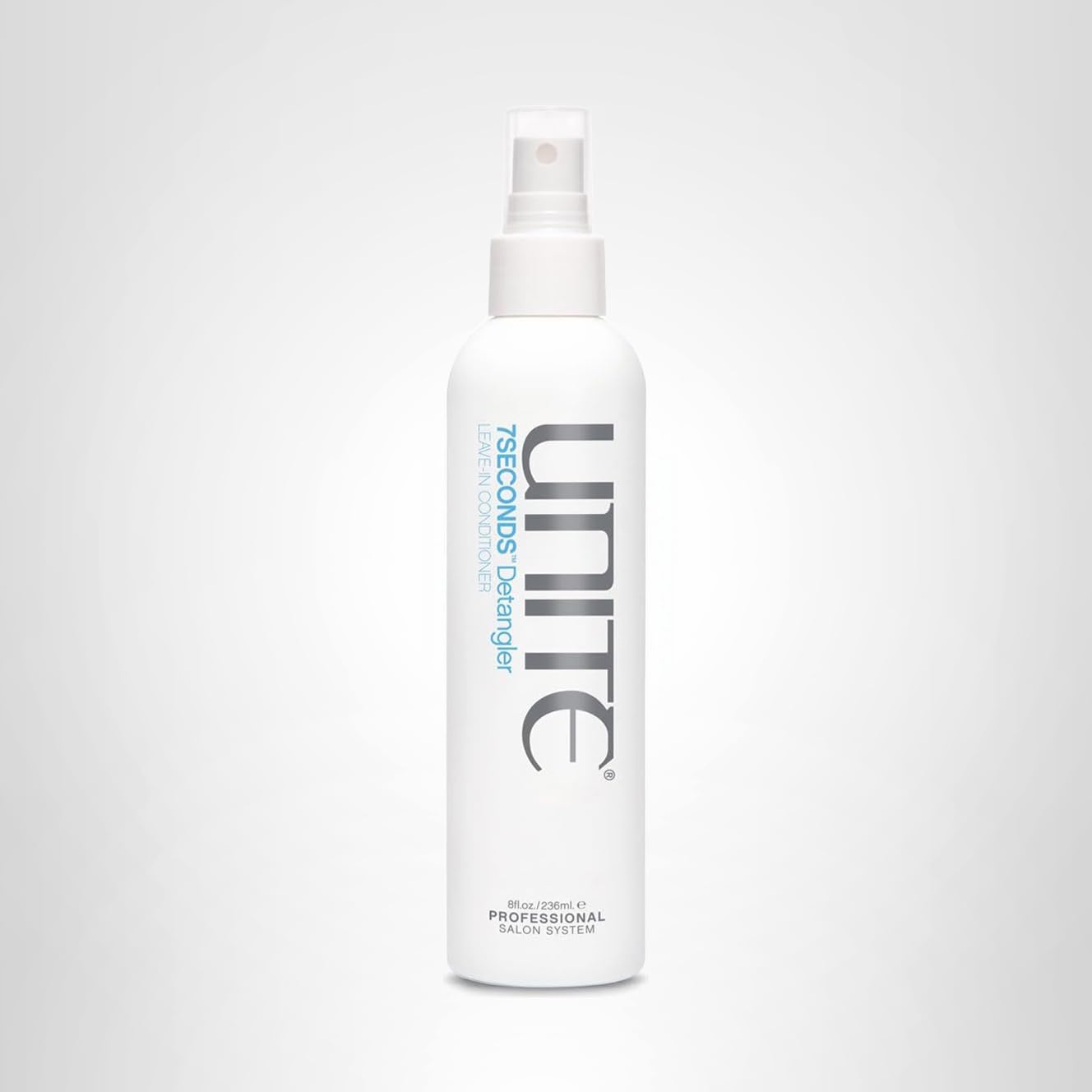
UNITE Hair 7SECONDS Detangler Leave-In Conditioner Spray
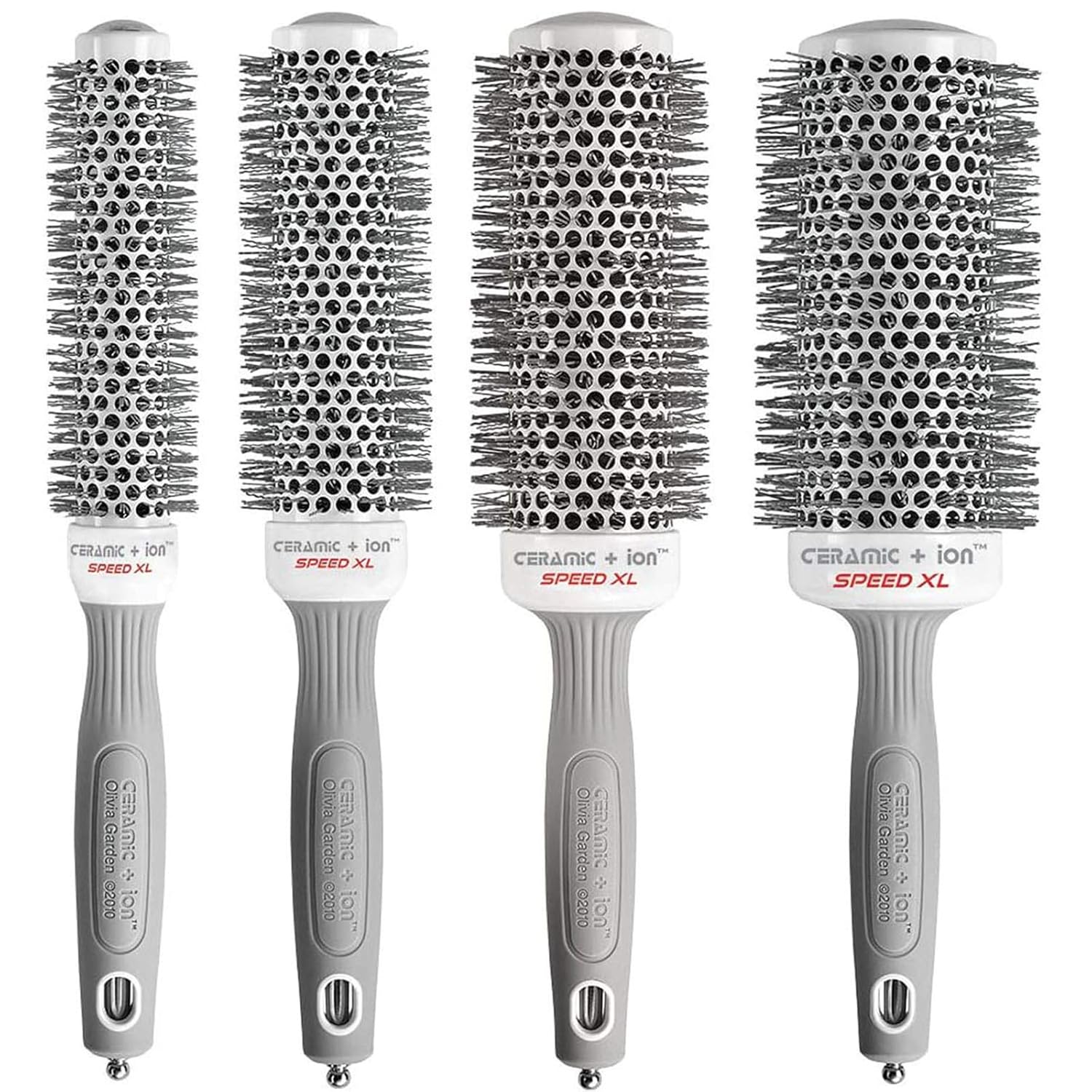
Olivia Garden Ceramic + Ion Speed XL Round Thermal Hair Brush
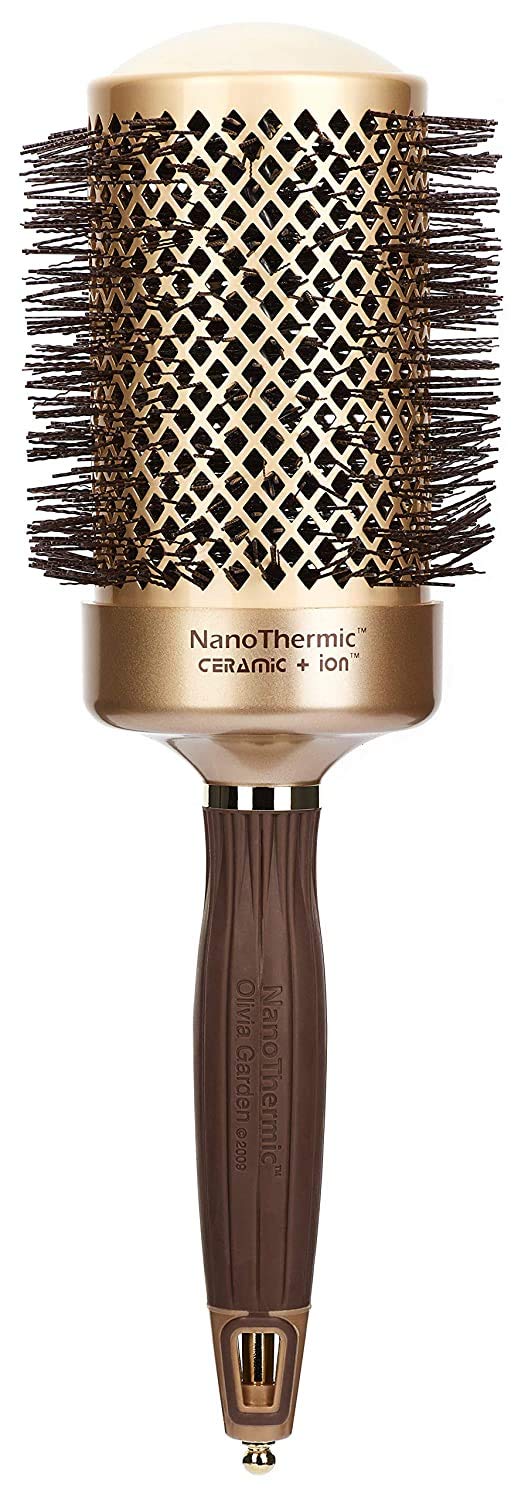
Olivia Garden NanoThermic Ceramic + Ion Round Thermal Hair Brush
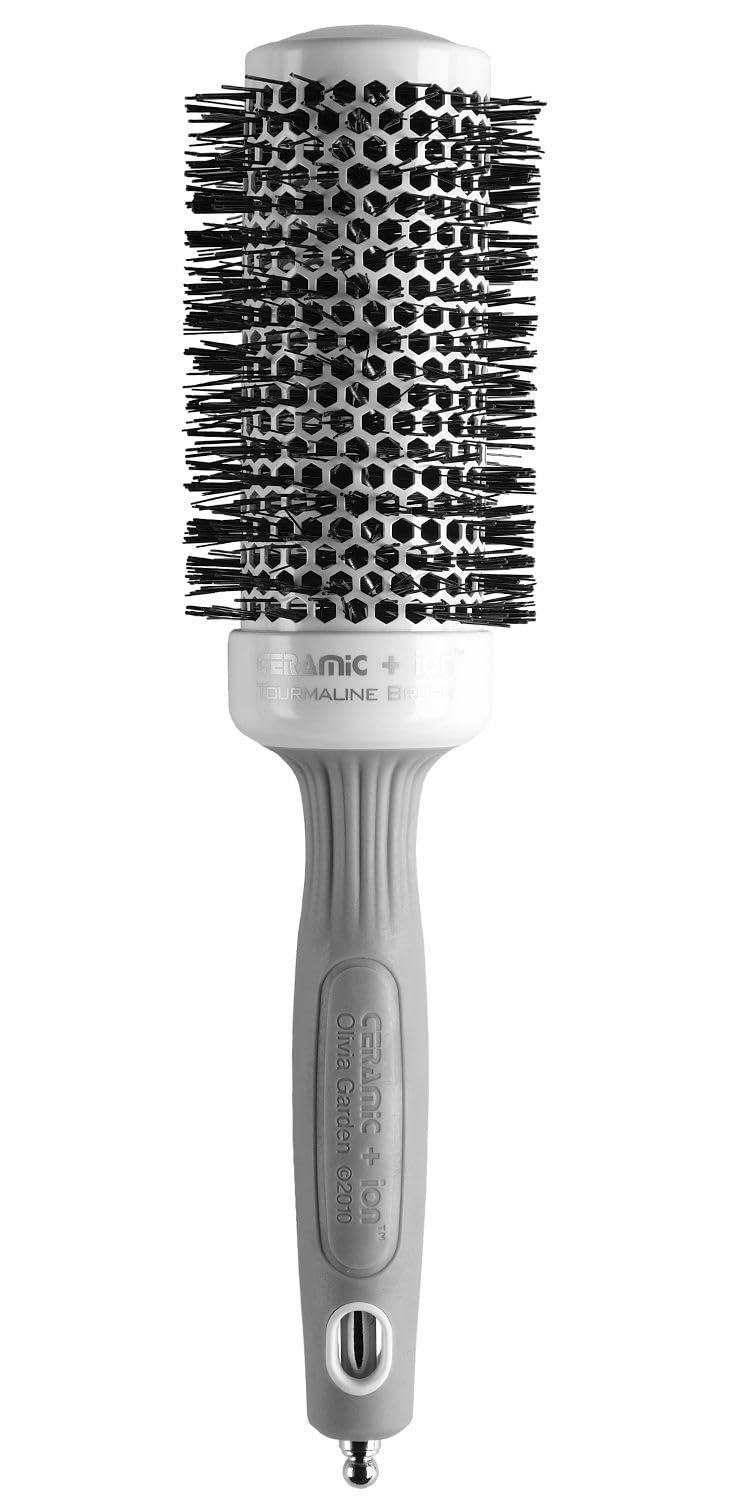
Olivia Garden Ceramic + Ion Round Thermal Hair Brush
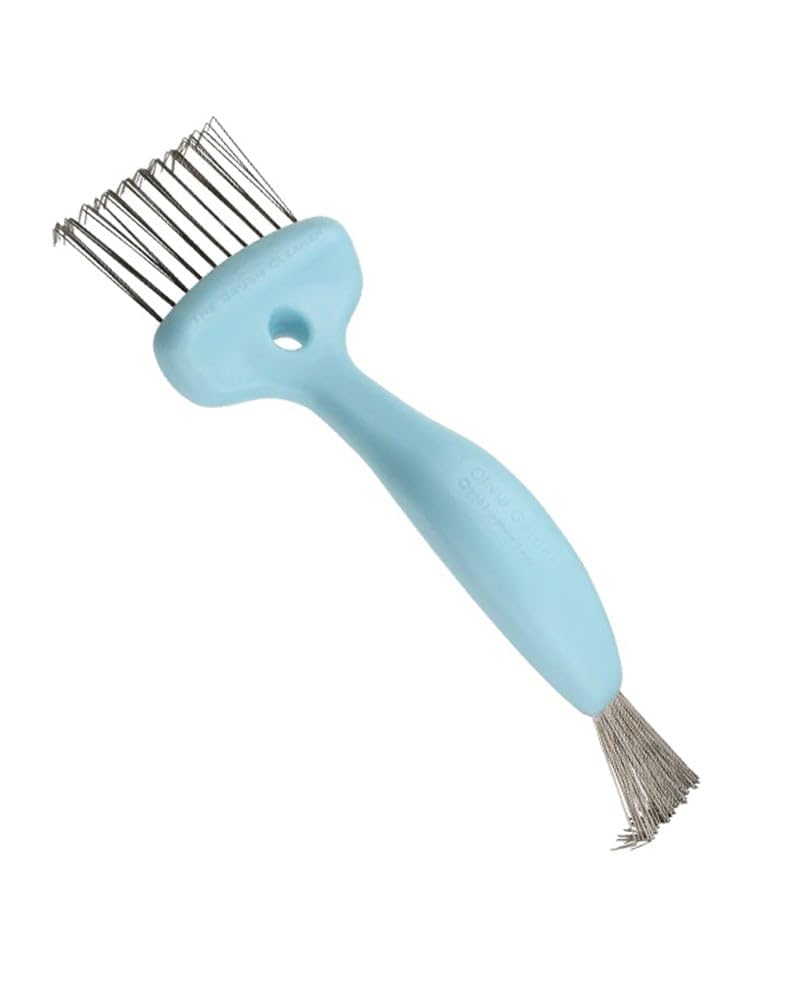
Olivia Garden The Brush Cleaner
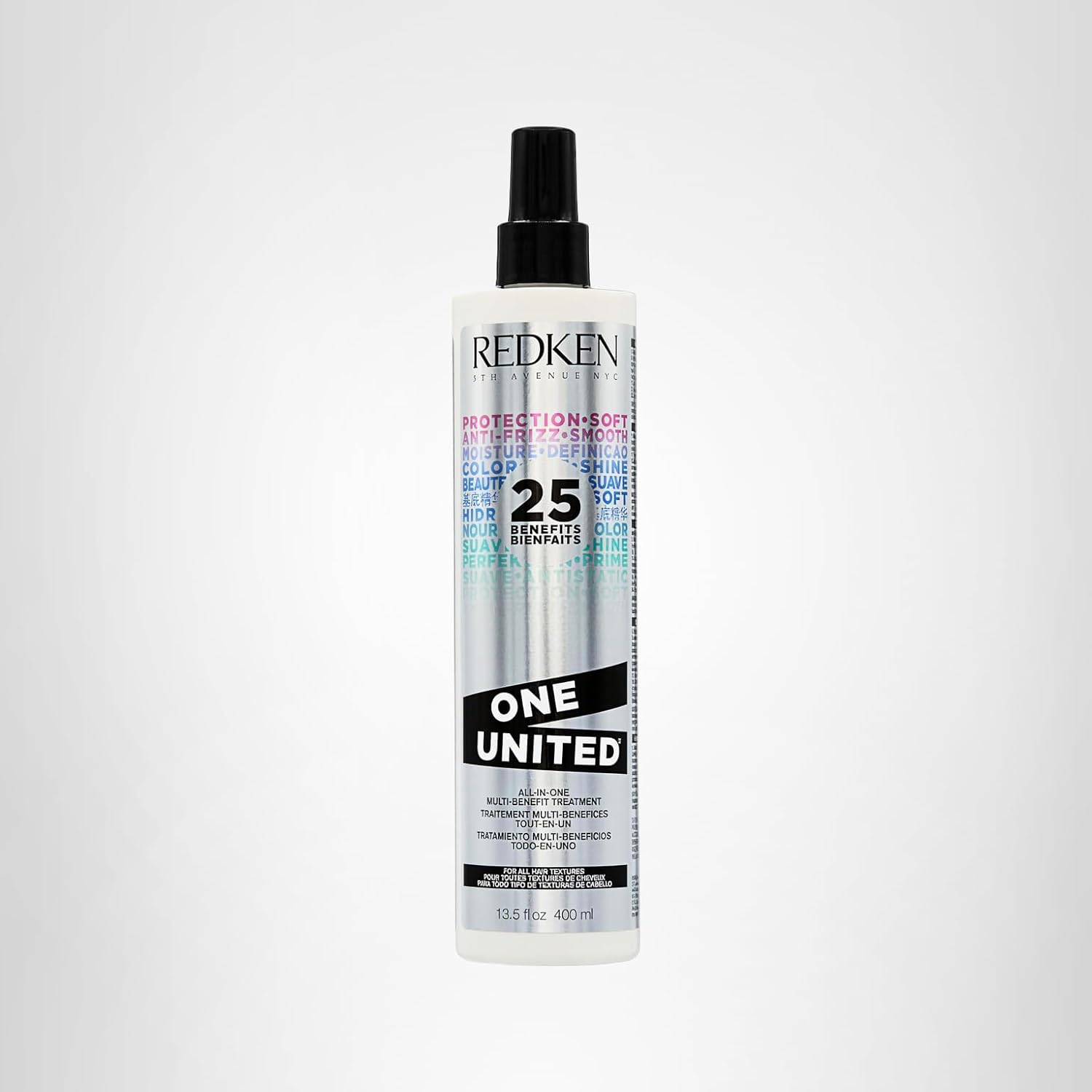
Redken One United All-In-One Leave In Conditioner