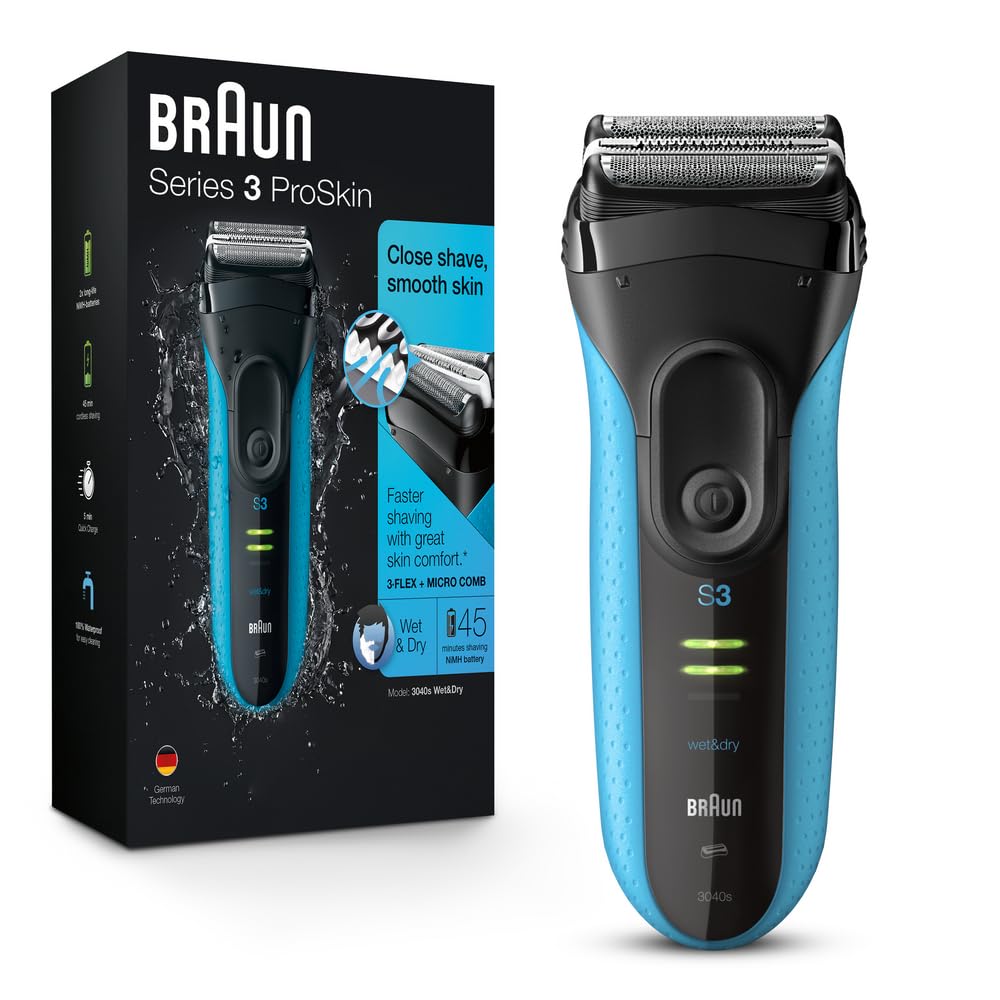

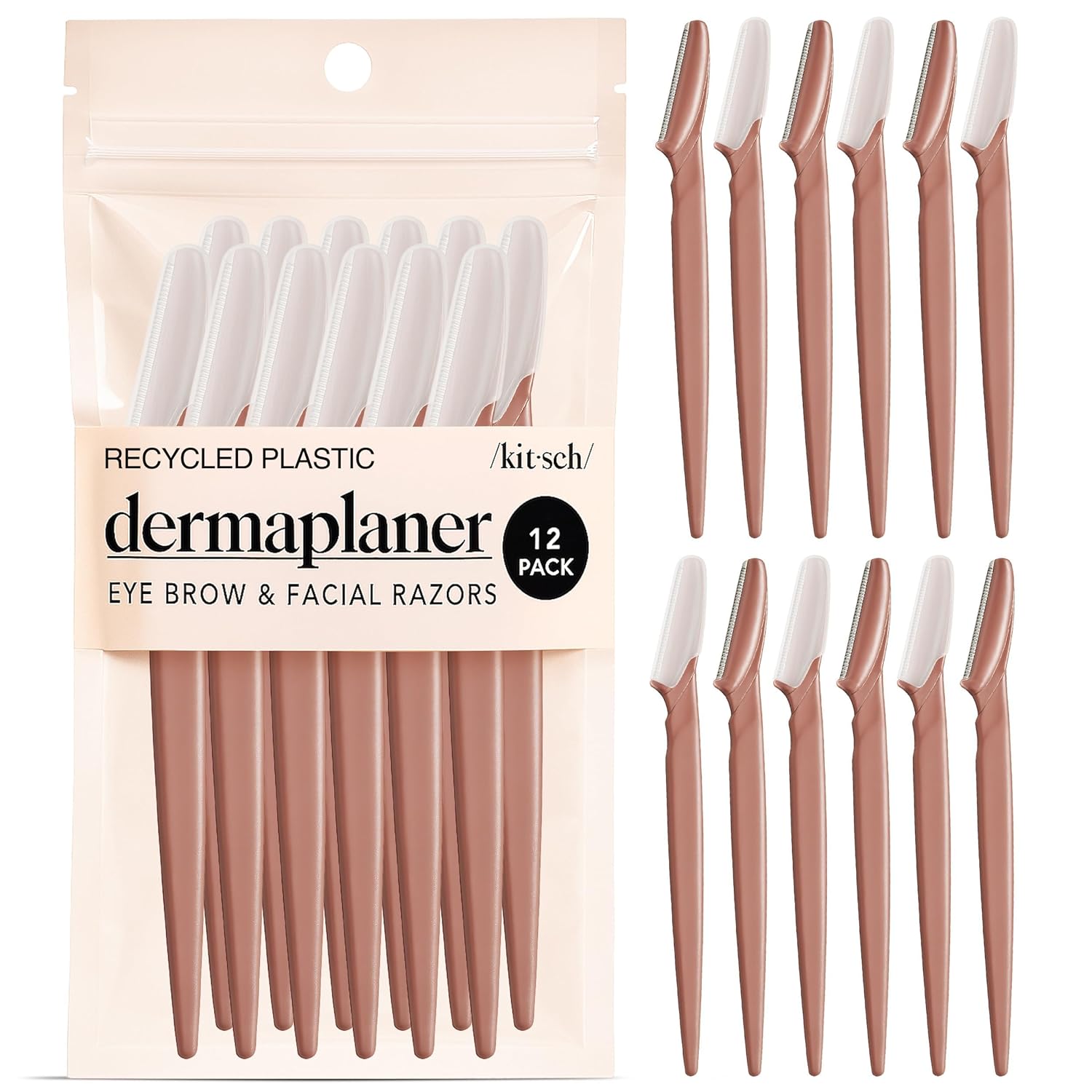
Kitsch Dermaplane Razor Review: Smooth-Skin Results With Salon-Level Precision
The Essence
A minimalist, modern dermaplaning tool designed to lift away peach fuzz and surface dullness, revealing a smoother, light-catching complexion. With recycled-plastic handles and stainless steel blades, this facial razor doubles as an at-home exfoliator and precision brow groomer, creating a refined canvas for skincare and makeup.
Our Verdict
This is the kind of everyday-luxury tool that quietly changes how your skin looks and feels—provided you respect its sharpness. In our testing, the Kitsch Dermaplane Razor transformed dull, fuzzy complexions into smoother, light-catching canvases that made skincare sink in and makeup look more expensive. We loved it for brows, upper lip, and peach-fuzz removal, especially when paired with a whisper of oil and a patient, short-stroke technique.
The trade-offs are real: blade consistency isn’t flawless, and sensitive or textured skin will need extra care to avoid razor burn or nicks. But as an accessible, eco-conscious step into at-home dermaplaning, it earns its place in a well-edited beauty routine—more “smart staple” than fleeting trend.
Overall Performance
When the blade is at its best, this razor delivers exactly what we want from at-home dermaplaning: smoother texture, less fuzz, and a subtly brighter complexion. It excels for routine maintenance on cheeks, brows, and upper lip, provided you use a light hand and proper angle.
Ease & Safety of Use
The long, slim handle and protective caps feel thoughtfully designed, but this is not a mindless swipe-and-go tool. Our performance analysis reveals a learning curve: angle, pressure, and skin prep dramatically influence whether you get a gentle glide or uncomfortable scraping.
Blade Quality & Consistency
Blade construction is stainless steel, yet consistency varies more than we’d like in a prestige-leaning tool. Some razors felt satisfyingly sharp and precise; others dragged, dulled quickly, or felt slightly rough along the edge, which can compromise both comfort and results.
Comfort on Skin
On balanced, non-reactive skin, we achieved a close, clean exfoliation with minimal after-effects beyond temporary warmth. On thinner or sensitive skin types, however, the serrated design amplified the risk of razor burn, micro-cuts, and lingering sting if technique wasn’t impeccable.
Hair Removal Efficacy
For fine to moderate peach fuzz, the Kitsch razor performs admirably, especially along the cheeks and jawline. Coarser “billy goat” chin hairs and dense upper-lip growth proved more challenging, often requiring multiple passes and still leaving behind a trace of stubble.
Value as a Beauty Investment
The generous multi-count set and multi-use potential make this a strong value play in the dermaplaning category. If you’re willing to navigate a few sharper blades and a learning curve, the cost-per-use is excellent compared with professional treatments or boutique tools.
Sustainability Touchpoints
We appreciate the use of recycled plastics in the handle, a thoughtful nod toward more responsible beauty tools. It’s still a disposable format, but for those who aren’t ready to commit to metal-handle systems, this offers a more eco-conscious step in the right direction.
Pros & Cons
The Good
- Noticeably smooths skin by removing peach fuzz and surface dead cells, leaving a soft, light-reflective finish.
- Delivers a salon-adjacent dermaplaning effect at home, especially on cheeks, brows, and upper lip.
- Lightweight, modern handle made from recycled plastic feels comfortable and easy to control.
- Versatile enough for brows, upper lip, chin, and small touch-up zones; some testers also used it for body detail work.
- Creates a more even canvas so foundation, self-tanner, and serums apply and absorb more seamlessly.
- Travel-friendly, protective caps make it simple to toss into a makeup bag without damaging the blade.
- Offers strong perceived value thanks to the generous multi-count set.
The Bad
- Blade experience is inconsistent: some razors feel perfectly sharp, others arrive dull or draggy.
- Higher risk of nicks and razor burn compared with gentler competitors, especially on sensitive or textured skin.
- Serrated edge and tip design can feel harsh or scratchy, demanding a careful, practiced technique.
- Not ideal for very coarse facial hair or those seeking a truly professional-grade, ultra-smooth dermaplane finish.
Insights from our Panel of Experts
What Lovers Say
In our testing, the Kitsch Dermaplane Razor quickly became a staple for at-home grooming. We consistently reached for it to tidy brows, erase upper-lip fuzz, and sweep away that veil of peach fuzz that catches the light. When the blade was on form, it glided with a surprisingly clean, satisfying scrape, leaving skin softer, brighter, and noticeably more receptive to skincare. Makeup, especially foundation and skin tints, laid down with a smoother, more seamless finish that felt distinctly more polished than before.
What Critics Say
Our testing also surfaced some clear trade-offs. Blade quality isn’t perfectly uniform: a portion of the razors felt dull out of the bag, tugging at hair and forcing multiple passes. On reactive or thin skin, several testers experienced micro-cuts, razor burn, or that unmistakable “scraped” sensation afterward. For thicker, coarse growth on the chin or upper lip, the performance plateaued, requiring more pressure than we were comfortable recommending for regular use. The serrated edge, while precise in theory, can feel harsher than smoother, pro-style dermaplaning blades.
The Matchmaker
Is this the right addition to your collection? Let's verify compatibility.
Perfect For You If...
If you love the idea of at-home dermaplaning to refine texture, remove peach fuzz, and make makeup glide on like silk, this tool fits beautifully into a regular grooming ritual. It’s especially well-suited if your facial hair is fine to medium and you’re comfortable taking a few minutes to master technique and pressure.
Skip This If...
You prefer a completely foolproof, ultra-gentle tool or your skin is extremely sensitive, easily rash-prone, or currently compromised. You may also want to skip this if you have coarse, dense facial hair and expect a single-pass, professional-level dermaplane; a sharper, pro-grade blade or in-office treatment will serve you better.
The Sensory Experience: From First Glide to Post-Glow
The first time we pressed the Kitsch Dermaplane Razor against skin, the experience was distinctly tactile. There’s a faint, sandy whisper as the serrated stainless steel edge meets fine hair and dead skin, almost like a micro-scrape rather than a traditional shave. When we hit the right 30–45° angle with light pressure, the blade glided in short, precise strokes, and we could literally see a soft veil of peach fuzz and dull flakes collect along the edge.
On well-prepped skin—cleansed, thoroughly dried, and cushioned with a drop of facial oil or a very light serum—the glide felt controlled and intentional. The terracotta handle has just enough texture to prevent slipping, even when our hands were slightly slick. Where things shifted was on drier, unbuffered skin: the sensation tipped from satisfying exfoliation into scratchy, especially around the nose creases and along the jaw where skin can be thinner.
Immediately after a full-face session, our testers described a fleeting warmth, similar to the feeling after a mild peel or a close shave. For most, that subsided quickly, leaving skin that felt noticeably smoother to the touch—foundation brushes and fingers seemed to skate across the surface. On more reactive complexions, that warmth edged into a prickly sting and visible redness, underscoring that this is a tool that rewards gentle technique and a thoughtful aftercare ritual.
Ingredients, Construction & Sustainability Story
At its core, this is a very simple object: a stainless steel blade housed in a recycled-plastic handle. There are no coatings, fragrances, or gimmicky additives—just 3% stainless steel for the cutting edge and a blend of polystyrene and polypropylene for the structure. For anyone sensitive to fragrance or latex, the minimal, unscented construction is reassuring.
What elevates it beyond a generic face razor is the material story. The handle is crafted from recycled polystyrene, which doesn’t make it biodegradable, but it does reduce reliance on virgin plastic. In a category still dominated by fully disposable, non-recycled tools, this feels like a small but meaningful nod toward more conscious consumption. The blade itself is 100% stainless steel, which is why, when sharp, it can deliver that crisp dermaplaning effect.
Design-wise, the blade is serrated and slightly curved at the tip, encased in a slim cartridge. That serration is a double-edged sword—literally and figuratively. It offers grip on fine hairs and allows for controlled scraping of dead skin, but it also explains why some of our testers found the edge rougher than smooth, pro-style dermaplaning scalpels. The protective caps snap on with a satisfying click, making them easy to toss into a dopp kit without worrying about accidental nicks to fingers or fabric.
Performance Analysis: Hair Removal, Texture, and Irritation
Our performance analysis reveals a product that shines for peach fuzz and light exfoliation, with caveats for coarse hair and sensitive skin. On cheeks, jawline, and forehead, we consistently saw excellent removal of vellus hair and a visible reduction in surface dullness. Makeup laid down more evenly, and that subtle, lit-from-within reflection you see on professionally prepped skin became noticeably more achievable at home.
Where the razor struggled was with thicker, faster-growing hair—think hormonal chin sprouts, denser upper-lip growth, or “billy goat” patches along the jaw and neck. In those zones, we often had to go over the same area multiple times, and even then, a faint shadow or stubble sometimes remained. Pushing harder to compensate almost always led to razor burn or micro-cuts, especially if we skipped oil or used it on completely dry, tight skin.
Irritation potential is the main trade-off of this tool. On normal-to-resilient skin, light redness and a mild tingling were the worst we experienced, resolving quickly with a soothing, fragrance-free moisturizer. On delicate, fair, or already sensitized complexions, the serrated edge could feel abrasive, leaving scattered nicks or a rash-like flush if we weren’t meticulous about angle and pressure. Used no more than once every 3–4 weeks, with fresh blades and disciplined technique, it slotted into our routines as an effective, if slightly assertive, at-home dermaplaning option.
Application Ritual: How We Achieved the Best Results
The difference between a radiant result and an over-exfoliated face with this tool is all in the ritual. Here’s the method that consistently gave our team the smoothest, calmest outcome:
Prep the canvas
- Start with thoroughly cleansed, dry skin; remove all makeup, SPF, and oil.
- For sensitive types, we found a few drops of facial oil or a very light, slip-giving serum crucial to prevent drag.
Master the angle and pressure
- Hold the razor at roughly 45°, almost flush to the skin, not perpendicular.
- With your free hand, pull the skin taut and use short, downward or diagonal strokes in the direction of hair growth.
- If you feel tugging, scraping, or pain, you’re either pressing too hard or the blade isn’t sharp enough.
Strategic zones, not a race
- We started with the cheeks and jawline, then moved to upper lip and outer brow edges.
- We avoided active breakouts, moles, and the delicate under-eye area entirely.
Aftercare is non-negotiable
- Rinse away debris, then apply a gentle, fragrance-free moisturizer; we skipped acids and retinoids for at least 24–48 hours.
- Daytime sessions always ended with a generous layer of SPF, as freshly exfoliated skin is more sun-sensitive.
Used this way, most of our testers reported baby-smooth skin with minimal downtime. The few times we rushed, skipped oil, or reused a borderline-dull blade, we paid for it in razor burn and tiny cuts.
Design, Ergonomics & Who It Truly Suits
Visually, the Kitsch Dermaplane Razor feels like a considered object rather than a throwaway tool. The terracotta tone reads quietly chic on a vanity, and the elongated, slim handle sits comfortably between fingers, offering good control for those tricky curves around the nose and brow bone. The protective caps don’t slip off easily, which we appreciated when fishing one out of an overstuffed toiletry bag.
Ergonomically, the long blade has pros and cons. It covers more surface area quickly on the cheeks and jaw, but around the brows, it can feel slightly oversized—several of us found ourselves holding our breath while skimming near lashes. Those with steady hands and prior dermaplaning experience will likely appreciate the precision; absolute beginners may want to practice on less visible areas first.
In our view, this tool best suits:
- Skin types: Normal, combination, and mildly sensitive skin that can tolerate a manual exfoliation step when buffered with oil and followed by soothing care.
- Hair types: Fine to medium peach fuzz and light brow/upper-lip maintenance, rather than very coarse or hormonally dense growth.
- User profile: Someone who enjoys a little ritual, is willing to learn proper technique, and wants an at-home alternative to frequent waxing, threading, or salon dermaplaning.
If you crave a polished, makeup-ready canvas and don’t mind a slightly more assertive blade—as opposed to ultra-cushioned beginner tools—this fits neatly into a well-curated grooming wardrobe.
Buying Guide
Consultant's Breakdown
Expert analysis to help you decide.
This is a considered yet accessible luxury—more of a smart upgrade than an indulgent splurge. You’re investing in months of at-home dermaplaning sessions for less than a single professional appointment, with the added benefits of brow shaping and regular peach-fuzz maintenance. If you’ll genuinely use it every 3–4 weeks, the cost-per-glow is compelling.
What gives this razor an edge is its blend of aesthetics, sustainability touchpoints, and multi-functionality. The recycled-plastic handle, generous count, and ability to handle both dermaplaning and brow detailing in one tool make it feel more considered than many generic drugstore options, provided you’re willing to refine your technique.
In our testing, the razor worked best on fine-to-medium vellus hair across a range of skin types. Normal and combination skin tolerated it well with proper prep, while dry or sensitive complexions needed oil as a buffer and a gentler schedule. Those with very coarse facial hair or highly reactive, rosacea-prone skin may find it too aggressive for full-face use.
We found this tool particularly transformative in transitional seasons—think winter dryness or late-summer congestion, when dead skin and fuzz can make texture more obvious. In peak summer or after sun exposure, we recommend spacing sessions further apart and leaning into calming, barrier-supportive skincare post-use.
Specifications
| Brand Name | Kitsch — modern beauty accessories with a focus on everyday luxury tools. |
|---|---|
| Number of Items | Set configuration designed as a single kit containing multiple dermaplane razors. |
| Age Range Description | Adult — intended for grown-up facial grooming and skincare routines. |
| Package Type Name | Bag — soft packaging that keeps the razors contained and portable. |
| Manufacturer | Kitsch — beauty & personal care manufacturer known for hair and grooming accessories. |
| Item Height | Approximately 7.75 inches — elongated handle and blade for better reach and control. |
| Number of Blades | Multi-count set with individual stainless steel blades for each razor. |
| Other Special Features of the Product | Reusable, travel size, washable — practical for at-home use and on-the-go touch-ups. |
| Skin Type | All, including combination, dry, oily, and sensitive — technique and pressure should be adjusted accordingly. |
| Manual Shaving Razor Type | Cartridge-style facial razor designed specifically for dermaplaning and detail work. |
| Unit Count | Multi-count kit providing several individual razors per set. |
| Item Dimensions | Approximately 3.75 x 0.5 x 7.75 inches — slim profile for detailed facial work. |
| Item Weight | Around 2.12 ounces — lightweight and easy to maneuver. |
| Color | Terracotta — a warm, modern hue that feels elevated on a vanity. |
| Style | Modern — clean lines and a contemporary silhouette. |
| Handle Material | Recycled polystyrene (PS) — an eco-conscious plastic choice for the handle. |
| Material Type | Stainless steel blade with recycled polystyrene and polypropylene handle components. |
| Safety Information | Choking hazard: not a toy. Keep product and packaging away from babies and small children; do not place in cribs, beds, carriages, or playpens. |
| Ingredients | 88% polystyrene (PS), 9% polypropylene (PP), 3% stainless steel — unscented, non-latex construction. |
Our Testing Methodology
We integrated the Kitsch Dermaplane Razor into our routines over several weeks, trialing it across normal, dry, oily, and sensitive skin types. We used it on clean, dry skin with and without a light facial oil buffer, and tracked results on cheeks, jawline, brows, upper lip, and chin. Sessions were spaced to mimic real-world use—roughly every 3–4 weeks for full-face, with occasional small-area touch-ups. We evaluated hair removal efficiency, smoothness, makeup application, and any redness, razor burn, or breakouts that appeared in the days following each use.
Frequently Asked Questions
Efficacy & Performance
Yes. In our testing, it removed peach fuzz and surface dead skin very effectively on cheeks, jawline, and upper lip, leaving skin smoother and subtly brighter. Coarser chin or neck hairs were more stubborn and often required multiple careful passes or a sharper, pro-grade tool.
No. Hair grows back with the same color and texture because dermaplaning only cuts at the surface of the skin and doesn’t affect the follicle. Regrowth can feel slightly blunt at first, but we didn’t see any true thickening or darkening over multiple cycles.
Most complexions are happiest with dermaplaning about once every 3–4 weeks. That timing allows your skin barrier to recover, minimizes over-exfoliation, and keeps texture and peach fuzz in check. We don’t recommend using it as frequently as a daily razor.
Absolutely. By lifting away dead skin and peach fuzz, the razor creates a smoother, more even surface. We noticed serums and moisturizers absorbing more readily, and foundations, skin tints, and self-tanners applying with fewer dry patches and less visible texture.
It can manage some coarse hairs, but this is where its limitations show. On very dense or thick growth, we found it less efficient and more irritating, often needing multiple passes. For that type of hair, waxing, threading, or a sharper professional-style blade may be more effective.
Ingredients, Materials & Safety
The blades are 100% stainless steel, while the handle and housing are made from polystyrene and polypropylene, including recycled plastic. There are no added fragrances or latex components, making it a simple, unscented tool from a materials standpoint.
It can be, but it demands extra care. Some of our sensitive-skin testers did well using a light facial oil, very gentle pressure, and infrequent sessions; others experienced razor burn or micro-cuts. If your skin is highly reactive, patch-test on a small area first and avoid active flares.
The construction is stainless steel with recycled plastic; no special coatings or added chemicals are listed. If you have known sensitivities to certain metals or plastics, it’s wise to consult your dermatologist, but there are no obvious common allergens like fragrance or latex.
Yes. The materials list includes only polystyrene, polypropylene, and stainless steel, with no latex or added fragrance. There’s no scent to the tool itself, which is ideal if you’re avoiding fragrance in your routine.
Caution is essential. Strong retinoids, AHAs, BHAs, or recent peels already thin and sensitize the skin. We recommend spacing dermaplaning well away from intense actives, pausing them for a few days before and after, and speaking with your dermatologist if you’re on prescription-strength treatments.
Application & Usage
Start with clean, dry skin, optionally cushioned with a few drops of facial oil. Hold the blade at about a 45° angle, pull the skin taut, and use short, light strokes in the direction of hair growth. Avoid active acne, moles, and the under-eye area, then finish with a soothing moisturizer.
We achieved the best balance of glide and control on clean, dry skin with a whisper of oil as a buffer. Completely dry, tight skin can feel scratchy, while very wet or heavily oiled skin can make the blade slip and reduce precision, especially around brows and the nose.
Yes, with a steady hand. It’s excellent for cleaning up above and below the brows and for upper-lip fuzz, but the blade is sharp and relatively long. Work in tiny strokes, keep the skin taut, and always angle the blade away from lashes and the delicate under-brow area.
From a hygiene standpoint, we treat these as near-single-use tools, especially for full-face sessions. Some testers comfortably reused a blade a couple of times for small touch-ups, but we saw more irritation and dullness beyond that. For best results and fewer breakouts, err on the side of replacing frequently.
Rinse away debris, then apply a calming, fragrance-free moisturizer or serum. Skip strong acids, scrubs, and retinoids for at least 24–48 hours, and be diligent with broad-spectrum SPF if you’re going outside. Using a fresh, clean razor each session also helps minimize post-treatment breakouts.
Skin Compatibility, Risks & Troubleshooting
The most common culprits we saw were too much pressure, the wrong angle, or a blade that was slightly dull or rough. Using it on dry, tight skin or going over the same area repeatedly also increased irritation. Lighten your touch, add a bit of slip, and switch to a fresh razor if it starts to drag.
Stop immediately, wash your hands, and gently cleanse the area with mild soap and water. Apply light pressure if needed, then dab on a gentle antiseptic. Skip makeup and actives on that spot until it heals, and reassess your angle and pressure before your next session.
We don’t recommend going over active breakouts, open lesions, or inflamed rosacea patches. Dermaplaning can spread bacteria and further disrupt a compromised barrier. You can carefully work around clear areas, but for chronic conditions, a dermatologist-guided plan is safer.
That rough, rashy feeling usually signals over-exfoliation or friction from a serrated edge used too aggressively. It may also indicate that the blade quality in that particular razor wasn’t ideal. Space out sessions, use more slip, and soothe with barrier-repairing skincare; if it persists, this tool may simply be too harsh for your skin.
You should hear a soft, controlled scraping sound and see hair/skin buildup on the blade without feeling pain or tugging. If your skin feels like it’s being scratched or pulled, you’re either too upright (90°) or pressing too hard. Think of it as feather-light strokes, not shaving your legs.
Practicalities & Miscellaneous
Yes. The razors are slim, lightweight, and come with protective caps that stay put, so they tuck easily into a makeup bag or dopp kit. We liked having one on hand for brow and upper-lip touch-ups on trips where salon visits weren’t an option.
Once a blade has dulled or you’re finished with it, replace the protective cap or wrap the head in tissue before placing it in the trash. This helps prevent accidental cuts for anyone handling the waste. Because of the mixed materials, they aren’t curbside-recyclable in most programs.
Yes. Several of our male testers used it successfully for detail work—like stray cheek hairs near the nose, between the brows, and small patches the regular razor misses. For full-beard shaving, though, it’s more of a precision tool than a primary razor.
It can mimic some of the smoothing and brightening effects, especially for peach fuzz and superficial dullness, but it doesn’t fully replicate an in-office dermaplaning with a medical-grade blade and trained hand. Think of it as maintenance between professional treatments, or a more budget-friendly alternative with a bit more DIY responsibility.
Keep them in their caps, in a clean, dry place away from humidity-heavy zones like the shower. We noticed that razors stored damp or left uncapped dulled faster and, in some cases, developed tiny spots along the blade edge that felt rougher on the skin.
The Curated Edit
Curated based on the unique characteristics of Kitsch Dermaplane Razor for Face.
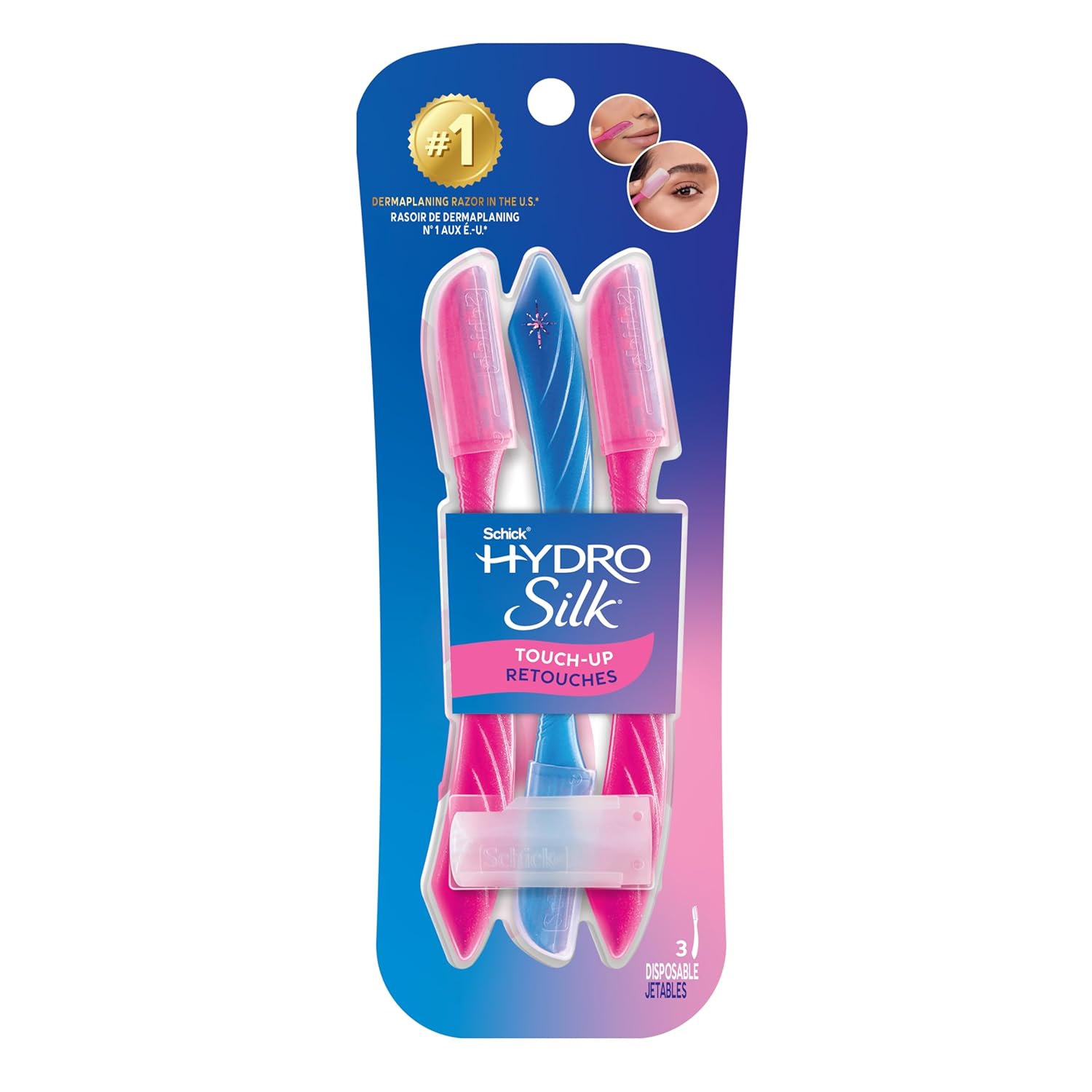
Schick Hydro Silk Touch-Up Dermaplaning Tool
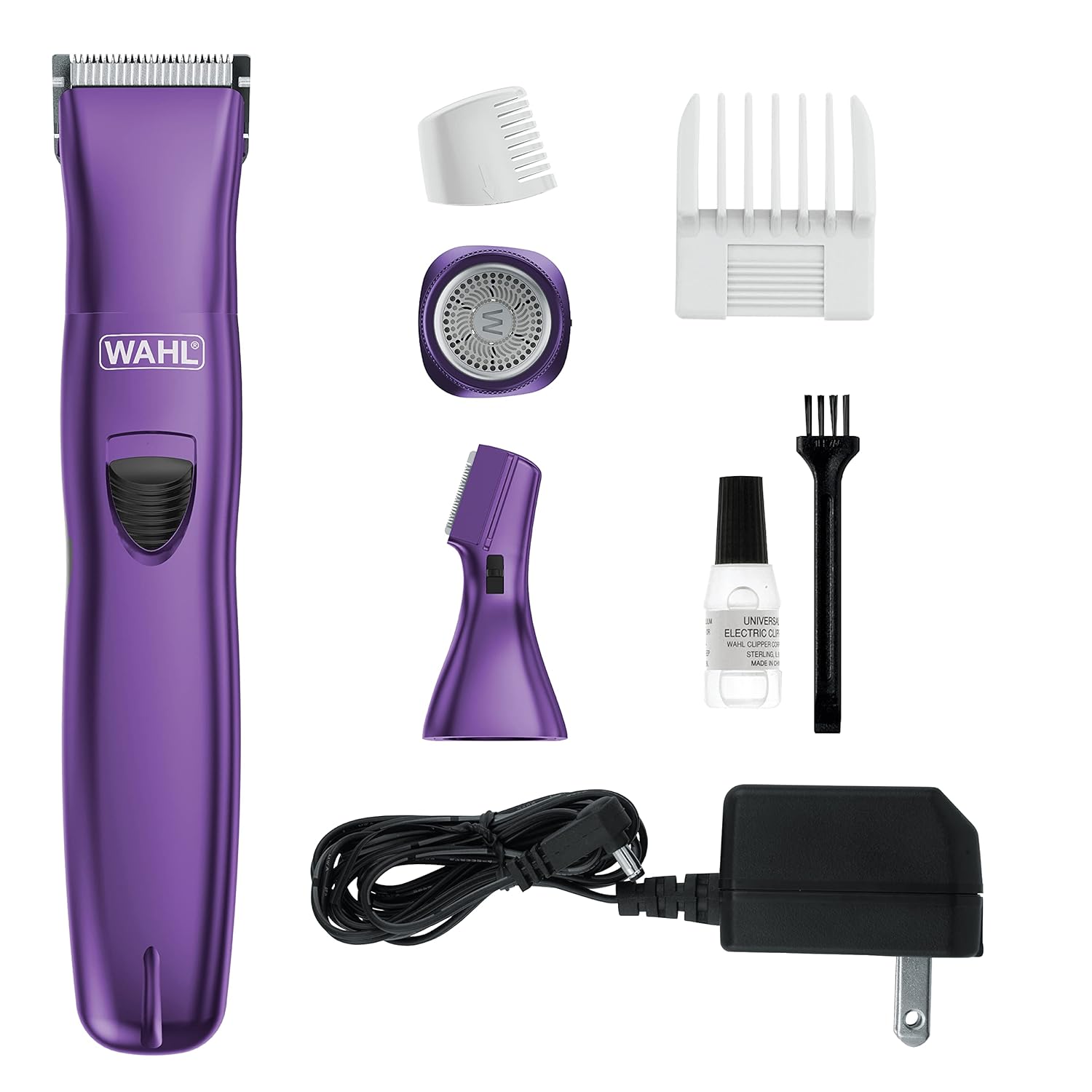
Wahl Pure Confidence Rechargeable Electric Trimmer, Shaver & Detailer
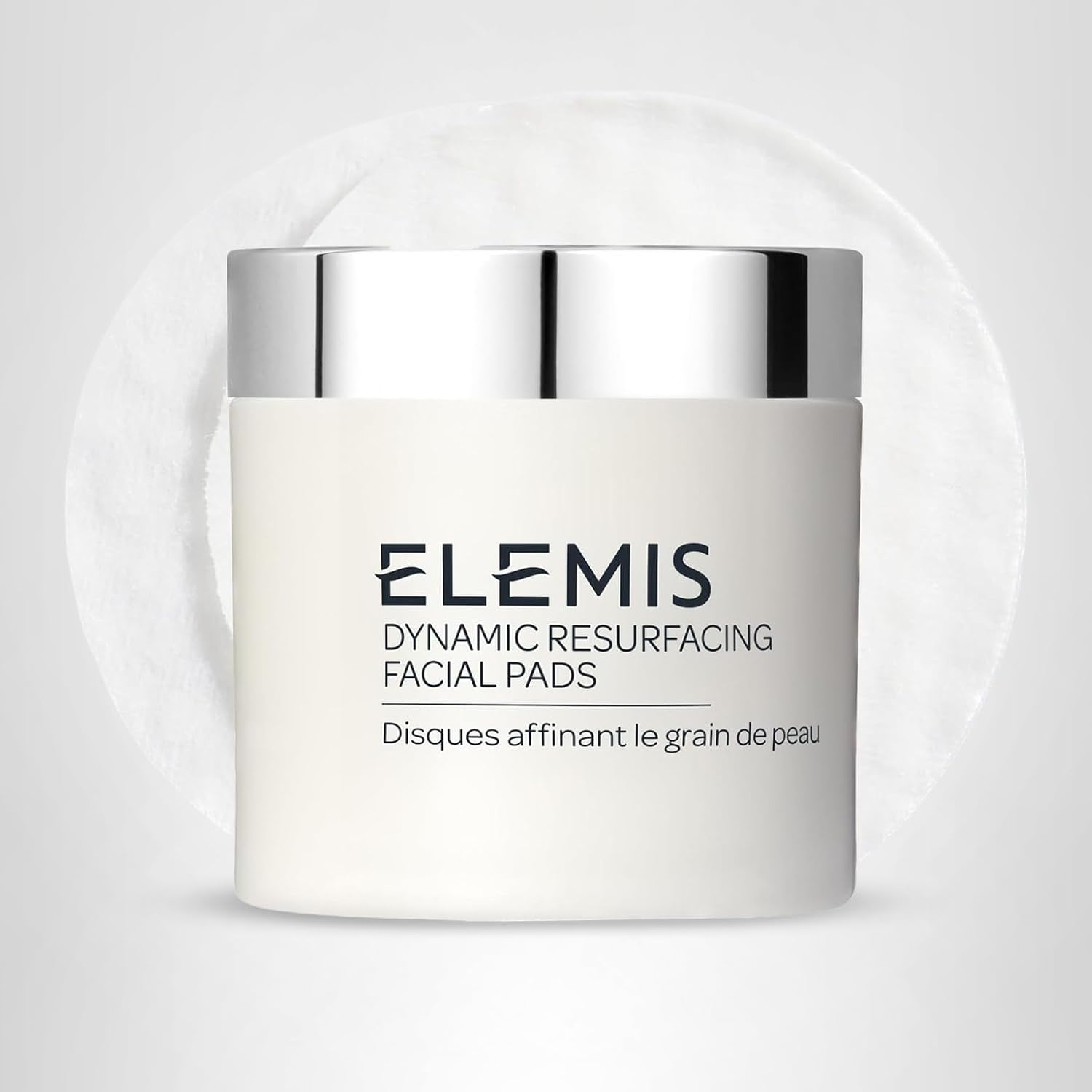
ELEMIS Dynamic Resurfacing Facial Pads
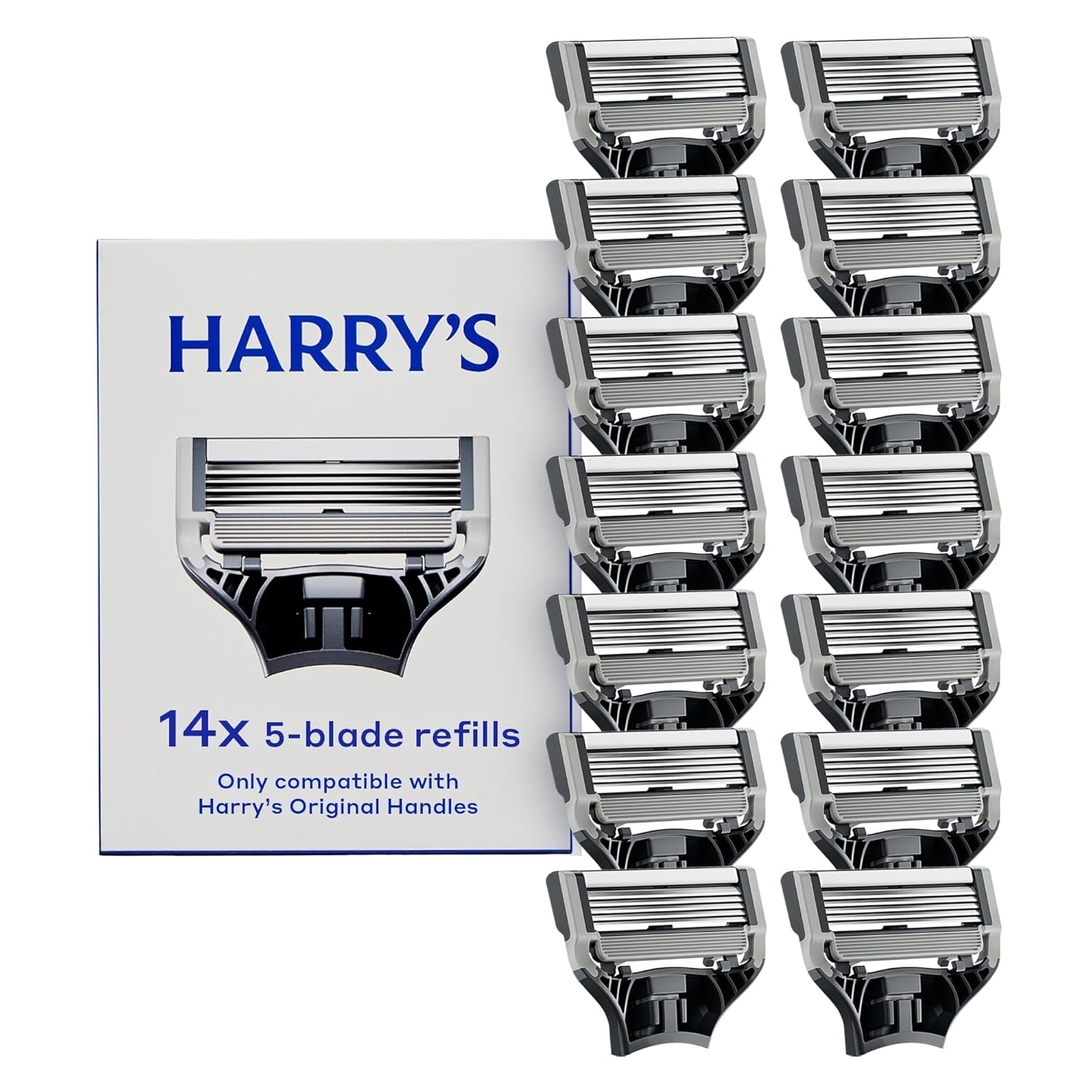
Harry's Original Razor Blades for Men
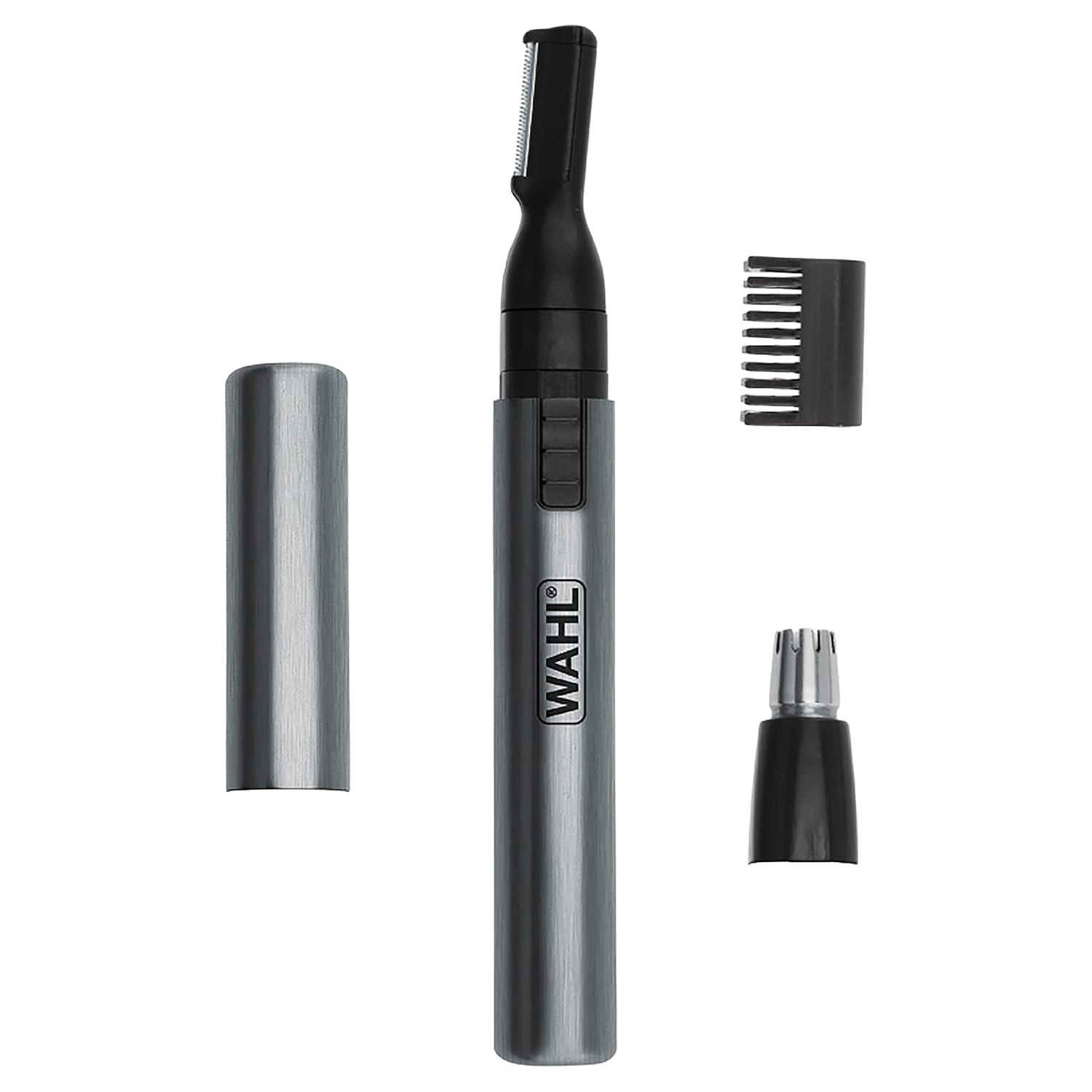
Wahl Micro Groomsman Battery Personal Trimmer
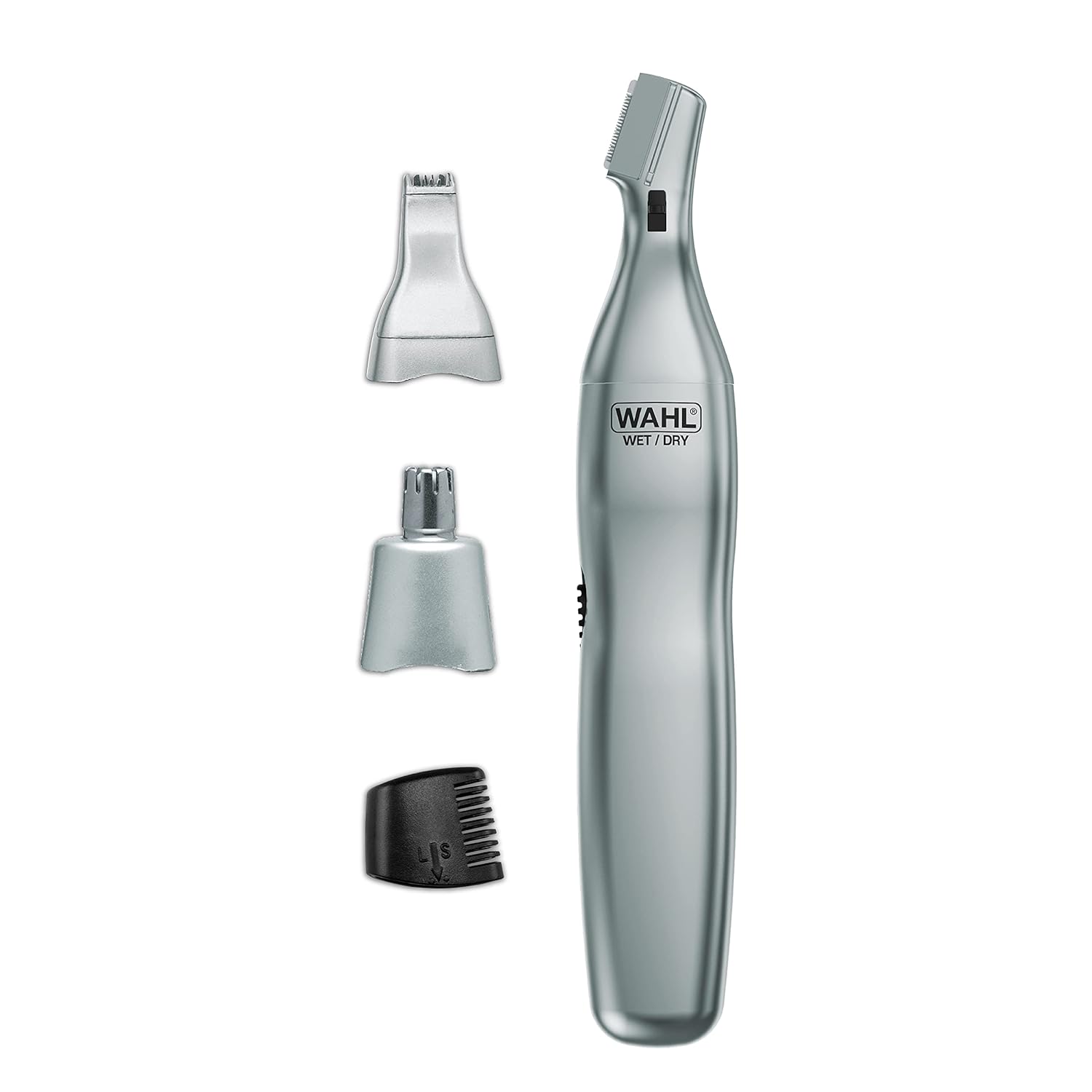
Wahl Men’s Nose Hair Trimmer 3-in-1 Detail Groomer
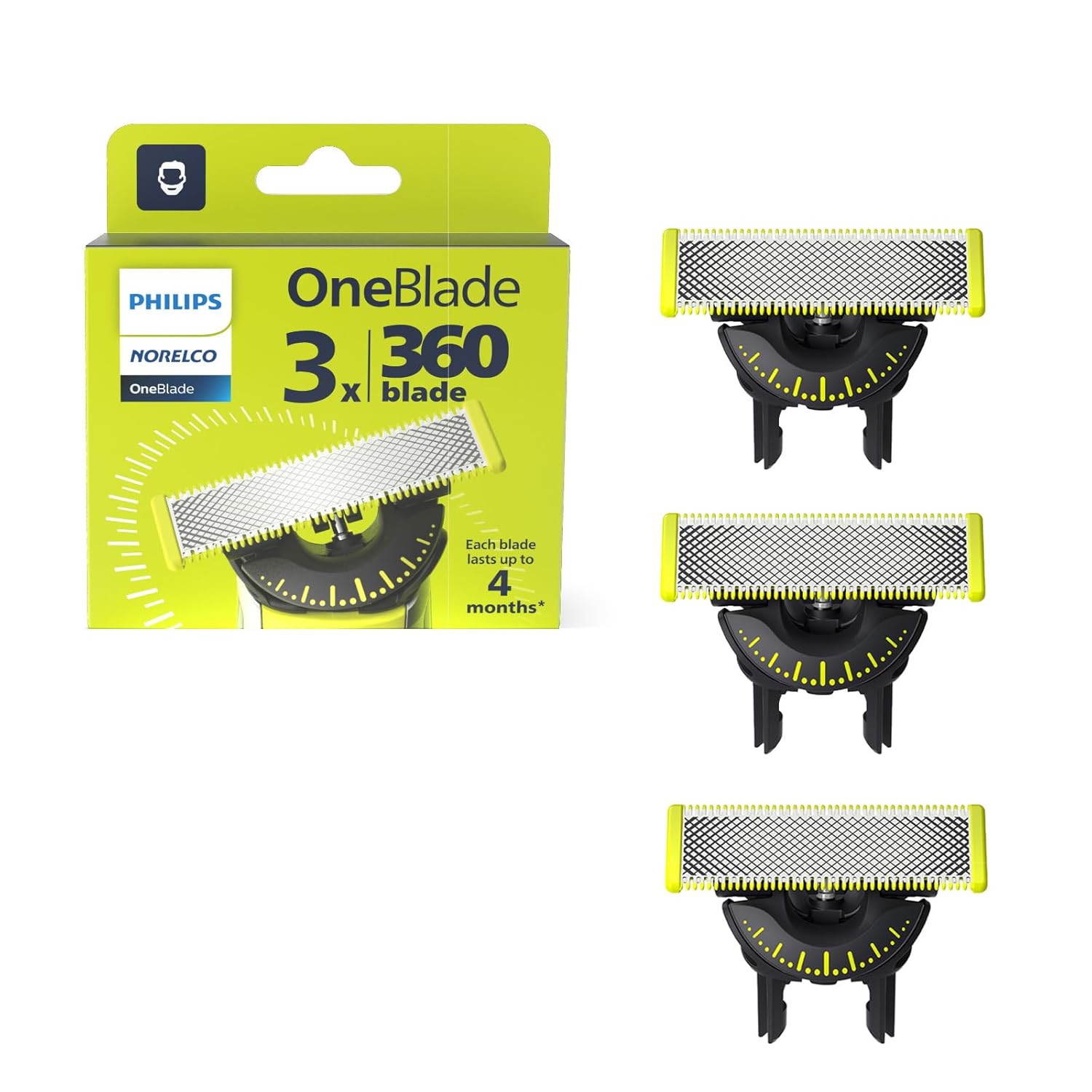
Philips Norelco OneBlade 360 Replacement Blades
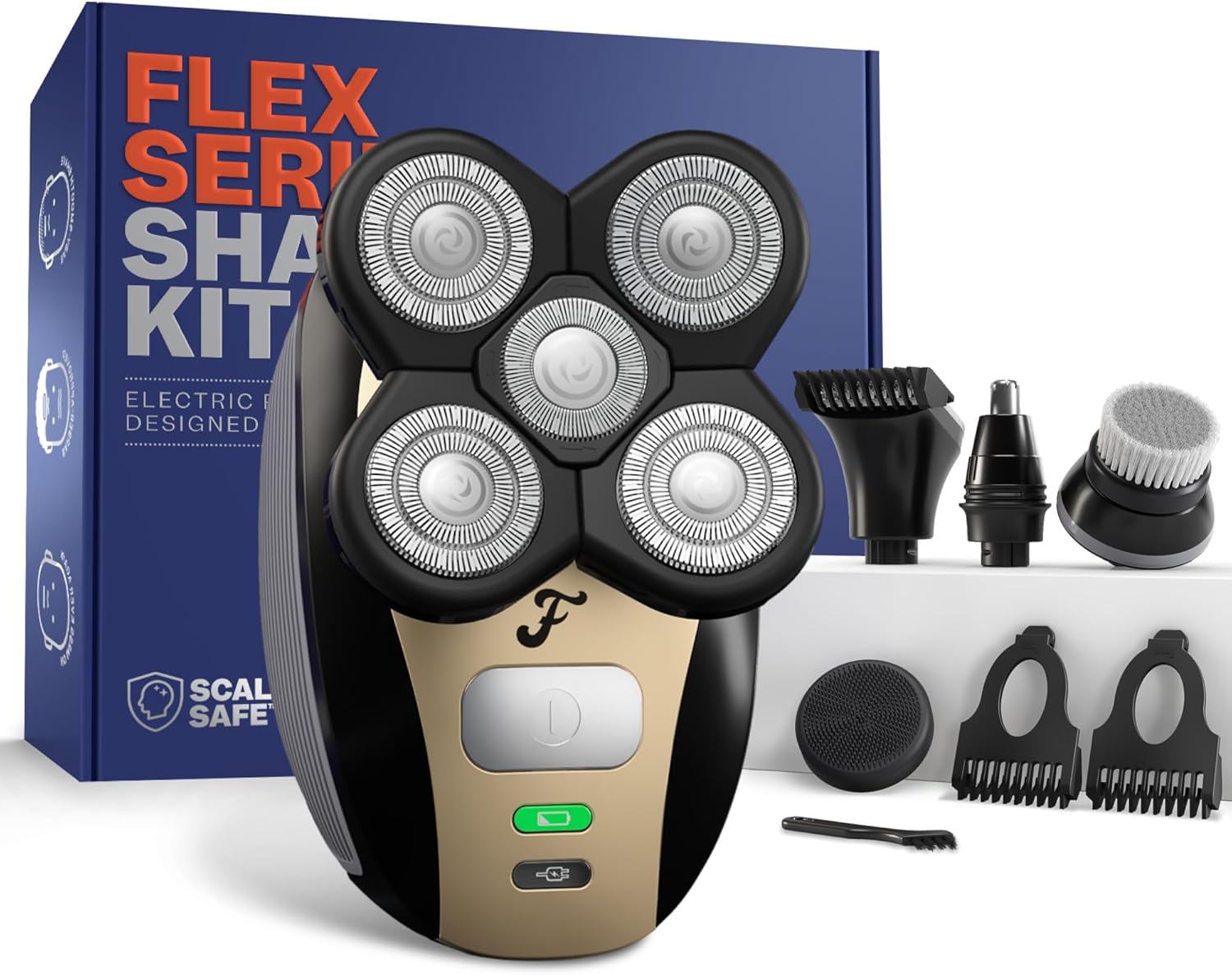
Freebird FlexSeries Electric Head & Body Hair Shaver