
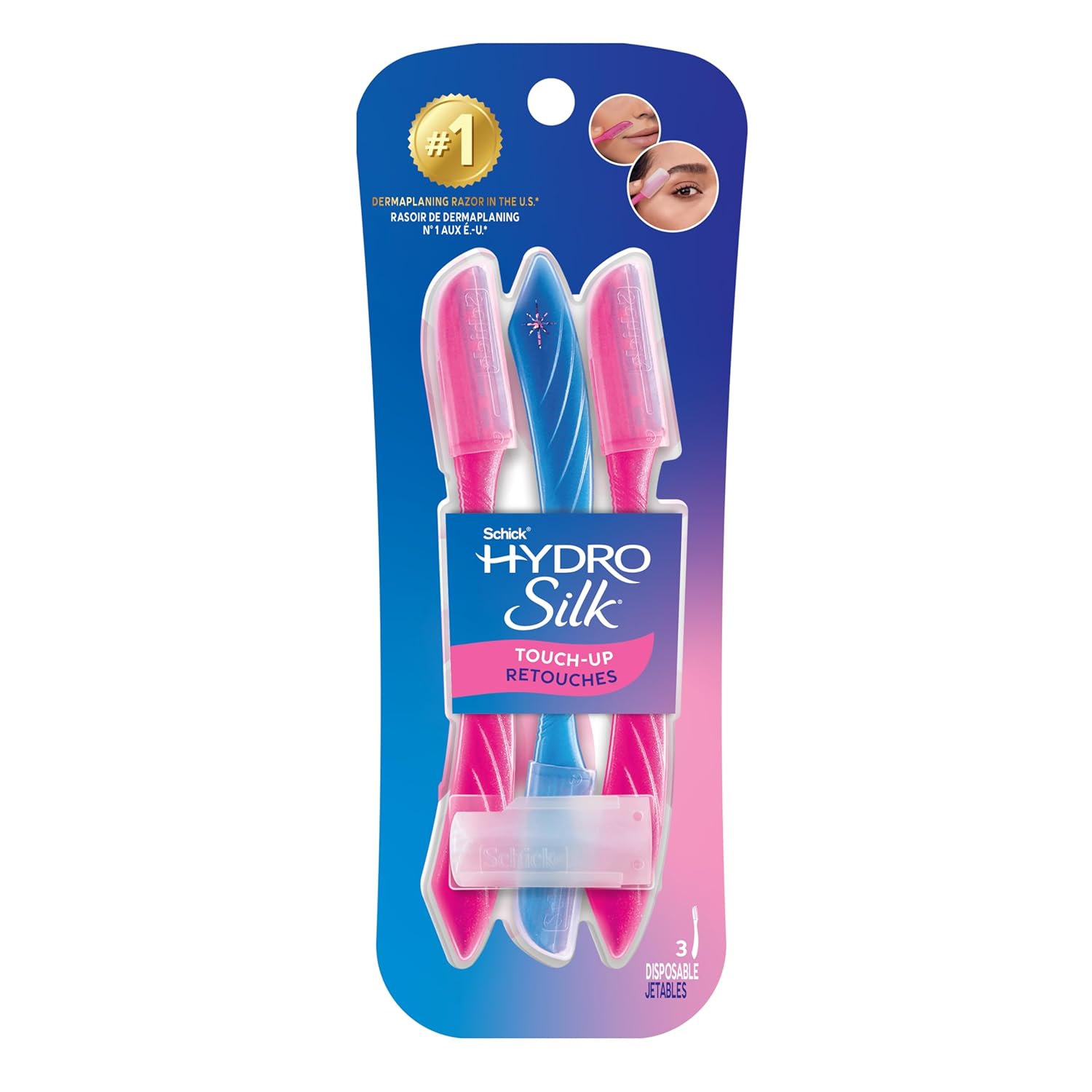
Schick Hydro Silk Touch-Up Dermaplaning Tool Review: A Pro-Level Peach Fuzz Fix at Home
The Essence
A slim, portable dermaplaning razor designed to whisk away peach fuzz while gently polishing the skin’s surface. In our testing, this multi-tasking face razor became a quiet little workhorse for at-home exfoliation, brow detailing, and last‑minute complexion touch-ups. Think: smoother makeup, softer skin, and a more refined canvas in just a few careful strokes.
Our Verdict
Schick Hydro Silk Touch-Up sits in that rare sweet spot between drugstore accessibility and genuinely elevated results. In our testing, a single careful session lifted an almost shocking amount of peach fuzz and dead skin, revealing a softer, more light-catching complexion that made foundation and tinted SPF look instantly more expensive.
We found it most impressive as a maintenance dermaplaning tool: quick cheek and jawline passes before an event, upper-lip refinement between waxes, and brow cleanup when there’s no time for an appointment. The trade-off for that effectiveness is a blade that’s unapologetically sharp—brilliant in skilled hands, less forgiving if you rush or press too hard. Sensitive or retinol-thinned skin will need extra caution, hydration, and shorter sessions.
Handled with respect, though, this slim little razor quietly earns its place in a top-shelf routine. It’s not a replacement for professional dermaplaning, but it is a polished, portable way to keep that smooth-skin, seamless-makeup effect going long after you’ve left the treatment room.
Overall Performance
In our performance analysis, this tool delivers impressively close peach fuzz removal and a tangible boost in skin smoothness. Used with a light hand on clean, taut skin, it creates a refined canvas that rivals in-office touch-ups, especially around the cheeks, jawline, and upper lip.
Ease & Safety of Use
Technique matters here. The slim handle and angled blade are intuitive, but the very sharp, exposed tip demands respect. Once we adjusted to feather-light pressure and correct angle, it felt controlled; rushed or heavy-handed passes, however, led to avoidable nicks and irritation.
Skin Smoothness & Exfoliation
As a light exfoliator, this shines. We consistently saw flakes and buildup lift away alongside fine hairs, leaving skin softer and more light-reflective. Makeup sat more evenly, and skincare seemed to absorb better, particularly on dull, dry areas around the nose and chin.
Hair Removal Efficacy
For peach fuzz and fine facial hair, the results are excellent. It also performs surprisingly well on moderate coarse growth, though not to the root-removal level of waxing. Very thick, dense hair may require more frequent passes or daily maintenance to stay truly smooth.
Comfort & Irritation Potential
This is where the trade-offs of sharpness show. Many sessions were uneventful and comfortable, but on dry or sensitive skin we noticed post-use redness, tingling, or tiny bumps—especially when blades were dull or pressure was too firm. Hydrating, soothing aftercare is non-negotiable.
Build Quality & Durability
The design feels lightweight and functional, but not indestructible. Blades can dull faster than ideal, and we encountered occasional snapping where the blade meets the handle. Treat these as truly disposable tools and retire them as soon as they feel less than smooth on the skin.
Value as a Beauty Investment
As an alternative to frequent professional dermaplaning or waxing, the value is compelling. While each razor’s lifespan is modest, the overall cost per use remains low, especially given the visible improvement in texture, makeup wear, and the convenience of at-home touch-ups.
Pros & Cons
The Good
- Leaves skin noticeably smoother and makeup applies more evenly after use
- Effectively removes peach fuzz and fine facial hair when technique is correct
- Provides light physical exfoliation for a fresher, more polished complexion
- Slim, lightweight handle is easy to maneuver around brows, nose, and lip
- Includes a precision cover that helps with controlled eyebrow shaping
- More cost-effective than regular professional dermaplaning or waxing appointments
- Travel-friendly size with protective caps for on-the-go touch-ups
The Bad
- Blade sharpness is a double-edged sword: easy to nick skin, especially at the tip
- Blades dull relatively quickly and are realistically best for a small number of uses
- Can be irritating or too harsh for very sensitive or dry skin if pressure is not ultra-light
- Not as effective on very coarse or dense facial hair as waxing or pro tools
Insights from our Panel of Experts
What Lovers Say
Those of us who clicked this into our routine for peach fuzz and facial refinement were, frankly, startled by how much hair and dead skin came off in a single session. Skin felt baby-smooth, makeup glided on without catching, and jawlines and cheekbones looked more defined. Many of us who previously booked professional dermaplaning or regular waxes found this a far more convenient, budget-friendly maintenance tool that still delivered that coveted silky finish. The portability and the brow cover made it a staple in travel and vanity bags alike.
What Critics Say
Where this tool shines in sharpness, it can also overstep: we saw a clear pattern of tiny nicks and linear scratches, especially from the exposed, pointed tip of the blade. Those with dry, sensitive, or retinol-treated skin were more prone to post-use redness, stinging, or even breakout-like bumps if technique or aftercare slipped. Several of us also noticed the blades dulling faster than we’d like, which both reduces efficacy and increases the risk of tugging or irritation. For very coarse, PCOS-level hair, the shave is closer than many facial razors, but still not as thorough or long-lasting as waxing or professional tools.
The Matchmaker
Is this the right addition to your collection? Let's verify compatibility.
Perfect For You If...
If you’re bothered by peach fuzz, want your foundation to look melted into skin rather than sitting on top of texture, and you’re willing to learn a careful technique, this is a smart, accessible dermaplaning tool. It’s especially well-suited if you like the idea of pro-style results but prefer to manage upkeep at home on your own schedule.
Skip This If...
You prefer completely foolproof, nick-proof tools or have very reactive, compromised, or ultra-dry skin that flares easily with physical exfoliation. You’ll also want to skip this if you’re looking for root-level hair removal (like waxing or threading) or if you’re not prepared to replace blades frequently enough to keep them sharp and gentle.
The Sensory Experience: From First Stroke to Makeup Application
The first time we ran this blade along a dry cheek, the experience was oddly satisfying. There’s a soft, whispery sound as the razor glides and catches the downy fuzz, followed by the faint drag of dead skin lifting away. On well-prepped, taut skin, the motion feels controlled and precise, more like a meticulous grooming ritual than an aggressive shave.
What struck us most was the after. Skin doesn’t just look hair-free; it feels almost porcelain-smooth, with that freshly buffed slip you usually associate with a facial. When we applied foundation afterward, it didn’t cling to little facial hairs or settle into flaky patches. Instead, it seemed to melt into the skin, giving a more diffused, airbrushed finish. Luminous formulas actually looked luminous rather than half-matte from catching on texture.
There is, however, a sensory caveat. On dry or sensitive complexions, we occasionally felt a faint sandpapery sensation or post-use warmth—especially if we went over the same area multiple times or used a duller blade. Paired with a cooling toner or a gel-textured moisturizer, that sensation settled quickly, leaving behind noticeably softer, more touchable skin.
Ingredients & Design: Micro-Guards, Metal, and the Sharpness Question
At its core, this is a stainless-steel blade housed in a lightweight plastic handle, but the details matter. The cutting edge is lined with fine micro-guards—tiny ridges designed to create a buffer between skin and blade, softening the contact so you’re exfoliating and shaving rather than scraping. In practice, we found those guards effective for peach fuzz and general facial grooming, especially on flatter areas like the cheeks and forehead.
The handle itself is slim, slightly textured, and angled to give you leverage without forcing your wrist into contortions. It feels surprisingly nimble when you’re tracing along the jawline or under the cheekbones. The included precision cover snaps over part of the blade to narrow the cutting surface, which we appreciated for edging around brows and the corners of the mouth—though visibility does become more limited, so slow, deliberate strokes are key.
Where design becomes a double-edged sword is sharpness and the exposed tip. The blade is genuinely sharp, which is why it can remove such fine hair and buildup with so few passes. But the pointed end sits outside the micro-guarded zone, and that’s where many of our accidental nicks originated. Our expert take: this is a tool that rewards finesse. Keep the blade at a shallow angle, use feather-light pressure, and avoid letting that tip lead the stroke—let the guarded edge do the work.
Performance Analysis: Peach Fuzz, Coarse Hair, and Longevity
Our performance analysis reveals a clear hierarchy of strengths. On classic peach fuzz—cheeks, jawline, temples, and forehead—the tool excels. A few short, downward strokes at a 45-degree angle removed the majority of fine hair in one session, leaving skin brighter and more even. Upper-lip fuzz responded similarly well, especially when we worked in small sections and kept the skin pulled taut.
On coarser hair—think PCOS-related growth, darker chin or neck hairs—the results were more nuanced. We could achieve a very close shave, often surprisingly close for a single-blade facial razor, but it remained a shave: hair was cut at the surface, not removed from the root. That meant smoother skin for a few days rather than weeks, and in some cases, a hint of stubble reappeared quickly. For many of us, though, the trade-off of painless, at-home maintenance versus frequent waxing felt worthwhile.
Longevity is where expectations need to be realistic. While some blades stayed effective for several full-face sessions when cleaned carefully, others dulled faster, especially if we used them on thicker hair or stored them in humid bathrooms. Once dull, the experience shifted: more tugging, more passes, and a higher chance of irritation. Our rule became simple: the moment it doesn’t glide effortlessly, retire it. Treating these as short-lifespan, high-performance disposables keeps both results and comfort in the prestige zone.
Application Ritual: How We Use It for Minimum Irritation, Maximum Smoothness
Our best results came when we treated this less like shaving and more like a facial ritual. Here’s the routine that consistently delivered smooth, calm skin:
Prep the canvas
- Start with a thoroughly cleansed face. We had the least irritation on clean, fully dry skin or lightly cushioned with a non-comedogenic moisturizer or facial oil, depending on skin type.
- Avoid strong acids or retinoids the night before and after; the combination is simply too much for many complexions.
Master the technique
- Hold the skin taut with one hand and the razor at a shallow angle (around 45 degrees) with the other.
- Use tiny, downward strokes—think a quarter-inch at a time—rather than long sweeps.
- Start on the easier planes (cheeks, sideburn area) before attempting trickier zones like the upper lip or brows.
Strategic areas
- Cheeks & jawline: work in sections, wiping the blade on a tissue as buildup collects.
- Upper lip & chin: go slower, and consider a touch of slip (light moisturizer) if your skin is dry.
- Brows: attach the precision cover, work under good lighting, and move in micro-strokes.
Aftercare matters
- Rinse or gently wipe the face, then apply a soothing toner (witch hazel or an alcohol-free option) and a hydrating, barrier-supporting moisturizer.
- Skip acids, retinoids, and heavy fragrance for at least 24 hours.
- Clean the blade with rubbing alcohol, let it dry completely, then cap it—or dispose of it if it no longer feels impeccably smooth.
Packaging, Portability & Sustainability Trade-Offs
From a practicality standpoint, this tool is built for real life. The razors are featherlight, slim, and capped, which makes them ideal for tossing into a travel bag or keeping in a makeup pouch for brow emergencies and upper-lip touch-ups. The cap clicks on with a small but satisfying snap, and the overall footprint is minimal—no charging cables, no bulky cases, just a simple tool that’s ready when you are.
The packaging, however, is a mixed experience. The outer blister can be frustratingly tough to open, and we did encounter instances where forcing it led to bending or even snapping a razor at the neck. Once freed from its shell, the tool itself feels serviceable rather than luxurious: lightweight plastic, functional but not particularly weighty or premium in hand.
There’s also the sustainability question. These are fully disposable—plastic handle, fixed blade—which means they’re not the most eco-conscious option in a long-term routine. On the plus side, they’re designed to be recyclable through a dedicated program, but that still requires intention and follow-through. Our editorial stance: if you’re using them regularly, balance the convenience with mindful disposal, and consider reserving them for targeted face work rather than full-body use to keep waste in check.
Buying Guide
Consultant's Breakdown
Expert analysis to help you decide.
This sits firmly in the “smart luxury” category: modest spend, high payoff. If you’re currently paying for regular waxing or professional dermaplaning, this tool can dramatically cut down on appointments while preserving much of that smooth-skin effect. As long as you’re comfortable replacing blades when they dull, it’s a worthwhile, low-risk addition to a refined skincare routine.
Where this tool distinguishes itself is the balance between sharpness and built-in micro-guards. Many facial razors either feel too dull and draggy or so exposed they’re intimidating; this one, once you’ve mastered the angle, walks that fine line between efficacy and controlled contact, especially for peach fuzz and brow detailing.
This worked best for normal to combination skin and for anyone with noticeable peach fuzz or light-to-moderate facial hair who wants smoother makeup and gentle exfoliation. Those with very dry, sensitive, or barrier-compromised skin can still use it, but only with impeccable prep, ultra-light pressure, and soothing, hydrating aftercare.
For most, this is an all-season tool, but it shines in transitional months when skin tends to look dull and makeup needs extra help sitting smoothly. In summer or in very sunny climates, we’re extra diligent with SPF post-dermaplaning, as freshly exfoliated skin can be more sun-reactive.
Specifications
| Brand | Schick Hydro Silk |
|---|---|
| Razor Type | Disposable manual dermaplaning and facial touch-up razor |
| Number of Blades | Single-blade design with fine micro-guards |
| Skin Type | Suitable for all skin types with proper technique and aftercare |
| Special Features | Travel-friendly, slim handle with precision cover for detailed areas |
| Form | Portable micro-style facial razor |
| Handle Material | Plastic construction designed for lightweight control |
| Blade Material | Stainless steel blade with protective micro-guards |
| Age Range | Adult use |
| Packaging Type | Boxed set of disposable tools |
| Care Instructions | Use as directed on packaging; handle with care and dispose responsibly |
| Safety Information | Refer to on-pack safety guidance before first use |
| Directions | Use as directed on the packaging for facial hair removal and dermaplaning |
Our Testing Methodology
We tested the Schick Hydro Silk Touch-Up over multiple weeks across a range of skin types—dry, combination, sensitive, and mature—integrating it into real routines rather than one-off trials. We used it on clean, dry skin and, on separate days, over a thin layer of moisturizer or facial oil to gauge glide and irritation. We tracked performance on peach fuzz, upper-lip hair, chin and jawline growth (including PCOS-level coarseness), and brow detailing, then monitored skin for redness, bumps, and makeup wear over the following days. Blades were cleaned with rubbing alcohol between uses so we could honestly evaluate both sharpness longevity and comfort.
Frequently Asked Questions
Efficacy & Performance
Yes, in our testing it was highly effective at removing peach fuzz and fine facial hair on the cheeks, jawline, temples, and upper lip. Short, downward strokes on taut, dry skin lifted both hair and surface buildup, leaving skin visibly smoother and more even to the touch.
Expect smoothness to last roughly a week or two for classic peach fuzz before you notice regrowth. Because this is a razor, hair is cut at the surface rather than removed from the root, so very coarse or dense hair may feel like it returns sooner and require more frequent touch-ups.
It can give a surprisingly close shave on coarse or PCOS-related hair, but it won’t match the longevity of waxing or threading. You may need to use it every few days to maintain a smooth feel, and some stubble can appear as the hair grows back, since it’s being cut, not uprooted.
No. Hair may feel slightly different as it grows back because it’s been cut bluntly at the surface, but in our experience the color and actual thickness remain the same. Peach fuzz still returns as soft, fine hair rather than turning into a coarse beard.
In practice, we found most blades comfortable for only a small handful of uses—often around a few full-face sessions—before dullness crept in. Once you feel any tugging, skipping, or increased irritation, it’s time to retire that razor and switch to a fresh one.
Ingredients, Materials & Safety
The handle is made from lightweight plastic, while the blade is stainless steel lined with fine micro-guards. This construction keeps it portable and easy to maneuver while still offering a sharp edge capable of removing fine hair and surface buildup effectively.
The blade is stainless steel and does not have nickel intentionally added, though trace amounts may still be present. If you have a known nickel sensitivity, patch test on a small area first and monitor your skin closely, or consult your dermatologist before incorporating it regularly.
Yes, the design with fine micro-guards is specifically created for facial use and has been dermatologist tested. That said, it is still a sharp blade, so safety depends heavily on technique—light pressure, correct angle, and avoiding rushed, repeated passes over the same area.
The pointed tip helps with precision in tight areas, but it’s also where most accidental nicks occur because it sits outside the micro-guarded zone. We consider it a trade-off rather than a flaw: excellent for detail work if you’re careful, but unforgiving if you let the tip lead your strokes.
Yes, these razors are designed to be recyclable through a dedicated program rather than standard curbside recycling. You’ll need to follow the brand’s specific recycling instructions, but it’s a more responsible way to dispose of the plastic handle and fixed blade once they’ve dulled.
Application & Usage
We had the best control and closest hair removal on clean, fully dry skin. Some testers with drier complexions preferred a thin layer of moisturizer or facial oil for extra slip, but too much product can reduce precision. Avoid using it over heavy creams or makeup.
Hold your skin taut with one hand and the razor at a shallow angle with the other, then use very light, short downward strokes. Think of brushing your teeth rather than shaving your legs. Avoid pressing down, don’t rush, and keep the exposed tip from leading the stroke to minimize nicks.
Yes, especially with the included precision cover attached to narrow the blade. Work under bright light, keep your strokes tiny, and always move away from the brow line rather than toward it. We recommend using it mainly for cleaning up above and below the brow, not for major reshaping.
Post-dermaplaning, we reach for a gentle, alcohol-free toner or witch hazel followed by a hydrating, barrier-supporting moisturizer. Skip strong acids, retinoids, and heavily fragranced products for at least 24 hours to avoid stinging or inflammation on freshly exfoliated skin.
For most, once every one to two weeks for full-face dermaplaning is a comfortable rhythm, with smaller touch-ups (like upper lip or chin) as needed in between. If your skin feels tender, looks red, or shows signs of irritation, extend the time between sessions and focus on barrier repair.
Skin Compatibility & Concerns
It can be, but it requires extra care. Our dry and sensitive-skin testers were more prone to post-use redness, tingling, or tiny bumps, especially with dull blades or heavy pressure. If you fall into this category, prep with hydration, use ultra-light strokes, and prioritize soothing aftercare.
Some of us did experience small, pimple-like bumps or ingrown hairs, particularly around the mouth and jawline where hair is thicker. Keeping blades clean, using them on freshly washed skin, and following with a gentle, non-comedogenic routine helps, but if you’re acne-prone, start slowly and monitor closely.
Caution is essential. Retinoids and strong acids thin the stratum corneum, so combining them with physical exfoliation can easily tip skin into over-exfoliated, irritated territory. If you’re using those actives, space dermaplaning at least a couple of days away and keep pressure incredibly light—or discuss with your dermatologist first.
Yes, when used correctly it can be very effective at lifting superficial flakes and buildup, particularly around the nose and mouth. However, the serrated edge can feel harsh on already compromised skin, so be gentle, limit passes, and immediately follow with hydrating, barrier-repairing skincare.
On mature skin, we found it can beautifully smooth peach fuzz and soften surface dullness, but technique is everything. Because thinner skin is easier to nick, you’ll want to pull it taut, avoid bony areas with deep lines, and keep sessions shorter with plenty of soothing hydration afterward.
Gaps, Trade-Offs & Miscellaneous
Professional dermaplaning uses medical-grade scalpels in expert hands, so the exfoliation is deeper and more uniform. This tool is softer and safer for home use, ideal for maintenance between treatments or as an entry point, but it won’t fully replicate the intensity or precision of a pro session.
It depends on your priorities. Electric trimmers tend to be gentler but less exfoliating and sometimes leave a faint stubble feel. Epilators remove hair from the root but can be painful and miss peach fuzz. This razor sits in the middle: closer, smoother results than a trimmer, with less pain than epilation, but shorter-lasting than root removal.
Sharpness perception hinges on hair type, skin condition, and technique. On fine hair and resilient skin, it can feel perfectly tuned; on very dry or sensitive skin, the serrated edge can feel aggressive. If it feels dull, it may be a quality variation or simply that your hair is coarser than the tool was designed for.
It’s designed primarily for facial use and small areas like the neck or back of the hands. While it can technically remove fine hair elsewhere, the long, exposed blade and sharp tip make it less ideal for larger, curved body areas where control is harder and nicks are more likely.
The two biggest missteps we saw were pressing too hard—as if shaving legs—and rushing through the process. Both dramatically increase the risk of scratches, redness, and uneven results. Think of this as a delicate grooming ritual: light pressure, short strokes, and patience will reward you with far more polished skin.
The Curated Edit
Curated based on the unique characteristics of Schick Hydro Silk Touch-Up Dermaplaning Tool.
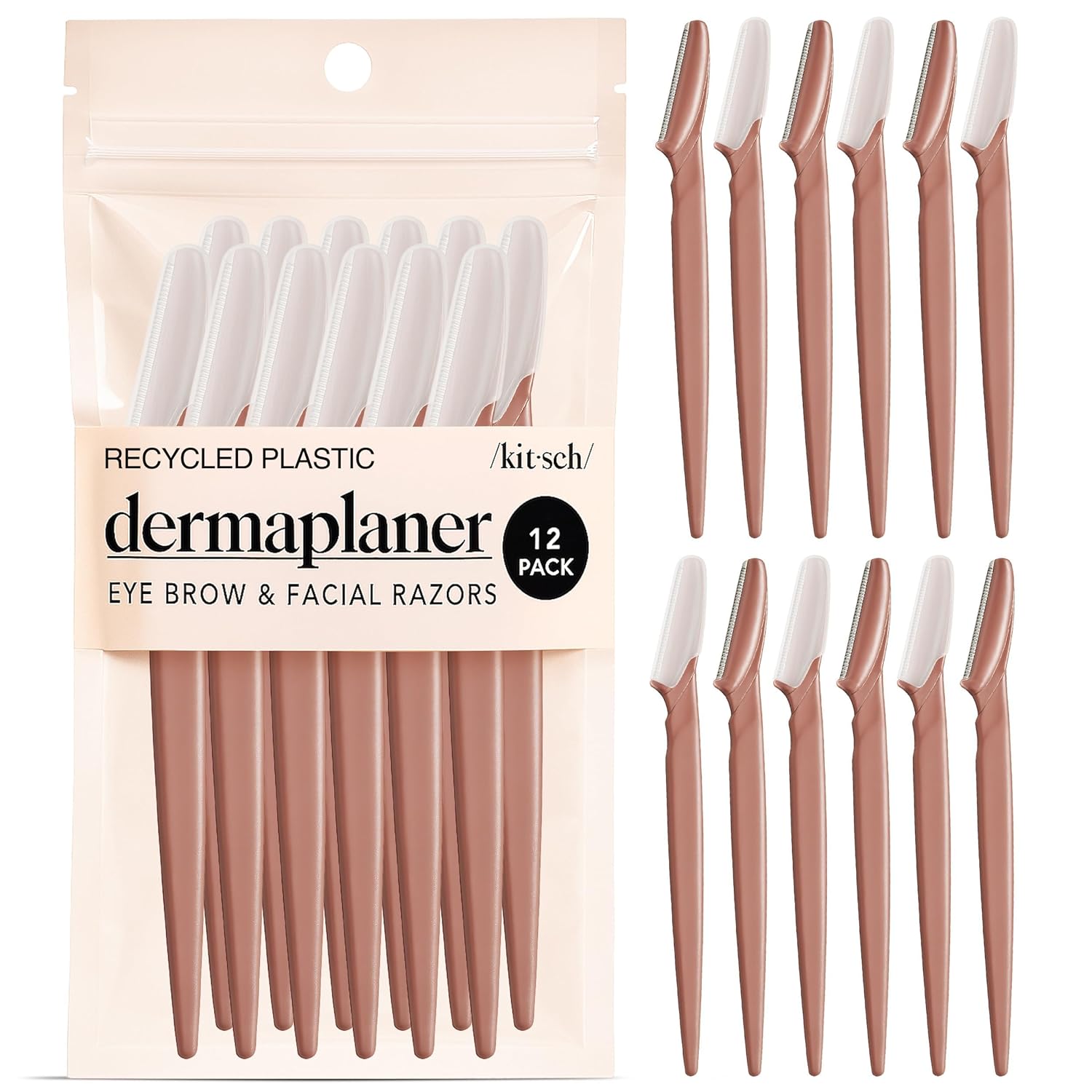
Kitsch Dermaplane Razor for Face
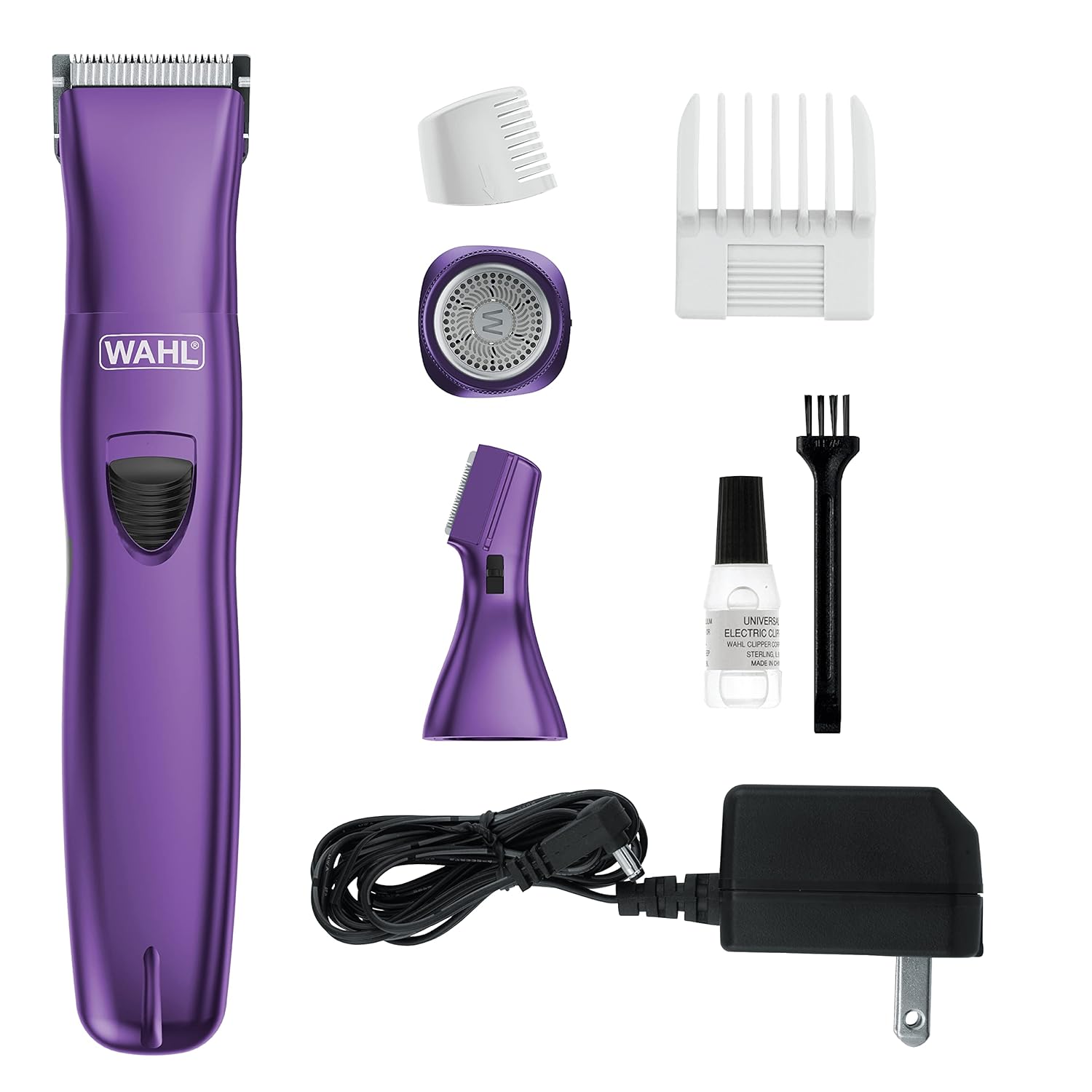
Wahl Pure Confidence Rechargeable Electric Trimmer, Shaver & Detailer
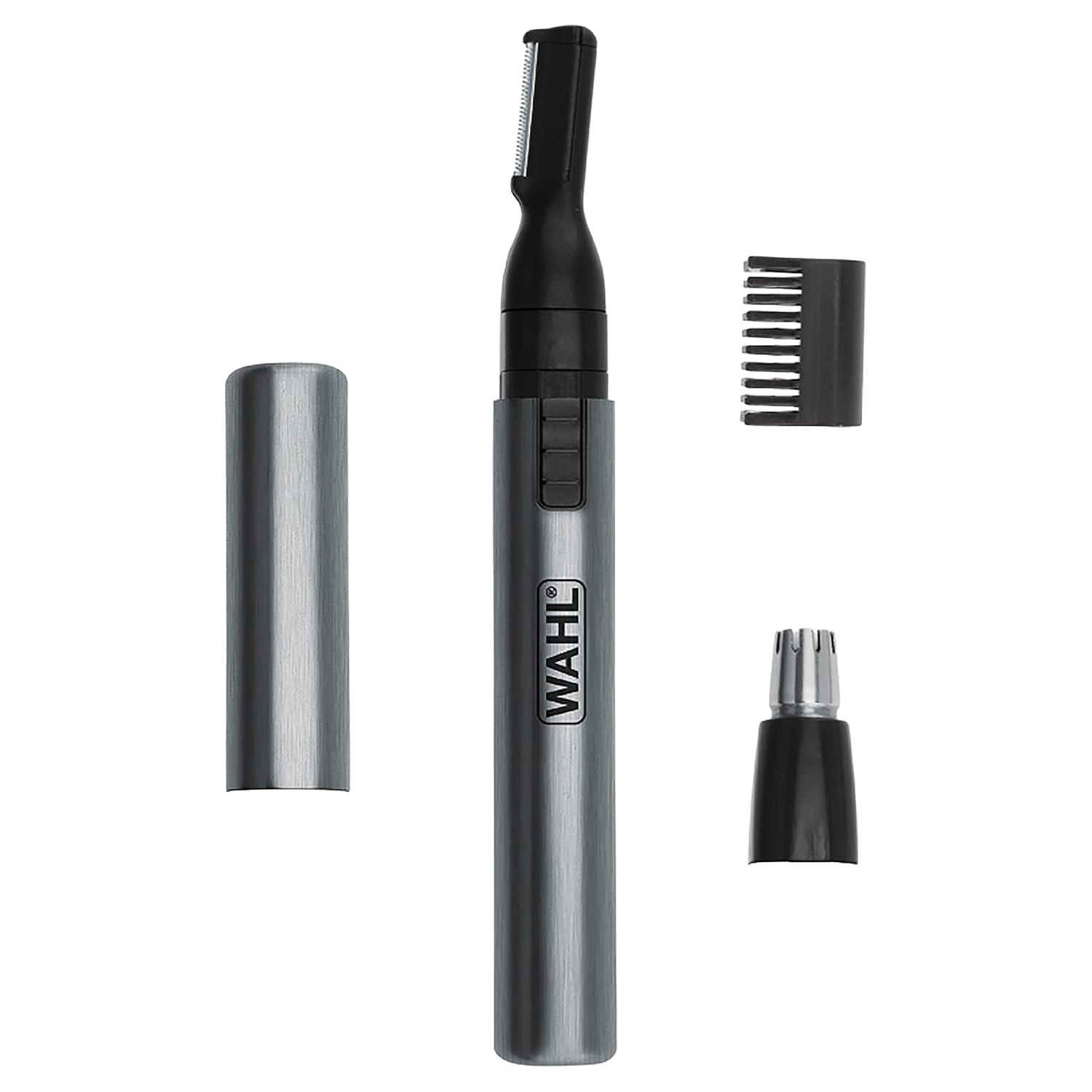
Wahl Micro Groomsman Battery Personal Trimmer
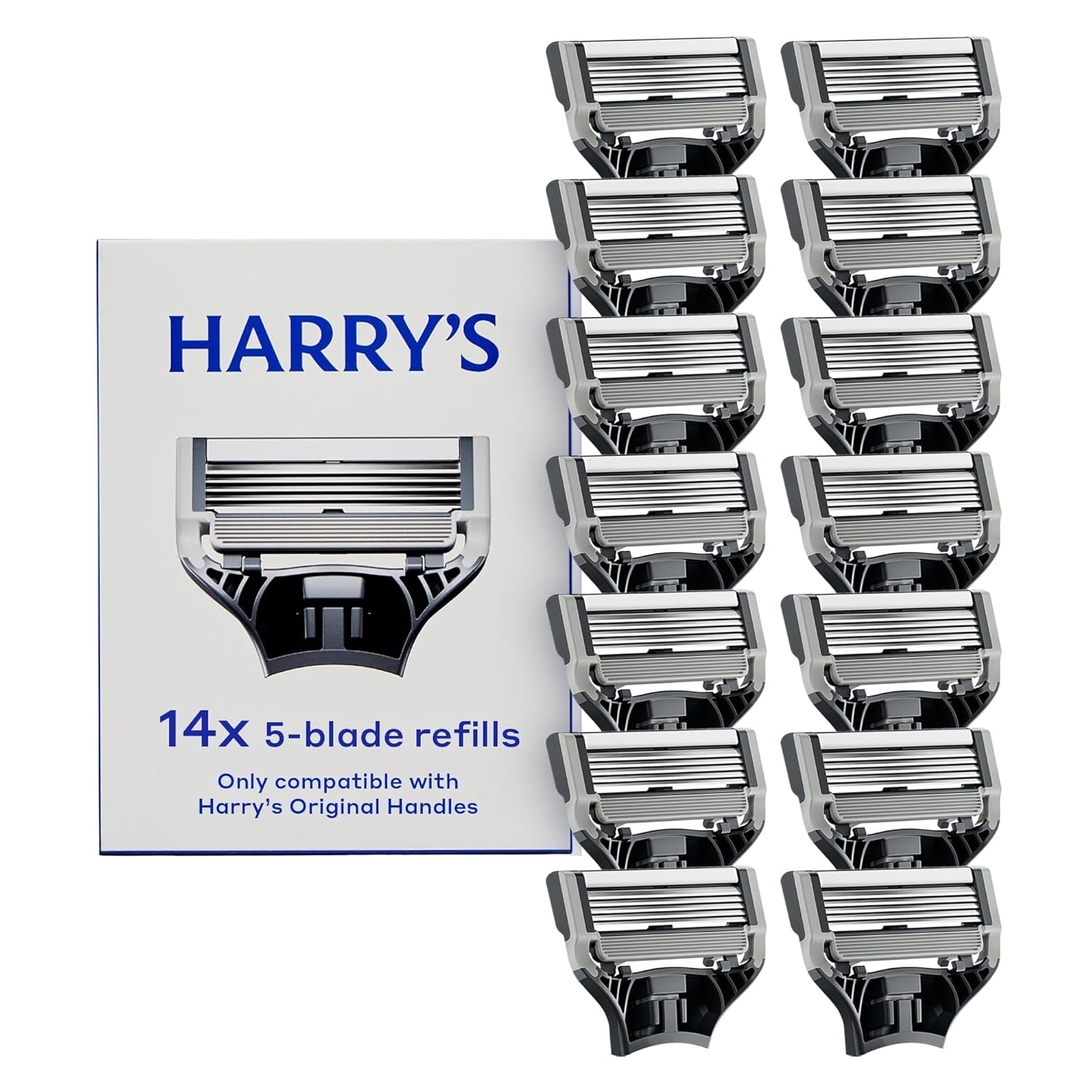
Harry's Original Razor Blades for Men
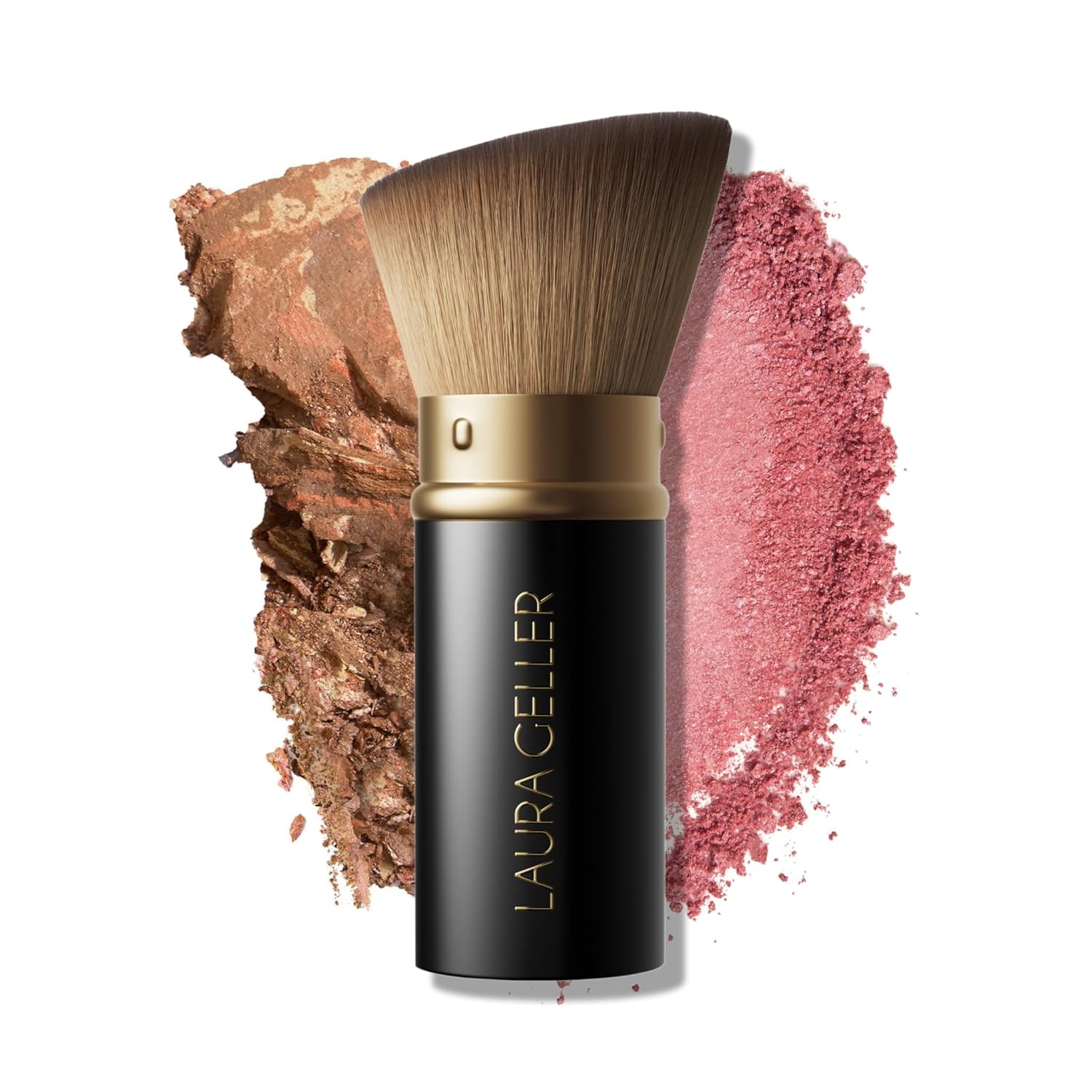
LAURA GELLER NEW YORK Retractable Angled Kabuki Brush
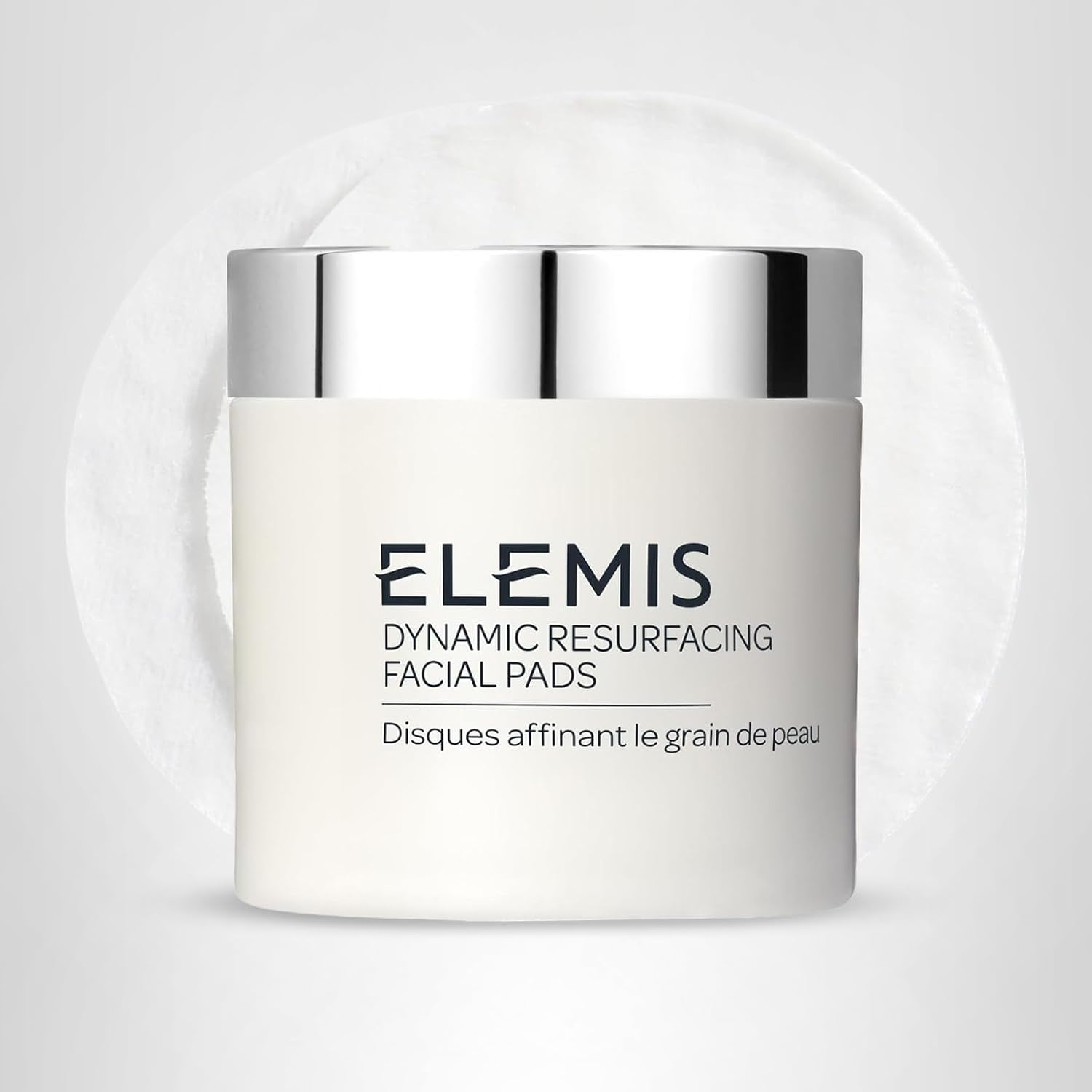
ELEMIS Dynamic Resurfacing Facial Pads
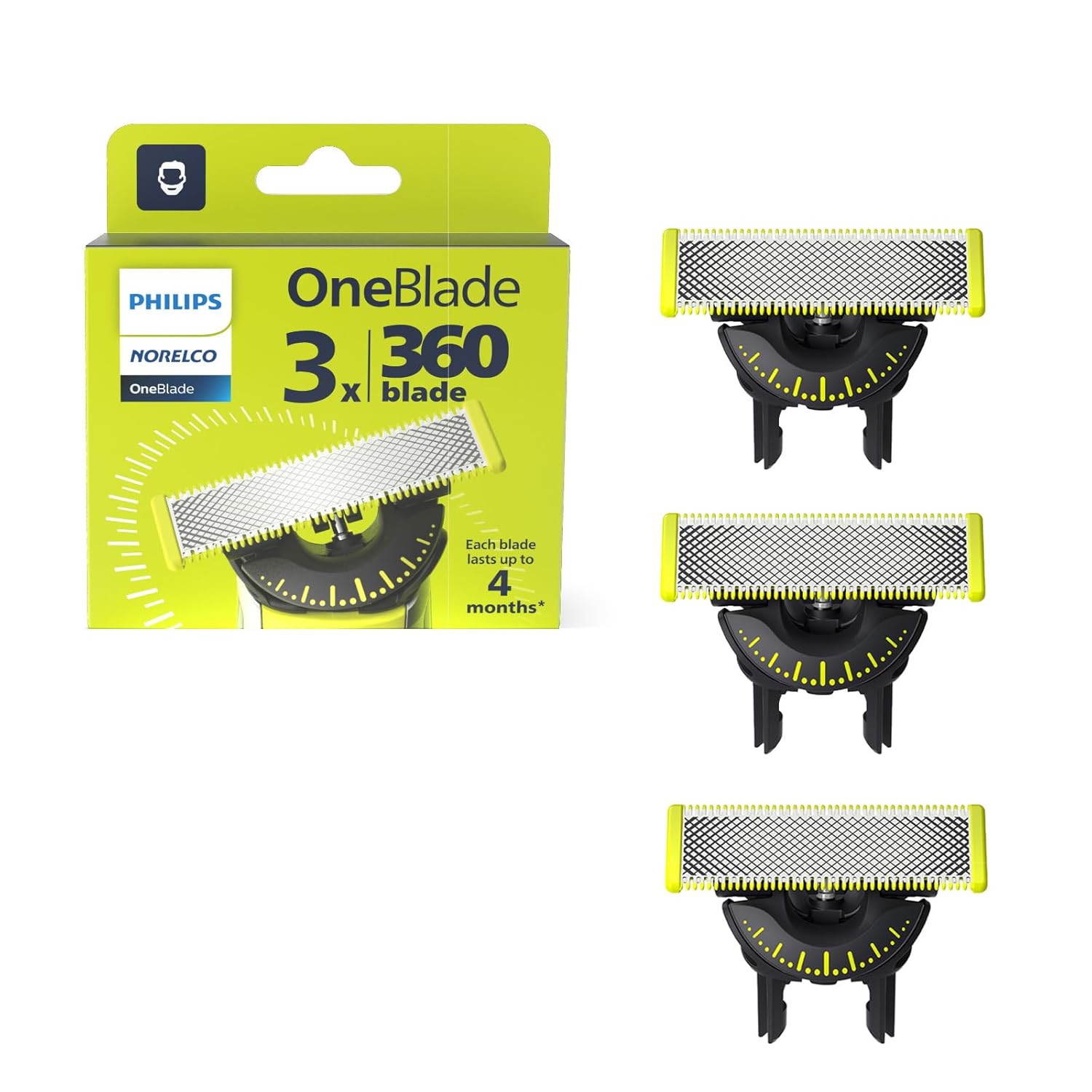
Philips Norelco OneBlade 360 Replacement Blades
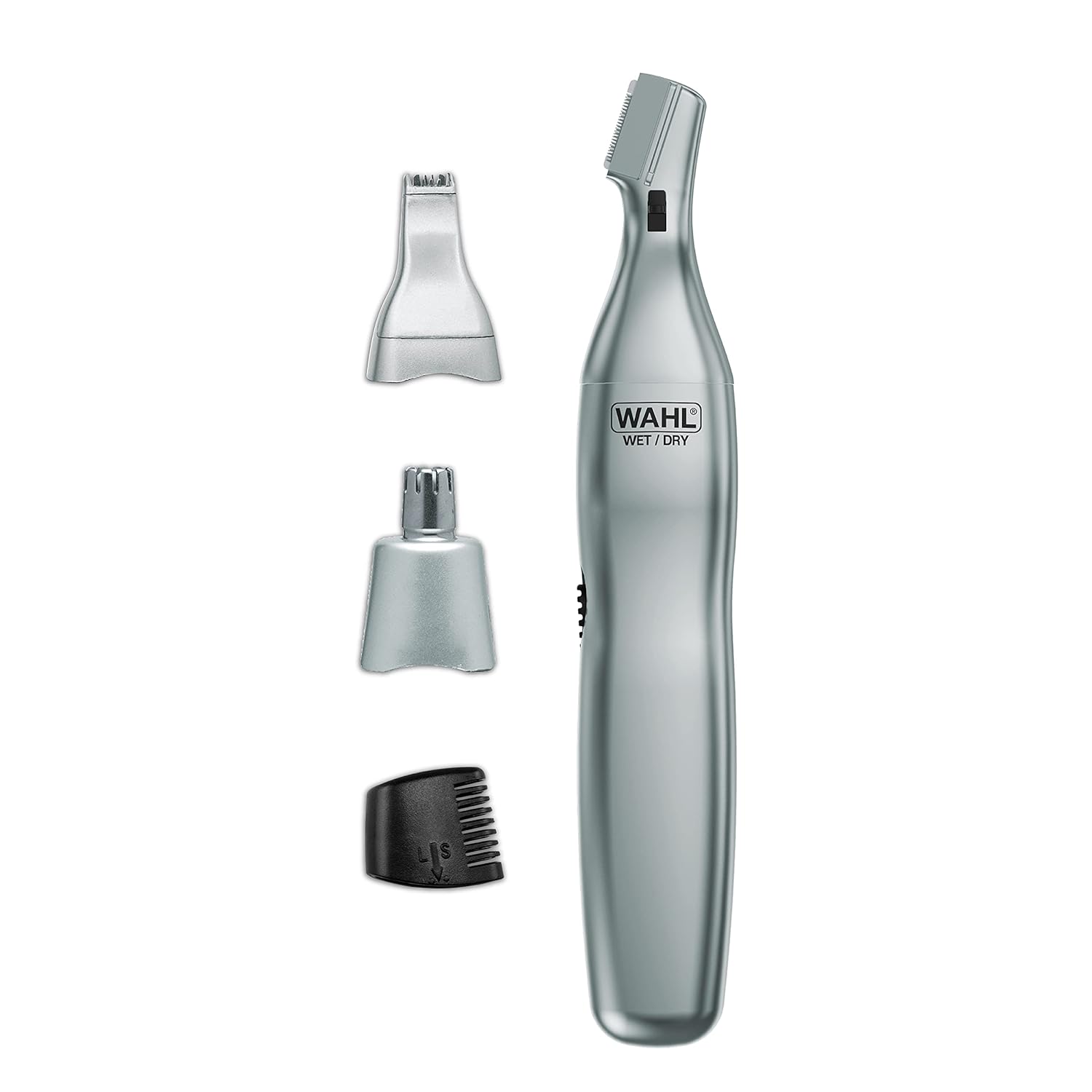
Wahl Men’s Nose Hair Trimmer 3-in-1 Detail Groomer