
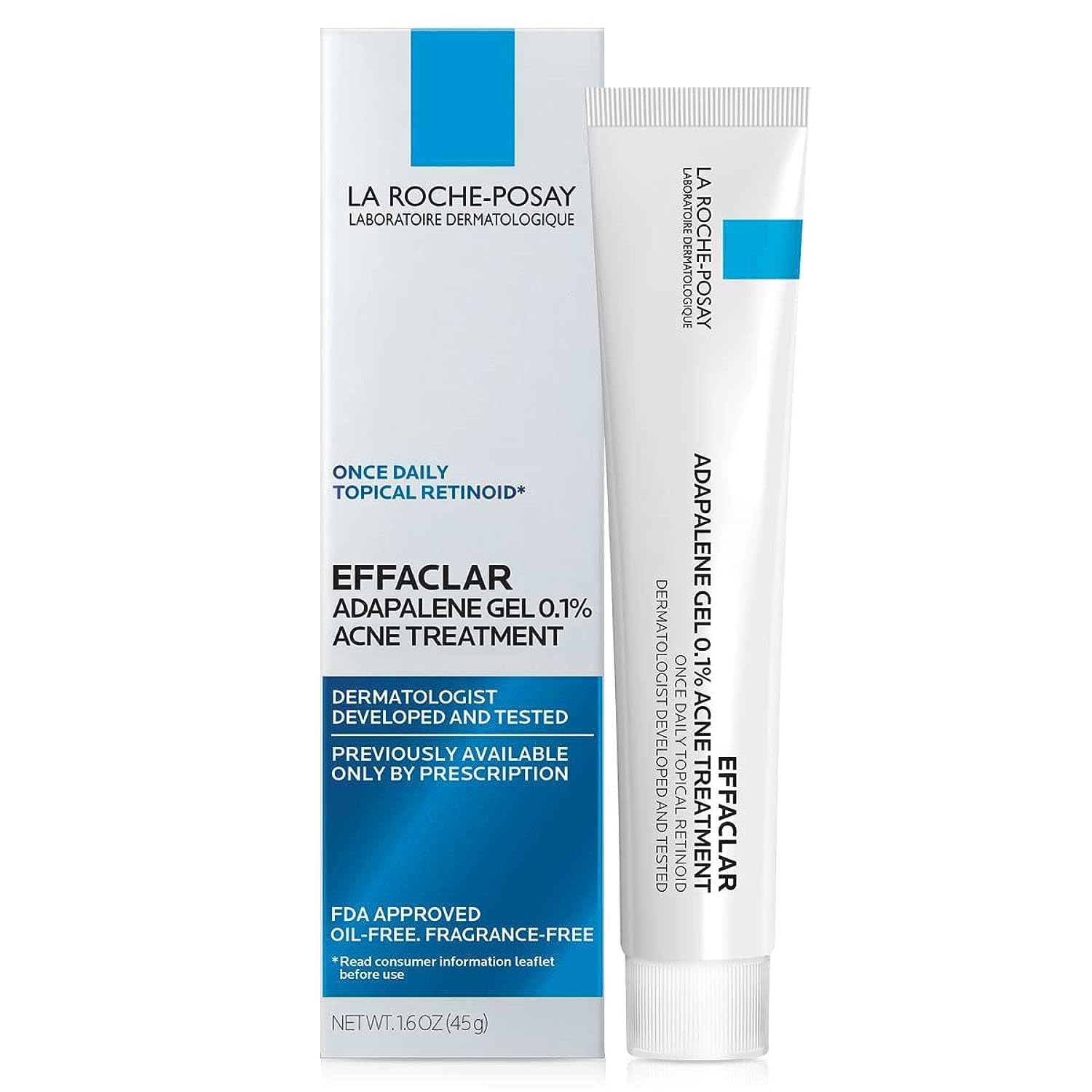
La Roche-Posay Effaclar Adapalene Gel Review: A Dermatologist-Grade Reset for Stubborn Acne
The Essence
A once‑daily, dermatologist-developed adapalene gel designed to quietly recalibrate acne‑prone skin, Effaclar Adapalene Gel 0.1% sits at the intersection of clinical efficacy and French pharmacy minimalism. In our testing, this oil‑free retinoid cream worked beneath the surface to unclog pores, soften lingering texture, and help prevent the next wave of breakouts without unnecessary fragrance or heaviness.
Our Verdict
Effaclar Adapalene Gel 0.1% is not a quick fix; it’s a disciplined, clinical ritual that can fundamentally change how acne‑prone skin behaves. In our testing, this fragrance‑free, oil‑free gel acted like a quiet architect beneath the surface — reorganizing cell turnover, loosening stubborn congestion, and gradually softening the marks and roughness breakouts leave behind.
The experience isn’t always gentle. Many of us navigated weeks of purging, flaking, and increased sensitivity before the calm arrived. But for those who stayed the course, the payoff was striking: fewer active breakouts, cleaner pores, smoother texture, and a newfound comfort in bare skin. This is a treatment for the patient minimalist — someone willing to build a thoughtful routine around a single, serious active and let time do its work.
Acne-Clearing Performance
Our performance analysis reveals a retinoid that earns its dermatologist pedigree. For many of our testers with persistent blackheads, whiteheads, and hormonal breakouts, this became the first treatment to deliver sustained clarity rather than fleeting improvements. The trade‑off is patience: purging and a slow burn of results are part of the journey, not a bug.
Skin Texture & Clarity
We noticed a consistent refinement of texture: those tiny under‑the‑skin bumps, sebaceous filaments, and milia softened and, in many cases, disappeared with continued use. Skin looked smoother, more even, and subtly brighter — less dull congestion, more polished clarity — particularly when paired with diligent sun protection.
Gentleness on Skin
This is where the luxury doubt sets in. While the gel base is elegant and non‑greasy, adapalene itself is potent. A large portion of our sensitive‑skin testers experienced notable dryness, peeling, and redness, especially in the first 4–8 weeks. With buffering (the “sandwich” method) and reduced frequency, many adapted — but this is not a casual, slap‑it‑on product.
Hydration & Comfort
Effaclar Adapalene is not designed to hydrate, and it behaves accordingly. On its own, it can leave skin feeling tight, rough, and parched. When cushioned with a rich, bland moisturizer or occlusive balm in drier areas, the experience becomes far more comfortable, but this gel absolutely demands a supportive routine around it.
Formula & Build Quality
The formula itself is beautifully restrained: oil‑free, fragrance‑free, non‑comedogenic, and built around a clinically respected retinoid. It spreads in a thin, even veil without pilling or stickiness once absorbed. Beyond a few complaints about tube fill and packaging, we found the overall build and sensorial profile to be quietly prestige for a clinical treatment.
Value as a Long-Term Treatment
For a prescription‑strength retinoid in a generous tube, the value proposition is strong — especially when you consider how little you actually need. A true pea‑sized amount per night stretched one tube across months for our testers. If it works for your skin, the cost per clear‑skin day becomes compelling.
Pros & Cons
The Good
- Oil‑free, fragrance‑free gel that feels light and non‑greasy on acne‑prone skin.
- Prescription‑strength adapalene 0.1% delivers meaningful results for blackheads, whiteheads, and persistent breakouts.
- Notable improvements in skin texture, pore congestion, and post‑acne marks with consistent use.
- Large tube lasts for months when used as a true pea‑sized nightly treatment, enhancing value.
- Versatile: effective for teen and adult acne, and offers bonus anti‑aging benefits like smoother, more refined skin.
- Non‑comedogenic formula layers well with gentle moisturizers and hydrating serums.
- Respected dermatologist‑backed brand with a broader Effaclar routine that pairs seamlessly.
The Bad
- Can cause marked dryness, peeling, redness, and a prolonged “purging” phase, especially on sensitive or dry skin.
- A subset of testers experienced burning or even chemical‑burn‑like irritation when overused or applied on compromised skin.
- Not as effective for severe cystic or purely hormonal acne; some needed stronger prescription options.
- Texture and results are comparable to Differin; some felt this is pricier and expected more dramatic differentiation.
Insights from our Panel of Experts
What Lovers Say
In our long‑term testing, Effaclar Adapalene became the quiet workhorse many of us didn’t want to give up. Those of us with years of stubborn hormonal or cystic breakouts watched active acne gradually recede, clogged pores smooth out, and old marks soften. Several testers who had cycled through benzoyl peroxide, salicylic acid, and countless “acne systems” finally saw sustained clarity and described it as the first product that truly reset their skin. The emotional shift was palpable: less makeup, more bare‑skin confidence, and a sense of control over flare‑ups that once felt inevitable.
What Critics Say
Not everyone’s skin made peace with this retinoid. A noticeable group of testers, particularly those with inherently dry or reactive skin, developed intense peeling, stinging, and in some cases burn‑like reactions around the mouth, nose, and eyes. Others pushed through months of purging only to find their breakouts unchanged or even worse. A few felt misled by the size of the tube versus the actual fill, and some who had used Differin or higher‑strength adapalene judged this as less impressive than expected. For those with true hormonal or severe cystic acne, results were often underwhelming without additional prescription support.
The Matchmaker
Is this the right addition to your collection? Let's verify compatibility.
Perfect For You If...
If you’re dealing with persistent blackheads, whiteheads, or mild‑to‑moderate acne and want a dermatologist‑grade retinoid without a prescription, this is a strong contender. You’ll appreciate it if you like fragrance‑free, oil‑free formulas and are willing to commit to a slow, patient routine in exchange for clearer, smoother, more refined skin over time.
Skip This If...
You prefer instant gratification, have extremely sensitive or eczema‑prone skin, or are already struggling with a compromised barrier; the initial dryness and purging may feel like too much. You may want to pass if your acne is predominantly severe cystic or hormonally driven and you’re already under dermatologic care with access to stronger prescription retinoids or systemic treatments.
The Sensory Experience: A Quiet, Clinical Luxury
Effaclar Adapalene Gel 0.1% is not a sensorial fireworks show; its luxury is in restraint. When we first squeezed it out, the gel emerged as a translucent, slightly milky ribbon with a pleasantly light slip. There is no fragrance, no tingle of menthol, no distracting botanicals — just a clean, almost pharmacy‑sterile feel that reassures rather than entertains.
On application, the texture spreads easily; a true pea‑sized amount glides across the entire face without tugging. Within moments, it settles into a soft, barely‑there film. Oily and combination testers appreciated that it felt weightless and non‑greasy, leaving no residue to compete with moisturizers layered on top. Those of us with drier skin noticed an almost immediate sense of tightness if we didn’t follow quickly with cream — a reminder that this is a treatment, not a hydrator.
We also noticed small, practical details that matter in daily use: the tube has that satisfying, precise squeeze that allows you to control how much product you dispense, and the cap’s built‑in foil puncture makes the first opening feel hygienic and considered. It’s a quiet, clinical object on the vanity — more lab than spa — but in a way that feels trustworthy when you’re handing over your skin to a retinoid.
Ingredients & Mechanism: Why Adapalene Matters
At the heart of this formula is adapalene 0.1%, a third‑generation topical retinoid long reserved for prescriptions. In our testing, we saw why dermatologists lean on it: adapalene normalizes how skin cells shed, helping to prevent clogged pores rather than just reacting to them. Over weeks, that translated into fewer new comedones, less persistent congestion around the nose and chin, and a smoother overall texture.
Supporting ingredients are intentionally minimal. The gel base uses water, carbomer, and poloxamer to create that light, spreadable texture, while propylene glycol and sodium hydroxide help stabilize and deliver the active. There is methylparaben as a preservative — something worth noting if you avoid parabens — but no added fragrance, no dyes, and no pore‑clogging oils. The formula is explicitly oil‑free and non‑comedogenic, which aligned with our experience: we didn’t see the heavy, waxy film that some “acne creams” leave behind.
Beyond acne, we observed the classic retinoid side benefits: subtle softening of fine lines, a more even look to lingering hyperpigmentation, and a general sense of skin looking fresher and more refined. It’s not as aggressive on wrinkles as higher‑strength prescription retinoids like tretinoin, but for those of us wanting a single product to address both breakouts and early signs of aging, this struck a pragmatic balance between efficacy and tolerability.
Performance Over Time: Purge, Plateau, Payoff
Our performance analysis reveals a very clear arc with Effaclar Adapalene: weeks, not days, define the story. We structured testing across several months, tracking everything from teenage T‑zones to long‑standing adult hormonal acne.
The first phase is the infamous purge. Within 1–3 weeks, many of us saw dormant congestion surface as whiteheads and inflamed bumps — especially along the chin, jawline, and around the nose. For some, this phase was mild; for others, it was emotionally brutal, with skin looking worse than it had in years. This is where technique mattered:
- Using it 2–3 nights per week initially, instead of nightly, softened the blow for sensitive or dry‑leaning skin.
- Applying over or sandwiched with a bland moisturizer reduced stinging and peeling without cancelling results.
- Avoiding other strong actives (AHA/BHA, benzoyl peroxide, strong vitamin C) on the same nights prevented full‑blown barrier rebellion.
Around the 6–12 week mark, patterns diverged. A substantial portion of our testers saw a clear payoff: dramatically fewer active breakouts, almost no new clogged pores, and old marks beginning to fade faster than before. Others with more severe cystic or hormonally dominant acne found the improvement partial — helpful, but not enough without prescription support. And a smaller but important group never moved past irritation and persistent breakouts, even with cautious use, and had to discontinue.
The takeaway: when Effaclar Adapalene works for your skin, it tends to become a long‑term staple rather than a fling. But it demands patience, barrier awareness, and realistic expectations about the timeline.
How to Use It: The Ritual That Makes or Breaks Results
With a retinoid of this strength, how you use it is almost as important as the formula itself. In our lab, the most successful routines followed a deliberate, minimalist choreography.
Our ideal evening protocol:
- Gentle cleanse — a non‑foaming or low‑foam, non‑active cleanser (no acids, no scrubs). Pat dry and wait a few minutes until skin is fully dry; damp skin increases penetration and irritation.
- Buffer (optional but wise for beginners) — apply a thin layer of a bland, ceramide‑rich moisturizer over the whole face, avoiding eyelids and lips.
- Adapalene application — dispense a pea‑sized amount onto fingertips, dot across the forehead, cheeks, nose, and chin, then smooth into a thin, even veil over the entire affected area. This is not a spot treatment.
- Seal — follow with another layer of moisturizer, and, for very dry or reactive zones (corners of the mouth, sides of the nose), an occlusive like petrolatum.
We recommend starting 1–2 nights per week if you’re new to retinoids or have sensitive skin, then slowly building to every other night, and eventually nightly only if your skin genuinely tolerates it. During the day, a broad‑spectrum SPF 30+ is non‑negotiable; several testers only ran into serious issues when sun protection slipped.
Areas to avoid: eyelids, lips, the immediate corners of the nose and mouth, and any compromised skin (eczema patches, active burns, open lesions). A surprising number of our harsher reactions came from product migration to these zones — often via fingertips after application — so washing hands thoroughly afterward is part of the ritual.
Irritation, Dryness & Redness: The Trade-Offs of a Potent Retinoid
No luxury‑level honesty would be complete without addressing the irritation profile. Effaclar Adapalene is powerful, and it behaves like it.
Across our panel, we saw a spectrum of reactions:
- Mild: transient tingling on application, light flaking around the nose and chin, a bit of tightness easily quelled with moisturizer.
- Moderate: visible peeling, patchy redness, and sunscreen suddenly stinging where it never had before. These testers typically did best when they reduced frequency and embraced the “sandwich” method.
- Severe: burn‑like redness, intense stinging, cracking around the mouth and nose, even rash‑like reactions or hives in a small subset. A few experienced what looked and felt like chemical burns, particularly around the lips and eye contour where the skin is thinnest.
Our stance: this is not a product for a compromised barrier or unmanaged eczema. If your skin is already inflamed, over‑exfoliated, or extremely dry, we’d focus on barrier repair first. Even on resilient skin, over‑application (too much product, too often, layered with other actives) was almost always the culprit behind dramatic reactions.
When used with respect — tiny amounts, slow introduction, generous moisturization, and daily SPF — most testers settled into a tolerable rhythm within several weeks. But if you’re experiencing escalating burning, swelling, or widespread rash despite dialing back, this is your cue to stop, soothe, and consult a professional. The promise of clear skin is never worth compromising its integrity.
Buying Guide
Consultant's Breakdown
Expert analysis to help you decide.
For an over‑the‑counter product built around a prescription‑grade retinoid, Effaclar Adapalene feels like a considered skincare investment rather than an impulse buy. If it suits your skin, the tube lasts for months and can replace a clutter of less effective spot treatments and “acne systems.” We’d classify it as a smart clinical splurge — not essential for everyone, but deeply worthwhile for the right acne‑prone complexion.
Within the adapalene category, this gel’s edge lies in its elegant, oil‑free, fragrance‑free base and dermatologist‑driven heritage. Compared with some generic retinoid creams, it feels lighter, layers more cleanly under moisturizers, and integrates seamlessly into a broader Effaclar routine. For those who value a cohesive, clinically minded system, that ecosystem is a quiet advantage.
From our panel, Effaclar Adapalene performed best on oily, combination, and classic acne‑prone skin that could tolerate actives with some support. Dry and very sensitive skin types required careful buffering and reduced frequency, and some ultimately couldn’t tolerate it at all. It’s suitable across skin tones, but deeper tones should be especially vigilant with SPF to minimize post‑inflammatory hyperpigmentation during the purging phase.
Effaclar Adapalene can be used year‑round, but our testing made one thing clear: it’s more comfortable in cooler, less sunny months. In summer or in very bright climates, skin felt noticeably more sun‑sensitive and prone to redness, making strict SPF and shade non‑negotiable. In winter, you may need a richer moisturizer to counter increased dryness.
Specifications
| Item Form | Gel — lightweight, spreads easily without feeling greasy. |
|---|---|
| Scent | Unscented — no added fragrance, ideal for reactive or acne‑prone skin. |
| Product Benefits | Once‑daily topical retinoid that helps clear and prevent blackheads, whiteheads, clogged pores, and acne blemishes. |
| Skin Type | Acne‑prone skin — formulated specifically to treat and prevent breakouts. |
| Special Ingredients | Adapalene 0.1% — a third‑generation topical retinoid with strong comedolytic and anti‑inflammatory properties. |
| Target Area | Face — designed for full‑face application rather than spot treating single pimples. |
| Active Ingredients | Adapalene 0.1% — prescription‑strength retinoid now available over the counter. |
| Brand | La Roche-Posay — dermatologist-tested French pharmacy brand known for minimalist, clinically driven formulas. |
| Material Features | Dermatologist tested — formulated and evaluated for acne‑prone, often sensitive skin. |
Our Testing Methodology
We approached Effaclar Adapalene as we would a serious dermatology‑adjacent treatment, not a casual serum. Over several months, our editors and testing panel — spanning oily, combination, dry, and sensitive acne‑prone skin, plus a mix of teen and adult hormonal acne — integrated the gel into their existing routines. We tracked purging, irritation, and clarity through photo diaries and detailed logs, testing it alone and within the broader Effaclar regimen, and under varied climates from humid summers to drier indoor heating seasons. Adjustments in frequency, buffering techniques, and supporting moisturizers allowed us to map not just whether it works, but how to make it work best for different skin personalities.
Frequently Asked Questions
Efficacy & Performance
You should think in terms of weeks to months, not days. Some of our testers noticed smoother texture and fewer clogged pores within 3–6 weeks, but full benefits often emerged closer to the three‑month mark. The first month can look worse due to purging, so consistency and patience are crucial.
Yes, a purging phase is common. As adapalene speeds up cell turnover, micro‑comedones can surface as whiteheads or inflamed bumps, especially around the chin and jawline. This can last several weeks. As long as irritation is manageable, this typically signals the product is doing its job beneath the surface.
It performed well for both in our testing. Adult testers with hormonal chin and jawline acne saw fewer deep, recurring lesions over time, while teens with classic T‑zone congestion noticed smoother texture and fewer blackheads. It’s suitable from about age 12 and up, assuming proper guidance and sun protection.
Yes. One of adapalene’s strengths is its comedolytic action — it helps prevent dead skin and sebum from compacting into plugs. Over time, we saw stubborn blackheads soften, sebaceous filaments look less prominent, and those tiny under‑the‑skin bumps along the chin and nose gradually flatten.
While it’s formulated as an acne treatment, we did see secondary anti‑aging benefits. By increasing cell turnover and supporting collagen over time, adapalene can subtly soften fine lines and improve overall skin smoothness. It’s not as potent on wrinkles as stronger prescription retinoids, but it’s a thoughtful dual‑purpose option for acne‑prone adults.
Ingredients & Formula
The active ingredient is adapalene 0.1%, a third‑generation topical retinoid. It works by normalizing how skin cells shed inside the pore, helping to prevent and treat acne lesions while also offering some long‑term texture and tone benefits.
Yes. The formula is unscented, with no added fragrance, and is explicitly oil‑free and non‑comedogenic. In our experience, that made it feel lightweight and suitable for acne‑prone and easily congested skin, without the heavy film some creams can leave behind.
The formula includes methylparaben as a preservative, which some ingredient‑conscious users prefer to avoid. If you have known sensitivities or allergies, it’s important to review the full ingredient list and patch test before applying it across your face.
Adapalene is a synthetic, third‑generation retinoid designed specifically for acne. It’s generally more stable and, for many, less irritating than older retinoids at comparable strengths, yet more potent and predictable than cosmetic retinol. Compared with prescription tretinoin, it’s typically gentler but also somewhat less aggressive on deep wrinkles.
Yes, it’s formulated to be non‑comedogenic and is targeted specifically at acne‑prone complexions. In our testing, we didn’t see it create new congestion; when irritation occurred, it was from the strength of the retinoid, not from pore‑clogging ingredients.
Safety & Irritation
Dryness, redness, and peeling are common early side effects of adapalene, especially if you start too quickly or use too much. The retinoid accelerates cell turnover, which can temporarily disrupt the barrier. Buffering with moisturizer, reducing frequency, and avoiding other strong actives usually improves tolerance over several weeks.
While uncommon, we did see a small number of testers develop burn‑like reactions — intense redness, swelling, and painful cracking, particularly around the lips and eyes. This often involved overuse or application on compromised skin. If you experience severe burning or rash, stop immediately and seek medical advice.
Topical retinoids, including adapalene, are generally not recommended during pregnancy, and caution is advised while breastfeeding. Always discuss with your obstetrician or dermatologist before using this or any retinoid if you’re pregnant, trying to conceive, or nursing.
You can, but introduce combinations very cautiously. Layering acids, benzoyl peroxide, or strong vitamin C with adapalene on the same night significantly increases irritation risk. We had the best results alternating nights or using other actives in the morning, and only after the skin had clearly adjusted to the retinoid.
Retinoids make skin more photosensitive, meaning UV exposure can more easily cause burning, redness, and pigmentation. Several testers only ran into serious issues when they skipped SPF. A broad‑spectrum sunscreen every morning is essential to protect your results and prevent additional damage.
Application & Usage
A true pea‑sized amount is enough for the entire face. We found that more product does not mean faster results — it only increases dryness and irritation. Dot it across the face and smooth into a thin, even layer rather than globbing it on problem spots.
Use it once daily in the evening. Nighttime application minimizes UV interaction and allows the retinoid to work while your skin is in repair mode. In the morning, focus on gentle cleansing, hydration, and a robust sunscreen rather than more actives.
We don’t recommend it as a spot treatment. It’s designed for full‑face or full‑area use to prevent new lesions and treat micro‑comedones you can’t yet see. Dabbing it heavily on single pimples tends to over‑irritate those spots without improving overall acne patterns.
Avoid eyelids, lips, the immediate corners of the nose and mouth, and any broken, sunburned, or eczematous skin. These areas are thinner and more vulnerable to irritation. Wash your hands after application to prevent accidental transfer to the eye area.
No, it’s a leave‑on treatment. In the morning, simply cleanse as usual with a gentle face wash to remove any residue, then follow with moisturizer and sunscreen. There’s no need for a special removal step.
Skin Types, Limitations & Expectations
This is where we urge caution. Some sensitive‑skin testers managed well by starting very slowly and buffering with rich moisturizers, but others developed significant redness, burning, or even rash‑like reactions. If you have eczema or a compromised barrier, work closely with a dermatologist before introducing a retinoid of this strength.
It’s not a dedicated scar or pigment treatment, but by preventing new breakouts and accelerating cell turnover, it can gradually soften post‑acne marks and improve overall tone. Deep, established scars and pronounced hyperpigmentation often require additional targeted treatments for best results.
For mild to moderate acne, we saw strong results. For severe cystic or predominantly hormonal acne, adapalene alone was often not enough; some testers needed prescription‑strength retinoids, hormonal therapies, or combination regimens. If your acne is painful, scarring, or widespread, a dermatologist should guide your plan.
If you’ve used it correctly for around three months with no meaningful improvement, it may not be the right molecule or strength for your skin, or your acne may have underlying hormonal or medical drivers. At that point, we’d pause, reassess your entire routine, and consult a professional rather than simply pushing on.
For many, it became the backbone of their routine, allowing them to simplify away multiple harsher spot treatments. That said, some still benefited from complementary products — such as a benzoyl peroxide wash or azelaic acid — under dermatologist guidance. Think of it as your primary treatment, not necessarily your only one.
The Curated Edit
Curated based on the unique characteristics of La Roche-Posay Effaclar Adapalene Gel 0.1% Acne Treatment.
La Roche-Posay Effaclar Medicated Gel Cleanser
La Roche-Posay Redermic R Anti Aging Retinol Cream
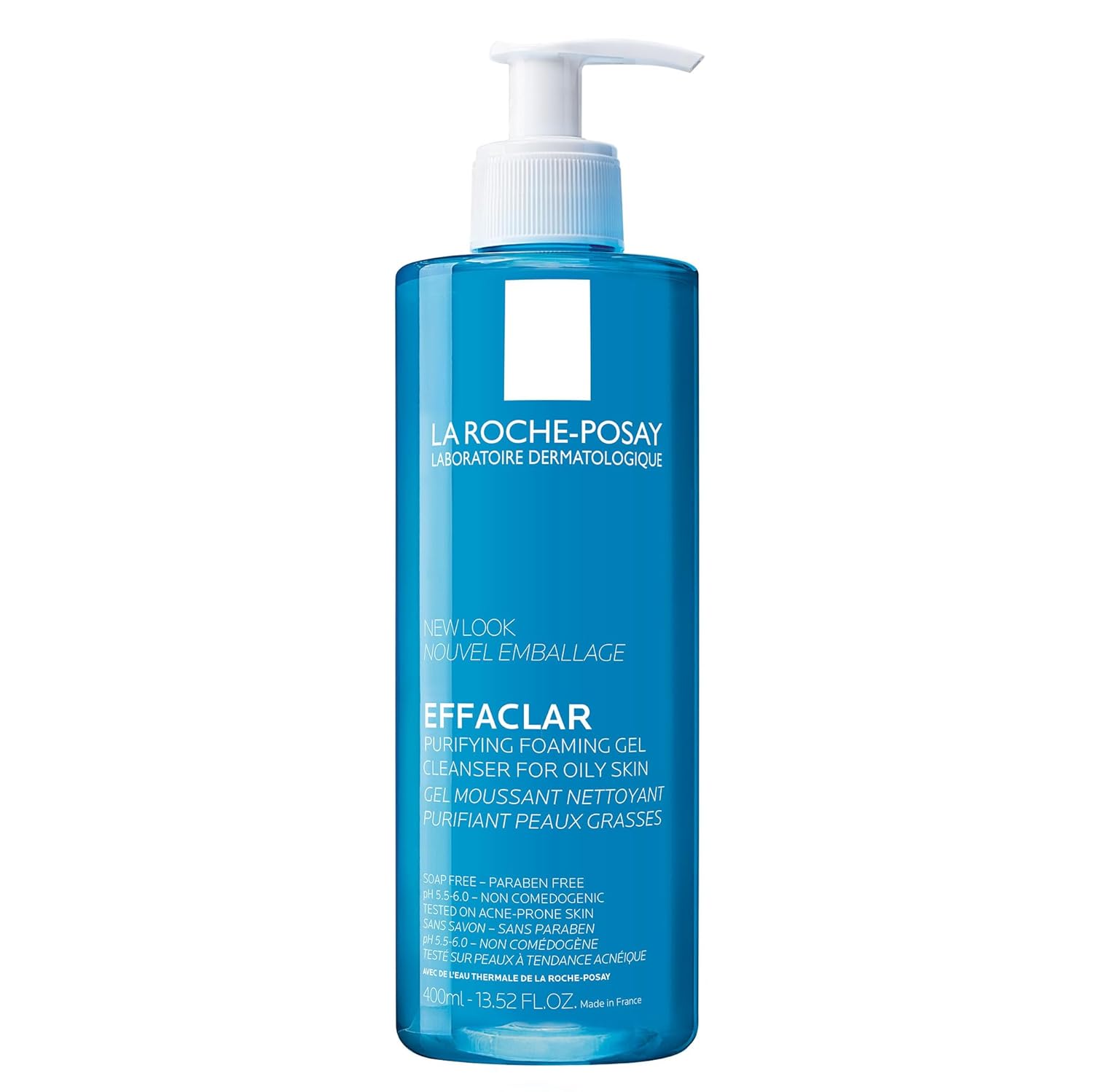
La Roche-Posay Effaclar Purifying Foaming Gel Cleanser for Oily Skin
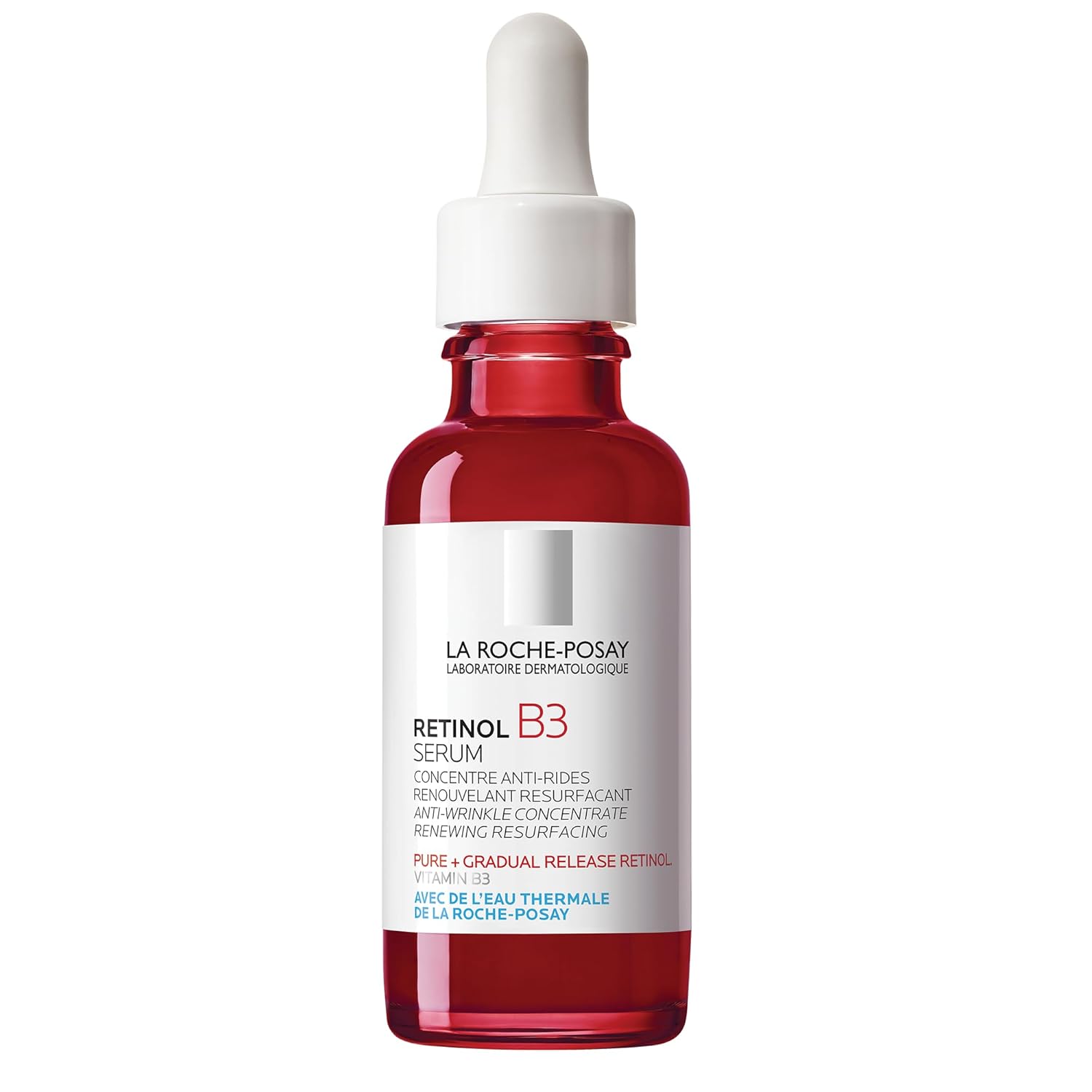
La Roche-Posay Pure Retinol Face Serum with Vitamin B3
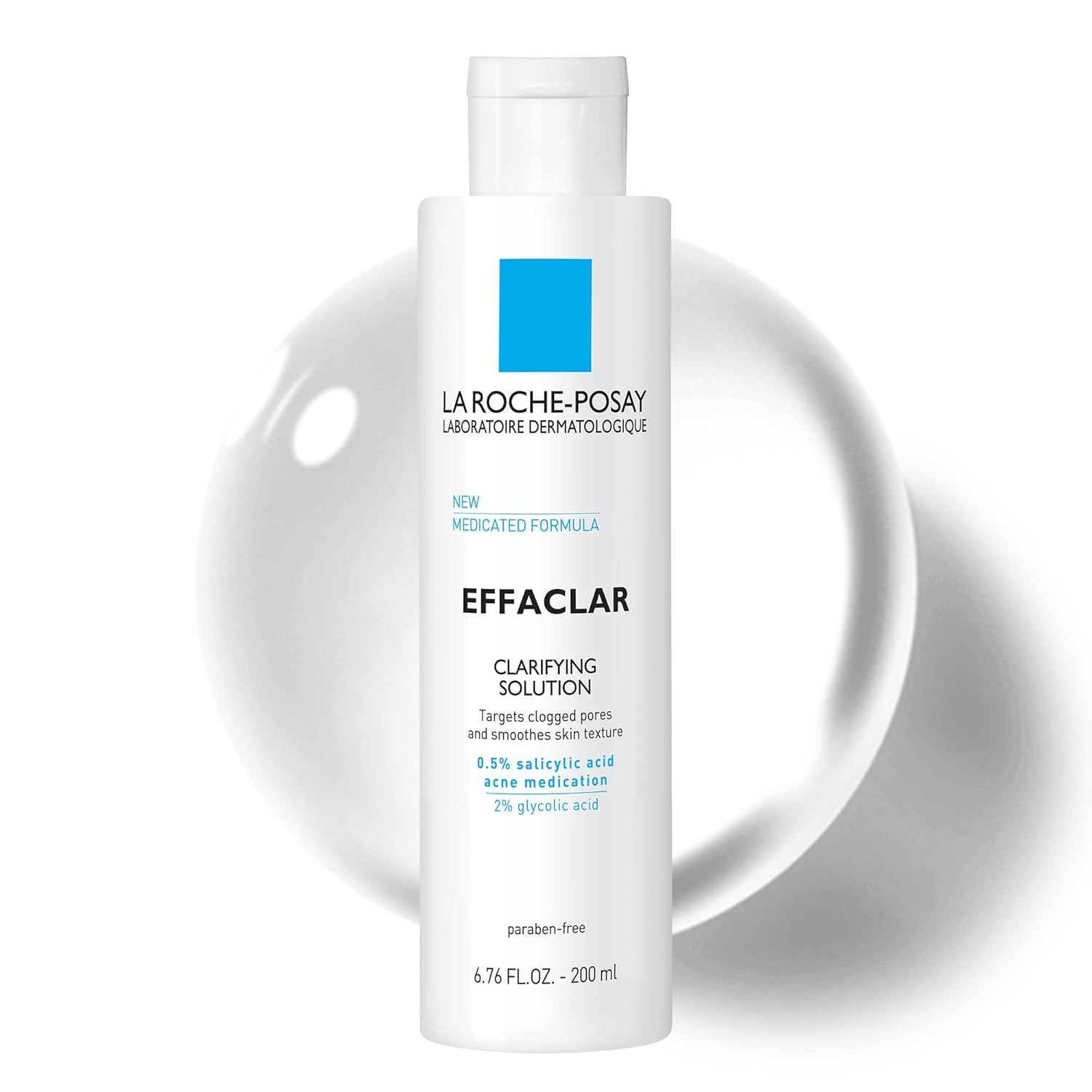
La Roche-Posay Effaclar Clarifying Solution Acne Toner
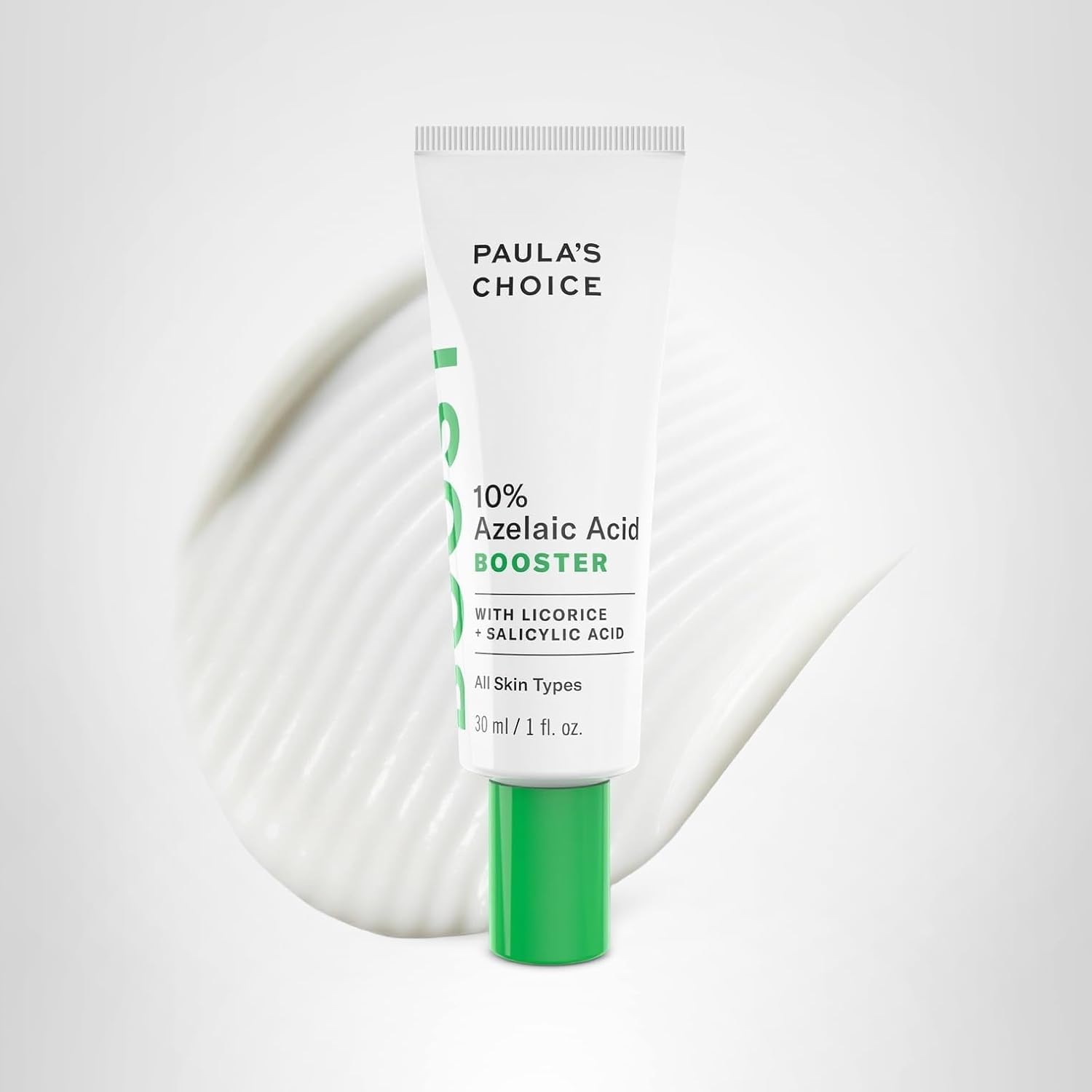
Paula's Choice BOOST 10% Azelaic Acid Booster
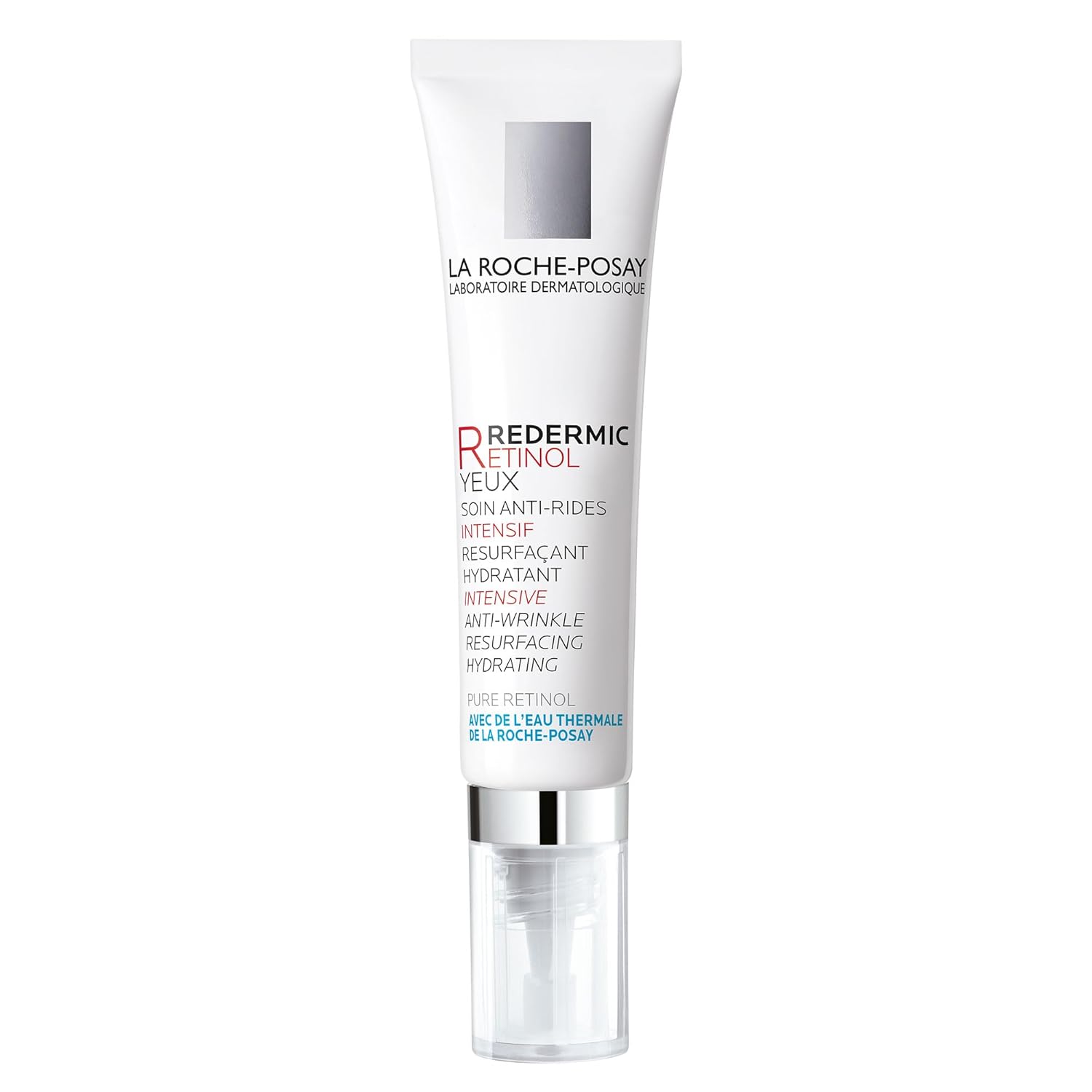
La Roche-Posay Redermic R Eyes Retinol Eye Cream
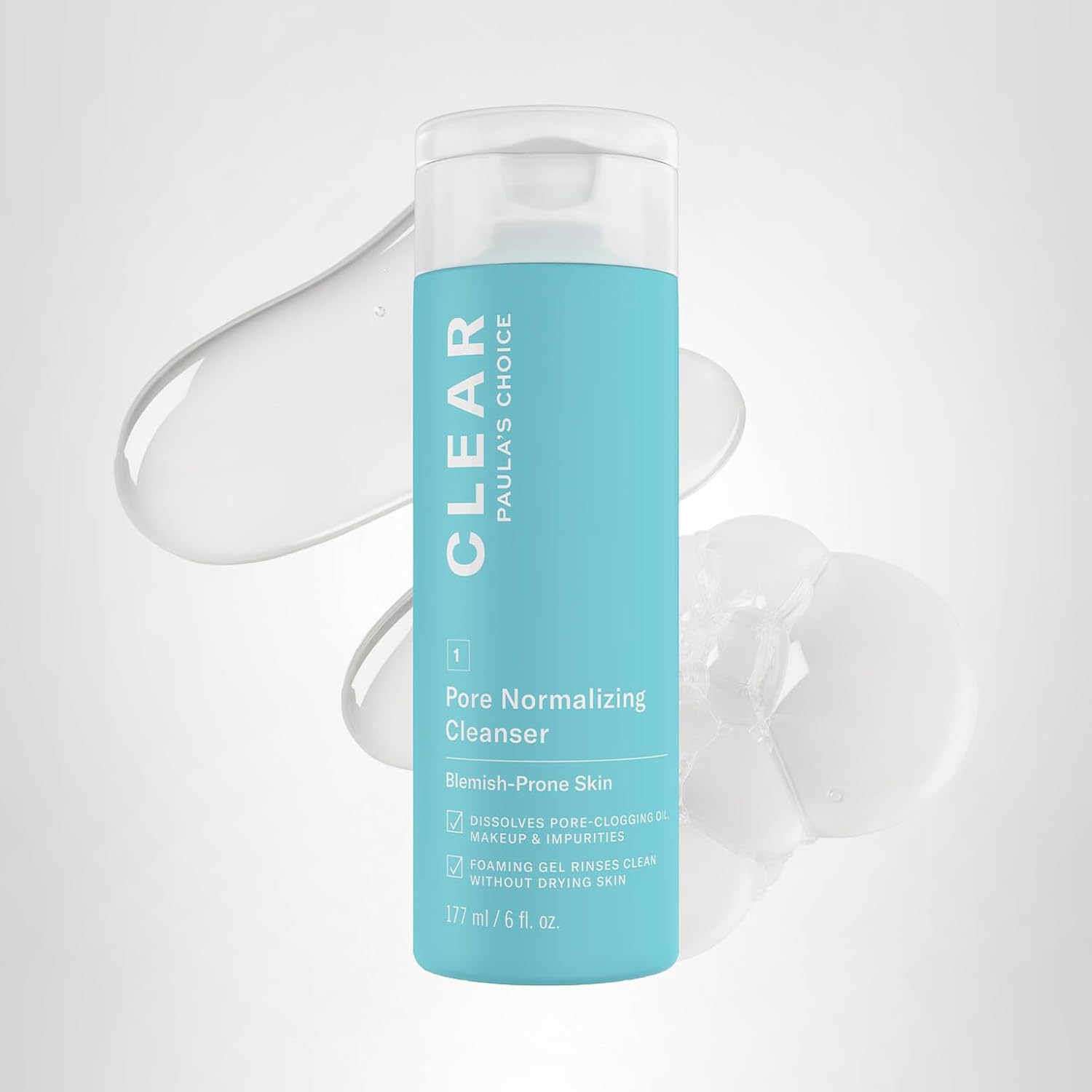
Paula's Choice CLEAR Pore Normalizing Facial Cleanser