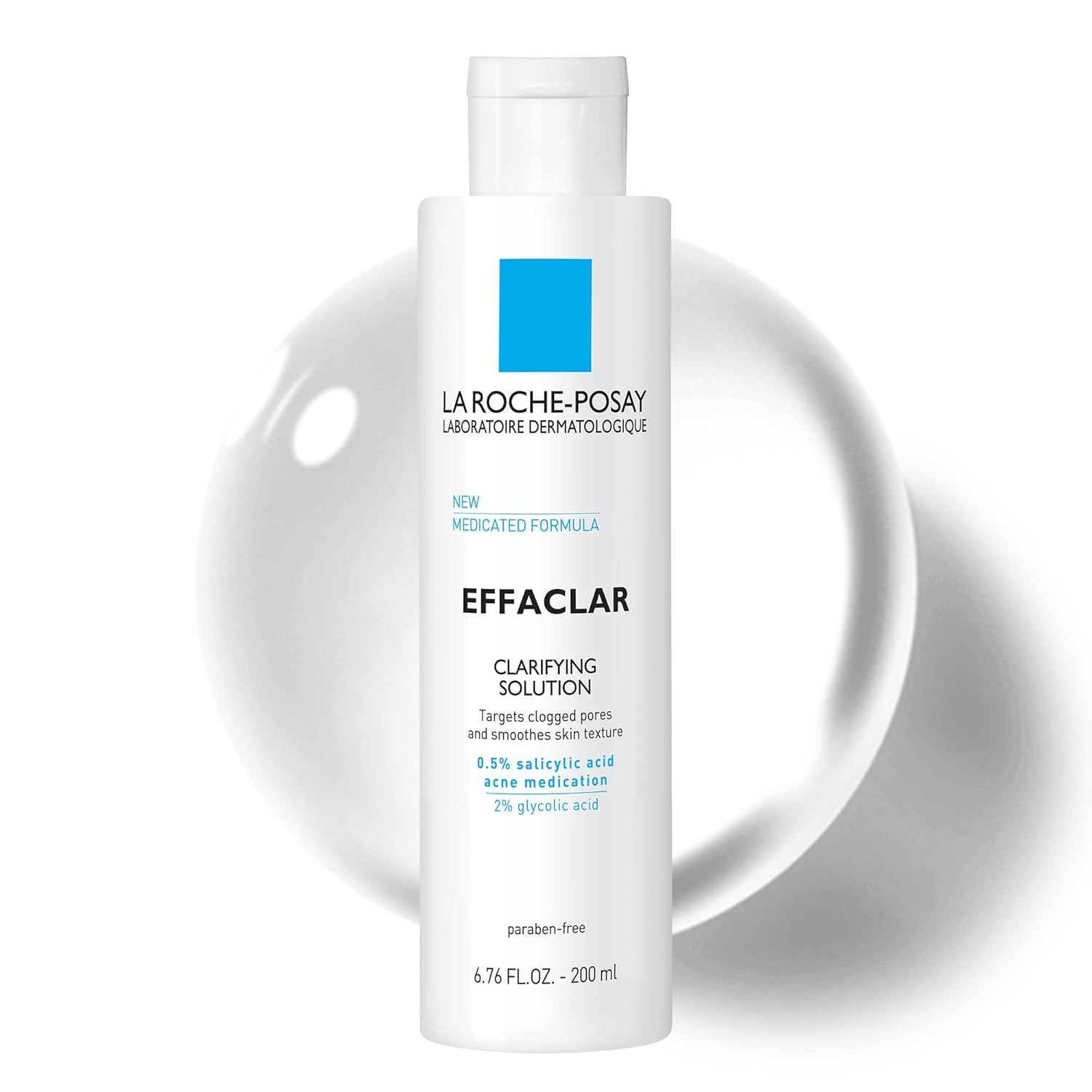

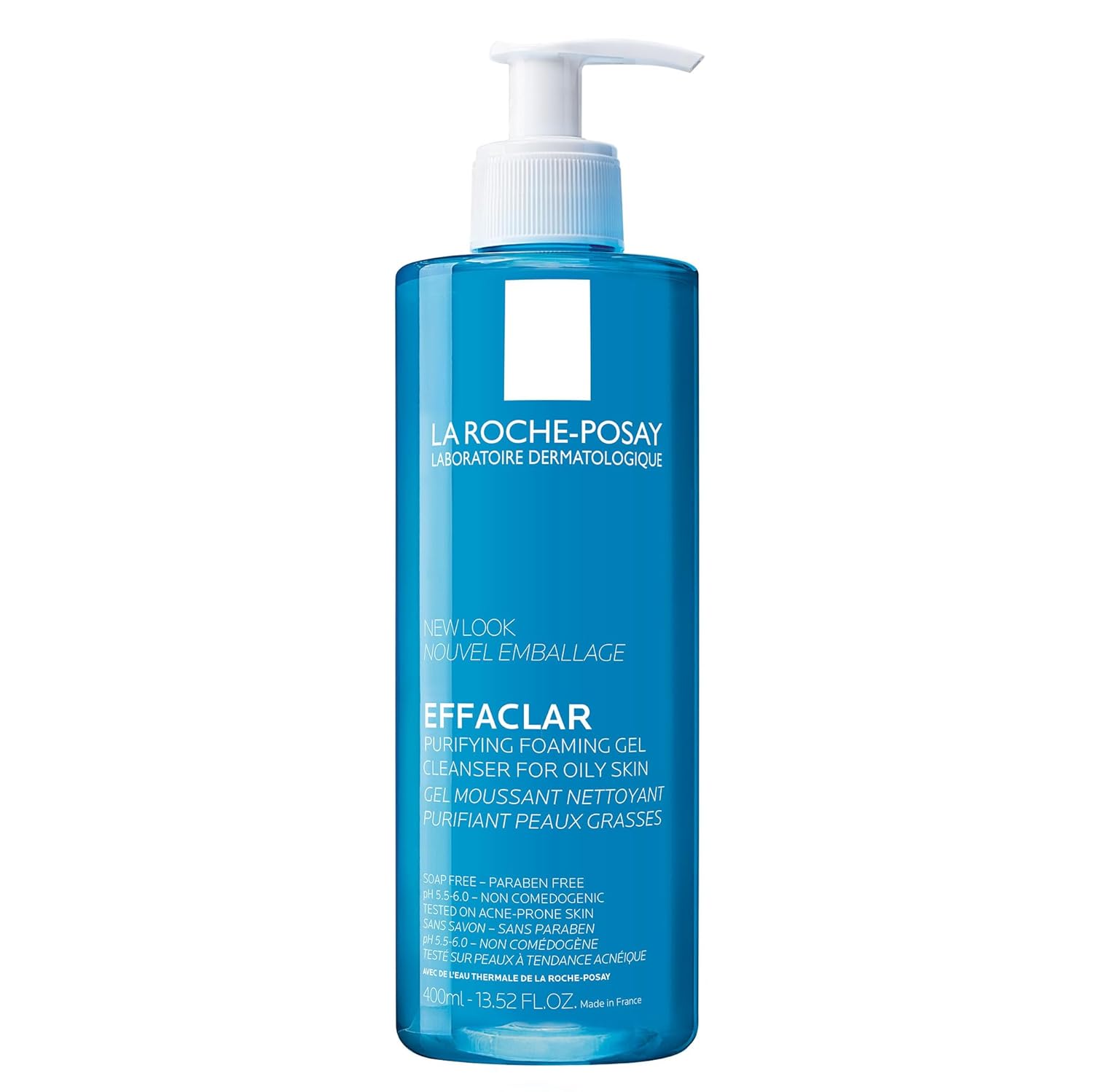
La Roche-Posay Effaclar Cleanser Review: A Dermatologist-Grade Reset for Oily Skin
The Essence
A dermatologist-trusted gel cleanser designed to cut through excess oil, pollution, and makeup while respecting the skin’s pH. In our testing, this clear, lightly scented foam became a quiet ritual for rebalancing oily and acne‑prone complexions without the usual sting or stripped feeling.
Our Verdict
Effaclar Purifying Foaming Gel is the kind of cleanser that makes oily skin finally exhale. In our testing, it delivered that elusive balance: a truly deep clean, visible shine reduction, and a smoother canvas for treatments without the sandpaper sting of harsher acne washes. The gel‑to‑foam texture feels quietly luxurious, and the formula plays well with serious routines—retinoids, topical antibiotics, and oil‑free moisturizers slotted in seamlessly. This is not a one‑size‑fits‑all: dry, highly sensitive, or fragrance‑averse complexions will find it too assertive, and it won’t replace targeted actives for acne, scars, or aging. But if your main battle is oil and congestion, and you crave a dermatologist‑trusted workhorse that still feels like a ritual, Effaclar earns its place at the sink.
Cleansing Performance
This is where Effaclar shines. Our performance analysis reveals a cleanser that reliably lifts away oil, sunscreen, and everyday makeup without leaving a film. Skin feels genuinely purified—especially in the T‑zone—yet still supple when paired with a sensible moisturizer.
Oil & Shine Control
For classic oily and acne‑prone skin, this offers impressive shine management. We noticed mattified, less “greaseball” complexions within days, particularly for those who previously needed to blot multiple times a day. That said, ultra‑oily skins may still see oil reappear by midday and will benefit from a full oil‑control routine.
Skin Comfort & Softness
On the right skin type, the after‑feel is fresh, smooth, and softly matte rather than parched. However, the sulfate‑based surfactant system and oil‑cutting focus mean that combination, dry, or barrier‑compromised skins can tip into tightness or flaking without careful moisturizer support.
Suitability Across Skin Types
Despite being tested on sensitive skin, this is very much a specialist cleanser for oily and acne‑prone faces. It worked beautifully for many with combination‑oily or teenage skin, but we saw consistent over‑drying and irritation in very dry, rosacea‑prone, or highly reactive complexions.
Texture & Foaming Experience
The clear gel has a silky slip that bursts into a dense, cushiony foam with water. A pea‑sized amount is enough for a full face, giving that satisfying “professional cleanse” feeling without aggressive scrubbing. It rinses cleanly, with no slippery or filmy residue left behind.
Scent & Sensory Profile
The scent is a true love‑or‑leave‑it moment. Some of us enjoyed the clean, slightly floral, spa‑adjacent aroma; others found it chemical, dated, or overwhelmingly perfumed. If you’re scent‑sensitive or prefer truly neutral formulas, this is an important consideration.
Long-Term Use & Reliability
Those who clicked with the formula tended to stay loyal for years, appreciating both its consistency and how long each bottle lasts. A few of us did notice that a packaging refresh coincided with a stronger scent and a slightly more assertive feel, which may not suit everyone.
Overall Value
Positioned as prestige French pharmacy rather than mass drugstore, this still feels like a smart investment. Because a tiny amount lathers generously and bottles stretch across months of twice‑daily use, the cost per cleanse remains comfortably low for the level of clinical polish you’re getting.
Pros & Cons
The Good
- Leaves oily and acne‑prone skin feeling deeply clean yet not squeaky or overly stripped when paired with a good moisturizer.
- Noticeable reduction in excess shine and oiliness for many, especially in the T‑zone, with clearer, calmer-looking skin over time.
- Rich, satisfying lather from a small amount of gel, so the bottle lasts impressively long.
- Non-comedogenic and compatible with dermatologist routines, including topical antibiotics, adapalene, and retinoids for many testers.
- Gel texture feels lightweight and refreshing, rinsing off without residue or film.
- Effective at removing daily makeup, sunscreen, and city grime when used alone or as a second cleanse.
The Bad
- Fragrance is polarizing: some enjoy the clean floral scent, others find it strong, chemical, or irritating—especially on sensitive skin.
- Can be drying or even barrier-disruptive on dry, combination, or reactive skin if overused or not followed with adequate moisturizer.
- Oil control is present but not universal; very oily skin can see shine return after a few hours.
Insights from our Panel of Experts
What Lovers Say
Those of us with persistently oily or acne‑prone skin tend to fall hard for this formula. We noticed skin feeling truly clean, fresh, and smoother without the plasticky tightness of harsher acne washes. Several testers with long histories of breakouts described this as the first cleanser that made their complexions look calmer and more refined. The generous lather and the way a tiny dollop covers the whole face add to the sense of everyday luxury.
What Critics Say
The main friction points are scent and strength. The fragrance leans green‑floral and can read as perfumey, powdery, or even “old‑lady cologne” to a sensitive nose. On more delicate or combination skins, we did see episodes of dryness, flaking, and in a few cases full‑on irritation and rashes when used too frequently. A smaller group also felt it didn’t meaningfully change their acne or long‑term oiliness.
The Matchmaker
Is this the right addition to your collection? Let's verify compatibility.
Perfect For You If...
If you’re battling persistent shine, clogged pores, or mild to moderate breakouts and want a dermatologist‑grade cleanser that actually feels like it’s cutting through the grease, this is a strong contender. You’ll appreciate it most if you enjoy a light lather, don’t mind fragrance, and are diligent about following with a moisturizer.
Skip This If...
You prefer fragrance‑free, ultra‑gentle formulas or your skin leans dry, reactive, or eczema‑prone—this will likely feel too assertive. You also may want to pass if you expect your cleanser alone to treat acne, fade scars, or provide anti‑aging benefits; this is a purifying step, not a full treatment.
Texture, Lather, And The After‑Rinse Feel
The first thing we noticed with Effaclar is the clarity of the gel—crystal clear, almost watery‑light, yet with enough body that it doesn’t run straight through your fingers. One pump into damp hands and it transforms into a fine, cushiony foam that feels more like a soft mousse than a harsh suds storm.
We found the lather particularly satisfying around the nose, chin, and forehead, where oil tends to pool. It spreads effortlessly, so you never feel the need to scrub or tug at the skin. Rinsing is quick: no filmy residue, no waxy slip, just that subtle “glass rinsed with hot water” sensation that tells you everything is gone.
Post‑rinse, oily and combination‑oily testers reported skin feeling fresh, smooth, and lightly matte—not squeaky, not rubbery. On normal or slightly dry areas, we could feel the formula’s strength: used twice a day without a hydrating follow‑up, some of us developed tightness or fine flakiness, especially around the mouth and cheeks. The sweet spot for most was a 30–60 second massage followed by immediate moisturizer, which preserved that clean, refined finish without compromising comfort.
Ingredients & How They Actually Behave On Skin
Effaclar’s formula is built around Zinc PCA (zinc pidolate), a star in oily‑skin care for its ability to help regulate sebum and support a more purified, less shiny complexion. In our performance analysis, those with chronically slick T‑zones noticed that midday blotting became less urgent, and complexions looked calmer and less inflamed when zinc was used consistently.
The cleansing base relies on Sodium Laureth Sulfate and Coco‑Betaine—surfactants that give that rich lather and deep cleanse. They’re efficient, but they’re also the reason this wash can tip into drying territory on more delicate skins. Supporting players like La Roche‑Posay Thermal Spring Water, glycerin, and pomegranate pericarp extract add a soothing, hydrating and antioxidant edge, softening the blow of the stronger surfactants.
Two important trade‑offs of luxury here:
- Fragrance (Parfum): Despite “unscented” positioning in some listings, the INCI clearly includes parfum. On our team, some enjoyed the clean, green‑floral note; others experienced stinging, redness, or headaches from the scent.
- No active acids: There’s no salicylic acid, glycolic, or retinoids inside. That’s not a flaw—it simply means Effaclar is a purifying base layer, not a standalone acne or brightening treatment. We had the best results when pairing it with dedicated actives in the rest of the routine.
Performance For Oily, Acne‑Prone, And Combination Skin
We put this cleanser through the kind of days that usually defeat oily skin: long commutes, office air‑conditioning, humidity, and full sunscreen plus makeup. After a week of twice‑daily use, our panel with oily and acne‑prone skin consistently described a noticeable drop in surface grease and fewer “I need to wash my face again” moments.
Several testers dealing with breakouts—ranging from scattered congestion to cystic acne managed with topical antibiotics—saw their skin look calmer and less inflamed. Pores appeared clearer, and makeup went on more smoothly over time. One of our favorite findings: when used as the second step after an oil cleanser, Effaclar removed the last traces of foundation and SPF without leaving that tight, mask‑like feel.
However, this is where skin type nuance matters. Combination skins with drier cheeks or eczema‑prone areas sometimes developed peeling or hot, red patches when using it twice daily, especially in cooler or drier weather. A few sensitive‑skin testers experienced full‑blown irritation or rash within days. For them, dialing back to once‑daily use—or relegating Effaclar to T‑zone‑only duty—restored balance while still harnessing its oil‑control benefits.
How To Use Effaclar Without Wrecking Your Barrier
We quickly learned that how you use Effaclar is as important as the formula itself. Used thoughtfully, it’s a brilliant anchor; used aggressively, it can tip into over‑cleansing.
Our application protocol that worked best:
- Pre‑cleanse when needed. On heavy makeup or water‑resistant SPF days, we first melted everything down with a balm or oil cleanser, then followed with a pea‑sized amount of Effaclar. This kept the skin comfortable while still delivering that deep‑clean feel.
- Lukewarm water only. Hot water plus a strong foaming cleanser is a fast track to a compromised barrier. Lukewarm temperatures kept redness and tightness at bay.
- 30–60 second massage. We massaged in gentle circular motions just until a rich lather formed—no more. Over‑working it didn’t improve results; it only increased dryness.
- Immediate moisture. Within a minute of patting dry, we layered a hydrating toner or essence, then a lightweight, non‑comedogenic moisturizer (Effaclar Mat or similar). This step transformed the experience from “borderline drying” to balanced and comfortable for most.
Those on prescription treatments (adapalene, tretinoin, topical antibiotics) generally did well when they avoided pairing Effaclar with other strong exfoliants in the same routine. On retinoid nights, we sometimes switched to a creamier cleanser to give the barrier a break.
Scent, Sensitivity, And The Fragrance Question
We need to talk about the elephant in the bathroom: fragrance. On first pump, Effaclar releases a distinct green‑floral, slightly soapy aroma—think somewhere between clean laundry and a classic French pharmacy cologne. For some of us, it added a subtle touch of ritual; for others, it was an immediate deal‑breaker.
Those with resilient, oilier skin generally tolerated the scent well, even describing it as “fresh” or “spa‑like.” But our fragrance‑sensitive testers reported everything from lingering smell for hours to headaches and, in a few cases, visible irritation and burning, especially around the eyes and more delicate areas. A handful of very sensitive or allergy‑prone skins flared with rashes or intense dryness within a few uses.
This is a classic trade‑off of luxury: the sensorial pleasure of a signature scent versus the minimalist safety of fragrance‑free. If your skin already navigates rosacea, eczema, or a history of reacting to perfume, we’d steer you toward La Roche‑Posay’s Toleriane line or another fragrance‑free option. If you’re primarily battling oil and enjoy a subtle olfactory moment with your cleanse, the scent may feel like part of the charm—just know it’s there, and it’s not shy.
Buying Guide
Consultant's Breakdown
Expert analysis to help you decide.
Think of Effaclar as a luxury workhorse rather than a flashy indulgence. It’s a smart investment if oily or acne‑prone skin is a daily reality and you value dermatologist‑backed formulas that last for months. Not an absolute must‑have for everyone, but an excellent “core cleanser” splurge for the right skin type.
Where many drugstore cleansers for oily skin feel either too harsh or too mild, Effaclar threads a more elegant line: a clinically informed formula with Zinc PCA, thermal spring water, and non‑comedogenic testing that still delivers a sensorial, foaming experience. Compared with gentler options like CeraVe, it tends to offer more decisive oil control for truly oily complexions.
In our testing, Effaclar performed best on oily, very oily, and classic combination‑oily faces, including teenage and adult acne‑prone skin. Normal or slightly dry skins can use it with care and ample moisturizer, while very dry, eczema‑prone, or highly sensitive complexions are better served by a gentler, fragrance‑free formula.
This cleanser feels particularly at home in warmer, humid months when oil and sweat peak; our oily‑skin testers reached for it more in summer. In winter or in very dry climates, we preferred to use it once daily or alternate with a creamier wash to avoid over‑drying.
Specifications
| Scent Name | Unscented designation, though the formula does contain parfum/fragrance. |
|---|---|
| Skin Type | All, normal, oily, and sensitive skin, with a clear focus on oilier complexions. |
| Product Benefits | Face cleanser for oily skin that foams to remove excess oil without over drying; non-comedogenic. |
| Additional Features | Dermatologist tested, sensitive skin tested, paraben free, allergy tested, non-comedogenic, soap free, alcohol free. |
| Item Form | Gel texture that transforms into a foaming lather with water. |
| Special Ingredients | Zinc Pidolate and La Roche-Posay Thermal Spring Water for purifying and soothing benefits. |
| Target Use Body Part | Face-focused formulation. |
| Recommended Uses | Acne-prone and oily skin cleansing, daily purifying face wash. |
| Package Type | Bottle format with pump or cap depending on packaging run. |
| Skin Tone | Suitable across all skin tones. |
| Skin Cleaning Agent Use | Facial cleanser for daily or twice-daily use. |
| Material Features | Clinically proven, dermatologist recommended, dermatologist tested, non-comedogenic, sensitive skin tested. |
| Material Type Free | Alcohol free, oil free, soap free formulation. |
| Ingredients | Aqua/Water, Sodium Laureth Sulfate, Hexylene Glycol, Coco-Betaine, Glycerin, PEG-120 Methyl Glucose Dioleate, Sodium Chloride, Punica Granatum Pericarp Extract, Zinc PCA, PEG-8, Sodium Citrate, Sodium Hydroxide, Caprylyl Glycol, Citric Acid, Trisodium Ethylenediamine Disuccinate, Maltodextrin, Pentylene Glycol, Tocopherol, Sodium Benzoate, Phenoxyethanol, Parfum/Fragrance. |
| Directions | Cleanse twice daily in circular motions, avoiding the eye area. Rinse thoroughly and follow with Effaclar Mat Moisturizer or another suitable moisturizer. |
Our Testing Methodology
We integrated Effaclar into our routines over several weeks across a panel of oily, combination, acne‑prone, and sensitive skin types. We tested it in both humid and dry climates, using it as a solo cleanse, a second step after oil cleansers, and alongside retinoids, topical antibiotics, and lightweight moisturizers. We tracked oil breakthrough, comfort, and any signs of irritation or barrier disruption, paying close attention to how skin felt not just immediately after rinsing, but several hours later.
Frequently Asked Questions
Efficacy & Performance
It’s very effective for classic oily and combination‑oily skin. In our testing, faces that usually turned shiny within hours stayed noticeably more matte, especially through the T‑zone. It removes excess sebum without feeling chalky, though extremely oily skin may still need blotting later in the day.
It primarily purifies and supports an acne routine rather than replacing treatment products. By removing excess oil, makeup, and debris, and using Zinc PCA to help regulate sebum, it can reduce congestion and support clearer skin. For active breakouts or scars, you’ll still want dedicated actives like retinoids or benzoyl peroxide.
We noticed skin feeling cleaner and less greasy immediately, with texture and clarity improvements becoming more obvious after consistent twice‑daily use over one to two weeks. Pores looked less congested and makeup sat more smoothly, especially when the cleanser was paired with a compatible moisturizer and treatment routine.
For everyday makeup and standard sunscreen, yes—it breaks down residue effectively and rinses clean. For heavy, long‑wear, or waterproof formulas, we preferred to use a cleansing balm or oil first, then follow with Effaclar as a second cleanse for a truly thorough yet comfortable routine.
It gives an immediate matte, refreshed finish and noticeably reduces early‑day shine for many, but it doesn’t shut down oil glands. Very oily skin types will still see some oil return after a few hours and may want to combine it with oil‑control moisturizers, mattifying primers, or blotting papers.
Ingredients & Safety
The hero is Zinc PCA, which helps regulate sebum and purify oily skin. Sodium Laureth Sulfate and Coco‑Betaine create the foaming cleanse, while La Roche‑Posay Thermal Spring Water, glycerin, and pomegranate extract lend soothing and hydrating support. The formula is oil‑free, soap‑free, alcohol‑free, and paraben‑free.
No, there are no exfoliating acids like salicylic, glycolic, or lactic acid in this formula. It’s a straightforward purifying gel designed to cleanse and control oil, so any exfoliation or acne treatment needs to come from separate serums or creams in your routine.
No. Despite some “unscented” descriptions, the ingredient list clearly includes parfum/fragrance. The scent reads as a clean, green‑floral note. It’s tolerable for many, but those with fragrance allergies or sensitivities should be aware and may prefer a fragrance‑free alternative like the Toleriane range.
Yes, it’s tested to be non‑comedogenic, meaning it’s formulated not to clog pores. In our experience, it worked well alongside topical acne medications and helped keep pores clearer, though a small subset of very sensitive or reactive skins did experience breakouts or irritation.
The formula doesn’t include commonly restricted actives like retinoids or high‑dose salicylic acid, so it’s generally considered a low‑risk cleanser option. That said, every pregnancy is unique, so we always recommend confirming with your healthcare provider before introducing new skincare.
Application & Routine Design
Use it morning and/or evening. Wet your face with lukewarm water, apply a small amount to your hands, then massage in circular motions for about 30–60 seconds until it foams. Rinse thoroughly, pat dry, and immediately follow with a hydrating toner and an oil‑appropriate moisturizer.
Oily and resilient skin types usually tolerate twice‑daily use well and enjoy the extra shine control. If your skin is combination, sensitive, or on the drier side, we suggest starting with once daily—often at night—and using a gentler or creamier cleanser in the morning to protect your barrier.
Yes, many dermatologists recommend this type of cleanser alongside prescription or over‑the‑counter treatments. In our testing, it generally played nicely with adapalene and tretinoin when we avoided additional harsh scrubs or exfoliating acids. If your skin starts to sting or peel, scale back to gentler cleansing on treatment nights.
We recommend keeping it away from the immediate eye area, as the combination of surfactants and fragrance can sting. Some testers used a diluted amount over closed lids without issue, but others experienced burning, so it’s safer to use a separate, gentler eye makeup remover instead.
You can, but go gently. The formula already has strong cleansing power, so pairing it with a brush or sonic device can easily tip into over‑exfoliation, especially on sensitive or combination skin. If you do use tools, keep the pressure light and limit frequency to a few times a week.
Skin Type Compatibility & Limitations
It’s designed for oily and combination‑oily skin. Some combination skins enjoyed it when used once daily with a rich moisturizer, but many drier or mature faces experienced tightness, flaking, or irritation. If you’re prone to dryness, we’d treat this as a targeted T‑zone cleanser at most, not an all‑over staple.
While it’s tested on sensitive skin, the combination of sulfates and fragrance proved too strong for several of our more reactive testers. Some developed redness, burning, or even rash‑like irritation. If you have eczema, rosacea, or a very fragile barrier, a fragrance‑free, creamier cleanser is likely a better fit.
It helps indirectly by keeping pores cleaner and reducing excess oil that can contribute to congestion, so blackheads and whiteheads may appear less prominent over time. However, it doesn’t contain specific pore‑tightening or exfoliating actives, so stubborn clogged pores still benefit from BHA or retinoid treatments.
Not specifically. It doesn’t include classic brighteners like vitamin C or niacinamide, nor anti‑aging powerhouses like retinoids or peptides. Its role is to create a clean, balanced canvas so your brightening and anti‑aging serums can work more effectively without fighting through excess oil and buildup.
No, it won’t actively treat scars or dark spots. What it can do is reduce new breakouts for many, which helps prevent future marks. For existing hyperpigmentation or acne scarring, you’ll need targeted ingredients like vitamin C, retinoids, azelaic acid, or in‑office procedures.
Practicalities & Miscellaneous
Because it lathers so well, you only need a small amount per wash. In our routines, a full‑size bottle comfortably stretched across several months of twice‑daily use, and even longer when used once daily or as part of a double‑cleanse routine.
La Roche‑Posay products generally have a multi‑year shelf life unopened. Once opened, we recommend using the cleanser within 12–24 months to ensure optimal efficacy, texture, and preservation—always check the PAO (period after opening) symbol on the packaging for guidance.
The parent company states it hasn’t tested finished products on animals since 1989, but may still conduct tests when required by law in certain markets. If strict cruelty‑free status is non‑negotiable for you, this nuance is important to consider when curating your routine.
It’s formulated and tested primarily for facial skin, but some of our testers did use it on areas like the chest, back, or even for keratosis pilaris with good cleansing results. If your body skin tolerates it well and doesn’t feel overly dry, it can be a useful occasional body wash for oily or congested zones.
Effaclar tends to offer stronger oil‑cutting power and a more pronounced matte finish, which many oily skins prefer. Gentler options like CeraVe often feel softer and more barrier‑supportive, making them better for dry or very sensitive types. The right choice comes down to whether your priority is maximum oil control or maximum gentleness.
The Curated Edit
Curated based on the unique characteristics of La Roche-Posay Effaclar Purifying Foaming Gel Cleanser for Oily Skin.
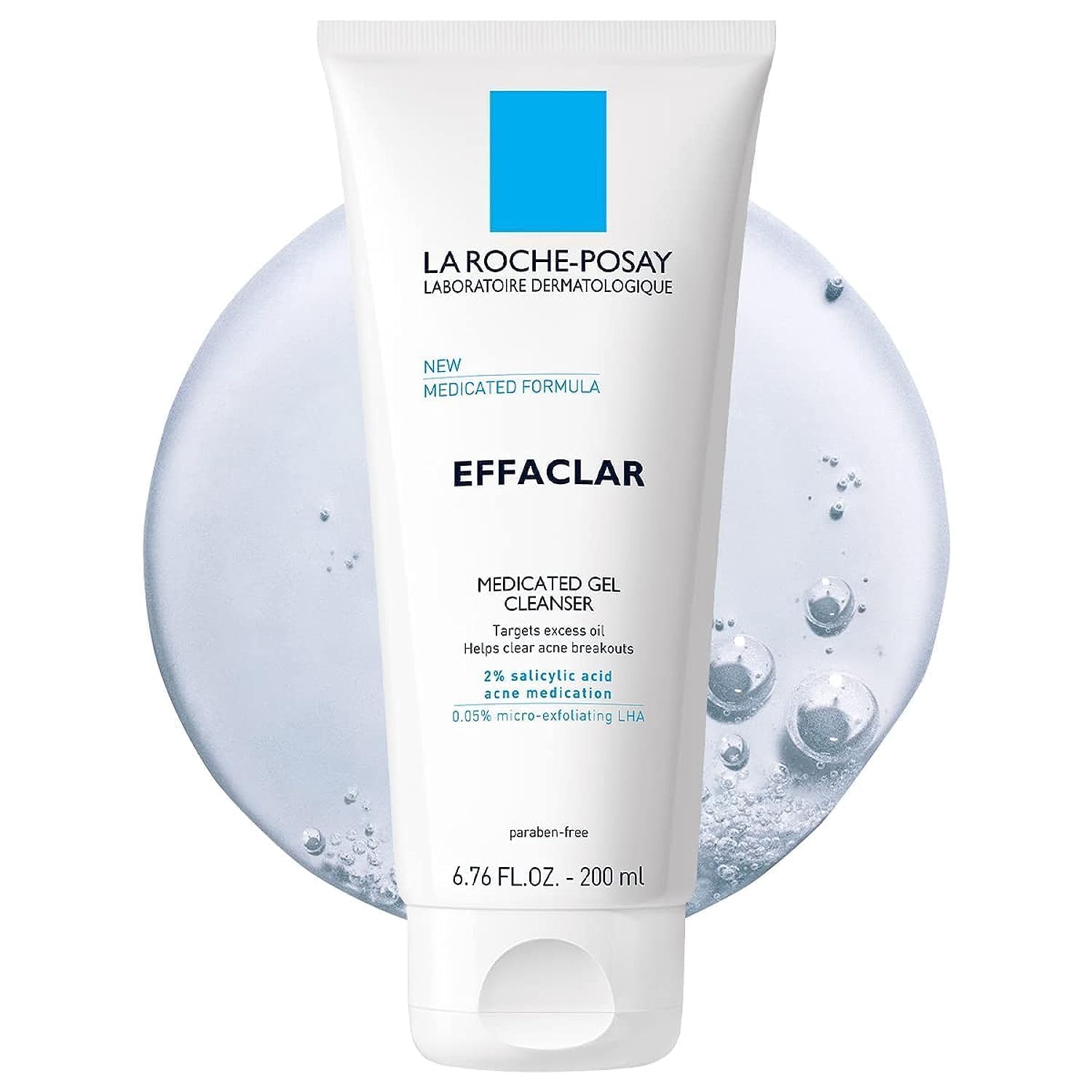
La Roche-Posay Effaclar Medicated Gel Cleanser
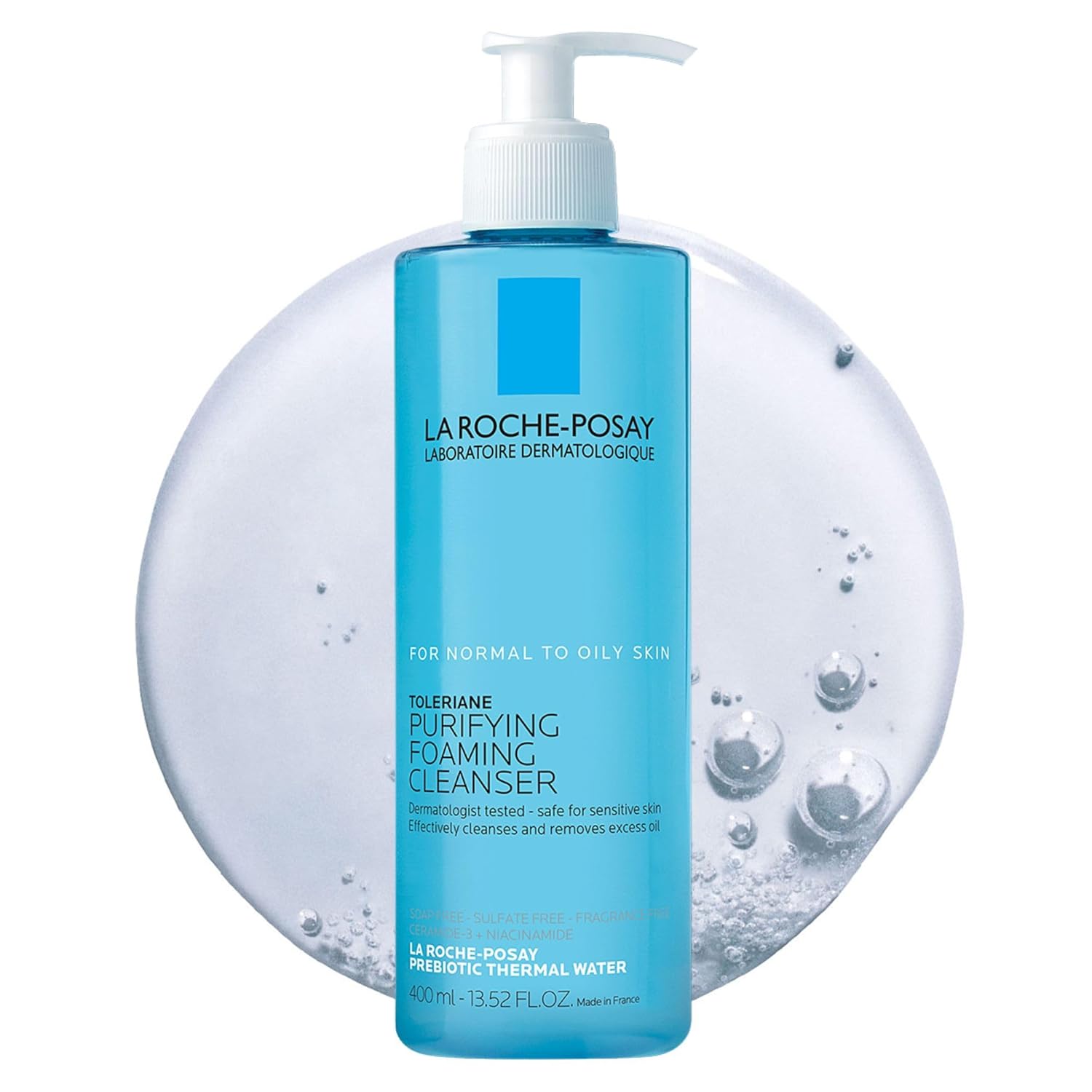
La Roche-Posay Toleriane Purifying Foaming Facial Cleanser
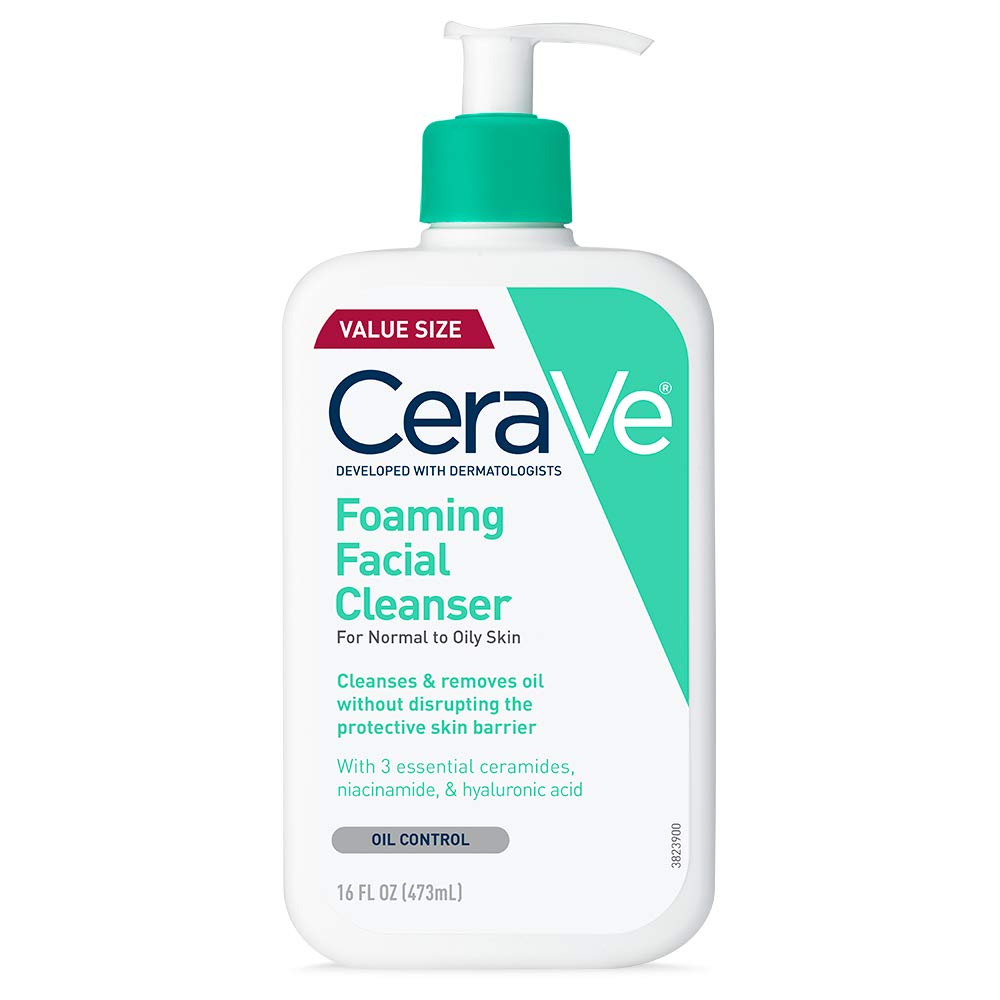
CeraVe Foaming Facial Cleanser
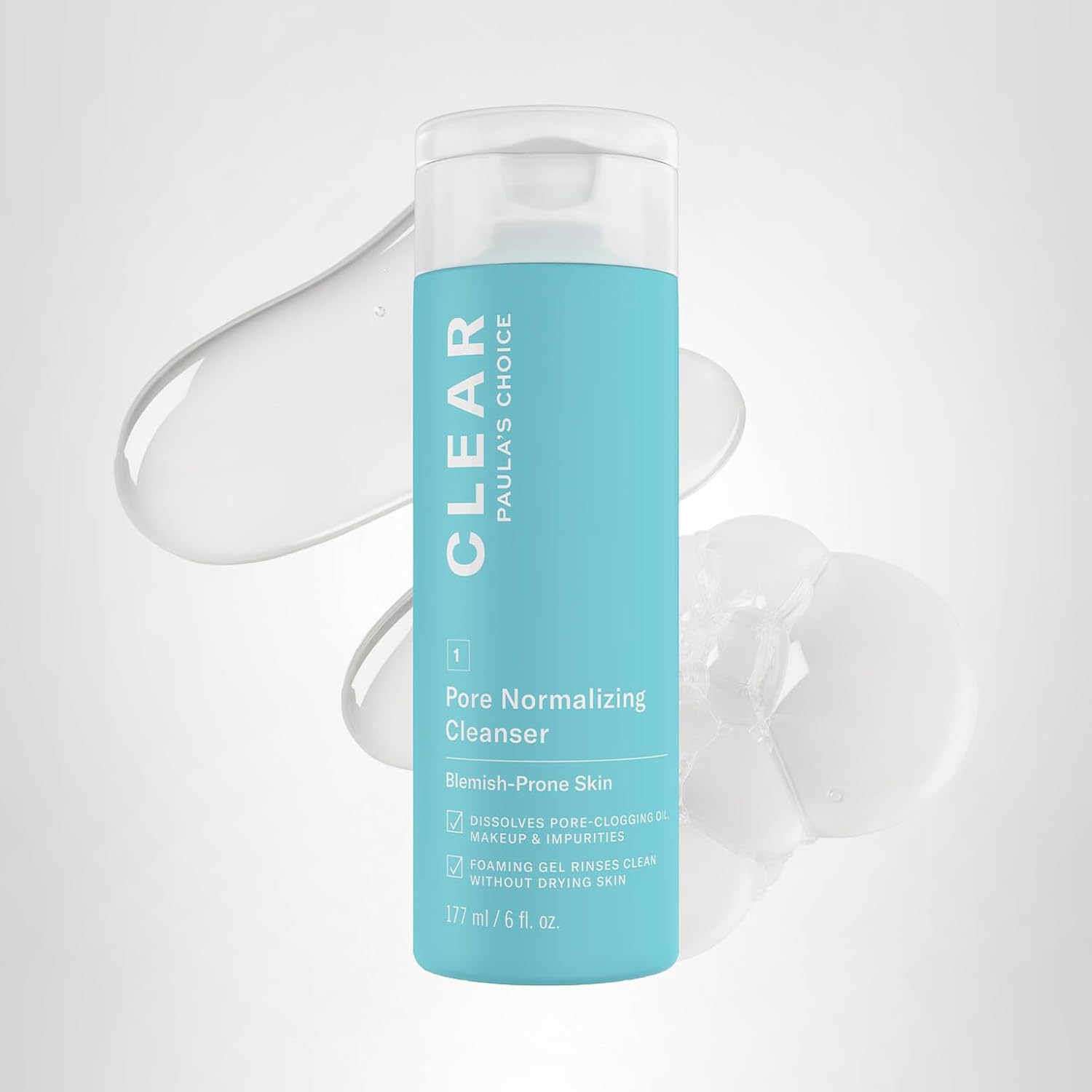
Paula's Choice CLEAR Pore Normalizing Facial Cleanser
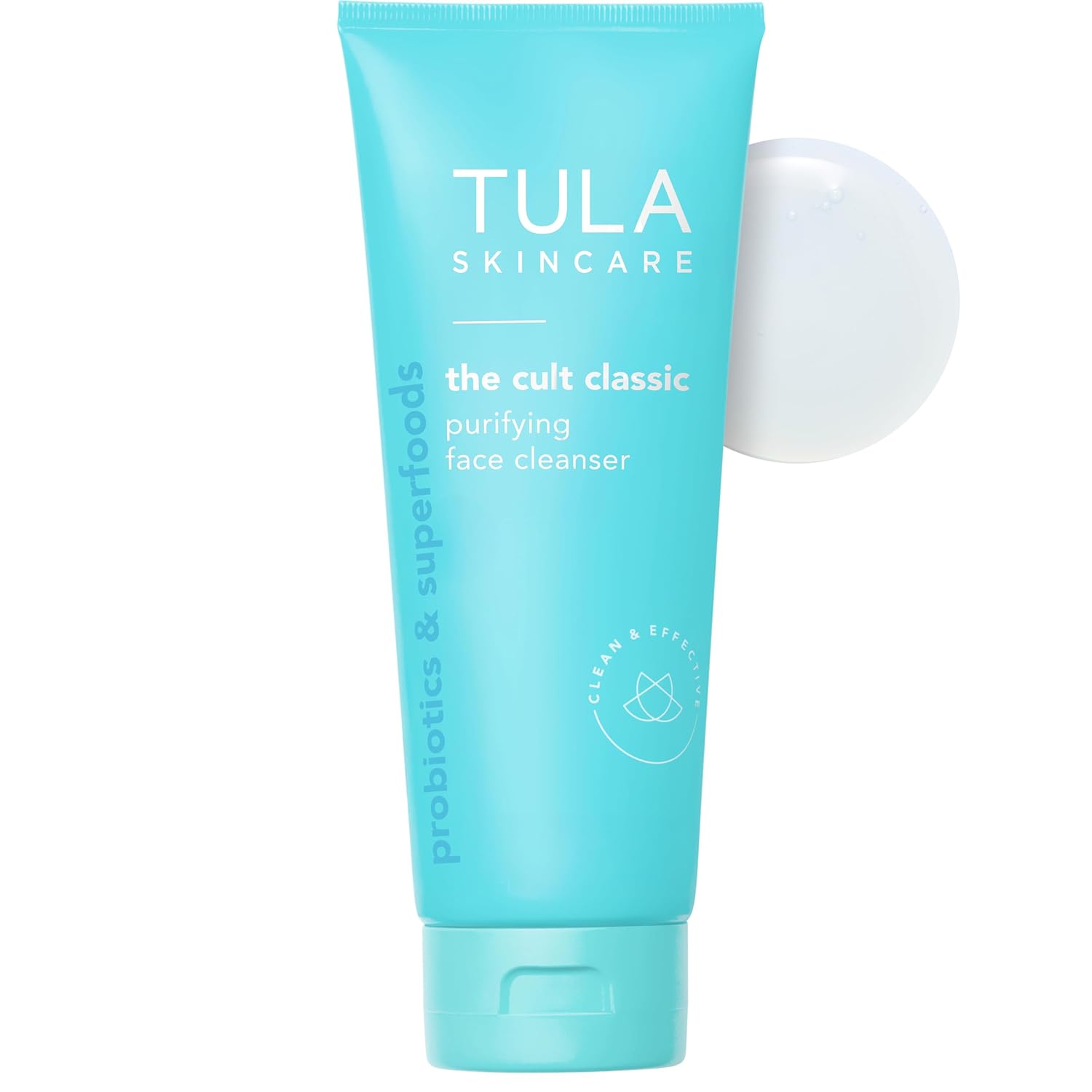
TULA The Cult Classic Purifying Face Cleanser
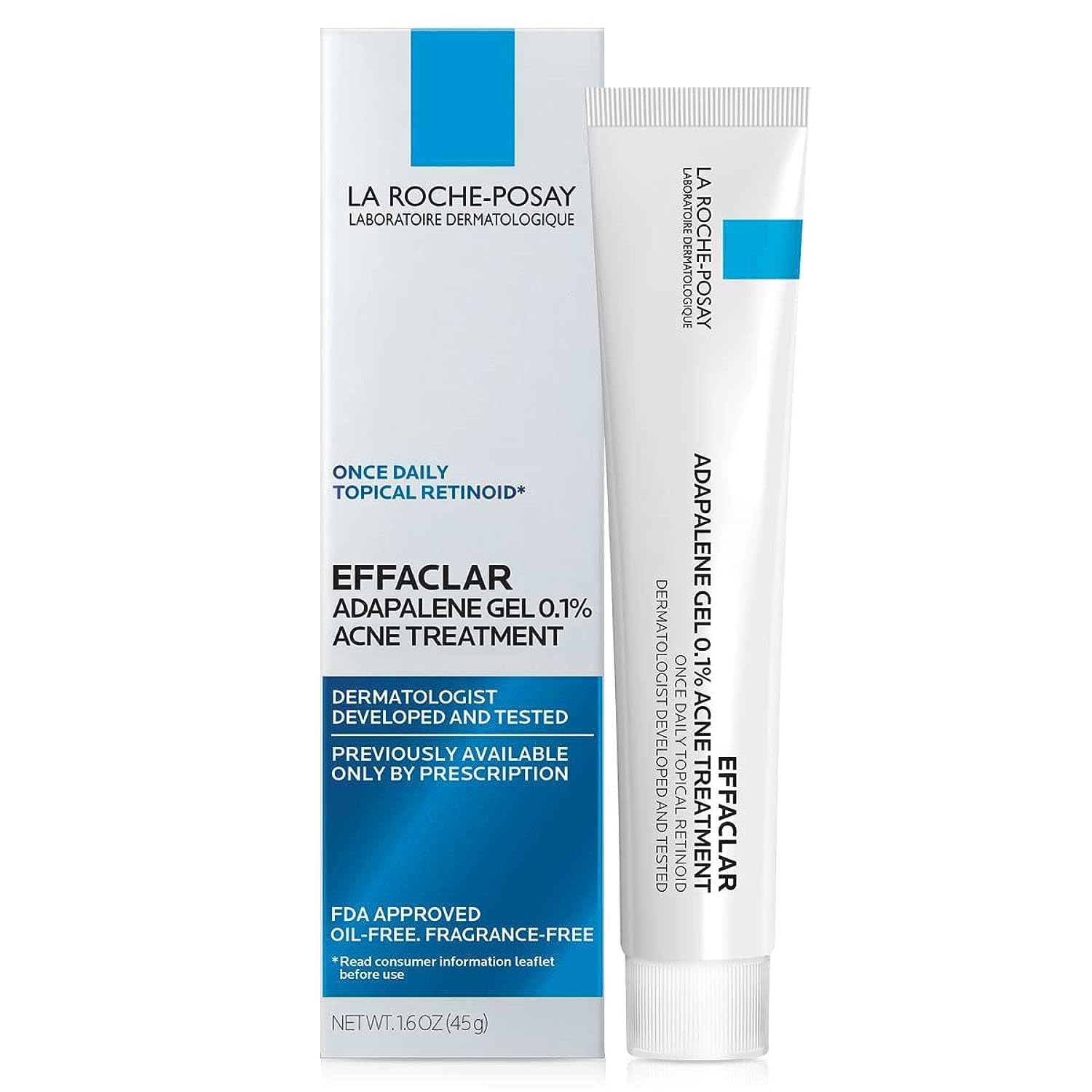
La Roche-Posay Effaclar Adapalene Gel 0.1% Acne Treatment
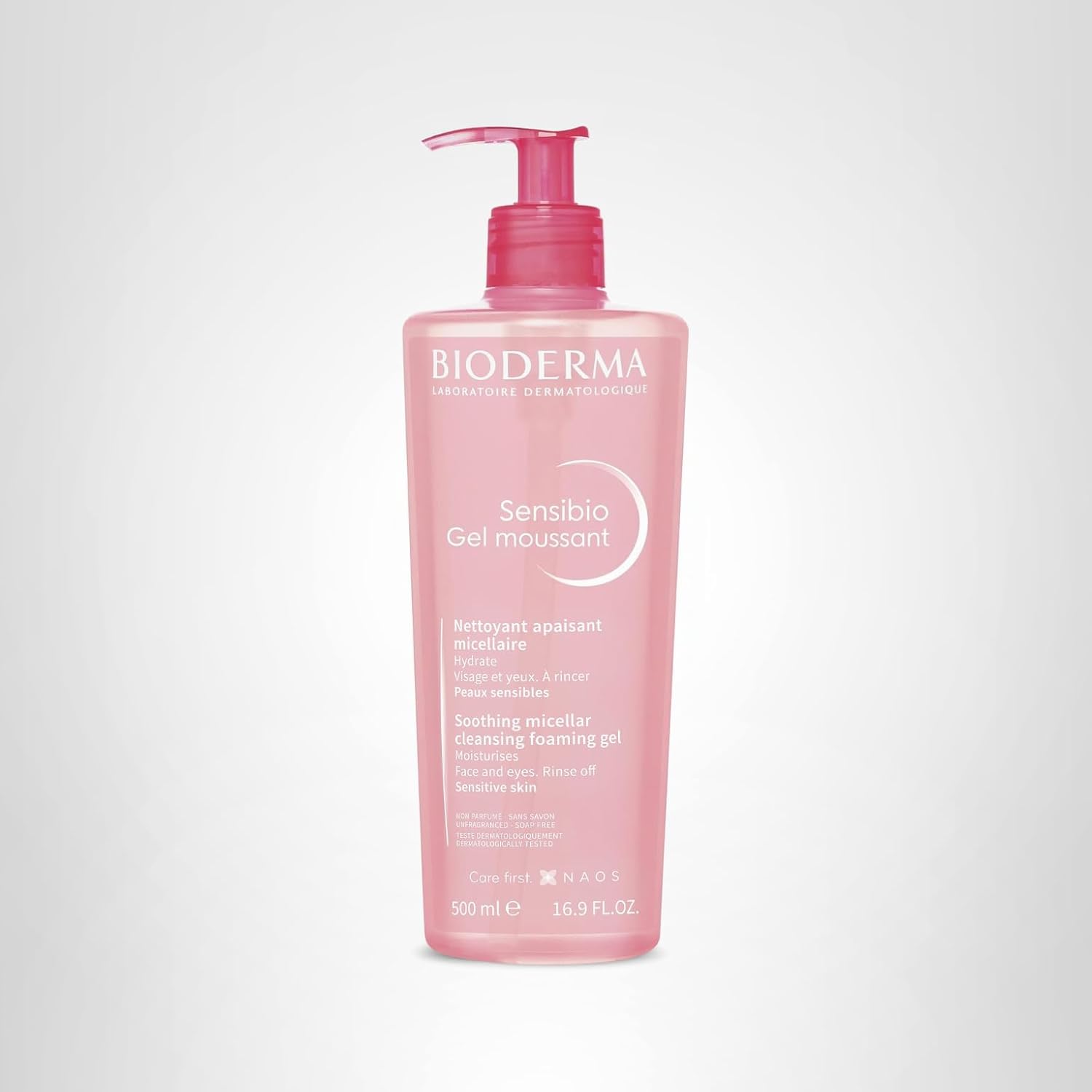
Bioderma Sensibio Foaming Gel Gentle Face Cleanser
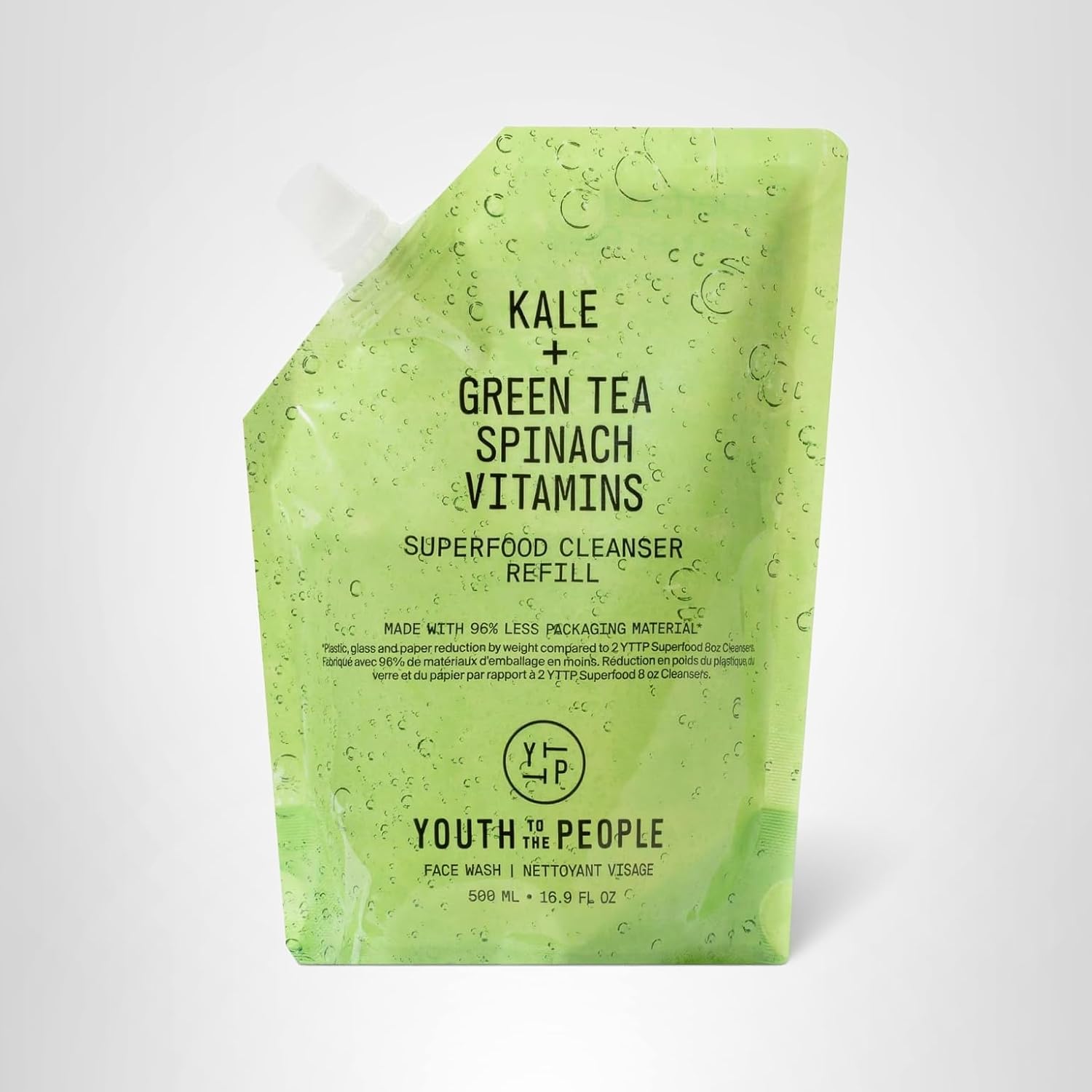
Youth To The People Superfood Facial Cleanser