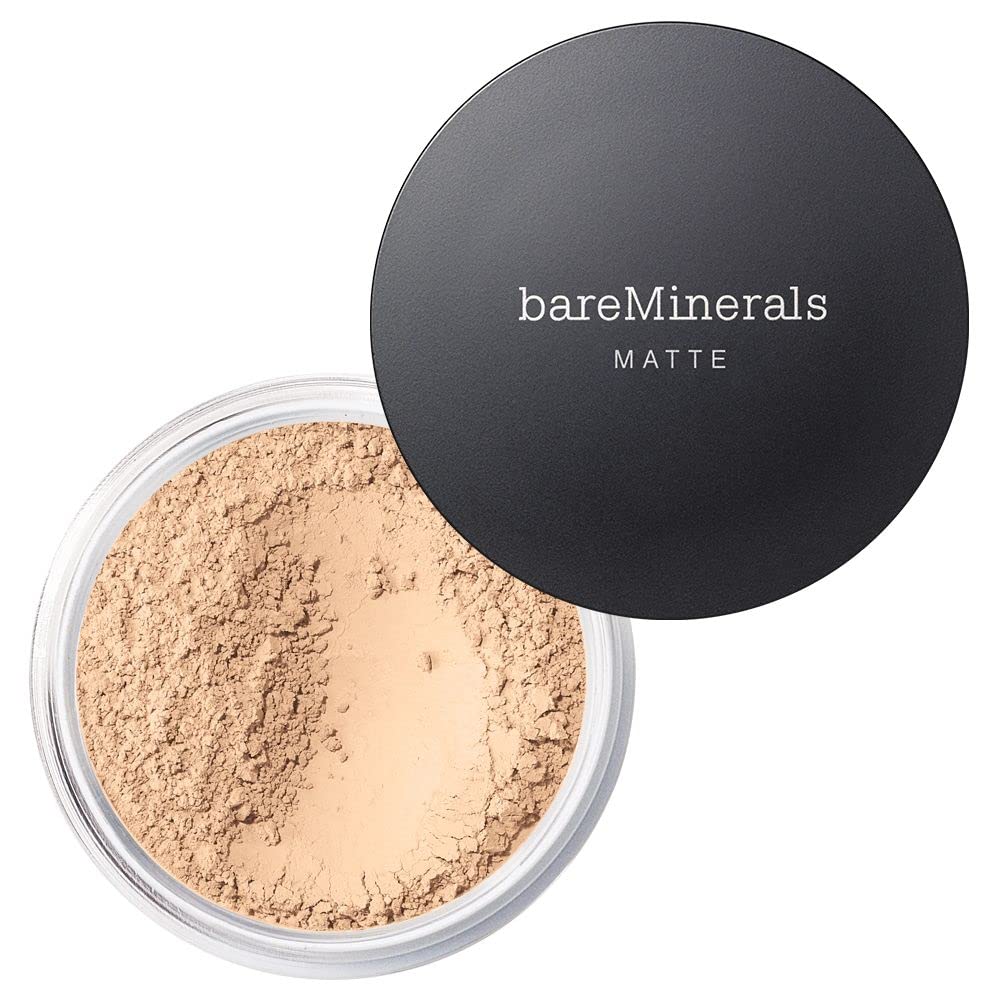

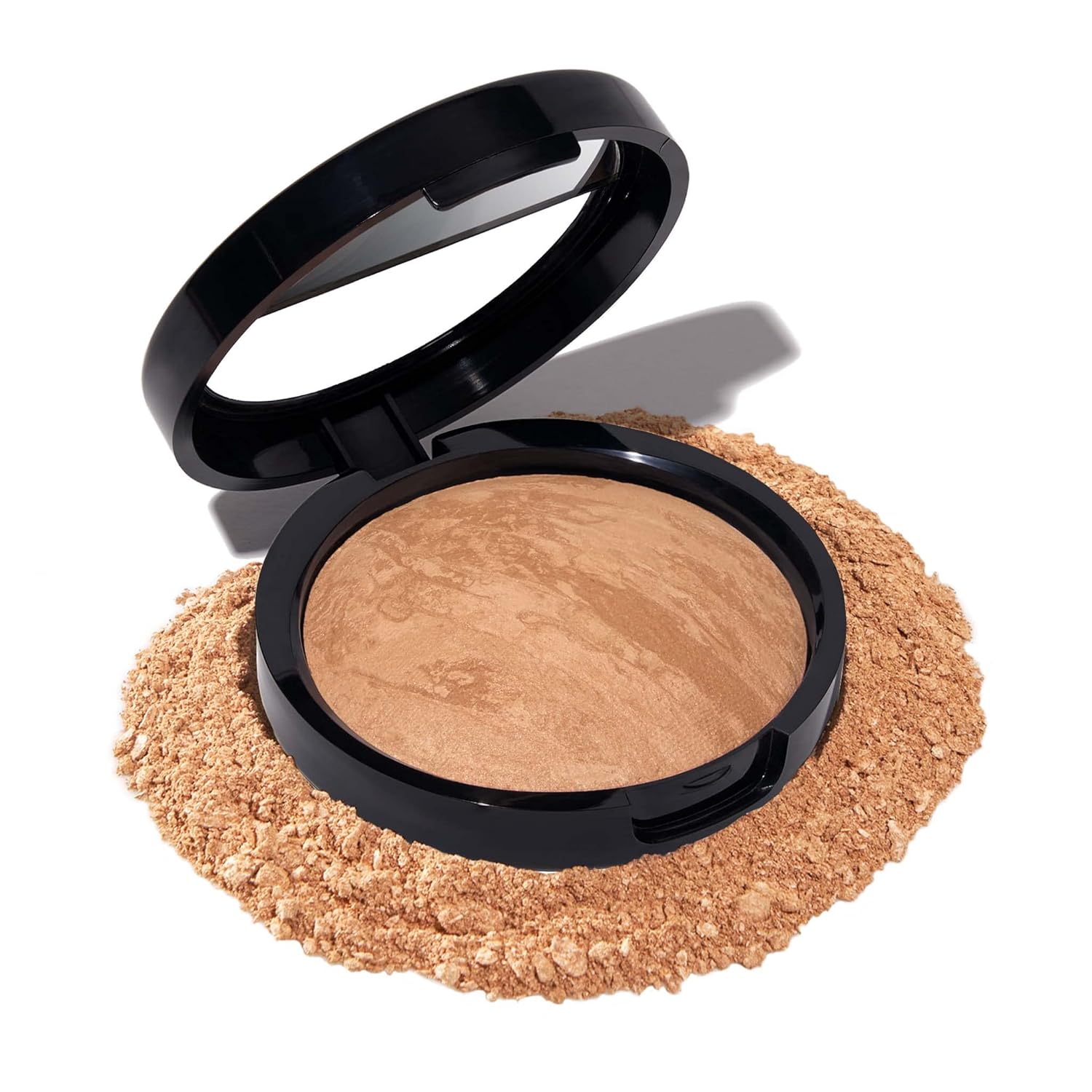
Laura Geller Baked Balance-n-Brighten Review: The Cult Powder Foundation Mature Skin Keeps Reaching For
The Essence
A hand-baked Italian powder foundation that behaves like a cream, this color-correcting compact is designed to even tone, soften the look of texture, and leave skin with a demi-matte, natural veil. In our testing, it became a quiet-luxury staple for fast, polished skin on busy days—especially for mature complexions that dislike heavy base makeup.
Our Verdict
This is the kind of foundation you reach for on the mornings you don’t have the patience for foundation. In our testing, Laura Geller’s Baked Balance-n-Brighten delivered a whisper-light veil that made uneven, midlife skin look softer, calmer, and more rested in under a minute. The baked Italian formula really does feel different—silky, airy, and almost cream-like on contact—leaving a demi-matte finish that flatters texture instead of scolding it. The compromise is deliberate: coverage stays in the light-to-medium lane, and the shade range, while beloved by many, is temperamental enough that undertone perfectionists will need to tread carefully. For the right skin and the right shade, though, this compact becomes a quietly luxurious habit: a fast, flattering base that looks like you on your best day, not like makeup trying too hard.
Overall Performance
As an everyday, polished-skin foundation, this performs beautifully for most of our testers. It evens tone, softens redness, and delivers that elusive “your-skin-but-better” veil with very little effort. The trade-off is intentional: you gain ease and believability, but you do not get high-coverage, event-level perfection.
Coverage & Color Correction
Coverage sits firmly in the light-to-medium camp, with elegant color correction rather than camouflage. It tones down redness, softens sun spots, and blurs minor discoloration, but deeper pigmentation, acne, or pronounced age spots still need concealer. Overbuilding tends to deepen and warm the shade rather than add true opacity.
Finish & Skin Look
The finish is where this compact feels prestige. On prepped skin, it leaves a demi-matte, softly luminous surface that reads like healthy skin, not makeup. For many mature testers, it blurred pores and fine lines rather than spotlighting them, especially when applied in sheer layers with a fluffy brush.
Comfort & Skin Feel
The texture is featherlight and breathable, almost undetectable once buffed in. Testers who usually dislike foundation appreciated how it never felt suffocating or tight when paired with moisturizer. That said, those with very dry or compromised skin found it could feel parched or tight without a generous hydrating base.
Mature-Skin Friendliness
For many over-40, over-50, and over-60 complexions, this became a go-to. It generally resists pooling in fine lines and doesn’t create that aging, chalky cast that traditional powders can. However, deeper wrinkles, extremely dry under-eyes, or heavy texture still require strategic priming and a light hand.
Shade Range & Undertone Accuracy
Shade nuance is the Achilles’ heel. Several shades—particularly Fair, Light, and some Golden Medium pans—run darker and warmer than expected, with a tendency toward orange if over-applied. Undertones aren’t as precisely calibrated as many modern base ranges, making online shade selection genuinely tricky.
Value as a Luxury Investment
You’re paying for the Italian baked formula and mature-skin positioning rather than sheer quantity of product. When it’s a perfect match, many find the cost justifiable, especially given how little is needed per day. If you’re chasing full coverage or fighting the shade range, it can feel like an indulgence that doesn’t quite earn its keep.
Packaging & Durability
The compact looks chic but doesn’t always live up to daily wear-and-tear. We loved the domed baked pan and included mirror, but hinge breakage and fragile-feeling cases are recurring frustrations. For a prestige-leaning product, the housing could absolutely be sturdier.
Pros & Cons
The Good
- Weightless, silky texture that feels like nothing on the skin
- Very flattering on mature skin when applied correctly—minimal settling into fine lines for many testers
- Natural, demi-matte finish that looks like real skin rather than heavy makeup
- Buildable light-to-medium coverage that evens tone and softens redness and sun spots
- Baked Italian formula with color-correcting swirls that can blur and brighten the complexion
- Excellent quick-application option for everyday, errand, or workday makeup
- Clinically accepted for rosacea and psoriasis, with dermatologist approval for sensitive skin
The Bad
- Shade range and undertones are tricky; many shades run darker and warmer than expected
- Coverage tops out at light-to-medium and can look cakey or orange if overbuilt
- Can emphasize dryness or texture on very dry or highly textured skin without rich prep
- Compact hinge and packaging durability are weak points in repeated use
- Some compacts harden or become difficult to pick up product over time
Insights from our Panel of Experts
What Lovers Say
Those of us who fell for this foundation did so hard. We kept reaching for it on rushed mornings because it glides on in seconds, feels like bare skin, and somehow makes everything look softer and more even without screaming "foundation." Mature testers in their 50s, 60s, and beyond praised how it didn’t exaggerate lines, and several with rosacea or redness were genuinely surprised by how calm and bright their skin looked. Many called it their daily driver, the one compact that lives on the vanity while others migrate to the drawer.
What Critics Say
Where it disappointed, it did so in very specific ways. Shade matching is the biggest pain point: Fair and Light in particular can lean unexpectedly orange or deep, and some Golden Medium pans skew warmer than the models suggest. Those who wanted true medium-to-full coverage, or who have pronounced age spots, acne, or broken capillaries, often found it too sheer—even when layered. A subset of dry or dermatitis-prone testers found it drying, cakey, or even irritating, and several reported that compacts hardened or the cases broke long before the powder was finished.
The Matchmaker
Is this the right addition to your collection? Let's verify compatibility.
Perfect For You If...
If you love a natural, skin-like base that feels weightless, prefer powders over liquids, and have relatively normal-to-combo or mature skin with mild to moderate discoloration, this will likely delight you. It’s especially suited to those who want a quick, polished face that still looks like skin rather than full glam.
Skip This If...
You prefer full-coverage, airbrushed foundations that erase every freckle or age spot, or you struggle with very dry, flaky, or highly textured skin that rejects powders. You’re also not the ideal match if you’re extremely fair or very particular about undertones and don’t have the patience to navigate shade nuances or returns.
The Sensory Experience: Texture, Finish, and How It Actually Looks On Skin
From the first swirl of the brush, this doesn’t behave like a traditional powder. The baked dome has a silky, almost creamy slip under the bristles; it doesn’t puff up in a chalky cloud the way talc-heavy compacts often do. On contact with skin, it feels like a soft-focus veil—weightless, almost imperceptible—rather than a layer sitting on top.
The finish is a true demi-matte: not flat, not shiny, but that subtle, lived-in radiance you’d expect from well-moisturized skin. On normal-to-combination complexions, it blurred pores around the nose and softened the look of fine lines on the forehead and around the mouth. Several of our testers in their 50s, 60s, and late 60s commented that it was the only powder they owned that didn’t instantly age them.
Where we did see it falter was on very dry or compromised skin. On faces with pronounced dehydration, seborrheic dermatitis, or active flaking, the formula could cling and emphasize texture—especially if applied over insufficient moisturizer or layered too aggressively. The sweet spot is a well-prepped canvas: a hydrating cream or luminous primer, followed by sheer, buffed layers. When we treated it that way, the result was polished but believable skin—more “good lighting” than “full beat.”
Ingredients & Skin Benefits: A Powder That Thinks Like Skincare
Under the hood, this is more considered than a basic pressed powder. The base is a blend of mica, talc, and dimethicone, which together give that smooth glide and soft-focus diffusion. What elevates it into the prestige realm are the skincare-leaning additions woven through the formula.
Key highlights from our ingredient review:
- Centella Asiatica extract – A soothing botanical often used to calm redness and support the skin barrier. On our rosacea-prone testers, this foundation noticeably toned down diffuse redness when used over a gentle moisturizer.
- Camellia Sinensis (white tea) leaf extract – An antioxidant-rich tea extract that helps defend against environmental stressors, lending a subtle “well-rested” clarity to the complexion over time.
- Jojoba seed oil – A lightweight, skin-mimicking oil that adds a whisper of emollience to what is, structurally, still a powder. It’s part of why this doesn’t feel dusty on contact.
- Vitamin E (tocopherol, tocopheryl acetate) & Retinyl Palmitate – Classic antioxidant and vitamin A derivative inclusions that align with the brand’s “makeup with benefits” positioning.
The formula is paraben- and sulfate-free, dermatologist tested, and carries seals of acceptance from the National Rosacea Society and National Psoriasis Foundation—no small feat. It is, however, not without considerations: Isopropyl Palmitate can be comedogenic for some acne-prone skins, and Ethylhexyl Methoxycinnamate offers a touch of UV filtering but nowhere near enough to replace proper SPF. We also noted talc high on the list; if your skin historically dislikes talc-based powders, this may behave similarly.
In practice, our sensitive-skin panel largely tolerated it well, particularly those with redness and irritation. The takeaway: this is a color cosmetic with thoughtful, barrier-friendly touches, but it’s still makeup, not a treatment—best layered over a skincare routine tailored to your skin’s needs.
Performance Analysis: Coverage, Longevity, and Real-World Wear
Our performance analysis reveals a foundation that excels at real life rather than red-carpet perfection. On bare, moisturized skin, a light sweep gave sheer coverage—just enough to blur mild redness and even out tone. With a denser brush or kabuki and a second pass, we consistently achieved light-to-medium coverage that softened sun spots and under-eye darkness, though true hyperpigmentation and pronounced age spots still peeked through.
A few important nuances we noticed:
- Buildability: You can absolutely layer this, but beyond a certain point it doesn’t get more opaque; it simply gets deeper and warmer. That’s where some of the “too orange” complaints originate. The trick is to keep layers thin and targeted—build only where you truly need extra help.
- Longevity: On normal to slightly oily skin, especially over a primer, it held up beautifully through a full workday—no obvious patchiness, just a gentle softening of coverage by evening. Those with oilier T-zones did see shine by mid-afternoon and benefited from blotting before a light touch-up.
- Lines & Pores: On well-hydrated mature skin, it largely glided over fine lines and pores, creating a diffused, almost airbrushed effect. On very textured or dehydrated areas (chin, around the nose), heavy-handed application could backfire, settling into creases or spotlighting texture.
We also tested it as a finishing powder over liquid or tinted moisturizer. In that role, it shone: a light dusting locked in base makeup, added a hint of extra coverage, and gave a soft-focus finish without the heaviness of traditional setting powders. For special occasions, this “powder over liquid” cocktail delivered the most perfected result while still feeling breathable.
Application Ritual: How to Get the Most Flattering Finish
The difference between “why is this so hyped?” and “oh, there it is” is almost entirely in the application. After a week of daily wear, we found a few techniques that consistently delivered the most flattering result.
1. Prep like skincare, not stage makeup
- For normal/combination skin: a light, hydrating moisturizer is enough. Let it sink in for a minute before applying.
- For dry or mature skin: reach for a richer cream or a hydrating primer. The more plump and supple the canvas, the less likely the powder is to cling.
- For oily skin: a balancing, non-greasy moisturizer plus a smoothing primer in the T-zone helped with longevity.
2. Choose the right tool for your goal
- Fluffy powder brush: for sheer, “weekend skin” coverage and all-over tone evening.
- Retractable kabuki or denser brush: for light-to-medium coverage and more visible color correction.
- Dampened brush or sponge: for targeted extra coverage on redness or sun spots—press, don’t drag.
3. Apply in thin, outward strokes
We had the best results by:
- Swirling the brush gently on the dome (no aggressive digging).
- Tapping off excess to avoid fallout.
- Buffing from the center of the face outward and upward in circular motions.
- Adding a second whisper-thin layer only where needed (cheeks, around the nose, chin).
4. Avoid the cakey trap
If it starts to look heavy or emphasize pores, you’ve likely overbuilt. In that case, misting a hydrating setting spray and pressing with clean hands or a damp sponge melts it back into the skin. For touch-ups, we found it best to blot oil first, then add the lightest possible dusting rather than piling more on top of shine.
Shade Nuance, Packaging, and The Trade-Offs of a Cult Classic
Let’s address the two elephants in the room: shade accuracy and packaging. Both matter, especially at a prestige price point.
Shade nuance & undertones
The marbled, self-adjusting concept is beautiful in theory, and on many of our testers, it did flex a bit with seasonal shifts. But the reality is that undertones still rule:
- Several “Fair” and “Light” compacts pulled noticeably warmer and more orange on cool or neutral skin, even when the depth looked right in the pan.
- Golden-leaning shades, including Golden Medium, flattered olive and warm complexions but could read too bronzed on those expecting a more neutral medium.
- Porcelain is genuinely pale and cooler, but can be very light; some testers ended up mixing Porcelain and Fair or using one as an all-over shade and the other as a soft bronzer.
Our advice: when in doubt, err lighter rather than darker, and pay close attention to whether you run cool, neutral, or warm. If you’re extremely fair or very undertone-sensitive, be prepared for a bit of trial and error.
Packaging & longevity of the pan
The domed, baked presentation feels luxe—the product itself looks like a little terracotta sculpture. The compact includes a mirror and feels satisfyingly weighty in the hand. But there are trade-offs:
- The hinge is a weak point; with daily use, we had compacts whose lids loosened or snapped off entirely.
- Some pans, particularly after months of use, developed a hardened surface that made it harder for brushes to pick up product. This is a known quirk of some baked formulas; gentle scraping can revive it, but at this price, we’d prefer not to have to perform surgery.
In spite of these flaws, the core formula kept us coming back. When the shade and skin type aligned, the effect on the face felt far more expensive than the packaging sometimes suggested. It’s a classic case of a cult product whose formula outpaces its housing—and whose reputation rides on choosing the right shade and treating it with a little care.
Buying Guide
Consultant's Breakdown
Expert analysis to help you decide.
Think of this as a luxury daily uniform, not a red-carpet gown. It’s a nice-to-have that can become a personal essential if you value speed, comfort, and a natural finish over full coverage. If you’re currently juggling multiple base products to get a soft, everyday look, consolidating into this compact is where the value really emerges.
Its edge lies in how mature-skin-centric it feels without being fussy: a powder that genuinely flatters fine lines more than many liquids, with the Italian baked texture giving a softer, creamier laydown than standard pressed powders. The rosacea/psoriasis acceptance seals also set it apart for those navigating redness and sensitivity.
This wears best on normal, combination, and mildly oily or dry skins with light to moderate discoloration. It’s particularly kind to mature and sensitive complexions, including many with rosacea or psoriasis, when paired with the right prep. Those with extremely dry, flaky, or very acneic skin will need to proceed more cautiously and layer over skincare that directly addresses those concerns.
We found this most effortless in spring, summer, and early fall, when skin isn’t at its driest and you crave lighter textures. In deep winter or very arid climates, it still works—but only over richer skincare or a hydrating primer. Oily and combination skins will appreciate its demi-matte nature year-round, with a little blotting in humid weather.
We strongly recommend pairing it with a soft but dense kabuki or angled brush for the most seamless application. A complementary powder foundation from the same brand with fuller coverage or a dedicated primer can also extend its versatility—from a sheer, everyday veil to a more polished, layered base.
Specifications
| Item Form | Pressed powder foundation with a baked, cream-to-powder texture |
|---|---|
| Finish | Demi-matte with a soft, natural glow |
| Coverage | Light to medium, buildable coverage |
| Skin Type | Formulated for all skin types, including combination, dry, normal, oily, sensitive |
| Skin Tone | Developed for medium skin tones in the Golden Medium shade family |
| Key Benefits | Color correction and tone-evening with breathable, lightweight wear |
| Special Features | Not tested on animals; dermatologist tested; breathable, lightweight, long lasting |
| Country of Origin | Hand-finished and baked in Italy |
| Material Type Free | Paraben free and sulfate free |
| Container Type | Compact jar-style box with mirror |
| Safety Information | Store at room temperature |
| Directions | Apply with a brush in outward and upward strokes; build in thin layers for more coverage or use lightly as a finishing powder over liquid or cream foundation |
| Key Ingredients | Mica, talc, dimethicone, Centella Asiatica extract, Camellia Sinensis (white tea) leaf extract, jojoba seed oil, tocopherol, tocopheryl acetate, retinyl palmitate, Ethylhexyl Methoxycinnamate |
| Dermatologist Notes | Hypoallergenic option recommended for concealing irritation and redness without harsh ingredients |
Our Testing Methodology
We tested Balance-n-Brighten over several weeks across a panel ranging from late 30s to late 60s, with skin types spanning dry, normal, combination, oily, and sensitive, including rosacea- and psoriasis-prone complexions. We wore it alone over skincare, over various primers, and as a finishing powder on top of liquids, tracking how it behaved through full workdays, evenings out, and low-key weekends. We paid particular attention to shade behavior, how it interacted with fine lines and pores, and whether it hardened or shifted in tone over time.
Frequently Asked Questions
Efficacy & Performance
It functions as a true light-to-medium coverage powder foundation, not just a finishing powder. In our wear tests, one to two thin layers evened redness, softened sun spots, and blurred minor imperfections. However, it does not behave like a full-coverage base—deeper pigmentation, acne, or pronounced age spots still need concealer underneath.
On well-prepped normal or combination skin, it wore gracefully through a full workday, especially over a primer. We noticed only a gentle softening of coverage by evening. Oilier T-zones did show shine by mid-afternoon, but blotting followed by a light touch-up restored the demi-matte finish without heaviness.
For many of our 40+ and 60+ testers, it was one of the few powders that didn’t instantly age the face. The baked texture tends to glide over fine lines rather than sink in, especially with good moisturization. On deeper wrinkles or very dry under-eyes, it can emphasize texture if over-applied, so a light hand and rich prep are key.
Yes. It carries seals of acceptance from the National Rosacea Society and National Psoriasis Foundation, and in our testing it noticeably toned down diffuse redness when buffed over a gentle moisturizer. It corrects color rather than fully concealing texture, so severe flare-ups may still show but look significantly calmer.
On balanced, well-hydrated skin, it softened the look of pores around the nose and cheeks, giving a soft-focus effect. However, if you pack on too much product or apply over dehydrated, textured areas, it can catch and look a bit cakey. Using a smoothing primer and building in very thin layers gave the best pore-blurring result.
Oily-skin testers appreciated the lightweight, non-greasy feel and demi-matte finish, but shine did break through by mid-afternoon, especially in hot or humid conditions. It didn’t dramatically separate, but blotting papers and a quick dusting on top made a noticeable difference. A mattifying or gripping primer underneath improves staying power.
Ingredients & Safety
Yes. The formula is explicitly labeled paraben free and sulfate free. It uses a blend of mica, talc, dimethicone, and skin-beneficial extracts instead, along with standard cosmetic preservatives such as phenoxyethanol to maintain stability and safety over time.
It includes Centella Asiatica and white tea (Camellia Sinensis) extract for soothing, antioxidant support, plus jojoba seed oil for a touch of emollience. You’ll also find vitamin E (tocopherol, tocopheryl acetate) and retinyl palmitate, which align with its positioning as makeup that offers subtle skincare benefits alongside coverage.
It contains Ethylhexyl Methoxycinnamate, a UV filter, but the product is not marketed or labeled as an SPF. In practice, that means you should still apply a dedicated broad-spectrum sunscreen underneath; consider any protection from this powder as incidental rather than primary.
It’s dermatologist tested, hypoallergenic, and carries acceptance seals for rosacea and psoriasis, which speaks to its suitability for many sensitive skins. That said, it does contain ingredients like Isopropyl Palmitate and fragrance-free but standard preservatives, so patch testing is wise if you’re extremely reactive or acne-prone.
It is not positioned as a vegan or organic product, and the ingredient list doesn’t support those claims. Its focus is on performance and sensitivity-friendly formulation rather than strict natural or vegan credentials, so if those are non-negotiables for you, this may not be your ideal match.
When layered over a solid skincare routine—gentle cleanser, hydrating serum or moisturizer, and SPF—this wore comfortably as a daily foundation in our tests. The breathable, baked formula and antioxidant additions make it well-suited to regular use, provided you remove it thoroughly each night and listen to your skin’s feedback.
Application & Usage
For the most natural result, apply over moisturizer with a fluffy brush, not a dense one. Swirl lightly in the compact, tap off excess, then buff from the center of the face outward in circular motions. One pass gives sheer coverage; a second, targeted pass builds to light-medium without looking heavy.
Yes, and it performs beautifully in that role. A light dusting over liquid or tinted moisturizer acts as a finishing and perfecting powder, adding a touch of extra coverage and a soft-focus demi-matte finish. Just keep the layer thin to avoid looking overdone or powdery.
Moisturizer alone works well for many, especially on normal or slightly dry skin. If you struggle with enlarged pores, uneven texture, or oil breakthrough, a smoothing or gripping primer under the T-zone noticeably improves application and longevity. Let skincare and primer fully set before buffing on the powder.
The key is thin layers over generous hydration. Use a richer cream if you’re dry, avoid overloading the brush, and resist the urge to keep building coverage all over. If it starts to look powdery, a hydrating setting spray or a damp sponge pressed lightly over the skin melts it back into a more skin-like finish.
A slightly damp brush or sponge can give smoother, more concentrated coverage on specific areas like redness or sun spots. We found pressing the product into the skin rather than swiping worked best. Just avoid soaking the tool; too much moisture can disturb the baked surface over time.
Yes. The compact format and mirror make it easy to carry. For touch-ups, blot away oil first, then use a small brush or puff to add a whisper of product where needed. Because it’s already a powder foundation, there’s no need to add an extra setting powder on top.
Skin Compatibility & Concerns
On very dry or flaky skin, it can be a bit unforgiving if used alone. You’ll want to prep with a rich moisturizer or hydrating primer, allow it to sink in, and then apply only the thinnest veil. In our tests, those with pronounced dryness often preferred using it as a light finishing powder over a hydrating liquid base.
It’s breathable and lightweight, but it does contain Isopropyl Palmitate, which can be problematic for some acne-prone individuals. If you’re breakout-prone, patch test on a small area for several days and keep your skincare routine focused on non-comedogenic hydration and proper cleansing.
On well-moisturized mature skin, it generally sat on top of lines rather than pooling in them, especially around the forehead and cheeks. Areas with deeper creasing—like smile lines or crow’s feet—still need a light touch. Overloading product there can cause settling, so we recommend using less or skipping those zones entirely.
Many with rosacea and sensitivity have worn it comfortably, thanks to its dermatologist-tested, hypoallergenic positioning and acceptance seals. Still, rosacea can be highly individual. Introduce it slowly, over your usual calming skincare, and discontinue if you notice increased flushing, itching, or irritation.
Yes, it has the National Psoriasis Foundation seal of acceptance, and in our experience it softened the look of redness around plaques without causing obvious irritation. Avoid buffing aggressively over active, flaky patches; instead, press a small amount on gently over a well-hydrated base to minimize disturbance.
The formula includes Retinyl Palmitate, a vitamin A derivative some choose to avoid during pregnancy. If you’re pregnant or trying to conceive, it’s wise to review the ingredient list with your healthcare provider and decide together whether this fits your comfort level.
Gaps, Shade Matching & Practicalities
Several shades, especially Fair and Light, can lean warmer and deeper on the skin than they appear in photos. Overbuilding also deepens the tone. To avoid an orange cast, choose based on undertone (cool vs warm), consider going one step lighter than you think, and build coverage only where needed rather than all over.
Start by identifying your undertone: cool/rosy, neutral, or warm/olive. If you’re between shades, we’ve had better luck going slightly lighter and adjusting with bronzer than trying to correct something too dark or orange. When possible, use the brand’s shade quiz or cross-reference with foundations you already know match you.
Yes. The "To Go" compacts are smaller, travel-oriented versions of the full-size baked dome. The formula and performance are the same; you’re simply getting less product in a more petite compact, which is convenient for handbags but not ideal if you’re using it as your daily foundation.
Because the formula is hand-baked and marbled, there can be subtle batch-to-batch variations—some pans have more of the deeper pigments, others more of the lighter. That can shift how warm or light a shade appears on your skin. It’s one of the trade-offs of artisanal-style baking versus uniform pressed powders.
This can happen when oils from your brush or skin mix with the baked surface. To revive it, gently scrape off the top layer with a clean spatula or the edge of a cosmetic tool, exposing fresh powder beneath. Going forward, use clean, dry brushes and avoid pressing damp tools directly into the compact.
The compact looks sleek, but the hinge is a known weak spot. With frequent opening and closing, lids can loosen or snap. If you plan to carry it daily, treat it gently and consider keeping it in a protective pouch. For travel, cushion it within your makeup bag to minimize impact.
The Curated Edit
Curated based on the unique characteristics of Laura Geller New York Baked Balance-n-Brighten Color Correcting Powder Foundation.
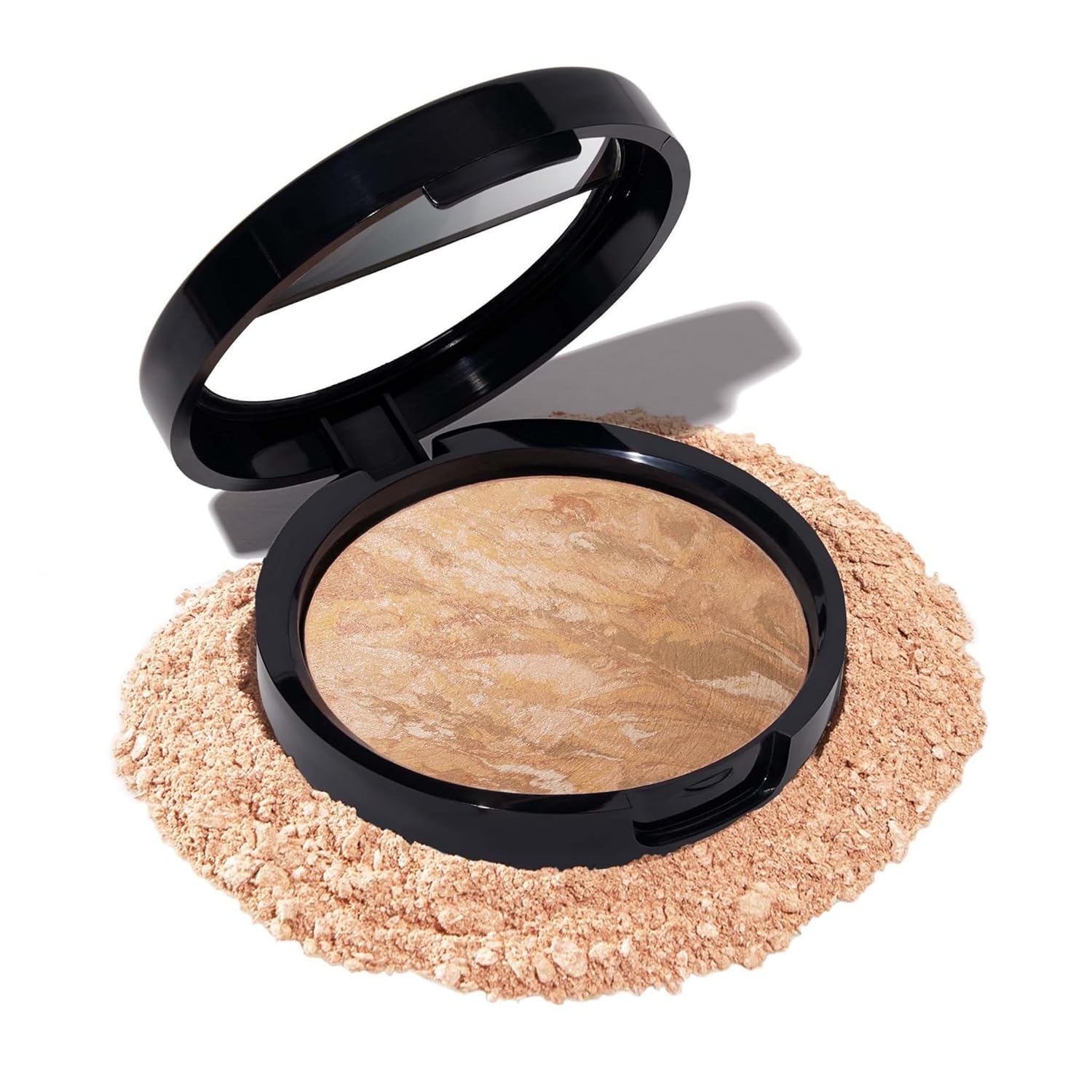
LAURA GELLER NEW YORK Baked Balance-N-Glow Illuminating Foundation
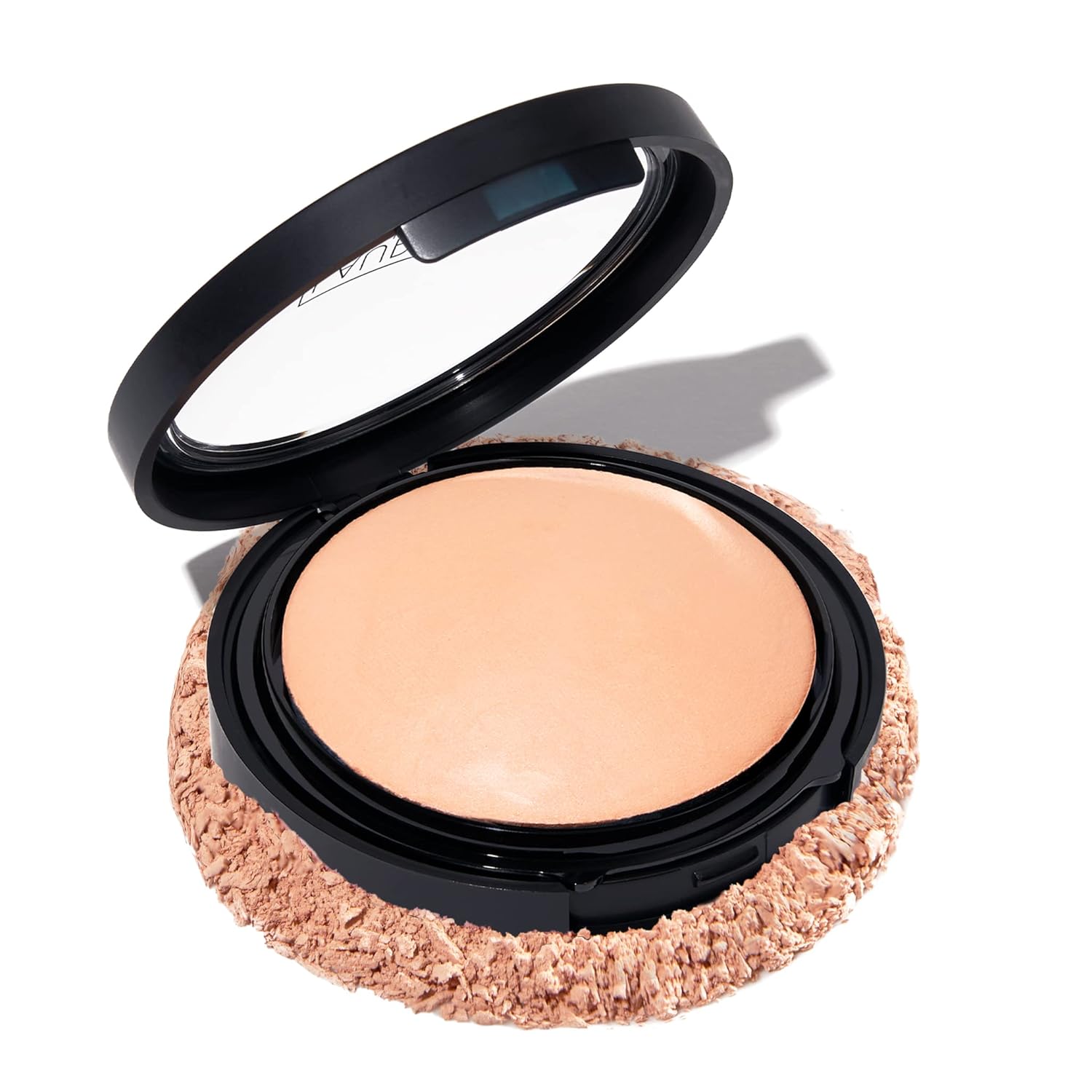
Laura Geller New York Baked Double Take Powder Foundation
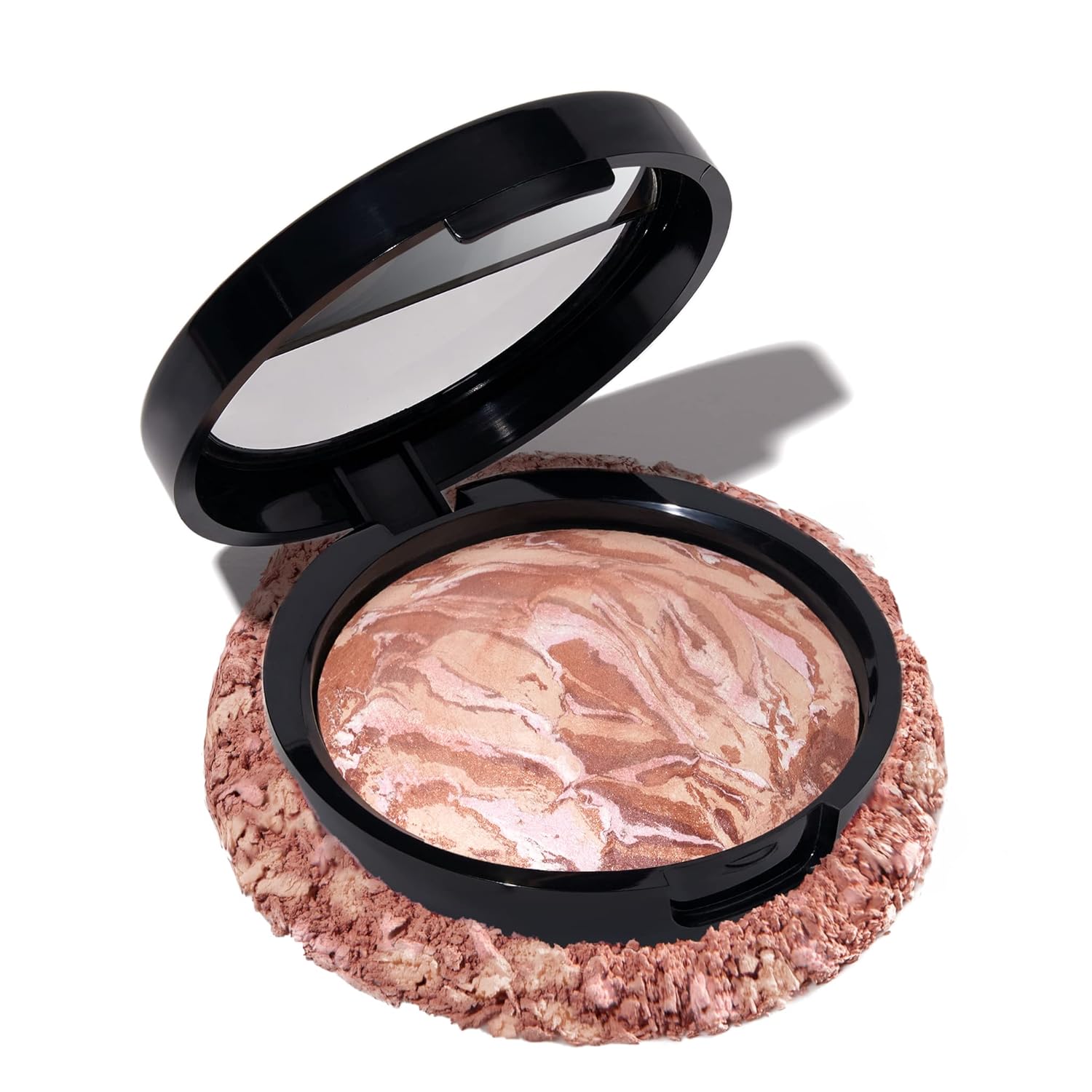
LAURA GELLER NEW YORK Baked Bronze-N-Brighten Bronzer Powder
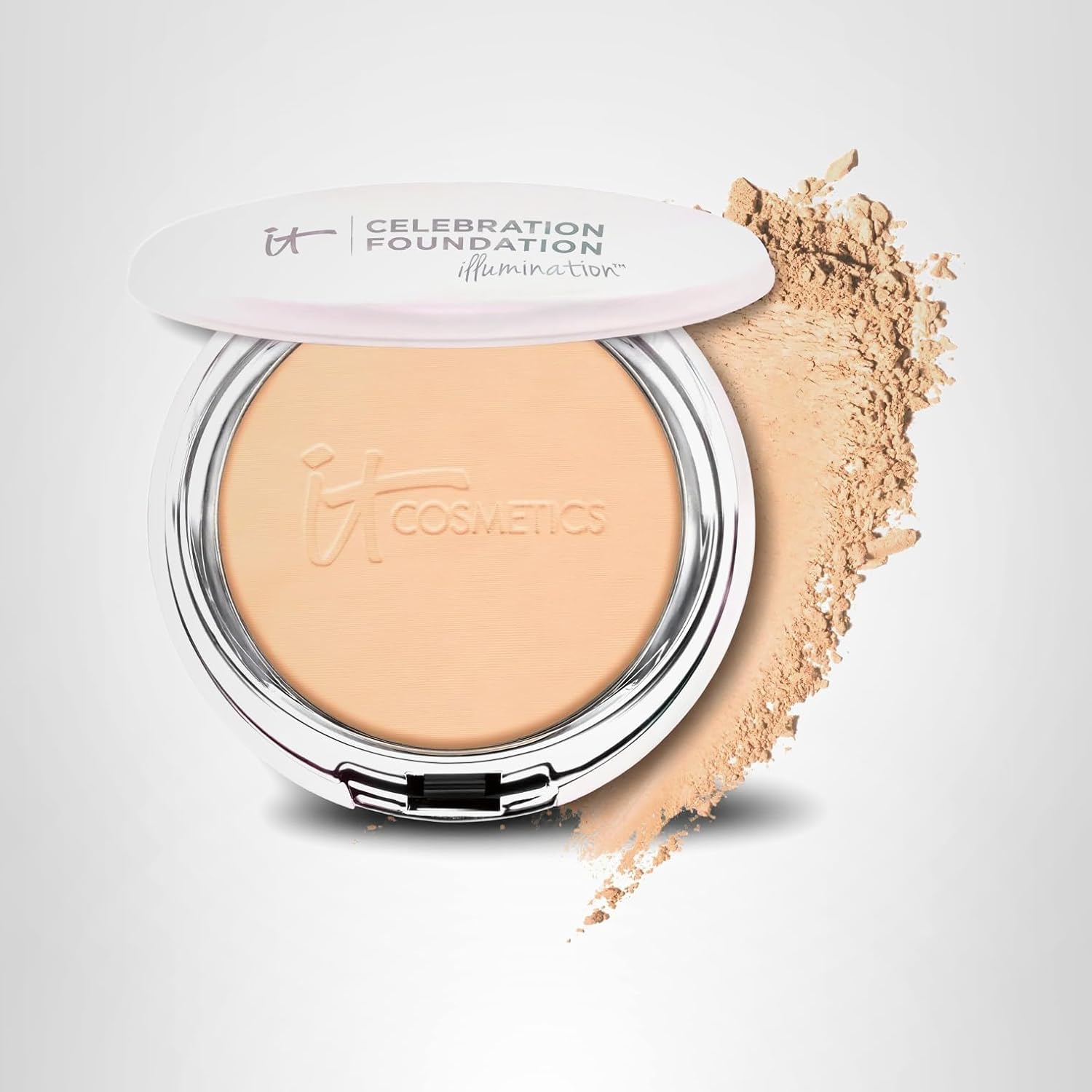
IT Cosmetics Celebration Foundation Illumination
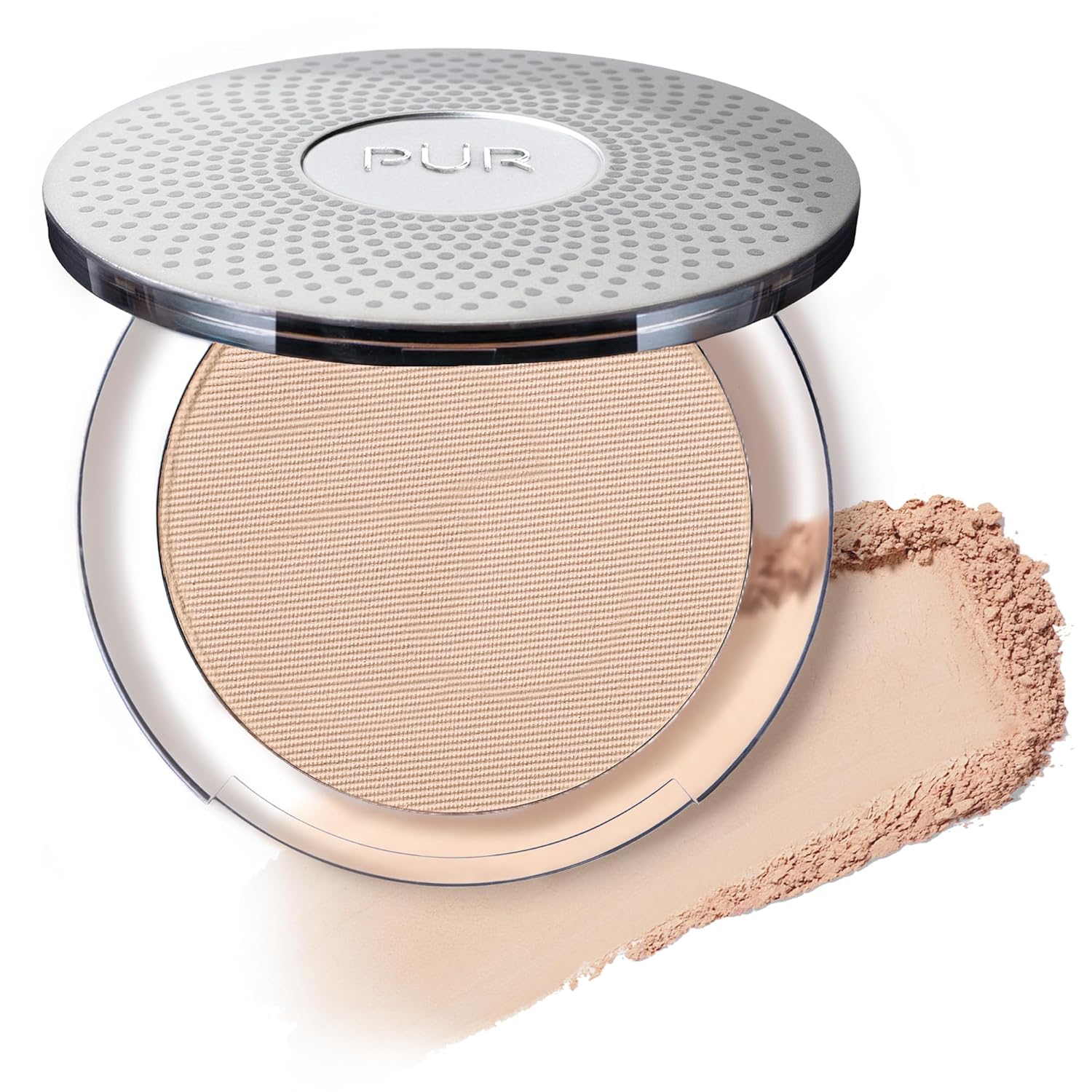
PÜR Minerals 4-in-1 Pressed Mineral Makeup Powder Foundation SPF 15
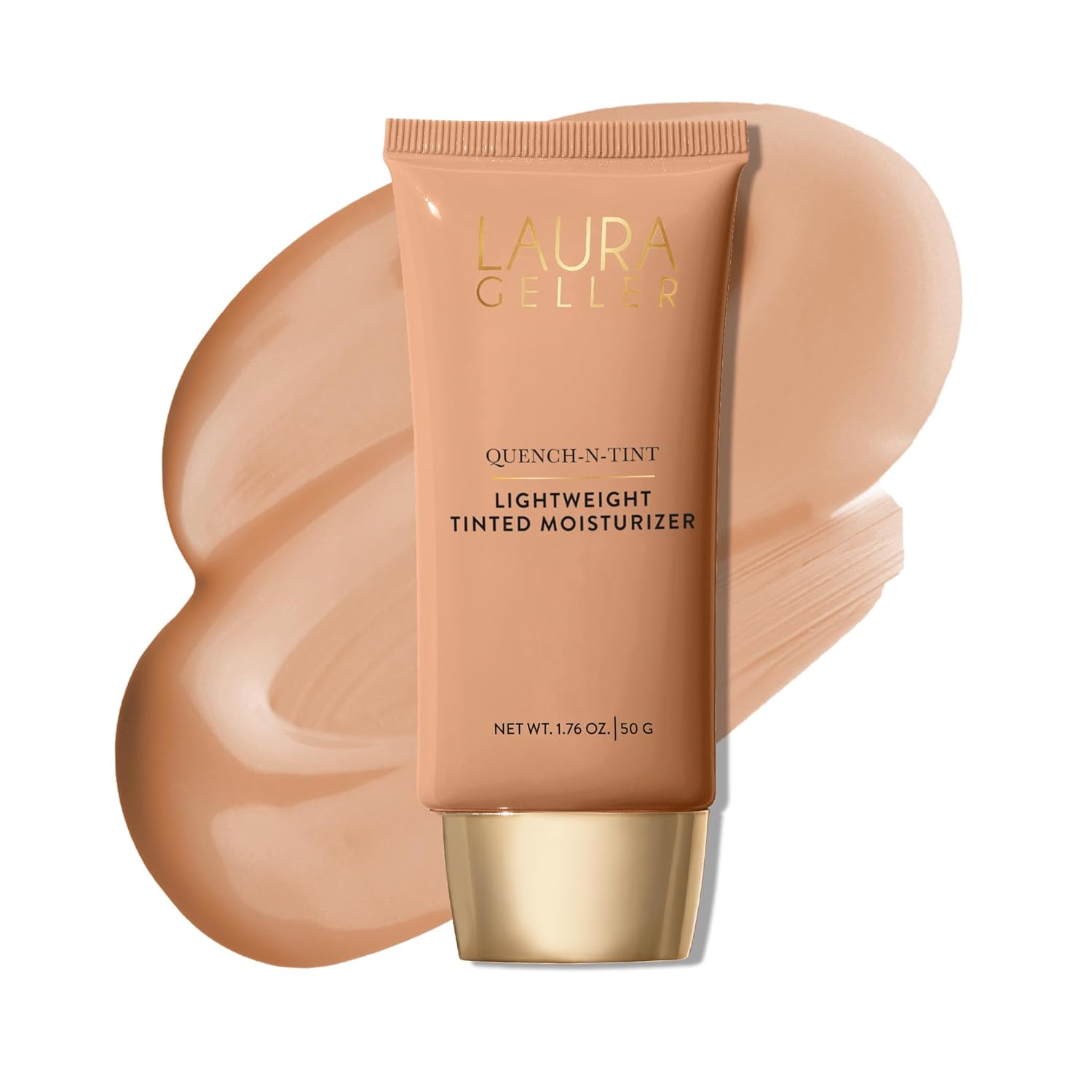
LAURA GELLER NEW YORK Quench-n-Tint Hydrating Foundation
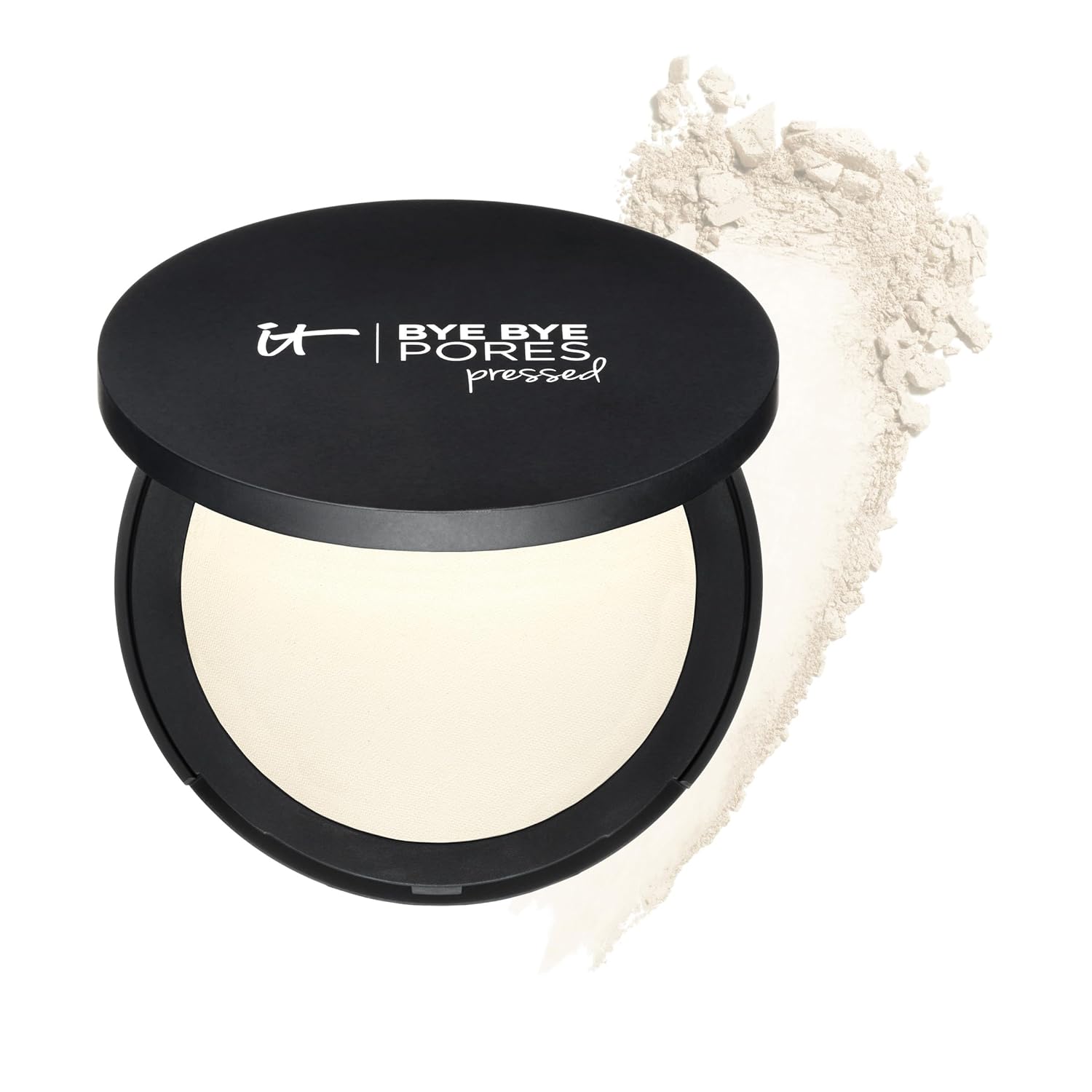
IT Cosmetics Bye Bye Pores Pressed Finishing Powder
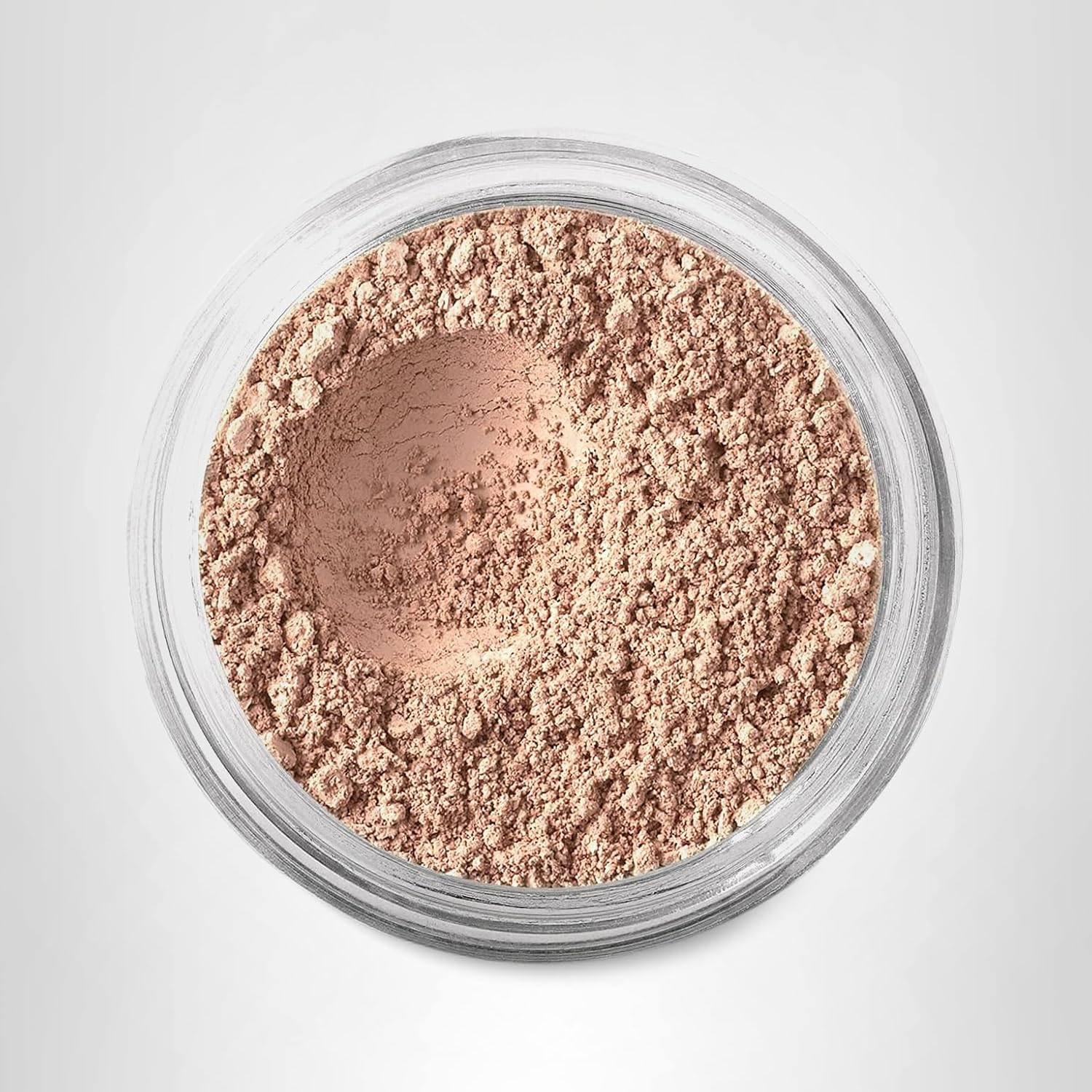
bareMinerals Loose Powder Concealer SPF 20