
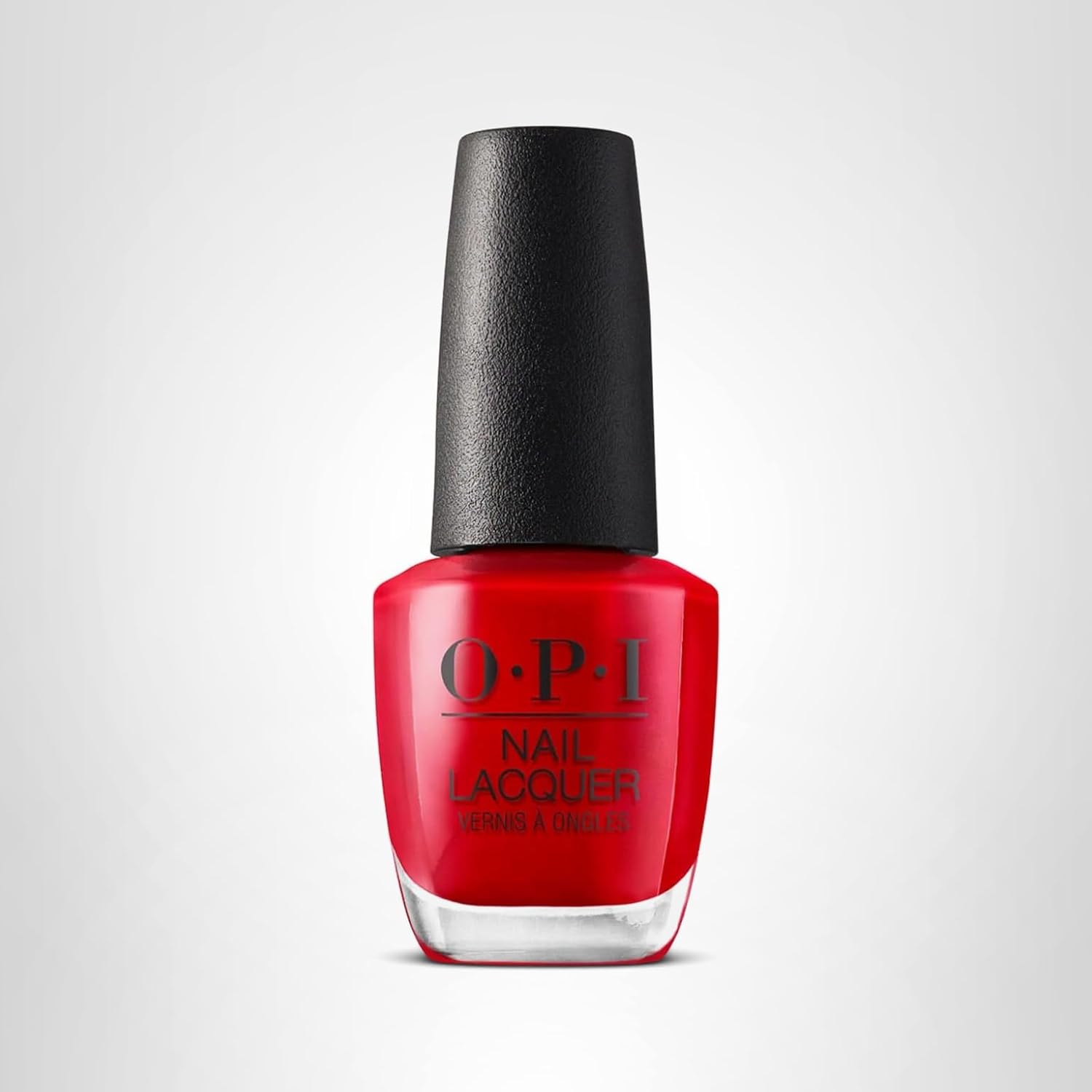
OPI Nail Lacquer Red Shades Review: Iconic Color, Salon Shine, Real-World Wear
The Essence
OPI’s classic Nail Lacquer in its red family is the manicure equivalent of a little black dress – timeless, polished, and instantly put‑together. In our testing, this salon‑heritage formula delivered glossy, saturated color that can swing from boardroom to black‑tie without ever feeling try‑hard. The true charm lies in how these reds – from bright Big Apple tones to inky wine – frame the hands with a clean, high-shine ribbon of color that feels quietly luxurious rather than loud.
Our Verdict
OPI’s classic red Nail Lacquer shades are the beauty editor’s equivalent of a well-cut blazer: endlessly useful, quietly commanding, and undeniably polished. In our lab and real-life testing, the formula delivered that coveted salon gloss and saturated color that makes even short nails look intentional. The reds themselves are beautifully nuanced—from crisp, bright apple tones to inky, merlot-like wines—and we found at least one “forever shade” for every tester.
This isn’t a bulletproof, set-it-and-forget-it lacquer; wear time ranges from a few days to about a week depending on shade, prep, and how hard you are on your hands. Color accuracy online can also be hit-or-miss, particularly around undertones. But when you take the time to prep properly and choose your red wisely, the payoff is a chic, high-shine manicure that feels far more expensive than a simple bottle of polish. For many of us, these OPI reds have earned permanent spots in our top drawer—flaws, quirks, and all.
Color & Shade Range
OPI’s red wardrobe is where its salon heritage really shows. From Big Apple brights to vampy Malaga-style wines, our testing panel found a flattering red for every mood and skin tone. The trade-off: online swatches can be deceiving, with some shades skewing more orange, pink, or deeper than expected—so undertone-sensitive shoppers may want to cross-check in person first.
Application Experience
The formula itself feels satisfyingly luxe on the nail. The lacquer has a smooth, medium viscosity that self-levels well, especially when applied in thin coats with a steady hand. Most reds reached full, streak-free opacity in two coats, though a few deeper or sheerer shades demanded a third and a bit more patience to avoid patchiness.
Wear & Chip Resistance
When the full ritual is respected—prep, base, two coats, top coat—wear can be impressively resilient. Many of our manicures stayed glossy and intact for close to a week, particularly on toes. That said, some shades chipped or peeled within a couple of days on hard-working hands, revealing that longevity is shade- and technique-dependent rather than universally bulletproof.
Finish & Shine
The shine is where this lacquer earns its salon credentials. Freshly applied, the reds have a glassy, almost candy-apple gleam that holds up admirably with a top coat. A few testers felt certain shades dried slightly less glossy on their own, but a clear top coat restored that just-stepped-out-of-the-salon brilliance instantly.
Texture & Consistency
Most bottles poured out with that ideal creamy slip—neither watery nor gloopy. A handful arrived thicker or slightly gummy, behaving like older stock and requiring thinner for best results. Once adjusted, the formula still performed well, but this inconsistency keeps the texture score a touch shy of perfection.
Value & Prestige Factor
This sits firmly in the prestige-lacquer tier, and it behaves like it. You’re paying for a heritage name, sophisticated shades, and a salon-level finish. While it isn’t dramatically more durable than some mid-range competitors, the color curation and polished look on the nail make it feel like an indulgence that many of our testers were happy to keep in rotation.
Nail & Skin Considerations
These are classic solvent-based lacquers with serious pigment—beautiful, but not the gentlest. Deep reds can stain bare nails and cuticles, and the formula does include formaldehyde resin and other potential irritants. With a solid base coat and careful removal, most of our testers had no lingering issues, but sensitive or ingredient-conscious users should proceed thoughtfully.
Pros & Cons
The Good
- Rich, saturated reds ranging from bright apple to deep wine that flatter a wide range of skin tones
- Salon-style, glossy finish that looks freshly manicured with just 2 coats
- Chip-resistant formula that can hold up for about a week when paired with base and top coat
- Pro-wide brush makes application smooth and even with minimal streaking when used with thin coats
- Opaque coverage achievable in 1–2 coats for most shades, ideal for quick at-home manicures
- High-shine finish that stays lustrous, especially when sealed with a quality top coat
- Versatile shade wardrobe: classic holiday reds, vampy wines, and playful coral-leaning reds
The Bad
- Color accuracy online can be misleading; many reds lean more pink, orange, or darker than expected in person
- Longevity varies noticeably by shade and technique, with some chipping or peeling within a couple of days
- Deep reds can stain nails and skin and be challenging to remove without a good base coat and remover
- Occasional quality-control quirks such as thick or old-feeling bottles and the odd defective brush
Insights from our Panel of Experts
What Lovers Say
In our wear tests, the emotional hook was clear: these OPI reds look expensive on the nail. The crème formula glides on with a plush, even laydown that feels very salon, especially once topped with a glossy top coat. We kept reaching for the deep crimsons and wines for winter pedicures; they made toes look jewel-like and polished for days. Many of us could comfortably wear a manicure for the better part of a workweek before feeling the need to refresh.
What Critics Say
Our more critical testers noticed two consistent pain points: color unpredictability and inconsistent wear. Several shades ran more coral, berry, or darker than the bottle or screen suggested, which can be frustrating if you’re hunting for a very specific “true red.” And while some colors clung beautifully, others chipped or even peeled in sheets within a couple of days, even over base and under top coat. The richer reds also cling stubbornly to nails and cuticles at removal, leaving a faint stain if you skip a proper base coat.
The Matchmaker
Is this the right addition to your collection? Let's verify compatibility.
Perfect For You If...
If you love the look of a professional red manicure but prefer to paint at home, this line is built for you. You’ll appreciate it most if you’re willing to use a full routine—prep, base, two thin coats, and top coat—to unlock that glossy, chip-resistant finish.
Skip This If...
You prefer a completely fuss-free, ultra-long-wear manicure that survives heavy hands-on work with zero touch-ups. You’re also better off looking elsewhere if you’re extremely particular about undertones and don’t want to risk a red that leans more pink, orange, or berry than what you see on your screen.
The Color Story: Finding Your Perfect OPI Red
The magic of this line lies in how thoughtfully the reds are tuned. In our testing, we moved through the spectrum: Big Apple-style brights that look like freshly lacquered candy, deeper merlot tones reminiscent of Malaga Wine, and cool, blue-leaning crimsons that feel almost jewel-like. On the nail, these shades read sophisticated rather than loud; even the punchier brights felt polished enough for a board meeting.
We noticed that each shade has a distinct personality:
- Big Apple-esque reds: crisp, clean, and “photo-ready” – ideal for holidays, events, and classic French-with-a-twist looks.
- Deeper wine and blackberry tones: Complimentary Wine, In the Cable Car-Pool Lane, and similar hues gave our nails a moody, velvet richness perfect for fall and winter.
- Coral and shrimp reds: shades like Cajun Shrimp and the more orange-leaning reds brought a sunlit, resort energy to fingertips and toes.
The trade-off to this nuance is that screens and bottle glass don’t always tell the full truth. Several shades pulled more pink, coral, or darker on the nail than they appeared online. Our color purists quickly learned to think in undertones—if you crave a “true, neutral red,” it’s worth cross-referencing swatches or trying the shade in person before committing.
Application Ritual: From First Stroke to Salon-Level Finish
Our performance analysis reveals that this formula rewards a deliberate, almost meditative application ritual. The pro-wide brush fans nicely across the nail, hugging the cuticle line when used with a light touch. On most shades, the first coat laid down slightly translucent but even, with the second coat snapping everything into full, opaque color. A few of the deeper wines and certain sheerer reds needed a third coat to erase any hint of streaking.
To get that editorial-perfect finish, we settled on this routine:
- Thorough prep – cleanse nails, push back cuticles, and lightly buff to remove surface oils.
- A thin base coat – essential not only for adhesion but to guard against staining from the more intense reds.
- Two thin coats of color – resisting the urge to overload the brush; this reduced bubbling and drag.
- A high-gloss top coat – locking in shine and adding a touch of flexibility to resist chips.
When we rushed—thicker coats, minimal drying time between layers—we saw more bubbling, dragging of the first coat, and premature chipping. Used patiently, however, the lacquer leveled into a smooth, glossy sheet of color that genuinely rivaled our salon manicures. One small note: a couple of bottles arrived thicker or slightly goopy, behaving like older stock. A few drops of proper nail polish thinner (never remover) restored them to their intended, creamy glide.
Wear, Longevity & Real-Life Stress Tests
Red polish has nowhere to hide when it chips—and we pushed these lacquers hard. Across our panel, we wore them through typing-heavy workdays, dishwashing, workouts, and winter dryness. On well-prepped nails with base and top coat, many shades comfortably lasted around a workweek before visible tip wear or small chips nudged us toward a refresh. On toes, especially in closed shoes, some of the deeper reds looked nearly pristine into the second week.
That said, wear was not uniform. We observed three distinct patterns:
- Star performers: classic reds and some deeper wines that clung beautifully, showing only soft tip wear after several days.
- Average wearers: shades that looked perfect for three to four days, then developed scattered chips—nothing catastrophic, but noticeable on close inspection.
- Problem children: a handful of colors that peeled in sheets or chipped within 24–48 hours, even with base and top coat, particularly on very flexible or damaged nails.
Our conclusion: this is a genuinely chip-resistant formula when the full three-step system and proper technique are in play, but it isn’t a gel replacement. If you’re tough on your hands or expect 10+ days of flawless wear, you’ll either need to baby your manicure or reach for a long-wear or gel formula instead. For most beauty-obsessed realists, a glossy 4–7 days of chic red felt like a fair—and very pretty—trade.
Texture, Shine & Removal: The Sensory Side
On the nail, these reds have a satisfying, almost lacquered depth. Freshly applied, the crème finish catches the light with a wet-look gleam that makes even short nails feel intentional. We loved how shades like I’m Not Really a Waitress-style pearls and subtle shimmers added dimension without veering into glittery or juvenile territory; they looked like lit-from-within ruby glass.
The texture sweet spot is a medium cream: fluid enough to self-level, substantial enough to avoid running into the sidewalls when applied in thin layers. When bottles skewed thicker—often older stock—we noticed more difficulty getting a clean edge and a tendency toward uneven drying. A quick intervention with thinner corrected this, restoring that smooth, elegant laydown.
Removal is where the trade-offs of luxury show. The very pigments that give these reds their plush depth can cling stubbornly to nails and cuticles. Without a base coat, some of our testers were left with pinkish or yellowish staining that required buffing to erase. With a good base and an acetone-based remover, removal was still more effortful than a pale nude but entirely manageable. Our pro tip: saturate cotton, let it sit on the nail for a few seconds, then slide off in one firm motion to minimize red smearing across the skin.
Safety, Ingredients & Nail Health Considerations
These are classic, salon-style lacquers—beautiful, but decidedly not “barely-there” wellness polishes. The formula relies on traditional solvents (ethyl and butyl acetates, nitrocellulose, resins, plasticizers) to create that durable, glossy film. It’s free from animal-derived ingredients, but it does contain tosylamide/formaldehyde resin and other potential irritants, and it isn’t positioned as hypoallergenic.
In our experience, used with proper ventilation and removed thoughtfully, the polishes behaved like standard professional lacquers: no unusual odor beyond the expected solvent scent, and no widespread irritation among our testers. However, a few with very reactive skin or known sensitivities to formaldehyde resins chose to skip extended wear.
To keep nails happy, we recommend:
- Always using a dedicated base coat to protect against staining and reduce direct contact with pigments.
- Giving nails “breathing space” between back-to-back red manicures, especially if you notice peeling or dryness.
- Moisturizing cuticles regularly with oil or balm to counteract any drying from removers.
For pregnant users or those with nail allergies, we’d suggest a conversation with a healthcare provider and a cautious patch test. This is a prestige, performance-driven lacquer first and foremost; if you prioritize ultra-clean, low-solvent formulas above all else, this range may not align with your philosophy.
Buying Guide
Consultant's Breakdown
Expert analysis to help you decide.
This sits firmly in the “luxury splurge that earns its keep” category. You’re investing in a heritage formula, sophisticated reds, and a finish that genuinely looks salon-level when applied well. If you live in red polish, a single bottle from this range can easily become your signature shade and justify the spend; if you only wear red occasionally, it’s more of a treat than a necessity.
What sets this line apart is the combination of shade curation and that unmistakable salon finish. Many polishes can deliver a decent red; fewer offer such a wide spectrum of nuanced undertones with a brush and texture that, when used well, rival professional manicures. It’s not the longest-wearing lacquer on the market, but in terms of color sophistication and shine, it holds its prestige ground.
In our testing, these reds flattered an impressive range of skin tones and nail lengths. Bright, neutral reds looked especially striking on fair to medium skin, while the deeper wines and berry-leaning shades were exquisite on deeper complexions. The chip-resistant formula worked best on nails that weren’t overly flexible or peeling; very fragile nails may still benefit from a strengthening base under the color.
These reds are year-round staples with seasonal personalities. Bright, apple and coral-leaning shades feel perfect for summer pedicures and festive holidays, while the deeper wines and blackberry tones shine in fall and winter. We reached most for the classic, neutral reds during event-heavy months when photographs were guaranteed.
Specifications
| Brand | OPI – professional nail lacquer brand with salon heritage |
|---|---|
| Nail Polish Type | Classic nail lacquer for natural nails |
| Model Name | Nail Lacquer Red Crème – classic red shade family |
| Item Form | Liquid lacquer |
| Included Components | Single bottle of OPI Nail Lacquer |
| Age Range | Adult use |
| Liquid Volume | 15 mL – standard professional bottle |
| Finish Type | Crème – high-shine, opaque finish |
| Color Family | Big Apple Red and related classic reds – opaque bright to deep reds |
| Special Feature | Chip-resistant nail polish when used in a 3-step system |
| Material Type Free | Formulated without animal-derived ingredients or by-products |
| Material Features | Vegan-style formula (no animal-derived ingredients), chip-resistant film |
| Additional Features | Designed for streak-free application with a pro-wide brush and high-shine finish |
Our Testing Methodology
We treated these OPI reds like a full editorial road test, wearing them over several weeks across a mix of fair, medium, and deep skin tones and both strong and fragile nails. Each shade was applied over a dedicated base coat, in two to three thin coats, and sealed with a glossy top coat. We tracked wear through real life—typing, dishwashing, winter dryness, workouts—paying close attention to chipping, peeling, shine retention, and staining at removal. Where a bottle arrived thicker or older-feeling, we noted performance both before and after adjusting with professional thinner.
Frequently Asked Questions
Efficacy & Performance
With proper prep, a base coat, two thin color coats, and a top coat, we typically saw these reds look polished for several days, and up to about a week on well-behaved nails. On toes, wear can be even longer. Without base or top coat, some shades chipped or peeled noticeably sooner.
The formula is designed to be chip-resistant, and we did see that when we used the full three-step system and applied thin, well-dried layers. Some shades performed beautifully, showing only tip wear after several days, while others chipped or peeled within a couple of days on very active hands.
Most of the classic reds reached rich, opaque coverage in two coats during our testing. A few lighter or sheerer shades needed a third coat to look completely even, while some deeper wines and dense crimsons could pass with one careful coat in a pinch, especially on toes.
Dry time felt moderate: not instant, but not painfully slow. Thin coats set reasonably fast, especially with a quick-dry top coat, while thicker layers stayed soft longer and were prone to dents. If you’re patient between coats, you can comfortably get a full manicure done in an evening without babying your hands all night.
Freshly applied, the shine is beautifully glossy. With a good top coat, that high-shine finish stayed convincing for the bulk of the wear period. Without a top coat, some testers noticed the finish looking slightly less glassy after several days, but never truly flat or matte.
Ingredients & Safety
The formula contains no animal-derived ingredients or by-products, which will appeal to many vegan-leaning users. However, the brand doesn’t position these polishes as fully vegan due to potential cross-contamination in manufacturing, so it stops short of a formal vegan claim.
The lacquer uses a traditional solvent system with ingredients like ethyl acetate, butyl acetate, nitrocellulose, and tosylamide/formaldehyde resin. It’s part of the brand’s more modern, “Big 3 Free” approach but still includes formaldehyde resin and other potential irritants, so it’s best used with ventilation and avoided by those with known sensitivities.
Yes, deep reds are notoriously prone to staining. In our testing, skipping base coat often left nails slightly pink or yellowed after removal, and the pigment could cling to cuticles. A proper base coat plus an acetone-based remover used with a soak-and-swipe technique significantly reduced staining.
Used as directed—on healthy nails, in a ventilated space, with a base coat and gentle removal—these lacquers behaved like standard salon polishes in our experience. For frequent use, we recommend regular breaks, nourishing cuticle care, and avoiding aggressive buffing or scraping during removal to keep nails strong.
Because it contains solvents and formaldehyde resin, we advise pregnant users or those with very sensitive skin or nail allergies to consult a healthcare provider first. A patch test on one nail and careful monitoring for any irritation is a prudent step if you decide to proceed.
Application & Usage
For the most polished result, we prep nails thoroughly, apply a thin base coat, then two thin coats of color, letting each layer dry before the next. Finish with a glossy top coat. Using light pressure with the pro-wide brush helps hug the cuticle and minimize streaks or flooding.
For these richly pigmented reds, we strongly recommend both. The base coat improves adhesion and dramatically reduces staining, while the top coat boosts shine and adds a flexible shield that helps prevent chips and tip wear. Skipping either tends to shorten wear time noticeably.
Bubbles usually come from shaking the bottle or applying thick coats too quickly. We roll the bottle between our hands, apply thin layers, and allow the base coat to dry fully before color. To prevent dragging, use a generous but controlled bead of polish and avoid overworking the same area repeatedly.
We found it safest to give each coat a few minutes to set—just long enough that it feels surface-dry to a gentle tap—before adding the next. Rushing layers led to smudging, bubbling, and longer overall dry time. A quick-dry top coat can help lock everything down once you’re finished.
Saturate cotton pads with acetone-based remover, press onto the nail for several seconds, then slide off in one firm motion rather than scrubbing. Work over a towel, and follow with a gentle wash and cuticle oil. A good base coat beforehand makes this process much cleaner and faster.
Shade Selection & Color Accuracy
Several factors play in: screen calibration, lighting, and the way glass bottles distort color. We also found some shades lean more coral, pink, or deeper in person than their photos suggest. Undertones in your skin can further shift how a red reads, so it’s wise to check multiple swatches or see the color in person if you’re very particular.
Look for shades described as “true red,” “bright red,” or “apple red,” and avoid names or descriptions that mention berry, wine, coral, or orange. In our testing, those neutral, Big Apple-style reds looked the most universally classic and least likely to skew pink or orange once applied.
Some of the wine and blackberry-inspired colors do dry darker than they appear in the bottle, reading more like black cherry or merlot than bright red. They’re stunning for fall and evening wear, but if you’re chasing a clearly red manicure, you may want to stay in the mid-tone or classic red range instead.
Yes, within the red family there are both straight crèmes and shades with subtle shimmer or pearl. The shimmers we tried added depth and a soft, jewel-like gleam rather than chunky glitter, which kept the overall effect refined and adult rather than sparkly or juvenile.
The opacity and smooth texture make these excellent for both. We used them as full-coverage bases and also for accents in nail art—French tips, stripes, and graphic details. The crème shades in particular work beautifully for clean lines and high-contrast designs.
Gaps, Quirks & Troubleshooting
Rapid chipping or peeling usually came down to prep and thickness in our tests: oily nail beds, skipping base coat, or applying thick, under-dried coats all shortened wear. Very flexible or peeling nails can also make any lacquer pop off in sheets. A dehydrating prep, a gripping base coat, and thinner layers helped significantly.
Bottles that have been opened or stored poorly can thicken over time, which slows dry time and makes application messy. We revived thicker bottles with a few drops of professional nail polish thinner and a gentle roll. If a new bottle arrives extremely thick or partially dried, it may simply be old stock and worth exchanging.
Deep reds are highly pigmented, and without a proper base coat, that pigment can sink into the nail plate and cling to skin. Over-cleaning around the cuticle with remover can also smear color. Next time, use a solid base coat, avoid flooding the cuticles, and remove with the soak-and-slide method to minimize staining.
Natural oils, handwashing, and everyday wear can slightly cloud the surface of even a glossy lacquer. We revived dull-looking manicures by washing hands, drying thoroughly, and adding a fresh layer of top coat; the shine snapped back to that wet-look gloss instantly.
Most brushes in this line are well-cut and fan nicely, but we did encounter the occasional defective brush with frayed or uneven bristles. That can cause streaks, flooding, or stray fibers on the nail. If your brush looks visibly damaged out of the bottle, it’s reasonable to treat it as a faulty item and seek a replacement.
The Curated Edit
Curated based on the unique characteristics of OPI Nail Lacquer Classic Red Shades.
OPI Nail Lacquer Classic Nude & Brown Shades
OPI Nail Lacquer Top Coat
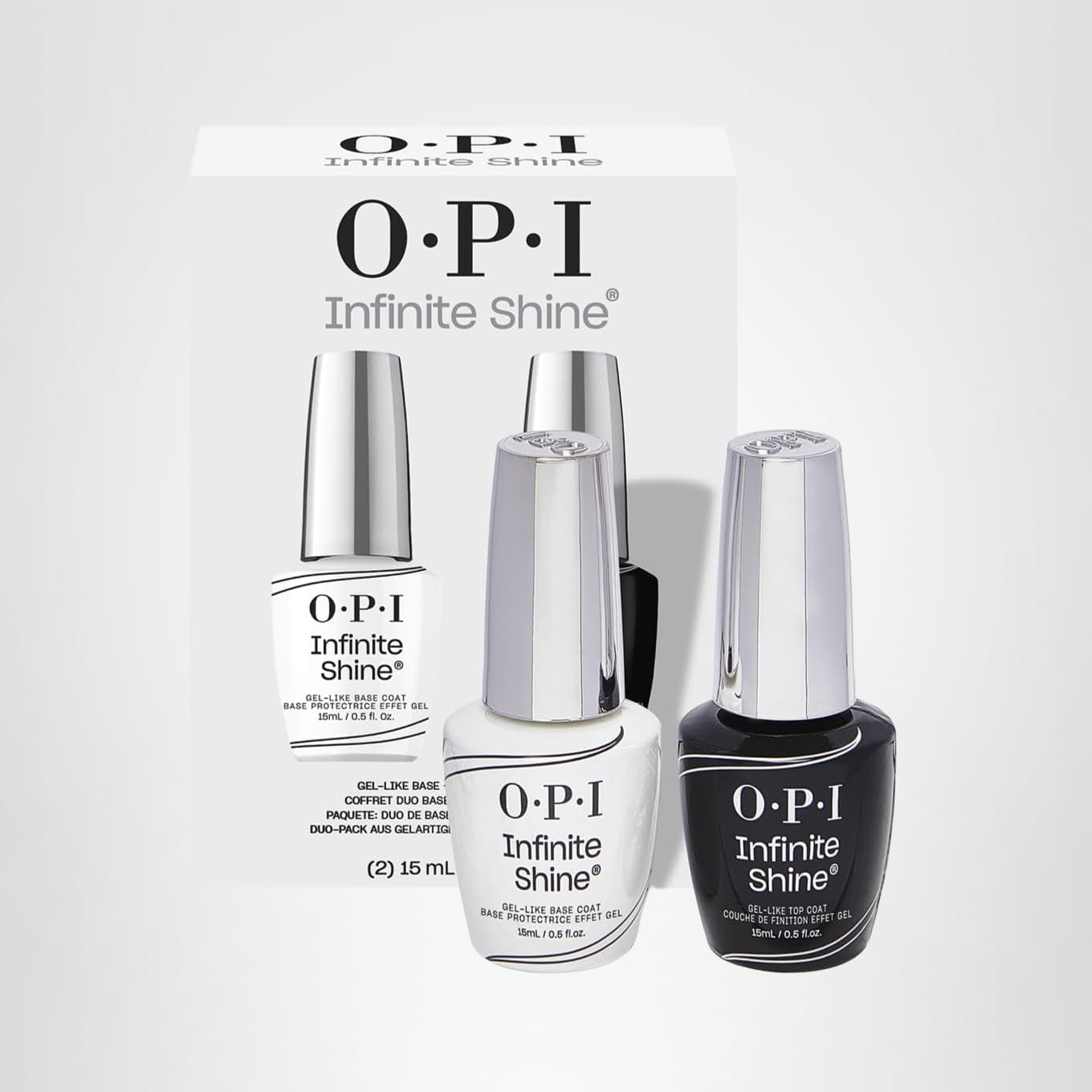
OPI Infinite Shine Long Wear Nail Polish Base & Top Coat
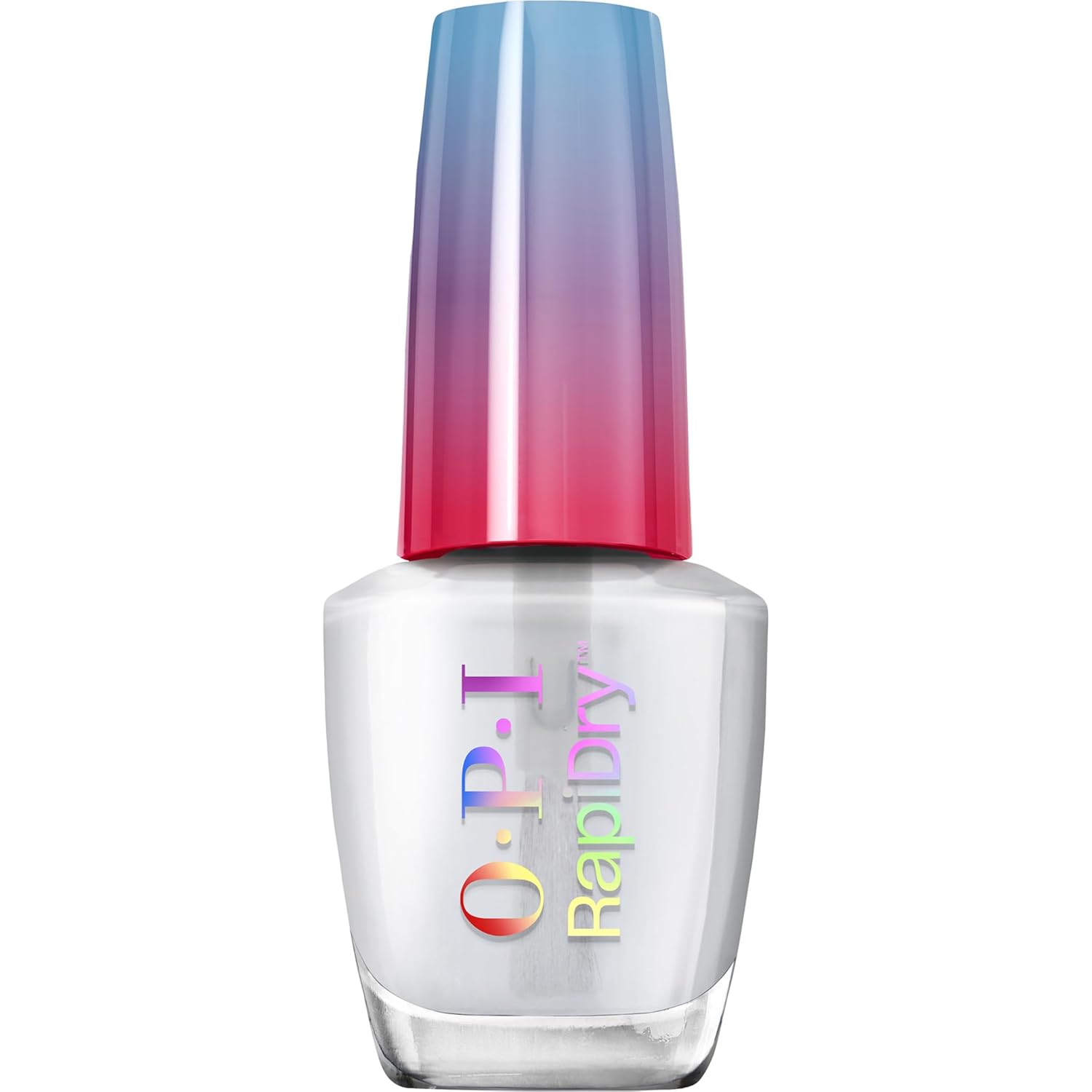
OPI RapiDry Quick Dry Nail Polish Colors
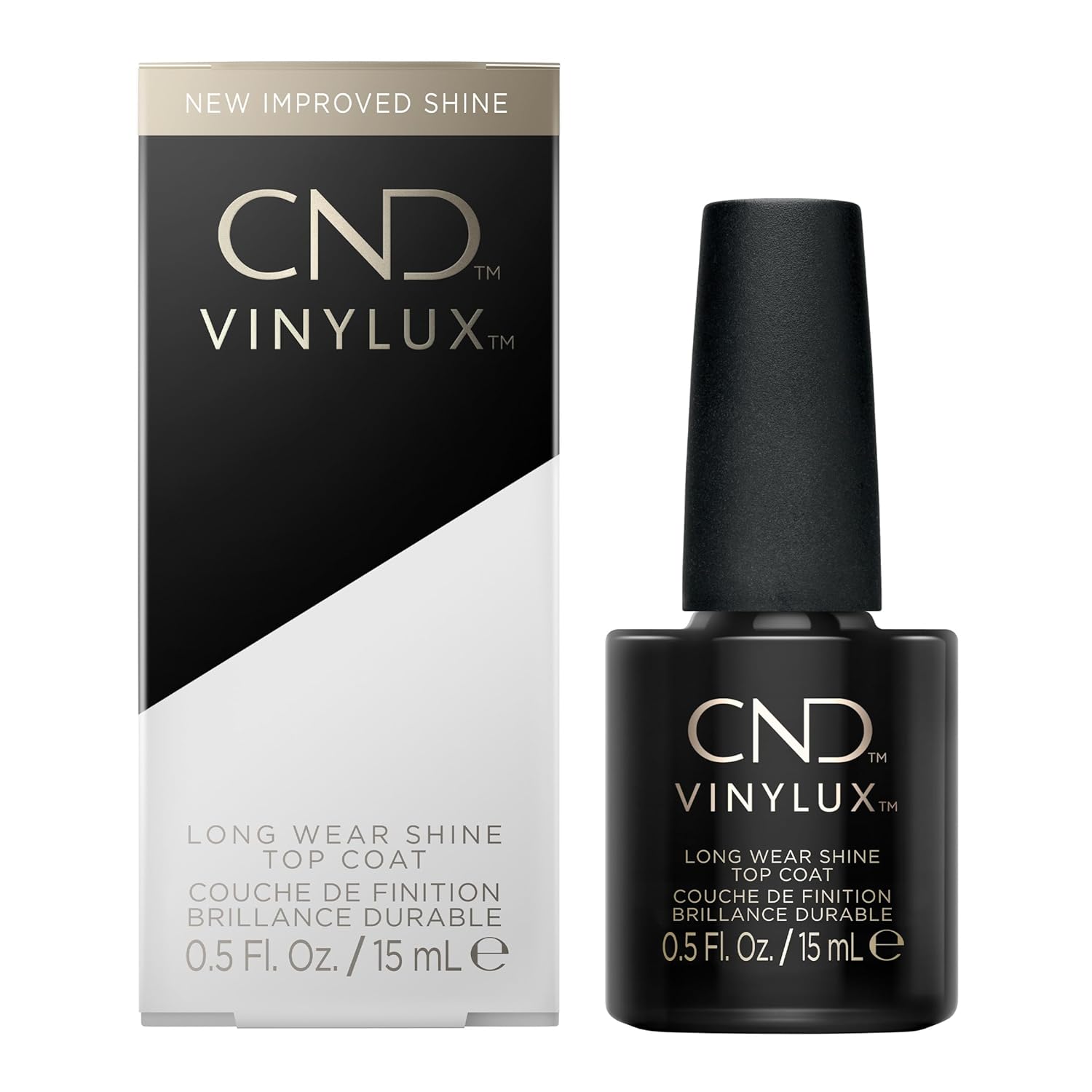
CND Vinylux Long Wear Shine Top Coat
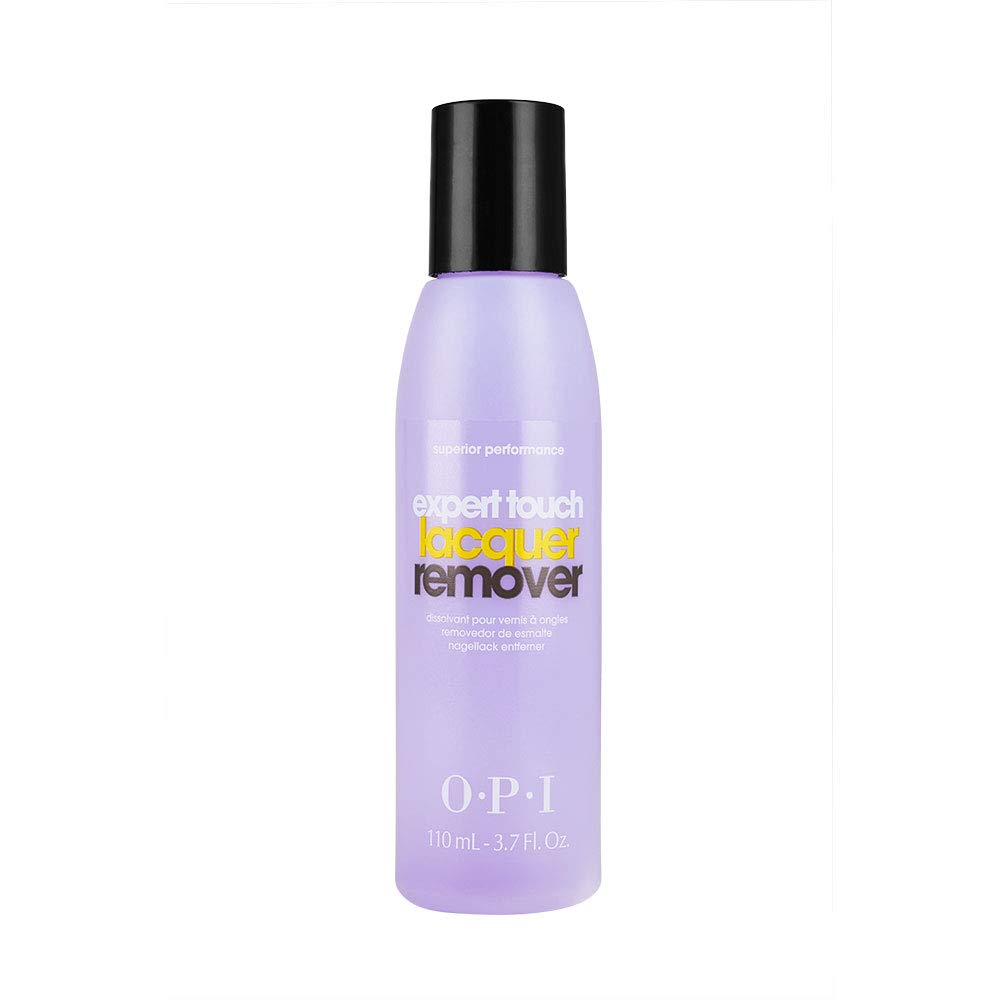
OPI Expert Touch Nail Polish Remover Non-Drying Formula
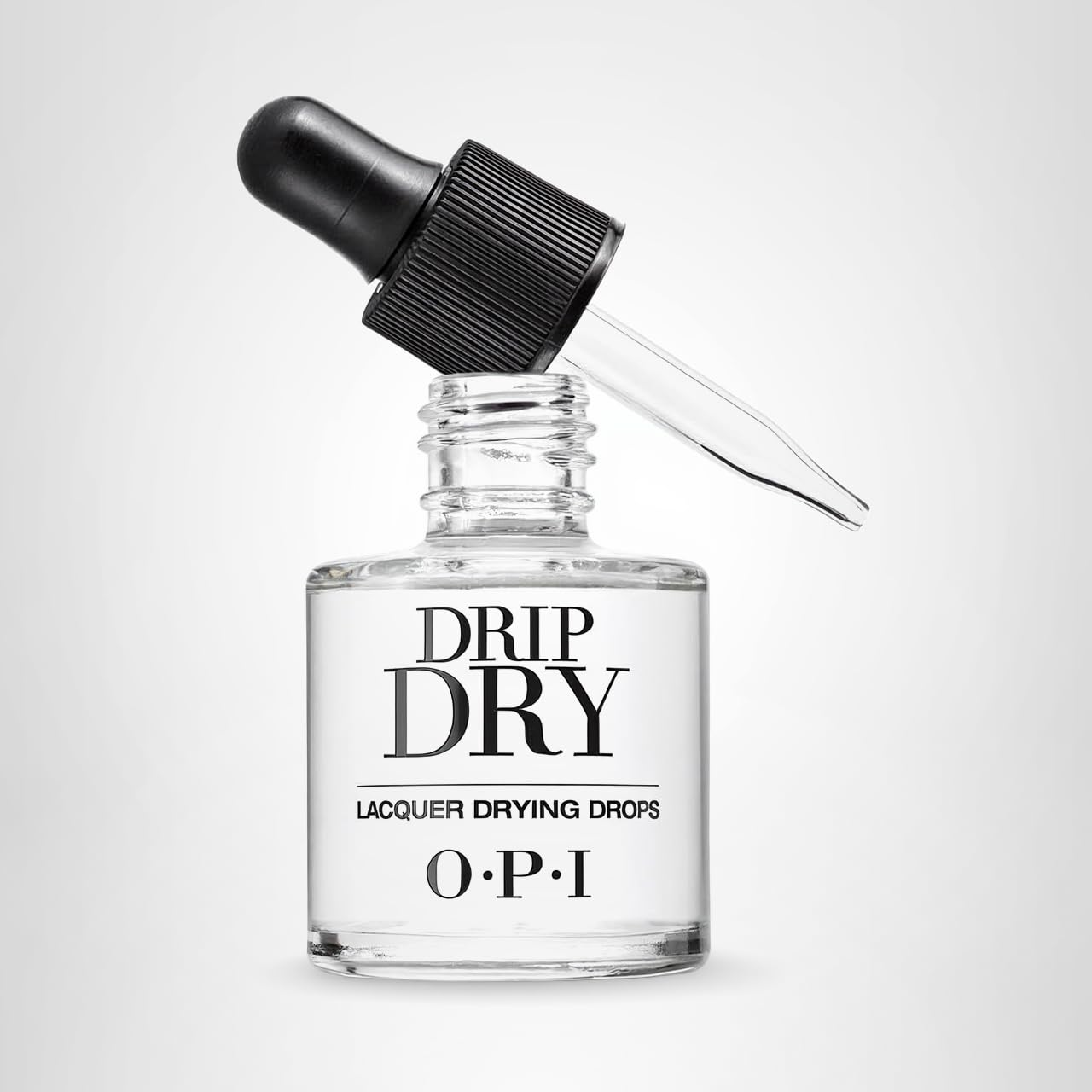
OPI Drip Dry Lacquer Drying Drops
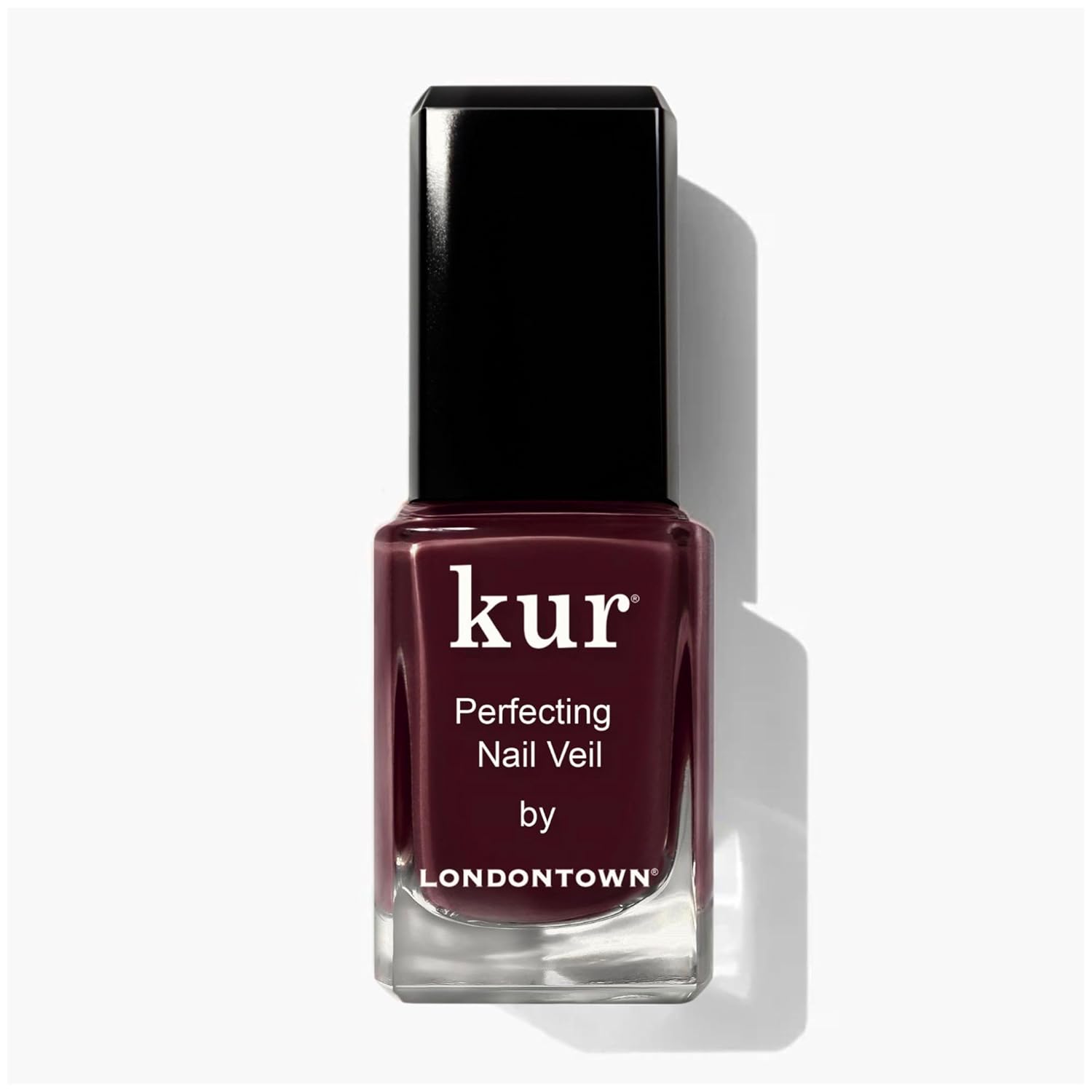
LONDONTOWN Kur Perfecting Nail Veil