
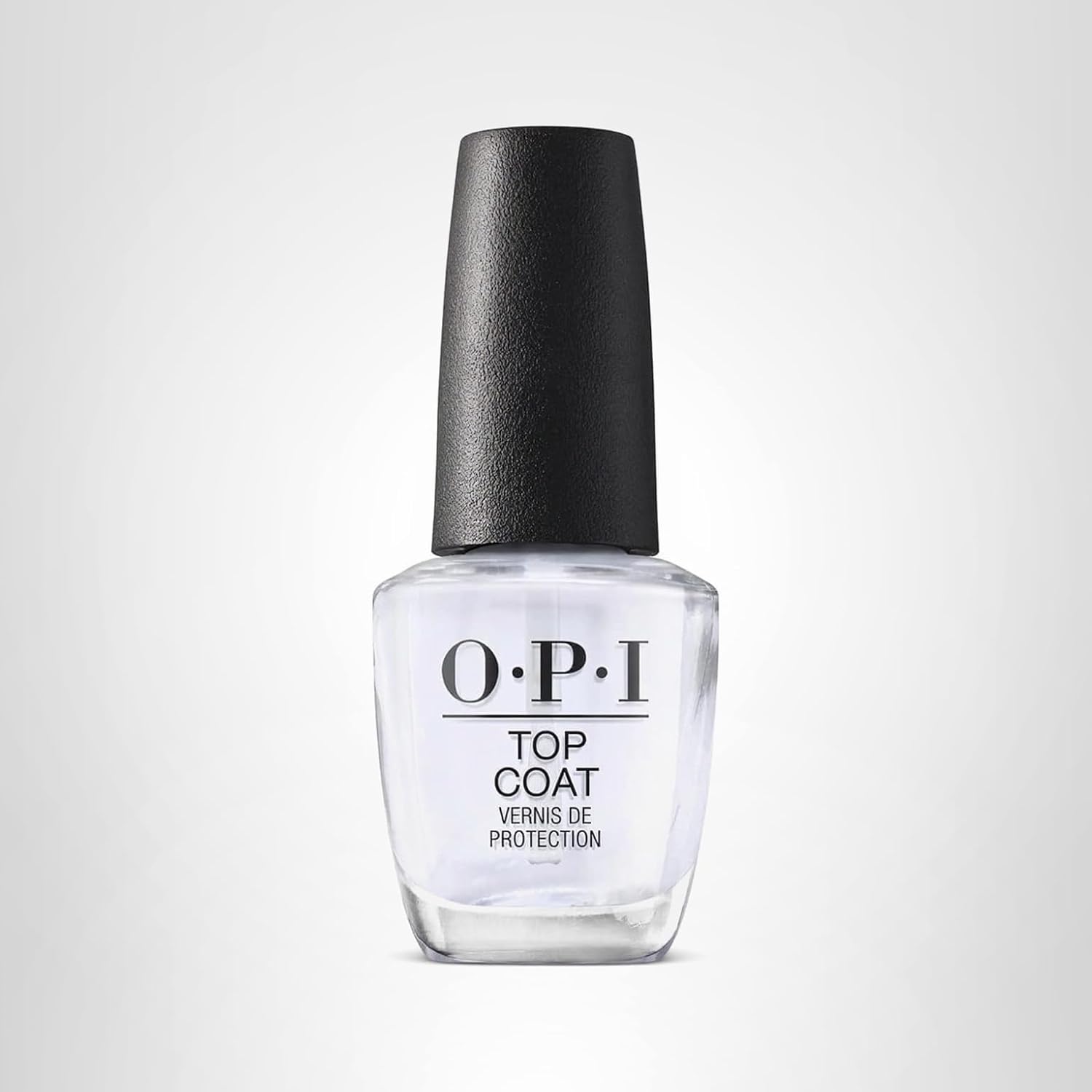
OPI Nail Lacquer Top Coat Review: The Quiet Luxury Finish Your Manicure Deserves
The Essence
A classic, crystal-clear OPI top coat designed to seal color, amplify shine, and lend that polished, salon-fresh finish to even the most casual at-home manicure. In our testing, it behaved like a protective glass veil over color, enhancing vibrancy while defending against the daily wear that usually dulls and chips polish.
Our Verdict
OPI’s Nail Lacquer Top Coat is the definition of quiet luxury for nails: not flashy, not fussy, but reliably polished. In our testing, it behaved like a clear glass seal over color—amplifying shine, smoothing minor imperfections, and extending the life of a well-prepped manicure. It’s at its best when you respect its rhythm: thin coats, fully dry color, capped tips, and a bit of patience. The formula’s main flaw is its tendency to thicken halfway through the bottle, which can invite bubbles and streaks if you push it too far. Still, as a staple in a classic lacquer wardrobe, it delivers that professional, OPI-level finish that makes even a simple nude feel considered and chic.
Overall Performance
As a classic, glossy finisher, this top coat performs with the quiet confidence we expect from a salon heritage brand. When we respected its rules—thin coats, fully dry color, capped tips—it delivered days of elegant shine and respectable chip resistance that felt more professional than most mass-market options.
Shine & Finish
The finish reads as a clean, glassy gloss rather than an over-the-top gel dome. Our nails looked freshly polished and reflective, and the clear formula stayed bright instead of turning tea-stained over pale shades. Those craving a mirror-like, ultra-thick gel illusion may find the effect more refined than dramatic.
Dry Time & Application
Dry time is one of this formula’s quiet strengths—touch-dry in minutes when applied thinly. The ProWide-style brush hugs the nail, but the lacquer sets quickly, so you have to commit to each stroke. Overworking it or applying too thickly is when we saw dragging, bubbles, and streaks appear.
Longevity & Chip Resistance
Paired with a good base and careful prep, we comfortably wore manicures for several days with only modest tip wear. It isn’t a magic shield—heavy water exposure, no base coat, or rough use will still show chips—but for most everyday scenarios it extends wear in a reliable, polished way.
Bottle Life & Consistency
The trade-off of a classic lacquer formula is that it doesn’t age as gracefully as we’d like. Around the halfway mark, we noticed thickening and stringiness that made it harder to achieve that flawless, bubble-free veil, often requiring thinner or a replacement bottle sooner than expected.
Value as a Salon-Grade Staple
This sits in the prestige sweet spot: more of an investment than drugstore top coats, but with a noticeably more refined finish and brush. If you do your nails regularly, the cost feels justified—provided you’re comfortable retiring or thinning the bottle once it starts to thicken.
Pros & Cons
The Good
- High, glassy shine that instantly elevates even basic cream shades
- Clear, non-yellowing finish that keeps light and nude polishes looking clean rather than nicotine-yellow
- Brush is wide enough to hug the nail for smooth, streak-free coverage when you work at a normal pace
- Dries to the touch relatively quickly, making at-home manicures feel less high-maintenance
- Noticeably improves chip resistance and overall wear when used as part of a full base–color–top routine
- Versatile: works over OPI and most other classic lacquers, nail art, and strips
- Professional-grade look and feel that mimics salon results at home
The Bad
- Formula can thicken and become stringy around the halfway mark of the bottle, making application trickier
- Some testers experienced bubbling, streaks, or color drag if they overworked the brush or applied over polish that wasn’t fully dry
- Chip resistance is good but not bulletproof; heavy hand-washers and those rough on their nails may still see tip wear within a few days
- Shine level and ‘plumping’ effect can feel underwhelming if you’re expecting a true gel-like dome finish
Insights from our Panel of Experts
What Lovers Say
In our wear tests, the classic OPI top coat consistently delivered that fresh-out-of-the-salon gloss that makes even a simple nude or red feel expensive. We kept reaching for it when we wanted a reliable, clear coat that didn’t bubble, streak, or dull down our color. On well-prepped nails with a proper base coat, we saw manicures holding their polish and shine through the workweek with only minor tip wear. Several of us also loved how it smoothed out minor brush marks in cheaper polishes, giving budget colors a more prestige finish.
What Critics Say
Where this top coat stumbles is consistency over time and under pressure. Once the bottle dips below halfway, the texture can turn noticeably thicker and stringier, which invites bubbles and uneven application. A few testers also found that if they rushed and applied it over polish that was merely “dry-ish,” the brush picked up pigment and dragged or streaked the color. For those who are truly hard on their hands or expect a gel-level bulletproof manicure, the chip resistance felt merely good, not exceptional.
The Matchmaker
Is this the right addition to your collection? Let's verify compatibility.
Perfect For You If...
If you love the look of a classic, high-gloss salon manicure and want a trusted, professional top coat to finish your at-home routine, this is a strong choice. You’ll appreciate it most if you’re willing to invest a few extra minutes in careful, thin coats and proper drying time between layers.
Skip This If...
You prefer ultra-thick, cushiony gel-style top coats that create a dramatic dome and near-indestructible wear, or you’re extremely hard on your nails and expect a full week with zero chips. You also may want to pass if you dislike maintaining polishes that can thicken and need thinning over time.
The Finish: From Freshly Painted to End-of-Week Wear
On first swipe, this top coat lays down a clear, glassy film that instantly makes color look more saturated and intentional. Over creams, it gives that wet-look gloss that catches light without veering into plastic. Over shimmers and glitters, it smooths out minor texture so nails feel less gritty and more like a polished surface.
In our wear tests, the shine held up admirably for several days. On day one and two, nails looked almost mirror-slick; by day three to four, the gloss softened slightly but still read as clean and well-kept rather than dulled. On pale pinks and milky whites, we were watching closely for that dreaded nicotine-yellow tinge—this formula stayed reassuringly clear, which is a quiet but important luxury when you favor light shades.
We also appreciated how it subtly blurred minor imperfections. Over more affordable polishes with visible brush strokes, the top coat acted like a clear filter, softening ridges and giving the illusion of a more expensive formula. It won’t erase deep texture or ridges in the nail plate itself, but as a finishing touch, it elevates the overall look to salon territory.
Application Ritual: The Fine Line Between Flawless and Fussy
Application with this top coat is a bit of a dance—once you learn the steps, the results are beautiful. The brush is wide enough to cover most nails in two to three strokes, hugging the cuticle line and sidewalls with minimal effort. The formula flows easily when fresh, so a thin coat is genuinely achievable.
The key is decisiveness. Because the lacquer begins to set quickly, you have a short working window. When we floated the brush in three confident strokes (center, side, side) and resisted the urge to go back over areas, we got that smooth, glassy finish. When we fussed—especially over polish that was only surface-dry—we saw:
- Color drag and streaking, with pigment visibly lifting into the clear coat
- Bubbling, particularly when we loaded the brush heavily or pressed too hard
- Cloudiness or uneven shine if we tried to “fix” areas as they were already setting
Our best results came from letting color dry longer than we thought we needed, applying one thin, even layer of top coat, and always capping the free edge. For intricate nail art or strips, we used an even lighter touch, almost floating the brush over the design to avoid disturbing it. Treat it as a deliberate final step rather than a quick afterthought, and it rewards you.
Performance & Longevity: How Long Does the Gloss Really Last?
Our performance analysis reveals a top coat that behaves like a disciplined classic: it extends wear, but it still obeys the laws of lifestyle. On nails prepped with a quality base coat, two coats of color, and this top coat, we consistently saw several days of tidy wear before noticeable chipping set in.
For those of us working primarily at desks, using gloves for dishwashing, and avoiding long soaks in hot water, tip wear appeared gradually and discreetly. A quick midweek reapplication of top coat refreshed shine and bought extra days of wear without causing shrinkage or weird texture.
However, testers who were truly hard on their hands—frequent handwashing, manual work, or constant contact with screws, tools, or cleaning products—did see chipping as early as day two or three, particularly at the free edge. This isn’t unique to this product; classic lacquer systems simply have limits. But it’s worth noting that this is a salon-quality lacquer top coat, not a gel or hybrid system, so expecting gel-level indestructibility will leave you underwhelmed.
In short: if you pair it with good prep and treat your manicure with reasonable care, it holds up beautifully. If your hands are in water and friction all day, consider this an enhancer, not armor.
Texture, Thickness & The Half-Bottle Problem
Fresh out of the box, the texture hits a sweet spot: fluid enough to self-level, substantial enough to feel protective. On first use, we loved how it glided over color, settling into a smooth film without pooling at the cuticle or shrinking back from the tip.
Over time, though, we noticed a pattern: once the bottle reached roughly halfway, the formula began to thicken. The brush emerged with longer strings of lacquer, and we had to work more deliberately to avoid:
- Stringy trails from bottle to nail
- Micro-bubbles, especially when we overcompensated with pressure
- Visible brush marks, where the thicker formula didn’t fully self-level
This is a common trade-off with classic solvent-based top coats, but it’s more noticeable here because the finish is otherwise so clean. Our workaround in the lab was twofold: first, store the bottle upright in a cool, dark place and keep the cap tightly closed between nails; second, once the texture shifts, use a professional nail lacquer thinner (never remover) to gently restore flow. Even so, we found ourselves more satisfied when we accepted that a bottle has a “prime” window and didn’t try to nurse the last third for months.
It’s an indulgent mindset, yes—but if you care enough about your manicure to choose a prestige top coat, it’s worth preserving its best behavior.
Compatibility & Versatility: Beyond Just OPI Color
Although designed to complete OPI’s three-step system, this top coat proved to be a versatile finisher across our nail wardrobe. We layered it over:
- Classic OPI lacquers in creams, shimmers, and deeper shades
- Other mainstream polish brands
- Nail art, stickers, and decals
- Polish strips and wraps
On most traditional lacquers, it behaved beautifully, amplifying color and adding a professional sheen. On nail art and decals, the clear film sealed designs without smudging when we floated the brush lightly. Over strips, it lent a more “finished” look and helped prevent premature fraying at the edges.
Where we had to be careful was with softer or slower-drying formulas. On some non-OPI colors and highly pigmented blacks or reds, the brush occasionally picked up pigment—even when the color felt dry to the touch. The fix was patience: extending dry time before top coat and using fewer, lighter strokes. We also avoided multiple layers of top coat over the same manicure unless the first was fully cured, to reduce the risk of dragging.
Overall, we’d call it a generous but discerning partner: it plays well with most classic polishes, but rewards you for giving it a stable, fully dry canvas.
Buying Guide
Consultant's Breakdown
Expert analysis to help you decide.
Think of this as a wardrobe staple rather than a statement piece. It’s a classic, salon-grade top coat that quietly improves every manicure you pair it with, from drugstore nudes to your favorite OPI reds. If you do your nails regularly and care about a refined, non-yellowing finish, it’s a worthwhile luxury splurge in the realm of everyday beauty rituals.
Where this top coat distinguishes itself is in its clarity and professional brush. The non-yellowing formula keeps sheer and pastel shades looking clean, and the brush shape makes precise, salon-like application more achievable at home than with many drugstore alternatives. It’s less about dramatic gimmicks and more about a quietly elevated finish that flatters any color beneath.
Because it’s a clear, glossy lacquer, this top coat is universally flattering across all skin tones and nail lengths. Our testers with both thin, bendy nails and stronger, thicker nails saw benefits in shine and chip resistance, though those with very flexible nails may still want a dedicated strengthener underneath for added support.
This top coat is seasonless, but we found its strengths shift with the calendar. In colder, drier months, the quick-drying formula is a blessing when you’re layering richer, deeper shades and want to avoid smudges under sweaters and coats. In warmer, more humid weather, you’ll want to keep coats thin and allow generous dry time to avoid bubbles and surface tackiness.
OPI offers this classic glossy top coat alongside quick-dry, matte, high-shine, and plumping variants. From our broader testing across the range, the classic is the most balanced for everyday wear—offering reliable gloss and protection without the fussiness of ultra-thick plumping formulas or the fragility of matte finishes. Choose this if you want a timeless, glossy seal rather than a special-effect finish.
Specifications
| Brand | OPI — professional salon heritage nail brand |
|---|---|
| Model Name | Nail Lacquer Top Coat |
| Formulation | Liquid nail lacquer top coat |
| Nail Polish Type | Top coat for classic nail lacquer systems |
| Finish Type | Glossy, high-shine protective layer |
| Color Description | Clear, non-yellowing classic formula |
| Special Feature | Classic formula, non-yellowing and protective to extend wear of color |
| Material Type Free | Free from animal-derived ingredients |
| Included Components | Single bottle of nail lacquer top coat |
| Age Range | Adult use |
| Material Features | Formulated specifically to extend wear of OPI Nail Lacquer polish |
| Additional Features | Classic, non-yellowing protective top coat design |
Our Testing Methodology
We tested this top coat over several weeks across a panel of editors with different nail lengths, natural and previously gel-treated nails, and a mix of OPI and non-OPI colors. We wore manicures through typical workdays, heavy handwashing periods, and light manual tasks, tracking gloss, chipping, and any bubbling or streaking. We also monitored how the formula’s texture changed as the bottle was used, and experimented with varying dry times and application techniques to pinpoint its sweet spot.
Frequently Asked Questions
Efficacy & Performance
Yes—when we used it as part of the full three-step system (base coat, color, top coat) with proper prep and capped tips, our manicures stayed presentable for several days, and often close to a week. Heavy handwashing or manual work will shorten wear, as with any classic lacquer.
In our testing, most manicures looked fresh for the first few days, with gradual tip wear appearing around midweek. With careful prep and reasonable hand care, you can often stretch it close to a week; if you’re hard on your hands, expect chips sooner and consider a midweek top-coat refresh.
It works well over most solvent-based nail polishes, not just OPI. We layered it over various brands and finishes; the main rule is to let your color dry completely and apply the top coat in thin, confident strokes to avoid dragging or streaking softer formulas.
It delivers a smooth, high-gloss finish that suggests a more professional manicure, but it doesn’t create the thick, domed gel look you’d get from a cured gel top coat. Think refined glass shine rather than dramatic, cushiony volume.
The clear film seals in color nicely, helping prevent surface scratches and early dullness. We found that vibrant shades stayed true and glossy throughout wear, and the non-yellowing formula kept light colors from taking on an aged, tea-stained cast.
Ingredients & Safety
It uses a common tosylamide/formaldehyde resin to enhance durability and adhesion, which is standard in many professional polishes. If you’re sensitive to such resins or prefer completely formaldehyde-free formulas, this is an important consideration.
Yes, it’s labeled as free from animal-derived ingredients, which makes it a suitable option if you’re seeking a vegan-friendly nail lacquer within the professional category.
No, the formula is made without toluene and DBP (dibutyl phthalate), two solvents often avoided by those looking for more modern, mindful polish formulations while still wanting salon-level performance.
Yes, the formula includes a UV-absorbing ingredient that offers some protection against sun-induced fading. In practice, we found colors stayed vibrant and didn’t wash out or yellow quickly under normal daily exposure.
It uses standard nail lacquer solvents and resins, including formaldehyde resin, so many people do use similar products during pregnancy. That said, we always recommend discussing nail product use with your healthcare provider if you’re expecting or breastfeeding.
Application & Usage
One thin, even coat is ideal. In our testing, a single layer provided ample shine and protection; additional coats can invite bubbling, extended dry time, and a slightly rubbery feel unless the previous layers are fully cured.
Give your color more time than you think—typically at least 5–10 minutes, and longer for thicker or darker shades. We saw the best results when the color was completely dry to the touch and no longer dented easily before applying the top coat.
Load the brush moderately, then apply in three confident strokes—center, side, side—without pressing too hard. Avoid going back over areas as they begin to set. Keep coats thin, roll the bottle between your palms instead of shaking, and always cap the free edge for better wear.
Yes, it works well as a sealing layer over nail art and decals. We had the best results when we floated the brush lightly over designs, avoiding heavy pressure that could drag or smear intricate work or softer strip formulas.
If the texture turns noticeably thick or stringy, add a few drops of professional nail lacquer thinner (never remover) and roll the bottle gently to restore flow. There is a point, however, where the formula ages out—at that stage, replacing the bottle will give you far better results.
Troubleshooting & Gaps
Fast chipping is usually tied to prep and lifestyle rather than the top coat alone. Skipping base coat, not capping the free edge, applying over slightly wet color, or frequent exposure to water and cleaning products can all shorten wear. Gloves and thorough nail cleansing before polish help significantly.
Bubbling often comes from thick application, shaking the bottle, or working over partially dry color. Apply thin coats, roll the bottle instead of shaking, and resist the urge to overwork the brush. Also avoid hot or very humid environments while your manicure dries, which can trap air and moisture.
If the underlying polish isn’t fully cured, the solvents in the top coat can soften and lift pigment. We saw this most with dark or heavily pigmented shades. Waiting longer between color and top coat, and using light, single-pass strokes, greatly reduced color transfer in our tests.
A bit of surface tackiness can linger if coats are thick, humidity is high, or you’ve layered multiple products in quick succession. Give your nails more time to cure fully—ideally avoiding water for several hours—and keep coats thin. Once fully dry, any residual tackiness typically disappears.
If the finish looks more semi-gloss than glassy, it can be due to oily nail beds, an older or thickened bottle, or contamination from color pigments. Clean nails thoroughly with remover or alcohol before polishing, and consider retiring or thinning the bottle once the texture feels heavy or cloudy.
Compatibility, Removal & Miscellaneous
While it can physically adhere to bare nails, it’s formulated as a top coat, not a treatment base. For optimal adhesion, stain prevention, and wear, we recommend pairing it with a dedicated base coat, then your color, then this as the final step.
Yes, you can use it to add shine and protection over many artificial systems, including acrylics and overlays. In our experience, it behaved like a standard lacquer top coat, lending gloss and a more finished look without requiring UV curing.
Removal is straightforward: use your preferred nail polish remover (acetone or acetone-free) on cotton pads, and hold briefly over the nail before wiping. It’s not a gel formula, so you won’t need soaking, scraping, or special tools beyond what you’d use for regular lacquer.
Yes, this is a professional-grade lacquer top coat from a salon heritage brand. In our hands, the behavior and finish mirrored what we’ve seen used at the nail bar—smooth application, clear shine, and compatibility with the brand’s broader lacquer system.
Store it upright, in a cool, dry place away from heat and direct sunlight, and make sure the cap is tightly closed between uses. Avoid leaving the bottle open while you work; minimizing air exposure helps slow the thickening that tends to appear halfway through the bottle.
The Curated Edit
Curated based on the unique characteristics of OPI Nail Lacquer Top Coat.
CND Vinylux Long Wear Shine Top Coat
OPI Infinite Shine Long Wear Nail Polish Base & Top Coat
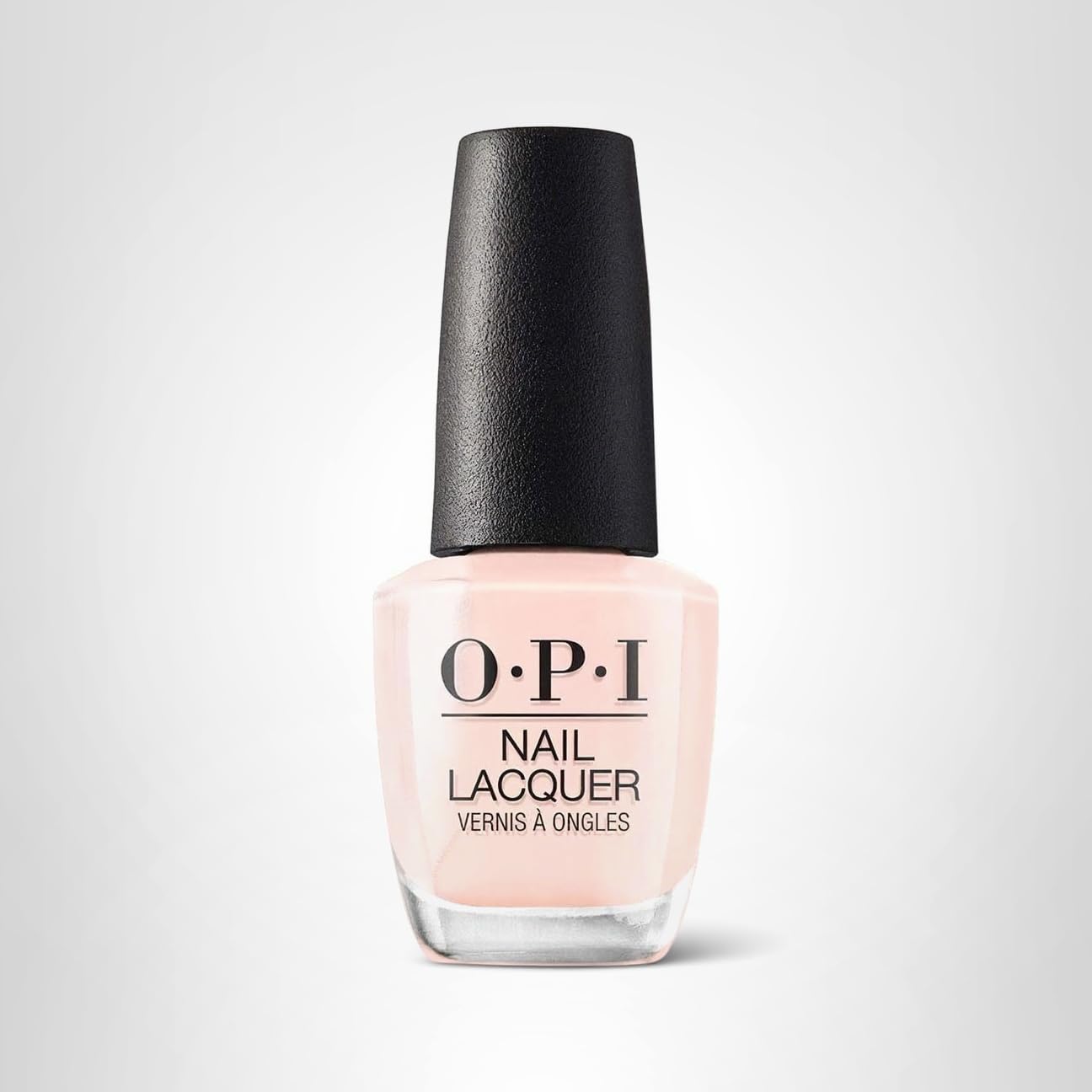
OPI Nail Lacquer Classic Nude & Brown Shades
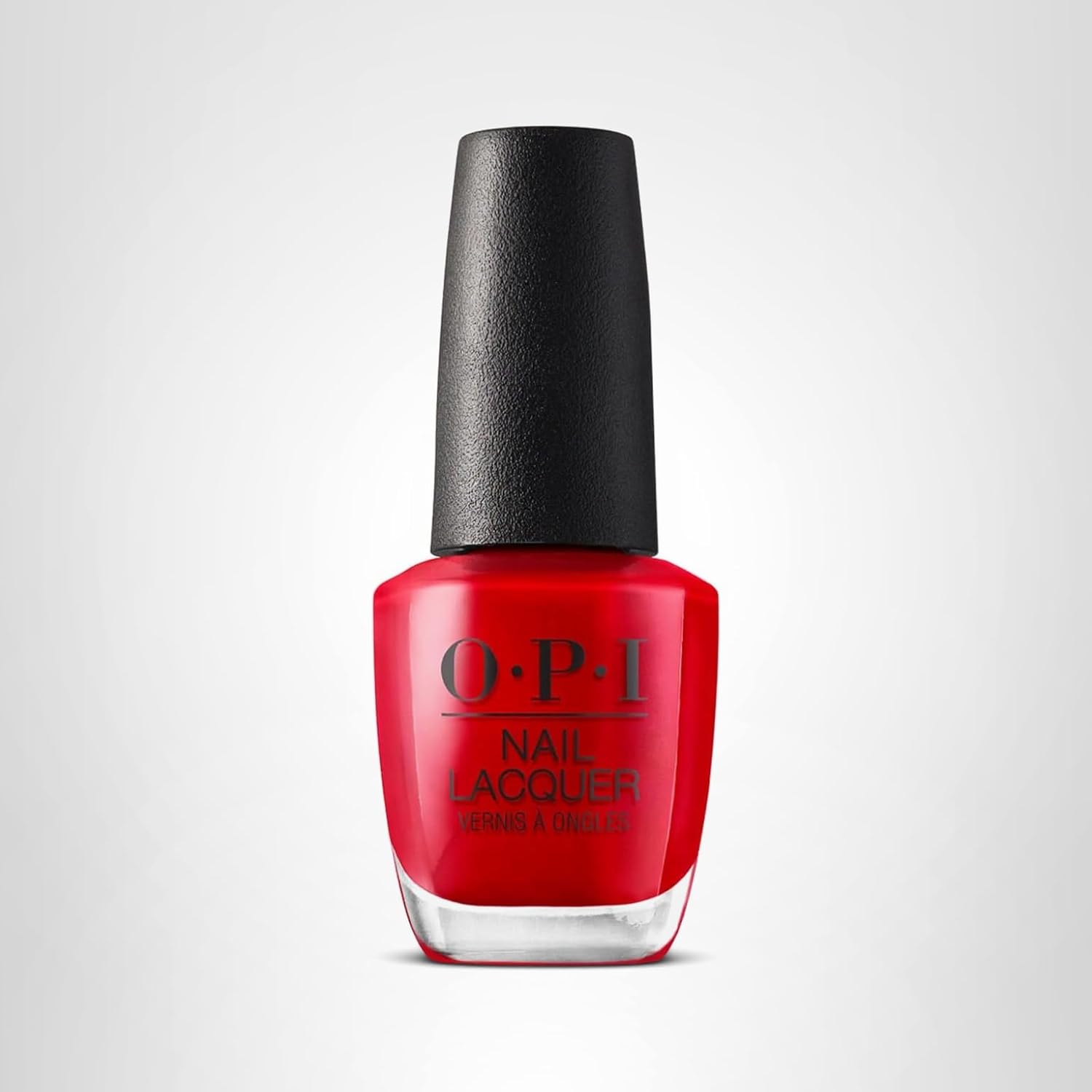
OPI Nail Lacquer Classic Red Shades
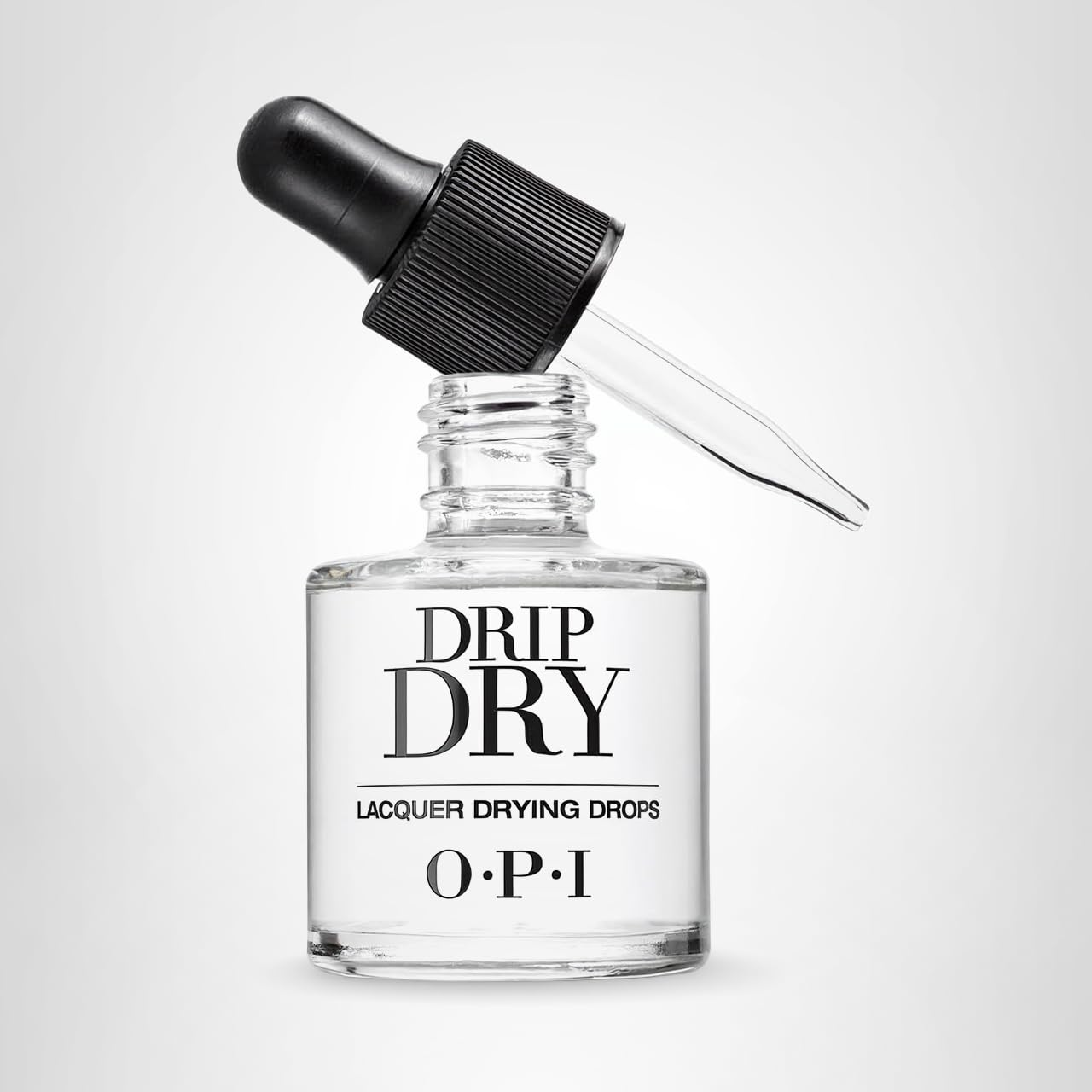
OPI Drip Dry Lacquer Drying Drops
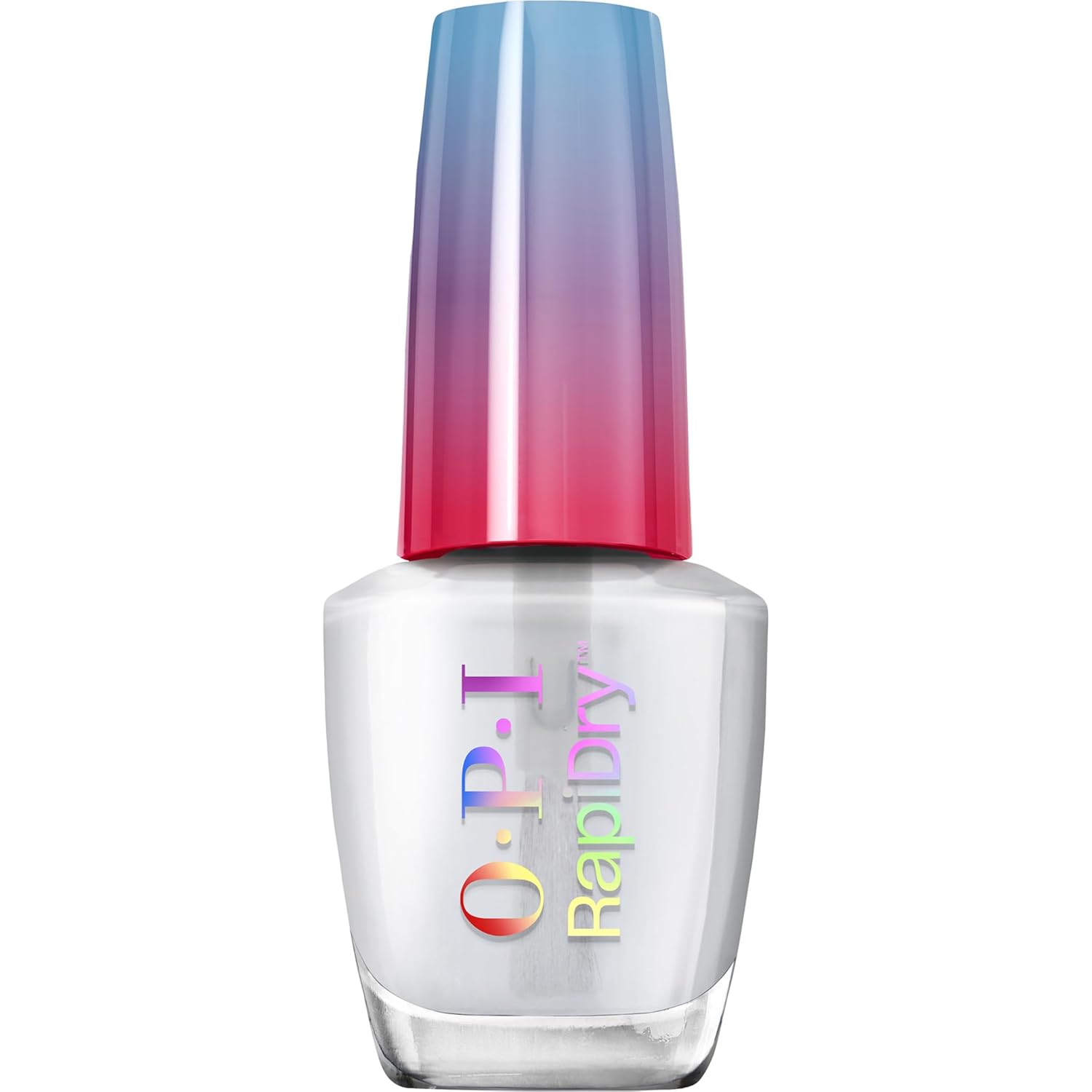
OPI RapiDry Quick Dry Nail Polish Colors
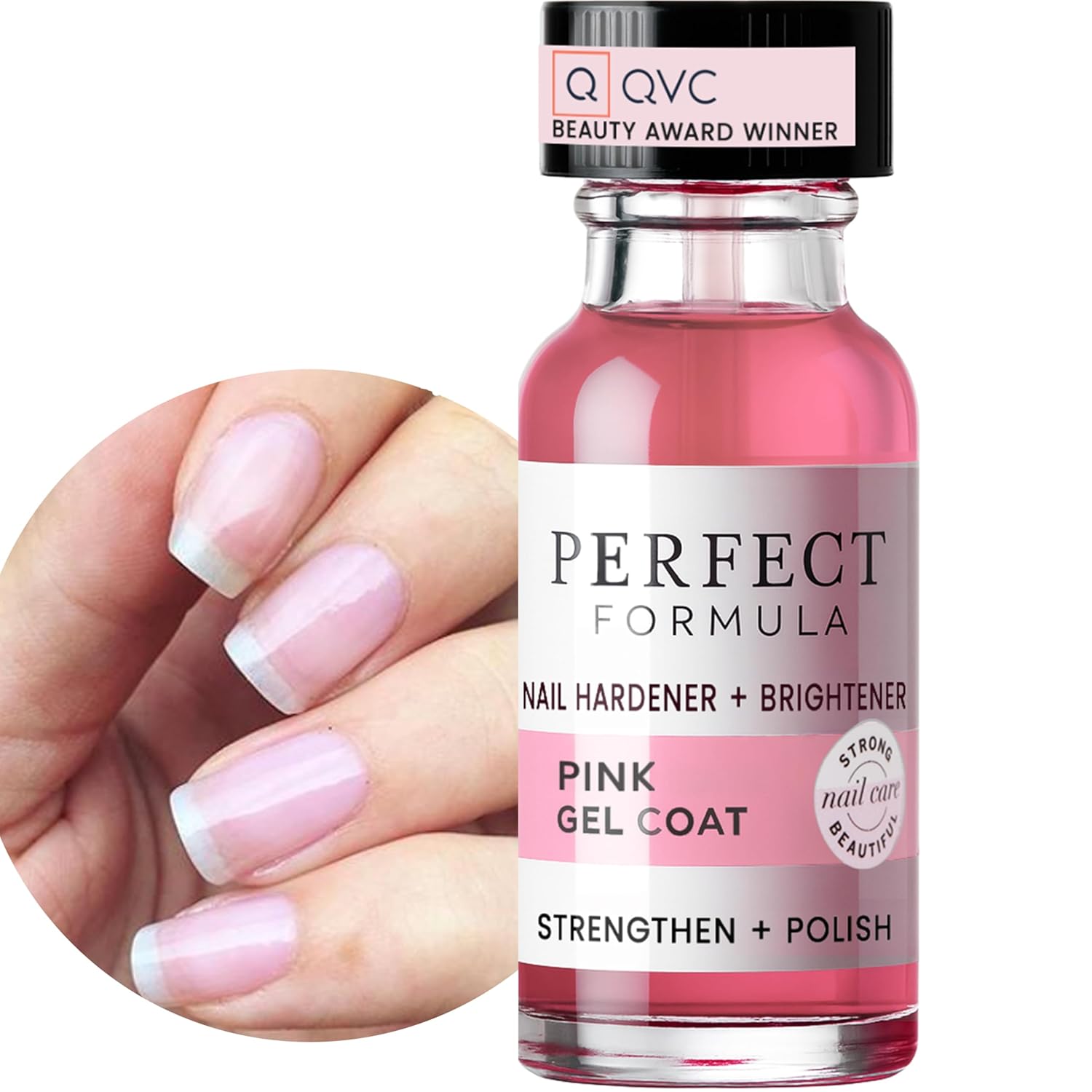
Perfect Formula Pink Gel Coat
Young Nails Protein Bond Nail Primer