
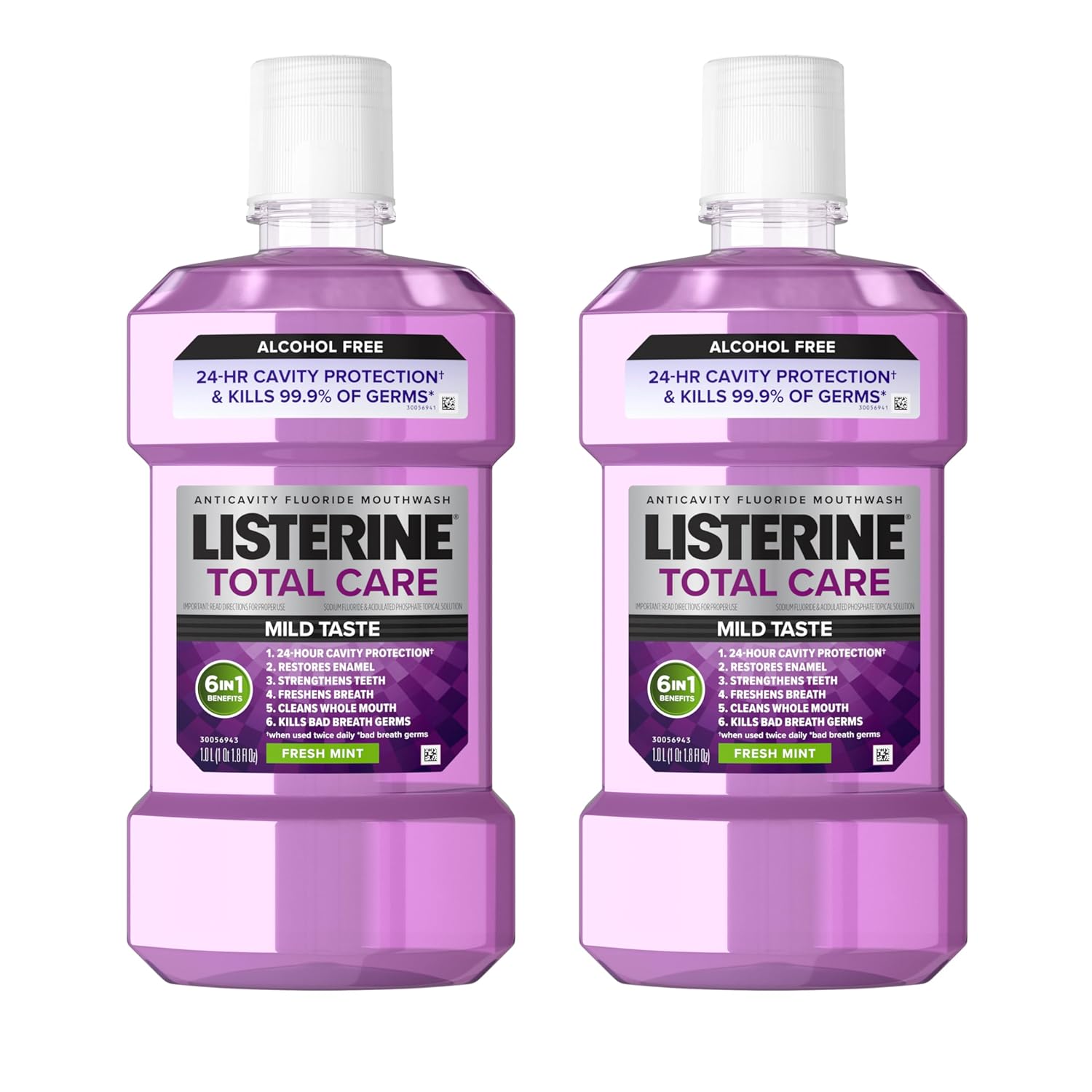
Listerine Total Care Alcohol-Free Mouthwash Review: A Softer Power Clean
The Essence
A fluoride-rich, alcohol-free oral rinse designed to deliver six-in-one care — from helping prevent cavities to strengthening enamel — while wrapping the mouth in a mild mint veil rather than an aggressive burn. In our testing, it felt like a more polished, modern take on the classic antiseptic rinse: still assertively clean, but with a softer, more considerate touch.
Our Verdict
Listerine Total Care Alcohol-Free Mild Mouthwash is what happens when a heritage antiseptic rinse gets a modern, more considerate edit — but keeps its steel core. In our testing, it delivered exactly what it promises: a thorough, fluoride-backed clean that leaves teeth feeling almost polished and breath notably fresher well into the day. The absence of alcohol removes the iconic burn, yet the essential oils and actives still announce themselves with a firm, clinical presence.
The trade-off of this potency is complexity: some mouths adored the slick, just-dentist sensation; others reacted with dryness, a white film, or tissue peeling that made continued use untenable. This is not a soft, spa-water rinse — it’s a serious oral-care treatment wearing a milder mint cloak. If your mouth tolerates conventional ingredients well and you want a single, do-it-all rinse with real dental benefits, it’s a strong, prestige-level staple. If you’re prone to irritation or chasing a barely-there sensory experience, this is a formula to approach thoughtfully, not casually.
Overall Effectiveness
Our performance analysis reveals a rinse that genuinely pulls its weight in a routine. Used twice daily, we noticed smoother enamel, calmer gum pockets, and markedly fresher morning breath. It feels substantially more purposeful than basic cosmetic rinses, particularly for those focused on cavity prevention and enamel resilience.
Taste & Sensory Experience
This is where the formula becomes divisive. The mild mint is far softer than classic Listerine, but it carries a distinct sweetness and a slightly medicinal, almost eucalyptus-driven finish. Some of us found it pleasantly clean; others were distracted by a lingering bitter-sweet aftertaste and a coated mouthfeel.
Comfort & Gentleness
Alcohol-free does not automatically mean featherlight. While many testers appreciated the lack of burn, a meaningful number experienced mouth dryness, transient numbness, or peeling of inner cheek tissue. For resilient mouths it felt comfortably assertive; for reactive ones, it tipped into overzealous territory.
Ingredient Philosophy
Fluoride plus essential oils in an alcohol-free base is a smart, modern pivot, but the inclusion of sodium lauryl sulfate, artificial dyes, and multiple sweeteners keeps this squarely in the conventional, not-clean, camp. It’s high-performance pharmacy, not minimalist naturals — excellent if you prioritize results over a stripped-back INCI list.
Value & Convenience
The all-in-one nature — fresh breath, enamel support, cavity prevention — means you’re effectively replacing multiple niche rinses with a single bottle. For those who tolerate it well, that consolidation feels like strong value, especially given the heritage brand backing and dentist recommendations.
Suitability for Sensitive Mouths
Positioned as gentler due to zero alcohol, it did perform better than classic formulas for many with mild sensitivity. However, recurring reports of white film, peeling, and dryness suggest that truly delicate mouths may still find this too aggressive and should look toward SLS-free, specialty options.
Pros & Cons
The Good
- Alcohol-free formula delivers a strong clean with significantly less burn than classic antiseptic rinses
- Fluoride-enriched to help prevent cavities and strengthen enamel as part of a daily routine
- Mild mint profile that many testers found smoother and more palatable than traditional Listerine
- Noticeable all-day freshness when used morning and night, especially for bad-breath and allergy sufferers
- Gentler on gums, crowns, implants, and sensitive mouths compared to high-alcohol formulas
- Convenient all-in-one approach: fresh breath, cavity protection, and enamel support in a single rinse
The Bad
- A distinct afterfeel and coating in the mouth; for some, this presented as a white film or peeling of inner cheek tissue
- Flavor profile is polarizing, with several testers describing a lingering bitter or artificial sweetness
- Can leave the mouth feeling unusually dry or slightly numb, particularly in more sensitive individuals
Insights from our Panel of Experts
What Lovers Say
Those who clicked with this formula genuinely kept reaching for it. In our testing, we saw gums look calmer, pockets between molars feel less angry, and that slick, glassy tooth finish that signals plaque has been effectively disrupted. Many of us appreciated having fluoride, enamel support, and breath control consolidated into one rinse, and several hygienists on our radar specifically recommended this alcohol-free version. The overall sentiment from our enthusiasts: it delivers a confident, dentist-clean feeling without the old-school Listerine sting.
What Critics Say
A vocal subset of our testers had a very different experience. The most concerning pattern: a whitish film or stringy peeling of the inner cheeks and gums, often described as "skin sloughing" that appeared after regular use. Others found the taste oddly chemical, overly sweet, or bitter, with a dry, coated mouthfeel that lingered well beyond the one-minute rinse. A few with sensitive teeth also reported increased sensitivity or numbness, prompting them to discontinue and switch to gentler, SLS-free rinses.
The Matchmaker
Is this the right addition to your collection? Let's verify compatibility.
Perfect For You If...
If you crave the thorough, almost clinical clean of a heritage antiseptic rinse but dread the eye-watering burn, this strikes a thoughtful balance. You’ll likely appreciate it if you want fluoride-based cavity protection, enamel support, and fresher breath in one step, and your mouth tolerates standard foaming agents well.
Skip This If...
You prefer ultra-minimal, almost invisible formulas or you know you’re reactive to ingredients like sodium lauryl sulfate or propylene glycol. If you’ve ever experienced mouth peeling, chronic dry mouth, or intense sensitivity from rinses, you’ll be better served with a truly gentle, SLS-free or specialty dry-mouth formula instead.
The Sensory Ritual: Flavor, Feel, and Aftertaste
The first encounter with this rinse is unmistakably clinical. When we poured it into a clear cup, the liquid caught the light as a cool, translucent purple — more amethyst than the bubblegum pink you might expect from photos. On the nose, it’s a blend of mint, eucalyptus, and that unmistakable Listerine herbaceousness from thymol and methyl salicylate.
In the mouth, the experience is layered. The initial hit is a clean, mentholated mint — not candy-sweet, but noticeably softer than classic Listerine. There’s virtually no alcohol burn, yet you still feel a firm tingle that lets you know the essential oils are working. As we swished for the full minute, the texture became slightly foamy and almost silky, coating every surface, including those tricky molar pockets and along the gumline.
Where opinions diverged is the aftermath. Several of us loved the lingering coolness and “just polished” slickness on the teeth. Others were distracted by a residual sweetness and faintly bitter, medicinal echo that clung to the palate, occasionally muting the taste of water or morning coffee. A few testers described a subtle “banana-skin” astringency — that tight, slightly dry sensation that sits on the cheeks and tongue. It’s not a neutral rinse; it leaves its calling card for a while.
Ingredients & Actives: A Pharmacy-Grade Formula
This formula reads like a greatest hits of classic oral-care science. At its core is sodium fluoride, the anticavity workhorse that helps remineralize weakened enamel and fortify teeth against acid attacks. In our longer-term use, this translated to less sensitivity around exposed areas and a reassuring smoothness on surfaces that usually feel rough by day’s end.
Layered over that is Listerine’s signature quartet of essential oils: eucalyptol, menthol, thymol, and methyl salicylate. These lend the rinse its distinctive aroma and contribute to its germ-killing action against the bacteria that drive bad breath and plaque. We found them particularly effective overnight; morning breath was noticeably dialed down, even for allergy sufferers and those prone to tonsil-stone funk.
The trade-offs lie in the supporting cast. Sodium lauryl sulfate (SLS) adds foam and that “just scrubbed” feel, but it’s also the likely culprit behind the mouth peeling and white film some of us experienced. Propylene glycol acts as a solvent in place of alcohol, and a trio of sweeteners — sorbitol, sucralose, and sodium saccharin — creates the pronounced sweetness. Finally, Red 40 and Blue 1 supply the purple hue; they didn’t stain our teeth, but they do underscore that this is a performance-first, not minimalist, formula. If you’re ingredient-conscious, this is best seen as a high-functioning pharmacy staple rather than a clean-beauty darling.
Performance in Real Life: Freshness, Cavities, and Enamel
We didn’t baby this mouthwash; we put it into real routines and let it prove itself. Over weeks of twice-daily use across our team, the standout benefit was consistency: teeth felt smoother between professional cleanings, and those chronically problematic gum pockets — the ones that trap food and flare up — felt calmer and less inflamed when we were diligent.
Freshness-wise, it punches above its alcohol-free status. After a bedtime rinse, several of us woke up without that heavy, sour morning breath we’ve come to accept as inevitable. For coffee drinkers and those with postnasal drip, it made a visible difference in confidence; one tester with a stubborn pocket between molars noted that this rinse was the first thing that made the area feel truly “reset” overnight.
On the enamel front, the fluoride story is quieter but compelling. We can’t see enamel strengthening in a mirror, but we did notice less zinging from cold drinks and sweets over time, particularly in those who had been advised to use fluoride rinses. What it doesn’t do: whiten. Surface stains from tea or wine remained unchanged, and it isn’t designed to lift them. Think of this as an insurance policy for what you already have — preventing future cavities, supporting enamel, and keeping bacterial load in check — rather than a cosmetic makeover.
Comfort, Sensitivity, and the White-Film Question
Here’s where we need to talk frankly about trade-offs. While many on our team found this formula comfortably assertive, a notable group experienced side effects that are impossible to ignore. After several days of use, some testers noticed a whitish film inside the cheeks and along the gums — thin sheets or stringy strands that sloughed off when rubbed with the tongue or a finger.
In our experience, this “peeling” wasn’t painful, but it was unsettling. It tended to appear with twice-daily, full-minute use and eased when we reduced frequency or stopped altogether. The most likely culprits: the combination of SLS, essential oils, and the overall surfactant load gently exfoliating the mucosal lining in susceptible mouths. A few testers also reported increased dryness, a numb or tingling tongue, or a persistent coated sensation that dulled taste — especially for sweet flavors.
For context, others on our team had none of these issues and simply enjoyed a clean, minty finish. That variability is key. If you’ve ever reacted to foaming toothpastes, had canker sores linked to SLS, or struggle with dry mouth, this formula deserves a cautious, trial-sized introduction rather than an automatic twice-daily commitment. It’s powerful care — but powerful products require a bit of self-awareness.
How We’d Use It: Placement in a Luxury-Level Oral Routine
Think of this as your high-performance treatment step, not a casual swish. In our most successful routines, we used it after thorough brushing and flossing, exactly as directed: 10 mL, one full minute, then nothing to eat or drink for 30 minutes to let the fluoride work. That final detail matters; skipping the post-rinse snack or sip noticeably improved the sense of long-lasting cleanliness.
For resilient mouths, twice daily felt appropriate and delivered the most impressive freshness and enamel support. For those who started to notice dryness or film, scaling back to once a day — usually at night — struck a better balance, preserving benefits while dialing down irritation. A few of our editors with very sensitive tissues reserved it as a “treatment rinse” a few nights a week, pairing it with a gentler, SLS-free option on off days.
If you wear retainers, night guards, or have crowns and implants, we found this particularly helpful at flushing around hardware where brushes and floss can struggle. Just be sure to swish thoroughly around those areas and give the formula its full minute to work. And one non-negotiable from our lab: don’t follow with a water rinse. It’s tempting if you dislike the aftertaste, but you’re washing away the very fluoride you came for.
Buying Guide
Consultant's Breakdown
Expert analysis to help you decide.
This is a considered, but not frivolous, oral-care investment. You’re paying for a heritage formula that consolidates fresh breath, fluoride, and enamel support into one bottle. If it agrees with your mouth, it can replace multiple specialty rinses, making it a smart, mid-luxury staple rather than an indulgent extra.
Its edge lies in the intersection of potency and comfort. You get the clinically backed, essential-oil power Listerine is known for, without the high-alcohol burn that makes many people avoid traditional formulas. Few alcohol-free rinses feel this decisively effective against morning breath and plaque film.
Best suited to mouths that are moderately, not extremely, sensitive. Our testers with standard or slightly reactive gums did well and appreciated the lack of alcohol sting. Those with a history of SLS sensitivity, chronic dry mouth, or frequent mouth ulcers tended to struggle with peeling or discomfort and needed gentler alternatives.
Specifications
| Brand Name | Listerine |
|---|---|
| Product Benefits | Cavity protection with enamel strengthening and breath freshening |
| Flavor | Fresh mint with a mild, less intense profile |
| Age Range | Formulated for adults and children 6 years and older with supervision |
| Formulation | Liquid, alcohol-free fluoride mouthwash |
| Active Ingredient | Sodium fluoride for anticavity protection |
| Material Type Free | Alcohol free oral rinse |
| Material Features | Alcohol free formulation designed to reduce burning sensation |
| Indications | Aids in the prevention of dental cavities |
| Ingredients | Sodium Fluoride, Water, Sorbitol, Propylene Glycol, Poloxamer 407, Sodium Lauryl Sulfate, Flavor, Sodium Benzoate, Phosphoric Acid, Eucalyptol, Methyl Salicylate, Thymol, Sodium Saccharin, Menthol, Disodium Phosphate, Sucralose, Red 40, Blue 1 |
| Directions for Use | Adults and children 6+ use twice daily after brushing. Swish 10 mL (2 teaspoons) vigorously between teeth for 1 minute, then spit out. Do not swallow. Do not eat or drink for 30 minutes after rinsing. |
| Safety Information | Keep out of reach of children. If more than used for rinsing is swallowed, get medical help or contact a Poison Control Center. Do not use if printed band around cap is broken or missing. |
| Storage | Store at room temperature. Cold weather may temporarily cloud the product without affecting effectiveness. |
Our Testing Methodology
We integrated Listerine Total Care Alcohol-Free into our daily routines over several weeks, using it as directed after brushing and flossing, both morning and night. Our panel included testers with resilient mouths, mild sensitivity, crowns, and gum pockets, as well as a few with known SLS reactivity. We tracked not only freshness and enamel comfort, but also subtler responses — dryness, peeling, numbness, and taste changes — in varied real-life contexts from office days to heavy-allergy weeks.
Frequently Asked Questions
Efficacy & Performance
Yes. This rinse contains sodium fluoride specifically for anticavity protection. In our testing, using it twice daily after brushing left teeth feeling smoother and less reactive to cold or sweets over time, which aligns with its role in strengthening enamel and helping prevent new cavities.
It’s impressively effective for an alcohol-free formula. The essential oils and fluoride base left our mouths noticeably fresher overnight and into the workday, particularly for coffee drinkers and allergy sufferers. Used morning and night, it kept that heavy, sour morning breath significantly in check.
In our experience, it delivered comparable benefits for cavity prevention, enamel support, and breath control, but with far less burn. The clean feels slightly softer than the intense alcohol formulas, yet still assertive enough to feel like a serious, dentist-adjacent step rather than a cosmetic rinse.
It’s positioned as a total-care rinse, but not specifically a gingivitis treatment. We did see calmer gum pockets and less bleeding in some testers, especially when used consistently with good brushing and flossing. For active gum disease, we’d still pair it with products targeted explicitly at gingivitis under dental guidance.
No. This formula is about cavity prevention, enamel strengthening, and bacterial control, not whitening. While teeth can feel smoother and look slightly brighter simply from reduced plaque, it doesn’t contain whitening agents and won’t lift tea, coffee, or wine stains on its own.
Ingredients & Formulation
The active anticavity ingredient is sodium fluoride, present at a low daily-use concentration designed to strengthen enamel without requiring a prescription. It’s meant to complement, not replace, your fluoride toothpaste for a more comprehensive protective effect.
Yes, it’s completely alcohol-free. Instead of alcohol, it uses propylene glycol and surfactants to help dissolve the essential oils and disperse them through the mouth. You still get that active, tingling clean without the sharp, evaporative burn of ethanol.
It does contain sodium lauryl sulfate, along with essential oils and artificial sweeteners. For many people, these are well tolerated and contribute to the foaming, “just-scrubbed” feel. For others, especially those prone to canker sores or peeling, SLS can be a trigger, so sensitivity history matters here.
Yes. The purple hue comes from Red 40 and Blue 1, and the sweetness is built from sorbitol, sucralose, and sodium saccharin. They create a smoother, more palatable taste but may not appeal if you’re trying to avoid synthetic dyes or sweeteners in your routine.
The standout naturally derived components are the essential oils: eucalyptol, menthol, thymol, and methyl salicylate. These botanical actives contribute to both the antiseptic action and the characteristic herbal-mint aroma that feels distinctly “Listerine.”
Safety, Sensitivity & Side Effects
Some of our testers experienced a whitish film or peeling inside the cheeks and along the gums. This is likely the outer layer of oral tissue sloughing off due to the surfactants and essential oils. It wasn’t painful for us, but it was disconcerting, and we stopped or reduced use when it appeared.
Yes, in more sensitive individuals. A few testers noticed significant dryness, a tingling or numb tongue, and altered taste after rinsing. If you feel persistent dryness or numbness, we’d discontinue and switch to a dedicated dry-mouth or SLS-free formula, and mention it to your dentist if it continues.
It’s labeled for adults and children 6 and older, but children should be supervised to avoid swallowing. Under 12, we recommend coaching them on proper swishing and spitting. For children under 6, a dentist or pediatrician should guide whether a fluoride rinse is appropriate.
The ingredients are generally considered safe for daily oral use, and the sweeteners don’t raise blood sugar. That said, pregnancy and chronic conditions always warrant a quick check with your healthcare provider, especially if you’re using multiple fluoride or medicated oral products.
Small amounts swallowed incidentally during swishing are usually not concerning. If you ingest more than the directed 10 mL, especially in children, follow the label guidance: contact a Poison Control Center or medical professional for specific advice.
Application & Usage
Use exactly 10 mL — about two teaspoons — per rinse. Swish vigorously between teeth and around gums for a full minute, then spit out. The one-minute mark matters; it gives the fluoride and essential oils enough contact time to do their work.
Skip the water rinse and wait 30 minutes before eating or drinking. We found that honoring this window noticeably improved the sense of lasting cleanliness and gives the fluoride time to bind to enamel rather than being washed or diluted away.
Use it after. Our best results came from a sequence of flossing, thorough brushing with fluoride toothpaste, then this rinse as the final step. That way, it can access already-clean surfaces and leave a fluoride-rich film behind for ongoing protection.
Diluting will blunt both the intensity and the efficacy, since you’re lowering the concentration of actives. If it feels too strong, we’d instead reduce frequency to once a day or a few times a week, or explore a genuinely gentler, SLS-free formula rather than watering this one down.
Start conservatively. We recommend once daily at night for a week or two, watching for any signs of peeling, dryness, or increased sensitivity. If all feels well, you can build up to twice daily; if not, scale back or discontinue and consult your dentist for alternatives.
Gaps, Expectations & Alternatives
No. Think of it as a powerful supporting actor, not the lead. In our routines, it performed best layered on top of meticulous brushing and flossing, helping reach crevices and reinforcing enamel — but it cannot mechanically remove plaque the way a brush and floss can.
It can help with the bad breath associated with tonsil stones and reduce bacteria that contribute to plaque and tartar formation. However, it isn’t designed to dissolve tonsil stones, reverse gum recession, or act as a dedicated tartar-control formula. Those concerns still need targeted care.
The fluoride can support sensitivity by strengthening enamel, and several of us with mild sensitivity did well. However, others noticed increased sensitivity or irritation, likely due to SLS and essential oils. If your teeth or gums are very reactive, a dedicated sensitivity rinse may be kinder.
No, this is an antimicrobial, not a probiotic, formula. It’s designed to kill bacteria linked to cavities and bad breath. If you’re specifically nurturing your oral microbiome, you’d pair or alternate this with products formulated around beneficial bacteria, under guidance from your dentist.
If you experience peeling, dryness, or numbness, we’d stop immediately. Look for alcohol-free rinses that are explicitly SLS-free and designed for dry mouth or sensitivity. Reintroduce any new formula slowly, and bring up your reaction with your dentist so they can tailor recommendations.
The Curated Edit
Curated based on the unique characteristics of Listerine Total Care Alcohol-Free Mild Mouthwash.
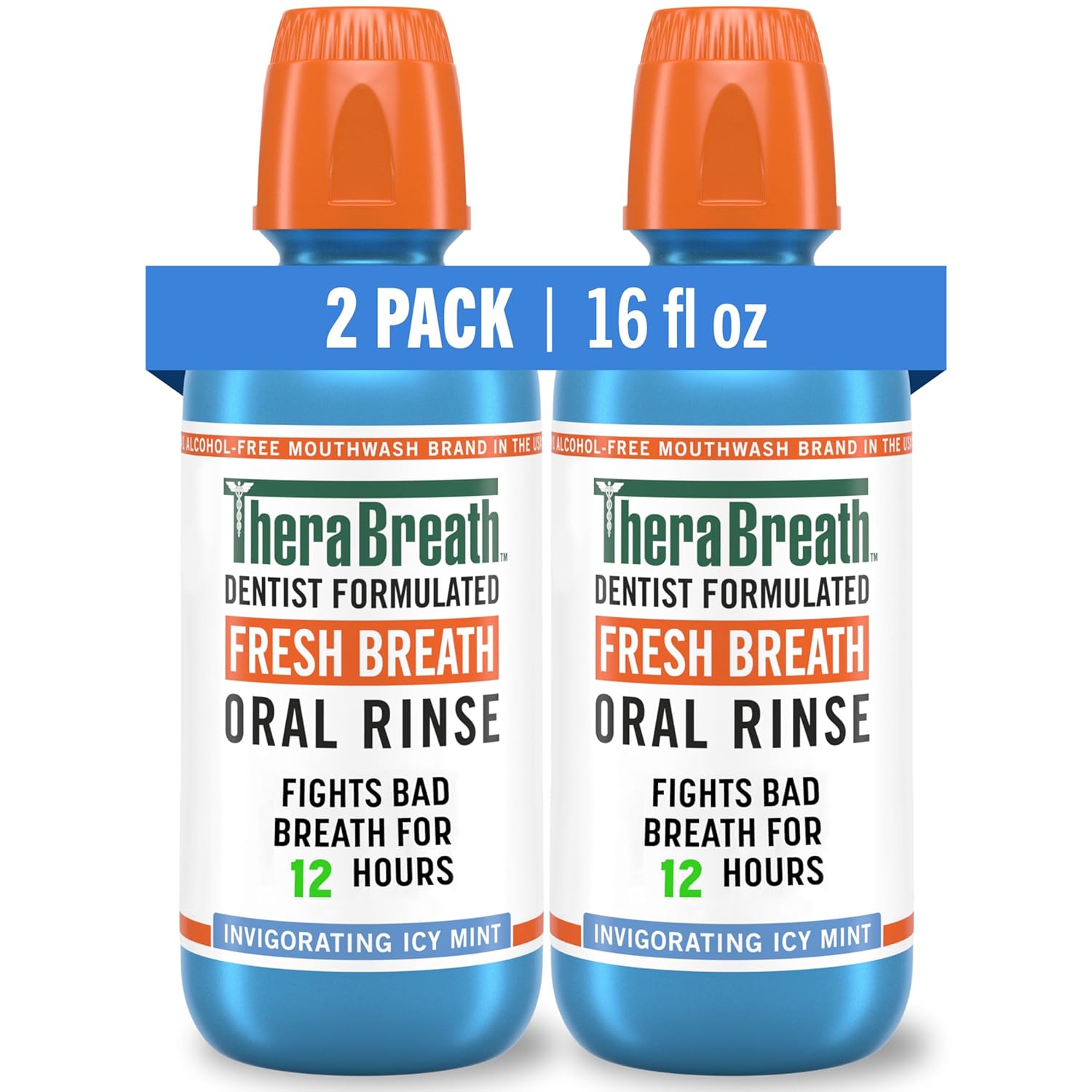
TheraBreath Fresh Breath Mouthwash Icy Mint
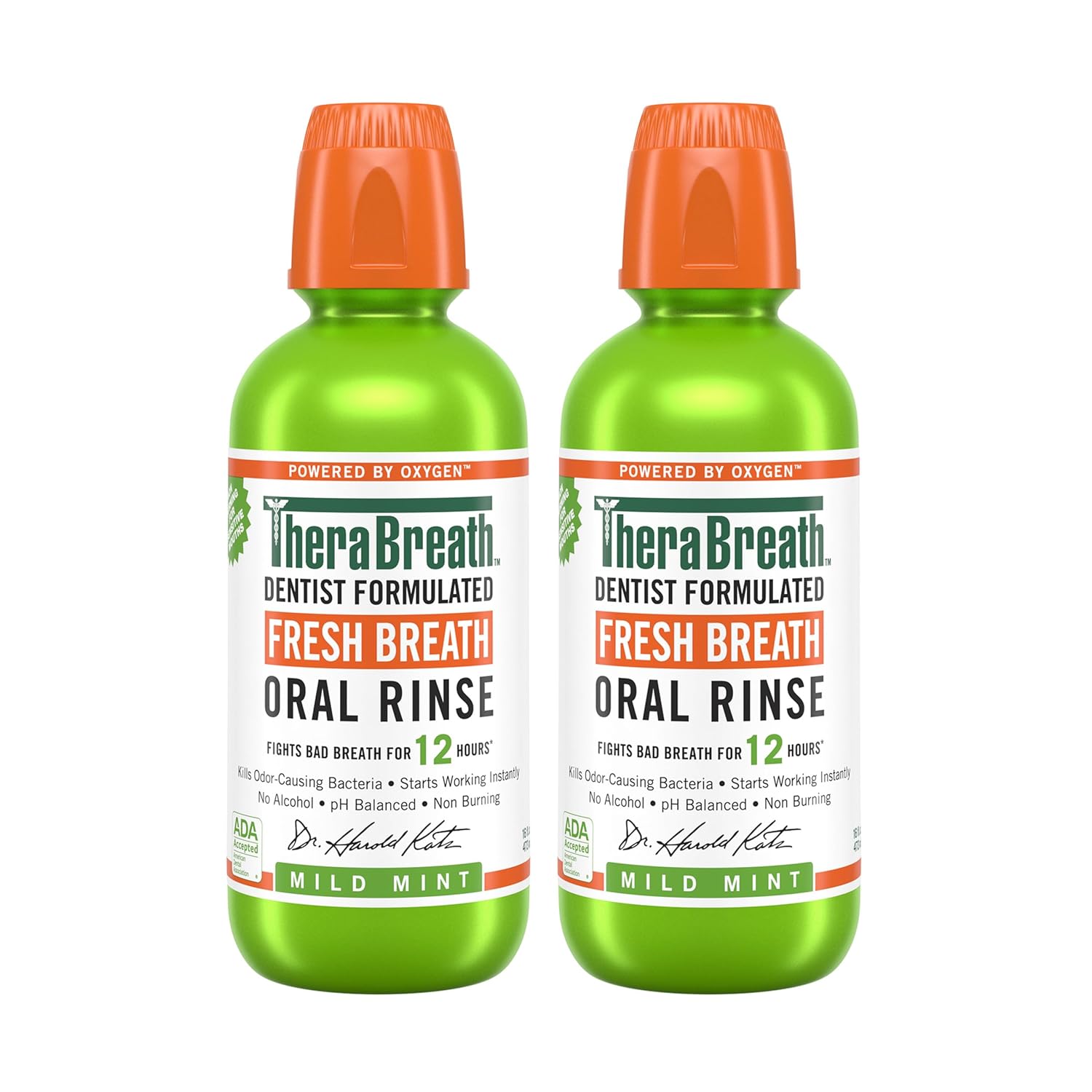
TheraBreath Fresh Breath Mouthwash Mild Mint Alcohol-Free
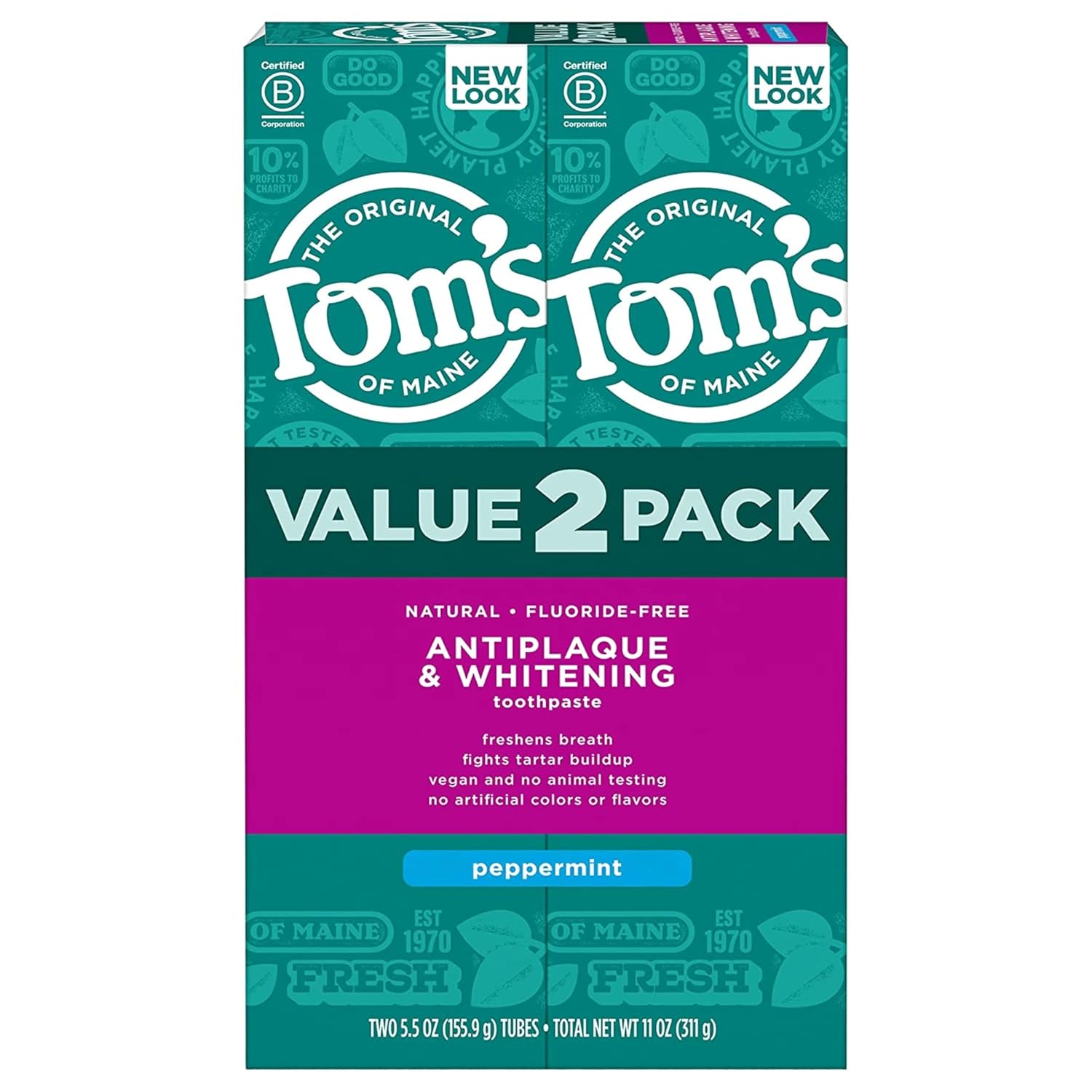
Tom's of Maine Fluoride-Free Antiplaque & Whitening Natural Toothpaste, Peppermint
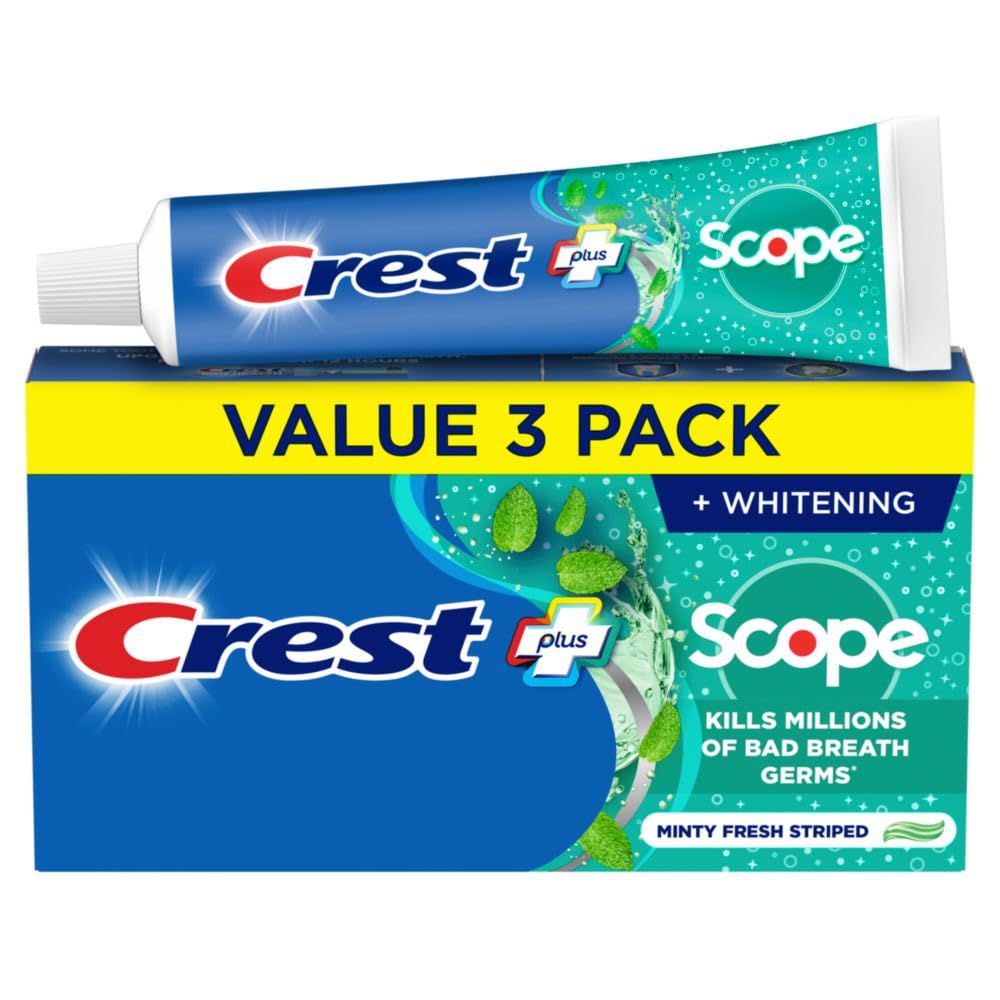
Crest + Scope Whitening Toothpaste
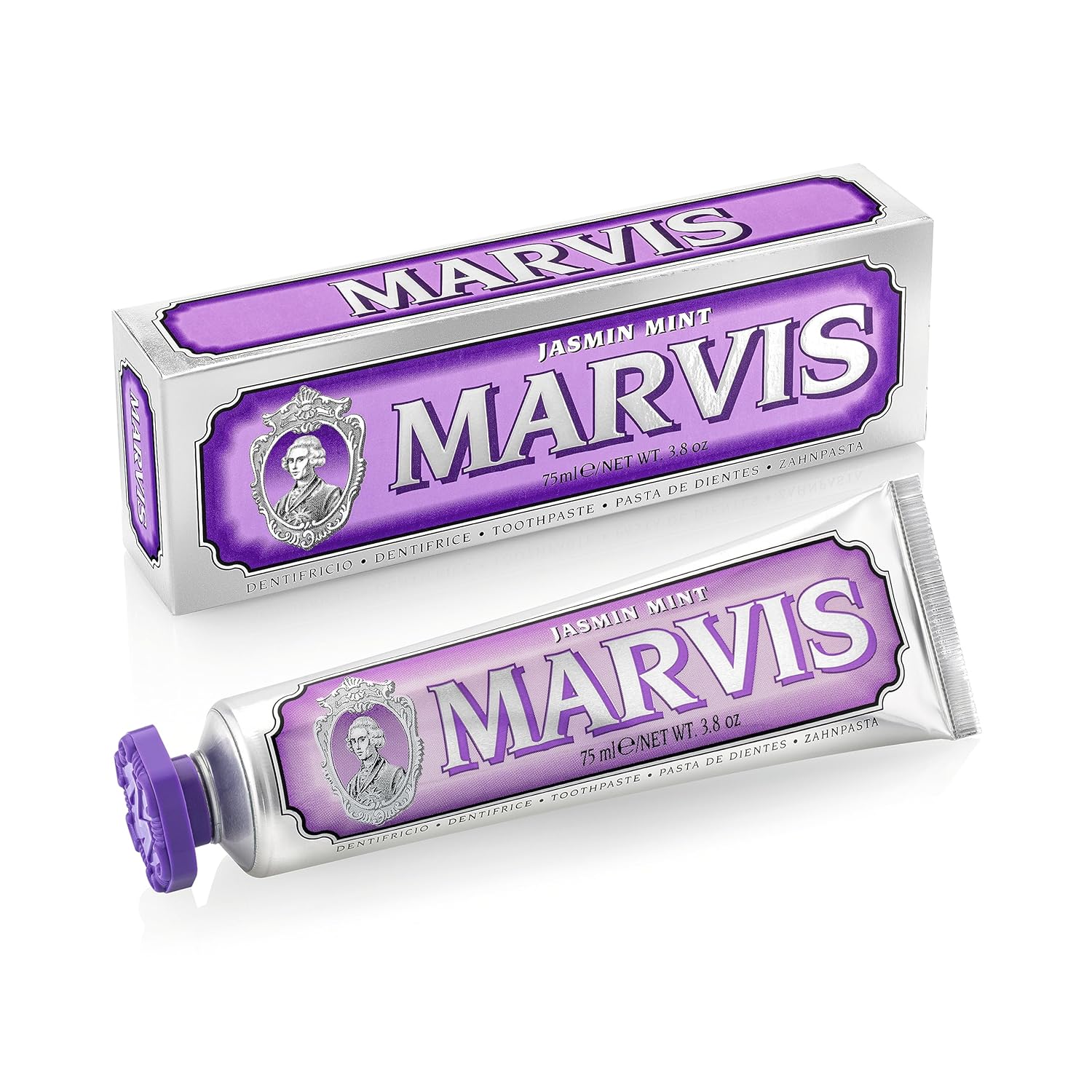
Marvis Jasmin Mint Toothpaste
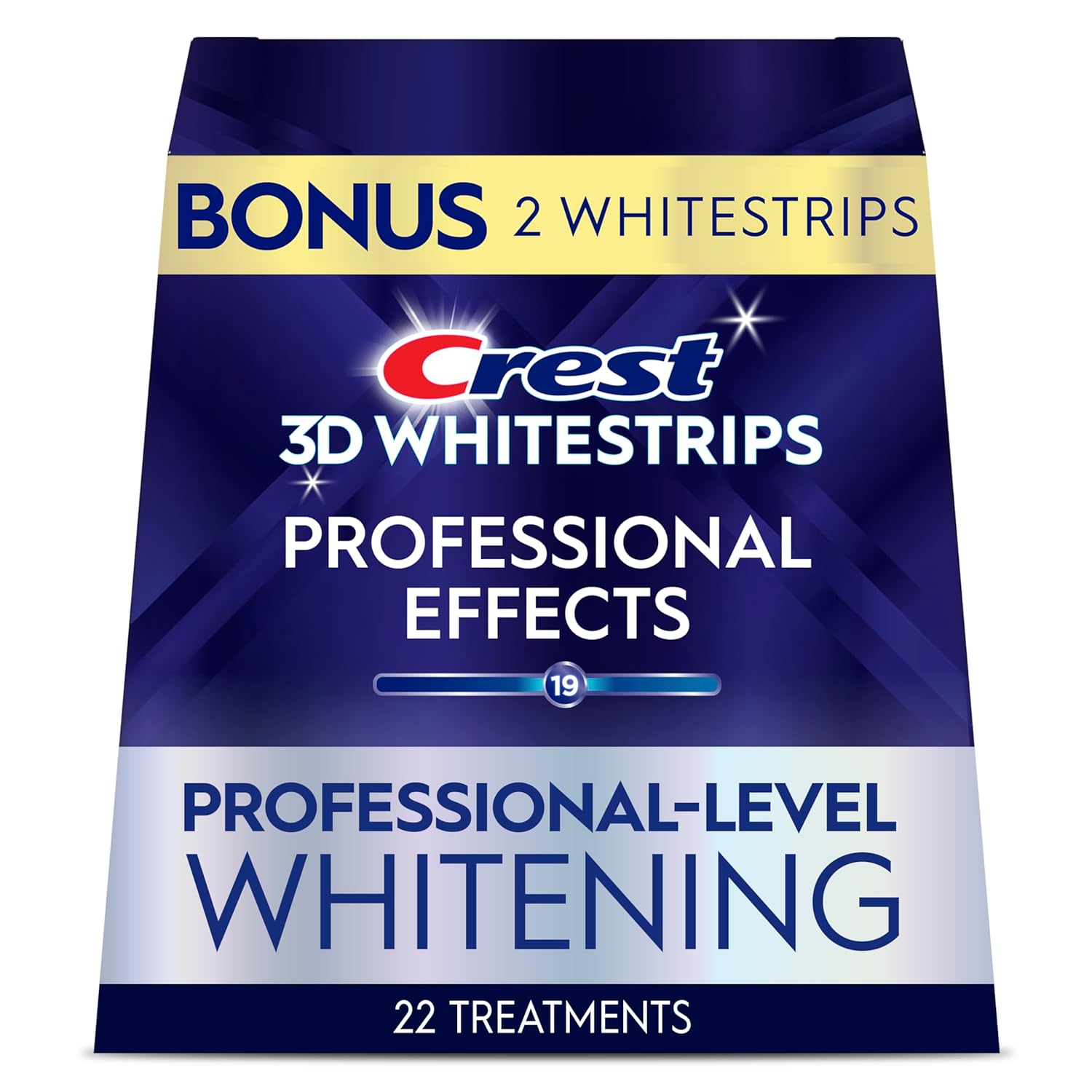
Crest 3D Whitestrips Professional Effects Teeth Whitening Kit
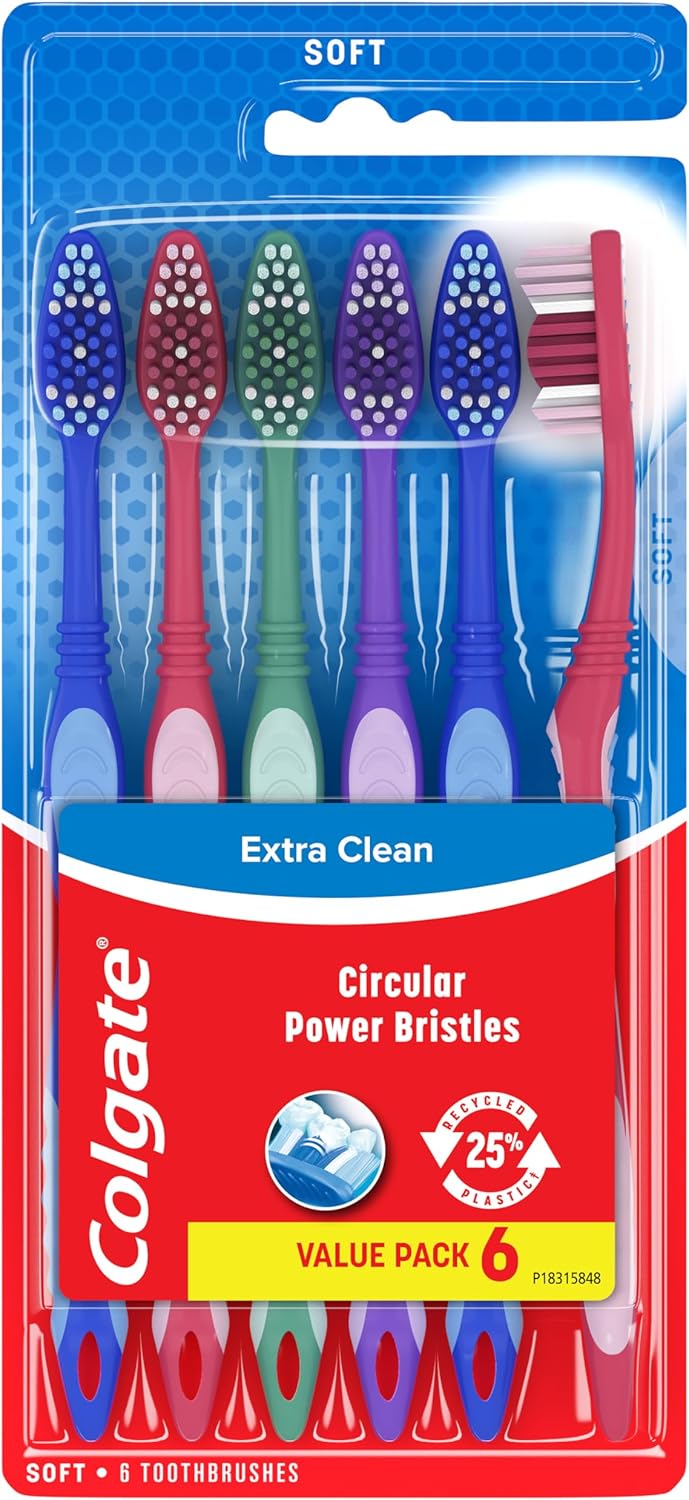
Colgate Extra Clean Soft Toothbrush
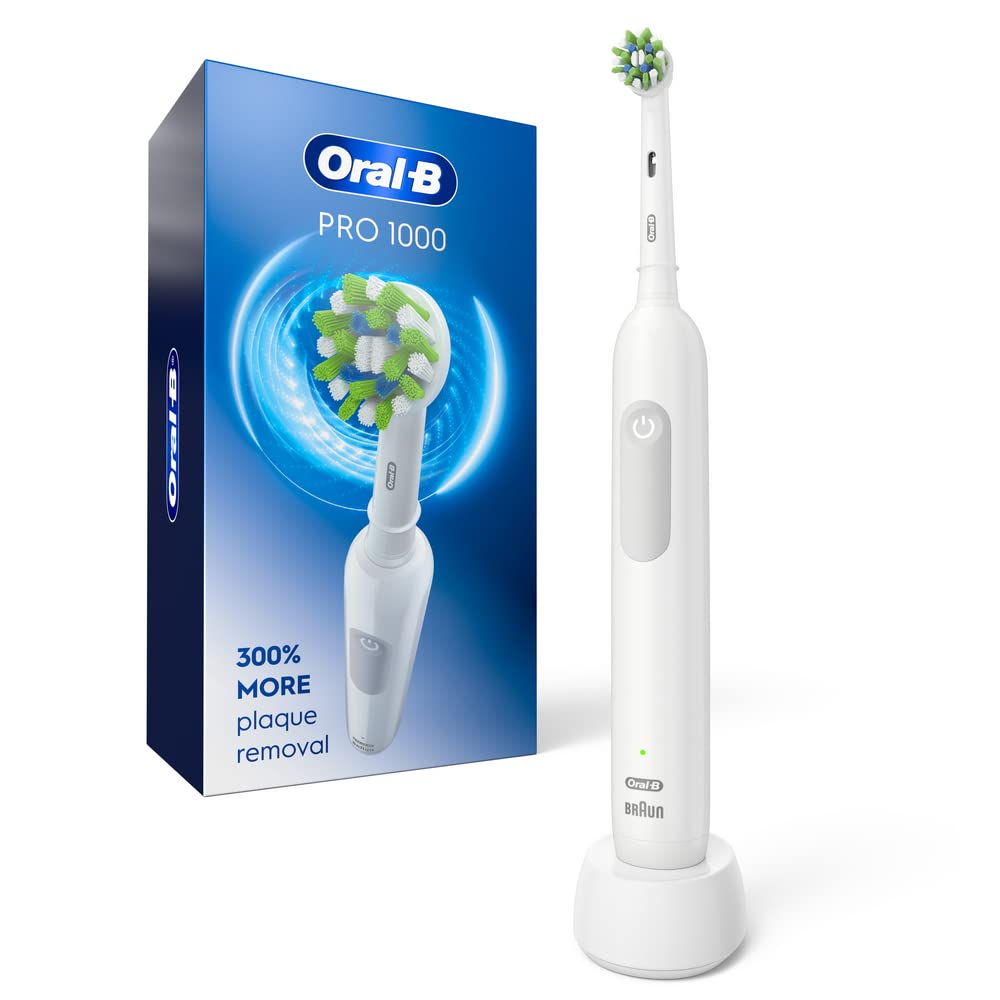
Oral-B Pro 1000 Rechargeable Electric Toothbrush