
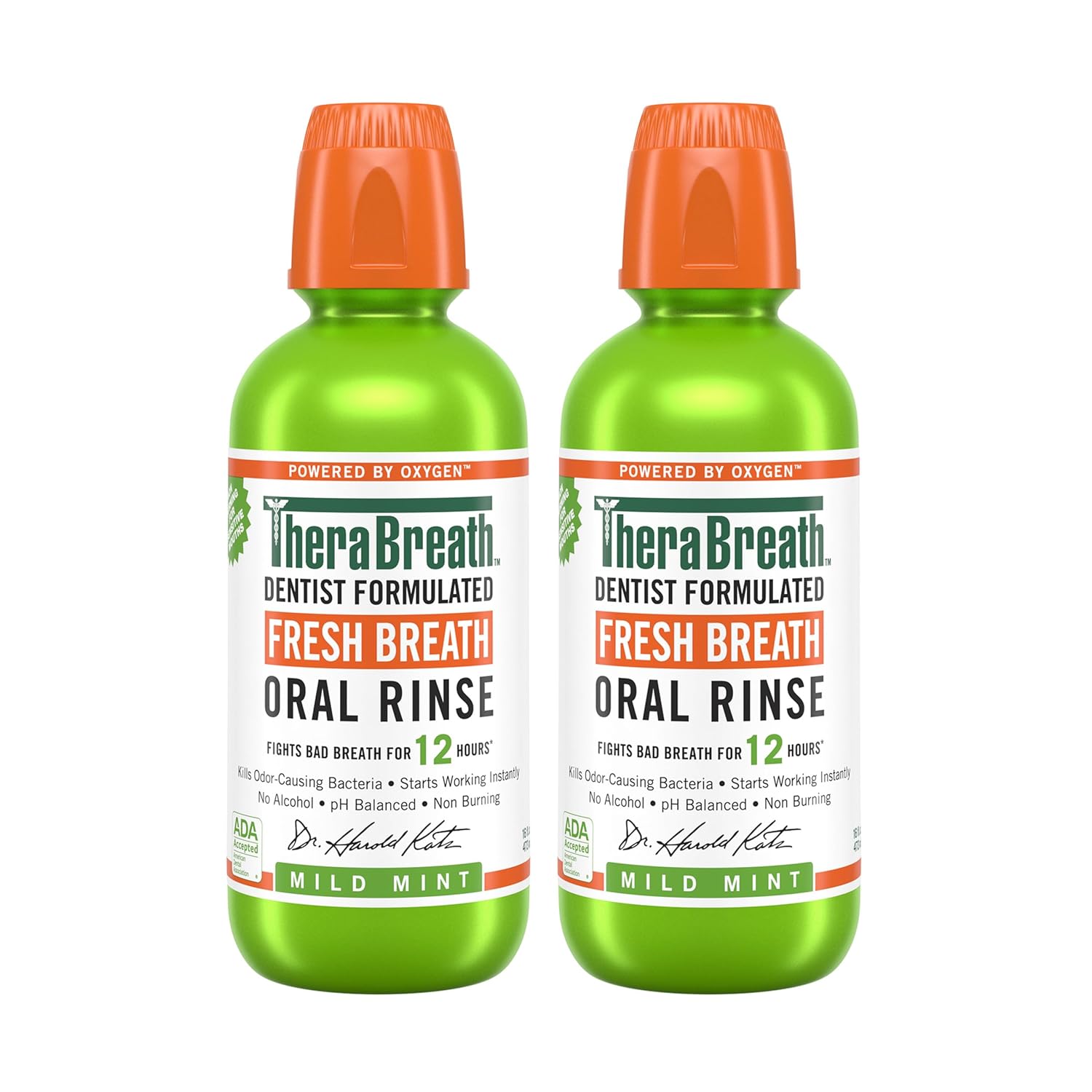
TheraBreath Fresh Breath Mouthwash Review: Gentle Power For Truly Clean Breath
The Essence
A clinically backed, alcohol-free oral rinse designed to neutralize stubborn bad breath rather than simply perfume it. This mild mint TheraBreath formula leans on oxygenating technology instead of harsh burn, offering a gentler, longer-lasting path to clean, confident breath for adults with even the most temperamental mouths.
Our Verdict
TheraBreath Mild Mint is less a minty cologne for your mouth and more a quiet, clinical reset button. In our testing, it excelled where many glossy, neon-blue rinses fail: on genuinely difficult breath—tonsil stones, sinus drainage, medication-dry mouths, the kind of halitosis that outlives gum and perfumed rinses. The experience is understated: no burn, no menthol fireworks, just a slightly viscous, almost neutral-tasting rinse that leaves your mouth feeling calm and oddly “blank” in the best way.
That understated profile is also its biggest trade-off. Some of us fell hard for the gentle, non-burning ritual; others were put off by the muted flavor and the way it temporarily changed how water and coffee tasted. This is not a one-size-fits-all crowd-pleaser—it’s a specialist. If you’re chasing serious breath control and are willing to accept a more clinical, less glamorous experience, this is one of the most effective over-the-counter options we’ve tried. If you just want a minty swish that feels fun and fiery, this will likely leave you cold.
Breath Neutralization
This is where TheraBreath Mild Mint earns its cult status. Our performance analysis reveals that it doesn’t just cloak odor with menthol; it genuinely tones down sulfurous, “poop breath” notes, morning breath, and tonsil-stone funk. Breath feels quiet—neutral rather than fragranced—which is exactly what you want in close quarters.
Mouthfeel & Gentleness
If you flinch at the thought of a Listerine burn, this feels like silk by comparison. The liquid has a slightly thicker, almost oily-water slip that cushions the mouth and never scorches the tongue or gums. A small minority did note canker flares or lip dryness, but for most of our testers, it was a soothing, non-irritating ritual.
Flavor & Sensory Experience
Flavor is the most polarizing element. The mint is extremely restrained—some of us called it “barely there,” others likened it to mint leaves in plain water with a faint medicinal edge. For sensitive palates, that restraint is a blessing; for those craving a crisp, invigorating mint, it can feel underwhelming or even unpleasant.
Longevity of Freshness
Used as directed—morning and night with a full rinse and gargle—it keeps breath in a comfortable zone for long stretches. We noticed markedly better overnight breath and several hours of daytime freshness, especially when paired with thorough brushing, flossing, and tongue cleaning. It won’t override heavy smoking or constant snacking, but it extends your “just-brushed” window impressively.
Value & Investment
This is a prestige-level mouthwash in both formulation and cost. With two capfuls per session, bottles empty faster than typical rinses, and the higher price becomes noticeable. For those battling true halitosis, the confidence boost feels worth the spend; if your breath is only mildly problematic, the premium may feel harder to justify.
Ingredient Philosophy
We appreciate the alcohol-free, dye-free, vegan, gluten-free positioning and the ADA acceptance. The oxygenating sodium chlorite system is smart and targeted. That said, ingredient purists will side-eye PEG-40 and tetrasodium EDTA; they’re industry-standard but not everyone’s favorite, and a few testers explicitly wished for a ‘cleaner’ INCI list.
Pros & Cons
The Good
- Alcohol-free formula with absolutely no burn, even on sensitive gums or canker-prone mouths
- Genuinely improves breath quality for many hours rather than just masking with strong mint
- Mild mint profile that feels clinical and clean, not candy-sweet or medicinally harsh
- Gentle texture that leaves the mouth feeling hydrated rather than stripped or dry
- Can noticeably reduce tonsil-stone odor and difficult halitosis when used consistently
- ADA-accepted, dentist-formulated oxygenating technology instead of heavy antiseptic alcohol
The Bad
- Distinct aftertaste can alter how water, coffee, and food taste for some, sometimes for hours
- Mild mint can feel almost flavorless or even odd to those who crave a strong, minty sting
- Premium pricing relative to drugstore mouthwashes, especially with generous twice-daily dosing
- A minority experienced irritation such as sore throat, lip dryness, or mouth sensitivity
Insights from our Panel of Experts
What Lovers Say
In our testing, the love for this rinse is rooted in relief: relief from morning breath, from the sting of alcohol formulas, and from the self-consciousness of chronic halitosis. We kept hearing the same refrain in our notes: “It actually works, and I don’t dread using it.” Breath feels neutral-clean rather than aggressively perfumed, and that calm, non-burning ritual makes it easy to stick with twice-daily use. Several of us with long-standing tonsil-stone or sinus-related odor issues saw a meaningful drop in odor and a welcome lift in social confidence.
What Critics Say
Where this formula stumbles is in its sensory quirks and trade-offs. A notable subset of our panel experienced a lingering metallic or alkaline taste that made water, coffee, and even fruit taste “off” for hours. A few developed sore throats, chapped inner lips, or heightened tooth sensitivity and had to taper use or stop entirely. Others simply found the mild mint too bland or “swampy,” missing that classic minty zing and questioning the value at this price point when the flavor payoff feels so understated.
The Matchmaker
Is this the right addition to your collection? Let's verify compatibility.
Perfect For You If...
If you’re serious about tackling bad breath at the source and hate the burn of traditional mouthwash, this is very likely your lane. It’s especially compelling if you deal with halitosis, tonsil stones, post-nasal drip, or medication-related dry mouth and want a more clinical, oxygen-based approach that can be used daily.
Skip This If...
You prefer an icy, aggressively minty blast that perfumes your breath and delivers a satisfying sting—this will feel too quiet. You’re also better off looking elsewhere if you’re highly sensitive to taste changes, have had reactions to PEGs or EDTA in the past, or want a fluoride-boosted, cavity-protection rinse rather than a breath-only specialist.
The Sensory Experience: What Mild Mint Actually Feels Like
The first surprise with TheraBreath Mild Mint is what you don’t feel. There’s no sting, no sharp menthol rush, none of that bracing “did I just swish vodka?” sensation you get from classic drugstore rinses. When we poured it into the cap, the liquid looked almost like plain water, but once in the mouth, the texture revealed itself: slightly thicker, with a faintly silky, castor-oil slip that hugs the cheeks and tongue.
The flavor is deliberately restrained. On first use, several of us instinctively waited for the mint to “kick in” and it never really did—this is more like mint-infused water than a mint bomb. Some testers described it as “clinical but clean,” others as “swampy water with mint leaves” or “gum that’s lost its flavor.” Once you spit, there’s a subtle cooling tingle rather than a blast, and the dominant impression is neutrality—your mouth feels stripped of odor rather than layered with fragrance.
Where the sensory story gets complex is the aftertaste. For many, it simply faded into a pleasantly blank canvas. For a notable minority, especially when used twice daily and at full capfuls, the rinse left a lingering alkaline/metallic note that made water, coffee, and even bread taste oddly bitter or “off” for hours. Our advice: if you’re taste-sensitive, start with slightly less than a full cap and use it at night first, so you can gauge how your palate responds by morning.
Inside The Formula: Oxygenating Technology Over Alcohol
At the heart of this rinse is OXYD-8, Dr. Katz’s patented name for sodium chlorite—the oxygen-releasing compound that gives TheraBreath its point of view. Rather than relying on high-proof alcohol or heavy antiseptics, this system targets the sulfur compounds responsible for that unmistakable “poop breath” and tonsil-stone odor.
In our lab review, a few supporting players stood out:
- Sodium chlorite (OXYD-8) – The star. It releases oxygen, which helps neutralize volatile sulfur compounds instead of just perfuming over them.
- Sodium bicarbonate – Adds a gentle alkalinity, helping to rebalance oral pH and support a less hospitable environment for odor-causing bacteria.
- PEG-40 hydrogenated castor oil – Gives that slightly oily-water slip and helps solubilize peppermint oil and actives so they disperse evenly.
- Peppermint essential oil – Provides the whisper-soft mint, far more restrained than in typical mouthwashes.
- Tetrasodium EDTA & sodium benzoate – Workhorse stabilizers and preservatives that keep the formula effective over time.
The trade-off of this targeted approach is philosophical: you’re getting an alcohol-free, dye-free, fluoride-free, vegan, gluten-free formula that’s ADA-accepted for bad breath reduction, but not a do-it-all rinse for cavities, plaque, or gum disease. It’s a specialist, not a full oral-health multivitamin. If you already have a robust brushing and fluoride toothpaste routine, that specialization can be a virtue; if you’re hoping one product will handle everything, you’ll still need the rest of your regimen.
Performance & Longevity: From Bedtime Breath To Boardroom Distance
We put TheraBreath Mild Mint through the kind of real-life scenarios that actually test a mouthwash: early-morning calls, long commutes, heavy coffee days, and those nights when you absolutely cannot wake up with dragon breath.
Our protocol followed the brand’s directions: one capful swished for about a minute, then a second capful deeply gargled for 20–30 seconds to reach the throat—where a surprising amount of odor originates. Used this way, twice daily, we noticed several consistent patterns:
- Morning breath control: Testers who used it before bed woke up with dramatically softer morning breath—often no noticeable odor at all, just a neutral mouth. Those with severe halitosis still had some morning odor, but at a far more manageable level.
- Daytime wear: On workdays, especially in air-conditioned offices, we found breath stayed in the “socially safe” zone for many hours, even with moderate coffee intake. Heavy smokers or constant snackers needed top-ups (or complementary habits like tongue scraping) to maintain that effect.
- Tonsil stones & sinus issues: Several of us prone to tonsil stones or chronic post-nasal drip saw a clear reduction in both the frequency of stones and the intensity of their odor. It didn’t erase the structural issue of deep tonsil crypts, but it made the situation less volatile.
Where performance falters is in the promise of all-day perfection for every lifestyle. If you’re drinking multiple coffees, smoking, or grazing all day, this isn’t a magic shield. It’s a powerful foundation—one that works best alongside good brushing, flossing, tongue cleaning, and, frankly, reasonable habits.
Application Ritual: How To Use It For Maximum Effect (Without Overdoing It)
The way you use TheraBreath Mild Mint matters just as much as the formula itself. In our testing, technique and timing significantly changed both results and side effects.
Our optimized ritual looked like this:
- Brush and floss thoroughly. A clean canvas lets the oxygenating actives reach odor sources instead of just fighting through plaque and debris.
- Measure mindfully. The directions suggest one full capful to swish and another to gargle. For many, especially those sensitive to taste changes, we found slightly under a capful per step still effective while gentler on the palate.
- Swish with intention. Move the rinse slowly over the tongue, between teeth, and along the gumline for about a minute. This is where that slightly viscous texture works in your favor.
- Gargle deep. Tilt your head back and let the second capful reach as far into the throat as is comfortable—this is crucial if you’re battling tonsil stones or post-nasal drip.
- Spit, then wait. Don’t rinse with water afterward; you’ll dilute the actives. Give it at least 5 minutes before eating or drinking—longer if you’re particularly taste-sensitive.
For those who experienced metallic or bitter aftertastes, we had success with a few tweaks: limiting use to nighttime only, slightly shortening gargle time, or alternating nights to allow the oral environment to rebalance. It’s a formula that rewards consistency, but also one where you’re allowed to tailor the ritual to your tolerance.
Trade-Offs Of A Clinical Classic: Who Thrives On It, Who Struggles
What fascinated us most during testing wasn’t whether TheraBreath Mild Mint works—it clearly does for many—but for whom it shines and for whom it falls short.
Who it served beautifully:
- Adults with chronic halitosis who had already tried multiple mainstream rinses without lasting success.
- Those with tonsil stones or heavy post-nasal drip; the throat-focused gargle step made a tangible difference in odor confidence.
- Sensitive mouths: people prone to canker sores, peeling inner cheeks, or alcohol-induced burn often found this soothing by comparison.
- Taste-averse users who dislike candy-sweet, neon-colored rinses and prefer a more clinical, “barely there” flavor.
Who struggled:
- Taste purists who want their water, coffee, wine, and fruit to taste exactly as they should—several testers couldn’t get past the lingering alkaline/metallic shift.
- Those who equate “fresh” with a strong, icy mint blast; the subtlety here reads as “bland” or even “gross” to that camp.
- Ingredient minimalists wary of PEGs and EDTA; while widely used and generally considered safe in rinse-off formats, they’re not aligned with ultra-clean beauty philosophies.
In other words, this is a high-functioning, clinically minded rinse with clear trade-offs. It’s a powerful tool if bad breath is a genuine quality-of-life issue. If you’re chasing more of a spa-like mint moment than a medical-feeling solution, another flavor—or another brand—may better match your sensibilities.
Buying Guide
Consultant's Breakdown
Expert analysis to help you decide.
Think of TheraBreath Mild Mint as a targeted treatment, not a casual bathroom accessory. If you’re battling real halitosis, tonsil stones, or dry-mouth-related odor, the effectiveness and ADA backing justify the spend as a luxury splurge with tangible confidence returns. If your breath is only mildly problematic, a more basic rinse may feel like a better value.
Where many mouthwashes chase intensity—more burn, more mint, more perfume—this one focuses on mechanism: oxygenating sulfur compounds at their source. The alcohol-free, non-burning, ADA-accepted formula sets it apart as a prestige option for those who’ve outgrown the “minty mask” approach and want something more clinical and considered.
This formula is tailored to adult mouths. It’s particularly well-suited to sensitive gums, canker-prone cheeks, and those irritated by alcohol-based rinses. If you have extensive dental work or appliances, its non-burning, alcohol-free nature is a plus, though we still recommend clearing any specific concerns with your dentist.
We found this especially comfortable in dry, heated winter air and in over-air-conditioned offices, where alcohol-based rinses can feel punishing. In hot, humid months or high-social seasons, pairing it with a tongue scraper and on-the-go mints or lozenges creates a robust, all-day freshness system.
We had the best results when pairing this rinse with a stainless-steel tongue scraper to physically remove buildup on the tongue, and with a stronger-flavor sister variant for those who occasionally crave a more mint-forward finish. That combination turns your sink-side setup into a comprehensive halitosis-fighting wardrobe.
Specifications
| Brand Name | The Breath Co. by Church & Dwight - TheraBreath |
|---|---|
| Product Benefits | Gluten free, alcohol free fresh-breath oral rinse |
| Flavor | Mild Mint |
| Age Range | Formulated for adults |
| Formulation | Liquid oral rinse, alcohol-free |
| Active Technology | OXYD-8 (sodium chlorite) oxygenating compound to target sulfur-producing bacteria |
| Key Ingredients | Purified water, OXYD-8 (sodium chlorite), PEG-40 hydrogenated castor oil, tetrasodium EDTA, sodium bicarbonate, sodium benzoate, peppermint essential oil, sodium hydroxide |
| Material Features | Alcohol free, gluten free, certified kosher, vegan-friendly |
| Allergen Information | Gluten free; free from major common food allergens |
| Indications | Bad breath and halitosis control |
| Directions | Use twice daily after brushing. Rinse mouth for 1 minute with one capful, spit. Gargle with another capful for 20–30 seconds to cleanse the throat, then spit. Do not swallow. Wait about 5 minutes before eating or drinking. |
| Safety Information | For adults 18+ only. Do not swallow. Keep out of reach of children. Common mouthwash safety precautions apply. |
| Manufacturer | Church & Dwight - TheraBreath |
| Certifications | Accepted by the American Dental Association (ADA) for reducing bad breath |
Our Testing Methodology
We approached TheraBreath Mild Mint the way we would any serious oral-care contender: over multiple weeks, across different mouths, lifestyles, and climates. Our panel included smokers, coffee devotees, tonsil-stone sufferers, and chronically dry mouths, all using the rinse twice daily after brushing and flossing, with careful attention to the full swish-and-gargle protocol. We tracked not just odor and confidence—from early-morning breath checks to close-quarter conversations—but also mouthfeel, irritation, and how it influenced the taste of everyday rituals like water and coffee. The result is a lived-in picture of who this formula truly serves and where its clinical strengths come with sensory trade-offs.
Frequently Asked Questions
Efficacy & Performance
It genuinely improves bad breath rather than simply perfuming it. In our testing, the oxygenating sodium chlorite system noticeably reduced sulfurous, “poop breath” odors, tonsil-stone funk, and morning breath, leaving a neutral, clean scent rather than a strong mint overlay.
When we used it as directed—twice daily with a full rinse and deep gargle—it kept breath in a comfortable, close-contact zone for many hours. Heavy coffee, smoking, or frequent snacking can shorten that window, but for most testers it outperformed typical minty rinses on longevity.
Yes, this formula was designed with halitosis in mind and performed well on stubborn cases in our panel, especially when combined with good brushing, flossing, and tongue cleaning. For very severe or medically related halitosis, we still recommend working alongside a dentist or physician.
For many of us, a thorough nighttime routine with this rinse dramatically softened or nearly eliminated classic morning breath. Those with severe underlying issues still had some odor on waking, but at a far more manageable level than with standard mouthwashes.
Effectiveness is different rather than simply “stronger.” Alcohol-based rinses deliver a hard burn and short-lived minty cover; this oxygenating formula is gentler but more targeted toward sulfur compounds. For chronic halitosis and tonsil-stone odor, we found it generally outperformed classic blue rinses.
Ingredients & Safety
The hero is sodium chlorite (OXYD-8), an oxygen-releasing compound that helps neutralize sulfur-based odor molecules. It’s supported by sodium bicarbonate for pH balance, peppermint oil for mild flavor, and stabilizers like PEG-40 hydrogenated castor oil, tetrasodium EDTA, and sodium benzoate.
Yes, it is completely alcohol-free, which is why there’s no burn or harsh sting. It does not contain fluoride, so you’ll still want a fluoride toothpaste or separate fluoride rinse if you’re targeting cavity prevention alongside breath control.
Some ingredient-conscious users are wary of PEG-40 hydrogenated castor oil and tetrasodium EDTA, which are common solubilizers and chelators in rinse-off products. They’re widely used and help the formula stay stable and effective, but purists may prefer to avoid them.
Yes. The formula is vegan-friendly, certified kosher, and gluten-free. As always, if you have very specific allergies or sensitivities, cross-check the full ingredient list with your healthcare provider.
It’s not intended to be swallowed, and the directions clearly say to rinse and spit. Accidentally swallowing a small amount isn’t usually cause for panic, but you should follow package guidance and contact a healthcare professional or poison control if you’re concerned.
Application & Usage
Use it after brushing and flossing. Swish one capful around your mouth for about a minute, spit, then gargle a fresh capful deep in your throat for 20–30 seconds and spit again. Avoid rinsing with water afterward and wait a few minutes before eating or drinking.
The sweet spot in our testing was twice daily—morning and night—as part of a full oral-care routine. Some testers with more severe halitosis added an extra midday rinse, but for most adults, consistent twice-daily use delivered strong results without feeling excessive.
Use it full strength. Diluting it with water will weaken the oxygenating action and compromise performance. If you’re taste-sensitive, you can slightly reduce the volume you use per rinse rather than adding water to the bottle.
No. Rinsing with water immediately afterward will wash away the actives before they’ve had a chance to keep working. Spit thoroughly, then let the formula sit undisturbed; we found waiting at least 5 minutes before eating or drinking worked best.
This particular formula is labeled and formulated for adults 18 and over. For younger users, we’d recommend speaking with a pediatric dentist or choosing a product specifically designed for children.
Skin, Mouth & Sensitivity Considerations
Many sensitive-mouth testers loved the alcohol-free, non-burning feel and found it less irritating than traditional rinses. A smaller group did experience canker flares or lip irritation, so if you’re very reactive, introduce it slowly and stop if you notice soreness or rawness.
Experiences varied. Some felt it made their mouth feel more comfortable and less dry, while others reported increased dryness and a lingering metallic or alkaline taste that altered how water and coffee tasted for hours. If your taste seems off, reduce frequency or pause use to see if it resolves.
It won’t remove deep tonsil stones on its own, but the deep gargling step and oxygenating action helped our tonsil-stone-prone testers reduce odor and feel fresher between manual clean-outs. It’s particularly helpful when paired with a tongue scraper and good sinus hygiene.
The alcohol-free, non-burning nature makes it generally comfortable around dental work and orthodontic appliances. We used it alongside fillings, crowns, and braces without issue, though one tester with an untreated cavity experienced facial swelling and stopped immediately—so always consult your dentist if you have active dental problems.
This formula is focused on breath control, not comprehensive periodontal treatment. It doesn’t replace mechanical cleaning, professional care, or dedicated anti-plaque/gum formulas. Think of it as a breath specialist layered on top of regular brushing, flossing, and dental visits.
Gaps, Trade-Offs & Practicalities
No. There are no whitening actives or fluoride in this formula, so it won’t meaningfully whiten teeth or provide cavity protection. You’ll want to rely on whitening products or fluoride toothpaste and/or a separate fluoride rinse for those benefits.
You’re paying for a dentist-formulated, oxygenating system and an ADA-accepted, alcohol-free profile that targets halitosis rather than just freshening. It’s a prestige, problem-solving rinse, and with two capfuls per use, bottles empty faster than typical drugstore options.
That depends on how generously you pour and whether you use one or two capfuls each time. With twice-daily use following the full instructions, we found bottles went down faster than standard rinses; more frugal, slightly reduced doses stretched them longer without a big performance drop.
Several of our testers found balance by using it primarily at night, slightly reducing the volume per rinse, and pairing it with a tongue scraper for extra efficacy. Others switched to a stronger-flavor variant in the same line to keep the clinical benefits but gain a more satisfying mint profile.
The brand does state a satisfaction guarantee within a defined window, but the mechanics of claiming it can vary by retailer. We always suggest checking the current guarantee details and keeping your proof of purchase if you’re trying it for the first time.
The Curated Edit
Curated based on the unique characteristics of TheraBreath Fresh Breath Mouthwash Mild Mint Alcohol-Free.
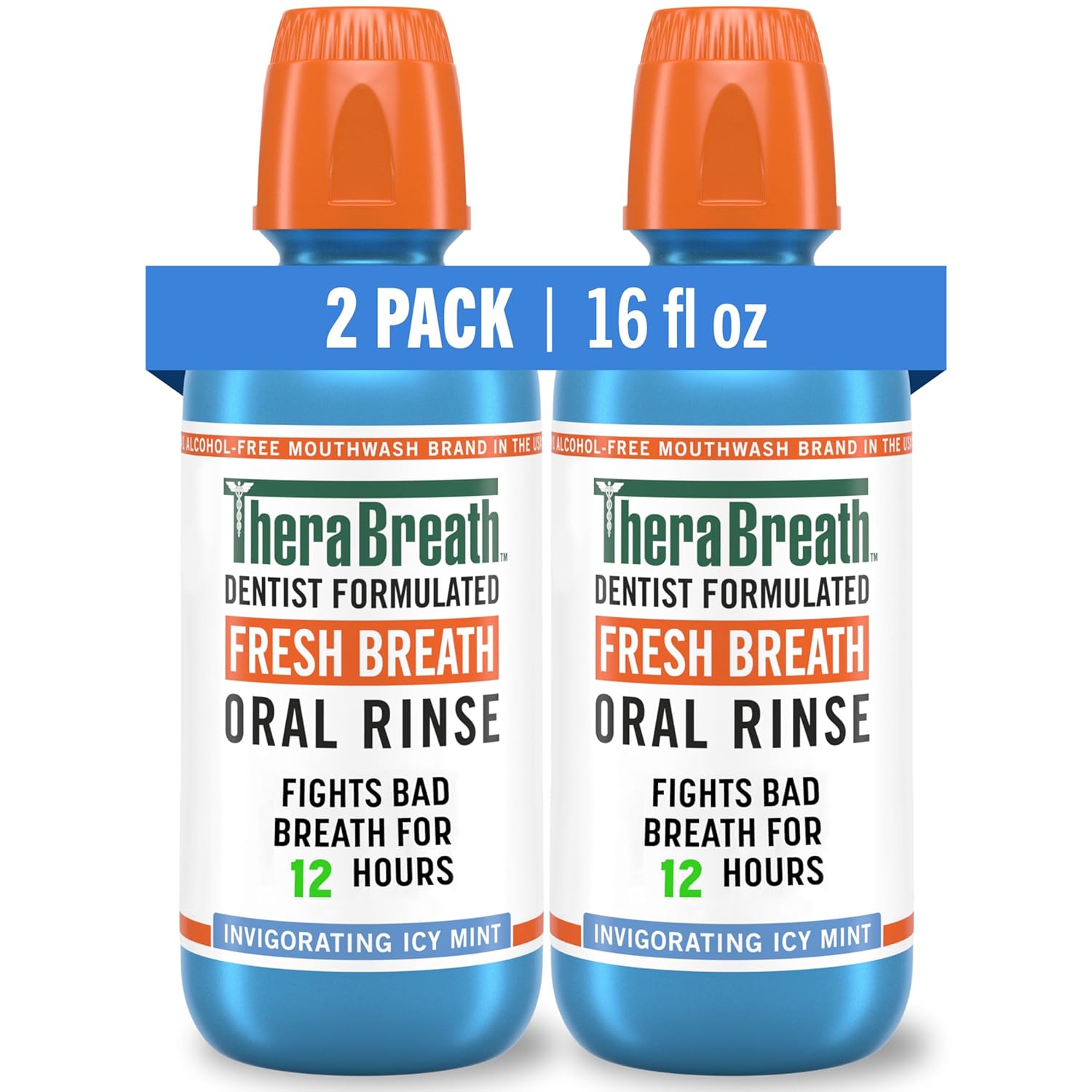
TheraBreath Fresh Breath Mouthwash Icy Mint
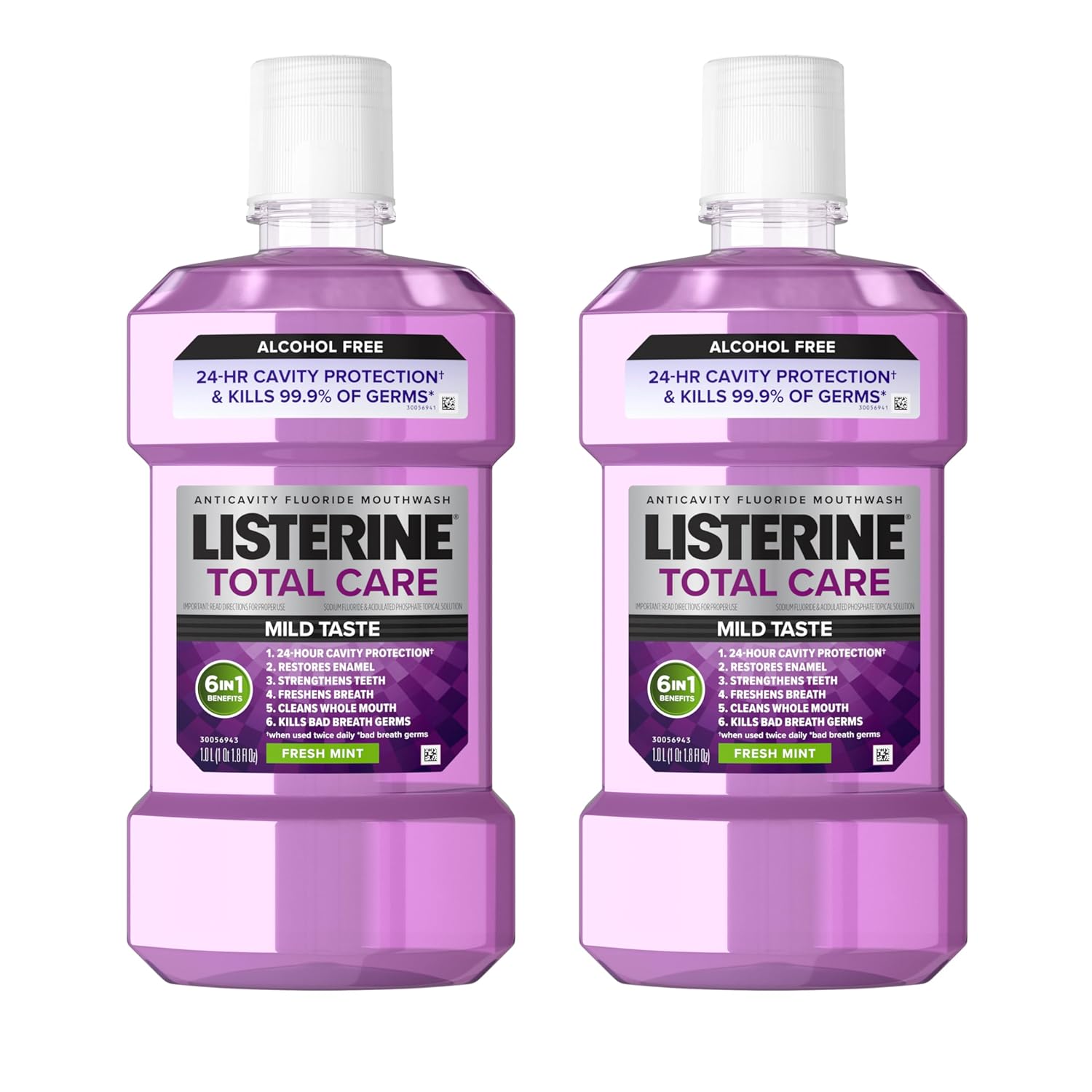
Listerine Total Care Alcohol-Free Mild Mouthwash
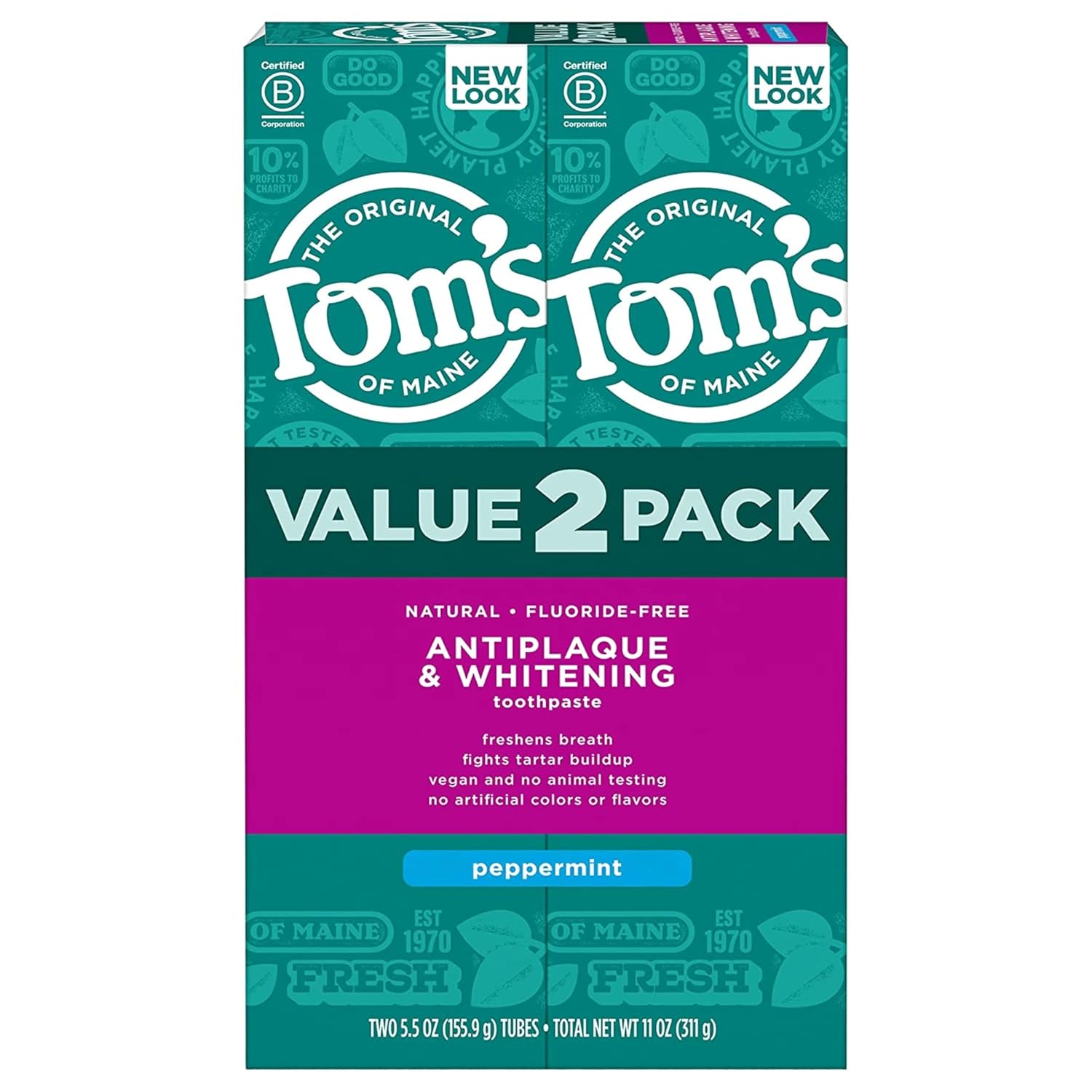
Tom's of Maine Fluoride-Free Antiplaque & Whitening Natural Toothpaste, Peppermint
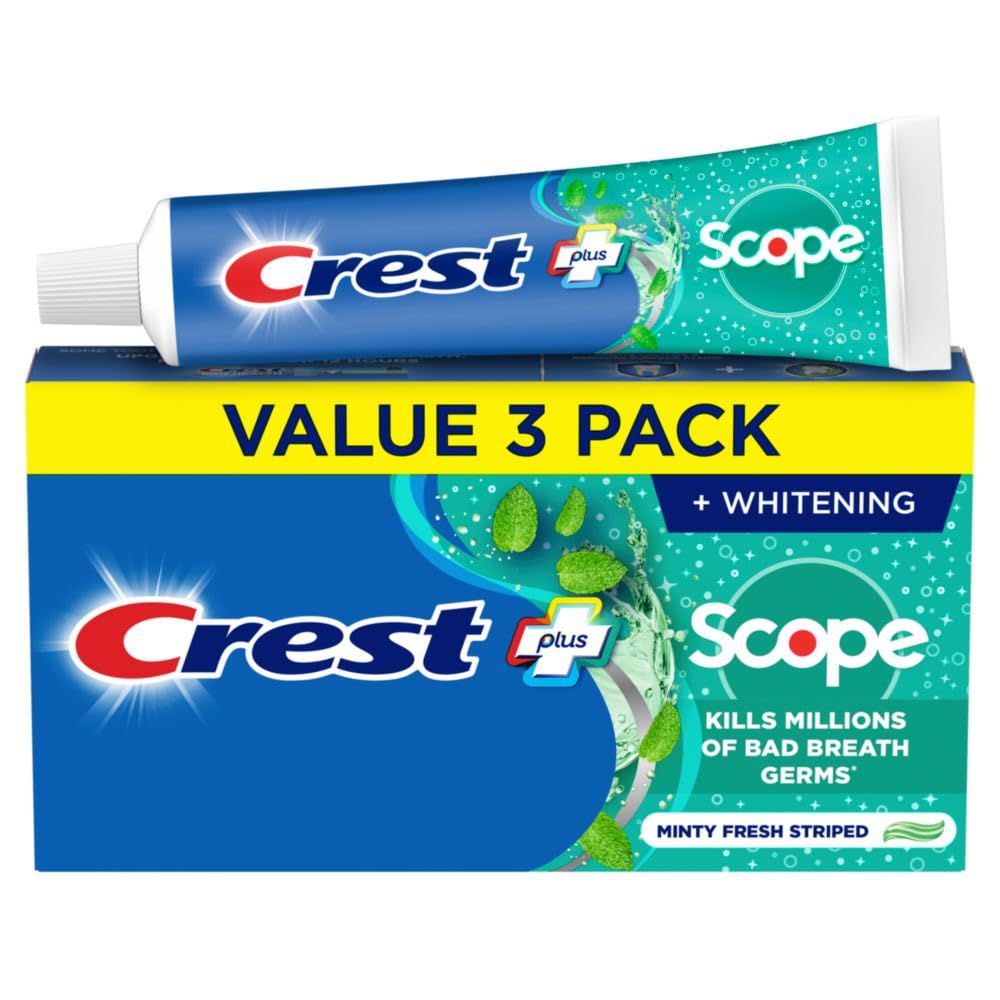
Crest + Scope Whitening Toothpaste
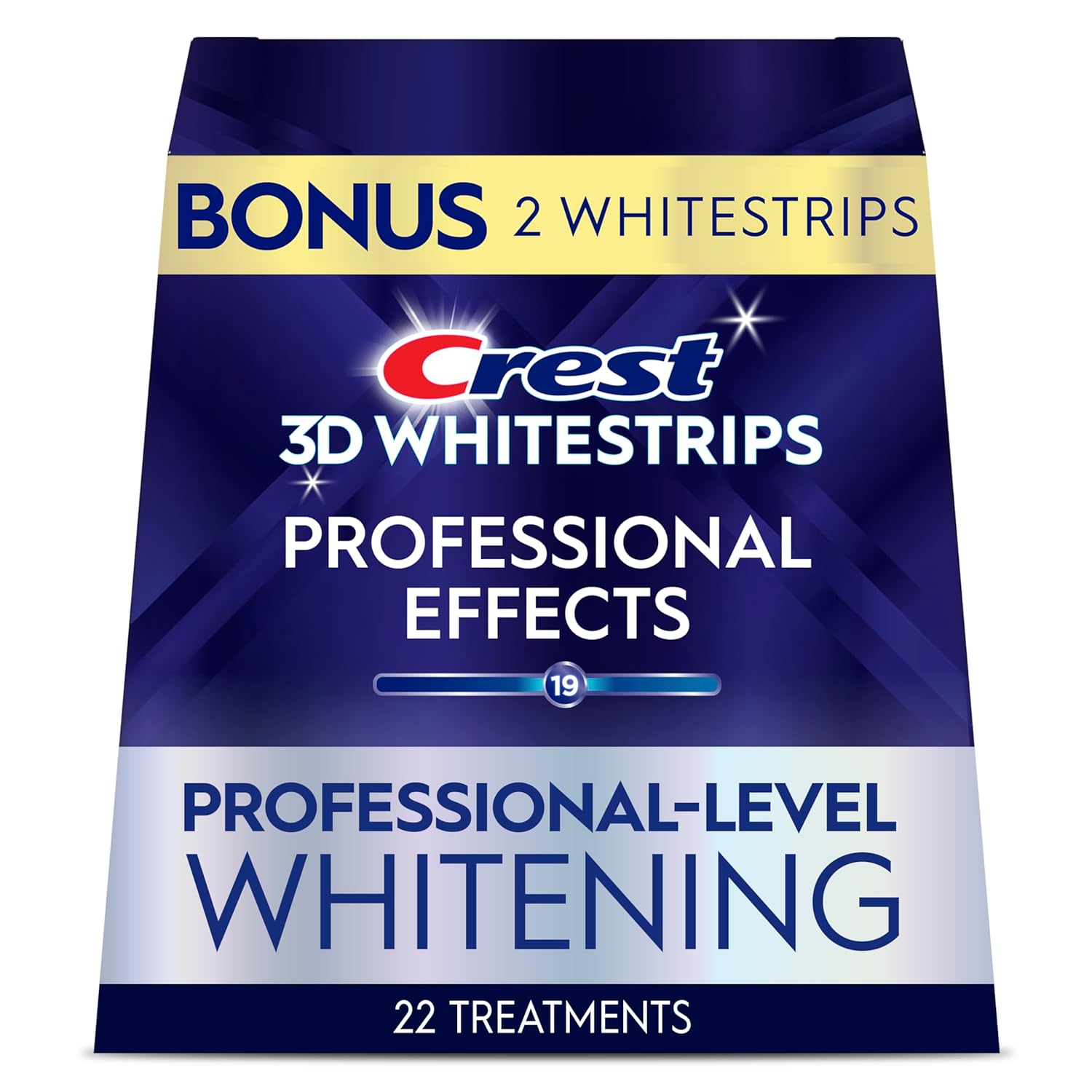
Crest 3D Whitestrips Professional Effects Teeth Whitening Kit
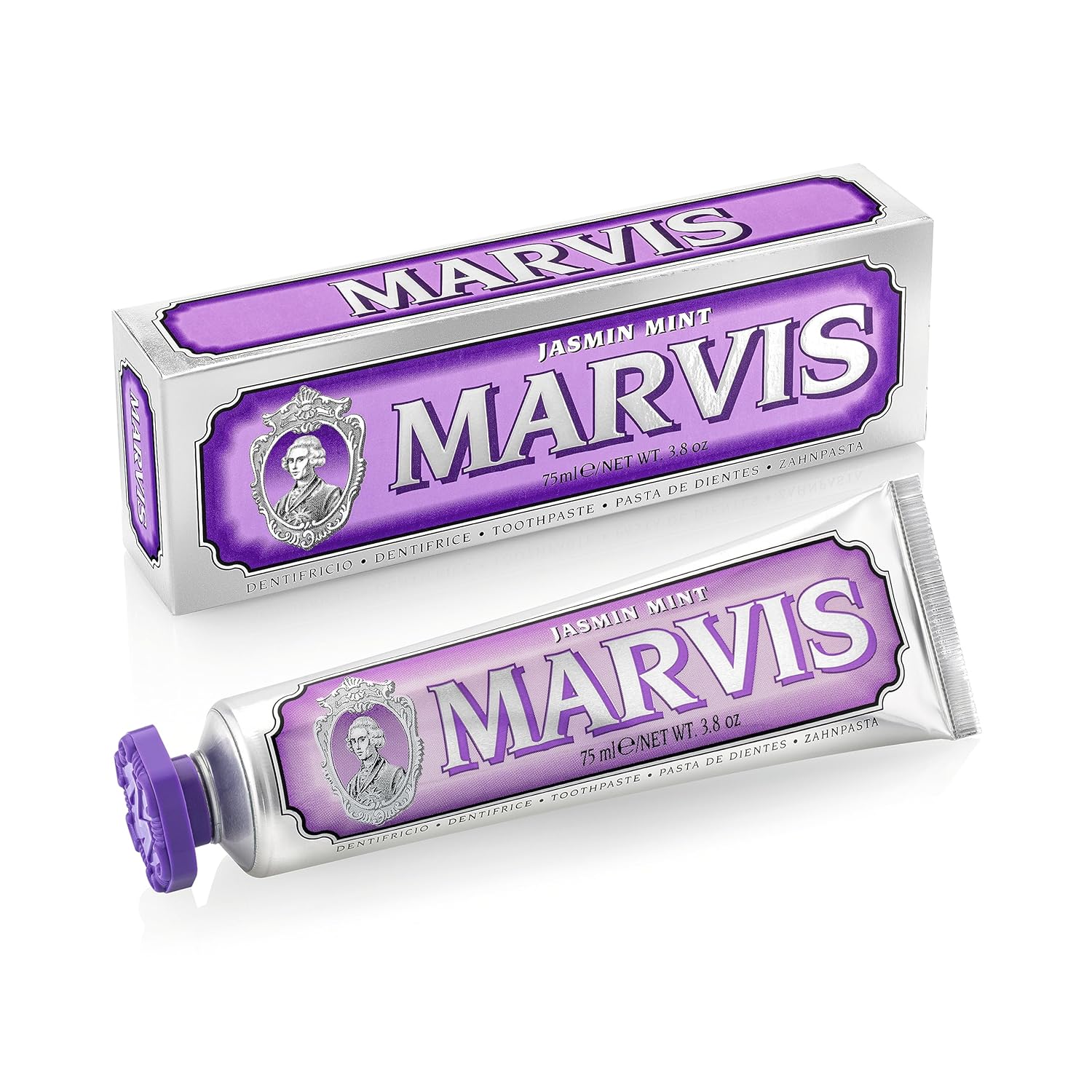
Marvis Jasmin Mint Toothpaste
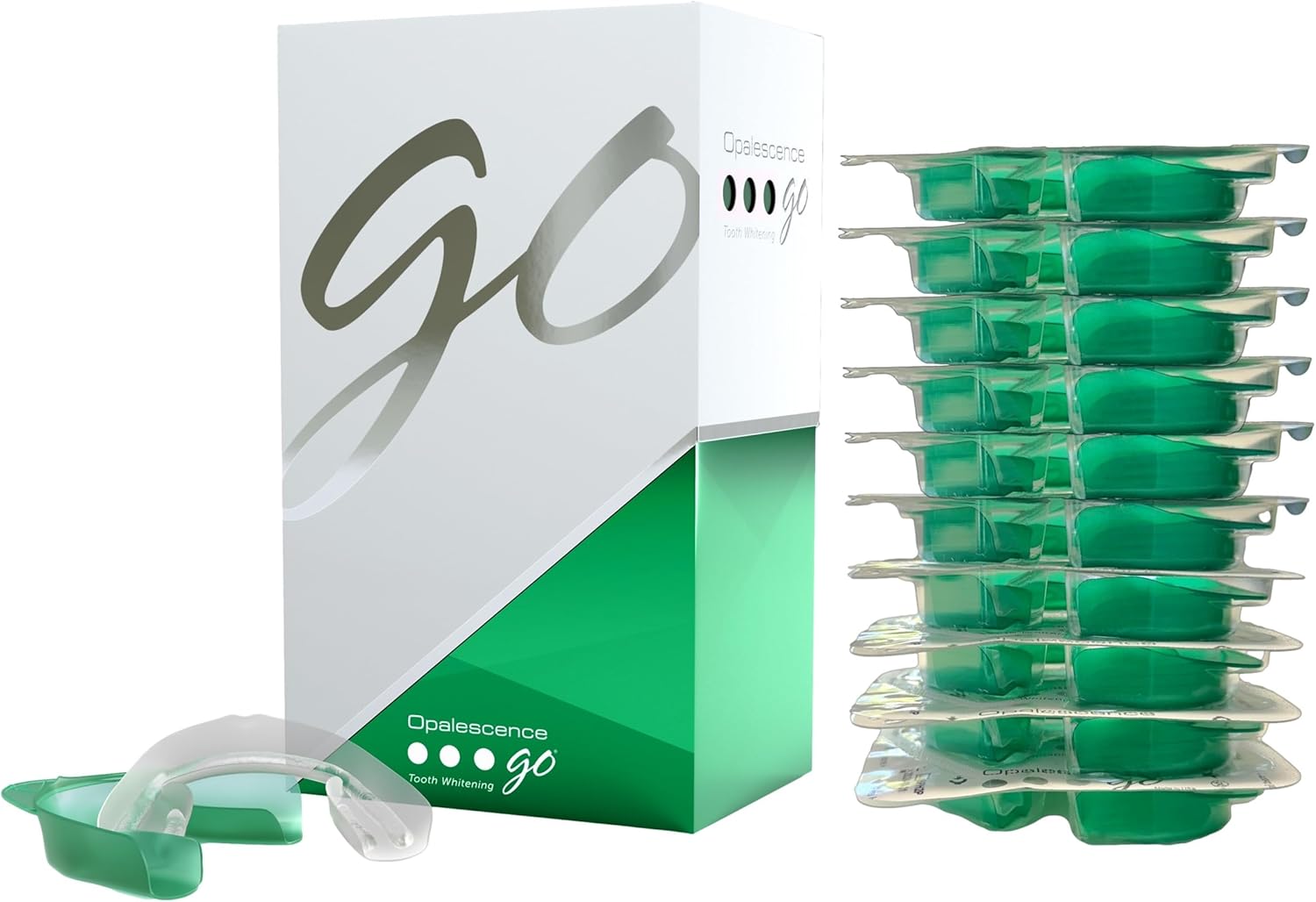
Opalescence Go 15% Prefilled Teeth Whitening Trays
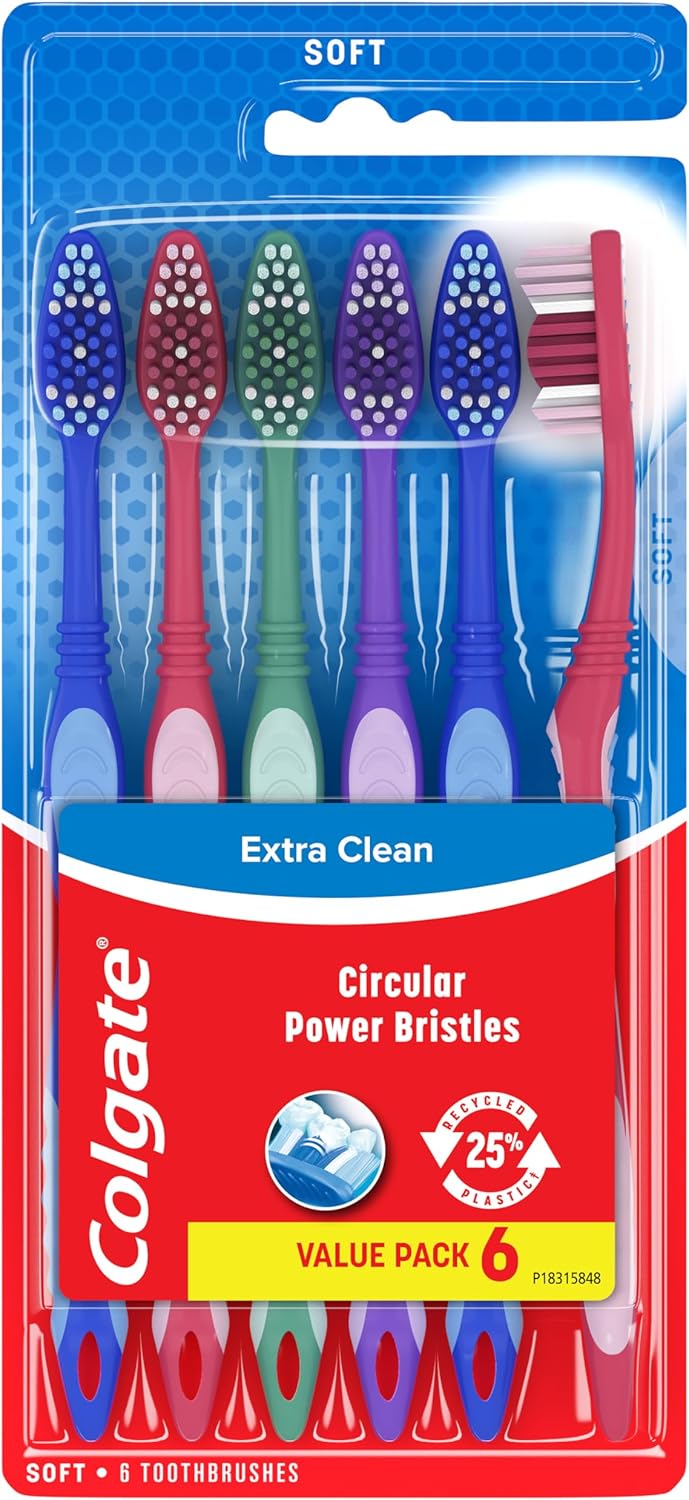
Colgate Extra Clean Soft Toothbrush