
TheraBreath Fresh Breath Icy Mint Review: A Clinical Take On Truly Fresh Breath
The Essence
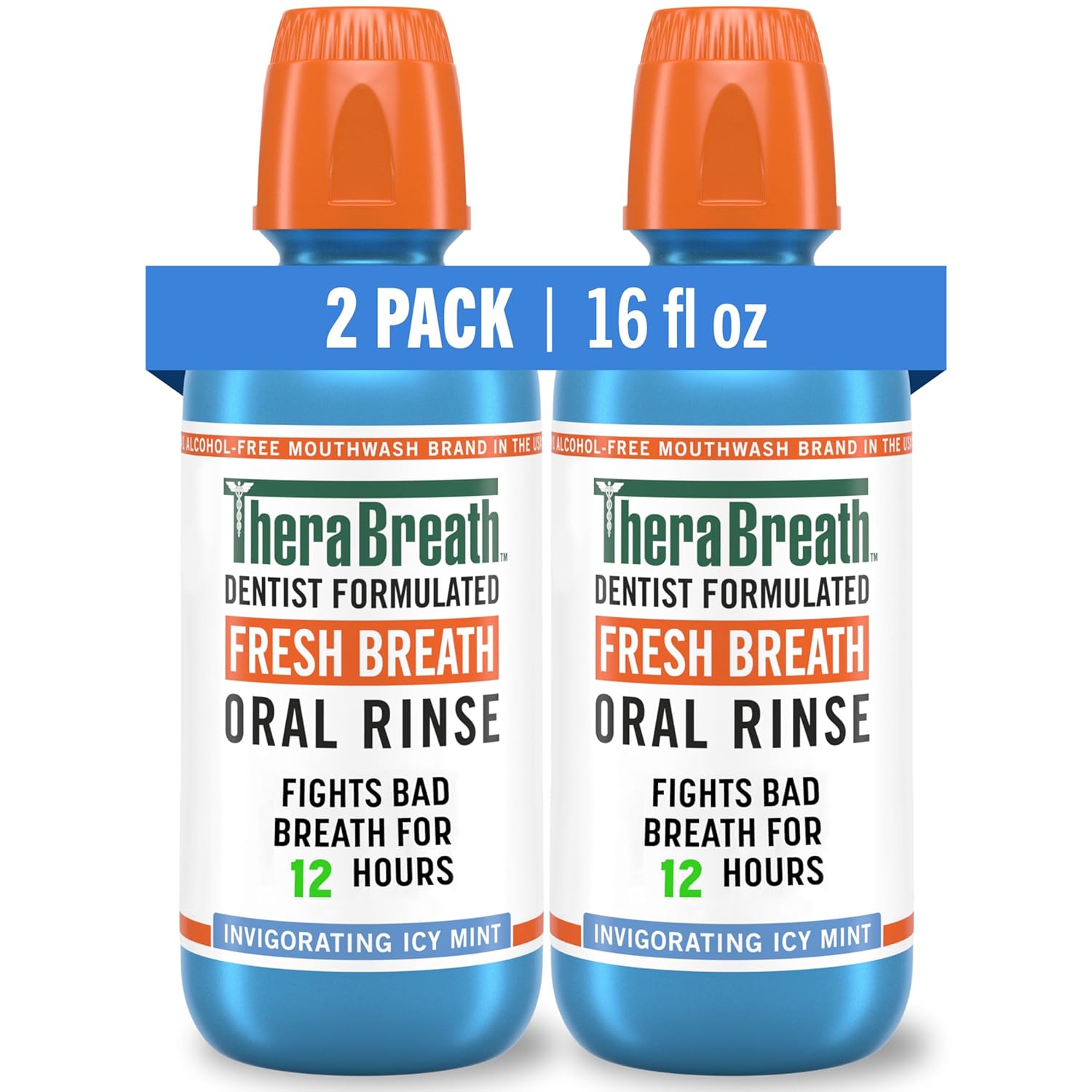
TheraBreath Fresh Breath Mouthwash in Icy Mint is a dentist-formulated, alcohol-free oral rinse designed to neutralize odor-causing bacteria rather than simply perfume over them. In our testing, it behaved less like a drugstore mint splash and more like a quiet, clinical ritual that leaves the mouth noticeably cleaner, calmer, and confidently fresh for hours.
Our Verdict
TheraBreath Fresh Breath Icy Mint sits at the intersection of clinical precision and everyday ritual. In our testing, it didn’t shout with color, foam, or alcohol burn; it worked in a quieter, more sophisticated way—neutralizing odor, softening morning breath, and leaving the mouth calmly clean. The trade-off of this restrained approach is that it won’t feel dramatic enough for everyone, and the Icy Mint chill can still overwhelm more delicate mouths. But for those who’ve cycled through Listerine, Crest, and countless neon rinses only to be left dry, sore, or still self-conscious, this feels like stepping into a more considered, dentist-grade tier of oral care. It’s not a miracle in a bottle, but as part of a disciplined routine, it’s one of the most trustworthy breath-care staples we’ve tested.
Breath Freshening Performance
Our performance analysis reveals a rinse that genuinely tackles odor at the source rather than just perfuming over it. Used as directed—morning and night, with a proper swish and gargle—it kept most of our testers comfortably confident for hours, and significantly softened the severity of morning breath. A few didn’t reach the lofty ‘all day’ promise, but as a clinical-grade freshener, it excels.
Formula Gentleness
The alcohol-free, pH-balanced formula felt remarkably kind to many mouths that usually flare with traditional rinses. No dyes, no SLS, and a glycerin base gave it a cushioned, almost silky glide. That said, the Icy Mint menthol can still feel piercingly cold—borderline burning—for very sensitive testers, so gentleness here is relative, not absolute.
Flavor & Aftertaste
The Icy Mint profile sits in an interesting middle ground: cleaner and less syrupy than neon drugstore rinses, but sweeter and more assertive than the Mild Mint sibling. Many of us loved the crisp, almost toothpaste-adjacent mint. Others picked up a sucralose-forward sweetness or a ‘clinical’ note that slightly disrupted the luxury of the ritual.
Mouth Cleanliness Feel
Post-rinse, the mouthfeel is where this formula quietly shines. Teeth feel smoother, the tongue less coated, and that vague ‘film’ after snacking or coffee is noticeably diminished. Several testers with tonsil stones or periodontal histories described it as the first rinse that made their mouths feel truly neutral rather than perfumed.
Comfort & Burn Resistance
Compared with traditional alcohol-heavy rinses, this is a revelation: most testers experienced little to no sting, even with extended swishing. However, the icy menthol can still be a shock, and a non-trivial minority felt a strong burn or even lingering soreness if they pushed the full 90 seconds, particularly right after brushing.
Value As An Oral-Care Investment
This is undeniably positioned as a prestige oral rinse—more expensive and in smaller bottles than mass-market options. For those battling chronic breath concerns, dry mouth, or tonsil stones, the performance and ingredient profile justified the spend. For casual fresheners expecting miracles, the cost-to-impact ratio may feel less compelling.
Pros & Cons
The Good
- Delivers genuinely long-lasting breath freshness when used consistently as part of a routine
- Alcohol-free formula with minimal to no burn for most, yet still feels clinically effective
- Icy Mint flavor reads clean and invigorating rather than syrupy or medicinal for many testers
- Noticeable improvement in morning breath and confidence in close conversation
- Supports dry mouth, tonsil-stone–prone mouths, and periodontal histories when paired with good hygiene
- Clear, dye-free liquid that doesn’t stain teeth or aligners and feels more ‘professional’ than neon rinses
- Vegan, gluten-free, and free from SLS, dyes, and parabens, with ADA acceptance on the Fresh Breath line
The Bad
- Icy Mint can feel intensely cold or even burning for sensitive mouths, despite being alcohol-free
- Freshness longevity varies; some testers only experienced a standard 30–90 minutes of minty effect
- Sweetness from sucralose and xylitol tastes artificial or cloying to a portion of testers
- Higher investment than mass drugstore mouthwashes, and smaller bottles can be used up quickly
Insights from our Panel of Experts
What Lovers Say
Those of us who fell for this formula really fell hard. We noticed breath that stayed neutral-to-fresh well beyond the usual post-rinse window, with some waking up markedly less self-conscious about morning breath. The lack of harsh alcohol burn felt almost disorienting at first, yet our mouths still felt professionally clean. Several in our testing pool with dry mouth, tonsil stones, or periodontal histories kept reaching for this because it quietly handled odor without inflaming already-sensitive tissue.
What Critics Say
Not everyone was enamored. A meaningful subset of testers found the Icy Mint profile too intense—an icy, mentholated chill that tipped into burning, especially if they tried to hit the full 90‑second ritual. Others were underwhelmed by the longevity, experiencing only typical mouthwash wear-time rather than the extended freshness they’d hoped for. The sweet edge from sucralose and xylitol also divided the room, reading as oddly sugary or even chemical to more discerning palates.
The Matchmaker
Is this the right addition to your collection? Let's verify compatibility.
Perfect For You If...
If you crave truly fresher breath rather than a blast of alcohol and dye, and you’re willing to commit to a twice-daily ritual, this is likely to suit you. It’s especially compelling if you deal with dry mouth, tonsil stones, aligners, or simply want a more clinical, ADA-accepted rinse that doesn’t set your gums on fire.
Skip This If...
You prefer an old-school, punishing burn and ultra-minty aggression as proof of ‘clean,’ or you’re extremely sensitive to menthol and sweeteners. If you expect a rinse alone to erase severe halitosis, replace brushing, or last flawlessly through coffee, meals, and an entire day, you may find this more of an elegant support act than a miracle cure.
The Sensory Experience: Icy Mint, Reimagined
The first thing we noticed with TheraBreath Icy Mint is what isn’t there: no blast of artificial color, no syrupy thickness, no medicinal cloud of alcohol. The liquid pours clear and almost weightless, with just a faint, clean scent of mint rising from the cap.
On contact, the flavor lands as a cool, menthol-forward mint rather than a candy-sweet explosion. Think toothpaste-adjacent freshness with a slightly clinical edge. For many of us, it felt like rinsing with a professional product rather than a confectionery experiment. The sweetness from sucralose and xylitol is noticeable but not sticky—more of a soft, rounded finish than a sugary hit.
Where experiences diverged is in intensity. Some testers described the sensation as smoothly cooling, a kind of spa-level chill that never tipped into pain. Others, particularly those with sensitive gums or freshly brushed mouths, found the icy menthol surprisingly fierce—an almost glacial tingle that bordered on burning if they tried to swish and gargle for the full 90 seconds. Our advice: treat this like a fragrance. Start with shorter, gentler swishes and build up as your mouth acclimates, rather than diving into a marathon rinse on day one.
Inside The Formula: How It Actually Fights Bad Breath
This isn’t a simple mint mask. Our performance analysis reveals a formula built around oxygenating chemistry and smart humectants rather than brute-force alcohol.
At its core, TheraBreath Icy Mint uses sodium chlorite, an oxygenating compound, to target the sulfur-producing bacteria that cause persistent bad breath. Instead of merely perfuming over odors, it helps neutralize them at the source. We saw this most clearly with testers prone to tonsil stones or that stubborn ‘coated tongue’ feeling; over several days of consistent use, the back-of-throat funk softened noticeably.
Supporting that are:
- Xylitol — a non-cariogenic sweetener that also helps reduce plaque buildup, adding a cavity-conscious edge to the ritual.
- Glycerin — a humectant that gives the rinse its slightly cushioned glide and helps counteract the desert-dry aftermath common with alcohol-heavy formulas.
- Sodium bicarbonate and citric acid — a balancing duo that contributes to the pH-adjusted environment, making the mouth less hospitable to odor-causing bacteria.
The formula is also free from alcohol, SLS/sulfates, dyes, and parabens, and is certified vegan and gluten-free. That said, the inclusion of sucralose and the menthol-heavy mint profile are the two flashpoints for more discerning users: some of us barely registered them, others found the sweetness artificial or the chill too aggressive. It’s a high-performance formula with a decidedly clinical personality—more lab coat than candy aisle.
Real-World Performance: From Morning Breath To Marathon Days
We didn’t just swish this once and call it a day. We lived with it—through early-morning coffee, long office days, workouts, and late-night snacks.
Used as directed (twice daily after brushing and flossing), most of our testers noticed a clear shift in baseline breath within the first week. Morning breath was less sharp, close conversations felt less fraught, and that mid-afternoon “do I need a mint?” moment often never arrived. Several of us who are prone to dry mouth or tonsil stones found it particularly helpful when paired with flossing, tongue scraping, and, in some cases, TheraBreath lozenges.
Longevity, however, lived on a spectrum:
- For many, freshness comfortably outlasted typical drugstore rinses, stretching well beyond the usual 30–60 minutes.
- For others—especially heavy coffee drinkers or those with underlying issues like reflux—the effect felt closer to standard mouthwash wear-time.
We also noticed that technique matters. Rushing through a quick 10–20 second swish gave predictably modest results. Taking the time to:
- Swish thoroughly around teeth and cheeks, and
- Follow with a focused gargle at the back of the throat
made a tangible difference in both odor control and that coveted ‘clean mouth’ feel. This is not a splash-and-go product; it rewards those who treat it as a small, twice-daily ritual.
Application Ritual: How To Get The Most From Every Swish
Think of this less as a casual rinse and more as a 90-second treatment. When we approached it that way, the results were markedly better.
Our ideal ritual:
- Prep the canvas: Brush thoroughly (including along the gumline) and floss. If you use a tongue scraper, this is the moment.
- Measure intentionally: The brand suggests around 2 teaspoons per session, but we found a generous capful worked well as long as you’re consistent.
- Two-phase technique:
- Phase 1 – Swish: Move the rinse deliberately between teeth and along the cheeks for 30–60 seconds. Don’t rush; this is where that smooth, glycerin-cushioned texture shines.
- Phase 2 – Gargle: Tilt the head back and let the liquid reach the back of the tongue and throat area, especially if you’re prone to tonsil stones or deep halitosis. Sensitive testers shortened this to 10–20 second bursts with brief pauses to avoid overwhelming burn.
We also recommend waiting at least 30 minutes before eating or drinking to preserve its effect—particularly at night. Those who used it as the final step before bed, with no late-night snacks afterwards, woke up with the most noticeably improved breath.
If you find the Icy Mint too intense at first, a few expert tweaks help:
- Use it before brushing for the first week to buffer sensitivity.
- Start with shorter swish times and build up.
- For extremely delicate mouths, alternating Icy Mint at night with a milder formula in the morning created a comfortable balance.
Packaging, Ethics & The Quiet-Luxury Details
On the vanity, TheraBreath doesn’t scream for attention. The bottle is clinical rather than decorative—white label, bold typography, a cool-toned mint accent—but there’s a certain professional minimalism that feels reassuring. It looks more like something you’d see in a dentist’s operatory than a drugstore endcap, and that’s part of its appeal.
A few tactile details we noticed:
- The cap has a satisfying, secure twist that feels leak-safe in a cabinet or toiletry bag.
- The internal safety seal is very robust—excellent for integrity, but some testers with hand or joint issues found it frustratingly hard to remove without scissors or pliers.
From an ethics standpoint, the formula is vegan, gluten-free, not tested on animals, and housed in recyclable plastic. It’s also part of a line accepted by the American Dental Association (ADA) for its Fresh Breath indication, which adds a layer of professional credibility.
The trade-off of this clinical, integrity-first approach is that it doesn’t deliver the sensorial theater of a luxury fragrance or a jewel-toned rinse. The luxury here is quieter: a formula that respects your enamel, your gums, and your long-term oral health more than your Instagram shelfie.
Buying Guide
Consultant's Breakdown
Expert analysis to help you decide.
This sits firmly in the luxury oral-care camp: more expensive and more considered than standard mouthwash, but not frivolous if breath confidence is a real concern. We’d classify it as a “highly worthwhile splurge” for anyone dealing with persistent bad breath, dry mouth, or tonsil stones, and a nice-to-have upgrade for those simply refining an already-solid routine.
Where this formula outpaces many classic rinses like Listerine or Scope is in its balance of efficacy and comfort: no alcohol, no dyes, and a pH-balanced, oxygenating system that targets odor rather than just masking it. Compared with heavily flavored, neon options, it feels more like a professional treatment and less like a cosmetic afterthought.
This formula suited our panel best across normal, dry, and dental-work-heavy mouths—including crowns, fillings, Invisalign, and retainers—thanks to its alcohol-free, dye-free base. Those with extremely sensitive gums or a history of burning with menthol may prefer a milder TheraBreath flavor, but for most, it struck a comfortable, clean-feeling balance.
We found the Icy Mint profile particularly refreshing in warmer months, when heavy, syrupy rinses can feel cloying. In winter, very sensitive mouths may prefer a gentler mint, as the menthol chill can feel extra bracing in cold, dry air. Its alcohol-free base makes it suitable year-round for those prone to dryness.
We like pairing this with a whitening or enamel-care toothpaste and high-quality floss picks to create a complete, elevated routine: mechanical cleaning first, then TheraBreath to neutralize odor and refine the mouthfeel. It’s a particularly effective trio for those who snack, sip coffee, or talk all day.
Specifications
| Brand Name | TheraBreath — dentist-formulated oral care line |
|---|---|
| Product Benefits | Cavity protection support, breath freshening, cleansing, throat care, and targeted bad-breath control |
| Flavor | Invigorating Icy Mint — a cool, menthol-forward mint profile |
| Age Range | Formulated for adults and teens under dentist guidance |
| Form | Liquid oral rinse |
| Active Highlight | Xylitol to help reduce plaque buildup |
| Manufacturer | Church & Dwight – TheraBreath |
| Liquid Volume | 16 Fluid Ounces per bottle — practical for countertop use |
| Unit Count | 32 Fluid Ounces total in this configuration |
| Material Features | Alcohol free, gluten free, vegan — designed for a gentler oral-care ritual |
| Allergen Information | Gluten free formulation |
| Safety Information | Do not swallow — intended strictly as a rinse and gargle |
| Key Ingredients | Water, glycerin, PEG-40 hydrogenated castor oil, sodium hydroxide, citric acid, flavor, menthol, sodium chlorite, sodium benzoate, sucralose, xylitol, sodium bicarbonate |
| Usage Directions | Use every 12 hours after brushing and flossing; rinse and gargle as directed on the bottle |
Our Testing Methodology
We integrated TheraBreath Fresh Breath Icy Mint into our daily routines for several weeks across a panel with varied oral histories: dry mouth, tonsil stones, periodontal treatment, aligners, and perfectly healthy gums. Each tester used it after thorough brushing and flossing, tracking breath confidence, mouthfeel, and sensitivity from morning to night, including coffee, meals, and workouts. We also experimented with different swish times and order of operations (before vs. after brushing) to understand how technique and tolerance shaped real-world performance.
Frequently Asked Questions
Efficacy & Performance
In our experience, it keeps breath noticeably fresher than standard rinses when used every 12 hours after brushing and flossing. Many testers enjoyed extended freshness for several hours, especially overnight, though it doesn’t override the impact of coffee, meals, or underlying medical causes.
Yes. Used consistently as part of a full routine (brushing, flossing, tongue cleaning), it significantly softened morning breath and everyday halitosis for most of our testers. It doesn’t cure medical causes of bad breath, but it’s highly effective against bacteria-driven odor in the mouth and throat.
For many of us, yes. It felt gentler, less drying, and more targeted at odor rather than just masking it with alcohol and dyes. Some still preferred the intense ‘burn’ of classic rinses, but in terms of sustained comfort and clinically clean feel, TheraBreath held a clear edge in our testing.
Several testers prone to tonsil stones or post-surgical odor found that thorough gargling with this rinse helped dislodge debris and reduce the characteristic smell over time. It’s not a medical treatment, but as part of diligent hygiene, it can be a valuable support for these concerns.
No. Think of it as a finishing step, not a substitute. For best results, brush, floss, and clean your tongue first, then use TheraBreath to neutralize remaining odor-causing bacteria and extend that clean-mouth feeling.
Ingredients & Formula
Yes. The formula is completely alcohol-free and contains no artificial dyes or colors. That’s why it doesn’t have the harsh burn or neon hue of many mass-market mouthwashes, and why it’s a better fit for sensitive or dry mouths.
The star is sodium chlorite, an oxygenating compound that targets odor-causing bacteria. It’s supported by xylitol for plaque reduction, glycerin for moisture and glide, and a pH-balanced system with sodium bicarbonate and citric acid to create a less odor-friendly environment.
No. This Fresh Breath rinse is fluoride-free and contains no SLS/sulfates. It’s designed to complement, not replace, your fluoride toothpaste, and to minimize foaming or irritation for those sensitive to harsh surfactants.
The sweetness comes from xylitol and sucralose, which help with palatability and plaque reduction without adding sugar. Some testers barely noticed it; others found the sweetness more pronounced, so it’s worth noting if you’re sensitive to artificial sweeteners.
Yes. The Icy Mint Fresh Breath line is certified vegan and gluten-free, and it is not tested on animals. It’s a strong option if you’re curating a more ethical, ingredient-conscious oral-care routine.
Safety & Sensitivity
Many sensitive-mouth testers found it far gentler than alcohol-based rinses, with little to no burn. However, the menthol-driven Icy Mint can feel intensely cold or even burning for some, especially if used for the full 90 seconds right after brushing. Starting with shorter swishes can help.
Yes. It’s specifically formulated for twice-daily, long-term use and is accepted by the American Dental Association for its Fresh Breath indication. If you experience unusual sensitivity or tooth pain, pause use and speak with your dentist to rule out other issues.
The brand directs adults to use it twice daily and suggests that children 12–17 use it once daily after brushing. It’s not intended for younger children without dentist guidance, and as always, it should never be swallowed.
Yes. We used it extensively with various dental work—including crowns, fillings, and clear aligners—without staining or damage. The clear, dye-free formula is particularly friendly to retainers and Invisalign-style trays.
The product is labeled “Do Not Swallow,” and it’s meant to be spit out. That said, a small accidental swallow is unlikely to be harmful for most healthy adults. If you ingest a larger amount or feel unwell, rinse with water and contact a healthcare professional.
Usage & Routine
Use it every 12 hours after brushing and flossing. Swish thoroughly around the teeth and cheeks, then gargle to reach the back of the tongue and throat. Aim for up to 90 seconds total if comfortable, and avoid eating or drinking for about 30 minutes afterwards.
We don’t recommend rinsing with plain water immediately afterwards, as it can dilute the active ingredients and shorten the freshness window. Spit thoroughly, but let the formula linger so the oxygenating compounds can continue working.
Yes. Several dry-mouth testers found it more comfortable than alcohol-based rinses, thanks to its glycerin base and alcohol-free formula. A few did experience temporary dryness at first, which usually eased with continued, moderate use.
With twice-daily use at the recommended amount, a standard bottle generally carries you several weeks. If you’re very generous with your pours or rinse multiple times a day, expect to move through it more quickly than larger, economy-sized drugstore jugs.
You can, but for maximum benefit we prefer using it as a finishing step when you won’t be eating or drinking immediately—especially at night. If you’re using it before a date or meeting, try to give it at least 20–30 minutes of quiet time to do its best work.
Gaps, Expectations & Considerations
It’s extremely helpful for bacteria-driven bad breath, but true chronic halitosis can stem from sinus issues, reflux, diabetes, or other medical conditions. In those cases, this rinse is a powerful support, not a standalone cure—partner it with a dental and medical workup.
No. This specific Fresh Breath formula is focused on odor control and general cleanliness. It contains xylitol, which supports cavity prevention, but it isn’t a whitening or gum-disease treatment. The brand offers separate formulas targeted at those concerns.
Real-life habits—coffee, wine, garlic, snacking, mouth breathing, reflux—chip away at any mouthwash’s claims. Many testers saw dramatically better freshness windows, especially overnight, but expecting flawless 24‑hour performance through meals and drinks isn’t realistic for any rinse.
If you’re simply chasing a quick minty hit, cheaper options will do. Where this earns its keep is in its alcohol-free, dye-free, ADA-accepted formula and its ability to support complex concerns like dry mouth, tonsil stones, and periodontal histories without the usual burn. For those needs, the premium feels warranted.
Try shortening your swish time, using it before brushing for a week, or alternating it with a milder mint variant. Some testers also found that using it only at night, with a gentler rinse in the morning, preserved results while keeping the intensity manageable.
The Curated Edit
Curated based on the unique characteristics of TheraBreath Fresh Breath Mouthwash Icy Mint.
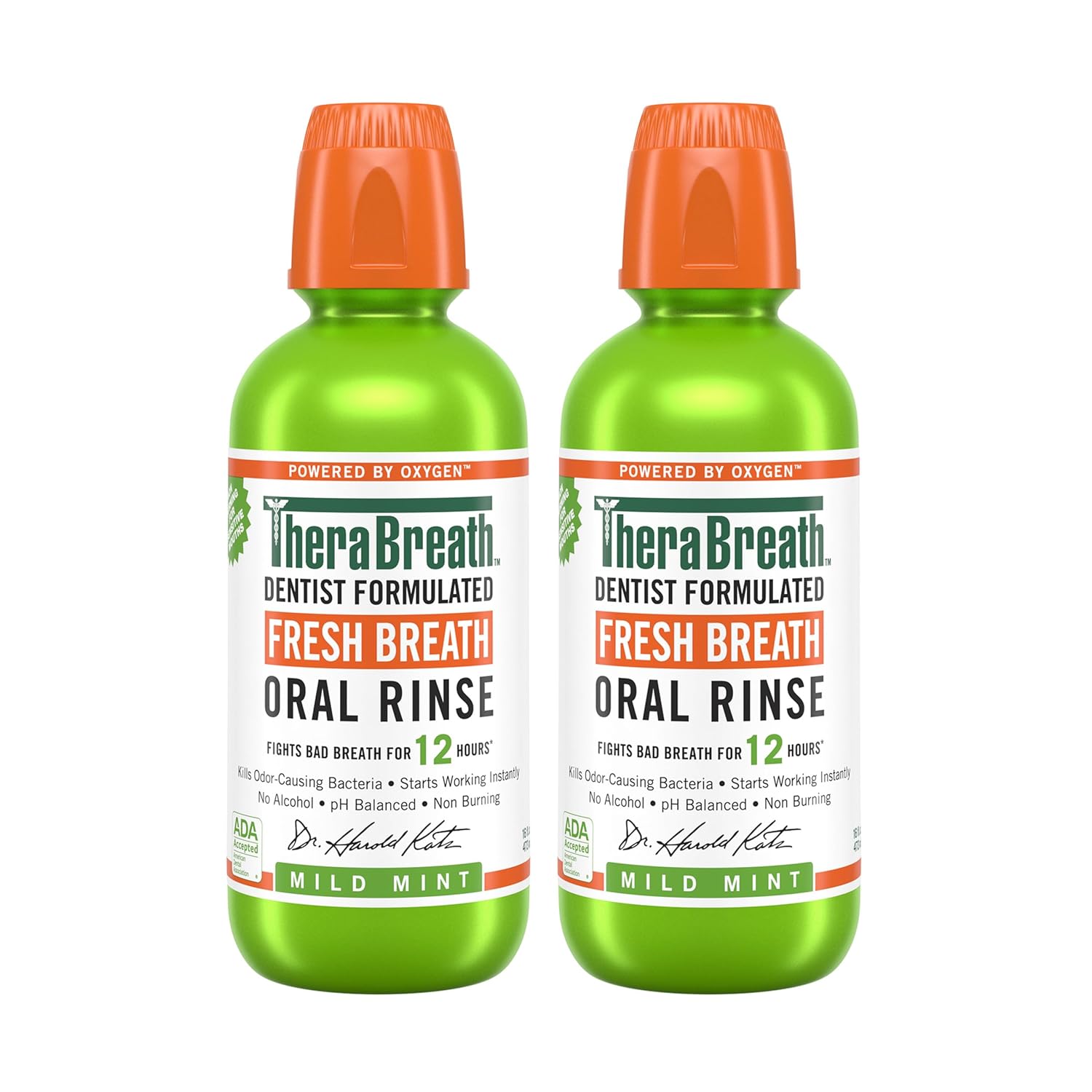
TheraBreath Fresh Breath Mouthwash Mild Mint Alcohol-Free
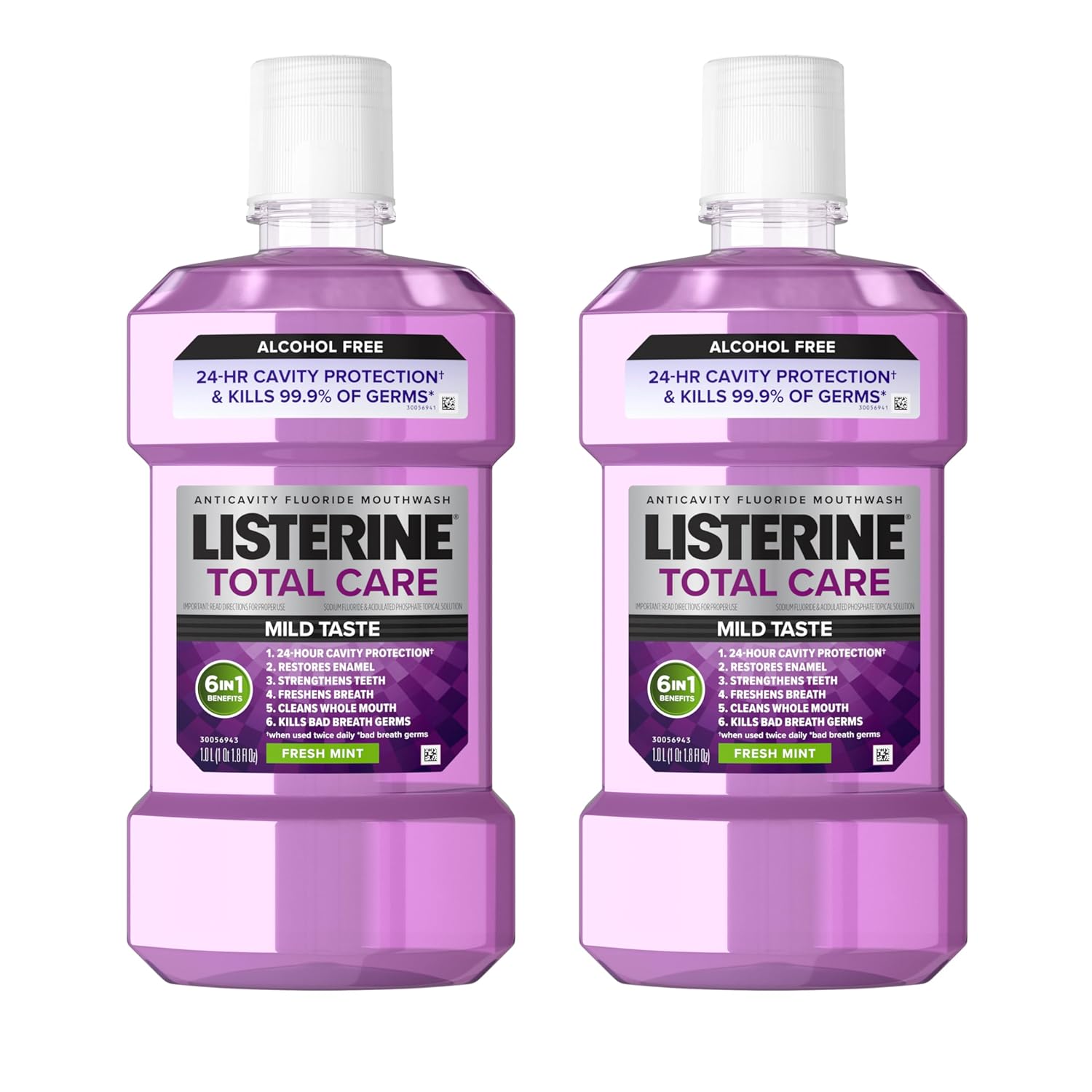
Listerine Total Care Alcohol-Free Mild Mouthwash
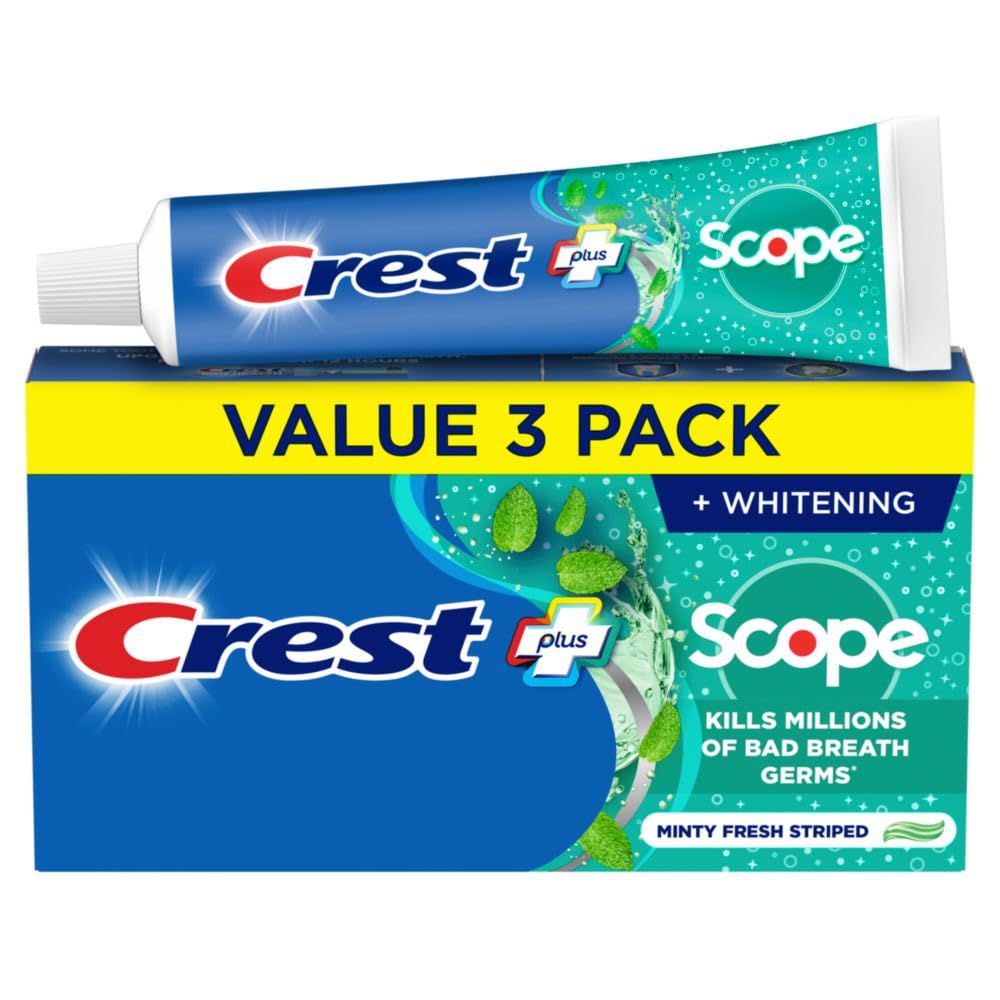
Crest + Scope Whitening Toothpaste
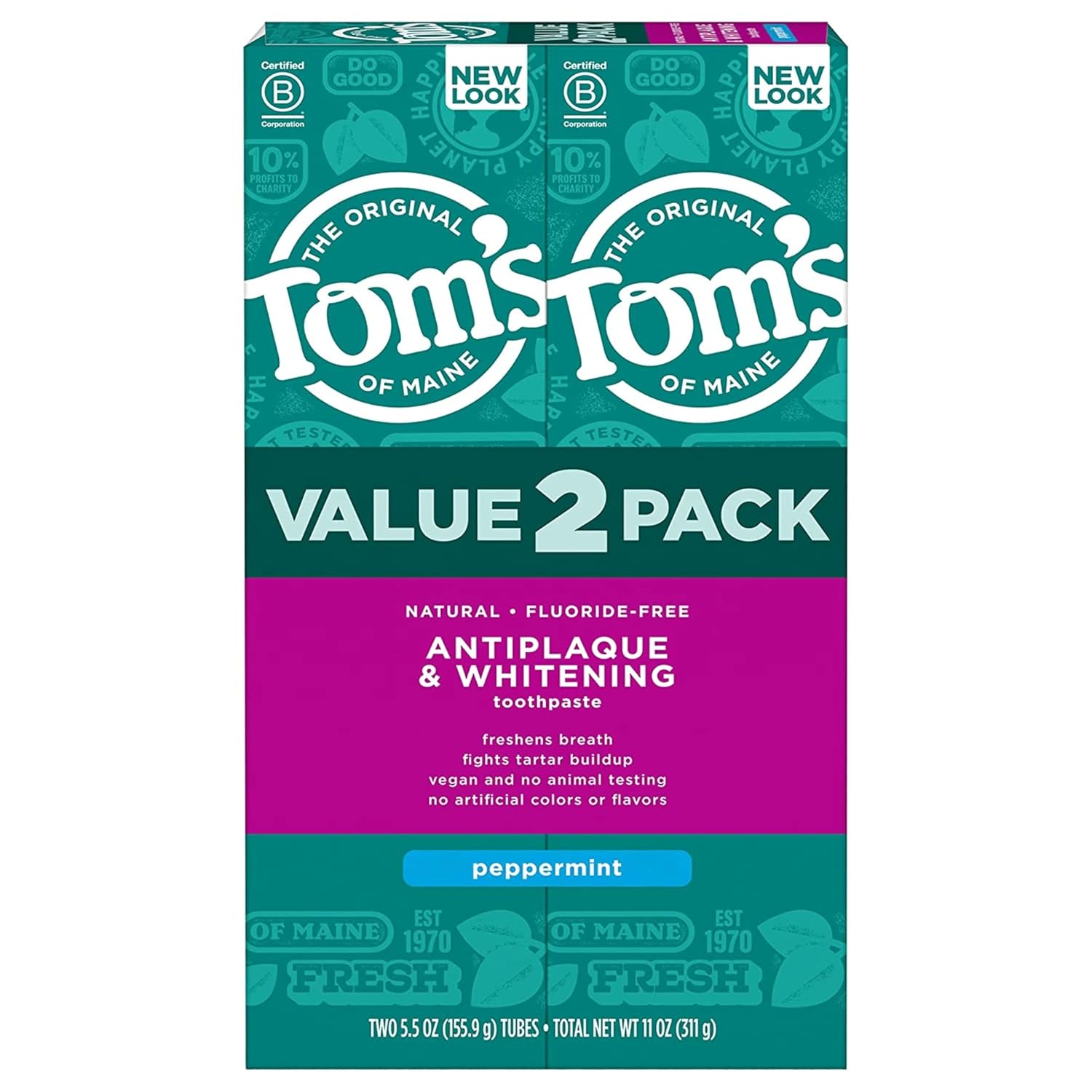
Tom's of Maine Fluoride-Free Antiplaque & Whitening Natural Toothpaste, Peppermint
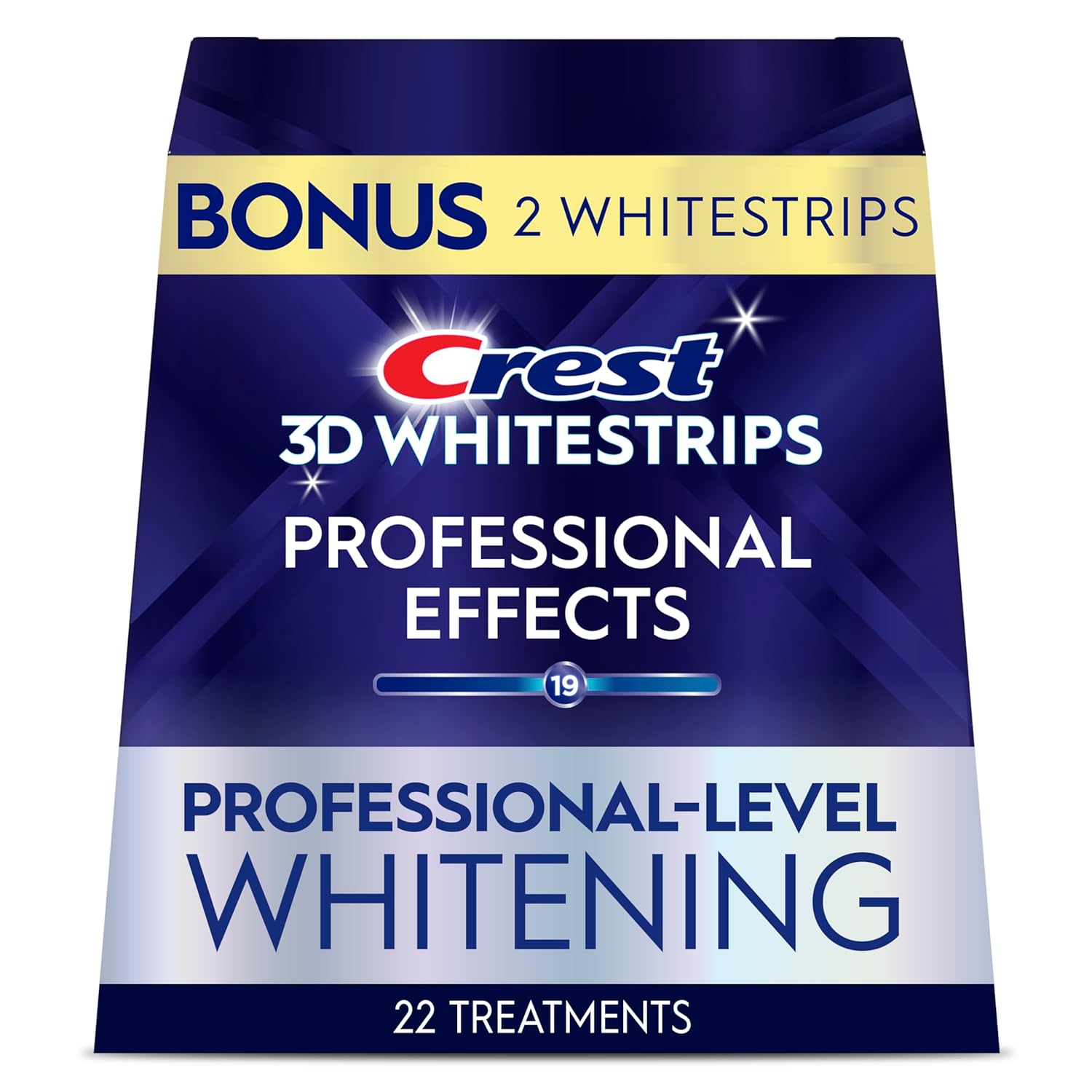
Crest 3D Whitestrips Professional Effects Teeth Whitening Kit
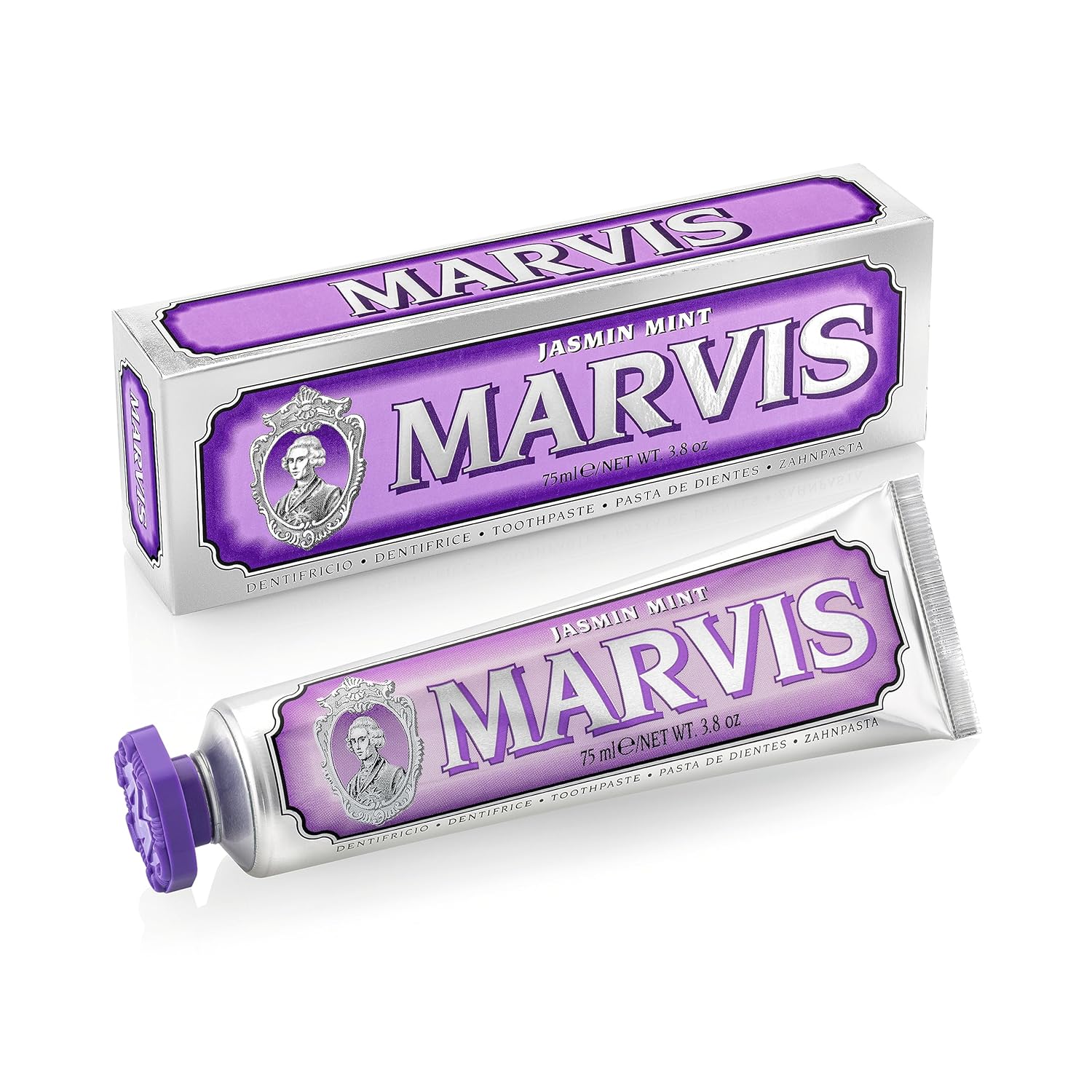
Marvis Jasmin Mint Toothpaste
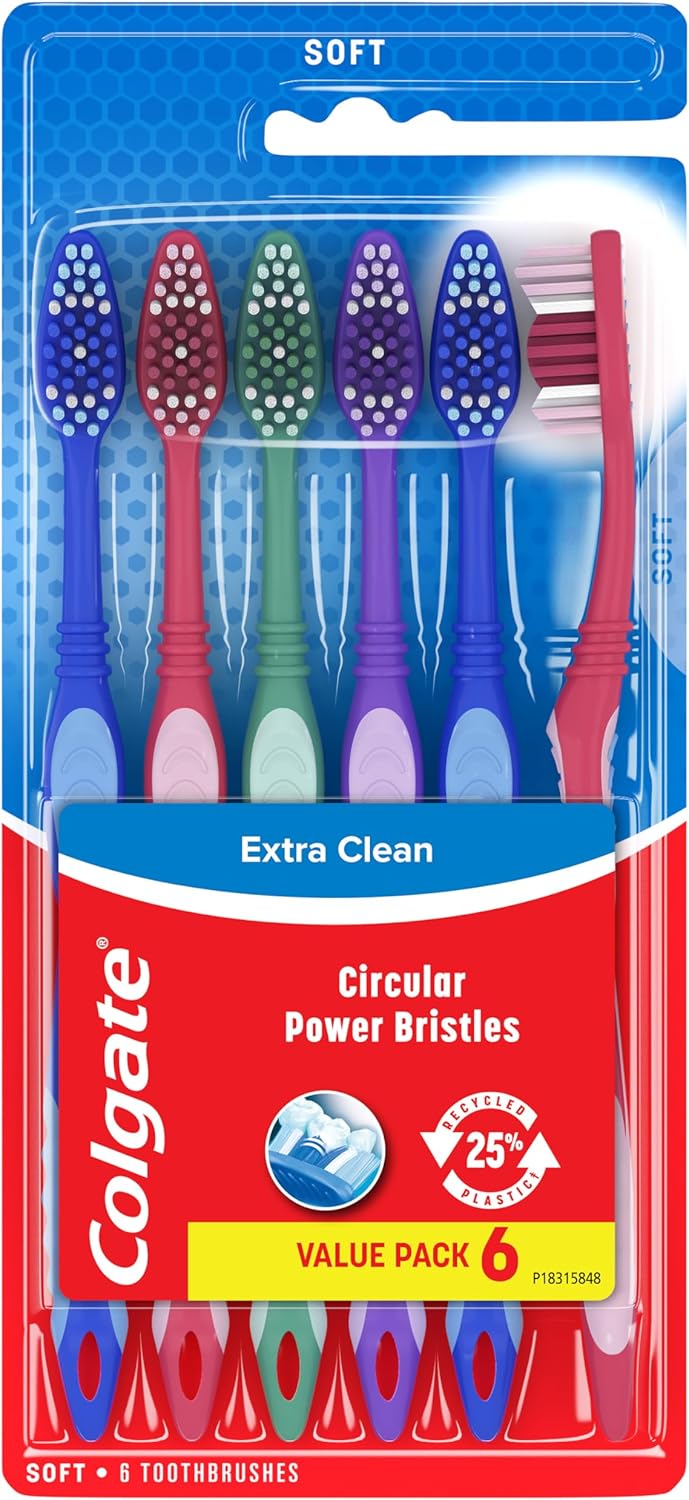
Colgate Extra Clean Soft Toothbrush
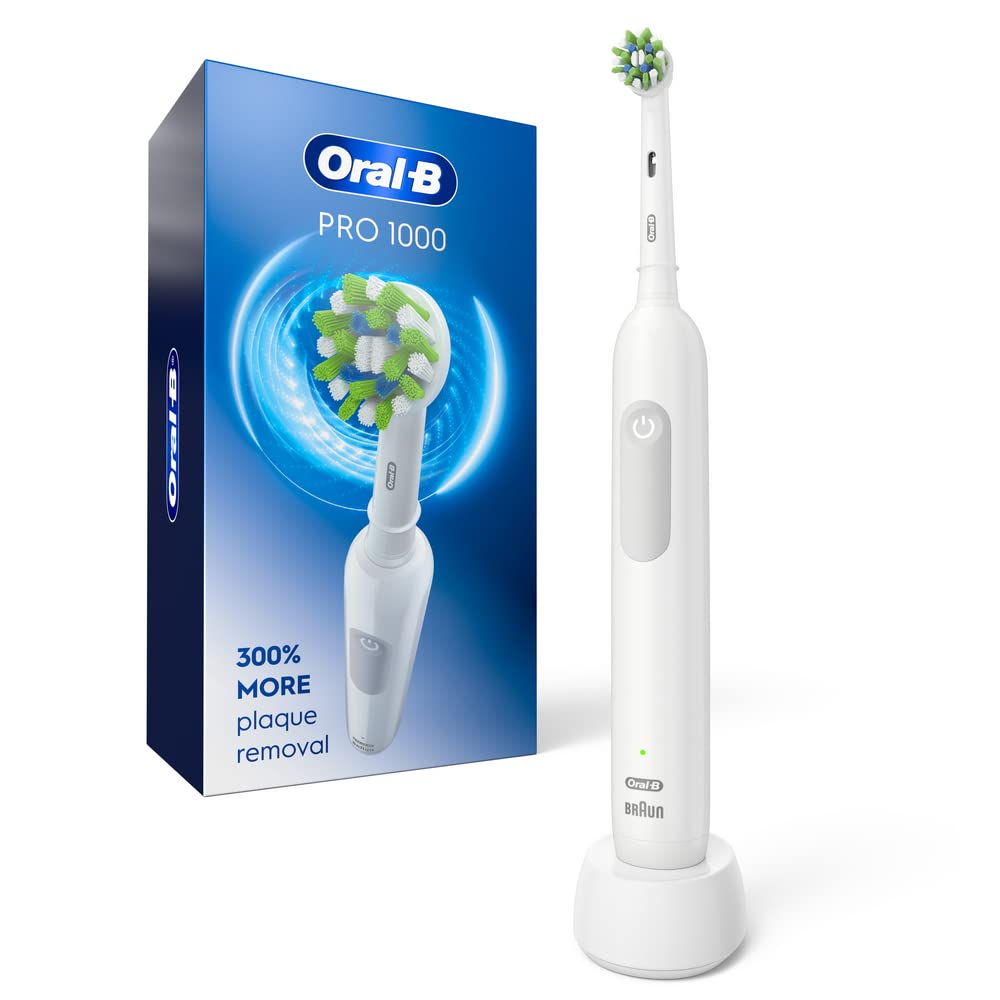
Oral-B Pro 1000 Rechargeable Electric Toothbrush