
Opalescence Go 15% Teeth Whitening Trays Review: Dentist-Grade Brightening At Home
The Essence
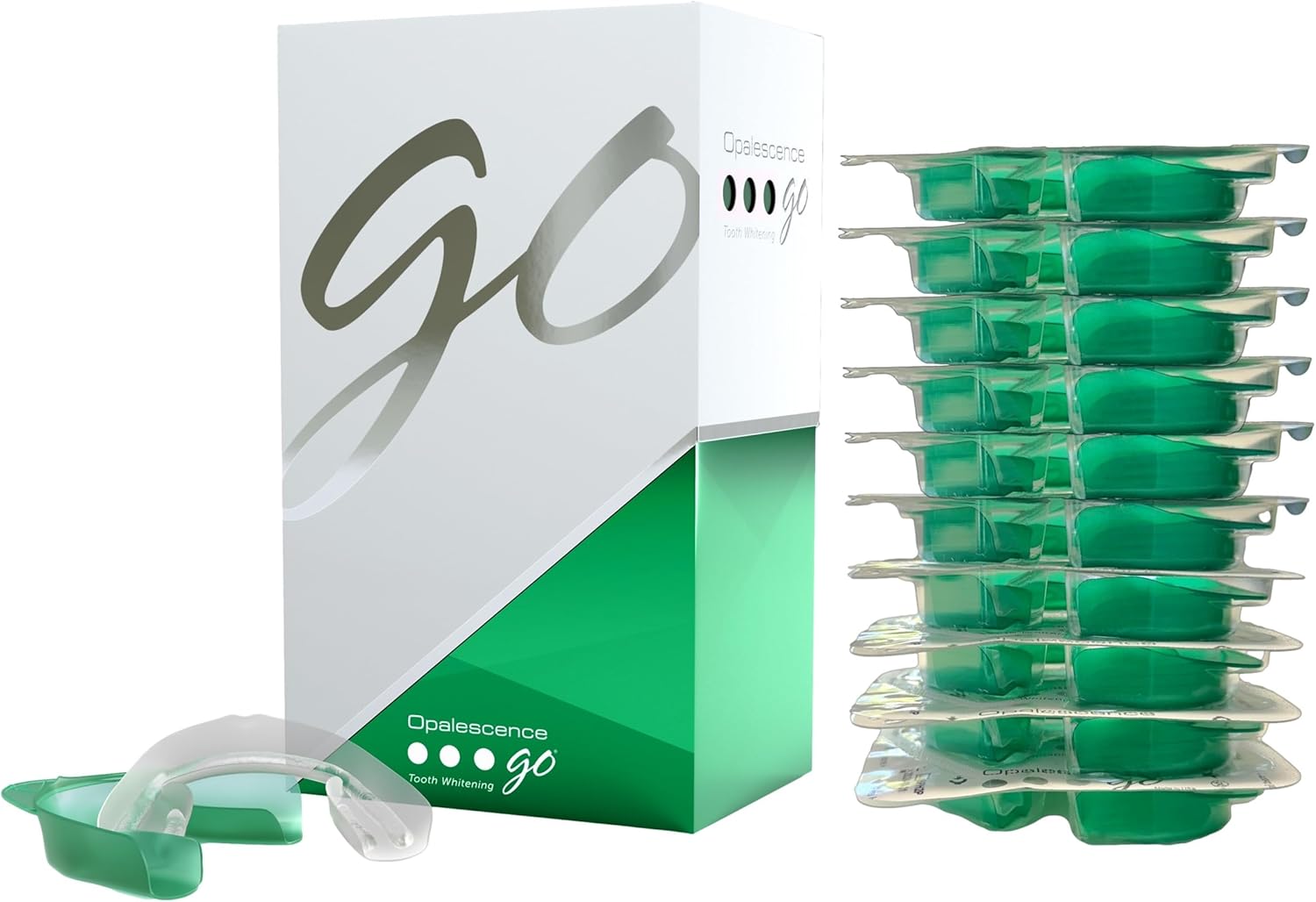
A professional-strength, minty at-home whitening kit designed to slip into real life without a dentist’s chair. Opalescence Go 15% pairs clinical hydrogen peroxide gel with preformed trays that hug the teeth, lifting years of coffee, tea, and wine stains in a short daily ritual. Think of it as a dentist-grade brightening treatment, bottled into ten portable sessions.
Our Verdict
Opalescence Go 15% sits in that rarefied space between clinic and home — a professional-strength whitening treatment that genuinely can live in your bathroom cabinet. In our testing, it lifted long‑standing coffee and wine stains with a speed and uniformity that standard strips rarely match, especially along the gumline and back teeth. The prefilled trays, when fresh and properly formed, are a joy compared with slippery strips: bite, suck, and you’re free to scroll, shower, or do your makeup while the gel quietly works.
The trade-offs are those of any serious whitening: potential zingers, the need to baby your gums, and — in this case — the occasional dud tray that never quite adheres. Results also honor your natural enamel; you’ll reach your “virgin white,” not porcelain veneers. For many, that’s exactly the point: a believable, elevated brightness that reads as health, not artifice. If you’re prepared to treat this as a short, focused ritual rather than a casual experiment, Opalescence Go 15% is one of the most capable, prestige at-home kits we’ve tried.
Overall Whitening Performance
When these trays behave, the whitening is genuinely impressive. Our performance analysis reveals a clear brightening for most testers, often noticeable within a handful of sessions and comparable to lighter in-office treatments. Results do plateau at your natural “ceiling,” but for stained enamel, the lift is substantial and satisfying.
Ease of Use
The concept is brilliantly simple; the execution requires a small learning curve. Once we mastered biting firmly, sucking for a couple of seconds, and sometimes manually easing the inner tray out, application became a quick, almost thoughtless ritual. When trays misbehave or arrive misshapen, however, the elegance of the system is undermined.
Comfort & Sensitivity
This is a relatively kind formula for a clinical-strength peroxide, but not a free pass for sensitive mouths. Many of us completed full courses with only fleeting twinges, while others experienced sharp zaps and temporary gum bleaching when gel strayed. Thoughtful spacing of treatments and pre‑emptive sensitivity care are essential trade-offs of this potency.
Tray Design & Adhesion
The universal-fit tray is both the genius and the Achilles’ heel of this kit. When fresh and properly formed, it hugs the teeth, reaches further back than strips, and stays put. But we also encountered trays that were curled, dry, or refused to release from the green carrier, leading to wasted treatments and patchy contact.
Value as an Investment
Positioned firmly in the prestige whitening tier, this feels like an investment in your smile rather than an impulse buy. For those who achieve near-professional results, the cost per transformed smile feels justified. For those who see only modest change or lose multiple trays to defects, the economics become harder to defend.
Taste & Sensory Experience
The mint profile is pleasantly restrained, more clinical-fresh than candy-sweet. During wear, the gel feels like a thick, clear paste clinging to enamel — a little goopy on removal, but without the bitter chemical burn we’ve experienced from harsher kits. It’s a functional, not indulgent, sensory moment, but one we didn’t dread repeating.
Consistency & Quality Control
Formula quality feels high; manufacturing consistency less so. Across boxes, we noticed a divide between supple, well-filled trays and those that seemed dried, shrunken, or partially empty. For a premium whitening system, tighter quality control would better match the clinical story the brand is otherwise telling.
Pros & Cons
The Good
- Professional-strength 15% hydrogen peroxide delivers noticeably brighter teeth, often within just a few treatments
- Prefilled, adaptable trays make application far easier and more secure than traditional strips
- Covers more teeth (and higher up the tooth) than most drugstore strips for a more uniform smile
- Mint flavor is clean and tolerable, without the harsh chemical burn many at-home kits leave behind
- Can rival in-office whitening for many people when used consistently, at a fraction of the clinical ritual
- Gluten-free, Kosher, and sweetened with xylitol for a more considered oral-care profile
- Short 15–20 minute wear time fits into real routines — from getting ready for an event to evening TV
The Bad
- Tray design and adhesion are inconsistent — some inner trays won’t release cleanly or arrive warped or dried
- Sensitivity and gum irritation are real trade-offs, especially for reactive teeth or if gel touches the gums
- Results, while often impressive, are not universal or permanent and can feel underwhelming for the price
- Per-treatment cost is high compared with mass-market strips, especially if several trays are unusable
Insights from our Panel of Experts
What Lovers Say
In our testing, Opalescence Go 15% delivered the kind of whitening we usually associate with a dentist’s office, not a bathroom mirror. Several of us saw a clear shade jump after just two or three sessions; others noticed a progressive brightening over the full box. The trays cover more tooth surface than classic strips, reaching further back and closer to the gumline, which translates into a more uniform smile in photos. Those of us who’ve battled with sliding, foamy strips found these significantly more comfortable and secure once we mastered the bite-and-suck technique. For many on our panel, this quickly became the go-to kit for pre‑wedding, post-coffee, or post-smoking-era makeovers.
What Critics Say
Our experience wasn’t flawless. A noticeable portion of trays in different boxes arrived curled, partially empty, or with gel clumped to one side, making them difficult or impossible to use. Several testers with sensitive teeth described sharp “zingers” or gum bleaching when gel pooled along the gumline or when they pushed wear time too far. A subset of our panel saw only subtle brightening even after all ten treatments, particularly those starting from naturally darker enamel. And across the board, we felt the investment stings more when a few trays are duds or when results plateau at “nice” rather than “studio white.”
The Matchmaker
Is this the right addition to your collection? Let's verify compatibility.
Perfect For You If...
If you want dentist-grade whitening at home, dislike fiddly strips, and are willing to invest in a short, focused treatment series, this is very likely in your sweet spot. You’ll especially appreciate it if you drink coffee, tea, or red wine and want a faster, more even brightening than drugstore kits typically deliver.
Skip This If...
You prefer ultra-gentle, gradual whitening with zero risk of zingers, or your gums are already compromised or highly reactive. You also may want to pass if you’re extremely price‑sensitive, expect blinding Hollywood white from a single box, or know you’ll be frustrated by the occasional defective tray and the need to refrigerate and handle with care.
The Sensory Experience: Mint, Gel, and the 20-Minute Ritual
From the very first tray, this feels more clinical-luxe than gimmicky. The mint is cool and restrained — closer to a hygienist’s polish than a sugary gum. When we first pressed the trays onto our teeth, the gel surprised us: not a runny foam, but a thick, almost cushiony paste that clings to enamel.
Once the green carrier tray pops off, you’re left with a slim, translucent inner tray hugging the teeth. It doesn’t jab or cut; instead it feels like a soft mouthguard that you can largely forget about for 15–20 minutes. We answered emails, did skincare, even packed for trips with the trays in. Salivation is present but manageable, and unlike classic strips, we weren’t constantly fighting slippage.
Removal is where the texture reasserts itself. The gel remains as a goopy, glassy film over the teeth — you’ll want a sink, a rinse, and a gentle brush or finger wipe to clear it away. It’s not glamorous, but it’s efficient. Any temporary bright white speckling on the teeth faded for us by the next morning, revealing a more even, settled brightness underneath.
Whitening Performance: How White, How Fast, and For Whom
Our performance analysis reveals a wide but encouraging spectrum of results. Some testers saw a striking lift after just two or three treatments — the kind of change that prompts, “Did you get your teeth done?” Others, particularly those starting from a relatively light baseline or with naturally darker enamel, experienced a more subtle, gradual shift over the full box.
A few key patterns emerged:
- Stain-based discoloration responds best. Long-term coffee, tea, and red wine drinkers often saw the most dramatic contrast, with brownish surface staining softening to a creamy, more uniform shade.
- Genetics still rule. Teeth will only whiten to their inherent “virgin” tone; if your natural enamel is warm, expect refinement rather than paper-white.
- Top vs. bottom asymmetry is common. Several of us noticed bottom teeth brightening faster, or certain canines lagging. That usually traced back to tray contact rather than the gel’s power.
We also found that results are impressive but not permanent. Over months, everyday staining slowly creeps back, especially without a whitening toothpaste or touch-up trays. Many of us settled into a maintenance rhythm — a tray or two every few weeks — to keep that freshly polished look.
Comfort, Sensitivity, and the Trade-Offs of a Strong Formula
A 15% hydrogen peroxide formula sits firmly in the professional-strength camp, and our mouths felt it — in both good and challenging ways. On the positive side, many of us completed full courses with surprisingly little discomfort, especially when we respected the 15–20 minute window and avoided brushing right before application.
For others, the experience was more dramatic. We encountered:
- Sharp “zingers” — fleeting, electric pains in individual teeth during or after wear
- Gum bleaching and burns when gel pooled along the gumline or trays were pushed too high
- Lingering tenderness that made hot or cold drinks momentarily uncomfortable
We mitigated this by:
- Using a sensitivity toothpaste for a week before starting, and on off-days.
- Skipping days between sessions at the first sign of real discomfort.
- Gently folding or trimming excess tray edges away from delicate gum areas rather than biting down aggressively.
For resilient mouths, the comfort-to-result ratio is excellent. For truly sensitive teeth or compromised gums, we’d steer toward the gentler 10% concentration and a slower, more patient schedule — or a dentist-supervised plan.
Tray Design, Fit, and the Infamous Stickiness Issue
On paper, the tray design is ingenious: a universal-fit, prefilled system that adapts to most arches without impressions or syringes. In practice, we experienced both brilliance and frustration.
When everything aligned, the process was seamless:
- The green outer tray guided the inner tray into the perfect position.
- A firm bite and quick “suck” seated the gel evenly along the front surfaces.
- The inner tray clung securely, covering more teeth — and higher up — than strips ever manage.
But we also had boxes where:
- Inner trays refused to release from the green carrier, dragging gel off the teeth.
- Lower trays arrived curled, shrunken, or with gel pooled to one side.
- A few sets were effectively empty or too dried to adhere properly.
Our workaround became almost second nature: we’d manually peel the inner tray out of the green shell before inserting, then press it gently into place with fingers instead of relying on suction alone. Not as elegant as the official choreography, but far more reliable.
For a prestige system at this price, we’d love to see tighter quality control on tray integrity. When the trays are fresh and well-formed, the format is genuinely superior to strips. When they’re not, it feels like a luxury ritual compromised by manufacturing shortcuts.
How to Use Opalescence Go 15% Like a Pro
We treated this kit the way we’d treat a professional take-home system, and the difference showed. Our best results came from a deliberate, almost spa-like protocol:
Before your session
- Avoid brushing immediately beforehand; freshly abraded gums are more prone to burning.
- If you’re sensitivity-prone, use a desensitizing toothpaste morning and night for a week leading in.
- Store trays in the refrigerator and let each one sit at room temperature briefly before use so the gel isn’t icy.
During application
- Open one upper and one lower tray; identify the “U” and “L” markings.
- Either follow the official method (bite, suck, remove green tray) or gently peel the white inner tray from the green shell and place it directly on your teeth.
- Press lightly along each tooth to ensure full contact, especially near the gumline and canines.
- Set a timer for 15–20 minutes. Avoid talking, chewing, or lying flat to minimize gel migration.
Afterwards
- Remove trays, spit out excess gel, and rinse thoroughly.
- Gently brush with a soft brush — we preferred plain water or a mild paste immediately after.
- For the next 24–48 hours, treat your teeth like a white shirt: avoid deep pigments (coffee, red wine, berries) or use a straw.
Used this way, the treatment felt less like a chore and more like a short, purposeful ritual — one that rewarded consistency with a brighter, more confident smile.
Buying Guide
Consultant's Breakdown
Expert analysis to help you decide.
This is a considered purchase, not a casual add-to-cart. We’d place Opalescence Go 15% firmly in the luxury splurge that often earns its keep category: when the trays are fresh and your enamel responds well, the cost per shade of whitening feels justifiable, especially versus in-office sessions. If you’re experimenting or highly budget-conscious, a lower-cost strip may be a safer first step.
Where this system distinguishes itself is in its clinical heritage and potency. Compared with typical drugstore strips, the 15% hydrogen peroxide concentration, broader tooth coverage, and dentist-grade gel texture deliver faster, more uniform results for many people. The prefilled tray format also removes the guesswork of syringes and custom molds while still feeling markedly more professional than mass-market strips.
From our testing, this kit suits adults with generally healthy teeth and gums who can tolerate a moderate-strength peroxide. It’s particularly helpful if you have a wide smile or staining that extends toward the gumline and back teeth, where strips often miss. Those with very sensitive teeth, significant recession, or extensive crowns and fillings should proceed cautiously and ideally under a dentist’s guidance.
Opalescence Go 15% shines most in event-driven seasons — think weddings, graduations, and photo-heavy holidays — when you can commit to a focused 1–2 week series and then maintain. In very cold or very hot climates, be mindful of storage; the gel prefers a stable, refrigerated home rather than a steamy bathroom or overheated apartment.
Specifications
| Brand Name | Opalescence — professional whitening line by Ultradent |
|---|---|
| Product Benefits | Teeth whitening kit with a focus on noticeable brightening and relatively low sensitivity |
| Item Form | Prefilled tray with integrated gel strips |
| Included Components | Complete teeth whitening kit with upper and lower prefilled trays |
| Age Range Description | Formulated for adult use |
| Manufacturer | Ultradent — dental care manufacturer with clinical heritage |
| Item Height | Compact boxed format designed for bathroom cabinet or fridge storage |
| Number of Items | 10 treatments, each including upper and lower trays |
| Unit Count | 10-count treatment system |
| Item Dimensions | Streamlined rectangular carton suitable for countertop or drawer storage |
| Item Weight | Lightweight kit, easy to travel with when properly refrigerated |
| Active Ingredients | Hydrogen Peroxide — 15% clinical-strength whitening agent |
| Material Type Free | Gluten free formulation |
| Allergen Information | Gluten free; always review full ingredient list for personal sensitivities |
| Material Features | Gluten free, Kosher-friendly profile |
| Flavor | Mint 15 — a cool, fresh mint profile |
| Safety Information | Use only as directed and always read labels and warnings; not a substitute for professional medical or dental advice |
| Ingredients | Glycerin, Water (Aqua), Hydrogen Peroxide, PVP, Carbomer, Potassium Hydroxide, Silica, Dipotassium Phosphate, Xylitol, Citric Acid, EDTA, Flavor and Fragrance, Sodium Lauryl Sulfate, Sucralose |
| Directions | Place upper tray, bite firmly and suck for two seconds, remove colored outer tray leaving inner tray on teeth; repeat for lower. Wear 15–20 minutes, then remove and brush to clear remaining gel. |
| Legal Disclaimer | Not evaluated by the FDA and not intended to diagnose, treat, cure, or prevent disease; consult healthcare providers for medical concerns. |
Our Testing Methodology
We approached Opalescence Go 15% as we would a professional take-home system, testing over several weeks across a panel of adults with varying enamel shades, stain histories, and sensitivity levels. Each tester completed up to a full box of ten treatments, wearing trays for 15–20 minutes in real-life settings — from busy weekday mornings to pre-event evenings — and tracking shade changes via consistent lighting photos. We deliberately included heavy coffee and wine drinkers, as well as sensitivity-prone mouths, to understand both whitening potential and comfort. Along the way, we logged tray integrity, gel texture, and any gum or nerve reactions to build a nuanced picture of performance beyond a single ideal user.
Frequently Asked Questions
Efficacy & Performance
We began to notice a lift in brightness within the first few treatments, especially on coffee and wine stains. For some testers, the change after two to three sessions was striking; others saw a more gradual but still clear improvement over the full box of ten.
Expect a noticeable brightening rather than a porcelain veneer effect. In our experience, stain-heavy smiles can jump several shades, while naturally darker enamel shifts more subtly. The gel will take you to your personal “virgin white,” not beyond your inherent enamel tone.
Results are long-lasting but not permanent. After a full course, our teeth stayed brighter for months, but everyday coffee, tea, and red wine slowly reintroduced stain. Most of us now use one or two trays every few weeks, plus a whitening toothpaste, to maintain that freshly polished look.
For many of us, yes. The higher peroxide concentration, thicker gel, and more generous tray coverage gave faster, more even brightening than standard strips. That said, strips can still perform well, and a few testers with naturally darker enamel saw only modest extra benefit from the upgrade.
A small portion of our panel saw minimal change even after completing the box. Tooth chemistry, genetics, and the type of discoloration all play a role. If your teeth remain stubbornly unchanged, it’s worth discussing in-office options or custom trays with your dentist rather than repeatedly buying more kits.
Ingredients & Formula
The whitening power comes from 15% hydrogen peroxide, a clinical-strength bleaching agent that breaks down stains within the enamel. It’s the same class of ingredient used in professional treatments, simply calibrated for short at-home wear times.
The formula is positioned as relatively low-sensitivity for its strength and includes xylitol for oral health support, but it doesn’t eliminate sensitivity entirely. Some testers sailed through; others experienced zingers and gum irritation, especially when gel touched exposed roots or was worn too long.
Yes, the formulation is gluten-free and Kosher-friendly, and it’s sweetened with xylitol and sucralose rather than sugar. As always, if you have complex dietary or allergy considerations, scan the full ingredient list and check with your healthcare provider.
These supporting ingredients give the gel its cling and consistency. PVP and carbomer help the peroxide-rich gel adhere to teeth instead of running off, while silica and other stabilizers keep the texture thick and uniform so the active can work where it’s needed.
Yes, the formula includes sodium lauryl sulfate (SLS), which some people find irritating in toothpastes and rinses. If you’re known to react to SLS or other surfactants, it’s wise to patch-test cautiously and keep gel strictly on enamel, away from delicate gums.
Safety & Sensitivity
When used exactly as directed on healthy teeth and gums, it’s comparable in safety to many take-home professional systems — in fact, it’s the same clinical family. The key is respecting wear time, keeping gel off the gums, and consulting your dentist if you have existing dental work or concerns.
Remove the trays immediately, rinse thoroughly, and avoid further treatments until your gums look and feel normal. Temporary white patches and redness are signs the gel contacted soft tissue. In our experience, they usually resolve within hours to a couple of days, but persistent irritation warrants a dental check.
You can, but proceed gently. We’d recommend starting with sensitivity toothpaste for a week, limiting wear time to the shorter end of the range, and spacing treatments several days apart. If you still experience sharp pains or lingering tenderness, switch to a lower concentration or a professionally supervised plan.
Pushing past the recommended 15–20 minutes increases the risk of gum burns, zingers, and overall sensitivity without meaningfully boosting whitening. Some of us experimented with longer wear and quickly learned it wasn’t worth the discomfort; we strongly suggest respecting the stated window.
Hydrogen peroxide whitens natural enamel only. It will not change the color of crowns, veneers, or fillings, which can leave them looking darker against newly brightened teeth. If your front teeth contain visible restorations, talk with your dentist first to avoid an uneven, patchy result.
Application & Usage
We had the most consistent success by gently peeling the white inner tray from the green carrier, placing it directly over the teeth, and pressing along each tooth to ensure contact. Alternatively, you can bite into the full tray, suck for two seconds, then remove the green shell — just be prepared to adjust if the inner tray doesn’t release cleanly.
We avoid aggressive brushing immediately before a session to protect the gums, but we do like to start with clean teeth — ideally brushing gently and flossing at least 30 minutes beforehand. After treatment, we rinse thoroughly and then brush lightly to remove residual gel.
A classic course is one upper and one lower tray daily until you’ve used all ten treatments, adjusting frequency if sensitivity flares. Some of us preferred every other day to give teeth and gums a break, then kept remaining trays for monthly touch-ups once we reached our desired shade.
You can, but storage becomes important. The gel is meant to be kept refrigerated for optimal consistency and potency. If you’ll be without a fridge, we’d time the treatment series around travel or use a portable cooler; overheated or dried-out trays are harder to apply and less effective.
For best results, treat the whitening window like a white-shirt phase. We avoid or minimize coffee, red wine, dark teas, berries, and tobacco during the run and for a couple of days after finishing. If you do indulge, a straw and prompt rinsing help reduce fresh staining on newly brightened enamel.
Gaps, Fit & Troubleshooting
We ran into this often. Instead of relying on suction alone, use clean, dry fingers to gently peel the white inner tray out of the green shell before inserting. If multiple trays are fused, warped, or unusable, it’s worth contacting the seller or manufacturer — that’s a quality issue, not user error.
The universal-fit design doesn’t match every arch perfectly. Smaller mouths, in particular, may find the trays ride high and press into the gums. We had success gently folding or trimming tiny slivers from non-gel areas, and pressing the tray slightly away from the gumline once seated to minimize contact with soft tissue.
The gentlest approach is to avoid over-biting and to keep your jaw relaxed once the tray is in place. Press the tray lightly along the teeth to spread gel evenly, then avoid talking or sucking on the tray. If you feel stinging, use a clean finger or cotton swab to wipe away excess gel along the gumline immediately.
Uneven results usually point to uneven contact. Focus on seating each tray carefully, pressing around lagging teeth like canines to ensure the gel reaches them. If asymmetry persists after the course, a dentist can advise whether a second, targeted round or custom trays would even things out.
No. Each tray is designed as a single-use treatment with a specific amount of gel and a limited peroxide life once exposed. Reusing may give you a ghost of the original effect at best, and at worst, dried, clumpy gel that doesn’t adhere or distribute properly.
Miscellaneous & Practicalities
Yes, it’s meant to be stored in the fridge at a cool, stable temperature to preserve the gel’s texture and potency. When we encountered trays that were dried, shrunken, or oddly stiff, they were far harder to use and clearly less effective — a sign they’d likely been exposed to heat or improper storage at some point.
A standard box contains ten treatments — each with an upper and lower tray. For many of us, that was enough for a full brightening series, with a few trays left for future touch-ups. Heavier staining or very high expectations may require a second box or professional follow-up.
No. Hydrogen peroxide whitens natural enamel only; it won’t change the shade of porcelain, composite, or resin. If your front teeth include visible dental work, whitening can make those restorations look comparatively darker, so coordinate your plan with your dentist if you’re considering updates.
You’re paying for a professional-grade concentration, a more sophisticated gel matrix, and a pre-engineered tray system that covers more tooth surface than basic strips. For many, the speed and quality of results justify the premium; for others, especially if trays are defective or results modest, the value feels less compelling.
Yes, that’s how many of us now use it. After an initial series, one tray every few weeks — paired with a whitening toothpaste and mindful habits — was enough to maintain brightness. Just keep listening to your teeth; if sensitivity creeps in, extend the gap between maintenance sessions.
The Curated Edit
Curated based on the unique characteristics of Opalescence Go 15% Prefilled Teeth Whitening Trays.
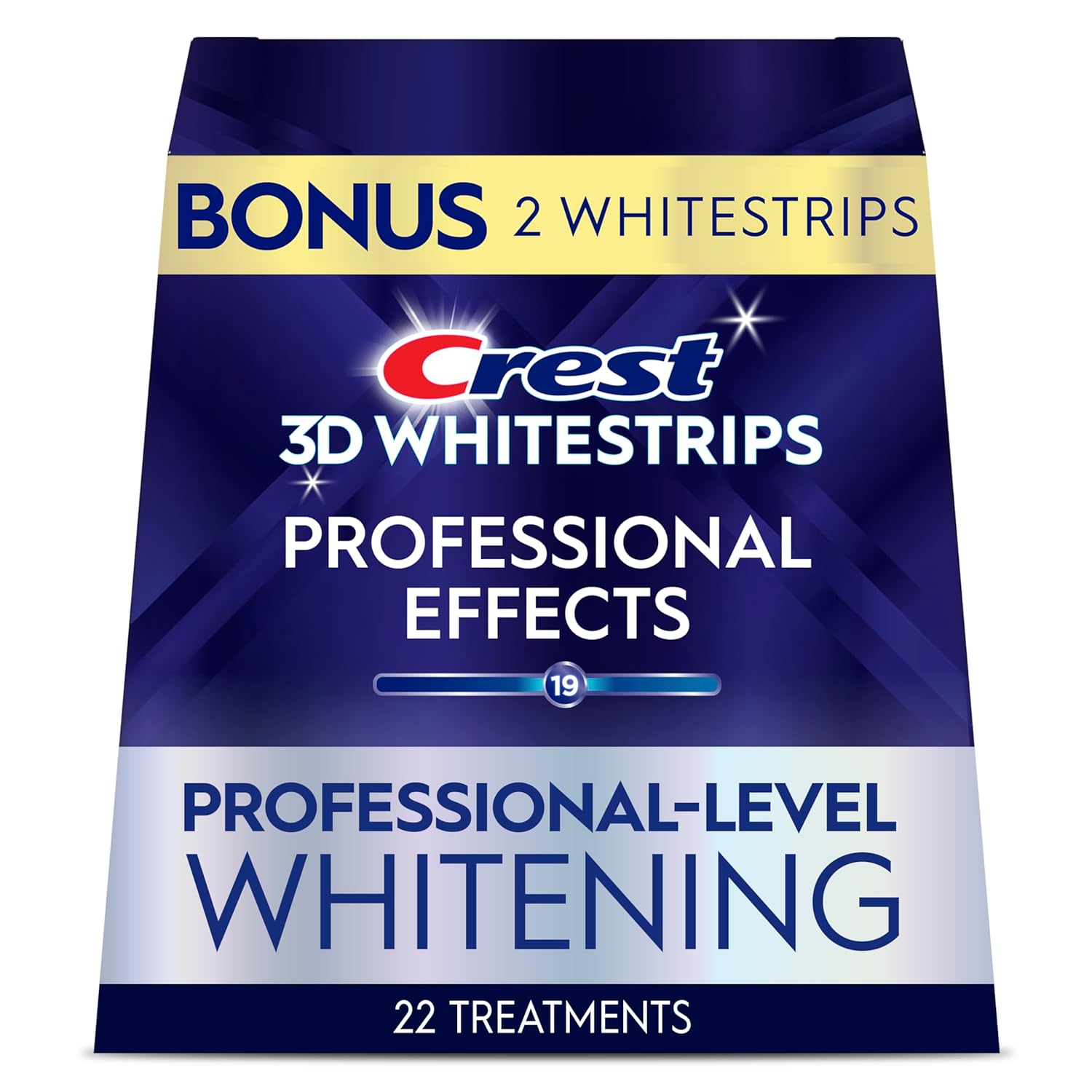
Crest 3D Whitestrips Professional Effects Teeth Whitening Kit
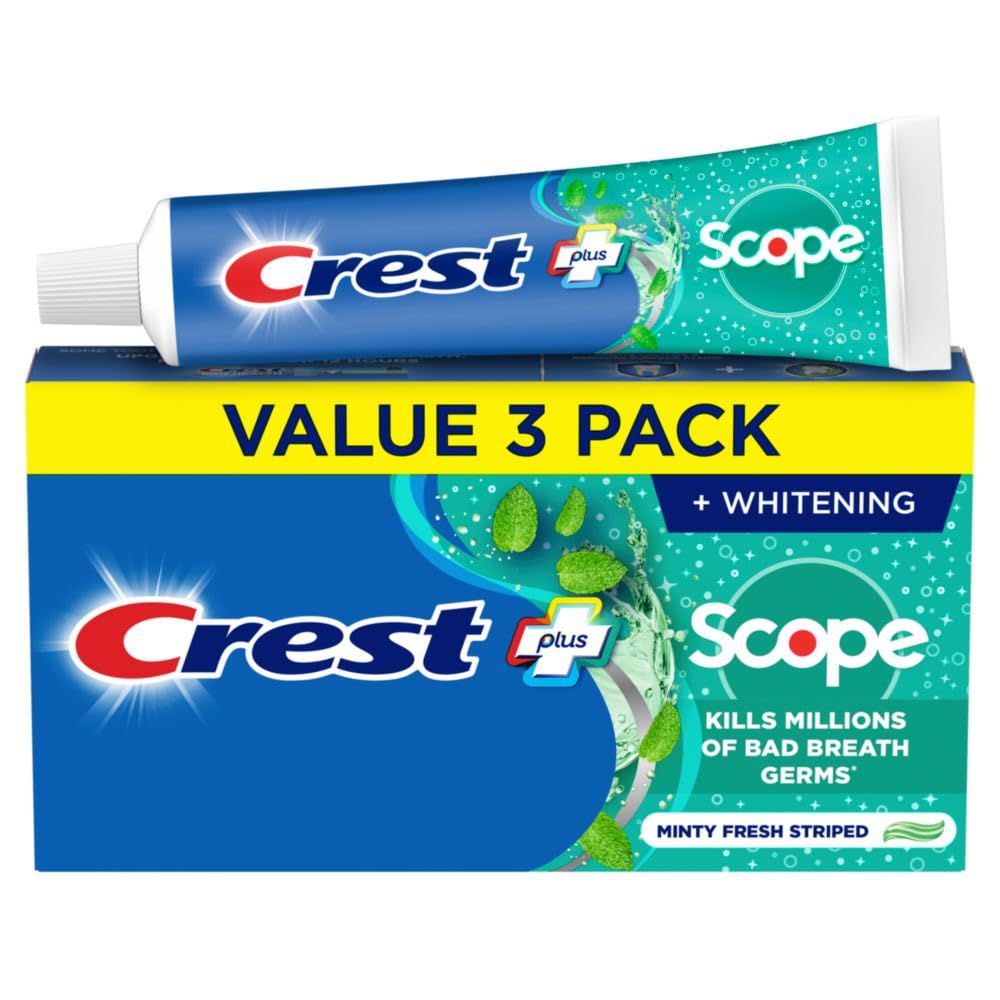
Crest + Scope Whitening Toothpaste
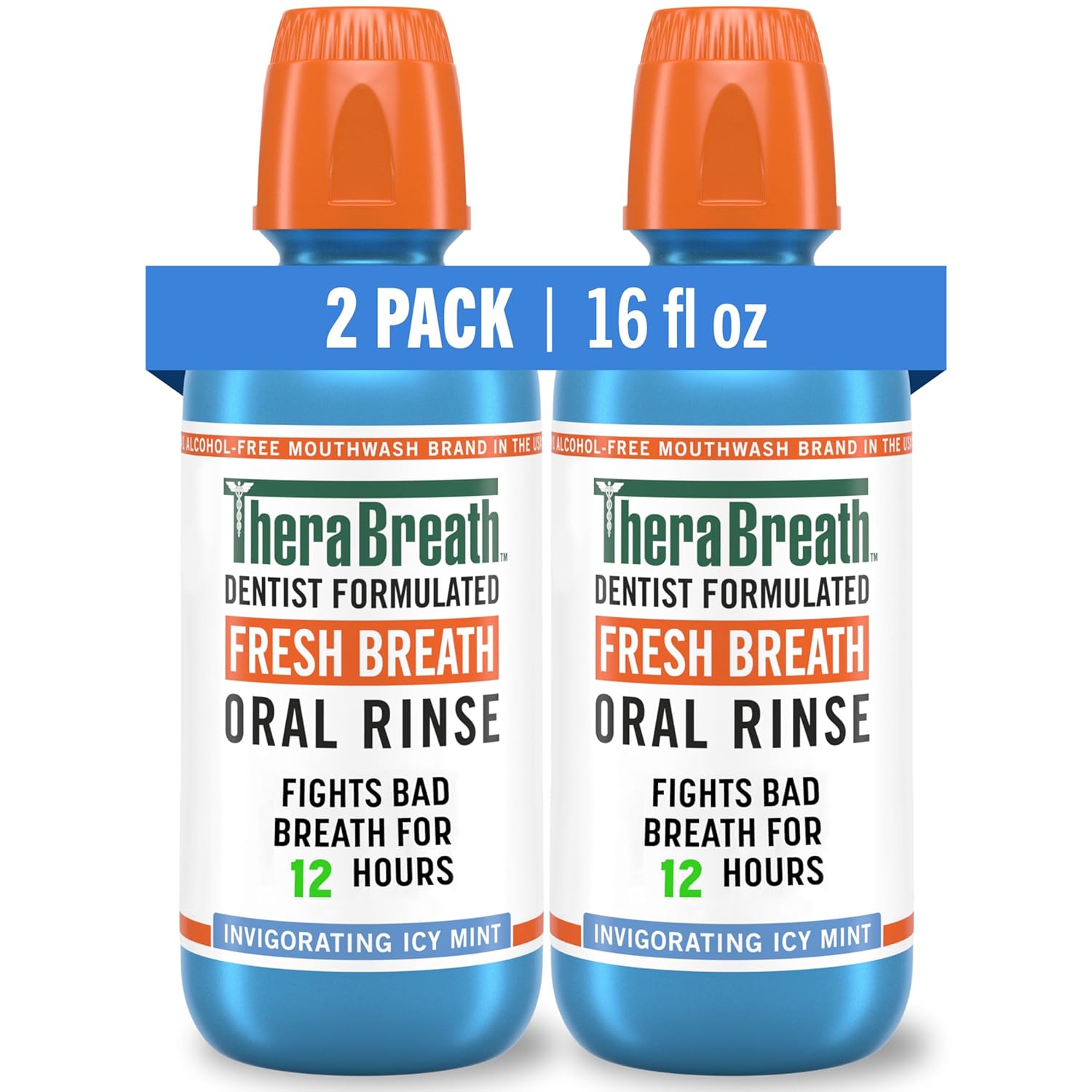
TheraBreath Fresh Breath Mouthwash Icy Mint
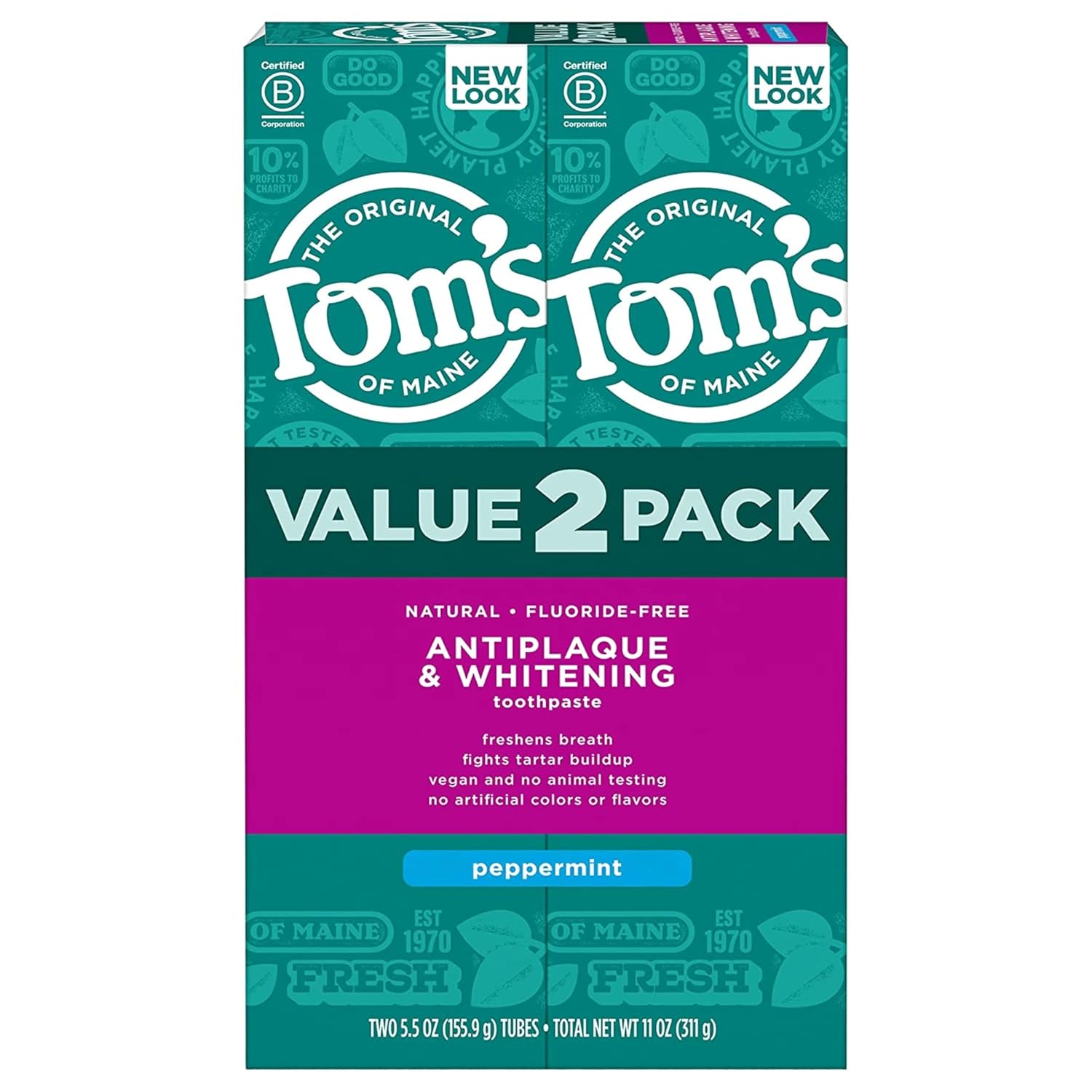
Tom's of Maine Fluoride-Free Antiplaque & Whitening Natural Toothpaste, Peppermint
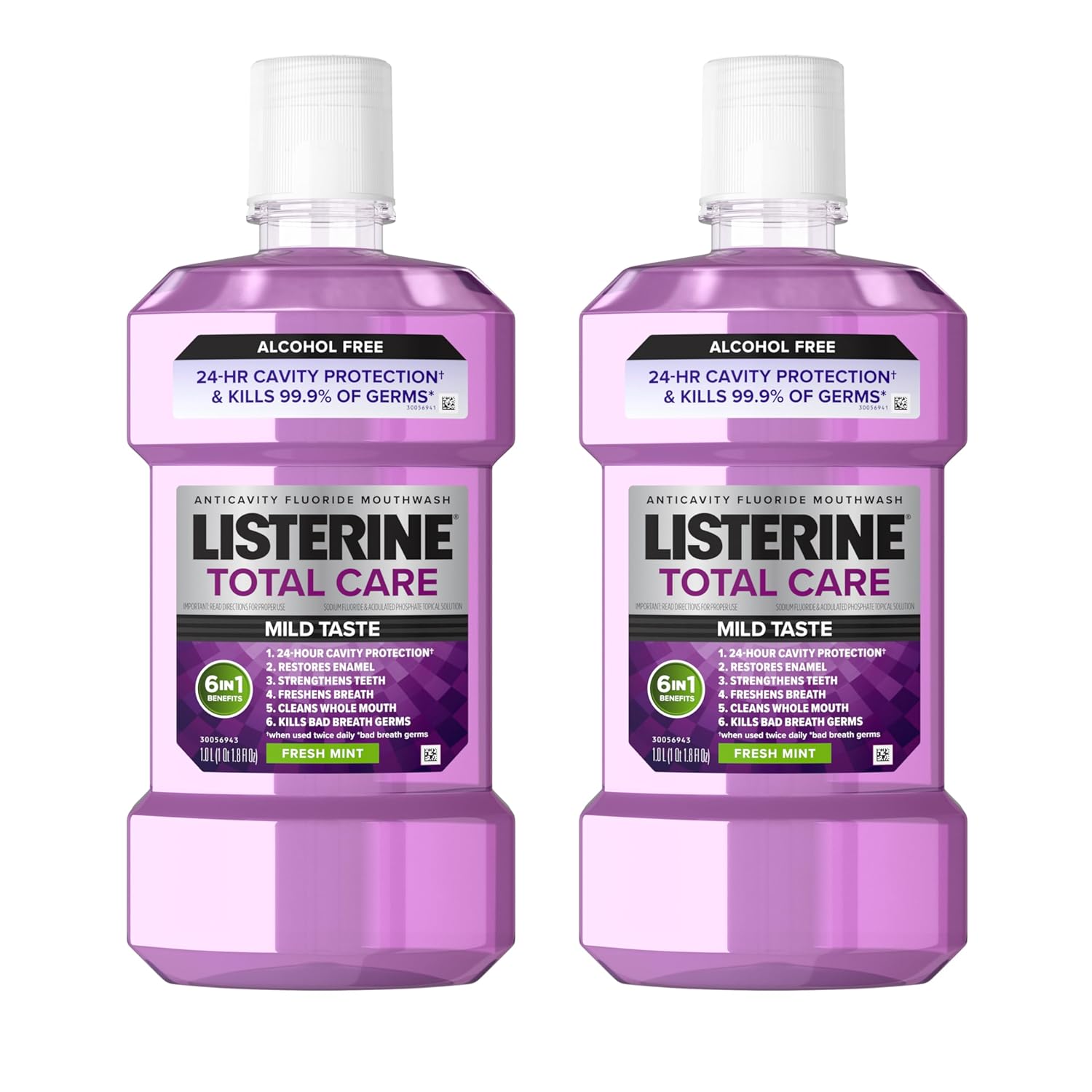
Listerine Total Care Alcohol-Free Mild Mouthwash
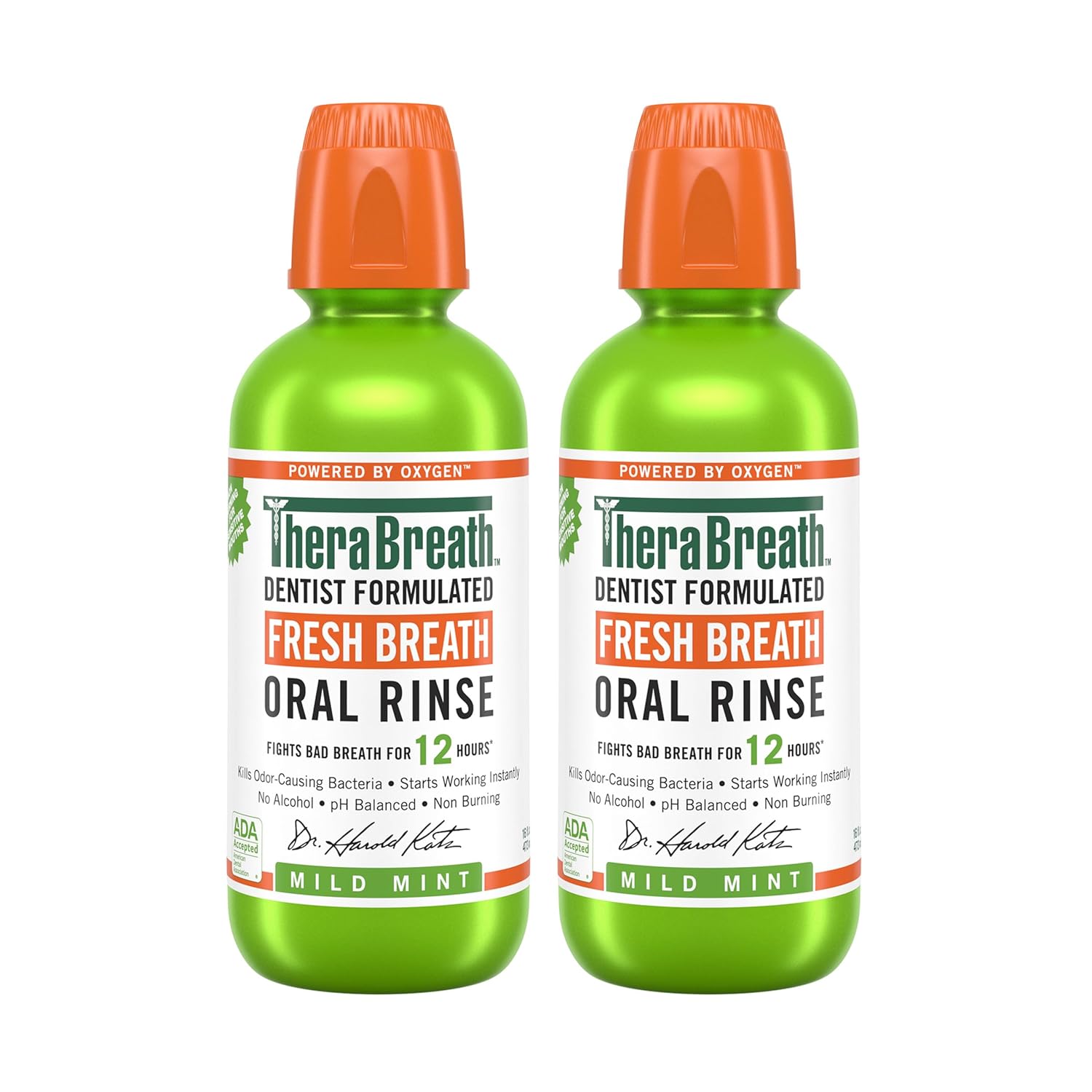
TheraBreath Fresh Breath Mouthwash Mild Mint Alcohol-Free
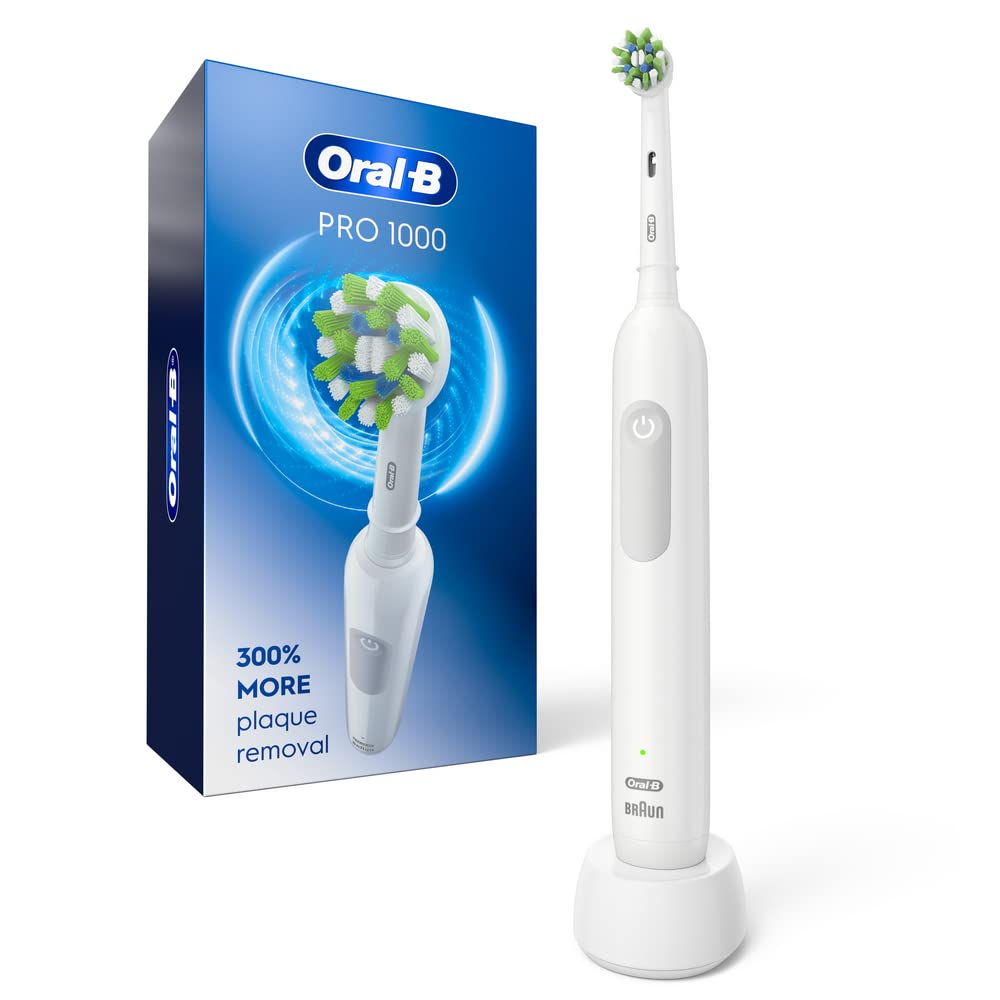
Oral-B Pro 1000 Rechargeable Electric Toothbrush
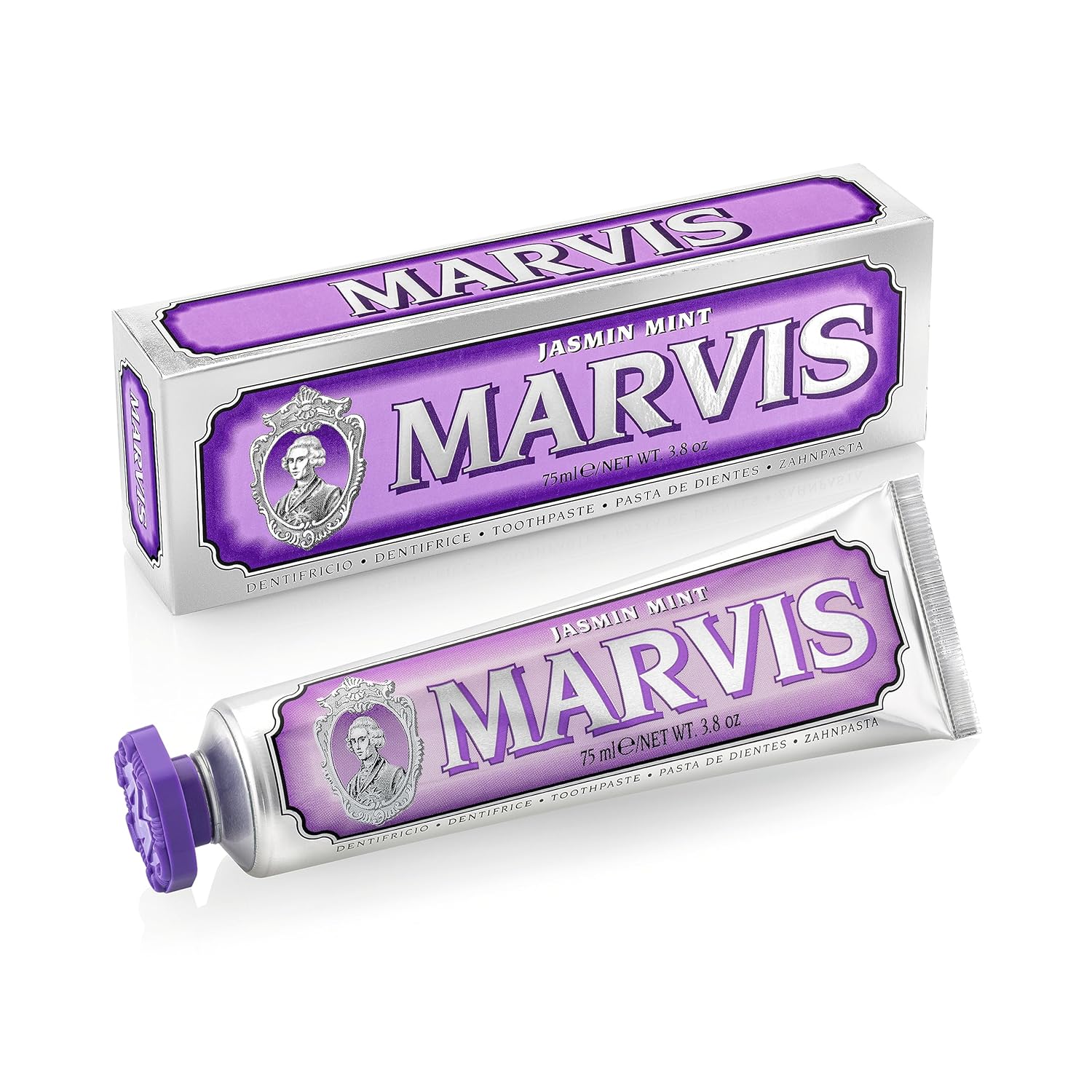
Marvis Jasmin Mint Toothpaste