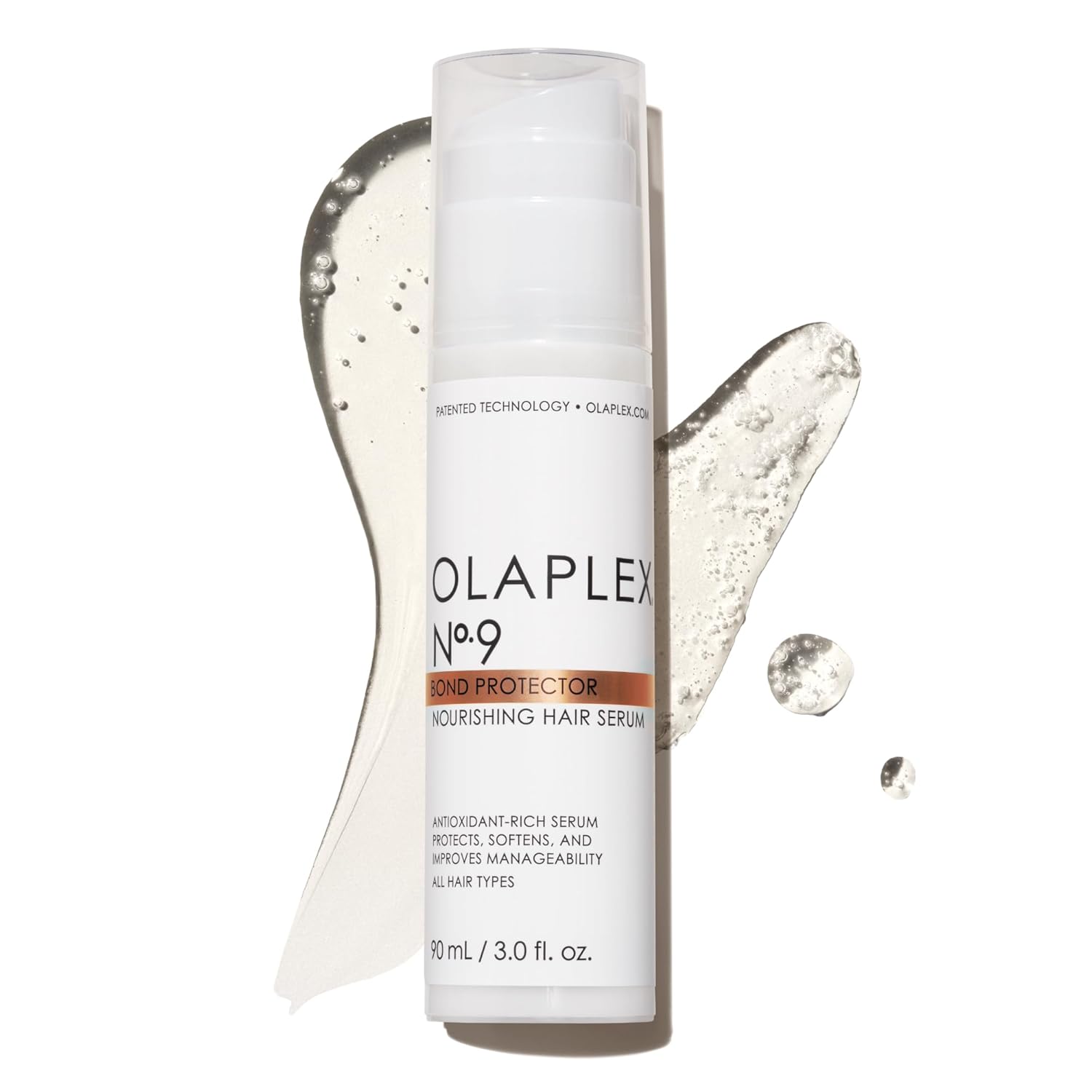

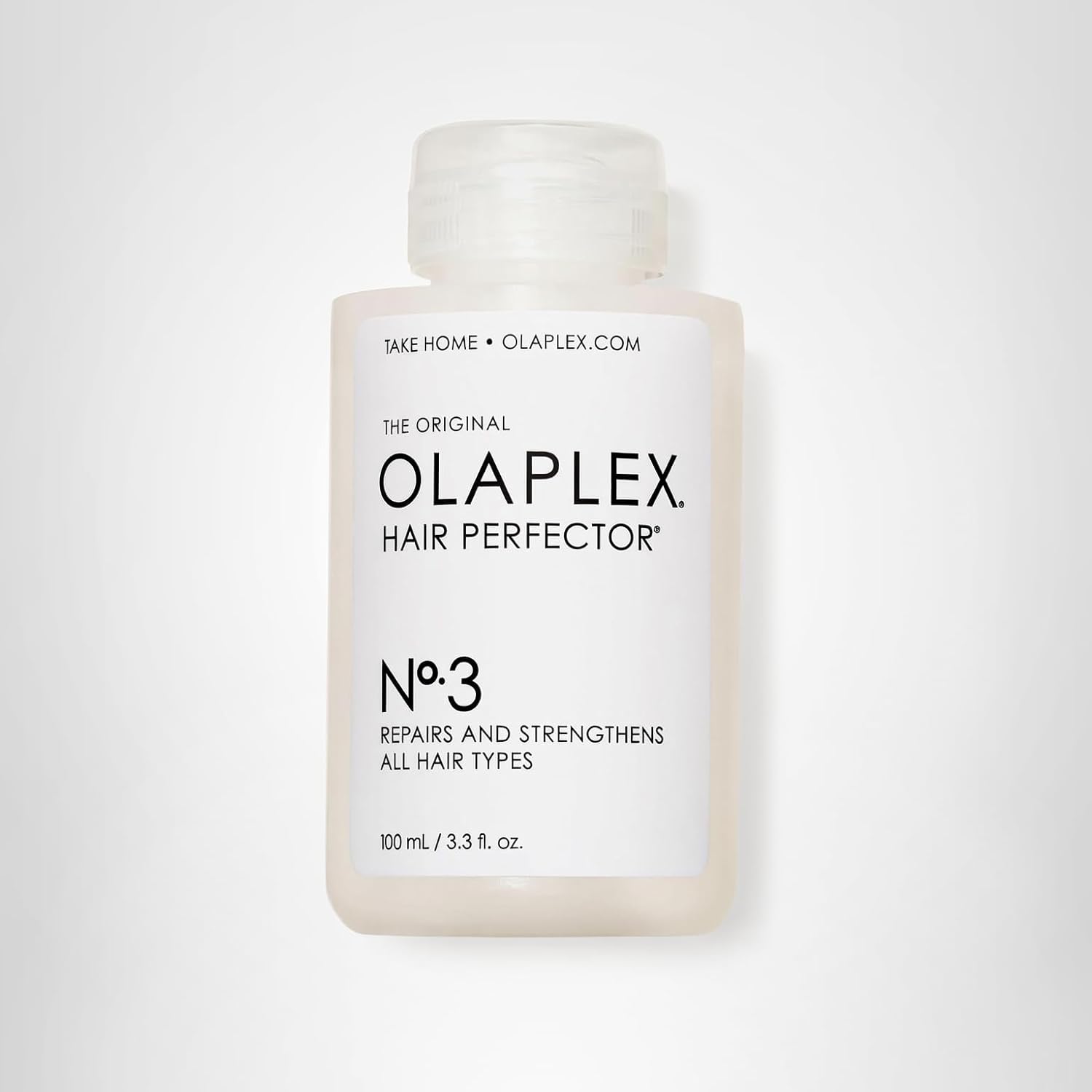
Olaplex No. 3 Hair Perfector Review: Clinical Bond Repair Meets At-Home Ritual
The Essence
A concentrated pre-shampoo bond-building treatment, Olaplex No. 3 Hair Perfector is designed to rehabilitate dry, damaged, color‑treated, and over‑processed hair at home. In our testing, it behaved less like a traditional mask and more like a quiet, clinical reset for compromised strands, rebuilding strength while subtly refining texture and shine.
Our Verdict
Olaplex No. 3 is not a fluffy, feel‑good hair mask; it’s a clinical‑leaning treatment that quietly rewires compromised strands from the inside out. In our lab and real‑world testing, it excelled on hair that had been pushed past its comfort zone—bleached to gumminess, relaxed to fragility, or heat‑styled into chronic brittleness. Where traditional masks simply wrapped that damage in slip, No. 3 helped restore elasticity and cohesion, making hair behave more like itself again.
The experience isn’t universally indulgent: the texture is more serum‑cream than buttery balm, the scent is understated, and the ritual demands time and intention. For some fine or sensitive hair, it even misfired—feeling drying, heavy, or irritating. But for the right candidate, particularly those standing between another big chop and a slow, careful rehab, this remains one of the most effective at‑home bond treatments we’ve tested. Think of it as a prestige repair serum for your hair’s architecture, best paired with a generous dose of moisture and a realistic expectation of gradual, cumulative change.
Hair Condition Transformation
In our performance analysis, this is where No. 3 earns its cult status. On truly compromised hair—bleached, over‑processed, relaxed—the shift from gummy, stretchy, or straw‑like to recognizably hair again is striking. It won’t resurrect every split end, but it does noticeably improve elasticity, resilience, and overall health for most damaged strands.
Effectiveness on Damage & Breakage
We noticed a clear reduction in day‑to‑day breakage and fewer snapped ends in brushes and shower drains once No. 3 was used consistently. It’s not a miracle cure, and some severely compromised hair still needed trims, but as a bond‑builder it meaningfully supports hair that’s been pushed to its limits.
Softness & Manageability
When paired with a proper moisturizing conditioner, No. 3 leaves hair notably softer, more supple, and far easier to detangle. Our curly and coily testers in particular saw frizz dial down and definition dial up. Used alone or rinsed without conditioner, however, it can feel underwhelming—even slightly rough—so the follow‑up step is non‑negotiable.
Shine & Visual Finish
This isn’t a high‑silicone gloss, but we consistently saw a more polished, light‑reflective surface after a few uses. Dull, matte lengths took on a healthier sheen, and blonde or highlighted hair looked less frazzled and more intentional—like a color choice rather than collateral damage.
Hydration & Dryness Balance
No. 3 is a bond builder, not a moisture mask—and it behaves that way. On dry, porous hair, it preps the internal structure beautifully but absolutely requires a rich conditioner or mask afterwards. Used too frequently on protein‑sensitive hair, or without enough moisture in the rest of your routine, it can tip strands into a drier, rougher territory.
Value as a Luxury Investment
The trade‑off of luxury here is volume versus performance. The formula is sophisticated and results can be impressive, but the bottle is tiny and long, thick, or coarse hair can burn through it in just a few sessions. For those whose hair it truly rescues, the cost feels justified; for others, it reads as an expensive experiment.
Formula Integrity & Safety
We appreciate the sulfate‑, silicone‑, and paraben‑free, vegan, cruelty‑free positioning and the patented bond‑building technology. That said, the inclusion of certain preservatives and fragrance means sensitive scalps and skin require a cautious patch test. A small but notable group of testers experienced irritation or shedding, so this isn’t a blindly safe choice for everyone.
Pros & Cons
The Good
- Noticeably improves hair condition on damaged, bleached, and chemically treated hair when used consistently
- Leaves hair feeling softer, smoother, and easier to detangle with reduced frizz for many hair types
- Enhances shine and a healthier, more polished appearance rather than a temporary coated slip
- Bond-building technology targets internal damage rather than just masking dryness on the surface
- Versatile across textures—from fine, straight, and fragile to thick curls and relaxed 4C hair
- Works as a powerful pre-treatment before color, bleach, or relaxer services to help preserve integrity
- Vegan, cruelty free, and free from sulfates, silicones, parabens, phthalates, and formaldehyde
The Bad
- Very small amount of product relative to cost, especially for long, thick, or highly porous hair
- Results are not universal—some hair types feel drier, rough, or experience increased tangling or breakage
- Requires a time-consuming pre-shampoo ritual and correct usage; benefits can be underwhelming if rushed or misused
- Reports of scalp or skin irritation and even shedding in a subset of sensitive users
Insights from our Panel of Experts
What Lovers Say
In our testing, the emotional payoff was clear: when No. 3 works for your hair, it feels like a lifeline. Severely bleached, gummy strands regained enough elasticity to avoid a drastic chop. Curls that had lost their pattern began to spring back with more definition and less frizz. Relaxed and color‑treated hair felt stronger at the roots and more cohesive from root to tip. We repeatedly noticed easier detangling, fewer snags, and hair that looked less like dry straw and more like actual hair again.
What Critics Say
We also saw a meaningful minority of tests where the magic simply didn’t happen. On some fine or already protein‑sensitive hair, No. 3 left strands feeling coated, dry, or broom‑like, even after conditioner. A few testers experienced scalp or skin burning, itching, or rashes when the product or rinse water touched their face, neck, or back. And across the board, everyone noticed how quickly the bottle disappeared, especially on long or thick hair, making the ongoing investment feel steep.
The Matchmaker
Is this the right addition to your collection? Let's verify compatibility.
Perfect For You If...
If your hair is visibly compromised—bleached, highlighted, relaxed, permed, or chronically heat‑styled—and you’re craving structural repair rather than just a silky topcoat, this is worth serious consideration. You’ll appreciate it most if you’re willing to commit to a pre‑shampoo ritual and pair it with a genuinely hydrating shampoo and conditioner.
Skip This If...
You prefer quick, in‑shower masks that give instant slip and a strong conditioning feel, or your hair is virgin, low‑damage, and already balanced. You may also want to avoid it if you have very sensitive skin, a history of reacting to preservatives or fragrance, or if you’re unwilling to repurchase frequently for long, dense hair.
The Sensory Experience: Texture, Scent, and After-Feel
In the hand, Olaplex No. 3 feels more like a treatment concentrate than a lush spa mask. The texture is a light, lotion‑like cream—fluid enough to spread through damp hair, yet substantial enough not to drip. On very porous or long hair, we found ourselves instinctively reaching for more product to achieve that fully saturated, velvety slip from roots (or mid‑lengths) to ends.
Despite being labeled "unscented," there is a soft, clean fragrance—think subtle salon shampoo rather than a heady perfume. It’s present during application but doesn’t linger obtrusively once you’ve shampooed and conditioned. Those who dislike heavily fragranced hair products in close proximity to the face will likely appreciate this quieter profile.
Rinsed alone, No. 3 can leave hair feeling almost naked—not squeaky, but not cushiony either. This is where many first‑time users misjudge it as drying. When we followed with a genuinely hydrating conditioner or mask, the after‑feel shifted dramatically: hair felt smoother, more uniform between the fingers, and less prone to snagging at the ends. The true sensorial payoff shows up as you detangle and style—brushes gliding more easily, curls clumping more cohesively, and blowouts looking less frayed at the tips.
Inside the Formula: Bond Building, Proteins, and Oils
At the heart of No. 3 is Bis-Aminopropyl Diglycol Dimaleate, Olaplex’s patented bond-building molecule. In practical terms, that means it targets the disulfide bonds within the hair’s cortex—the internal ‘rungs’ of the ladder that are disrupted by bleach, color, relaxers, heat, and mechanical stress. In our testing on chemically stressed hair, this translated to improved elasticity: less gummy stretch in bleached sections, fewer snapped ends when combing, and a more cohesive feel along the hair shaft.
The formula also includes hydrolyzed soy and wheat proteins, which act like micro‑splints along weakened areas, adding a sense of strength and body. For many damaged hair types, this is a gift; for truly protein‑sensitive hair, it can be a tipping point into stiffness or roughness, especially with overuse. That’s where listening to your hair becomes critical—if it starts to feel hard, brittle, or oddly straw‑like, it’s time to scale back.
Balancing the actives are conditioning agents and jojoba and sweet almond oils, which lend light nourishment without heavy silicones. We found that these emollients support softness and shine but don’t replace the need for a separate moisturizing conditioner. Preservatives such as phenoxyethanol and isothiazolinones, plus added fragrance, keep the formula stable but can be problematic for very reactive skin. Our advice: patch test along the hairline or behind the ear before committing to an overnight or full‑head treatment, particularly if you’re prone to dermatitis or allergies.
Performance & Results: Who Sees the Biggest Change?
Our performance analysis reveals a clear pattern: the more compromised your hair, the more dramatic the visible payoff. On severely bleached hair that felt gummy and refused to air‑dry without snapping, a single thorough application softened that rubbery stretch and made the hair brushable again. On relaxed 4C hair with fresh breakage at the ends, No. 3 brought back bounce and a fuller look at the part, where hair had previously lain flat and sparse.
For curly and coily textures (3B–4C), we saw especially gratifying results when No. 3 was followed by a rich, curl‑friendly deep conditioner. Curls that had lost their pattern to color or heat began to re‑form, with less frizz halo and more defined clumps. One of our testers with coarse, long curls admitted she resented how well it worked, given how much product her hair drank up.
On fine, virgin, or only mildly stressed hair, the story was more nuanced. Some testers with naturally frizzy, unprocessed hair experienced easier detangling and a touch more shine, but not the transformative effect they’d hoped for. Others with very fine or low‑density hair reported that their strands felt heavier, coated, or even drier, particularly at the roots, and in a few cases, we observed increased shedding or scalp sensitivity. For this group, No. 3 is less a universal essential and more a targeted tool—best reserved for phases of real damage, or used sparingly on mid‑lengths and ends only.
Application Ritual: How to Use It for Maximum Benefit
No. 3 rewards patience and precision; rushed, it can feel underwhelming. Our most consistent results came from treating it as a true pre‑shampoo treatment on clean, product‑free, damp hair:
- Lightly cleanse first if there’s any buildup (dry shampoo, oils, heavy stylers), then gently towel‑dry so hair is damp, not dripping.
- Apply No. 3 section by section from mid‑lengths to ends, adding a small amount closer to the roots if needed but avoiding the scalp if you’re sensitive.
- Use fingers or a wide‑tooth comb to distribute until every strand feels evenly coated—saturated but not drenched.
- Cover with a shower cap to prevent drying out. We saw solid results from 10–30 minutes; some severely damaged hair benefitted from longer, even overnight, sessions.
- Rinse, then follow with a gentle shampoo and a genuinely hydrating conditioner or mask.
We also trialed No. 3 paired with No. 0 (the priming treatment) and found that the duo intensified results on extremely compromised hair, but also amplified dryness if we skimped on moisture afterwards. For busy schedules, weaving No. 3 into a weekly or bi‑weekly ritual—say, during a long bath or while doing a body scrub and shave—made the process feel less like a chore and more like a deliberate, restorative ritual.
Packaging, Authenticity & Practical Drawbacks
The packaging is minimalist, clinical, and frankly smaller than your instincts expect for a prestige treatment. The compact bottle has a simple flip‑top and a satisfying firmness in the hand, but for anyone with hair past their shoulders, the reality is stark: you can easily use a quarter to half a bottle in a single thorough treatment. Our long, thick‑haired testers routinely saw only two to four full‑head applications per bottle.
Because No. 3 is so coveted, authenticity and storage matter. We paid close attention to texture, scent, and label details across bottles and noticed that genuine product has a consistent, creamy‑lotion texture and a uniform off‑white color. Any formula that feels unusually watery, strongly perfumed, or drastically different in appearance raised our editorial eyebrows. We also noted that some bottles arrived with minor packaging imperfections or even cracked necks, which, while not affecting formula in our tests, felt jarring at this price point.
From a practical standpoint, the biggest trade‑offs of this luxury ritual are cost per use and time. The formula itself is sophisticated and, for the right hair, highly effective—but it demands both a generous hand and a dedicated window in your routine. If you view haircare as an investment in your signature, this may feel justified. If you’re seeking a quick, economical fix, the sticker shock and small format will likely overshadow the benefits.
Buying Guide
Consultant's Breakdown
Expert analysis to help you decide.
Consider Olaplex No. 3 a luxury splurge with strategic payoff rather than an everyday staple. For hair that’s genuinely compromised—post‑bleach, relaxer, or heavy heat styling—the structural support can be worth every drop. For minimally damaged or very fine hair, a rich mask or more affordable bond‑builder may deliver a better return on your investment.
What sets No. 3 apart is its focus on bond repair over cosmetic masking. While many masks rely on heavy silicones for instant slip, this treatment prioritizes internal strength and elasticity, making it particularly compelling for hair that feels structurally compromised rather than just dry on the surface.
Best Value Variant
Prices fluctuate, but in our experience the larger 8.5 fl oz bottle typically offers the best value per treatment, especially if you have long, thick, or very damaged hair. The standard bottle works as a trial or for shorter hair, but the cost per use climbs quickly.
In our testing, the formula shone on color‑treated, bleached, relaxed, and heat‑damaged hair across straight, wavy, curly, and coily textures. Very fine, low‑density, or protein‑sensitive hair required a lighter hand and careful monitoring, while thick, coarse, or 3B–4C curls and relaxed 4C hair often benefitted most from regular, well‑moisturized use.
We found No. 3 especially valuable during high‑stress seasons for hair: post‑summer after chlorine, salt, and UV exposure, and in winter when indoor heating and low humidity exacerbate brittleness. In milder seasons with less environmental stress, you may be able to dial back to occasional use as maintenance.
If you’re experimenting or have short to medium hair, the smaller bottle is an appropriate entry point to gauge compatibility. Once you know your hair responds well—and particularly if you’re treating long, dense, or highly porous hair—the larger size becomes the more sensible choice, reducing the cost per ritual.
Specifications
| Hair Type | All hair types including chemically treated, coily, color treated, curly, damaged, straight, and wavy |
|---|---|
| Product Benefits | Reverses damage and strengthens hair while restoring healthy appearance and texture and reducing future breakage |
| Item Form | Liquid pre-shampoo treatment |
| Scent | Unscented base with a light, clean fragrance |
| Special Ingredients | Jojoba alongside patented bond-building actives |
| Material Features | Paraben free, phosphate free, phthalate free, formaldehyde free, and cruelty free |
Our Testing Methodology
We put Olaplex No. 3 through a multi‑week trial across a diverse panel: bleached blondes with gummy mid‑lengths, relaxed 4C hair with fresh breakage, natural curls recovering from highlights, and fine, virgin hair prone to frizz. Each tester used it as a pre‑shampoo treatment on damp hair, with processing times ranging from 10 minutes to overnight, always followed by shampoo and a moisturizing conditioner. We tracked changes in elasticity, breakage, detangling ease, frizz, shine, and any irritation or shedding, then adjusted frequency to see where results plateaued or hair began to feel overloaded.
Frequently Asked Questions
Efficacy & Performance
Olaplex No. 3 is designed to rebuild broken disulfide bonds inside the hair shaft, so its primary job is structural repair rather than surface slip. In our testing, that showed up as better elasticity, less snapping, and improved manageability. You’ll still want a separate conditioner for that plush, silky feel.
We often noticed a difference in feel—less gumminess, easier detangling, slightly smoother texture—after the first one or two uses on damaged hair. Severely compromised hair, however, typically needed multiple weekly treatments over several weeks before looking significantly healthier and more cohesive.
For many damaged hair types, consistent use reduced visible breakage in brushes and during washing. That said, a subset of testers experienced increased shedding or irritation, so if you notice unusual hair fall, stop immediately and consult a professional to rule out other causes beyond the product itself.
Yes, for most of our panel it subtly boosted shine and helped tame frizz, especially when followed by a hydrating conditioner. Think healthier, more light‑reflective strands rather than a glass‑like, silicone gloss. On some very fine or protein‑sensitive hair, however, it could feel a bit rough without enough moisture support.
It can, but the change is usually more modest. On virgin hair that’s simply dry or frizzy, we saw some improvement in detangling and smoothness, but not the dramatic turnaround we observed on bleached or chemically treated hair. In that case, a rich moisturizing mask might give you more obvious payoff.
Ingredients & Safety
The hero is Bis-Aminopropyl Diglycol Dimaleate, Olaplex’s patented bond builder. It targets and helps reconnect disulfide bonds inside the hair cortex that are broken by bleach, color, relaxers, and heat. In practice, that means better strength, elasticity, and resilience when the formula agrees with your hair.
Yes. The formula is free from sulfates (including SLS, SLES, ALS), silicones, and parabens, and is also phthalate‑ and formaldehyde‑free. It relies instead on bond‑building actives, proteins, conditioning agents, and lightweight oils to support repair and softness.
It does contain hydrolyzed soy and wheat proteins. For many damaged hair types, this adds welcome strength and body. For protein‑sensitive hair, especially when used too frequently, it can cause stiffness, dryness, or a rough feel. If your hair reacts that way, reduce frequency or switch to a protein‑free treatment.
It’s generally well tolerated, but it does contain fragrance and preservatives such as phenoxyethanol and isothiazolinones, which can irritate very reactive skin. We saw cases of itching, redness, and even rashes when product or rinse water touched the face, neck, or back. Always patch test and avoid the scalp if you’re sensitive.
According to the manufacturer, No. 3 is vegan and cruelty‑free. It’s also described as gluten‑free, though it does contain wheat‑derived amino acids in a processed form. If you have a serious wheat allergy or celiac disease, consult your doctor if you’re concerned, even though topical exposure is typically low risk.
Application & Usage
For heavily compromised hair, we found one to three treatments per week effective, depending on how often you wash. Once your hair stabilizes and feels stronger, you can taper to weekly or even bi‑weekly maintenance. If your hair starts feeling stiff or overly coated, scale back the frequency.
Apply it to clean, damp, towel‑dried hair before shampooing. We had the best results when we lightly cleansed first to remove buildup, gently blotted out excess water, and then worked No. 3 through damp strands so the formula could penetrate without being diluted by too much water.
Yes. No. 3 is a pre‑shampoo treatment, not a conditioner. After it has processed, rinse thoroughly, then shampoo and follow with a moisturizing conditioner or mask. Skipping the conditioning step is where many people end up with hair that feels rough or dry after use.
Many of our testers did, especially those with extreme damage, and saw enhanced results without issues—provided they tolerated the formula well. If you choose to sleep in it, avoid the scalp if you’re sensitive, protect your bedding, and always shampoo and condition in the morning.
We recommend using it alone on damp hair, then layering your shampoo, conditioner, and masks afterwards. Mixing it directly with other treatments can dilute the bond‑building actives and make performance less predictable. Think of it as the first step in a repair‑then‑hydrate sequence.
Hair Type & Treatment Compatibility
Yes, and this is where we saw some of the most satisfying transformations. On curls and coils, especially those that have been bleached, dyed, or relaxed, No. 3 helped reduce breakage and frizz and encouraged better curl formation—provided we followed with a rich, curl‑friendly moisturizer.
Absolutely. It was originally created with chemically treated hair in mind and performed particularly well on bleached, highlighted, and frequently colored strands. Using it regularly around color appointments can help preserve integrity and reduce the risk of that gummy, over‑processed feel.
We used it successfully on relaxed and keratin‑treated hair, seeing improved strength and bounce. That said, always consult your stylist, as timing and frequency can matter with certain salon treatments. Introduce it gently and monitor how your hair responds over a few sessions.
It doesn’t stimulate new growth at the follicle, but by strengthening existing hair and reducing breakage, it can help you retain length more effectively. Many testers found they could grow their hair longer without needing as many emergency cuts once their breakage was under control.
It can be used on high‑quality human hair extensions and wigs, and we’ve seen it help revive over‑processed lengths. Always test on a small, hidden section first, and avoid wefts or bonds that could be weakened by repeated wetting or product buildup.
Gaps, Concerns & Practicalities
When hair is protein‑sensitive, already balanced, or not truly damaged, adding bond‑builders and proteins can tip it into stiffness or roughness. Misuse—such as skipping conditioner, using it too often, or applying to the scalp—can also create issues. If your hair feels worse, stop, clarify gently, and focus on moisture‑rich care instead.
Authentic bottles have consistent branding, clear printing, and a creamy, lotion‑like texture with a light, clean scent. If the formula is unusually watery, strongly perfumed, discolored, or the packaging looks off, we’d treat it with suspicion and purchase from a known authorized retailer instead.
This is a concentrated, prestige treatment, but the format is undeniably small. On short to medium hair, you might get 6–10 uses. On long, thick, or very porous hair, you may see only 2–4 full treatments. That’s why we view it as an intensive, targeted product rather than a casual weekly mask for everyone.
Most people tolerate it well, but we did encounter cases of itching, burning, rashes, and increased shedding, especially when product contacted skin or was overused. If you notice any irritation or unusual hair fall, discontinue immediately, rinse thoroughly, and consult a dermatologist or trichologist.
If your hair is severely damaged and you’re trying to avoid a drastic cut, it can be a strategic splurge. If your hair is only mildly dry or you have very long, dense hair that will drink the bottle in two uses, a well‑formulated mask or more affordable bond‑repair line may be a more pragmatic choice.
The Curated Edit
Curated based on the unique characteristics of Olaplex No. 3 Hair Perfector Repairing Hair Treatment.
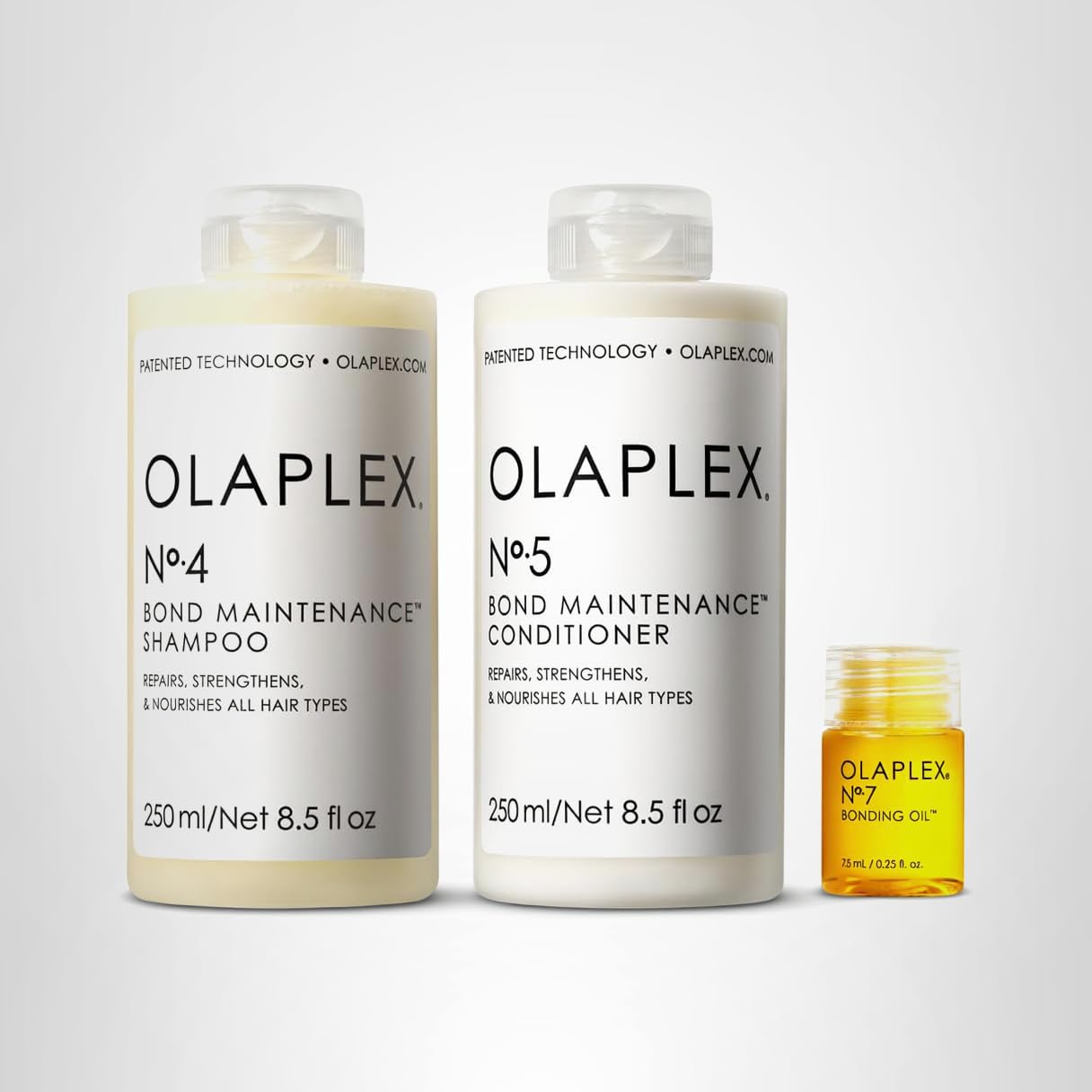
Olaplex Wash and Shine Hair Kit No. 4, 5 & 7
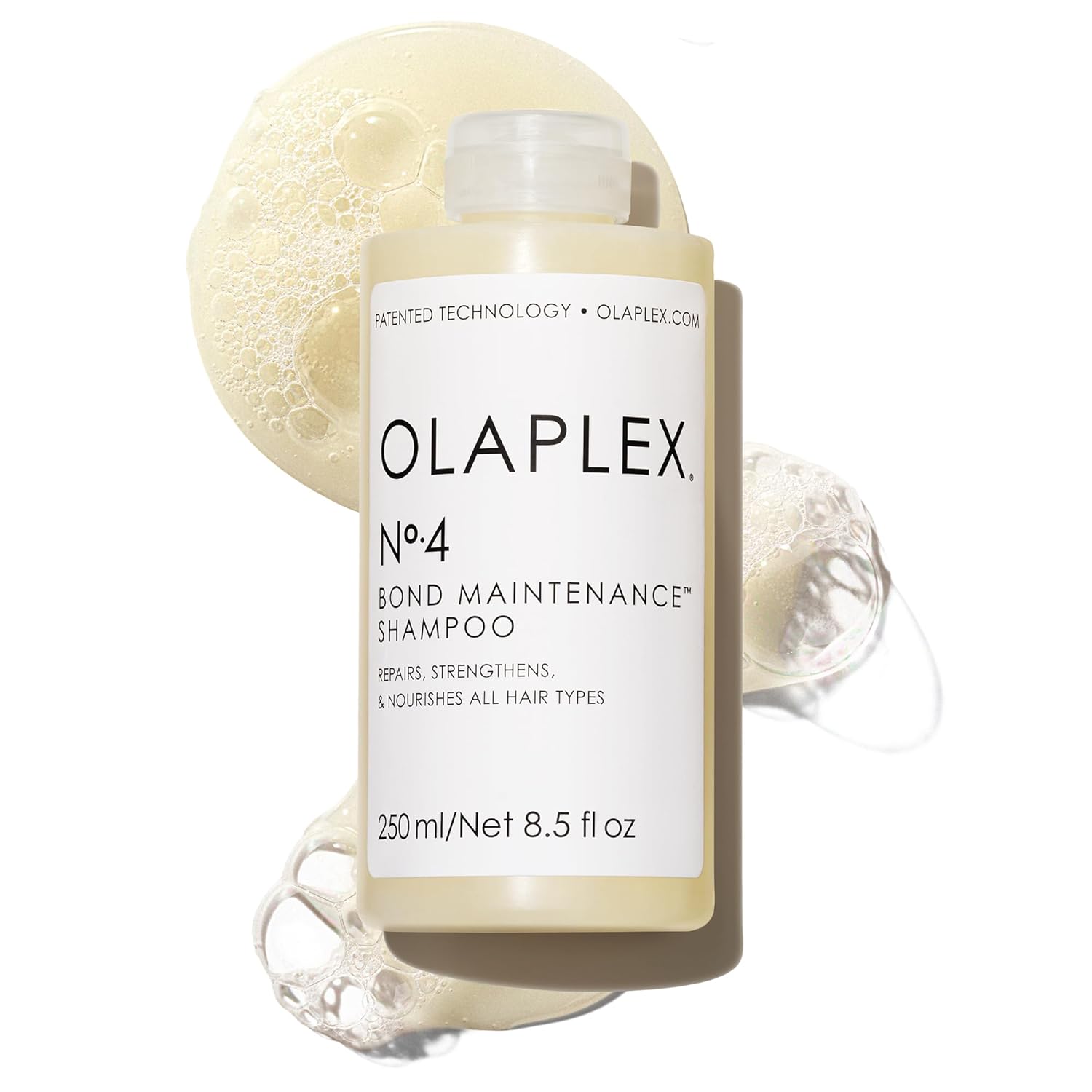
Olaplex No. 4 Bond Maintenance Shampoo
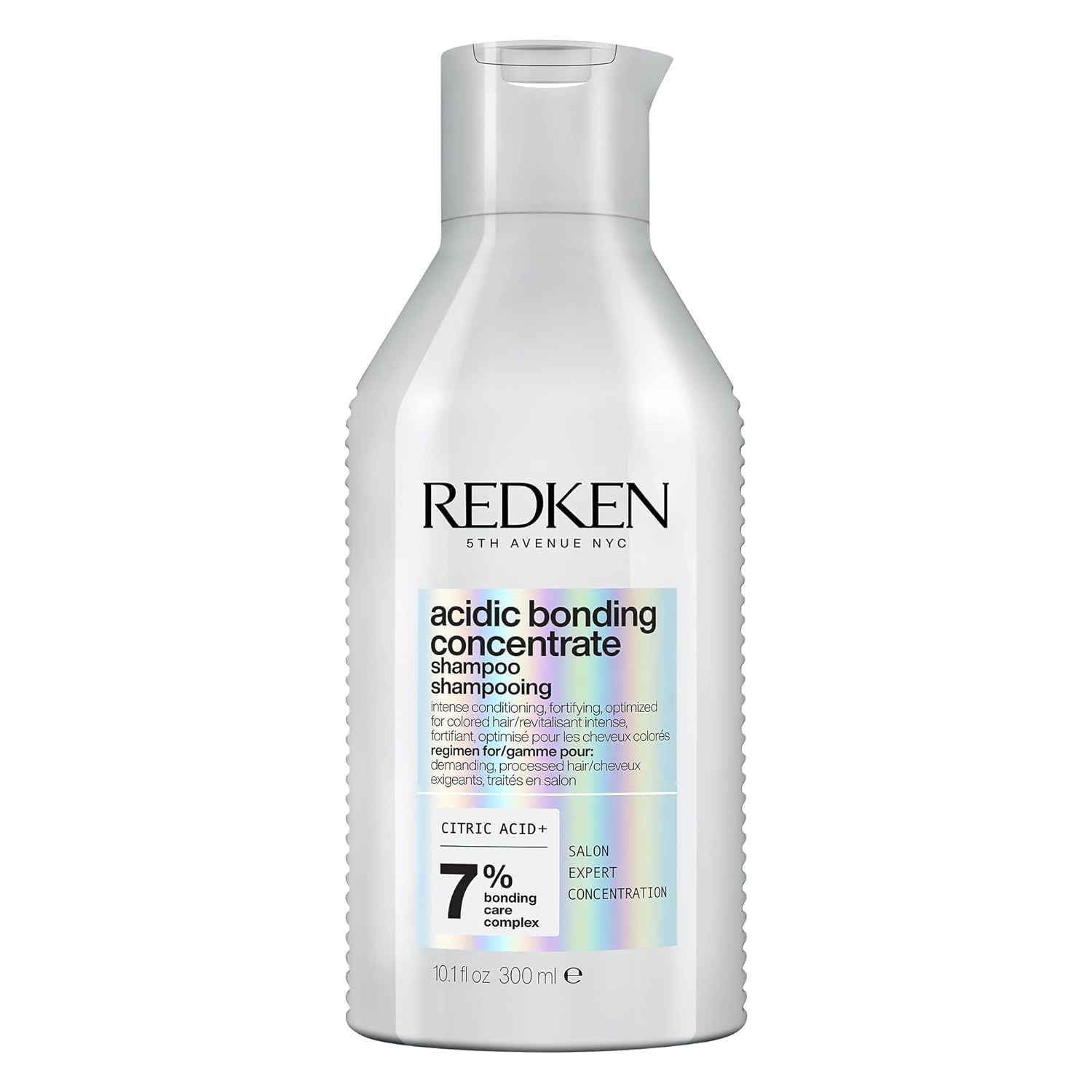
Redken Acidic Bonding Concentrate Shampoo for Damaged Hair Repair

Olaplex No. 5 Bond Maintenance Conditioner
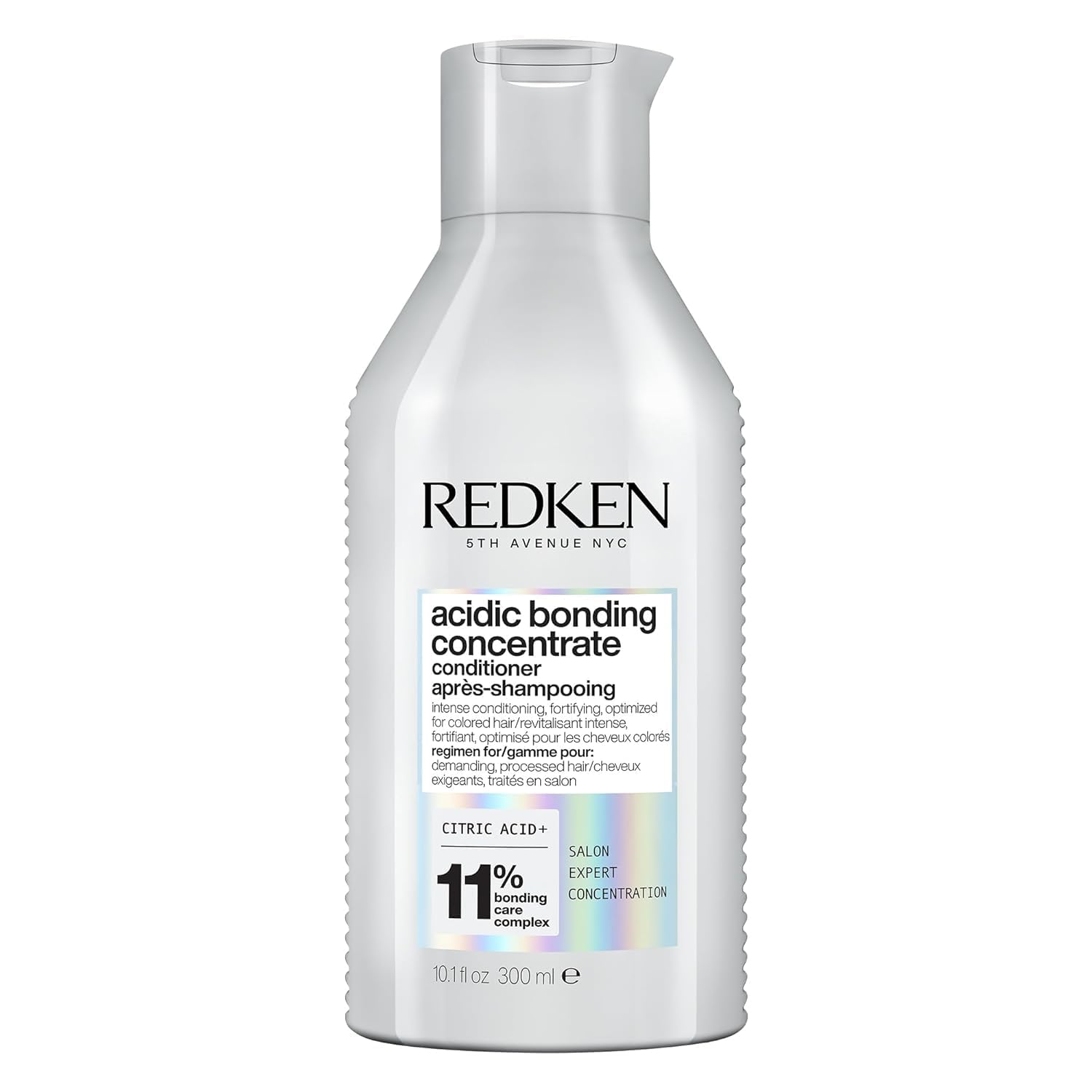
Redken Acidic Bonding Concentrate Conditioner for Damaged Hair
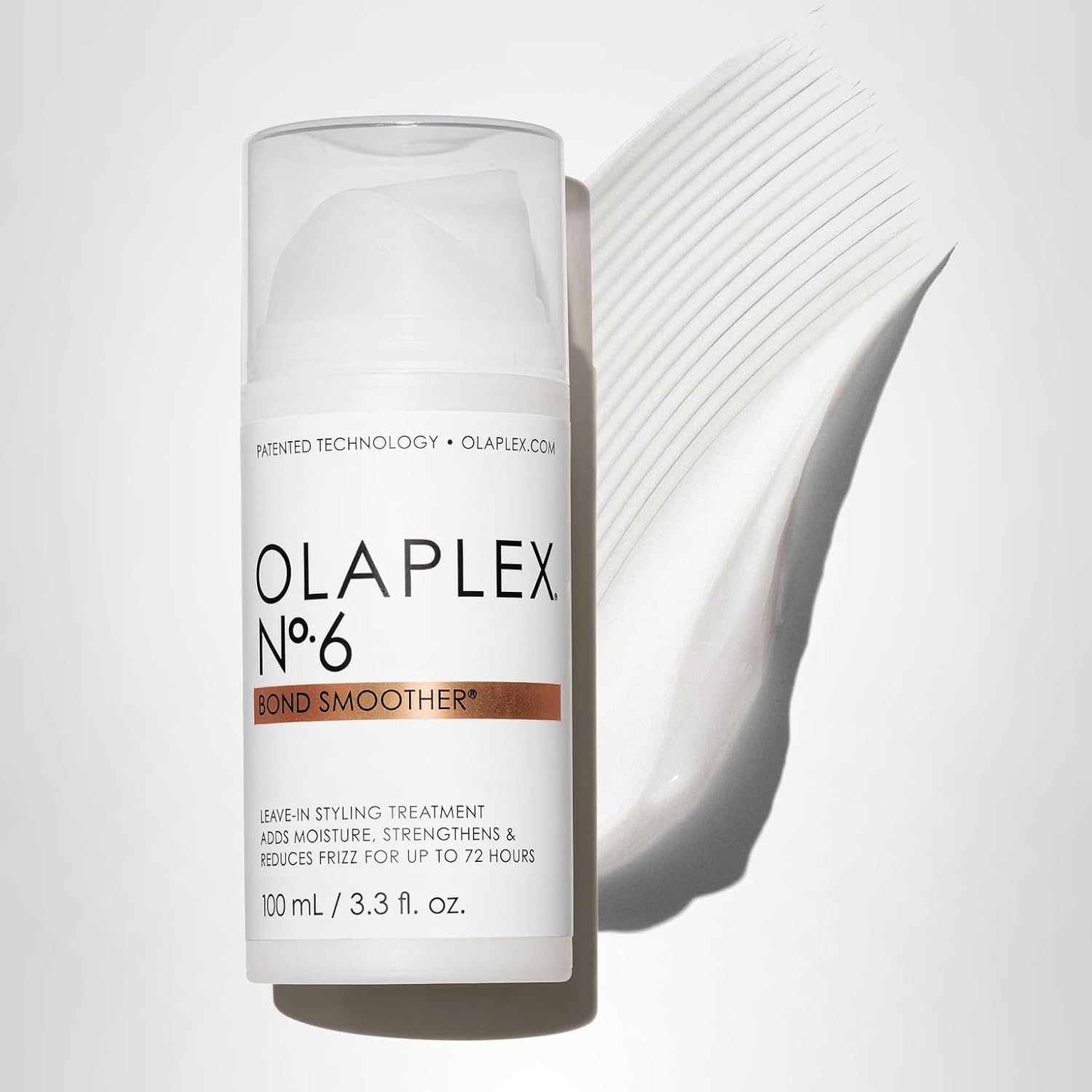
Olaplex No. 6 Bond Smoother Leave-In Styling Treatment
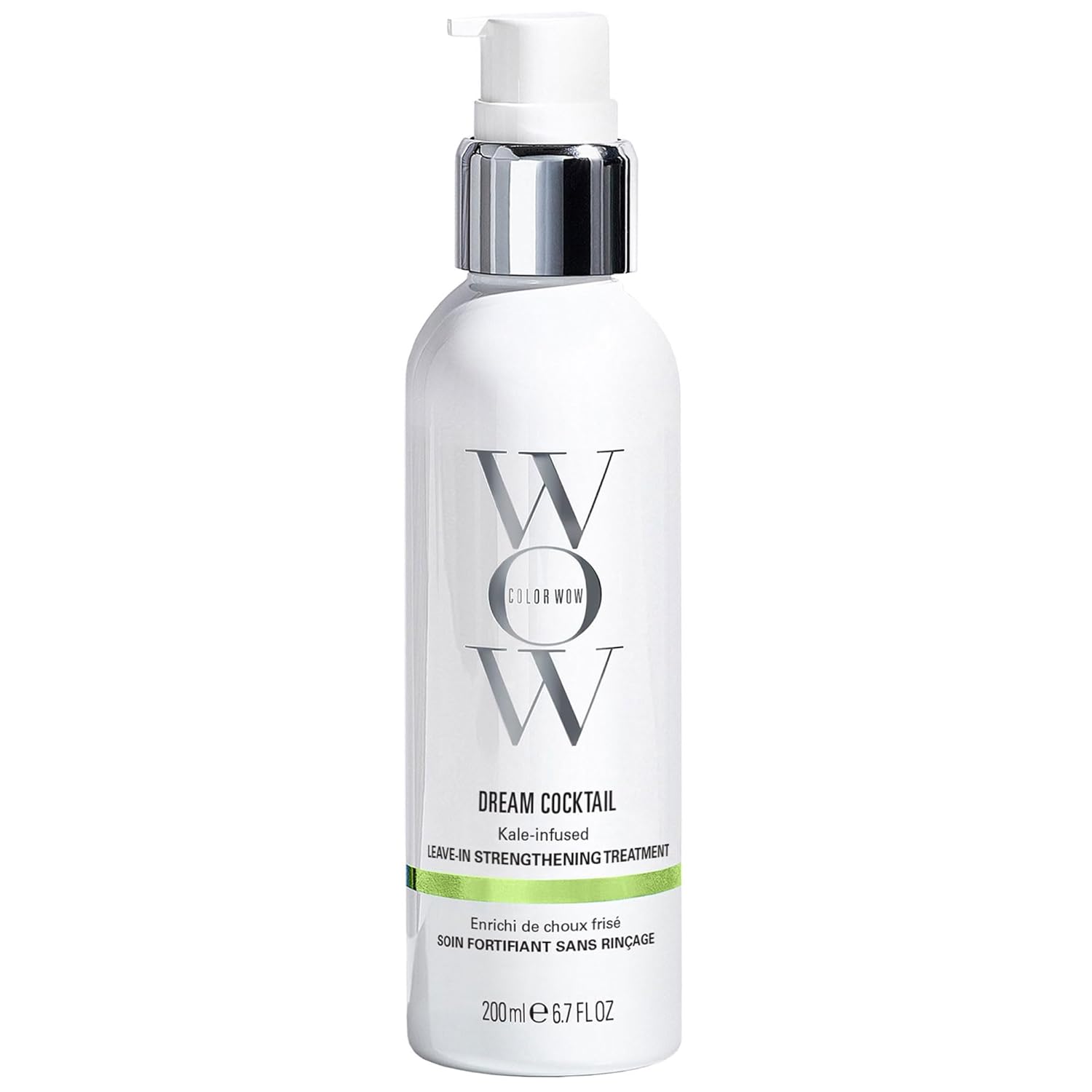
Color Wow Dream Cocktail Kale Infused Leave-In Treatment
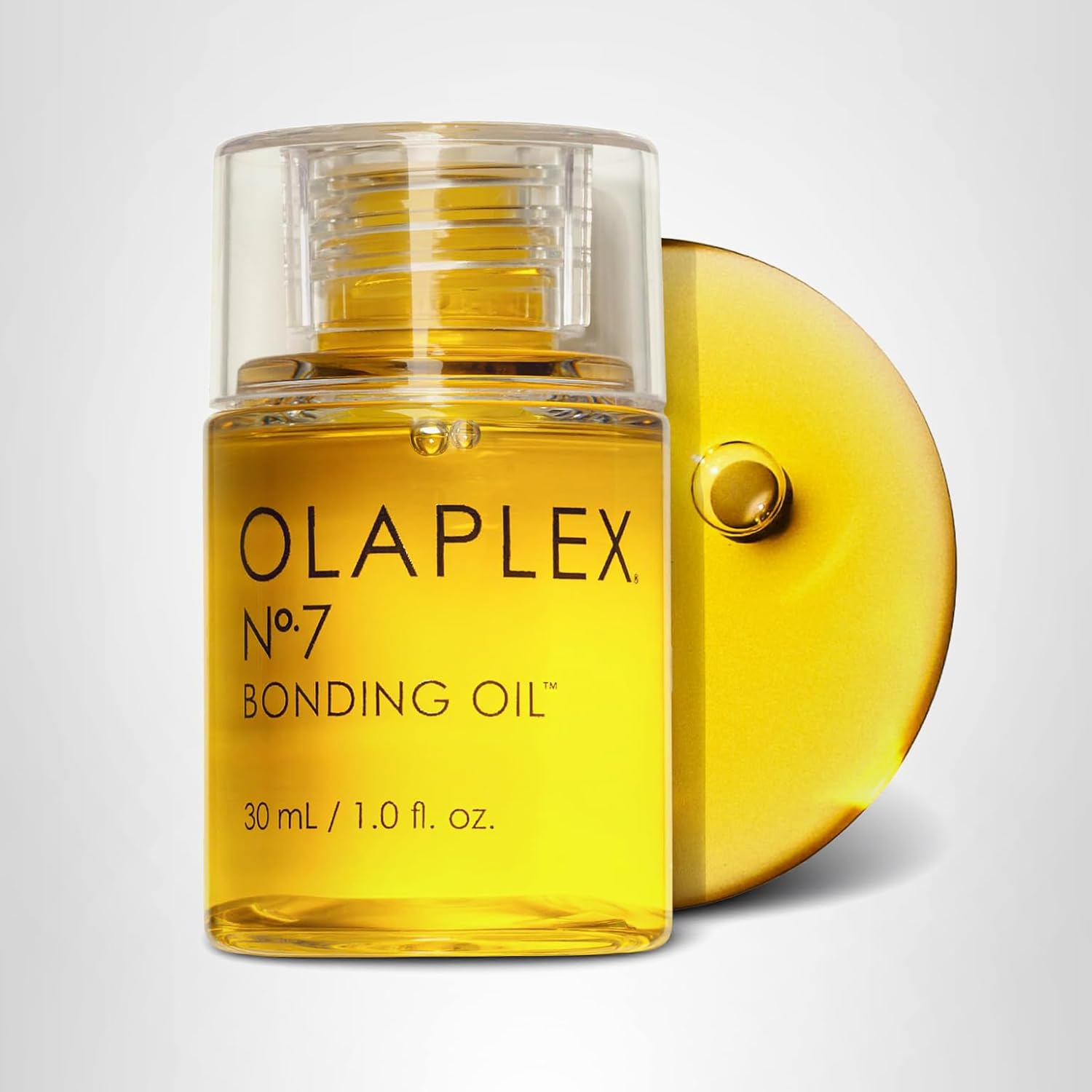
Olaplex No. 7 Bonding Oil