

Olaplex No. 5 Conditioner Review: Bond Repair Meets Everyday Luxury
The Essence
A concentrated, bond-maintenance conditioner designed to cocoon damaged strands in a silky, protective veil. In our testing, it worked as a daily-strengthening ritual for color-treated, bleached, and heat-stressed hair, restoring softness, shine, and slip without feeling like a traditional heavy mask.
Our Verdict
Olaplex No. 5 is less a fluffy moisture bath and more a quiet architect, rebuilding the internal scaffolding of stressed hair while still behaving like an everyday conditioner. In our lab and real-life testing, it excelled on compromised hair—bleached ends, color-fatigued mid-lengths, and desert-dry strands softened, detangled, and took on a new, healthier sheen. For some, it became that rare product that genuinely extended the life of a cut and color by keeping breakage and split ends at bay.
But this is a considered luxury, not a universal panacea. On finer or already-balanced hair, the formula can feel heavy or underwhelming, and the ingredient list won’t satisfy clean-beauty purists. The packaging is also at odds with its price point. If you’re dealing with damage and want a prestige, bond-focused conditioner that slots into a regular routine, No. 5 earns its place on the shower shelf. If your hair is already in good shape—or your priorities are minimal ingredients and low maintenance—you may want to look elsewhere.
Hair Transformation & Quality
When No. 5 agrees with your hair, the shift in texture is undeniable. Our performance analysis reveals smoother cuticles, less friction when brushing, and an overall stronger, more resilient feel—particularly on bleached, highlighted, or sun-frazzled lengths. It’s not a miracle worker for every head of hair, but for compromised strands, it can be quietly transformative.
Softness & Detangling
We kept coming back to this for how effortlessly it lets a comb glide through. Even hair that normally mats into a tangled rat’s nest post-shower became brushable with far fewer tears and snapped ends. Some testers didn’t get that ultra-slippery in-shower feel, but once towel-dried, the softness and slip were unmistakable.
Shine & Finish
On dull, over-processed hair, this added a refined, high-gloss sheen rather than a greasy film. Curls looked more defined, straight hair reflected light more evenly, and frizz calmed down in both humid and desert climates. It’s the kind of shine that reads as healthy hair, not product overload.
Hydration & Moisture Balance
This is where the trade-offs emerge. Some of our testers with dry, aging, or brittle hair found it wonderfully cushioning and hydrating. Others—especially those with fine, low-density, or already-balanced hair—felt either dryness creeping in over months or a heavy, coated feeling. It behaves more like a bond-repair conditioner with moderate moisture, not a plush butter mask.
Scent Experience
The scent sits in the clean salon family—soft, slightly floral, a touch nostalgic. Many of us found it pleasant and understated, lingering just enough on the hair. A few, however, found it dated or even headache-inducing, so if you’re scent-sensitive, approach with caution.
Formula Integrity & Ingredients
The bond-building technology, antioxidants, and oils are impressive, and we appreciate the sulfate-, paraben-, and phthalate-free positioning, plus vegan and cruelty-free credentials. That said, it’s still a highly synthetic, silicone-forward formula with preservatives and fragrance components that some ingredient-conscious beauty lovers will want to avoid.
Value as a Luxury Investment
This sits firmly in prestige territory. The concentration means you need less than with many conditioners, and the bottle can last surprisingly long when used judiciously. Still, there are more affordable products that deliver comparable softness, so the premium feels justified mainly if you’re specifically seeking bond maintenance and salon-like results at home.
Packaging & Usability
The formula feels luxurious; the packaging does not. The flip-top cap is notoriously stubborn with wet hands, the bottle is stiff, and the rich cream can be difficult to squeeze out or fully use up. We’d love to see this formula in a more ergonomic, pump or upside-down design that matches its salon-level aspirations.
Pros & Cons
The Good
- Noticeably improves softness, smoothness, and detangling, even on bleached or highly processed hair
- Helps reduce breakage and split ends over time, allowing longer intervals between trims
- Boosts shine and gives a healthier, more polished look to dull, brittle lengths
- Concentrated formula – a small amount goes a long way when properly emulsified
- Works across a wide range of hair types, from fine 3A curls to thick, coarse, and mature hair
- Pairs effectively with the matching bond-maintenance shampoo and treatments for more dramatic repair
- Vegan, cruelty-free, and free from sulfates, parabens, and phthalates
The Bad
- Premium pricing, and many feel performance doesn’t always justify the cost versus more affordable conditioners
- Texture can feel heavy, waxy, or build up on fine or low-density hair if overused or applied at the roots
- Packaging is widely criticized – stiff bottle, hard-to-open cap, and difficult to dispense thick formula
- Mixed experiences with moisture: some find it deeply hydrating, others find it drying or not softening enough
- A minority experienced scalp irritation, itchiness, dandruff, or increased shedding and breakage
Insights from our Panel of Experts
What Lovers Say
In our testing, the emotional payoff is very real when this works for your hair. Hair that once felt like straw from bleach, balayage, or years of coloring suddenly behaves like hair again: softer, smoother, and infinitely easier to brush through. We consistently noticed fewer tangles, less snapping at the ends, and a silkier, more reflective finish that reads as healthy, not coated. For many on our panel, it became the one conditioner they refused to travel without.
What Critics Say
Not everyone on our team was enamored. Some found the formula underwhelming compared to the hype—good, but not transformative enough to justify the investment. On finer or oil-prone scalps, it could feel heavy, leaving hair waxy, limp, or quickly greasy if applied too close to the roots. A subset of testers with sensitive scalps or eczema experienced itchiness, flaking, or increased shedding and ultimately had to stop using it.
The Matchmaker
Is this the right addition to your collection? Let's verify compatibility.
Perfect For You If...
If your hair is color-treated, bleached, heat-styled, or simply feeling parched and fragile, this is a sophisticated maintenance conditioner worth considering. You’ll appreciate it most if you love a salon-grade ritual at home and you’re willing to use a small, measured amount and rinse meticulously.
Skip This If...
You prefer ultra-clean, minimalist INCI lists or strictly fragrance-free haircare, or your hair is very fine, easily weighed down, and currently healthy. You may also want to avoid it if your scalp is highly reactive or you’ve previously had issues with silicones, richer conditioners, or bond-building lines in general.
The Sensory Experience: Texture, Slip, and Scent
From the first squeeze, Olaplex No. 5 announces itself as a concentrated, salon-born formula. The texture is a dense, almost balm-like cream—closer to a light mask than a traditional rinse-out conditioner. In our hands, it felt velvety and substantial, coating the palms before melting into damp hair.
In the shower, it doesn’t deliver that ultra-silicone “glass” slip some mass-market conditioners do. A few of us even worried it wasn’t doing much because the hair didn’t feel instantly slick. The surprise came at rinse-out: once the water ran clear and we towel-dried, combs and wet brushes glided through with markedly less resistance, even on mid-back, highlighted hair that usually snarls.
The scent is clean and quietly perfumed—think soft salon rather than gourmand. Some of our editors loved the understated, slightly floral-clean aroma that lingers lightly on the hair for the day. Others found it a touch old-fashioned or simply wished it were unscented, especially those with fragrance sensitivities. It’s not overpowering, but if you’re hyper-aware of scent, you’ll notice it.
Inside the Formula: Bond Building Meets Cushioned Care
At the heart of No. 5 is Bis-Aminopropyl Diglycol Dimaleate, the bond-building molecule that put Olaplex on the map. In our testing, using this conditioner consistently after cleansing helped fragile hair feel less brittle and more cohesive, as if the internal “ladder rungs” of the strands had been quietly reinforced.
Supporting that backbone is a cast of conditioning agents and emollients:
- Panthenol (Pro-Vitamin B5) and glycerin to draw in and retain moisture, softening the cuticle.
- A blend of nourishing oils (including avocado, grapeseed, camellia, and abyssinian) to add suppleness and a refined, non-greasy shine.
- Silicones such as Amodimethicone to smooth, detangle, and provide that polished finish that resists humidity and friction.
- Antioxidant-rich extracts like pomegranate, acai, and grape to help shield hair from environmental stressors.
The trade-off of this high-performance cocktail is complexity: this is not a minimalist formula. It’s sulfate-, paraben-, phthalate-, and gluten-free, vegan, and cruelty-free, but it does rely on synthetics, silicones, preservatives like phenoxyethanol, and fragrance components such as hexyl cinnamal. In our experience, most hair loved the results; a smaller group of sensitive scalps and ingredient purists, however, found it too much.
Performance Analysis: Who It Transforms—and Who It Doesn’t
Our performance analysis reveals a clear pattern: the more compromised your hair, the more impressive No. 5 feels. On bleached-to-platinum lengths, level-12 blondes, and hair that’s endured years of coloring and flat ironing, the change was often dramatic. Ends felt less like hay, mid-lengths stopped snapping at the slightest tug, and frizz calmed enough that ponytail-only wearers started wearing their hair down again.
Several testers with fine 3A curls were pleasantly surprised: used sparingly and focused on mid-lengths to ends, curls sprang back with better definition, shine, and longevity between wash days. Aging hair that had taken on that haystack texture softened, with less roughness and more movement.
Where it stumbled was on:
- Very fine, low-density, or oily-prone hair – even a modest amount could feel heavy, leaving a waxy or greasy cast if applied near the roots or not rinsed thoroughly.
- Extremely dry, porous hair – some needed an additional deep-moisture mask in rotation, as No. 5 alone didn’t fully quench chronic dryness over months.
- Sensitive scalps – a minority experienced itchiness, dandruff-like flaking, or increased shedding and ultimately discontinued use.
Used once to a few times a week, particularly as part of the No. 3 + No. 4 + No. 5 system, we saw meaningful improvements in smoothness, manageability, and perceived breakage. Used daily on already-delicate hair or applied heavily to the scalp, the benefits could tip into buildup or overload.
Application Ritual: How We Got the Best Results
The difference between good and great results with No. 5 came down to how we used it. Because it’s highly concentrated, we had to retrain our hands away from the generous palmfuls we’d use with drugstore formulas.
Our most effective ritual looked like this:
- Emulsify first. After shampooing (ideally with a gentle or bond-focused cleanser), we squeezed out excess water, then warmed a dime- to nickel-sized amount of conditioner between our palms until it felt silky.
- Target the right zones. We applied primarily from mid-lengths to ends, using any residue on our hands to lightly skim the canopy. Fine or oily scalps did best when we avoided the root area entirely.
- Comb through. Using fingers or a wide-tooth comb in the shower, we distributed the product evenly, then let it sit for about three minutes while we finished the rest of our routine.
- Rinse with intention. We rinsed longer than instinctively felt necessary, using cool to lukewarm water. This step was crucial in preventing that heavy, coated feel—especially on straight or fine hair.
For very damaged or coarse textures, a weekly “mask” moment—leaving No. 5 on for longer or pairing it with a separate deep treatment—amplified softness. For fine hair, once-weekly use as a treatment, with a lighter conditioner on other days, struck the best balance.
Packaging, Practicalities, and the Luxury Trade-Offs
Here’s where the experience feels less couture. The bottle design simply doesn’t live up to the formula inside. The plastic is quite stiff, the flip-top lip is small and stubborn—especially with wet, slippery hands—and the thick cream resists being coaxed out once you’re halfway through.
We found ourselves:
- Storing the bottle upside down to encourage the product toward the opening.
- Occasionally adding a splash of water near the end to loosen the remaining conditioner.
- Wishing for a pump or a more ergonomic, soft-touch bottle that better suits such a dense formula.
A few of our bottles also arrived with imperfect caps or seals, which, while not affecting the formula itself in our case, did chip away at the sense of polish you expect from a prestige staple.
From a value perspective, this is undeniably a luxury splurge. The saving grace is its concentration: when we used the recommended small amounts, a bottle lasted far longer than its size suggests. If you’re accustomed to drugstore conditioners you can slather on with abandon, there is an adjustment period—both in usage and in mindset. This is a measured, intentional step in your routine, not a casual slosh-and-go.
Safety, Sensitivities, and Expert Considerations
Because No. 5 is more than a simple cream rinse, it warrants a thoughtful look at safety and sensitivities. In our testing panel, the majority tolerated it well, even with frequent use. Hair felt stronger, and color-treated lengths appreciated the sulfate-free, color-safe base.
However, a notable minority experienced issues:
- Scalp reactions – itching, flaking, or dandruff-like buildup, particularly when the conditioner was massaged directly onto the scalp.
- Dryness over time – some testers, especially with fine or already-delicate hair, reported that months of consistent use left strands feeling paradoxically drier or more brittle, suggesting a need to balance this with more emollient, moisture-heavy products.
- Shedding and breakage – a small group noticed increased hair fall or mid-shaft breakage during their Olaplex era and chose to discontinue. While causation is complex in hair health, we advise listening closely to your own hair’s response.
If you have eczema, a history of contact dermatitis, or are particularly ingredient-conscious, we recommend:
- Patch-testing on a small area of scalp or skin before full use.
- Keeping application to mid-lengths and ends rather than massaging into the scalp.
- Monitoring your hair and scalp over the first few weeks; if you see unusual shedding, irritation, or persistent dryness, step back and reassess.
This is a high-performance, chemistry-forward formula. For many, that’s its strength. For others, especially those seeking ultra-clean or fragrance-free routines, it may be a misfit despite its bond-repair promise.
Buying Guide
Consultant's Breakdown
Expert analysis to help you decide.
This is a considered, prestige purchase rather than an automatic staple. If your hair is genuinely damaged—bleached, over-processed, or chronically brittle—the investment is easier to justify, especially when you factor in using less product per wash and potentially stretching out salon trims. If your hair is relatively healthy, you may not see enough of a leap to warrant the spend.
What sets this conditioner apart is its bond-maintenance focus in an everyday format. While many conditioners soften and add shine, fewer are designed to support internal bond integrity over time, particularly on heavily processed hair. If you’re already invested in bond-building treatments, No. 5 integrates seamlessly as the maintenance step that bridges salon results and daily life.
In our testing, No. 5 shone on color-treated, bleached, heat-styled, coarse, and aging hair that needed both strength and slip. Fine or low-density hair can still benefit, but only with a very light hand and root-avoidant application. Coily and curly textures appreciated the detangling and frizz reduction, though very dry curls often still craved a richer, occasional mask.
No. 5 behaved like a year-round workhorse in our testing. In dry winter air and desert climates, it helped reduce static and straw-like roughness; in humid regions, it added enough smoothness and weight to tame frizz for many, though some still layered an anti-frizz product on top. If your hair gets oilier in summer, you may prefer to use it less frequently or only on mid-lengths and ends.
Specifications
| Item Form | Liquid conditioner with a rich, creamy texture designed to coat strands evenly. |
|---|---|
| Hair Type | All hair types, including straight, wavy, curly, coily, color-treated, and chemically processed. |
| Product Benefits | Reduces breakage and strengthens hair while conditioning, moisturizing, hydrating, and improving manageability and shine. |
| Scent | Described as unscented in specs, though the formula does contain fragrance components. |
| Key Functional Features | Repairs hair and maintains internal bonds, adds shine, and supports stronger-feeling strands. |
| Package Type | Bottle format with a flip-top cap and concentrated formula. |
| Brand | Olaplex – known for bond-building haircare technology used in professional and at-home routines. |
| Age Range | Formulated for adult use. |
| Item Type | Hair conditioner within the bond-maintenance category. |
| Material Features | Sulfate-free formulation to help preserve color and natural oils. |
| Free From | Paraben-free, phthalate-free, and sulfate-free for a gentler conditioning step. |
| Recommended Uses | Suitable for salon-level maintenance and at-home bond-care routines. |
Our Testing Methodology
We tested Olaplex No. 5 over several weeks across our beauty lab team and an extended panel, including fine 3A curls, thick wavy lengths, coily textures, bleached blondes, and aging, gray hair. We paired it both with the matching bond-maintenance shampoo and with other gentle cleansers, using it in dry winter air, desert climates, and high humidity. We tracked changes in softness, detangling, breakage, frizz, scalp comfort, and overall hair behavior, adjusting application amount and placement to understand where it truly excels—and where it overreaches.
Frequently Asked Questions
Efficacy & Performance
It’s designed to reduce breakage as part of a bond-maintenance system. In our experience, breakage and snapped ends diminished most noticeably when No. 5 was used alongside the matching treatment and shampoo, particularly on bleached or heavily processed hair. On relatively healthy hair, the change felt more like improved softness and manageability than dramatic repair.
We noticed immediate improvements in softness and detangling after the first few washes—especially on brittle, color-treated hair. The deeper benefits, like reduced breakage and less fraying at the ends, became more apparent with consistent use over several weeks as the hair’s surface felt smoother and less prone to snapping.
It’s formulated for all hair types, and we saw good results across straight, wavy, curly, coily, and gray or mature hair. That said, very fine or low-density hair can feel weighed down if too much is used or it’s applied at the roots, while extremely dry textures may still need an additional deep-moisture mask in rotation.
On severely compromised hair, No. 5 is best viewed as a maintenance step, not a standalone savior. It noticeably improved smoothness and combability for us, but the most dramatic repair came when we paired it with the brand’s treatment and shampoo. For extreme damage, we’d still recommend professional guidance and additional masks.
For many of us, yes—frizz softened and hair looked more polished, even in humid or foggy conditions. The smoothing agents and oils help the cuticle lie flatter. However, in very high humidity or on extremely frizz-prone curls, we still found it helpful to layer a dedicated anti-frizz serum or cream on top.
Ingredients & Safety
Yes. The formula is sulfate-free, paraben-free, and phthalate-free, which helps preserve color and protect the scalp’s natural oils. It still uses other cosmetic-grade synthetics, so it’s not a fully “bare-bones” or natural formula, but it avoids those particular classes of ingredients.
The star is Bis-Aminopropyl Diglycol Dimaleate, the bond-building molecule that supports internal hair strength. It’s supported by panthenol and glycerin for moisture, silicones for slip and shine, a blend of nourishing oils, and antioxidant-rich botanical extracts that help protect against environmental stress.
Yes, it contains several silicones (such as Amodimethicone) to enhance smoothing and detangling, and it is fragranced, with components like hexyl cinnamal. If you avoid silicones or fragrance for scalp or personal reasons, this is an important consideration before committing.
According to the brand’s specifications, it is vegan, cruelty-free, and gluten-free. In our testing, it performed like a professional-grade conditioner without relying on animal-derived ingredients, which will appeal to many ingredient-conscious beauty lovers.
Most of our testers tolerated it well, but some experienced dryness, scalp irritation, dandruff-like flaking, or increased shedding and stopped using it. Because it’s a complex, fragrance-containing formula, patch-testing and monitoring your scalp and hair over the first few weeks is wise, especially if you’re sensitive.
Application & Usage
After shampooing, squeeze out excess water and emulsify a small amount of conditioner between your palms. Apply primarily from mid-lengths to ends, comb through to distribute, and leave on for about three minutes before rinsing thoroughly with cool to lukewarm water. Fine hair does best when roots are avoided.
You can, and many do, but it isn’t mandatory. Our editors with very dry, damaged hair enjoyed using it with most washes. Those with finer or easily weighed-down hair preferred using it once or twice a week as a treatment, alternating with a lighter conditioner on other days to avoid heaviness or buildup.
It performs well as a standalone conditioner, improving softness and manageability. However, we saw the most pronounced strengthening and breakage reduction when we used it as part of the broader system, especially on bleached or highly processed hair. If you’re only choosing one product, No. 5 is a strong contender, but the system is more comprehensive.
Yes. Leaving it on longer—up to the length of a shower, or even as a short treatment—won’t harm the hair and can enhance conditioning for very dry or coarse textures. Just be sure to rinse thoroughly to prevent residue, particularly if your hair is fine or prone to feeling coated.
We had the best experience focusing on mid-lengths and ends. Applying it directly to the scalp can feel heavy or lead to buildup for some, and a few sensitive scalps reacted poorly. If your scalp is dry and not reactive, you can lightly skim the roots, but it’s not essential for results.
Hair & Scalp Compatibility
It can be, but it requires restraint. Our fine-haired testers needed a very small amount, carefully emulsified and applied only to the ends. Over-application or root application easily tipped into limp, waxy, or quickly greasy territory. If your hair is extremely fine, you may prefer to reserve it for weekly treatments.
Yes, many curls and coils responded beautifully, with better detangling, reduced breakage, and more defined, shiny spirals. Very dry or high-porosity textures, however, often still needed a richer, dedicated deep-conditioning mask in rotation to fully satisfy their moisture needs.
Absolutely—that’s where it shines. It’s color-safe and specifically designed to support hair that’s been bleached, dyed, or chemically treated. Our color-treated testers appreciated less roughness at the ends and a more polished finish between salon visits.
Most of our team did not experience hair loss, but a minority noticed increased shedding, scalp itchiness, or dandruff-like flakes while using bond-maintenance routines and chose to stop. If you see unusual shedding or irritation, discontinue use and consult a professional to rule out other causes.
Yes. Mature and gray hair, which often feels wiry and dry, benefited from the added softness, shine, and manageability. Several of our older testers felt their hair looked less dull and more refined, though again, pairing it with occasional deep moisture treatments yielded the best long-term comfort.
Gaps, Trade-Offs & Practicalities
This is fundamentally a bond-maintenance conditioner with moderate moisture, not a heavy butter mask. On some hair types—especially fine or already-dehydrated strands—the balance of bond builders, silicones, and conditioning agents can feel strengthening but not deeply plush. Those hair types often do best pairing it with richer, moisture-focused masks in rotation.
It depends on your hair’s condition and priorities. For severely damaged, bleached, or chemically treated hair, we felt the strengthening and long-term manageability gains could justify the spend, especially given how little you need. If your hair is relatively healthy, you may find that a well-formulated, more affordable conditioner delivers enough softness and shine.
The combination of a thick, concentrated cream and a stiff, flat bottle with a small flip-top opening makes dispensing tricky—especially with wet hands. We often had to store it upside down, shake vigorously, or even add a splash of water near the end to access all the product. It’s a known usability weak point in an otherwise luxe experience.
Think of No. 5 as your maintenance conditioner, not your only intensive treatment. It does a strong job of smoothing, detangling, and supporting bonds day-to-day, but very dry, damaged, or textured hair still tends to benefit from a separate deep-conditioning mask or treatment in the weekly rotation.
Because the formula is highly concentrated, we found that a standard bottle can stretch surprisingly far—often several months—when using a dime- to nickel-sized amount per wash and focusing on mid-lengths and ends. If you have very long or thick hair and use it multiple times a week, you’ll move through it faster, but still more slowly than with many thinner conditioners.
The Curated Edit
Curated based on the unique characteristics of Olaplex No. 5 Bond Maintenance Conditioner.
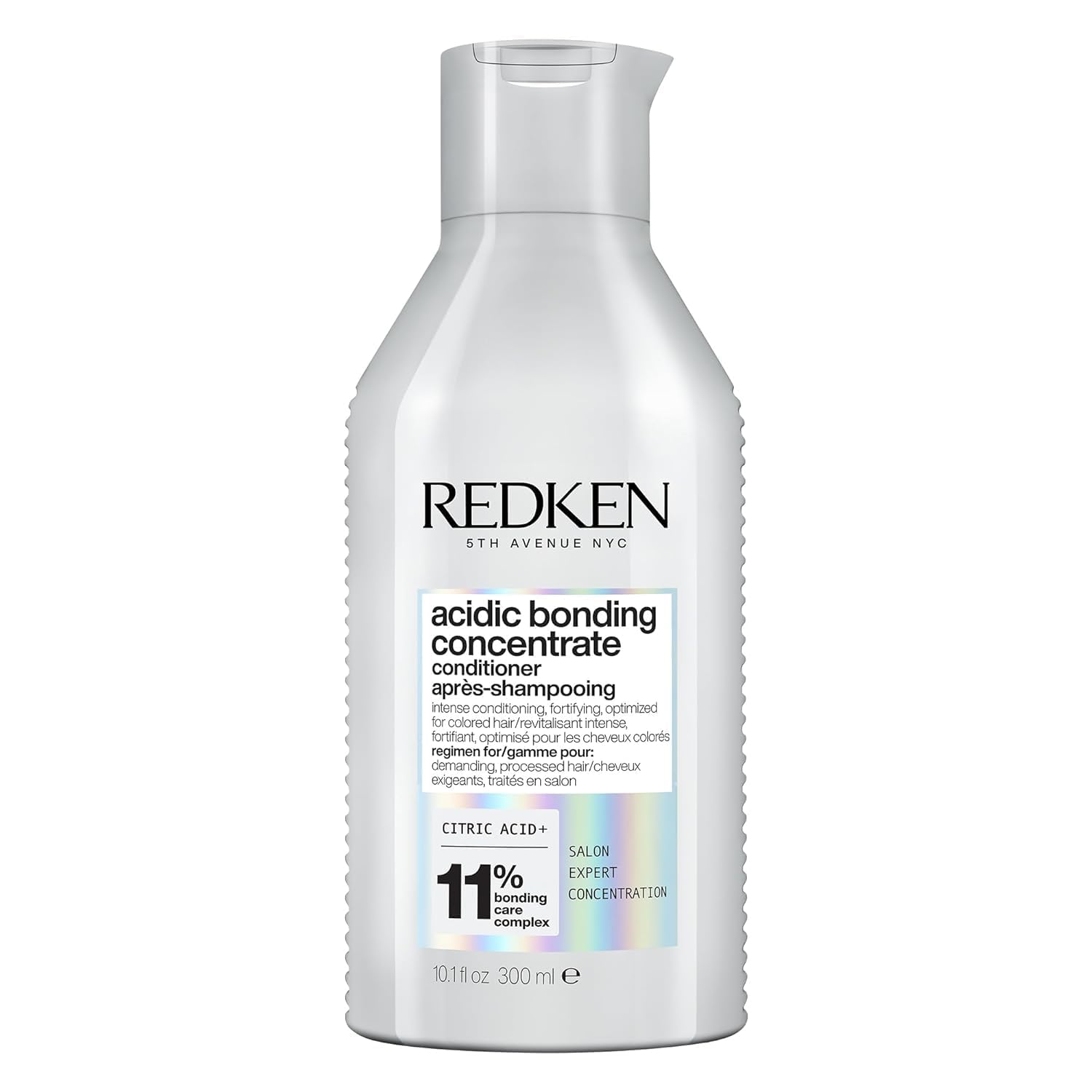
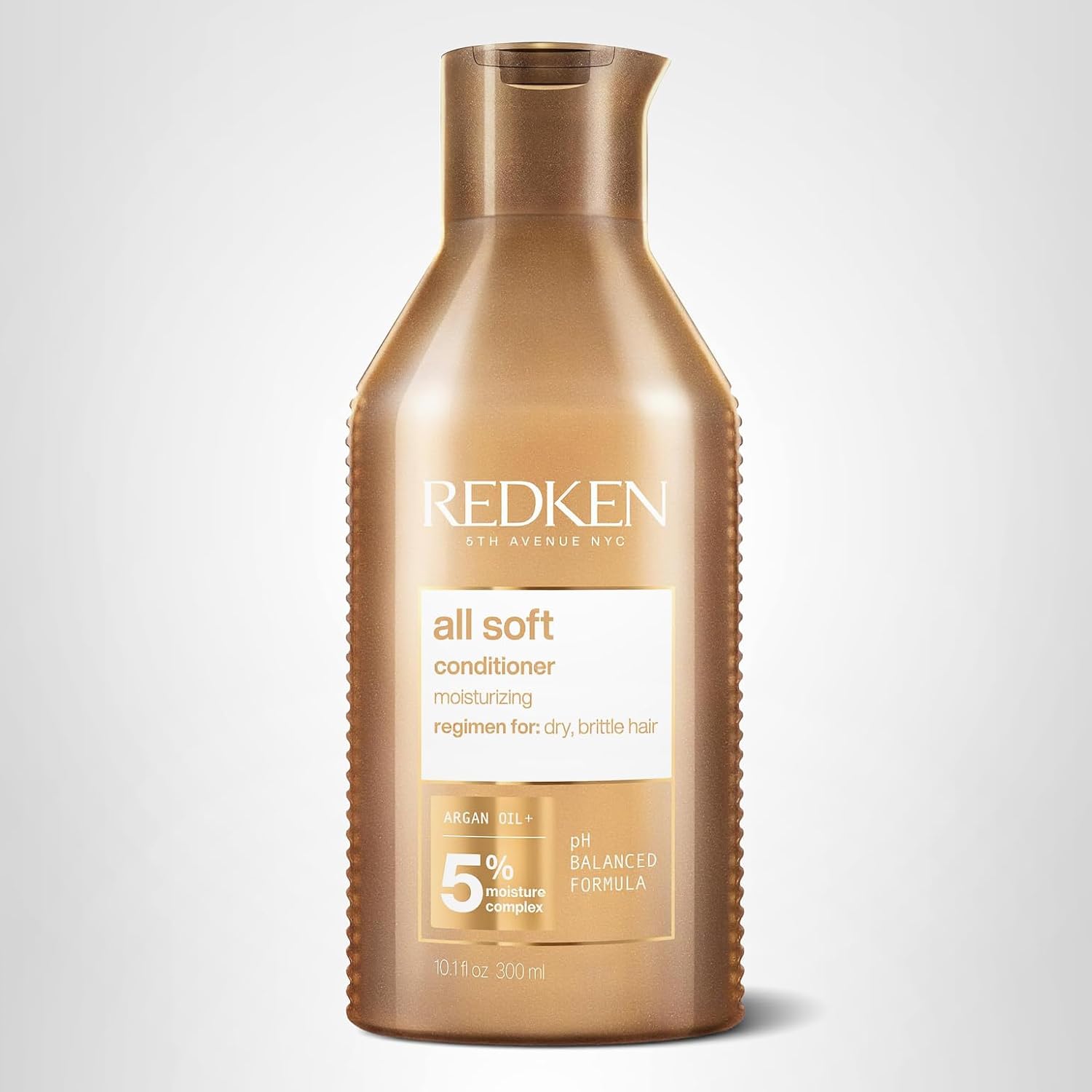
Redken Acidic Bonding Concentrate Conditioner for Damaged Hair
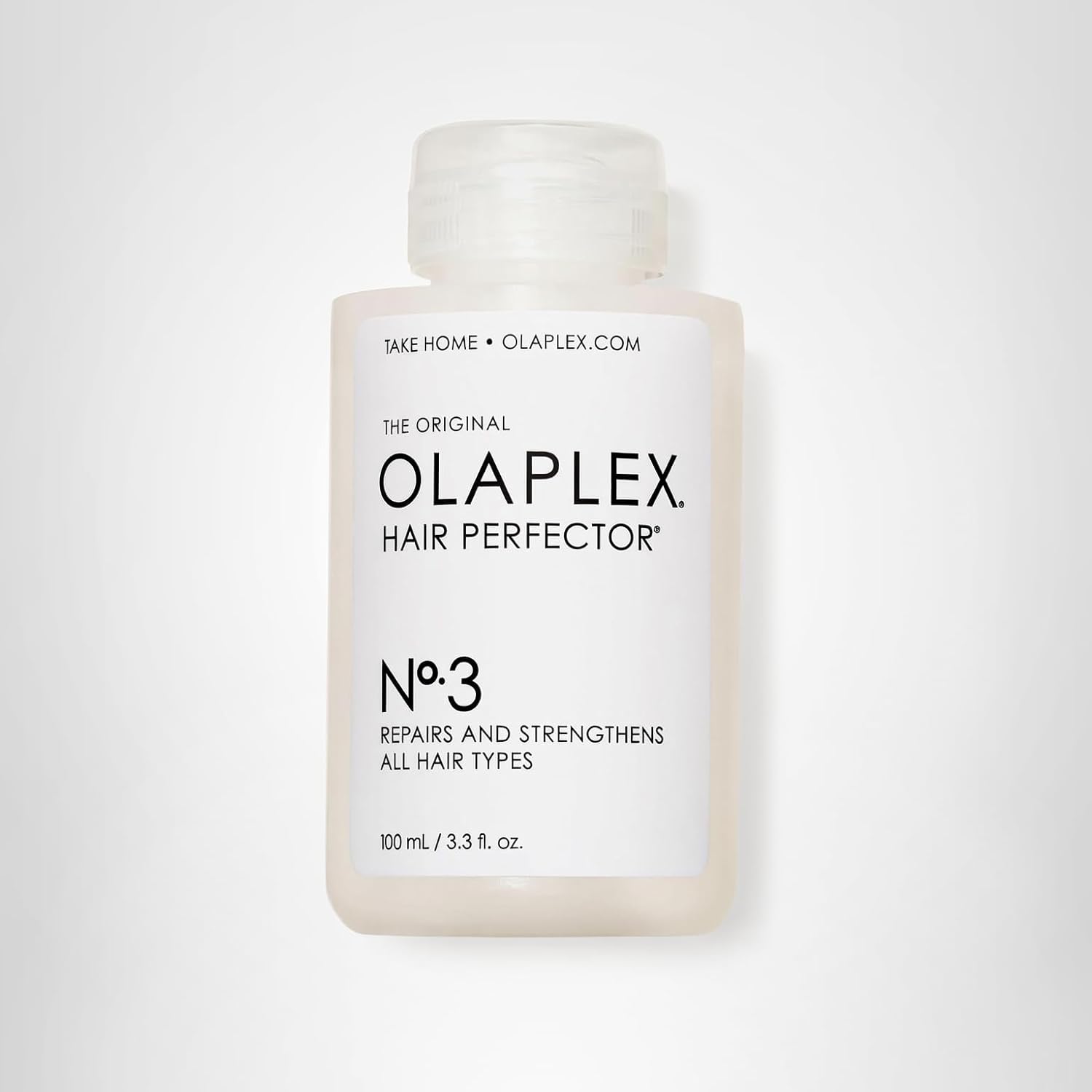
Olaplex No. 3 Hair Perfector Repairing Hair Treatment
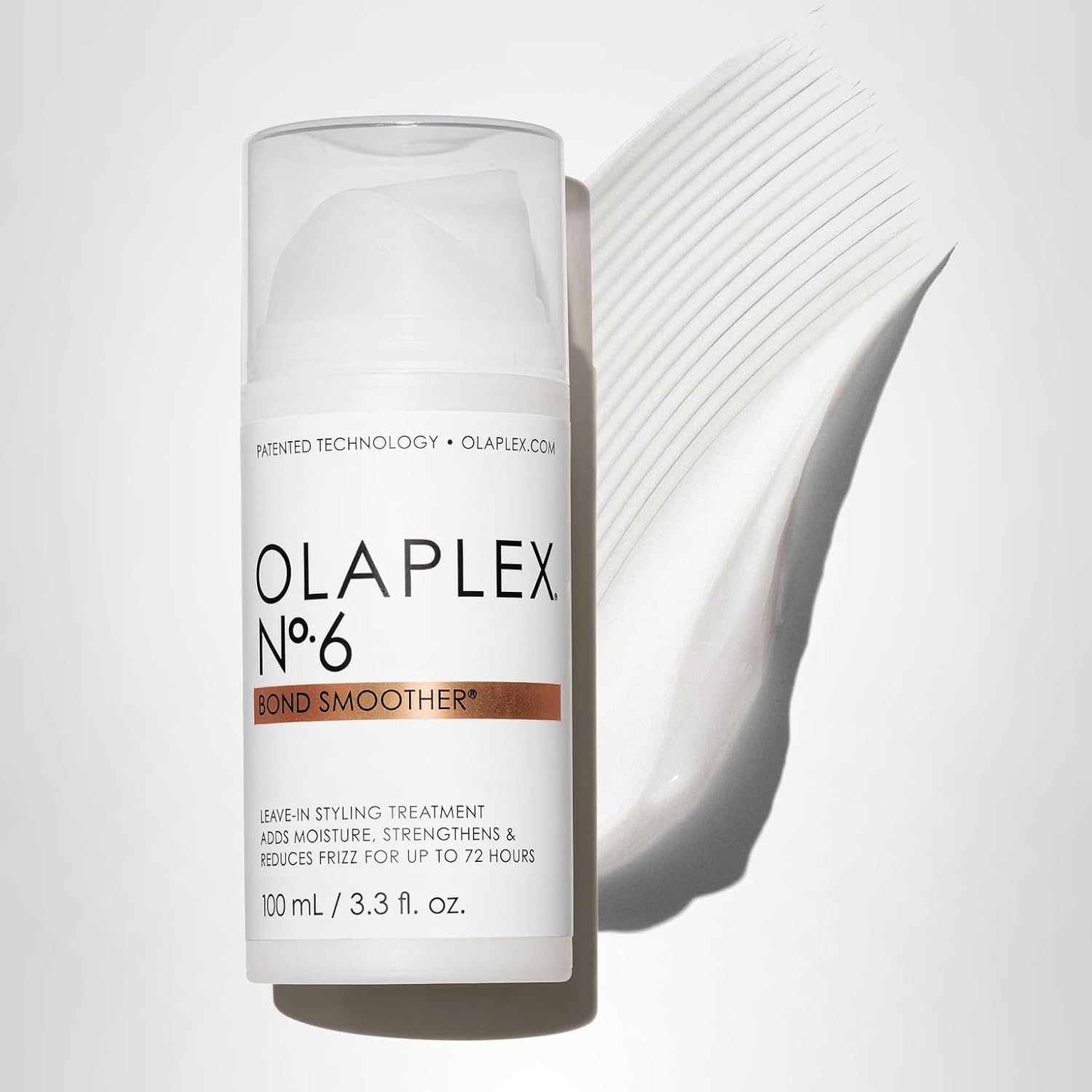
Olaplex No. 6 Bond Smoother Leave-In Styling Treatment
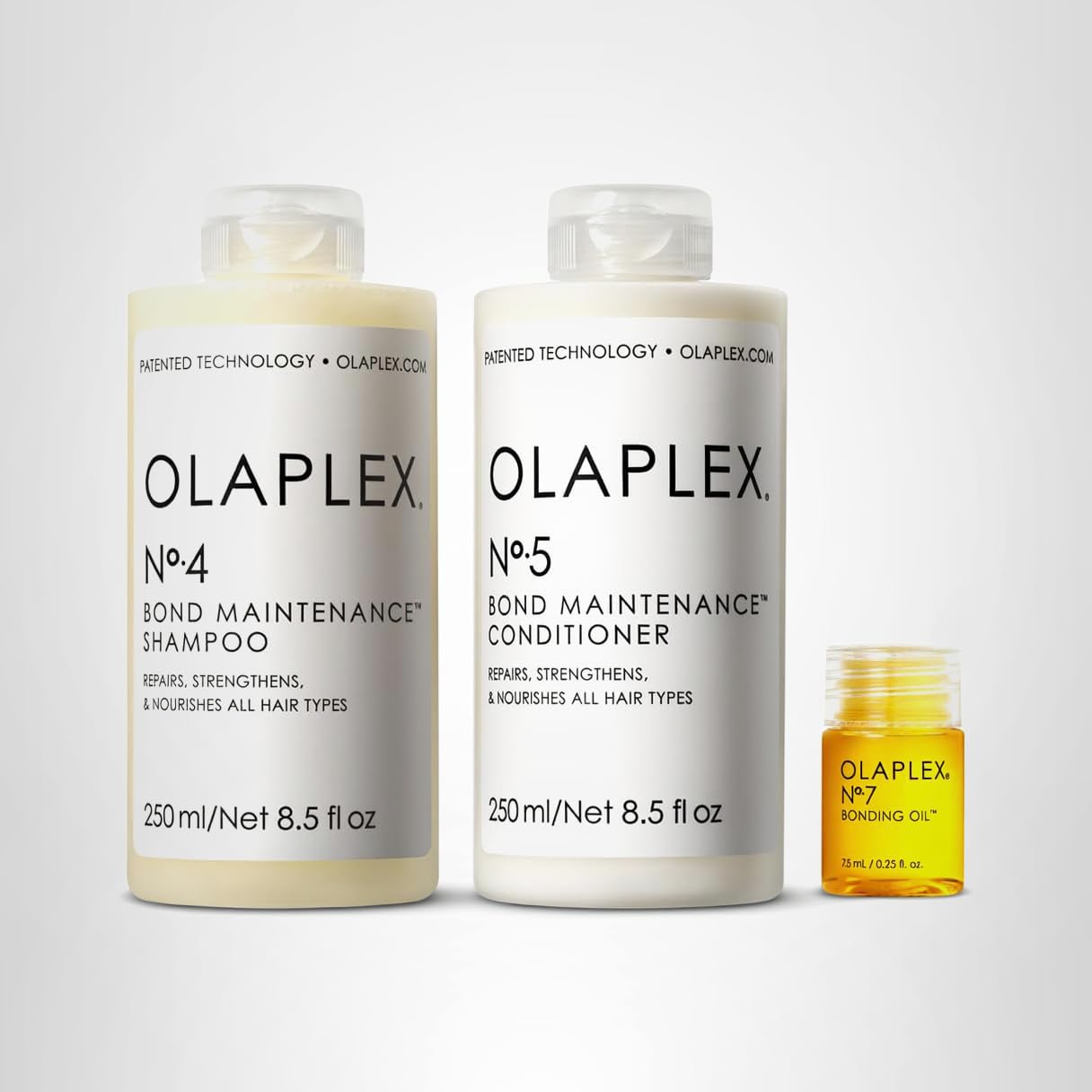
Olaplex Wash and Shine Hair Kit No. 4, 5 & 7
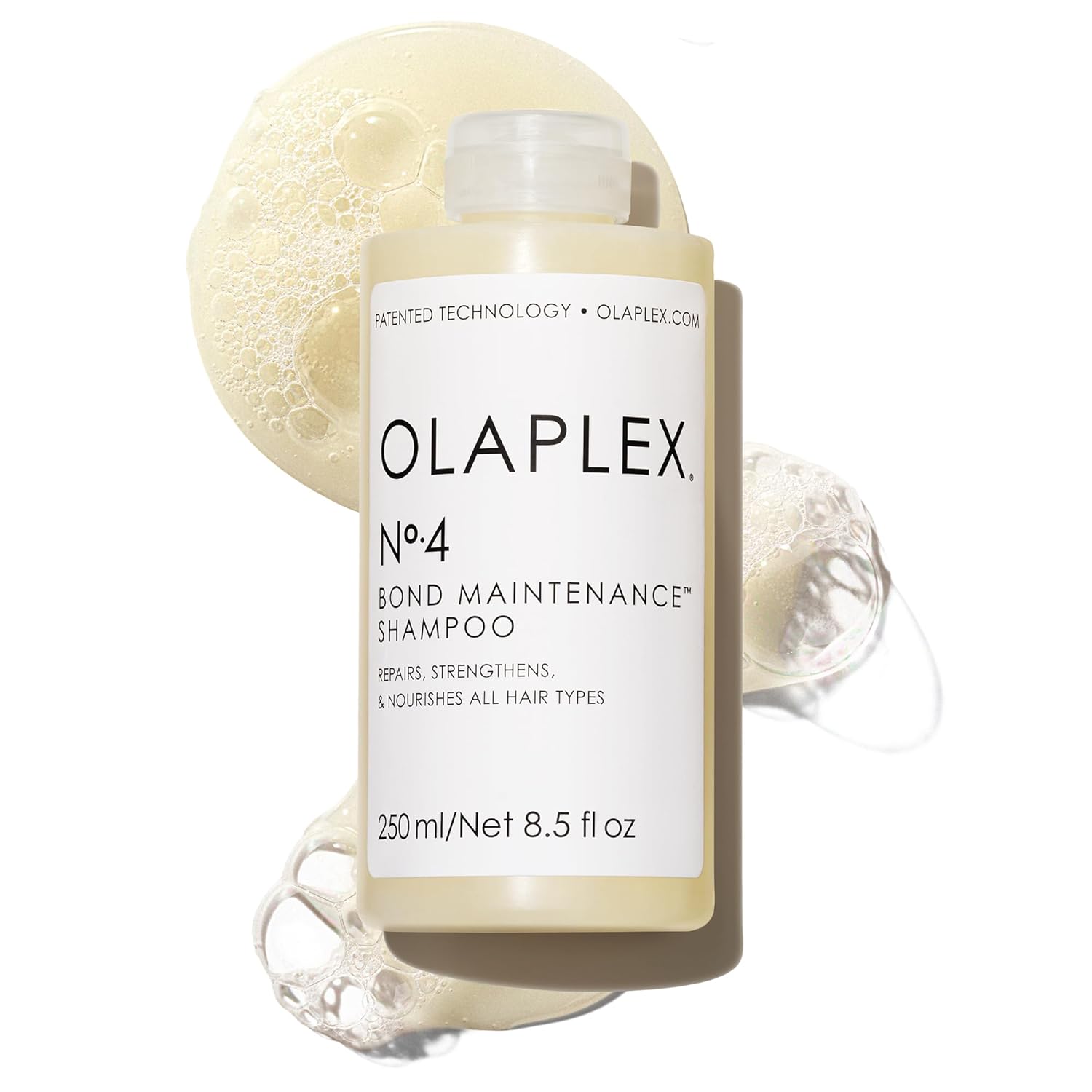
Olaplex No. 4 Bond Maintenance Shampoo
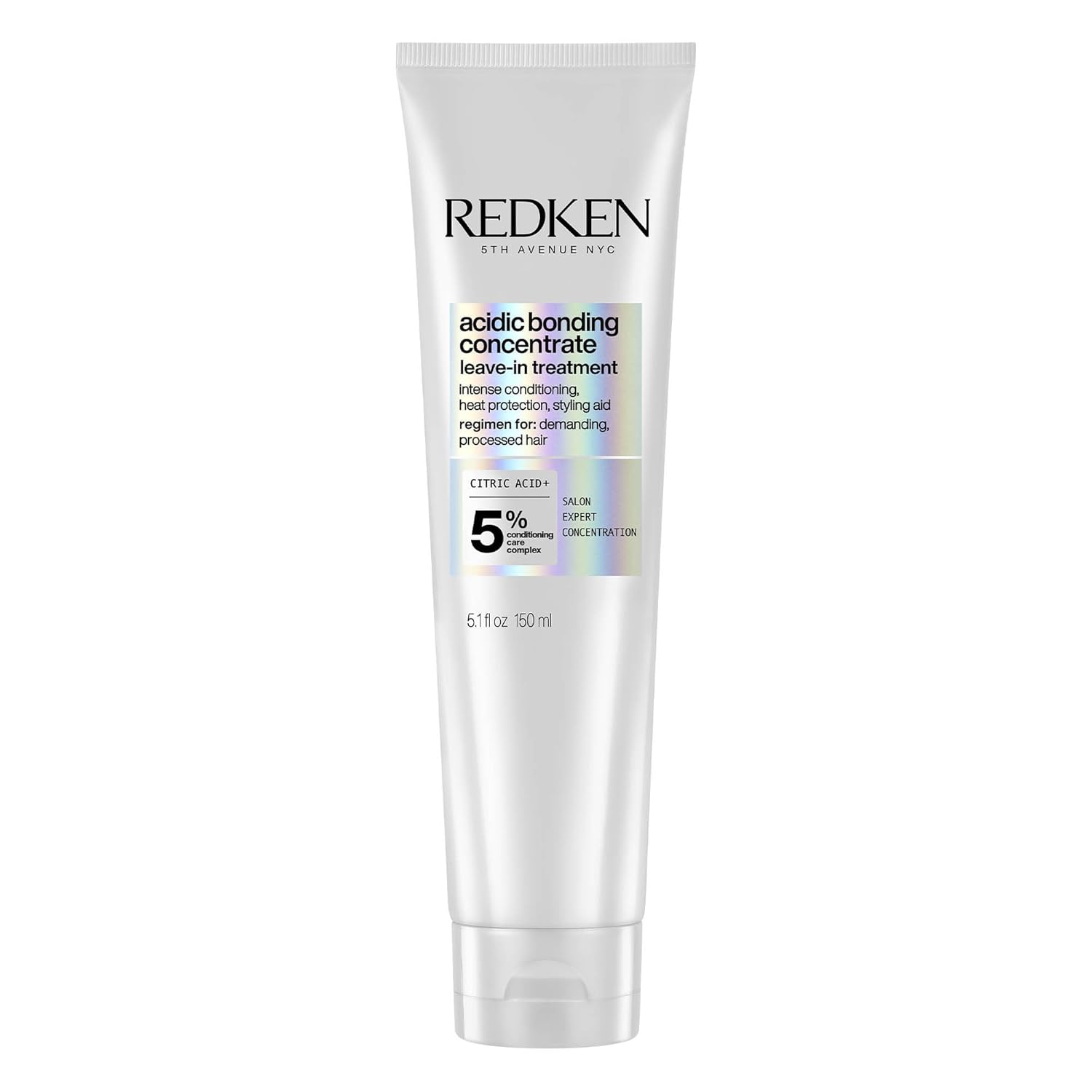
Redken Acidic Bonding Concentrate Leave In Conditioner
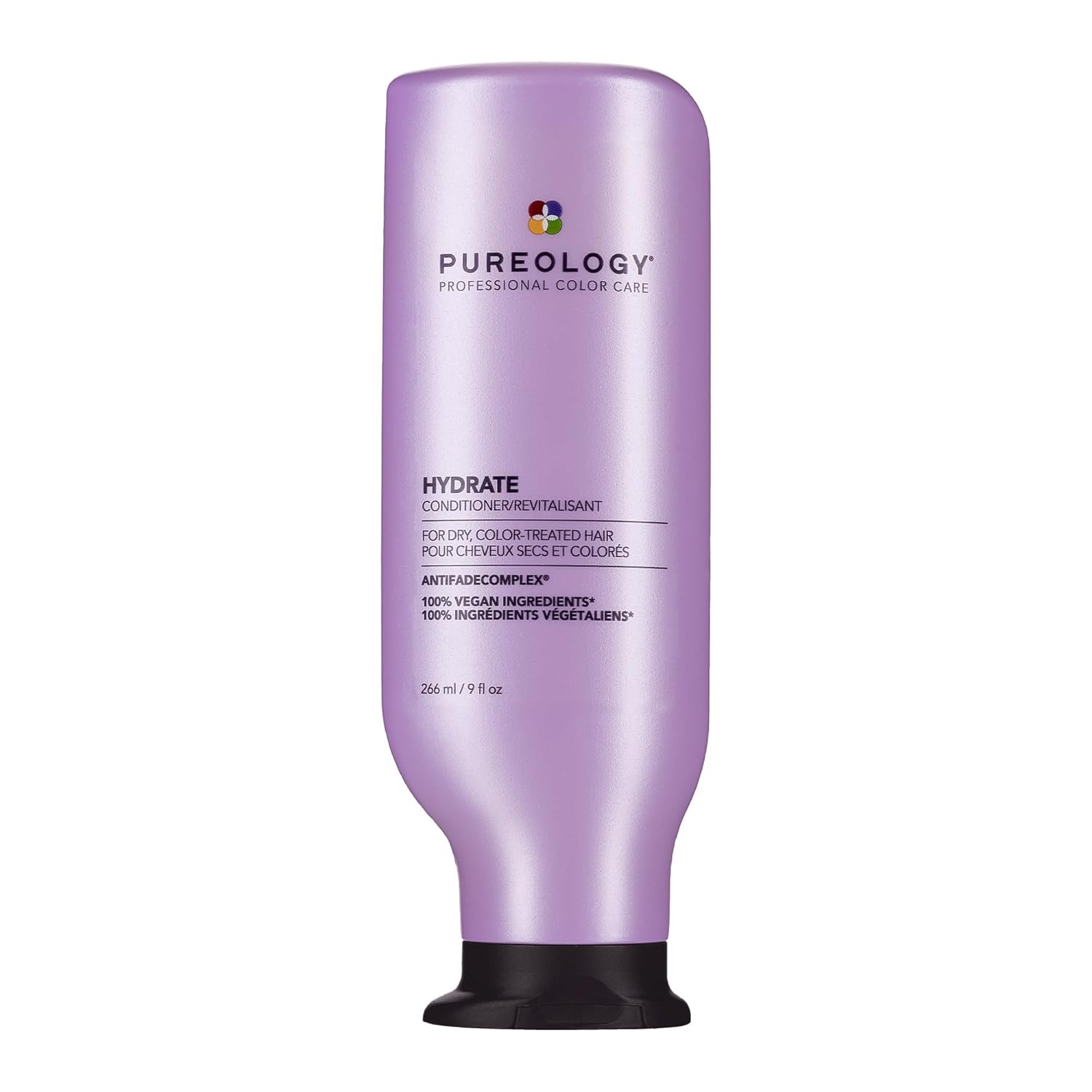
Pureology Hydrate Conditioner
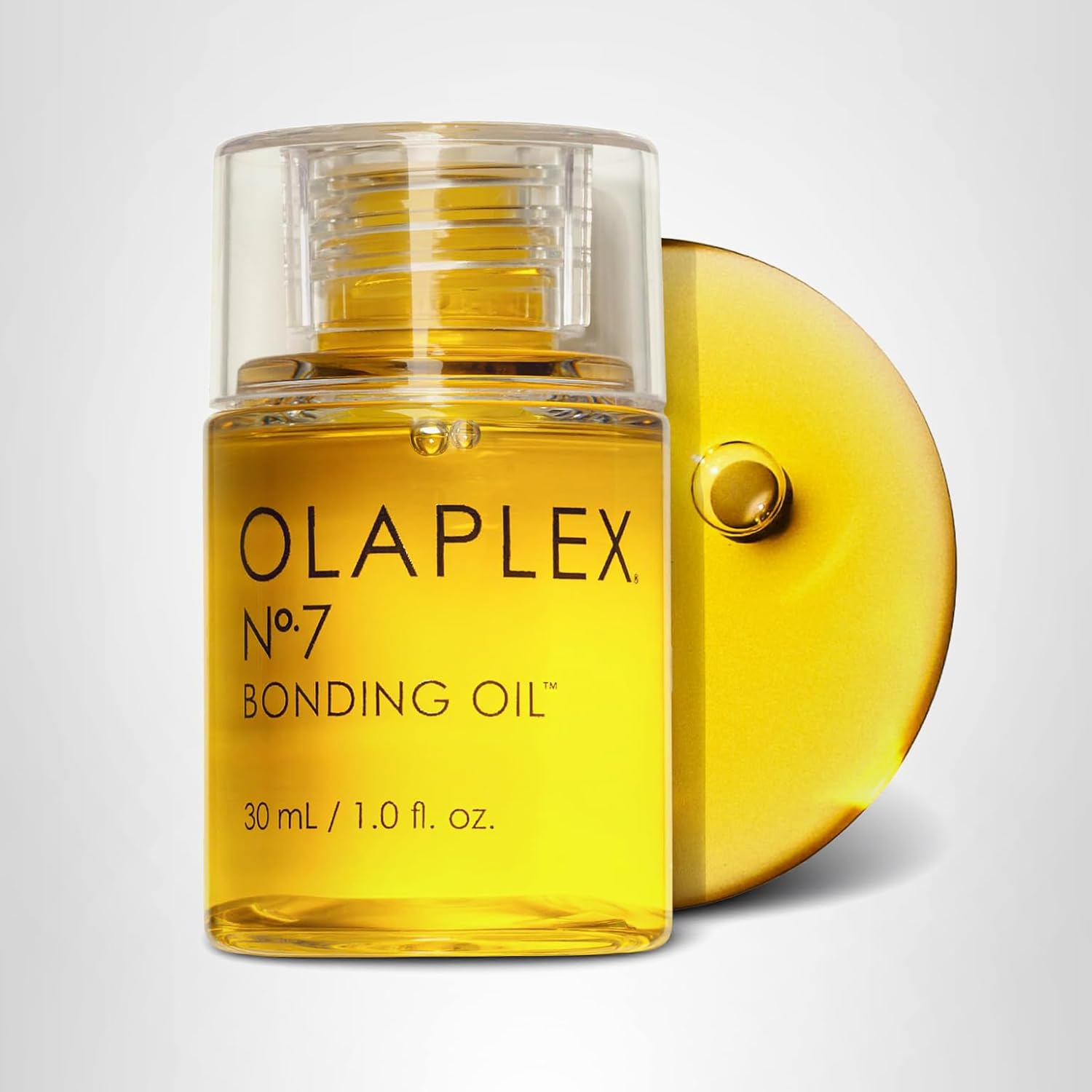
Olaplex No. 7 Bonding Oil