
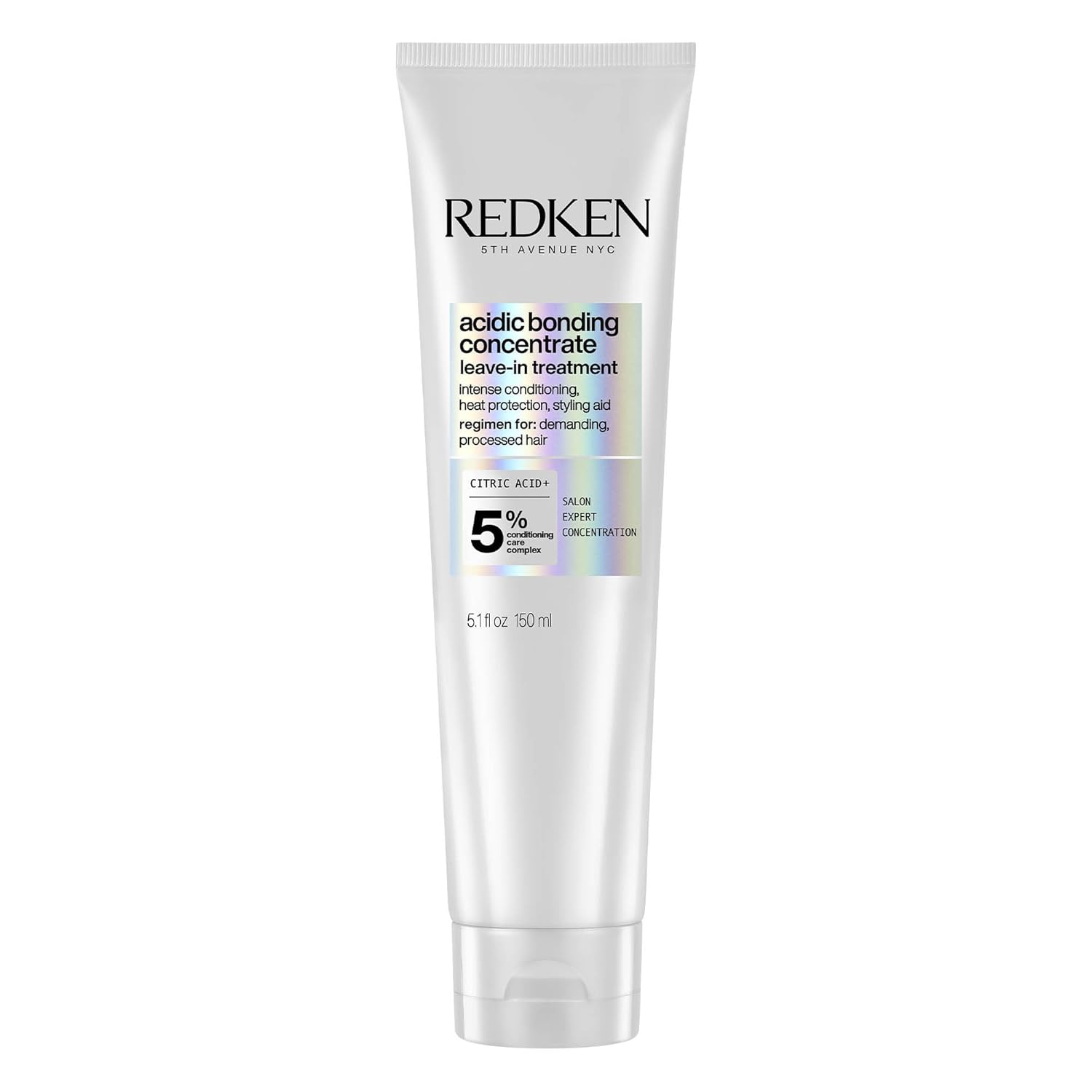
Redken Acidic Bonding Concentrate Leave In Conditioner Review: Salon-Level Rehab in a Single Pump
The Essence
A concentrated, salon-grade leave-in treatment designed to cocoon damaged hair in an acidic, bond-reinforcing veil of strength, softness, and shine. In our testing, it behaved like a daily rehab cream for over-processed lengths, smoothing the cuticle while quietly rebuilding internal bonds and guarding against aggressive heat styling.
Our Verdict
Redken’s Acidic Bonding Concentrate Leave In Conditioner sits firmly in that rarefied space between salon treatment and everyday styling cream. In our testing, it behaved less like a simple softener and more like a quiet architect, reinforcing fragile bonds while smoothing the outer cuticle into a sleeker, light-catching surface. Bleached, highlighted, and heat-fatigued hair in particular drank it up, emerging softer, shinier, and notably easier to detangle and style.
This is not a one-size-fits-all miracle. Fine, low-damage, or protein-sensitive hair can find it heavy, even drying, if overused, and the bold salon fragrance won’t charm every nose. The investment is real, especially given the modest bottle sizes. But for those living in the land of chronic damage—fantasy colors, frequent blonding, relentless hot tools—this leave-in earns its place as a daily defense and repair ritual, provided you respect its concentration and tailor the dose to your hair’s needs.
Hair Health & Repair
Our performance analysis reveals a formula that genuinely shifts the baseline health of compromised hair, especially when damage is chemical or heat-related. Over time, we saw less snap when brushing, fewer ragged ends, and a more resilient feel from mid-lengths to tips. It’s not a magic eraser for extreme breakage, but as a daily rehab cream, it punches above many salon peers.
Softness & Touch
Used correctly, this leaves hair silky, pliable, and far easier to manipulate without that waxy film some leave-ins create. Our curls and straight styles alike felt smoother and more cooperative, with a softness that lingered into the next day. Over-application, however, can flip the script into stiffness or crunch for some textures.
Shine & Finish
We noticed a refined, salon-blowout sheen—less halo frizz, more uniform light reflection along the shaft. The silicones and bonding complex work together to create a polished, healthy-looking surface, particularly on dull, bleached lengths that usually drink up light rather than reflect it.
Hydration & Frizz Control
For moderately dry, damaged hair, this brings meaningful moisture balance and frizz taming, especially when layered over a good conditioner. Extremely parched or coarse textures may still crave an additional oil or mask, while some fine or low-porosity hair found it veered into dryness with too-frequent use—classic protein/repair trade-offs.
Scent & Sensory Experience
The citrus-salon fragrance is assertive: elevated and clean to some, overly perfumed to others. We found the scent noticeable on hair and pillowcases for hours. If you enjoy a polished, professional haircare aroma, it enhances the ritual; if you’re scent-sensitive, it can be a deal-breaker.
Formula Quality & Technology
This is a sophisticated, silicone-based, vegan, sulfate-free cream anchored by citric acid and a bonding care complex. The acidic pH and bond-supporting actives are thoughtfully balanced with conditioning agents, delivering both instant cosmetic payoff and cumulative strengthening with regular use.
Value & Investment
There’s no way around it: this is a prestige-priced treatment, and the smaller sizes in particular feel disproportionately tiny. The concentrated nature means a little goes far, but if you have long or very thick hair, you’ll move through it quickly. For those who see real repair, the cost feels justified; for others, it lands as an expensive detangler.
Pros & Cons
The Good
- Noticeably improves softness and elasticity on bleached, color-treated, and over-processed hair.
- Lightweight cream texture that spreads easily without typical leave-in heaviness when used sparingly.
- Delivers visible shine and a smoother cuticle, giving a fresh, salon-blowout finish.
- Provides robust heat protection for regular blow-drying and hot tool styling.
- Excellent detangler and tangle-tamer, especially on knot-prone, curly, or fine hair.
- Helps reduce the look of split ends and surface breakage over several weeks of consistent use.
- Highly concentrated formula; a small amount can cover mid-lengths and ends.
The Bad
- Price is consistently perceived as steep for the amount of product, especially in smaller sizes.
- Fragrance is polarizing—some find it glorious, others find it intense, chemical, or headache-inducing.
- Can feel heavy, greasy, or even drying if overused, especially on very fine or low-damage hair.
- Results plateau or underwhelm for some severely damaged or chronically dry hair types.
Insights from our Panel of Experts
What Lovers Say
Those of us who fell hard for this formula describe it as a genuine saving grace for compromised hair. After a few uses, brittle, bleached lengths start to feel more elastic, smoother, and significantly easier to style. Many of our testers with fantasy colors, highlights, or years of heat abuse noticed less breakage between washes and a newfound, almost glassy shine. The lightweight slip, easy detangling, and heat protection make it the single product they keep reaching for after every shampoo.
What Critics Say
Not everyone was swept away. A notable group found it underwhelming—more of a nice detangler than a true bond-repair miracle. On some hair, particularly fine or low-porosity strands, the cream can tip into greasy, sticky, or stiff territory if over-applied. Others experienced dryness or protein overload with frequent use, and several were put off by the strong salon-style fragrance. For the price, a number of testers expected more dramatic or longer-lasting repair.
The Matchmaker
Is this the right addition to your collection? Let's verify compatibility.
Perfect For You If...
If your hair is visibly stressed—bleached, highlighted, chemically processed, or heat-styled often—and you crave a single, polished step that smooths, strengthens, and protects, this is squarely in your lane. You’ll especially appreciate it if you love a professional, salon-like finish and are comfortable with a concentrated, treatment-style ritual.
Skip This If...
You prefer ultra-minimal, fragrance-free, or silicone-free haircare, or your hair is already quite healthy and only mildly dry. You may also want to pass if you’re highly sensitive to scent, prone to protein overload, or looking for a budget-friendly, generously sized leave-in to saturate very long hair regularly.
The Sensory Experience: Texture, Slip, and Scent on Wet and Dry Hair
On first squeeze, the cream feels dense yet surprisingly silky, more like a refined styling lotion than a traditional leave-in conditioner. It spreads easily through damp hair—one of the standout pleasures of this formula. Even on thick, tangly lengths, we found a dime- to nickel-sized amount was enough to coat mid-lengths and ends without endless emulsifying in the palms.
On contact with wet hair, there’s an immediate slip: combs and fingers glide through sections that would normally knot and snag, especially at the nape. Once dry, hair retains that soft, pliable touch—not squeaky, not waxy—provided we didn’t over-apply. When we did get heavy-handed (especially on fine or straight hair), the texture tipped into slightly coated and, in some cases, stiff.
The scent is unmistakably salon-esque: a bright, citrus-leaning fragrance threaded with a clean, perfumed backbone. Some of us adored it—calling it “glorious” and “yummy”—and loved that it lingered subtly on hair and pillowcases. Others found it intense, even headache-inducing, and described it as more chemical-perfume than natural citrus. If fragrance is a make-or-break factor for you, this is one to sniff-test first rather than blind-buy.
Inside the Formula: Bonding Complex, Acidity, and Silicones
This is not a minimalist, botanical cream; it’s a professional, technology-driven formula built around citric acid and a concentrated bonding care complex. In practice, that means it works on two fronts: internal support for weakened bonds and external refinement of the cuticle.
Key elements we noticed in performance:
- Citric Acid & Acidic pH (approx. 4.5–5.5): This helps rebalance hair that’s been pushed alkaline by bleach, color, or hard water. In our tests, this translated into a tighter, smoother cuticle over time—less frizz halo, more controlled volume.
- Bonding Care Complex & Protein-Building Actives: These fortify compromised areas of the cortex. We saw the biggest impact on hair that had been lightened, relaxed, or repeatedly heat-styled; elasticity and snap-back improved with consistent use. However, some testers who layered it with other protein-heavy products experienced dryness and breakage—classic signs of protein overload.
- Silicones (Dimethicone, Amodimethicone, Dimethiconol): These are doing a lot of the heavy lifting for shine, slip, and heat protection. They form a thin, flexible film that helps guard against temperatures up to high heat-tool levels while giving hair that glassier, more reflective finish.
There are also fragrance allergens (limonene, linalool, citronellol, citral, eugenol) and phenoxyethanol as a preservative—well within cosmetic norms but worth noting for sensitive scalps. Overall, it’s a modern, lab-forward blend: excellent for performance, less ideal if you’re chasing a strictly “clean” or silicone-free routine.
Performance Analysis: Repair, Breakage, and Real-World Wear
Our performance analysis reveals a product that behaves like a daily micro-treatment rather than a one-and-done miracle mask. On compromised hair—bleached, highlighted, relaxed, or frequently heat-styled—we noticed three consistent shifts over several weeks:
Elasticity & Breakage
Hair that initially felt gummy, stretchy, or prone to snapping at the slightest tension gradually became more resilient. Brushing and detangling sessions resulted in fewer broken bits in the sink, particularly when we paired this leave-in with a gentle shampoo and hydrating conditioner.Split Ends & Surface Damage
While no topical can truly “glue” a split end back together permanently, this cream did an admirable job of visually minimizing them. Ends looked less frayed and more unified, especially on hair that had recently been trimmed. On very old, severely compromised ends, the improvement was more modest—and in some cases, nonexistent—underscoring that sometimes the only true fix is a cut.Day-to-Day Wear & Longevity
The smoothing and softness held up between washes for most of our panel. Hair remained easier to brush out on day two, and styles (from bouncy blowouts to defined curls) retained shape more readily. A smaller subset found the opposite: hair felt sticky, dull, or drier the next day, particularly when too much product was used or when layered with other protein-heavy treatments.
In short, this is strongest as a rehab and protection step for actively damaged hair. On only mildly dry or already-healthy hair, the benefits are subtler and can even feel like overkill.
Application Ritual: Getting the Dose and Placement Exactly Right
With a concentrated formula like this, technique is everything. When we treated it like a traditional conditioner and slathered it on, the results skewed heavy, greasy, or even crispy. When we respected its potency, it delivered its best work.
What worked consistently well in our testing:
- Apply on clean, damp hair only. After shampoo and (ideally) a rinse-out conditioner, gently towel-dry so hair is damp, not dripping.
- Start small. For fine or shoulder-length hair, we began with a pea- to dime-sized amount; for thick or long hair, a nickel-sized portion, adding more only if needed.
- Target mid-lengths to ends. We kept it off the roots—especially on fine or quickly-greasing scalps—to avoid that “oily crown, dry ends” effect. When applied to the root area, several testers reported greasiness within a day.
- Distribute with intention. We raked it through with fingers, then followed with a wide-tooth comb to ensure even coverage, focusing extra on visibly compromised areas.
- Layer thoughtfully. We used this first as our treatment step, then added lightweight stylers (curl creams, mousses, or oils on the very tips) only where needed.
For severely damaged hair, we reached for it after every wash. For those prone to protein overload or dryness, we dialed it back to once a week or alternated with purely moisturizing leave-ins. The sweet spot is deeply individual—but almost everyone benefited from using less than they initially thought.
Who It Flatters Most: Hair Types, Textures, and Special Cases
Across our panel, certain hair profiles lit up with this formula—and others clashed with it.
Thrived with it:
- Bleached and fantasy-colored hair: Over-processed lengths that felt rough and fragile responded beautifully, regaining softness and a more cohesive curl or wave pattern.
- Medium to thick, damaged hair: Those with substantial density and clear chemical or heat damage saw a true upgrade in manageability and breakage resistance.
- Curly and coily textures craving structure: Curls looked more defined and less frizzy when the product was paired with a curl cream, acting as a strengthening base layer.
Needed more nuance:
- Fine, straight hair: When we kept it strictly mid-lengths to ends and used a tiny amount, it added shine and control without collapse. But roots were easily overwhelmed, and overuse quickly translated into greasy or stiff strands.
- Very coarse or extremely dry hair: The bond-building aspect helped, but these textures often needed an additional oil or deep mask to feel fully quenched. Used alone, some testers reported lingering dryness.
- Protein- or fragrance-sensitive scalps: A few experienced itchiness, increased shedding, or irritation. Patch-testing on a small section and avoiding direct scalp application proved important for sensitive individuals.
If your hair is virgin, minimally processed, and only a bit dry, this will likely feel like a luxurious extra rather than a necessity. But if your hair tells the story of bleach, color, or constant heat, this leave-in behaves like a quiet bodyguard—best appreciated over weeks, not days.
Buying Guide
Consultant's Breakdown
Expert analysis to help you decide.
This sits firmly in the luxury splurge category: a professional, concentrated treatment that commands a prestige price. If your hair is truly damaged, the cost can feel like an investment in preserving length and avoiding drastic cuts. If your hair is only mildly dry, the incremental benefits may not justify the spend.
Its edge lies in marrying acidic pH, bond-supporting actives, and serious heat protection in a single, daily-use cream. Compared with many bond products that are either in-salon only or multi-step masks, this slips seamlessly into a normal wash-and-style routine while still delivering professional-level smoothing and reinforcement.
Best suited to damaged, color-treated, bleached, or heat-compromised hair across straight, wavy, curly, and coily textures. Fine hair benefits when used sparingly on mid-lengths and ends, while very coarse or high-porosity hair may want to pair it with richer masks or oils for full hydration.
This shines in harsh seasons—dry winters with indoor heating and high-UV summers with heavy sun and pool exposure—when hair is most vulnerable to breakage and color fade. In more temperate months, you may find you can use it less frequently or reserve it for post-color and high-heat styling days.
Specifications
| Item Form | Cream leave-in treatment for post-wash application. |
|---|---|
| Hair Type | Formulated for damaged hair, including chemically processed and weakened lengths. |
| Product Benefits | Concentrated bonding care complex reinforces weakened bonds within the hair to improve strength. |
| Scent Name | Citrus-leaning fragrance with a salon-style profile. |
| Additional Features | Targets damaged hair and weakened bonds with immediately visible smoothing and conditioning results. |
| Package Type | Bottle format designed for controlled dispensing of a concentrated cream. |
| Hair Conditioner Type | Leave-in hair conditioner treatment. |
| Brand Name | Redken professional haircare. |
| Age Range Description | Intended for adult use. |
| Manufacturer | Redken. |
| Material Features | Vegan formulation. |
| Material Type Free | Sulfate-free hair treatment. |
| Recommended Uses For Product | Ideal for salon or spa-level hair repair rituals at home. |
Our Testing Methodology
We tested Redken Acidic Bonding Concentrate Leave In Conditioner over several weeks across a mixed panel: bleached blondes, fantasy-color devotees, heat-styling regulars, and curly/coily textures. We used it after various shampoos and conditioners, in both humid and arid climates, and tracked changes in elasticity, breakage, frizz, and overall manageability. We also experimented with different doses and placements—from roots-to-ends to strictly mid-lengths—to understand where it shines and where it misbehaves.
Frequently Asked Questions
Efficacy & Performance
We noticed a difference almost immediately in slip and softness—hair felt easier to detangle and less brittle after the first use. Over the next several washes, elasticity improved, frizz softened, and ends looked less ragged, especially on bleached and color-treated lengths.
It can’t permanently fuse split ends, but it does a strong job of cosmetically sealing and smoothing them so they look less frayed. With consistent use, we saw less breakage during brushing and styling, which helps preserve length while you grow out or gradually trim damaged areas.
It functions as a robust heat protectant, guarding hair during blow-drying and hot tool use. In our testing, hair that would typically feel parched after a blowout stayed noticeably smoother and more supple when this was applied beforehand, particularly on mid-lengths and ends.
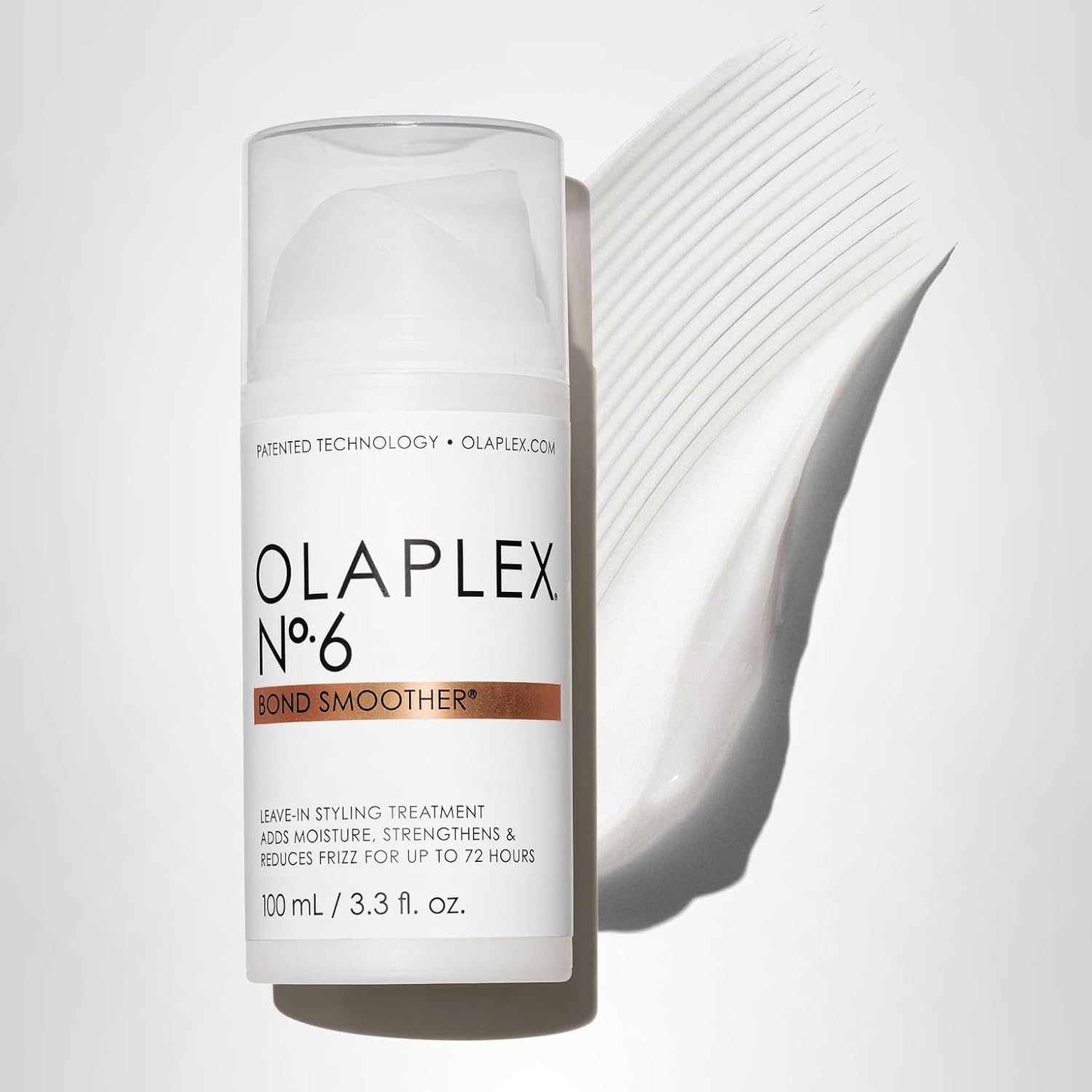
It works differently. This uses citric acid and a bonding care complex rather than the patented actives in Olaplex or K18. Some of us preferred its balance of moisture, slip, and everyday usability; others still favored Olaplex or K18 for more intensive, targeted repair. It’s more of a daily rehab cream than a once-in-a-while molecular reset.
The smoothing and softness generally lasted until our next wash, and hair remained easier to comb out on day two. The strengthening effect is cumulative—regular use builds resilience—but if you stop using it entirely, hair gradually reverts to its baseline condition over time.
Ingredients & Safety
The formula centers on silicones (like dimethicone and amodimethicone) for slip and protection, citric acid and an acidic pH to support bond health, and a bonding care complex with protein-building actives. It also includes fragrance components such as limonene, linalool, citronellol, citral, and eugenol.
Yes, it’s sulfate-free and labeled vegan. Instead of traditional parabens, it uses phenoxyethanol as part of its preservative system, which is common in professional haircare and helps maintain product safety and stability.
It is silicone-based, which is why it delivers such pronounced slip, shine, and heat protection. We didn’t experience problematic buildup when using a regular shampoo routine, but if you avoid silicones entirely or use only very gentle cleansers, this may not align with your philosophy.
Potential irritants include the fragrance blend (limonene, linalool, citronellol, citral, eugenol), phenoxyethanol, and pH-adjusters like sodium hydroxide. Most people tolerate them well, but if you have known sensitivities or active scalp conditions, patch-test on a small section first and avoid direct scalp application.
It’s a standard topical hair cosmetic and generally considered safe, but pregnancy and breastfeeding warrant extra caution. We always recommend checking with your healthcare provider if you’re concerned about any new product in your routine.
Application & Usage
Apply to clean, damp hair after shampooing (and ideally conditioning). Start with a pea- to dime-sized amount, emulsify in your hands, then work it through mid-lengths and ends. Comb to distribute evenly, avoid the roots if you’re prone to greasiness, and then style as usual.
We found it performs best on damp hair—post-towel-dry, when excess water has been removed but hair is still pliable. That’s when it distributes evenly and absorbs well. On completely dry hair, it tends to sit more on the surface and can feel heavier.
For fine or short hair, a pea-sized amount is usually enough; you can always add a touch more if needed. For thick or long hair, start with a dime- to nickel-sized amount, focusing on the most damaged areas. With this formula, less truly is more—overdoing it quickly leads to heaviness.
We recommend keeping it to mid-lengths and ends. When we applied it near the roots, especially on fine hair, it often led to an oily crown and the need to rewash sooner. The damage it’s designed to target typically lives in the lengths and ends, not at the scalp.
Think of it as your treatment base. Apply it first on damp hair, then layer lighter styling products—like curl creams, mousses, or light oils—on top as needed. If you use a separate heat protectant, apply this leave-in first, then your styler or additional protectant.
Hair Type Compatibility & Limitations
Yes, many curls and coils responded beautifully. We saw reduced frizz, easier detangling, and better curl definition when it was paired with a dedicated curl cream. It’s particularly helpful for textured hair that’s been lightened, colored, or heat-styled and needs both strength and smoothing.
On fine, straight hair it can be excellent—if you use a tiny amount and keep it off the roots. Used sparingly on mid-lengths and ends, it adds shine and control without collapse. Over-application, however, quickly leads to greasy, limp, or sticky-feeling strands.
It can improve manageability, reduce surface breakage, and help you preserve what you have, but it won’t resurrect hair that’s truly over-processed. In those extreme cases, we still recommend professional guidance and strategic trims, with this as a supportive step rather than a sole solution.
You can absolutely use it, but the transformation will be subtler. On mostly healthy, virgin hair, it functions more as a luxe smoothing and heat-protecting cream than a dramatic repair treatment. Many in that category might prefer a lighter, more budget-friendly leave-in instead.
No, it’s designed as a daily or frequent-use leave-in, not a once-weekly intensive. Severely damaged or very dry hair still benefits from periodic deep masks or targeted protein treatments, with this acting as the ongoing maintenance step between those rituals.
Gaps, Trade-Offs & Troubleshooting
That usually comes down to overuse or stacking it with other protein-heavy products. The bonding complex and silicones can feel incredible in moderation, but on some hair types, too much or too frequent use tips into protein overload and surface stiffness. Try reducing frequency, cutting back the amount, and pairing it with more moisturizing products.
If your hair is only mildly damaged, the change may be subtle and mostly cosmetic. If you’re severely damaged and still seeing no shift in elasticity or frizz after consistent use, your hair may need more intensive treatments—or, frankly, a cut. At that point, this may be acting as a nice detangler but not the hero your hair needs.
Unfortunately, the fragrance is baked into the formula and quite present. You can mitigate it slightly by using less product and pairing it with a more neutral shampoo and conditioner, but if you’re very scent-sensitive, we’d suggest choosing a more lightly fragranced or fragrance-free alternative instead.
A small number of testers did notice more shedding or scalp irritation, often linked to fragrance sensitivity or applying it too close to the scalp. If you experience itching, burning, or unusual shedding, stop using it, rinse thoroughly, and consult a dermatologist or stylist if symptoms persist.
We saw this pattern in some cases where the initial bond support and smoothing felt magical, but long-term, the hair became drier or more brittle. That’s typically a sign that your hair is getting more strengthening than moisture. Dial back frequency, introduce richer hydration (masks, oils), or reserve this only for post-color and heavy heat days.
Miscellaneous & Practicalities
Because it’s highly concentrated, a standard bottle can last several months with regular, moderate use—especially if your hair is short to medium length. Very long or thick hair will naturally go through it faster, and the smallest travel sizes can disappear in just a handful of uses.
You’re paying for a professional, salon-grade formula with a concentrated bonding complex, sophisticated silicones, and an acidic pH system. It’s designed to deliver both immediate cosmetic results and longer-term structural support, which typically costs more to develop and produce than basic conditioning creams.
We don’t recommend physically mixing it in your palm with other products, as that can dilute or destabilize textures. Instead, layer: apply this first on damp hair as your treatment, then add a lightweight oil, curl cream, or styler where needed once it’s distributed.
Yes, it’s designed with color-treated and chemically processed hair in mind and can help support bonds and reduce post-service fragility. We like using it after that first post-color wash, focusing on mid-lengths and ends to help preserve both tone and integrity.
The tube-style bottle makes it easy to control how much you dispense, which matters with such a concentrated cream. Some of our team did wish larger sizes were more standard, as the smallest options feel deceptively tiny relative to the investment.
The Curated Edit
Curated based on the unique characteristics of Redken Acidic Bonding Concentrate Leave In Conditioner.
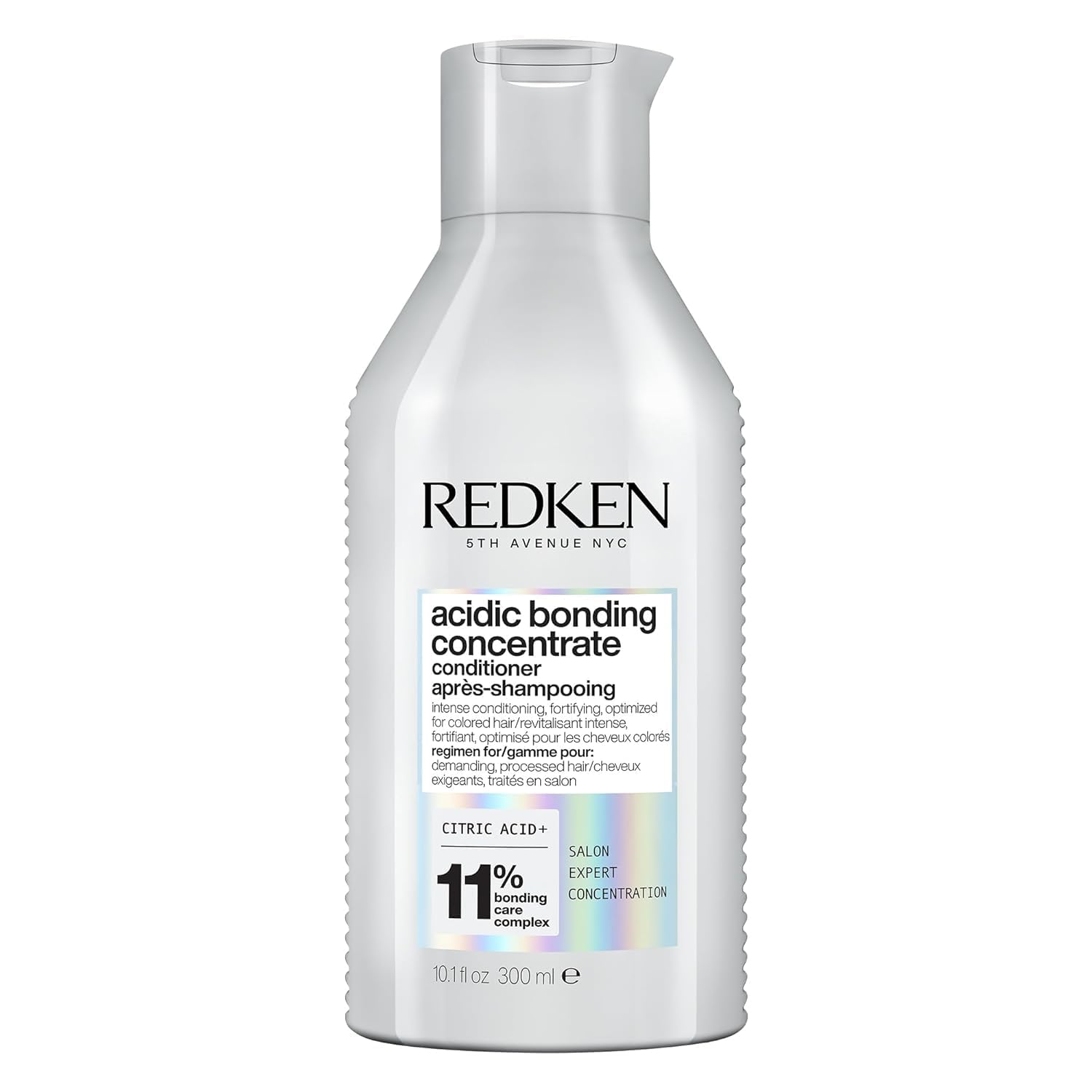
Redken Acidic Bonding Concentrate Conditioner for Damaged Hair
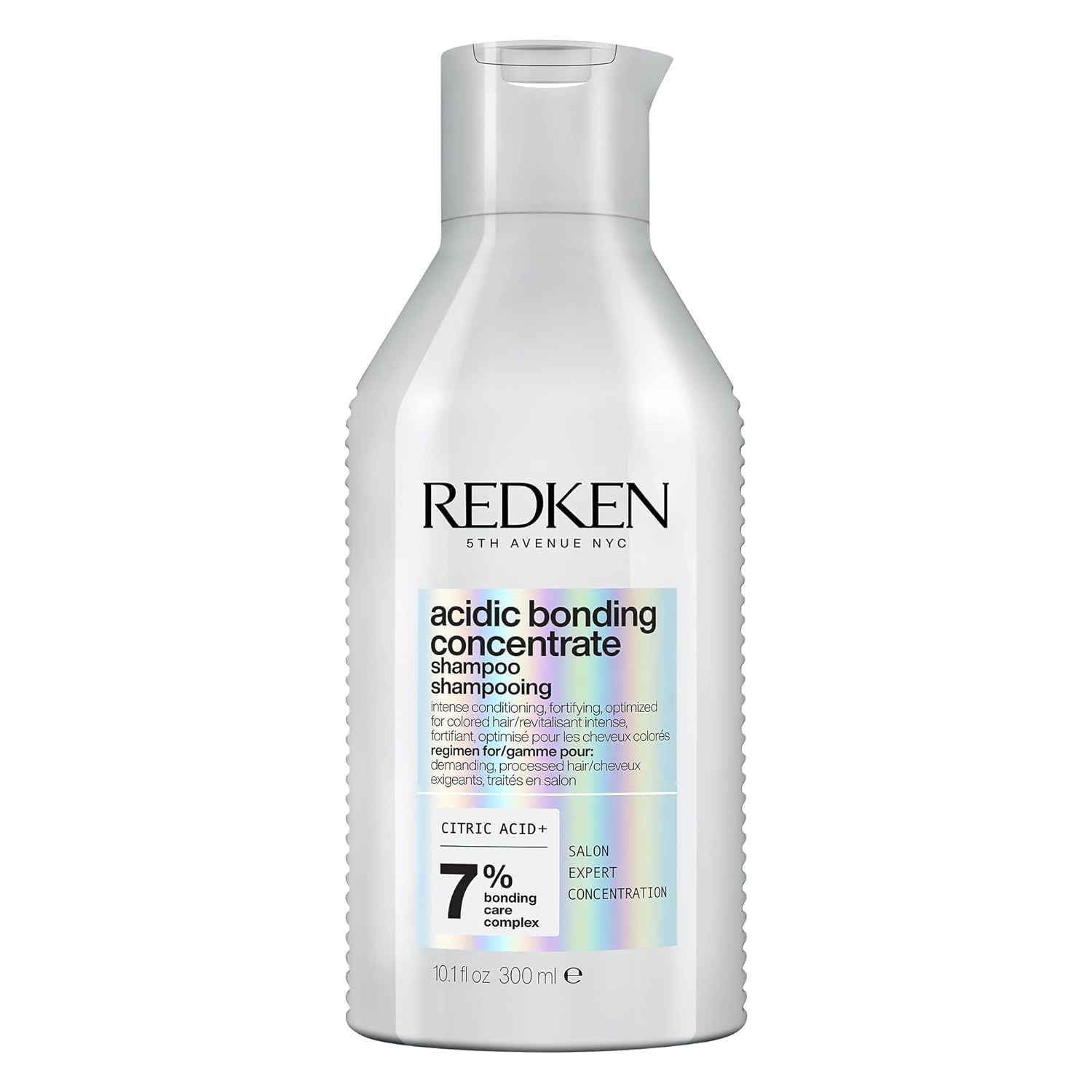
Redken Acidic Bonding Concentrate Shampoo for Damaged Hair Repair
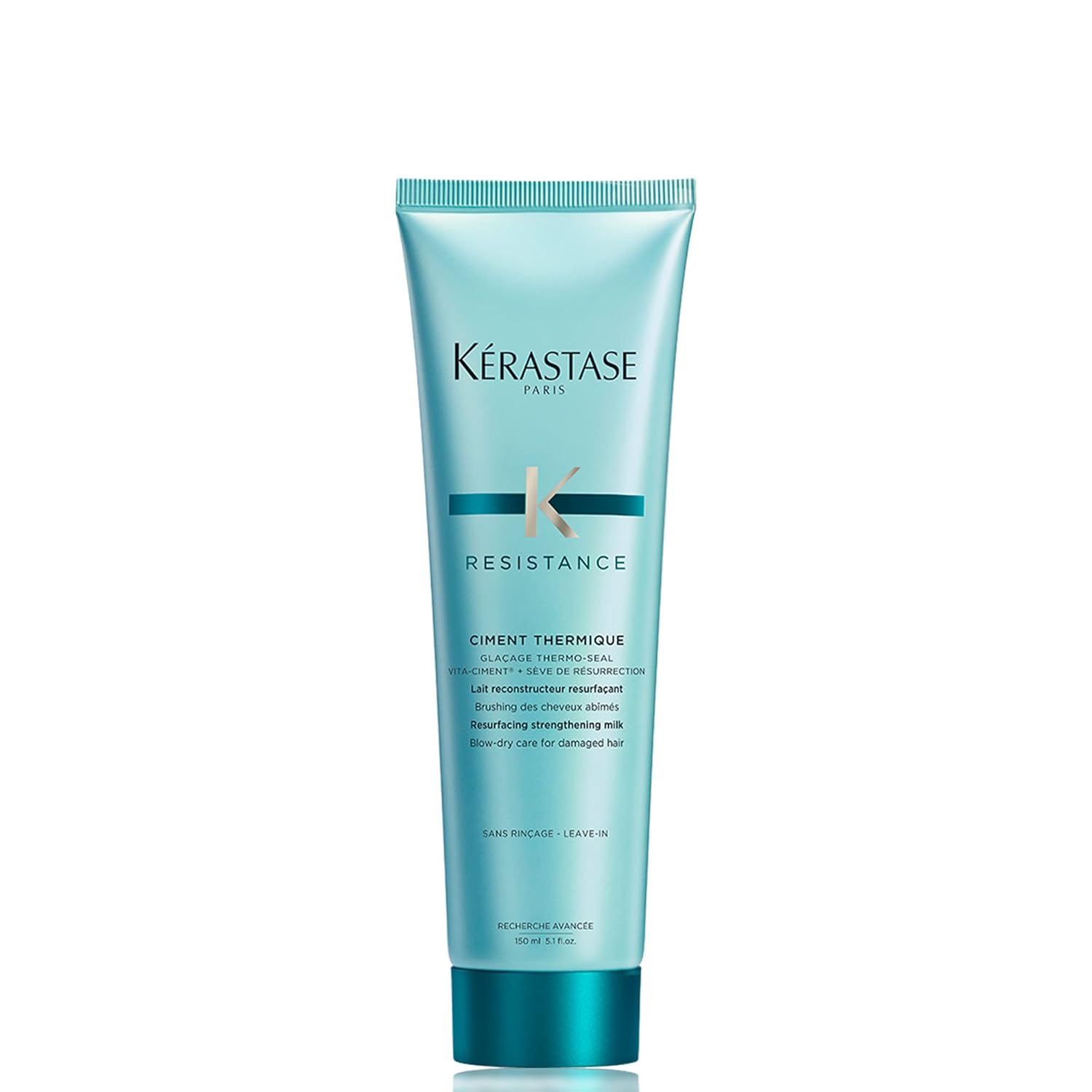
Kérastase Resistance Ciment Thermique Heat Protection Serum
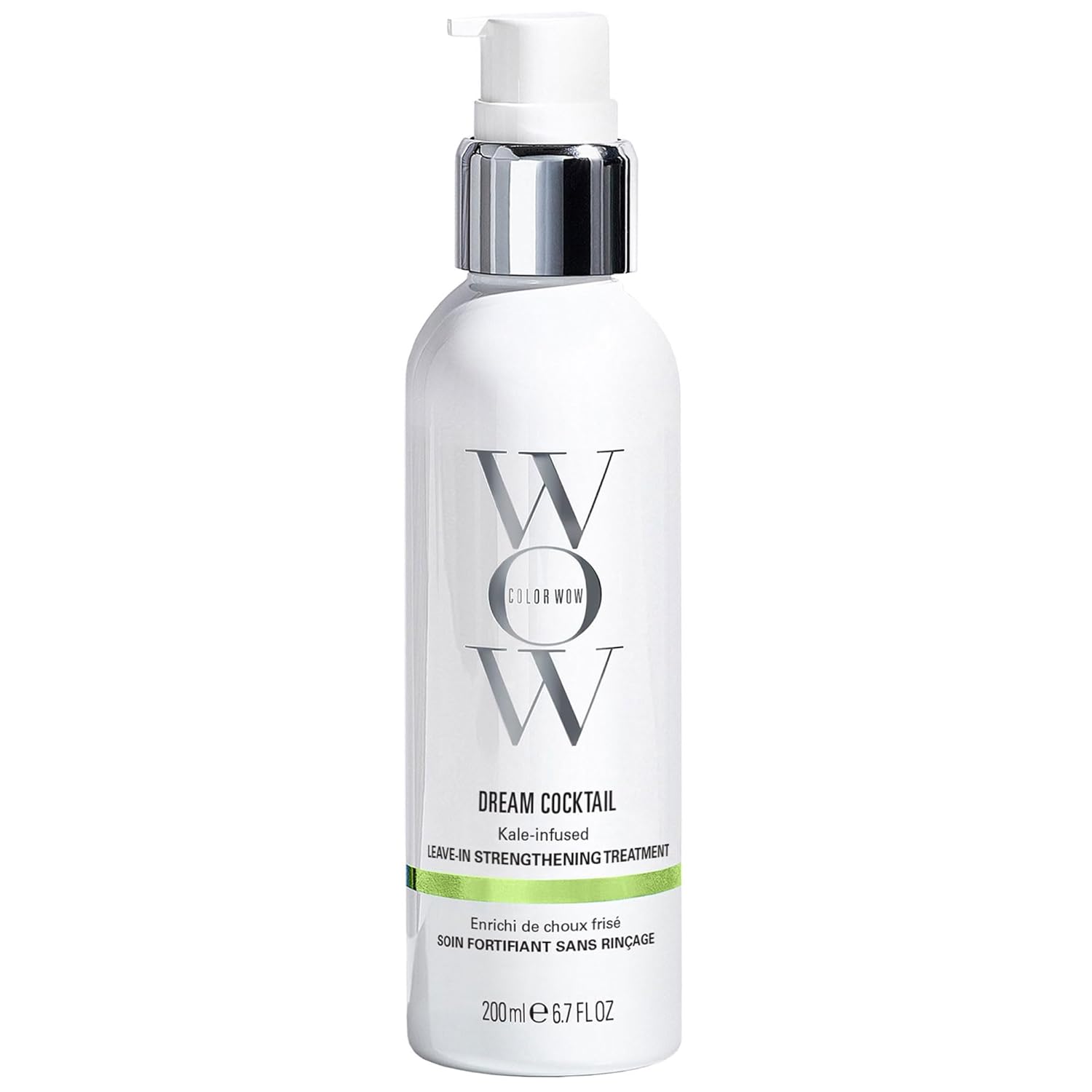
Color Wow Dream Cocktail Kale Infused Leave-In Treatment
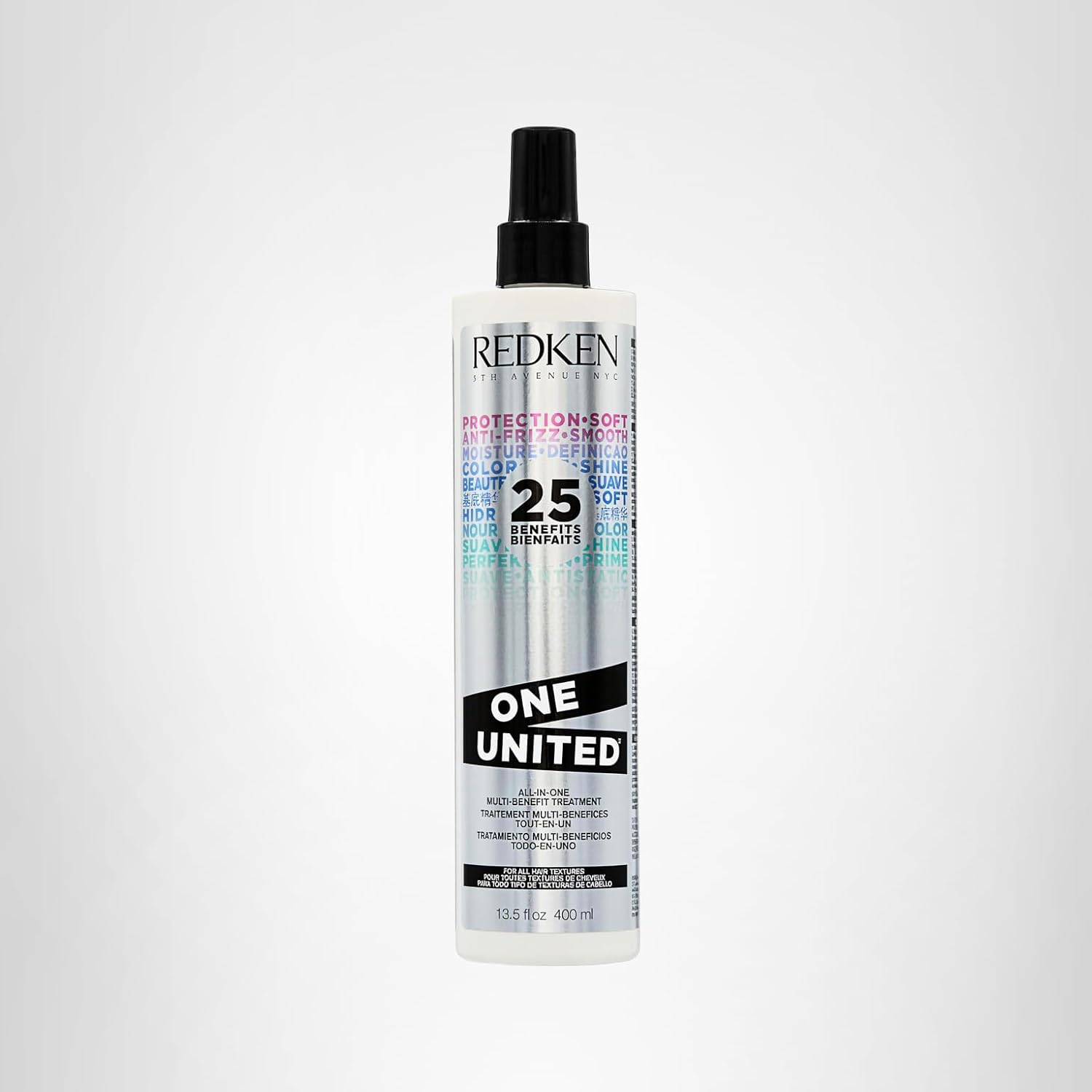
Redken One United All-In-One Leave In Conditioner
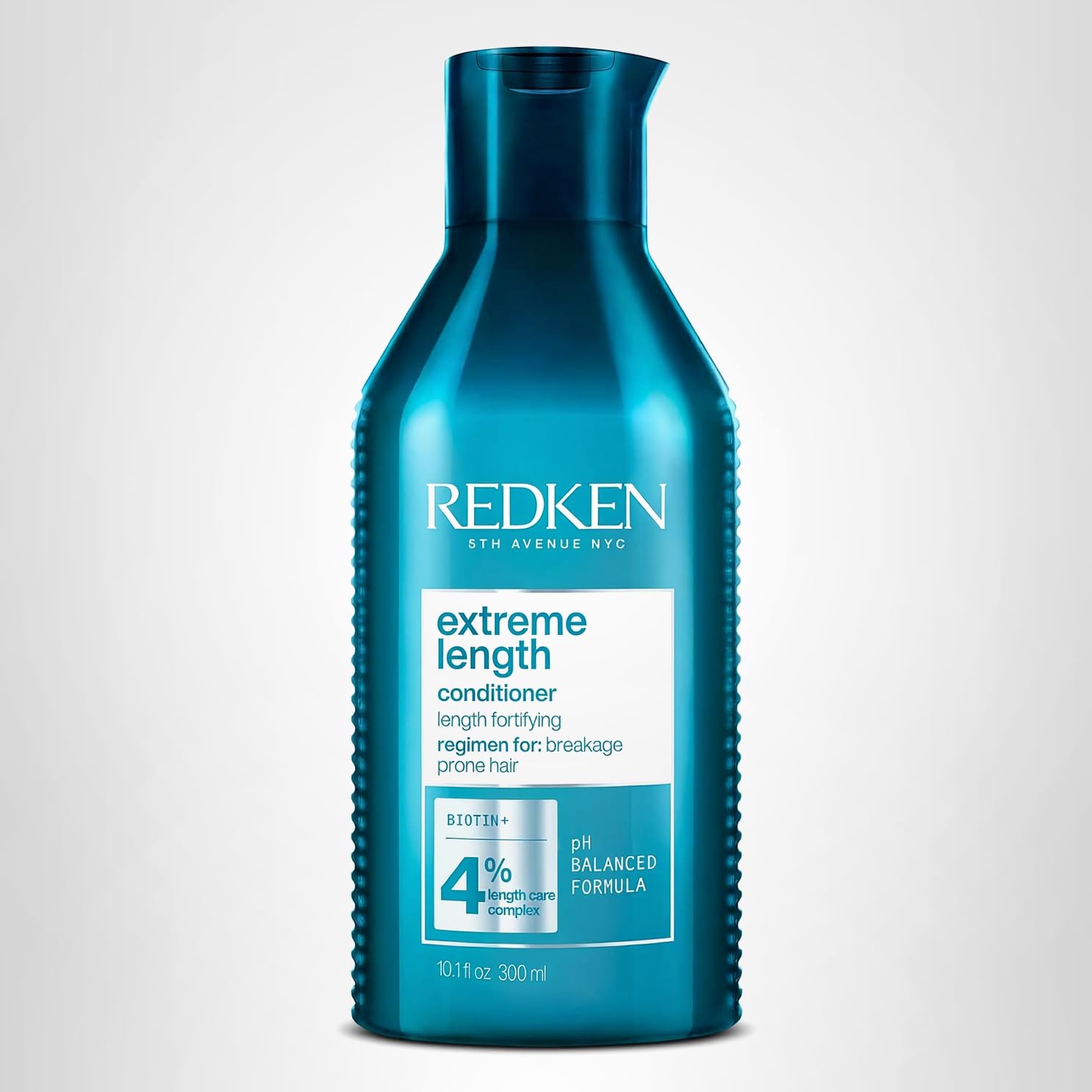
Redken Extreme Length Biotin Conditioner

Olaplex No. 5 Bond Maintenance Conditioner
UNITE Hair 7SECONDS Detangler Leave-In Conditioner Spray